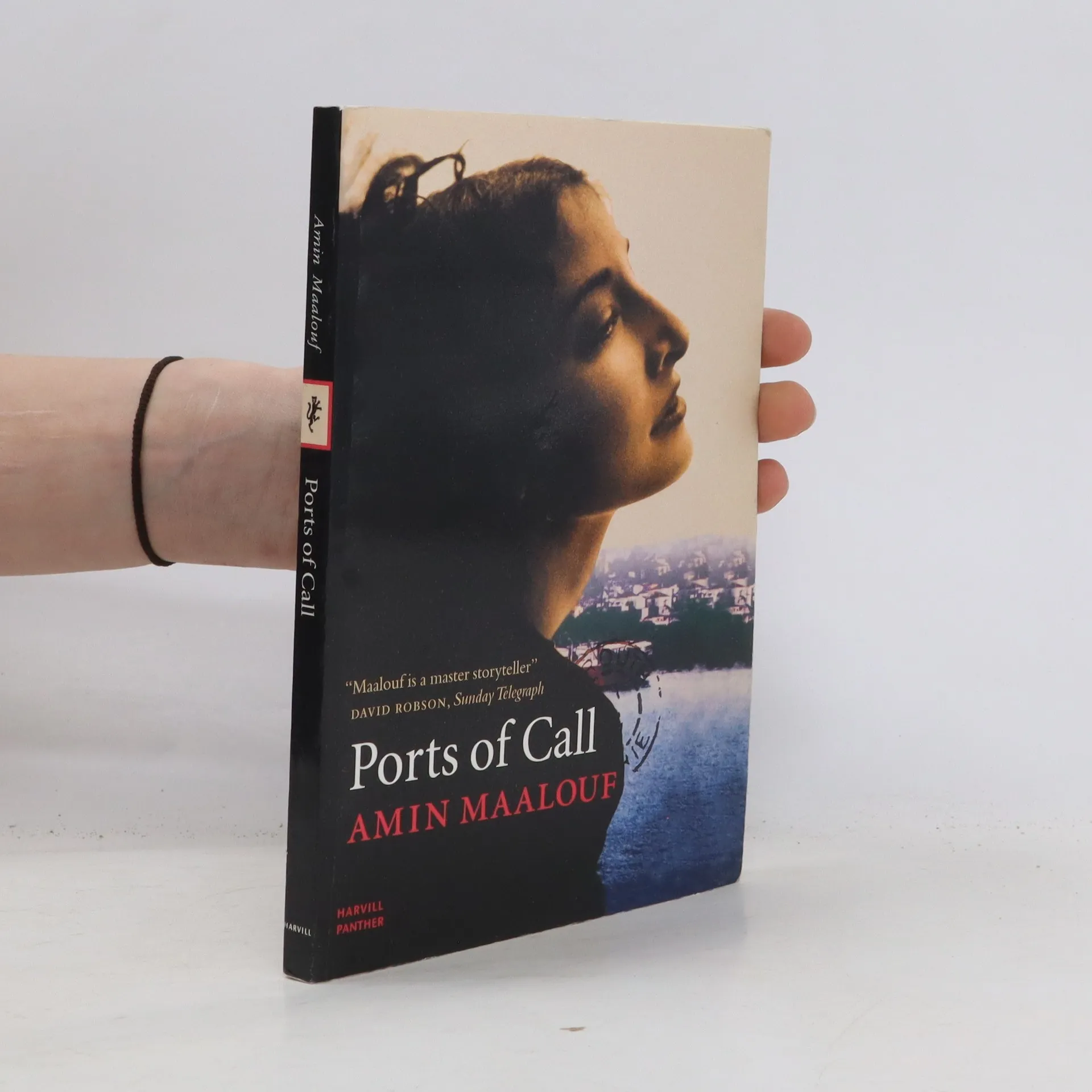
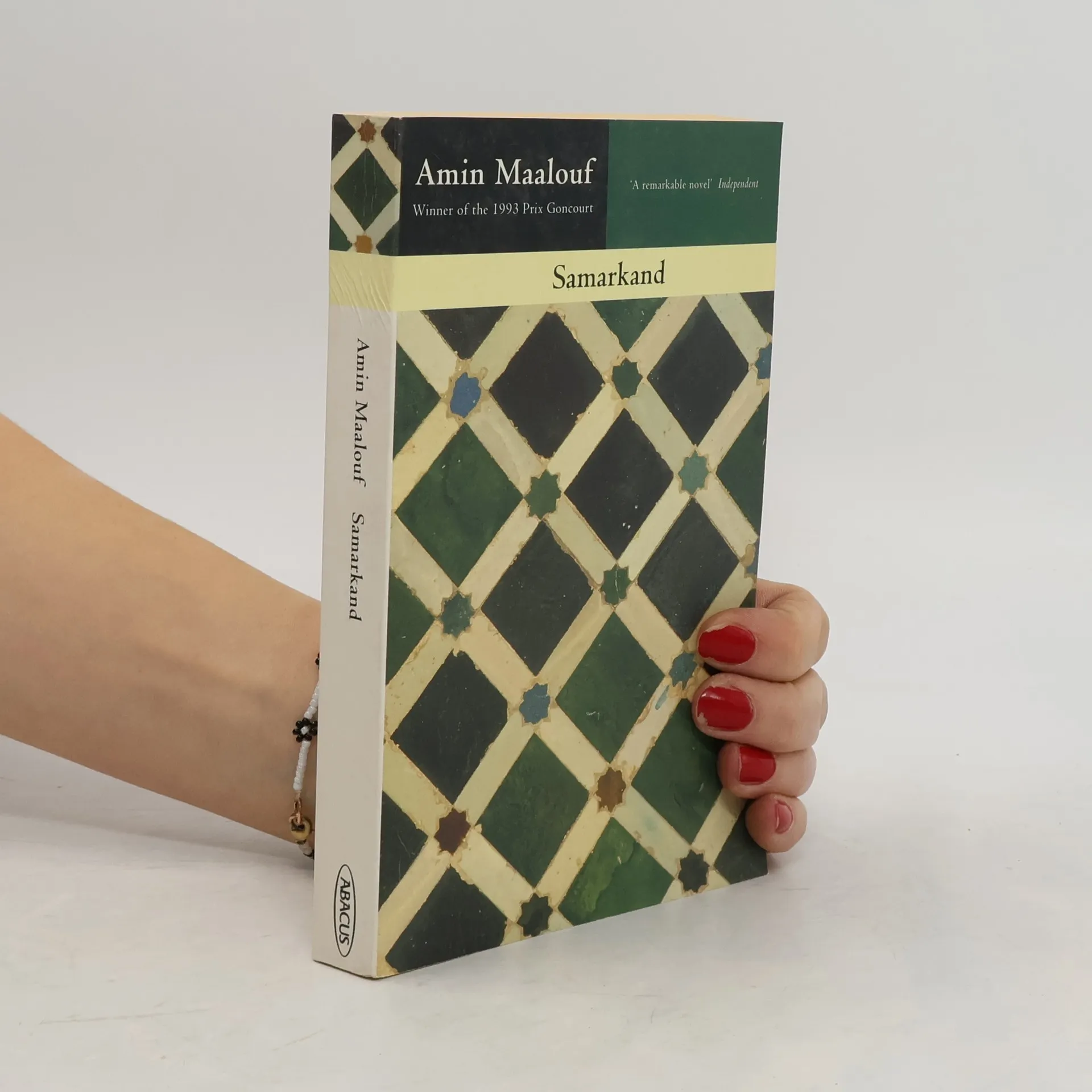
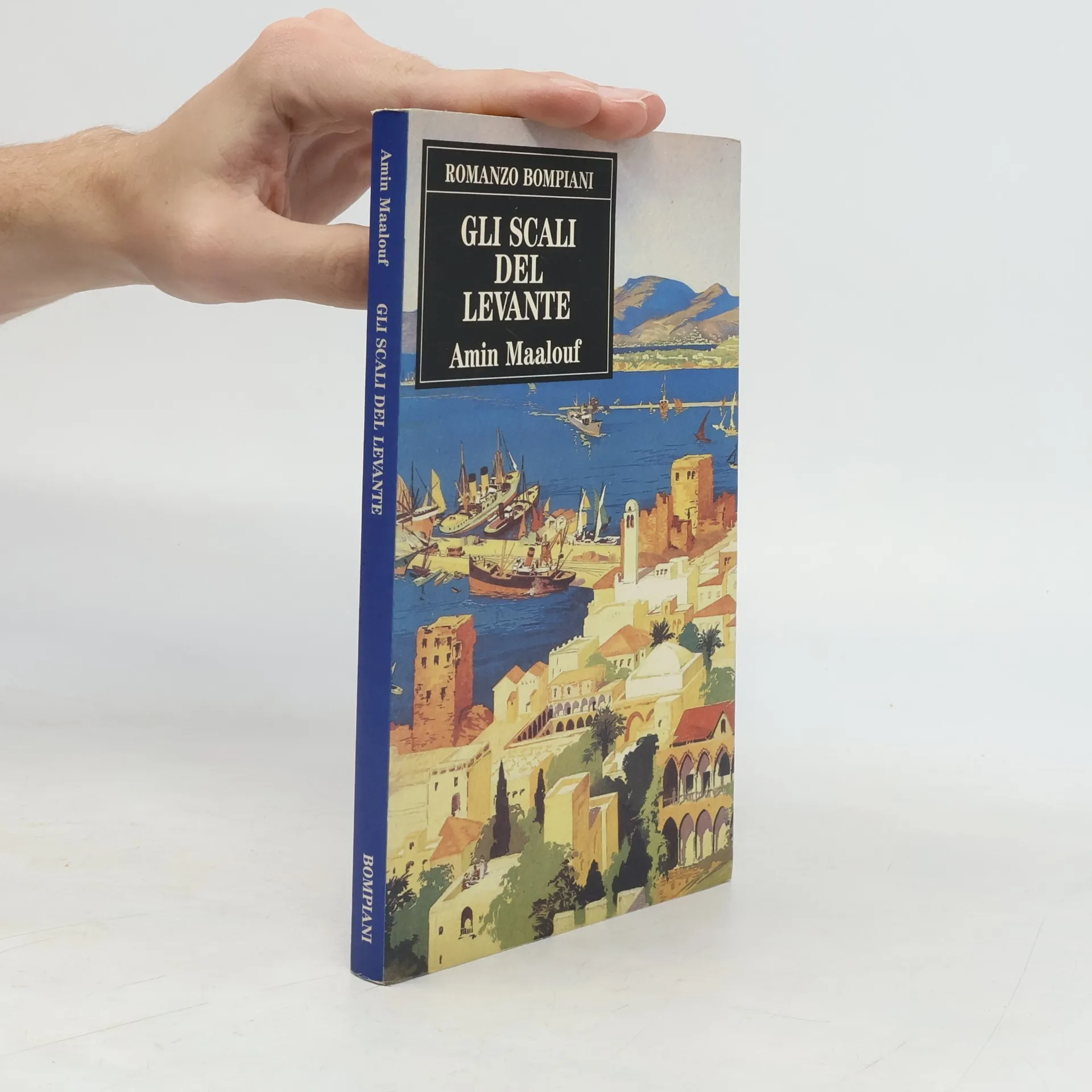
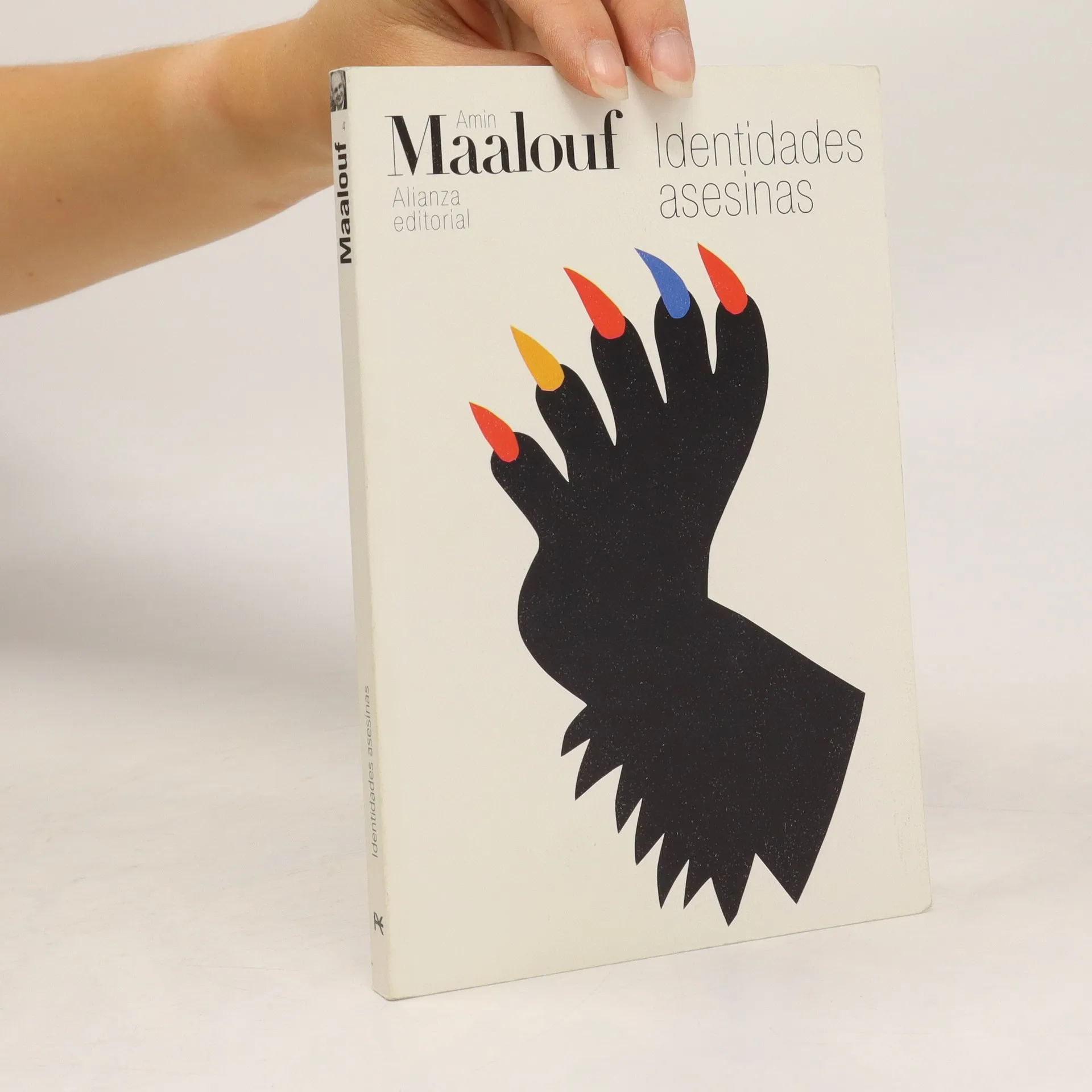
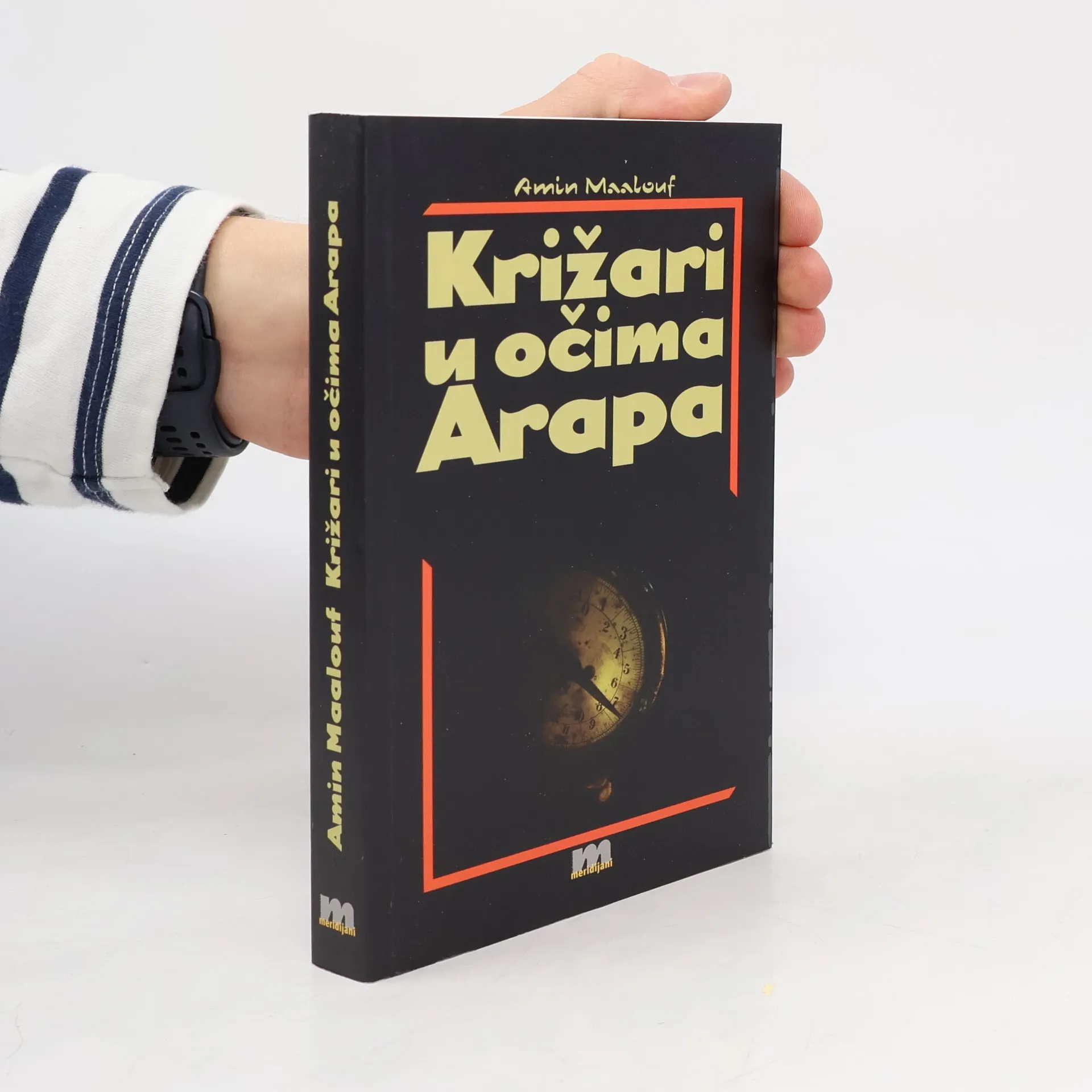
Amin Maalouf è un giornalista e romanziere libanese che scrive principalmente in francese. Le sue opere sono spesso ambientate in contesti storici, dove mescola magistralmente affascinanti fatti storici con fantasia e idee filosofiche. Maalouf mira a creare "miti positivi", ritraendo con sensibilità i valori e gli atteggiamenti di diverse culture del Medio Oriente, dell'Africa e del mondo mediterraneo.
Nell’intento di dare delle Crociate un’immagine nuova e “diversa”, Amin Maalouf ha fatto ricorso agli scritti degli storici arabi, molti dei quali sconosciuti in Europa, gettando “al di là della barricata” uno sguardo che ci riserva non poche sorprese: un affresco a colori violenti, ma anche un monito inquietante per i nostri tempi, di fronte alle prospettive di un futuro gravido di incognite.
Da quando ho lasciato il Libano per stabilirmi in Francia, mi è stato spesso chiesto, con le migliori intenzioni, se mi sentissi "più francese" o "più libanese". Rispondo invariabilmente: "Entrambi!" Non per un desiderio di equilibrio, ma perché rispondere diversamente sarebbe una menzogna. Ciò che mi rende unico è il fatto di trovarmi al confine di due paesi, di due o tre lingue, di diverse tradizioni culturali. Questa è la mia identità... Partendo da una domanda che gli è stata posta frequentemente, Amin Maalouf riflette sulla nozione di identità, sulle passioni che suscita e sulle sue derive violente. Perché è così difficile assumere liberamente le proprie appartenenze? Perché l'affermazione di sé si accompagna spesso alla negazione dell'altro? Le nostre società saranno sempre soggette a tensioni e violenze, solo perché le persone che vi convivono non condividono la stessa religione, colore della pelle o cultura d'origine? L'autore, rifiutando questa fatalità, scrive "Identità assassine", un libro di saggezza e lucidità, di inquietudine ma anche di speranza.
Accused of mocking the inviolate codes of Islam, the Persian poet and sage Omar Khayyam fortuitously finds sympathy with the very man who is to judge his alleged crimes. Recognising genuis, the judge decides to spare him and gives him instead a small, blank book, encouraging him to confine his thoughts to it alone. Thus beginds the seamless blend of fact and fiction that is Samarkand. Vividly re-creating the history of the manuscript of the Rubaiyaat of Omar Khayyam, Amin Maalouf spans continents and centuries with breathtaking vision: the dusky exoticism of 11th-century Persia, with its poetesses and assassins; the same country's struggles nine hundred years later, seen through the eyes of an American academic obsessed with finding the original manuscript ; and the fated maiden voyage of the Titanic, whose tragedy led to the Rubaiyaat's final resting place - all are brought to life with keen assurance by this gifted and award-winning writer.
A graceful story of love across an insuperable gulf and a powerful allegory
for the conflict that has beset the Middle East for the last half century. But
if one war has brought the Jewish-Muslim couple together, another, much closer
to home, is destined to separate Ossyane from the people and the world that he
loves. schovat popis
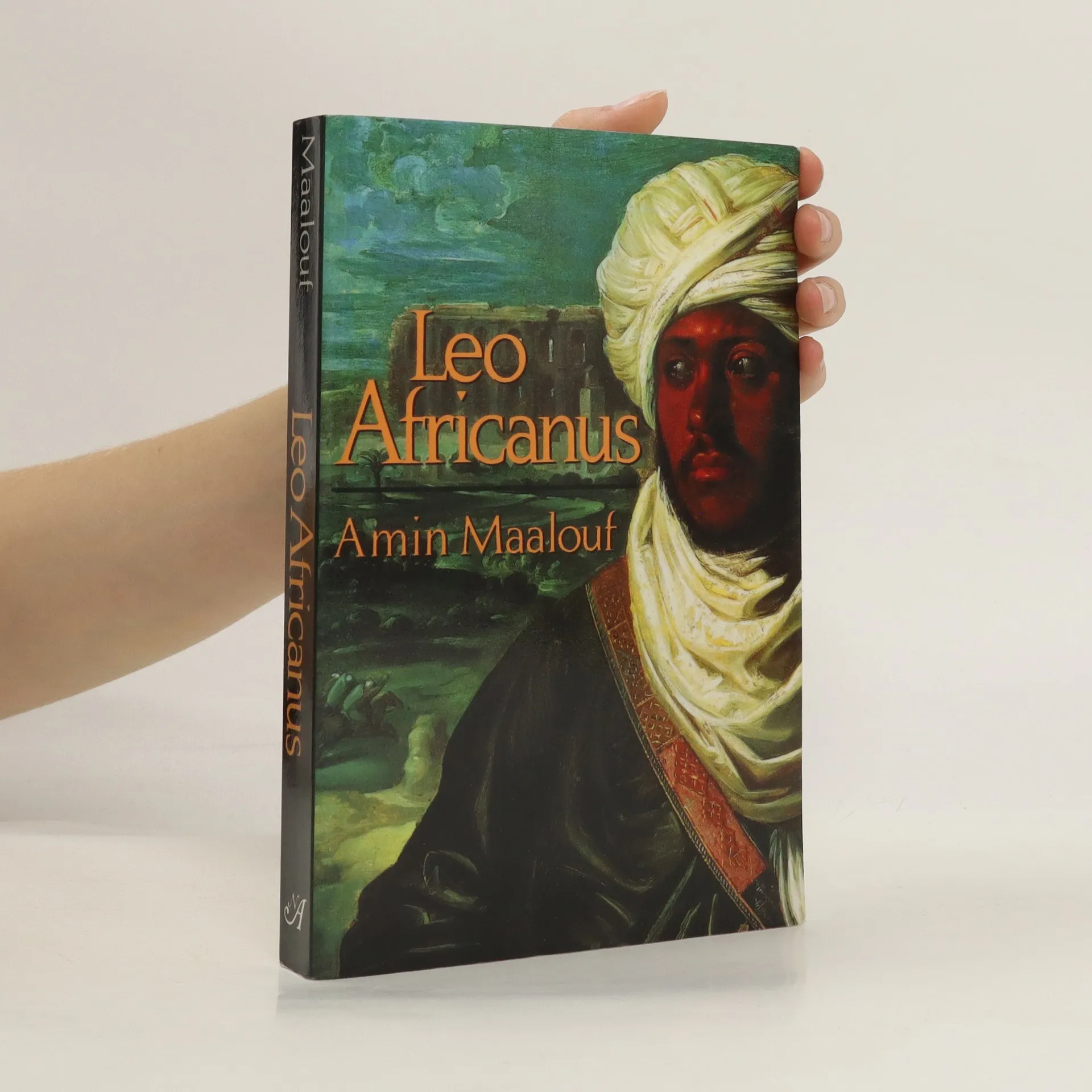
"I, Hasan the son of Muhammad the weigh-master, I, Jean-Leon de Medici, circumcised at the hand of a barber and baptized at the hand of a pope, I am now called the African, but I am not from Africa, nor from Europe, nor from Arabia. I am also called the Granadan, the Fassi, the Zayyati, but I come from no country, from no city, no tribe. I am the son of the road, my country is the caravan, my life the most unexpected of voyages."Thus wrote Leo Africanus, in his fortieth year, in this imaginary autobiography of the famous geographer, adventurer, and scholar Hasan al-Wazzan, who was born in Granada in 1488. His family fled the Inquisition and took him to the city of Fez, in North Africa. Hasan became an itinerant merchant, and made many journeys to the East, journeys rich in adventure and observation. He was captured by a Sicilian pirate and taken back to Rome as a gift to Pope Leo X, who baptized him Johannes Leo. While in Rome, he wrote the first trilingual dictionary (Latin, Arabic and Hebrew), as well as his celebrated Description of Africa , for which he is still remembered as Leo Africanus.
The United States is losing its moral credibility. The European Union is breaking apart. Africa, the Arab world, and the Mediterranean are becoming battlefields for various regional and global powers. Extreme forms of nationalism are on the rise. Thus divided, humanity is unable to address global threats to the environment and our health. How did we get here and what is yet to come? World-renowned scholar and bestselling author Amin Maalouf seeks to raise awareness and pursue a new human solidarity. In Adrift, Maalouf traces how civilisations have drifted apart throughout the 20th century, mixing personal narrative and historical analysis to provide a warning signal for the future.
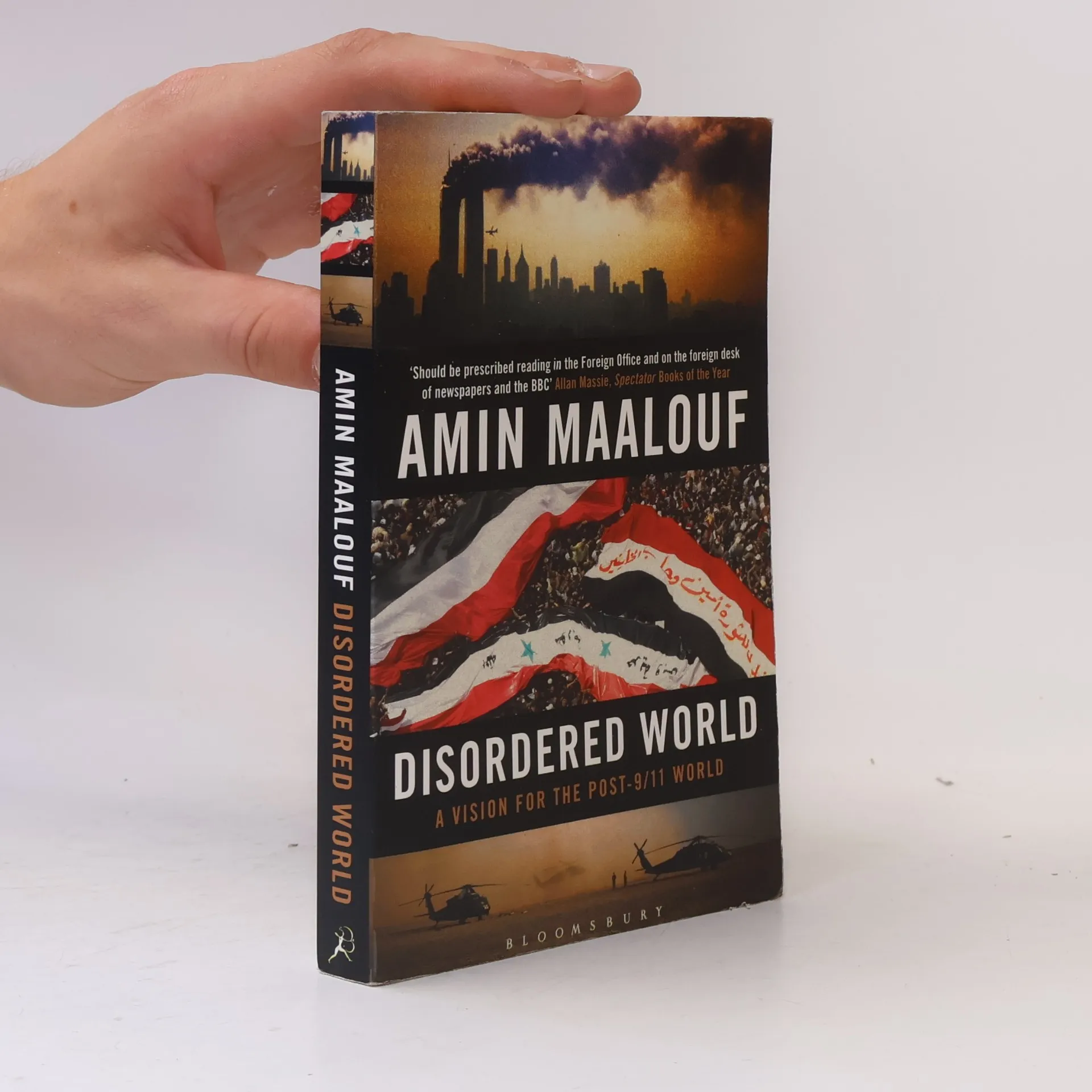
Tranlsated from the French by George MillerA dazzling and ultimately hopeful exploration and analysis of our disordered and volatile post-9/11 world by one of the leading international writers and thinkers of our times.
Tanios was a child of the mountains of Lebanon in the 1880s when the Egyptian Pashas were struggling against Ottoman domination and the British and French plotted with and against each other.Amin Maalouf's novel, The Rock of Tanios, begins with a recollection of the rock on which Tanios was last seen sitting and weaves together the strands of the fascinating legend of his disappearance. Tanios was the illegitimate son of a powerful Sheik whose every action brought chaos into his village. When Tanios's adopted father caused the death of a powerful political rival, he and his son together fled their homeland. In hiding, they became entangled with international spies and politicians; Tanios soon took on the roll of intermediary between dueling European and Middle Eastern powers.
There are ninety-nine names for God in the Koran, is it possible that there is
a secret one-hundredth name? There are ninety-nine names for God in the Koran,
and merely to know this most secret hundredth name will, Balthasar believes,
ensure his salvation. schovat popis
Focusing on underrepresented voices, this series highlights acclaimed international writers, particularly women, who are often overlooked in North America. It aims to introduce readers to contemporary literature, whether in translation or originally written in English, showcasing diverse perspectives and enriching the literary landscape.
Historický román libanonského autora se odehrává v poslední třetině 17. století ve Středomoří v zjitřené atmosféře očekávání konce světa.
Hrdinou románu je obchodník s knihami, Janovan usazený v Levantě, který se vydává na cestu po stopách tajemné mystické knihy Zjevení skrytého jména, která by mohla zabránit očekávané Apokalypse. Kniha, která se hrdinovi dostane do rukou, by podle proroctví i tradice mohla ochránit svět před zkázou, on ji ale z nevysvětlitelného důvodu prodá francouzskému vyslanci a když si uvědomí dosah svého činu, rozhodne se ji získat zpět. Se svými společníky se přes Istanbul dostává do Londýna, na ostrov Chios a posléze do Janova, kde jeho dobrodružná cesta končí, a jeho očima se čtenář dívá na svět podivných sekt a falešných proroků v zemích, kterými v magickém roce 1666 se svými společníky cestuje.
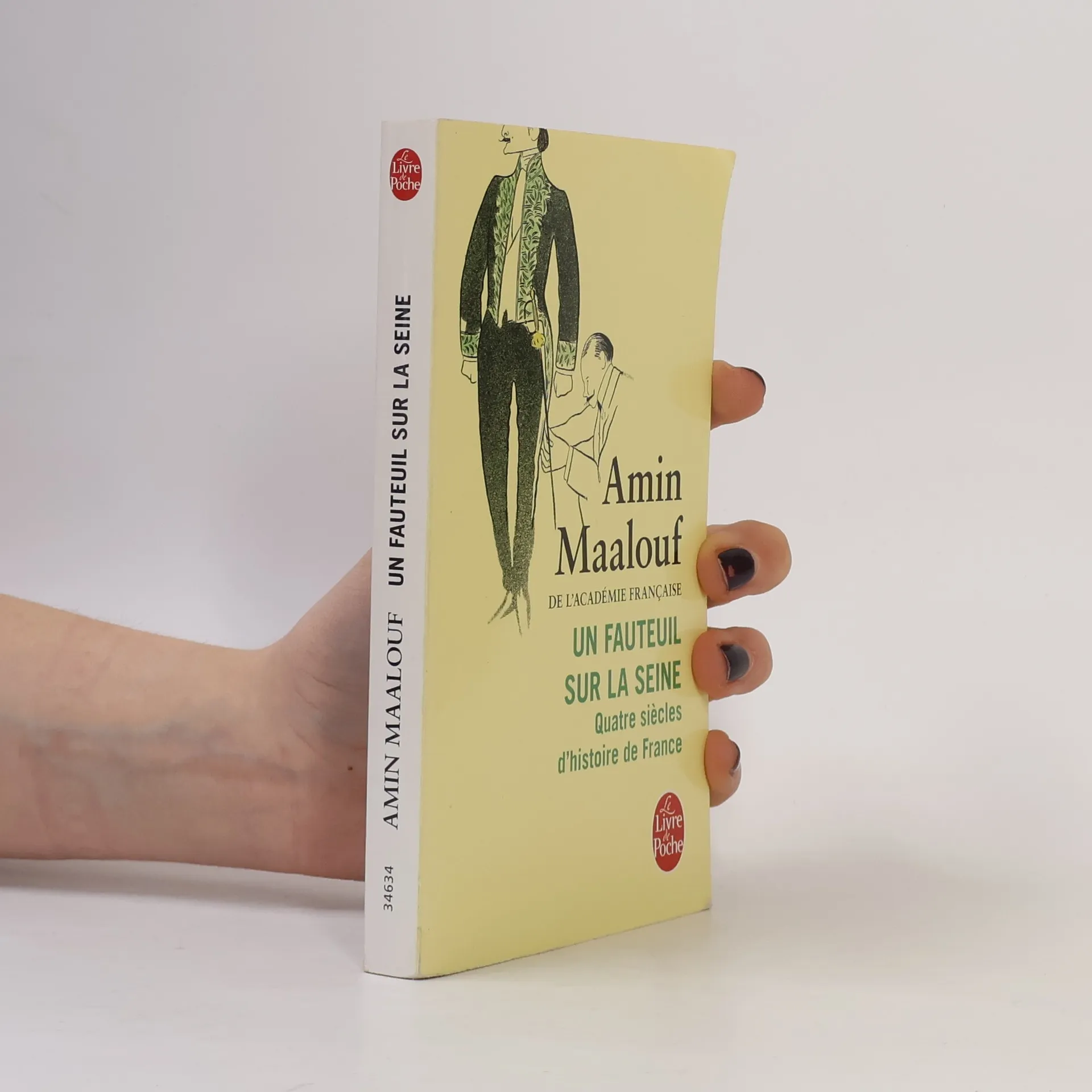
Depuis 1634, le 29e fauteuil de l'Académie française a été occupé par dix-huit personnages, dont Amin Maalouf. Ce lieu, entre le Louvre et la Seine, incarne l'histoire et le pouvoir à travers les âges, révélant la diversité des figures qui ont façonné le « génie national » de la France.
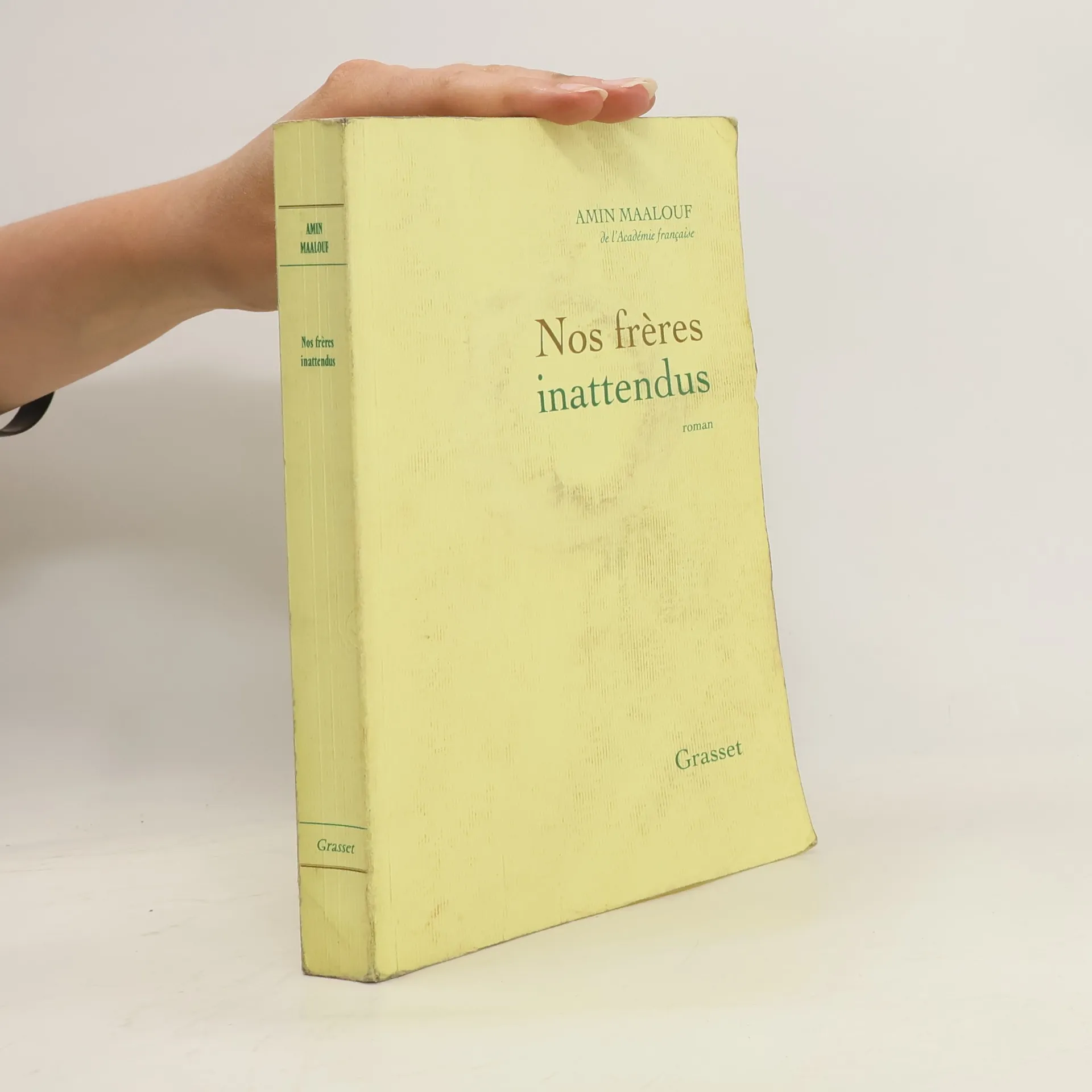
"Alec, dessinateur d'âge mûr, et Ève, qui avait connu une éphémère célébrité pour avoir écrit un livre culte, sont les seuls occupants d'un minuscule îlot de la côte atlantique.Ils ne se fréquentent pas, jusqu'au jour où une panne inexplicable de tous les moyens de communication les contraint à sortir de leur jalouse solitude.D'où vient ce black-out ? La planète a-t-elle été victime d'un cataclysme, d'un conflit nucléaire ? Sont-ils les seuls sur-vivants ?Grâce à son vieil ami Moro, devenu l'un des proches conseillers du président des États-Unis, Alec parvient à dénouer peu à peu le fil du mystère.La rencontre tumultueuse de nos contemporains déboussolés avec des « frères inattendus » est si étrange que l'Histoire ne pourra plus jamais reprendre son cours antérieur..."--Page 4 de la couverture
Wat gebeurt er als er geen vrouwen meer zijn? 'De man die dit poeder inneemt verhoogt zijn potentie en zijn hartstocht zal worden beloond met de geboorte van een zoon.' Een Franse wetenschapper koopt in Caïro een flesje met op de bijsluiter deze tekst. Thuis legt hij het flesje in een lade, om er verder niet meer aan te denken. Maar vanaf dat moment lijken er uitsluitend jongetjes geboren te worden. De wetenschapper en zijn vrouw gaan op onderzoek uit om deze schrikbarende ontwikkeling te stoppen.
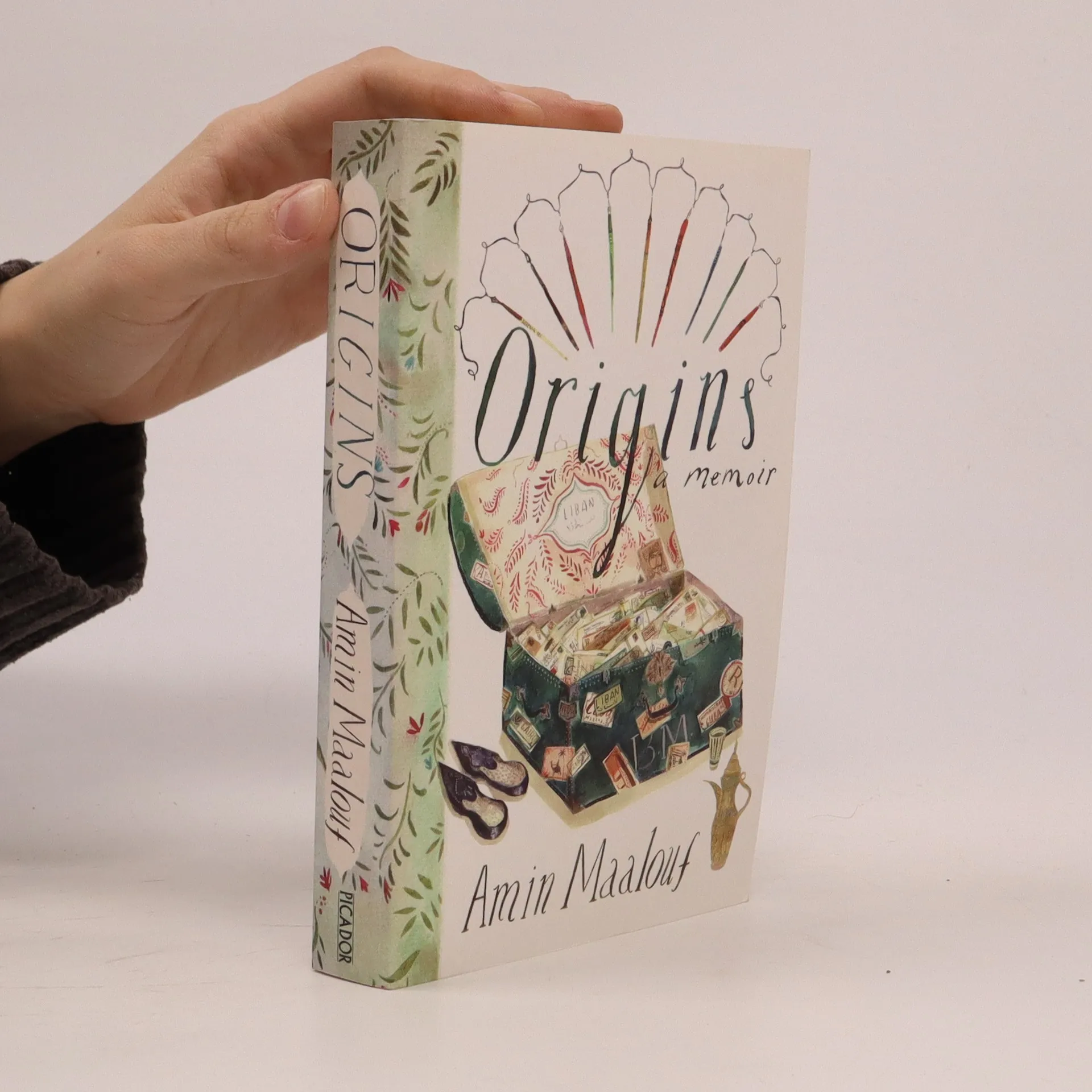
Eine große Saga über das Schicksal einer levantinischen Familie zwischen Orient und Okzident: Als Amin Maalouf von einer Truhe mit Dokumenten seines Großvaters in Beirut erfährt, reist er sofort in den Libanon. Dort beginnt er mit der Lektüre der Briefe, Tagebücher und anderen Schriftstücke, die ihn fesseln. Er bringt das Vermächtnis nach Paris, ordnet das Material und plant ein Buch über die Geschichte seiner Familie. Ursprünglich ein Nomadenstamm aus der Wüste zwischen Syrien und Arabien, ließ sich die Familie im 19. Jahrhundert im Libanon nieder. Geprägt von den Patriarchen, insbesondere dem Großvater Botros, bleibt sie tief in der orientalischen Tradition verwurzelt und öffnet sich zugleich westlichen Einflüssen. Maalouf erzählt anschaulich von den Lebensbedingungen im Orient der letzten zweihundert Jahre, von Fanatikern und Freidenkern, von heimlichen Taufen, Hochzeiten, Scheidungen und Begräbnissen, sowie von erfolgreichen und misslungenen Geschäften. Der Religionsstreit innerhalb der Familie spiegelt das Schicksal des Landes wider. Im 20. Jahrhundert emigrieren viele Libanesen, auch Maaloufs Familie. Er folgt den oft überraschenden Lebenswegen seiner Verwandten, die in alle Ecken der Welt verstreut sind.
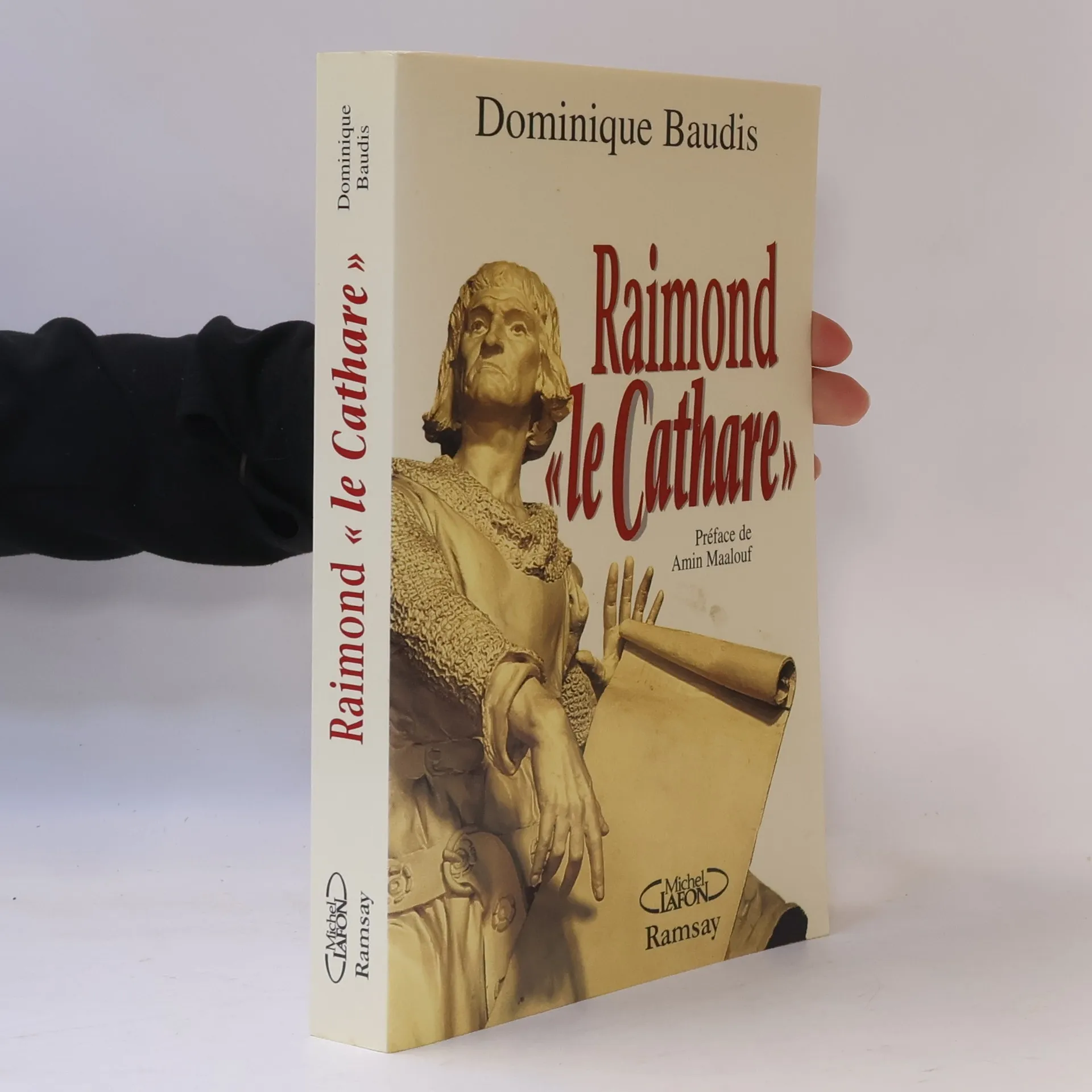
346pages. in8. broche. A l'aube du XIIIème siècle, le pape appelle à la croisade pour écraser les Cathares, dont l'hérésie s'est propagée dans tout le Languedoc. Le comte Raimond VI de Toulouse refuse de les persécuter. On l'excommunie. Ses provinces sont envahies par une immense armée venue du Nord. Des dizaines de milliers de victimes périssent dans les massacres et sur les bûchers. Peu à peu, la croisade devient une entreprise de conquête et d'usurpation. Un duel à mort s'engage alors entre deux hommes que tout Simon de Montfort, au service de l'Eglise, combattant redoutable mais ivre de pouvoir, et Raimond de Toulouse, pacifique, tolérant, plongé malgré lui dans une guerre impitoyable. Car il s'agit non seulement d'empêcher l'extermination des Cathares, mais aussi de sauver la civilisation méridionale. Au soir de sa vie, Raimond raconte la résistance héroïque de son peuple. Chroniques du Moyens Age à l'appui et avec une puissance d'évocation surprenante, ces pages nous entraînent au coeur de la bataille, exaltant les libertés religieuses, communales et morales qui restent l'enjeu étonnamment actuel de cette lutte entre intégrisme et laïcité.