Bath, 1804. Il Natale è alle porte e a Jane, annoiata dall'atmosfera monotona della cittadina, non sembra vero quando il suo vecchio amico Lord Harold Trowbridge le chiede di fare da accompagnatrice alla sua giovane e affascinante nipote, Lady Desdemona, giunta a Bath per sfuggire alle indesiderate attenzioni di un poco galante signore. Le due giovani intendono approfittare di tutti gli svaghi che la provinciale Bath offre in vista dei festeggiamenti natalizi. Ma il tempo delle distrazioni è destinato a finire bruscamente quando una sera, in occasione di uno spettacolo al Theatre Royal, le due giovani si ritrovano involontarie spettatrici di un orrendo omicidio, che si consuma nel foyer. A ispessire il mistero, uno strano oggetto rinvenuto addosso al cadavere: un medaglione contenente l'immagine di un occhio. Chi era quell'uomo? Quale messaggio si nasconde in quell'insolito oggetto? A chi appartiene l'occhio raffigurato? La coraggiosa Jane, assetata di avventura, si butta a capofitto nelle indagini, sempre affiancata dall'indecifrabile e seducente Lord Harold, per rendersi ben presto conto che non le sarà possibile scoprire la verità senza mettere a repentaglio la sua stessa vita.
Stephanie Barron Libri


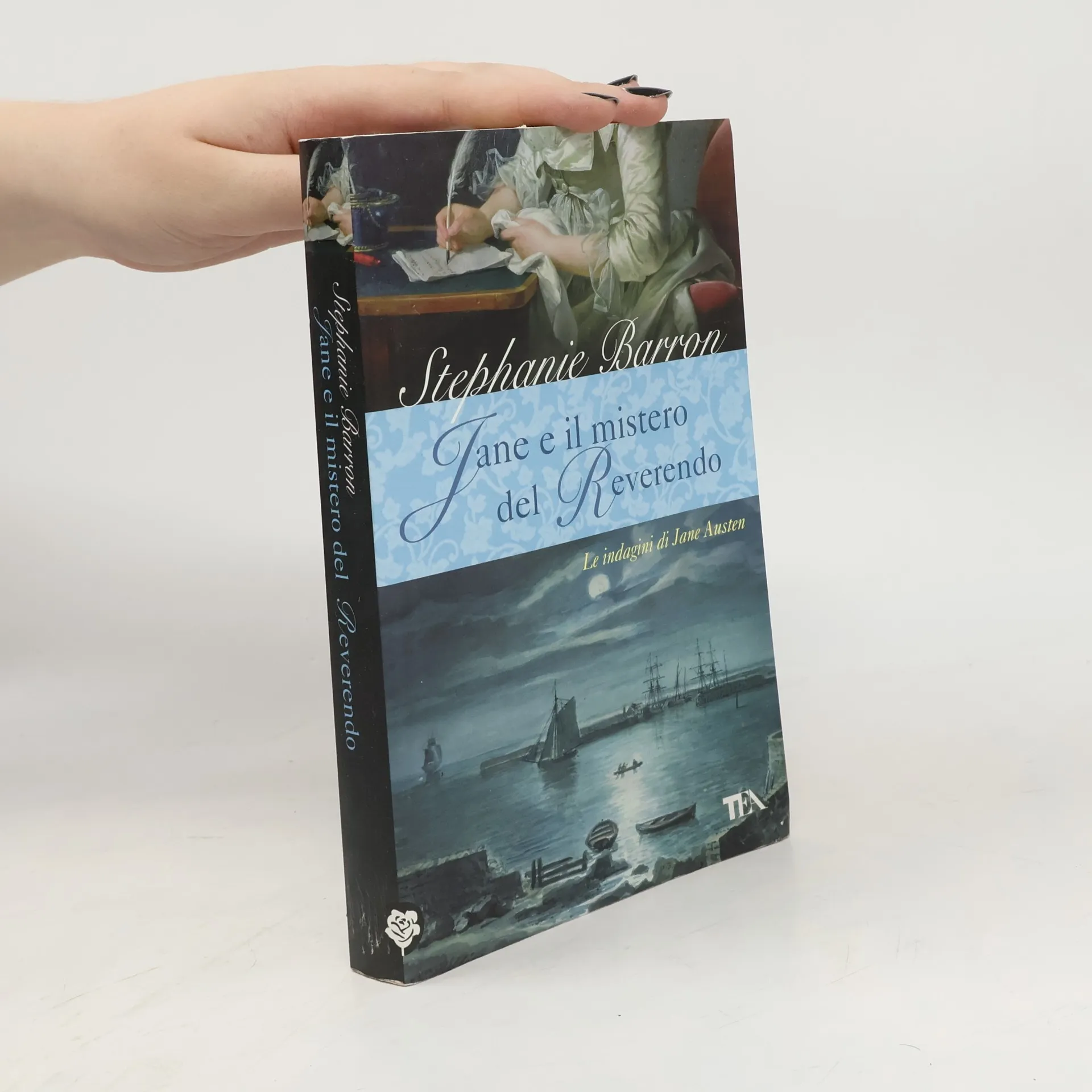

Le indagini di Jane Austen: Jane e il mistero del Reverendo
- 307pagine
- 11 ore di lettura
Second book in the Jane Austen mystery series, set in 18th century England.
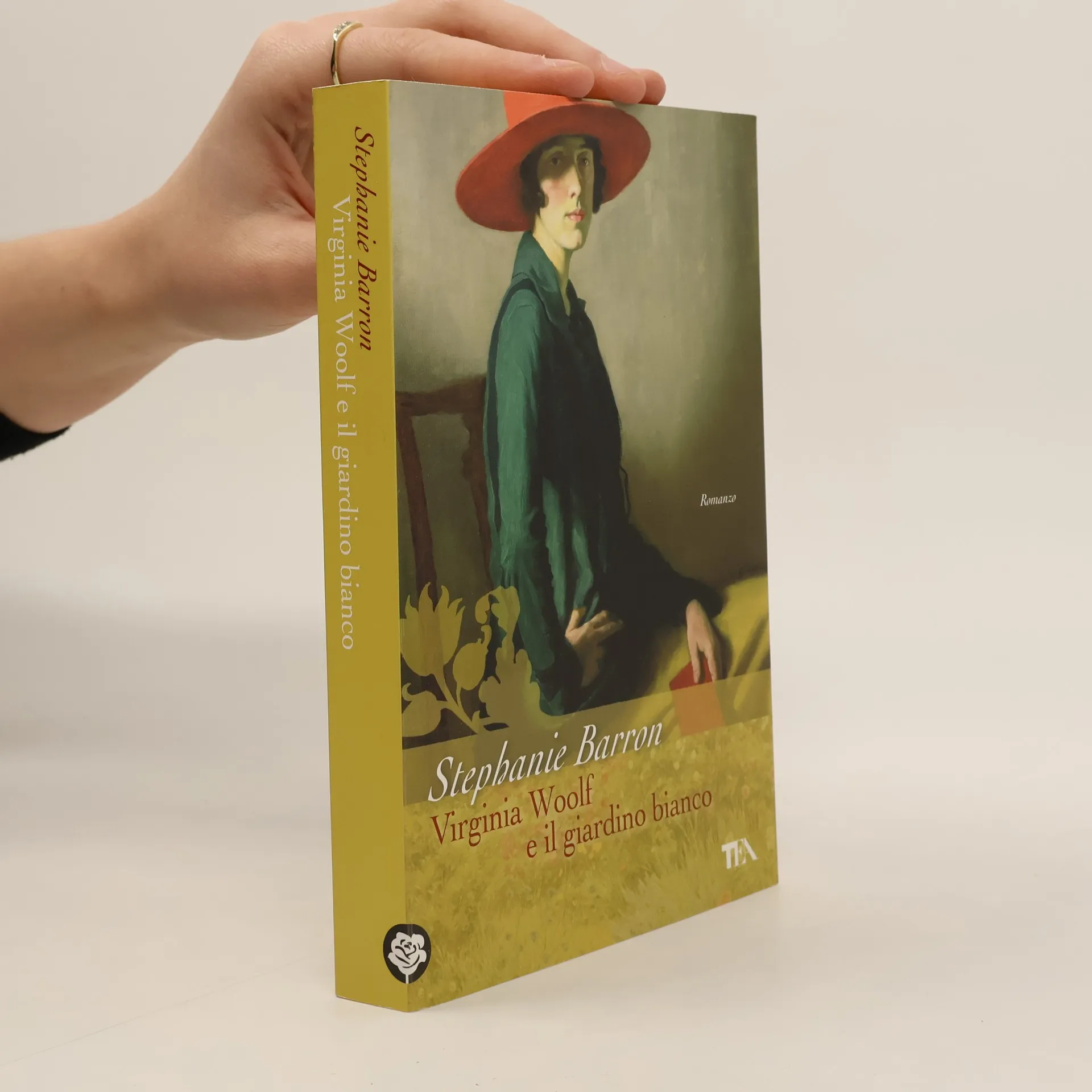
Narrativa Tea: Virginia Woolf e il giardino bianco
- 287pagine
- 11 ore di lettura
Il 28 marzo 1941 Virginia Woolf si recò sulle rive dell'Ouse, non lontano dalla sua casa nel Sussex, dove viveva col marito, si riempì le tasche del soprabito di pietre e si gettò nelle acque del fiume, togliendosi la vita. Sessant'anni più tardi, l'architetto del paesaggio Jo Bellamy giunge a Sissinghurst Castle per studiare il celeberrimo «giardino bianco» che la scrittrice Vita Sackville-West aveva creato per la sua amata Virginia. Ma tra le ombre di una delle più famose dimore d'Inghilterra, Jo fa una scoperta sconcertante: tra i documenti conservati negli archivi della residenza trova quello che sembra l'ultimo diario di Virginia Woolf, la cui prima pagina riporta la data del giorno successivo alla sua morte. Se quel quaderno si rivelasse autentico metterebbe in discussione ogni precedente teoria sulla fine della famosa scrittrice. Ma prima che Bellamy possa svelare la sua scoperta, il prezioso diario scompare. Chi l'ha rubato? E perché? Quale mistero si cela tra quelle pagine? E che collegamento c'è tra i segreti che custodiscono e quelli nascosti nel giardino bianco.
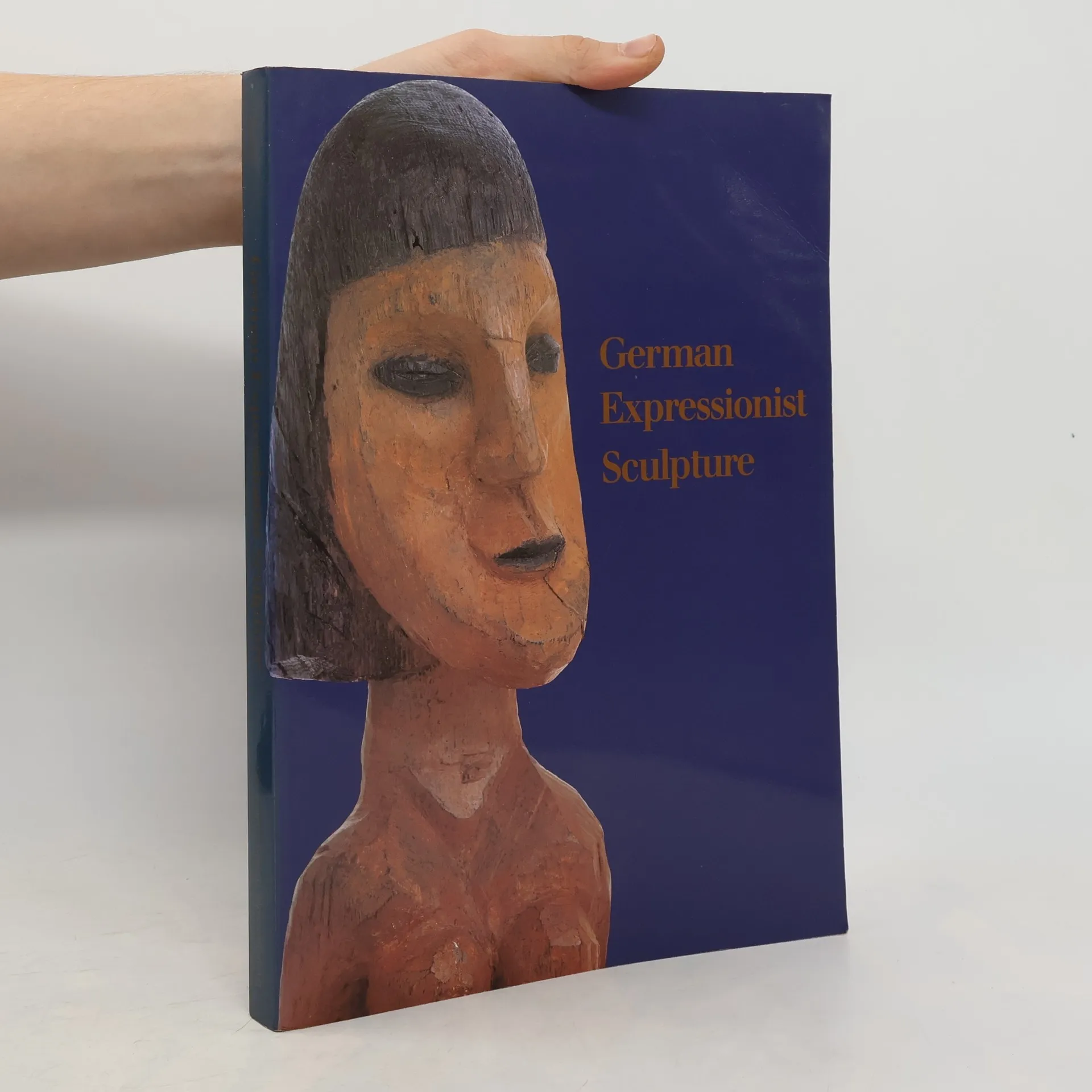
German Expressionist Sculpture
- 224pagine
- 8 ore di lettura
This volume surveys German expressionist sculpture, a modernist movement that emerged in early 20th-century Germany, initially in poetry and painting. Characterized by a subjective perspective, expressionism distorts reality for emotional effect, aiming to evoke moods and ideas rather than depict physical reality. This approach often conveys emotional angst and serves as a reaction against positivism and styles like naturalism and impressionism. The work features over 120 examples of German Expressionist sculpture by thirty-three artists, including notable figures such as Ernst Barlach, Wilhelm Lehmbruck, Georg Kolbe, and Renee Sintenis. It also showcases works by prominent painters and graphic artists like Kathe Kollwitz, Ernst Ludwig Kirchner, and Max Beckmann, whose reputations extend beyond sculpture. Additionally, the catalog explores contributions from lesser-known artists of the second generation of Expressionism, including Herbert Garbe and Conrad Felixmuller. The volume includes varied writings from the artists themselves, alongside evaluations from contemporary critics and scholars. Seven essays and translated excerpts from contemporary texts emphasize the artists' material concerns and their fascination with African and Oceanic art, enriching the understanding of this dynamic movement.
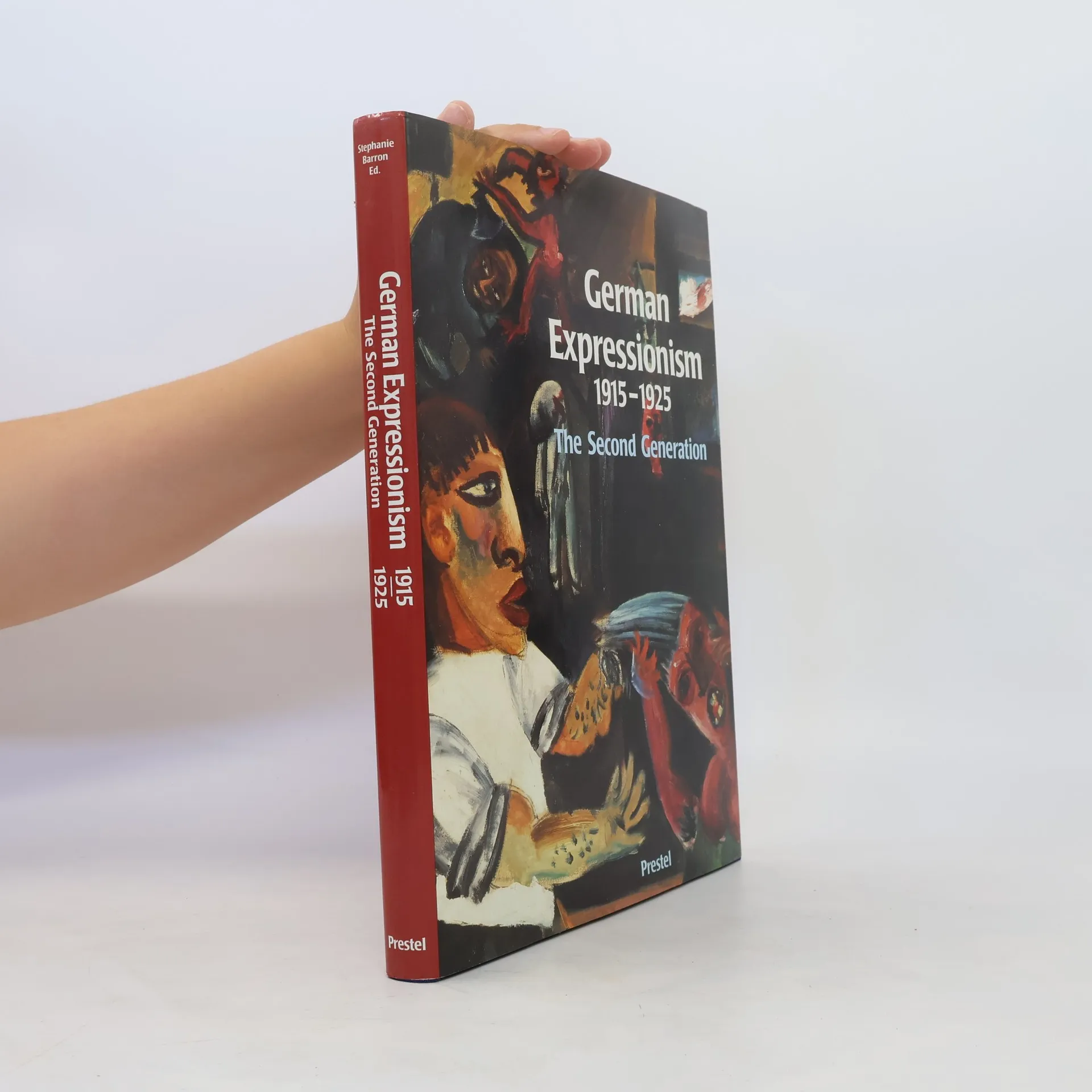
German Expressionism
- 197pagine
- 7 ore di lettura
Looks at the development of the Expressionist movement, profiles leading artists, and shows examples of paintings, prints, and sculpture
Jane And The Final Mystery
- 312pagine
- 11 ore di lettura
Set in March 1817, the story follows Jane Austen as she grapples with declining health while investigating the mysterious death of a student at Winchester College. The victim, Arthur Prendergast, is found with a note that implicates William Heathcote, the son of a close friend. As Jane navigates the insular and often perilous environment of the prestigious school, she must race against time to uncover the truth and exonerate William, all while battling her own deteriorating condition.
PA IChoice /Iquot;Outstanding Academic Book.quot;
The Broad Collections: Jasper Johns to Jeff Koons
Four Decades of Art from the Broad Collections
- 208pagine
- 8 ore di lettura
Jasper Johns to Jeff Four Decades of Art from the Broad Collections, organized by the Los Angeles County Museum of Art (LACMA), is the first large-scale exhibition of the Broads' achievement, presenting more than 100 works of art from these two significant collections. The show highlights American artists whose paintings, sculptures, and photographs the Broads have acquired in depth, among them Andy Warhol, Jean-Michel Basquiat, Roy Lichtenstein, Cindy Sherman, and Cy Twombly, Johns, Koons, and the Los Angeles artists John Baldessari, Sharon Lockhart, Charles Ray, Ed Ruscha, and Robert Therrien. German artists such as George Baselitz and Anselm Kiefer are also represented. Together, these works form an invaluable record of the artistic achievements of the past forty years.This catalogue, published in conjunction with the exhibition, illustrates the objects in the exhibition as well as several related works from the Broad collections. The accompanying texts include an interview with Eli and Edythe Broad by exhibition curators Stephanie Barron and Lynn Zelevansky, as well as essays by art historians Thomas Crow, Sabine Eckmann, Joanne Heyler, and Pepe Karmel, which place the works in critical and historical context.
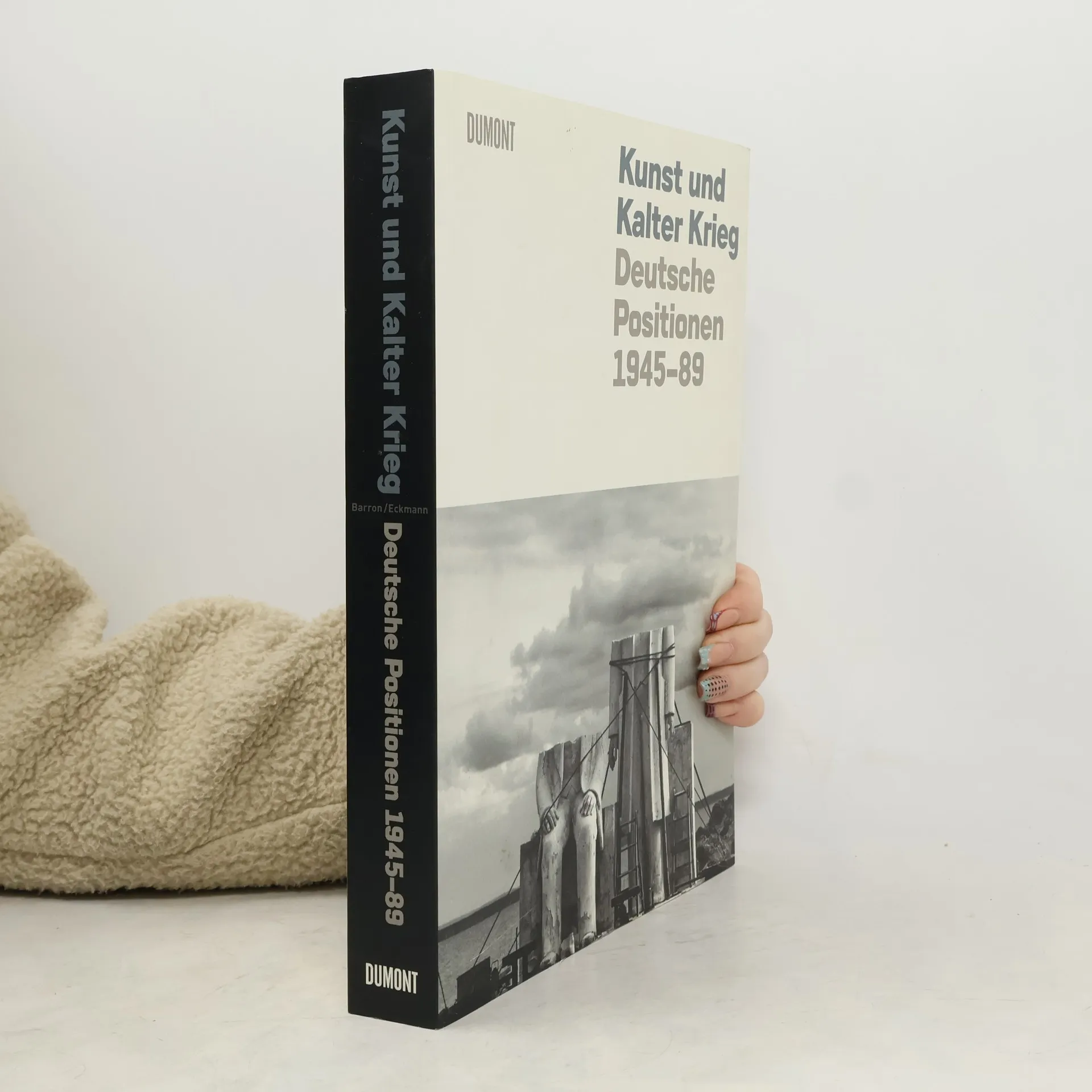
Throughout the Cold War, the creation and reception of art in Germany was inseparably linked to divided political realities. Artists in East and West Germany redeployed the traditions of abstraction and realism in new national and international contexts, creating a wide range of powerful artworks, often responding to popular culture and technologies of reproduction. This substantial and profusely illustrated book, with sixteen important essays by major art historians and cultural critics, is the first comprehensive look at the full extent of postwar German art. It includes work by Georg Baselitz, Willi Baumeister, Bernd and Hilla Becher, Joseph Beuys, Hanne Darboven, Hermann Glöckner, Hannah Höch, Jörg Immendorf, Anselm Kiefer, Blinky Palermo, A. R. Penck, Gerhard Richter, Rosemarie Trockel, Werner Tübke, Wolf Vostell, and many others. Art of Two Germanys/Cold War Cultures is the catalogue for a groundbreaking international exhibition that reveals for the first time the contribution of both Germanys to the development of contemporary art.
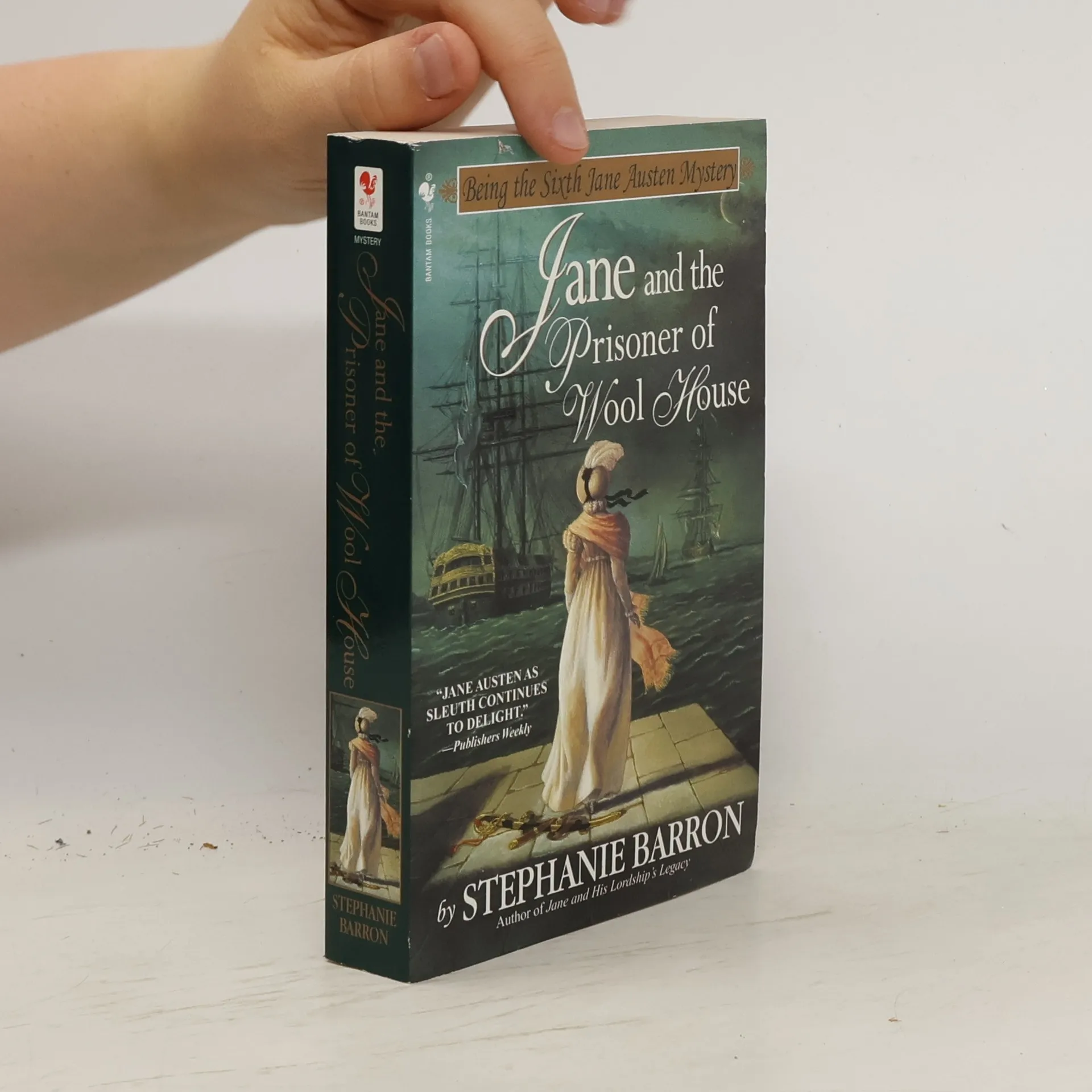
A novel in which Jane Austen must help her brother solve the murder of a member of the Royal Navy
Jane And The Year Without A Summer
- 336pagine
- 12 ore di lettura
"May 1816: Jane Austen is feeling unwell, with an uneasy stomach, constant fatigue, rashes, fevers and aches. She attributes her poor condition to the stress of family burdens, which even the drafting of her latest manuscript-about a baronet's daughter nursing a broken heart for a daring naval captain-cannot alleviate. Her apothecary recommends a trial of the curative waters at Cheltenham Spa, in Gloucestershire. Jane decides to use some of the profits earned from her last novel, Emma, and treat herself to a period of rest and reflection at the spa, in the company of her sister, Cassandra. Cheltenham Spa hardly turns out to be the relaxing sojourn Jane and Cassandra envisaged, however. It is immediately obvious that other boarders at the guest house where the Misses Austen are staying have come to Cheltenham with stresses of their own-some of them deadly. But perhaps with Jane's interference a terrible crime might be prevented. Set during the Year without a Summer, when the eruption of Mount Tambora in the South Pacific caused a volcanic winter that shrouded the entire planet for sixteen months, this fourteenth installment in Stephanie Barron's critically acclaimed series brings a forgotten moment of Regency history to life"-- Provided by publisher
The Enneagram in Love
- 208pagine
- 8 ore di lettura
Discover deeper bonds and more intimate connections with the power of the Enneagram The Enneagram is a popular tool for self-discovery, but it can also help enhance romantic relationships. With The Enneagram in Love as your guide, you will learn how to use insights from this motivation-based personality system to improve loving partnerships and create a more fulfilling connection with your significant other.This comprehensive exploration of the Enneagram offers an in-depth examination of the ways each of the nine types behaves in relationships: how they handle intimacy, express themselves, and deal with conflict. Discover the opportunities and challenges that you and your partner will face while also getting realistic, actionable advice for navigating and overcoming tough spots you might encounter.The Enneagram in Love includes:Romance and the Enneagram--Get a guide focused on improving your love life through the reasoned approach of the Enneagram.Love for everyone--Examine the interplay between the nine types with chapters devoted to the strengths and weaknesses of all 45 possible couplings.A road map for success--Explore potential problem spots in your relationship and what you can do to address them.Love like you've never loved before--with a little help from the Enneagram.
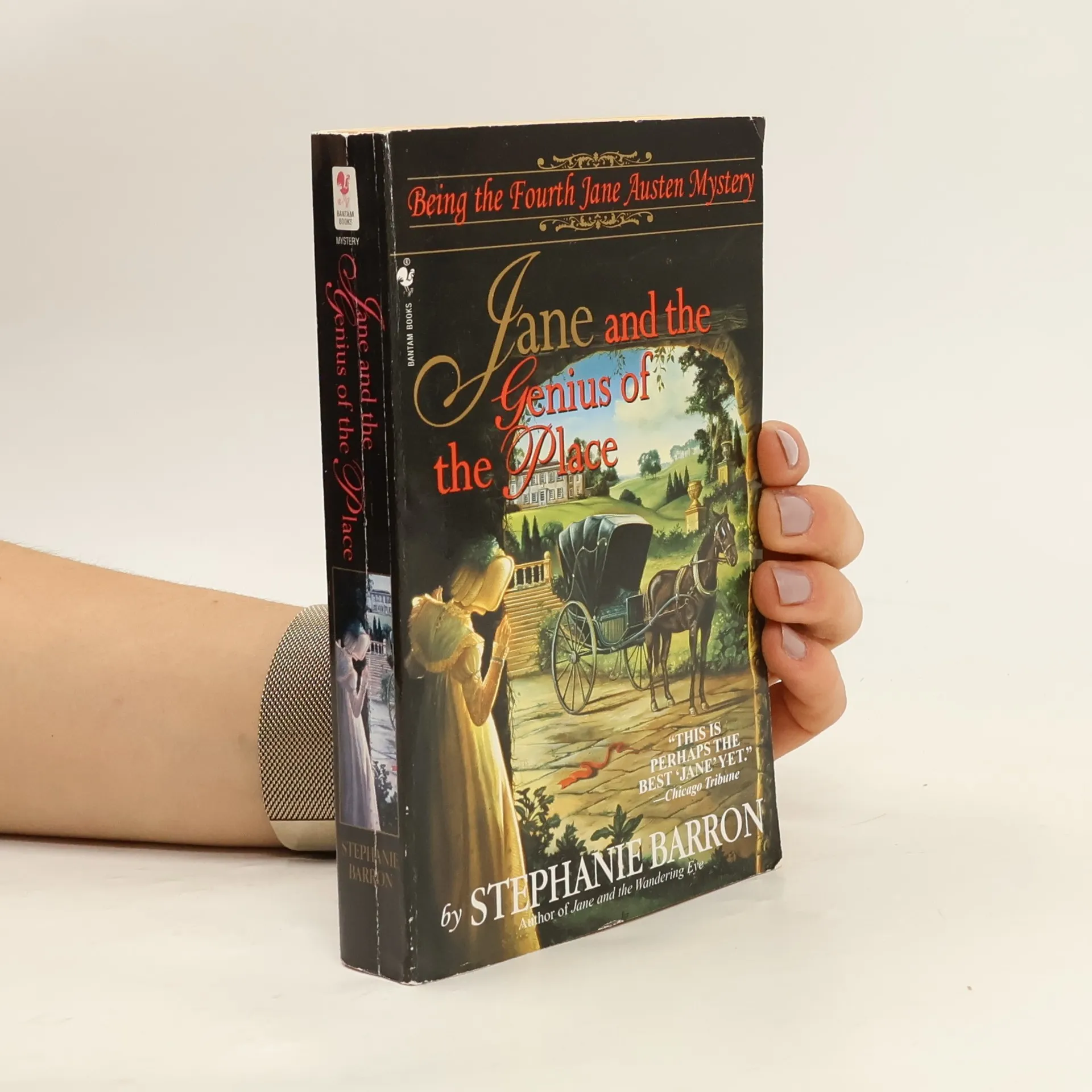
For everyone who loves Jane Austen...The fourth engaging mystery in the series that recasts the well-loved author as a sleuth! In the waning days of summer, Jane Austen is off to the Canterbury Races, where the rich and fashionable gamble away their fortunes. It is an atmosphere ripe for scandal—but even Jane is unprepared for the shocking drama that unfolds. A flamboyant French beauty, known for her brazen behavior, is found gruesomely strangled in a shabby chaise. While many urge the arrest of a known scoundrel with eyes for the victim, Jane looks further afield and finds a number of acquaintances behaving oddly. As rumors spread like wildfire that Napoleon's fleet is bound for Kent, Jane suspects that the murder was an act of war rather than a crime of passion. Suddenly the peaceful fields of Kent are a very dangerous place...and Jane's thirst for justice may exact the steepest price of all—her life.
Jane and the Unpleasantness at Scargrave Manor
Being the First Jane Austen Mystery
- 354pagine
- 13 ore di lettura
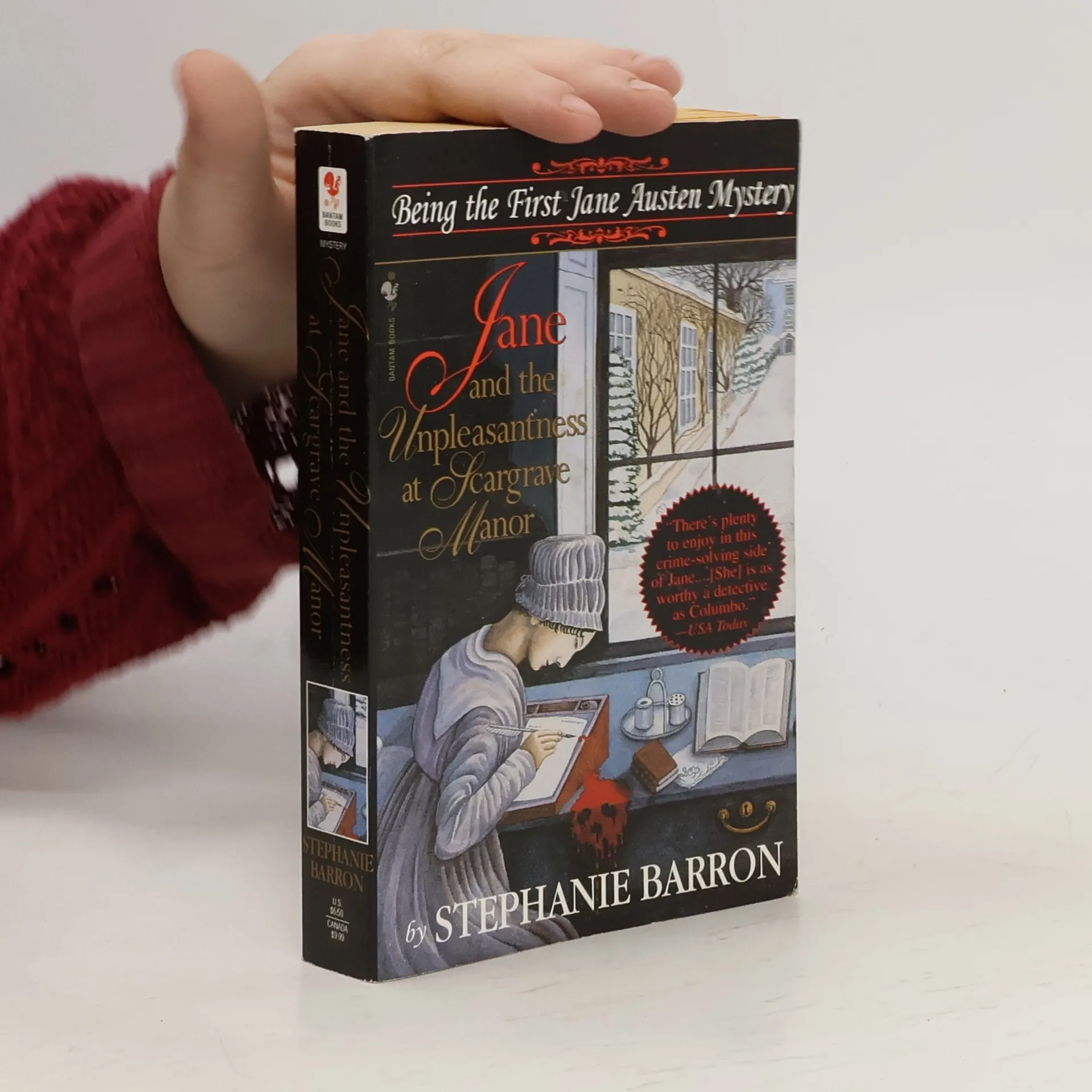
Set in a charming world inspired by Jane Austen's novels, this series reimagines the beloved author as a clever detective. Readers can expect a delightful blend of mystery and wit, as Austen navigates intriguing cases while maintaining her signature style. The series promises to captivate fans of Austen with its engaging plots and clever characterizations, offering a fresh perspective on her iconic persona.
Jane and the twelve days of christmas
- 329pagine
- 12 ore di lettura
Jane Austen turns sleuth in this delightful murder mystery set over the twelve days of a Regency-Era Christmas party.Christmas Eve, 1814: Jane Austen has been invited to spend the holiday with family and friends at The Vyne, the gorgeous ancestral home of the wealthy and politically prominent Chute family. As the year fades and friends begin to gather beneath the mistletoe for the twelve days of Christmas festivities, Jane and her circle are in a celebratory mood: Mansfield Park is selling nicely; Napoleon has been banished to Elba; British forces have seized Washington, DC; and on Christmas Eve, John Quincy Adams signs the Treaty of Ghent, which will end a war nobody in England really wanted. Jane, however, discovers holiday cheer is fleeting. One of the Yuletide revelers dies in a tragic accident, which Jane immediately views with suspicion. If the accident was in fact murder, the killer is one of Jane’s fellow snow-bound guests. With clues scattered amidst cleverly crafted charades, dark secrets coming to light during parlor games, and old friendships returning to haunt the Christmas parties, whom can Jane trust to help her discover the truth and stop the killer from striking again?
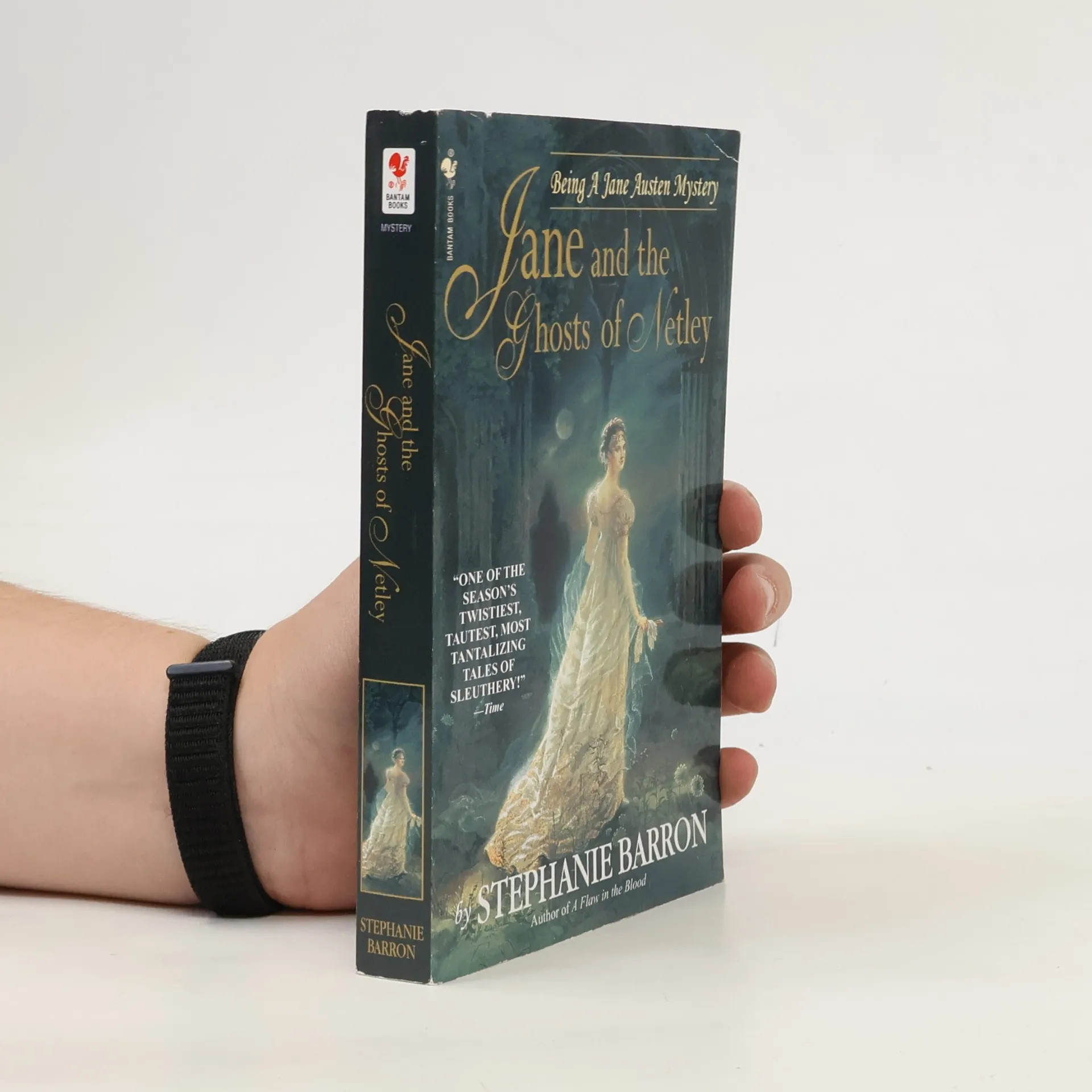
Jane Austen Mystery - 7: Jane and the Ghosts of Netley
- 352pagine
- 13 ore di lettura
When Regency novelist and amateur sleuth Jane Austen is sent by Lord Trowbridge to Netley Abbey to retrieve a parcel hidden among the ruins, she gets more than she had bargained for when she also stumbles upon a dying man
This opulent volume, published alongside the Los Angeles County Museum of Art's exhibition, explores the dynamic relationship between the arts and popular conceptions of California. It challenges readers to reconsider how the state has been portrayed and imagined, showcasing a rich array of fine art and material culture. With over 1,200 artworks and artifacts, the book features more than 400 works across various media, including painting, sculpture, and film, alongside 150 cultural artifacts such as brochures and personal letters that illustrate the complexity of twentieth-century California. Arranged by theme, the objects provide a visual tour of California's evolution—from a bountiful paradise early in the century to a glamour capital in the 1920s and 1930s, a suburban utopia in the late '40s and '50s, a counterculture haven in the '60s and '70s, and a multicultural frontier in the '80s and '90s. The exploration of these themes enriches our understanding of the state's artistic traditions and history. Divided into five twenty-year sections, each features a narrative essay discussing the era's history and its visual culture. Two key themes emerge: the landscape, both natural and built, and California's multifaceted relationships with Latin America and Asia. Geographer Michael Dear provides an overview of California's social history, while essayist Richard Rodriguez offers a personal reflection on the Golden State.
"Double Feature: Deutsch-deutsche Kunst bis zum Mauerfall" bietet einen Überblick über die Kunstproduktion in Deutschland von 1945 bis 1989. Der Band zeigt den Einfluss politischer und kultureller Diskurse und behandelt 300 Werke von 120 Künstlern. Essays thematisieren nationale Identität und politischen Kontext bis zur Wiedervereinigung.
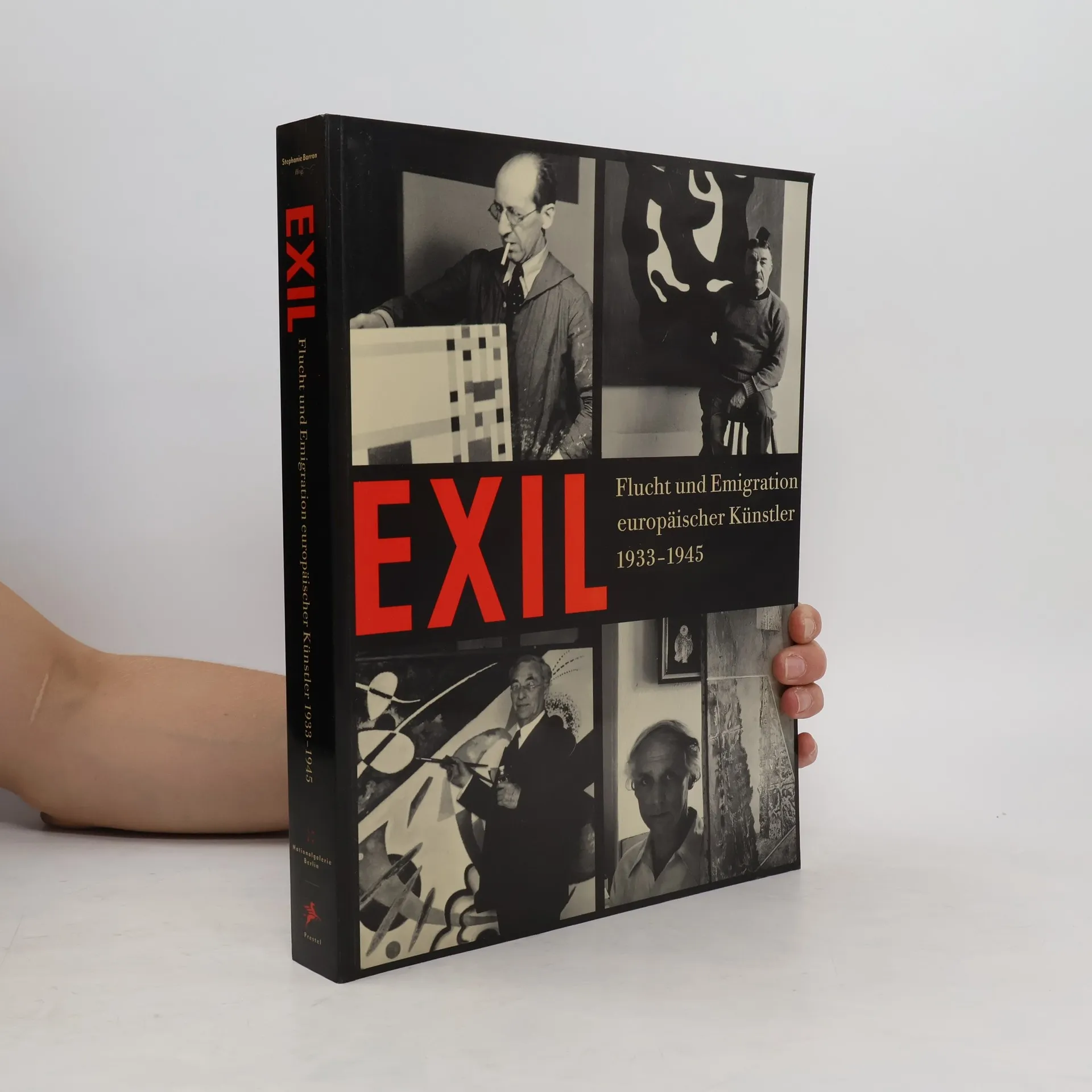
Exil
- 432pagine
- 16 ore di lettura
"Entartete Kunst"
- 422pagine
- 15 ore di lettura
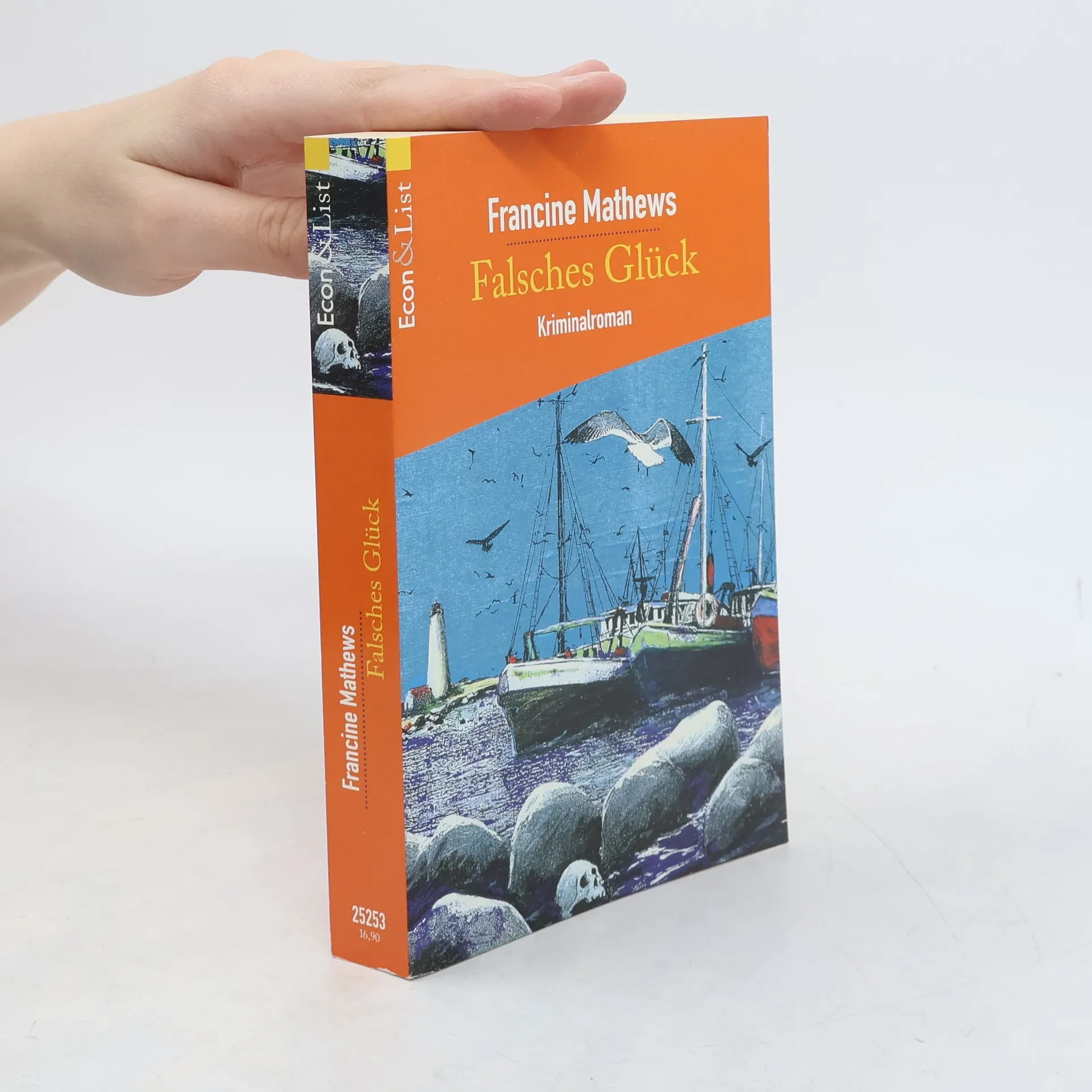
Falsches Glück
- 377pagine
- 14 ore di lettura
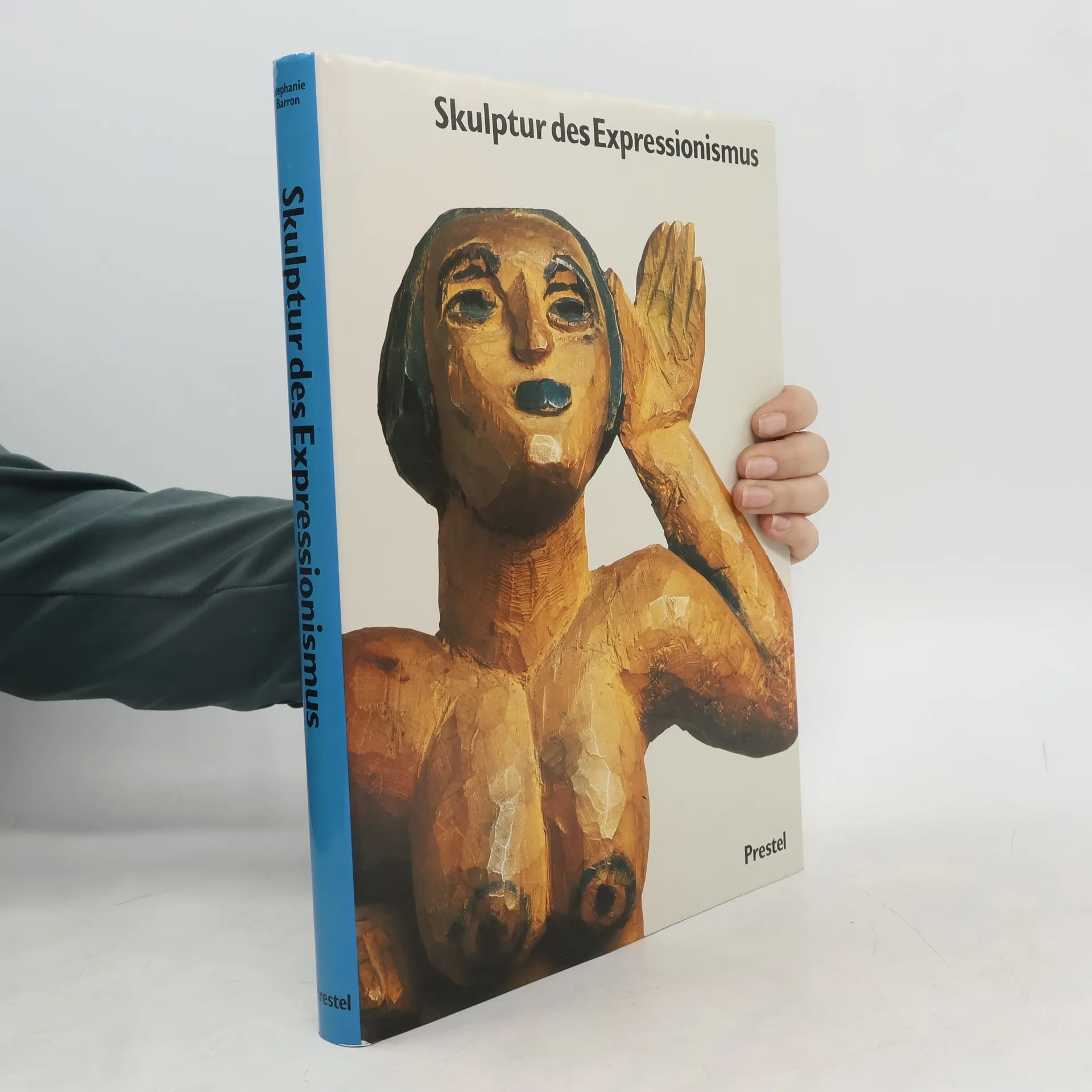
Skulptur des Expressionismus
- 225pagine
- 8 ore di lettura
BARRON, S., SKULPTUR DES EXPRESSIONISMUS. KOELN, 12. JULI 1984-26. AUGUST 1984. , 1984, 232 p. figuras.Encuadernacion original. Nuevo.
"Entartete Kunst"
Das Schicksal der Avantgarde im Nazi-Deutschland