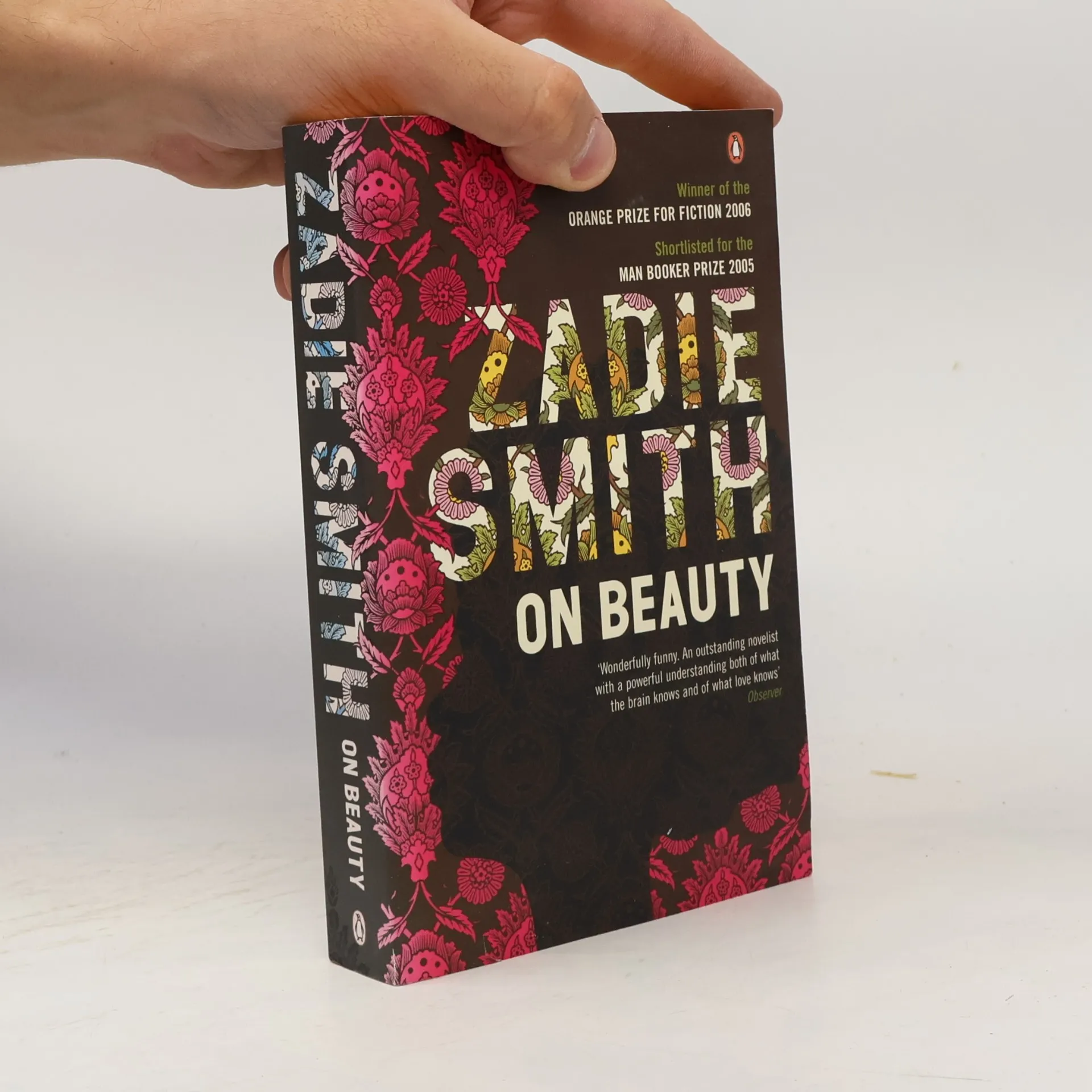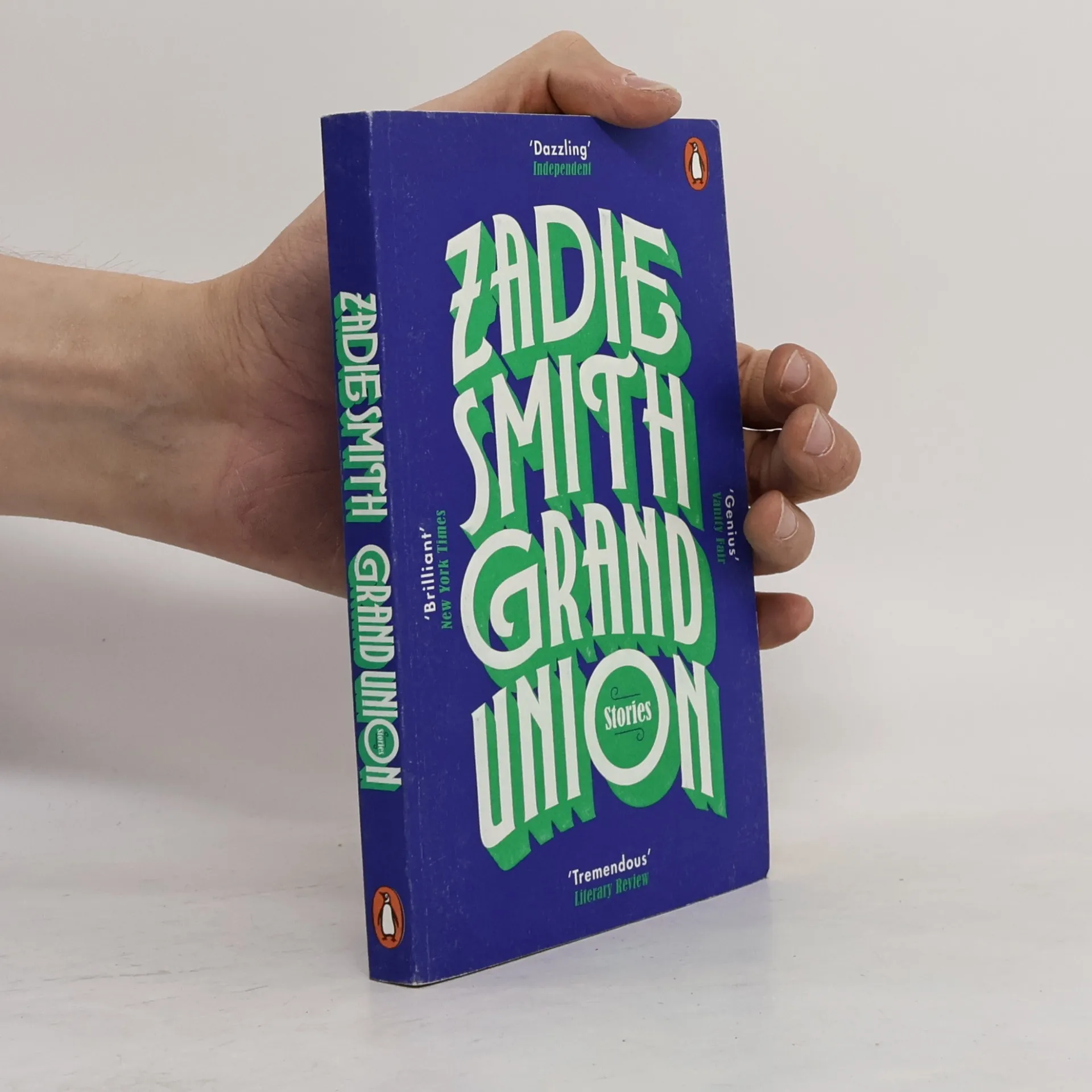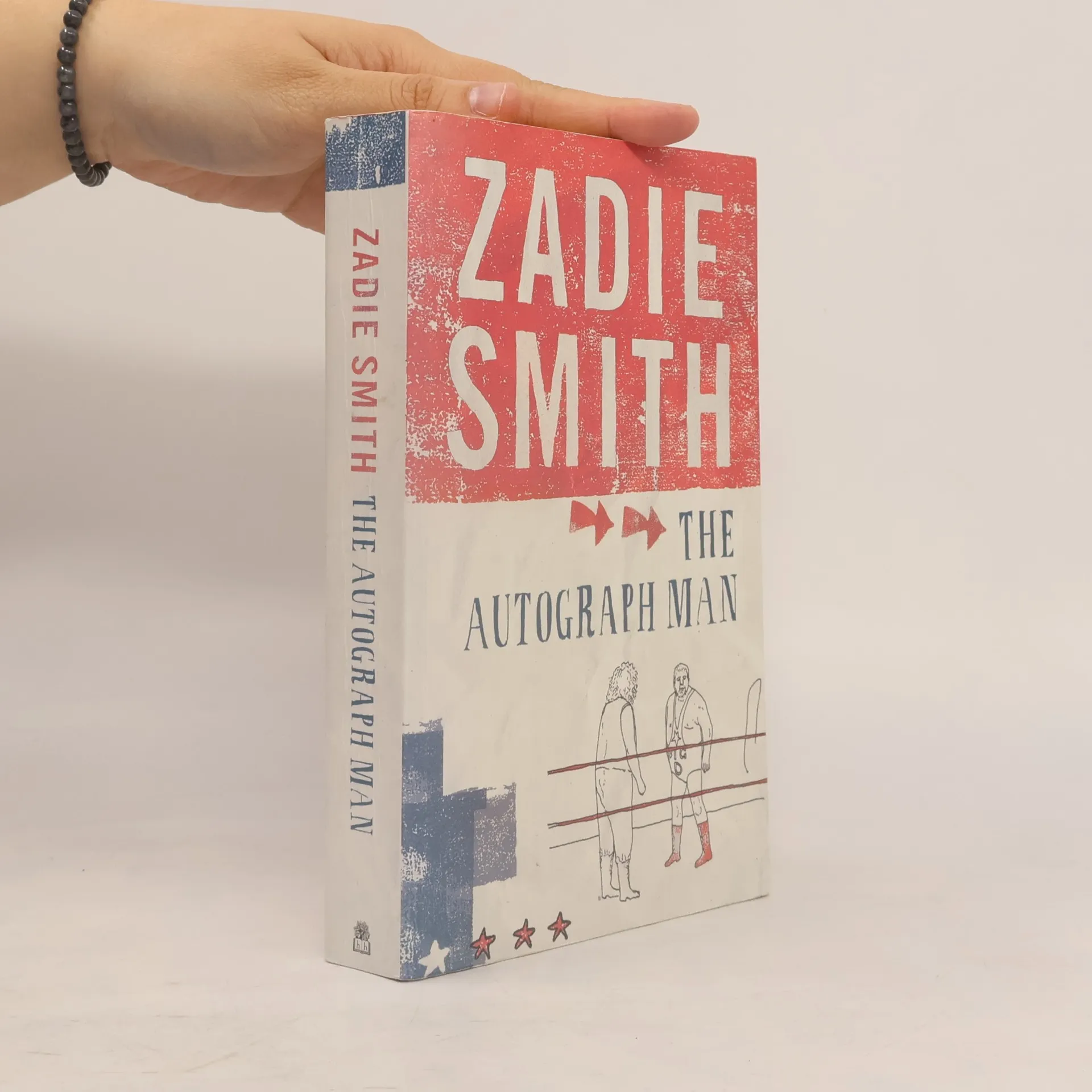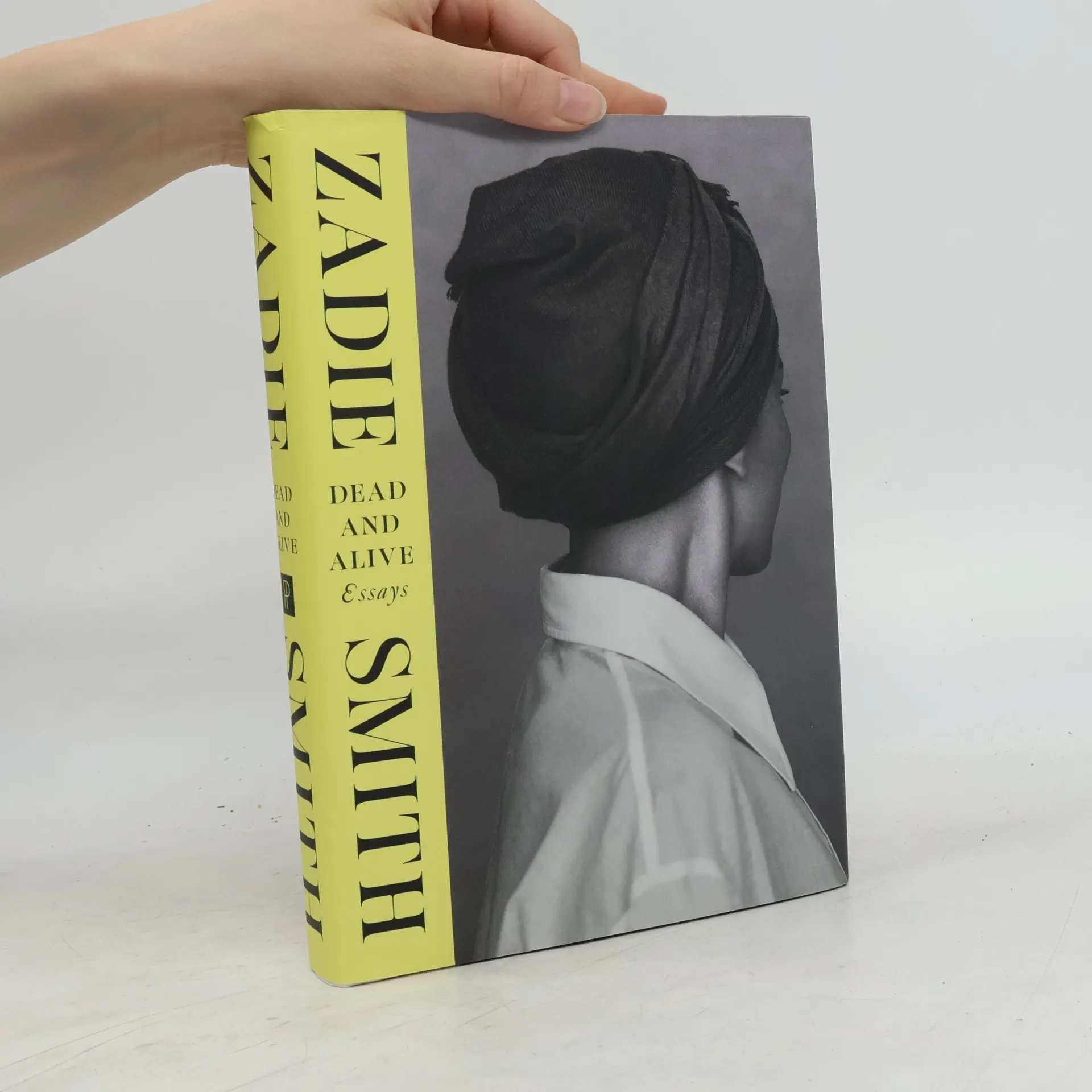
La scrittura di Zadie Smith approfondisce le complessità delle società multiculturali contemporanee, esplorando temi di identità, famiglia e interconnessione delle vite. I suoi romanzi sono caratterizzati da uno stile di prosa vibrante, arguzia tagliente e una profonda empatia per i suoi personaggi. Smith cattura magistralmente l'intricato arazzo della vita urbana moderna, esaminando come gli individui navigano i cambiamenti culturali e le aspirazioni personali. Il suo lavoro offre commenti acuti sulle sfumature di appartenenza e la ricerca di significato in un mondo diverso.
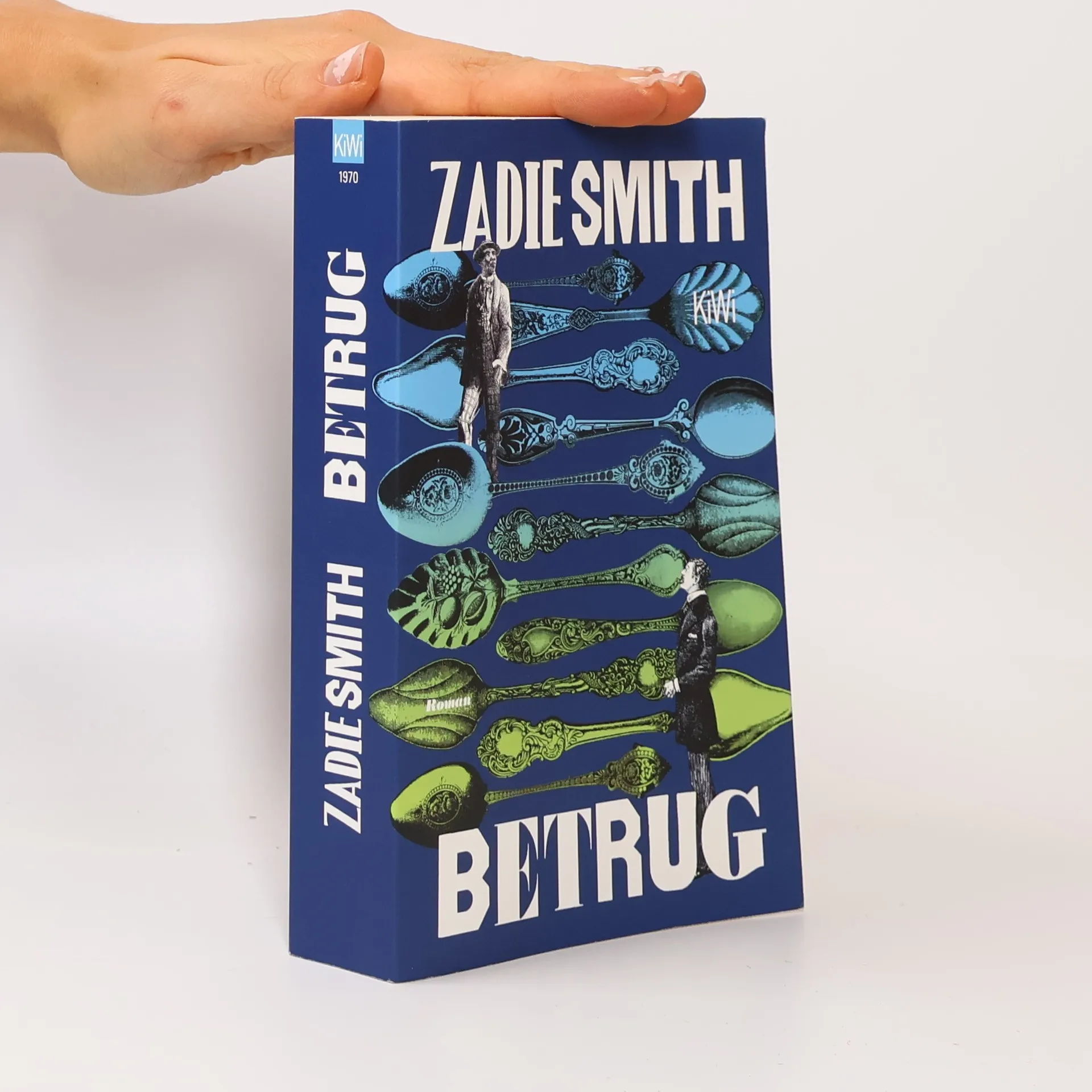
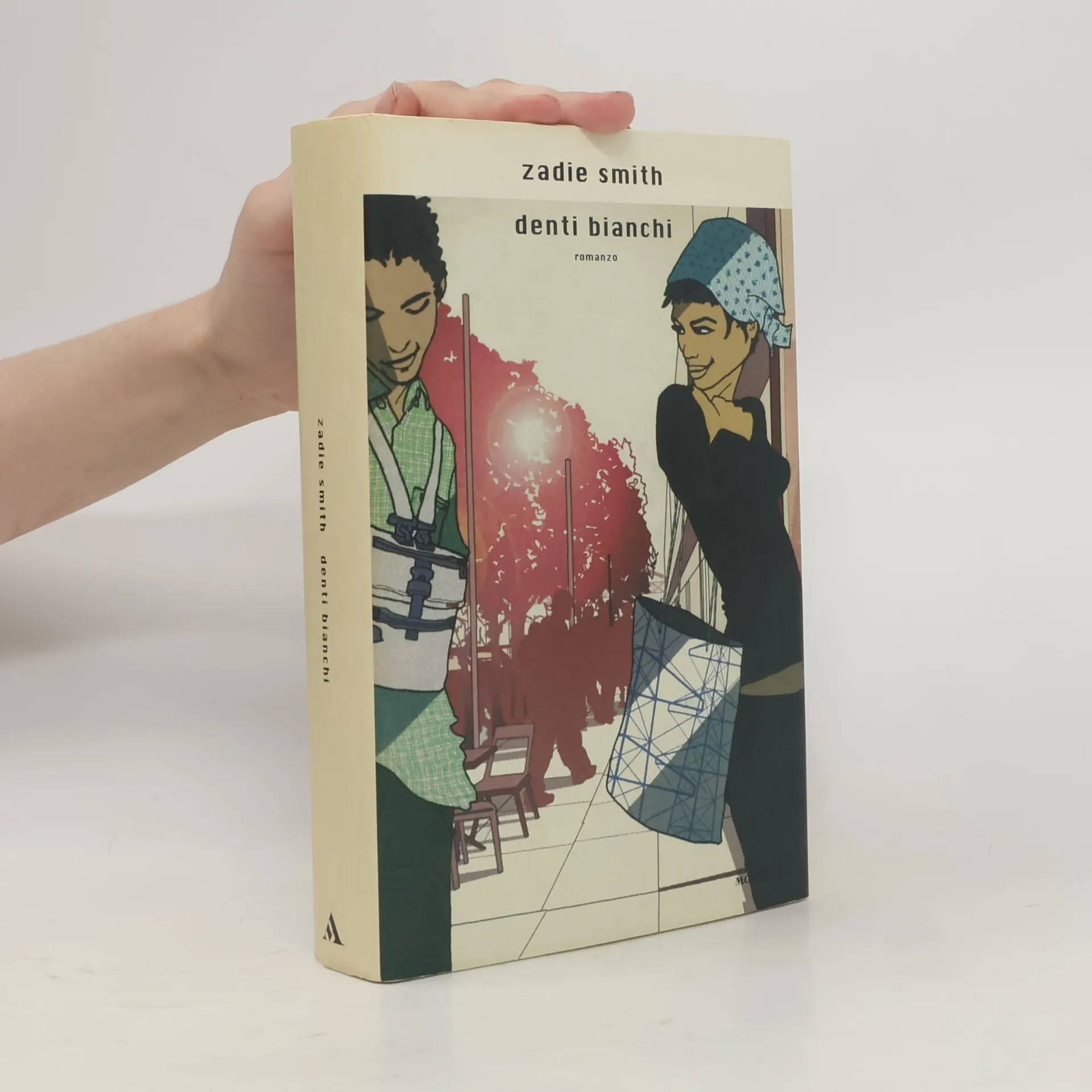
Protagonisti di questo romanzo sono due grandi amici, l'inglese Archie e il bengalese Samad. In una Londra dove l'estremismo è all'ordine del giorno, i due danno vita a una strana quanto improbabile coppia: Archie ha sempre seguito la corrente, Samad, invece, è un musulmano convinto, che mal sopporta la decadenza della società occidentale. Ad aggravare la già inquieta atmosfera arrivano i Chalfen, agiati intellettuali inglesi carichi di tutti i tic e le illusioni della Generazione dei Fiori. E l'incontro-scontro fra le diverse culture produrrà effetti tragicomici non meno che devastanti.
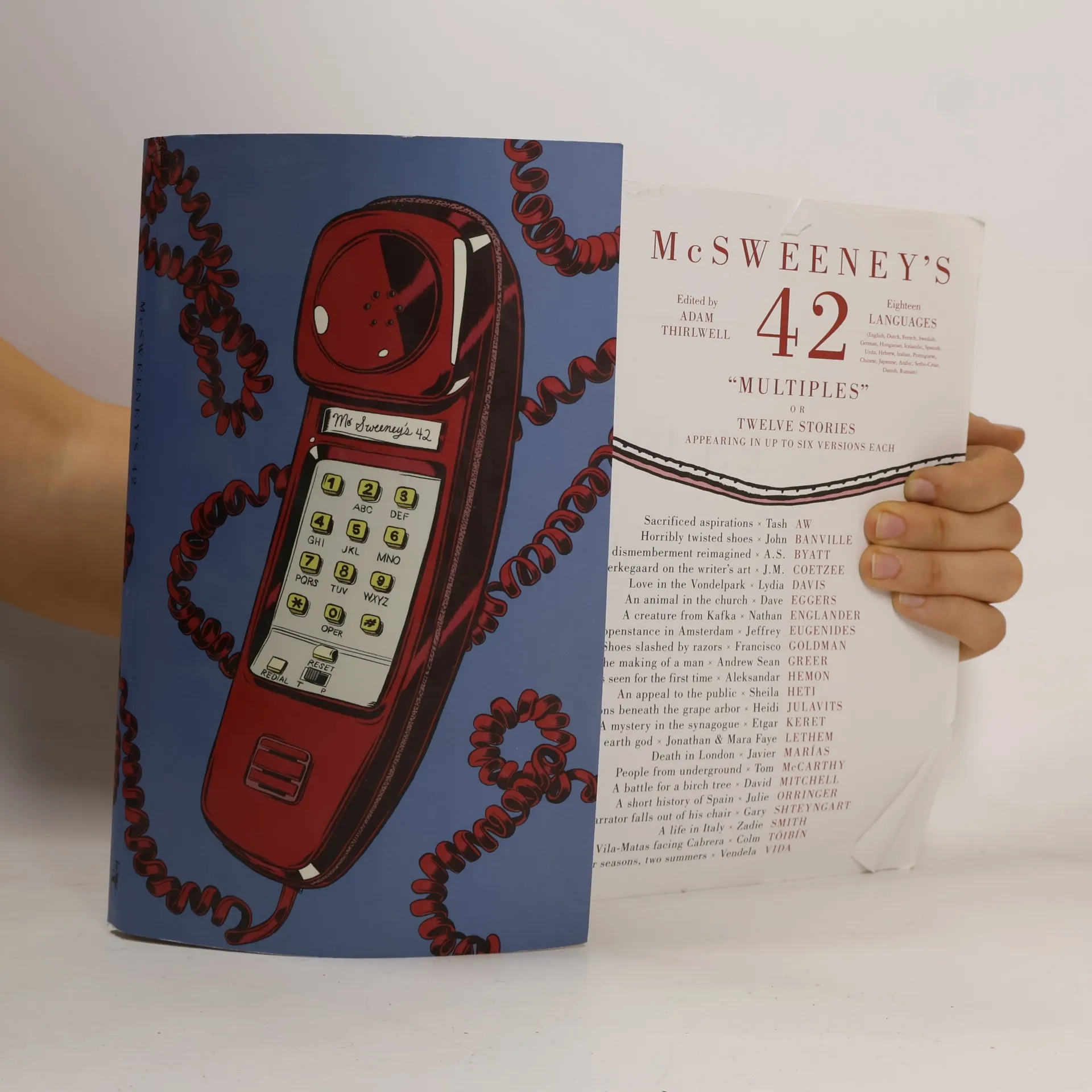
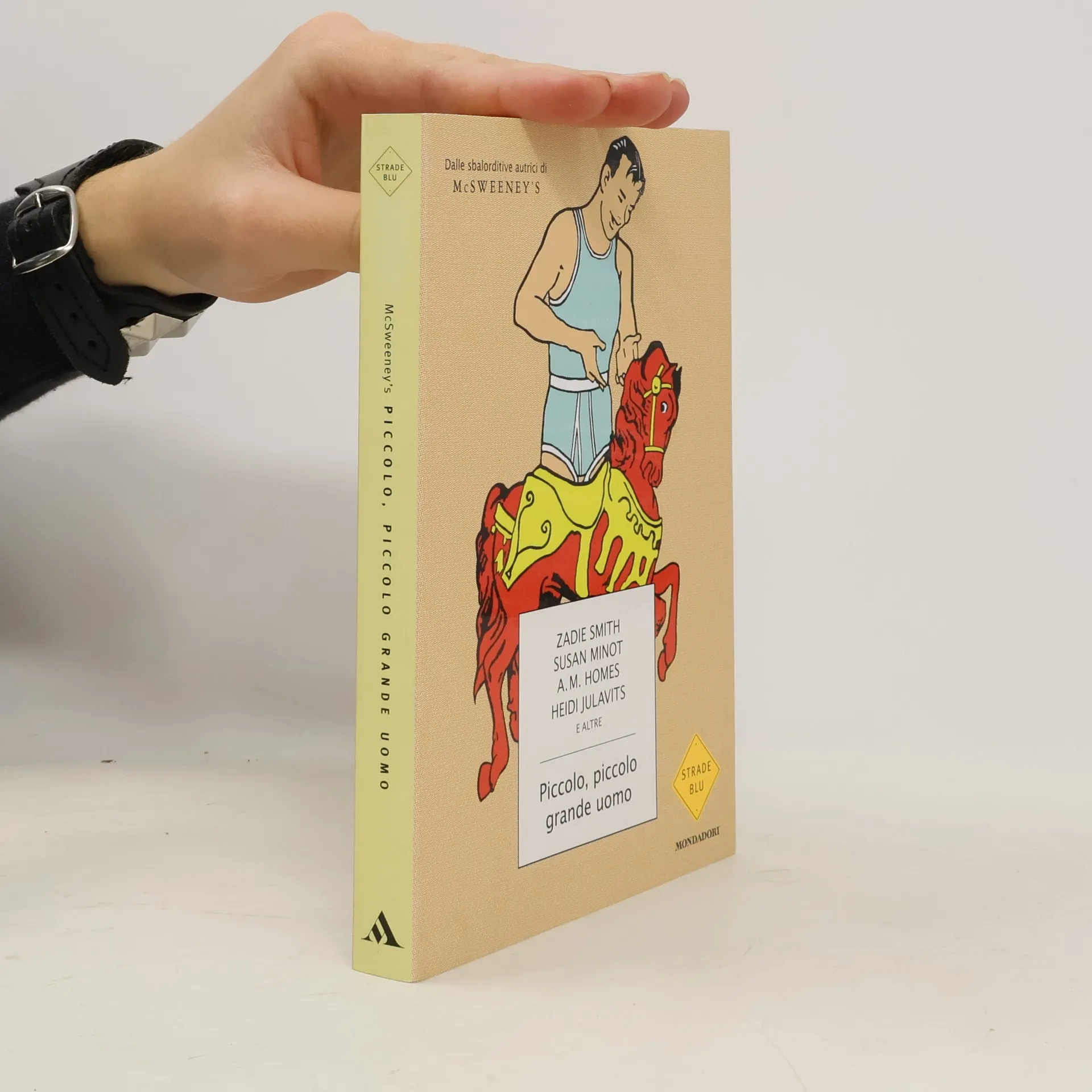
Come recita la testata del sito Web della "Timothy McSweeney è un enigma avvolto in un mistero avvolto nella pancetta".Ma chi era davvero Timothy McSweeney? Una delle possibili risposte si trova nel sesto numero, dove si "Timothy McSweeney era un uomo che aveva l'abitudine di scrivere lettere al futuro fondatore della rivista quando questi, ancora bambino e poi adolescente, abitava fuori Chicago. Le lettere, vergate con una calligrafia strana e bellissima, oltre che a lui erano indirizzate alla madre, una McSweeney, e insistevano sul fatto che il loro autore fosse imparentato con questa famiglia di Chicago". La spiegazione va avanti per un bel po' e ve la risparmiamo. Tanto, chissà quanto c'è di vero e quanto è frutto dell'immaginazione.Per quel che ne sappiamo, la rivista è nata a San Francisco nel 1998 a opera di quel formidabile genio di Dave Eggers, e da subito ha rivoluzionato il mondo delle lettere e delle riviste diventando un polo di attrazione per gli autori più famosi (e a volte anche più sconosciuti). Vogliamo fare qualche nome? Stephen King, Joyce Carol Oates, David Foster Wallace, Michael Chabon, Roddy Doyle, William Vollmann, e si potrebbe continuare fino a uscire dai bordi della copertina.In questa antologia abbiamo pensato bene di raccogliere i pezzi firmati da alcune delle intrepide scrittrici che hanno contribuito a rendere la rivista uno dei luoghi più fantastici in cui perdersi. Da Zadie Smith a Heidi Julavits, da Lydia Davis a A.M. Homes, da Susan Minot a Sheila Heti etc. etc., non avrete che l'imbarazzo della storie brevi, memorie personali, saggi e altro ancora non solo saranno per voi, cari lettori, fonte di soddisfazione e di divertimento, ma soprattutto faranno di voi delle persone incredibilmente, oscenamente, inguaribilmente cool. E oggi come oggi, scusateci se è poco.
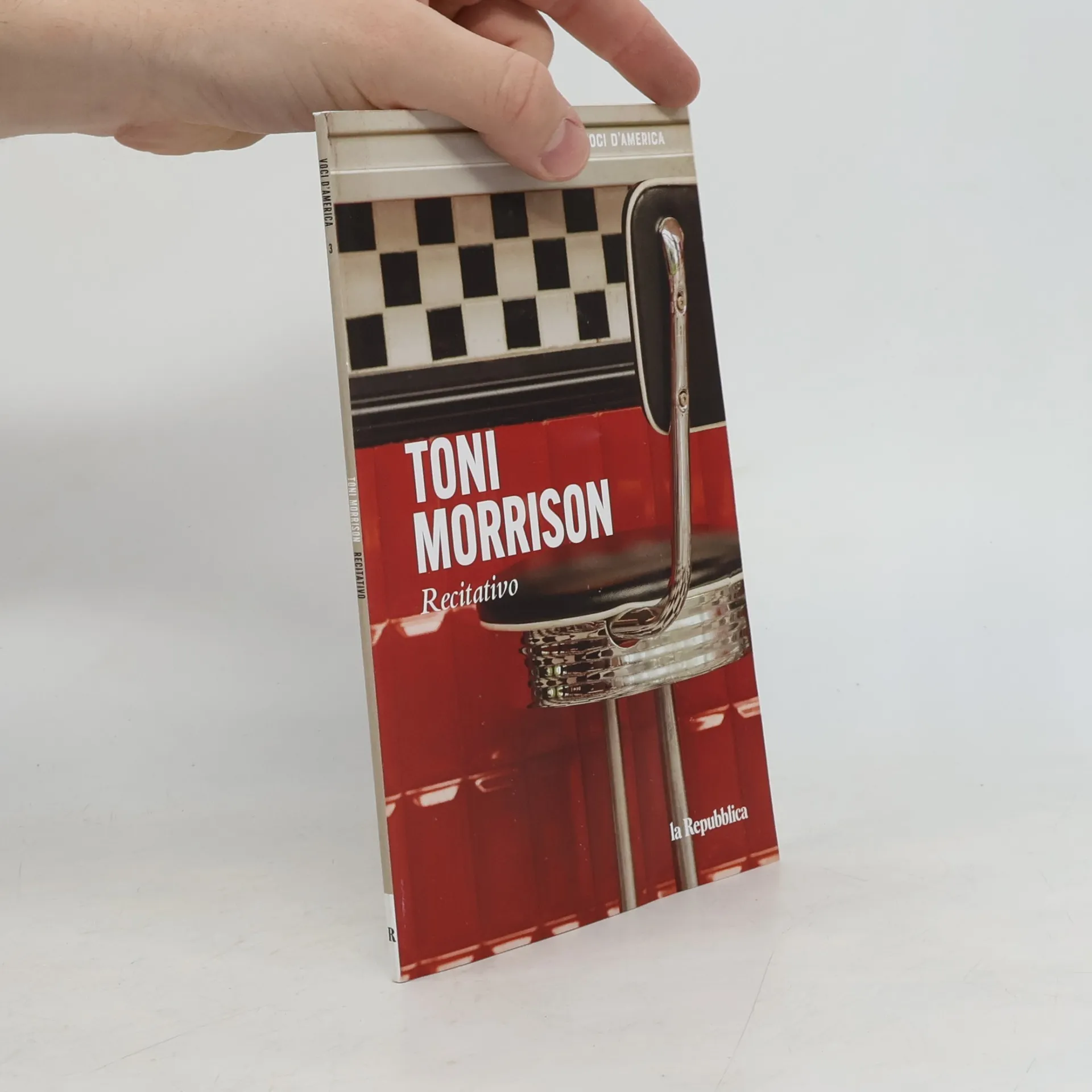
In this 1983 short story--the only short story Morrison ever wrote--we meet Twyla and Roberta, who have known each other since they were eight years old and spent four months together as roommates in St. Bonaventure shelter. Inseparable then, they lose touch as they grow older, only later to find each other again at a diner, a grocery store, and again at a protest. Seemingly at opposite ends of every problem, and at each other's throats each time they meet, the two women still cannot deny the deep bond their shared experience has forged between them. Another work of genius by this masterly writer, Recitatif keeps Twyla's and Roberta's races ambiguous throughout the story. Morrison herself described Recitatif, a story which will keep readers thinking and discussing for years to come, as "an experiment in the removal of all racial codes from a narrative about two characters of different races for whom racial identity is crucial." We know that one is white and one is Black, but which is which? And who is right about the race of the woman the girls tormented at the orphanage?
Follows the life of Patrick Melrose, a member of an upper class English family, through his traumatic childhood with an abusive father, drug addiction, fatherhood, and the possible loss of his family home.
The collection of essays offers a poignant critique of America's social systems, blending personal experiences with political commentary. Through sharp observations, the author captures the complexities of contemporary issues, providing clarity on the peculiarities of the current moment. This powerful indictment resonates with readers, making it a significant addition to the discourse on societal challenges.
Durante gli ultimi giorni della dominazione francese in Indocina, un funzionario americano della Missione per gli Aiuti economici, di nome Pyle, viene assassinato in circostanze misteriose. Un cronista inglese suo amico, Fowler, tenta di venire a capo dell'enigma, ripercorrendo nella sua memoria le fasi del suo rapporto con l'ucciso, e delineandone a poco a poco il carattere, il modo di vivere e di pensare, le aspirazioni. Al cinismo di Fowler, oppiomane, miscredente, sarcastico, Pyle opponeva la sua candida "innocenza", la sua granitica fede negli ideali del "sogno americano", la sua assoluta sicurezza circa la legittimità della presenza degli Stati Uniti nei punti caldi del mondo. E proprio in nome di tali indiscutibili valori, non aveva esitato a rendersi complice di una serie di sanguinosi attentati, la cui responsabilità sarebbe dovuta ricadere sui comunisti, ormai alle porte di Saigon.
'Changing My Mind' finds Zadie Smith casting an acute eye over material both personal & cultural. This engaging collection of essays, some published here for the first time, reveals Smith as a passionate & precise essayist, equally at home in the world of great books & bad movies, family & philosophy, British comedians & Italian divas.
How much joy can a person tolerate? How many kinds of boredom make up a life? Who owns the story of black America? Should Justin Bieber be more like Socrates? And why is there a dead art collector floating in the swimming pool? Dazzlingly insightful, explosively funny and ever-timely, Zadie Smith is back with a second unmissable collection of essays. From German Old Masters to the new masters of East Coast rap, from social networks opening lines of communication to national referenda closing doors, Feel Freereaches out in all directions and draws back a rich feast of ideas. Here pop culture, high culture, social change and political debate all get the Zadie Smith treatment- dissected with razor-sharp intellect, set brilliantly against the context of the utterly contemporary, and considered with a deep humanity and compassion. With the easy intimacy of a local and the piercing clarity of an outsider, Feel Freecasts a sharp critical eye over the creative luminaries that have shaped our world- from J. G. Ballard to Karl Ove Knausgaard, Orson Welles to Charlie Kaufman, Joni Mitchell to Beyonce, and far beyond. And it considers the points of contact where the author herself meets this world, where the political meets the personal and critique meets memoir. This electrifying new collection showcases Zadie Smith as a true literary powerhouse, demonstrating once again her credentials as an essential voice of her generation.
Howard Belsey, a Rembrandt scholar who doesn't like Rembrandt, is an Englishman abroad and a long - suffering Professor at Wellington College. He has been married for thirty years to Kiki, an American woman who no longer resembles the sexy activist she once was. Their three children passionately pursue their own paths, and faced with the oppressive enthusiasms of his children, Howard feels that the first two acts of his life are over and he has no clear plans for the finale. Then Jerome, Howard's oldest son, falls for Victoria, the stunning daughter of the right - wing icon Monty Kipps. Increasingly, the two families find themselves thrown together in a beautiful corner of America, enacting a cultural and personal war against the background of real wars that they barely register . . .