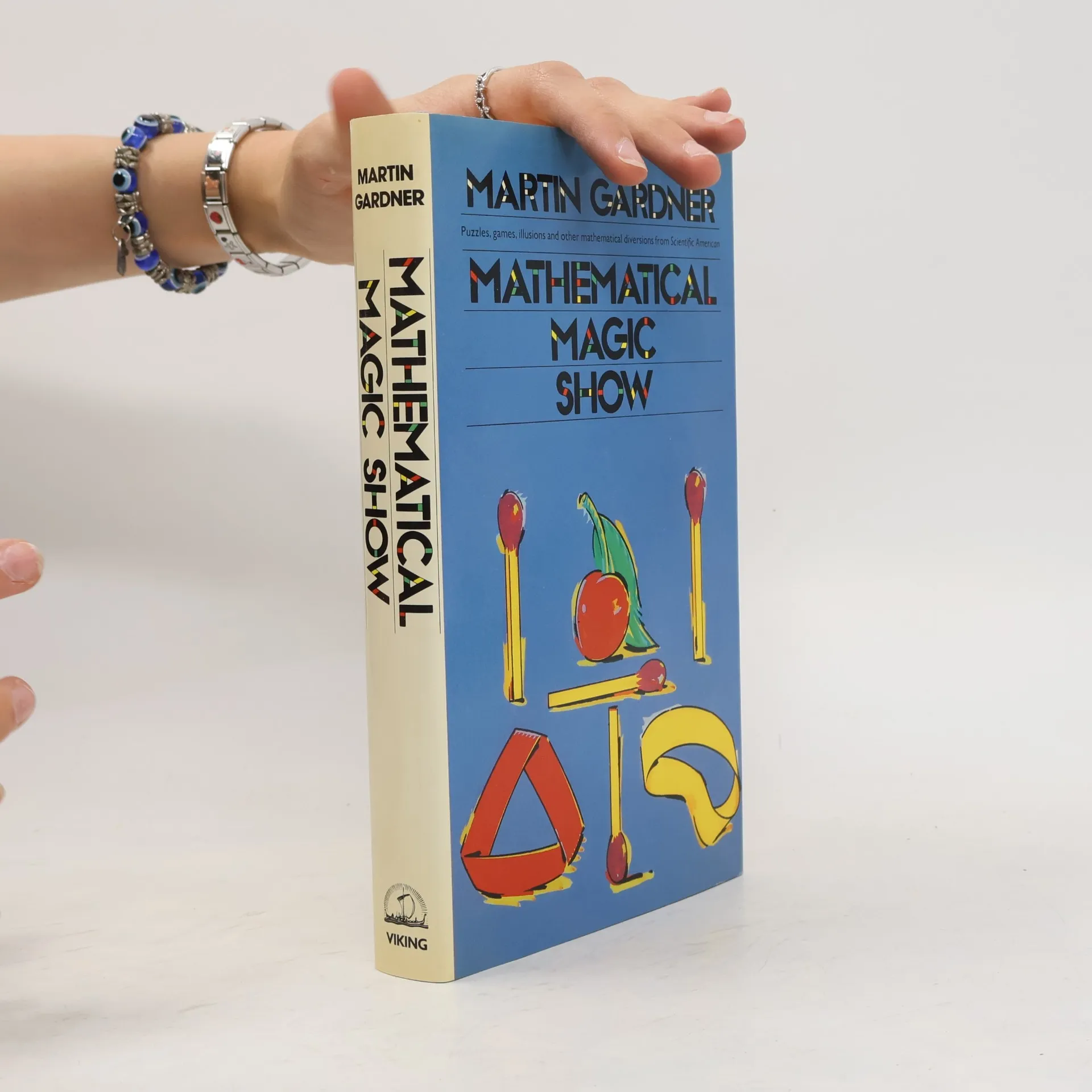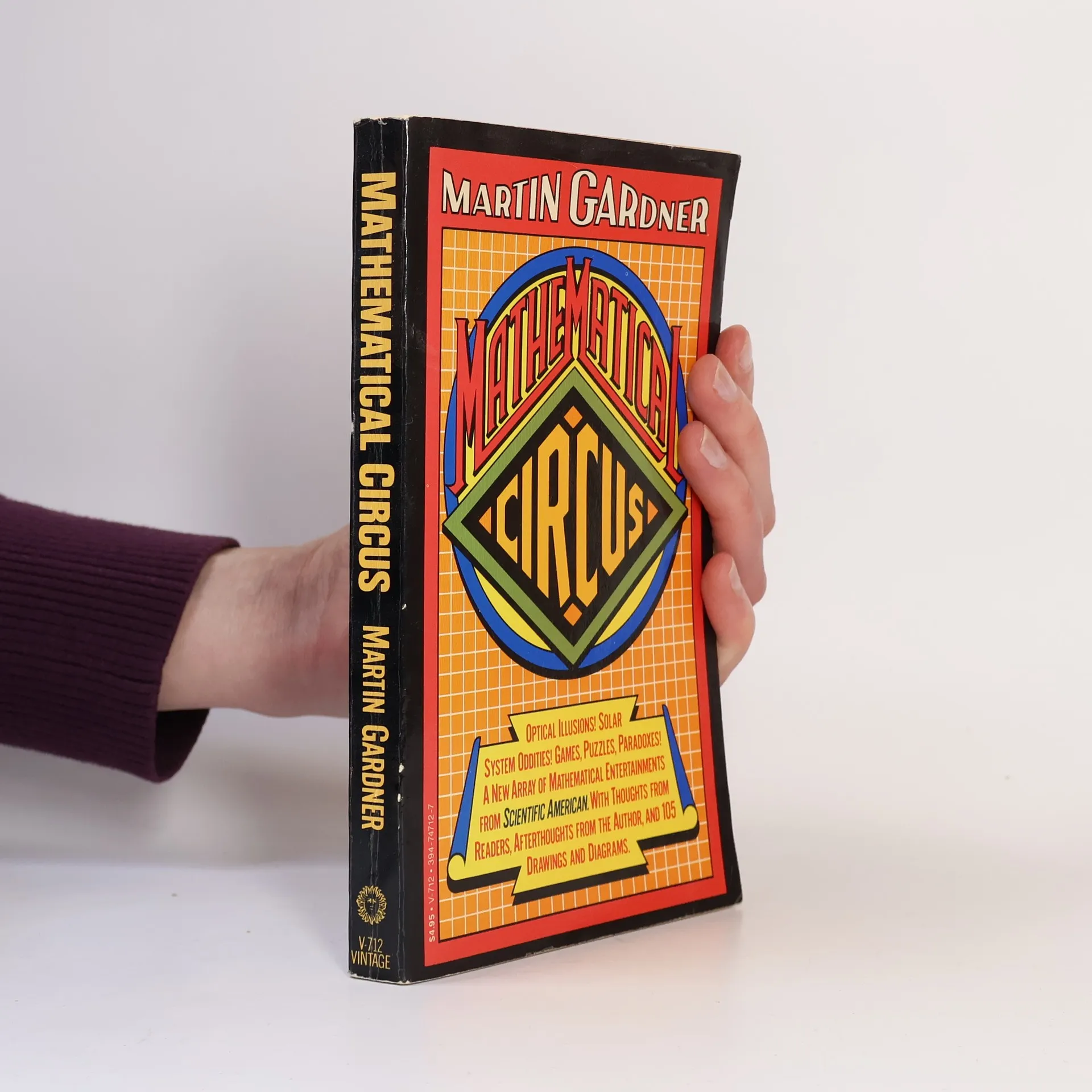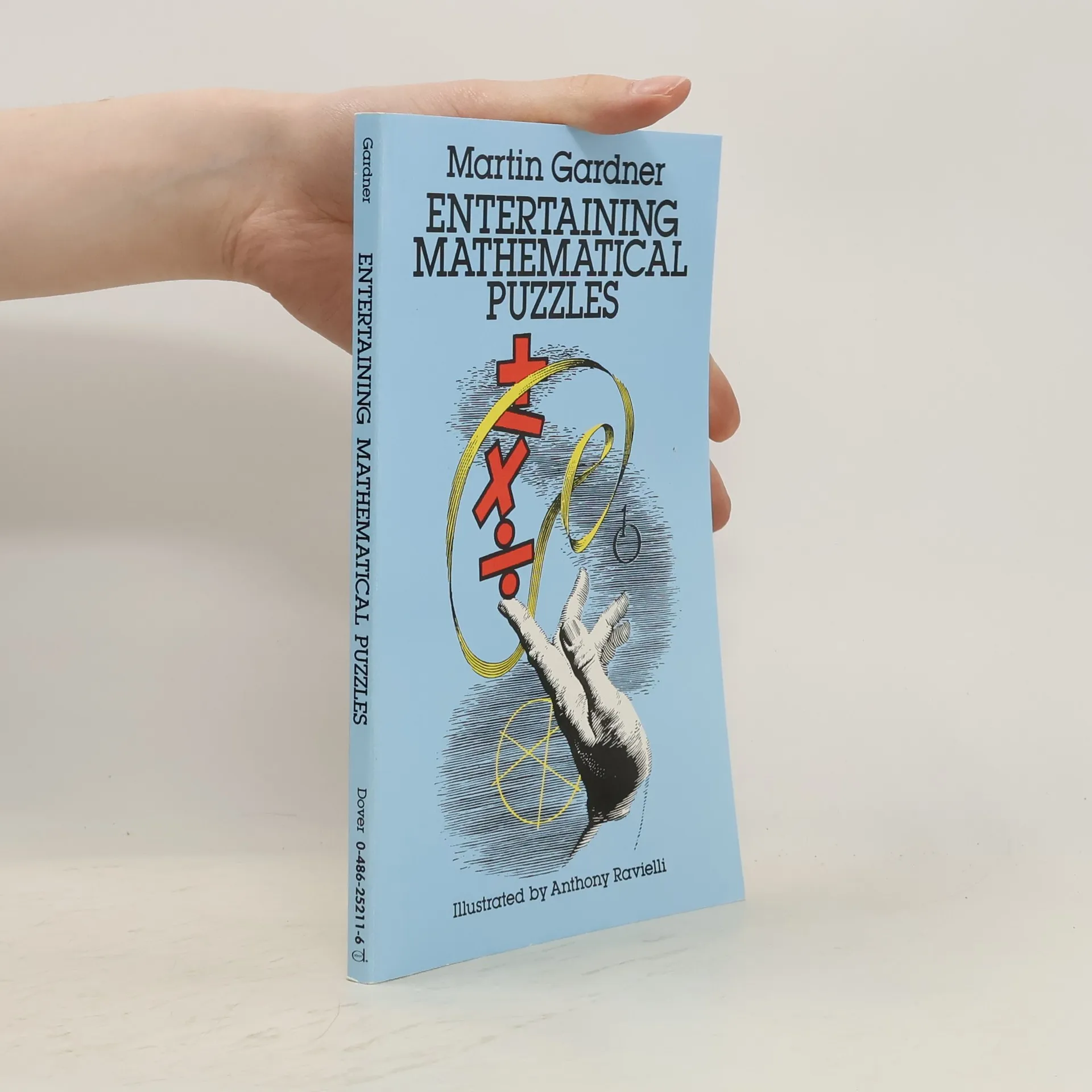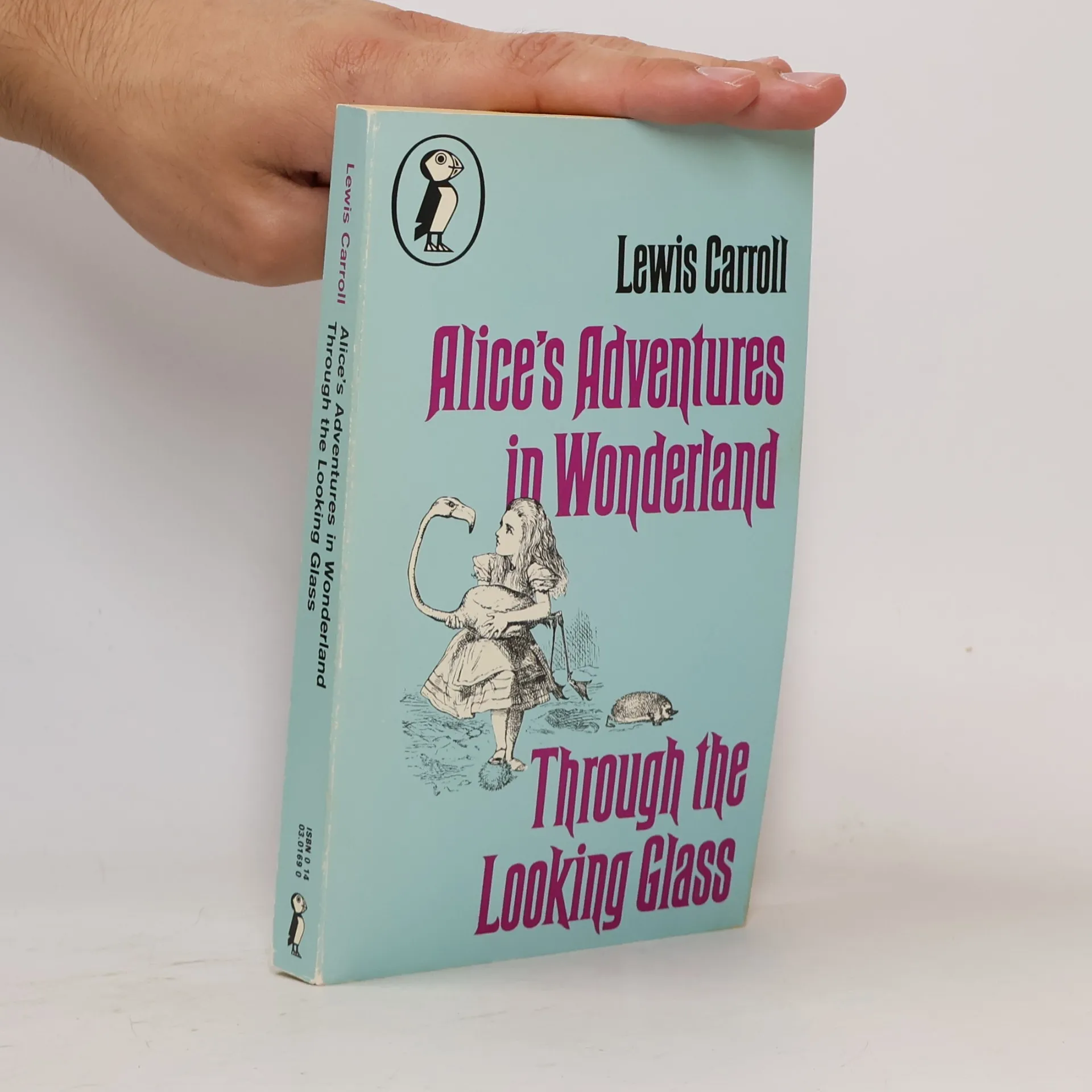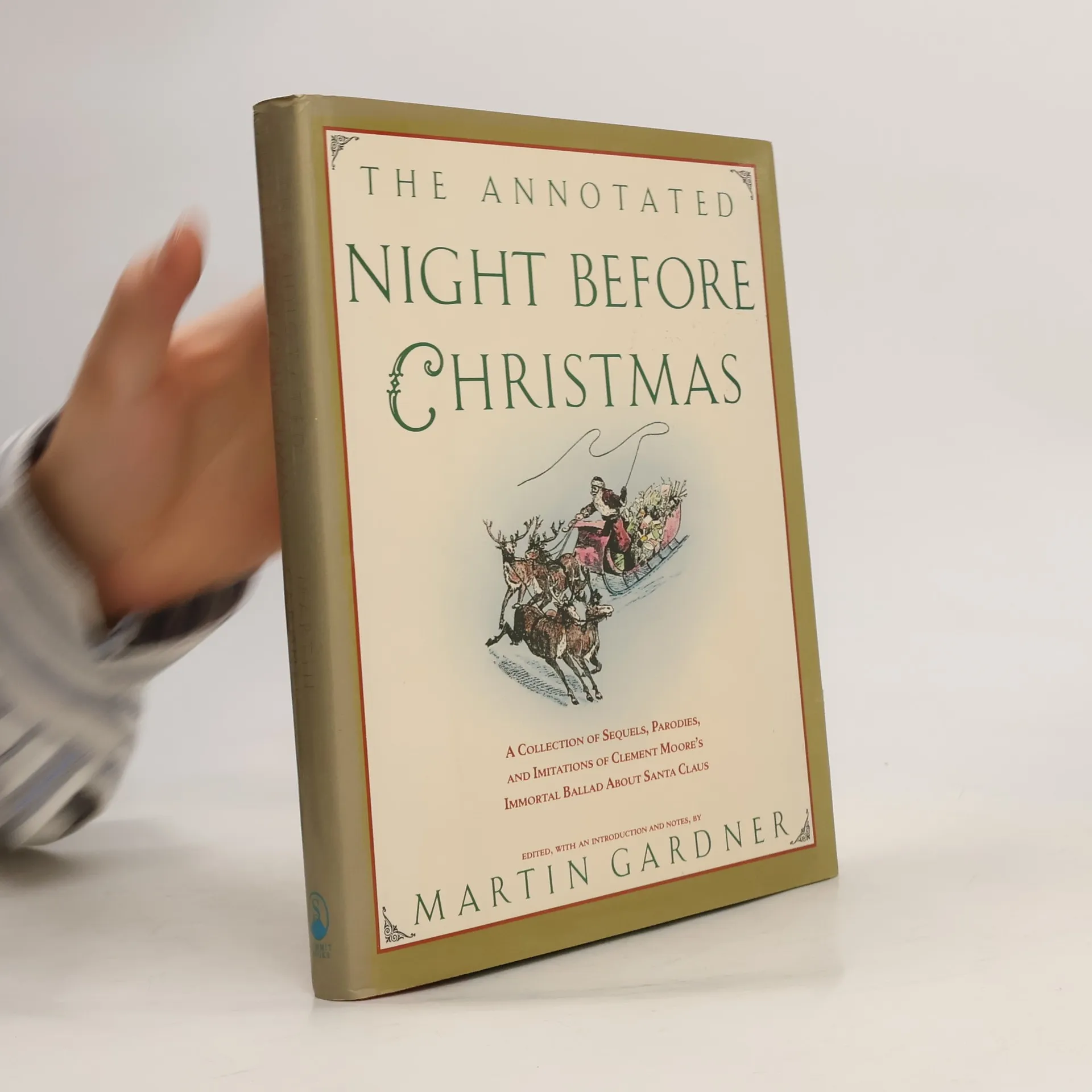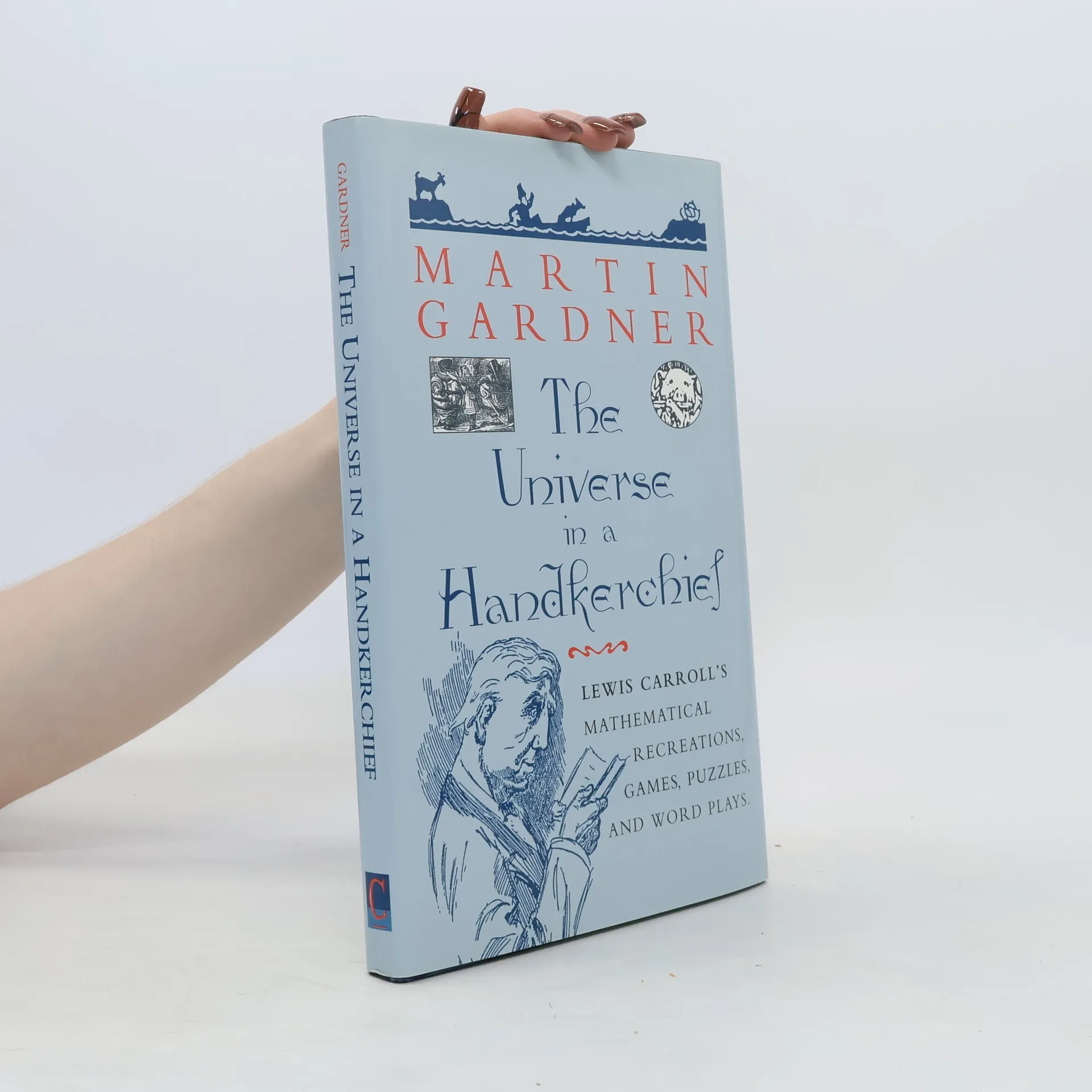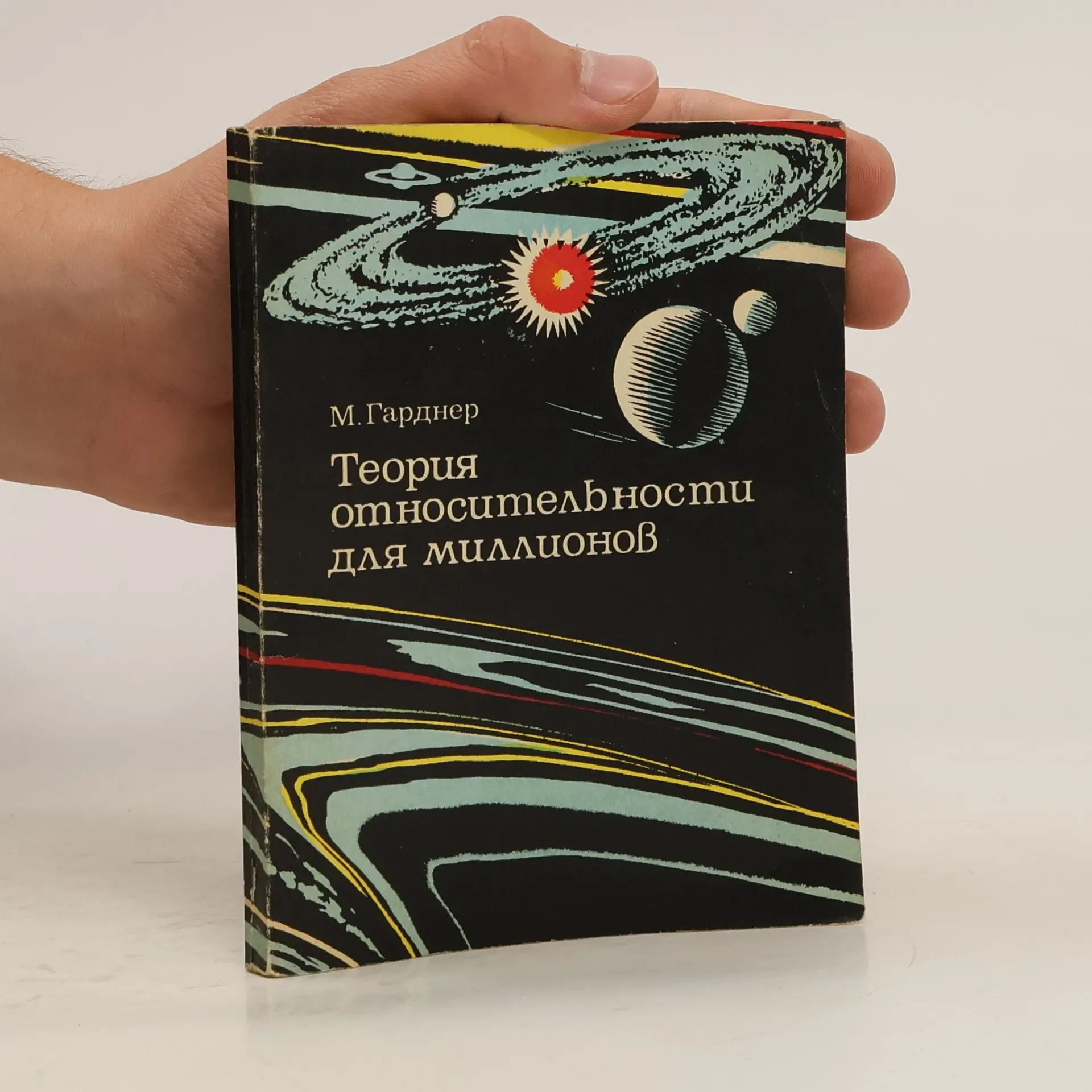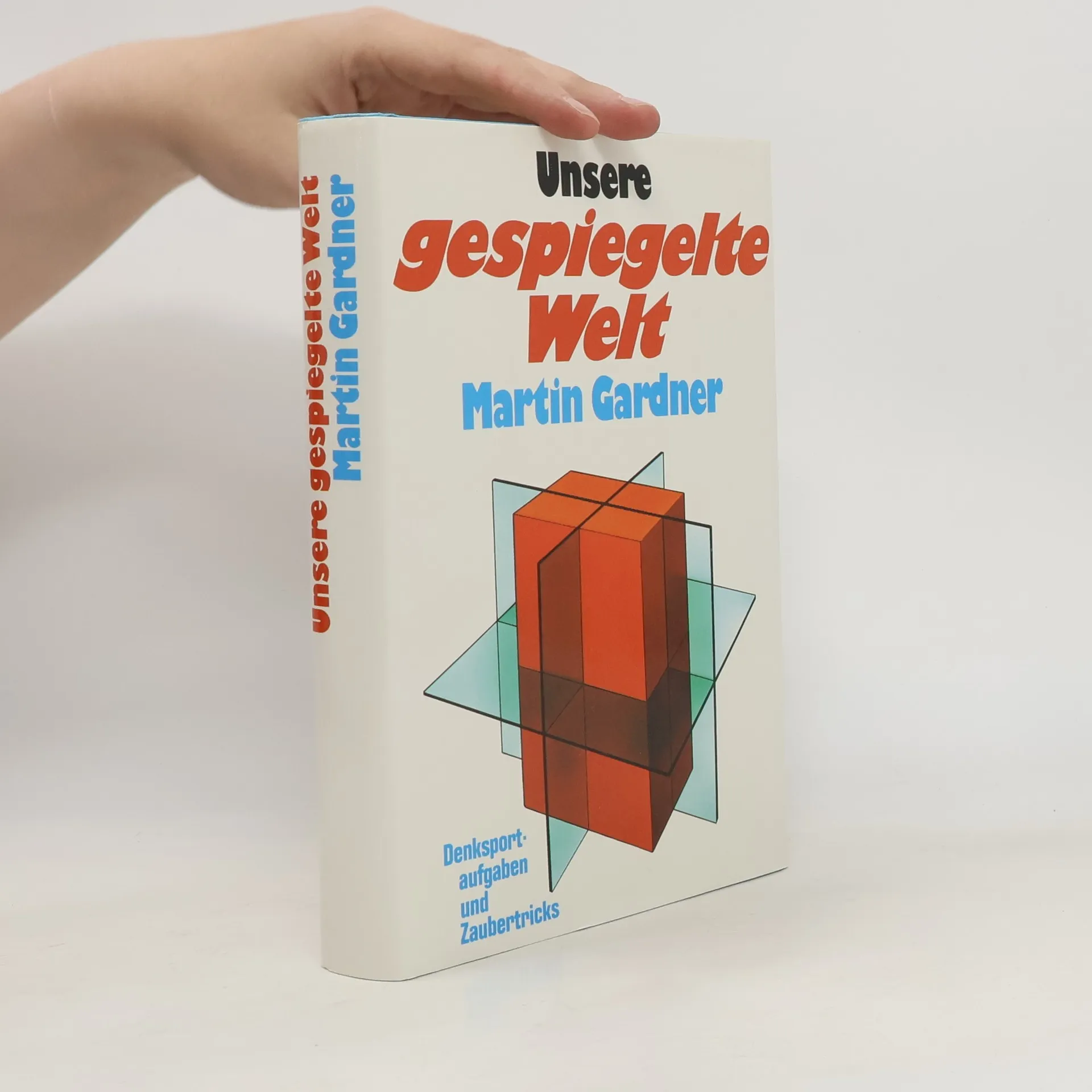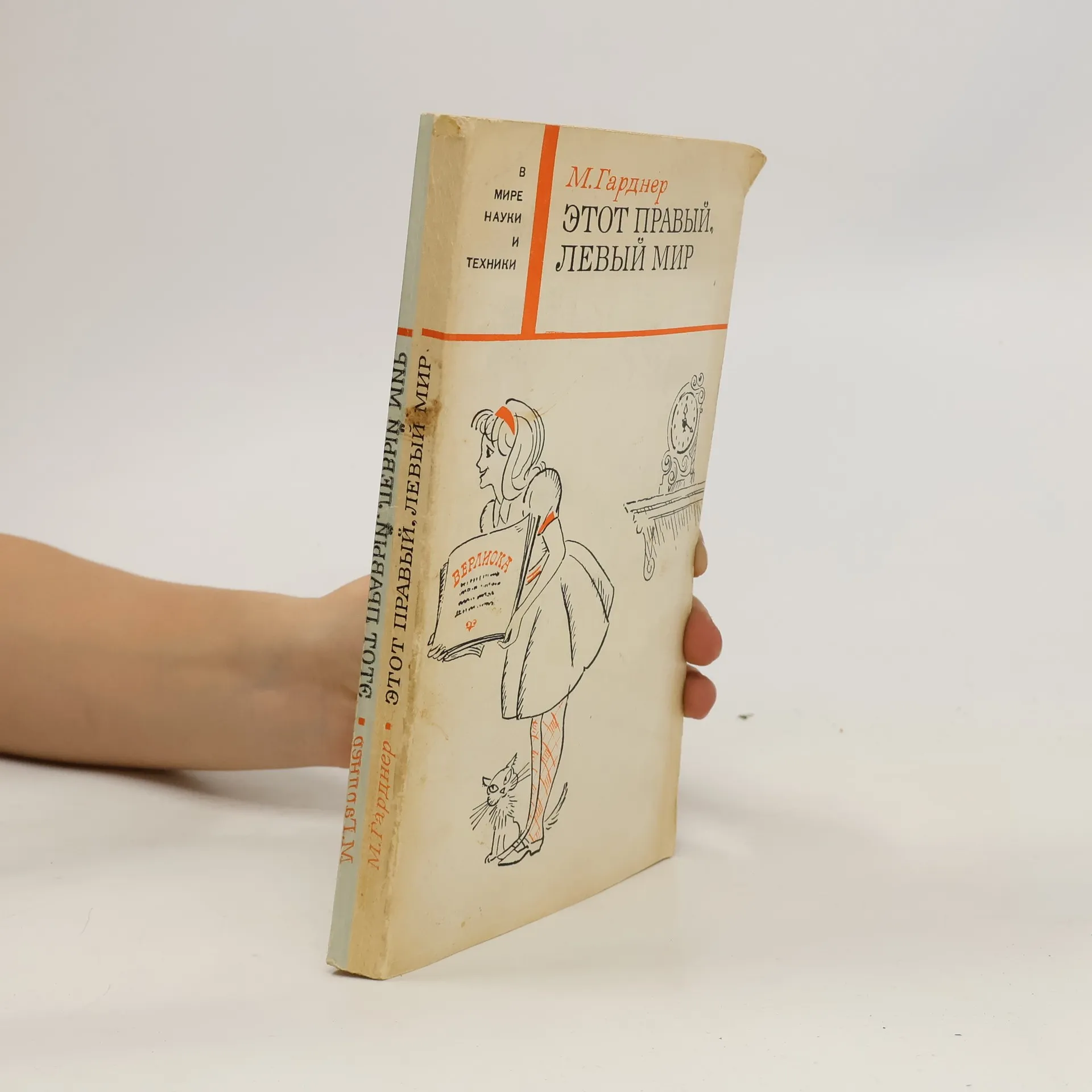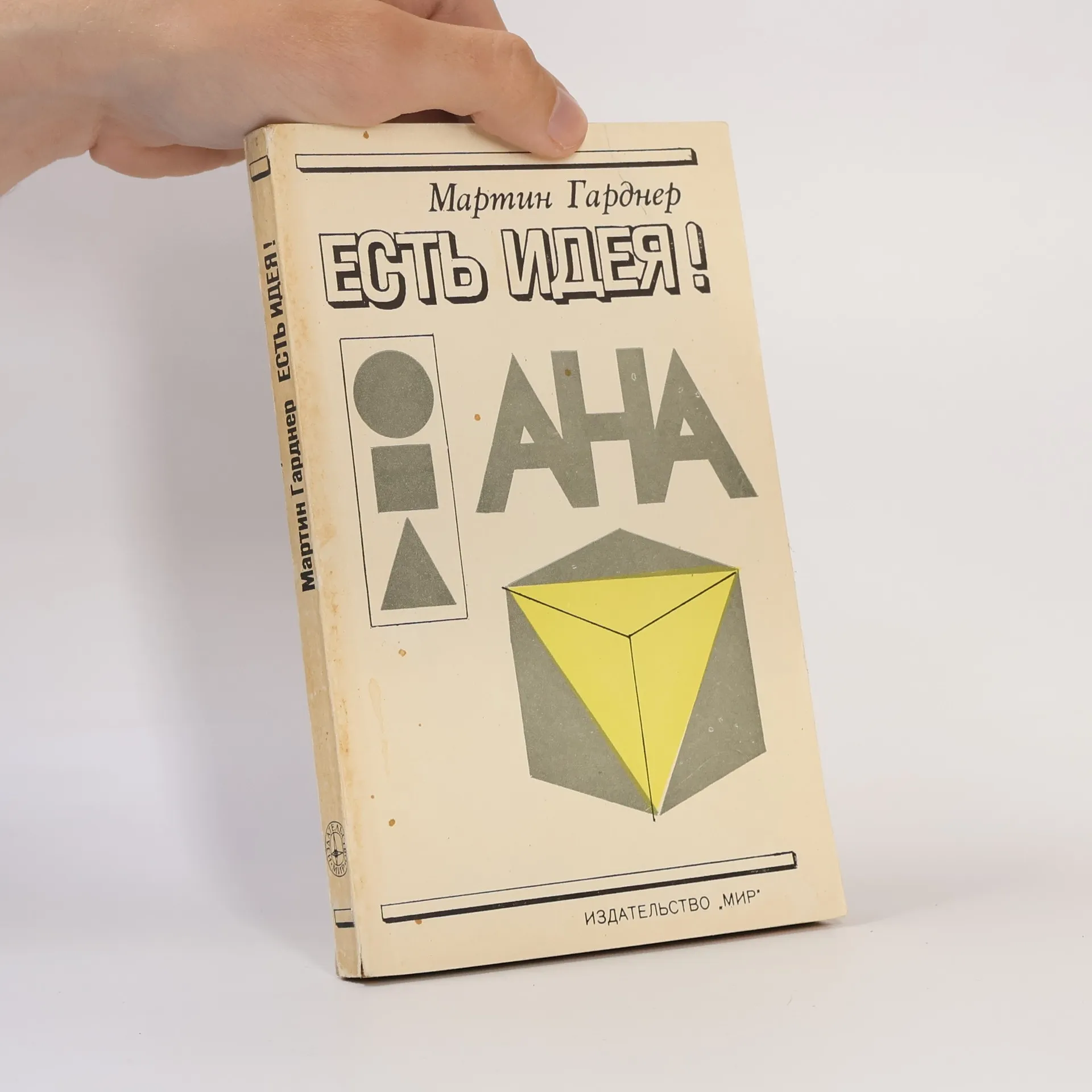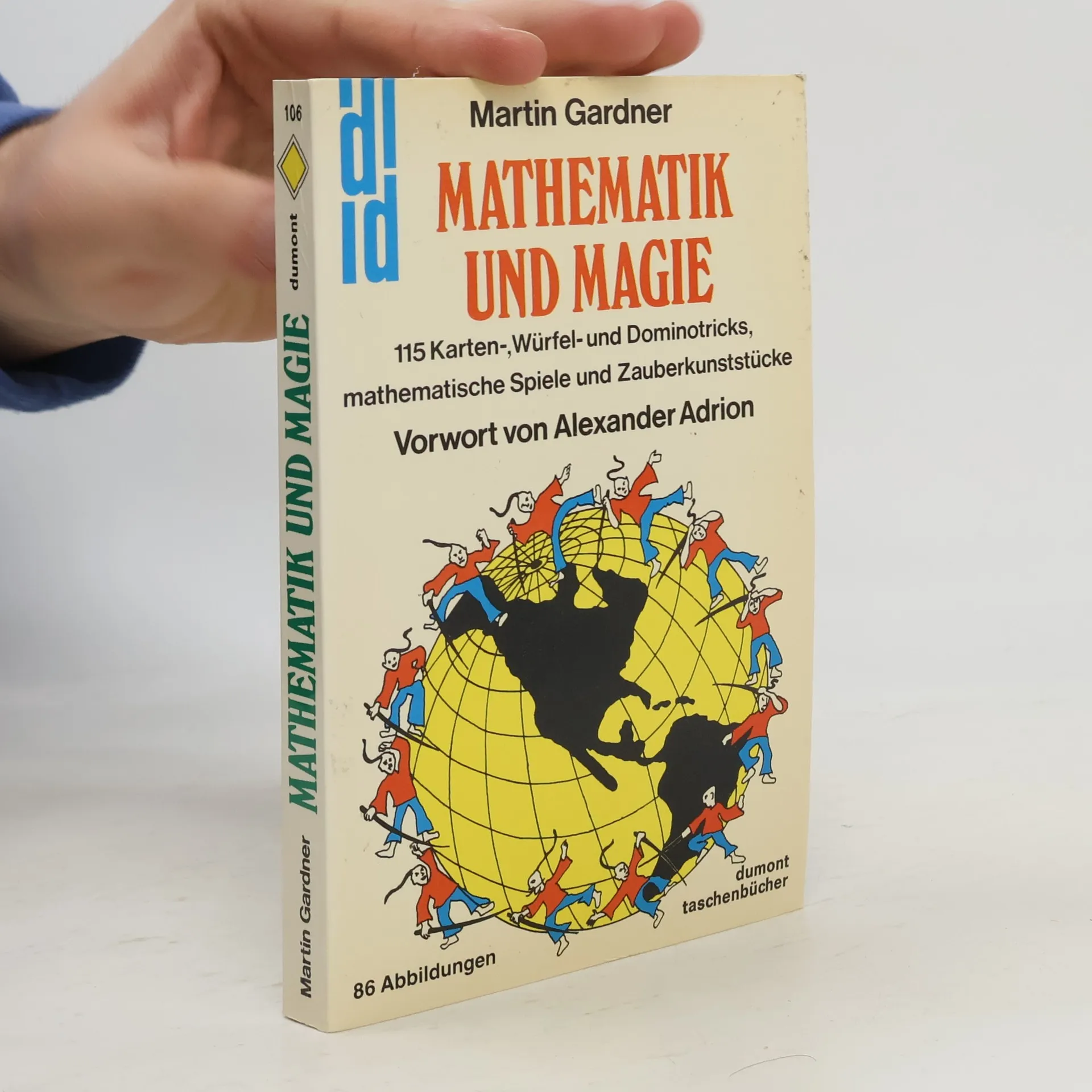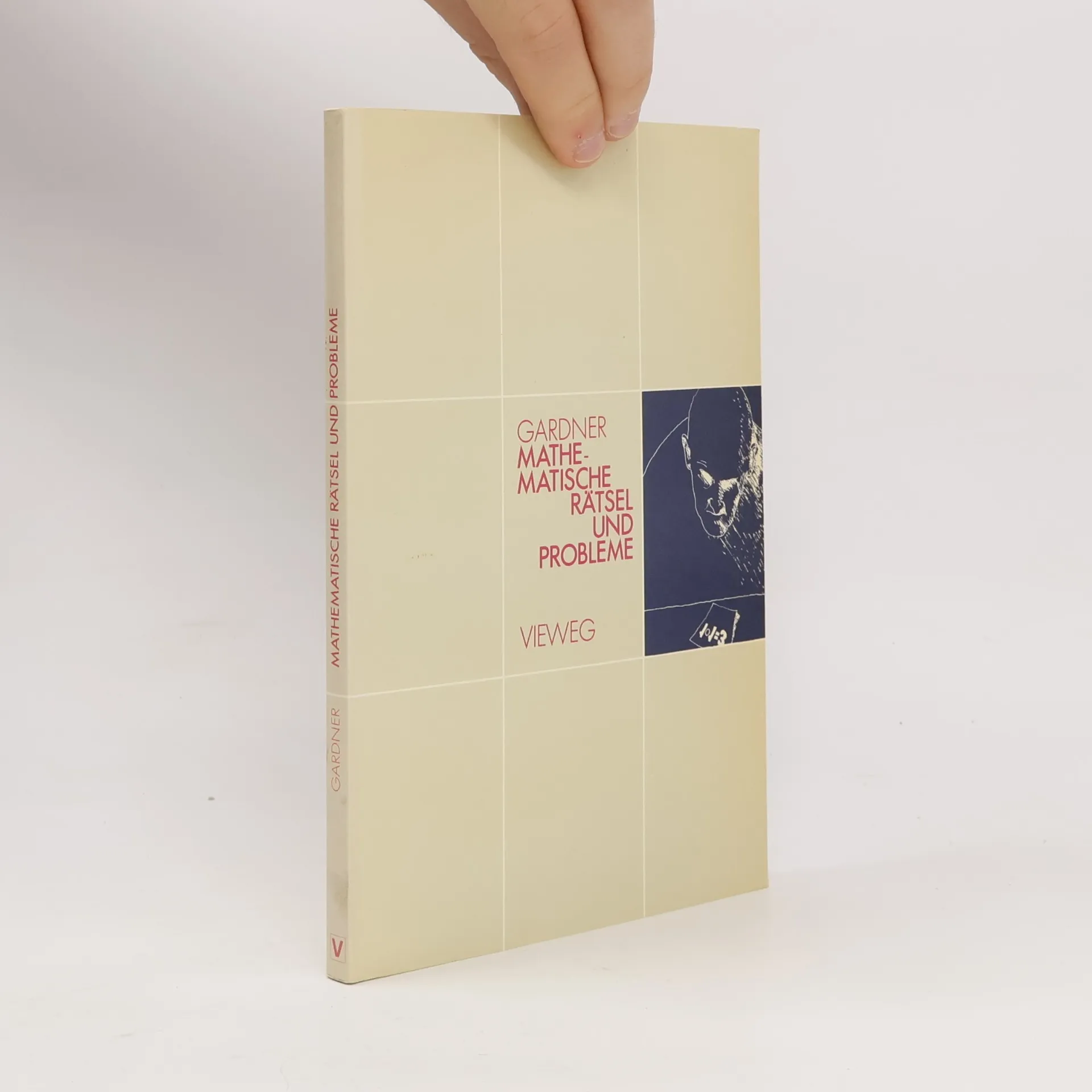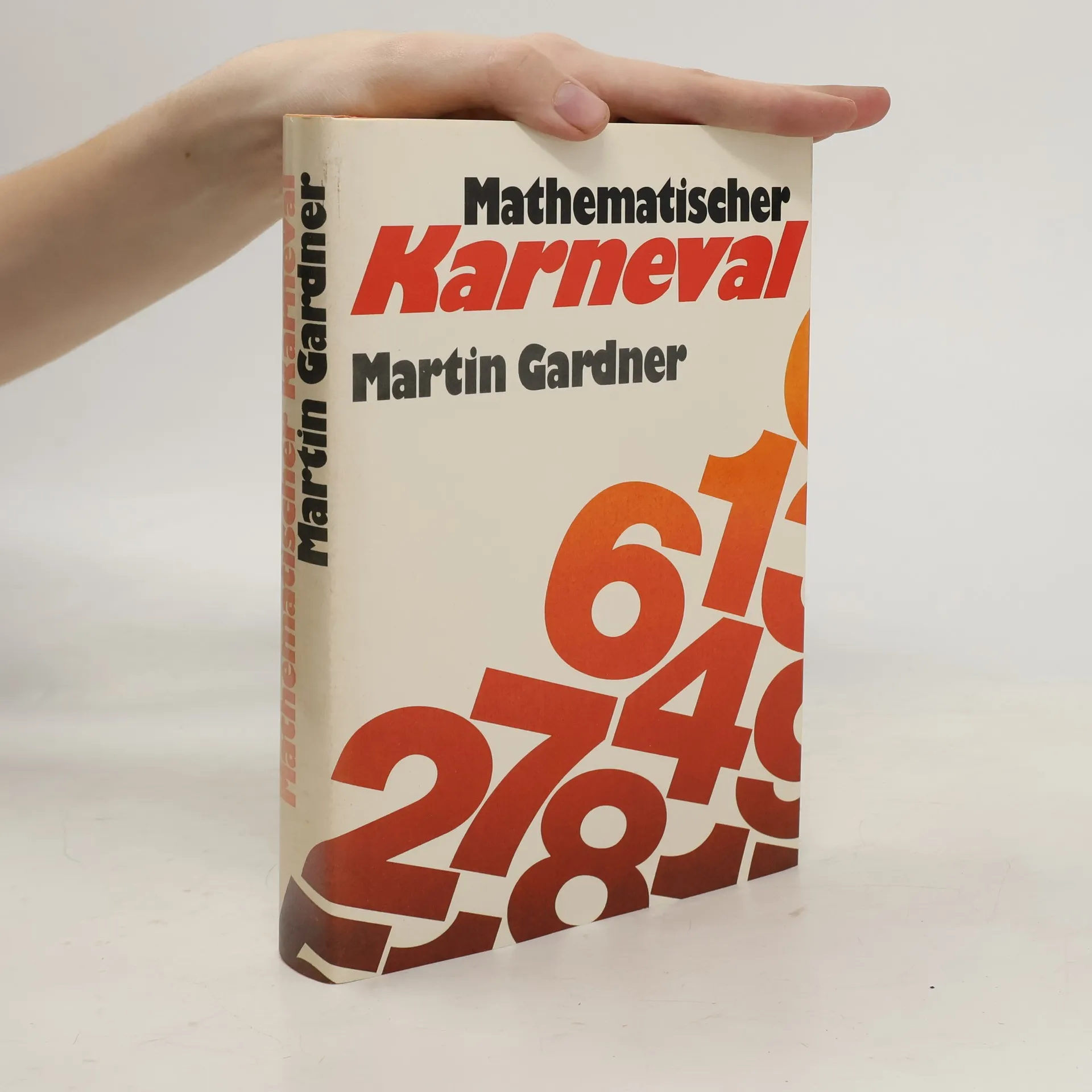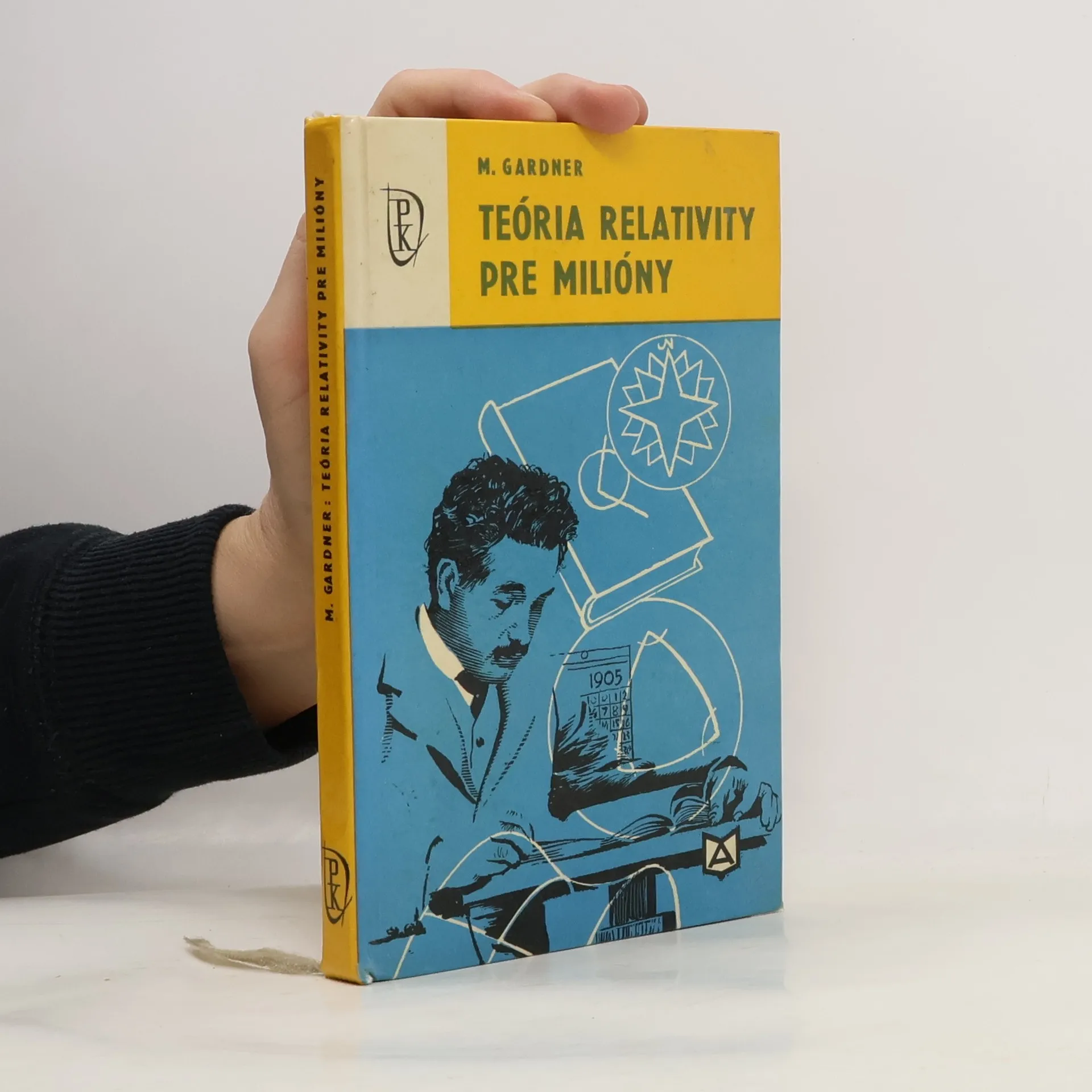
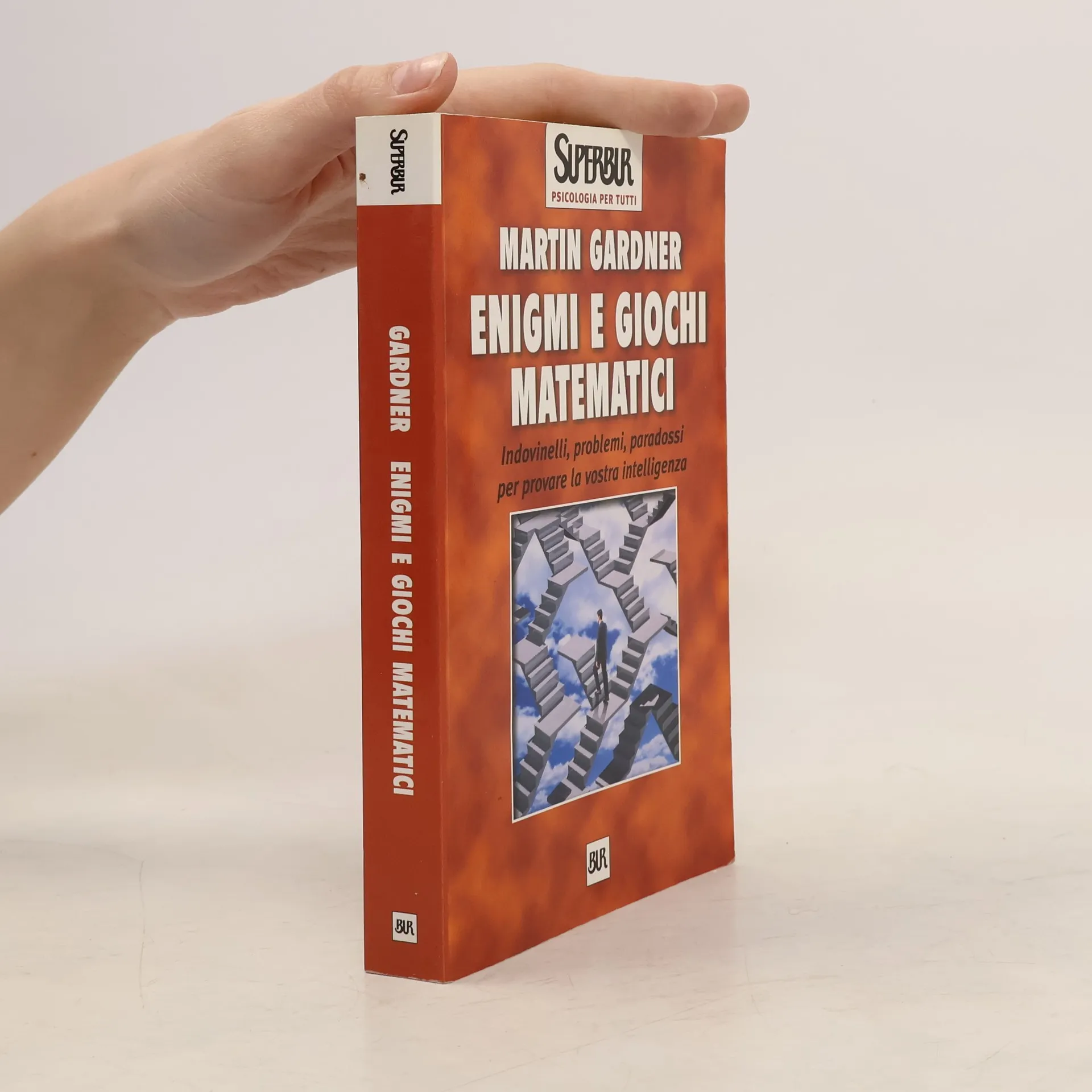
Martin Gardner è stato uno scrittore americano il cui lavoro spaziava dalla matematica ricreativa, alla magia, alla letteratura, alla filosofia e allo scetticismo scientifico. Possedeva un talento unico nel rendere i soggetti complessi accessibili e coinvolgenti per un vasto pubblico. La scrittura di Gardner è caratterizzata dal suo rigore intellettuale unito a una giocosa curiosità, invitando i lettori a esplorare le meraviglie della logica e dell'universo. La sua eredità duratura risiede nella sua capacità di ispirare un apprezzamento più profondo per l'interconnessione di diversi campi del sapere.
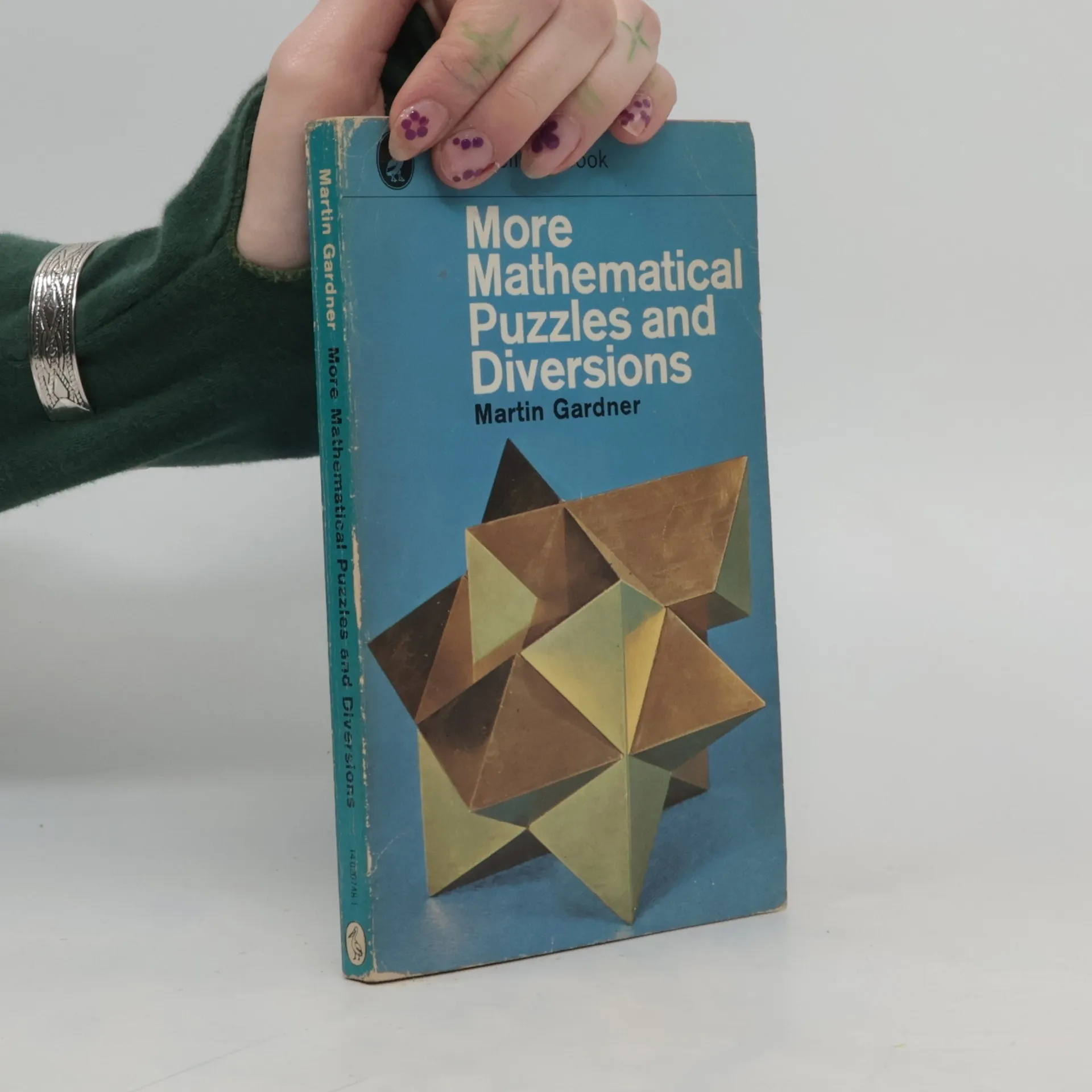
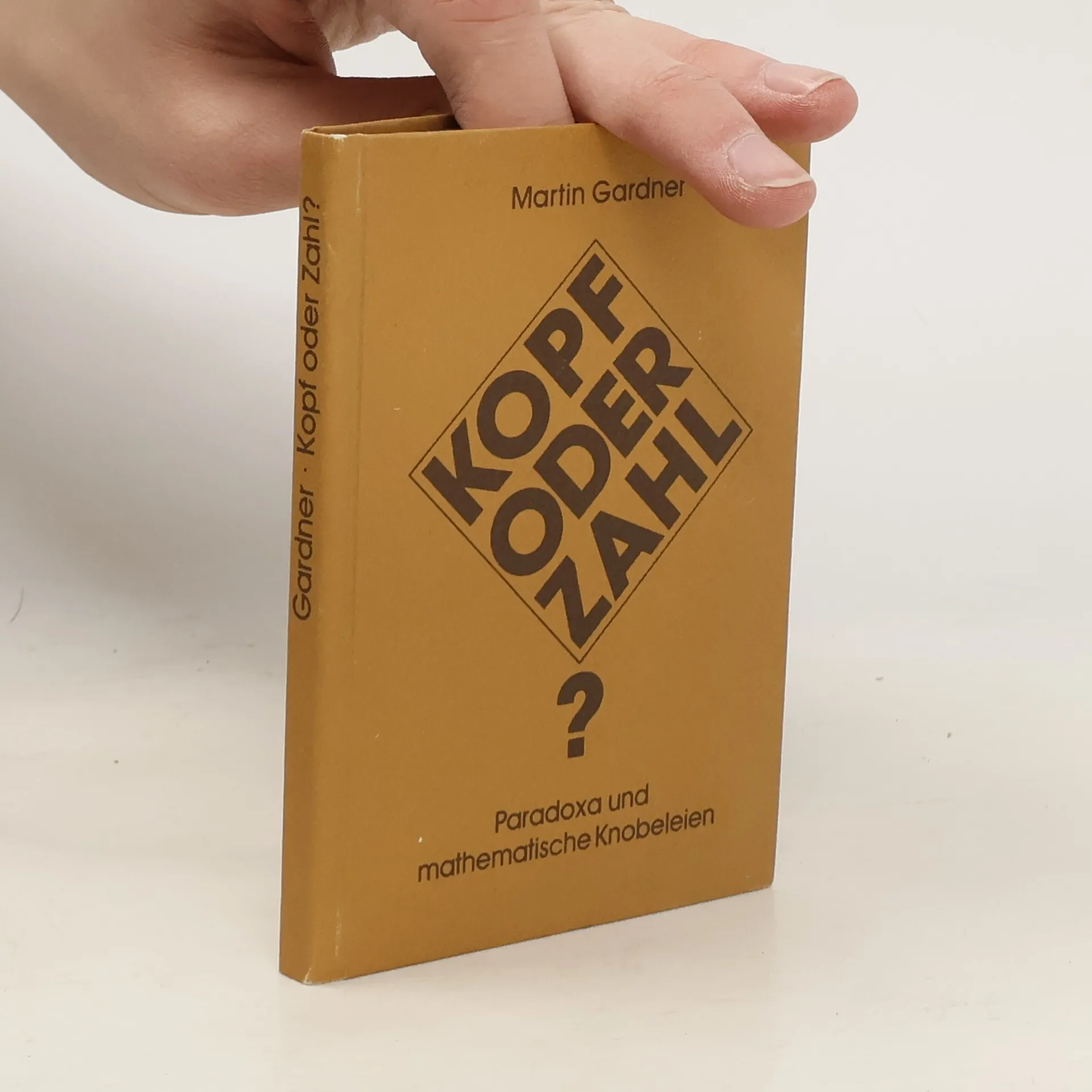
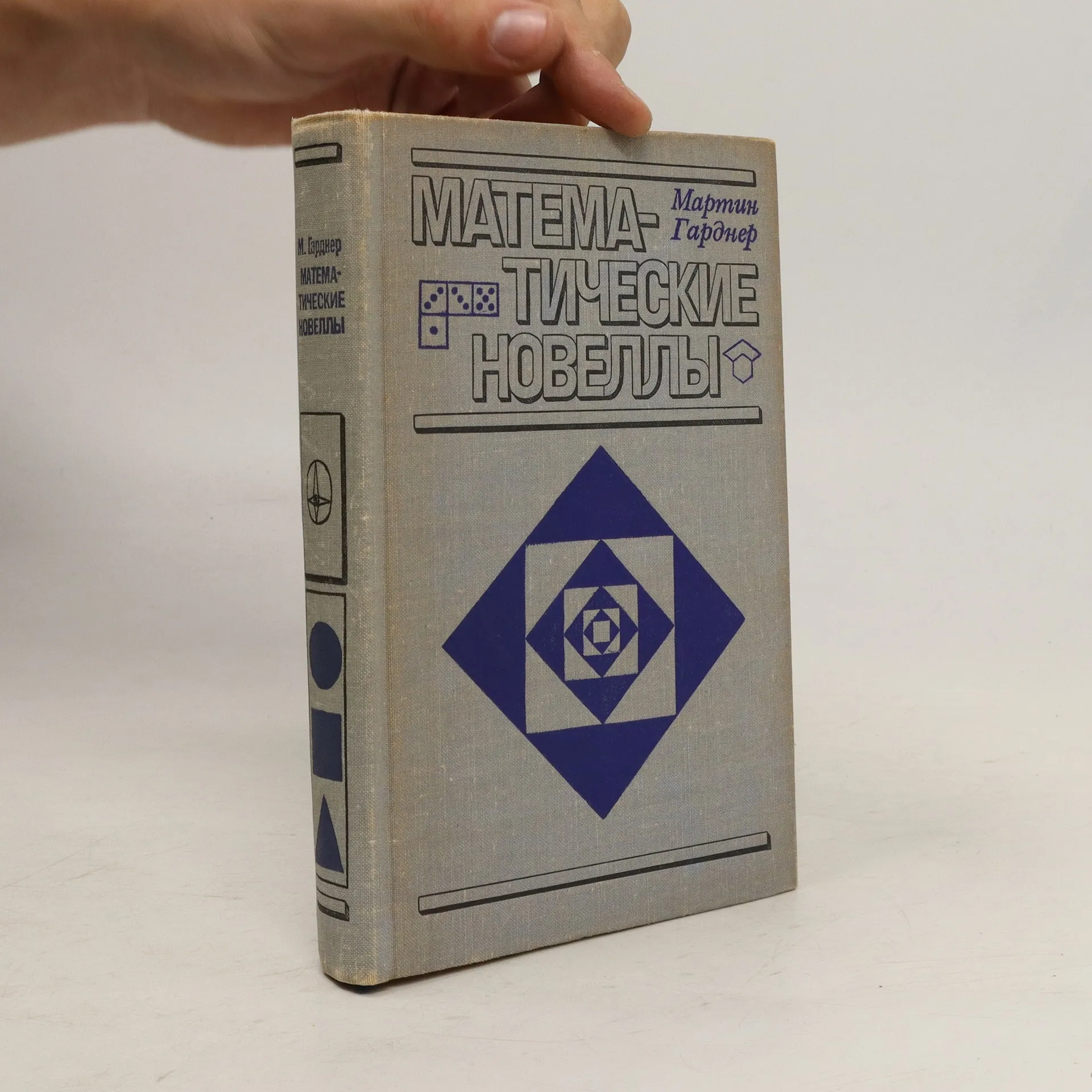
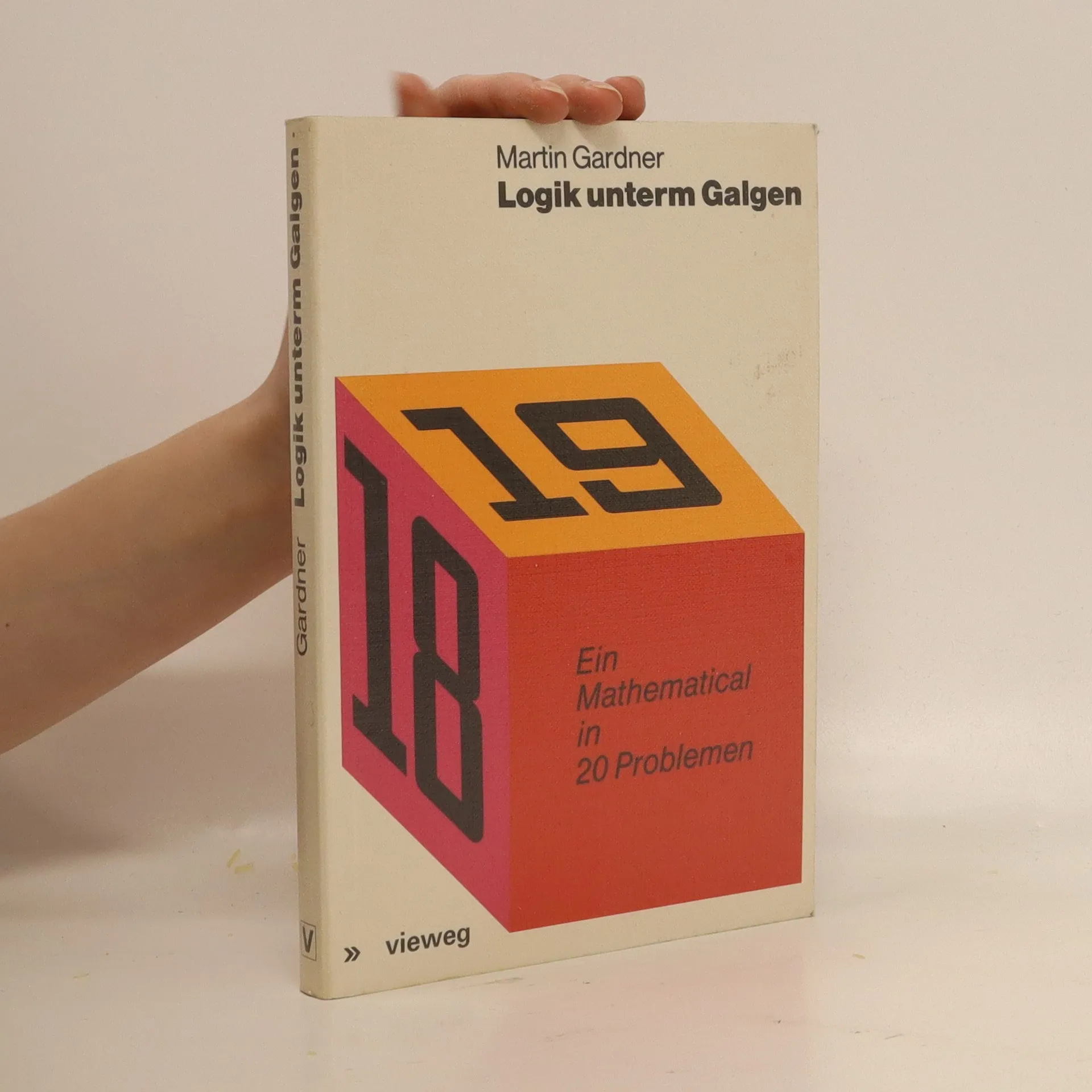
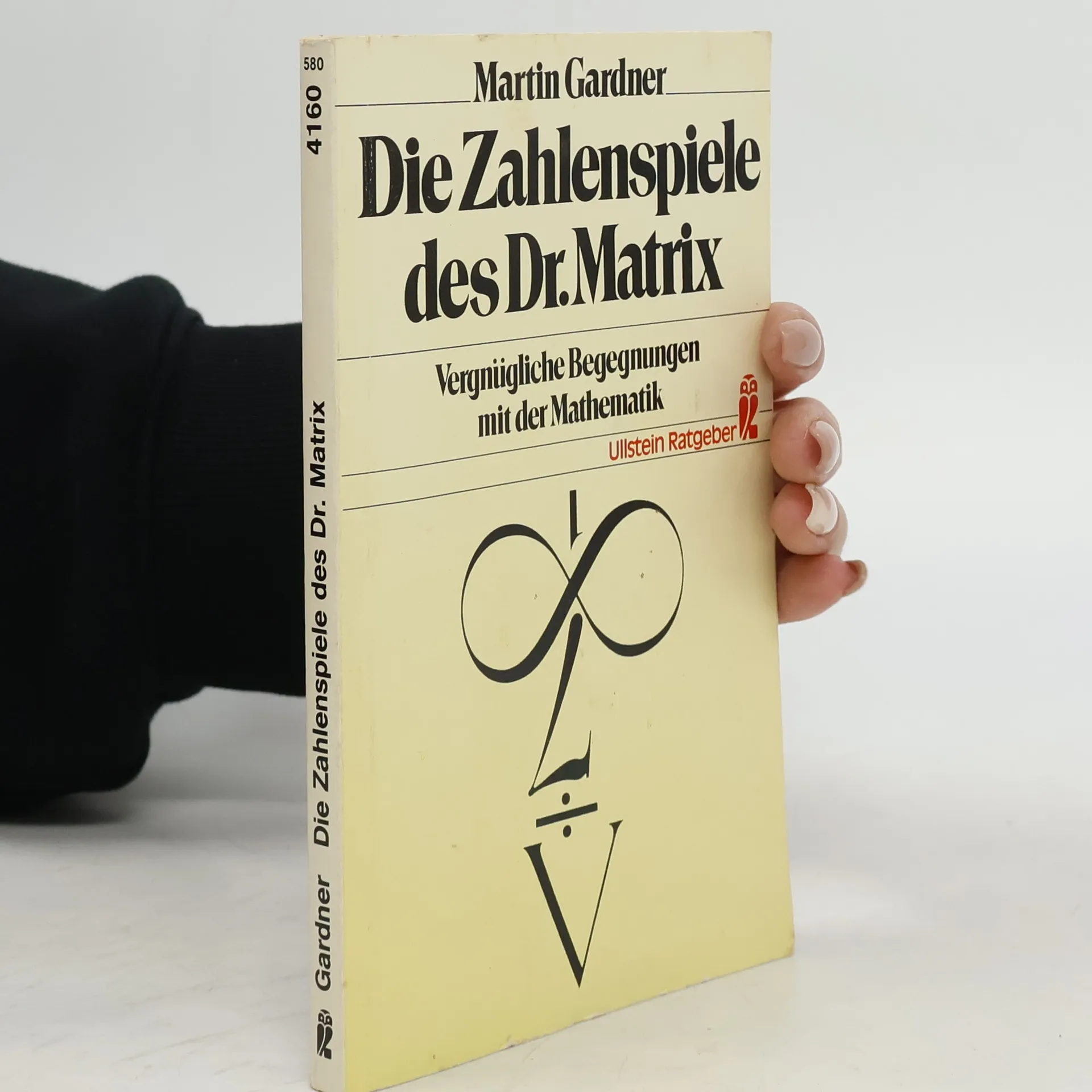
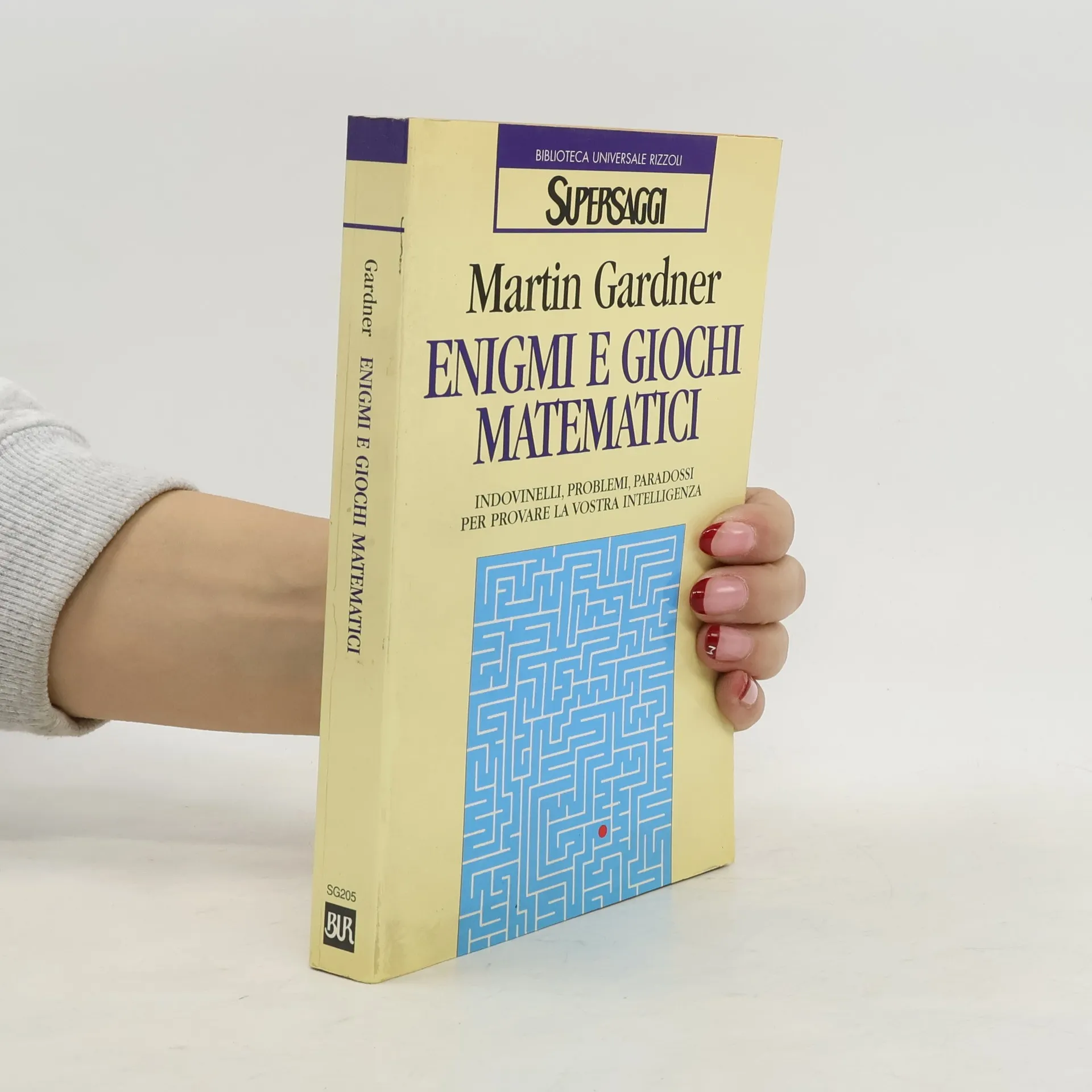
Il contenuto delle variazioni matematiche presentate da Gardner, si estende dalle figure di carta (sapete riflettere un esaesaflexagono?) alle capacità della memorizzazione matematica e alle speculazioni sul nastro di Moebius. Vi sono indovinelli ideati da alcuni matematici odierni per puro divertimento o nel corso di serie ricerche. Ogni giochetto contenuto nel libro, ogni paradosso o rompicapo è stato scelto per il suo interesse matematico ed è accompagnato da commenti che offrono all'autore il pretesto per illustrare alcuni aspetti del pensiero matematico.
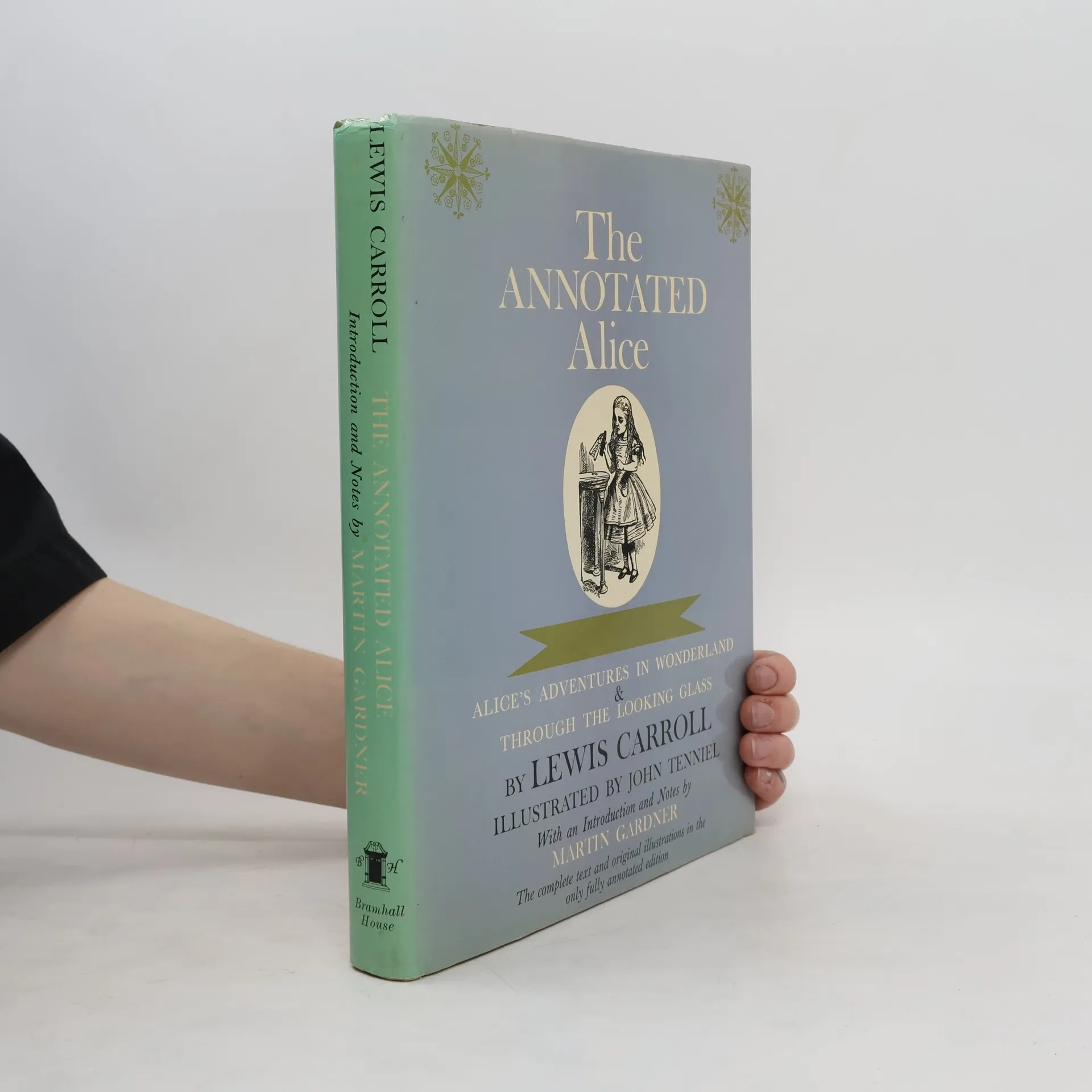
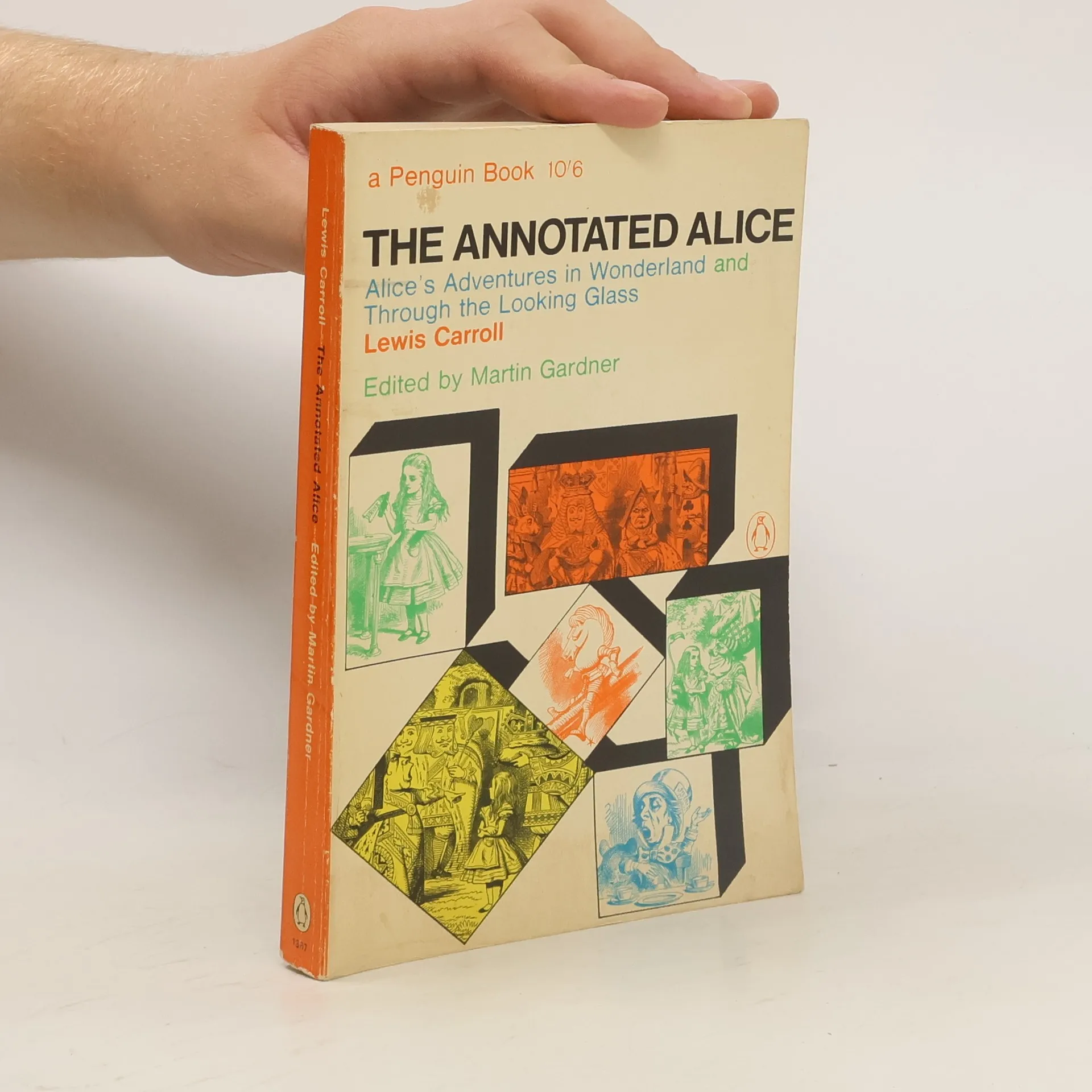
'A landmark, bringing together a lifetime's work on Lewis Carroll by writer and mathematician Martin Gardner. He dazzles on Carroll's puzzles and games of logic and entertains on everything from Alice's influence on the Beat poet Jack Kerouac to howmercury in hat linings turned hatters mad...it is unsurpassed' - Jackie Wullschlager, Financial Times 'The indispensable guide to a classic of English literature...no one who has ever wondered about the meaning of 'Jabberwocky' should fail to include on their Christmas list' - Robert McCrum, Observer
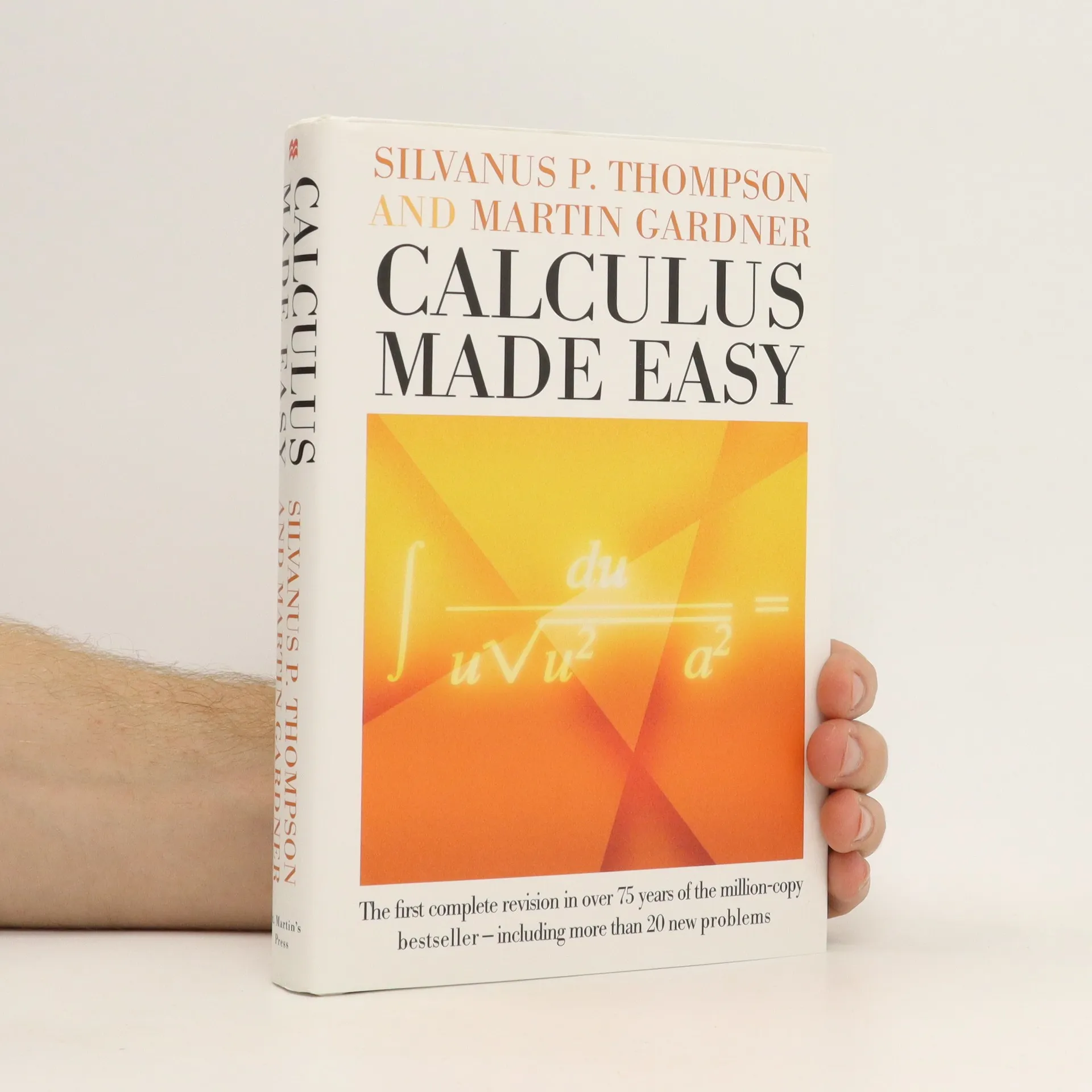
Calculus Made Easy has long been the most popular calculus primer, and this major revision of the classic math text makes the subject at hand still more comprehensible to readers of all levels. With a new introduction, three new chapters, modernized language and methods throughout, and an appendix of challenging and enjoyable practice problems, Calculus Made Easy has been thoroughly updated for the modern reader.
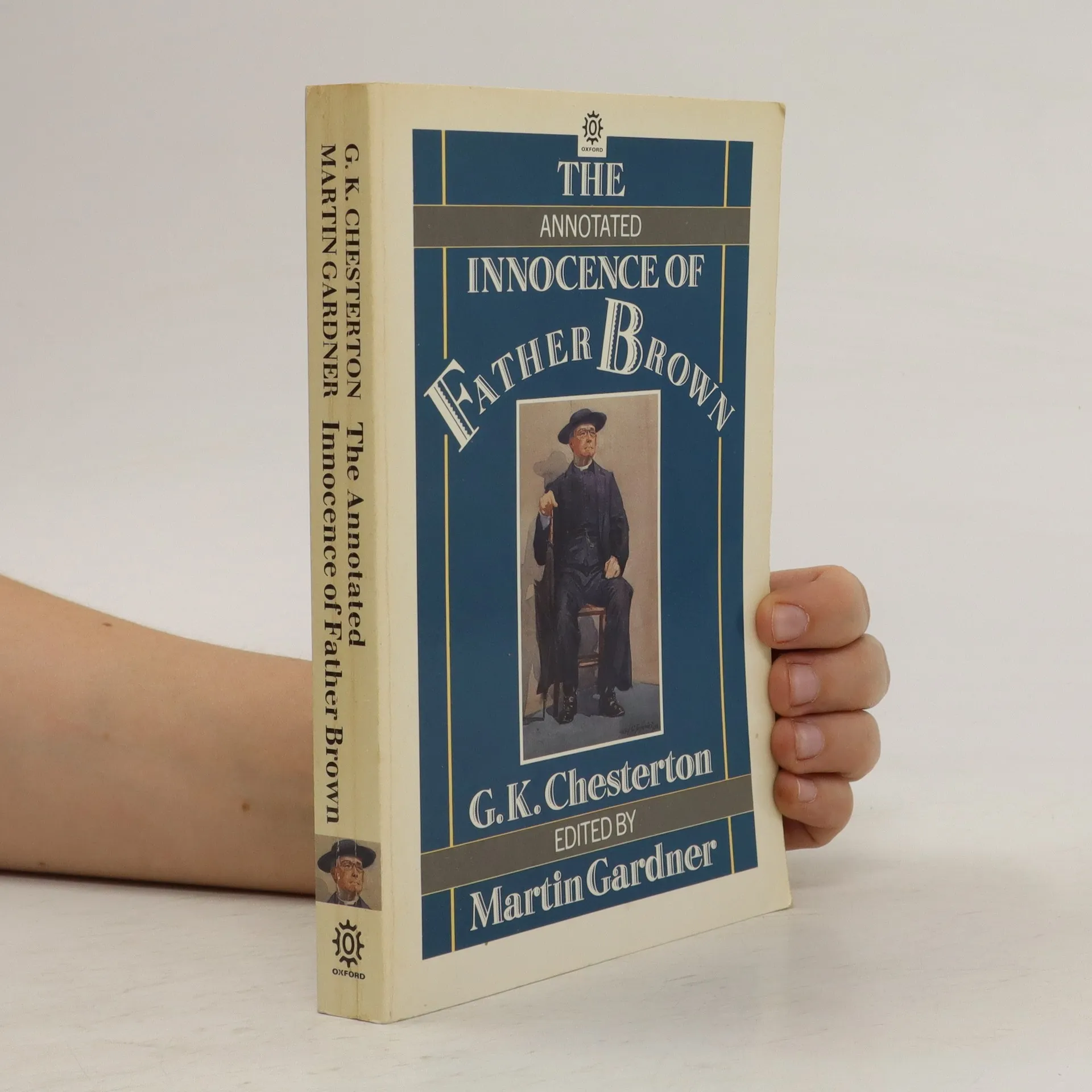
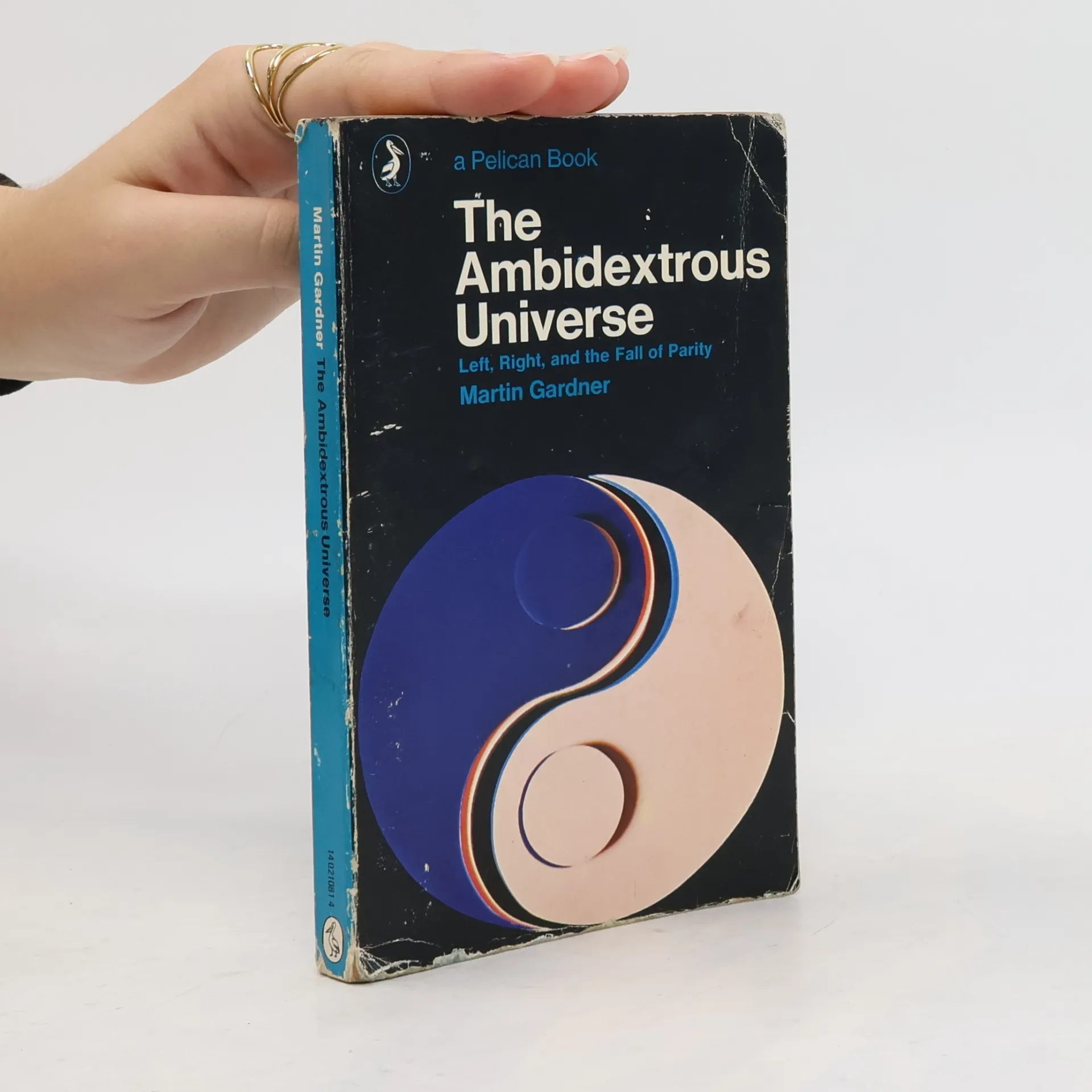
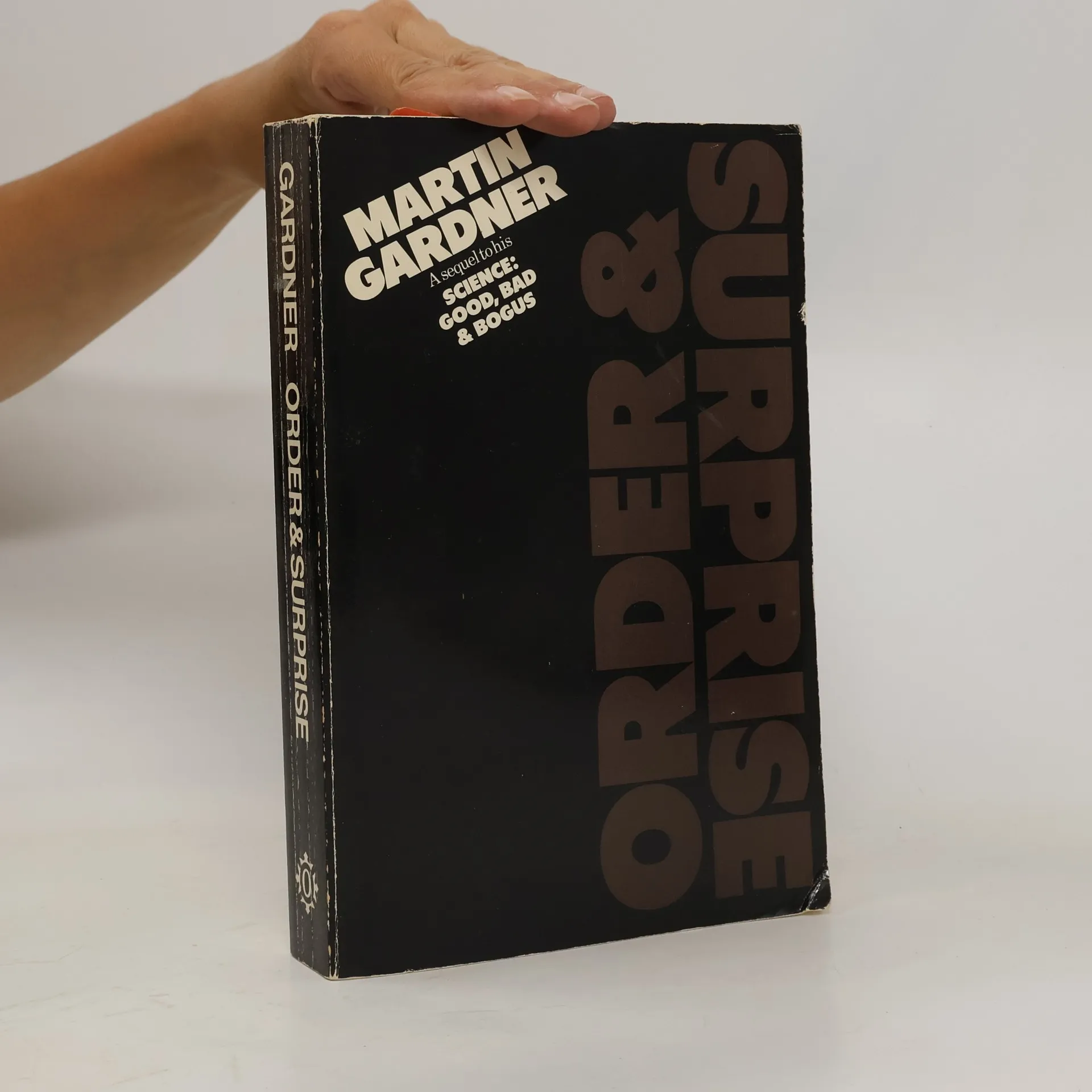
This collection of essays by America's foremost polymath delves into some of the many fascinating subjects in which Martin Gardner has had an abiding interest. Focusing primarily on literary and philosophical subjects, Order and Surprise is the sequel to the widely acclaimed Good, Bad and Bogus. Some of Gardner's best essays and reviews are included in this volume, such "Why Librarians Dislike Oz""The Strange Case of Robert Maynard Hutchins""H.G. Wells, 'Premature' Anti-Communist""Orwell's Nineteen Eighty-Four""Is Nature Ambidextrous?""Beyond Cultural Relativism""The Popperism of Sir Karl""Keeping Up With Einstein"In addition, Gardner has included many of his perceptive reviews of books by and about such authors as Franz Kafka, Thomas Wolfe, John Updike, Vance Packard, Colin Wilson, Lewis Carroll, and many others.In some cases the author has modified the original texts, sometimes restoring passages removed by editors, sometimes adding new footnotes to update the material. In many cases, Gardner has added a postscript that allows him to comment on an article or review. Like the previous anthology, this book is divided into two parts. The first contains articles in chronological order of publication; the second, book reviews in similar order.Order and Surprise represents Gardner at his best - incisive, witty, and urbane.
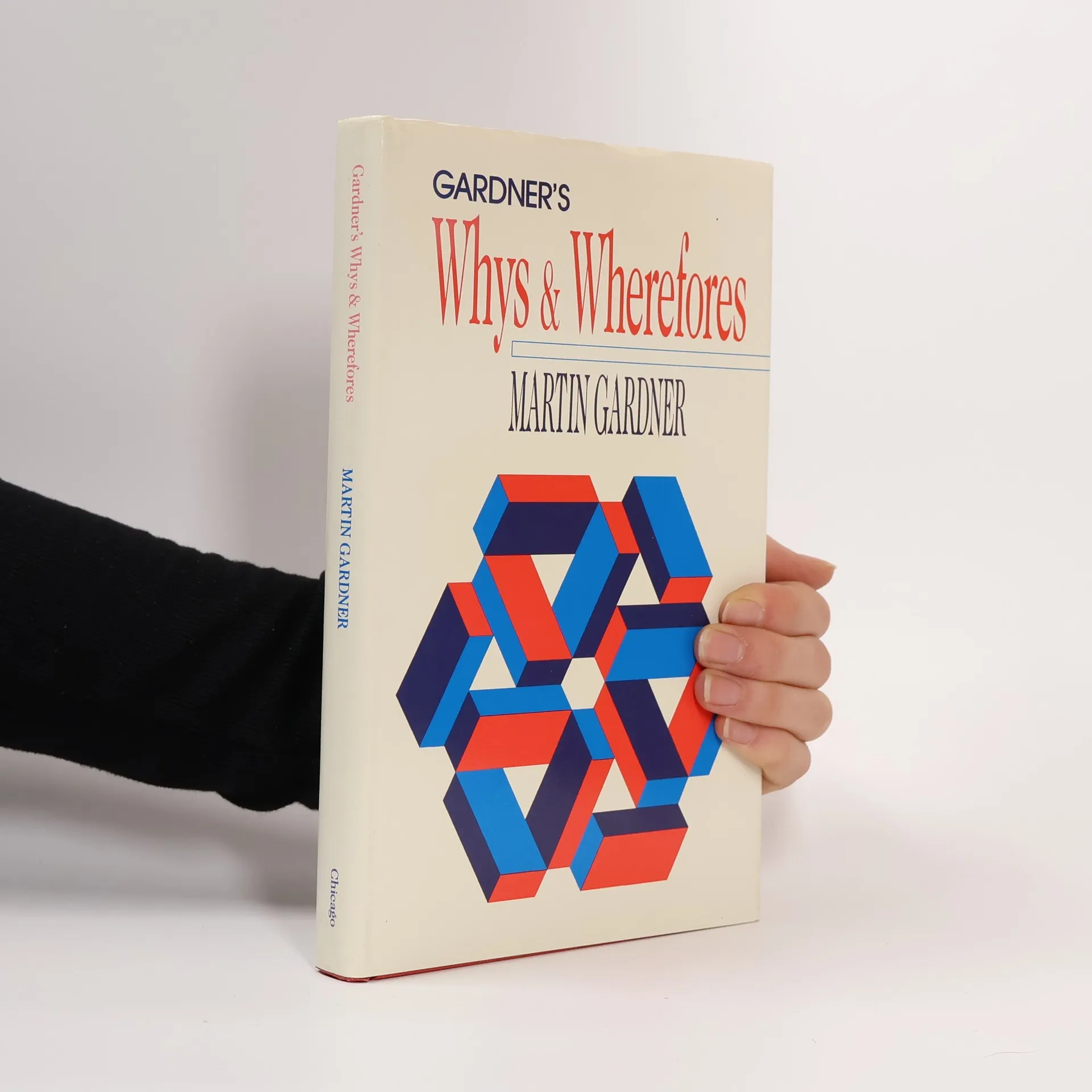
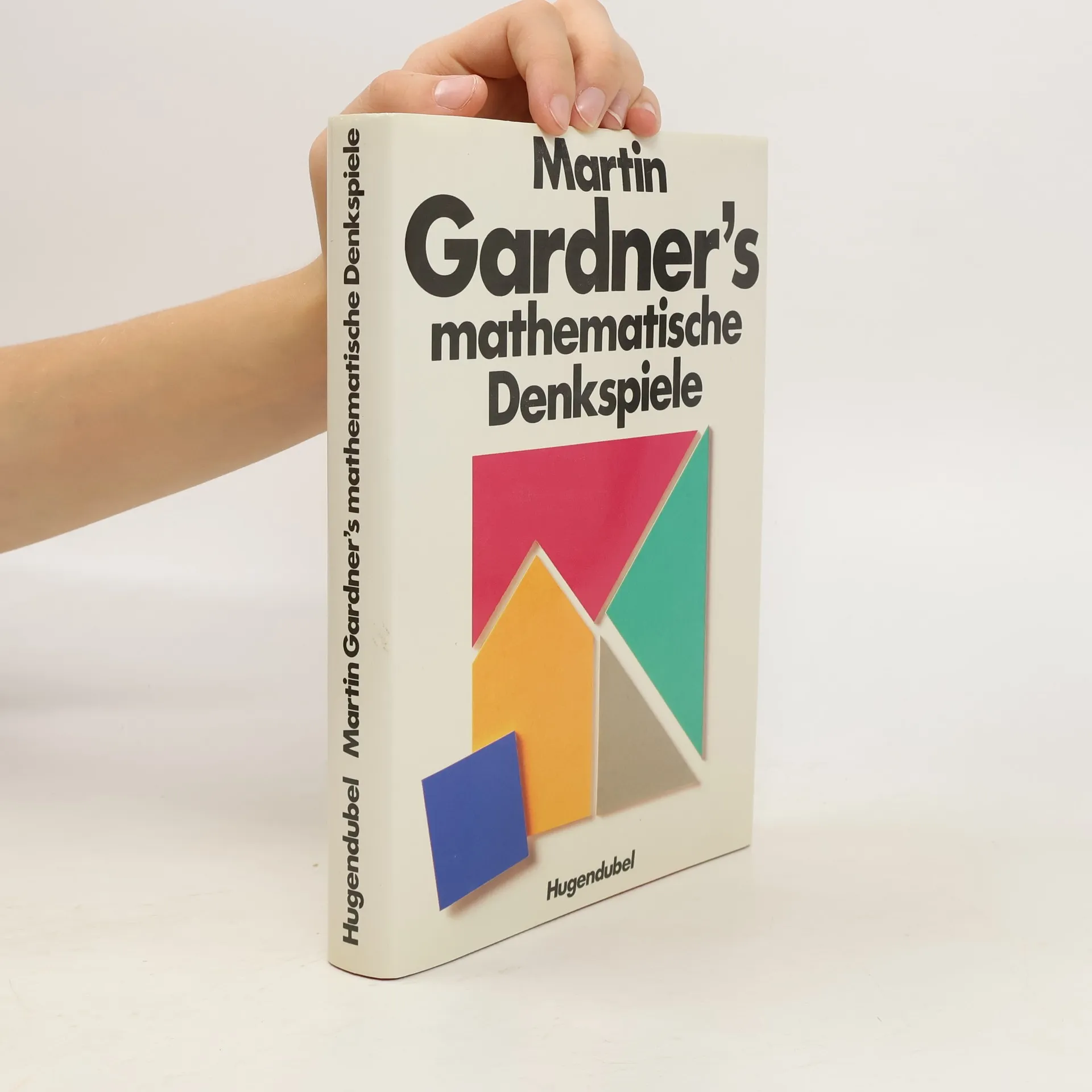
This edition features a curated selection of Martin Gardner's renowned Mathematical Games, celebrating his contributions to recreational mathematics. It includes updated puzzles, problems, and intriguing insights that engage both enthusiasts and newcomers. Gardner's ability to weave together mathematics and entertainment makes this collection a delightful exploration of mathematical concepts through games and challenges, showcasing his legacy in the field.
Focusing on the remarkable native forests and heritage trees of the European yew, this beautifully crafted hardback explores their significance in the UK and beyond. It highlights the unique conservation hedge surrounding the Royal Botanic Garden Edinburgh, showcasing the yew's ecological and historical importance. The book celebrates the enduring legacy of these trees and their role in biodiversity conservation.