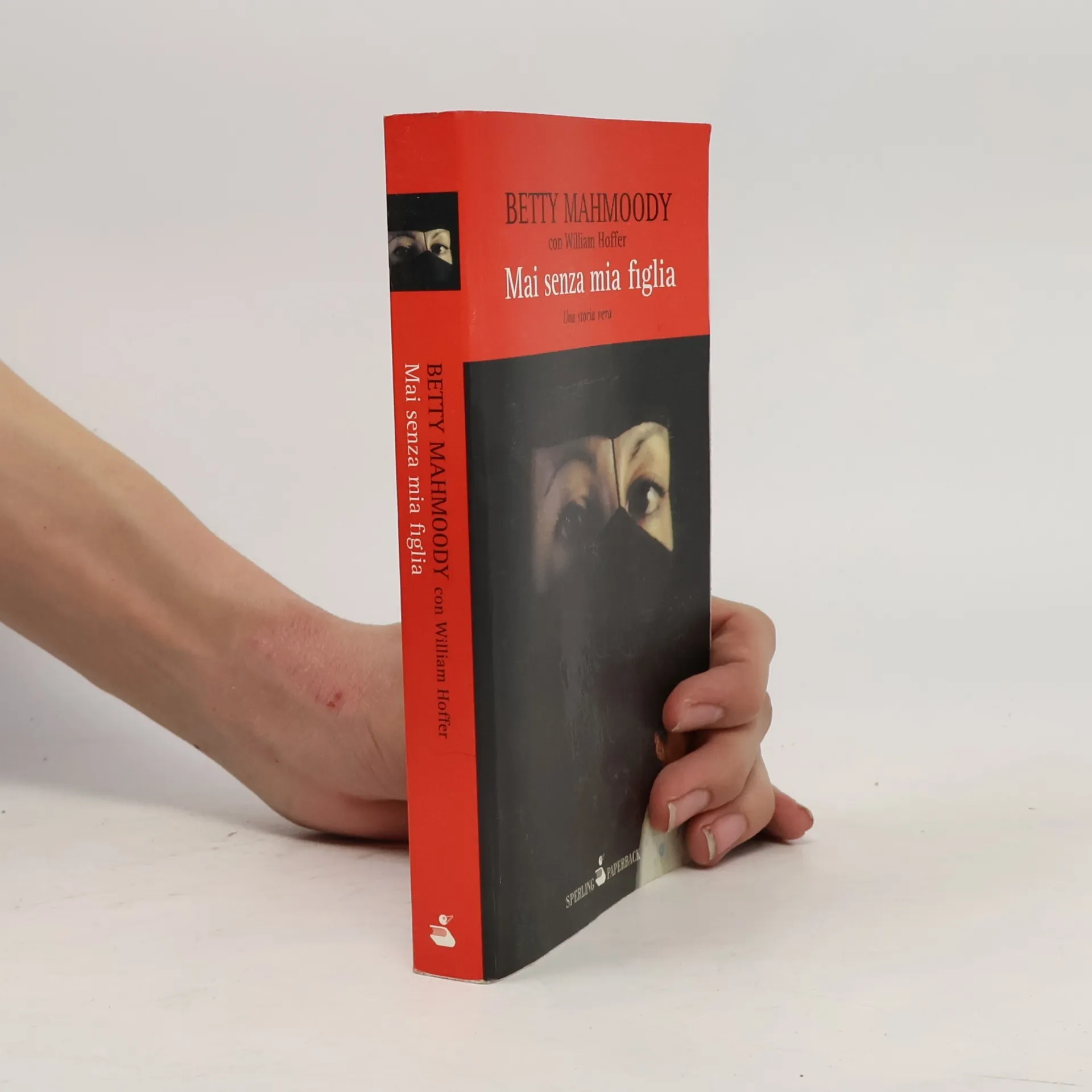
Una madre americana, un padre iraniano, una figlioletta. Un giorno lui decide di lasciare gli USA e portare la famiglia nel proprio Paese per una vacanza. Per la donna l'incubo inizia quando scopre che il marito l'ha ingannata e intende restare in Iran. Segregata in casa, costretta a subire umiliazioni d'ogni genere, divisa dalla bambina, le resta solo la speranza di poter fuggire con la piccola. Una speranza che si concretizza dopo mesi di inenarrabili vicissitudini... Una storia vera d'amore e di coraggio che ha commosso il mondo intero. Da questo libro il famoso film omonimo.
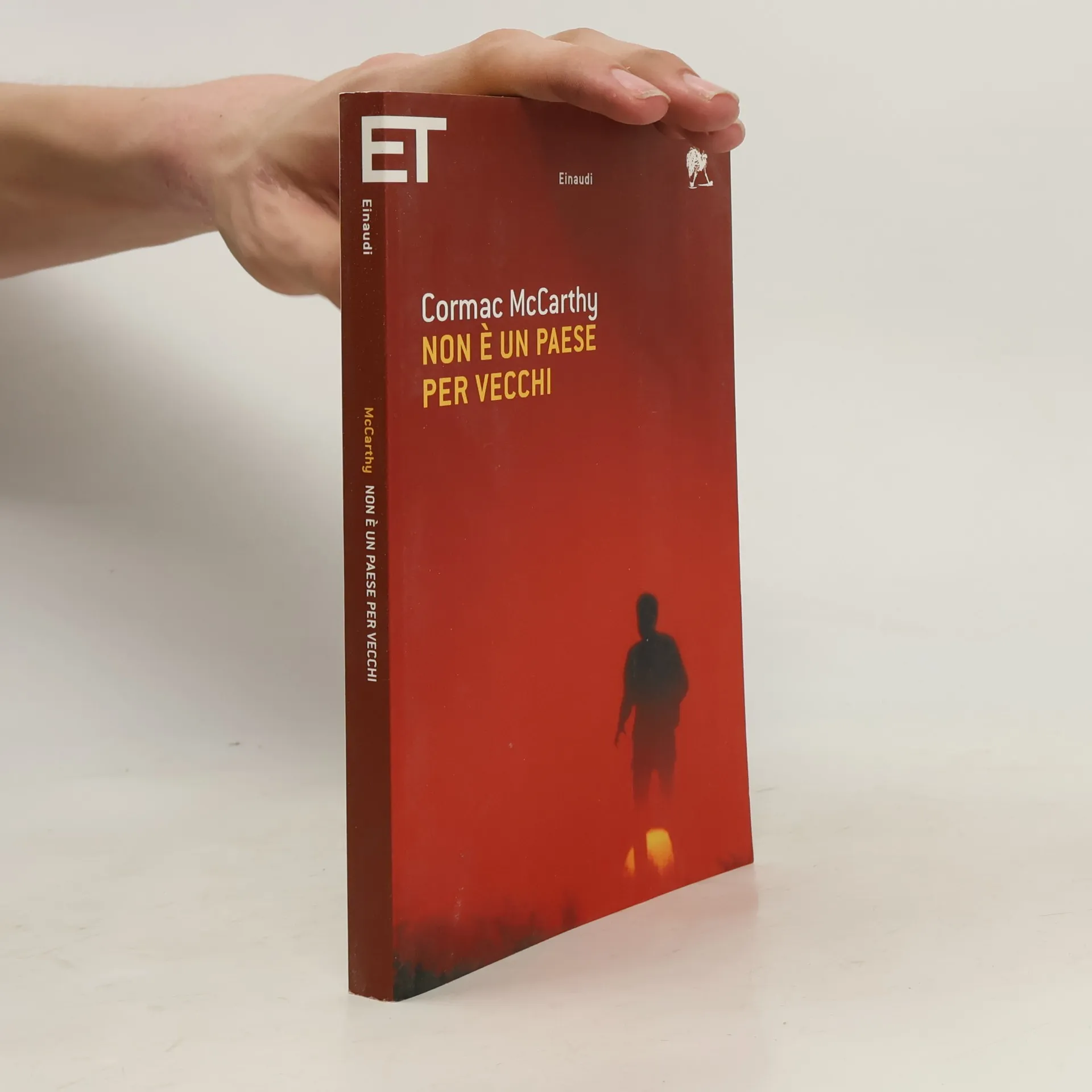
Siamo al confine tra Texas e Messico, in un paese che ha abbandonato i vecchi valori per cadere in preda a una violenza cieca e incontrollata. Tale violenza si incarna in Anton Chigurh, un assassino psicopatico munito di un'arma micidiale e di una pericolosa filosofia della giustizia. Il suo avversario, un uomo del passato che non sa farsi una ragione della ferocia del presente, è lo sceriffo Bell. Entrambi sono alla ricerca di Llewelyn Moss, un reduce del Vietnam che mentre cacciava antilopi sul Rio Grande si è ritrovato sul luogo affollato di cadaveri di una battaglia fra narcotrafficanti, e ha colto al volo un'occasione che si è rivelata troppo grande per lui. L'inseguimento si svolge lungo e oltre il confine, in un crescendo di suspense e violenza. Il destino di Moss, erede di tutti i cowboy di McCarthy e dei loro valori di dignità e onore, dipende da quale dei due inseguitori lo troverà per primo. Scritto in uno stile veloce e asciutto, crudo e implacabile come una premonizione di tragedia, con i dialoghi incisivi che rendono unica la scrittura di McCarthy, questo romanzo riporta il lettore nei paesaggi del Sudest degli Stati Uniti, popolati da uomini che, "se uno li ammazzasse tutti, toccherebbe costruire una dépendance dell'inferno". Non è un paese per vecchi sarà portato sugli schermi cinematografici da Joel ed Ethan Coen.
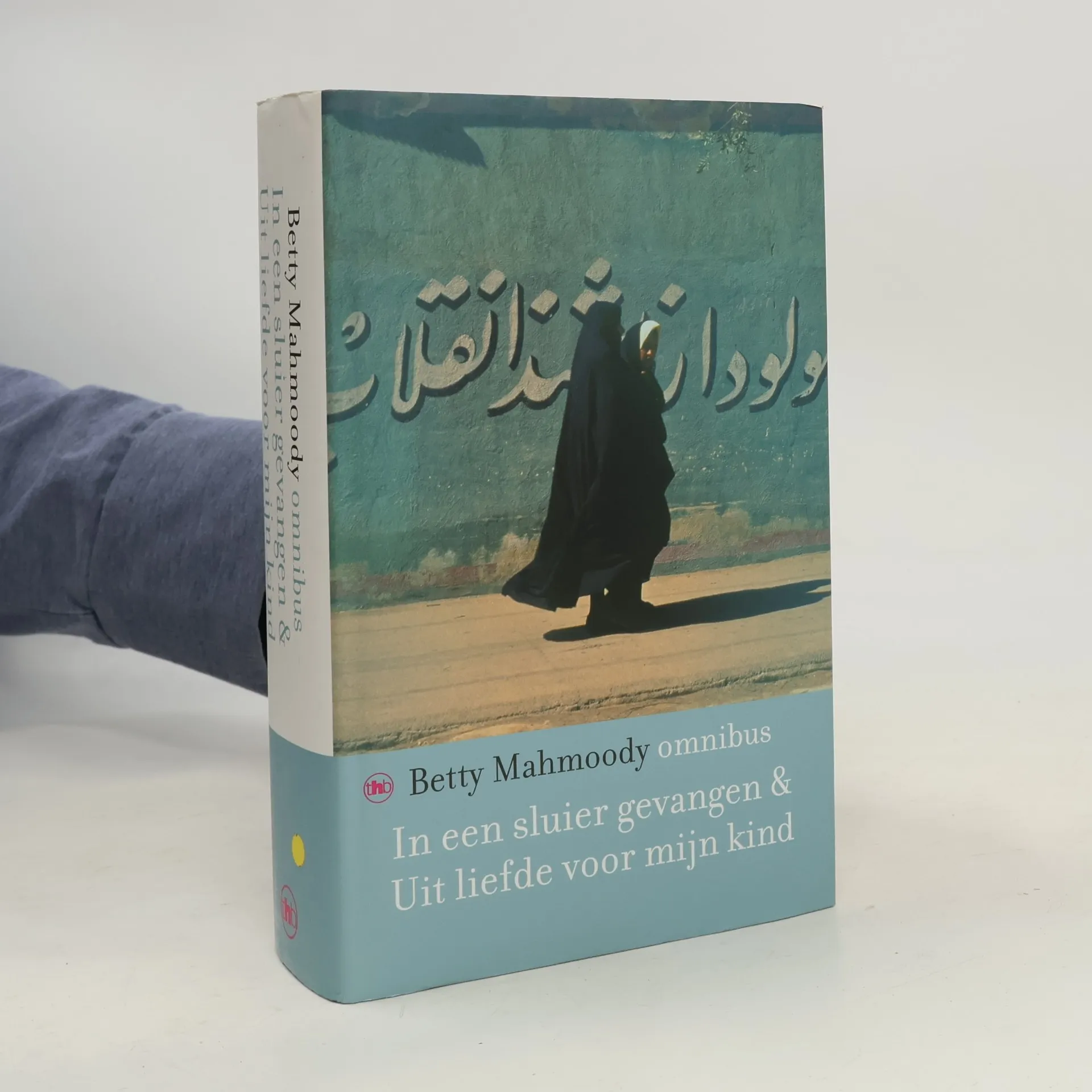
De Amerikaanse Betty trouwt met de Iraanse Moody. Samen met hun dochtertje Mahtob vormen ze een gelukkig gezin. Wanneer ze Moodys familie in Teheran bezoeken, verandert Bettys leven echter in een ware nachtmerrie. Moody ontpopt zich tot een gewelddadige man, die er niet voor terugdeinst zijn vrouw en kind in Iran gevangen te houden. Pas na anderhalf jaar wordt Bettys hoop om met de kleine Mahtob naar Amerika terug te keren werkelijkheid. Eindelijk is iemand bereid hen het land uit te smokkelen. Het begin van een levensgevaarlijke tocht... Eenmaal terug in Amerika moet Betty een nieuw bestaan opbouwen. Ze leeft voortdurend in angst dat Moody zijn dreigementen om Betty te vermoorden en Mahtob mee terug te nemen naar Iran zal uitvoeren. Dat Bettys verhaal niet uniek was bleek uit de talloze reacties die ze op haar eerste boek kreeg van wanhopige ouders die haar ervaringen deelden. In Uit liefde voor mijn kind laat ze ook hen aan het woord, en hun verhalen, vol wanhoop, machteloosheid en woede, zijn stuk voor stuk hartverscheurend.
La storia racconta un viaggio di cinque anni attorno al mondo intrapreso da Daniel Mendelsohn per scoprire cosa sia realmente accaduto allo zio Shmiel durante l’Olocausto. Le storie del nonno rivelano un’infanzia a Bolechow, Polonia, ma si interrompono sul destino del fratello, della moglie e delle quattro figlie. La famiglia evita di parlare di Shmiel, lasciando solo sussurri in yiddish. Da questi frammenti, Daniel inizia la sua ricerca. Anni dopo, scopre lettere disperate di Shmiel al nonno nel 1939, che rivelano un terribile tradimento. Decide quindi di rintracciare i dodici ebrei di Bolechow ancora in vita, testimoni del destino dei suoi parenti. Insieme al fratello Matt, un fotografo le cui immagini accompagnano il libro, il viaggio si snoda attraverso quattro continenti, esplorando le differenze tra verità e finzione, ricordo e fatti. La ricerca culmina nel paese d'origine, dove le tracce di quegli eventi attendono ancora un testimone. Questo racconto è un'odissea nella memoria e nell'infanzia, un'esplorazione di una generazione cancellata, una riflessione sulla tradizione ebraica e sui testi biblici, nonché una cronaca di una tragedia universale, unendo dolore e erudizione per recuperare ciò che il tempo ha smarrito.
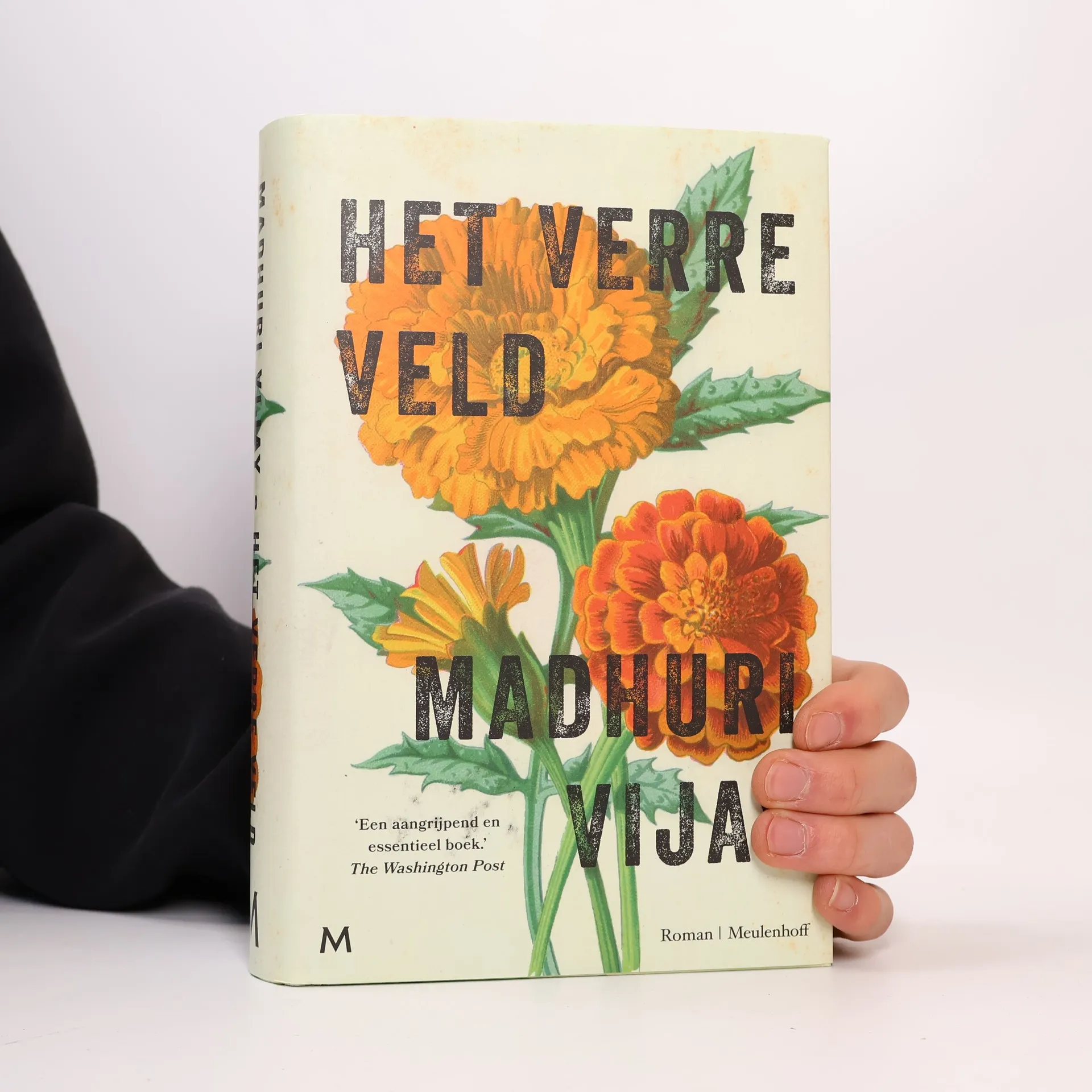
Madhuri Vijay beschrijft op prachtige wijze de zoektocht van een jonge vrouw naar een verloren figuur uit haar kindertijd. Na haar moeders dood reist Shalini, een bevoorrechte en rusteloze jonge vrouw uit Bangalore, naar een afgelegen himalayadorp in Kasjmir, de woelige noordelijke regio van India. Ze gelooft dat het verlies van haar moeder verband houdt met de verdwijning van Bashir Ahmed tien jaar geleden. Deze charmante kasjmierverkoper bezocht vroeger regelmatig haar ouderlijk huis. Maar hij blijkt niet gemakkelijk te vinden en tijdens haar reis wordt Shalini geconfronteerd met de politieke onrust in Kasjmir, en de consequenties voor de familie die haar in huis neemt. Wanneer het leven in het dorp steeds meer beladen wordt en oude conflicten dreigen uit te barsten in geweld, voelt Shalini zich gedwongen keuzes te maken. Keuzes die gevaarlijke gevolgen hebben voor de mensen van wie ze is gaan houden. In Het verre veld verweeft Madhuri Vijay op meesterlijke wijze de Indiase politiek in meeslepend proza over verdriet, schuld en de grenzen van mededogen.
Chi è l’uomo con la vestaglia rossa nel dipinto di John Singer Sargent? È il dottor Samuel-Jean Pozzi, ginecologo della nobiltà parigina di fine Ottocento, un uomo di scienza ed esteta decadente. Seguendo le sue tracce, Julian Barnes ci guida nella vivace Belle Époque europea, popolata da celebrità come Gustave Flaubert, Oscar Wilde e Sarah Bernhardt. Nel 1885, tre francesi giungono a Londra: due aristocratici e un borghese, formando un "strano trio". Il conte Robert de Montesquiou-Fezensac, il principe Edmond de Polignac e Pozzi, tutti frequentano gli stessi salotti parigini, influenzando l'arte e la letteratura del tempo, con figure come Marcel Proust e John Singer Sargent che li immortalano. Pozzi, figlio di un pastore, diventa un chirurgo di fama grazie a tecniche pionieristiche e ottiene l'ammirazione dell'aristocrazia, curando e amando diverse esponenti femminili, tra cui Sarah Bernhardt, che lo soprannomina "Docteur Dieu". La sua affinità con poeti e artisti è alimentata dal suo fascino e dal suo amore per la razionalità. Barnes dipinge un vivace affresco dell'epoca e delle sue figure monumentali, utilizzando testimonianze, lettere, diari e articoli, creando un'opera che esplora la tensione tra realtà e rappresentazione, fiction e non-fiction, vita e letteratura.
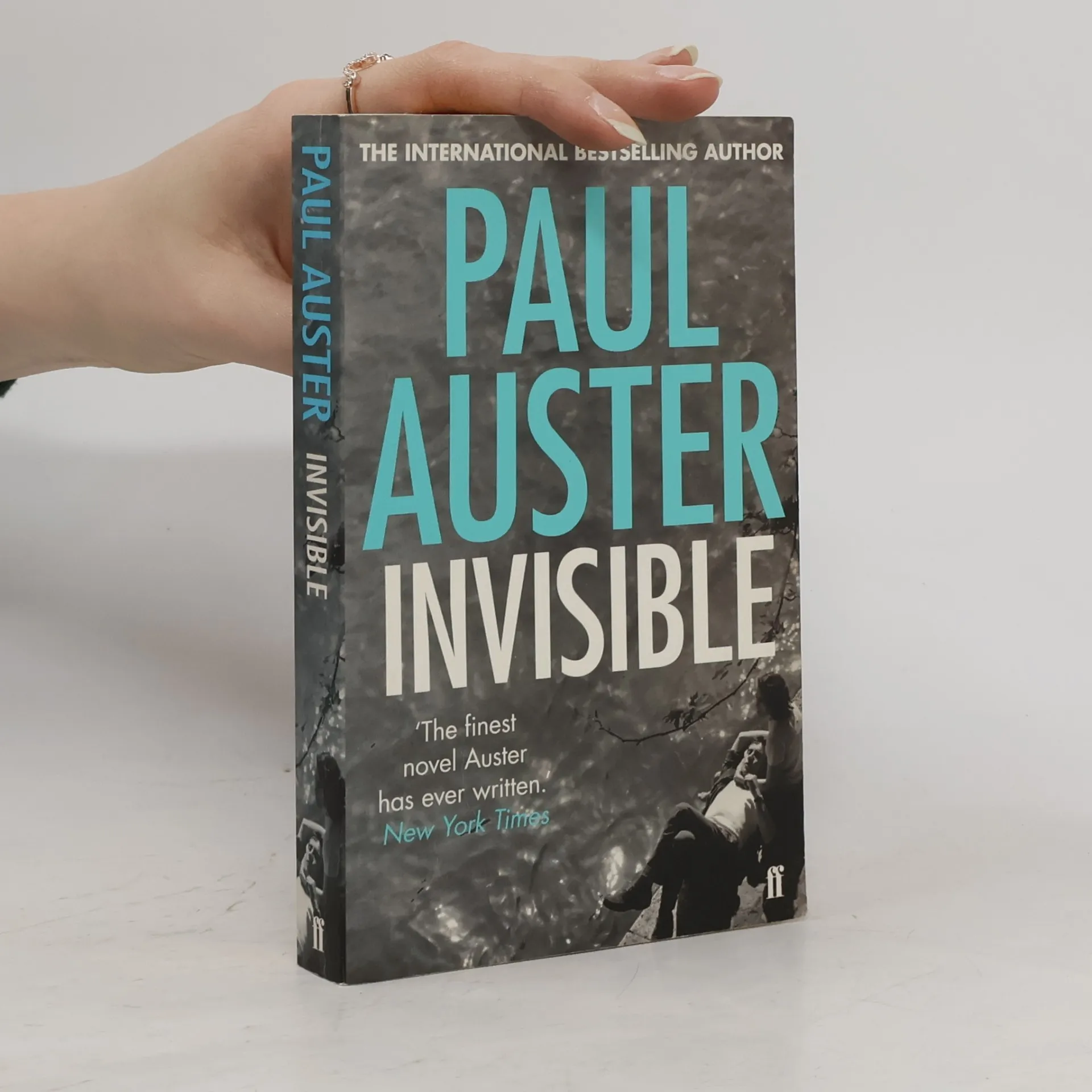
Sinuously constructed in four interlocking parts, Invisible opens in New York City in the spring of 1967 when twenty-year-old Adam Walker, an aspiring poet and student at Columbia University meets the enigmatic Frenchman Rudolf Born, and his silent and seductive girlfriend Margot. Before long, Walker finds himself caught in a perverse triangle that leads to a sudden, shocking act of violence that will alter the course of his life.Three different narrators tell the story, as it travels in time from 1967 to 2007 and moves from New York to Paris and to a remote Caribbean island in a story of unbridled sexual hunger and a relentless quest for justice.With uncompromising insight, Auster takes us to the shadowy borderland between truth and memory, authorship and identity to produce a work of unforgettable power that confirms his reputation as one of America's most spectacularly inventive writers.
La vita di Tony Webster è stata relativamente tranquilla, segnata da scelte ragionevoli e sistematici oblii. Tuttavia, una lettera di un avvocato che annuncia un'eredità inaspettata risveglia il passato, portando alla luce ricordi dell'adolescenza che hanno plasmato l'adulto che è diventato. Questo percorso a ritroso nelle ombre della sua vita diventa una riflessione sulla fallacia della storia, come sottolineato dal suo geniale amico di liceo, Adrian Finn. Tony deve ora confrontarsi con i ricordi imperfetti e i documenti inadeguati per comprendere le esperienze del suo io più giovane. Si interroga su come Veronica Ford, la ragazza di allora, abbia potuto preferire l'amico brillante, Adrian. Cosa ha spinto Adrian a prendere decisioni estreme? Quali avvertimenti ha cercato di dare la madre di Veronica tanti anni fa? E perché, dopo quarant'anni, Veronica riemerge nella sua vita, portando con sé silenzi e il rifiuto di restituirgli ciò che gli spetta? Gli indizi da seguire creano un intricato filo d'Arianna di reminiscenze inaffidabili, invitando Tony a esplorare le complessità del passato e le sue implicazioni sul presente.
The Pedant in the Kitchen is a perfect comfort for anyone who has ever been defeated by a cookbook. The Pedant's ambition is simple. He wants to cook tasty, nutritious food; he wants not to poison his friends; and he wants to expand, slowly and with pleasure, his culinary repertoire
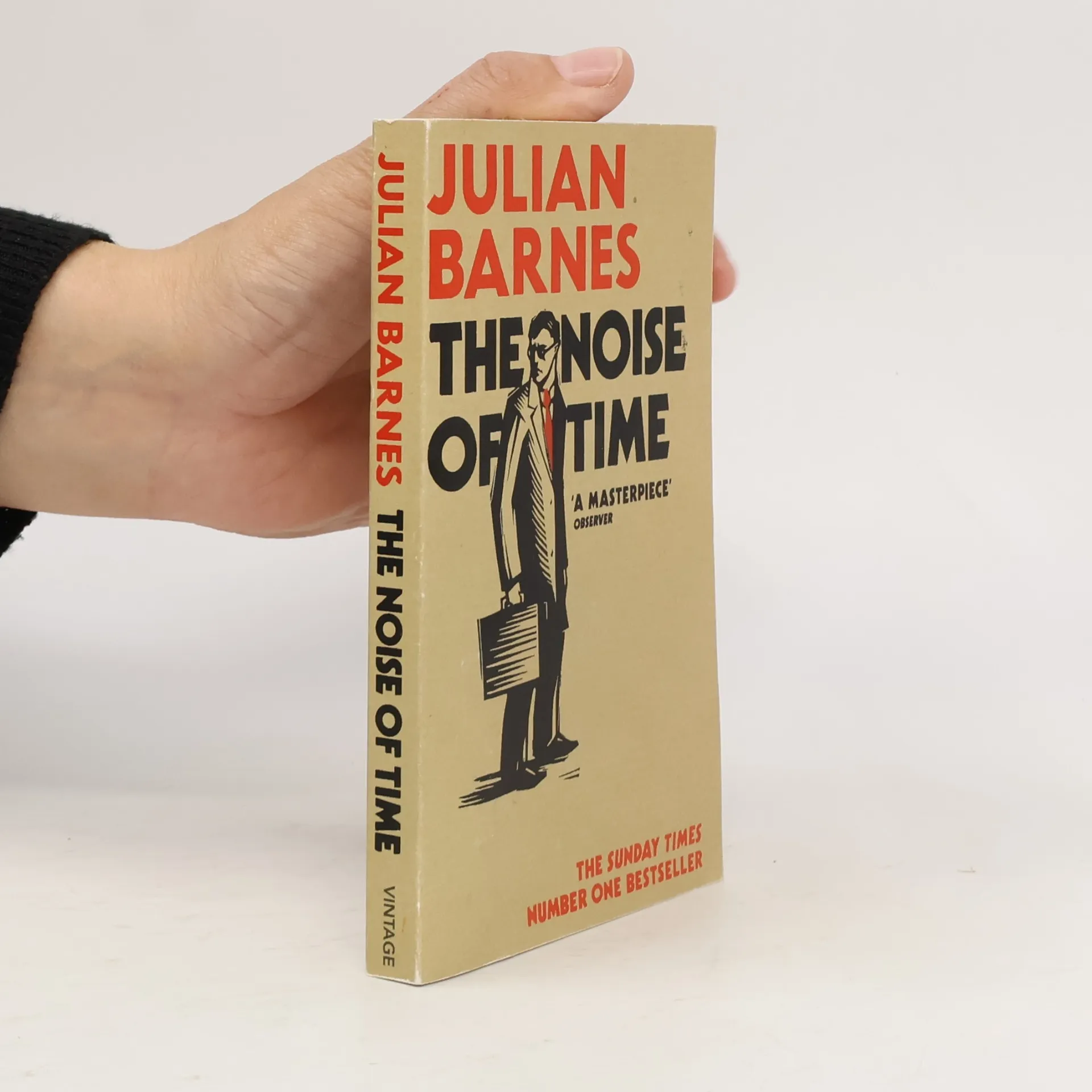
** The Sunday Times Number One bestseller ** A Daily Telegraph / Financial Times / Guardian / Sunday Times / The Times / New Statesman / Observer Book of the Year 'BARNES'S MASTERPIECE.' - OBSERVER In May 1937 a man in his early thirties waits by the lift of a Leningrad apartment block. He waits all through the night, expecting to be taken away to the Big House. Any celebrity he has known in the previous decade is no use to him now. And few who are taken to the Big House ever return. So begins Julian Barnes's first novel since his Booker-winning The Sense of an Ending. A story about the collision of Art and Power, about human compromise, human cowardice and human courage, it is the work of a true master.
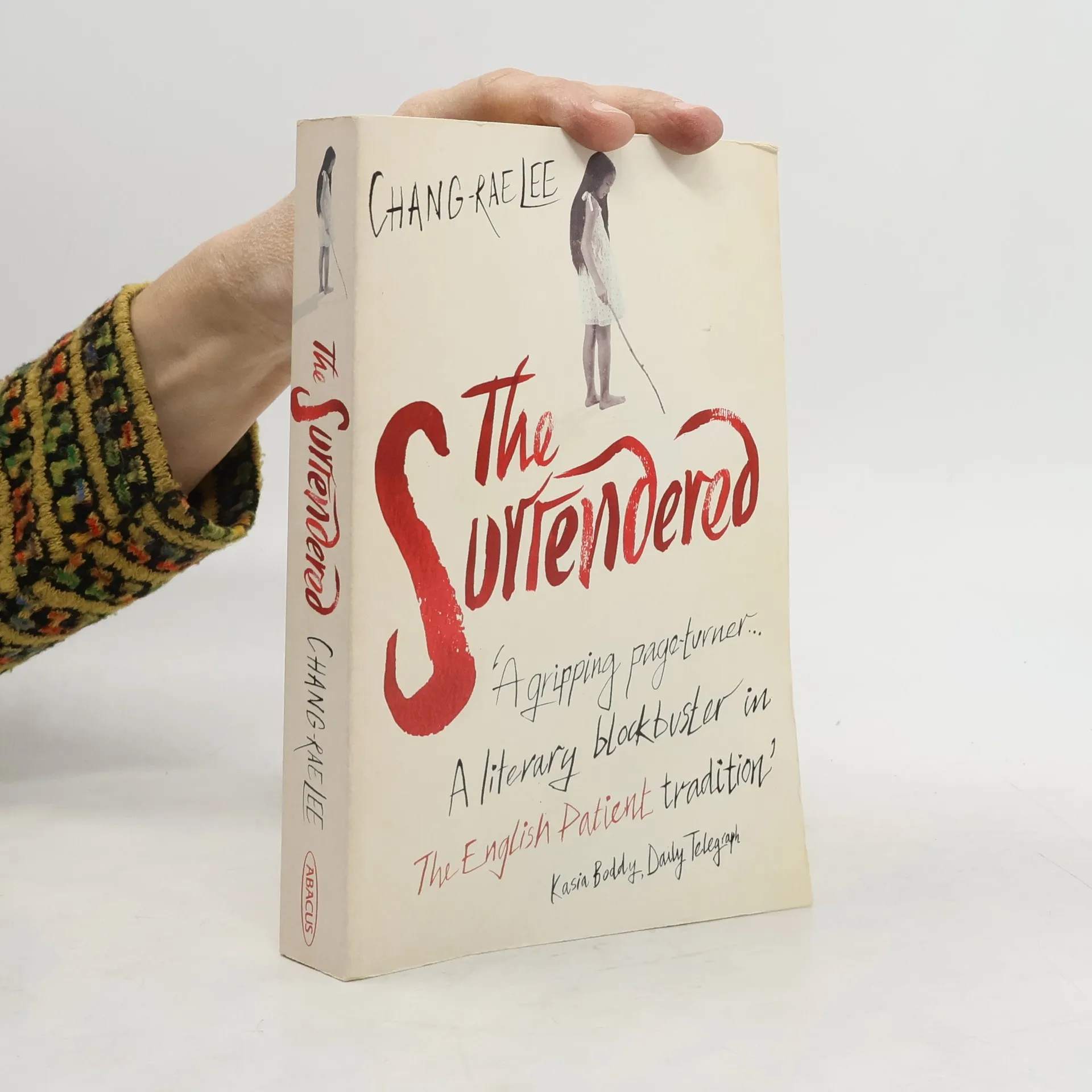
June Han was only a girl when the Korean War left her orphaned; Hector Brennan was a young GI who fled the petty tragedies of his small town to serve his country.
Josie Tyrell, art model, teen runaway, and denizen of LA's 1980 punk rock scene, finds a chance at real love with art student Michael Faraday. A Harvard dropout and son of a renowned pianist, Michael introduces her to a world of sophistication, and to his spiritual quest for the beauty that shines through everyday experience. But when she receives a call from the Los Angeles County Coroner asking her to identify her lover's dead body, her bright dreams fade to black. 'What happens to a dream when the dreamer is gone?' Josie finds herself drawn into a twisted relationship with Michael's pianist mother, Meredith, that reflects equal parts distrust and blind need. Passionate, wounded, fiercely alive, Josie Tyrell walks the brink of her own destruction as she fights to discover what is left of the brilliant vision of the future she and Michael once nurtured together. With the luxurious prose and fever pitch intensity that are her hallmarks, Janet Fitch has written a spellbinding new novel about love and betrayal.
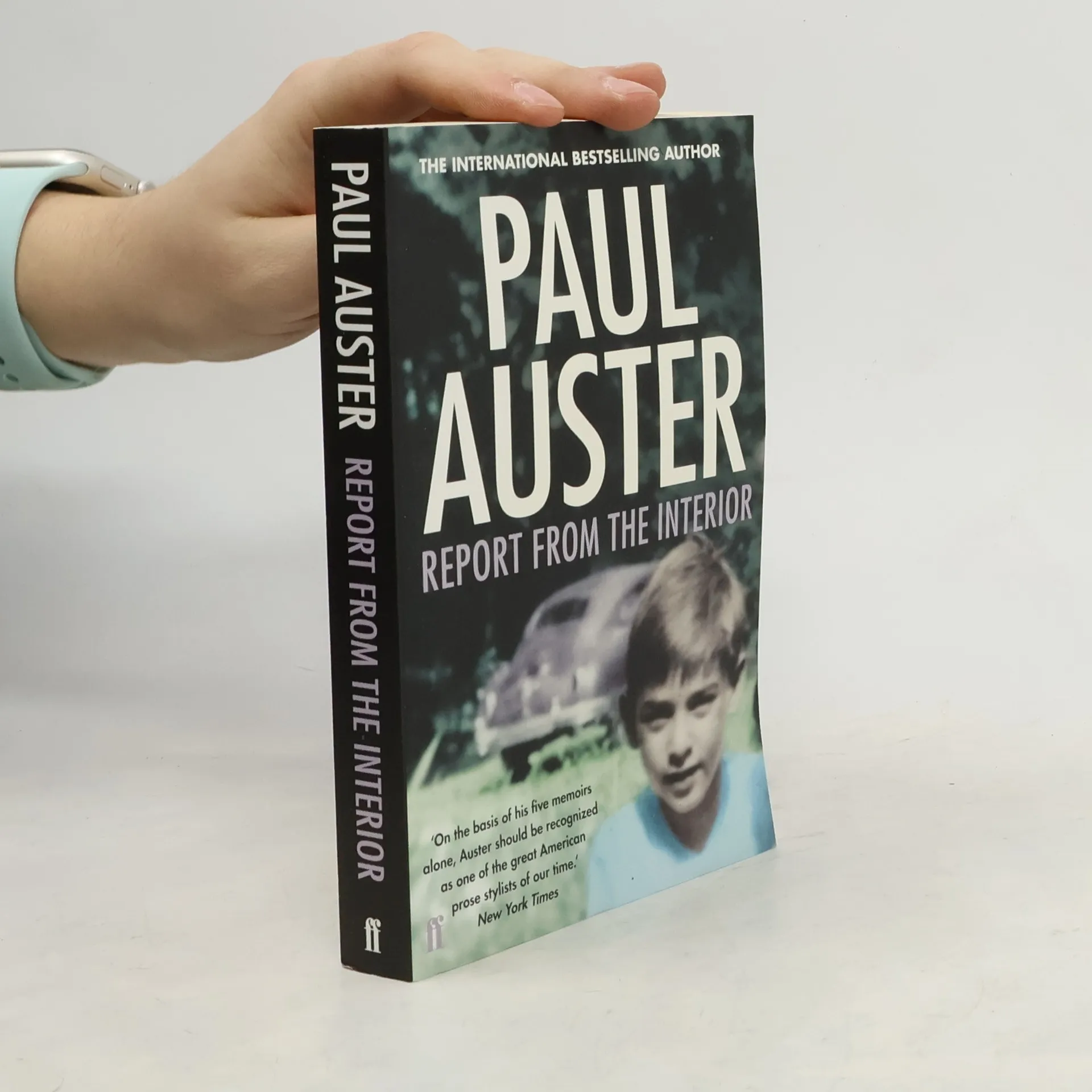
In the beginning, everything was alive. The smallest objects were endowed with beating hearts. Paul Auster recalls his life through the story of his physical self in Winter Journal, now reflecting on his inner development and experiences with the outer world, alongside revealing letters to his first wife, Lydia Davis. This impressionistic portrait of a writer coming of age captures Auster's journey from a baby's-eye view of the moon to his childhood admiration for movie cowboy Buster Crabbe, the composition of his first poem at nine, and his growing awareness of American injustices. It charts his moral, political, and intellectual evolution as he navigates the post-war fifties and the turbulent sixties. Auster evokes the sounds, smells, and sensations of his early life, filled with moving images and his love for cartoons and films. The book culminates uniquely, breaking from prose into pure imagery, with the final section recapitulating the earlier parts through an album of pictures. This four-part work not only tells the story of Auster's times but also of the emerging consciousness of a renowned literary artist, addressing the challenge of autobiography in an unprecedented manner.
Would you rather love the more, and suffer the more ; or love the less, and suffer the less ? That is, I think, finally, the only real question. First love has lifelong consequences, but Paul doesn't know anything about that at nineteen. At nineteen, he's proud of the fact his relationship flies in the face of social convention. As he grows older, the demands placed on Paul by love become far greater than he could possibly have foreseen.
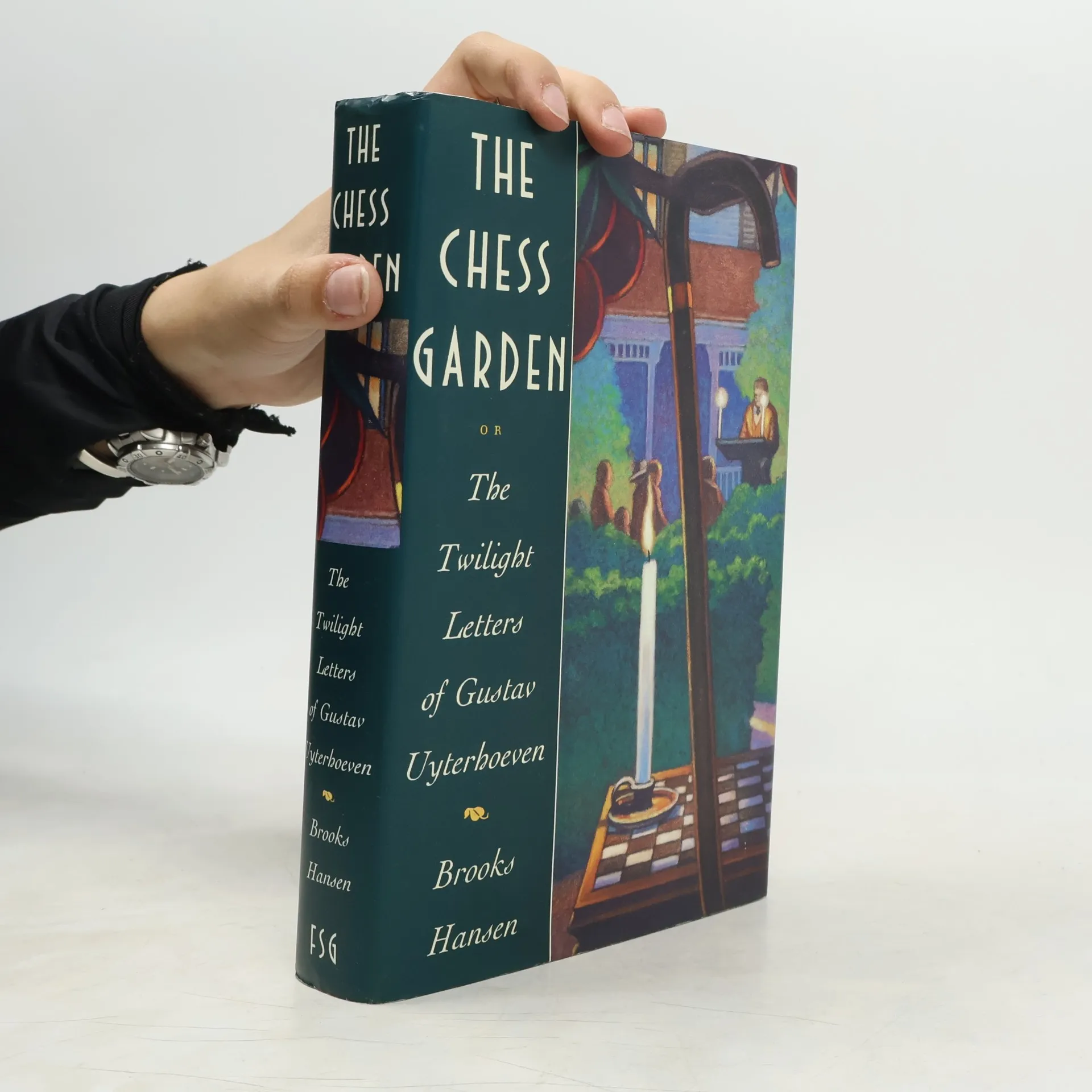
In the fall of 1900, Dr. Gustav Uyterhoeven left the chess garden that he and his wife, Sonja, had created together in Dayton, Ohio, and journeyed to South Africa to serve as a doctor in the British concentration camps of the Boer War. Over the next ten months he sent twelve chess pieces and twelve letters back to Sonja. She set out her husband's gifts as they arrived and welcomed all the most faithful guests of the garden to come and hear what he had written - letters which told nothing of his experience of the camps but described an imagined land called the Antipodes, where all the game pieces that cluttered the sets and drawers of the garden collection came to life to guide the doctor through his fateful and wondrous last adventure. Brooks Hansen offers a tale of spiritual progress disguised in the most exotic visions of the imagination. And yet The Chess Garden encompasses a very real world, too. Alongside the doctor's visions of the Antipodes, the story of his life gradually unfolds as well. History and allegory are expertly woven until finally both lead back to the chess garden itself, a place where ideas give way to vision, reason meets faith, and fact and figment are finally reconciled.
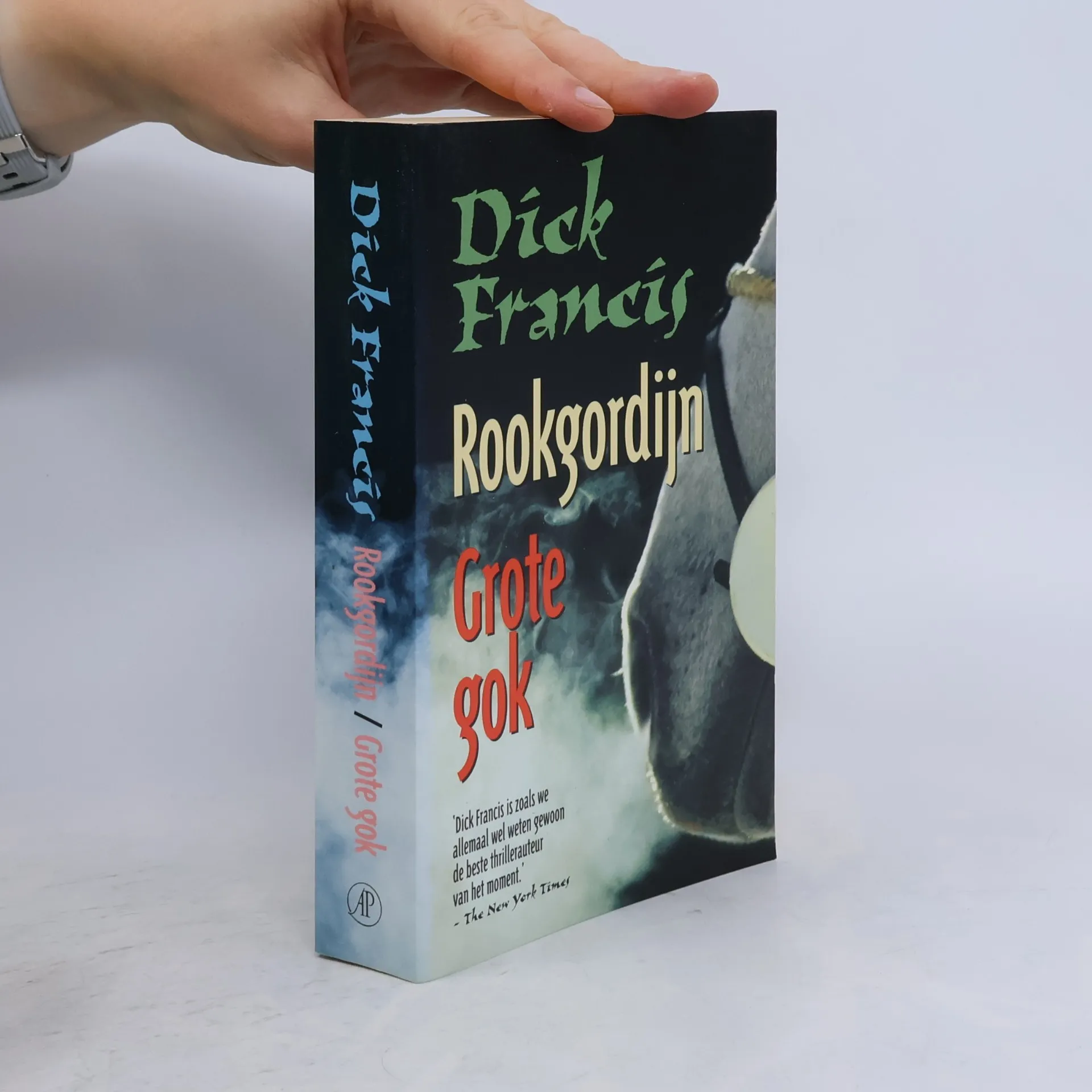
Een filmacteur onderzoekt in Zuid-Afrika waarom de paarden van zijn tante in races zo slecht lopen. - De eigenaar van een aantal paarden probeert met hulp van zijn vrienden te bewijzen dat zijn ex-trainer hem bedrogen heeft.