Gayatri Chakravorty Spivak's landmark essay in decolonial thought is animated for a new generation with art by Estefanía Peñafiel Loaiza In 1985, Indian scholar Gayatri Chakravorty Spivak (born 1942) published what would become a landmark essay in the academic study of colonialism. "Can the Subaltern Speak?" interrogates the obstructions that prevent certain subjects from being heard and how this state-enforced silence maintains the degradation of those at the peripheries of society. Over three decades later, Spivak's piece is perhaps even more compelling in its affirmation of Marxism's relevance to contemporary decolonial thought. This volume revives Spivak's text for yet another generation of thinkers, placed in dialogue with artwork by Ecuadorian artist Estefanía Peñafiel Loaiza (born 1978). Loaiza's preoccupation with questions of occlusion and the need for and absence of image makes for an art series that shares a clear kinship with Spivak's line of reasoning. Loaiza's visual vocabulary echoes and refracts the central ideas put forth by Spivak in a compelling new interpretation of this essential text.
Gayatri Chakravorty Spivak Libri
Gayatri Chakravorty Spivak è professoressa emerita alla Columbia University. È nota per la sua traduzione in inglese dell'opera fondamentale di Jacques Derrida e per i suoi scritti filosofici sulla condizione postcoloniale, che hanno introdotto il termine "subalterno" nel lessico filosofico, plasmando la teoria critica.

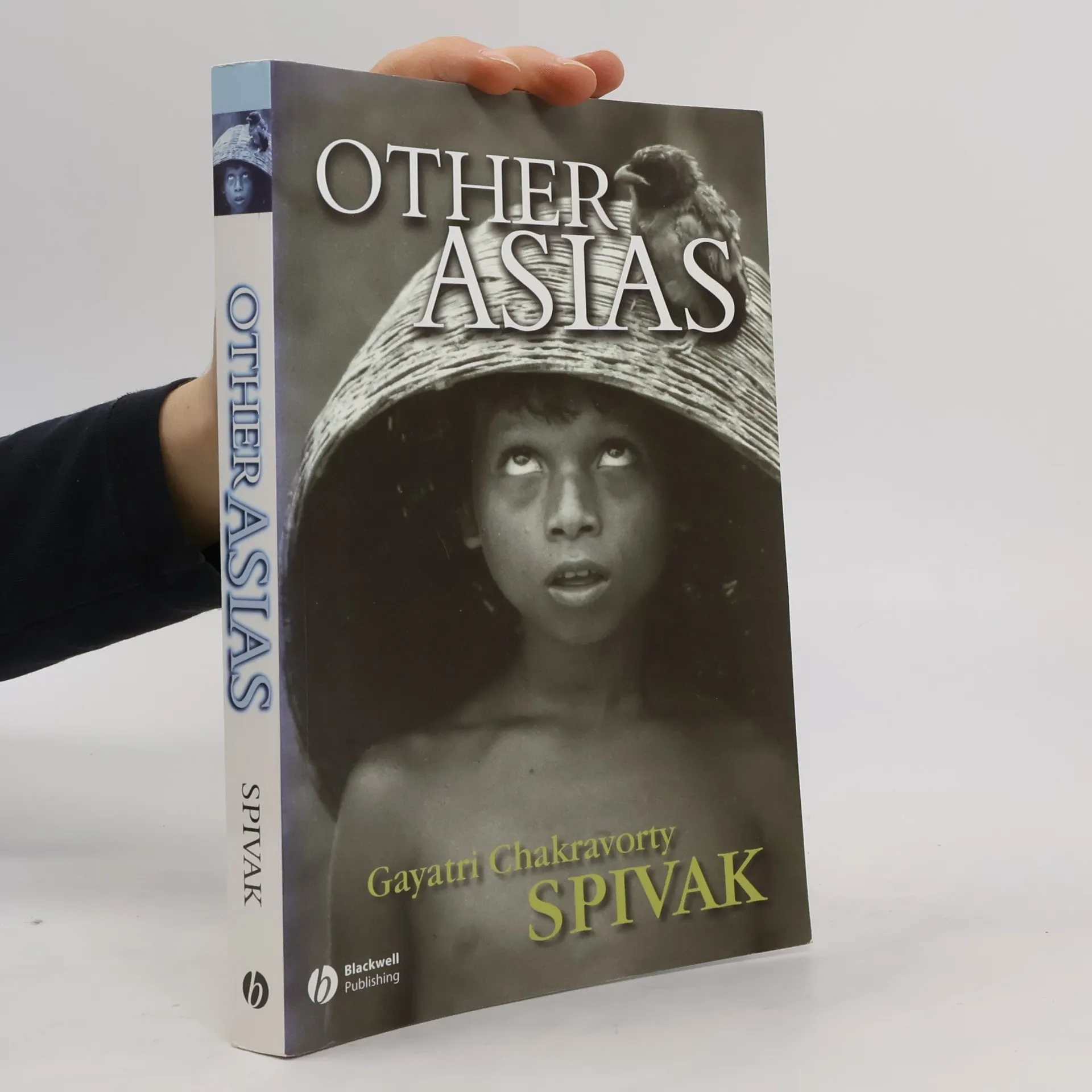

Other Asias
- 176pagine
- 7 ore di lettura
In this major intervention into the 'Asian Century', Gayatri Chakravorty Spivak challenges the reader to re-think Asia, in its political and cultural complexity, in the global South and in the metropole.Major work from one of the world's most distinguished literary and cultural theoristsIntervenes in the fraught issues generated by ideas of AsiaFeatured essays include "Foucault and Najibullah," "Moving Devi," "Responsibility," and "Megacity"Other chapters focus on, among other things, Human Rights, and the turbulent "present" of the CaucasusEssential reading for anyone interested in postcolonialism, and devotees of Spivak's writing
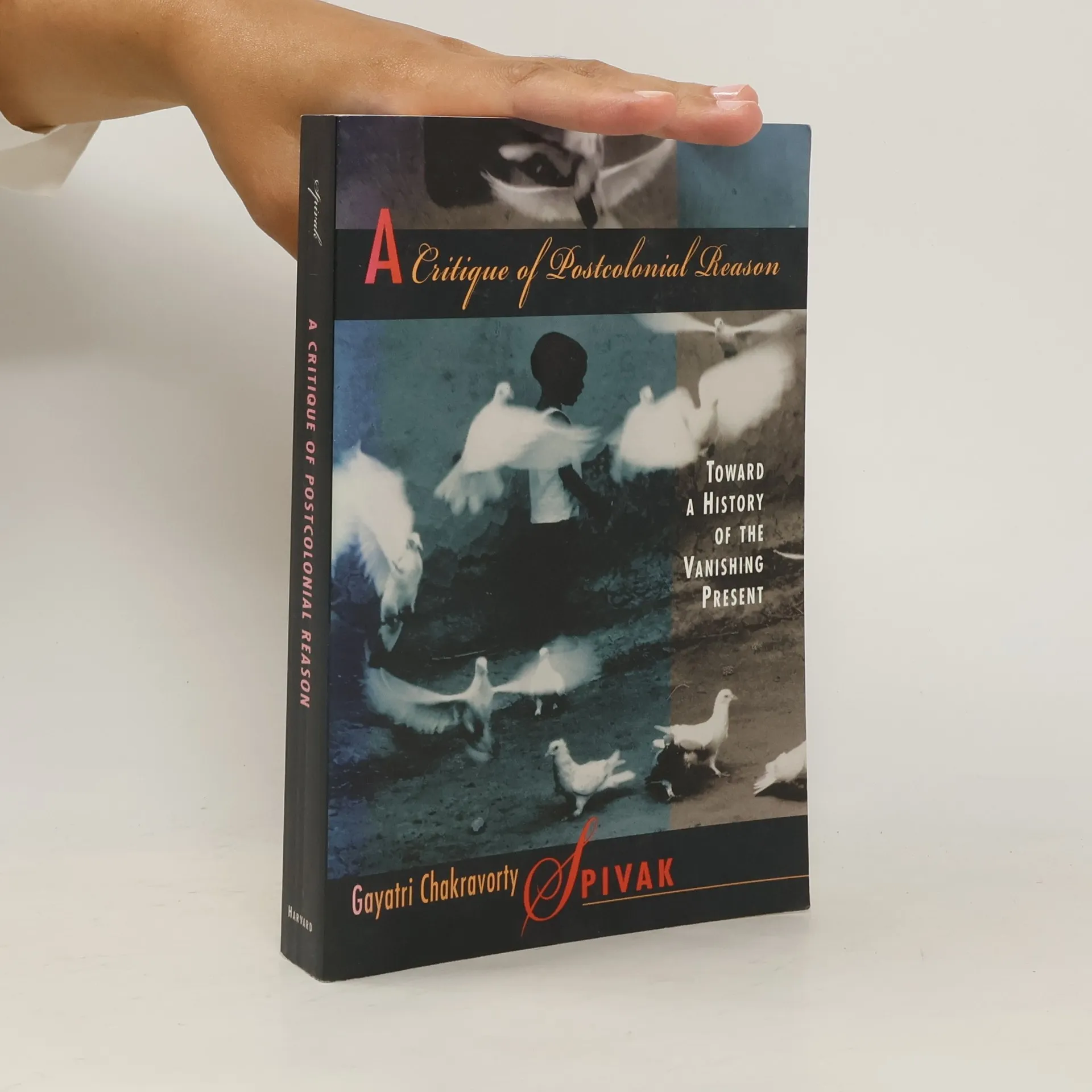
A Critique of Postcolonial Reason
Toward a History of the Vanishing Present
- 464pagine
- 17 ore di lettura
Exploring the intersection of culture wars, gender struggle, and class dynamics, Gayatri Spivak delves into the responsibilities of the postcolonial critic. She critically examines the role of the "native informant," offering insights into how this figure influences contemporary discourse and understanding within postcolonial contexts. Spivak's work challenges readers to reconsider the implications of these cultural conflicts and their relevance today.
Of Grammatology
- 354pagine
- 13 ore di lettura
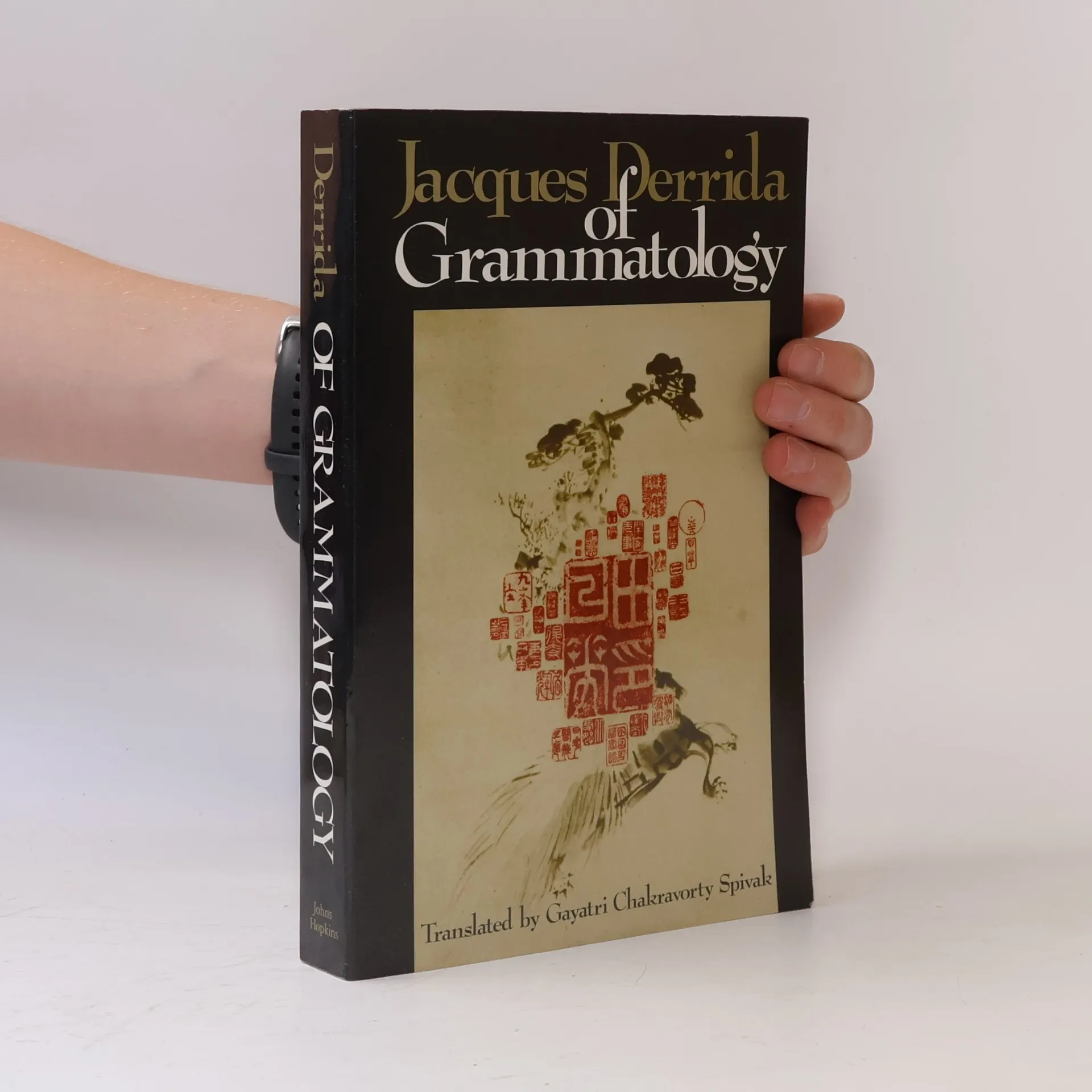
The author is one of the most acclaimed thinker, and expounder of philosophic process of thought of our time. Influence enough to have affected the entire French critical scene, Jacques Derrida has been hailed as the most important philosopher in France today. His ideas of reading and writing, his notion of de-construction, his reinterpretations of phenomenology, of psychoanalysis, and of strucuralism have profoundly influenced the vanguard of European and American criticism and have occasioned lively controversy. Derrida`s philosophical background baffles some literary critics. This role of exposing the common assumption shared by combatants in a controversy raises Derrida`s importance above merely the French scene.
This book introduces and discusses the works of leading feminist post-colonialist Marxian deconstructionalist Gayatri Chakravorty Spivak, by exploring the keyconcepts and themes to emerge from them. -- Google books.
Who Sings the Nation-State brings together two of America´s foremost critics and two of the most influential theorists of the last decade. Together, they explore the past, present and future of the state in a time of globalization. What is contained in a state has become ever more plural whilst the boundaries of a state have become ever more fluid. No longer does a state naturally come with a nation. In a world of migration and shifting allegiances - caused by cultural, economic, military and climatic change - the state is a more provisional place and its inhabitants more stateless. This spirited and engaging conversation ranges widely across Palestine, what Enlightenment and key contemporary philosophers have to say about the state, who exercises power in today´s world, whether we can have a right to rights, and even what the singing of the Star Spangled Banner in Spanish says about the complex world we live in today.
Passagen Forum: Imperative zur Neuerfindung des Planeten
- 95pagine
- 4 ore di lettura
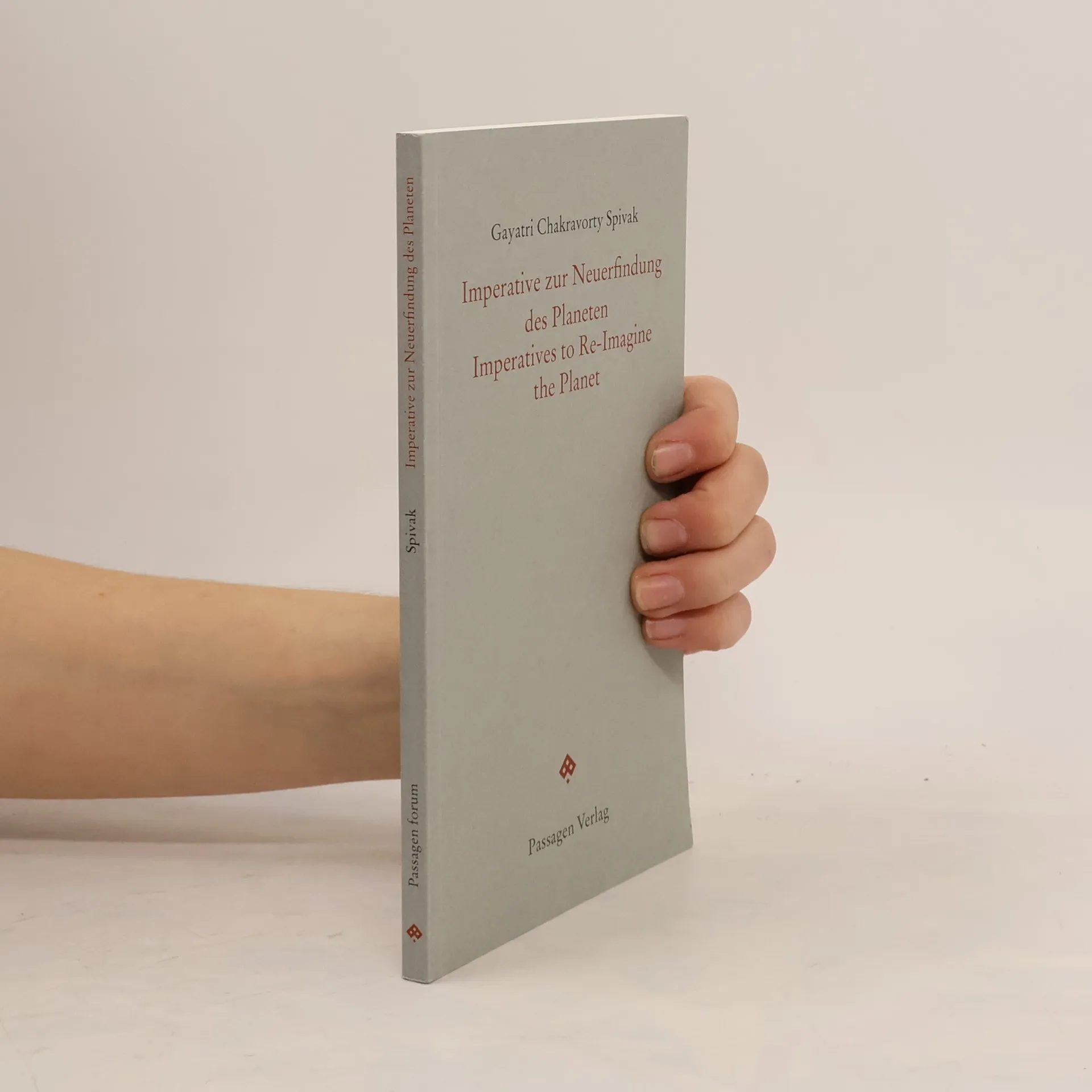
Auf Einladung der Schweizer Stiftung Dialogik hielt Gayatri Chakravorty Spivak 1997 den Vortrag Imperative zur Neuerfindung des Planeten. Die schriftliche Fassung im Original und in deutscher Übersetzung erscheint 2013 im Passagen Verlag in zweiter Auflage. In Imperative zur Neuerfindung des Planeten, der ersten Mary Levin Goldschmidt-Bollag Gedenkvorlesung zur Flüchtlings- und Migrationspolitik der Stiftung Dialogik (Zürich), stellt Spivak der gewinnorientierten Logik der Globalisierung den dringenden Imperativ entgegen, planetarische Verantwortlichkeit neu zu erfinden. Spivak will den Globus mit dem Planeten überschreiben und vergleicht das Koordinatensystem des elektronischen Kapitals mit den virtuellen Linien des geographischen Informationssystems, welche die Erdkugel überziehen. Diese Form der Globalisierung ist für Spivak jedoch unbeherrschbar. Dem Globus stellt die Autorin ein „planetarisches Konzept“ im Zeichen der Alterität gegenüber: den Planeten zwar nicht als unmittelbaren Gegensatz zum Globus, aber als bewohnbaren Ort, bewohnbar – wenn auch nur auf Kredit. Der Vortrag Spivaks wird ergänzt durch Beiträge von Konrad Osterwalder und Hermann Levin Goldschmidt.
Výbor teoretických studií a esejů je čtvrtým svazkem série Postkoloniální myšlení. Tato série má volně chronologickou návaznost a obsahuje jak překlady ucelených knih (Frantz Fanon – Černá kůže, bílé masky a Homi K. Bhabha – Místa kultury), tak dvě antologie vybraných textů. Stávající svazek se zaměřuje na následující období od osmdesátých let dvacátého století po současnost. V průběhu této doby se postkoloniální reflexe autorů a autorek působících na převážně anglo-amerických univerzitách rozvinula napříč celou sférou humanitních disciplín. Tato reflexe přináší kritickou revizi filosofických, historických, antropologických, literárních, kulturních i genderových či jinak předsudečně zaměřených reprezentací, identit a narativů/vyprávění dějin. Klíč pro pochopení současné situace nejen v kolonizovaných zemích, ale také v kontextu globalizace je možné nalézt v rozličných proměnách pojmu postkoloniality. Sám tento pojem není však nikterak homogenní a byl či je často problematizován pro svoji historickou neurčitost, teoretickou nezakotvenost či obecně pojmovou proměnlivost. Smyslem výboru je českému čtenáři nabídnout pluralitu přístupů a kritických stanovisek teoretického postoje, jenž vedl ke změně společenskovědního paradigmatu v posledních třiceti letech.
Can the subaltern speak?
- 159pagine
- 6 ore di lettura
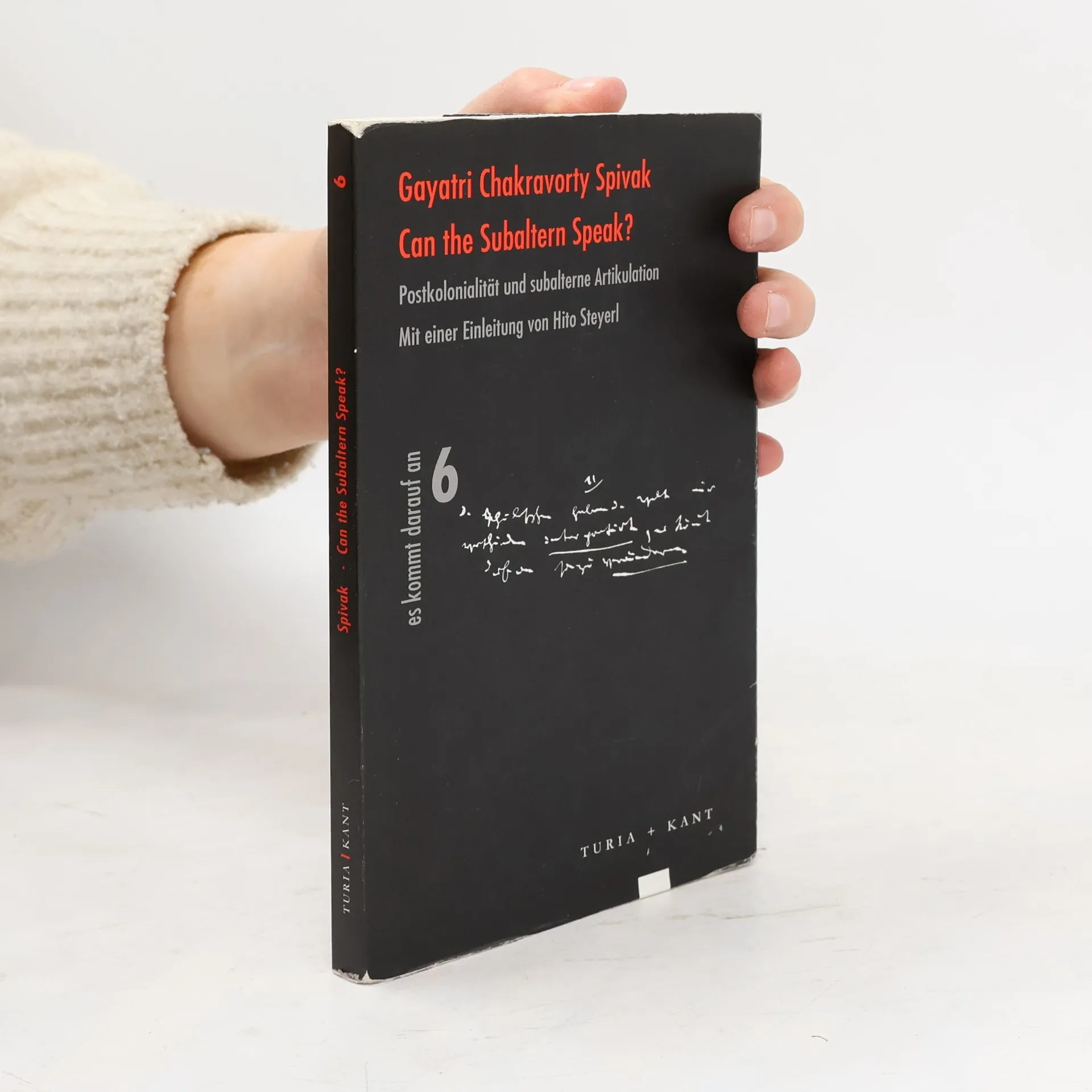
Spivaks Aufsatz 'Can the Subaltern Speak?', bislang noch nie vollständig ins Deutsche übersetzt, zählt zu den Schlüsseltexten der postkolonialen Theorie. Anküpfend an die Arbeit der indischen Subaltern-Studies-Gruppe sowie in kritischer Auseinandersetzung mit poststrukturalistischen Theoriebildungen widmet er sich zentral der Frage von Unmöglichkeit und Möglichkeit eines Sprechens der Subalternen. Der vorliegende Band enthält neben einer Übersetzung der Originalfassung von Spivaks Aufsatz ein Interview mit der Autorin zur Diskussionsgeschichte, eine Nachbemerkung zur 1999 veröffentlichten zweiten Version des Textes sowie eine Einleitung von Hito Steyerl.
Marx Sabotage
- 320pagine
- 12 ore di lettura
Die Auseinandersetzung von Gayatri Spivak mit Marx bildet den zentralen Fokus dieses Bandes, der erstmals ihre oft übersehene Dimension des Denkens beleuchtet. Über vier Jahrzehnte hinweg hat Spivak intensiv mit Marx' Schriften gearbeitet, die sie sowohl kritisiert als auch als ständigen Begleiter ihres eigenen Schreibens betrachtet. Ihre Texte und begleitenden Gespräche zeigen eine »affirmative Sabotage« von Marx' Ideen und reflektieren ihr Bestreben, Widersprüche und Ambiguitäten auszuhalten, anstatt nach einfachen Lösungen zu streben.