

Bookbot

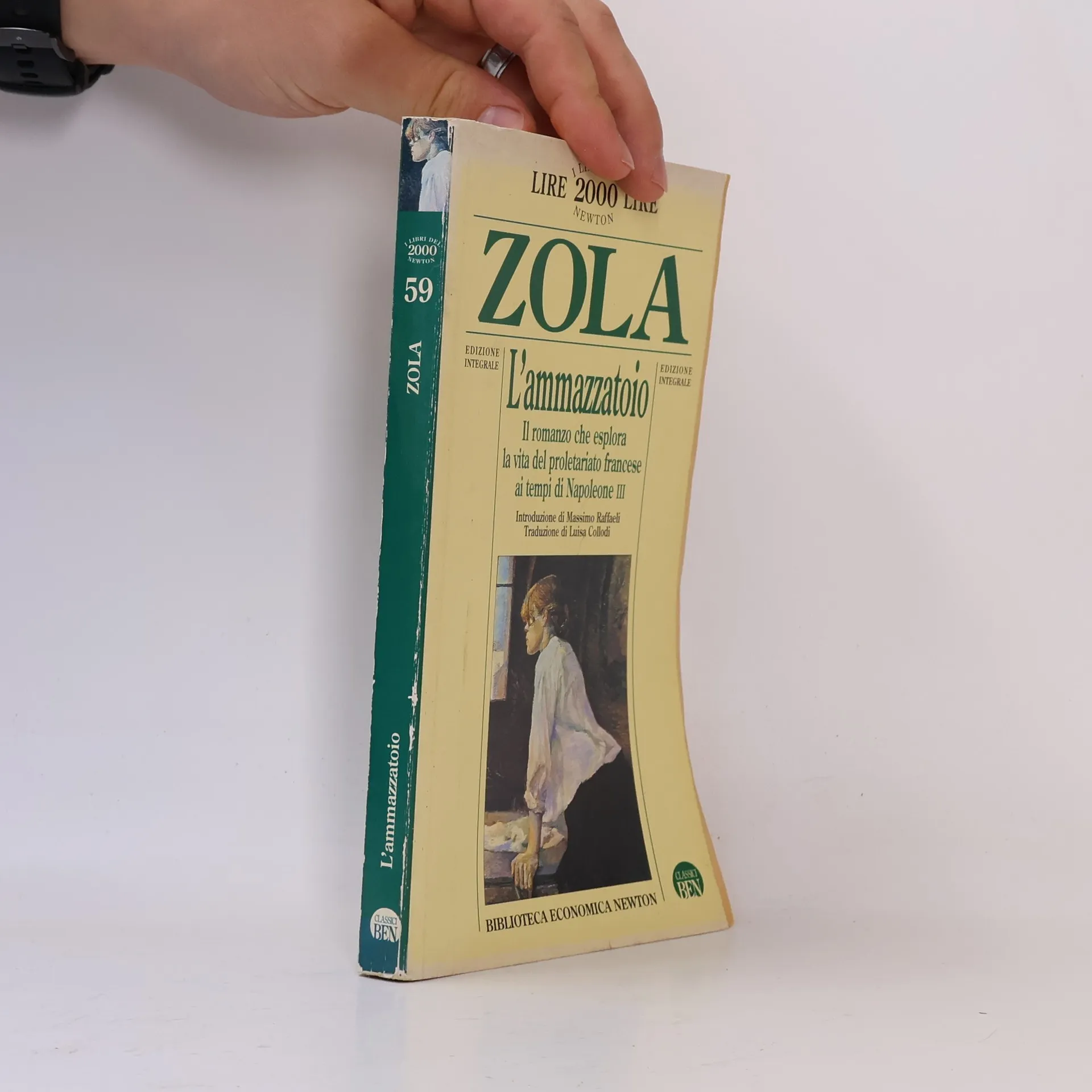
Luisa Collodi

    La signora delle camelie
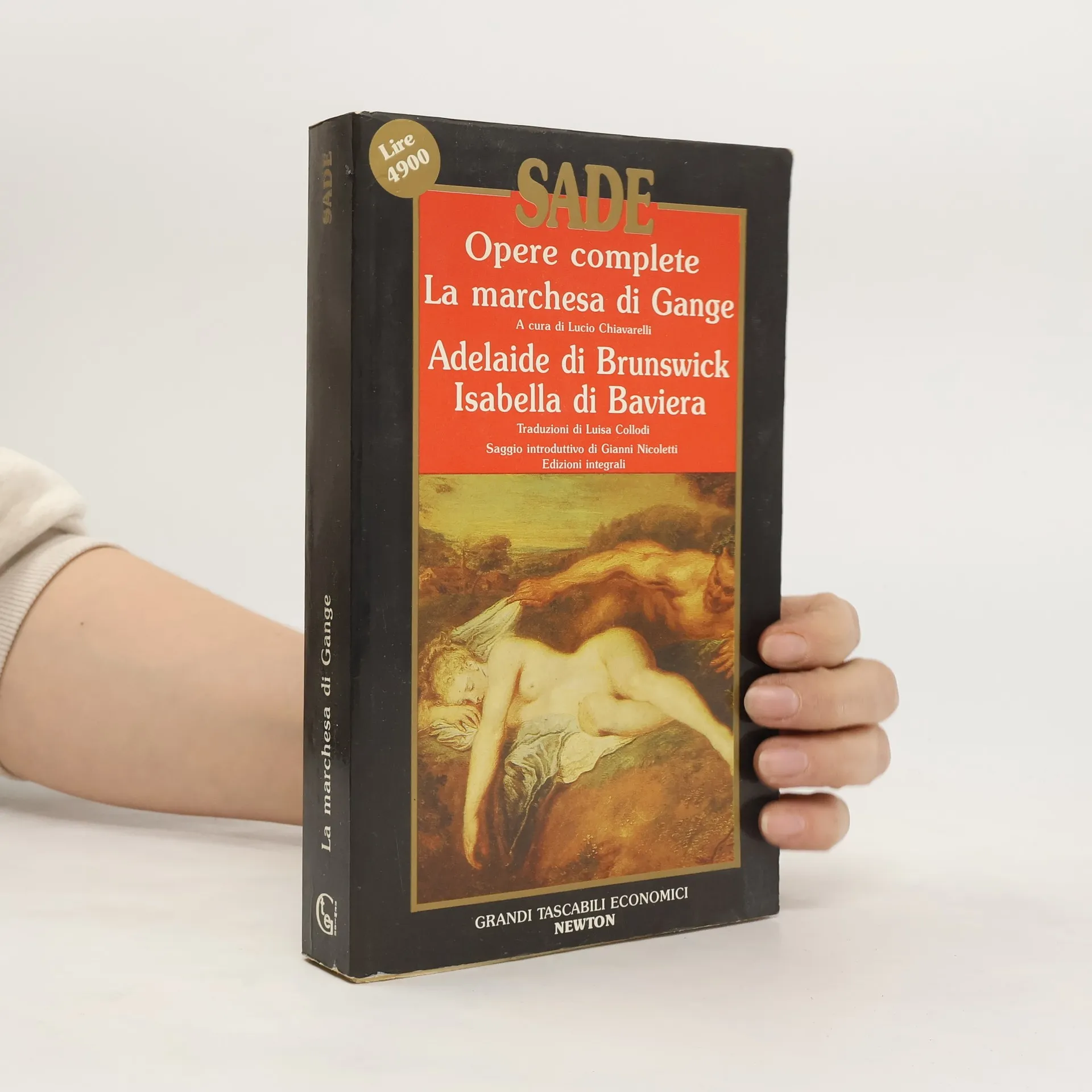
    Opere complete
    Murata viva. Prigioniera della legge degli uomini
    La marchesa di Gange; Adelaide di Brunswick; Isabella di Baviera
    La signora delle camelie. Ediz. integrale
    La disfatta
    • La disfatta

      • 384pagine
      • 14 ore di lettura

      The penultimate novel of the Rougon-Macquart cycle, La Debacle (1892) takes as its subject the dramatic events of the Franco-Prussian War and the Commune of 1870-1. During Zola's lifetime it was the bestselling of all his novels, praised by contemporaries for its epic sweep as well as for its attention to historical detail. La Debacle seeks to explain why the Second Empire ended in a crushing military defeat and revolutionary violence. It focuses on ordinary soldiers, showing their bravery and suffering in the midst of circumstances they cannot control, and includes some of the most powerful description Zola ever wrote. Zola skilfully integrates his narrative of events and the fictional lives of his characters to provide the finest account of this tragic chapter in the history of France. Often compared to War and Peace, La Debacle has been described as a "seminal" work for all modern depictions of war.
      La disfatta
      4,1
    • Camelie profumate: sono i fiori che accompagnano sempre Margherita Gautier e che diventano il perfetto simbolo di un personaggio mitico. Margherita: mantenuta del duca, amore impossibile di Armand, fragile donna malata e vittima dei suoi vizi, eppure misteriosamente forte. Un personaggio indimenticabile, che donò al suo giovanissimo autore (nel 1848, quando uscì la prima edizione, il figlio del grande Alexandre Dumas non aveva che ventiquattro anni) un successo clamoroso e ininterrotto, capace di superare i confini del tempo e dell’arte. L’autore stesso ne realizzò una versione teatrale; pochi anni dopo, Giuseppe Verdi saprà farne una trasposizione sublime, in musica, con La Traviata. Margherita Gautier, alias Violetta, è diventata così una figura a sé stante: un mito appunto, con il quale si sono confrontate dive come Eleonora Duse, Greta Garbo, Maria Callas.

      La signora delle camelie. Ediz. integrale
      4,0
    • È mezzanotte. Leila, giovane marocchina cresciuta in Francia, sta dormendo della piccola stanza che condivide insieme ai fratelli, quando la madre la sveglia. Le ordina di mettersi il suo vestito più bello e di preparare il tè per l'uomo seduto sul divano della sala: lo deve accogliere come fosse un re. Leila non lo conosce. Eppure tra pochi giorni quell'uomo diventerà suo marito. Perché così ha deciso suo padre e, se lei oserà ribellarsi, la punizione sarà terribile. Per Leila è l'inizio di un incubo. Suo marito la tratta come una schiava, la picchia, la umilia. Per tre volte Leila tenta il suicidio. Solo la nascita di suo figlio Ryad le dà la forza di ribellarsi. A costo di essere ripudiata dalla famiglia, Leila chiede la separazione.

      Murata viva. Prigioniera della legge degli uomini
      4,0
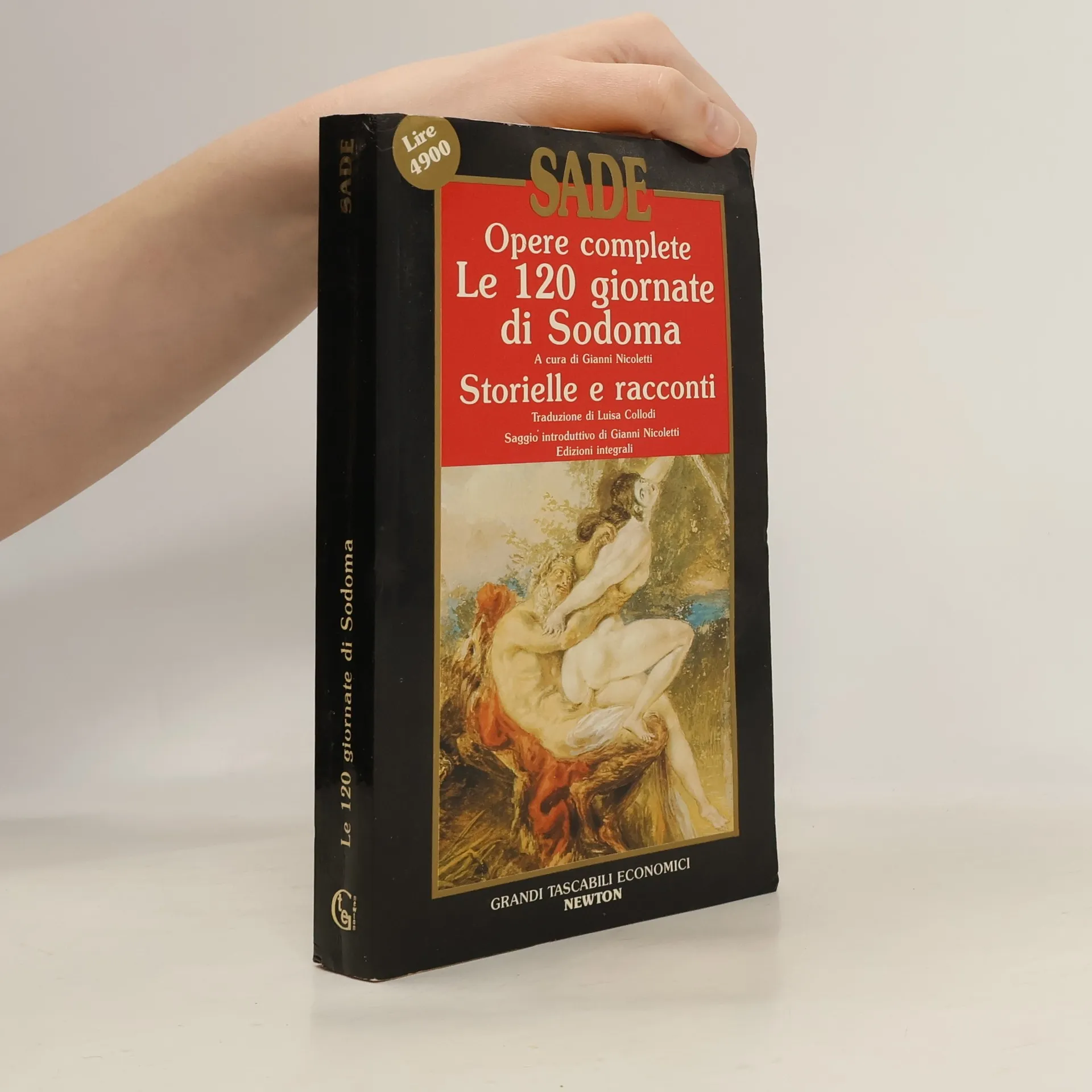
    • Opere complete

      Le 120 giornate di Sodoma - Storielle e racconti

      • 464pagine
      • 17 ore di lettura

      Adorned with gripping cover art by Man Ray and translated by renowned scholar Dr. Paul J. Gillette, this dramatic collection of de Sade writings includes "Justine," "Juliette," "120 Days of Sodom," "Philosophy In The Bedroom" and many works often scattered among "pastiche" versions of de Sades oeuvre. Free of the author's repetitions, polemics and syntactically complex 18th century phrases, this edition captures the drama of de Sade's forays into human sexuality including such practices as voyeurism, fetishism, and, most famously, sadism. Vilified by critics in the 1800s as "Monstrous… depraved… An odious book by an even more odious man," de Sades depiction of his personal adventures has been studied and enjoyed by readers in light of the 20th and 21st centuries. Readers will also discover a mind as free as de Sades adventures were uninhibited, for he discusses natural evolution 25 years before Darwin's birth; postulates the existence of the unconscious mind a century before Sigmund Freud; and probes social mores decades before the work of Margaret Mead. He also espouses political ideas that were put into practice by such diverse figures as Joseph Stalin, Adolph Hitler and Fidel Castro. Born into French nobility in 1740, Marquis de Sade continues to open minds to new human experience more than 250 years later in this dramatic new release from Holloway House Publishing.

      Opere complete
      3,3