

Bookbot

Anthony M. Amore

    Anthony M. Amore scrive per il Boston Herald e dirige la sicurezza dell'Isabella Stewart Gardner Museum, supervisionando gli sforzi per recuperare opere d'arte rubate. Attinge alla sua vasta esperienza nella sicurezza nazionale, nel diritto e nella gestione delle crisi per illuminare temi legati ai crimini d'arte. Il suo lavoro si concentra su una comprensione più approfondita delle motivazioni e dei metodi dei ladri d'arte. Amore è un esperto riconosciuto che analizza la natura complessa del crimine d'arte e il suo impatto sul patrimonio culturale.

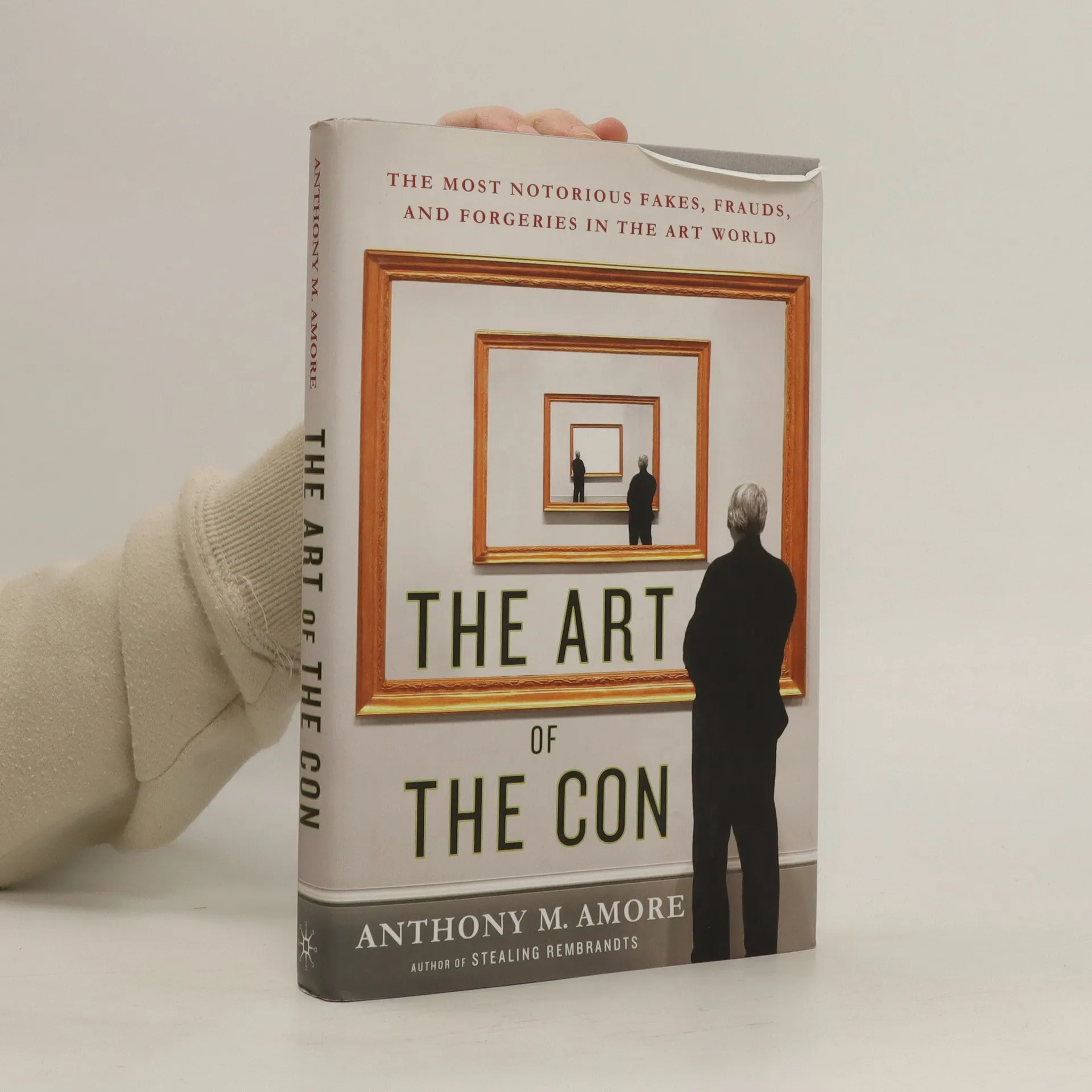
    The Art of the Con
    The Woman Who Stole Vermeer
    The Woman Who Stole Vermeer
    The Art of the Con
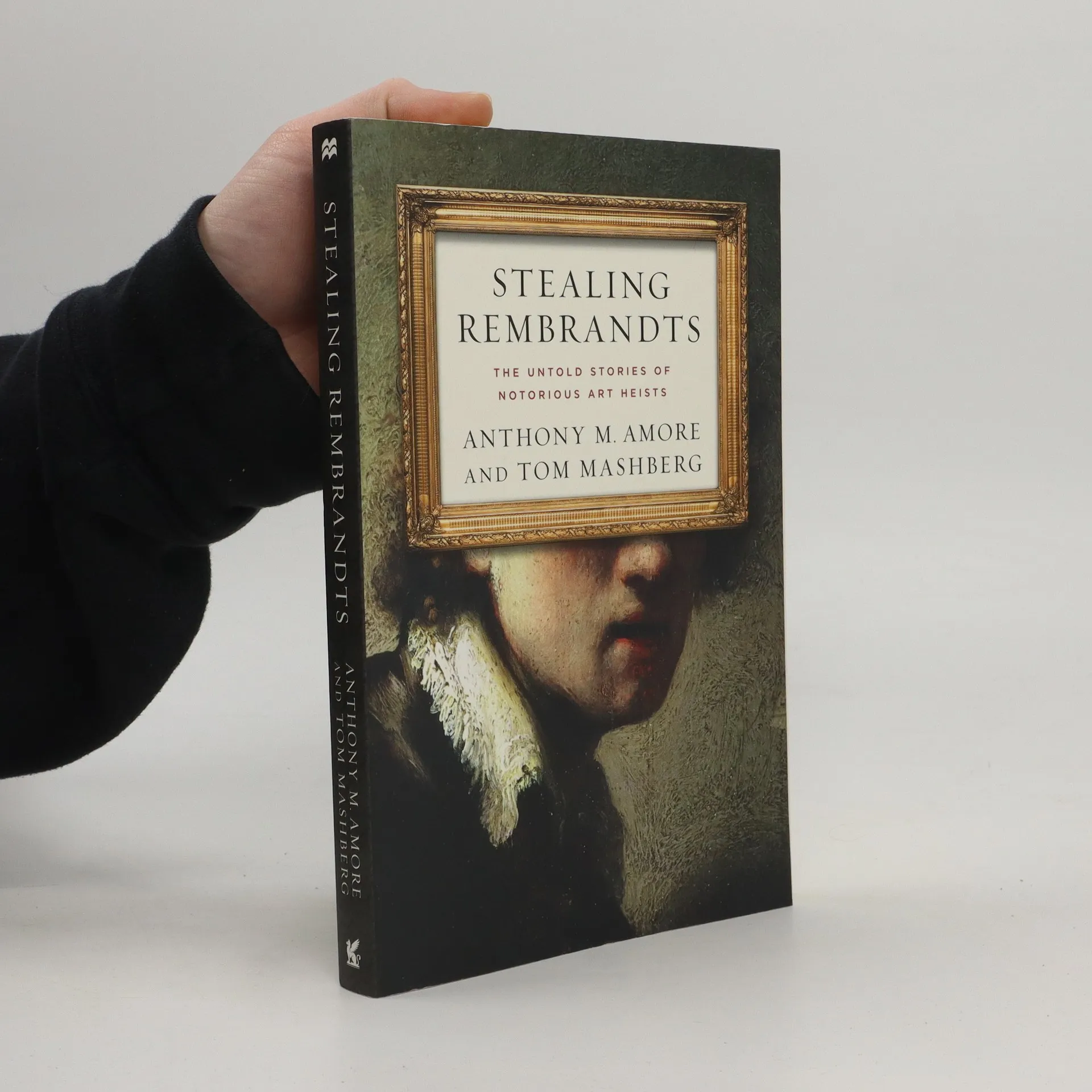
    Stealing Rembrandts : the untold stories of notorious art heists
    • Anthony M. Amore and Tom Mashberg's Stealing Rembrandts is a spellbinding journey into the high-stakes world of art theft Today, art theft is one of the most profitable criminal enterprises in the world, exceeding $6 billion in losses to galleries and art collectors annually. And the masterpieces of Rembrandt van Rijn are some of the most frequently targeted. In Stealing Rembrandts, art security expert Anthony M. Amore and award-winning investigative reporter Tom Mashberg reveal the actors behind the major Rembrandt heists in the last century. Through thefts around the world - from Stockholm to Boston, Worcester to Ohio - the authors track daring entries and escapes from the world's most renowned museums. There are robbers who coolly walk off with multimillion dollar paintings; self-styled art experts who fall in love with the Dutch master and desire to own his art at all costs; and international criminal masterminds who don't hesitate to resort to violence. They also show how museums are thwarted in their ability to pursue the thieves - even going so far as to conduct investigations on their own, far away from the maddening crowd of police intervention, sparing no expense to save the priceless masterpieces. Stealing Rembrandts is an exhilarating, one-of-a-kind look at the black market of art theft, and how it compromises some of the greatest treasures the world has ever known.

      Stealing Rembrandts : the untold stories of notorious art heists
      3,6
    • The Art of the Con

      • 264pagine
      • 10 ore di lettura

      The untold stories of some of history's most notorious art cons—and the secret history of fakes, frauds, and forgeries in the art world

      The Art of the Con
      3,5
    • The Woman Who Stole Vermeer

      • 272pagine
      • 10 ore di lettura

      The extraordinary life and crimes of heiress-turned-revolutionary Rose Dugdale, who in 1974 became the only woman to pull off a major art heist.

      The Woman Who Stole Vermeer
      3,2
    • The Art of the Con

      The Most Notorious Fakes, Frauds, and Forgeries in the Art World

      • 288pagine
      • 11 ore di lettura

      Art scams are today so numerous that the specter of a lawsuit arising from a mistaken attribution has scared a number of experts away from the business of authentication and with good reason. Art scams are increasingly convincing and involve incredible sums of money. The cons perpetrated by unscrupulous art dealers and their accomplices are proportionately elaborate. <i>The Art of the Con </i>by Anthony Amore tells the stories of some of history’s most notorious yet untold cons, frauds, and forgeries. They involve stolen art hidden for decades; elaborate ruses that involve the Nazis and allegedly plundered art; the theft of a conceptual prototype from a well-known artist by his assistant to be used later to create copies; the use of online and television auction sites to scam buyers out of millions; and other confidence scams incredible not only for their boldness but more so because they actually worked. Using interviews and newly released court documents, <i>The Art of the Con</i> will also take the reader into the investigations that led to the capture of the con men, who oftentimes return back to the world of crime. For some, it’s an irresistible urge because their innocent dupes all share something in common: they want to believe.

      The Art of the Con