Enciclopedia di filosofia
- 1476pagine
- 52 ore di lettura


Gianni Vattimo è un autore e filosofo italiano di fama internazionale, noto per il suo contributo al pensiero postmoderno. La sua filosofia è caratterizzata dal "pensiero debole" (pensiero debole), che rinuncia alle certezze fondamentali della modernità e alla sua enfasi sulla verità oggettiva. Vattimo propugna una concezione della realtà più sfaccettata, vicina alle arti e alla loro intrinseca pluralità. Le sue opere invitano a riconsiderare le basi della conoscenza e ad abbracciare una comprensione più diversificata.



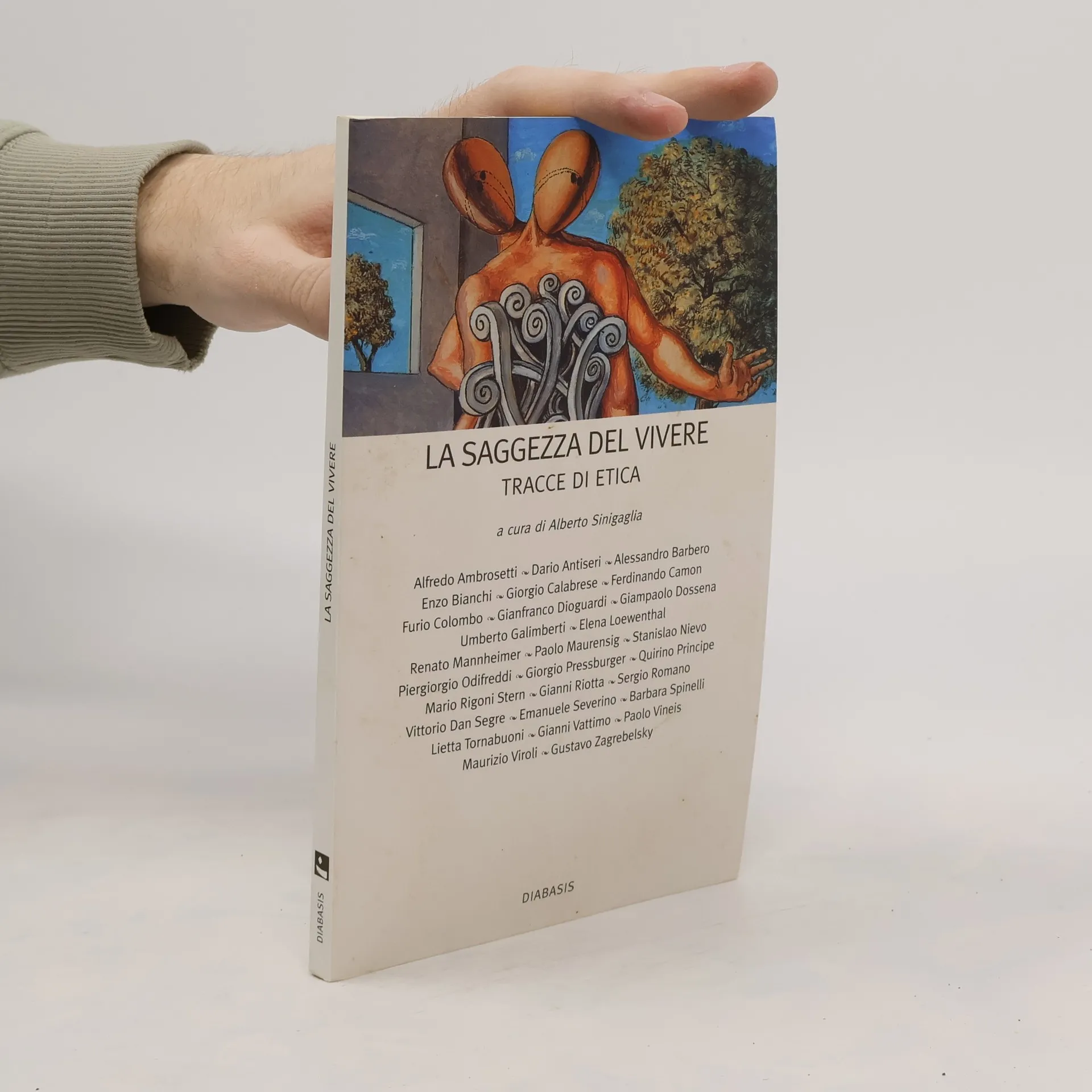
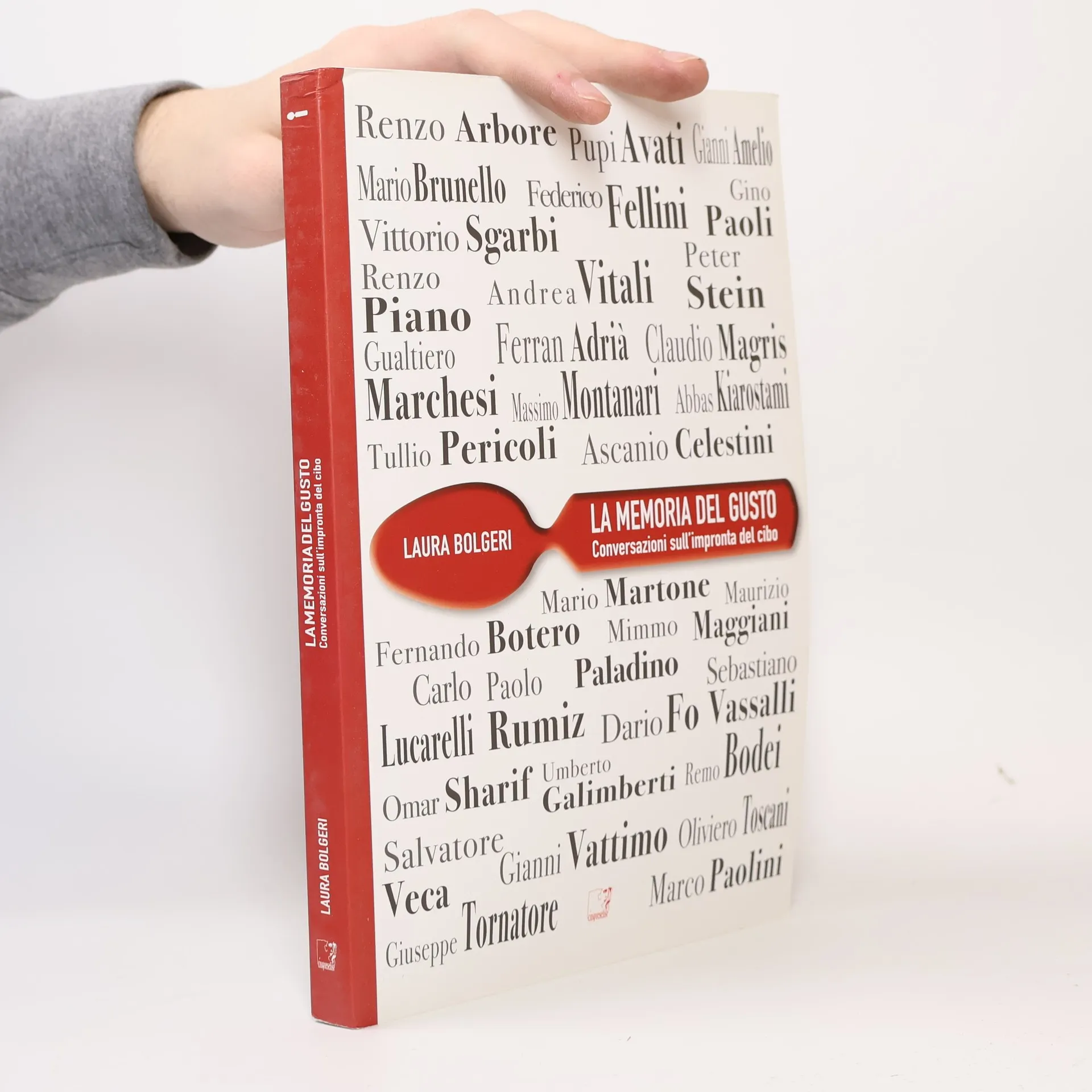
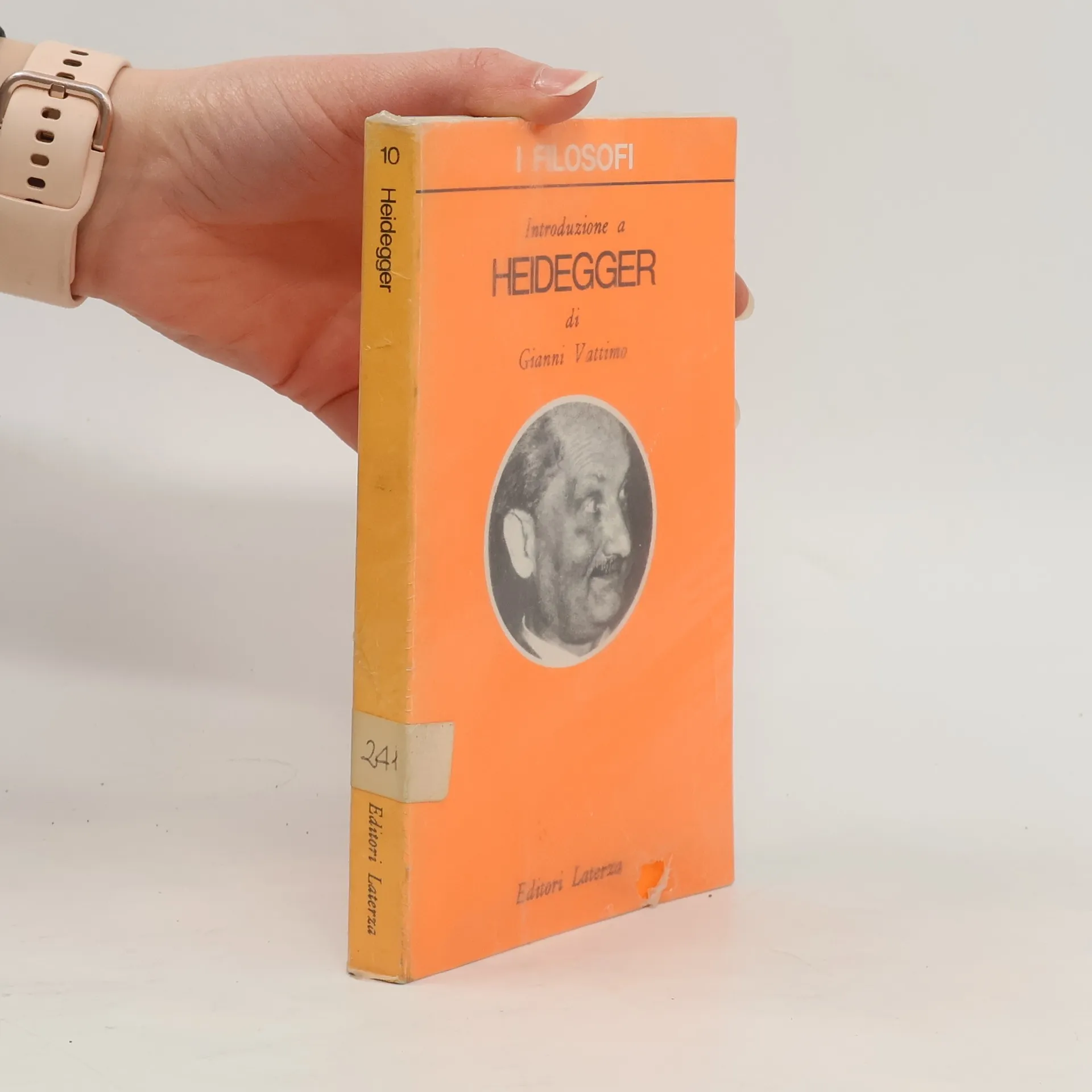
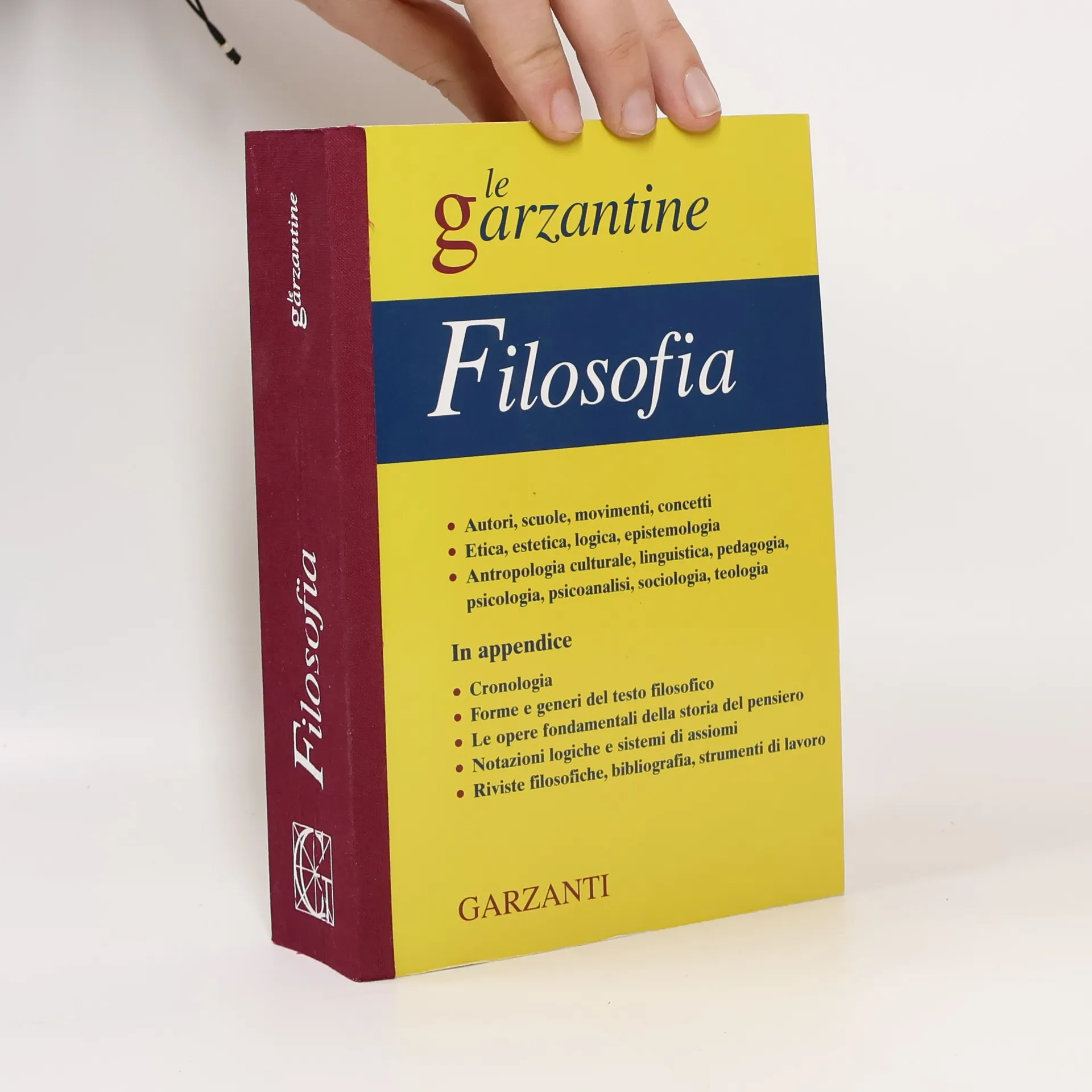
Nel 1927, "Essere e Tempo" di Heidegger pone la questione dimenticata del senso dell'essere. Questo libro rappresenta un evento filosofico di grande importanza e costituisce la fonte dell'evoluzione del pensatore, che, su registri diversi ma con un'attenzione sempre più acuta, non smetterà di riproporre questa domanda. L'opera di Gianni Vattimo si propone come una vera introduzione a questo testo fondamentale. Partendo dagli scritti precedenti, ne delinea la problematicità, spiega i concetti, ne misura i risultati e ne traccia le prospettive. L'evoluzione successiva del pensatore appare come un tentativo costante di rispondere alle domande rimaste in sospeso. Due momenti essenziali, più concettuali che cronologici, caratterizzano questa evoluzione: uno in cui l'essere si presenta come la propria storia, l'altro in cui si manifesta come evento di linguaggio. La profonda familiarità di Gianni Vattimo con il pensiero di Heidegger consente di offrire un'introduzione chiara e un'interpretazione incisiva, rivelando l'unità straordinaria di quest'opera fondamentale.
Separating communism from its metaphysical foundations, which include an abiding faith in the immutable laws of history and an almost holy conception of the proletariat, the authors recast Marx's theories at a time when capitalism's metaphysical moorings are buckling
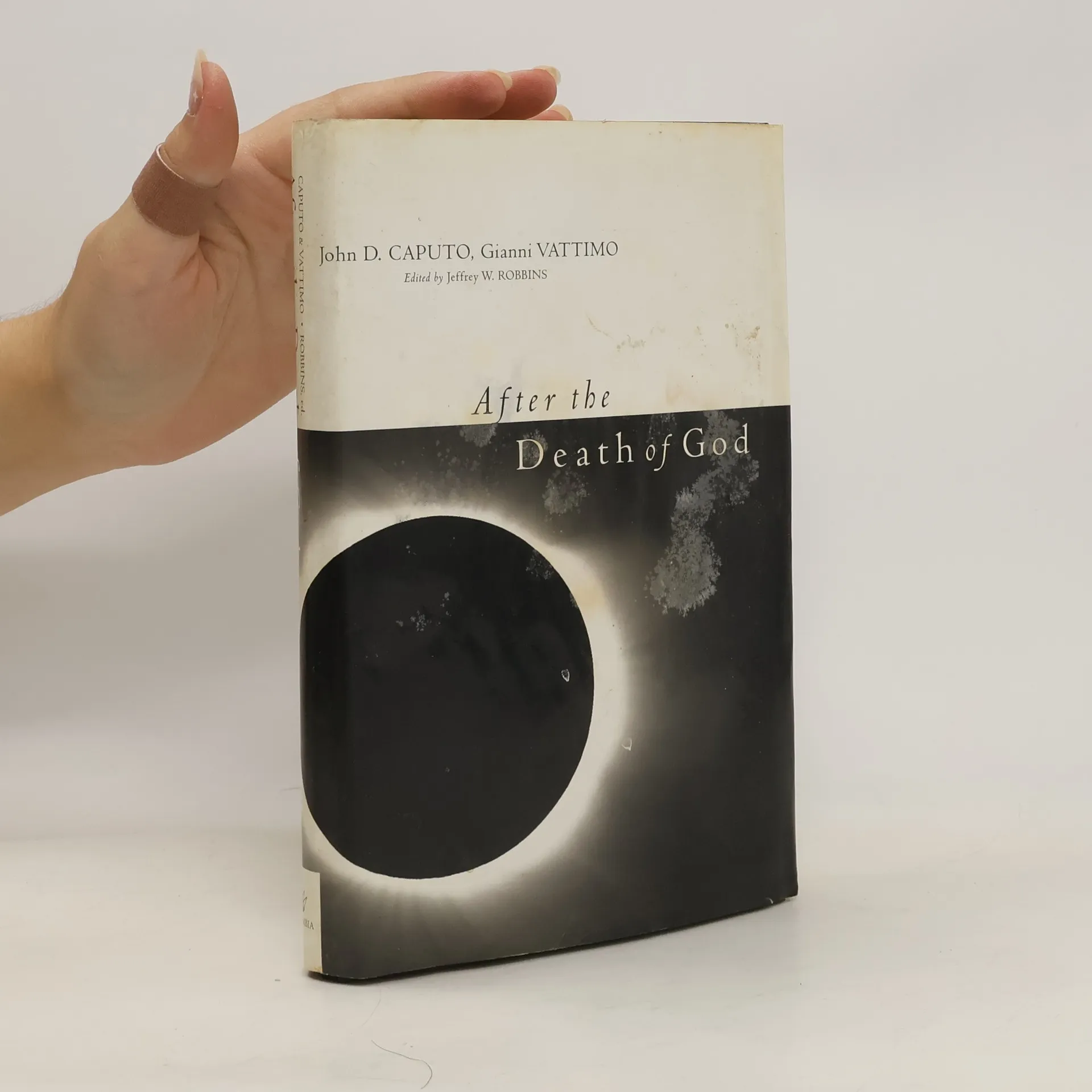
It has long been assumed that the more modern we become, the less religious we will be. Yet a recent resurrection in faith has challenged the certainty of this belief. In these original essays and interviews, leading hermeneutical philosophers and postmodern theorists John D. Caputo and Gianni Vattimo engage with each other's past and present work on the subject and reflect on our transition from secularism to postsecularism.As two of the figures who have contributed the most to the theoretical reflections on the contemporary philosophical turn to religion, Caputo and Vattimo explore the changes, distortions, and reforms that are a part of our postmodern faith and the forces shaping the religious imagination today. Incisively and imaginatively connecting their argument to issues ranging from terrorism to fanaticism and from politics to media and culture, these thinkers continue to reinvent the field of hermeneutic philosophy with wit, grace, and passion.
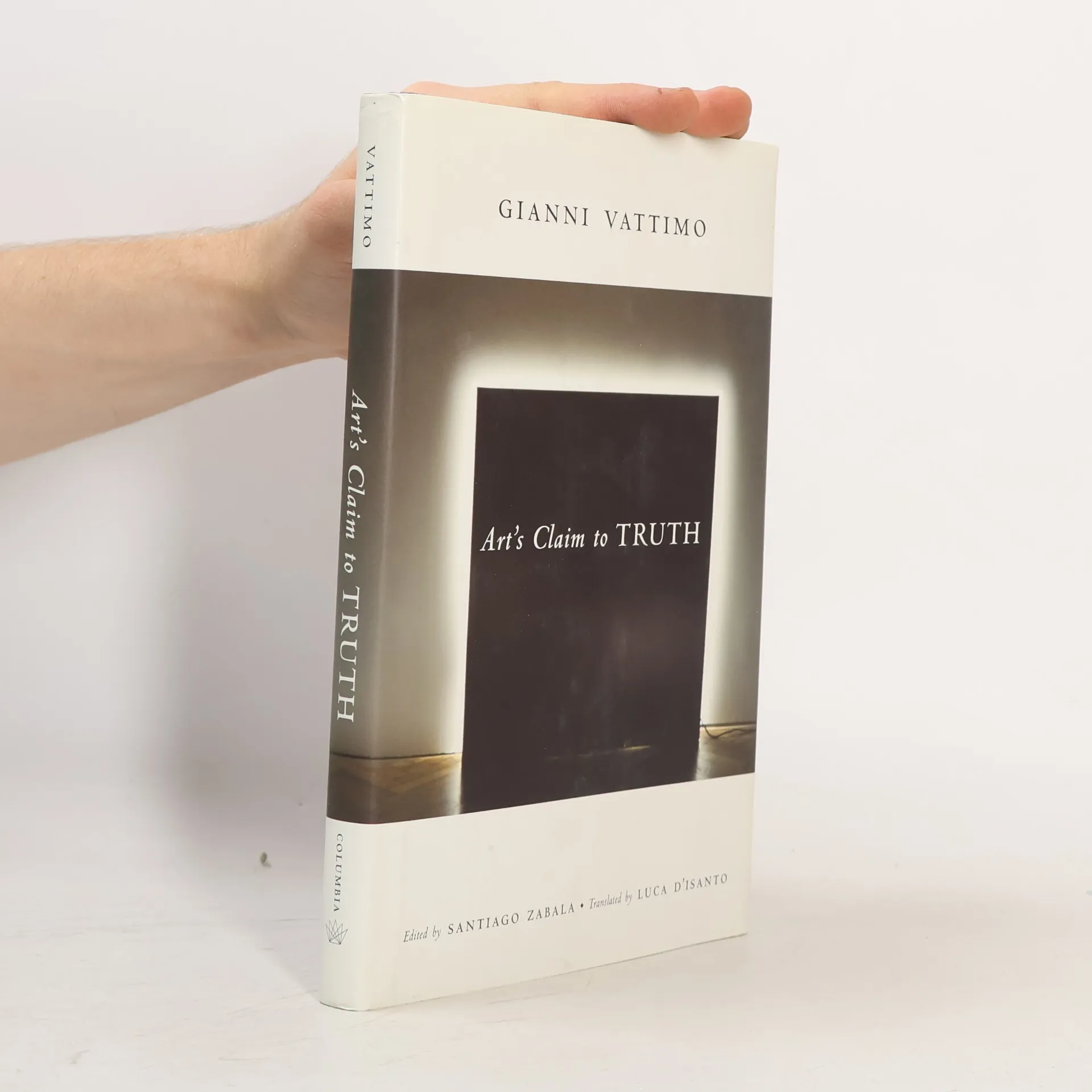
First collected in Italy in 1985, Art's Claim to Truth is considered by many philosophers to be one of Gianni Vattimo's most important works. Newly revised for English readers, the book begins with a challenge to Plato, Aristotle, Kant, and Hegel, who viewed art as a metaphysical aspect of reality rather than a futuristic anticipation of it. Following Martin Heidegger's interpretation of the history of philosophy, Vattimo outlines the existential ontological conditions of aesthetics, paying particular attention to the works of Kandinsky, which reaffirm the ontological implications of art.Vattimo then builds on Hans-Georg Gadamer's theory of aesthetics and provides an alternative to a rationalistic-positivistic criticism of art. This is the heart of Vattimo's argument, and with it he demonstrates how hermeneutical philosophy reaffirms art's ontological status and makes clear the importance of hermeneutics for aesthetic studies. In the book's final section, Vattimo articulates the consequences of reclaiming the ontological status of aesthetics without its metaphysical implications, holding Aristotle's concept of beauty responsible for the dissolution of metaphysics itself. In its direct engagement with the works of Gadamer, Heidegger, and Luigi Pareyson, Art's Claim to Truth offers a better understanding of the work of Vattimo and a deeper knowledge of ontology, hermeneutics, and the philosophical examination of truth.
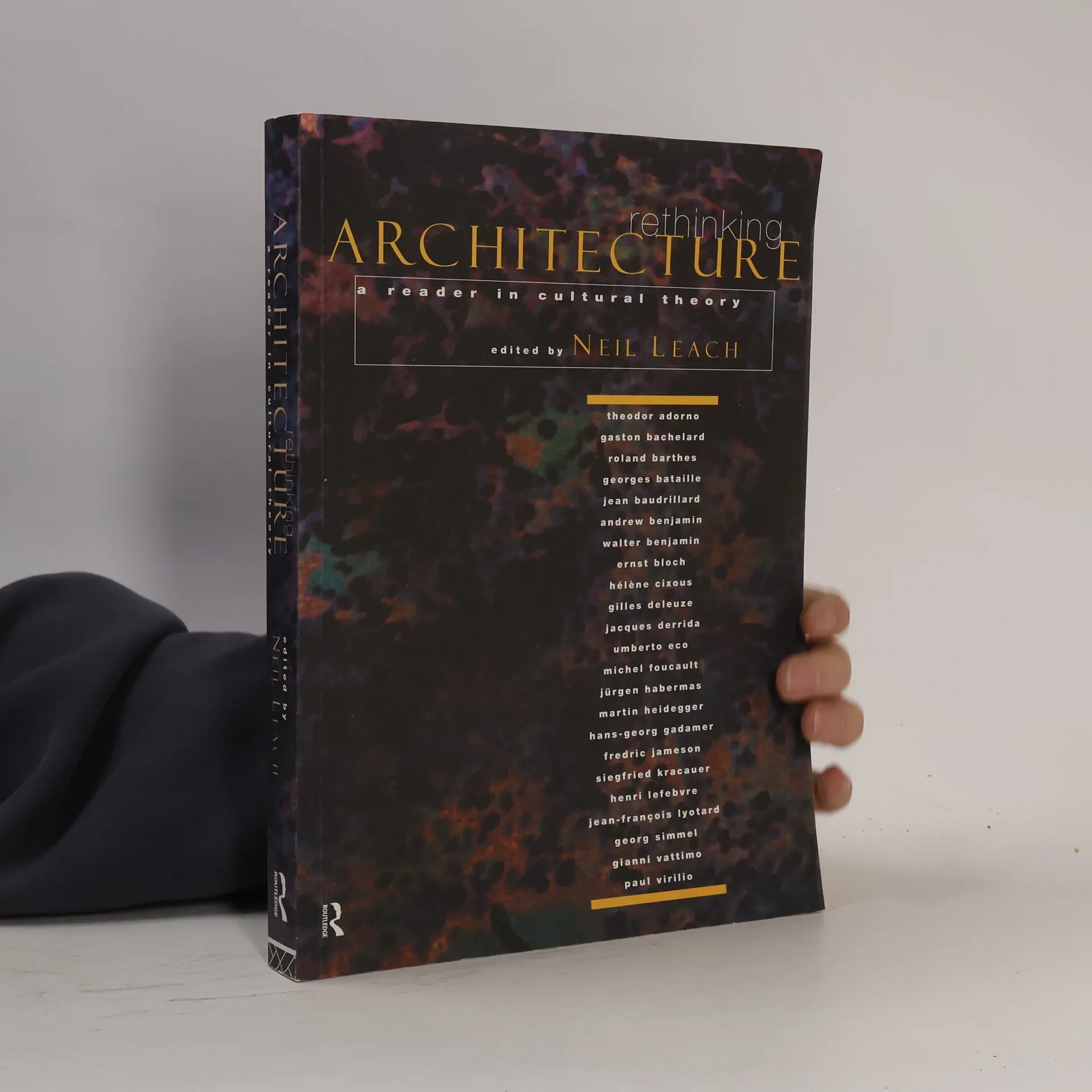
The collection features essential writings from influential philosophers and cultural theorists of the twentieth century, exploring the foundational ideas that have shaped urban environments and architectural experiences. It delves into the theoretical frameworks that underpin contemporary architecture, offering insights into the cultural and philosophical contexts that inform our understanding of space and design. This compilation serves as a critical resource for those interested in the intersection of architecture, philosophy, and urban theory.
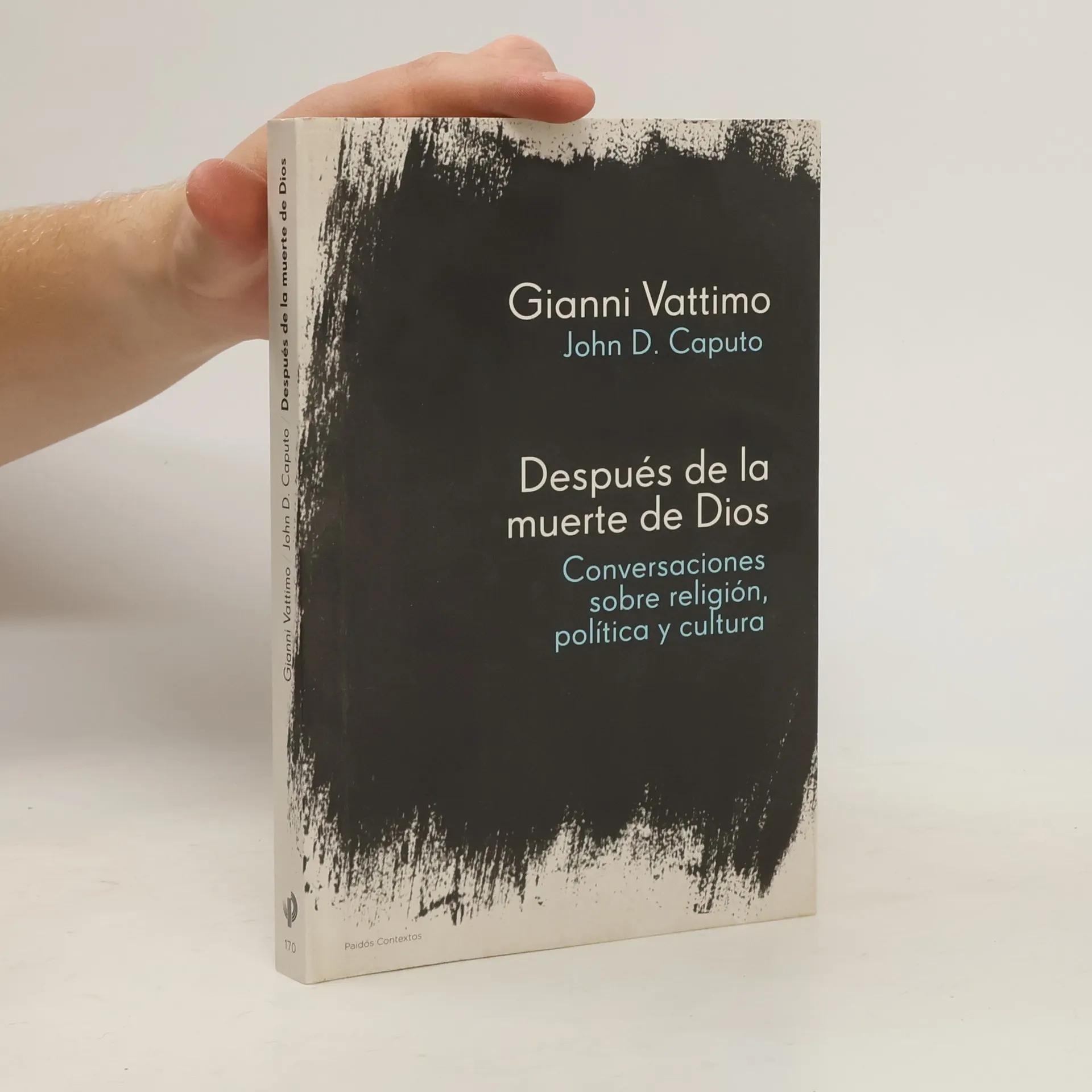
Conversaciones sobre religión, política y cultura
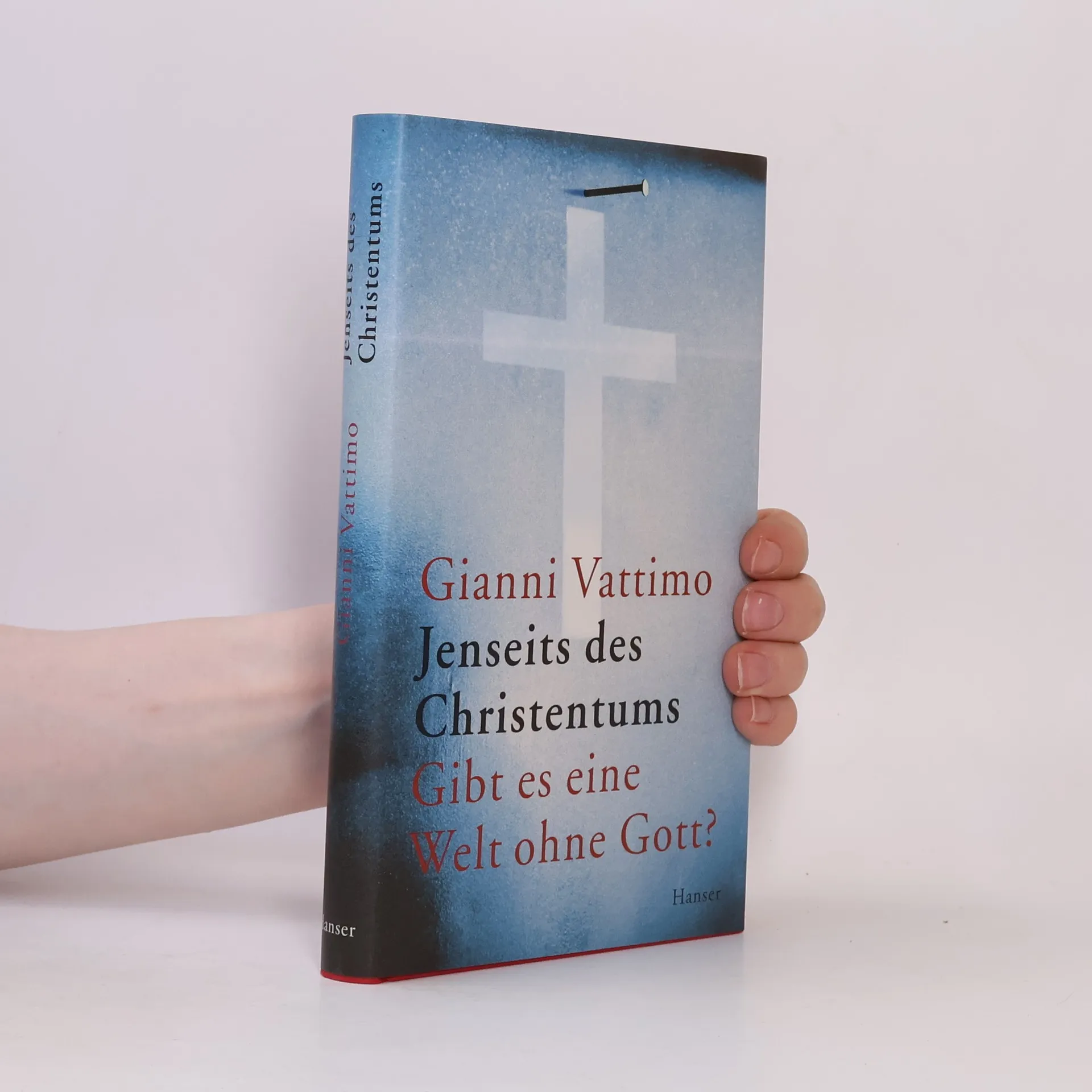
Der Philosoph Gianni Vattimo diskutiert die Idee eines postmodernen Gottes und plädiert für eine neue Form des Christentums, die sich von Dogmen befreit hat, als Antwort auf Nietzsches Aussage, dass Gott tot ist.
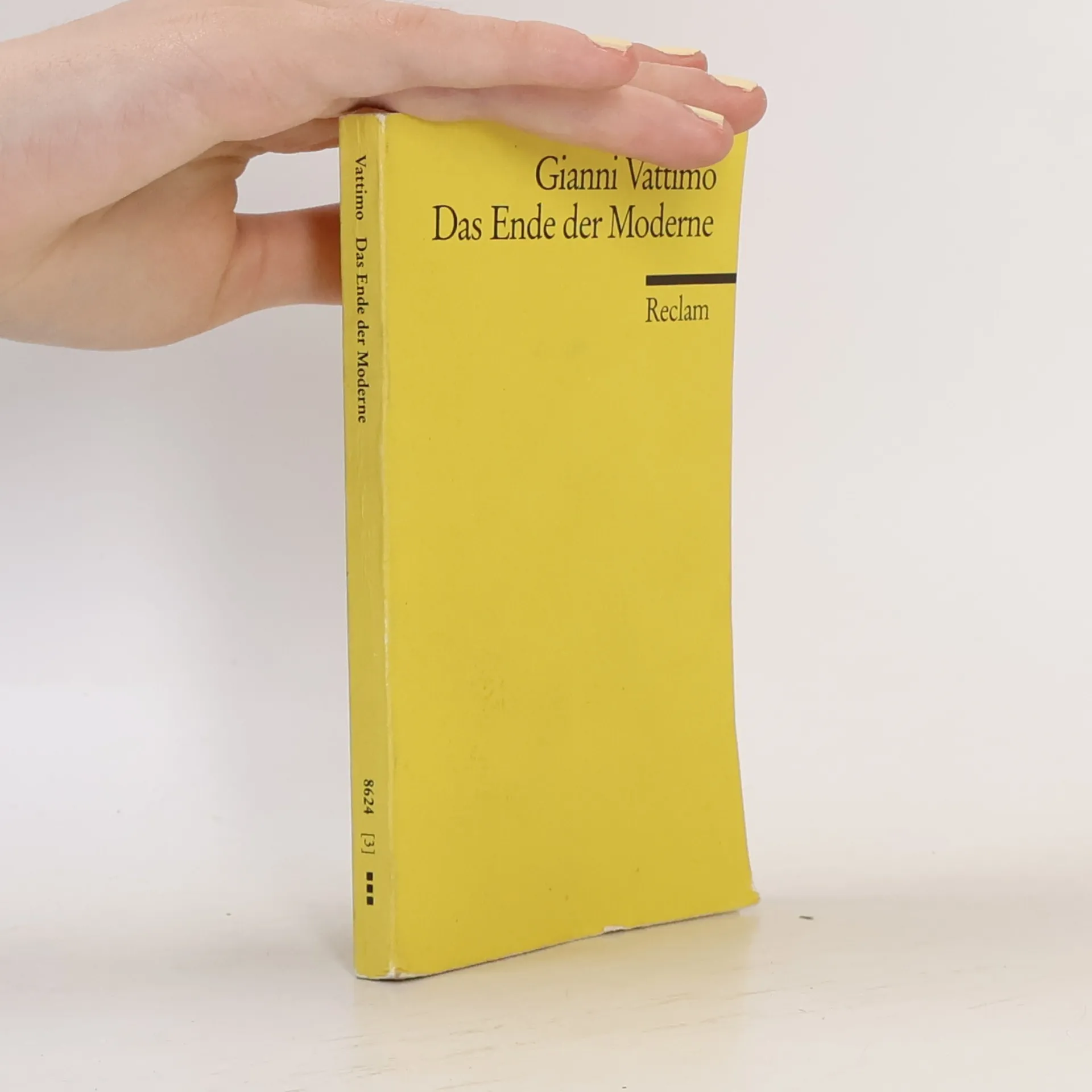
Gianni Vattimo untersucht die Wurzeln des Modernismus und Postmodernismus bei Nietzsche, Benjamin und Heidegger. Er erforscht die Verbindungen zwischen den Konzepten des Nihilismus und des Schicksals im Humanismus des neunzehnten Jahrhunderts und verfolgt diese Strömungen in der ästhetischen und wissenschaftlichen Theorie von Benjamin bis Bloch, Ricoeur und Kuhn.
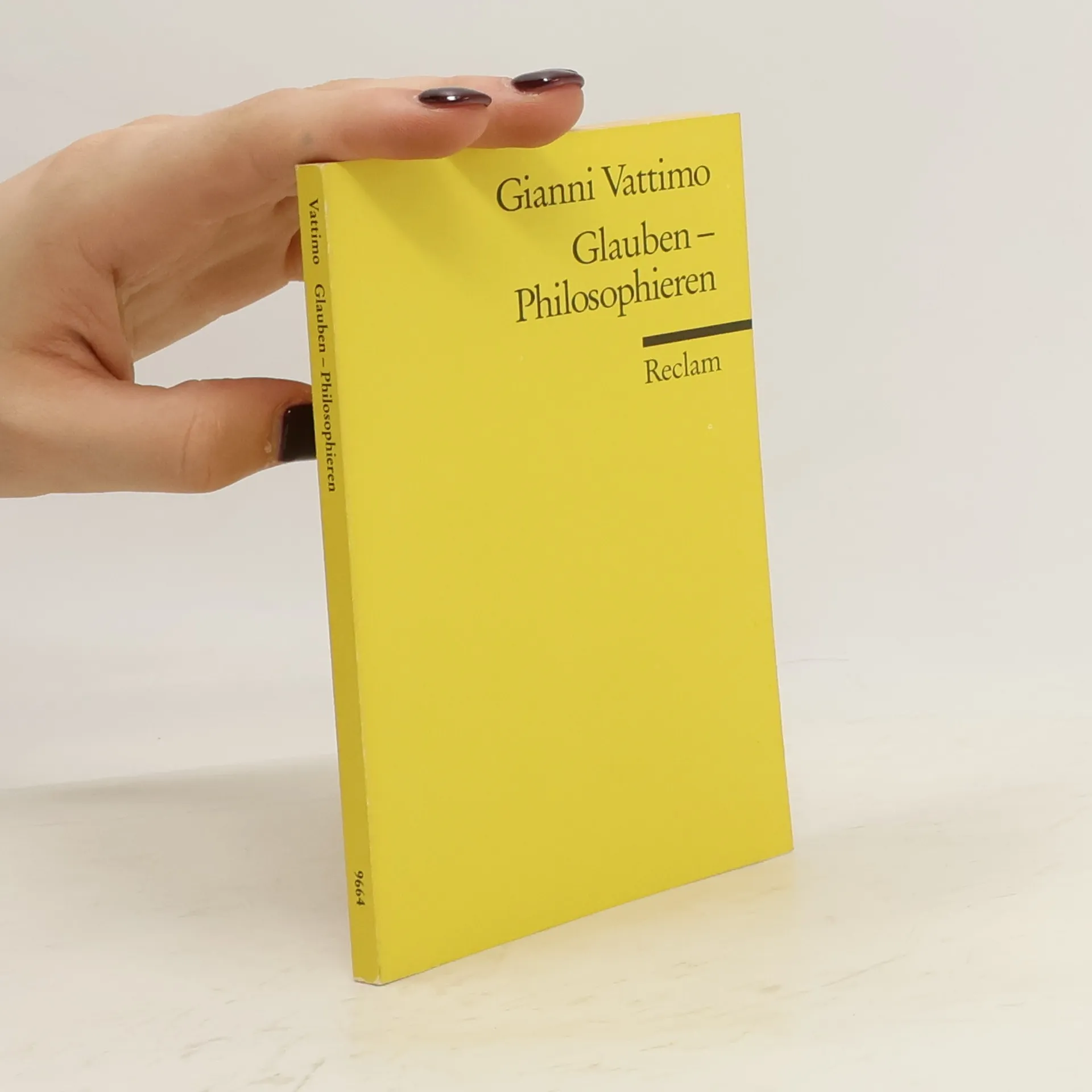
Die „Wiederkehr Gottes“ scheint die Kultur und das Denken der Gegenwart in besonderer Weise zu charakterisieren. Doch was kann heute Sinn der religiösen Erfahrung sein? Gianni Vattimo, einer der prominentesten postmodernen Philosophen, bekannt geworden durch seine Konzeption des „schwachen Denkens“, gibt darauf nicht nur eine philosophische, sondern auch eine sehr persönliche Antwort. Während für ihn die Menschwerdung Christi die Säkularisierung des göttlichen Prinzips und somit die Befreiung von Absolutheitsansprüchen jeglicher Art bedeutet, rückt er das Gebot der (Nächsten-)Liebe ins Zentrum seiner Betrachtung. Er tut dies jedoch nicht naiv und im Sinne kirchlichen Dogmas, sondern auf sanft-anarchische und ironisch-de(kon)struktive Weise.
Technik und Existenz: zentrale Begriffe der Philosophie der letzten hundert Jahre - und roter Faden für den Durchgang durch die philosophische Landschaft des 20. Jahrhunderts. Ausgehend von Marx, Nietzsche und Freud skizziert Vattimo Positivismus, Marxismus, Existentialismus, Strukturalismus und Postmoderne. Eine klare, verständliche Einführung von einem der namhaftesten Philosophen der Gegenwart.
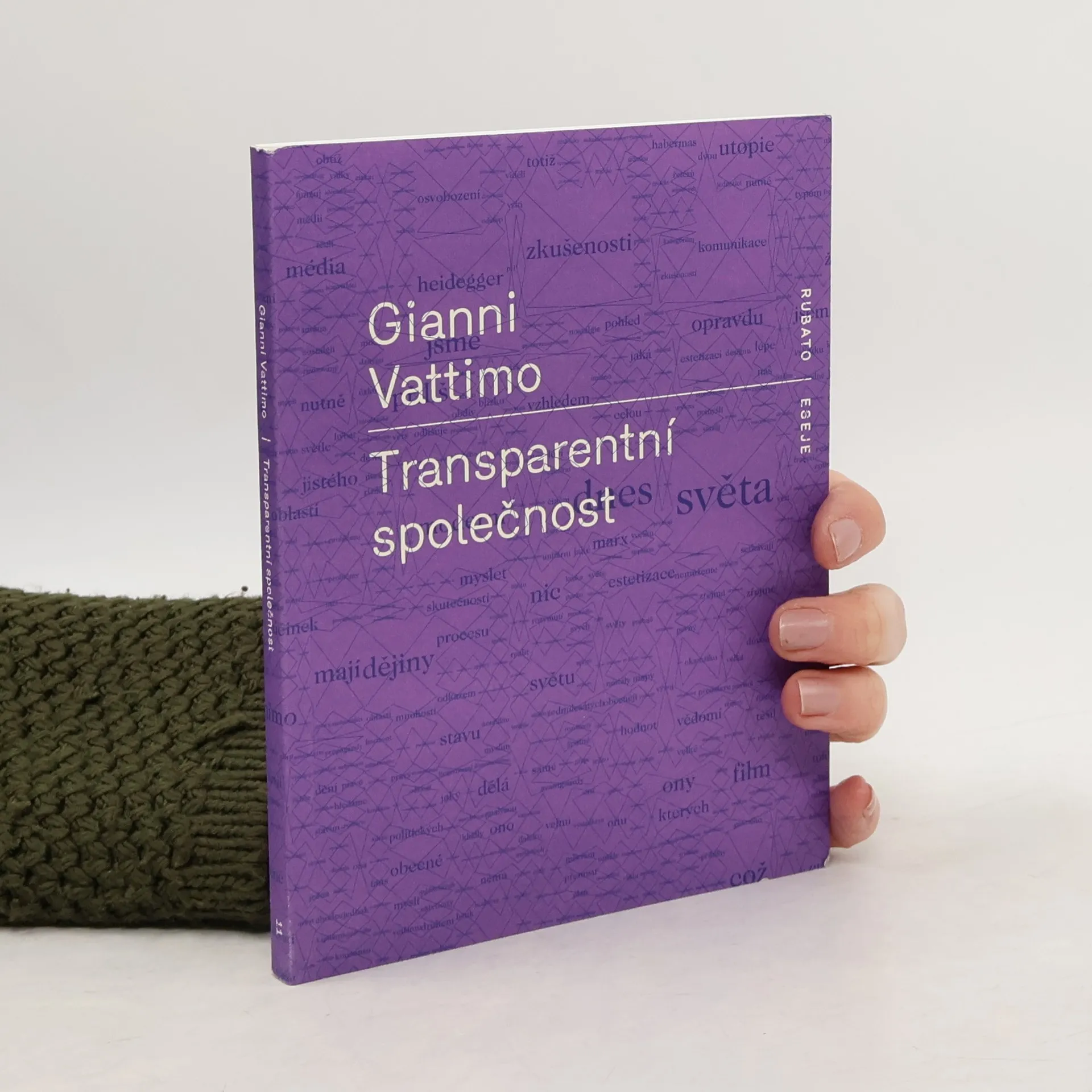
Plně informovaný pohled na svět (média v něm jsou určující, v negativním i positivním slova smyslu) mění společnost a sociální scénář - mění se pojmy demokracie, pravdy. Místo individuální zkušenosti nastupuje zkušenost mediální a člověk nalézá své kořeny a identitu jen tehdy, hledí-li na sebe ze stránek novin, z televize či internetu; jinak bloumá světem vykořeněn a bez osobnosti. Jak mění mediatizace naší existenci a realitu bez toho, že bychom chtěli zprostředkovaný svět démonizovat či se mu bránit zbytečnou nostalgii? V co se přeměnily mýty v komunikační společnosti? Má ještě smysl hovořit o pokroku a revoluci? Co nám schází ke štěstí a jaká je estetika v informované společnosti? Kniha Transparentní společnost (autor, Gianni Vattimo, je v Evropě i v obou Amerikách dobře známý italský filozof) byla přeložena do mnoha jazyků a její obsah se stal součástí společenského diskurzu ve většině civilizovaných zemí ku prospěchu dříve jmenovaného: co zbytečných floskulí a směšných omylů by si naši politici, televizní diskutéři a umělci mohli odpustit, kdyby znali tuto knihu!
Das Buch präsentiert eine neuartige Interpretation von Nietzsche und Heidegger und untersucht deren philosophische Beiträge sowie den Einfluss auf Vattimos Idee des schwachen Denkens. Es beleuchtet die Komplexität ihrer Gedanken und den Übergang von der traditionellen Metaphysik zu einem fluiden Verständnis von Wahrheit und Existenz. Durch die Analyse des Zusammenspiels dieser Denker bietet das Werk Einblicke in den zeitgenössischen philosophischen Diskurs und die Entwicklung des Denkens in der modernen Ära.
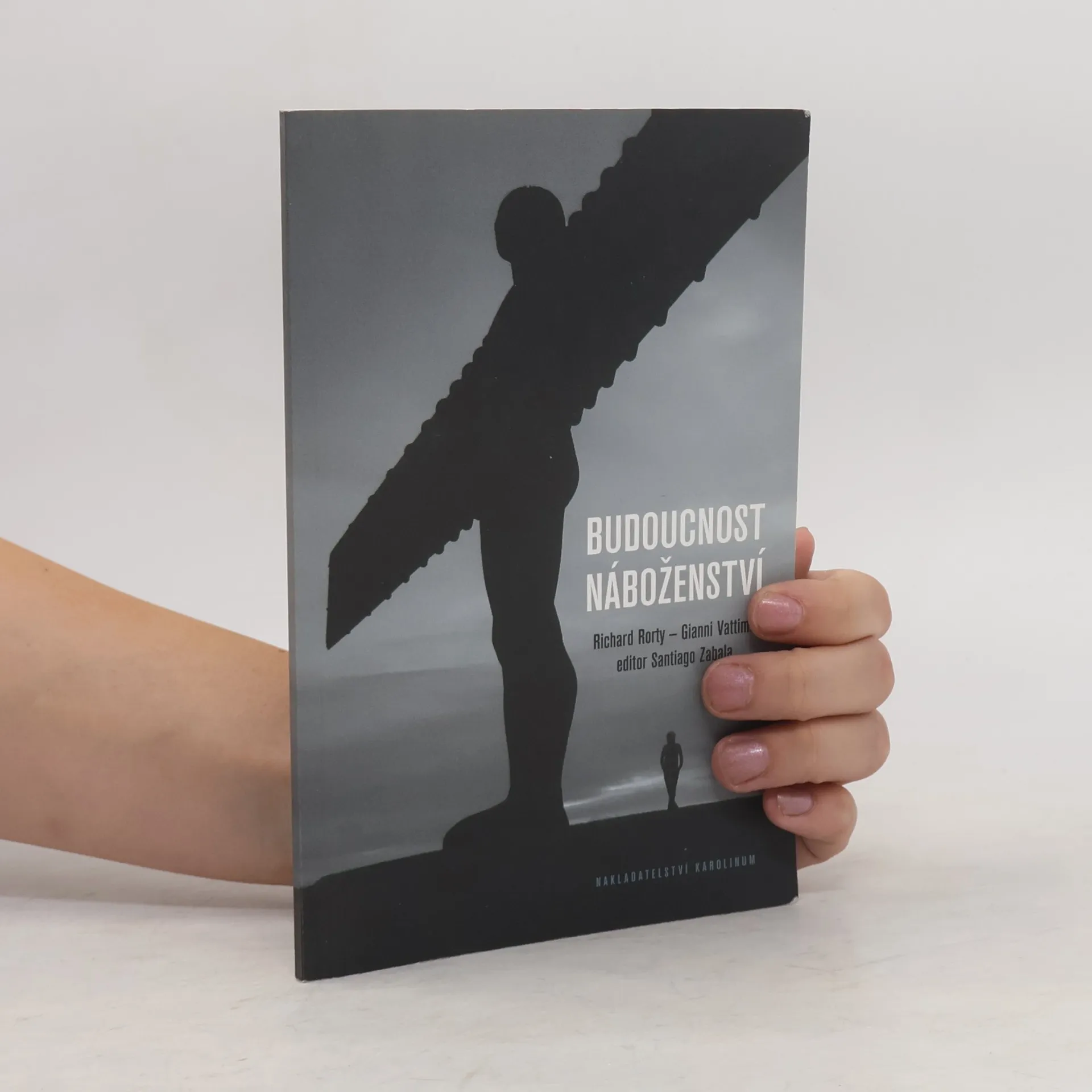
Dva filosofové Richard Rorty a Gianni Vattimo sice vycházejí z odlišných intelektuálních tradic, oba však spojuje kritický přístup k metafyzice. Ve svém díle se zabývají otázkami, které přesahují rámec filofosie a přehodnocují základní otázky náboženského života i víry v Boha. Kniha Budoucnost náboženství obsahuje mimo jiné i dialog mezi těmito dvěma filosofy a je jedinečná nejen tím, že se v ní prolíná Rortyho pragmatismus s Vattimovou hermeneutikou, ale také tím, že dává prostor i diskusi o omezeních tradičního náboženského přesvědčení a moderního sekularismu. Živý dialog, který knihu uzavírá a který moderoval a redigoval Santiago Zabala, analyzuje budoucnost náboženství spolu s politickými, společenskými a historickými aspekty pro náš současný postmoderní, postmetafyzický a postkřesťanský svět charakteristickými.
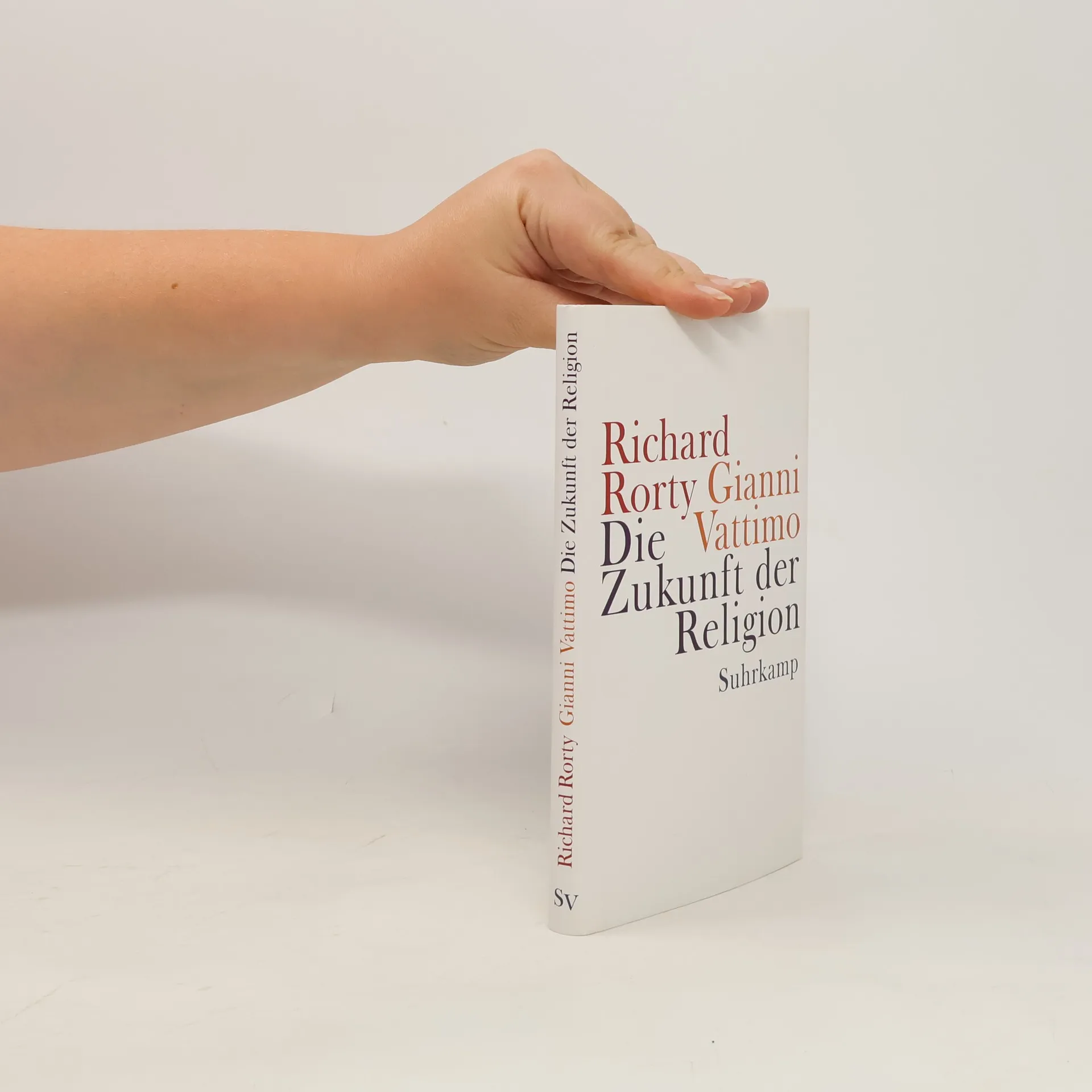
Nicht erst seit der vielbeachteten Wahl des neuen Papstes, nicht erst seit den religiös motivierten Terroranschlägen, die die westlichen Demokratien erschüttert haben, und nicht erst seit der Wiederkehr religiöser Fundamentalismen in allen Teilen der Welt wird deutlich, daß die Frage der Religion zu einer Nagelprobe der Zivilisation geworden ist. Doch war die Religion nicht längst überwunden? Die Philosophen Richard Rorty und Gianni Vattimo, die als Vertreter einer dezidierten Metaphysikkritik nicht gerade in Verdacht stehen, dem Christentum das Wort zu reden, stellen die Frage nach der Zukunft der Religion. In pointierten Texten und einem anschaulichen Gespräch gehen sie von der Beobachtung aus, daß die Metaphysikkritik mitnichten zum Verschwinden der Religion geführt hat. Der Tod Gottes gehört der Vergangenheit an, die Religion nicht. Doch gehört ihr wirklich die Zukunft? Oder hat nicht vielmehr eine Verschiebung der religiösen Erfahrung stattgefunden, die eine Metaphysikkritik keineswegs ausschließt? Wird eine Religion ohne Gott kommen? »Was kommt nach dem Ende der Metaphysik? Kann Religion ohne Begründungen, objektive Wahrheiten oder Gott auskommen? Zwei der einflußreichsten Philosophen unserer Tage kommen hier zu einer Antwort zusammen. Gemeinsam bestimmen Vattimos Hermeneutik und Rortys Pragmatismus unsere Vorstellung der christlichen Botschaft, daß die Liebe das einzige Gesetz darstelle, neu.« Nancy Frankenberry
A l'origine technique de lecture des textes (religieux, littéraires, juridiques), l'herméneutique est devenue depuis le XIXe siècle philosophie générale et ontologie au sens propre du terme. Comprenant l'existence humaine dans sa relation avec le monde comme interprétation, elle correspond à une époque où l'être ne se présente plus comme structure stable et fondement absolu, mais s'annonce comme événement qui signifie dans le langage, à travers des messages qui sont toujours à interpréter. Comme telle, l'herméneutique peut également conduire vers une éthique. Pour autant, elle n'a pas à chercher à restaurer illusoirement une position transcendantale. Accueillant l'être dans sa finitude et son historicité, elle se fait écoute et méditation des valeurs, des figures de l'expérience, des formes symboliques qui y résonnent. Dans cette écoute attentive, elle peut puiser des critères de discrimination et de choix, des orientations pour l'action et, en ce sens, faire droit aux exigences d'universalité de l'éthique traditionnelle. C'est en radicalisant, contre toute visée restauratrice mais sans s'abandonner à un simple relativisme, les caractères " nihilistes " de l'ontologie herméneutique que ce livre met au jour les possibilités éthiques qu'elle recèle.
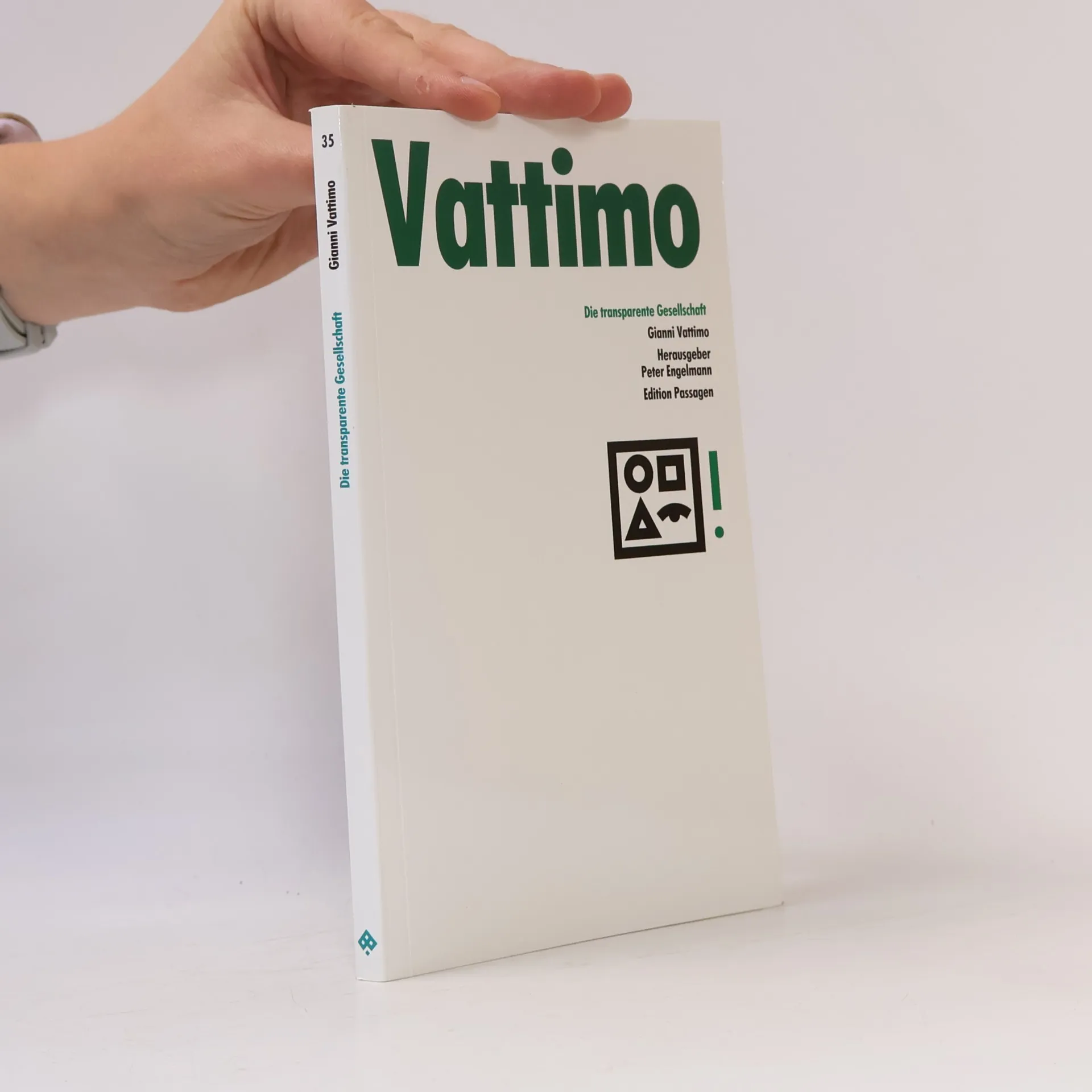
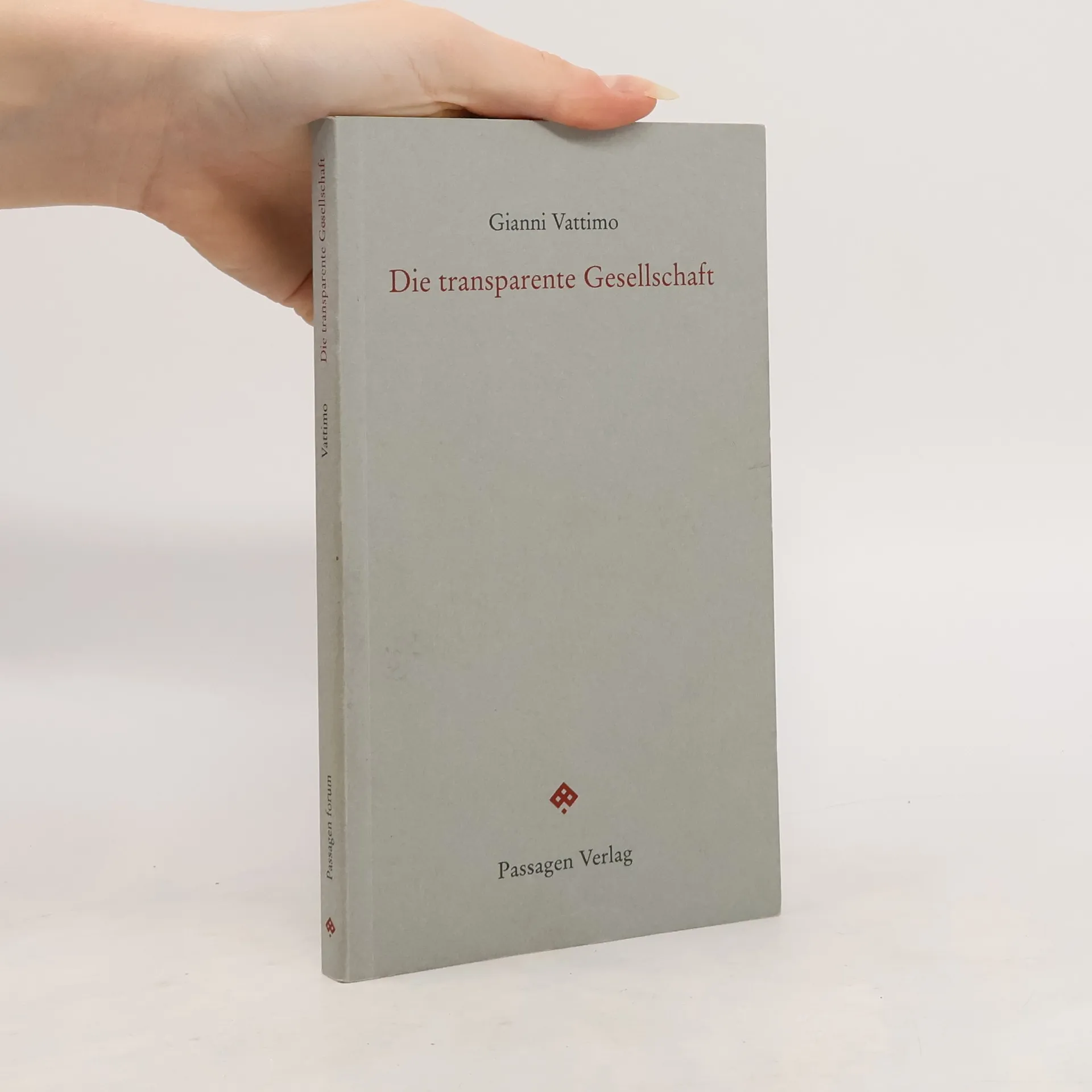
Beim Entstehen der postmodernen Gesellschaft spielen die Massenmedien eine entscheidende Rolle. Die steigende Zahl von Kommunikationsmitteln lässt jedoch die Gesellschaft nicht „transparenter“, selbstbewusster oder aufgeklärter erscheinen: aufgrund der Möglichkeit, Ereignisse mittels der Massenmedien „live“ wiederzugeben, vervielfältigt sich vielmehr die Komplexität der Wirklichkeit statt sich zu verringern. Vattimo vertritt nun die These, dass gerade in diesem relativen „Chaos“ unsere Hoffnungen auf Emanzipation liegen könnten. Das Fehlen von Transparenz ist kein Phänomen, das es zu bekämpfen gilt, sondern im Gegenteil das Symptom einer Veränderung, die alle Daseinsbereiche bzw. Lebensformen betrifft und zur Befreiung der Minderheiten sowie zur Erschaffung eines neuen „Bewusstseins“ führt. Für Vattimo handelt es sich hierbei um eine prekäre alltägliche Erfahrung, die den Charakter der Oszillation, der Unheimlichkeit und des Spiels annimmt.
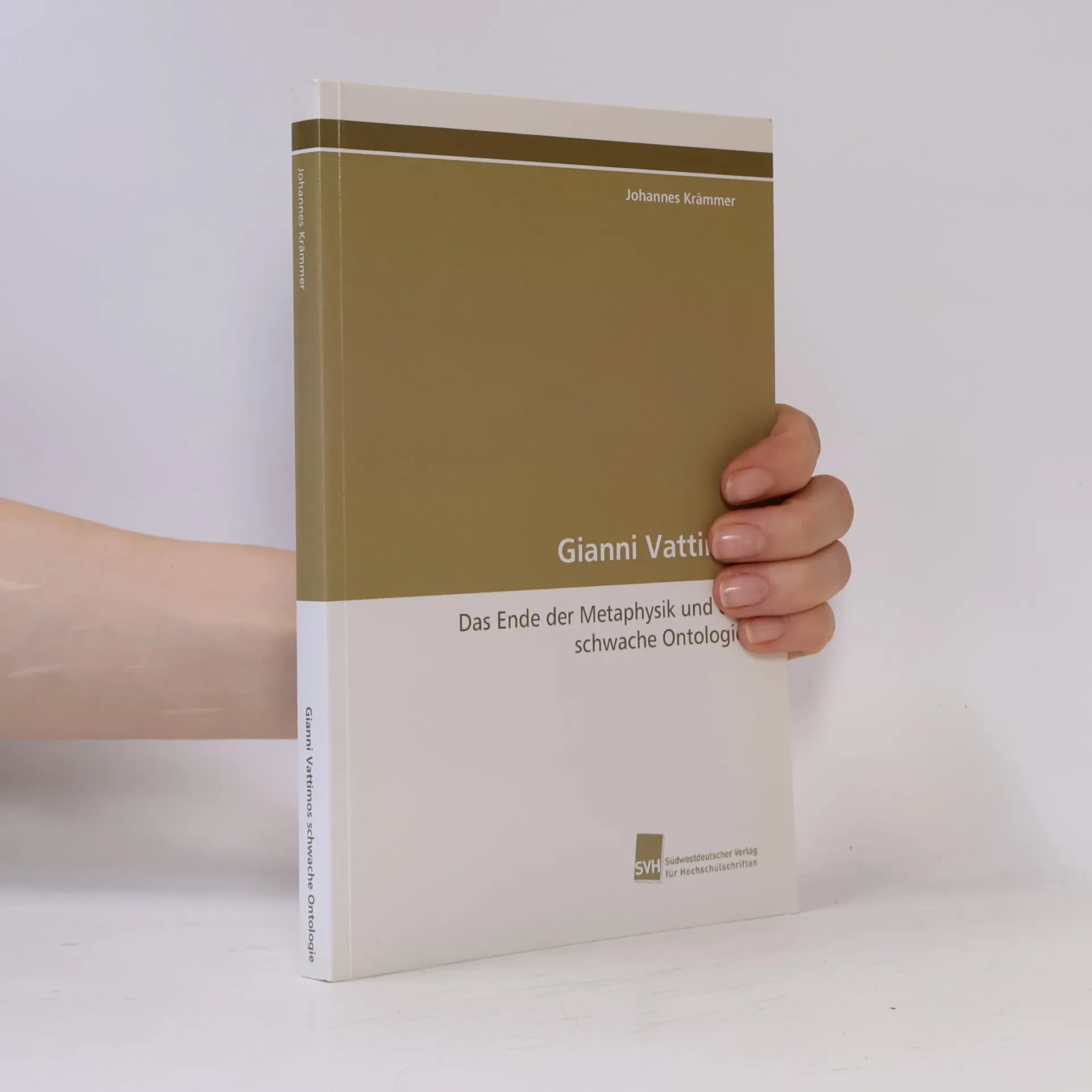
Gianni Vattimo gilt als einer der profiliertesten Denker der philosophischen Postmoderne. Sein Name ist vor allem mit dem "schwachen Denken" bzw. mit der "schwachen Ontologie" verbunden. Nach Vattimo ist die Metaphysik, die er insgesamt als "starkes Denken" bezeichnet, in der späten Moderne an ihr Ende gelangt. Der Analyse der Gründe für diese Sichtweise ist die vorliegende Arbeit gewidmet, die mit einer Vorstellung der Person Gianni Vattimo und seines Denkens eingeleitet wird. Darauf folgt eine Erläuterung seiner These vom Ende der Moderne, vom Ende der Metaerzählungen und vom Ende der Geschichte. Sodann werden Nietzsches und Heideggers Metaphysikkritik aus der Perspektive Vattimos dargestellt. Beide seien mit dem Ende der (modernen) Metaphysik und mit dem drohenden Nihilismus radikaler als andere umgegangen, hätten aber auch den Weg zu einem nicht mehr metaphysischen Denken gewiesen. Vattimo greift diese Weisungen auf, plädiert für einen schwachen - die Moderne "verwindenden" - Neuanfang und schlägt vor, das Sein "schwach" und in weiterer Folge als "Ereignis" zu denken. Das ist gewagt und spannend, fordert jedoch zur Kritik heraus.
Weder seine Amtszeit im Europäischen Parlament noch sein Ausstieg aus der DS der demokratischen Linken Italiens haben Gianni Vattimo auf seinem immer unbequemen »Marsch durch die Opposition« entmutigen können. Er stellt sich den Debatten um die Rolle der USA und Europas, um den Nahostkonflikt und die sozialistischen Bewegungen Lateinamerikas. Und mit seiner Forderung nach einem »abgeschwächten Marx« meint er keinesfalls einen reformistischen, weniger radikalen Kommunismus, sondern einen, der niemals losgekoppelt von aktuellen politischen Bezügen seine Gültigkeit erhalten soll.Gianni Vattimo hat ein brandaktuelles Werk vorgelegt, das in Italien bereits zur Pflichtlektüre gehört und um das auch in Deutschland niemand herumkommt!
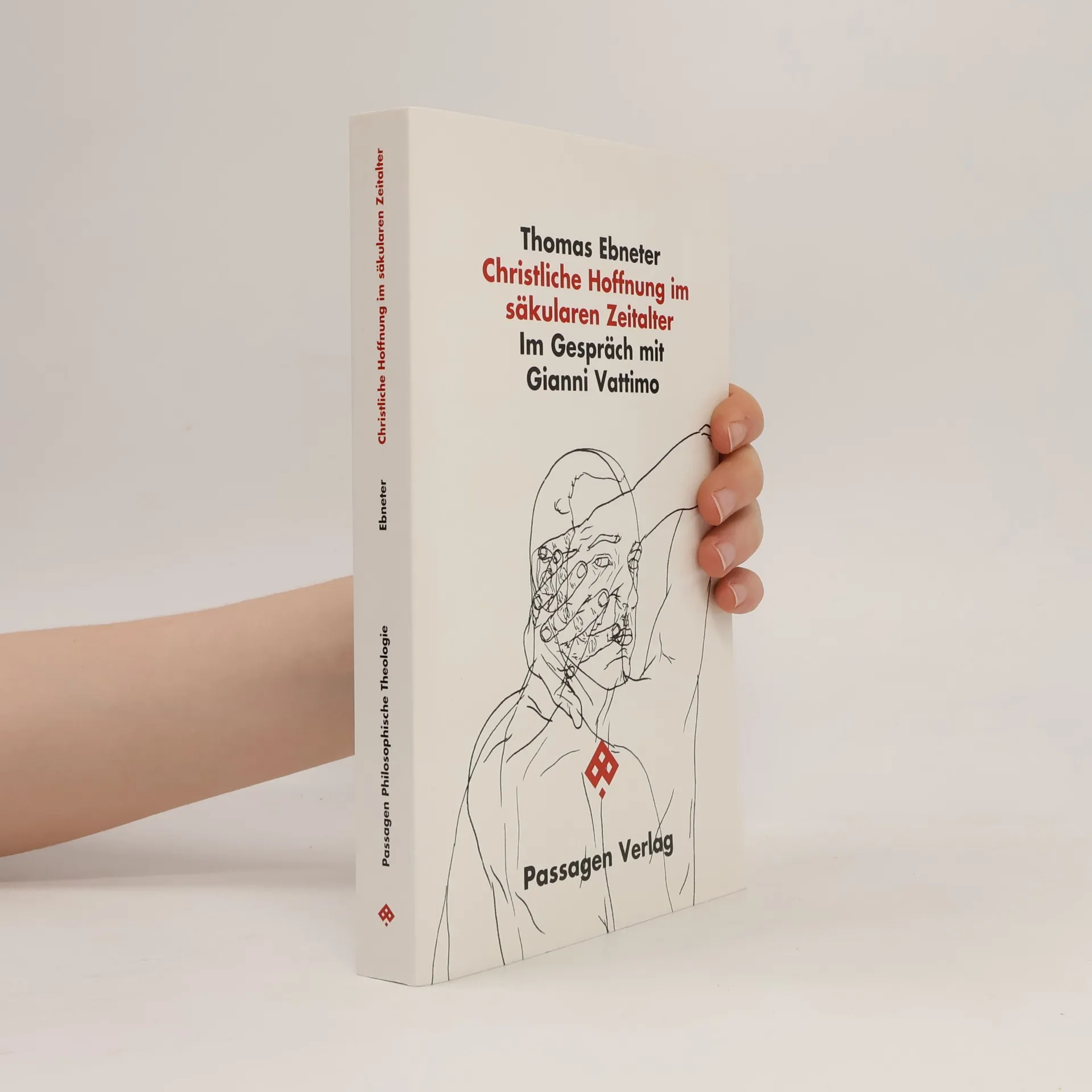
Im Gespräch mit Gianni Vattimo
Im säkularen Zeitalter, das metaphysische Konzepte ablehnt, steht die Frage nach Sinn und Ziel der Geschichte vor neuen Herausforderungen. Thomas Ebneter bietet eine Bestandsaufnahme im Gespräch mit der Philosophie von Gianni Vattimo und wagt den Versuch, den Horizont christlicher Hoffnung auf Transzendenz hin offen zu halten.
„Aber worin liegt in spezifischerem Maße die mögliche emanzipatorische, befreiende Tragweite des Verlusts des Realitätssinns, der regelrechten Erschütterung des Realitätsprinzips in der Welt der Massenmedien? Hier verweist die Emanzipation vor allem auf das Un-heimliche.“ (Gianni Vattimo) Beim Entstehen der postmodernen Gesellschaft spielen Massenmedien eine entscheidende Rolle. Die steigende Zahl von Kommunikationsmitteln lässt jedoch die Gesellschaft nicht transparenter oder aufgeklärter erscheinen: Aufgrund der Möglichkeit, Ereignisse mittels der Massenmedien „live“ wiederzugeben, vervielfältigt sich vielmehr die Komplexität der Wirklichkeit statt sich zu verringern. In diesem inzwischen zum Klassiker avancierten Buch vertritt Vattimo die These, dass gerade in dem relativen „Chaos“ unsere Hoffnung auf Emanzipation liegen könnte. Das Fehlen von Transparenz ist kein Phänomen, das es zu bekämpfen gilt, sondern das Symptom einer Veränderung, die alle Daseinsbereiche betrifft und zur Befreiung der Minderheiten sowie zur Erschaffung eines neuen „Bewusstseins“ führt. Für Vattimo handelt es sich hierbei um eine prekäre alltägliche Erfahrung, die den Charakter der Oszillation, des Unheimlichen und des Spiels annimmt.