

10 libri per 10 euro qui
Bookbot

Paul Greenberg

    Paul Greenberg approfondisce le intricate connessioni tra l'umanità e il mondo marino. La sua scrittura indaga le complesse relazioni che plasmano il nostro rapporto con il pesce, le pratiche sostenibili e le implicazioni ecologiche per i nostri oceani. Attraverso una prosa avvincente, svela questioni più profonde sul consumo e sul nostro posto all'interno dell'ordine naturale. Le sue opere invitano i lettori a contemplare il nostro futuro sulla Terra.

    Vier Fische
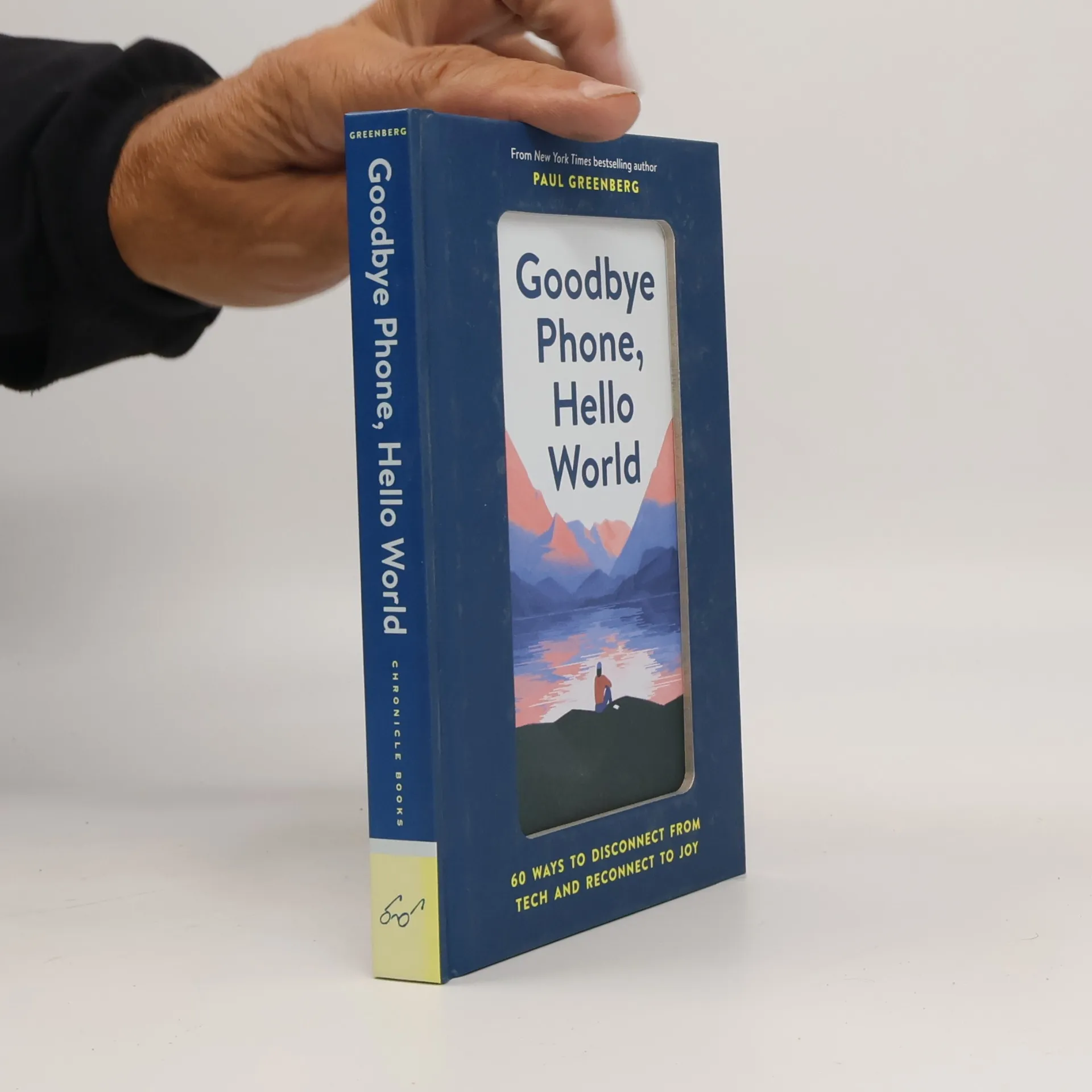
    Goodbye Phone, Hello World
    The Climate Diet
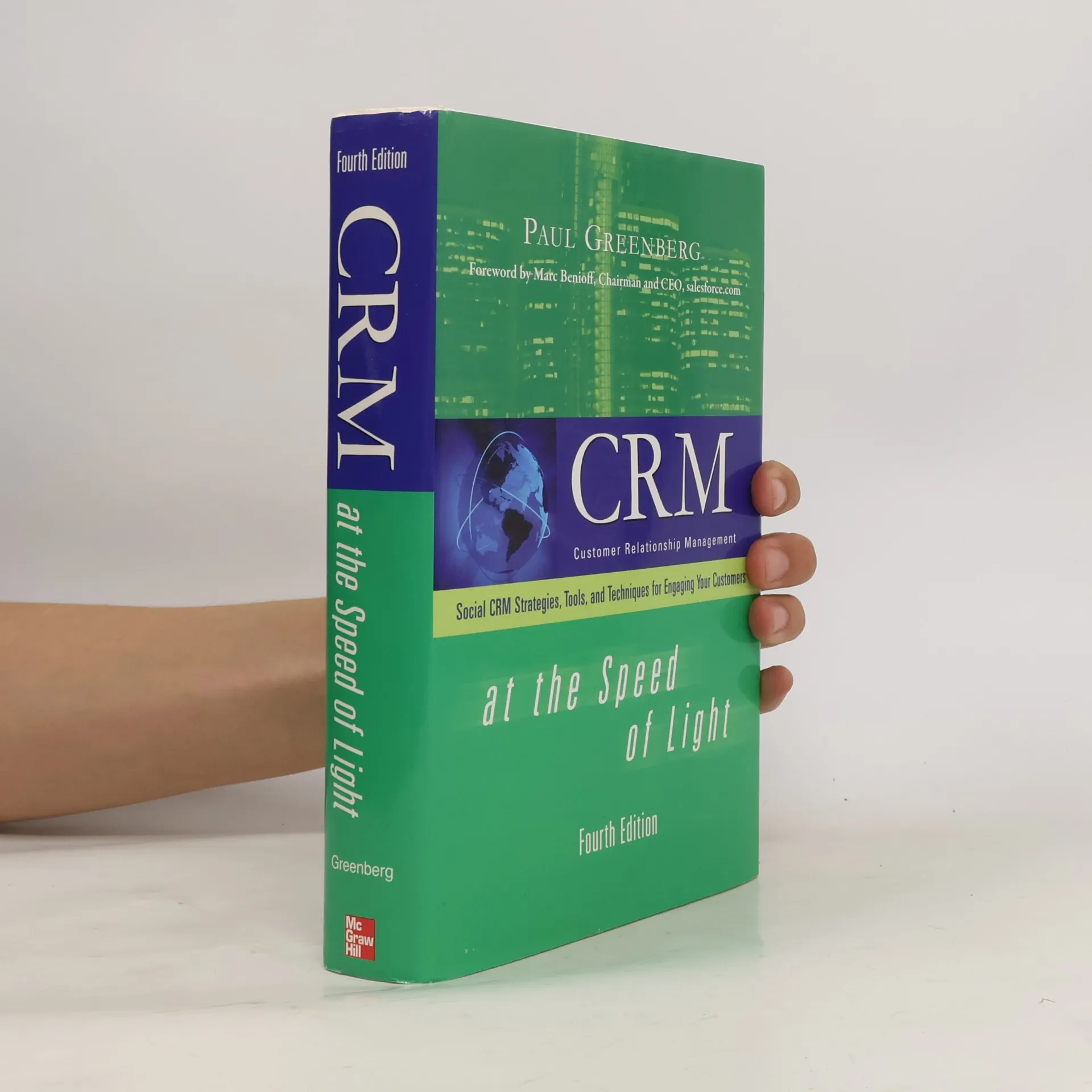
    CRM at the Speed of Light
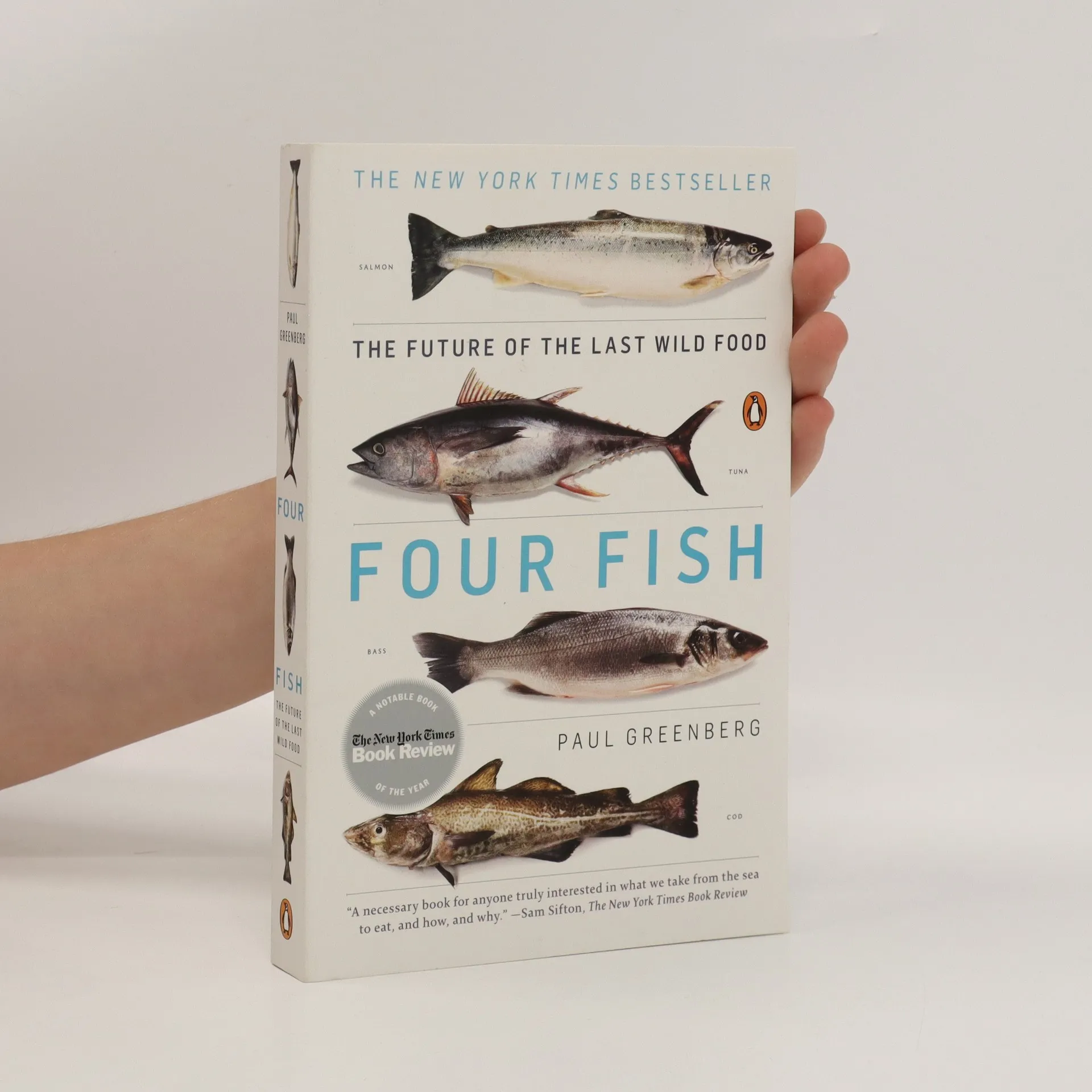
    Four fish : the future of the last wild food
    • “A necessary book for anyone truly interested in what we take from the sea to eat, and how, and why.” —Sam Sifton, The New York Times Book Review Acclaimed author of American Catch and The Omega Princple and life-long fisherman, Paul Greenberg takes us on a journey, examining the four fish that dominate our menus: salmon, sea bass, cod, and tuna. Investigating the forces that get fish to our dinner tables, Greenberg reveals our damaged relationship with the ocean and its inhabitants. Just three decades ago, nearly everything we ate from the sea was wild. Today, rampant overfishing and an unprecedented biotech revolution have brought us to a point where wild and farmed fish occupy equal parts of a complex marketplace. Four Fish offers a way for us to move toward a future in which healthy and sustainable seafood is the rule rather than the exception.

      Four fish : the future of the last wild food
    • Updated to reflect the major changes in Customer Relationship Management (CRM) in the last few years, this third edition of CRM at the Speed of Capturing and Keeping Customers in Real Time is a must-read for executives looking to leverage the latest technologies on the market to reach and retain customers. Learn CRM concepts, discover what tools are available and which ones are suitable for your business, and get practical, expert advice on avoiding common pitfalls.

      CRM at the Speed of Light
    • The Climate Diet

      50 Simple Ways to Trim Your Carbon Footprint

      • 176pagine
      • 7 ore di lettura

      Focusing on practical guidance, this book presents fifty clear and effective rules designed to promote climate-friendly living. The author, an acclaimed writer on food and sustainability, shares insights that empower readers to make meaningful changes in their everyday lives. Each rule is crafted to be easily implemented, encouraging a sustainable lifestyle that benefits both individuals and the planet.

      The Climate Diet
    • Goodbye Phone, Hello World

      • 128pagine
      • 5 ore di lettura

      "Goodbye Phone, Hello World is guide to putting down your phone and rediscovering the enduring, uplifting pleasures of life"--

      Goodbye Phone, Hello World
    • Der preisgekrönte Autor und passionierte Angler Paul Greenberg nimmt uns mit auf eine Reise über die Flüsse und Meere dieser Welt und erzählt die Geschichte jener vier Fischarten, die mittlerweile überall die Speisekarten beherrschen: Lachs, Barsch, Kabeljau und Thunfisch. Er besucht norwegische Großfarmen, die jährlich 500 000 Tonnen Lachs produzieren - mit Hilfe genetischer Techniken, die ursprünglich bei der Schafzucht zum Einsatz kamen. In Alaska besichtigt er die einzige Fair-Trade-Fischerei der Welt. Er erklärt, warum die Meerestiere zunehmend mit Quecksilber und anderen Schadstoffen belastet sind, und schildert, wie der Mittelmeerbarsch zu einer global nachgefragten Ware werden konnte. Greenberg stellt viele der Fragen, die immer mehr Menschen beim Anblick einer Speisekarte oder der Tiefkühltruhe unseres Supermarkts beschäftigen: Was ist der Unterschied zwischen Wild-, Zucht- und Biofisch? Welchen Fisch können wir bedenkenlos essen? Was bedeutet Überfischung eigentlich? Lassen sich Fische wirklich domestizieren wie andere Tiere auch, oder sollten wir generell aufhören, Fisch zu essen? Fische, so Greenbergs Fazit, sind unser letztes wirklich wildes Nahrungsmittel. Womöglich nicht mehr lange. Nur wenn wir besser verstehen, unter welchen Bedingungen und um welchen Preis Fisch auf unseren Tellern landet, werden wir dem Lebensraum - und der Nahrungsquelle - Meer mit neuer, dringend gebotener Achtung begegnen.

      Vier Fische