Robert Darnton Libri



The Revolutionary Temper
- 576pagine
- 21 ore di lettura
A Sunday Times, Times Literary Supplement, and The Times Book of the Year, this account brilliantly captures the lead-up to the French Revolution, showcasing the insights of a distinguished historian. Events do not arrive in isolation; they are intertwined with attitudes, values, and emotions. Understanding these events requires an exploration of the perceptions that accompany them. The storming of the Bastille in July 1789 ignited a global upheaval, marking the end of monarchy and the emergence of a new society. While many historians attribute the Revolution to economic decline, class conflict, or Enlightenment thought, Robert Darnton shifts focus to the perspectives of Parisians at the heart of the Revolution. He investigates the 'revolutionary temper' through his extensive study of pamphlets, books, and public performances, portraying Paris as an information society akin to our own. News circulated in cafes, marketplaces, and public spaces, shaping the collective consciousness of ordinary citizens. Over forty years, various events—from treaties and royal scandals to balloon ascents—eroded public trust in royal authority and destabilized the social order. Darnton's work reveals the hidden dynamics of history, providing a riveting narrative that allows us to view these transformative decades through the eyes of contemporary Parisians.
Censors at Work
How States Shaped Literature
A fresh perspective on censorship emerges in this elegant history by a superb conjurer of the past. With his uncanny ability to spark life in the past, Robert Darnton re-creates three historical worlds in which censorship shaped literary expression. In 18th-century France, censors navigated the intricacies of royal privilege in a working collaboration with authors and booksellers on the making of literature. Absolutism operating through negotiation yielded both suppression and protection of some of the great works of the Enlightenment. In 19th-century India, the efforts of the British Raj to control "native" literature gave voice to an Indian opposition that exposed the tensions between Britain's liberal principles and imperial power. And in 20th-century East Germany, the Communist Party's attempt to engineer literature actually yielded a range of outcomes from brutal repression to the complex negotiation behind some of the best-known works by German authors. Censorship emerges not as a simple repression that is everywhere the same but a melding of power and culture grounded in history
When the apprentices of a Paris printing shop in the 1730's held a series of mock trials and then hanged all the cats they could lay their hands on, why did they find it so hilariously funny that they choked with laughter when they reenacted it in pantomime some twenty times? Why in the 18th century version of "Little Red Riding Hood" did the wolf eat the child at the end? What did the anonymous townsman of Montpelier have in mind when he kept an exhaustive dossier on all the activities of his native city? These are some of the provocative questions Robert Darnton attempts to answer in this dazzling series of essays that probe the ways of thought in what we like to call "The Age of Enlightenment."
The Forbidden Best-sellers of Pre-revolutionary France
- 468pagine
- 17 ore di lettura
Robert Darnton's work is one of the main reasons that cultural history has become an exciting study central to our understanding of the past.
在没有互联网、电话、电视、收音机的世界里,印刷媒介曾经是最主要的交流工具。在影响世界深远的法国大革命时期,向民众广泛传播政治思想是争夺权力的必由之路,而印刷媒介作为唯一途径,在这一时期发挥了重要作用。本书共分三个部分。第一部分描述旧制度下的出版业。在复杂的社会、经济和政治体制的严格管控下,地下出版业大范围发展起来,动摇了旧制度的意识形态基础。第二部分考察法国大革命如何影响出版商、印刷商和书商们做生意的方式。第三部分讨论各类印刷品,展现了印刷品如何将革命讯息传入日常生活领域。
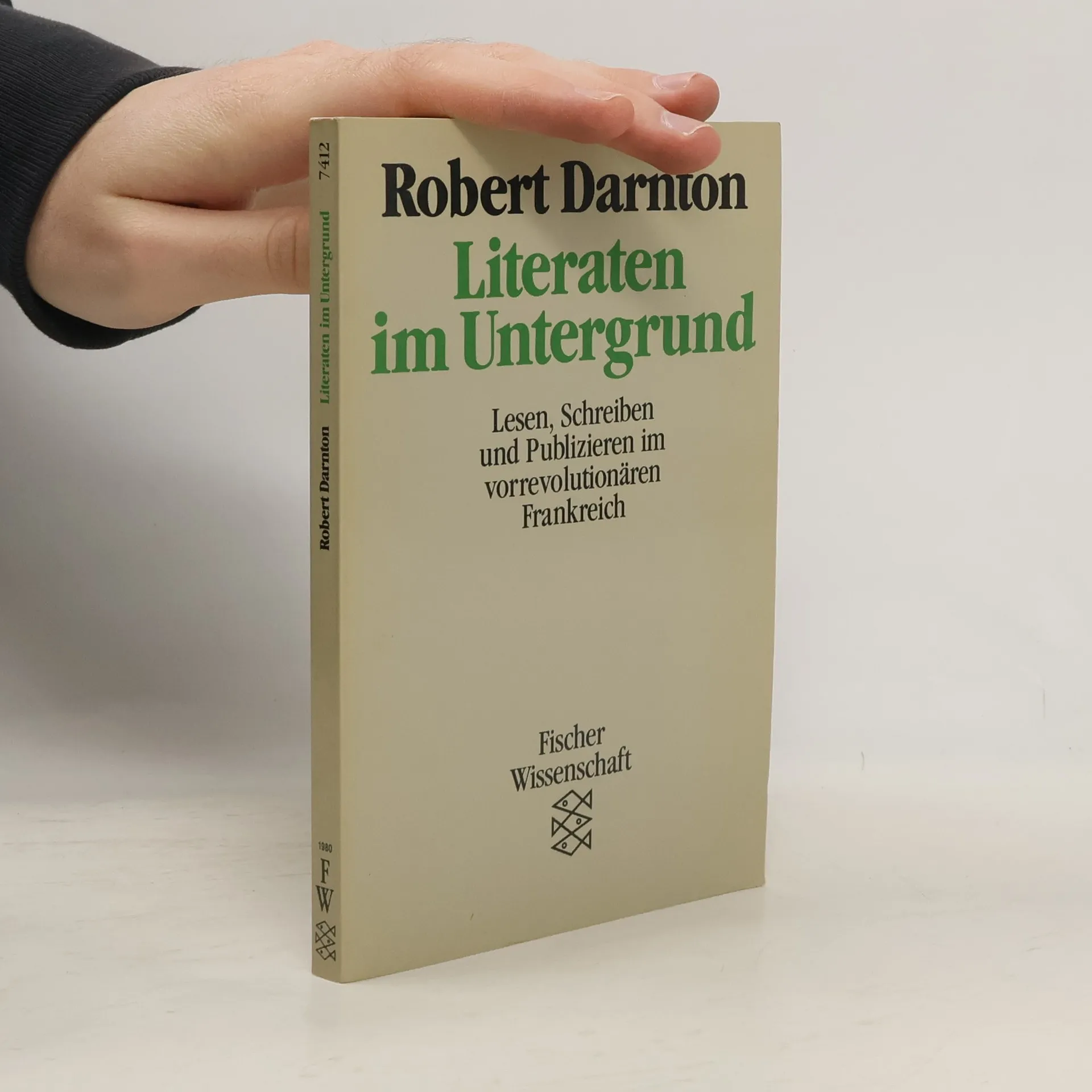
Literaten im Untergrund
- 218pagine
- 8 ore di lettura
Robert Darnton führt den Leser in die dunkle, auch von der Wissenschaft bislang nicht ausgeleuchtete Welt der Raubdrucker, Hinterstubenverleger, Schmuggler und Polizeispitzel, die sich als literarischer Untergrund hinter der Fassade der Aufklärung gebildet hatte: Nicht die Enzyklopädie und die heute bekannten philosophischen Werke - das ist die sensationelle Entdeckung Darntons - waren die verbreiteten und wirksamen Bücher, sondern eine ganz andere Literatur. Während auf der offiziellen Seite die Zensur, eine monopolistische Zunft und die Polizei die Buchindustrie beschützten, begann eine weit verzweigte literarische Unterwelt eine illegale Literatur zu verbreiten, die Leser überall in Frankreich mit aufrührerischen Ideen und Ideologien versorgte. Aus naheliegenden Gründen verwischten die Hauptfiguren dieser Subkultur ihre Spuren, so daß Robert Darntons Arbeit sich wie eine detektivische Spurensicherung liest.
George Washingtons falsche Zähne oder noch einmal: Was ist Aufklärung
- 36pagine
- 2 ore di lettura
George Washington hatte gravierende Zahnprobleme, was zur Aufbewahrung verschiedener Zahnprothesen in Mount Vernon führte. Robert Darnton nutzt diese scheinbar marginale Tatsache, um in eine komplexere und widersprüchliche Welt einzutauchen, als sie in der Geschichtsschreibung der Aufklärung, insbesondere der marxistischen, dargestellt wird. Er behandelt vier eng verbundene Themen: die franco-amerikanischen Beziehungen, das Leben in der Republik der Gelehrten, Kommunikationsformen und Denkweisen des französischen 18. Jahrhunderts. Darnton richtet sich nicht an Berufshistoriker, sondern an den „gebildeten Leser“ und führt ihn an unerwartete Orte: in Pariser Bistros, wo Gespräche und satirische Lieder gegen den Hof und die Regierung ausgetauscht wurden, oder unter die große Kastanie, wo die nouvellistes de bouche – die „menschlichen Zeitungen“ – vertrauliche Informationen über umstrittene politische und gesellschaftliche Ereignisse teilten. Im Vergleich zu seinen vorherigen Werken bietet Darnton diesmal eine „historische Perspektive“ auf Fragen, die in unserer informationsbesessenen Epoche von größter Aktualität sind.
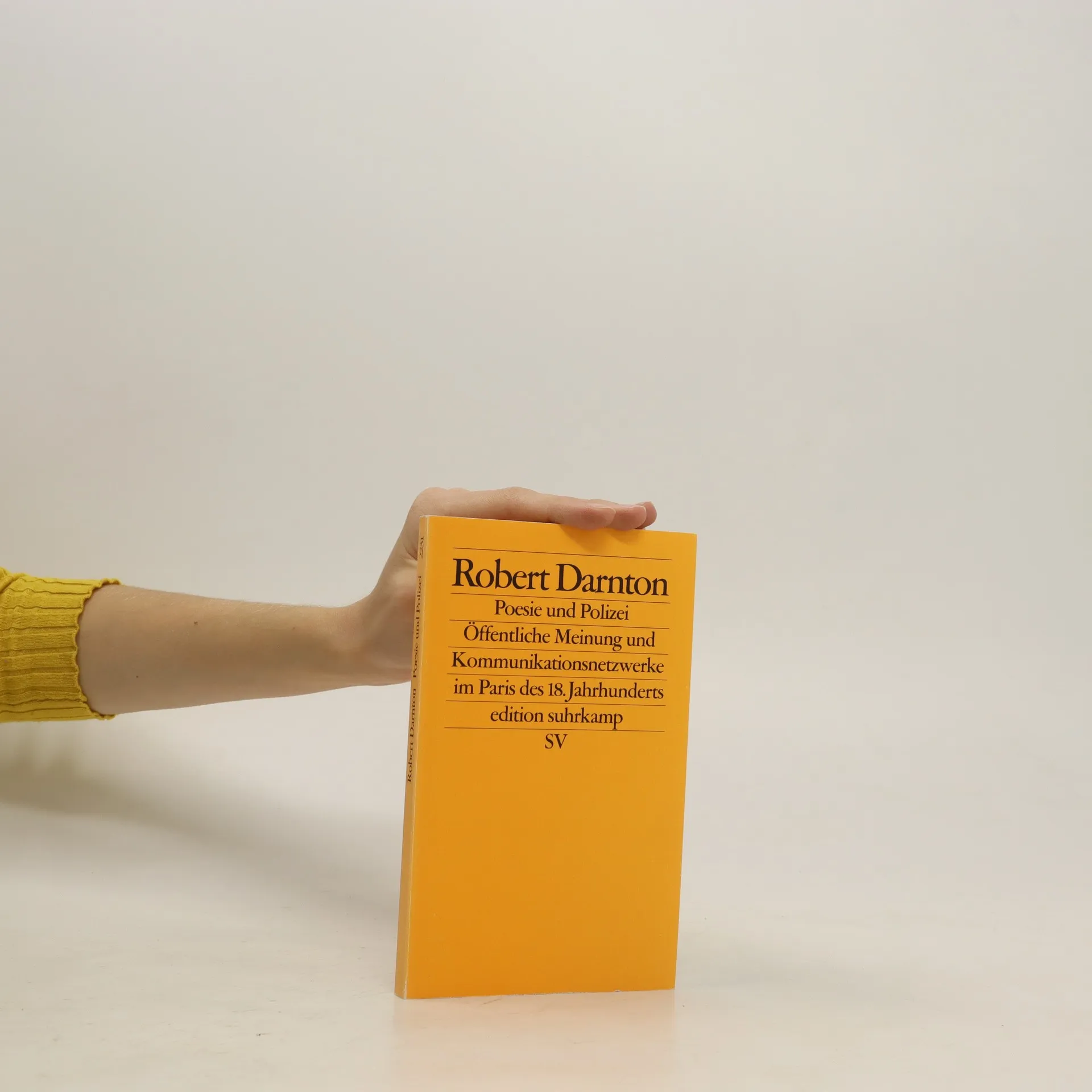
Poesie und Polizei
Öffentliche Meinung und Kommunikationsnetzwerke im Paris des 18. Jahrhunderts
- 170pagine
- 6 ore di lettura
Die gern geführte Rede, daß wir soeben in das Informationszeitalter eingetreten seien, verkennt, daß »Informationszeitalter« auch in der Vergangenheit schon existiert haben. Nur die Formen und die Medien der Verbreitung von Informationen waren andere. Im Paris des 18. Jahrhunderts bestanden in erster Linie mündliche Kommunikationssysteme, und Informationen verbargen sich oft in poetischen Texten, die der gewöhnliche Pariser in öffentlichen Gärten rezitierte und auf den Straßen sang. Diese Poesie war politisch so wirkungsvoll, daß man versuchte, sie der polizeilichen Kontrolle zu unterstellen. Darnton beschreibt, wie die Polizei im Paris des Jahres 1749 die Herkunft solcher Gedichte zurückverfolgt, und macht dabei deutlich, wie Kommunikationssysteme funktionieren und wie sich Neuigkeiten auch durch Medien, die heute vergessen sind, ausbreiten können.
Berlijns dagboek 1989-1990
- 280pagine
- 10 ore di lettura
9 november 1989, Berlijn. De Muur wordt geslecht. De germanofoob Robert Darnton, zojuist gearriveerd in West-Berlijn, besluit een Berlijns dagboek bij te houden. Vanaf dat moment tot de verkiezingen in de DDR in maart, houdt hij de gebeurtenissen nauwlettend in de gaten. Niet alleen in Berlijn ten oosten van Berlijn maar in het hele land ten oosten van Helmsted. Hij wil weten wat er gebeurt met een volk waarvan de grenswachten voor 9 november 1989 met scherp schoten op iedereen die in de buurt van hun wachttorens kwam, en na die datum vriendelijk lachend ieder mens behulpzaam waren. In Bitterfeld, de meest verontreinigde gemeente van Duitsland, spreekt hij met verantwoordelijke SED-functionaris. Hij spreekt met een trabi-handelaar, met een jood die zijn eigen bestaan als een vergissing van de geschiedenis beschouwt, en met een voormalig censor. Deze geeft hem het geheime dossier waarin de gehele boekenproduktie van de DDR voor 1990 vooraf geprogrammeerd werd, en door hun onderlinge gesprekken krijgt hij in de geest van de censor. Het Stasi-dossier van Leipzig komt aan de orde, en levert materiaal om te begrijpen hoe het op angst gebaseerde systeem functioneerde. De lezer krijgt een goed overzicht van een historische gebeurtenis, en begrip voor de mensen die aan de oostkant de Muur zagen vallen.
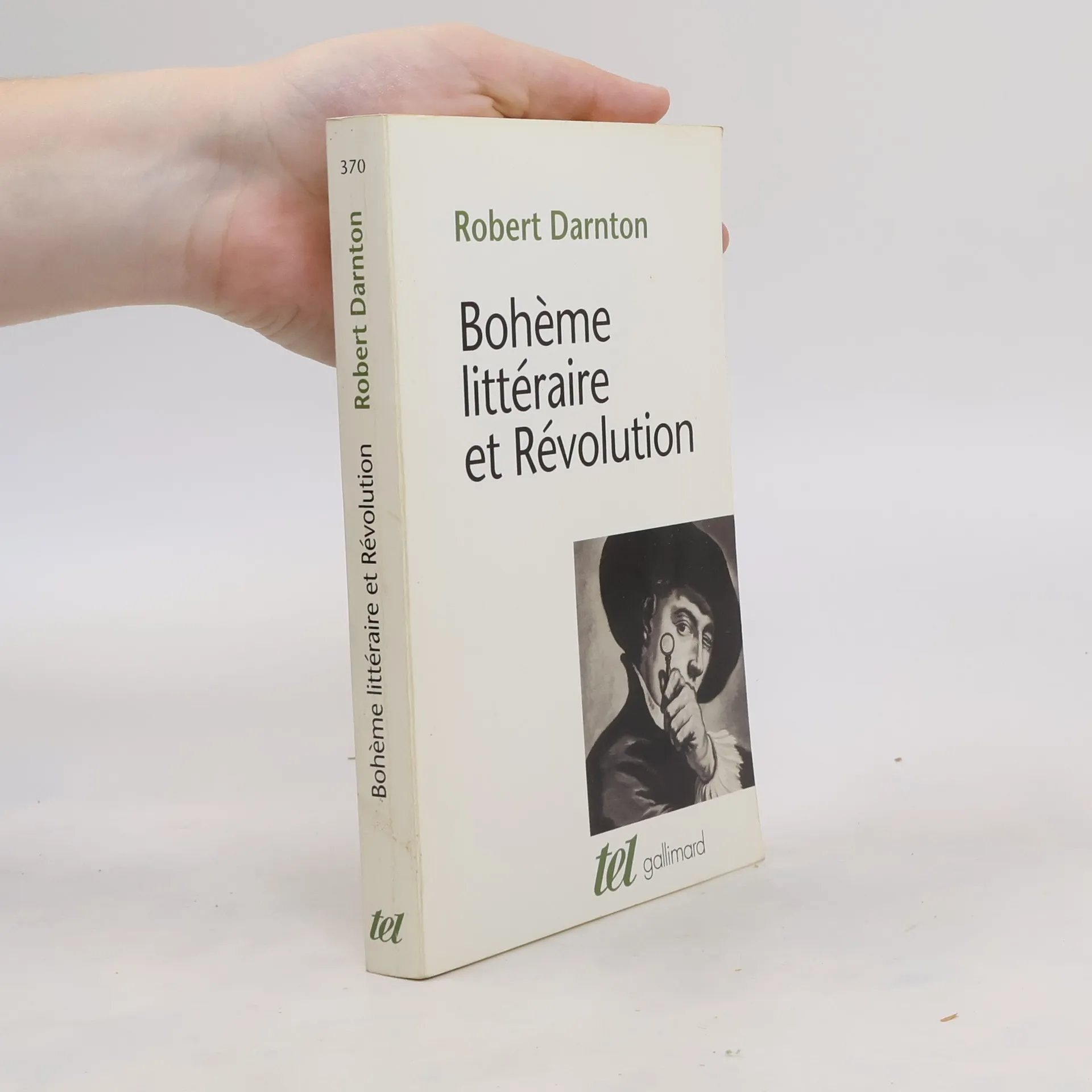
Cette étude se penche sur la place des écrivains de second ordre dans la préparation de la Révolution française. Le paysage des Lumières, vu des boutiques de libraires ou des officines de la police, à la croisée entre histoire de l'édition et sociologie des auteurs et du public, pose en termes novateurs la question de la lecture et de la vie intellectuelle au XVIIIe siècle
Der letzte Tanz auf der Mauer
- 230pagine
- 9 ore di lettura
Der Mesmerismus und das Ende der Aufklärung in Frankreich
- 239pagine
- 9 ore di lettura
Franz Anton Mesmer, Arzt und Theologe, trat 1788 in Paris mit einer Heilslehre auf, die behauptete, alle Körper seien von einem subtilen Fluidum durchdrungen, das als Grundvoraussetzung für Phänomene wie Elektrizität u. ä. zu gelten habe. Menschliche Krankheiten seien eine Störung im Fluß dieses Fluidums. Den Franzosen der Aufklärung erschienen solche wunderbaren Kräfte jedoch eine ernsthafte Erklärung für Entwicklungen in der Politik und Gesellschaft am Vorabend der Revolution.
Mesmerisme en het einde van de Verlichting in Frankrijk
- 213pagine
- 8 ore di lettura
Aan de hand van een analyse van het mesmerisme (een vroege voorloper van de psycho-therapie), wordt een beeld gegeven van het geestesleven in Frankrijk aan de vooravond van de Revolutie.
Ullstein Materialien: Der Mesmerismus und das Ende der Aufklärung in Frankreich
- 239pagine
- 9 ore di lettura
Cultuurhistorische en cultuurfilosofische beschouwingen van Nederlandse en buitenlandse sprekers.
Der Historiker Robert Darnton wurde während seines Forschungsaufenthaltes in Berlin 1989 Augenzeuge einer revolutionären Wende - ein Reisender in der ihm geschichtlich vertrauten, aber politisch fremden Welt. Er sprach mit den Menschen über ihre Motive, Ängste und Hoffnungen und protokollierte, was er sah, hörte und erlebte. Seine 28 Episoden aus dem östlichen Deutschland sind Dokumente von hoher Authentizität und analytischer Intelligenz - Geschichtsschreibung und Geschichtenschreiben in einem. »Dieses Buch gehört zum Besten, was über Deutschland und die Deutschen in ihrem Epochenjahr erschienen ist. Es ist ein Revolutionsbericht aus Berlin, Leipzig und Bitterfeld.« FRANKFURTER ALLGEMEINE ZEITUNG