Pietro Archiati Libri


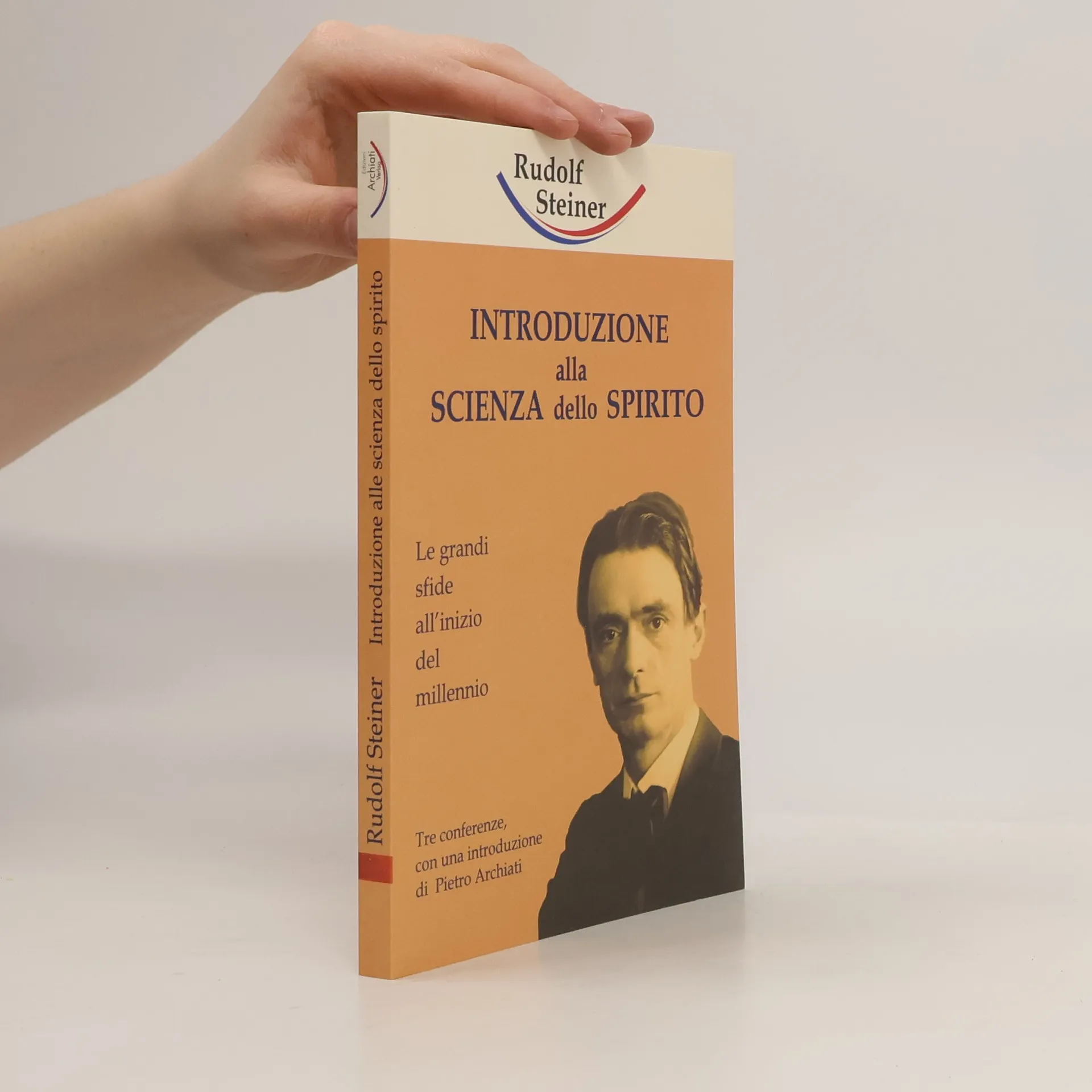
Introduzione alla scienza dello spirito. Le grandi sfide all'inizio del millennio
- 139pagine
- 5 ore di lettura
In queste tre conferenze desidero fornire da un certo punto di vista una specie di quadro riassuntivo delle intenzioni del movimento scientifico-spirituale, di quel volere che nasce dai compiti evidenti del presente e da quelli che possono essere riconosciuti come compiti dell’umanità per il prossimo futuro.
The Great Religions
- 192pagine
- 7 ore di lettura
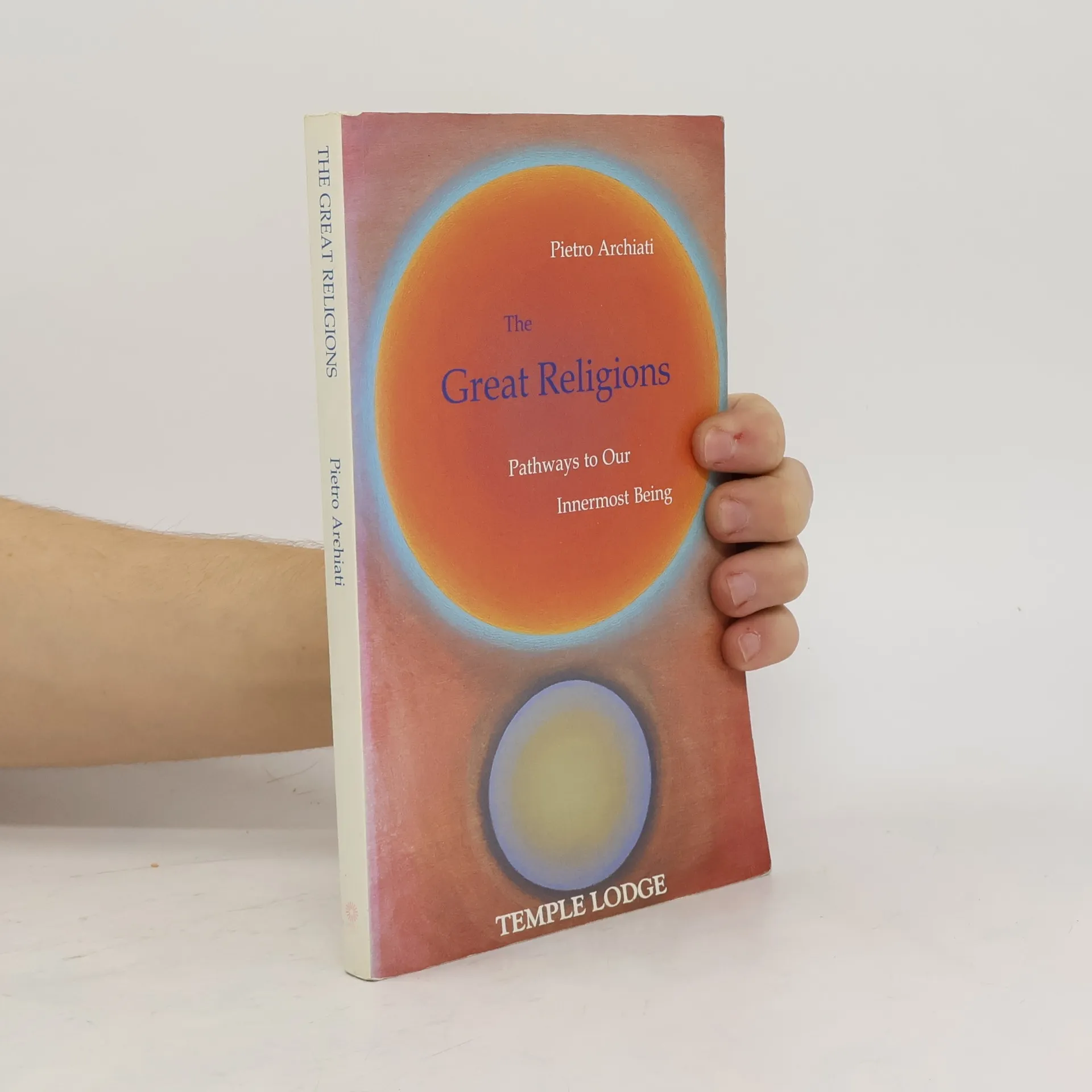
Taking a radical departure from the usual comparative study of religion, Pietro Archiati shows that the various religions represent stages in each individual's path of development. In this sense the Great Religions create an absolute unity―not in what they say or teach, but in their contribution to each of us becoming ever more human. Beginning with the Flood of Atlantis, Archiati places the religions in the context of human evolution, taking us through the development of Buddhism, Zarathustrianism, Judaism, Christianity, Islam, and onwards to the future of religion based on spiritual reality. For example, Archiati considers how the founders of the various religions are working today. Are the Buddha, Krishna, Moses and Zarathustra doing and telling us the same things now as they were in the past, even though humanity has undergone considerable changes since?
From Christianity to Christ
- 128pagine
- 5 ore di lettura
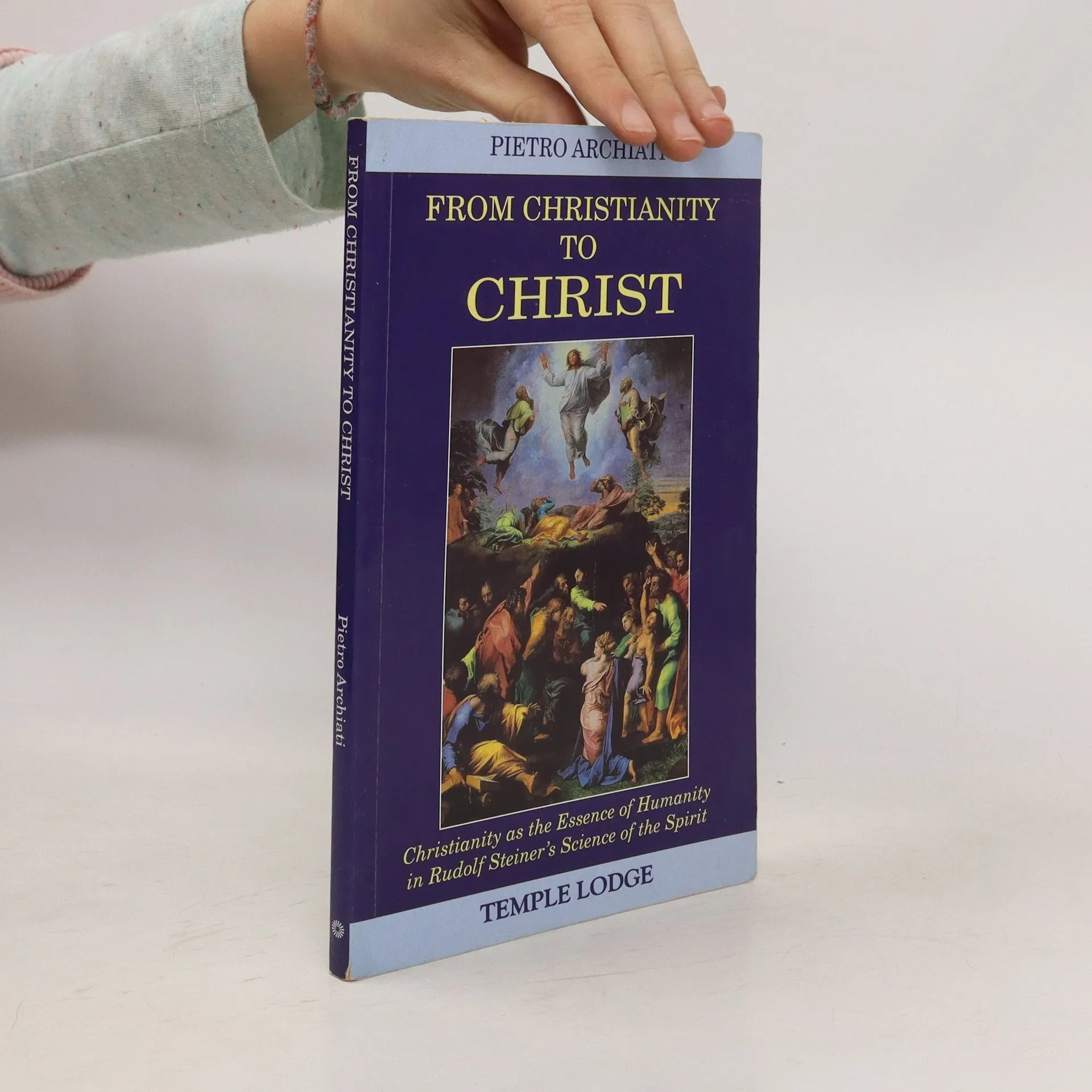
What we traditionally think of as Christianity is only its cultural form, adopted and developed over the last two thousand years. This represents chiefly human thoughts and dogmas, human institutions, churches, and in other words all that human beings have developed as their response to the Christ event. Rudolf Steiner said of Christianity that it "started as a religion but greater than all religions." Taking this as his basis, the author reaches beyond earthly traditions and cultural expressions of Christianity to its true spiritual essence. His survey takes us from the history of actual "all-too-human" Christianity to the history of actual "Christian" Christianity and its future development through a new scientific approach to the spirit. Archiati's warmth of expression and clarity of thought bring to life ideas and concepts that for so long have been the reserve of dry theology.
Giving Judas a Chance
- 140pagine
- 5 ore di lettura
A fresh viewpoint regarding reincarnation and karma that allows the reader to think from a new perspective.
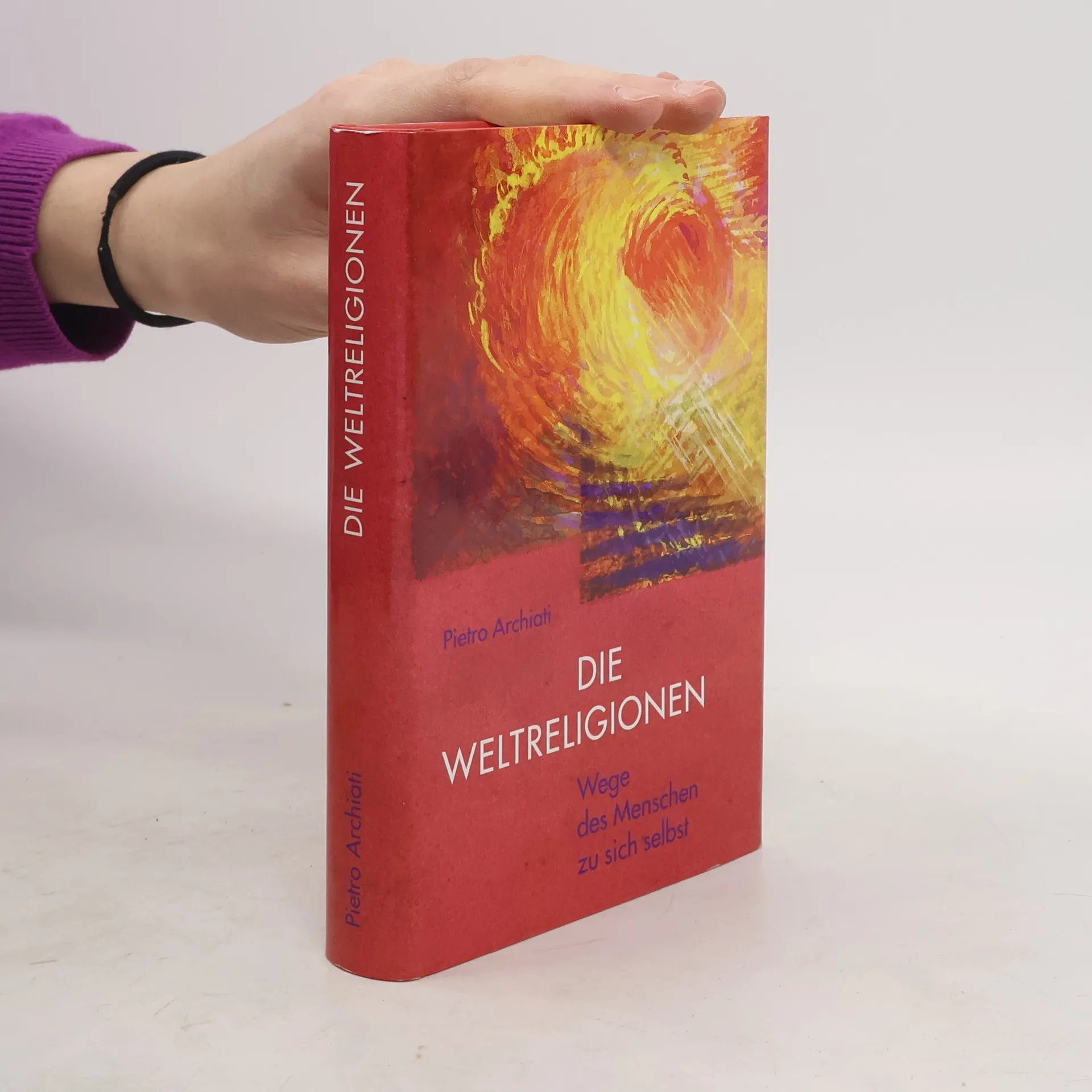
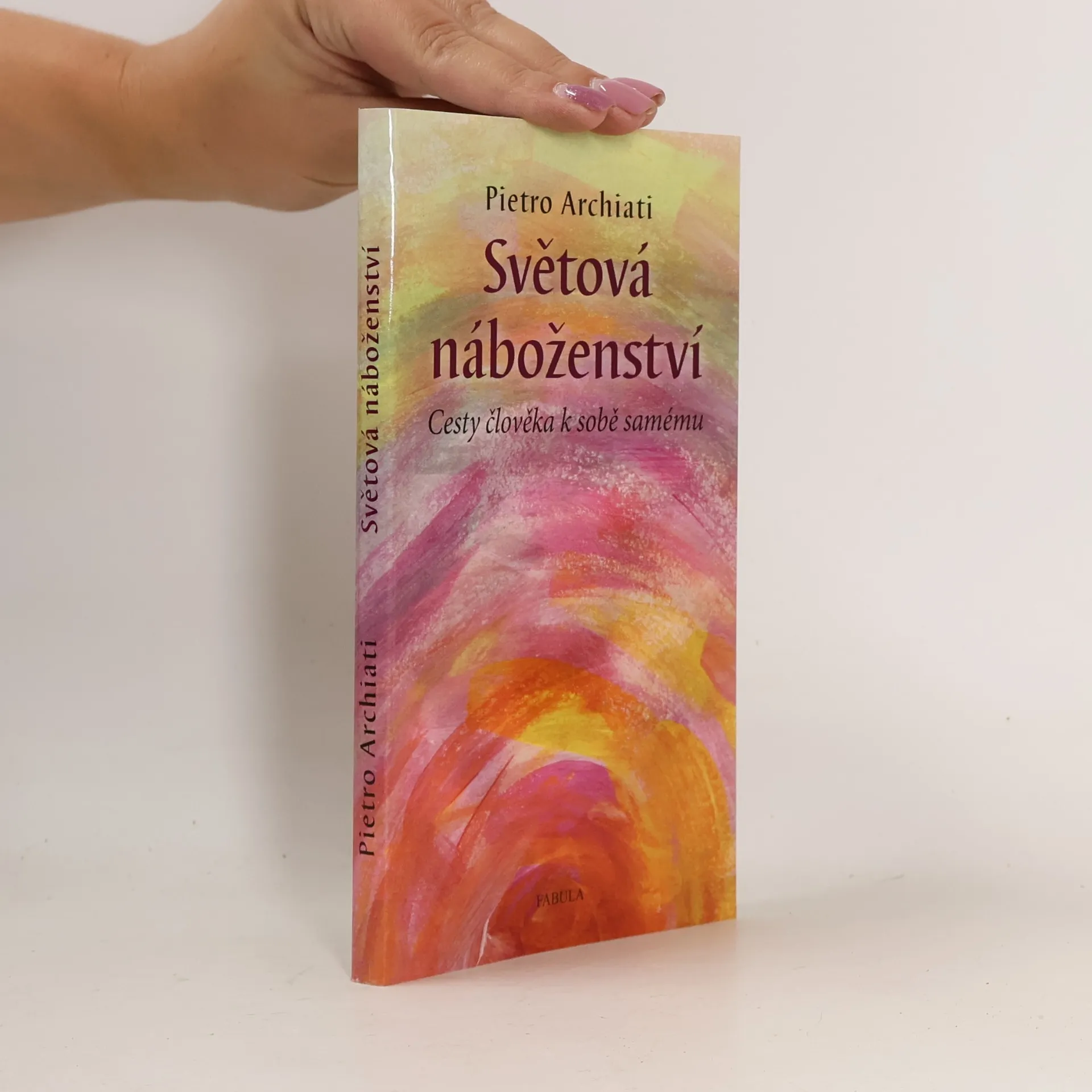
Kniha vypráví příběh různých náboženství jako příběh každého člověka. Žádné náboženství není důležitější ani správnější než kterékoliv jiné. Každý člověk má za úkol uvést ve vlastním myšlení a ve vlastním srdci všechna náboženství do souladu - aniž by kterékoli chybělo. Kniha autora P. Archiatiho: Tajemství lásky, kterou vydalo nakladatelství Fabula, se setkala s velkým zájmem a je rozebraná. Chystá se její dotisk. Z obsahu knihy Světová náboženství:: - náboženství jako úsilí člověka o opětovné sjednocení s božstvím - východní náboženství ve vztahu ke křesťanství - mise židovství - přelom věků - mystérium na Golgotě - islám a křesťanství - náboženství budoucnosti.
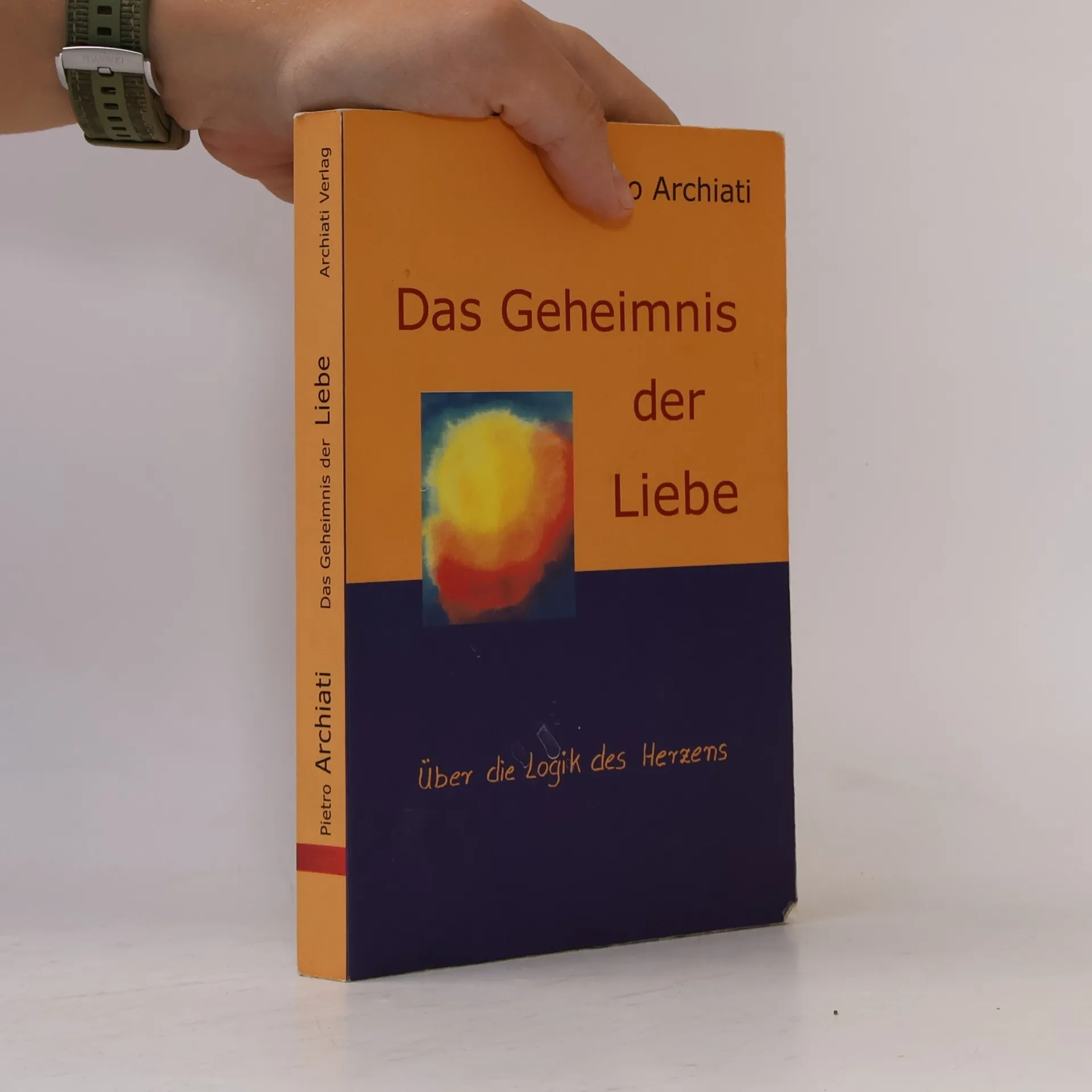
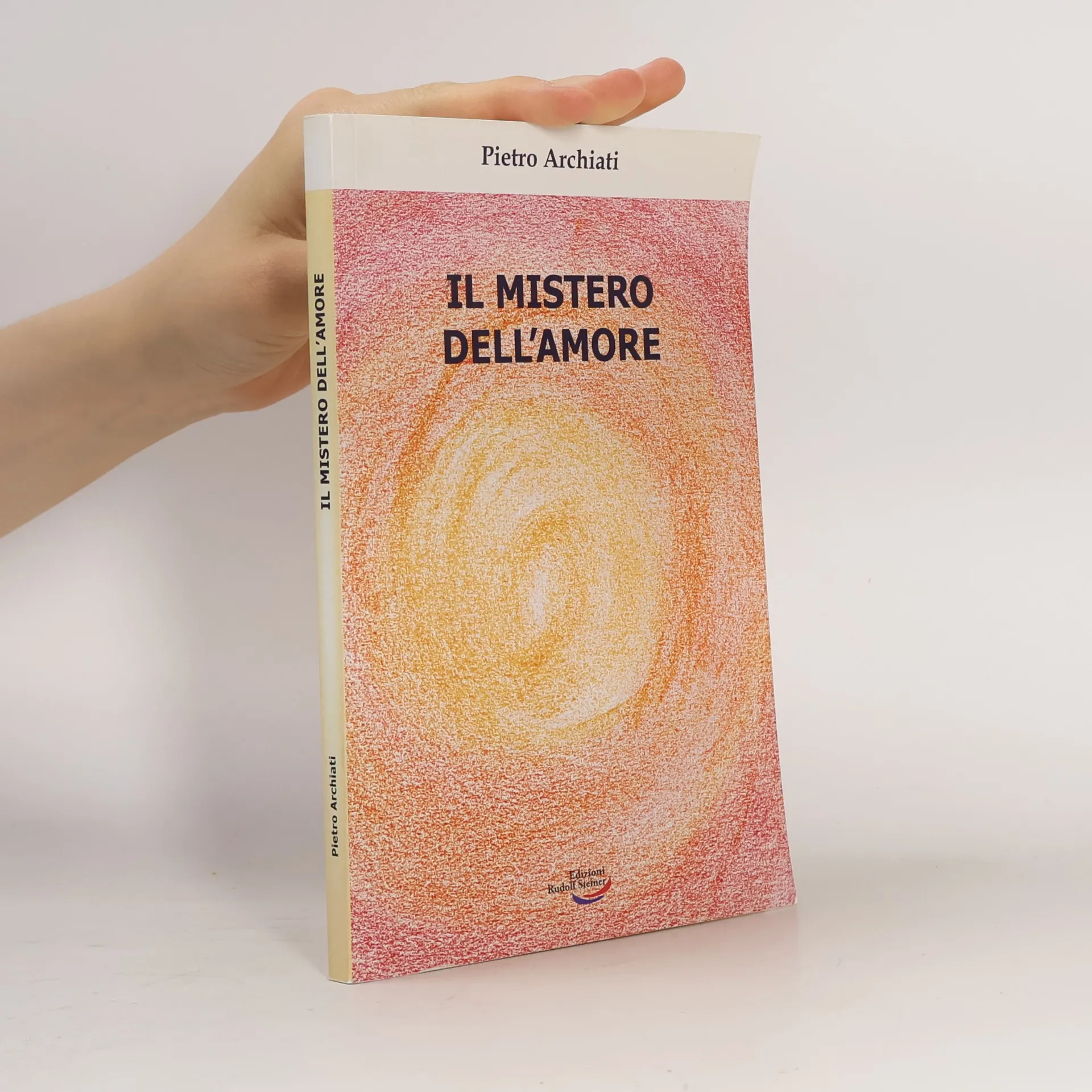
Das Geheimnis der Liebe
- 213pagine
- 8 ore di lettura
Mit „Liebe ist.“-Kärtchen: Zwölf Zitate aus dem Buch, zum Weiterschenken, in Briefe legen, an Geschenke hängen, in Schälchen zum Mitnehmen anbieten., Grösse: je 1/4 Postkarte, Kostenlos!
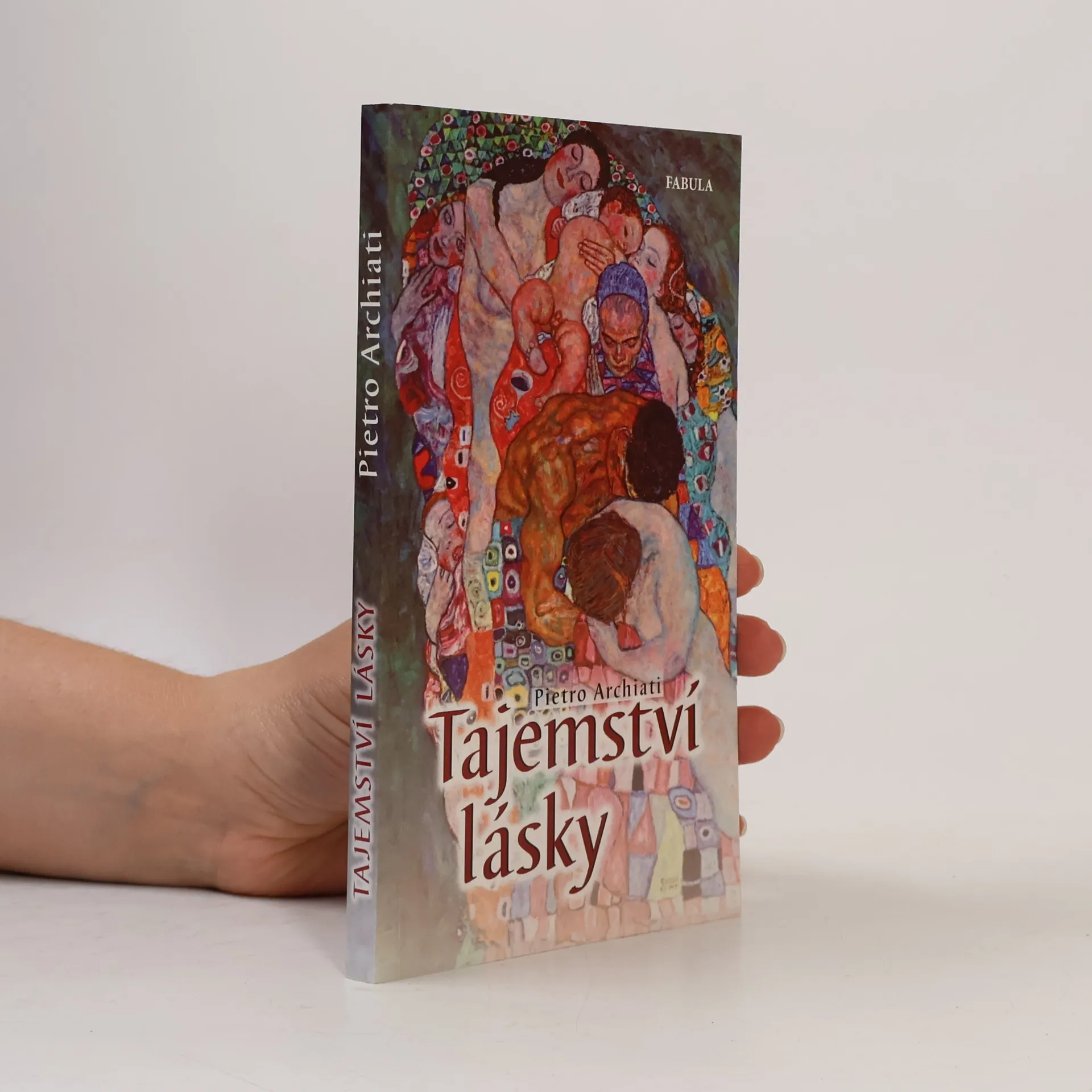
Tajemství lásky
- 163pagine
- 6 ore di lettura
Pietro Archiati, autor známé knihy Světová náboženství, kterou také vydalo nakladatelství Fabula, se ve své knize snaží lásku osvětlit ze všech stran a zejména ji vyzvedává z pouhého pocitu do vědomí, jak to odpovídá vývoji v současné době. Ve své knize často přináší překvapivé až šokující závěry. Nevyhýbá se ani tolik diskutovanému tématu sexuality, kterou považuje pro dnešní lidstvo za životně důležitou. Vychází z hluboké znalosti křesťanského esoterního vědomí lidstva a moderní duchovní vědy Rudolfa Steinera. Láska se bytostně dotýká každého člověka. Nedá se naučit, ale může uzrát proměnou bolesti. Vlastně teprve láska dělá člověka člověkem. Tato kniha o ní vypovídá.
Mit unseren Toten leben. Weisheit und Kraft für den Alltag
- 192pagine
- 7 ore di lettura
Der traditionelle Glaube an das Leben der Toten wird hinterfragt: Wie leben sie, was tun sie und wie interagiert man mit ihnen?
Die Kunst der menschlichen Beziehungen
Unterwegs zum Gegenüber
«Freiheit ist die Liebe zu sich selbst. Und Liebe ist die Liebe zur Freiheit des anderen. Schöneres, Tieferes, Gewaltigeres, Menschlicheres, Beseligenderes kann es gar nicht geben. Denn in der Freiheit und in der Liebe ist alles enthalten.» Pietro Archiati (Berlin, 14.3.2008)
Gesundung des Leibes, Heilung der Seele, Heiligung des Geistes
Fünf Vorträge in Badenweiler 1996-1997
- 176pagine
- 7 ore di lettura
«Die heilende Kraft, die Kraft, die am stärksten wirklich heilt, ist die innere Gesinnung der Verehrung und die Ehrfurcht dem Ringen des anderen gegenüber. Dieses Ringen ist nicht dazu da, ihm einfach abgenommen zu werden, sondern dieses Ringen will angegangen werden, es will durchlebt, durchgemacht werden. Durch diese Ehrfurcht vor dem ringenden Menschen wird der gesunde Mensch am meisten erlebt werden. Der ringende Mensch ist der gesunde Mensch.» Pietro Archiati (Badenweiler, 26.10.1996)
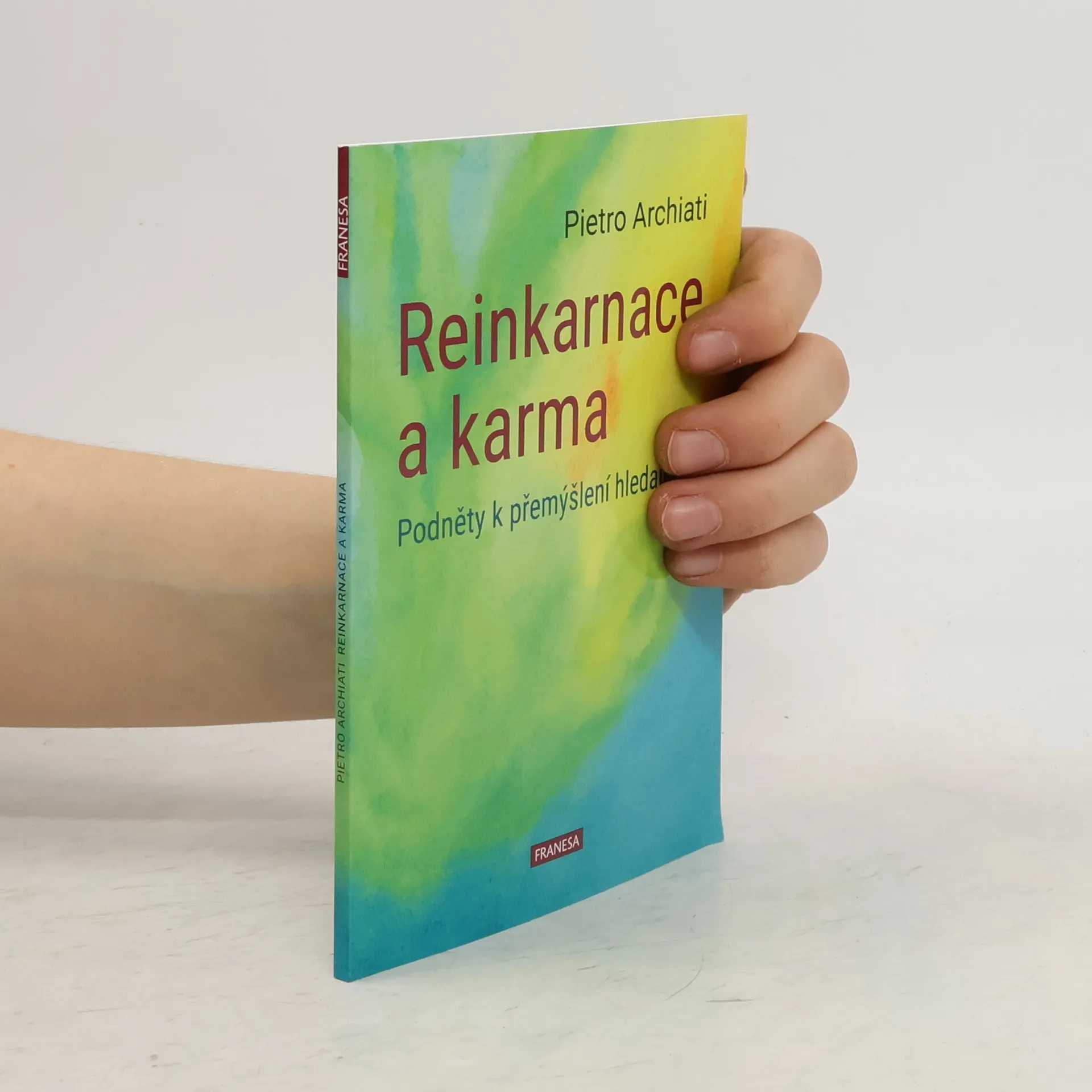
Reinkarnace a karma
- 54pagine
- 2 ore di lettura
Je člověk na Zemi jen jednou, nebo se jeho život opakuje? Existuje i před narozením a po smrti? Může se narodit jako žena i jako muž? Jak se dívat na osudové rány z hlediska karmy? Jak je tomu z hlediska reinkarnace s příbuznými a přáteli? Autor, vycházející z duchovní vědy Rudolfa Steinera, dává v knize odpovědi, klade však také další otázky k zamyšlení nad těmito stěžejními okolnostmi lidské existence.
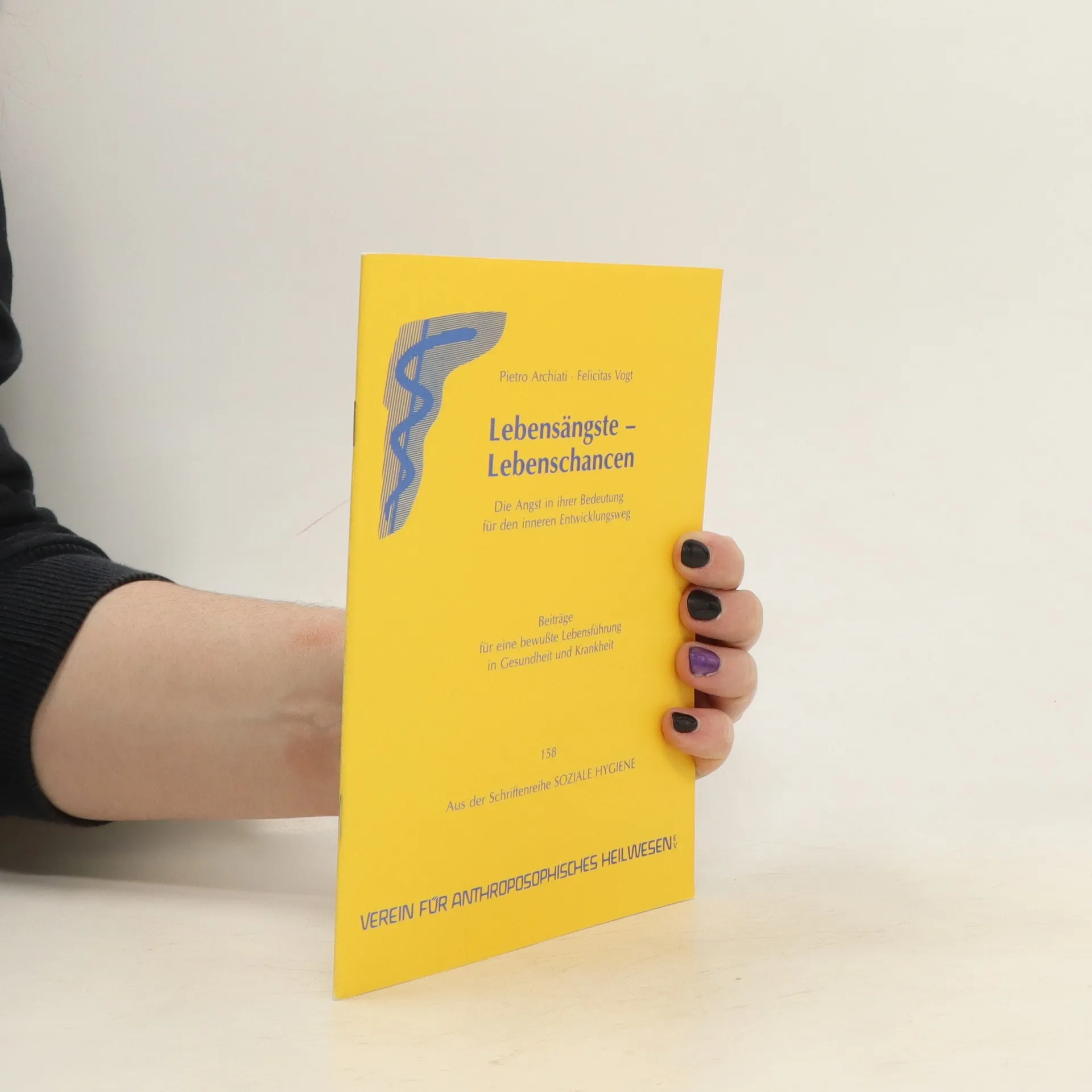
Lebensängste - Lebenschancen
- 47pagine
- 2 ore di lettura
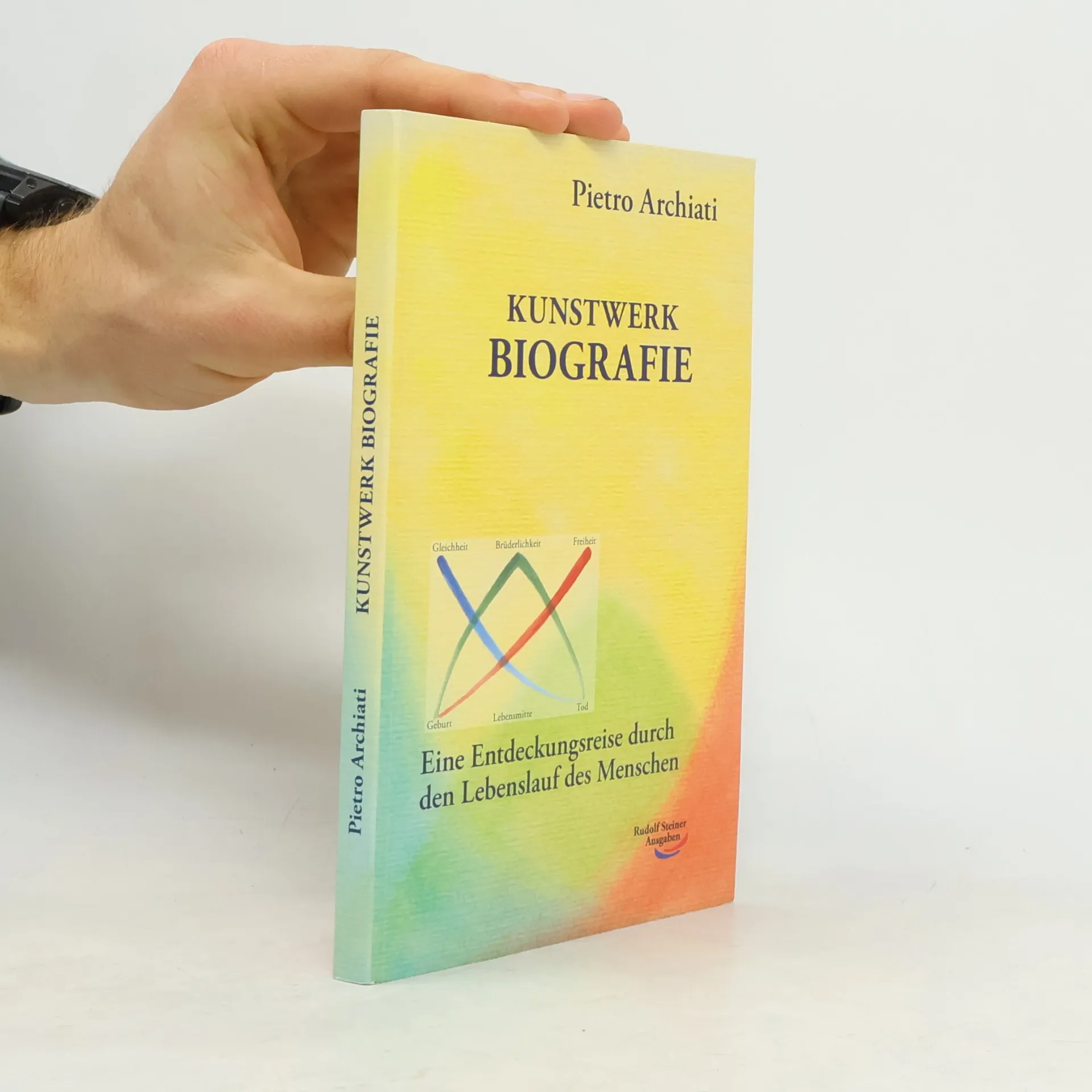
Kunstwerk Biografie
- 129pagine
- 5 ore di lettura
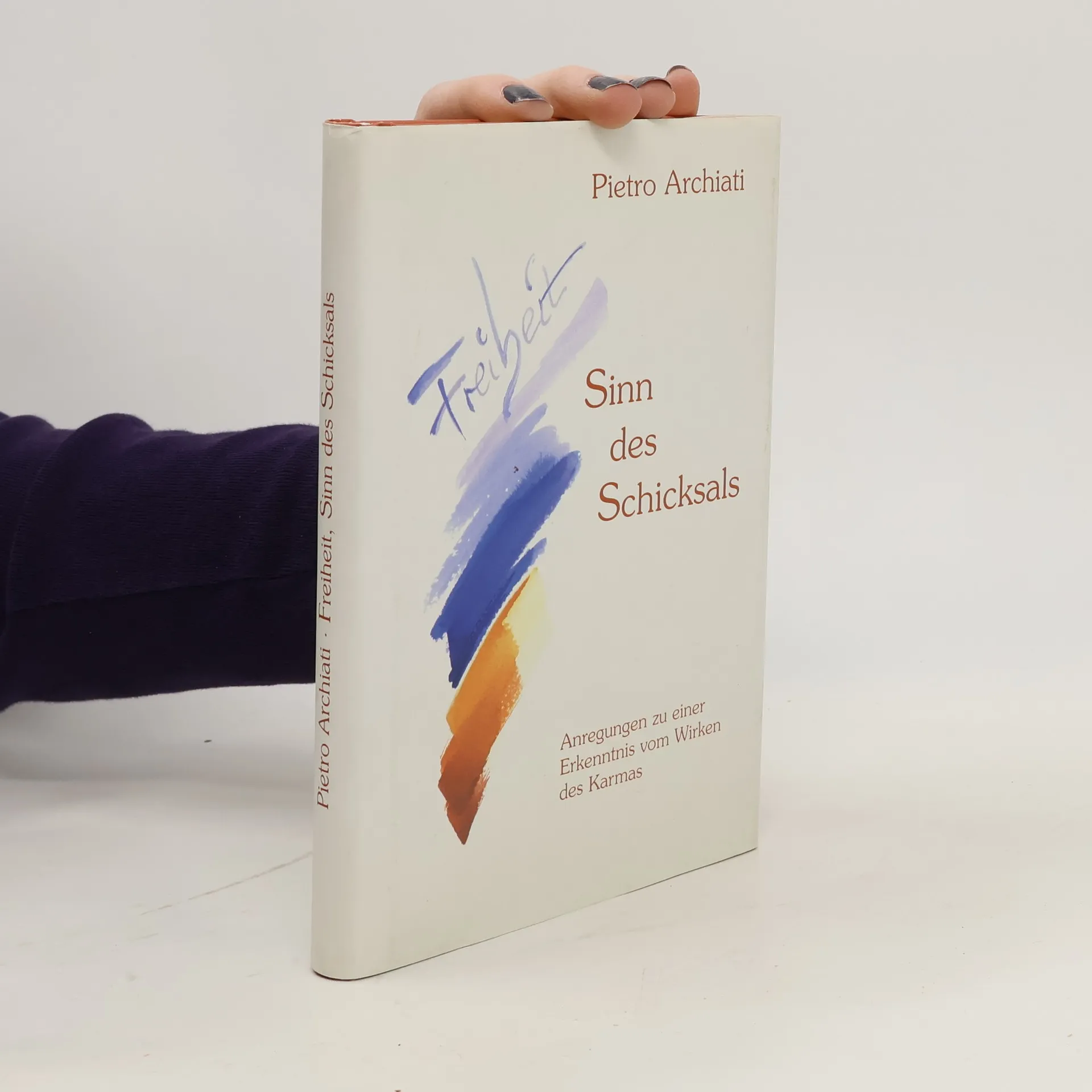
Freiheit, Sinn des Schicksals
- 144pagine
- 6 ore di lettura
Macht oder Menschlichkeit
- 148pagine
- 6 ore di lettura
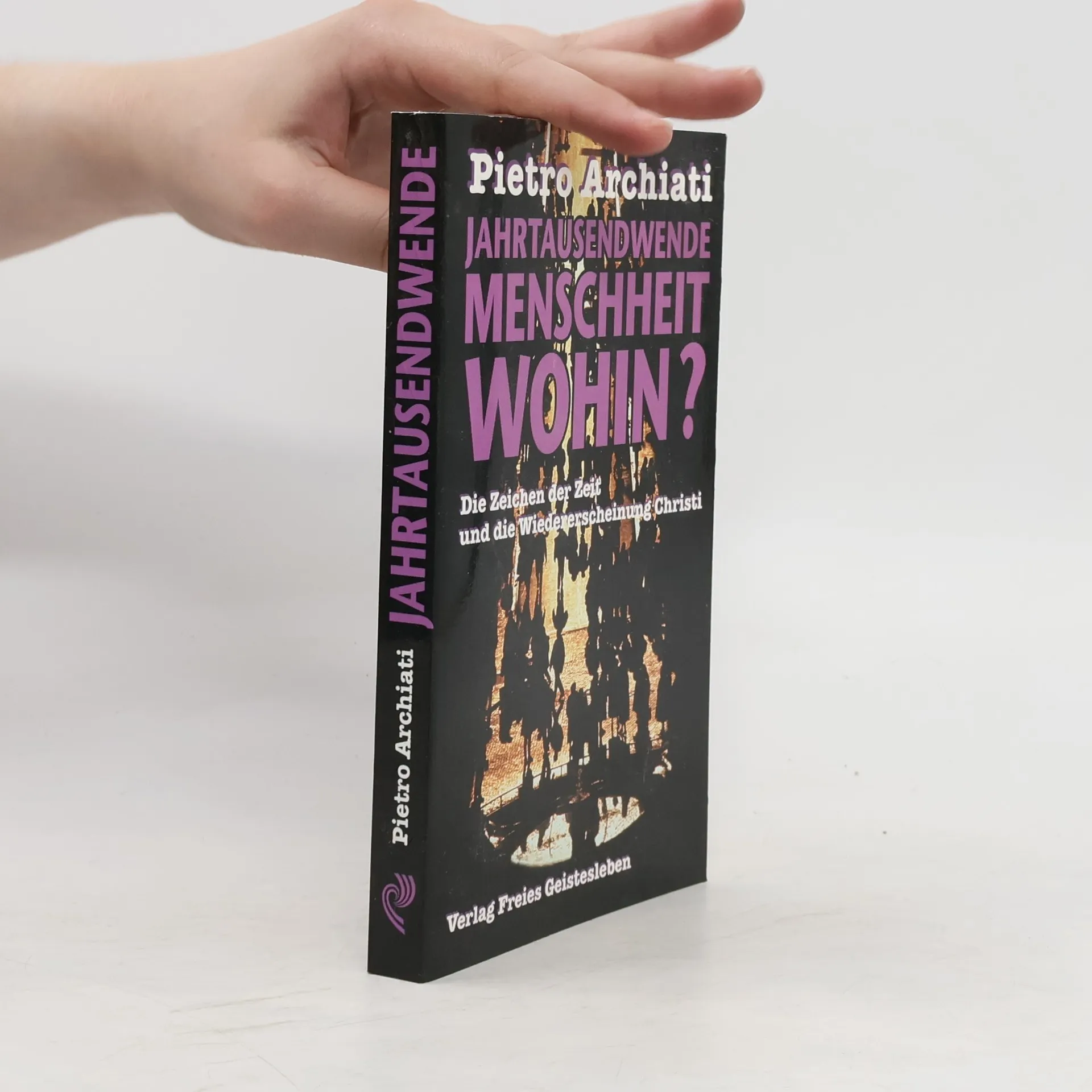
Jahrtausendwende - Menschheit wohin?
- 191pagine
- 7 ore di lettura
Pietro Archiati rückt mit seiner durch die Anthroposophie erweiterten christlichen Weltsicht die für viele bedrohlich wirkenden Ereignisse der Jahrtausendwende in eine anderes Licht: Als Möglichkeit zur Entwicklung des Menschen begriffen, erhält das Wort „apokalyptisch“ wieder seinen auffordernden und zur Entscheidung herausfordernden Sinn.
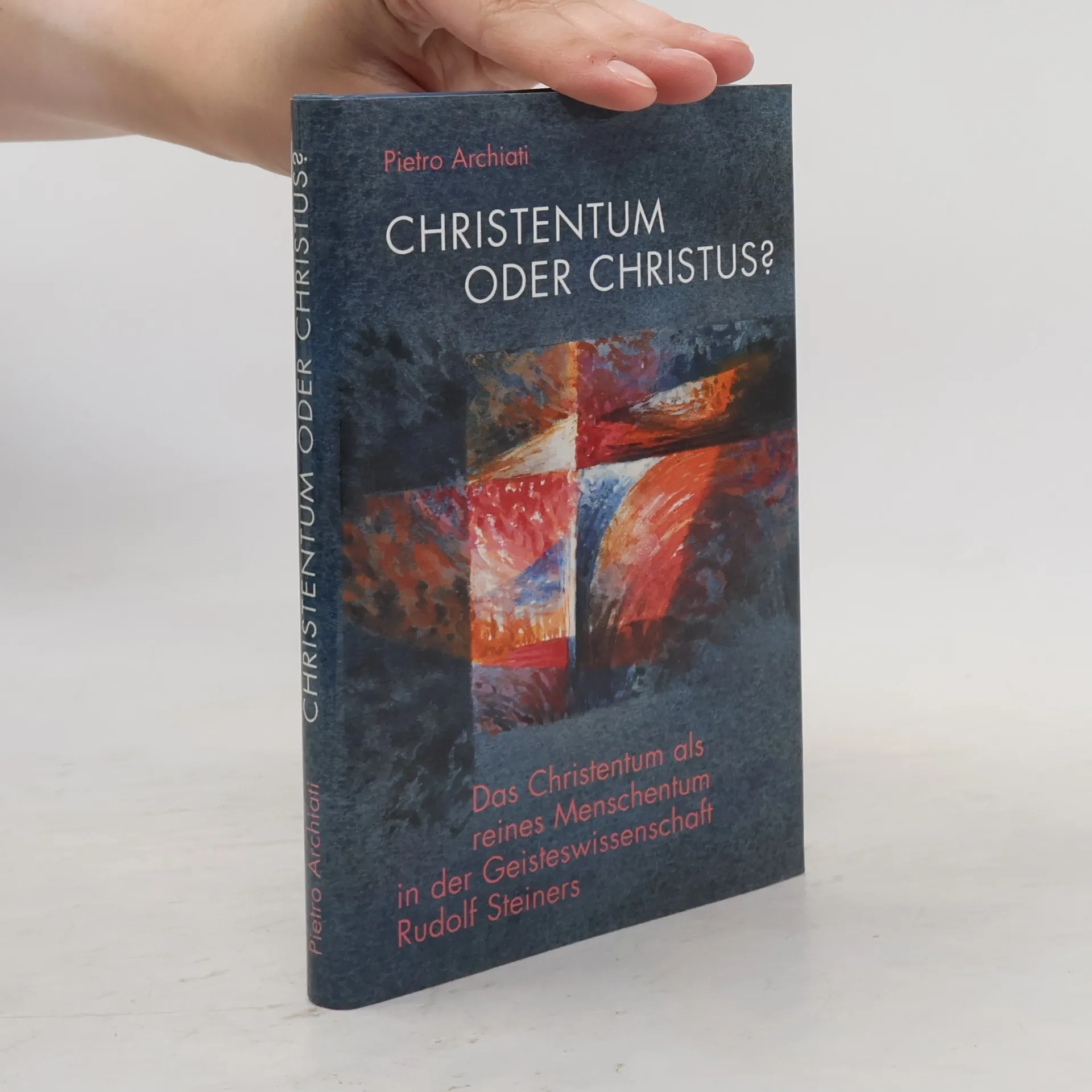
Christentum oder Christus? - Das Christentum als reines Menschentum in der Geisteswissenschaft Rudolf Steiners. Verlag am Goetheanum. 1995. [Hardcover] [Jan 01, 1995] ARCHIATI, Pietro … 372350924X
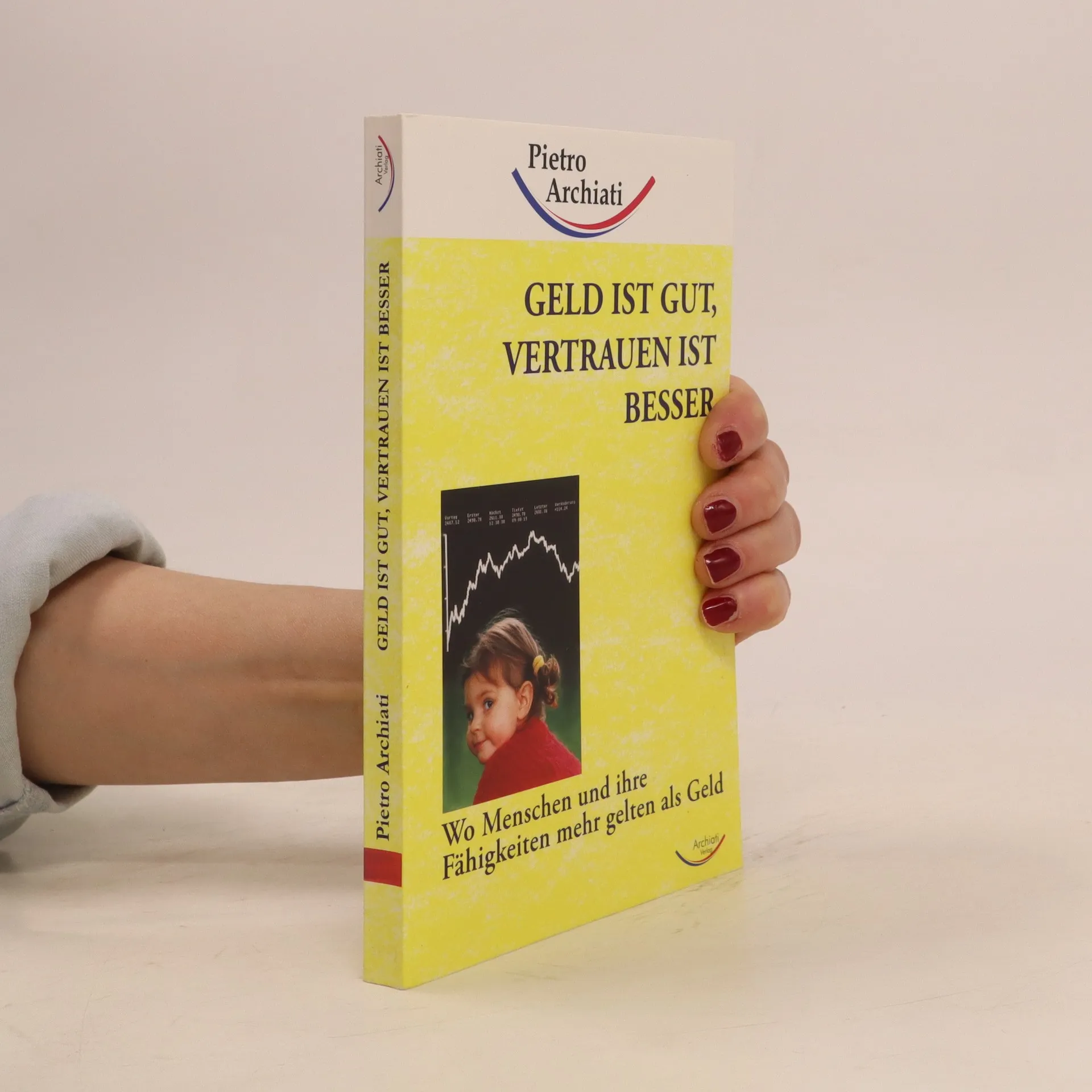
Geld ist gut, Vertrauen ist besser
Wo Menschen und ihre Fähigkeiten mehr gelten als Geld
- 169pagine
- 6 ore di lettura
Die gegenseitige Förderung ist das Lebensgesetz der Glieder eines Organismus. Die globalisierte Wirtschaft wird in dem Maße gesunden können, in dem durch sie alle Menschen gefördert werden. Der Mensch ist wichtiger als das Geld. Das klingt schön, aber wie befreit man sich von der Fixierung auf das Geld? Dieses Buch weist auf konkrete kleine Schritte hin, die jeder in Richtung mehr Menschlichkeit in seinem Alltag machen kann.
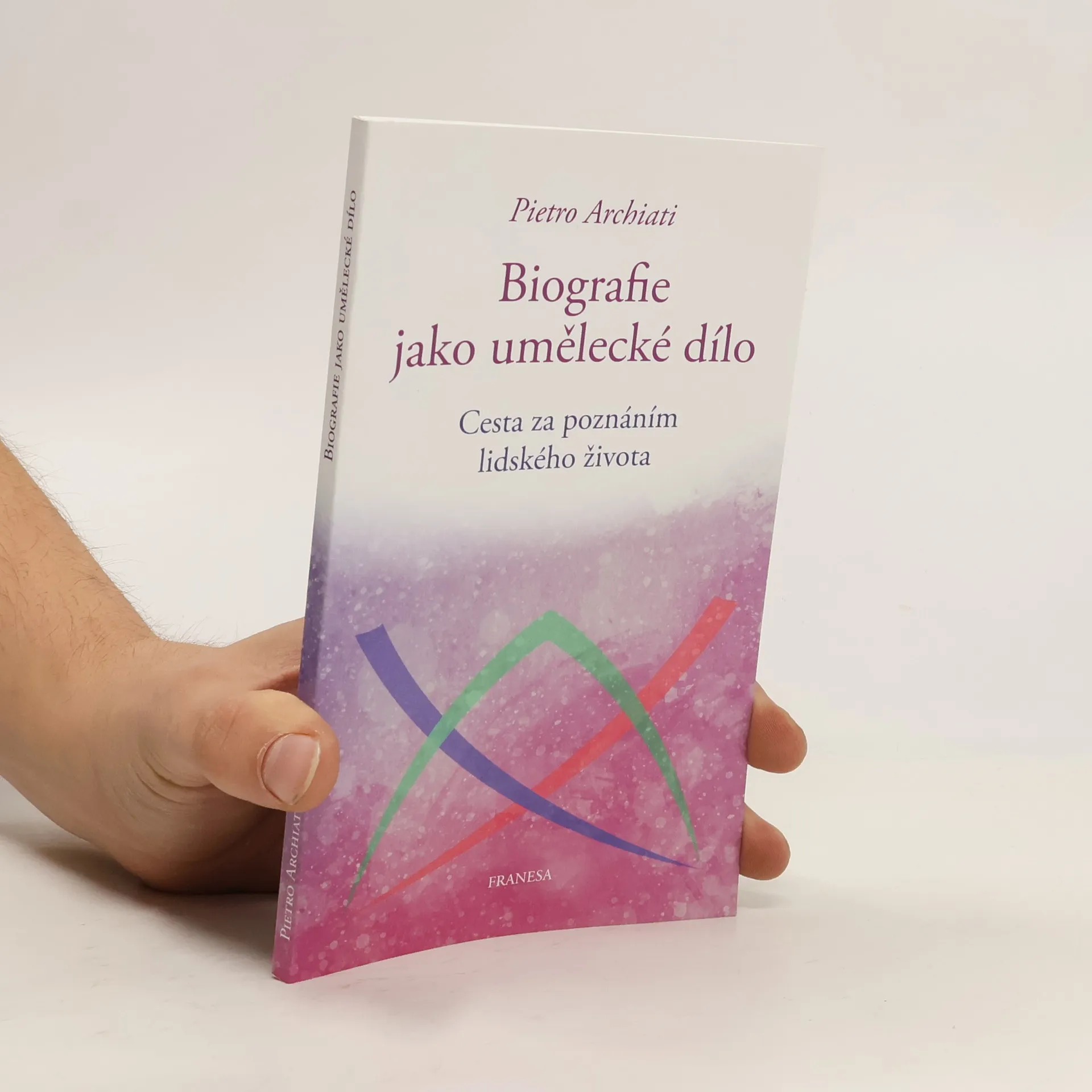
Biografie jako umělecké dílo
- 96pagine
- 4 ore di lettura
Jaký smysl má můj život? Podle jakých zákonitostí se odvíjí moje biografie? Jak spolu souvisí jednotlivé události a etapy mého života? Jaká je moje jedinečná a nezaměnitelná „životní melodie“? – Tyto a další otázky si klade Pietro Archiati v předkládané knize. Odpovědi hledá s pomocí anthroposofie Rudolfa Steinera i vlastního pozorování života. Ukazuje, že v naší biografii spočívá velká moudrost a že tato biografie je celistvým živým útvarem a uměleckým dílem, které můžeme poznávat a učit se mu rozumět.
Die Biografie des Menschen ist ein einzigartiges Kunstwerk. Ereignisse und Erlebnisse, Beziehungen und Taten spielen auf vielfältige, oft verblüffend stimmige Weise ineinander. Wie kommt ein solches Kunstwerk zustande? Eine unerwartete Begegnung führt zu einer tiefen Beziehung. Eine schwere Krankheit gibt dem Leben eine neue Richtung. Zufall? Schicksal? Oder selbstgewählt als Künstler seines eigenen Lebens?
Die Kraft der Positivität und des Vertrauens
Über die Kunst, aus allem das Beste zu machen; ein Vortrag, gehalten in verschiedenen Städten 2004/05; ein kleines Geschenk für angehende Positivitätskünstler
- 40pagine
- 2 ore di lettura
Der Intellektualismus und die Anthroposophie
Zugleich eine Einführung in die Geisteswissenschaft Rudolf Steiners
- 111pagine
- 4 ore di lettura
Judas
- 84pagine
- 3 ore di lettura
Rare Book