

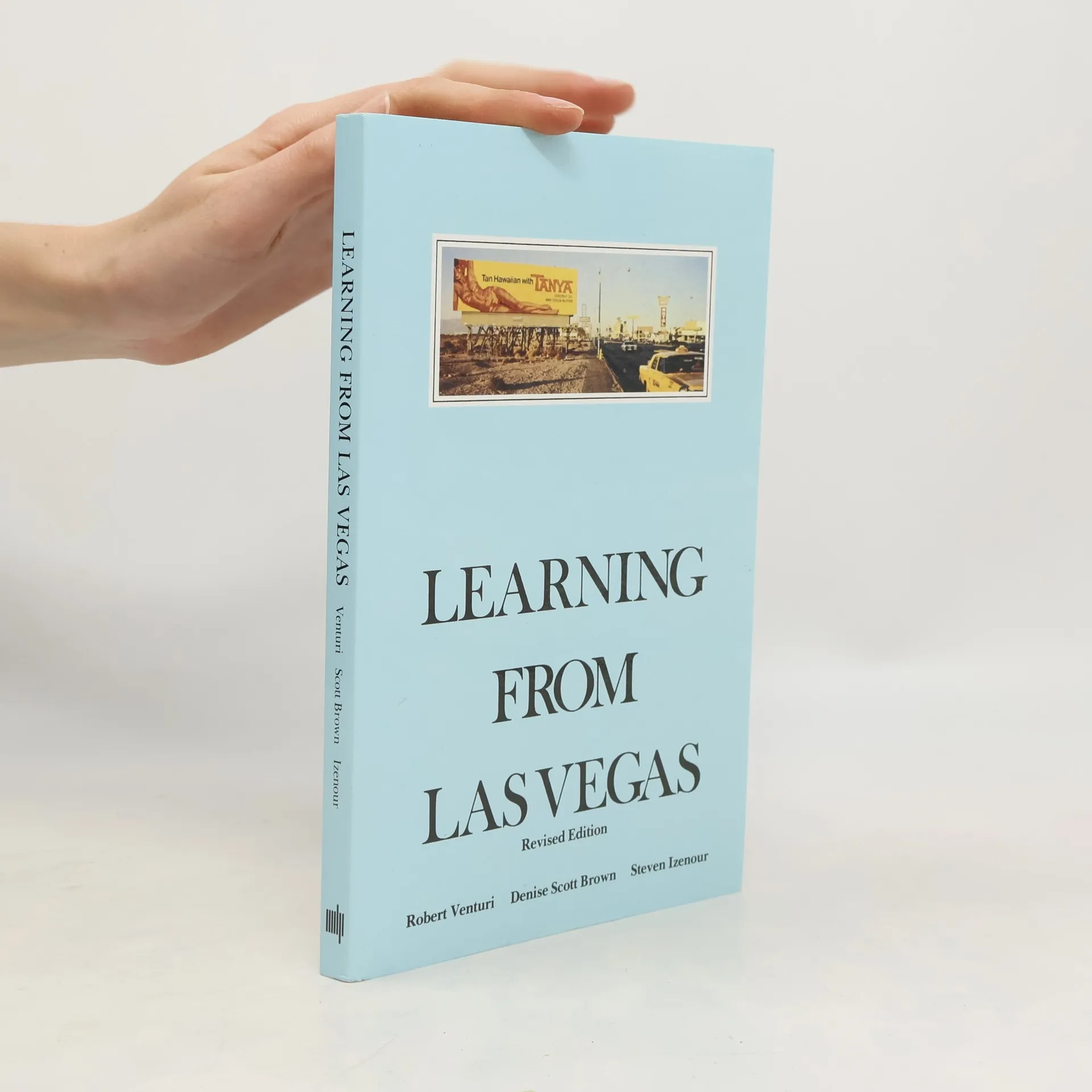
Learning from Las Vegas created a healthy controversy on its appearance in 1972, calling for architects to be more receptive to the tastes and values of "common" people and less immodest in their erections of "heroic," self-aggrandizing monuments. This revision includes the full texts of Part I of the original, on the Las Vegas strip, and Part II, "Ugly and Ordinary Architecture, or the Decorated Shed," a generalization from the findings of the first part on symbolism in architecture and the iconography of urban sprawl. (The final part of the first edition, on the architectural work of the firm Venturi and Rauch, is not included in the revision.) The new paperback edition has a smaller format, fewer pictures, and a considerably lower price than the original. There are an added preface by Scott Brown and a bibliography of writings by the members of Venturi and Rauch and about the firm's work.
Denise Scott Brown Libri
Denise Scott Brown è un'influente architetta, urbanista e scrittrice il cui lavoro teorico e i cui progetti architettonici hanno plasmato il panorama del XX secolo. Insieme al suo partner, Robert Venturi, ha creato un approccio all'architettura che rifiutava il modernismo ortodosso e abbracciava l'espansione urbana e l'architettura vernacolare americana. I suoi scritti, incluse pubblicazioni fondamentali, esplorano il simbolismo nelle forme architettoniche, influenzando il nostro modo di percepire l'ambiente urbano. Scott Brown continua ad essere una voce prolifica nell'architettura e nella pianificazione urbana.
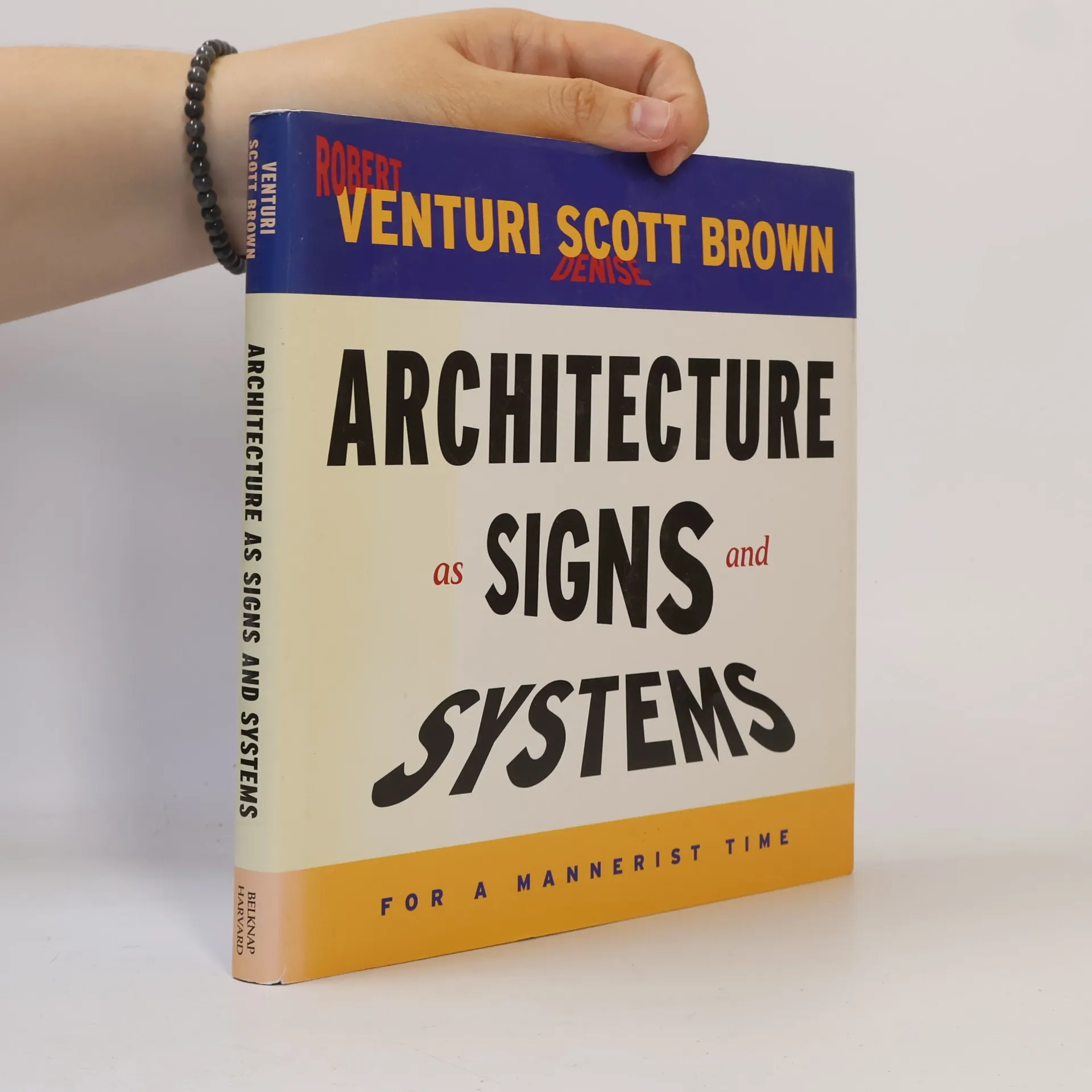
Architecture as Signs and Systems
For a Mannerist Time - The William E. Massey Sr. Lectures in the History of American Civilization
- 264pagine
- 10 ore di lettura
Robert Venturi made a significant impact on architecture in 1966 with his bold ideas in Complexity and Contradiction, followed by further controversy in 1972 with Learning from Las Vegas, co-authored with Denise Scott Brown and Steven Izenour. In this work, the duo reflects on their influential partnership and the innovative architecture it has inspired. Their perspectives have shaped architectural discourse for nearly fifty years, advocating for pluralism, multiculturalism, symbolism, and the integration of popular culture and everyday landscapes. They explore concepts such as generic building and electronic communication, offering a comprehensive retrospective of their contributions and the theoretical foundations behind them. This book is accessible, informative, and richly illustrated, making it essential for architecture and urban planning students, as well as those interested in these pivotal cultural figures. Venturi and Scott Brown have dedicated their careers to expanding our understanding of the built environment and the roles of its practitioners. By revisiting their life's work, they uncover signs and systems that lead to a humane Mannerist architecture suited for a complex, multicultural society.
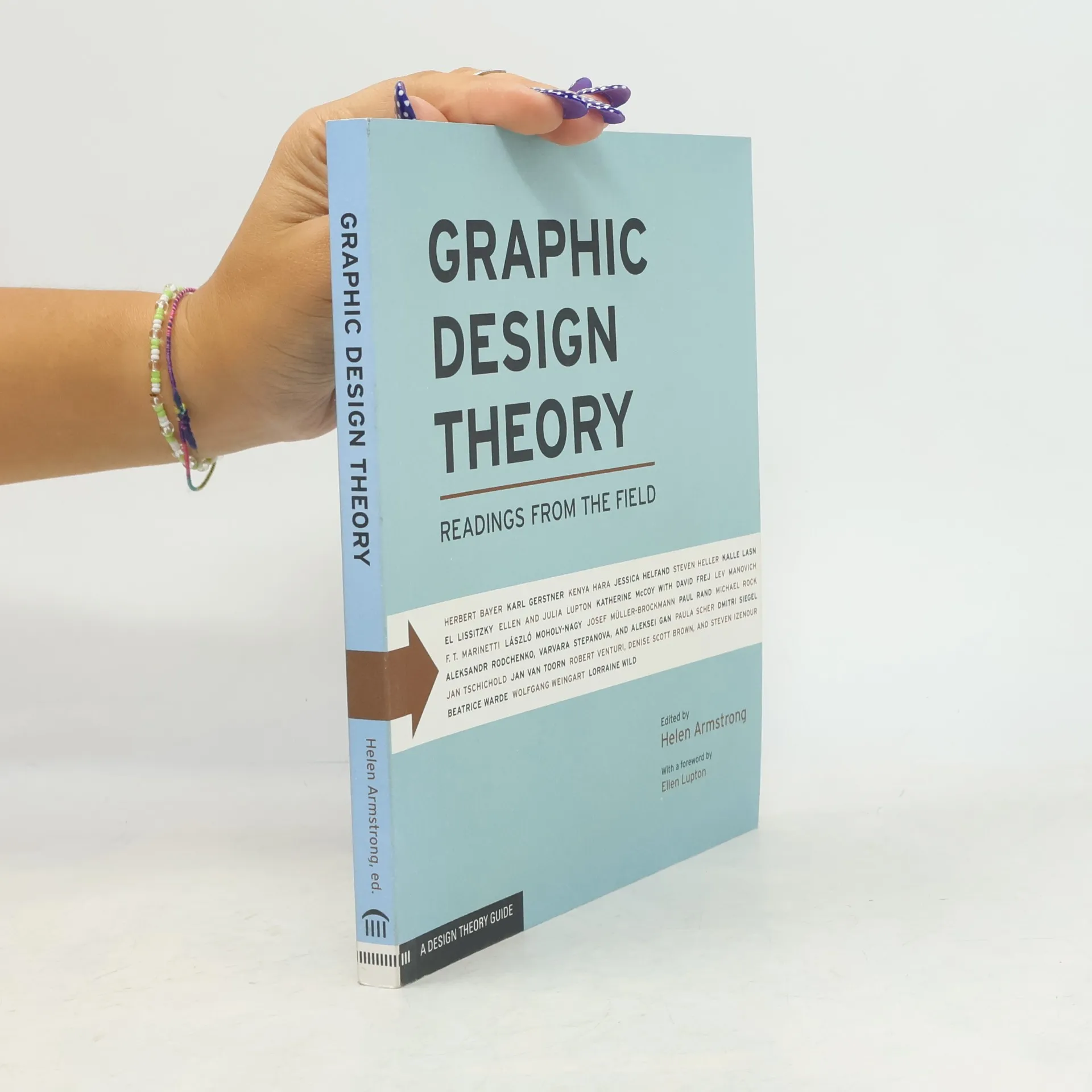
Graphic Design Theory
- 151pagine
- 6 ore di lettura
Graphic Design Theory presents groundbreaking, primary texts from the most important historical and contemporary design thinkers. From Aleksandr Rodchenko’s "Who We Are: Manifesto of the Constructivist Group" to Kenya Hara’s "Computer Technology and Design," this essential volume provides the necessary foundation for contemporary critical vocabulary and thought. Graphic Design Theory is organized in three sections: "Creating the Field" traces the evolution of graphic design over the course of the early 1900s, including influential avant-garde ideas of futurism, constructivism, and the Bauhaus; "Building on Success" covers the mid- to late twentieth century and considers the International Style, modernism, and postmodernism; and "Mapping the Future" opens at the end of the last century and includes current discussions on legibility, social responsibility, and new media. Striking color images illustrate each of the movements discussed and demonstrate the ongoing relationship between theory and practice. A brief commentary prefaces each text, providing a cultural and historical framework through which the work can be evaluated.