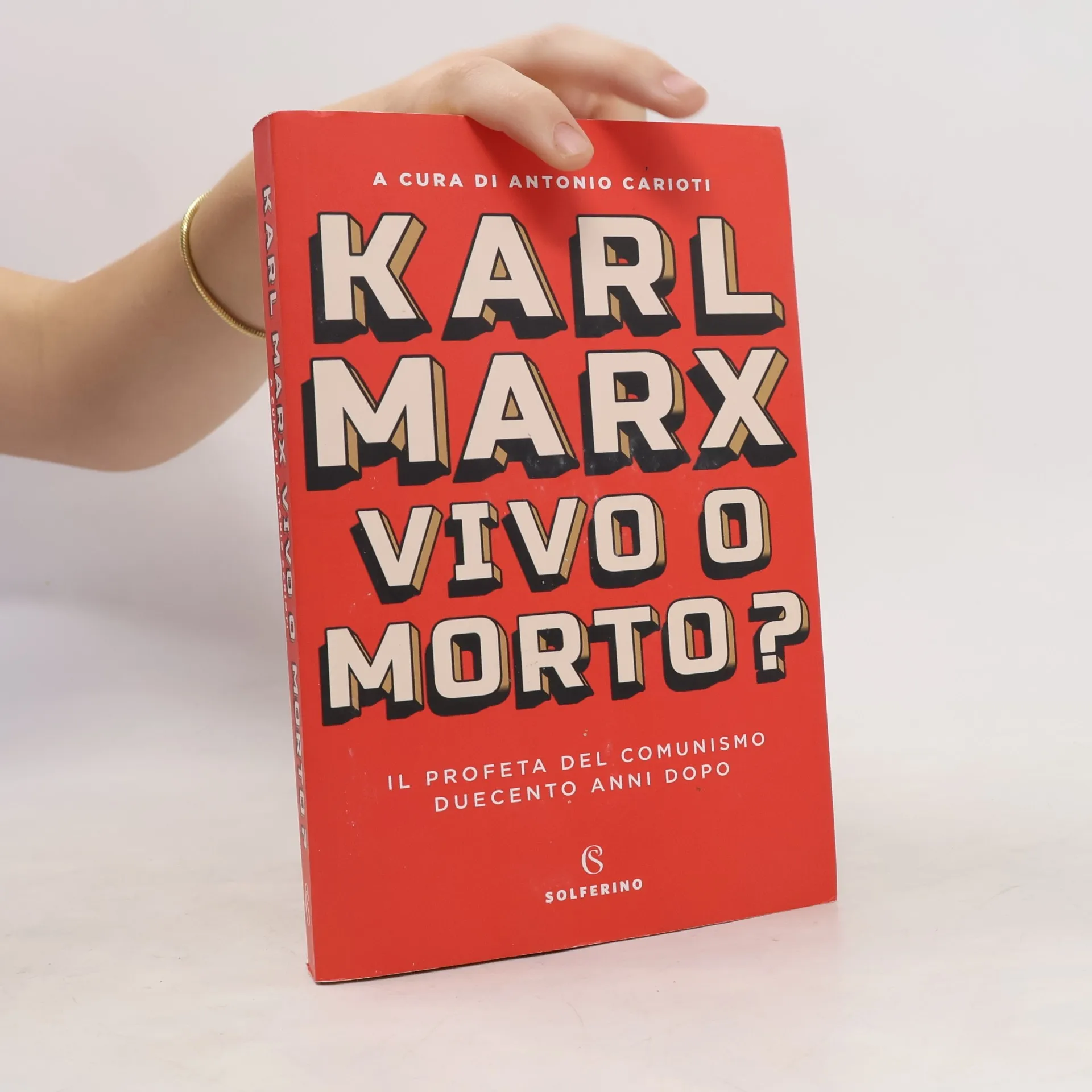
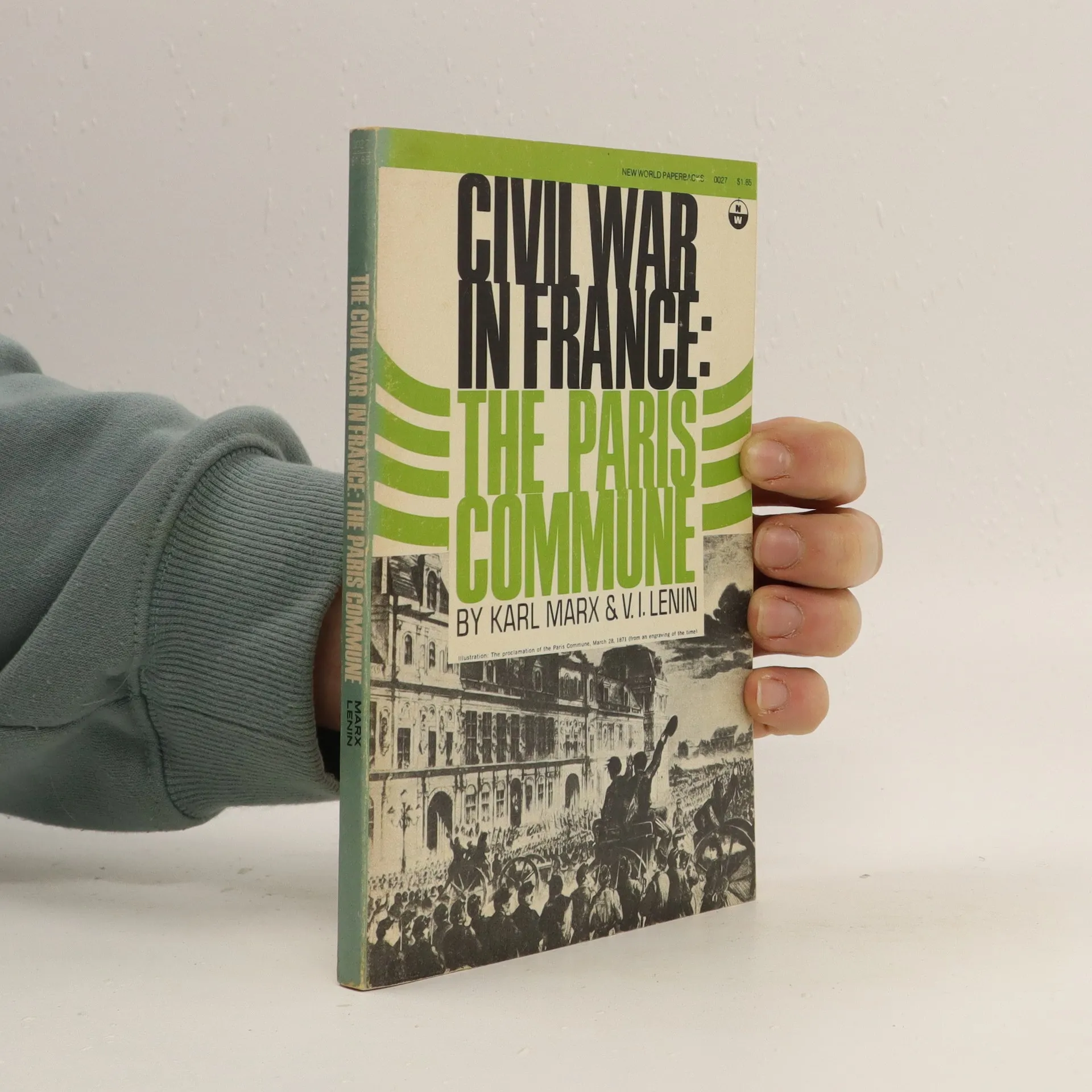
Karl Marx è stato uno scienziato sociale, uno dei principali architetti delle scienze sociali moderne, il cui lavoro ha plasmato profondamente lo sviluppo della teoria comunista. I suoi scritti, in particolare "Il Capitale", hanno offerto un esame critico della società e dei sistemi economici, influenzando generazioni di pensatori. L'approccio analitico di Marx e le sue teorie sulla lotta di classe e sullo sviluppo storico hanno lasciato un segno indelebile nella storia intellettuale globale. Rimane una delle figure più influenti della storia umana, stimolando continuamente il dibattito su potere, economia e cambiamento sociale.
In questo scritto del 1845-46, che fa parte dell' Ideologia tedesca , Marx ed Engels riassumono le loro critiche all'idealismo, espongono per la prima volta, in forma definitiva, la loro concezione della storia come lotta di classe e annunciano il programma rivoluzionario che sarà alla base del Manifesto del Partito comunista : da queste pagine è nato il Materialismo Storico.
Un fantasma aleggia sull'Europa (e sul mondo). Non, nel ventunesimo secolo, il fantasma del comunismo, ma il fantasma del capitalismo. La previsione di Marx che lo stato sarebbe svanito di sua spontanea volontà si è rivelata inaccurata, e non ha previsto le tirannie che hanno governato grandi parti del globo in suo nome. In effetti, sarebbe rimasto sconvolto se le avesse viste. Ma la sua analisi dei mali e dei pericoli del capitalismo sfrenato è corretta ora come quando fu scritta, e alcune delle sue proposte (tassa progressiva sul reddito, abolizione del lavoro minorile, istruzione gratuita per tutti i bambini) sono ora accettate senza molte domande. In un mondo in cui il capitalismo non è più contenuto dalla paura di un'alternativa comunista, il Manifesto Comunista (insieme a Socialismo utopico e scientifico, l'esposizione breve e chiara del pensiero marxista di Engels) è una lettura essenziale. La Condizione della classe operaia in Inghilterra del 1844 è il primo libro di Engels, e probabilmente il più noto. Con il London Labour and the London Poor di Henry Mayhew, è stato e rimane lo studio eccezionale della classe operaia nell'Inghilterra vittoriana.
«La monarchia di luglio non era altro che una società per azioni per lo sfruttamento della ricchezza nazionale francese, società i cui dividendi si ripartivano fra i ministri, le Camre, 240 mila elettori e il loro seguito. Luigi Filippo era il direttore di questa società: Robert Macaire sul trono. Commercio, industria, agricoltura, navigazione, gli interessi della borghesia industriale dovevano sotto questo sistema essere continuamente minacciati e compromessi. Governo a buon mercato, gouvernement à bon marché, aveva scritto la borghesia industriale nelle giornate di luglio sulla propria bandiera».
Le leggi oggettive della politica hanno tempi di verifica lunghi. Quella scoperta nel 18 brumaio a metà Ottocento individua la tendenza secolare al rafforzamento e all’estensione dell’apparato burocratico e militare dello Stato borghese. È una scoperta importantissima perché permette un passo avanti sostanziale rispetto al Manifesto del 1848. Il proletariato non può adoperare per la sua emancipazione uno strumento che la borghesia ha costantemente perfezionato e ingigantito attraverso i secoli con lo scopo prioritario di salvaguardare il proprio dominio. La sostituzione della “macchina” statale borghese con un tipo di Stato completamente nuovo è uno dei primi passi del proletariato sulla via del potere. È la prima condizione perché una rivoluzione proletaria possa affrontare il compito di organizzare la produzione sociale in forme capaci di condurre alla estinzione di ogni genere di Stato. L’indicazione strategica che ne viene alla lotta plurigenerazionale per il comunismo verrà testata da Marx stesso alla luce della Comune di Parigi nel 1871 e troverà piena conferma a distanza di un altro mezzo secolo con la Rivoluzione d’Ottobre del 1917.
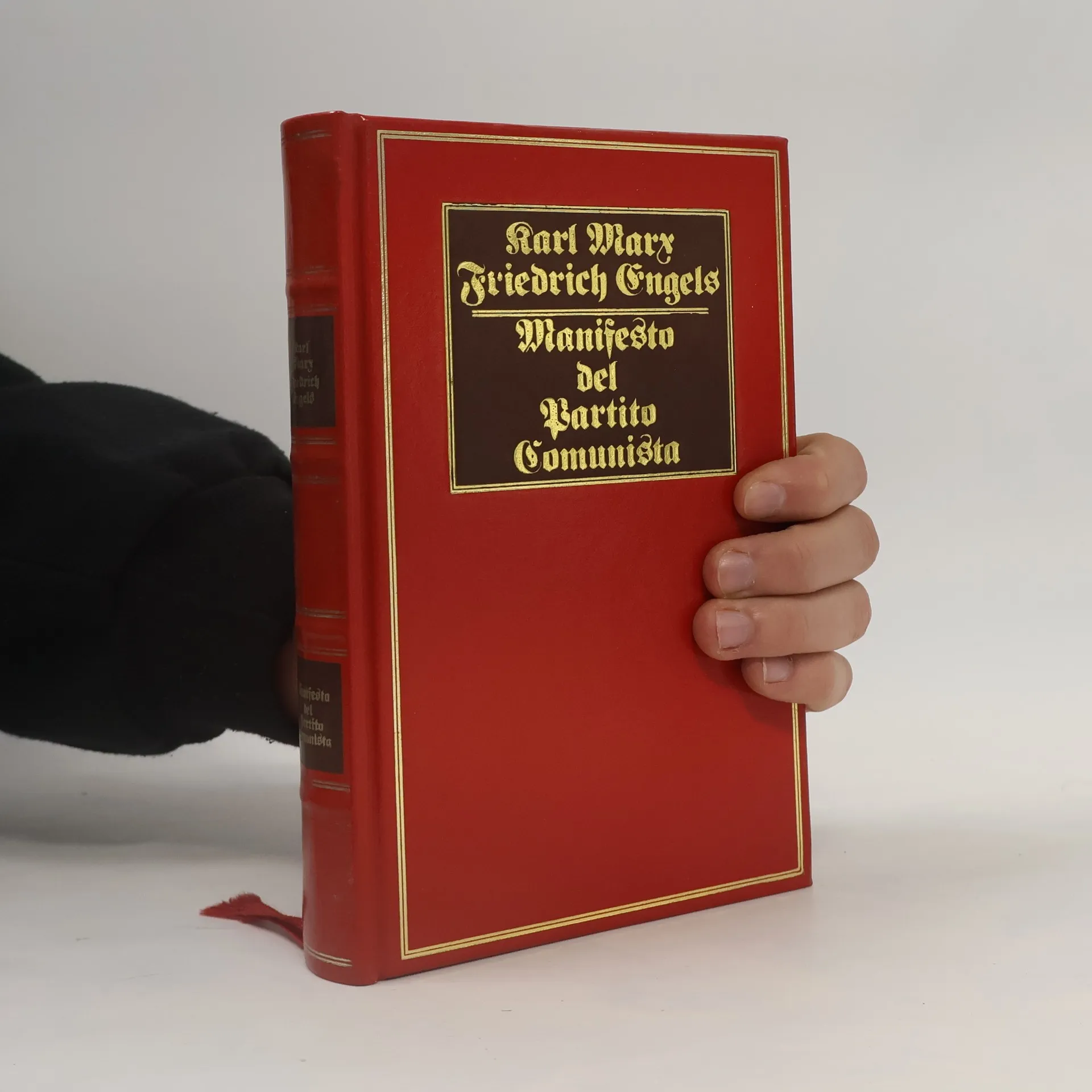
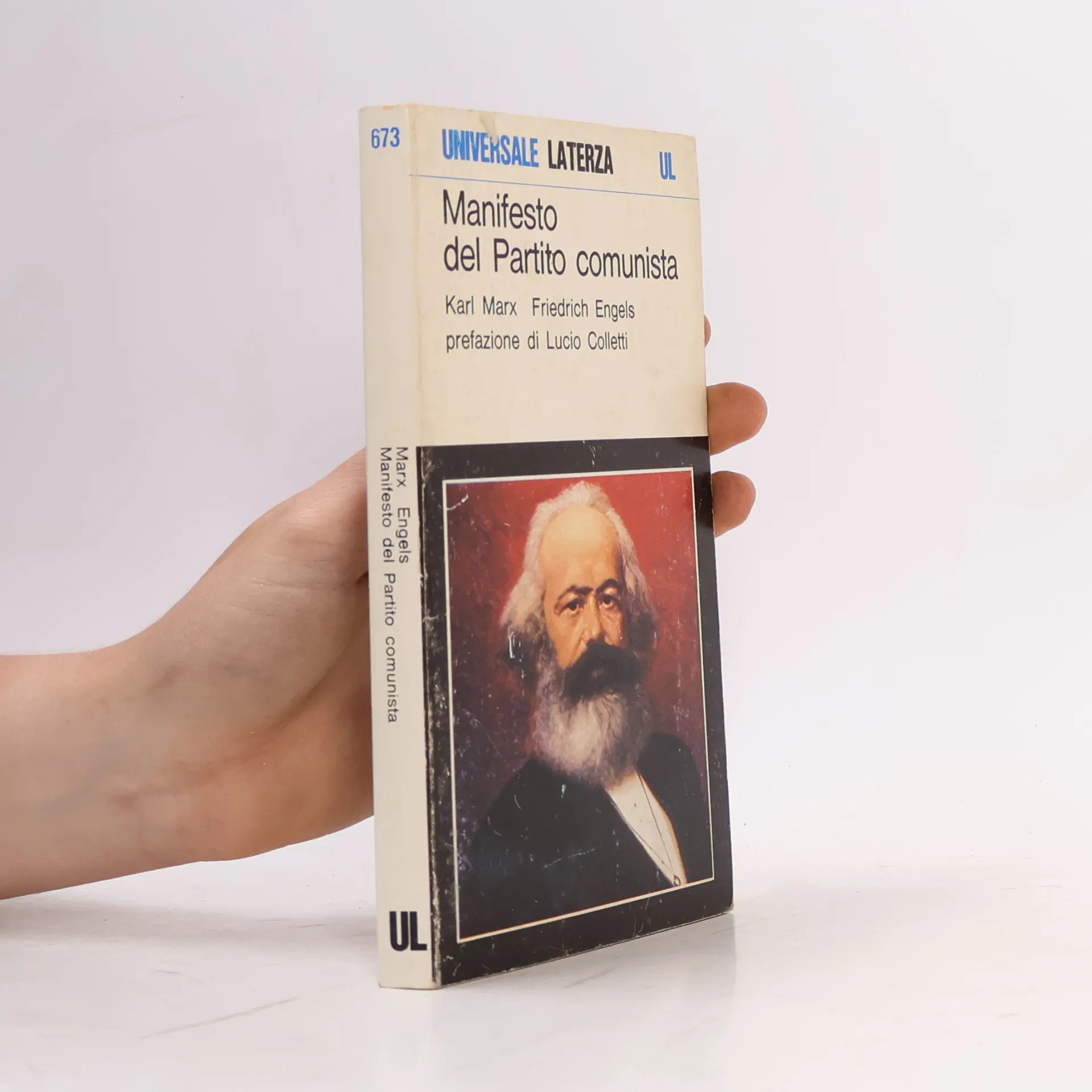
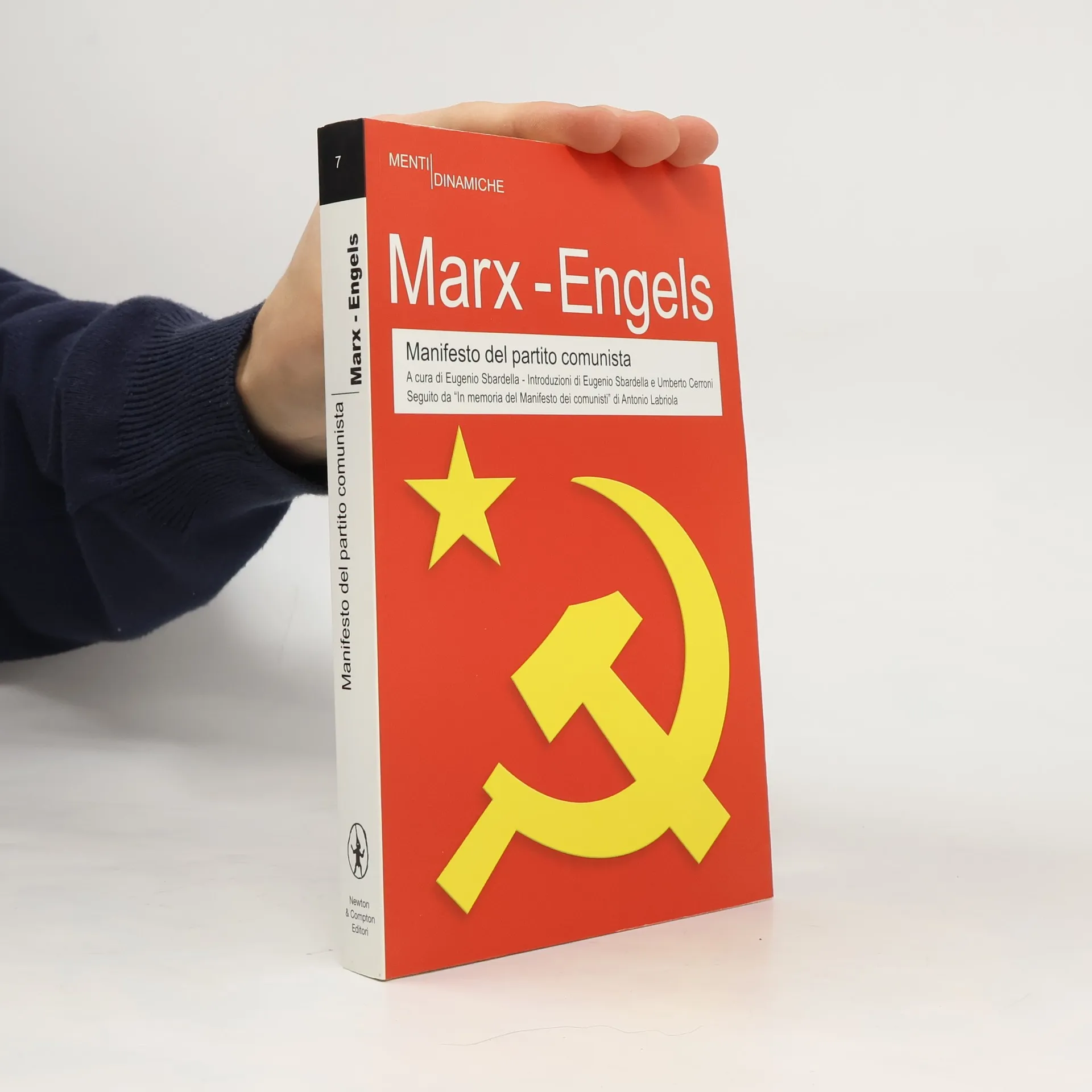
Attraverso una serie di categorie ormai ineludibili («condizioni politiche e sociali», classe sociale, modo di produzione, ideologia, ecc.), l'opera degli autori del Manifesto ha arricchito e reinterpretato il lessico, ha riformulato la grammatica e la sintassi del discorso politico e storico. Redatto tra il dicembre 1847 e il gennaio dell'anno successivo, il Manifesto del partito comunista appare per la prima volta a Londra nel febbraio del 1848, proprio alla vigilia degli sconvolgimenti rivoluzionari sul continente europeo. Conosce successive edizioni nel 1872 e, dopo la morte di Marx, nel 1888 e nel 1890. La presente traduzione si basa sul testo della versione originale del 1848. Sono state anche tradotte le note esplicative apposte da Engels all'edizione inglese del 1888 e a quella tedesca del 1890.
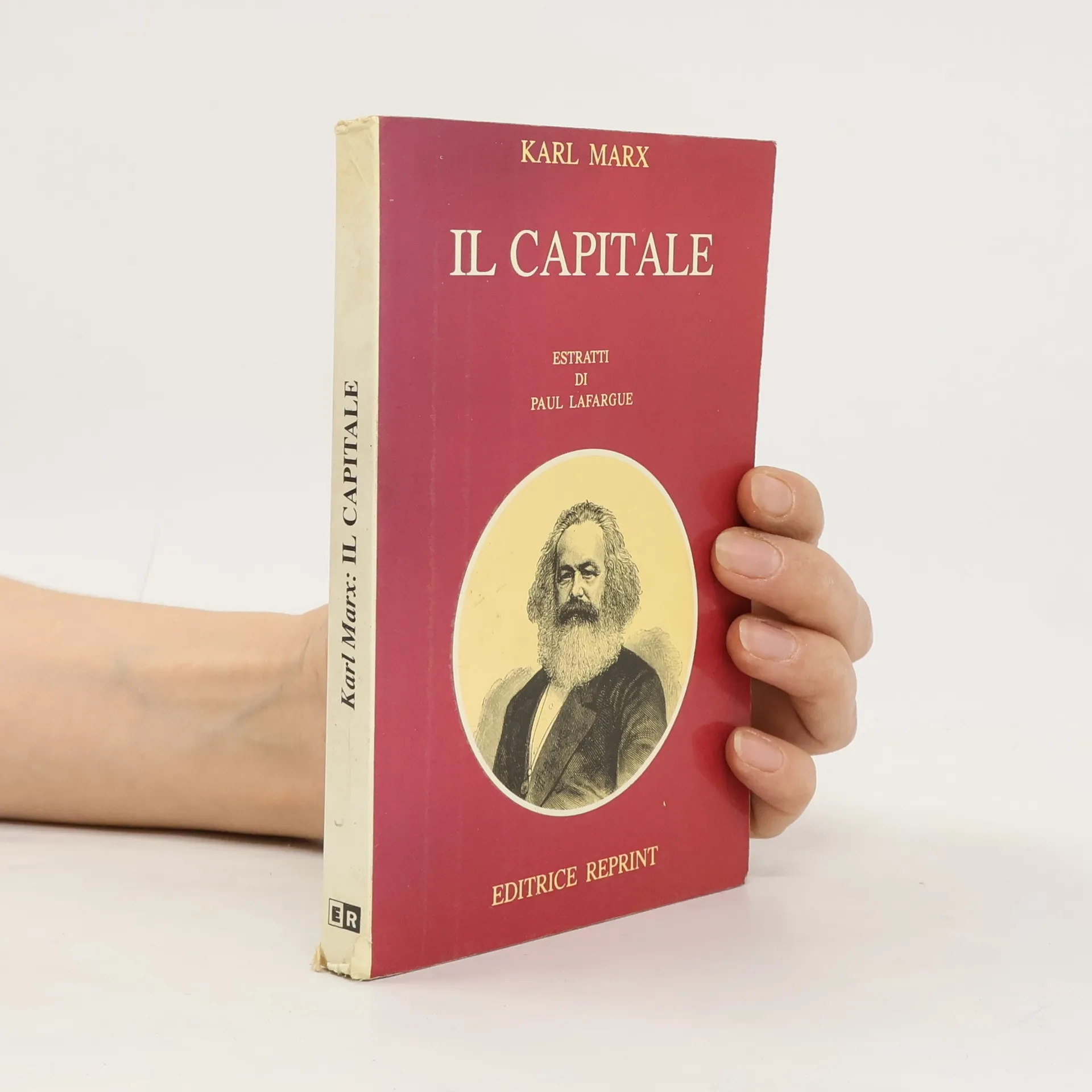
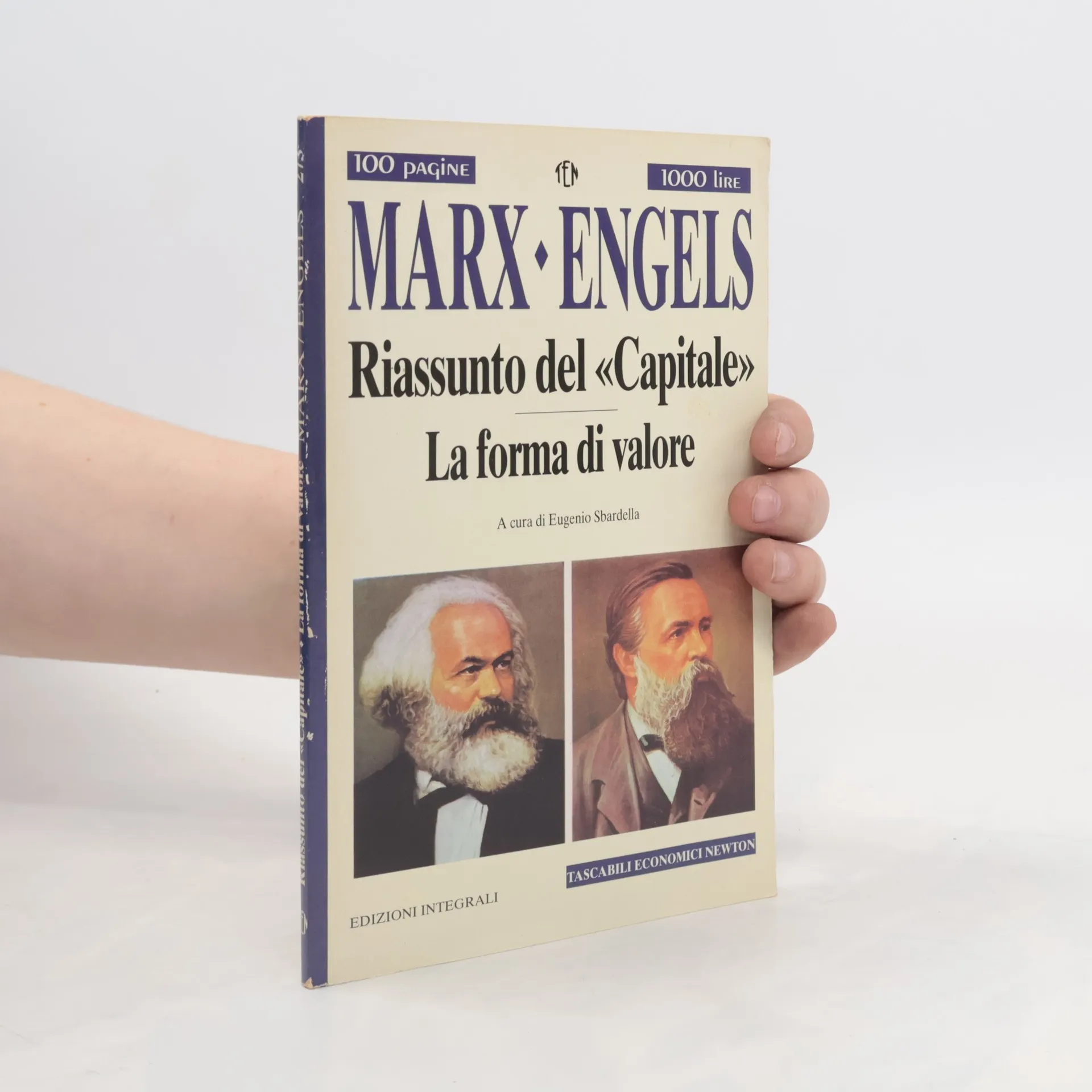
Il capolavoro di Marx, spietata e allo stesso tempo scientifica analisi della società capitalistica nelle sue profonde contraddizioni, è una lettura indispensabile per chi non voglia sentirsi estraneo al mondo contemporaneo. Pietra miliare nella storia del pensiero moderno in quanto fondamento dottrinale delle più importanti rivoluzioni politiche del Novecento, Il capitale getta ancor oggi una luce demistificante sugli alienanti rapporti sociali del presente. Il senso più genuino e il nucleo più duraturo dell’opera di Marx stanno tuttora nella sua rigorosa «critica dell’economia politica», una critica che definisce la storicità della società contemporanea.
Hanno meno di trent’anni Karl Marx e Friedrich Engels, nel 1848, quando scrivono il "Manifesto del partito comunista": un pugno di pagine all’inizio senza fortuna, poi destinate a cambiare il mondo. Un testo che nel 1989, anno della crisi ufficiale del comunismo, risulta pubblicato in oltre duecento lingue e in mezzo miliardo di copie. Storia e lotta di classe, borghesia e proletariato, lavoro e libertà, proprietà privata e sfruttamento, partito e rivoluzione, capitalismo e comunismo: questi i nodi cruciali di un’idea di uomo, politica e società che ha segnato la carne viva del Novecento. E che oggi sembra scomparsa dalla faccia della Terra, lasciando campo libero a un capitalismo globale, privo di opposizione organizzata. Gli articoli di fede, rabbia e speranza scanditi nel "Manifesto" risultano così, insieme, fuori tempo massimo e più che mai attuali. Perché esortano a immaginare che il capitalismo possa ancora venire messo in questione, in un’epoca apparentemente senza alternative.
Passato sotto silenzio per pi� di vent'anni dopo il 1848, il Manifesto del Partito Comunista dagli anni Settanta dell'Ottocento � stato tema di dibattito per storiografi, filosofi e politologi, che hanno cercato, da differenti prospettive, di interpretarlo, revisionarlo, applicarlo, confutarlo. L'opera di Marx ed Engels � divenuta anche fondamento dottrinale di milioni di uomini in tutto il mondo e di intere organizzazioni statali. A pi� di centocinquant'anni dalla sua pubblicazione resta ancora un capolavoro del pensiero e mantiene intatto tutto il suo vigore polemico.PER ALTRI CLASSICI DEL MARXISMO DIGITA "BI CLASSICI" NELLA AMAZON SEARCH BAR!
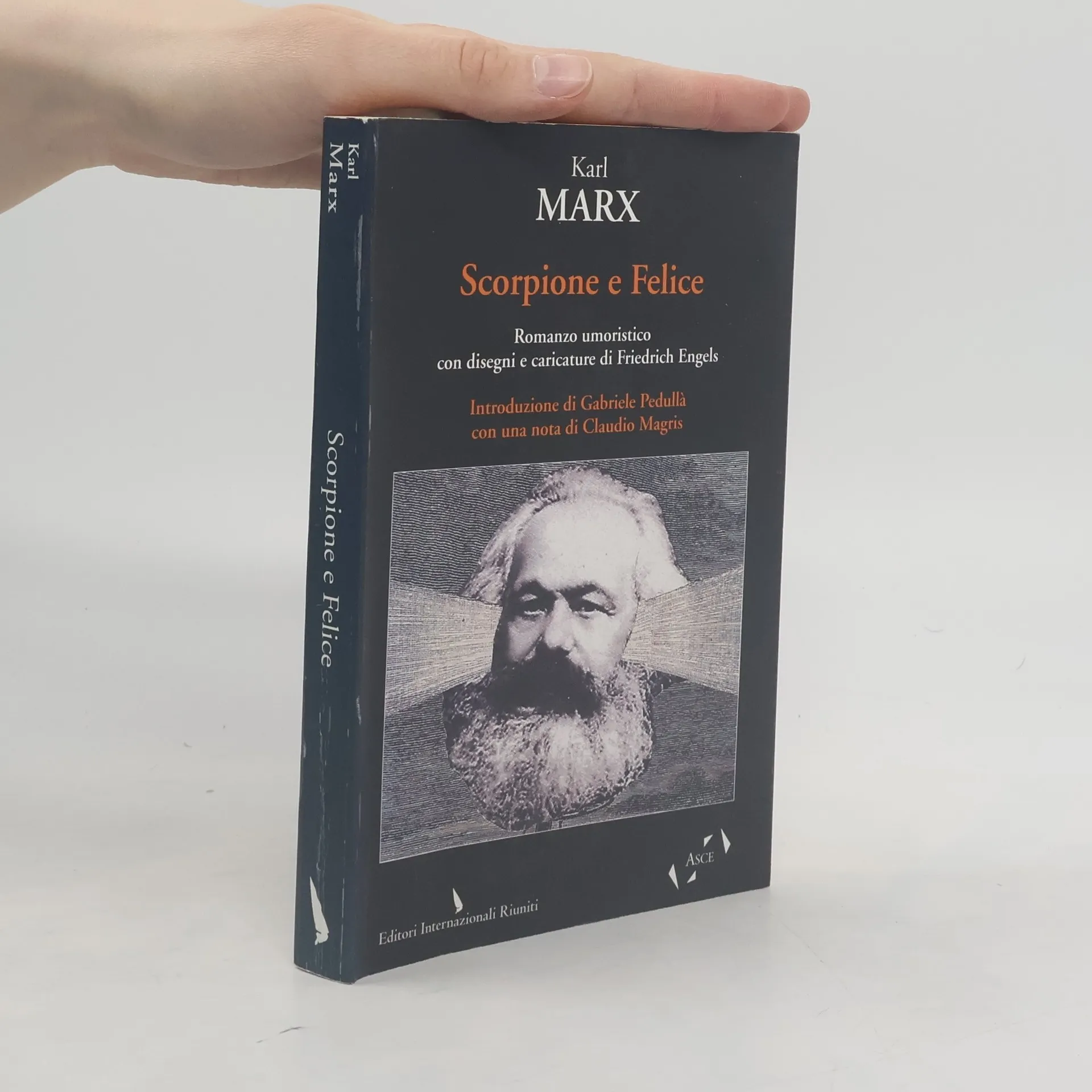
Per i suoi sostenitori come per i suoi nemici, il pensiero di Karl Marx appare come la levadura di tutte le fermentazioni umane nei cinque continenti. Ma liberare quel pensiero dai dogmatismi che lo paralizzano è risultato essere un compito arduo. I dogmatici si sono impegnati a lungo a ignorare i manoscritti filosofici del giovane Marx. A entrambi, irrita la produzione letteraria giovanile di Marx. Poemi lirici, una novella umoristica, un dramma romantico inconcluso? Tutto ciò doveva essere relegato al silenzio. Per oltre un secolo è stato così. Davanti all'immagine monolitica e severa di un Marx serio e solennemente tonante, la mera esistenza di Scorpione e felice risulta una eresia. Scritto a diciotto anni, questo romanzo di umorismo surreale, digressioni semantiche, riflessioni filosofiche, salti e interpolazioni, può essere letto oggi con lo stesso piacere di un testo di un altro Marx, Groucho, o di qualsiasi altro umorista contemporaneo che discutesse tesi, autori e abitudini consacrate dalle accademie della prima metà del XIX secolo, epoca che, purtroppo, non ha smesso di essere del tutto nostra.
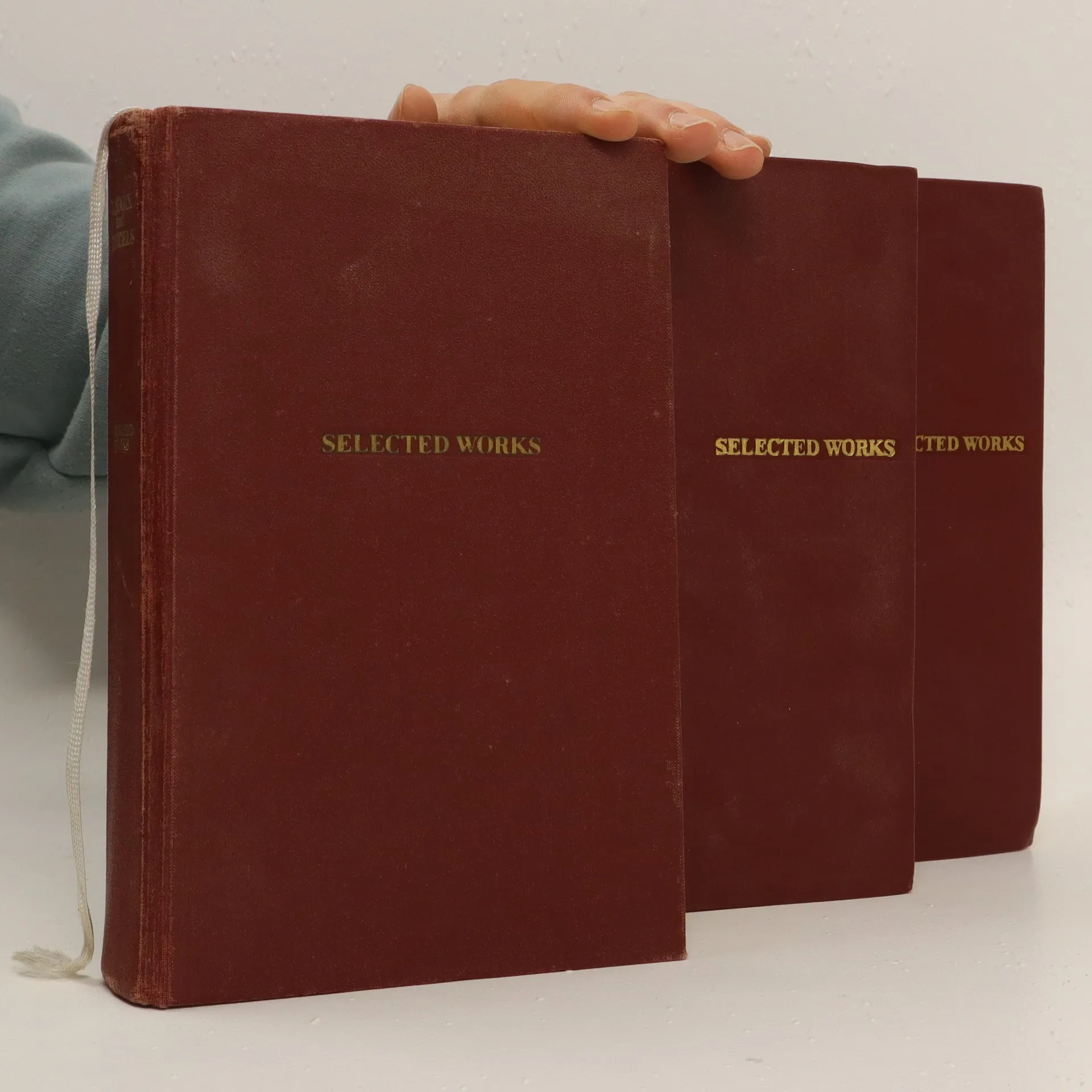
A reprint of the 1934 'enlarged edition', a volume that added newly translated material to the title essay. It includes an introduction by Engels ["Do you want to know that this dictatorship of the proletariat looks like? Then look at the Paris Commune. That was the dictatorship of the proletariat"], Marx's first and second 'Manifesto On The Franco-Prussian War', the correspondence of Marx & Engels on the Commune, and Engels' 'The Program of the Blanquist Fugitives from the Paris Commune'.
Translated From The Second German Edition By N. I. Stone With An Appendix
158pagine
6 ore di lettura
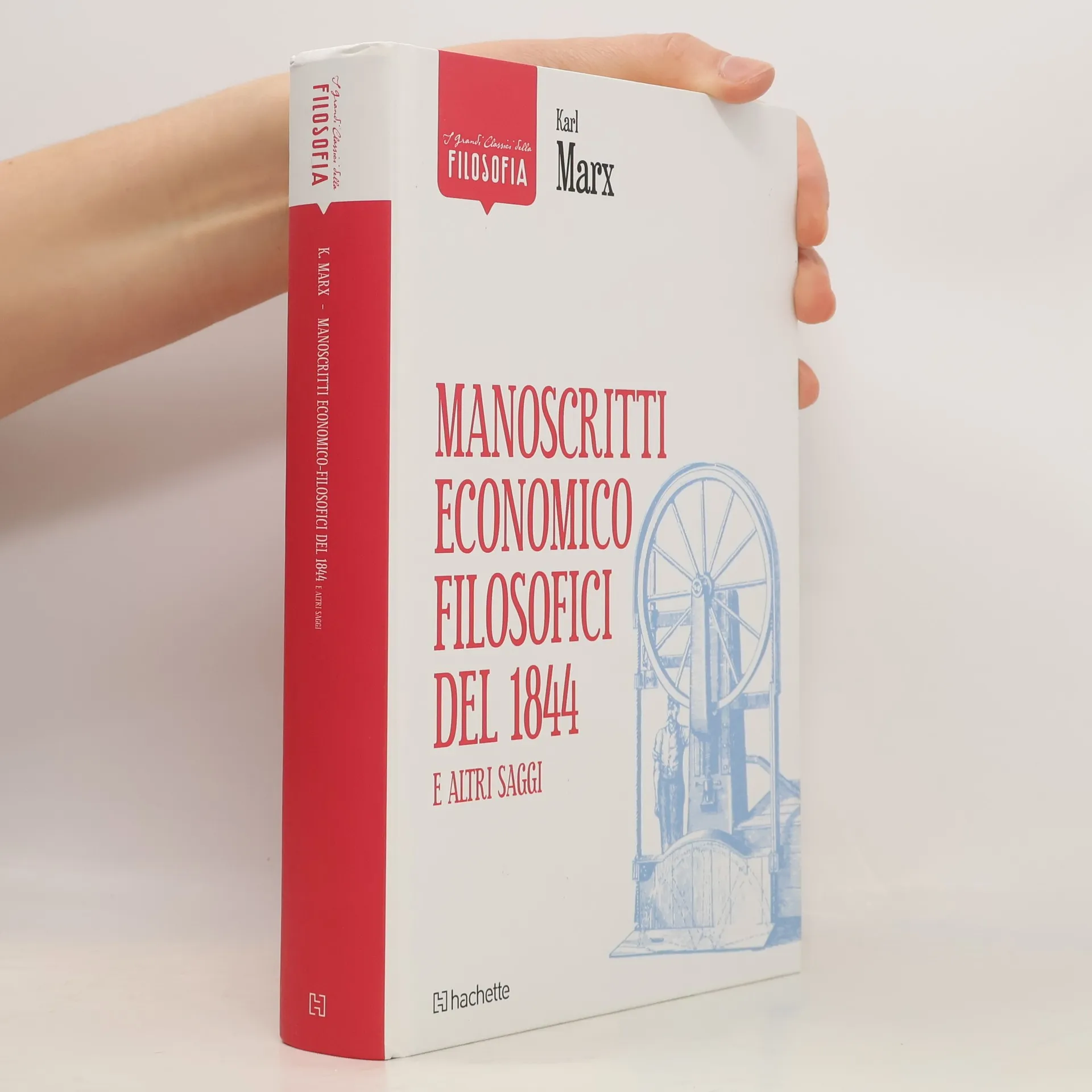
Focusing on the foundations of political economy, this work critiques classical economic theories and explores the relationship between labor, value, and capital. It delves into the dynamics of capitalist society and the impact of economic structures on social relations. The translation includes an appendix featuring Marx's introduction to the critique, providing additional insights into his revolutionary ideas. This edition is significant for those studying Marx's contributions to economic thought and its implications for political theory.
Exploring the economic theories of Karl Marx, this edition features two pivotal essays that delve into the dynamics between labor, value, and profit. "Wage Labour and Capital" lays the groundwork for concepts later expanded in "Das Kapital," while "Value, Price, and Profit" articulates Marx's belief that workers, who generate value, deserve a share in the profits through fair wages. Marx's insights into class struggle and economic inequality continue to resonate, making his work essential for understanding contemporary economic issues.
Manifesto of the Communist Party; Wage Labour & Capital; and Value, Price & Profit
154pagine
6 ore di lettura
Exploring the foundations of Marxist economic theory, this collection includes three pivotal works that delve into the critique of political economy, the nature of capitalism, and the dynamics of labor and value. Each treatise offers profound insights into the workings of capitalist societies, addressing issues such as exploitation, class struggle, and the relationship between labor and production. Together, they provide a comprehensive understanding of Marx's revolutionary ideas and their enduring impact on economic thought and social theory.
Since their first appearance as separate brochures Wage-Labour and Capital and Value, Price and Profit have served as popular introductions to the study of political economy, each complementing the other. The first is based on lectures delivered by Marx before the German Workingmen's Club of Brussels in 1847, the second is an address by Marx before two sessions of the General Council of the First International in London in 1865. Both classics are included in this volume.
The book explores the Paris Commune of 1871, highlighting its brief but impactful experiment in democracy and workers' governance. It includes Marx's address on the Commune, Lenin's reflections on its significance for building socialism, and Bertolt Brecht's poetic tribute. Additionally, it features the Manifesto of the Paris Commune's Federation of Artists, showcasing the cultural and political aspirations of the time. Together, these texts provide insights into revolutionary thought and the enduring legacy of the Commune in shaping socialist ideals.
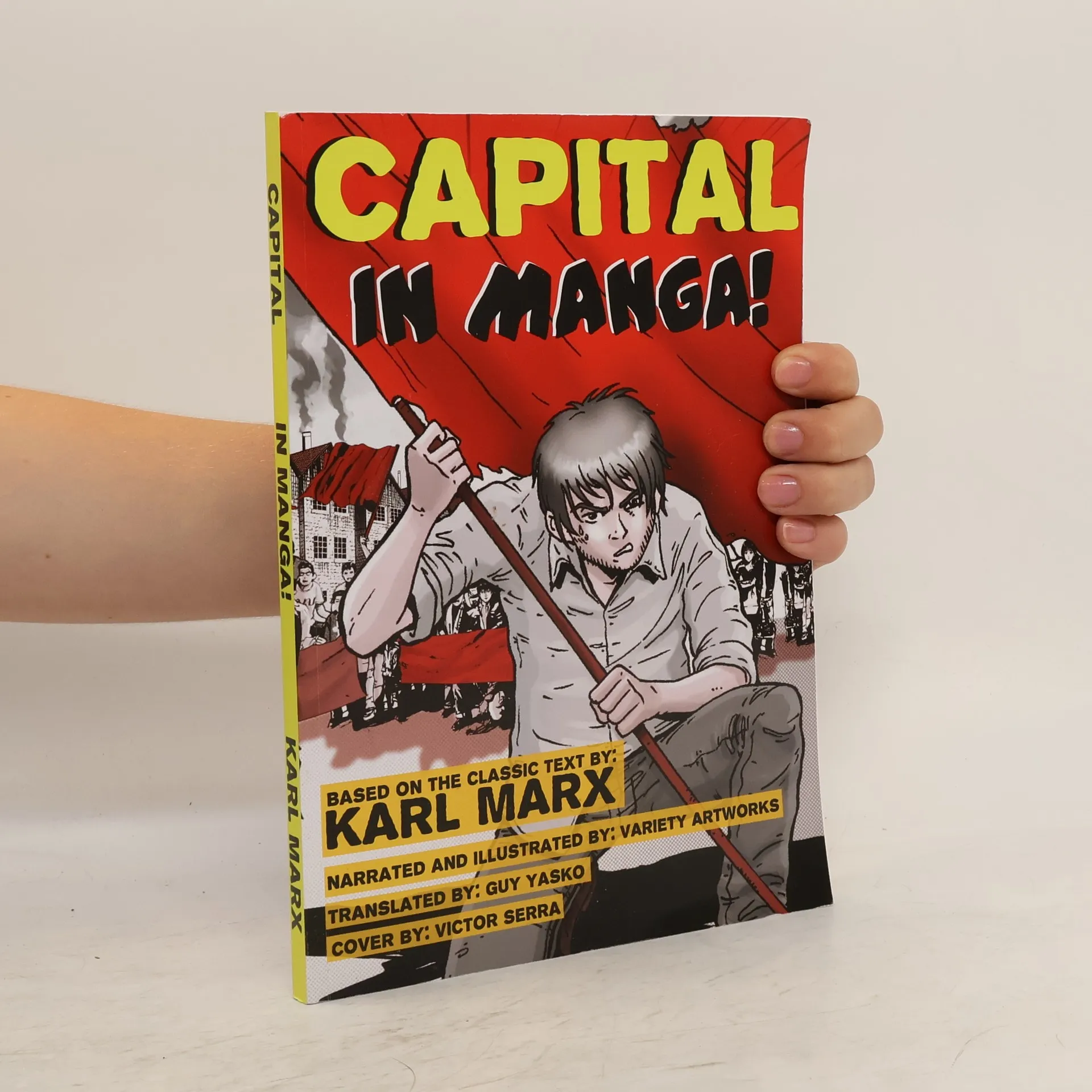
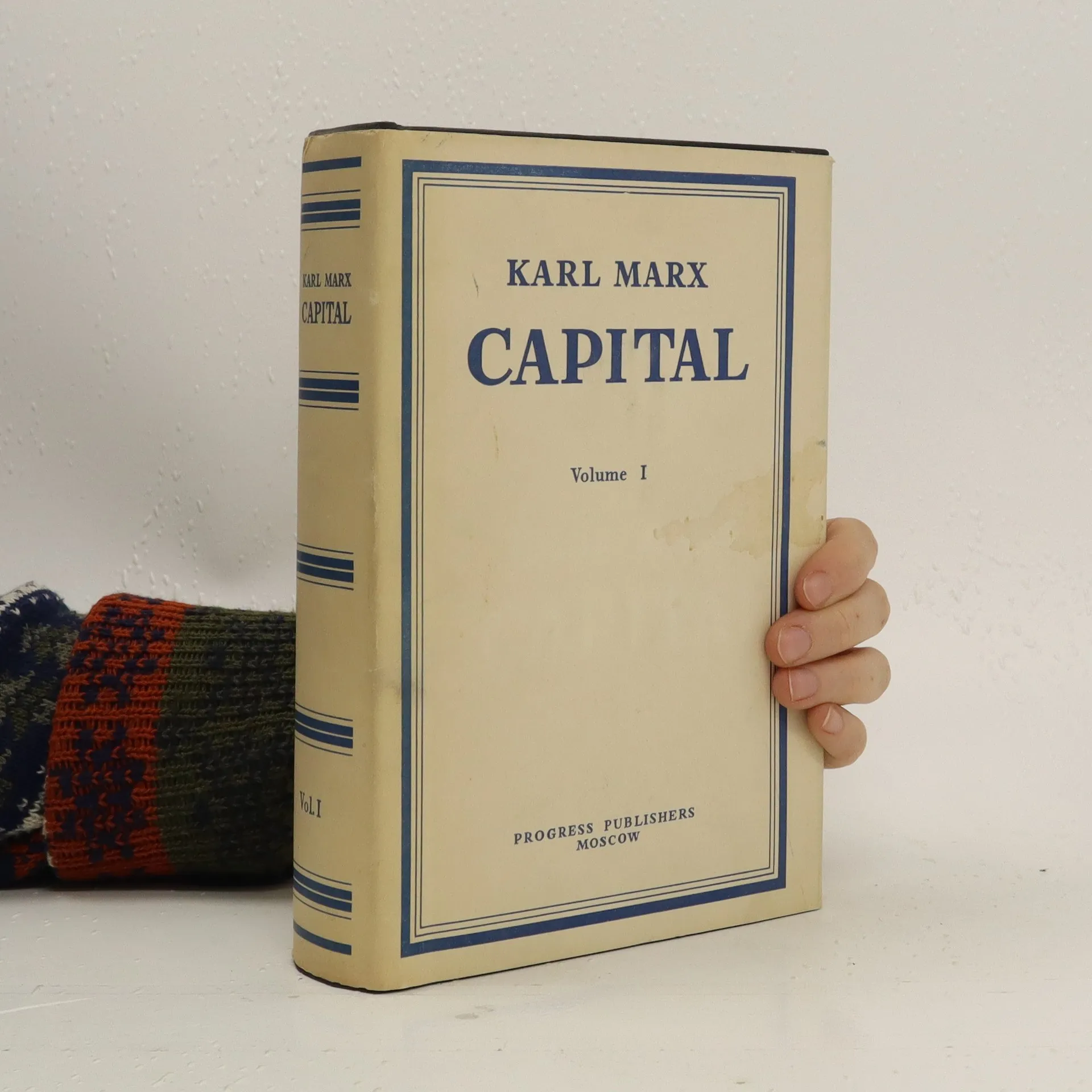
The first volume of a political treatise that changed the world One of the most notorious works of modern times, as well as one of the most influential, Capital is an incisive critique of private property and the social relations it generates. Living in exile in England, where this work was largely written, Marx drew on a wide-ranging knowledge of its society to support his analysis and create fresh insights. Arguing that capitalism would cause an ever-increasing division in wealth and welfare, he predicted its abolition and replacement by a system with common ownership of the means of production. Capital rapidly acquired readership among the leaders of social democratic parties, particularly in Russia in Germany, and ultimately throughout the world, to become a work described by Marx friend and collaborator Friedrich Engels as “the Bible of the working class.” For more than seventy years, Penguin has been the leading publisher of classic literature in the English-speaking world. With more than 1,700 titles, Penguin Classics represents a global bookshelf of the best works throughout history and across genres and disciplines. Readers trust the series to provide authoritative texts enhanced by introductions and notes by distinguished scholars and contemporary authors, as well as up-to-date translations by award-winning translators.
Written during the winter of 1857-8, the Grundrisse was considered by Marx to be the first scientific elaboration of communist theory. A collection of seven notebooks on capital and money, it both develops the arguments outlined in the Communist Manifesto (1848) and explores the themes and theses that were to dominate his great later work Capital. Here, for the first time, Marx set out his own version of Hegel's dialectics and developed his mature views on labour, surplus value and profit, offering many fresh insights into alienation, automation and the dangers of capitalist society. Yet while the theories in Grundrisse make it a vital precursor to Capital, it also provides invaluable descriptions of Marx's wider-ranging philosophy, making it a unique insight into his beliefs and hopes for the foundation of a communist state. For more than seventy years, Penguin has been the leading publisher of classic literature in the English-speaking world. With more than 1,700 titles, Penguin Classics represents a global bookshelf of the best works throughout history and across genres and disciplines. Readers trust the series to provide authoritative texts enhanced by introductions and notes by distinguished scholars and contemporary authors, as well as up-to-date translations by award-winning translators.
Karl Marx's Capital is the classic text of Marxism for economists, social scientists, philosophers, students and political activists alike. But the sheer extent of Marx's great work of political economy has often daunted readers, and hampered their understanding of his ideas. Chris Arthur has substantially edited and abridged Marx's monumental work, eliminating the more arcane polemics, the scholarly footnotes, statistical data and mathematical formulae. He leaves intact and clarified Marx's main theoretical arguments and the historical information which supports them. 'Chris Arthur has solved the problem of slimming down Capital with exceptional success' EJ Hobsbawm 'A skilful abridgement...approachable and readable' Sean Sayers, Political Studies
"A new beautiful edition of The Communist Manifesto, combined with Lenin’s key revolutionary tract. It was the 1917 Russian Revolution that transformed the scale of the Communist Manifesto, making it the key text for socialists everywhere. On the centenary of this upheaval, this volume pairs Marx and Engels’s most famous work with Lenin’s own revolutionary manifesto, The April Theses, which lifts politics from the level of everyday banalities to become an art-form."-- versobooks.com
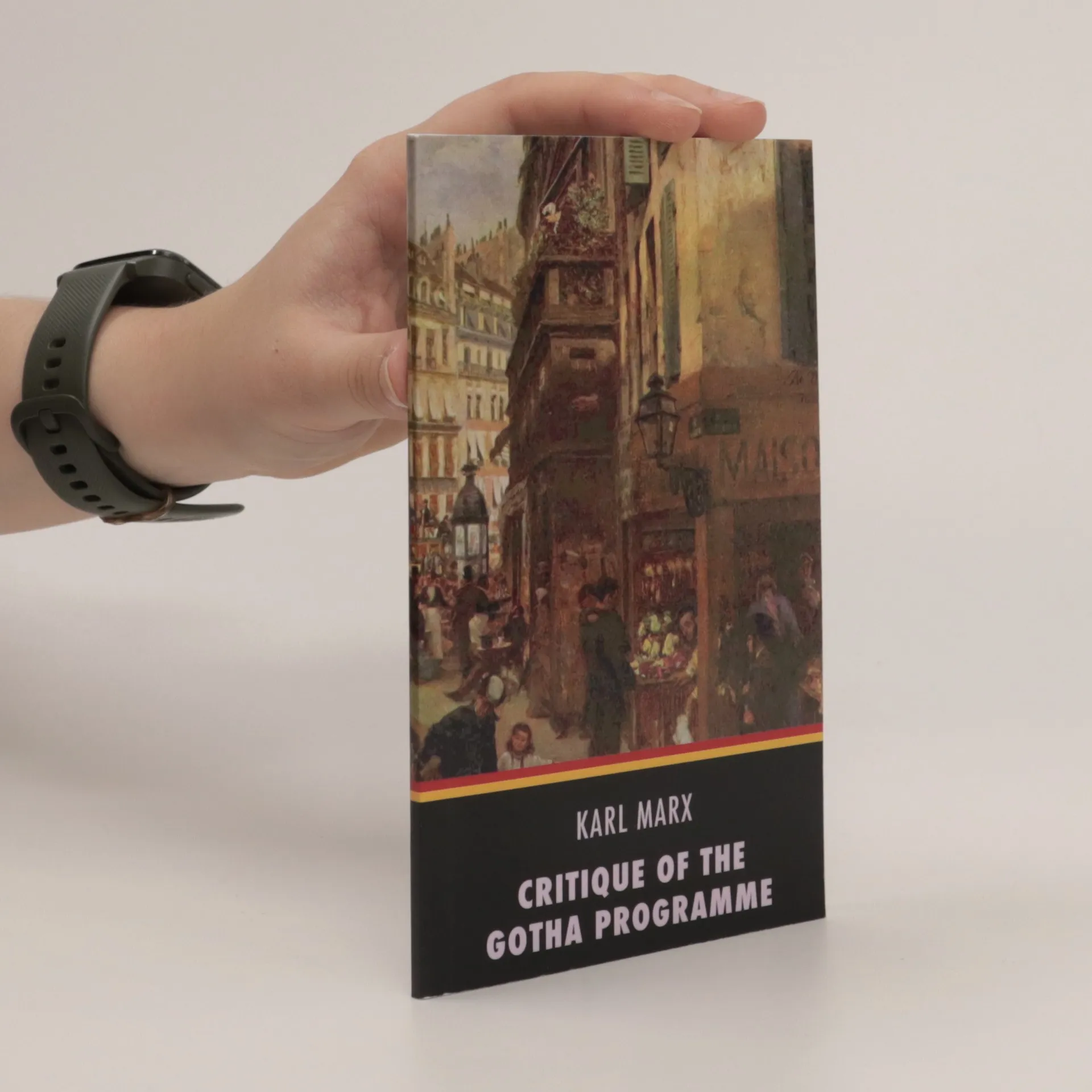
In Critique of the Gotha Programme, Karl Marx delivers a sharp analysis and critique of the socio-economic proposals of the German Social Democratic Party (SPD) from 1875. This influential work is essential for grasping the flaws and contradictions inherent in capitalist societies. Marx examines the fundamental principles and practical implications of the Gotha Programme, challenging its vision of socialism and exposing its internal contradictions. He meticulously dissects the program's views on labor, distribution, and the state's role, highlighting their inadequacy in addressing the oppressive nature of capitalism. Throughout the text, Marx confronts the flawed notions of equality and fairness claimed by the Gotha Programme, identifying the remnants of bourgeois thought that persist in the party's proposals, which continue to perpetuate class divisions and exploitative labor relations. His critique combines rigorous analysis with passionate prose, serving as a powerful indictment of capitalist ideology and a call for revolutionary societal transformation. This work showcases Marx's intellectual brilliance and commitment to the working class's emancipation, advocating for a true socialist revolution and a classless society. It remains a vital resource for those seeking to understand Marxist theory and its relevance to the struggle against exploitation and inequality.
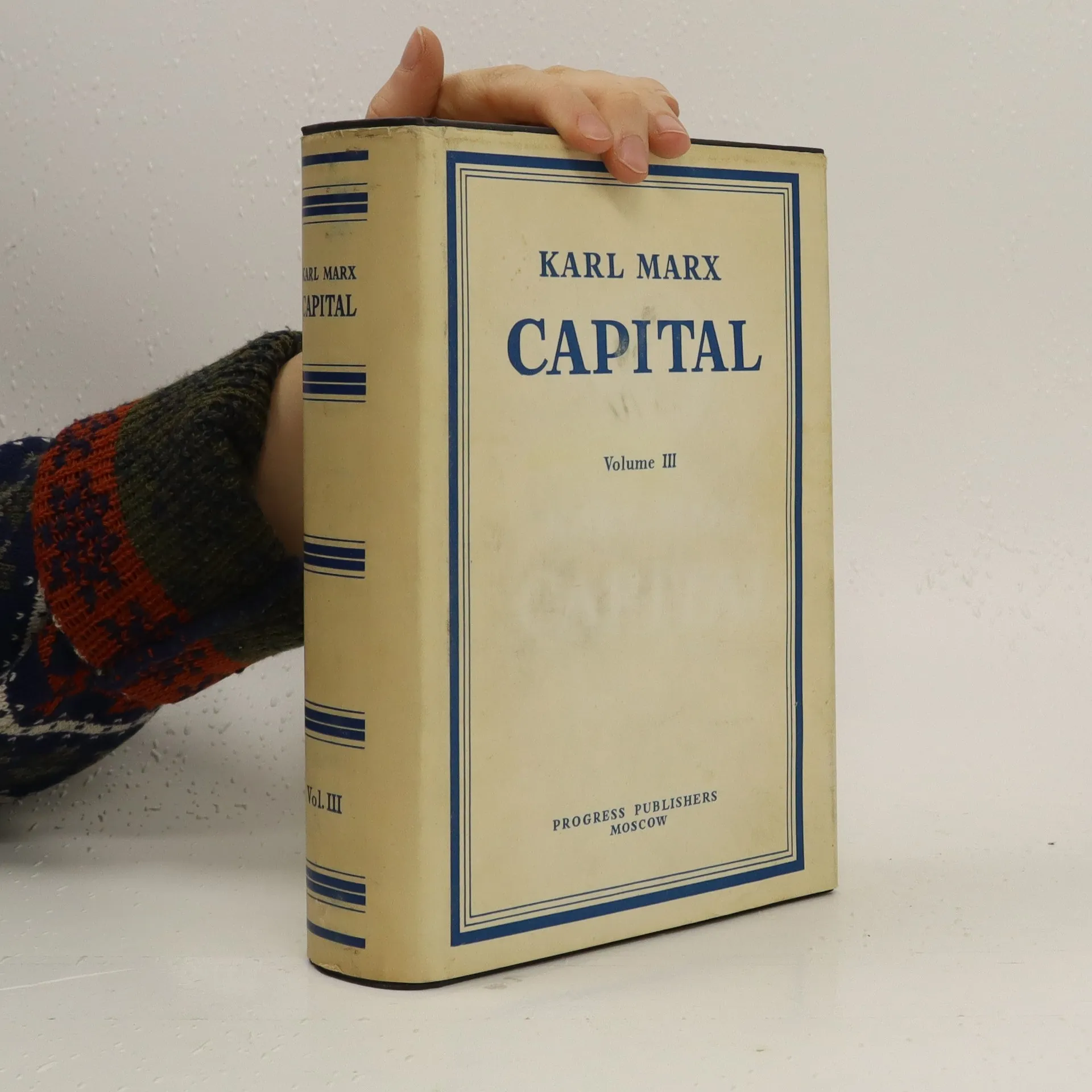
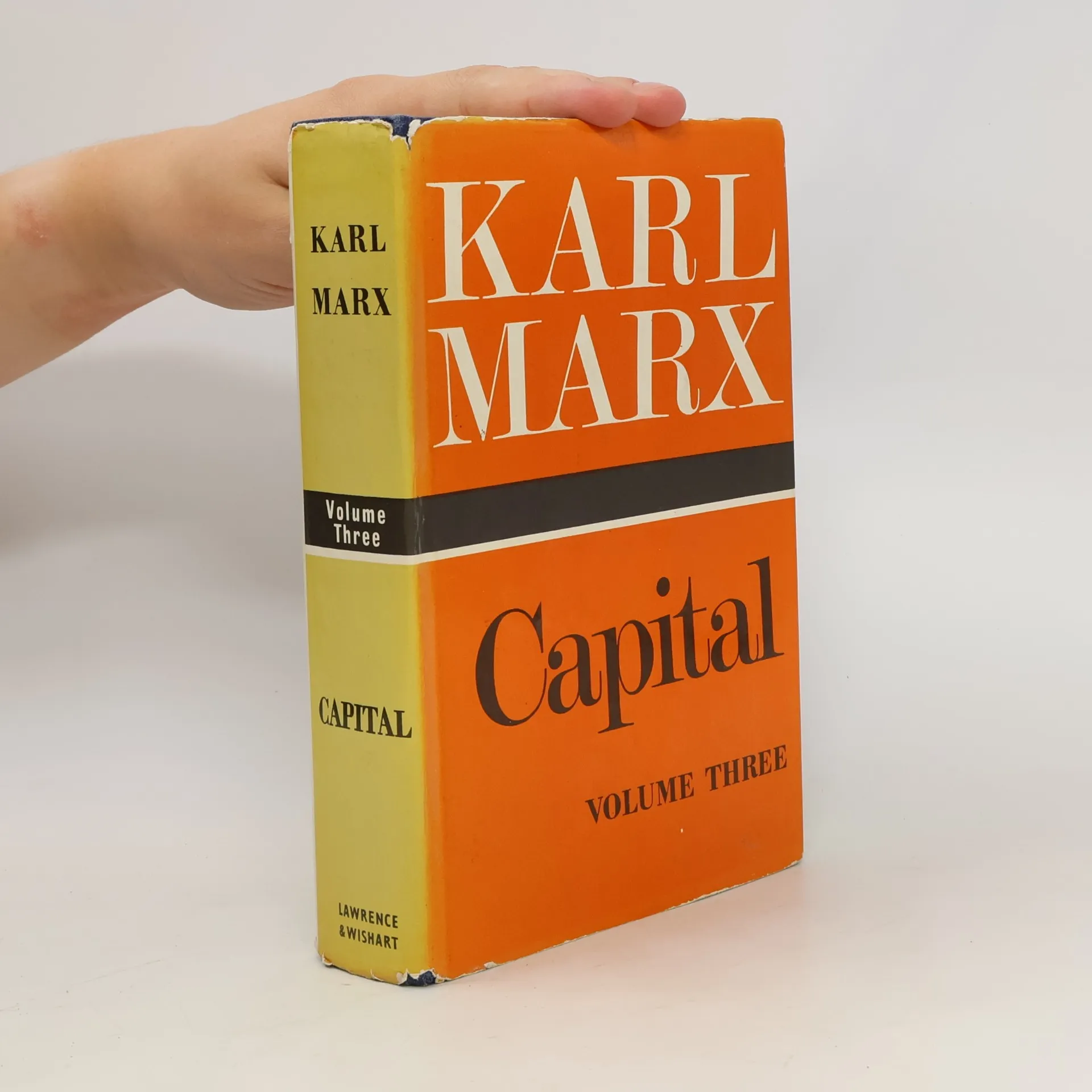
Unfinished at the time of Marx's death in 1883 and first published with a preface by Frederick Engels in 1894, the third volume of Das Kapital strove to combine the theories and concepts of the two previous volumes in order to prove conclusively that capitalism is inherently unworkable as a permanent system for society. Here, Marx asserts controversially that - regardless of the efforts of individual capitalists, public authorities or even generous philanthropists - any market economy is inevitably doomed to endure a series of worsening, explosive crises leading finally to complete collapse. But healso offers an inspirational and compelling prediction: that the end of capitalism will culminate, ultimately, in the birth of a far greater form of society.
This paper highlights two notable characteristics of Marx: his patient effort to clarify his ideas for even the simplest student and the remarkable clarity of those ideas. The volume serves as a concise summary of the first volume of Capital, which many have attempted to analyze and simplify, often with limited success. A humorous commentator has suggested that Marx should explain our interpretations of his work. Students frequently ask for the best sequence of books to grasp the fundamental principles of Socialism, a challenging question to answer. A possible recommendation includes Engels' Socialism, Utopian and Scientific, followed by this work, the first volume of Capital, and the Student's Manual. My contribution to this work involved reading the manuscript, suggesting English expressions, organizing the chapters, and revising proofs for publication. The majority of the work, however, was accomplished by the individual credited on the title page. This edition is a reproduction of an important historical work, published by Forgotten Books, which employs advanced technology to digitally reconstruct texts while preserving their original format and repairing imperfections. While some flaws from the original may remain, most have been successfully addressed to maintain the integrity of these historical works.
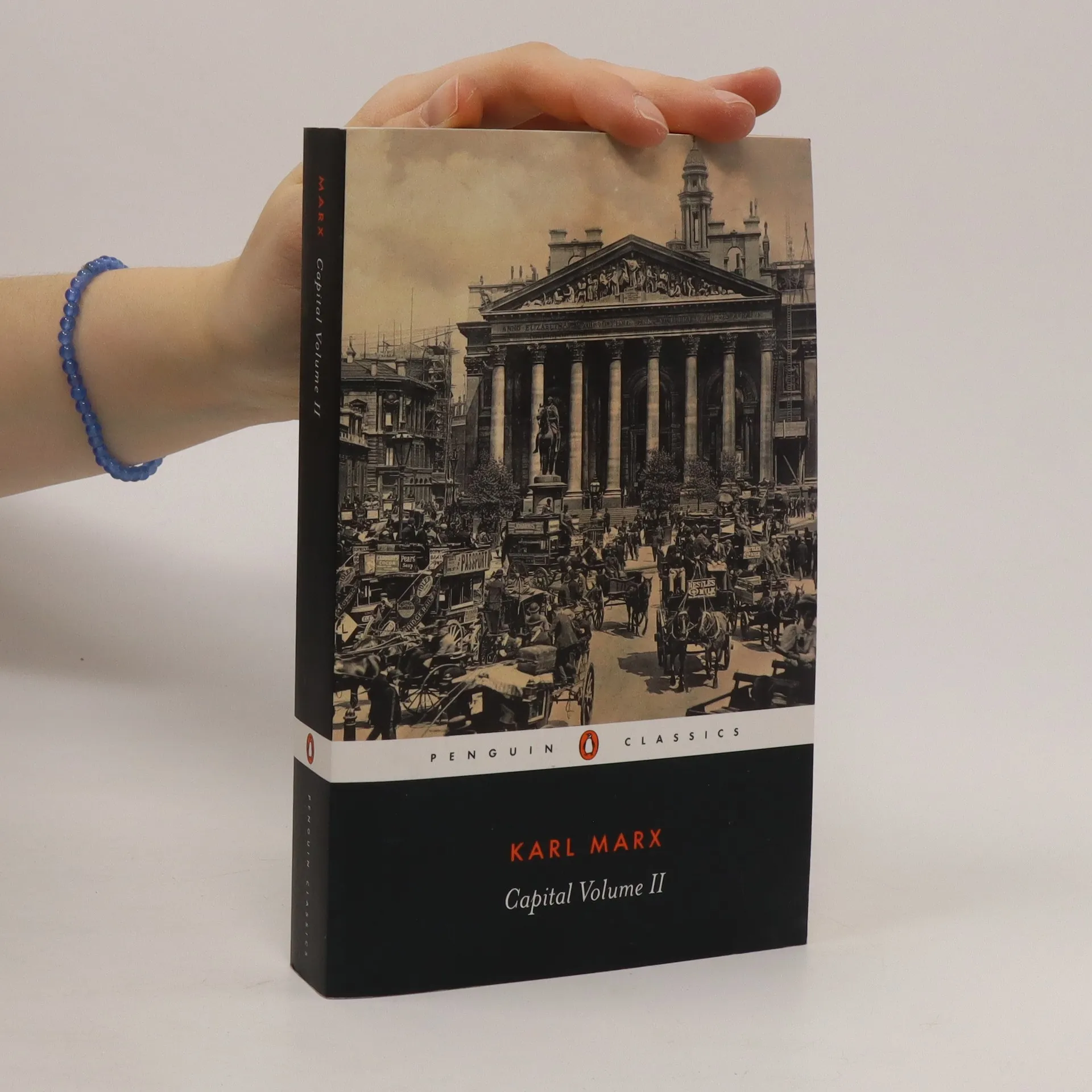
The "forgotten" second volume of Capital, Marx's world-shaking analysis of economics, politics, and history, contains the vital discussion of commodity, the cornerstone to Marx's theories.
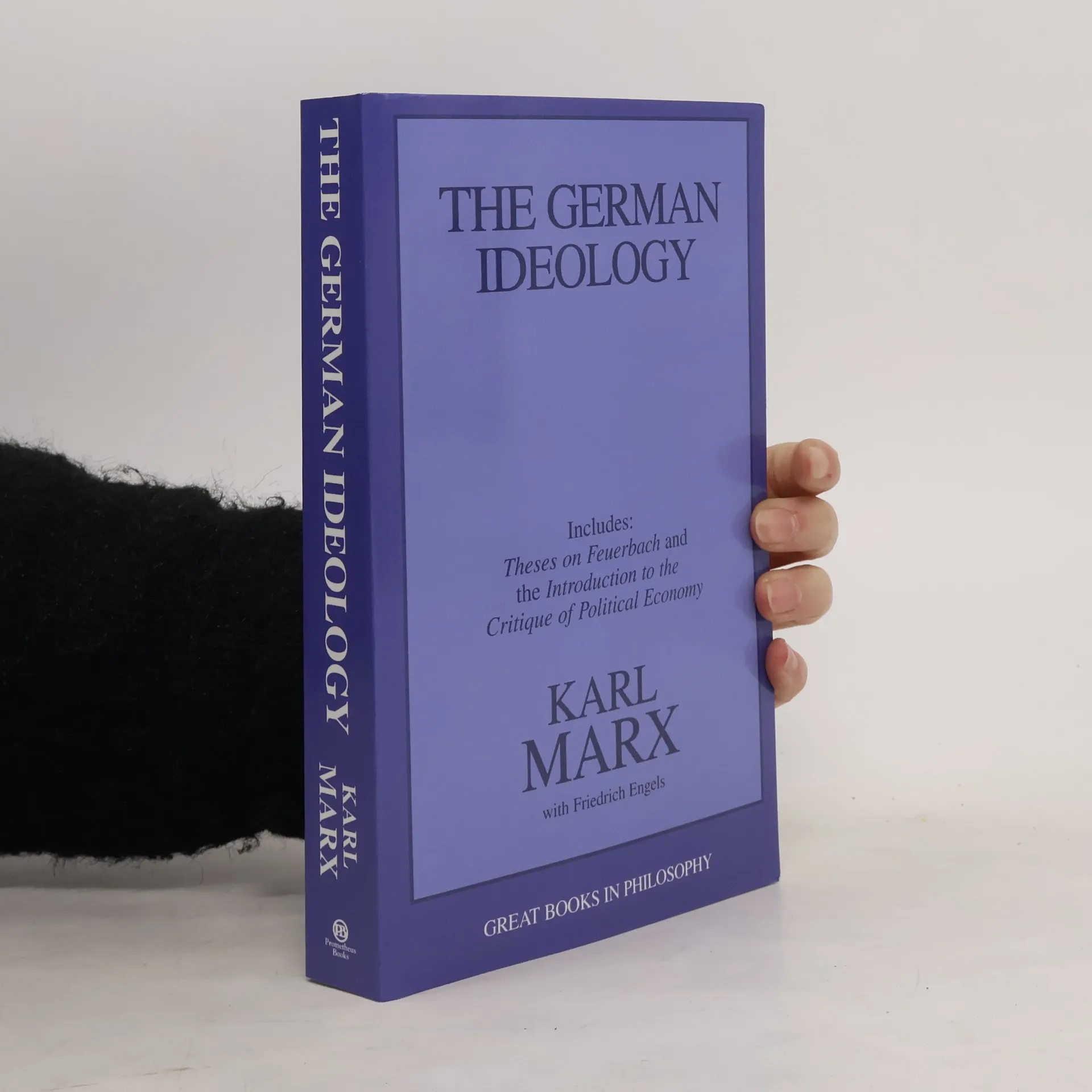
Nearly two years before his powerful Communist Manifesto, Marx (1818—1883) co-wrote The German Ideology in 1845 with friend and collaborator Friedrich Engels expounding a new political worldview, including positions on materialism, labor, production, alienation, the expansion of capitalism, class conflict, revolution, and eventually communism. They chart the course of "true" socialism based on G. W.F. Hegel's dialectic, while criticizing the ideas of Bruno Bauer, Max Stirner and Ludwig Feuerbach. Marx expanded his criticism of the latter in his now famous Theses on Feuerbach, found after Marx's death and published by Engels in 1888. Introduction to the Critique of Political Economy, also found among the posthumous papers of Marx, is a fragment of an introduction to his main works. Combining these three works, this volume is essential for an understanding of Marxism.
Focusing on the revolutionary government that briefly ruled Paris in 1871, this historical account by Karl Marx delves into the events leading to the Paris Commune, its policies, and its eventual defeat. Marx analyzes the socio-political conditions that birthed the Commune, viewing it as a pioneering effort by the working class to create a socialist government and a new democracy. He critiques its initiatives aimed at worker control, social welfare, and education, while also discussing its military strategies. This work is crucial for understanding early socialist movements and workers' rights struggles.
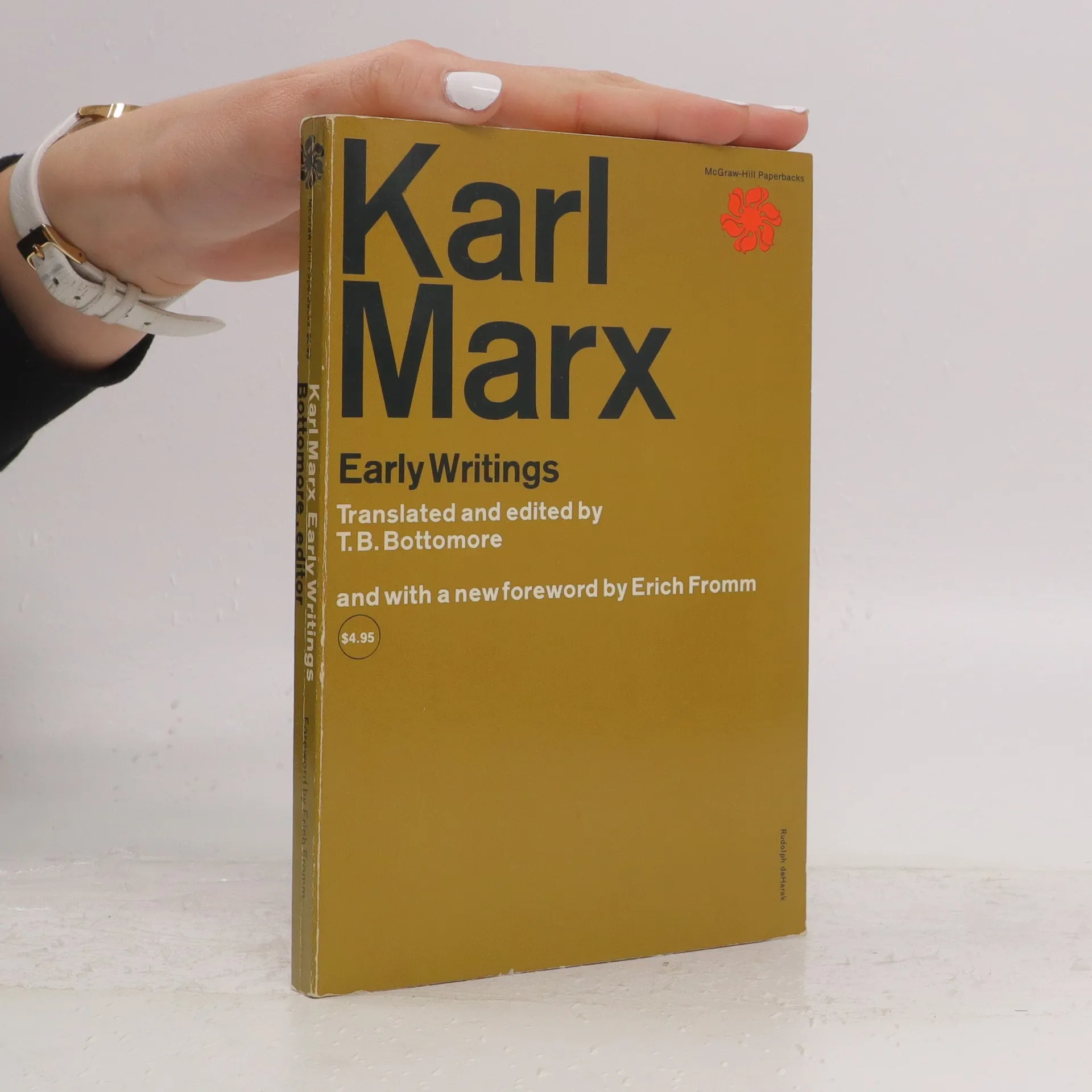
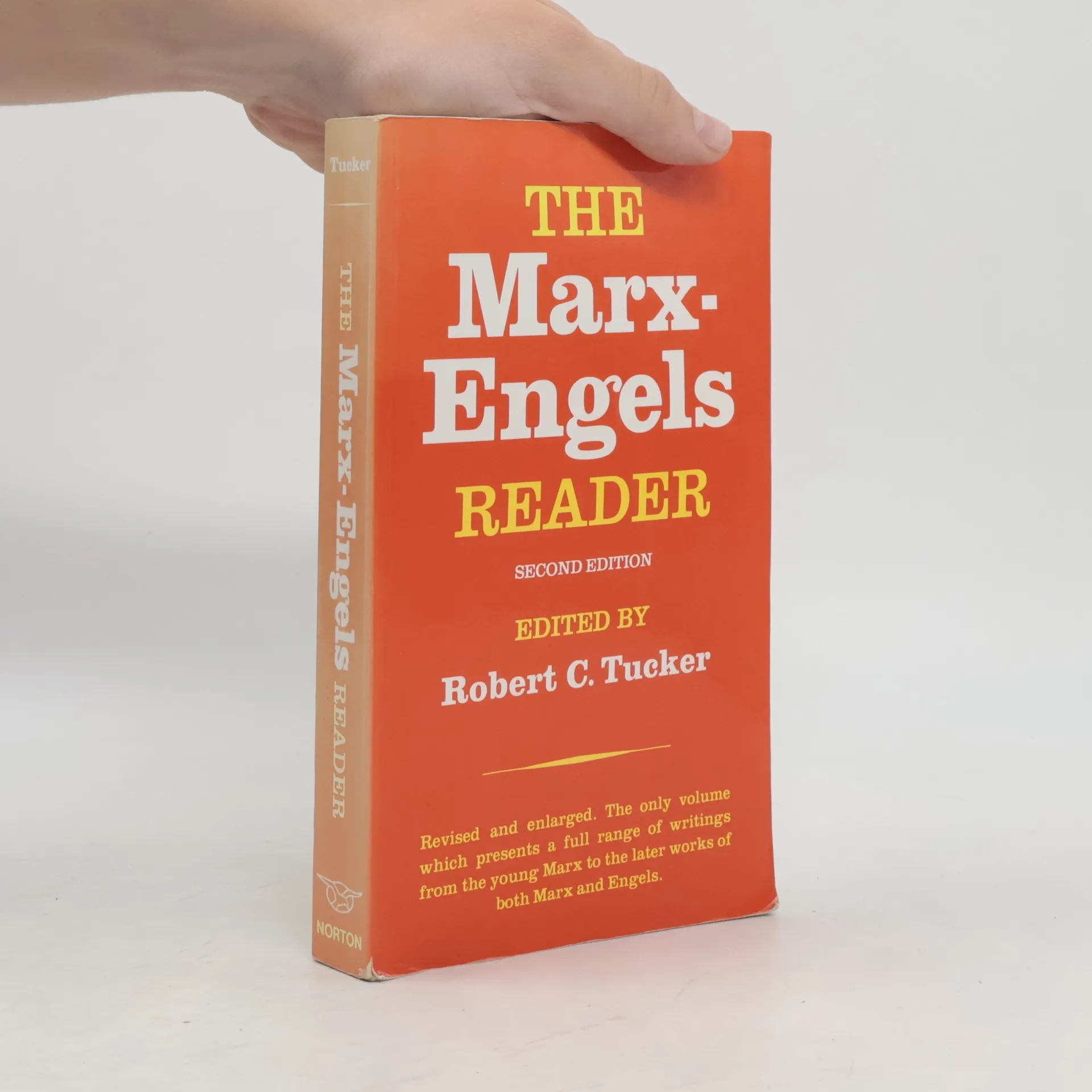
This anthology emphasizes Marx as a political sociologist and philosopher of history rather than as an economist. Engels' and Marx's writing are represented here in their full variety and also include little-known letters and essays.
Includes the complete Communist Manifesto and substantial extracts from On the Jewish Question, the German Ideology, Grundrisse, and Capital, a broad representation of his letters, and lesser-known works, especially his long-unavailable, early works.
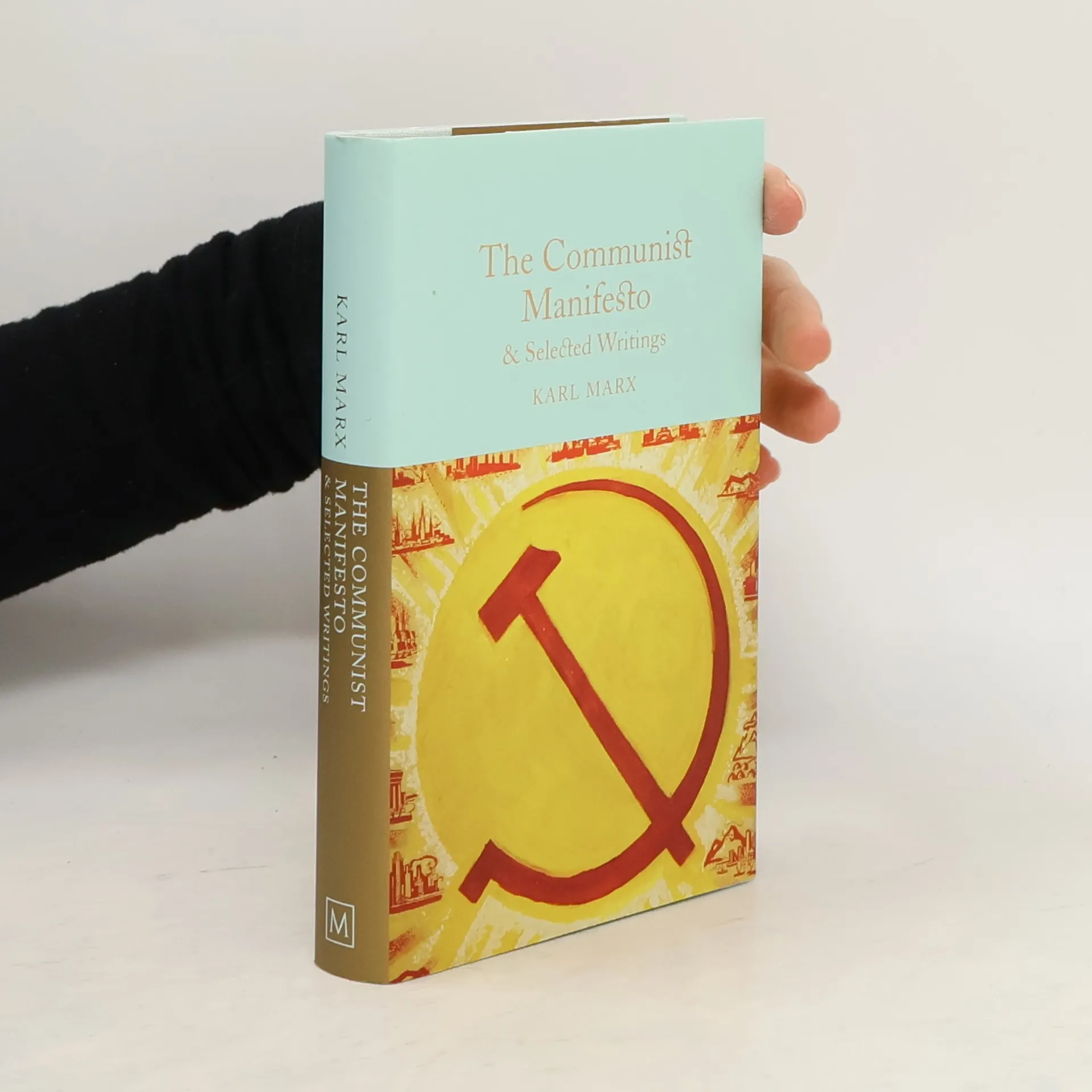
Designed to appeal to the book lover, the Macmillan Collector's Library is a series of beautifully bound pocket-sized gift editions of much loved classic titles. Bound in real cloth, printed on high quality paper, and featuring ribbon markers and gilt edges, Macmillan Collector's Library are books to love and treasure. Karl Marx’s Communist Manifesto, first printed just before the French revolution of 1848, is his most accessible and famous work. In his powerful call to arms, Marx expounds his famous theory that class struggle is the real determinant of historical change. Next in this volume comes his treatise, Wages, Price and Profit, written in 1865, which serves as an accessible introduction to the ideas which Marx went on to develop in Capital, his masterful, multi volume analysis of how the world was irreversibly changed by the industrial revolution. This Macmillan Collector’s Library edition contains the most salient extracts from his great work, selected and introduced by Hugh Griffith. Whilst old-style Marxism is now dead and buried, today's conflicts within capitalism are as sharp as ever and Marx’s brilliant, painstaking writings remain disturbingly relevant.
The book explores the relevance of Karl Marx's ideas in today's context of increasing economic disparity. It delves into Marx's critique of the global economic system, emphasizing how wealth generation exploits workers through mechanisms like "surplus value," unpaid labor, and the pressures of credit. By reflecting on these insights, the new generation seeks to understand the complexities of wealth accumulation and the systemic issues that perpetuate inequality.
Capital , one of Marx's major and most influential works, was the product of thirty years close study of the capitalist mode of production in England, the most advanced industrial society of his day. This new translation of Volume One , the only volume to be completed and edited by Marx himself, avoids some of the mistakes that have marred earlier versions and seeks to do justice to the literary qualities of the work. The introduction is by Ernest Mandel, author of Late Capitalism , one of the only comprehensive attempts to develop the theoretical legacy of Capital.
A 1848 political pamphlet by the German philosophers Karl Marx and Friedrich Engels
40pagine
2 ore di lettura
Focusing on the class struggle and the conflicts inherent in capitalism, this influential 1848 pamphlet by Karl Marx and Friedrich Engels was commissioned by the Communist League. Published in London amidst the Revolutions of 1848, it analyzes historical and contemporary societal dynamics rather than forecasting the future of communism. The work has since become a cornerstone in political thought, sparking discussions on class conflict and the capitalist system.
This comprehensive collection showcases the extensive writings of Karl Marx, highlighting his profound impact on political theory, economics, and social philosophy. It includes his key texts, offering insights into his critiques of capitalism, class struggle, and historical materialism. The compilation serves as an essential resource for understanding Marx's ideas and their relevance in contemporary discussions on society and economics.
This is a fascinating collection of newspaper articles and correspondence by Marx and Engels, showing how Marx supported the North's conduct of the war, viewing it as a gigantic "class struggle" -- perhaps the first big class struggle.
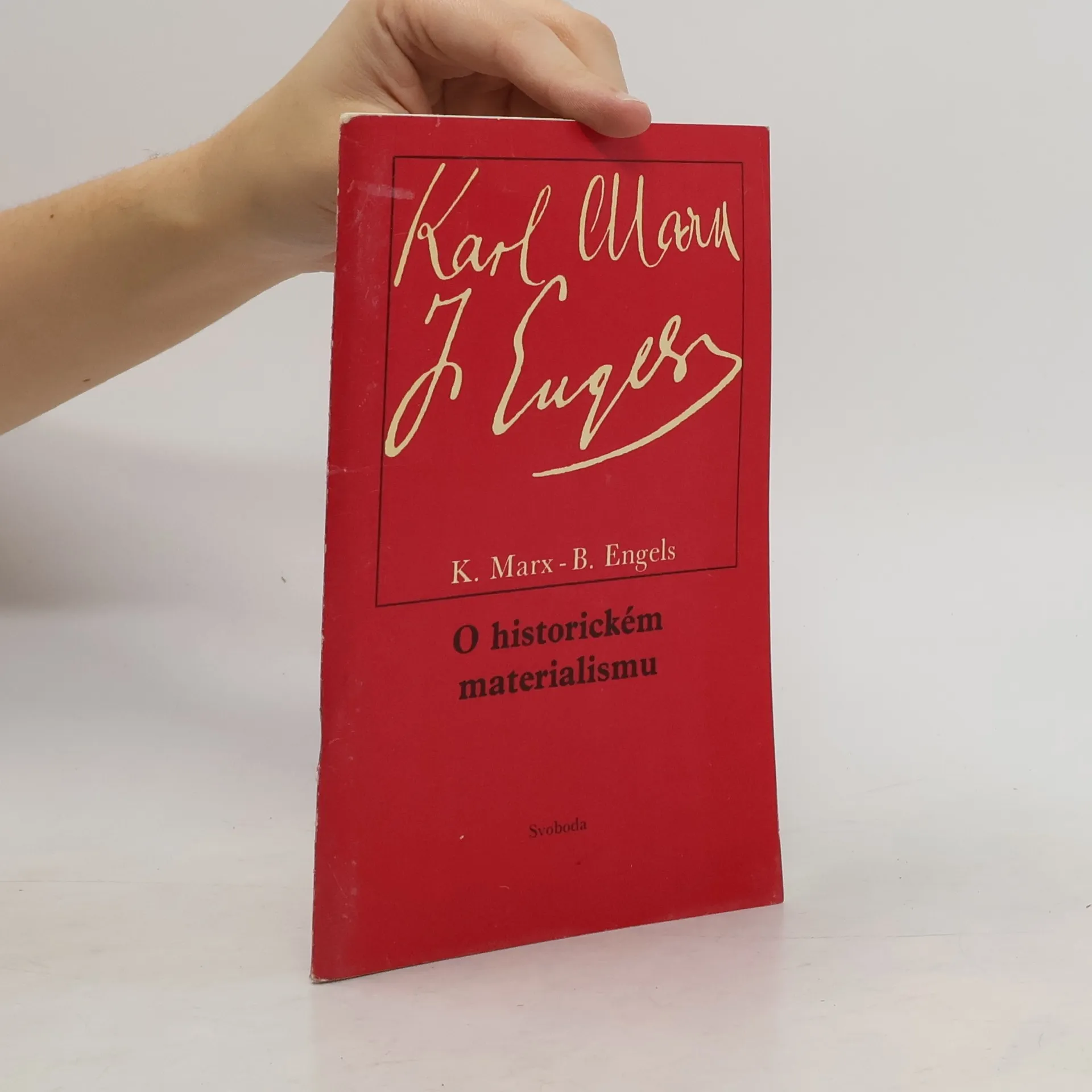
"Filosofové svět jen různě vykládali, jde však o to jej změnit!" Výbor z textů obou filosofů dotýkajících se tématu historického materialismu: Předmluva ke kritice politické ekonomie, Ke kritice Hegelovy filosofie práva, Z korespondence, O historickém materialismu, These o Feuerbachovi.
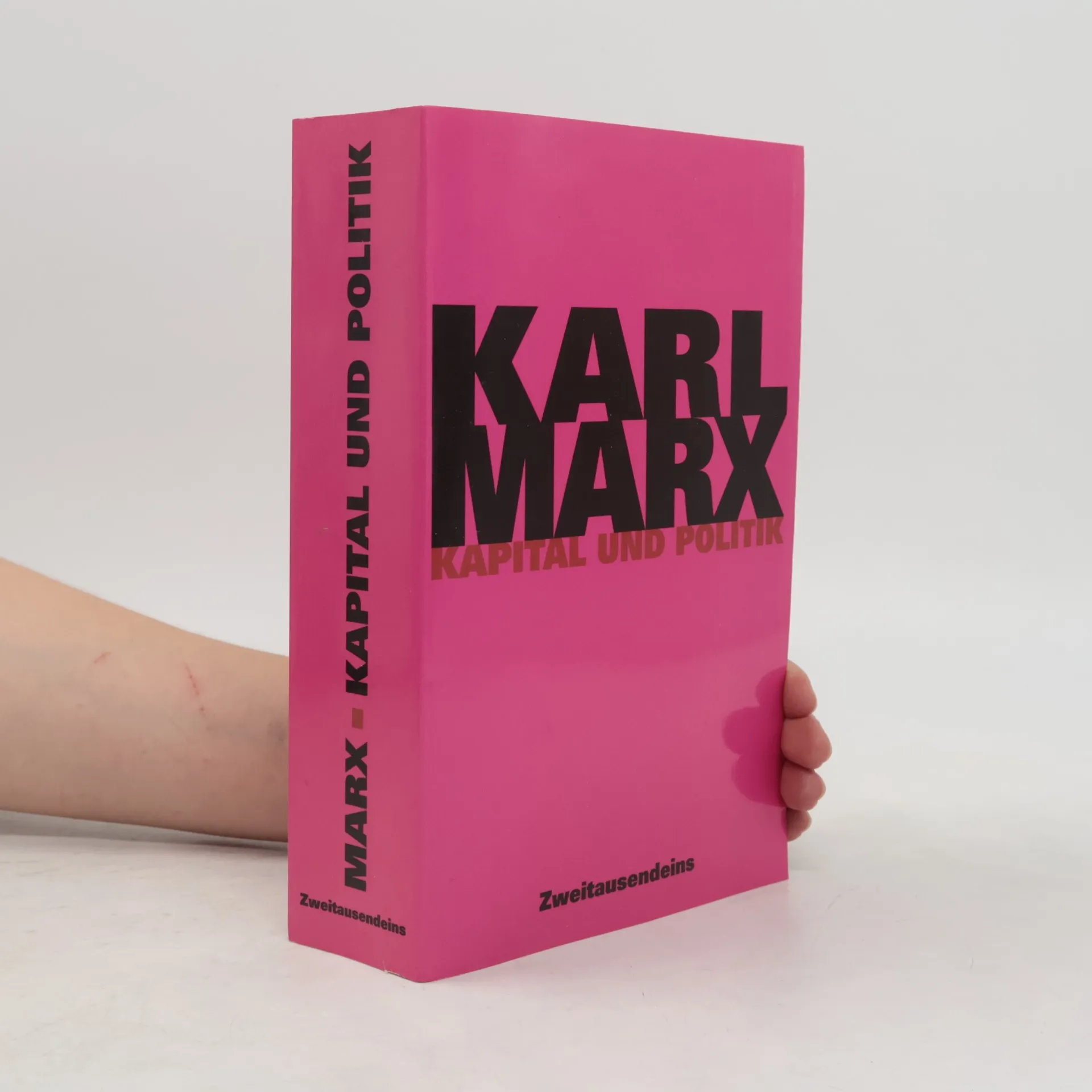
Im 19. Jahrhundert, als Technik und Naturwissenschaften rasant voranschreiten, erkennt ein junger Journalist, welchen gesellschaftlichen Sprengstoff dies birgt. Der 24-jährige Karl Marx, Chefredakteur der Rheinischen Zeitung in Köln, wird zur Stimme der demokratischen Opposition in Deutschland. Er berichtet über das Elend der Arbeiter, bis die Zeitung 1843 verboten wird. Marx erkennt, dass die neuen Fabrikationsmethoden durch die technische Revolution enorme Möglichkeiten zur Bereicherung bieten. Der Profit eines Unternehmers resultiert hauptsächlich daraus, dass er seinen Beschäftigten nur einen Bruchteil des Wertes zahlt, den sie schaffen. Dieser „Mehrwert“ wird in neue Technologien investiert, was den Gewinn weiter steigert und die Kluft zwischen Arm und Reich vergrößert. Die Notwendigkeit weniger Arbeiter führt zu steigender Arbeitslosigkeit, gedrückten Löhnen und wachsender Verelendung. Teile von Marx' Gesellschaftsanalyse sind auch heute relevant für die Interpretation unserer politischen Lage. Kritiker bemerken, dass das, was wohlhabenden Nutznießern als globales Wirtschaftswachstum erscheint, von Millionen als Umverteilung zugunsten weniger Großunternehmen und Kapitaleigner wahrgenommen wird. Die Hauptwerke von Marx' Wirtschafts- und Gesellschaftstheorie sind in einem kompakten Reader zusammengestellt.
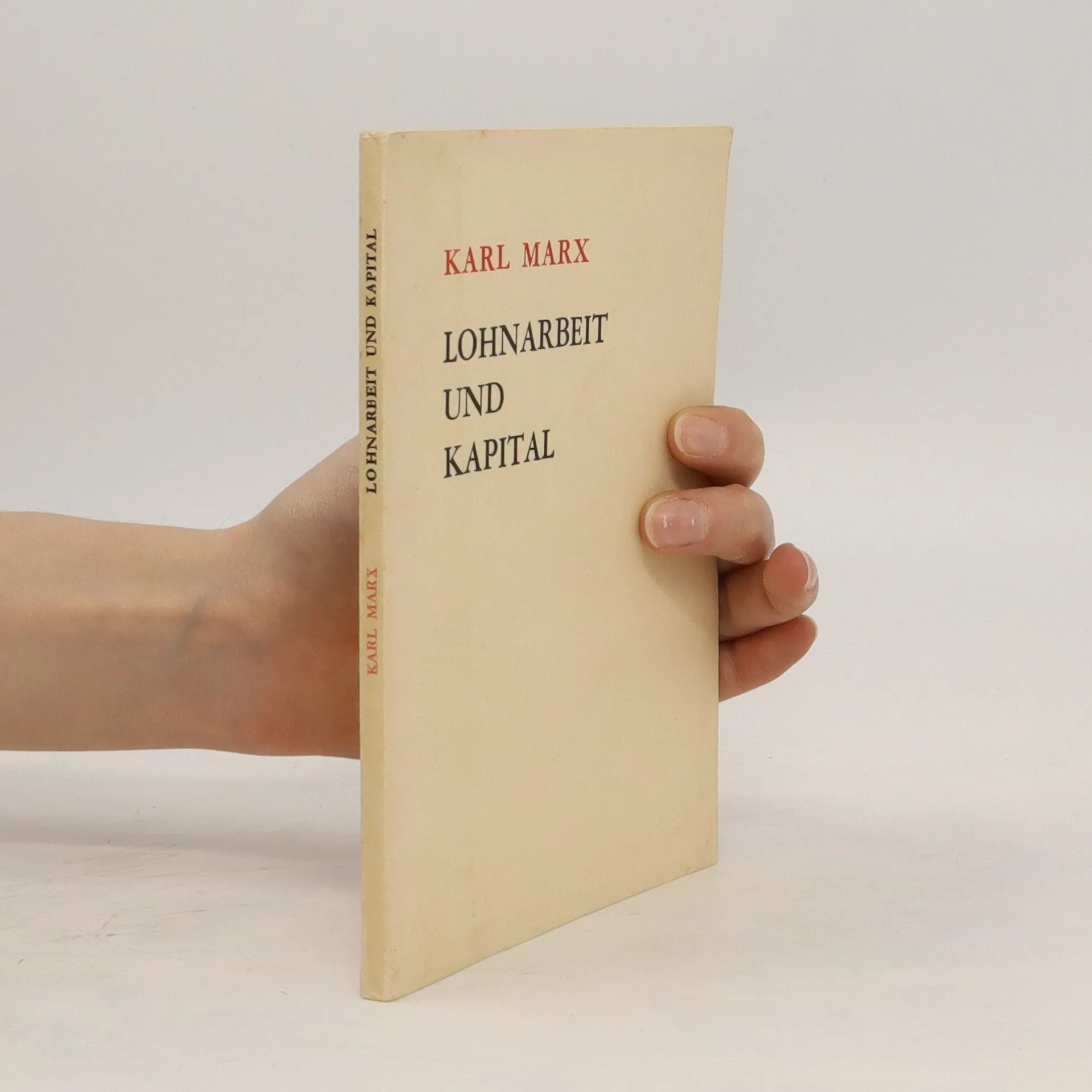
Die beiden in diesem Band enthaltenen ökonomischen Arbeiten von Marx sind Ausdruck der engen Verbindung des theoretischen Erkenntnisprozesses mit dem praktischen Kampf der Arbeiter. In ihrer ursprünglichen Fassung waren sie Vorträge, die Marx vor Arbeitern gehalten hatte - über 'Lohnarbeit und Kapital' sprach er 1847 vor den Mitgliedern des Brüsseler Deutschen Arbeitervereins, und das Verhältnis von 'Lohn, Preis und Profit' legte er 1865 im Generalrat der I. Internationale dar. Anschaulich erklärte er den Arbeitern das Wesen der kapitalistischen Ausbeutung sowie die ökonomischen Grundlagen der Herrschaft der Bourgeoisie und der Lohnsklaverei; daraus leitete er die Bedeutung des ökonomischen Kampfes ab und erläuterte Aufgaben und Nutzen der Gewerkschaften. Beide Schriften sind von Marx selbst verfaßte Einführungen in seine politische Ökonomie und helfen, das 'Kapital', sein theoretisches Hauptwerk, zu erschließen.