

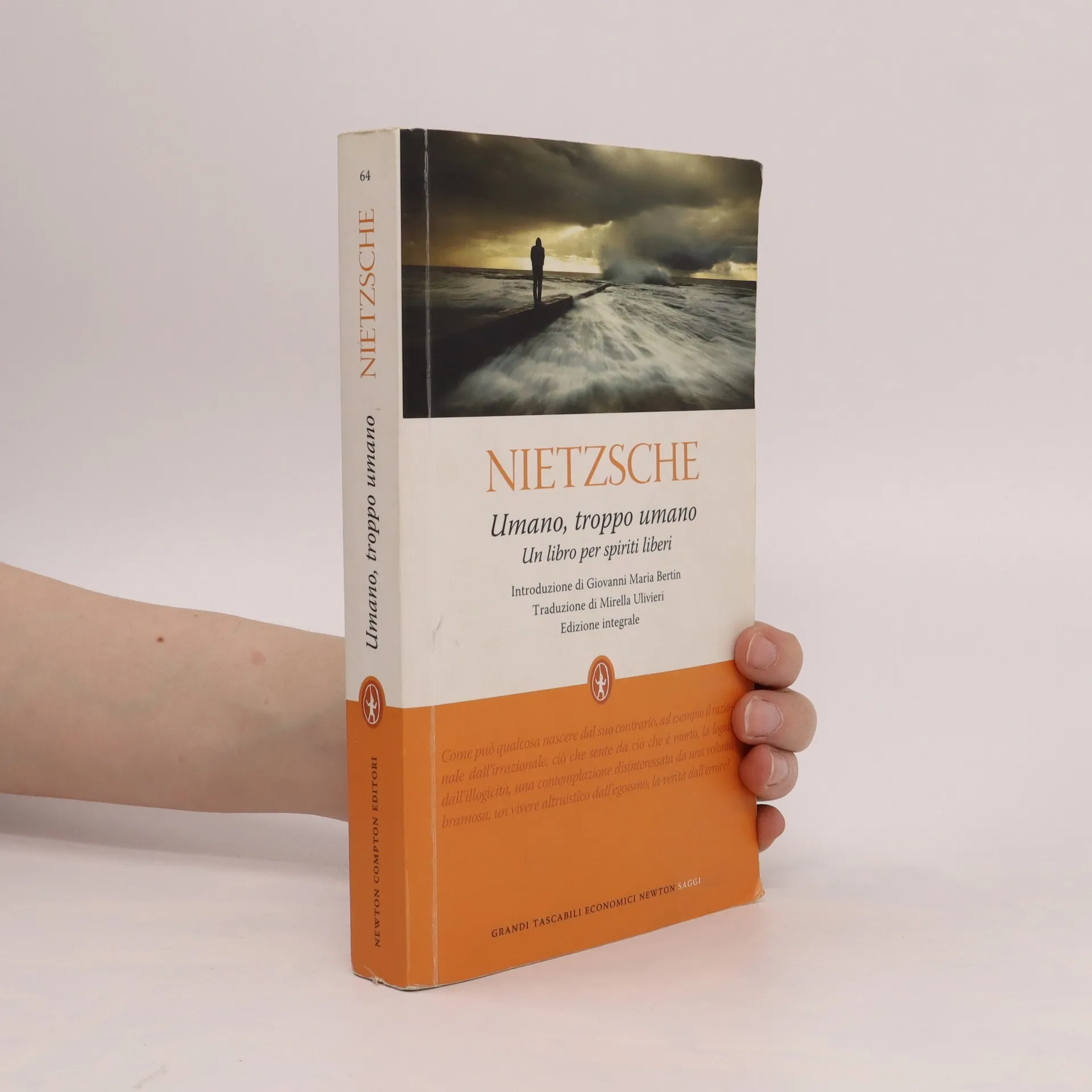
"Dedicato alla memoria di Voltaire nell'anniversario della sua morte avvenuta il 30 maggio 1778" volle scrivere Nietzsche sul frontespizio della prima edizione di Umano, troppo umano, quasi a sottolineare il carattere "illuministico" di questa sua opera. Scritto tra il 1876 e il 1879, il libro, nella sua forma definitiva, comprende due volumi, nel secondo dei quali Nietzsche raccolse Opinioni e detti diversi e II viandante e la sua ombra, già pubblicati separatamente. Circola in quest'opera, che rifiuta la tentazione metafisica e le sue cristallizzazioni dogmatiche di un conoscere separato dalla vita, una sorta di sottile e spregiudicata ebbrezza intellettuale che cattura il lettore per la ritmica felicità espressiva, perfettamente aderente al gusto della conquista interiore.
Stephen Lehmann Libri

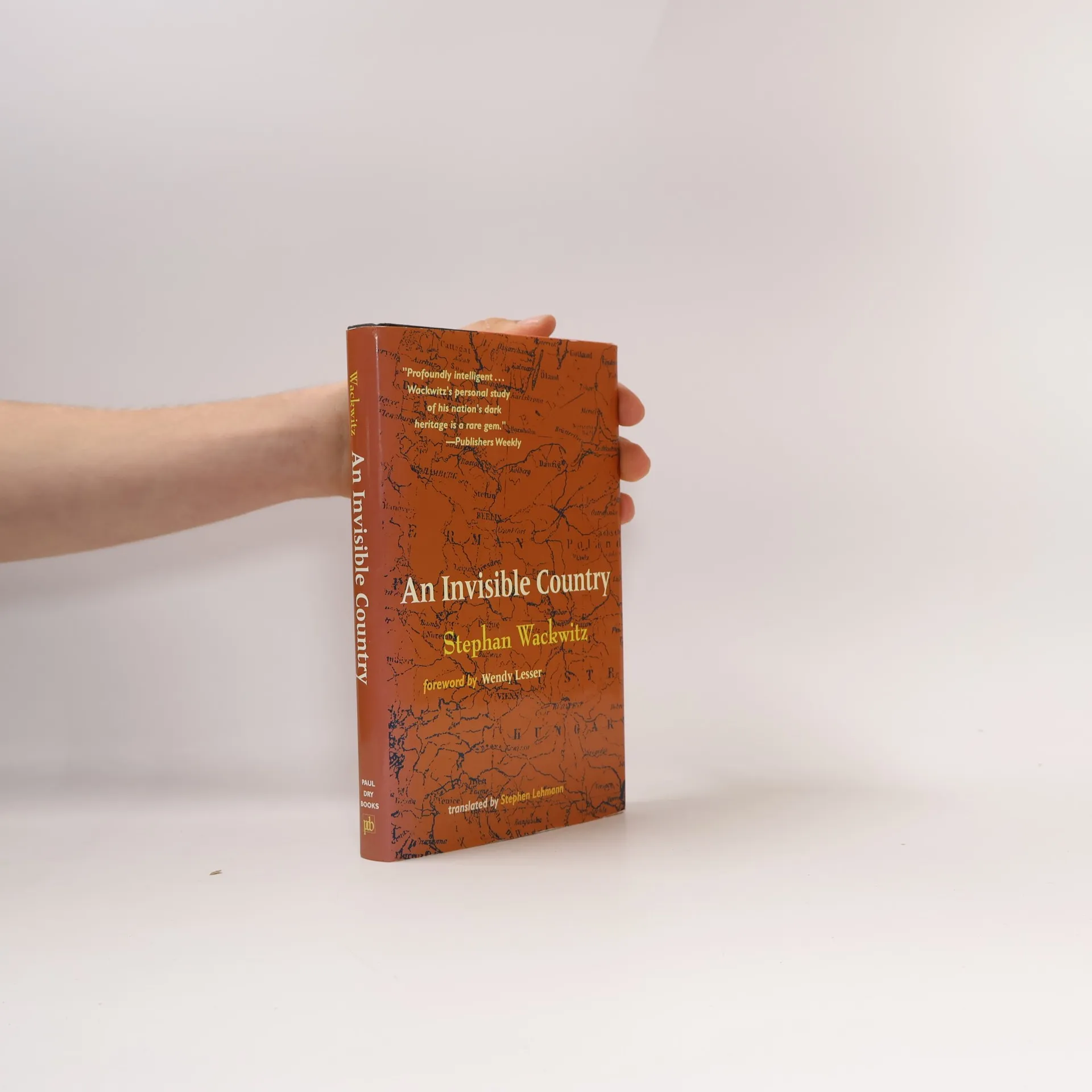
An Invisible Country
- 254pagine
- 9 ore di lettura
Stephan Wackwitz's family "never spoke about the fact that the scene of their childhood and the site of the century's greatest crime were separated by nothing more than a longish walk and barely a decade." With insight and wit, Wackwitz breaks this silence in 'An Invisible Country', a learned meditation on twentieth-century German history as viewed through the prism of one family's story. Writing of his grandfather (born in 1893), his father (1922), and himself (1952), Wackwitz places himself in the historical and emotional landscape of the 'invisible country' surrounding Anhalt in Upper Silesia, a town ten kilometres from Auschwitz, and the site of his grandfather's Lutheran pastorate from 1921 to 1933.
Aphorisms on Love and Hate
- 54pagine
- 2 ore di lettura
The iconoclastic German philosopher's blazing maxims on revenge, false pity and the drawbacks of marriage.