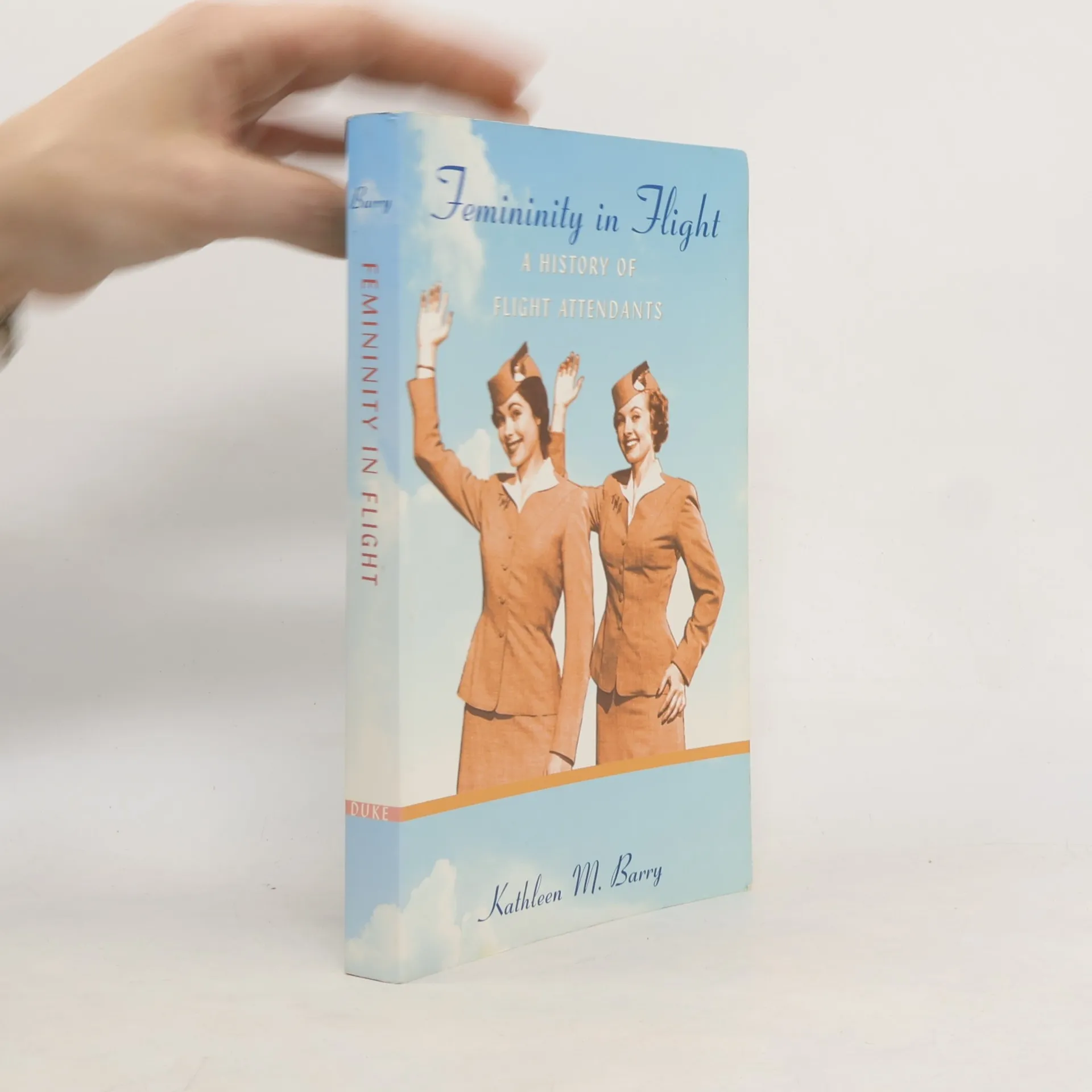
In a 1969 Delta Airlines advertisement, a smiling stewardess embodies the glamorous image of femininity that flight attendants have represented since their inception in 1930. Airlines historically hired young, attractive, unmarried white women, marketing air travel as a feminine endeavor characterized by charm and elegance. However, the essential work of flight attendants—ensuring safety, calming fears, and serving passengers—was often rendered invisible, overshadowed by the emphasis on their appearance. Today, flight attendants are recognized as safety experts with their own unions, and outdated policies like no-marriage rules and mandatory retirement by thirty-two have disappeared. Kathleen M. Barry explores the history of flight attendants, highlighting their evolution from glamorized icons to activists for workers' rights. In the late 1940s and 1950s, they began to unionize to gain respect and recognition as professionals. By the 1960s and 1970s, they were among the first to leverage new laws against sex discrimination, challenging exploitative practices and restrictive employment policies. Barry's work intertwines the political economy of the airline industry with insights from popular culture, newspapers, and personal narratives, offering a significant contribution to the understanding of women's work and activism.
Kathleen M. Barry Ordine dei libri (cronologico)