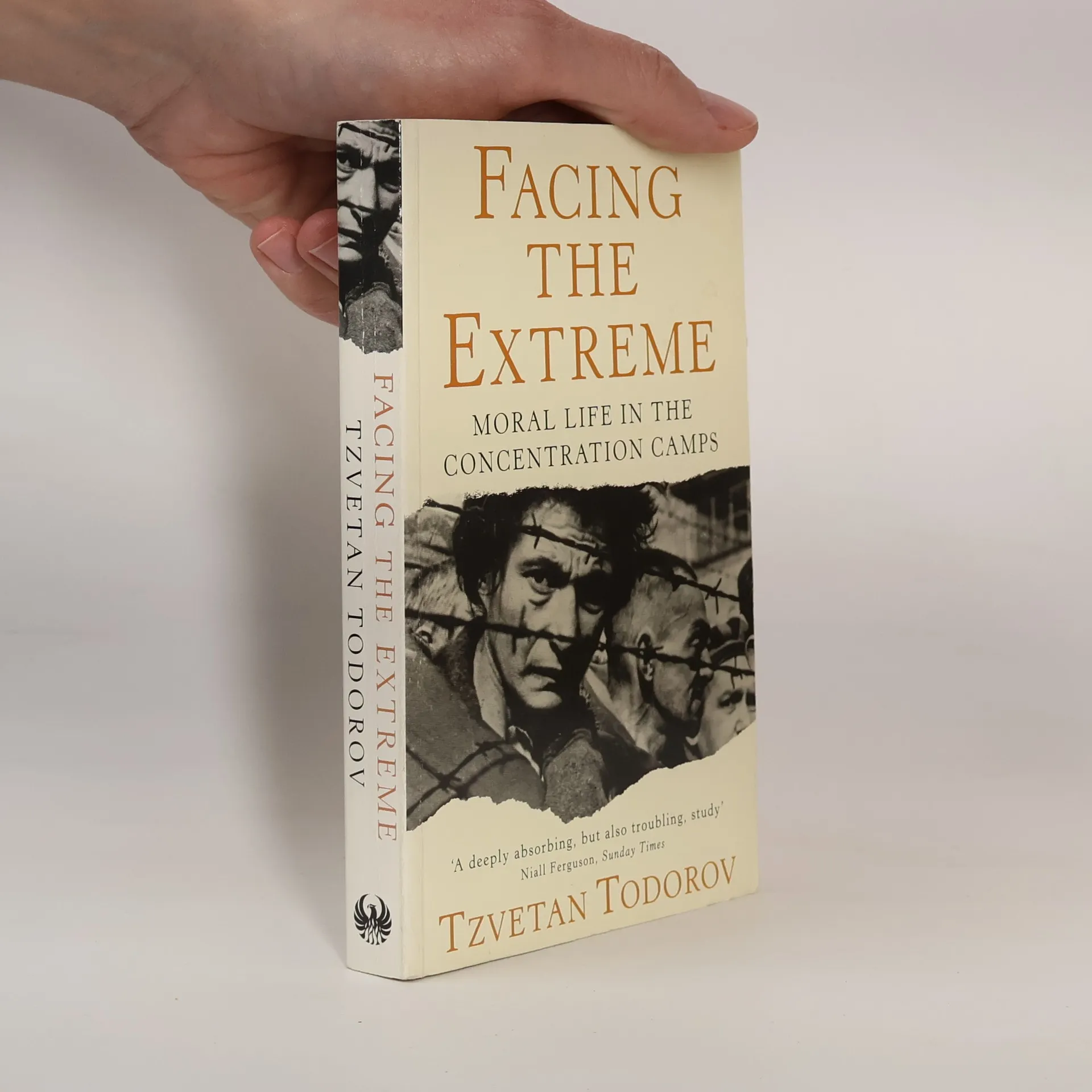
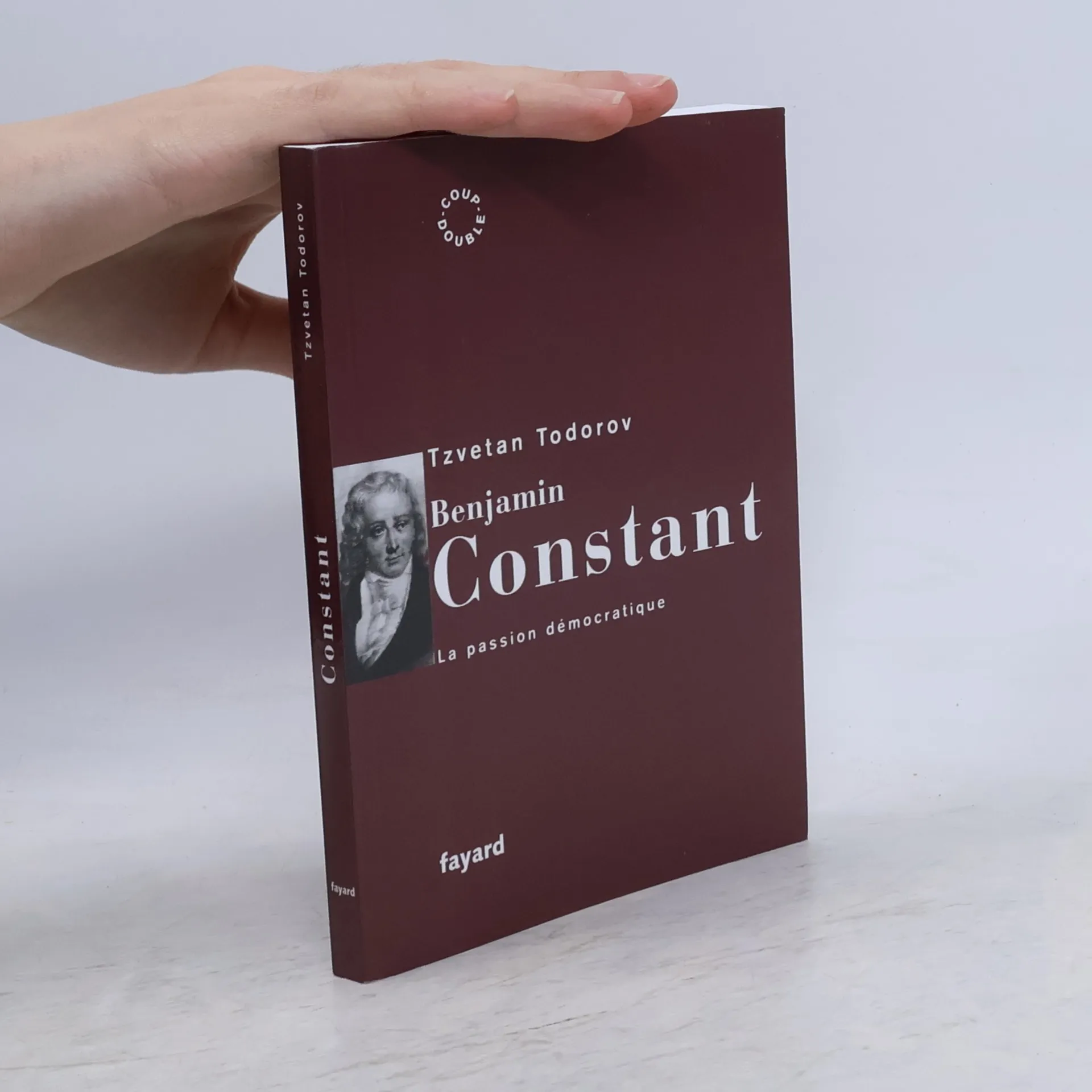
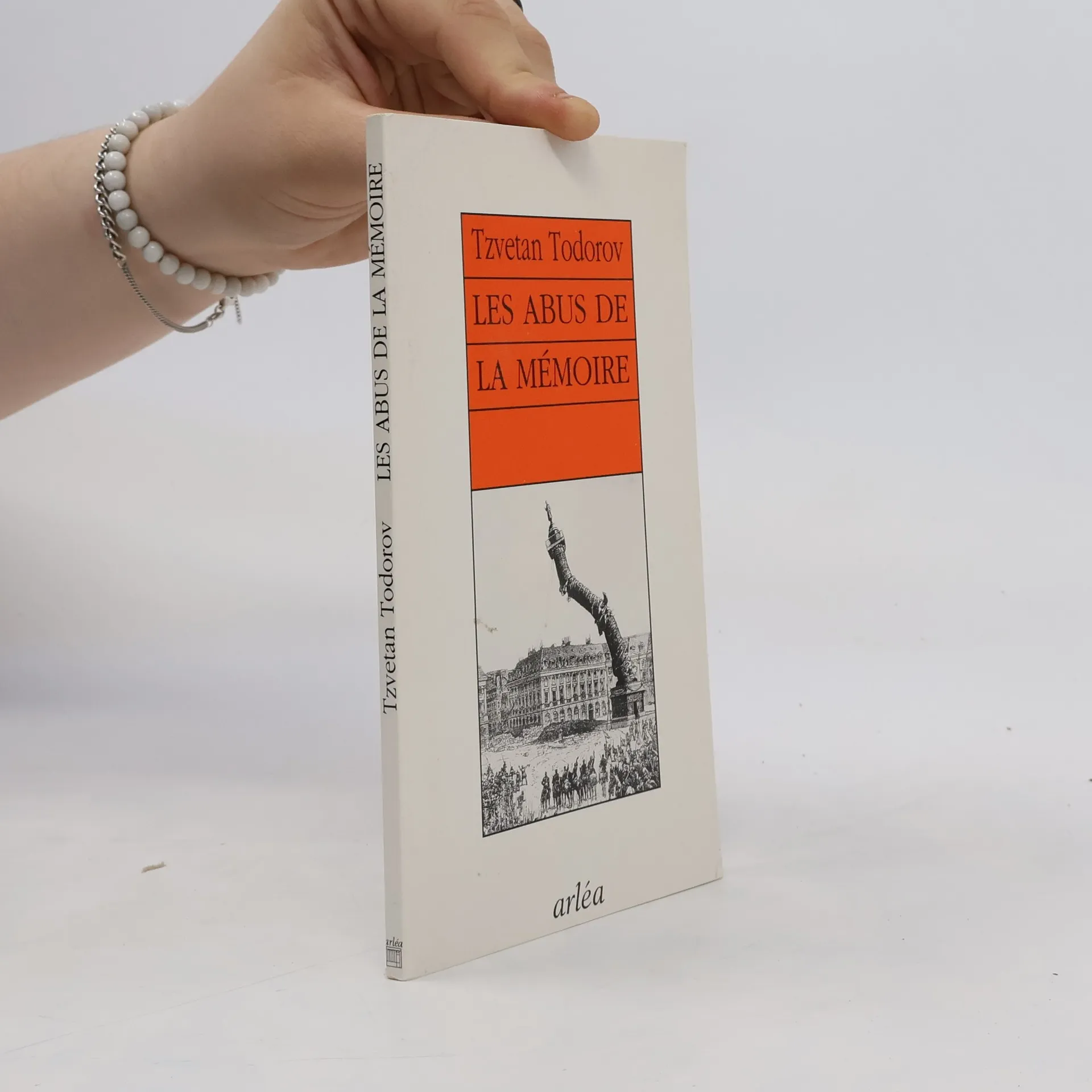
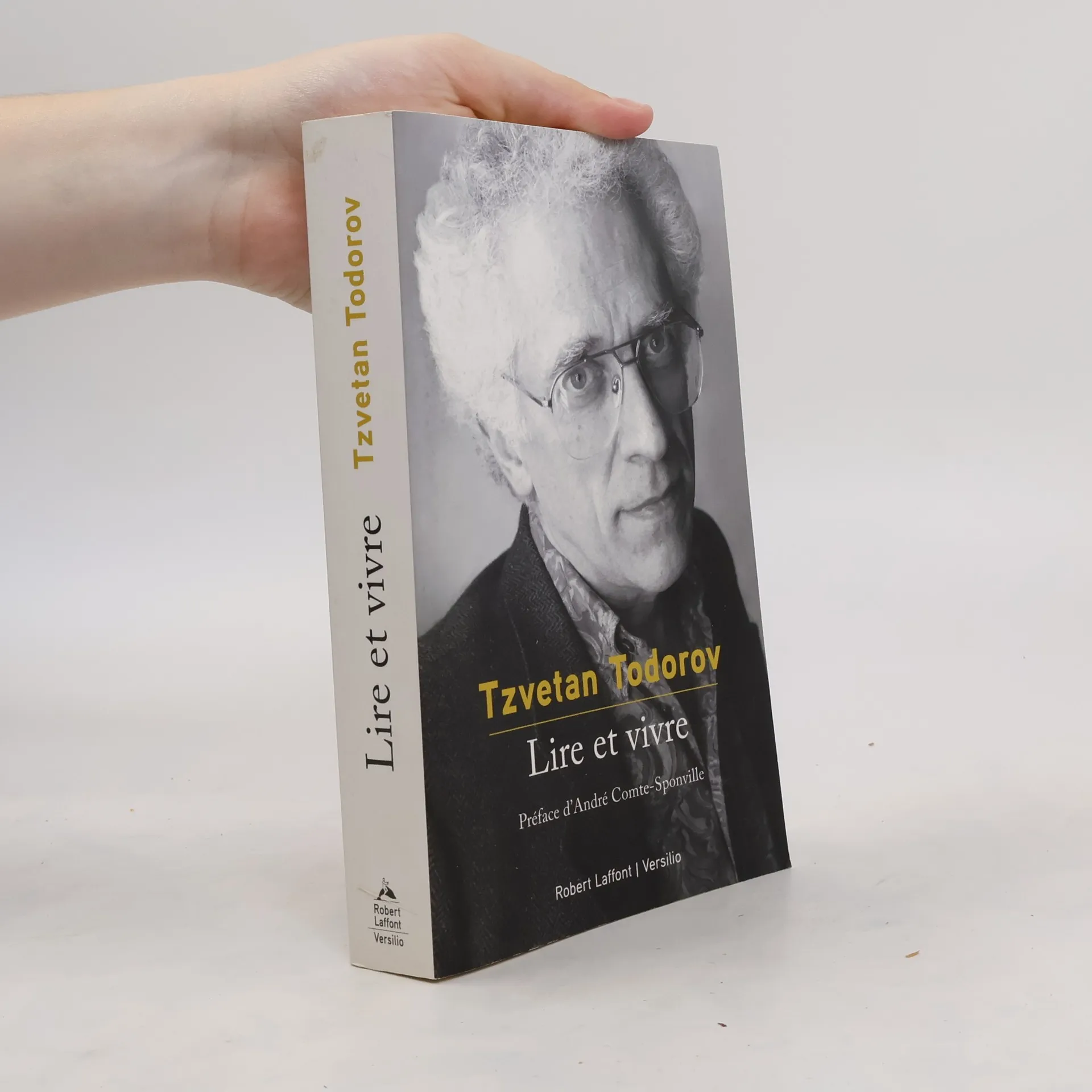
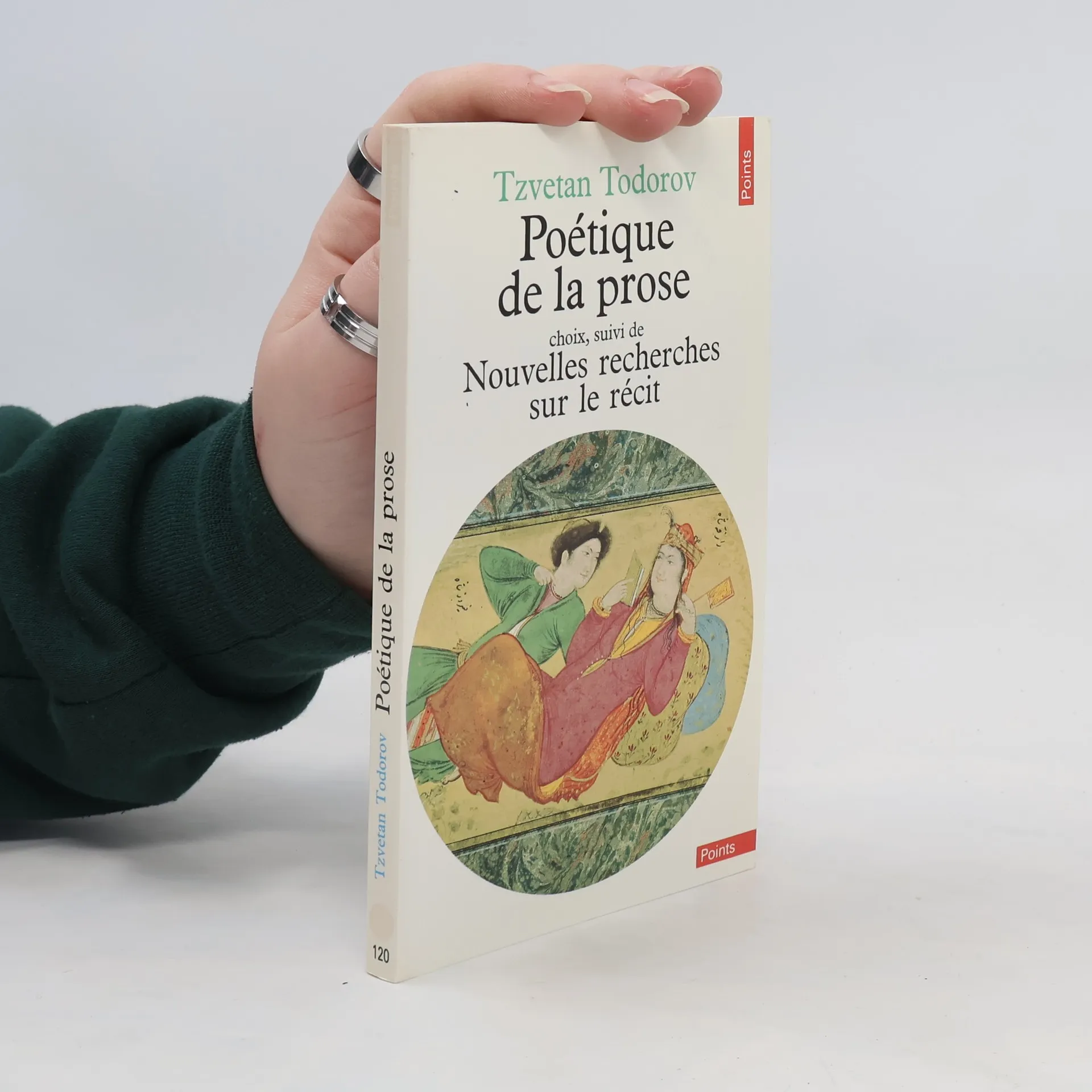
Quali sono le strutture gerarchiche di un sistema autoritario e quali le tecniche per annientare la personalità di un individuo? Quali rapporti si creano tra oppressori e oppressi? Chi sono gli esseri che abitano la 'zona grigia' della collaborazione? Come si costruisce un mostro? Era possibile capire dall'interno la logica della macchina dello sterminio? Era possibile ribellarsi? E ancora - come funziona la memoria di una esperienza estrema? Le risposte dell'autore di Se questo è un uomo nel suo ultimo e per certi versi piú importante libro sui Lager nazisti. Un saggio per capire il Novecento e ricostruire un'antropologia dell'uomo contemporaneo.
Tzvetan Todorov Libri
1 marzo 1939 – 7 febbraio 2017
Tzvetan Todorov fu uno storico, filosofo e teorico letterario franco-bulgaro. Tra le sue opere più influenti vi è la sua teoria del fantastico, dell'inquietante e del meraviglioso. I suoi scritti approfondiscono la teoria letteraria e la filosofia, esplorando la natura della narrazione e i confini tra realtà e finzione.



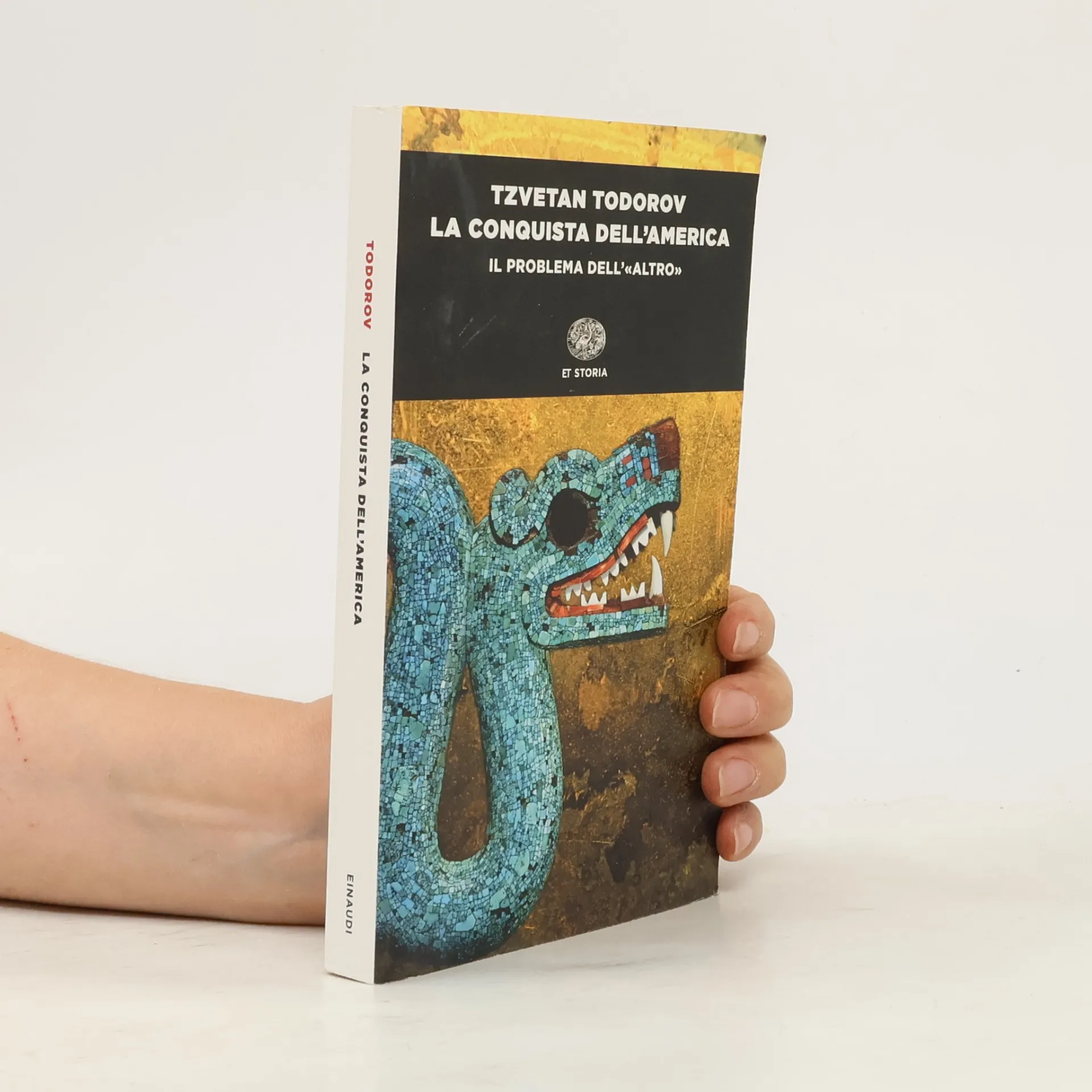
Nel secolo che segue il primo viaggio di Cristoforo Colombo, le regioni dei Caraibi e del Messico sono lo scenario di avvenimenti fra i più sconvolgenti della storia degli uomini. Tzvetan Todorov ripercorre quelle vicende, leggendole – attraverso le più famose cronache e relazioni di Cortés, Las Casas, Durán, Sahagún – non tanto quanto incontro-scontro fra due civiltà, quanto come scoperta e impatto con l'«altro». Nota introduttiva e nota bibliografica di Pier Luigi Crovetto. Traduzione di Aldo Serafini.
La letteratura fantastica
- 192pagine
- 7 ore di lettura
In The Fantastic, Tzvetan Todorov seeks to examine both generic theory and a particular genre, moving back and forth between a poetics of the fantastic itself and a metapoetics or theory of theorizing, even as he suggest that one must, as a critic, move back and forth between theory and history, between idea and fact. His work on the fantastic is indeed about a historical phenomenon that we recognize, about specific works that we may read, but it is also about the use and abuse of generic theory. As an essay in fictional poetics, The Fantastic is consciously structuralist in its approach to the generic subject. Todorov seeks linguistic bases for the structural features he notes in a variety of fantastic texts, including Potocki's The Sargasso Manuscript, Nerval's Aur lia, Balzac's The Magic Skin, the Arabian Nights, Cazotte's Le Diable Amoureux, Kafka's The Metamorphosis, and tales by E. T. A. Hoffman, Charles Perrault, Guy de Maupassant, Nicolai Gogol, and Edgar A. Poe.
Exploring the foundations and limitations of humanist thinking, this work delves into the complexities of modernity's challenge of balancing individual liberty with social connections and shared values. Tzvetan Todorov, a prominent French intellectual, offers a critical yet empathetic analysis of humanism, addressing how we can navigate our lives meaningfully. This first English edition presents a thought-provoking perspective on understanding and experiencing life in a contemporary context.
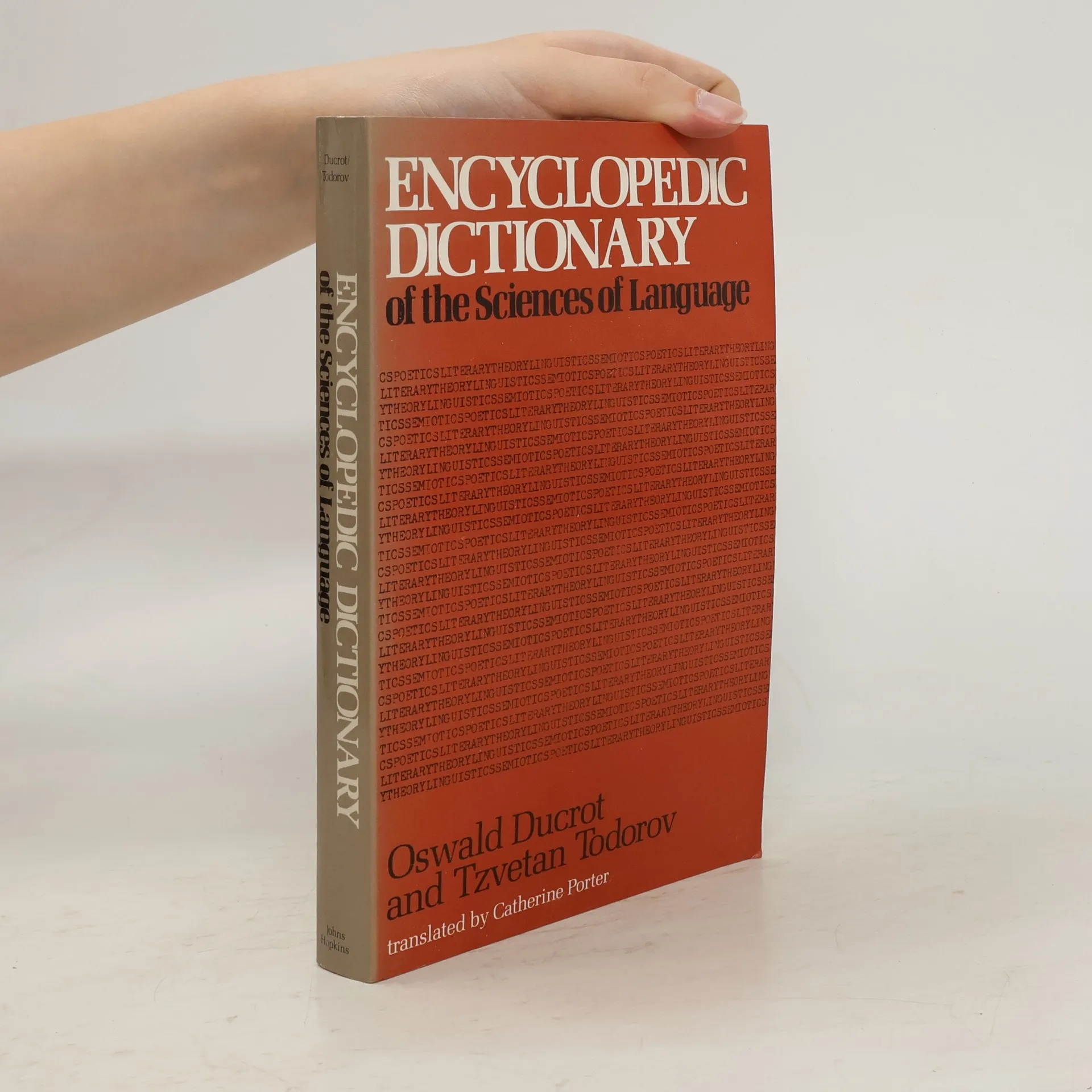
Encyclopedic Dictionary of the Sciences of Language
- 400pagine
- 14 ore di lettura
Providing the breadth of a dictionary and the depth of an encyclopaedia, this book offers a study of language and its functions. It covers such major trends in the development of modern linguistics as general grammars and Saussurianism, as well as methodological and descriptive concepts.
Hope And Memory
- 304pagine
- 11 ore di lettura
A landmark new account of the twentieth century from one of Europe's most outstanding thinkers.
Праця відомого французького критика та есеїста – глибокий аналіз подій ХХ сторіччя. Автор наголошує на тоталітарних злочинах і намагається пояснити зло, яке стало ознакою сторіччя, що минуло. Насамперед це радянські чи німецькі табори, тоталітарні режими, Друга світова війна. Із осмислення історії Европи та історії власного життя автор виводить моральні висновки, зосереджуючись на дихотомії "мораль" і "сучасність". Уроки минулого, що їх подано у цій книзі, – зростання зла, банальність добра, людські цінності, рідкість праведників – будуть цікаві кожному, хто розгорне і прочитає цю книгу.Для істориків, політологів, усіх, кого цікавить минуле сторіччя.
In Symbolism and Interpretation , Tzvetan Todorov examines two aspects of its production, which has traditionally been the domain of rhetoric, and its reception, which has always been the object of hermeneutics. He analyzes the diverse theories of symbolism and interpretation that have been elaborated over the centuries and considers their contribution to a general theory of verbal symbolism, discussing a wide range of thinkers, from the Sanskrit philosophers and Aristotle to the German Romantics and contemporary semioticians. Todorov begins by examining general ideas of linguistic symbolism and the interpretive process. He then turns to a detailed consideration of two of the most influential and pervasive interpretative strategies in Western the patristic exegesis of Augustine and Aquinas, and the philological exegesis foreshadowed in the work of Spinoza, developed by Wolf, Ast, Boeckh, and Lanson, and criticized by Schleiermacher. Todorov clarifies in masterly fashion the intricacies of the many schools of thought and refines the concepts crucial to critical theory today, including the distinctions between language and discourse, direct and indirect meaning, sign and symbol. Ably translated by Catherine Porter, Symbolism and Interpretation provides a coherent and innovative framework that is indispensable to the study of semiotics, its history, and its future.
Frail Happiness
- 104pagine
- 4 ore di lettura
Tzvetan Todorov's interpretation of Rousseau is one suffused with Todorov's own moral seriousness and intellectual depth. While ranging widely through Rousseau's corpus with skill and scholarly authority, Todorov returns, again and again, to the fragile yet persistent hope for human happiness.
Tzvetan Todorov represents a convergence point for various trends in the social sciences and literary criticism. The methods of Russian Formalists like Shklovsky and Tinyanov, Roman Jakobson and the Prague Linguistic Circle, as well as structuralist and post-structuralist critics like Roland Barthes and Gerard Genette, reach a synthesis in Todorov's work. Poetics investigates the conditions and elements that make individual works "literary," rather than focusing solely on the works themselves. The aim of Todorov and structuralist literary studies is to critique and transcend an "atomistic" reading style. Each text, whether spoken or written, exists within a multi-dimensional web of meaning alongside other texts, differentiating itself along various axes. The attainment of "literariness," which is the main subject of poetics, depends on the reader's ability to mentally visualize this matrix, or in other words, to engage with these differentiations within their own reading. Todorov's Introduction to Poetics presents a preliminary account of these processes that every good reader performs, both consciously and unconsciously.
The Totalitarian Experience
- 64pagine
- 3 ore di lettura
Exploring various forms of totalitarianism, the personal essays delve into Todorov's experiences and insights. Through his reflections, he examines the impact of oppressive regimes on individual lives and society, offering a nuanced perspective on freedom and authority. The work combines personal narrative with political analysis, highlighting the complexities of living under totalitarian rule and the struggle for identity and autonomy.
A fascinating and provocative 'adventure of the mind', which traces the history of literary critical development from Russian Formalism to Post-Structuralism, via writers such as Brecht, Sartre, Barthes, Bakhtin, Frye and Benichou.
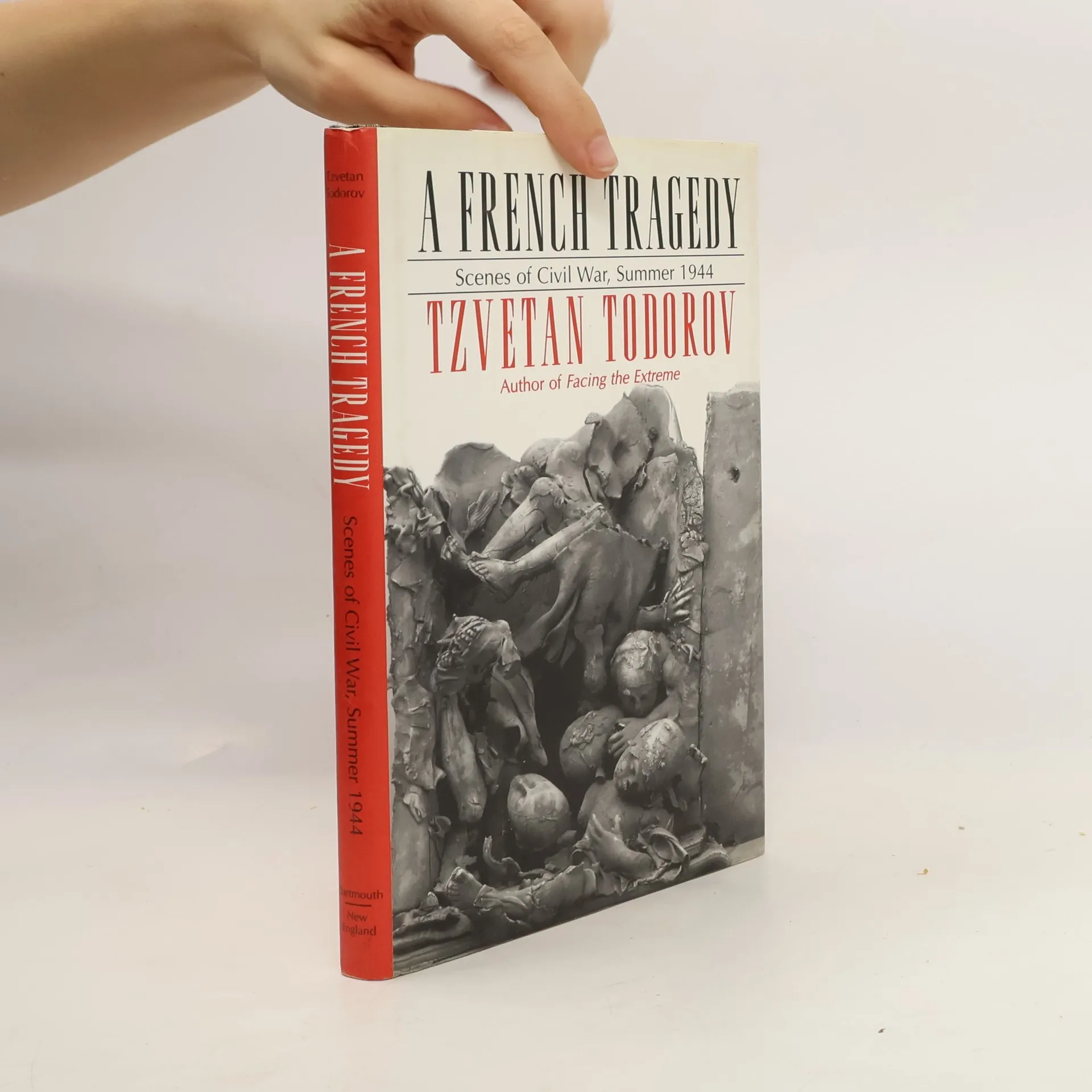
As Allied troops landed in Normandy in 1944, members of the local French Resistance in the small town of Saint-Amand-Montrond embarked on an ill-fated attempt to liberate their town. Based on noble but politically questionable motives, and failing to inspire broader support, the incident quickly devolved from confrontation to a stand-off and ultimately to a tragedy. Resistance forces took and subsequently executed hostages; their opponents, the milice - collaborationist French police - and German soldiers rounded up 70 Jewish adults and children in retaliation and put many to a horrible death. Eminent literary and cultural critic Tzvetan Todorov examines the episode as history but also as a moral paradigm. Finding similar failures on both sides, he also cites "a qualitative difference between the two, an irreducible asymmetry, which resides in their ideals, in totalitarianism versus democracy." Suspenseful, compelling, and uncompromisingly honest, A French Tragedy goes beyond the events themselves to ponder the nature of sacrifice, of suffering, and of individual responsibility in a world where civil war still thrives.
The Inner Enemies of Democracy
- 201pagine
- 8 ore di lettura
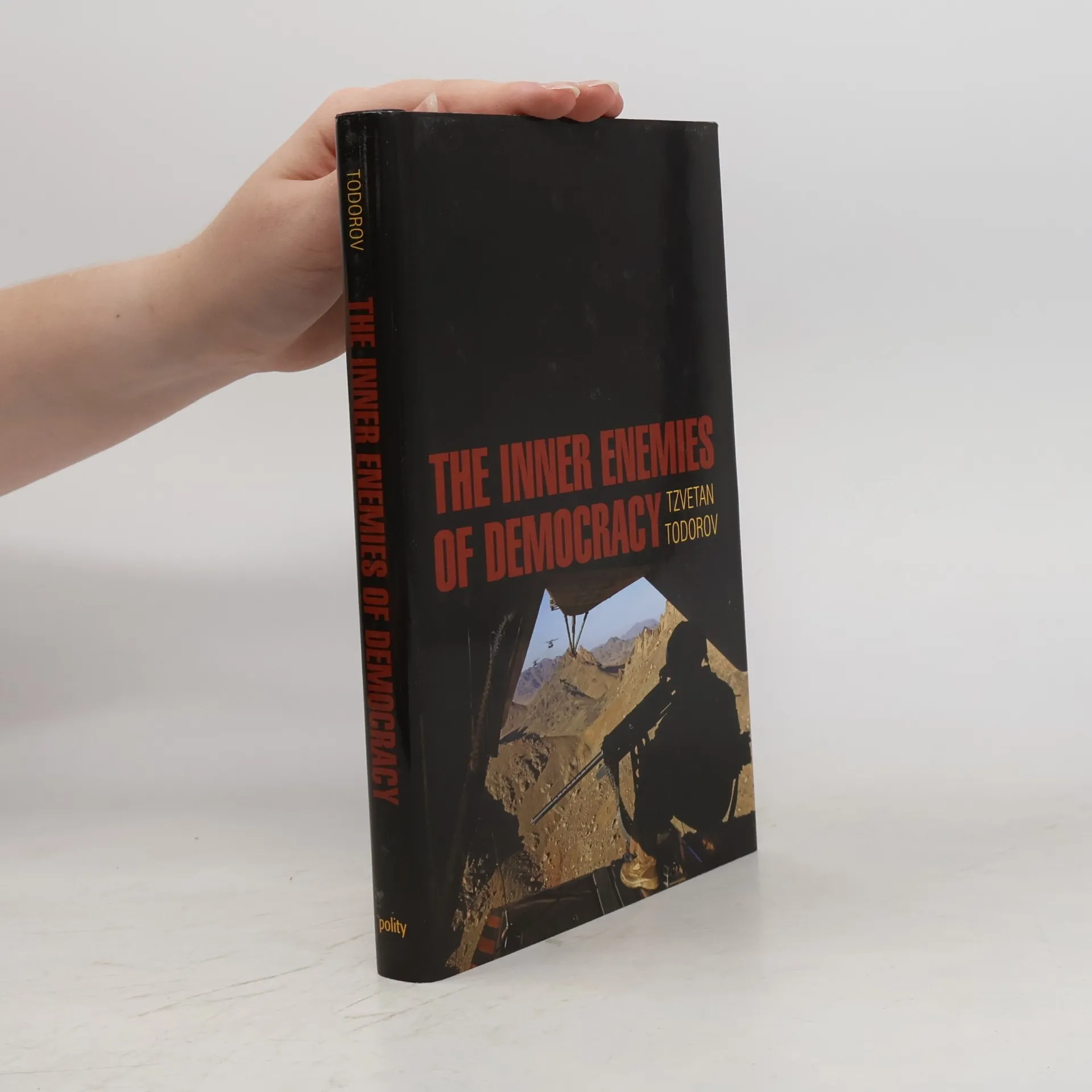
In this thought-provoking book, Tzvetan Todorov argues that the greatest threat to democracy is not external enemies like terrorism, but internal hubris. He explores how distorted democratic values can lead to tyranny and moral crises, drawing on historical examples to advocate for a balanced approach to democracy that avoids the dangers of populism and ultra-liberalism.
Theories of the Symbol
- 302pagine
- 11 ore di lettura
Focusing on theories of verbal symbolism, Tzvetan Todorov here presents a history of semiotics. From an account of the semiotic doctrines embodied in the works of classical rhetoric to an exploration of representative modern concepts of the symbol found in ethnology, psychoanalysis, linguistics, and poetics, Todorov examines the rich tradition of sign theory. In the course of his discussion Todorov treats the works of such writers as Aristotle, Cicero, Quintilian, Augustine, Condillac, Lessing, Diderot, Goethe, Novalis, the Schlegel brothers, Levy-Bruhl, Freud, Saussure, and Jakobson.
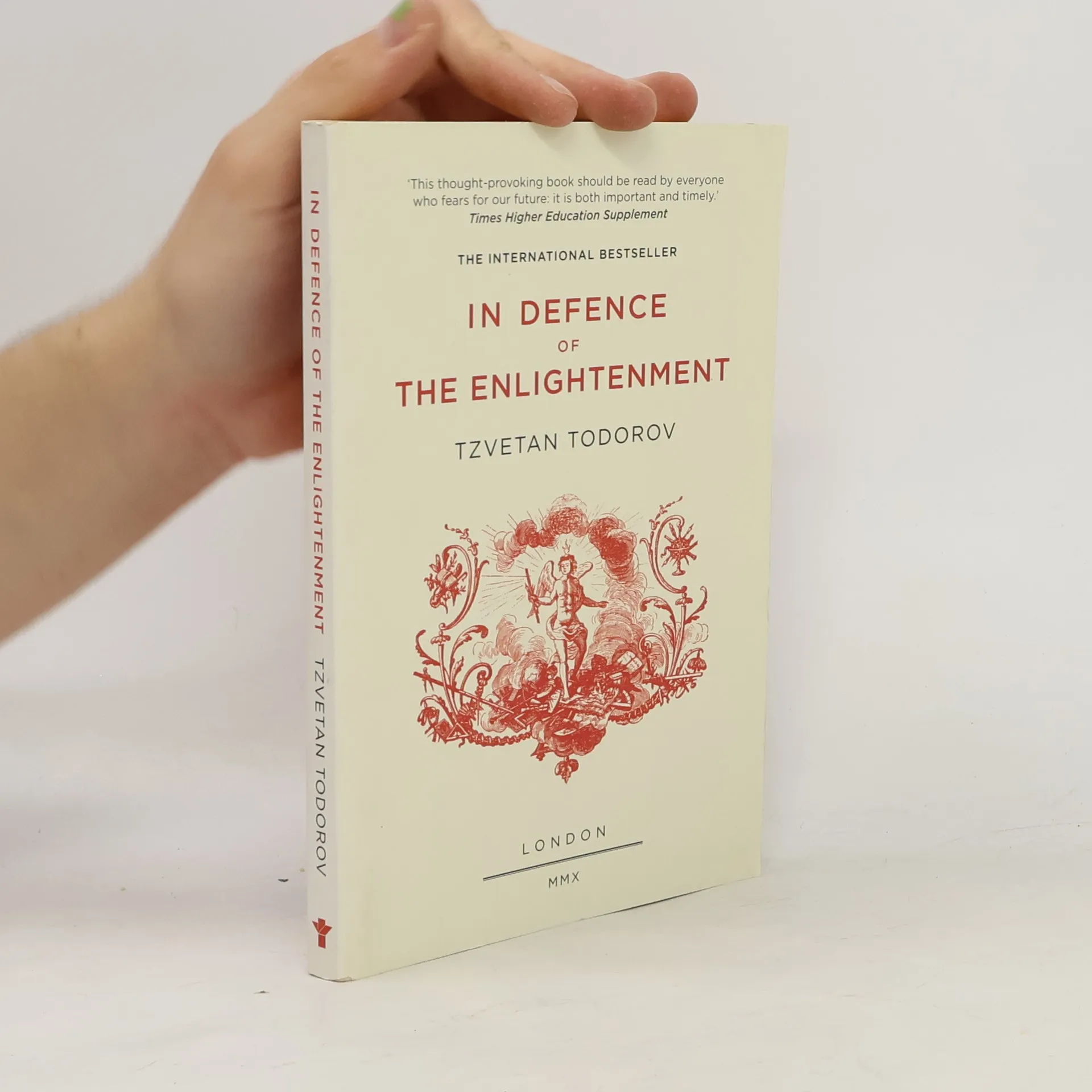
In Defence of the Enlightenment
- 144pagine
- 6 ore di lettura
This brilliant and concise book from internationally renowned historian Tzvetan Todorov establishes the Enlightenment as the philosophical cornerstone of the modern world and argues that the wisdom of those times is just as relevant today. Although our liberal democracies are the offspring of the Enlightenment, they also illustrate the ways in which its ideas can be distorted and perverted. People living in these democracies today are often baffled by a host of phenomena which they don't know how to judge: globalisation and media omnipotence, state-sponsored torture and lies, moralism and the right of intervention, the domination of economics and the triumph of technology. Is it possible to distinguish between the Enlightenment' legitimate and illegitimate heirs? We cannot learn lessons from the past unless we know how to relate them to the present. In this brilliant and concise book, internationally renowned historian TT shows that what remains relevant to us today of the 18th-century debates is their spirit, as expressed in a number of crucial principles and values. 'It is by criticizing the Enlightenment that we remain faithful to it.'
The New World Disorder
- 120pagine
- 5 ore di lettura
This insightful book by a leading intellectual explores the new world disorder, focusing on terrorism, the Iraq war, and transatlantic relations. Todorov examines the balance of force and diplomacy, the rise of new powers, and argues for a more independent Europe in global politics, making complex issues accessible to all.
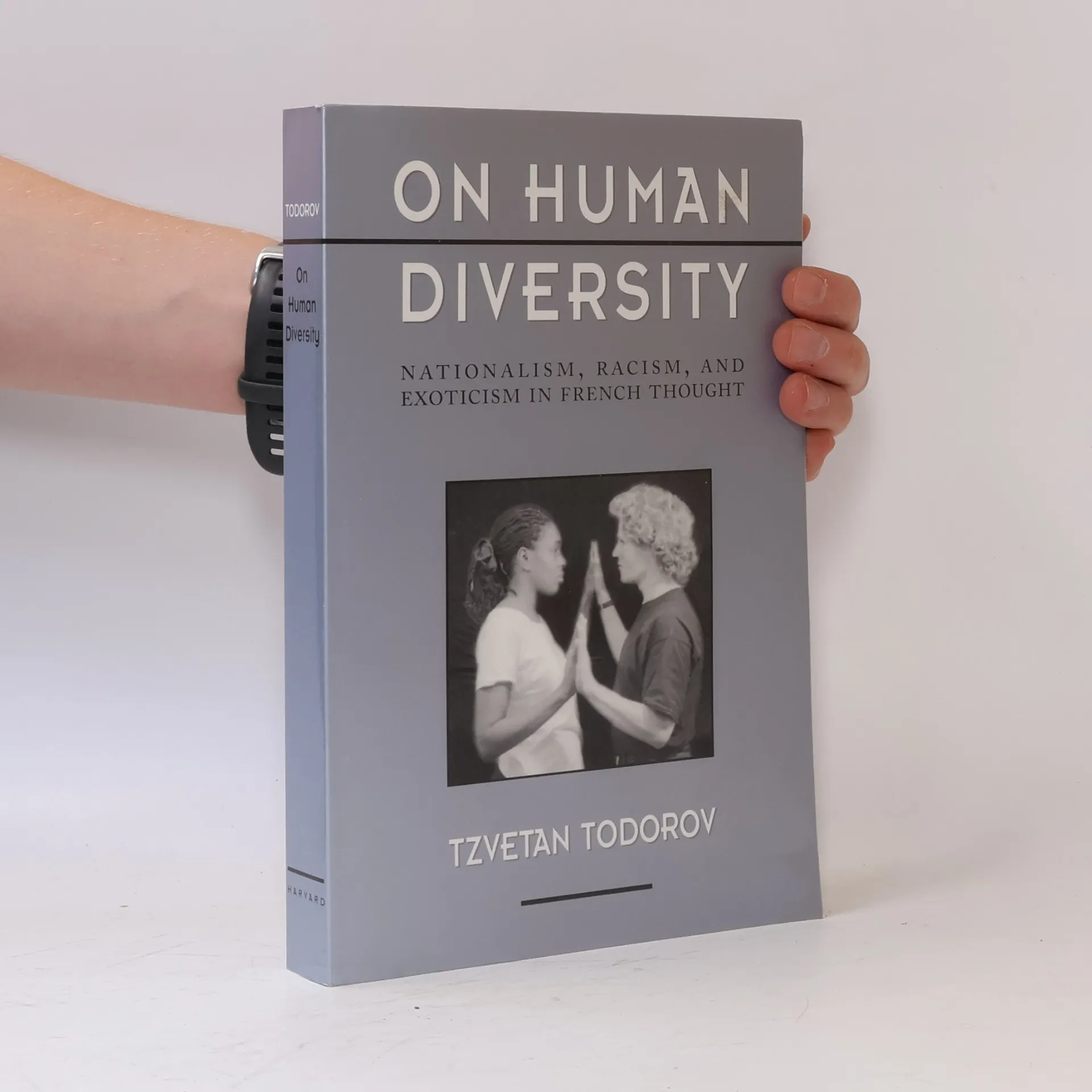
Convergences: Inventories of the Present: On Human Diversity
Nationalism, Racism, and Exoticism in French Thought
- 448pagine
- 16 ore di lettura
How can we understand cultures different from our own? In the early modern period, Europeans viewed human diversity through a lens of assumed superiority. However, the eighteenth century marked a shift, as thinkers began to recognize that other peoples possessed reason and deserved respect. Despite this progress, Enlightenment beliefs in universal human nature have faced criticism, particularly for their role in the prejudices and atrocities of the twentieth century. Tzvetan Todorov seeks to rehabilitate Enlightenment ideals, arguing that they can inspire humane thought and action today. He poses critical questions about how to navigate the dangers of distorted universalism and relativism. Focusing on the French intellectual tradition, Todorov analyzes key figures from Montaigne to Lévi-Strauss, illustrating how theories of human diversity emerged and were later misappropriated. The virtues of Enlightenment thought turned into vices due to the influences of racism, nationalism, and exoticism. Todorov advocates for a renewed acceptance of human diversity through a "critical humanism," echoing the ideas of Rousseau and Montesquieu. This work offers profound insights and a synthesis that can enhance our understanding of contemporary racial and ethnic tensions.
Focusing on the tension between totalitarianism and democracy, the book offers a profound political history and moral critique of the twentieth century. Tzvetan Todorov, a prominent European intellectual, passionately explores how totalitarian regimes emerged as a significant innovation of the era and their profound impact on human life and consciousness. Through this examination, he provides insights into the enduring struggle for democratic values in the face of oppressive systems.
Genres in Discourse
- 148pagine
- 6 ore di lettura
The collection features recent essays by renowned literary critic Tzvelan Todorov, showcasing his insights into literature and culture. Through his analytical lens, Todorov explores themes of identity, narrative, and the interplay between literature and society. His thought-provoking arguments challenge conventional perspectives and invite readers to reconsider the role of literature in understanding human experience. This translation brings Todorov's influential ideas to a wider audience, highlighting his significance in contemporary literary criticism.
Theory & History of Literature - 13: Mikhail Bakhtin
The Dialogical Principle
- 132pagine
- 5 ore di lettura
Briefly traces the life and career of Mikhail Bakhtin, a Russian critic, and discusses his writings about culture, texts, and meaning
Svazek Poetika, francouzského literárního vědce bulharského původu Tzvetana Todorova, představuje významný příspěvek k literární teorii, který přeložili Libuše Valentová a Jiří Pelán. Skládá se ze dvou textů z šedesátých let: metodologické stati Poetika a souboru esejů, kde Todorov aplikuje své teoretické závěry na konkrétní literární díla, jako jsou Odysseia a Srdce temnoty. Tento svazek se liší od jeho novějších prací, které mají antropologičtější zaměření a odklánějí se od přísného strukturalismu. Todorov usiluje o teorii literatury, která by stanovila zákonitosti literárního diskursu, aniž by se opírala o vnější fenomény. Vymezuje se vůči interpretaci a ideologickému marxismu, přičemž zdůrazňuje, že studium poetiky musí vycházet z textů samotných. Zkoumá aspekty jako "rejstříky promluvy" a "narativní syntax", čímž navazuje na ruské formalisty a soudobé bádání. Kniha je cenným dokumentem o strukturalismu a metodologickým náčrtem studia literatury, přičemž Todorovův důraz na analýzu literárních textů je v současném kontextu více než aktuální. Upozorňuje na nutnost, aby literární analýzy byly kvalitní a patřily příslušným vědám, nikoli pouhému literárnímu komentáři.
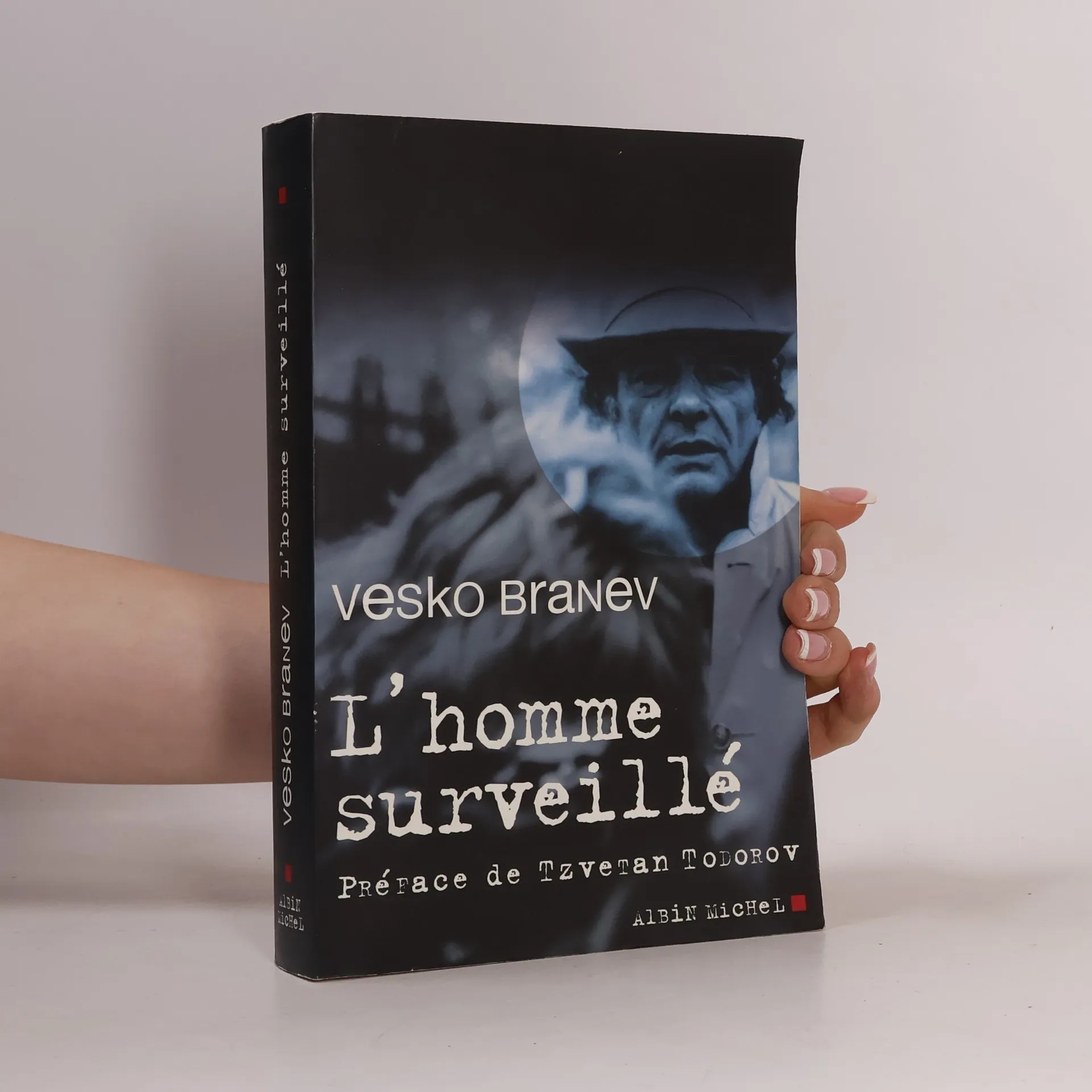
L'homme surveillé
- 448pagine
- 16 ore di lettura
1957. Vesko Branev, étudiant bulgare, part à Berlin pour étudier le cinéma. Dans la ville que le Mur n'a pas encore divisée, il s'enivre pour la première fois de liberté. Mais un matin, un homme se présente à lui : il est officier du KGB et lui promet une vie " intéressante et glorieuse " s'il travaille pour eux. Dès lors, la vie de Branev bascule ; incapable d'accepter, il passe à l'Ouest. Mais peu après, il est enlevé par la Stasi, remis à la Sécurité bulgare, interrogé, emprisonné. Une fois libéré, pour le reste de sa vie, il restera un " homme surveillé ". Cette autobiographie scrupuleuse d'une vie ordinaire sous le régime communiste nous raconte comment on détruit un homme. A la manière du héros du film La Vie des autres, Branev a eu accès à son " dossier " après la chute du Mur : documents et rapports nous révèlent par quels mécanismes le système a entraîné ses proches à faire d'un innocent un coupable. Salutaire rappel sur la mise à mort psychologique des individus dans les régimes totalitaires, ce texte fort, terrible, a connu un succès retentissant et controversé en Bulgarie. Par son écriture et son humanité, il est un classique sur le rapport entre l'individu et son environnement politique.
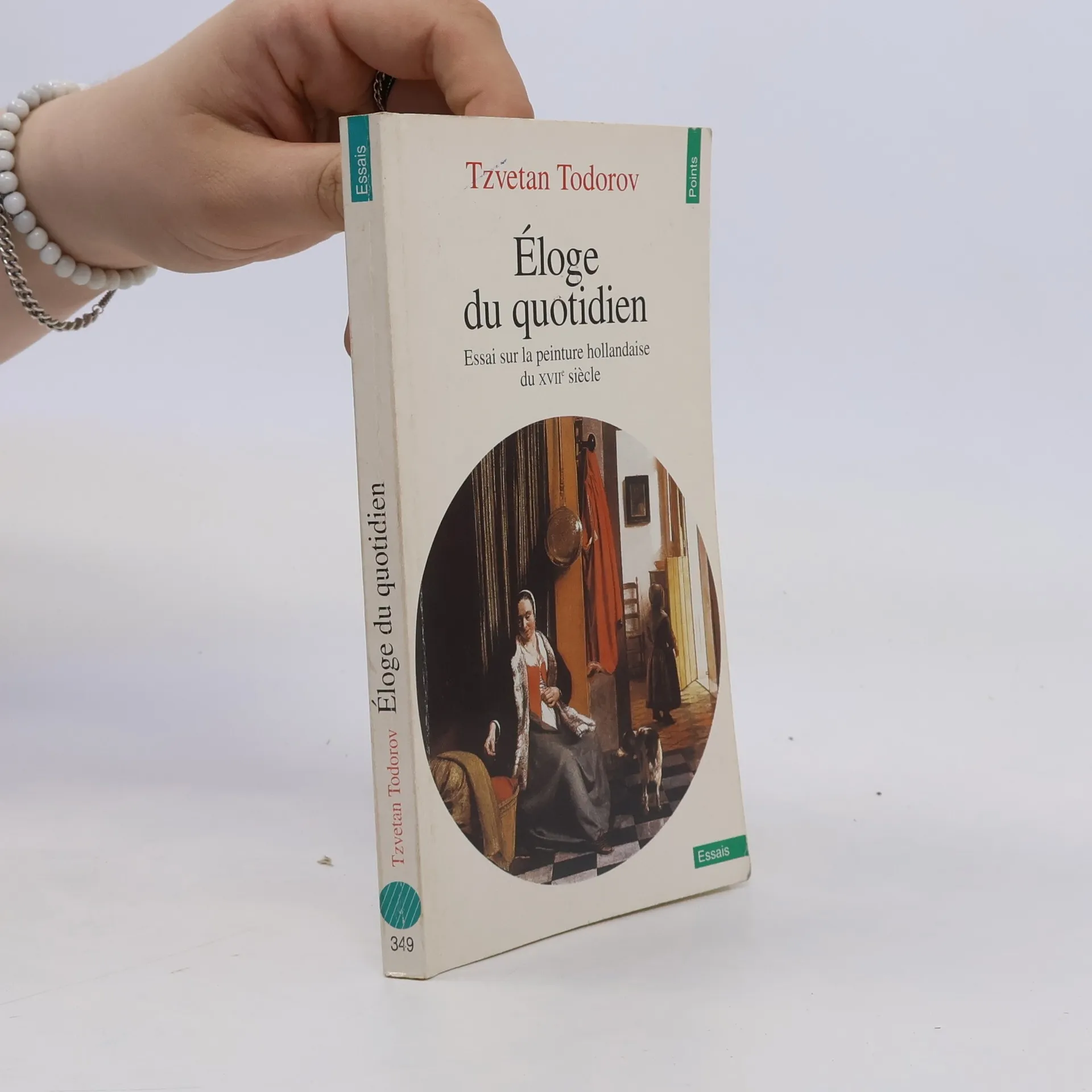
Éloge du quotidien
- 176pagine
- 7 ore di lettura
« La beauté gît dans le geste le plus humble. Quand Steen et Ter Borch, de Hooch et Vermeer, Rembrandt et Hals nous font découvrir la beauté des choses, ils ne se comportent pas en alchimistes capables de transformer en or n’importe quelle boue. Ils ont compris que cette femme qui traverse une cour, cette mère qui pèle une pomme, pouvaient être aussi belles que les déesses de l’Olympe, et ils nous incitent à partager cette conviction. Ils nous apprennent à mieux voir le monde, non à nous bercer de douces illusions ; ils n’inventent pas la beauté, ils la découvrent – et nous permettent de la découvrir à notre tour. Menacés aujourd’hui par de nouvelles formes de dégradation de la vie quotidienne, nous sommes, en regardant ces tableaux, tentés d’y retrouver le sens et la beauté de nos gestes les plus élémentaires. »
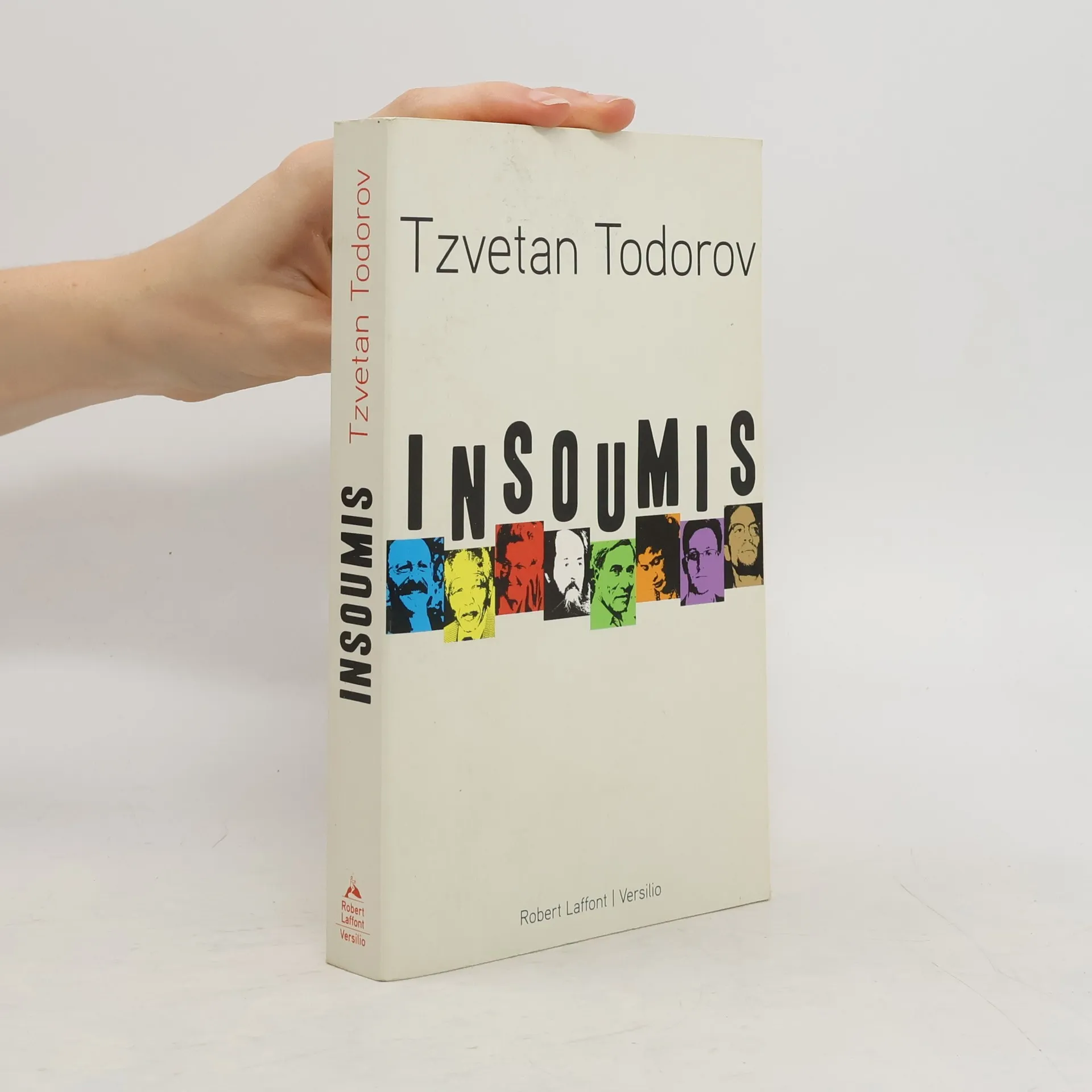
Insoumis
- 279pagine
- 10 ore di lettura
Ils ont vécu à des époques différentes et affronté des ennemis variés, mais tous ont renoncé au confort d'une vie tranquille pour un amour intransigeant : celui des êtres humains et de la vérité. Ils ont refusé de se soumettre, tant à l'agresseur extérieur qu'à leurs démons intérieurs. Chacun a, à un moment, rejeté la violence dans ses luttes. Ce livre d'histoires révèle des résonances profondes au-delà des circonstances relatées. La voix d'Etty Hillesum, soixante-dix ans après sa déportation à Auschwitz, nous touche par sa volonté de partager le sort commun et d'affirmer la beauté du monde. Germaine Tillion, ethnologue et résistante, nous touche par son engagement contre la peine de mort et sa vision humaniste. Entre Boris Pasternak et Alexandre Soljenitsyne, bien que tous deux lauréats du prix Nobel, leurs tempéraments diffèrent : Pasternak, conscient de ses faiblesses, crée un chef-d'œuvre dans la discrétion, tandis que Soljenitsyne combat ouvertement le régime soviétique. Les figures de Nelson Mandela et Malcolm X, malgré leurs approches initiales de la violence, ont finalement renoncé à celle-ci, l'un devenant un symbole d'admiration mondiale et l'autre, tragiquement assassiné. Enfin, l'historien David Shulman et le lanceur d'alerte Edward Snowden illustrent des luttes contemporaines, abordant la complexité des droits humains face aux menaces sur les libertés individuelles dans un monde de surveillance.
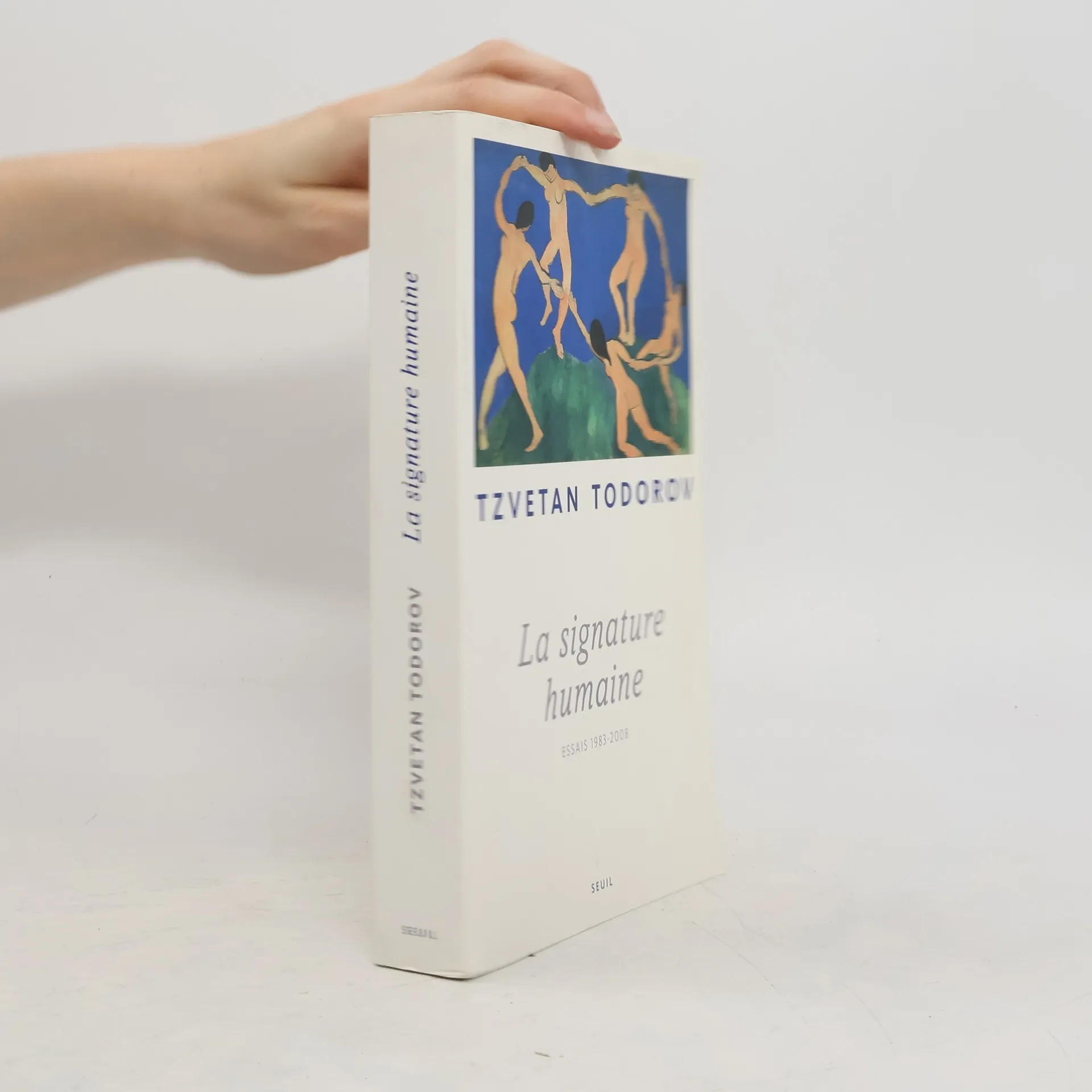
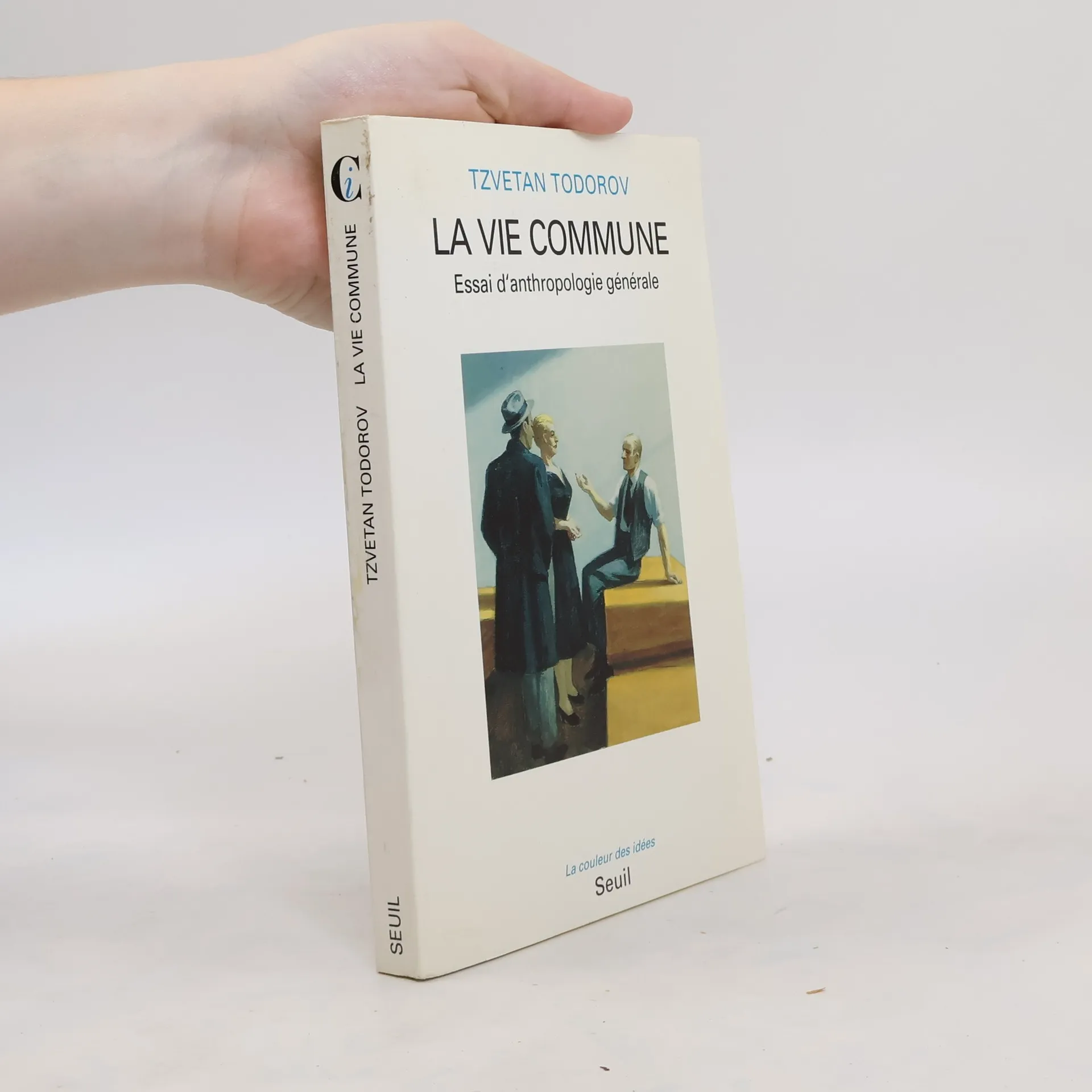
La signature humaine
- 474pagine
- 17 ore di lettura
Comment un jeune et timide étudiant bulgare, réfugié dans l'étude des structures du langage, s'est-il transformé en l'un des intellectuels français les plus lus dans le monde ? C'est à la découverte de cet itinéraire personnel unique que nous convie La Signature humaine. Qu'il évoque La Rochefoucauld ou Goethe, Germaine Tillion ou Edward Said, Tzvetan Todorov compose dans l'éclairage de la vie et de l'oeuvre des autres un autoportrait en creux. Débarqué à Paris dans les années 196o en plein empire du signe, il n'a eu de cesse de trouver l'homme qui se cachait derrière. Sa vie s'est déroulée en rencontres avec les personnes et les livres, qui, sans lui dicter de " système " (entreprise improbable pour un évadé du totalitarisme), définissent un humanisme marqué par la rencontre avec le mal mais qui échappe tant à la lassitude qu'au pessimisme. A la Renaissance on croyait que chaque chose porte en son extérieur une " signature " par laquelle nous pouvons juger des forces et des qualités qu'elle recèle. Dans cet ouvrage, Todorov a revisité et remanié vingt-cinq années d'études, de publications, de réflexions qui toutes tentent de déchiffrer la signature humaine. Un livre à la fois éblouissant d'érudition et source d'inspiration pour l'honnête homme soumis à l'inquiétude des temps.
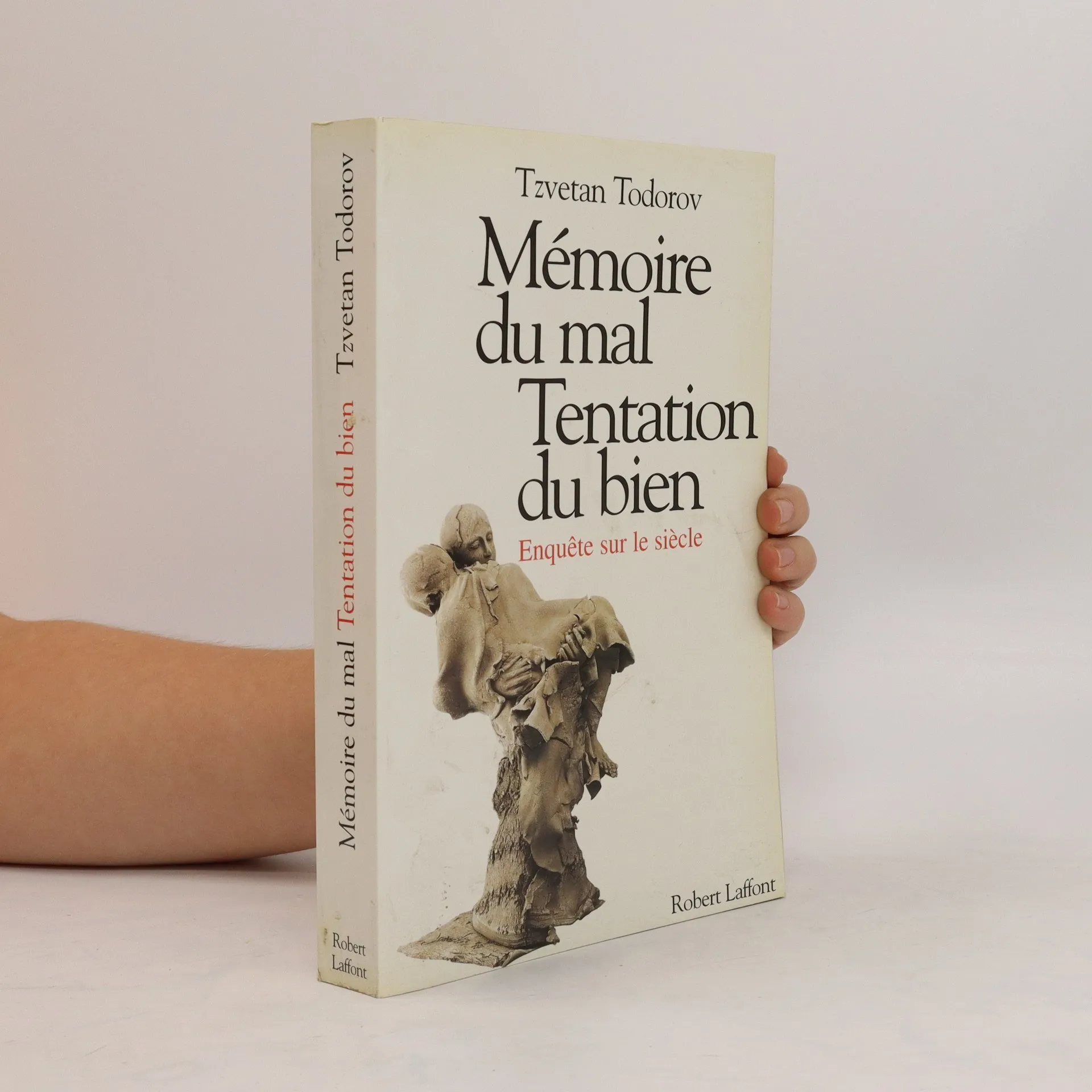
Mémoire du mal, tentation du bien
- 355pagine
- 13 ore di lettura
Que nous a apporté le XXe siècle ? Le pire : un régime politique inédit, le totalitarisme, dont les deux variantes, communisme et nazisme, ont provoqué la mort de millions d'êtres humains, la torture, la déportation, l'humiliation de millions d'autres, pourtant, ses protagonistes aspiraient au bien, non au mal. Heureusement pour nous, la démocratie l'a vaincu ; mais elle-même n'est pas immunisée contre la tentation du bien, qui peut la conduire à cultiver chez soi le " moralement correct ", et, à l'étranger, à larguer ses bombes, atomiques ou " humanitaires ". Le meilleur : quelques individus au destin dramatique, à la lucidité impitoyable, sillons lumineux dans un siècle de ténèbres, qui ont continué malgré tout de croire que l'homme mérite de rester le but de l'homme ; ils nous aident aujourd'hui à ne pas désespérer. Vassili Grossman et Margarete Buber-Neumann, David Rousset et Primo Levi, Romain Gary et Germaine Tillion nous montrent qu'on peut résister au mal sans se prendre pour une incarnation du bien. Ce livre décrit l'un et l'autre. Le bon usage de la mémoire est celui qui sert une juste cause, non celui qui se contente de reproduire le passé.
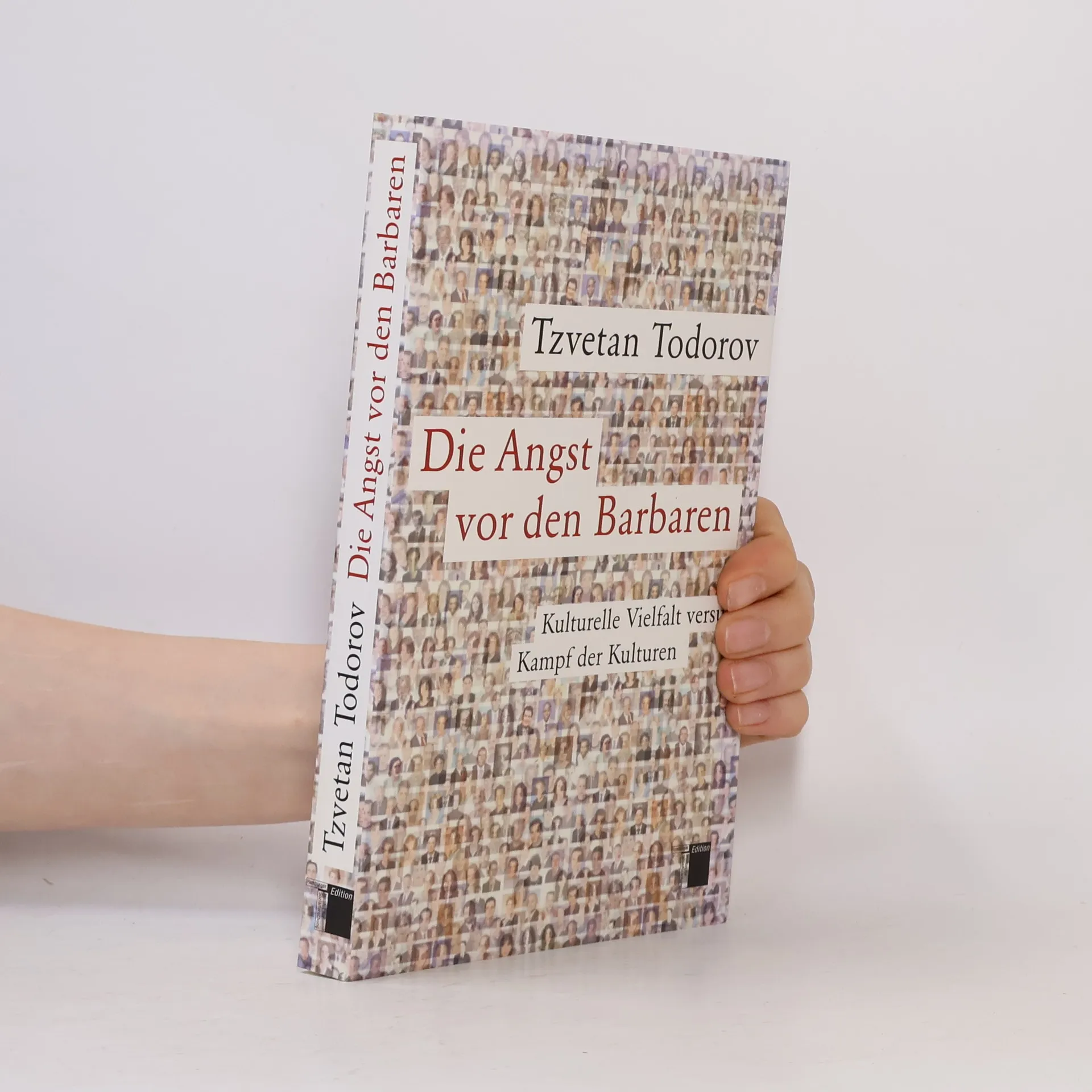
Die Angst vor den Barbaren
Kulturelle Vielfalt versus Kampf der Kulturen. Mit einem aktuellen Nachwort des Autors
- 287pagine
- 11 ore di lettura
Der Zweck heiligt nicht immer die Mittel, manchmal – so lehrt die Geschichte – kann das Mittel schlimmer sein als die Krankheit. »Der Kampf der Kulturen sähe so aus: die westlichen Demokratien auf der einen, der Islam auf der anderen Seite. Zwei Welten, gefangen in ihren historischen, kulturellen und religiösen Unterschieden und daher zum Konflikt verurteilt.« Auf der Grundlage dieses dualistischen Denkens, so Todorov, gibt es keinen Raum für Dialog. Die Folge: Unnachgiebigkeit, ja, sogar Krieg mit allen Mitteln. Und so besteht die Gefahr, aus Angst vor den Barbaren selbst zu Barbaren zu werden. In seinen Reflexionen, die Jahrhunderte europäischer Geschichte einbeziehen, untersucht Todorov die Begriffe Barbarei und Zivilisation, Kultur und kollektive Identität, um jene Konflikte zu interpretieren, die heute zwischen den westlichen Ländern und dem Rest der Welt bestehen. Todorov illustriert und kommentiert alarmierende Anzeichen für Zivilisationsverluste und plädiert für eine kulturtheoretisch anspruchsvollere Deutung dieser Konfliktlagen.
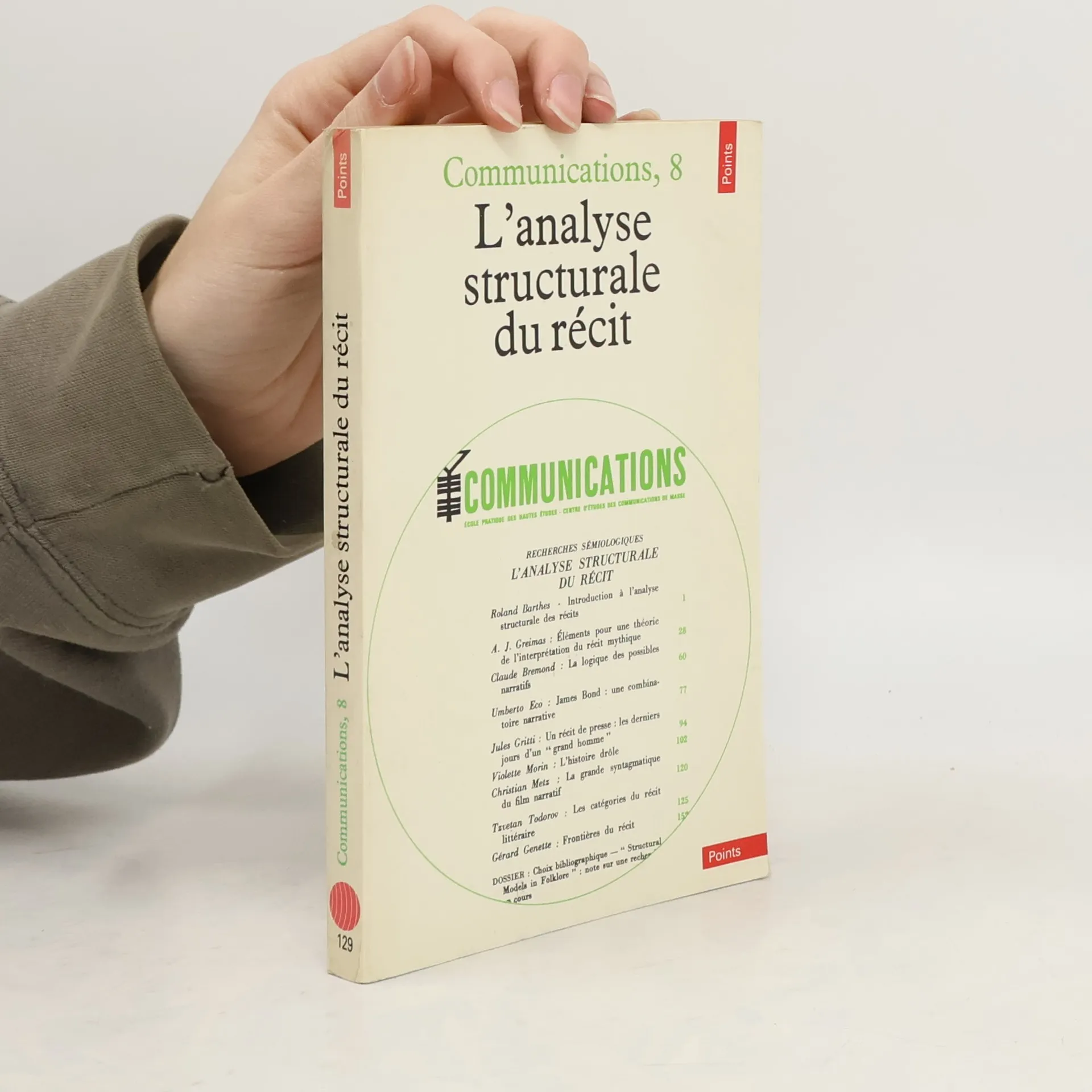
L'analyse structurale du récit
- 192pagine
- 7 ore di lettura
Rarement un numéro de revue aura fait date comme celui-ci. Dans les années 1960, sur la trace des formalistes russes et en particulier de Propp et de Jakobson, se développait le projet d’une analyse structurale du récit. Ce numéro de Communications publié en 1966 a marqué l’avènement d’une École française à laquelle les théoriciens du monde entier n’allaient plus cesser de se référer. Il y a là tout à la fois des textes fondamentaux, des exemples concrets et déjà l’exploration de cas limites. Il n’est pas exagéré de dire que tout ce qui s’est fait depuis dans ce champ se définit par rapport à ce qui est énoncé ici. Ont participé à ce numéro : R. Barthes, A. J. Greimas, C. Bremond, U. Eco, J. Gritti, V. Morin, Ch. Metz, T. Todorov, G. Genette.
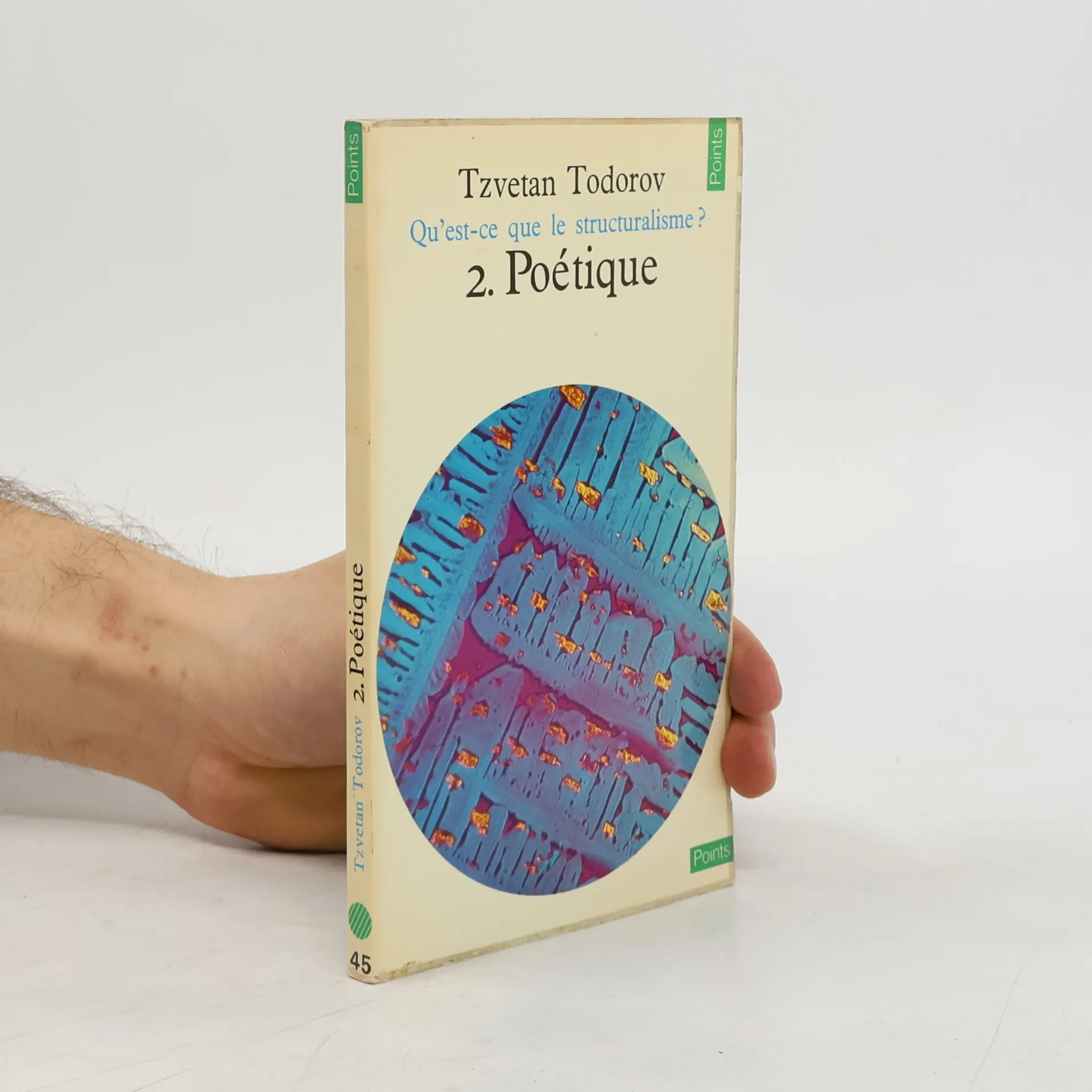
Qu'est-ce que le structuralisme? 2. Poétique
- 112pagine
- 4 ore di lettura
Tzvetan Todorov, insan bilimleri ve edebiyat eleştirisinde birçok farklı eğilimin toplanma noktalarından birini temsil eder. Şklovski ve Tinyanov gibi Rus Biçimcilerinin, Roman Jakobson ve Prag Dilbilim Çevresinin, Roland Barthes ve Gerard Genette gibi yapısalcı ve post-yapısalcı eleştirmenlerin yöntemleri, Todorov'un çalışmalarında bir senteze ulaşmaktadır. Poetika, tek tek yapıtlarla ilgilenmekten çok, bu yapıtları "yazınsal" kılan koşulları ve öğeleri araştırır. Todorov'un ve yapısalcı edebiyat araştırmalarının hedefi, "atomistik" diye nitelebilecek bir okuma tarzını eleştirmek ve aşmaktır. Her metin, sözlü ya da yazılı –ve silik ya da belirgin– başka metinlerle birlikte çok-boyutlu bir anlam ağının içinde yer alır ve çeşitli eksenler üzerinde başka metinlerden ayrışır. Poetikanın asıl konusunu oluşturan "yazınsallığın" elde edilmesi de okurun bu matrisi şu ya da bu şekilde zihninde canlandırabilmesine, başka bir deyişle bu farklılaşmaları kendi okuması içinde "işletebilmesine" bağlıdır: Todorov'un Poetikaya Giriş'i, her iyi okurun kısmen bilinçli kısmen de bilinçsiz olarak gerçekleştirdiği bu işlemlerin bir ilk dökümünü sunmaktadır.
Lire et vivre
- 440pagine
- 16 ore di lettura
"Tzvetan Todorov, à la différence de tant d'autres, n'était ni un faiseur ni un bateleur. Il était un doux intransigeant, un intellectuel lucide (l'expression, hélas, est le contraire d'un pléonasme), un savant modeste, un chercheur encyclopédiste et pédagogue (un "passeur", disait-il), un humaniste sans illusions, un citoyen du monde, modéré et exigeant. C'est pourquoi il importe tant de le lire : cela rend plus intelligent, plus modeste, plus nuancé, plus juste - plus conscient de la complexité du monde et du tragique de notre condition." André Comte-Sponville
Quelques grands moments de l'histoire de la narration forment l'objet de ce livre : l'Odyssée et les Mille et Une Nuits, le Graal et le Décaméron, mais aussi Henry James et Joseph Conrad, Dostoïevski et le roman policier. Parti d'une analyse minutieuse des formes et des fonctions du récit, Tzvetan Todorov se trouve engagé dans une réflexion où sera mise en question la préséance de l'intérieur sur l'extérieur, de l'originel sur le dérivé, de la présence sur l'absence, de l'être sur l'autre.
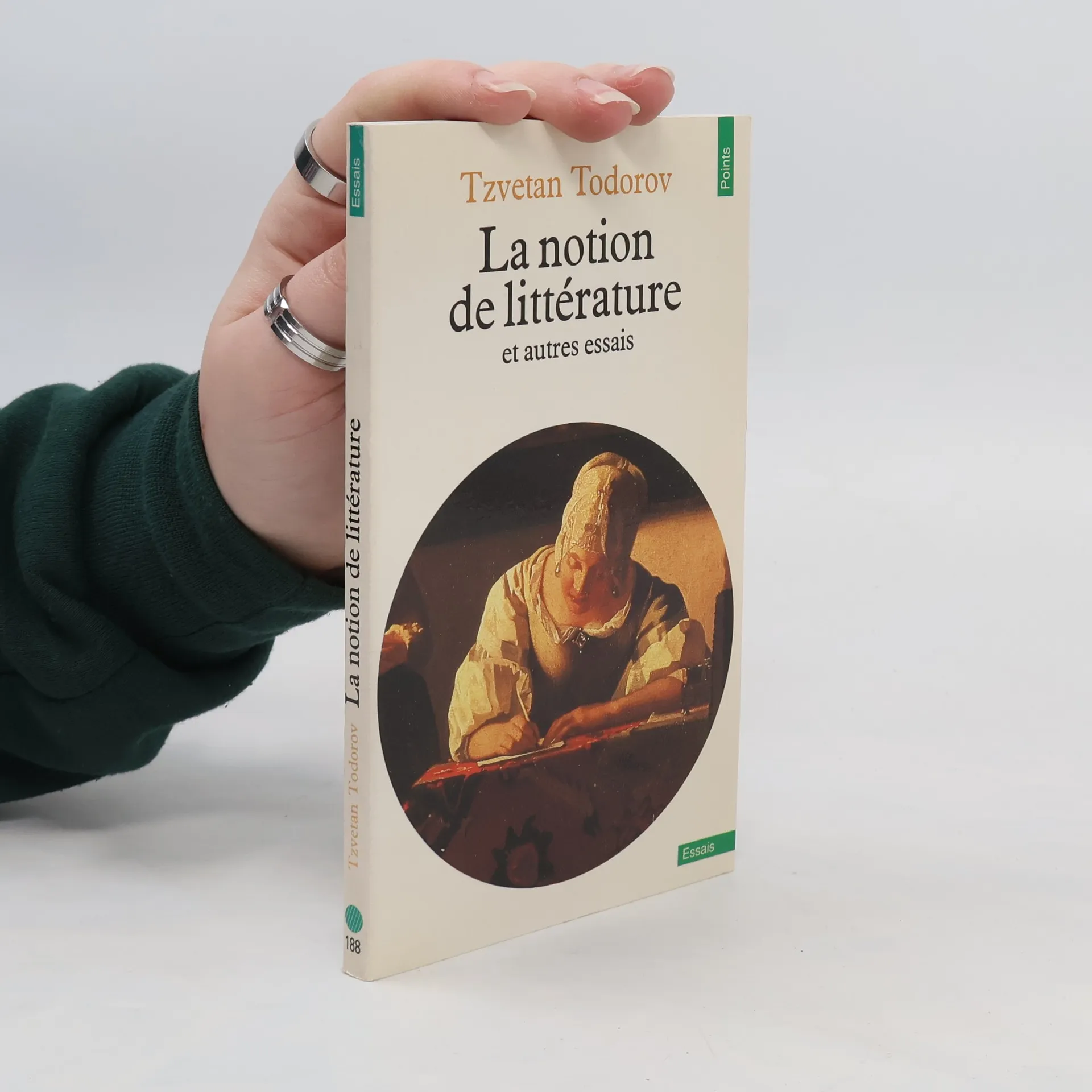
La notion de littérature et autres essais
- 200pagine
- 7 ore di lettura
La littérature comme genre, la poésie et la fiction, l'oeuvre individuelle dans son rapport au genre: tels sont les thèmes qu'abordent les essais ici réunis.
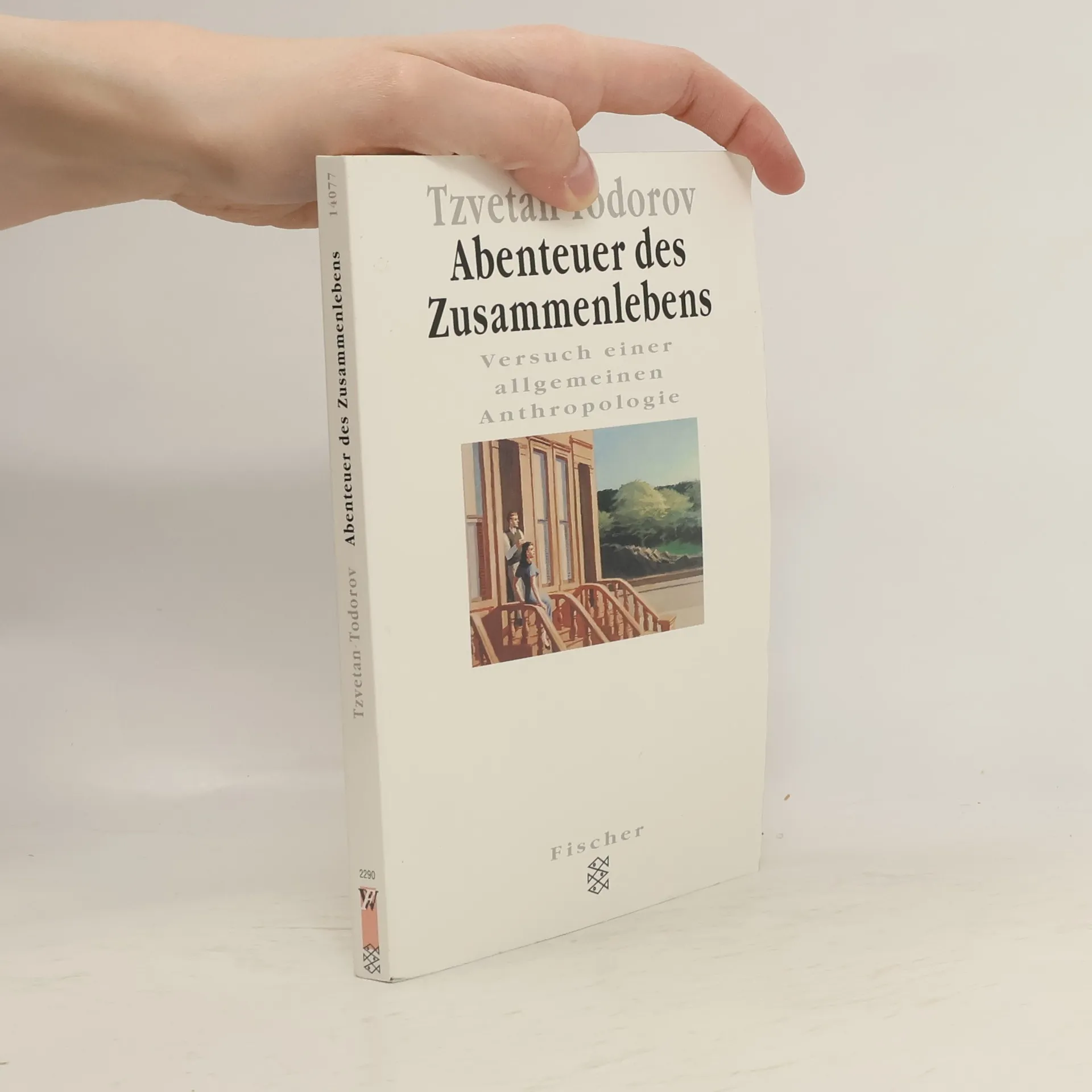
Abenteuer des Zusammenlebens
- 188pagine
- 7 ore di lettura
Todorovs 'Versuch einer allgemeinen Anthropologie' bewegt sich zwischen Philosophie, literarischen Texten und Psychoanalyse, um das Thema der Anerkennung zu entfalten: die unaufhebbare Angewiesenheit des Subjekts auf Anerkennung durch die anderen als das zentrale Bestimmungsstück menschlichen Lebens. Ausgangspunkt sind jene Traditionslinien der Geistesgeschichte, in denen das Individuum zur Gesellschaftlichkeit nur genötigt ist, weil es den Mangel an Autarkie zu kompensieren hat. Aus der Kritik an diesen Ansätzen gewinnt Todorov seinen positiven Begriff der Anerkennung.
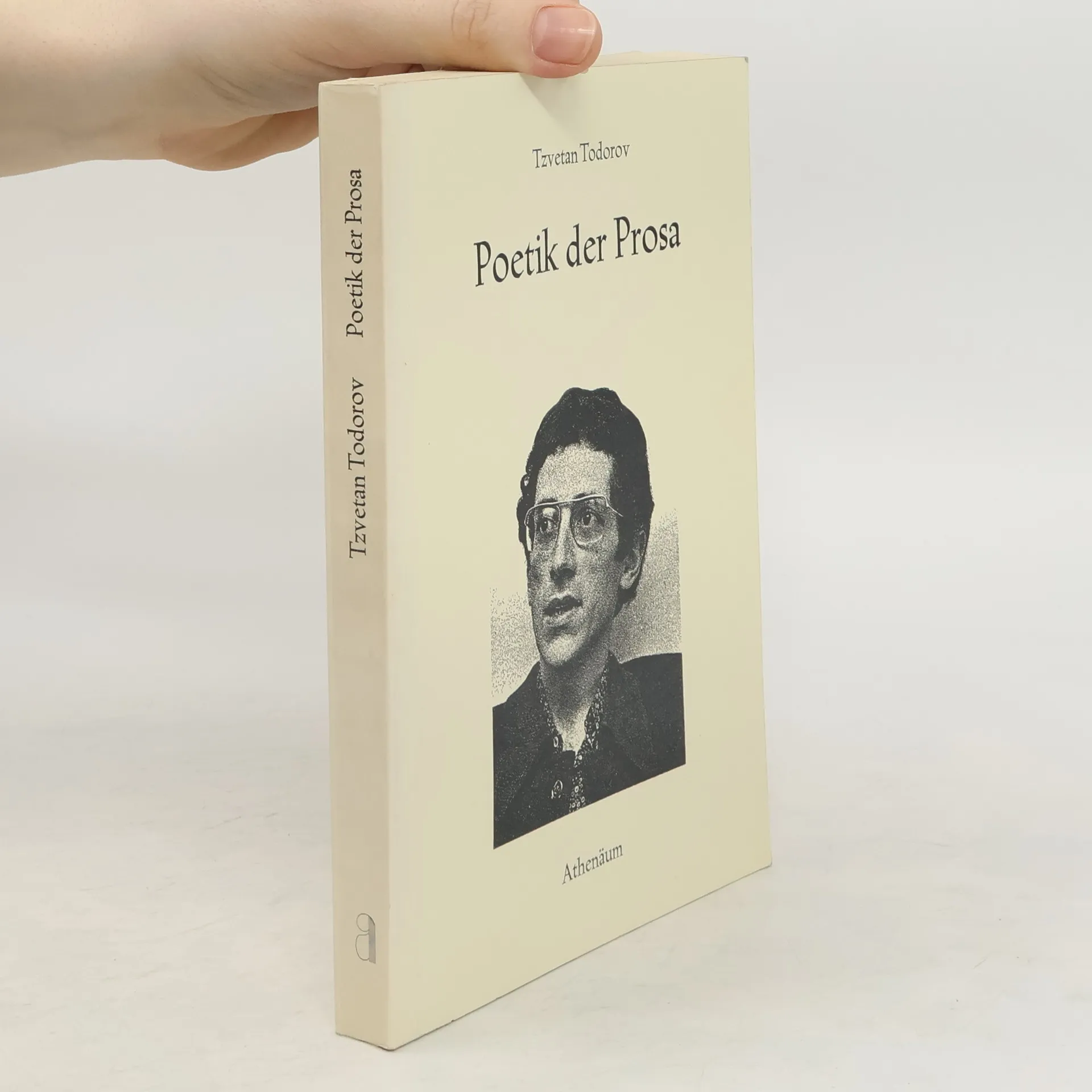
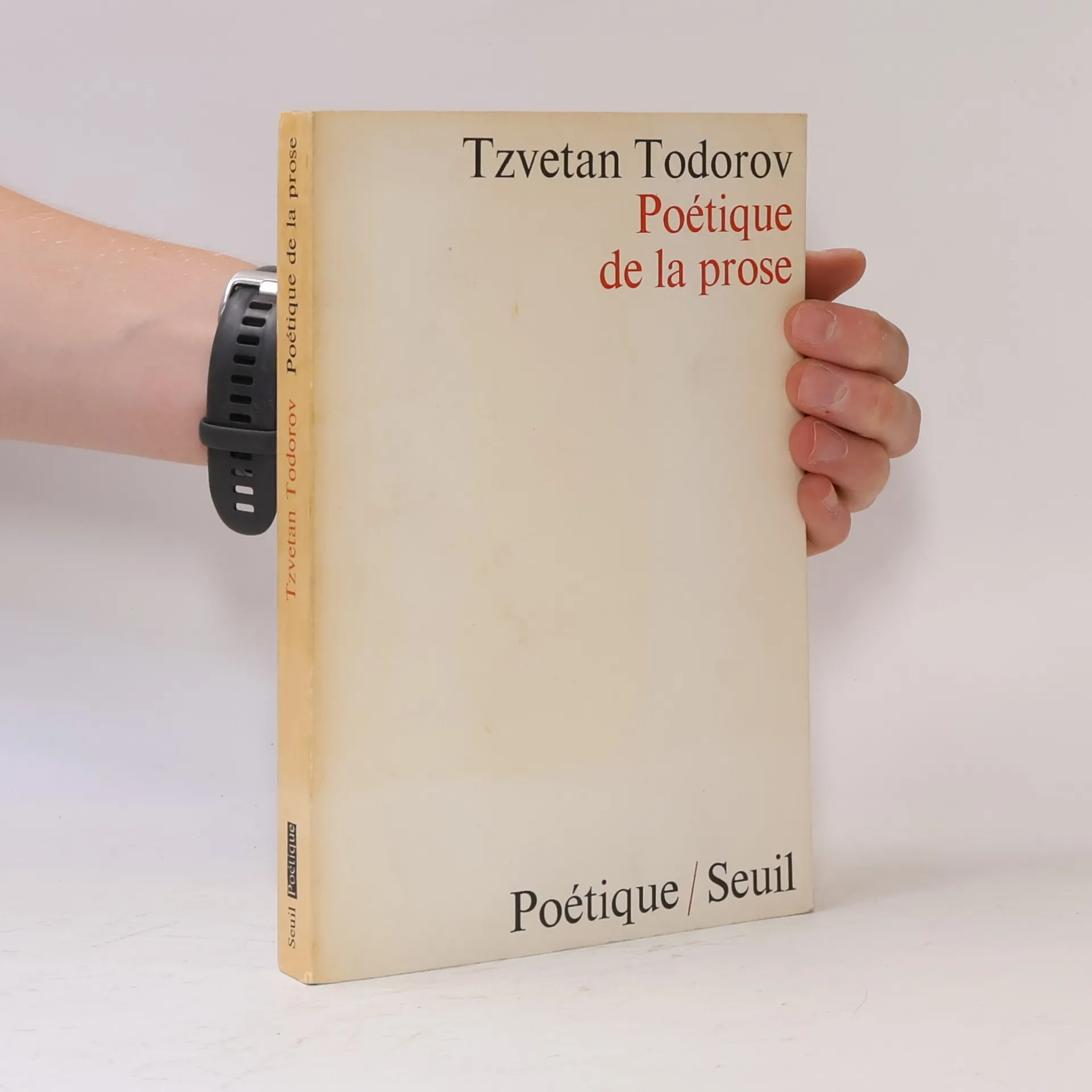
Poetik der Prosa
- 244pagine
- 9 ore di lettura
Todorov hat die textuelle Praxis stets als das wesentliche Instrument jeder theoretischen Überlegung betrachtet. Die Forschung zur Hypothese einer Grammatik des Erzählens hat ihn daher zu einer rigorosen Analyse einiger der wesentlichsten Momente der Literatur aller Zeiten geführt, um in ihnen den Rückkehr von konstanten rhetorischen und mythischen Formen, quasi den a priori Formen des spezifischen Literarischen, zu erkennen. Doch Todorovs Analysemethode ermöglicht es auch, aus diesen Konstanten die innere Bewegung herauszuarbeiten, die jedes Werk zu einer absoluten und unwiederholbaren Einzigartigkeit macht, und die Oberflächenwirkungen zu erfassen, in denen sich der stilistische Ausdruck der einzelnen untersuchten Texte manifestiert.
Café Voltaire: La littérature en péril
- 96pagine
- 4 ore di lettura
Une conception étriquée de la littérature, qui la coupe du monde dans lequel on vit, s'est imposée dans l'enseignement, dans la critique et même chez nombre d'écrivains. Le lecteur, lui, cherche dans les oeuvres de quoi donner sens à son existence. Et c'est lui qui a raison.
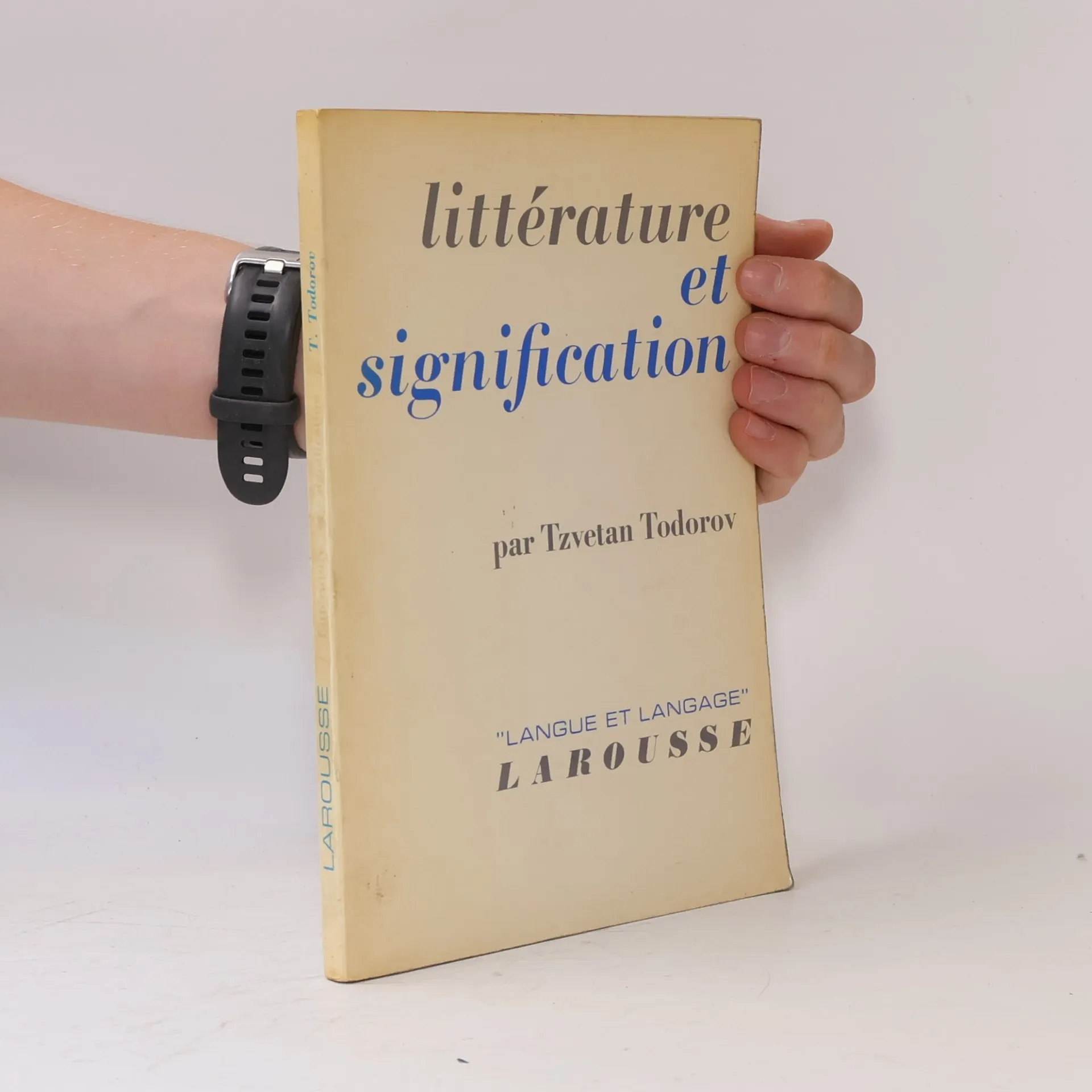
Littérature et signification
Langue et langage
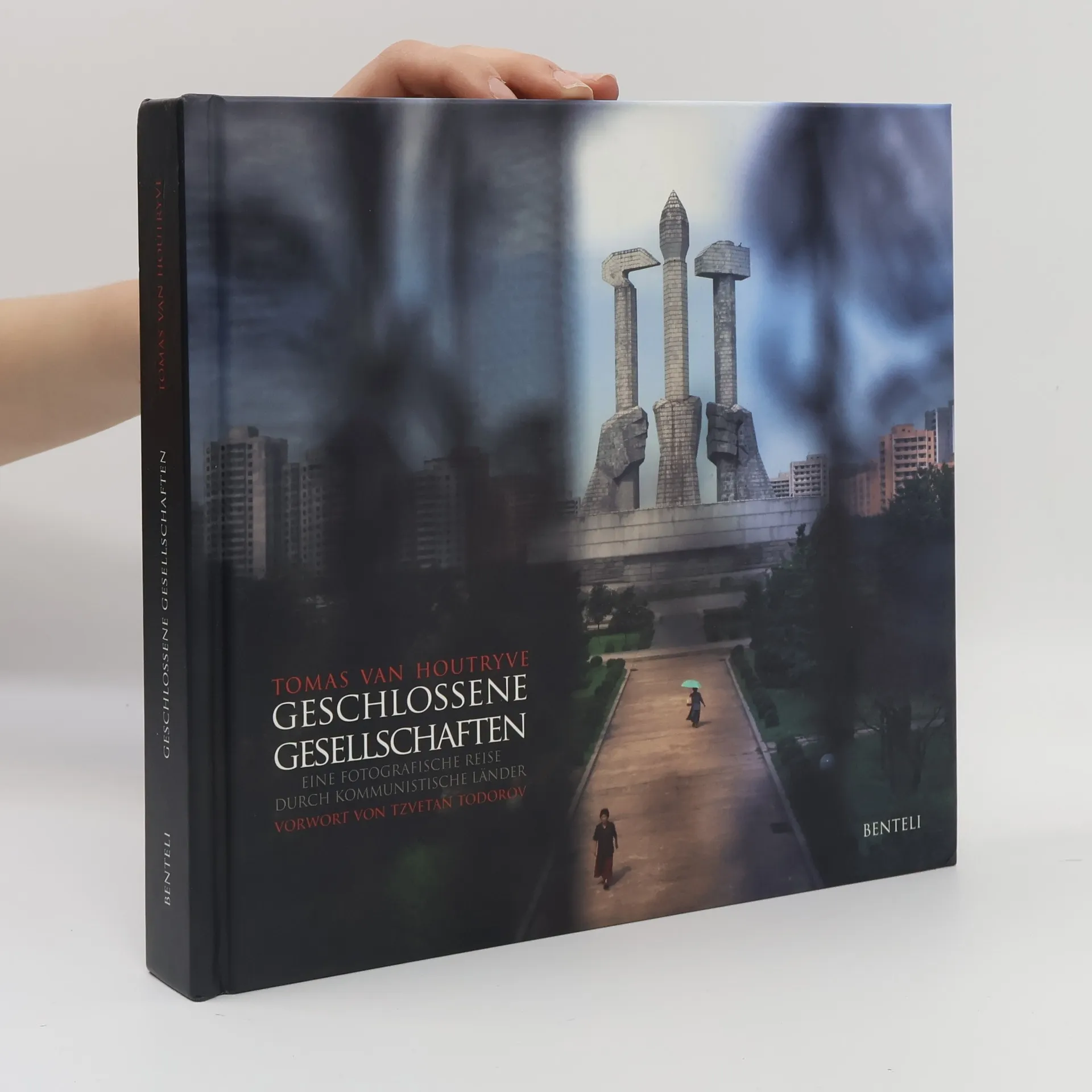
Geschlossene Gesellschaften
Eine fotografische Reise durch kommunistische Länder
- 283pagine
- 10 ore di lettura
Nach Ende des Kalten Krieges warfen die meisten kommunistischen Staaten ihre marxistischen Prinzipien ü̈ber Bord und etablierten ein neues Regierungssystem. Doch es gab einige wenige Länder, in denen es der kommunistischen Partei gelang, an der Macht zu bleiben. Genau diese Staaten bereiste der amerikanische Fotograf Tomas van Houtryve in den vergangenen sieben Jahren, wobei er bisweilen viele Hü̈rden zu überwinden hatte, um an sein jeweiliges Ziel zu kommen. In Nordkorea zeigt sich der Kommunismus von seiner rigidesten und besonders grotesken Seite. In Moldawien und Kuba befindet er sich in der Auflösung, durchdringt aber immer noch das reaktionäre System. In China, Vietnam und Laos bemüht sich die kommunistische Regierung um eine Annährung an die westliche Marktwirtschaft. In Nepal hingegen herrscht eine völlig andere Situation: Statt sich vom Kommunismus zu lösen, strebt dieses Land nach seiner Einfü̈hrung! Van Houtryves Fotografien zeigen deutlich den Unterschied zwischen vielversprechender kommunistischer Theorie und gelebter Praxis, der oft an die Grenzen des Menschlichen führt.