Anna Reid Libri
Anna scrive libri che fanno soffrire il cuore nel modo migliore (e talvolta peggiore), spingendo i lettori a pensare fuori dagli schemi e a mettere in discussione tutto ciò che credevano di sapere. Le sue opere sono ricche di romanticismo contorto, angosciante e struggente che invita alla riflessione. Quando non scrive, si dedica alla lettura, guarda una serie TV drammatica o pianifica il suo prossimo libro.


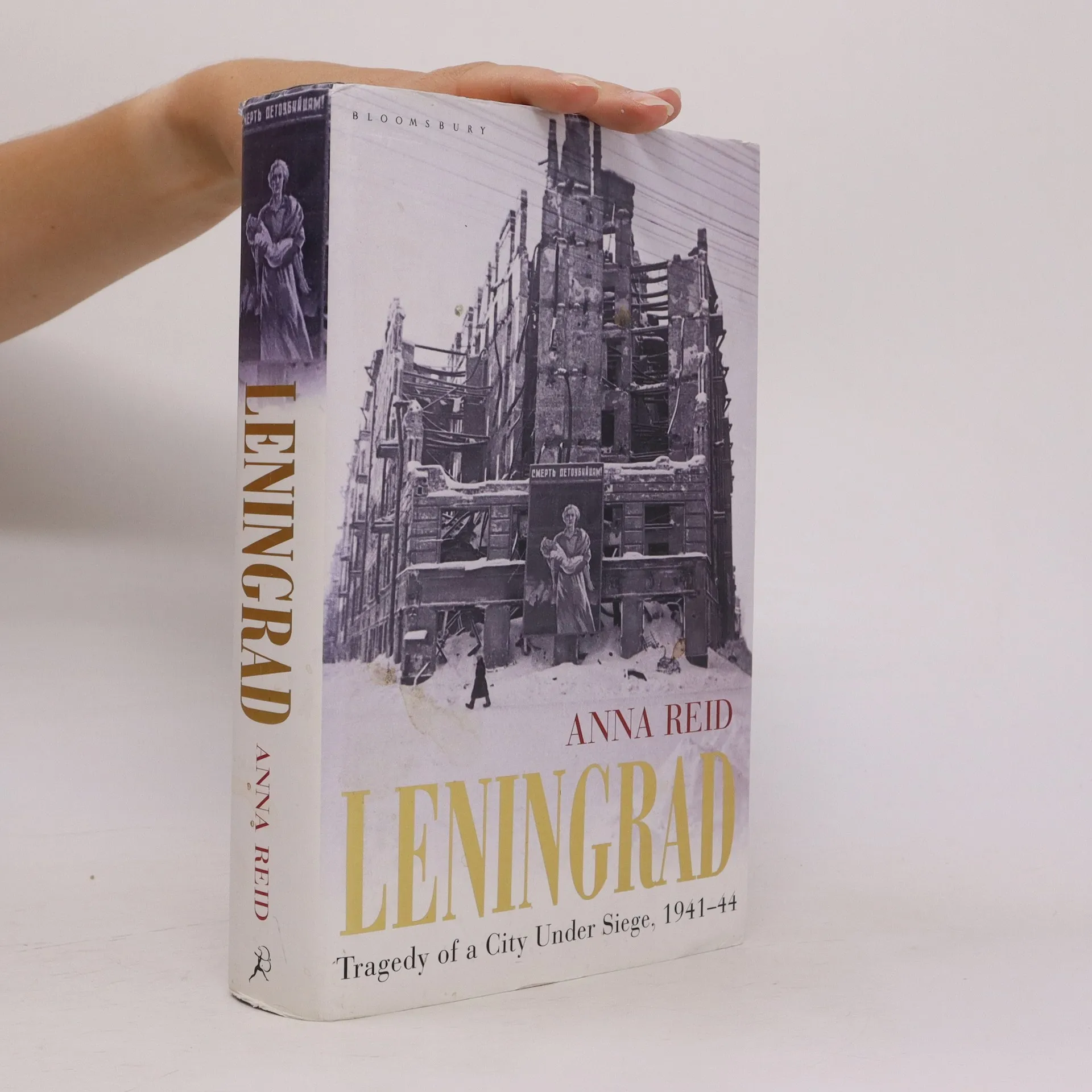
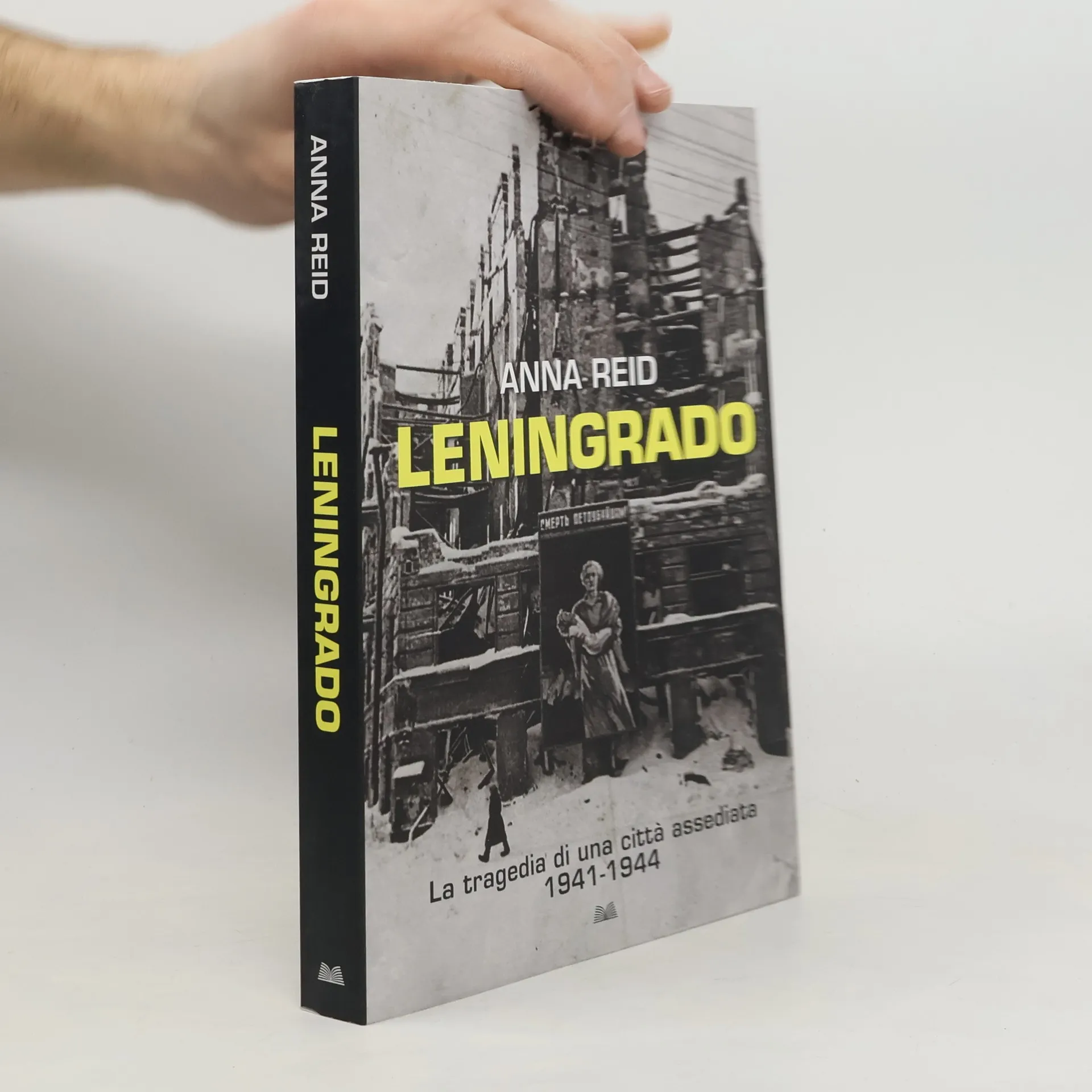
Leningrad : tragedy of a city under siege, 1941-44
- 492pagine
- 18 ore di lettura
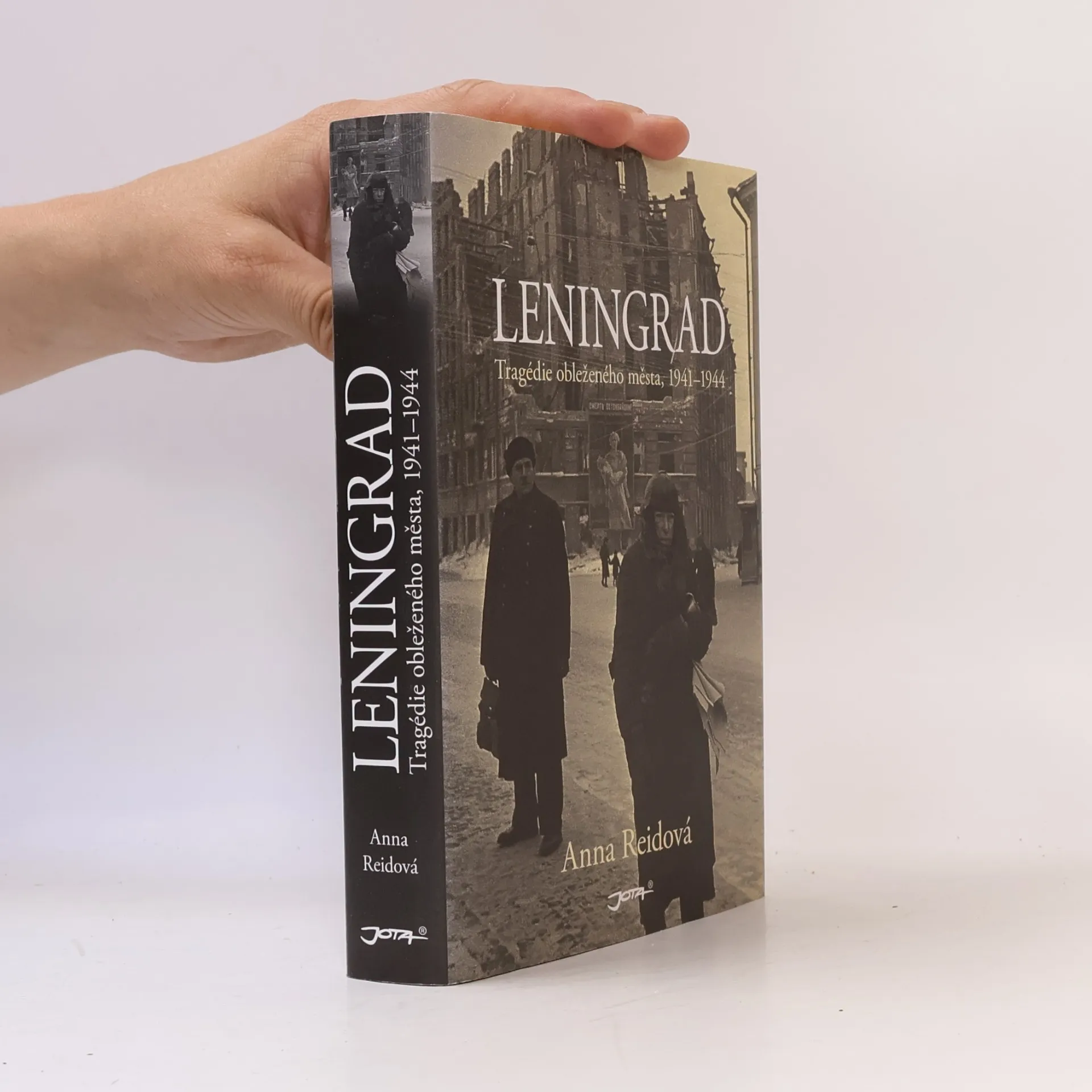
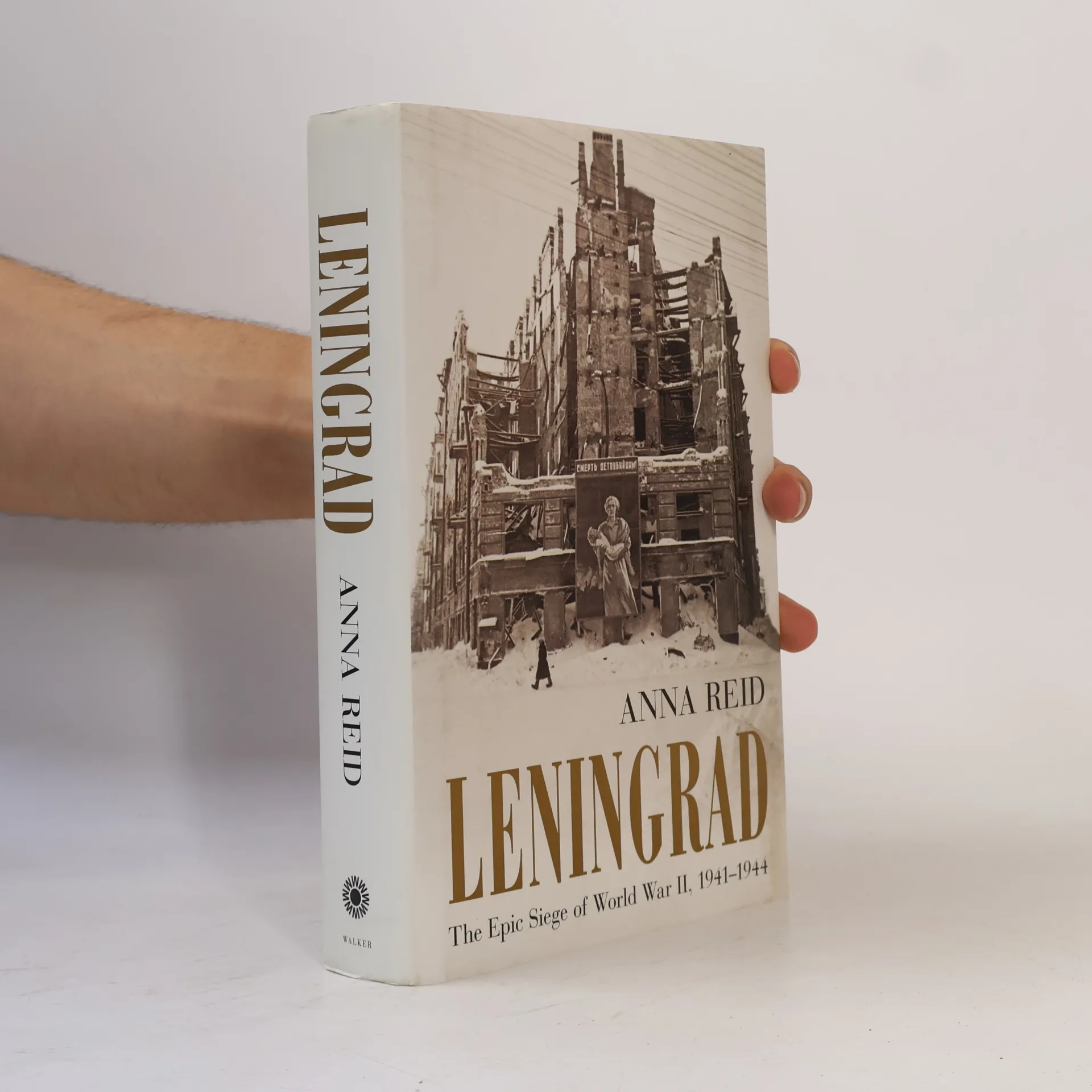
On 8 September 1941, 11 weeks after Hitler launched Operation Barbarossa, Leningrad was surrounded. The siege would not end for 2 and a half years and as many as 2 million Soviet lives would be lost. This narrative history is interwoven with personal stories of daily siege life drawn from diarists and memoirists on both sides
On September 8, 1941, just weeks after Hitler's surprise attack on the Soviet Union, Leningrad was besieged for two and a half years, resulting in the death of approximately three-quarters of a million residents from starvation. This gripping narrative history captures this pivotal moment, interweaving personal accounts from diarists on both sides. These accounts reveal the Nazis' intent to starve the city into submission, Hitler's grave miscalculations, and the Soviet leadership's incompetence and cruelty. The text details the harrowing experiences of soldiers and civilians alike, highlighting the desperate search for food and water, the erosion of family ties, and the grim realities of looting, murder, and cannibalism, contrasted with acts of extraordinary bravery and self-sacrifice. By dismantling decades of Soviet propaganda and utilizing newly accessible diaries and government records, the narrative addresses critical questions: Was Stalin as culpable for the death toll as Hitler? Why did the Germans fail to seize the city? What prevented it from descending into chaos? This work is notable for its originality and literary quality, giving a voice to those who suffered and aiming to rival other significant historical accounts in its impact.
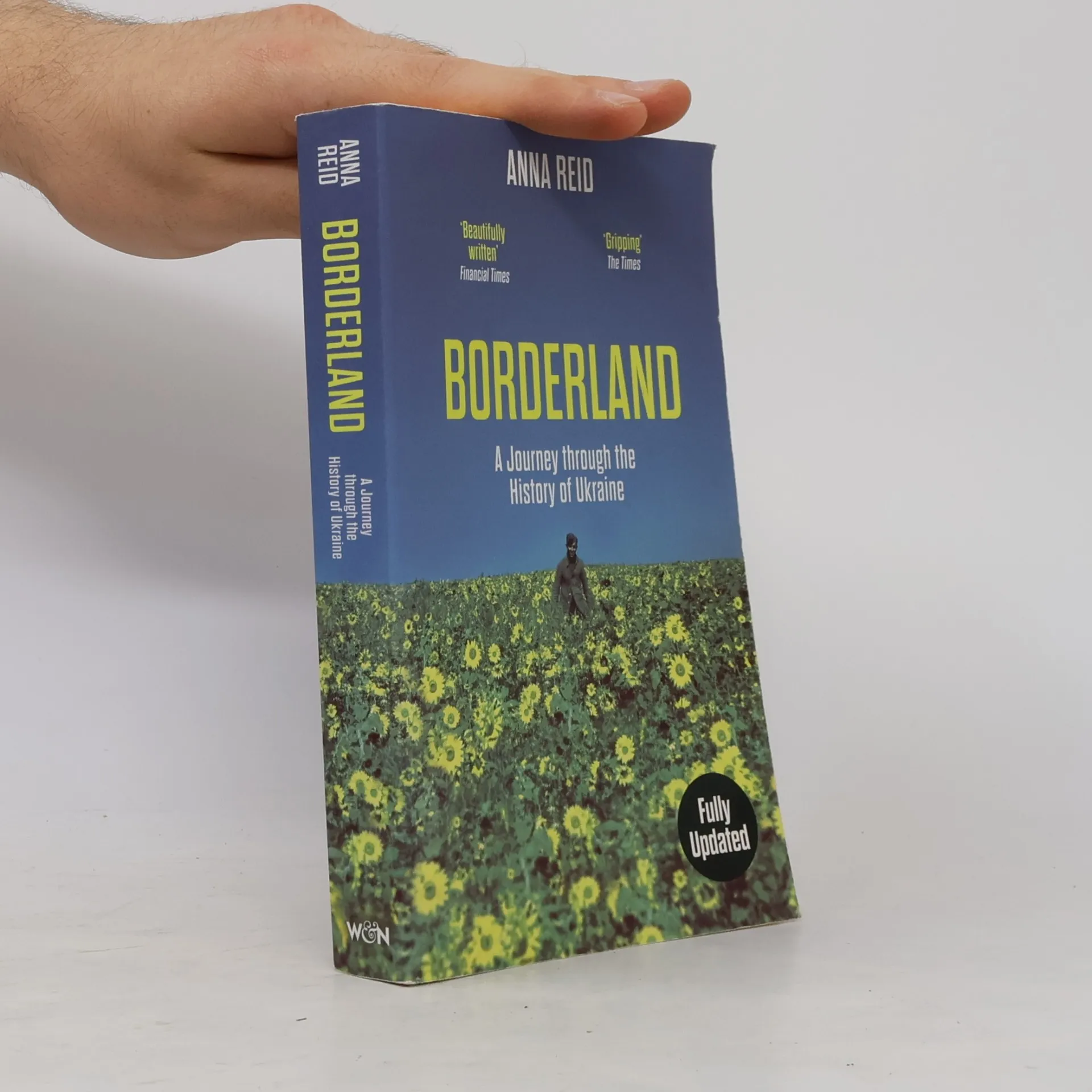
A Nasty Little War
- 366pagine
- 13 ore di lettura
The astonishing untold history of the Western invasion of Soviet Russia - and the tragedy it created.[Bokinfo].
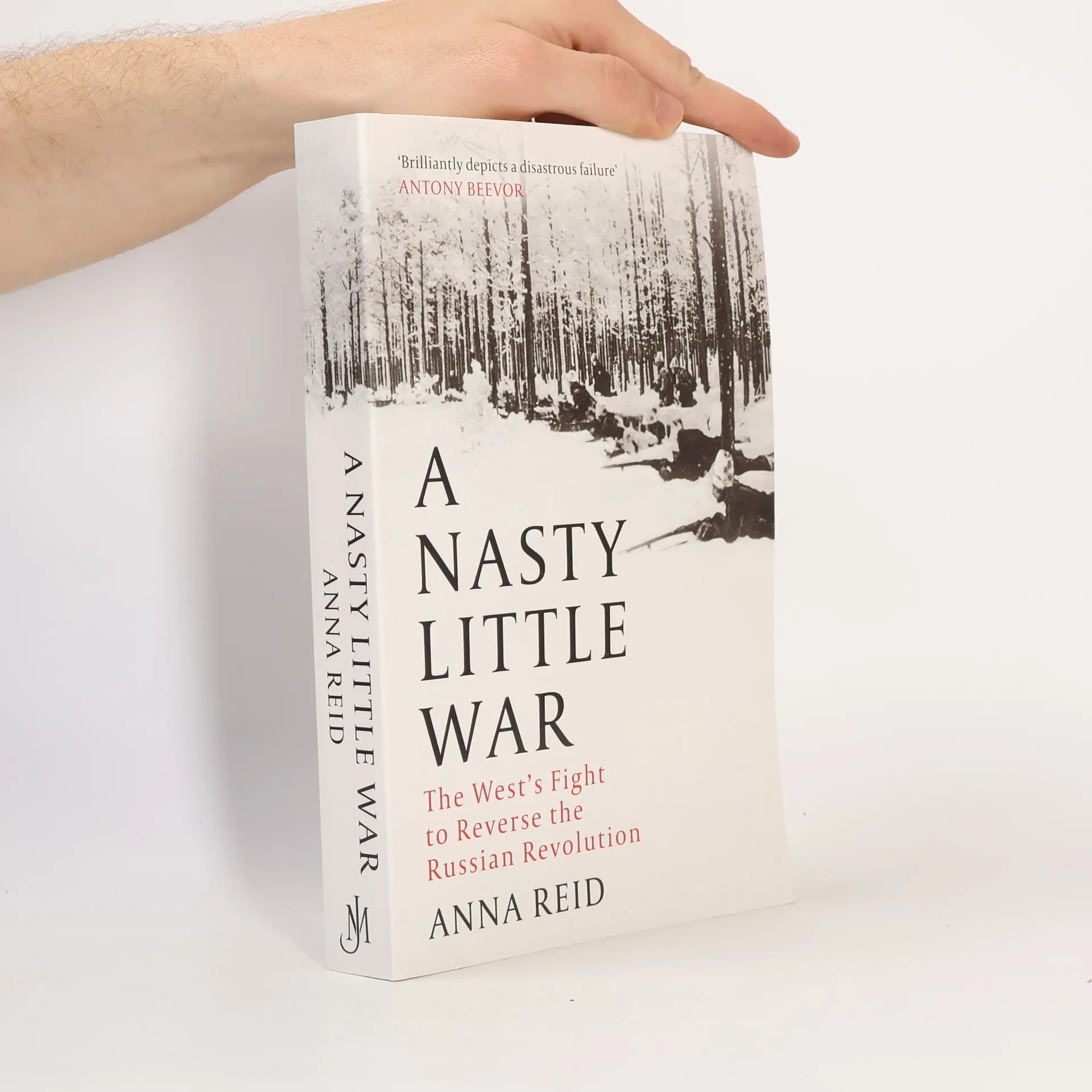
Borderland
- 367pagine
- 13 ore di lettura
A classic and vivid history of Ukraine 'Gripping history' The Times'Beautifully written and lovingly researched' Daily Telegraph
The Shaman's Coat: A Native History of Siberia
- 224pagine
- 8 ore di lettura
The fascinating history of an unknown people A vivid mixture of history and reporting, The Shaman's Coat tells the story of some of the world's least-known peoples-the indigenous tribes of Siberia. Russia's equivalent to the Native Americans or Australian Aborigines, they divide into two dozen different and ancient nationalities-among them Buryat, Tuvans, Sakha, and Chukchi. Though they number more than one million and have begun to demand land rights and political autonomy since the fall of communism, most Westerners are not even aware that they exist. Journalist and historian Anna Reid traveled the length and breadth of Siberia-one-twelfth of the world's land surface, larger than the United States and Western Europe combined-to tell the story of its people. Drawing on sources ranging from folktales to KGB reports, and on interviews with shamans and Buddhist monks, reindeer herders and whale hunters, camp survivors and Party apparatchiks, The Shaman's Coat travels through four hundred years of history, from the Cossacks' campaigns against the last of the Tatar khans to native rights activists against oil development. The result is a moving group portrait of extraordinary and threatened peoples, and a unique and intrepid travel chronicle.
Osmého září 1941, krátce po zahájení operace Barbarossa, byl Leningrad obklíčen. Obležení trvalo dva a půl roku, během kterého zahynuly dva miliony lidí. Autorka v knize podrobně popisuje blokádu a její příčiny, přičemž čerpá z rozhovorů s pamětníky, deníkových zápisků účastníků bojů a oficiálních dokumentů. Nově otevřené sovětské archivy jí umožňují odhalit realitu města, kterou dlouho zakrývala propaganda. Obyvatelé, kteří zažívali neuvěřitelné útrapy, se museli pohybovat po zamrzlých ulicích a schodech a čelili extrémním podmínkám. Základními potřebami byly sáňky, kamínka a lampy. V obleženém městě docházelo k rabování, vraždám a kanibalismu, ale také k neobyčejné statečnosti a sebeobětování. Autorka se zabývá otázkami týkajícími se vedení města, jeho krutosti a nekompetentnosti, blízkosti pádu do německých rukou, role Stalina a Moskvy a důvodů, proč město nikdy nebylo dobyto. Zkoumá, co rozhodovalo o přežití a jak lidé dokázali čelit nesmírným útrapám.