
Friedrich Nietzsche
- 224pagine
- 8 ore di lettura
A concise yet comprehensive critical biography of crucial German philosopher Friedrich Nietzsche.


A concise yet comprehensive critical biography of crucial German philosopher Friedrich Nietzsche.
"The Enlightenment is one of the formative periods of Western history, yet more than 300 years after it began, it remains controversial. It is often seen as the fountainhead of modern values such as human rights, religious toleration, freedom of thought, scientific thought as an exemplary form of reasoning, and rationality and evidence-based argument. Others accuse the Enlightenment of putting forward a scientific rationality which ignores the complexity and variety of human beings, propagates shallow atheism, and aims to subjugate nature to so-called technical progress. Answering the question 'what is Enlightenment?' Kant famously urged men and women above all to 'have the courage to use your own understanding'. Robertson shows how the thinkers of the Enlightenment did just that, seeking a rounded understanding of humanity in which reason was balanced with emotion and sensibility. His book goes behind the controversies about the Enlightenment to return to its original texts and to show that above all it sought to increase human happiness in this world by promoting scientific inquiry and reasoned argument. His book overturns many received opinions - for example, that enlightenment necessarily implied hostility to religion (though it did challenge the authority traditionally assumed by the Churches). It is a master-class in 'big picture' history, about one of the foundational epochs of modern times." -- Publisher's description
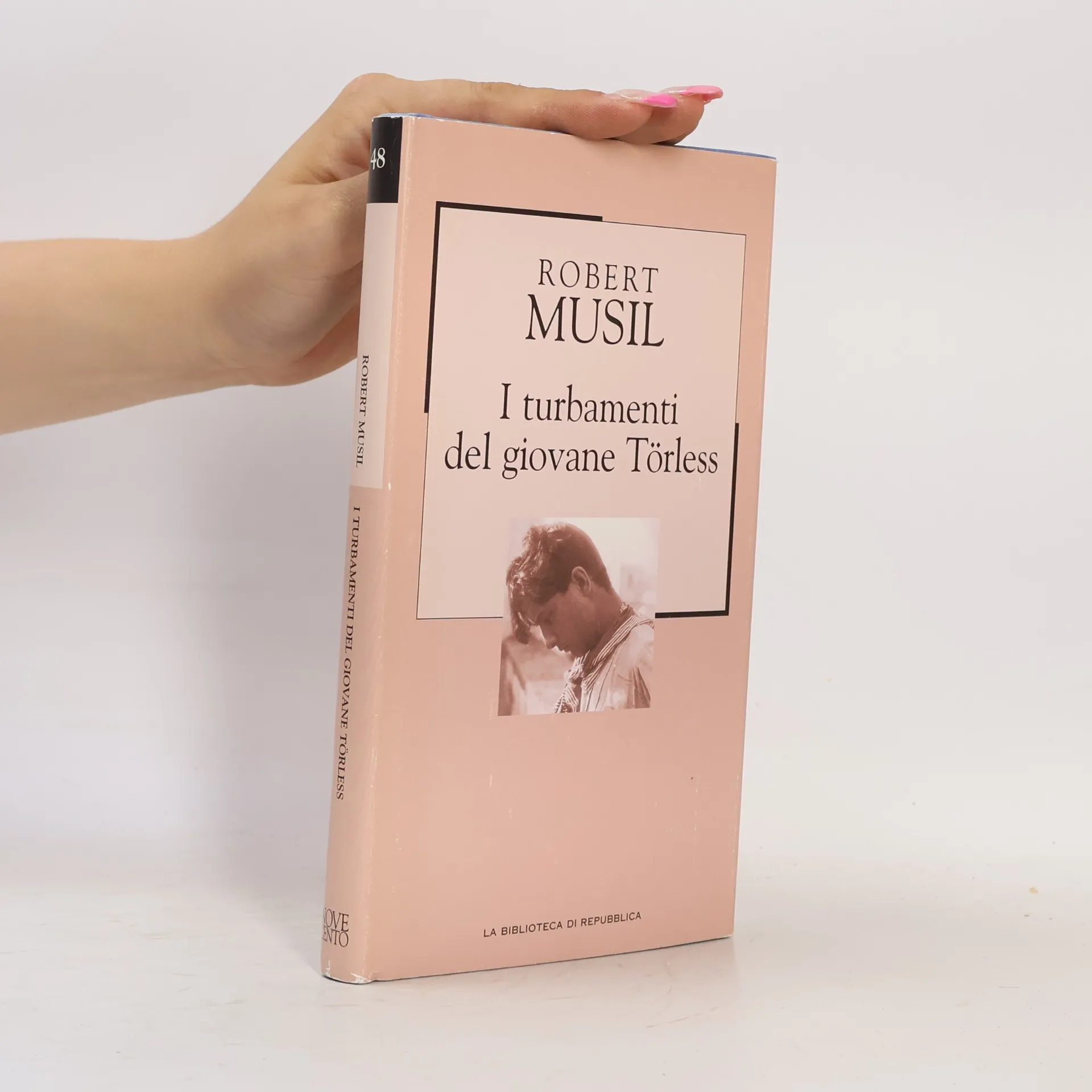
Il primo romanzo di Robert Musil, pubblicato nel 1906, ci immerge in un terribile universo concentrazionario, celato dietro la facciata di un collegio militare che educa i figli della borghesia austriaca. Gli schemi del romanzo di formazione vengono stravolti dalla registrazione dei rituali sadici che caratterizzano la vita degli studenti, evidenziando meccanismi di sopraffazione e disprezzo per la libertà individuale, creando un mondo adolescenziale diviso tra carnefici e vittime, legati da passioni morbose. Il protagonista cerca di seguire una sua avventura intellettuale, oscillando tra complicità e ripulsa, desiderio di capire e rigetto morale. È soprattutto turbato da un desiderio sessuale percepito come degradato e colpevole, che si manifesta in attrazioni per una prostituta sgradevole o un compagno vulnerabile. Questo tormento diventa emblematico di un difetto d'essere che la ragione non riesce a sanare. Largamente autobiografico, il romanzo cattura immediatamente l'attenzione della cultura europea per la sua disturbante novità e verità, oltre che per la maestria di una scrittura già perfettamente risolta, nonostante la giovane età dell'autore.
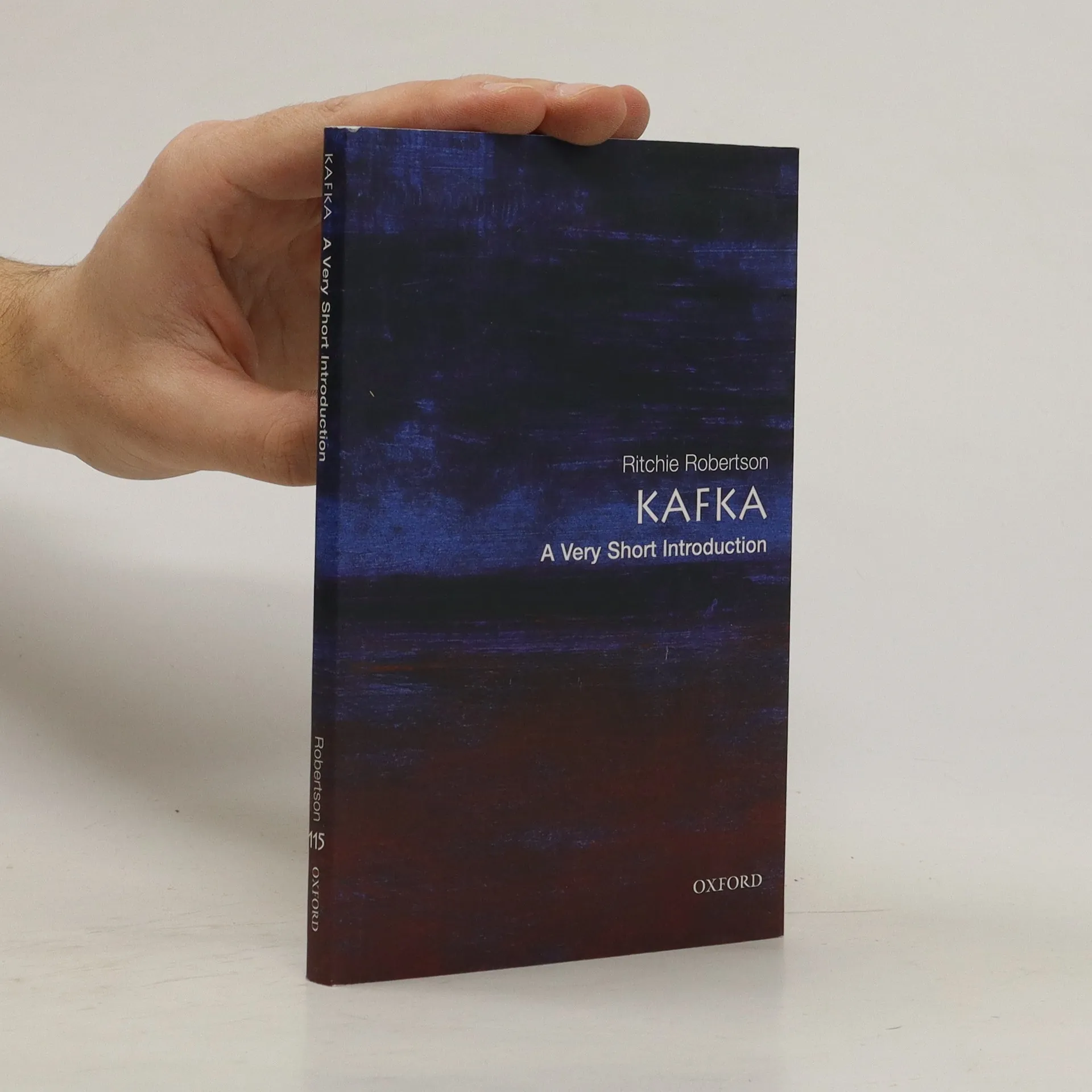
Franz Kafka is among the most intriguing and influential writers of the last century. During his lifetime he worked as a civil servant and published only a handful of short stories, the best known being The Transformation . His other three novels, published after his death, helped to found his reputation as a uniquely perceptive interpreter of the twentieth century.Discussing both Kafka's crisis-ridden life and the subtleties of his art, Ritchie Robertson provides an intriguing and accessible look at the life of this fascinating author. Using Metamorphosis as a recurring example, Robertson shows how Kafka's work explores such characteristically modern themes as the place of the body in culture, the power of institutions over people, and the possibility of religion after Nietzsche had proclaimed "the death of God."
A short, brilliant analysis of one of Germany's greatest writers.