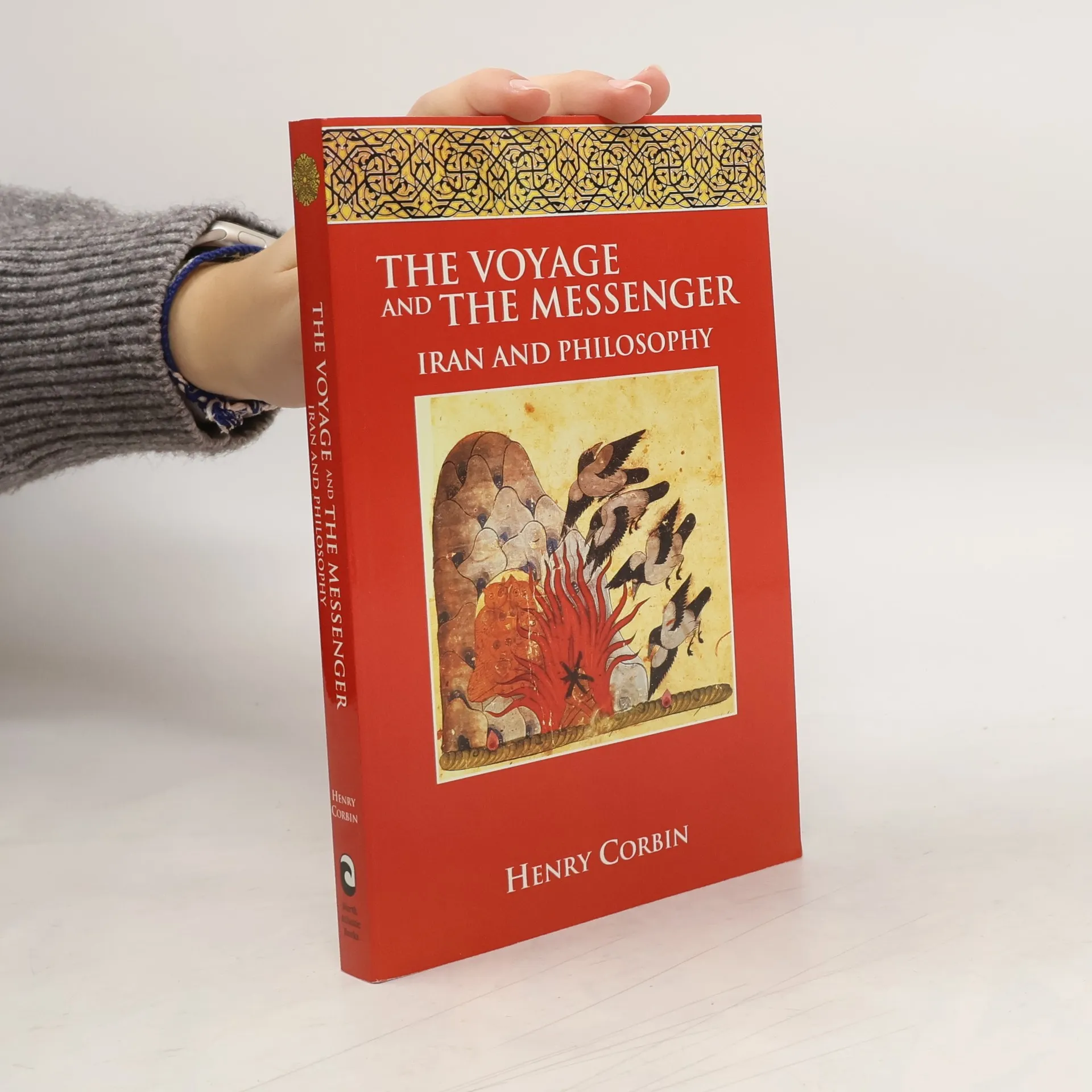
It may be that the world which our authors here describe in symbolic language as the "eighth climate" will be seen by Western people as the "lost continent." Should some of them be searching for it, the Spiritual Masters whom the present book seeks to interpret will perhaps serve as their guides.
Henry Corbin Libri
14 aprile 1903 – 7 ottobre 1978
Henry Corbin fu un filosofo, teologo e professore di studi islamici la cui opera ha fatto da ponte tra le tradizioni filosofiche occidentali e il misticismo del mondo islamico. La sua precoce sensibilità alla musica presagì la profonda risonanza e la poetica che permeano i suoi scritti. Un incontro fondamentale con il mistico persiano del XII secolo Suhrawardi plasmò la traiettoria della sua vita, illuminando un percorso in cui il platonismo si intrecciava con l'angelologia persiana antica. Corbin reindirizzò fondamentalmente lo studio della filosofia islamica, dimostrandone la persistente vitalità nel mondo orientale, in particolare in Iran, sfidando così l'idea della sua cessazione dopo Ibn Rushd.



Alone with the Alone
Creative Imagination in the Sūfism of Ibn 'Arabī
- 440pagine
- 16 ore di lettura
Ibn 'Arabi, a prominent mystic, significantly influenced Shi'ite Sufism through his profound personal experiences and intellectual insights. Henry Corbin explores the connections between Islamic mysticism and Western mystical thought, drawing parallels between Ibn 'Arabi's concepts and Shakespeare's implied cosmology in works like HAMLET and THE TEMPEST. This comparative analysis highlights the shared themes of the imaginal realm and the "place of souls," enriching the understanding of both traditions. The book includes five plates, two in color.
Creative Imagination in the Sufism of Ibn Arabi
- 424pagine
- 15 ore di lettura
An analysis of the life and doctrines of the Spanish-born Arab theologian.
This work, incorporating previously unpublished interviews and articles, retraces the quest of Henry Corbin into the imaginal realm of the unseen self, the domains of angels and numinous beings. A study of religious philosophy, exploration of visionary faith, these pages offer a superb meditation of the great themes of Perso-Islamic mysticism—the Sufi theory of knowledge, the voyage within the soul, le rituel de la coupe —and an illuminating glimpse into the philosophic universes of Sohravardi, Ibn Arabi, and Molla Sarda Shirazi.
Jung, Buddhism, and the Incarnation of Sophia
- 208pagine
- 8 ore di lettura
Examines the work of Carl Jung in relation to Eastern religion, the wisdom teachings of the Sophia, Sufi mysticism, and visionary spirituality
Man of Light in Iranian Sufism
- 174pagine
- 7 ore di lettura
"In the Sufism of ancient Iran, the quest for dawning Light symbolizes the mystic's search for illuminated self-realization. In the path of this spiritual journey, the light arising in one's inner darkness is the Northern Light or the Midnight Sun, which is the brilliant light of truth offering freedom from egotism and from slavery to material existence. The Man of Light in Iranian Sufism presents a penetrating analysis of the writings of the great Iranian Sufis such as Suhrawardi, Semnani, and Najm al-Din Kubra, in which Corbin sees an unfolding and continuity of the idea of light and color as symbols of spiritual development. This intellectually exacting text goes beyond theoretical speculation: Corbin's combination of analysis and clear insight beckons the reader to apprehend the intuitive dimensions of the material being discussed. The Man of Light in Iranian Sufism remains one of the most important expositions of classical Persian Sufism available to a Western audience."--Provided by publisher
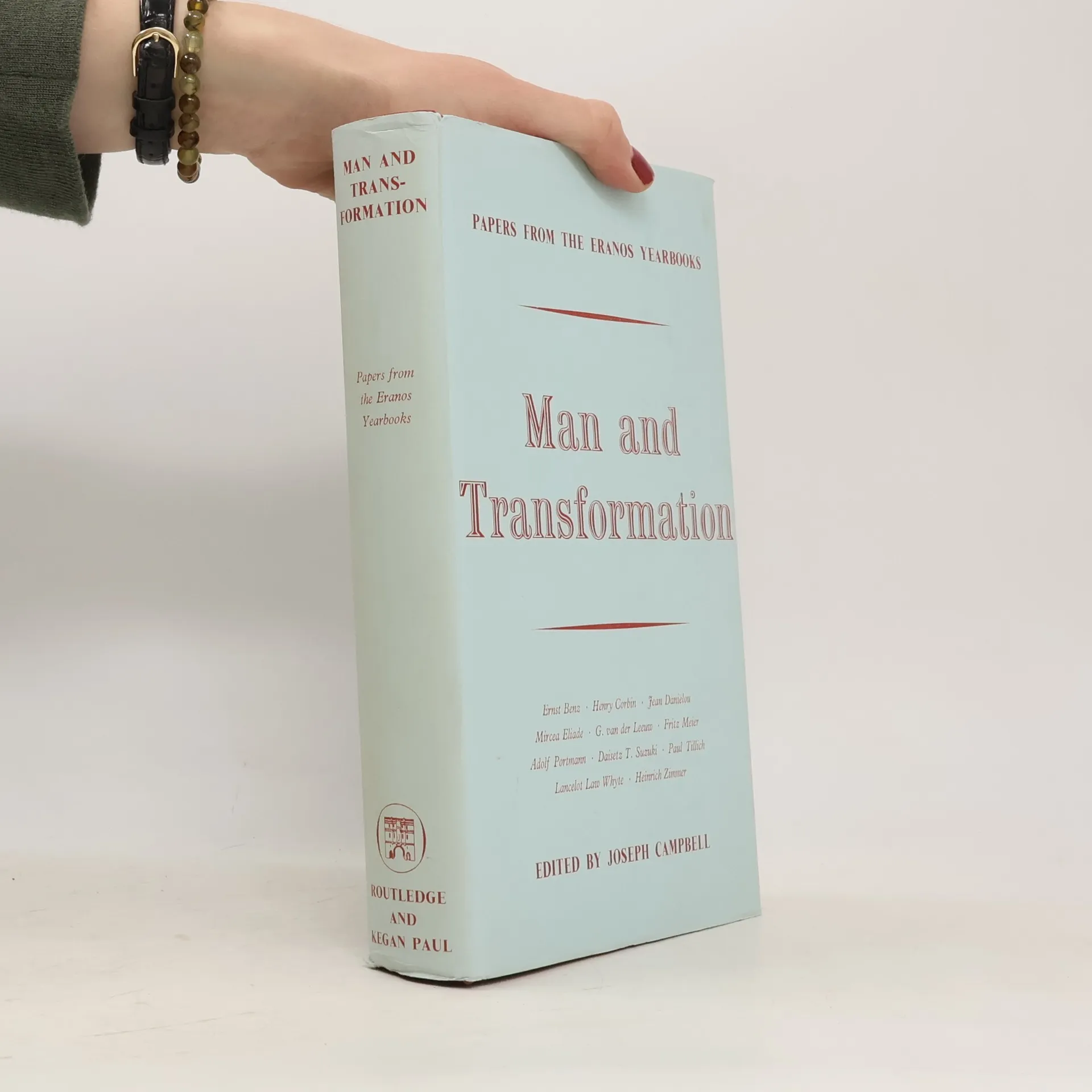
Man and Transformation
Papers from the Eranos Yearbooks
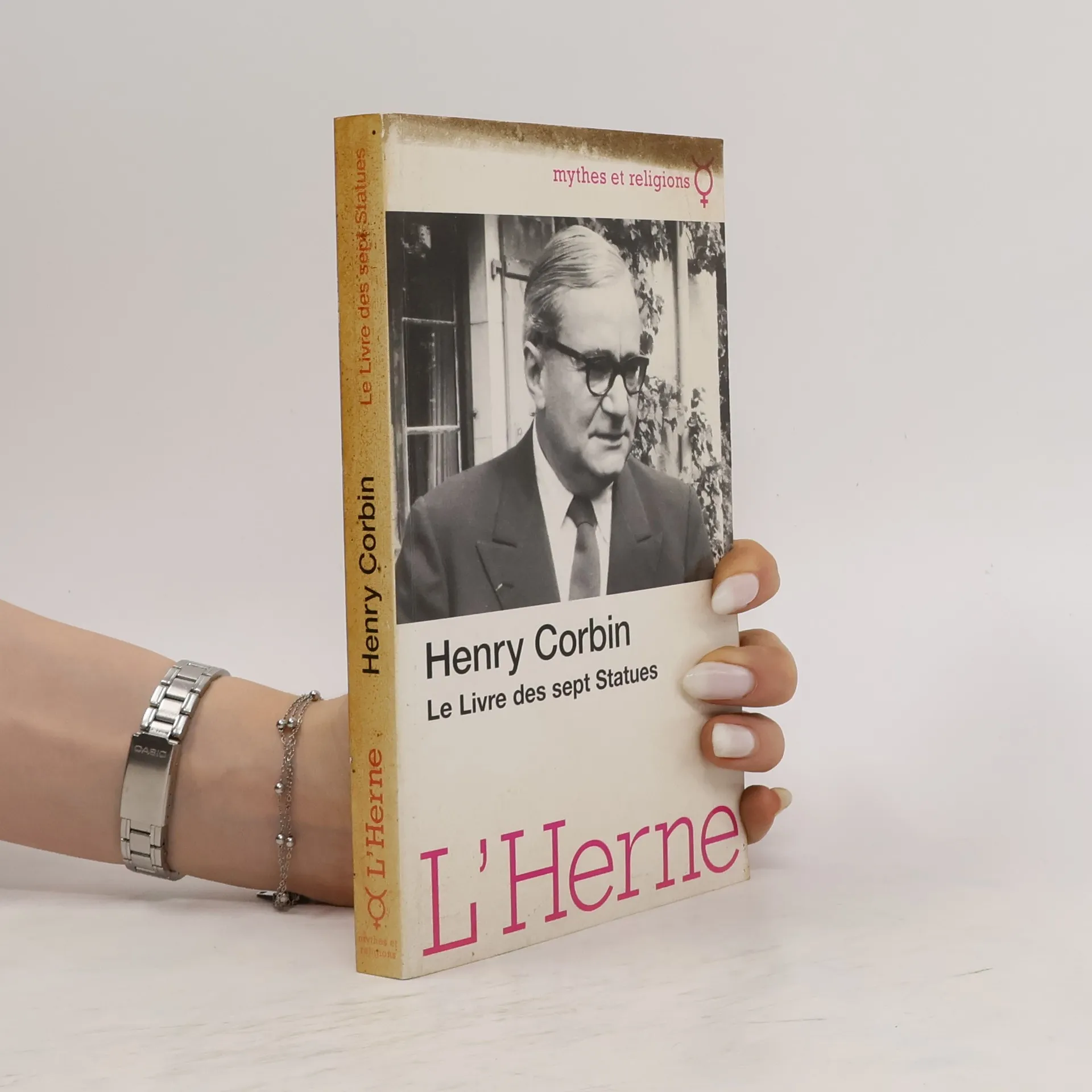
Le livre des sept statues
- 218pagine
- 8 ore di lettura
Henry Corbin a su montrer au fil de ses travaux quelle était l'importance de la figure de l'Imâm en islam iranien. Dans les articles qui composent ce recueil, il poursuit cette mise en évidence de l'Imâm : le guide, qui est à la fois " la Face divine montrée à l'homme et la Face que l'homme montre à Dieu ". Mais cette exploration le conduit bien au-delà de l'Iran, car cette double figure vient aussi interroger les autres religions, et en particulier les théologies chrétiennes de l'Incarnation. Selon Henry Corbin, on ne peut vraiment comprendre l'intention profonde de l'islam iranien, sans procéder à une herméneutique comparée, impossible sans le monde " imaginal " sur lequel l'ouverture du recueil fait ici le point de façon complète. Ainsi pourra-t-on lire un de ses chef-d'œuvre en ce domaine : l'éclairage mutuel de la gnose ismaélienne et de la pensée du grand visionnaire suédois Swedenborg. Sans déconnecter la métaphysique des sciences des religions, le voyage nous dévoile le sens de ces philosophies prophétiques, de ces théosophies mystiques.
Tvůrčí imaginace v súfismu Ibn 'Arabího
- 333pagine
- 12 ore di lettura
Monumentální dílo filosofa, orientalisty a religionisty Henryho Corbina (1903-1978) zásadním způsobem ovlivnilo naše poznání filosofie islámu. Díky svému vzdělání dokázal otevřít pole svých znalostí i filosofické interpretaci. Svými vydáními arabských a perských textů zpřístupnil i samotným Íráncům hlavní autory jejich mystické poezie a filosofie. Zároveň svými překlady těchto textů umožnil, aby se s bohatostí této myšlenkové tradice seznámili i lidé na Západě. Tvůrčí imaginace v súfismu Ibn Arabího je jednou z jeho nejvýznamnějších studií. Jeho rozsáhlé dílo však zahrnuje i první překlady Heideggera a Bartha do francouzštiny, studie o Böhmovi a Swedenborgovi, pojednání o Grálu a angelologii i vytříbené překlady a komentáře perských súfíjských textů. Ibn Arabí se narodil v Murcii v roce 1165 a zemřel roku 1240 v Damašku. Tento mystik a velice plodný autor zůstává jednou z nejoriginálnějších postav súfijského esoterismu. Henry Corbin nás seznamuje s jeho dobou a zasvěcuje nás do klíčových témat jeho filosofie. Tato kniha nás uvádí do samého srdce súfismu a odhaluje nám duchovní topografii islámu.
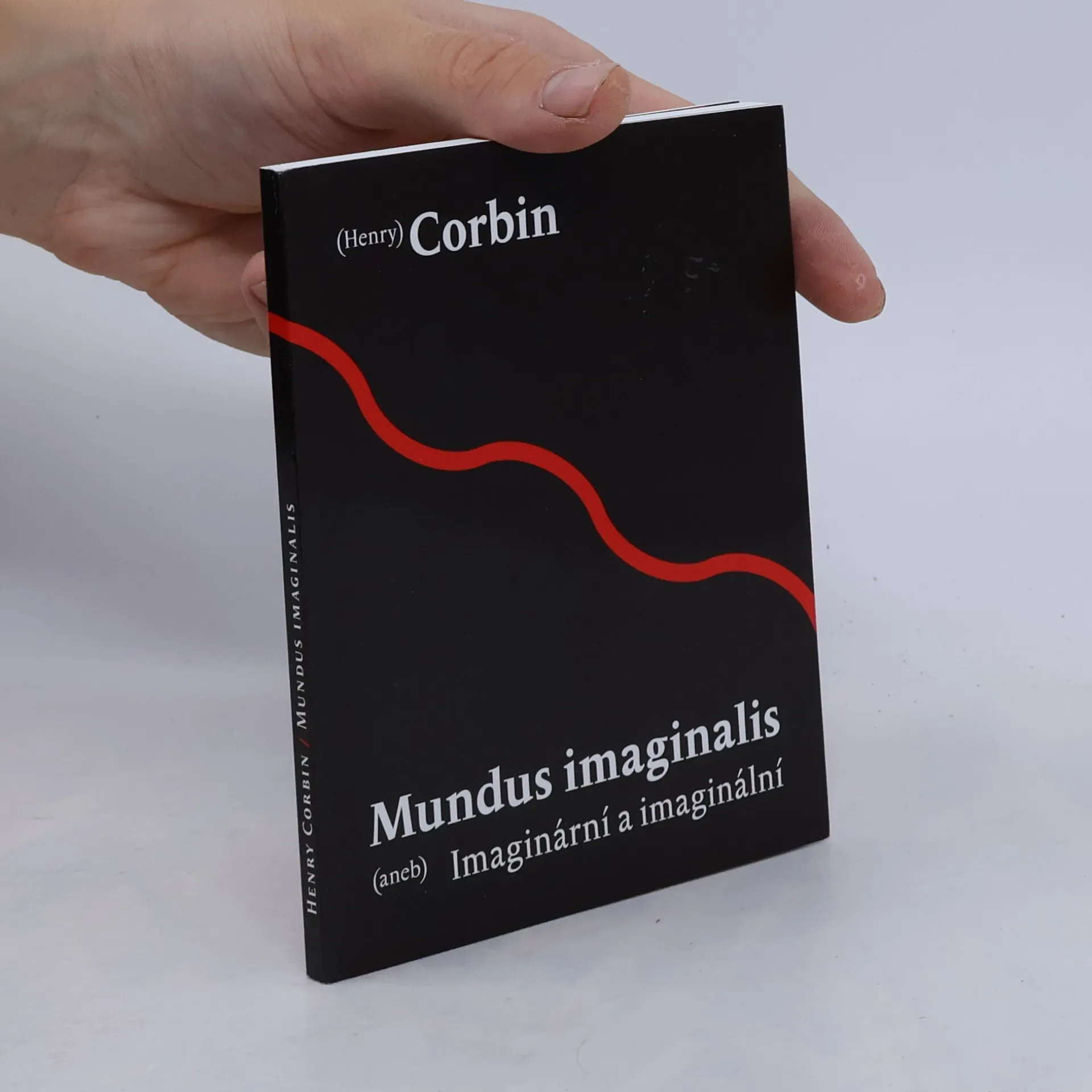
Mundus imaginalis aneb imaginární a imaginální
- 76pagine
- 3 ore di lettura
Tato esej je prvním dílem, jímž se tento přední znalec islámské filosofie a mystiky představuje českému čtenáři. Představuje v ní své pojetí kreativní imaginace, kterou chápe jako orgán vnímání symbolického, imaginálního světa, jenž je prostředníkem mezi světem inteligencí (či archetypů) a světem smyslového vnímání.
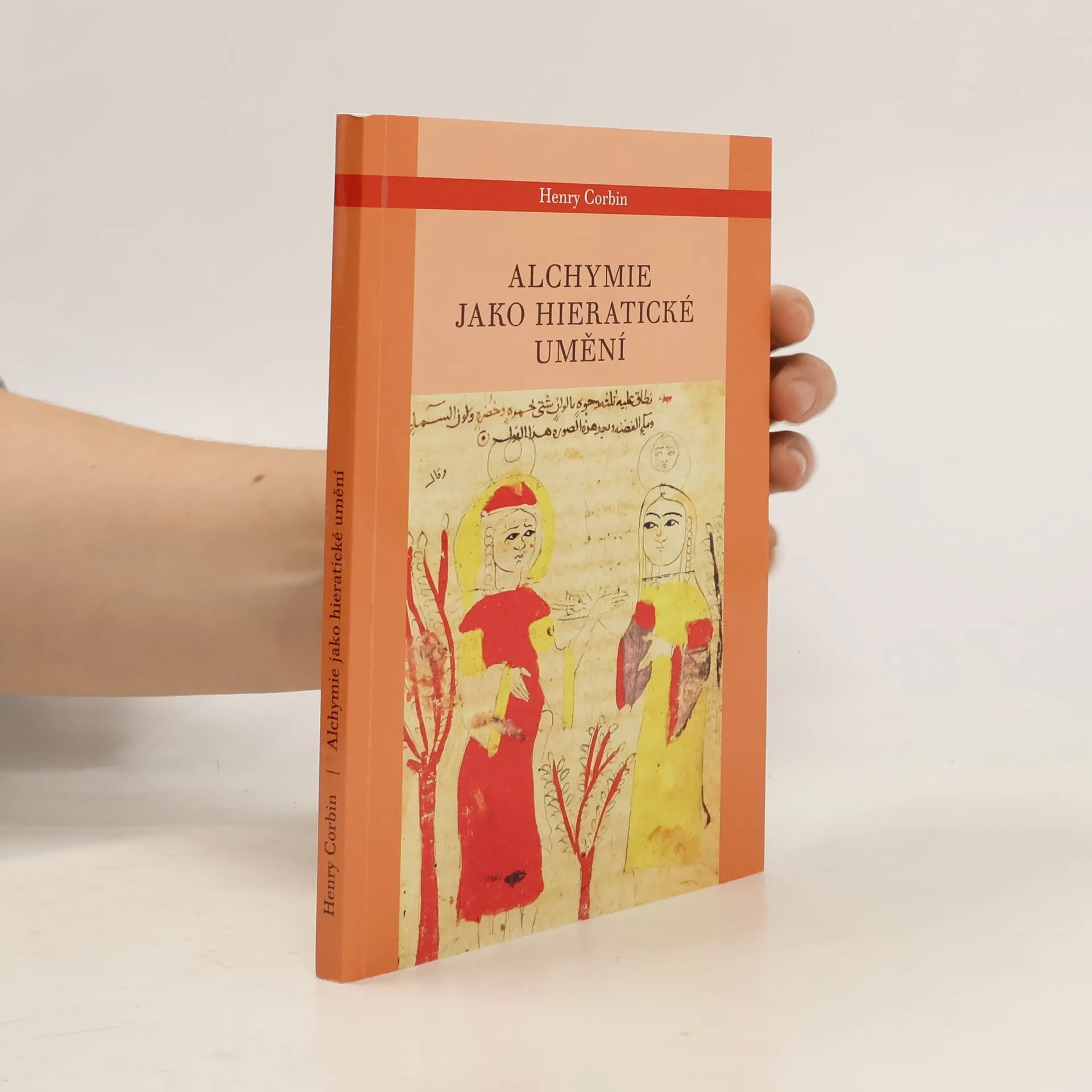
Alchymie jako hieratické umění
- 166pagine
- 6 ore di lettura
Tato kniha je souborem tří studií, které vynikající znalec islámské kultury a mystiky Henry Corbin věnoval alchymii. Jde o komentované překlady krátkých, ale klíčových textů, které se neomezují na pouhý popis jednotlivých operací, ale zároveň se otevřeně potýkají s otázkou dosahu Velkého Díla v rámci muslimského duchovního hledání. Těmito třemi texty jsou: Komentář esoterika Ajdamura Džaldakího (14. stol.) k jednomu výroku Imáma ?Alího ibn Abí Táliba týkajícího se alchymie. Džaldakí zde jasně vykresluje paralelu mezi úlohou proroctví a alchymie, čímž naznačuje plný rozsah náboženského a metafyzického významu Velkého Díla. Druhým textem je Džaldakího komentář ke spisu Apollónia z Tyany (Balínás) o symbolismu alchymického Díla, a konečně třetí část této knihy je představením a komentovaným překladem spisu alchymisty Džábira ibn Hajjána, Kniha Slovutného (Kitáb al-Madžíd), věnovaného definici metafyzického významu muslimského alchymisty.
L'Âme de l'Iran
- 268pagine
- 10 ore di lettura
L'Âme de l'Iran, grand classique de l'iranologie, rassemble en un dialogue rare les meilleurs spécialistes de la civilisation perse, l'une des plus anciennes, et aujourd'hui encore au coeur de l'histoire mondiale. " Patrie des philosophes et des poètes ", selon l'expression d'Henry Corbin, l'Iran est au carrefour de deux continents spirituels. En rappelant tout l'héritage de la Perse, de l'ancienne religion de Zoroastre jusqu'à l'islam chi'ite, et en saisissant au vol l'âme de cette civilisation qui fit se rencontrer et se mêler tant de cultures, les auteurs célèbrent les retrouvailles de l'Orient et de l'Occident en leur berceau commun. Daryush Shayegan, dans sa préface, souligne la valeur toujours actuelle de ce volume aux intervenants prestigieux.
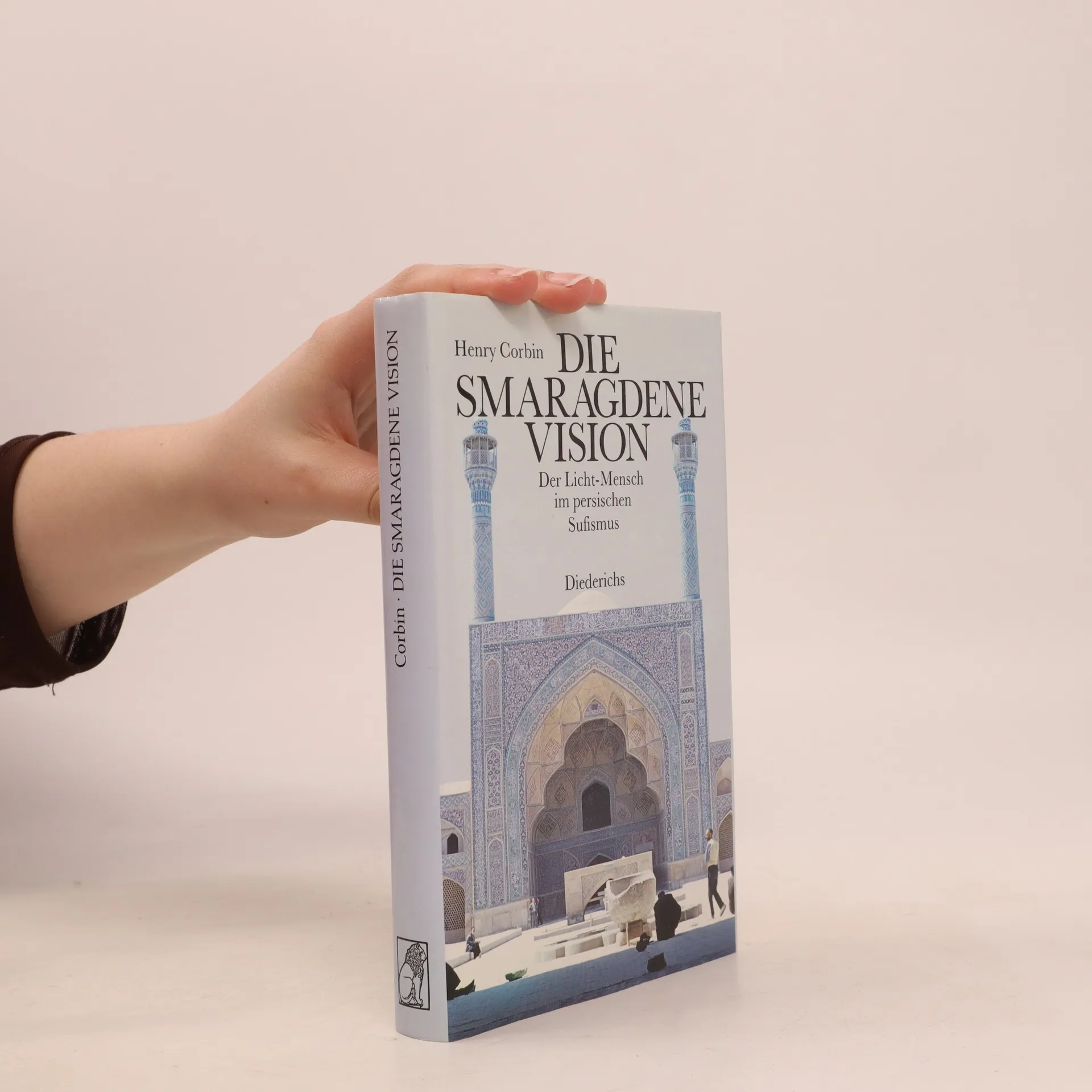
Die smaragdene Vision
- 215pagine
- 8 ore di lettura