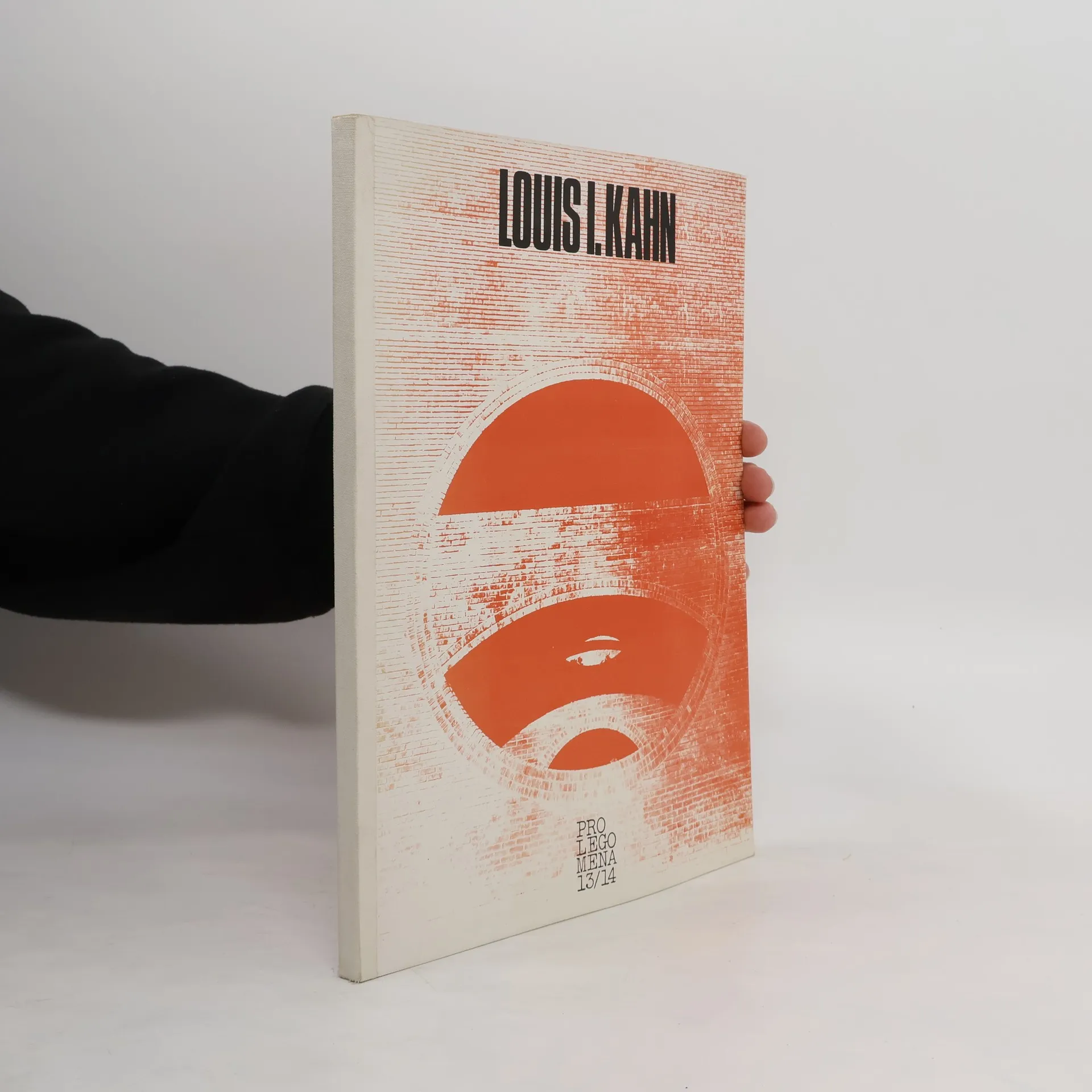
Louis I. Kahn (1901-74) was one of the foremost architects in America during the twentieth century. His notable buildings include the Yale Study Center; the Salk Institute in La Jolla, California; and the Exeter Library in Exeter, New Hampshire. On February 12, 1969, Kahn gave a lecture at the School of Architecture at the Swiss Federal Institute of Technology in Zürich. Entitled Silence and Light, the lecture explains Kahns spiritual understanding of architecture, which goes far deeper than simply constructing buildings. It also gives a remarkably prescient account of a belief in sustainable architecture that prefigures the twenty-first centurys focus on green technology. The lecture is represented in transcripts in five different languages (German, Italian, English, French, and Spanish), as well as an audio recording of Kahn giving the lecture in English included on CD. To complement the original text, the editor has included a preface written by Kahns close friend and fellow architect Balkrishna V. Doshi, as well as many of Kahns own images and drawings, some of which have never been published before.
Louis Kahn Libri
Louis Kahn fu un architetto americano il cui stile è influenzato dalle rovine antiche. I suoi edifici possiedono un carattere monumentale e monolitico, rifiutandosi di nascondere il loro peso, i materiali o il metodo di assemblaggio. Le opere di Kahn sono considerate monumentali oltre il modernismo. Il suo approccio all'architettura enfatizzava la verità dei materiali e le loro relazioni intrinseche.



Louis Kahn
- 256pagine
- 9 ore di lettura
A thoughtful selection of the celebrated architect's speeches and writings. schovat popis
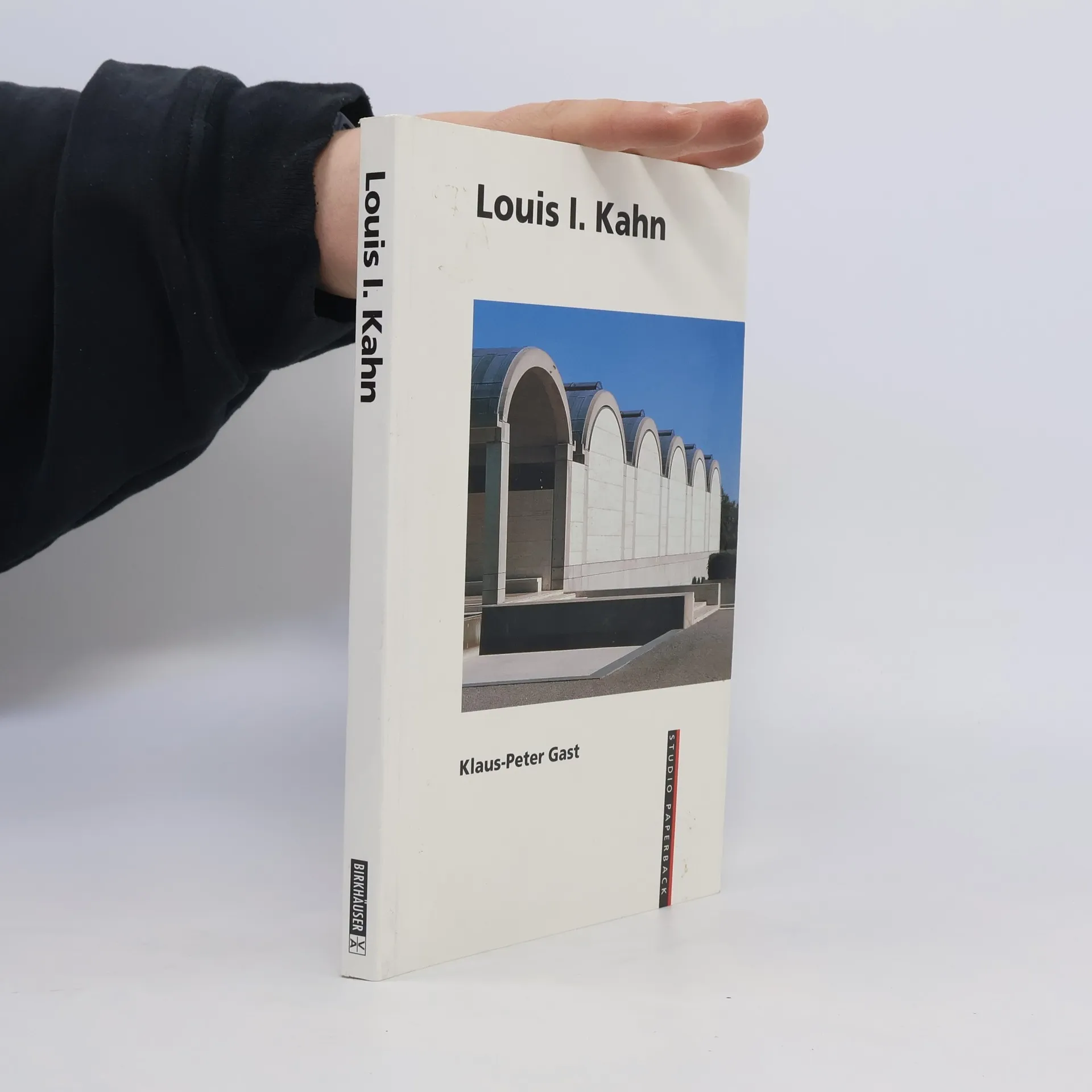
1999 is the twenty-fifth anniversary of Louis kahn's death. In the second half of teh twentieth century, Louis Kahn's designs took on enormous significance for international architecture. Kahn belonged to that generation of architects which perfected and simultaneously surpassed Modernism. Most of Kahn's projects were realised in the USA and several large projects were built in Asia. From Kahn's early work to larger projects such as the National Capital of Bangladesh in Khaka and the Kimbell Art Museum in Fort Worth, the documented works all illustrate the human aspect in Kahn's work.
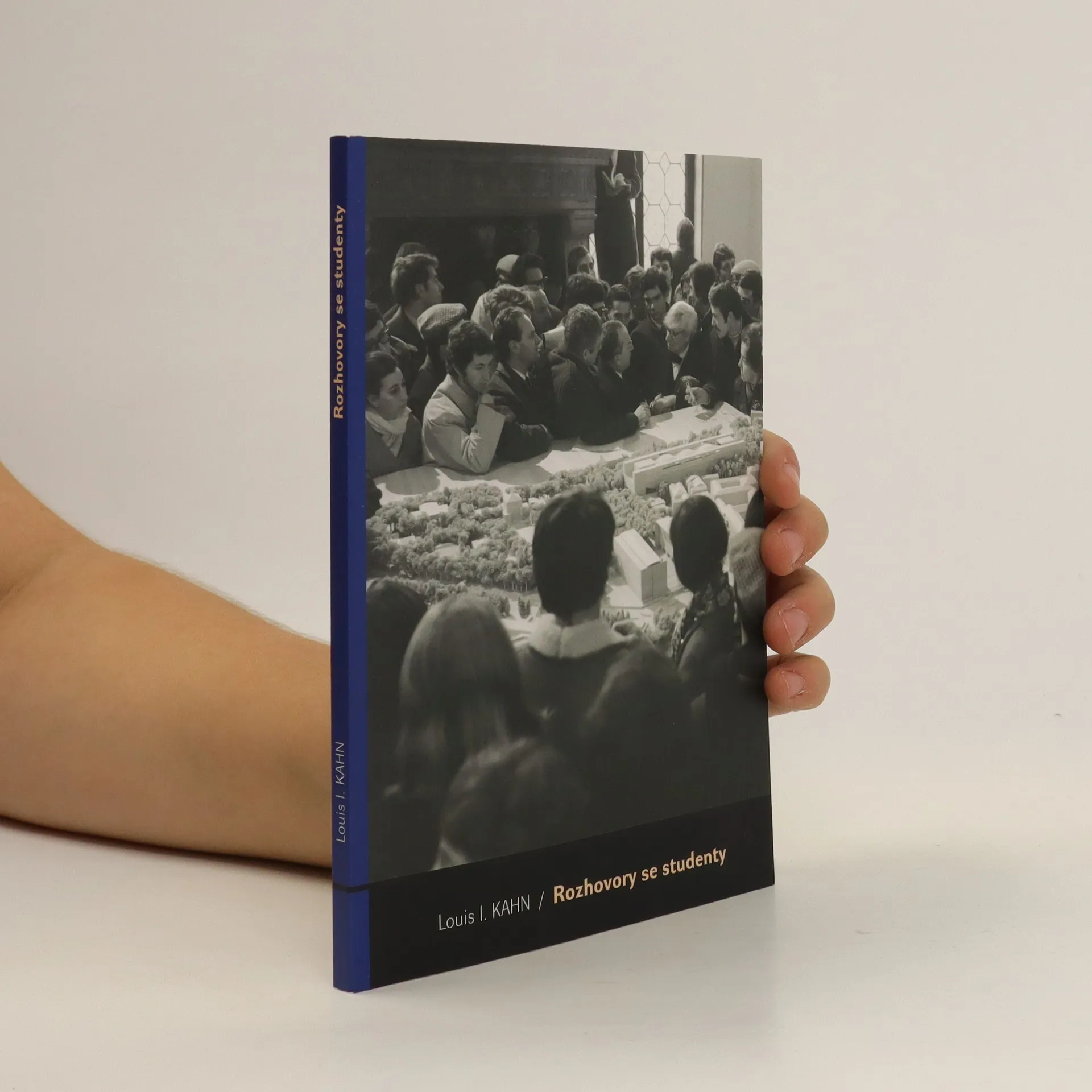
Dílo Louise I. Kahna (1901–1974) zaujímá zcela zvláštní postavení v poválečné americké a vůbec mezinárodní architektuře. Nachází se na rozhraní jednoho období, jež bylo pojmenováno jako „International Styl“, a rodícího se postmodernismu. Jde o dílo zcela ojedinělé, bez možnosti napodobit ho nebo na něj navázat. Teprve když se Kahn blížil padesátce, nalezl svůj jedinečný výraz: proti rodícímu se luxusu a efektům honosnosti postavil radikální přísnost geometrie a nezvyklou prostotu materiálů. Není náhodou, že svého vrcholu dosáhl v chudých krajích jako Pákistán a Bangladéš, kterým postavil jedinečná vládní centra. První česká edice jeho přednášek a textů má pro české prostředí iniciační význam.
Rozhovory se studenty
- 80pagine
- 3 ore di lettura
Každá stavba musí mít … svou vlastní duši. Snažím se vytvořit domovy, ne domy. Architektura znamená vztahovat se k pravdě. Prostor není prostorem bez přirozeného světla. Architektura je promyšlené vytváření prostoru. Čím chce dům být? Architekt si musí především uvědomit, že každá budova, kterou staví, je svět sám o sobě, a že tenhle svět slouží nějaké instituci. V malé místnosti člověk neřekne, co by řekl ve velké.
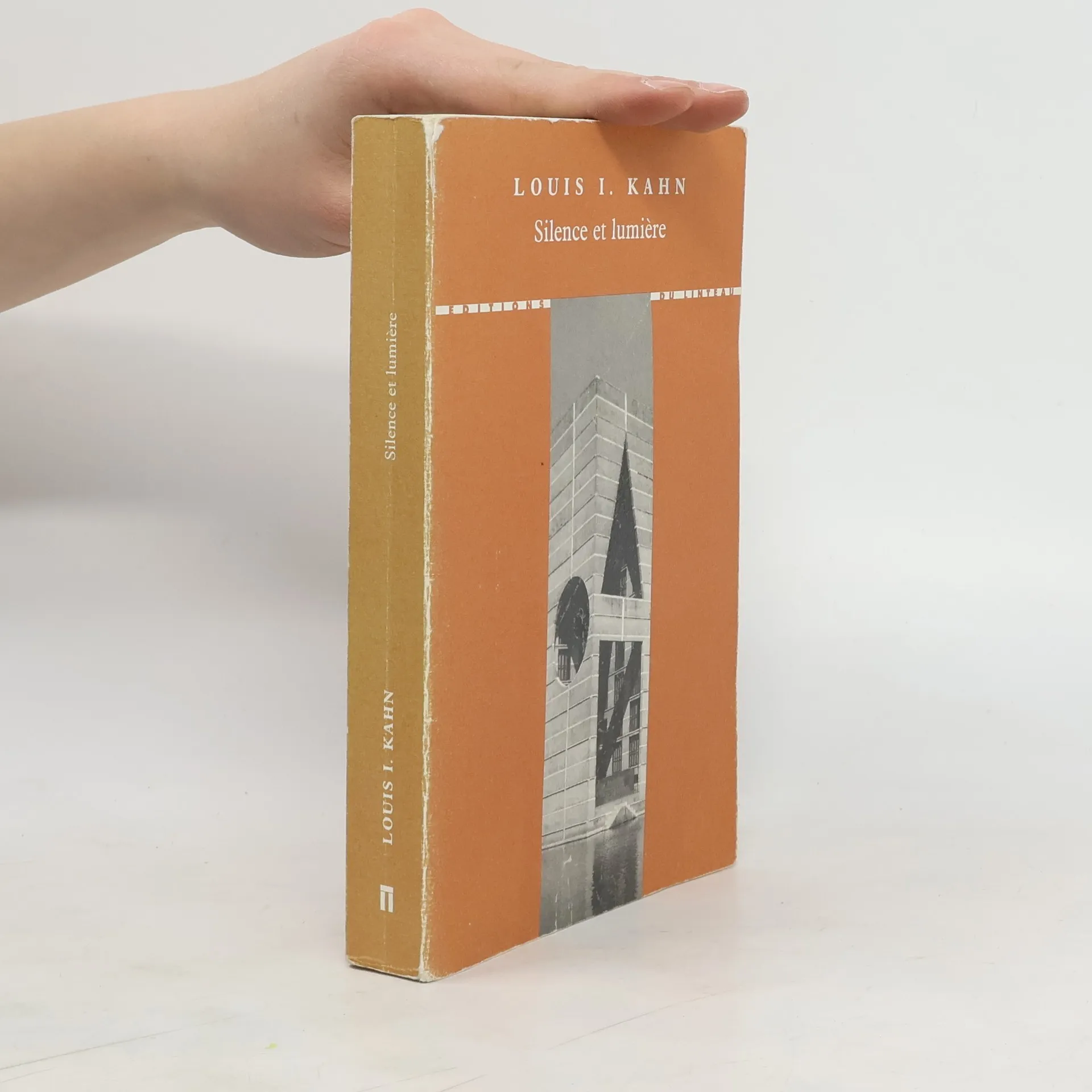
Bien que Kahn ait construit tous ses bâtiments en Amérique et en Asie, son oeuvre a aussi connu un grand retentissement en Europe ; sans doute parce que, à côté des querelles d'école, il s'est façonné une architecture personnelle, qui allie les apports de l'architecture moderne aux formes élémentaires qui nous viennent du fond des âges. Silencieuse et lumineuse, elle préfigure certaines tendances majeures de la création artistique de la seconde moitié du siècle. Il est en outre le dernier des grands théoriciens dans la mesure où il pose les questions fondamentales : qu'est-ce que le projet ? comment lier les différentes parties d'une œuvre ? quelle est la substance et le rôle de l'espace ? quels rapports unissent la forme, la structure, la lumière et la matière ?