
Bookbot

Giordano Bruno

    1 gennaio 1548 – 17 febbraio 1600

    Questo filosofo e studioso italiano è meglio conosciuto come sostenitore dell'infinità dell'universo. Le sue teorie cosmologiche andarono oltre il modello copernicano, identificando il Sole come uno dei corpi celesti di numero infinito. Scrisse anche ampiamente sull'arte della memoria ed esplorò un approccio qualitativo alla matematica.

    Giordano Bruno
    On the Heroic Frenzies
    On the Composition of Images, Signs & Ideas
    The Ash Wednesday Supper
    The Expulsion of the Triumphant Beast
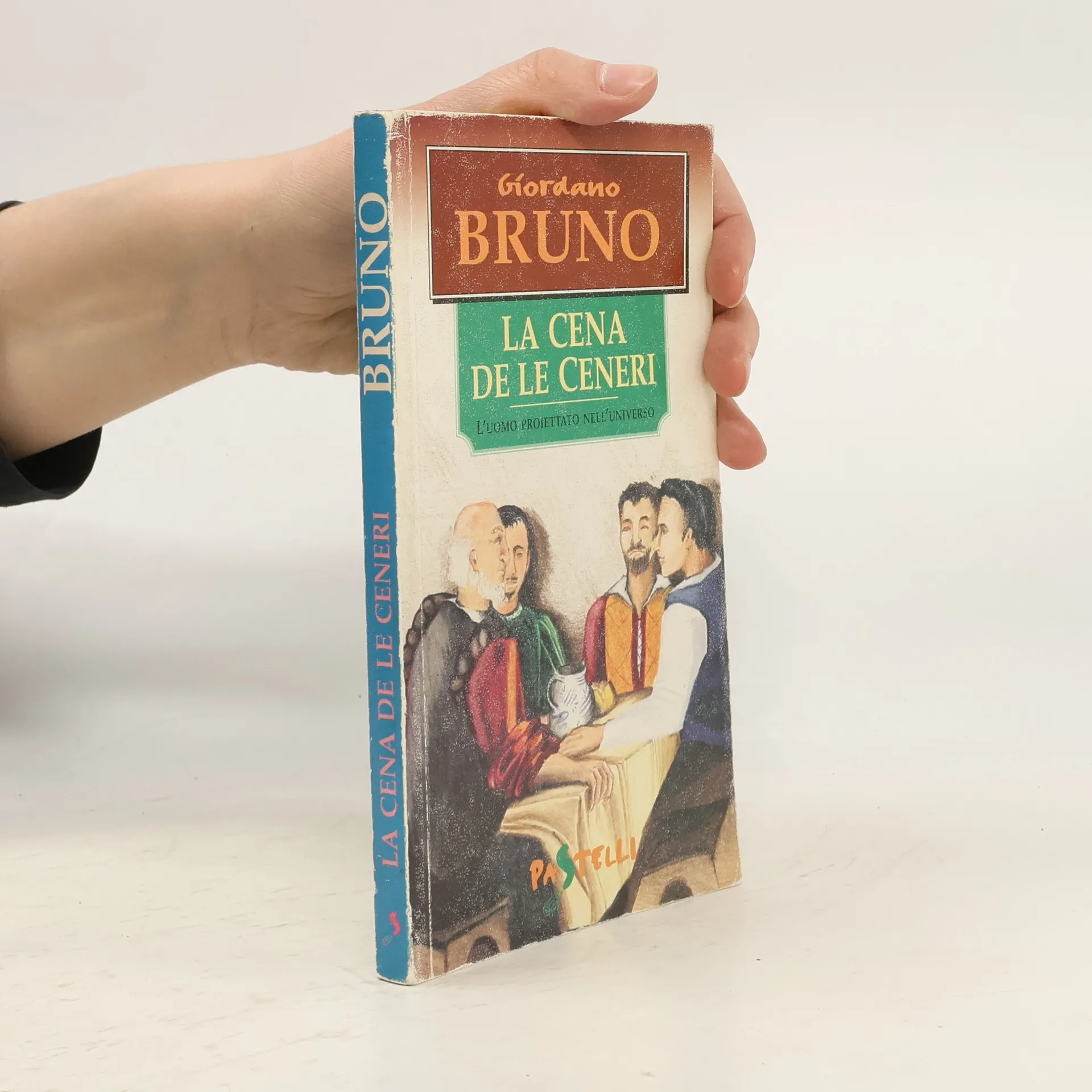
    La cena delle ceneri
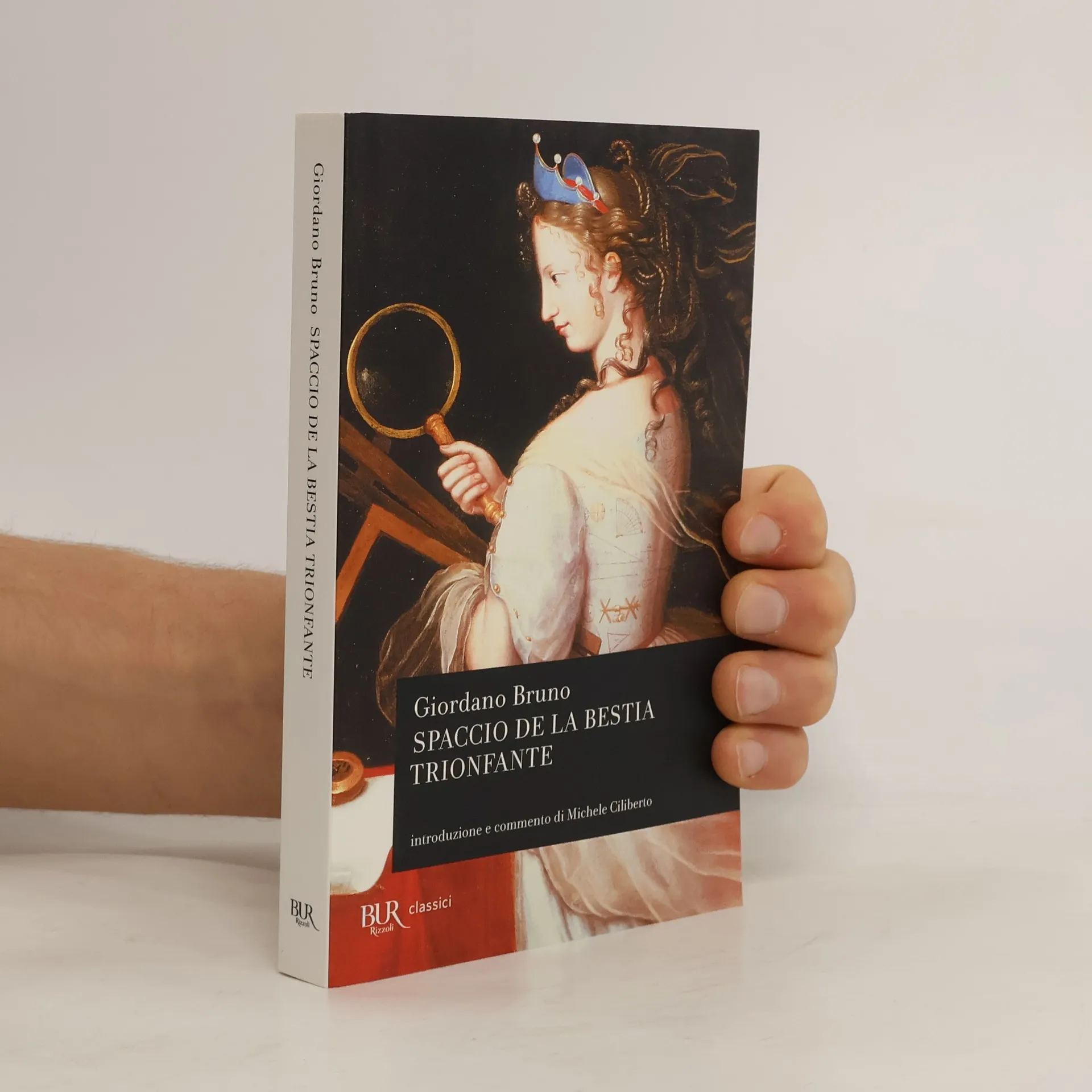
    Spaccio de la bestia trionfante
    • Spaccio de la bestia trionfante

      • 306pagine
      • 11 ore di lettura

      "Spaccio de la bestia trionfante" è apparso a Londra nel 1584. Le sue parole chiave sono: giustizia, legge e giudizio, nella prospettiva di una radicale riforma morale e civile, utile e pragmatica, che implica nel contempo un profondo rinnovamento interiore dell'uomo. La conquista di una rinnovata umanità comporta lo spaccio (l'espulsione) dei vizi/bestie che infestano l'animo umano, rappresentati nell'opera attraverso la personificazione delle costellazioni celesti, tramite cioè quelle figure mitologiche che sin dall'antichità erano assurte a simboli di specifici tratti caratteriali. Questa edizione offre al lettore il testo italiano curato da Canone mediante una collazione del testo critico con diversi esemplari della cinquecentina.
      Spaccio de la bestia trionfante
      4,1
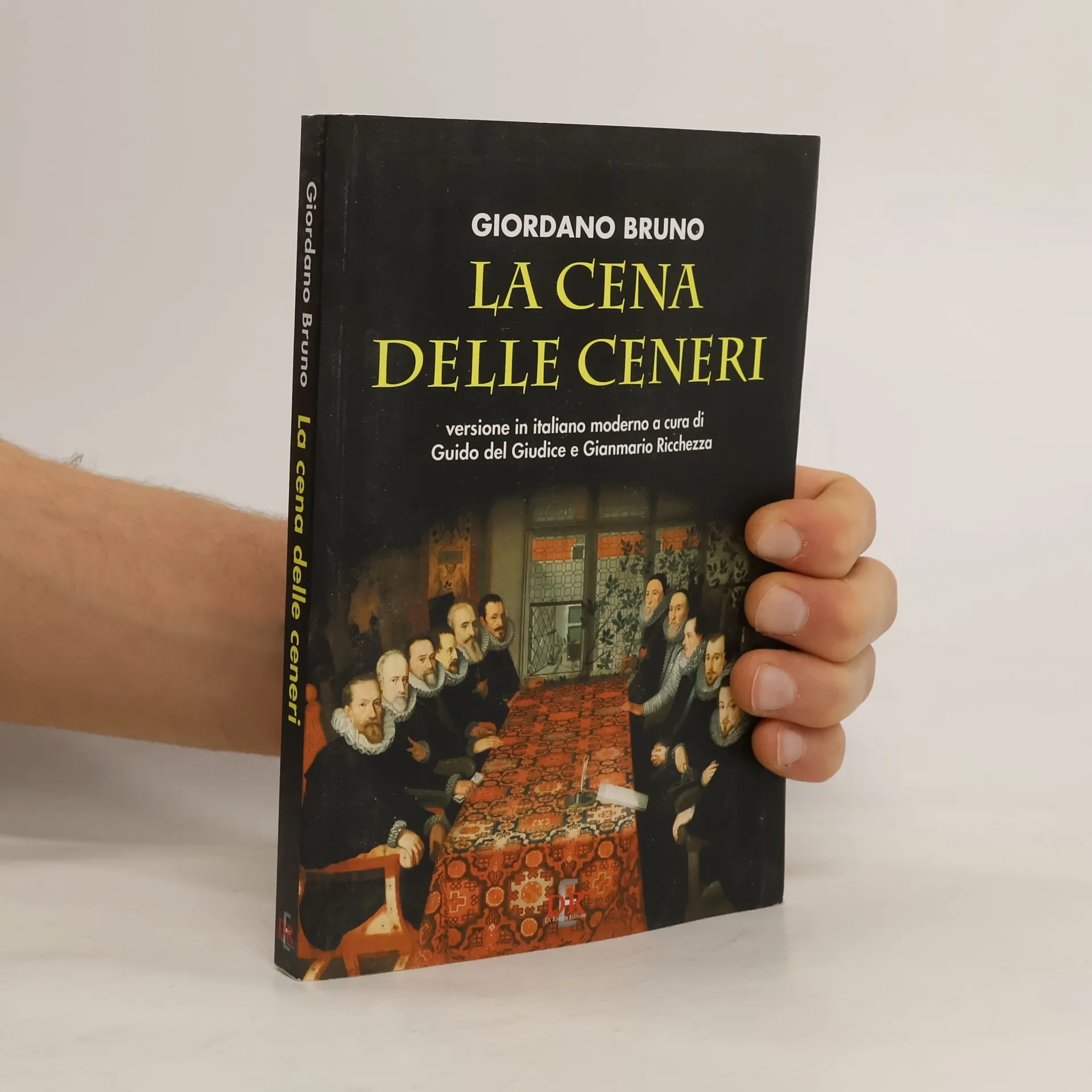
    • La cena delle ceneri

      Versione in italiano moderno a cura di Guido del Giudice e Gianmario Ricchezza

      • 192pagine
      • 7 ore di lettura
      La cena delle ceneri
    • The Expulsion of the Triumphant Beast

      Spaccio della bestia trionfante

      • 466pagine
      • 17 ore di lettura

      Giordano Bruno critiques the moral failings of both ancient and modern societies, portraying a mythical drama that advocates for universal reform. Through this narrative, he aims to replace prevalent vices with corresponding virtues, emphasizing the need for a transformative moral vision. The work serves as a philosophical exploration of ethics and the potential for societal improvement.

      The Expulsion of the Triumphant Beast
      3,0
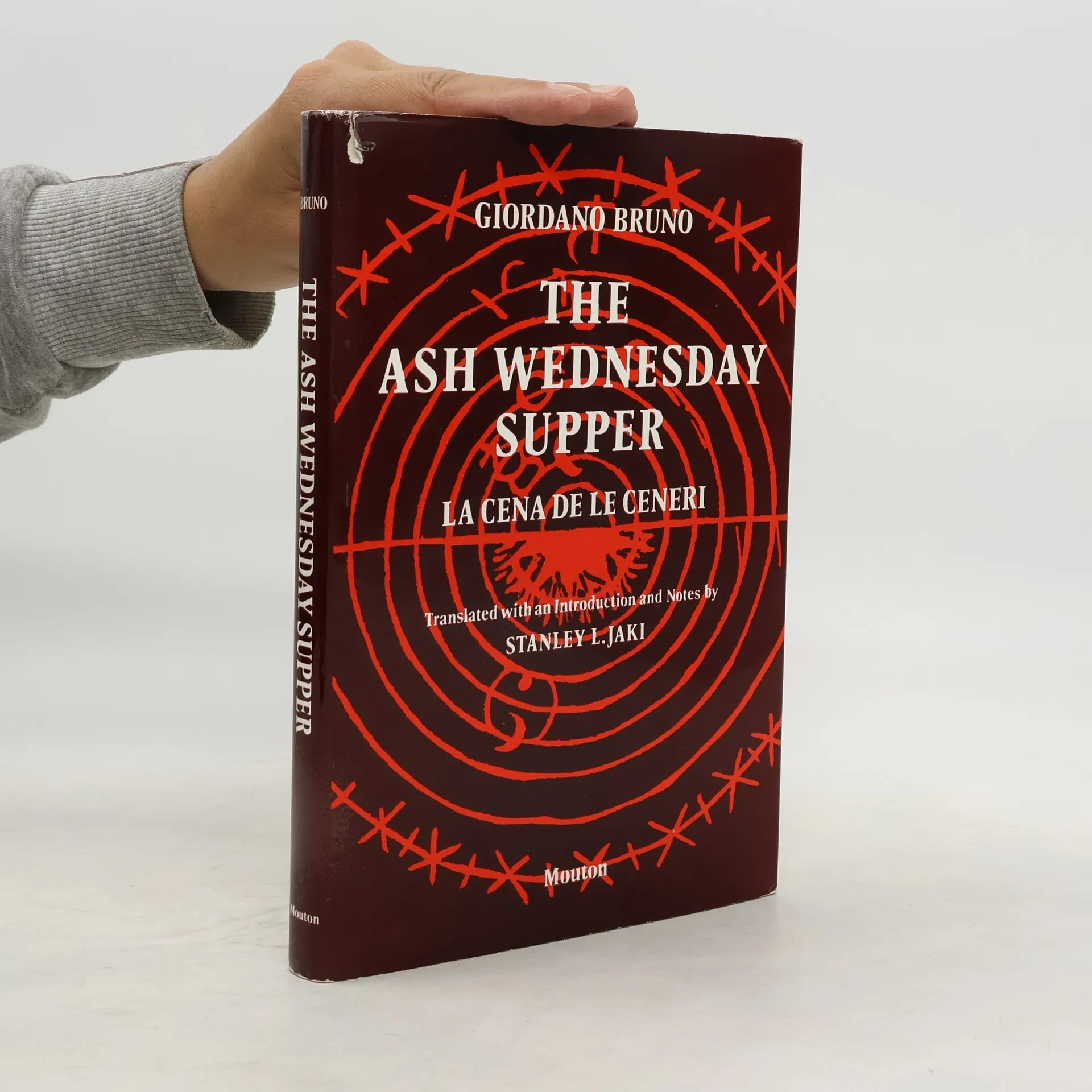
    • The Ash Wednesday Supper

      • 174pagine
      • 7 ore di lettura

      Giordano Bruno was an itinerant Italian friar who was burned at the stake in 1600 for heresies, which included his rejection of the Ptolemaic cosmology. Of his important writings, 'La Cena de le ceneri' was one of the first works in which Copernican theory had impact outside the sphere of the natural sciences. Arguing for the physical reality of the infinite universe with no centre, Bruno sought to prove that each man is every man, that conflict would be resolved if all men accepted the unifying potential of his hermetic religion. Using this radical cosmology, Bruno sought to heal the secular and religious wounds of sixteenth-century Europe.

      The Ash Wednesday Supper
      3,7
    • The book explores the life and ideas of Giordano Bruno, an influential Italian philosopher and cosmologist. It delves into his groundbreaking theories, which expanded upon the Copernican model by suggesting that stars are distant suns with their own planets, potentially harboring life. Bruno's concept of cosmic pluralism and his assertion of an infinite universe without a center challenge conventional views of his time, positioning him as a pivotal figure in the history of science and philosophy.

      On the Composition of Images, Signs & Ideas
    • On the Heroic Frenzies

      A Translation of De gli eroici furori (1585)

      • 448pagine
      • 16 ore di lettura

      The book features the Italian text of Giordiano Bruno's seminal work alongside its English translation, allowing readers to engage deeply with the original language and its nuances. This dual-format presentation highlights Bruno's philosophical ideas and poetic expressions, making it accessible to a wider audience. The work delves into themes of heroism and the human experience, showcasing Bruno's unique perspective and contributions to Renaissance thought.

      On the Heroic Frenzies
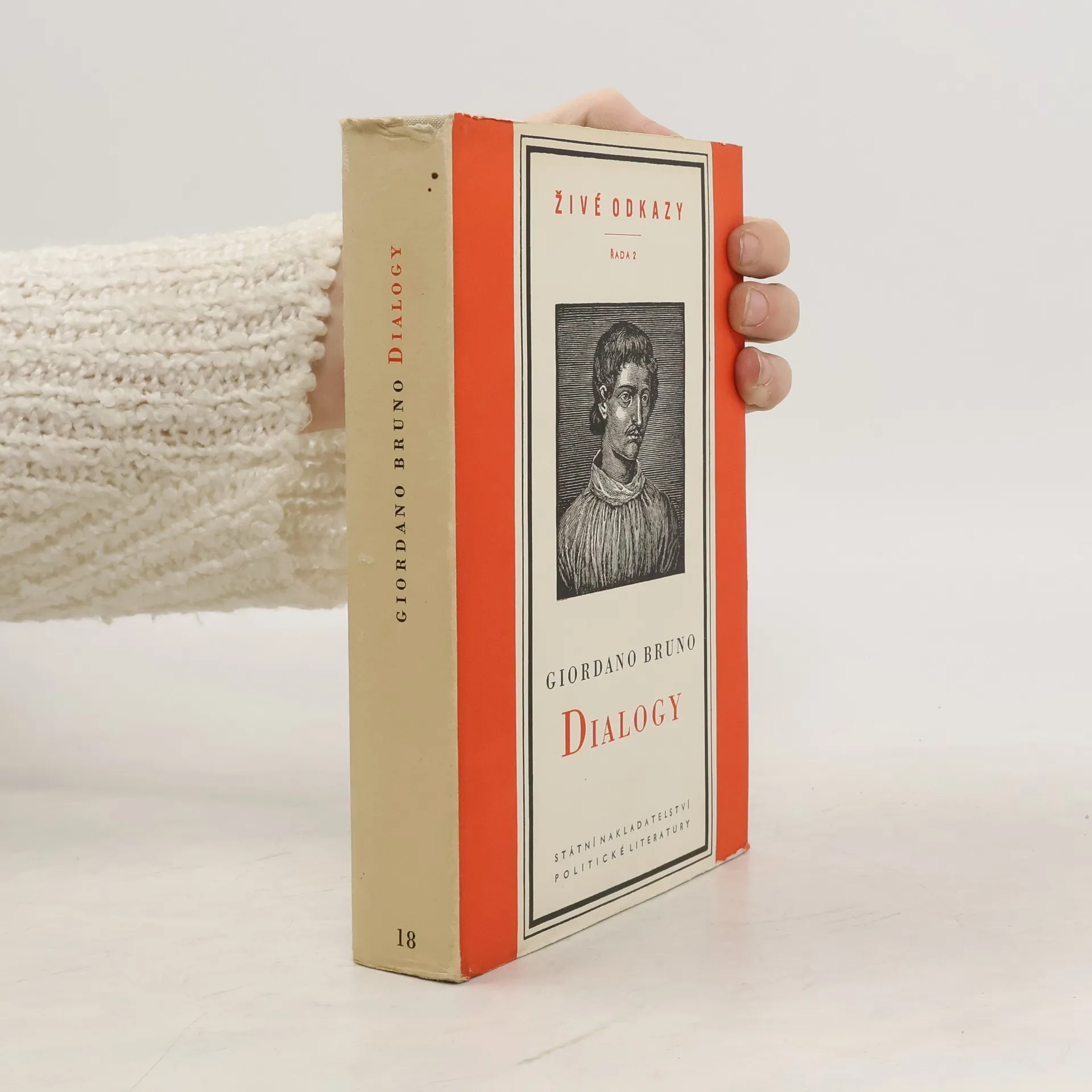
    • První vědecky důkladné vydání tzv. metafysických "Dialogů" v češtině obsahuje nejvýznamnější tři dialogy velkého bojovníka za materialistický světový názor: Večeře na Popeleční středu, O příčině, principu a jednom, O nekonečnu, universu a světech. Text je doprovozen poznámkami, znichž část vypracoval J.B. Kozák a část byla převzata ze sovětského překladu. Příloha obsahuje překlad italských a latinských dokumentů o výsleších G. Bruna před benátskou inkvisicí, o jeho odsouzení generálními inkvisitory a upálení.

      Dialogy
      4,6
    • In fünf Dialogen erörtert der Nolaner die Frage, »ob die Welt endlich ist oder unendlich«. Bewiesen wird - gegen den damals noch herrschenden Aristotelismus - die Unendlichkeit der Welt, d. h. es gibt unendlich viele Welten. Diese Erkenntnis führte zu einer völlig neuen (modernen) Naturphilosophie, die eine fortwährende Veränderung bei gleichbleibender Gesamtsubstanz propagiert.

      Über das Unendliche, das Universum und die Welten
      4,4
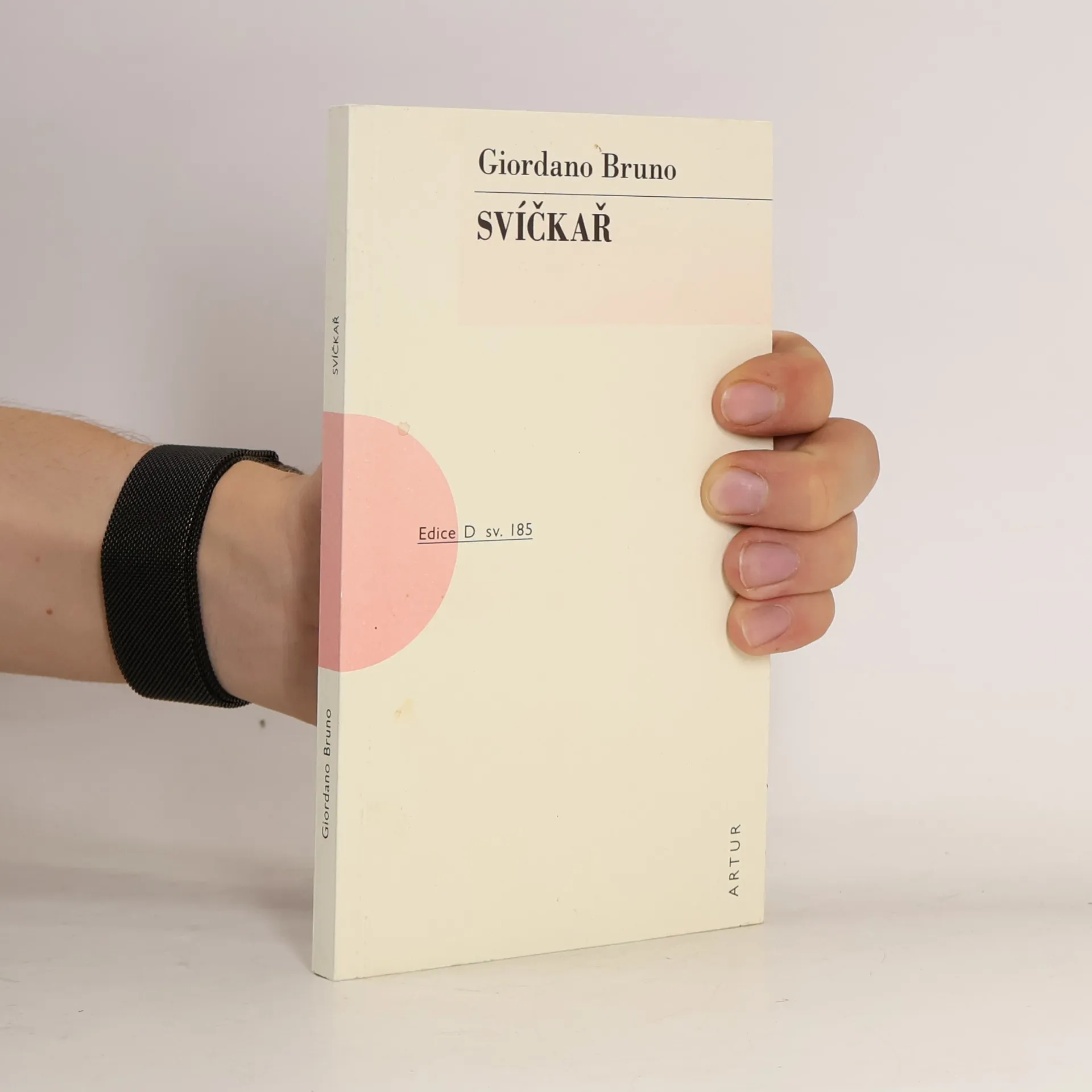
    • Svíčkař

      • 112pagine
      • 4 ore di lettura

      Jediná hra, kterou napsal osobitý a neohrožený renesanční intelektuál, který skončil pro své názory na hranici. S neodolatelným smyslem pro humor a pozoruhodnou společenskou kritičností vypráví několik souběžných příběhů pitoreskních postav tehdejší Neapole. Hra nese název podle postavy jejíž příběh je dominantní, Bonifacia označeného jako „svíčkař“. Nejde o výrobce svíček, ale o ženatého homosexuála, který se zamiluje do kurtizány. Čtenář v textu najde mnohé z toho, co bezpochyby pobouřilo vatikánské soudce, jejichž milost Giordano Bruno nemohl očekávat. V překladu Zdeňka Digrina vychází jako 185. svazek edice D.

      Svíčkař
      5,0
    • Von den sechs italienischen Dialogen, die Giordano Bruno in den Jahren 1584-1585 in London veröffentlichte, ist Die Kabbala des Pegasus (1585) der fünfte. Die Kabbala steht in engem Zusammenhang mit dem vierten Dialog, dem Spaccio della bestia trionfante, da sie die dort begonnene „Himmelsreform“ zu Ende führt, jedoch indem sie in einem ambiguen Spiel von Spiegelungen die theoretische Perspektive nahezu umkehrt. Die Kabbala gehört zu den radikalsten Texten Brunos: Hier erscheint er mit „offenem Visier“ und attackiert sowohl Christentum als auch Aristotelismus und Skeptizismus. Die Übersetzung wurde für diese Ausgabe neu angefertigt. Sie ist die erste deutsche Übersetzung der Kabbala nach derjenigen von Kulenbeck aus dem Jahre 1909.

      Die Kabbala des Pegasus
      4,0