Joyce Tyldesley Libri
Questa autrice si addentra nei misteri dell'antico Egitto, arricchendo i lettori con una profonda comprensione di questa affascinante civiltà. Attraverso le sue opere, demistifica l'egittologia, rendendo accessibili complessi reperti archeologici e rivelando la vita quotidiana e i pensieri delle persone che un tempo abitavano le rive del Nilo. Il suo approccio si basa su una ricerca meticolosa, presentata in modo accattivante e leggibile. I lettori possono aspettarsi di scoprire il ricco patrimonio culturale e l'impronta indelebile che l'antico Egitto ha lasciato nella storia del mondo.

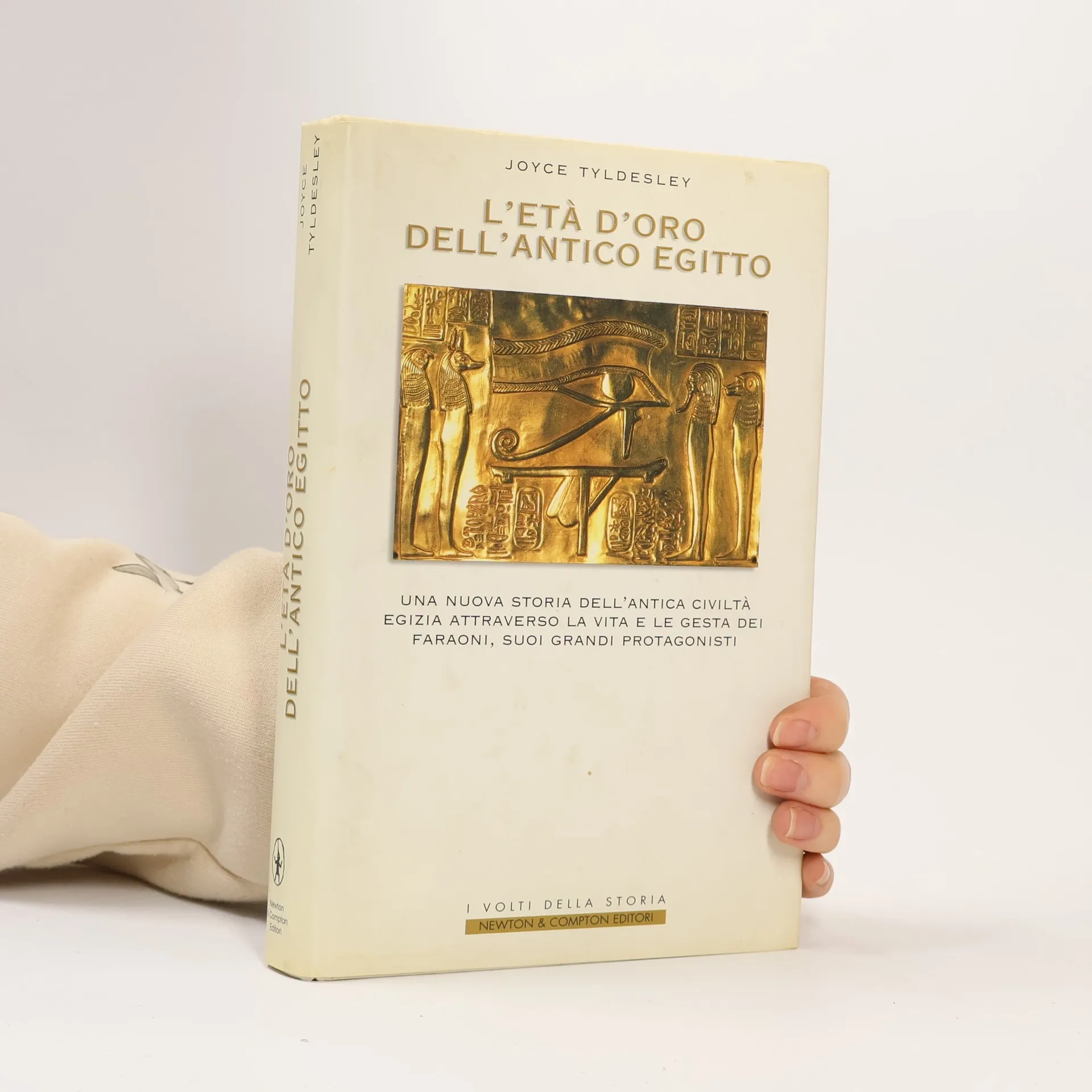
I volti della storia: L'età d'oro dell'antico Egitto
- 300pagine
- 11 ore di lettura
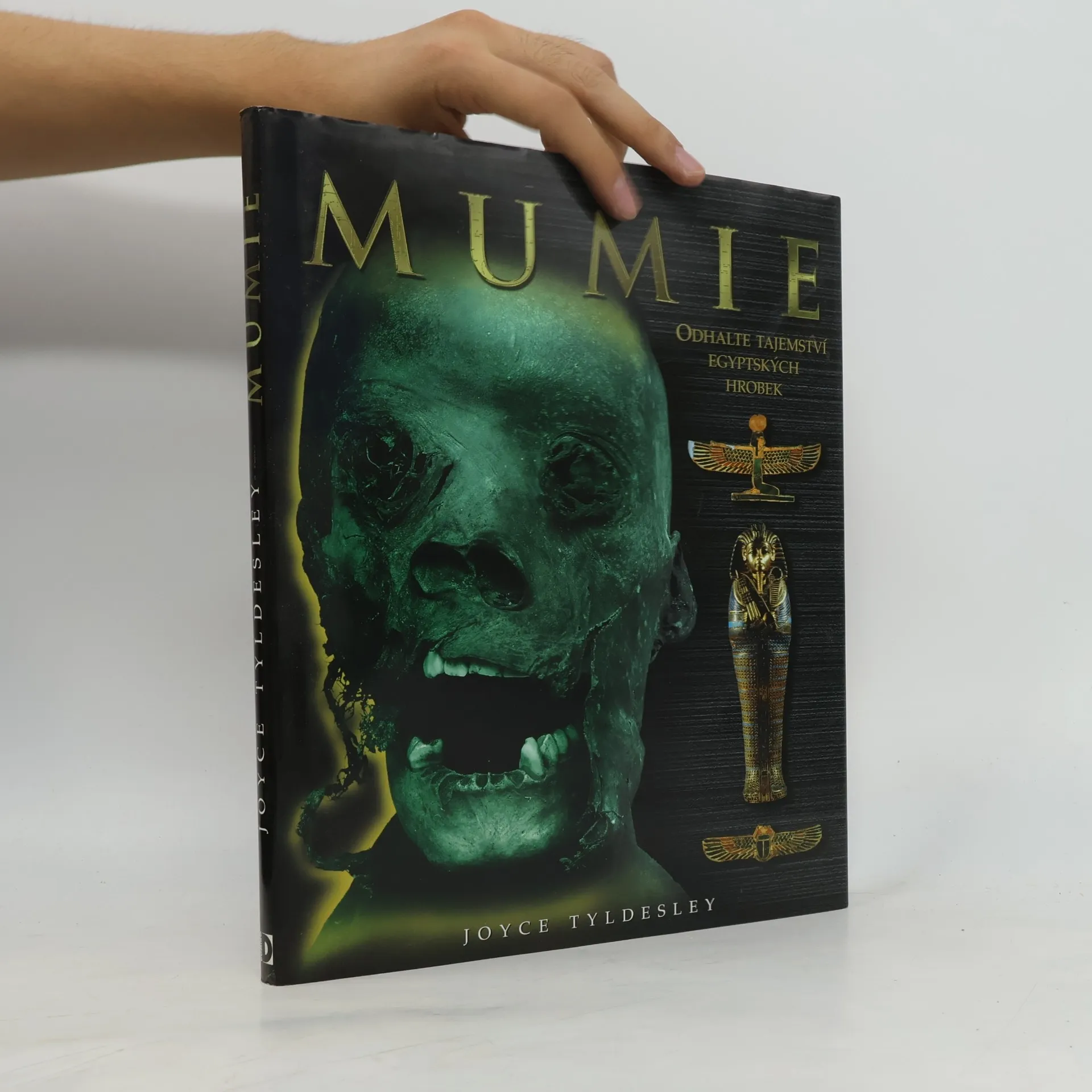
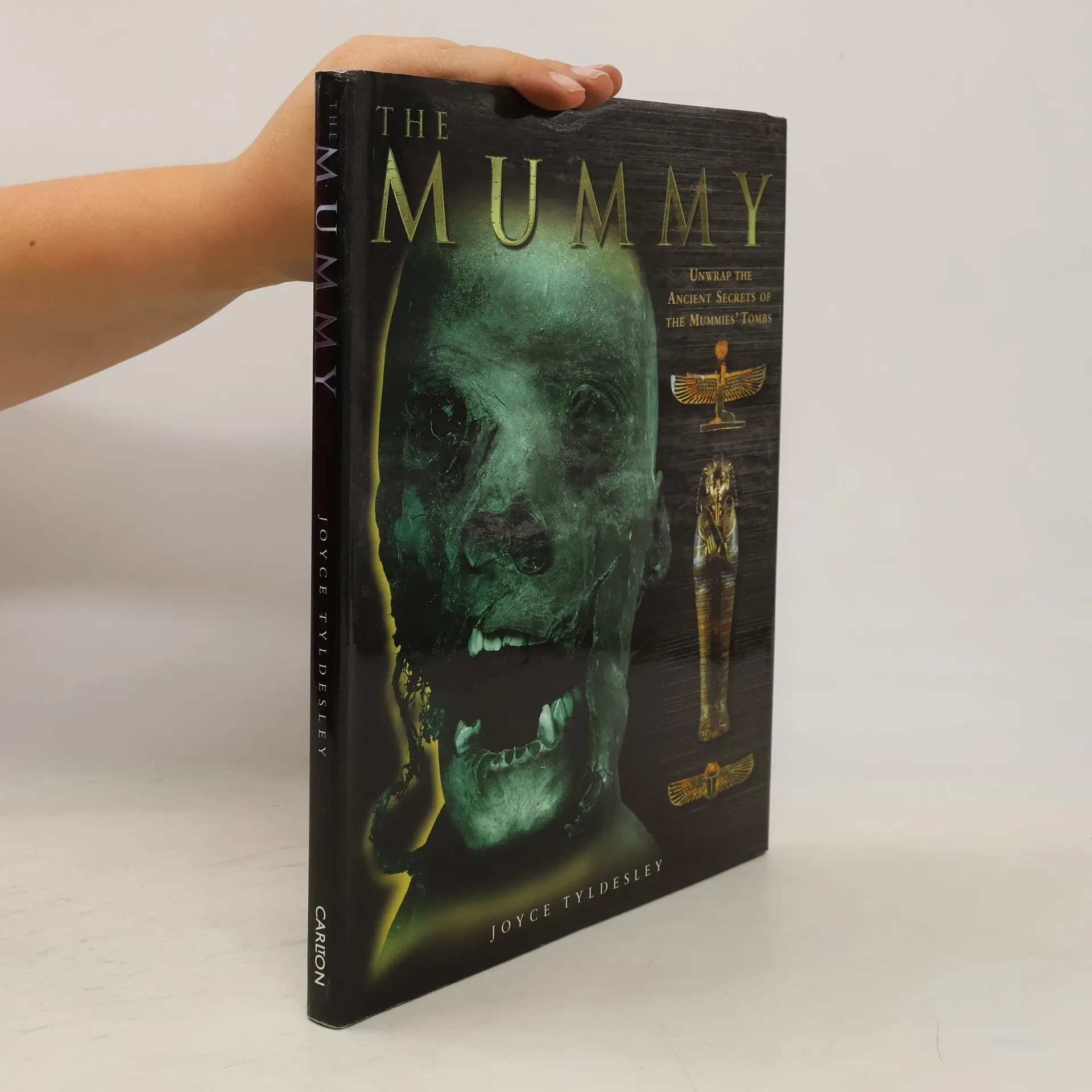
The Mummy follows the history of mummification in Egypt from the dynastic age to the present day, including a consideration of the mummy in modern popular culture, films and literature, and a discussion of modern scientific mummy analysis.'
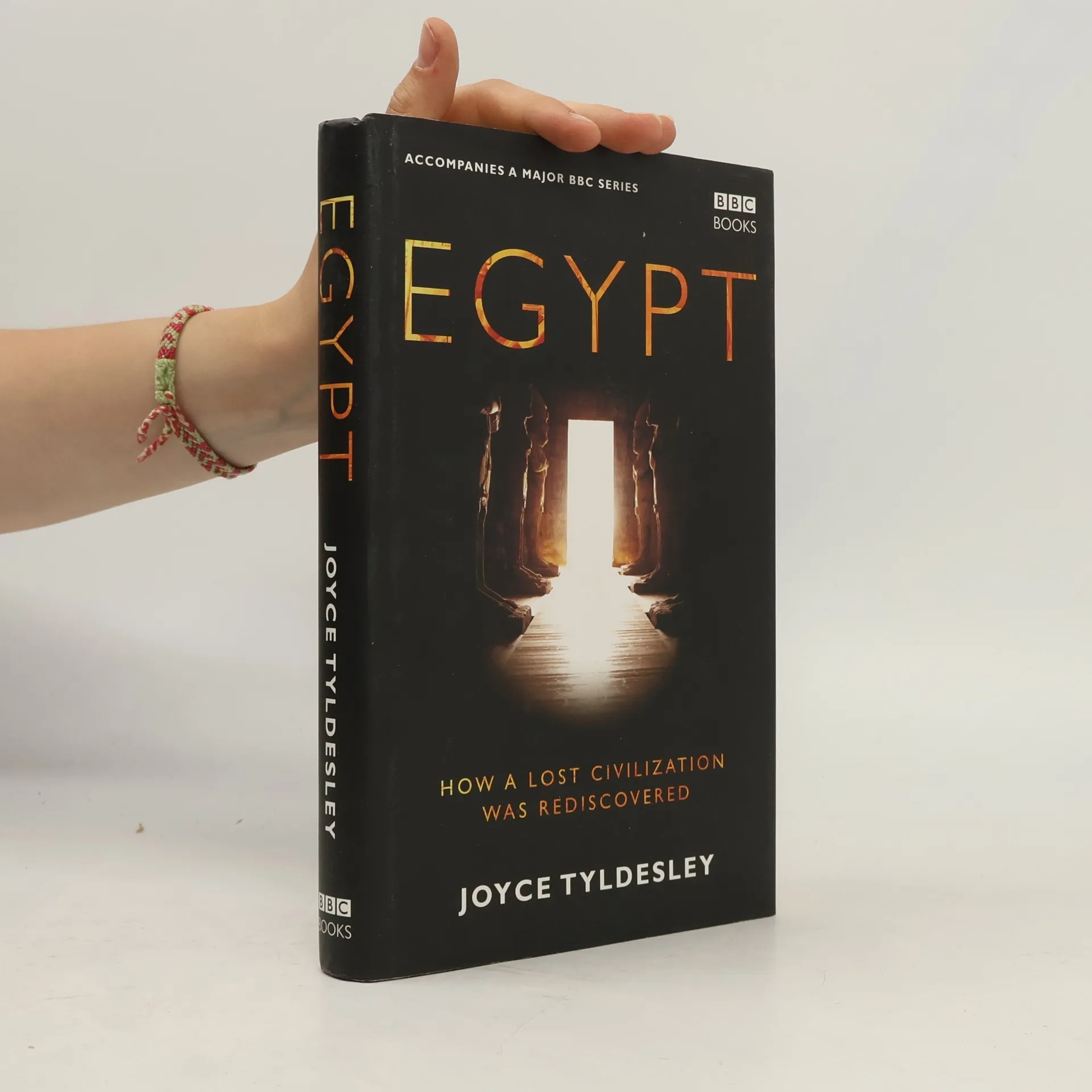
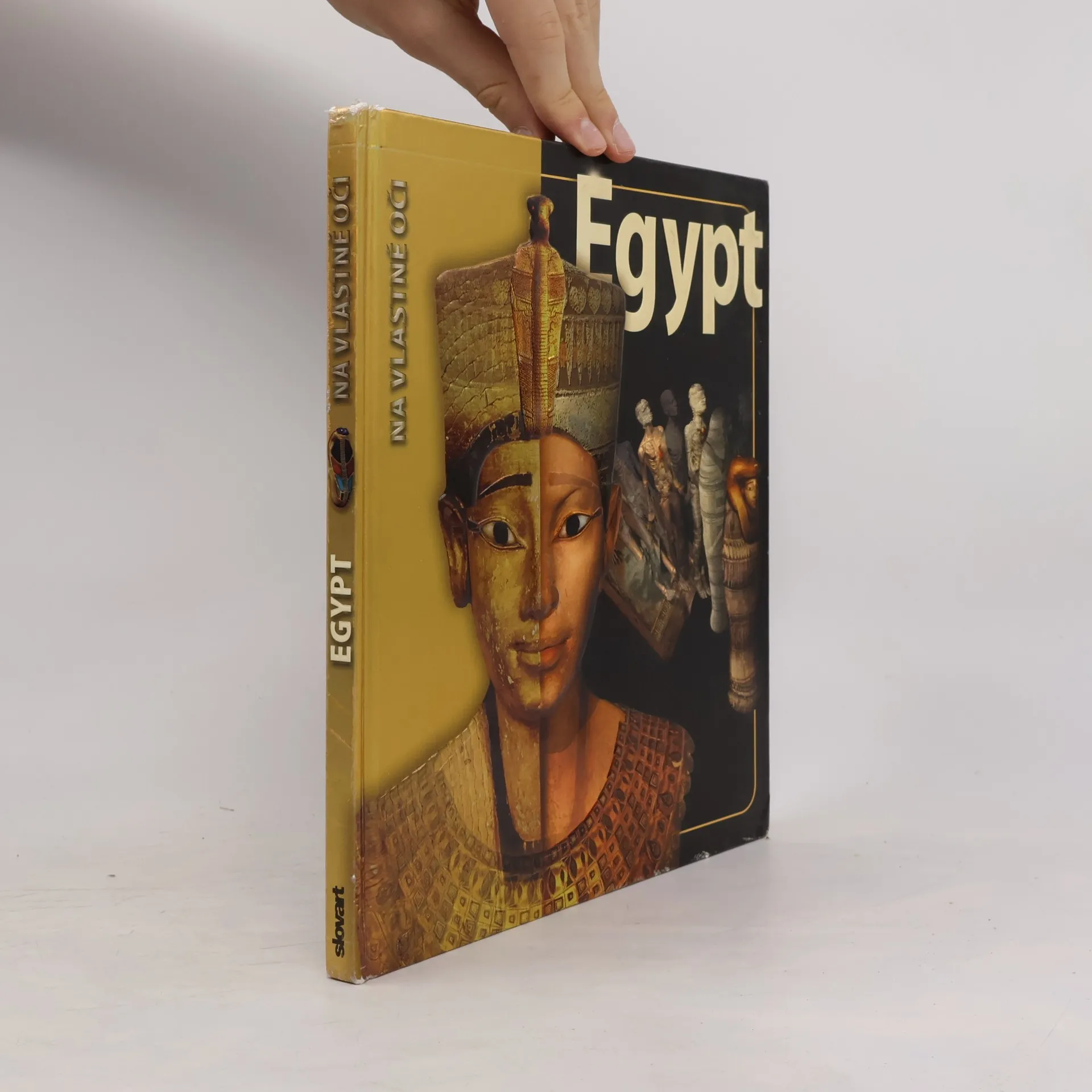
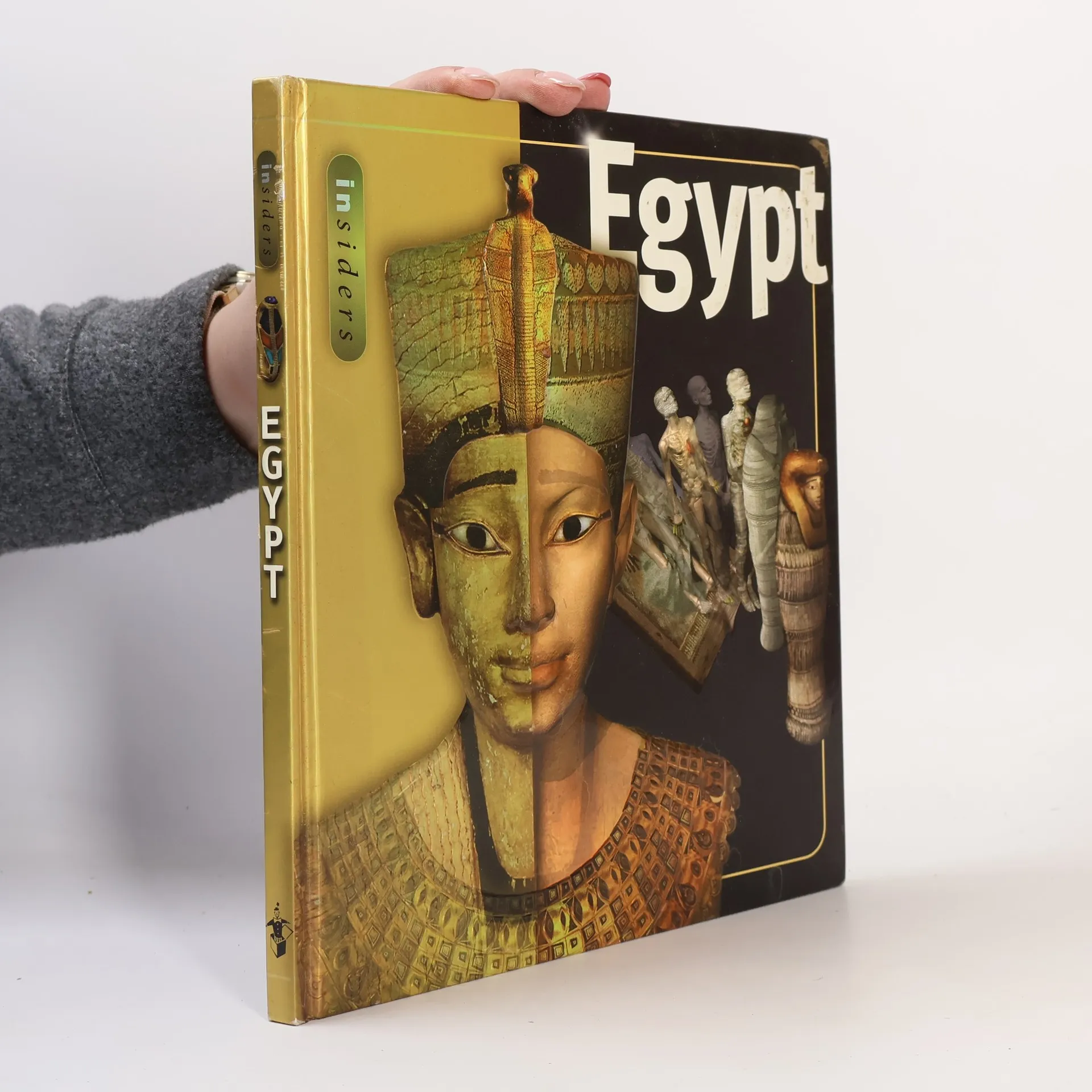
Egypt
- 64pagine
- 3 ore di lettura
INSIDERS -- a visually groundbreaking, state-of-the-art nonfiction series that outshines Eyewitness and Discoveries. This stunning new series offers an inside look into twelve riveting subjects, beginning with Dinosaurs, Egypt, Oceans, and Space. Expertly written, each book will feature an arresting design, complete with dynamic, multi-layered CGI and 3-D model imagery that is complemented by fascinating, up-to-date information presented in a user-friendly format. Get a glimpse inside the chambers of King Tut's tomb, examine each layer of mummification, and see the inner workings of pyramid-building. Egypt covers every facet of ancient Egyptian civilization!
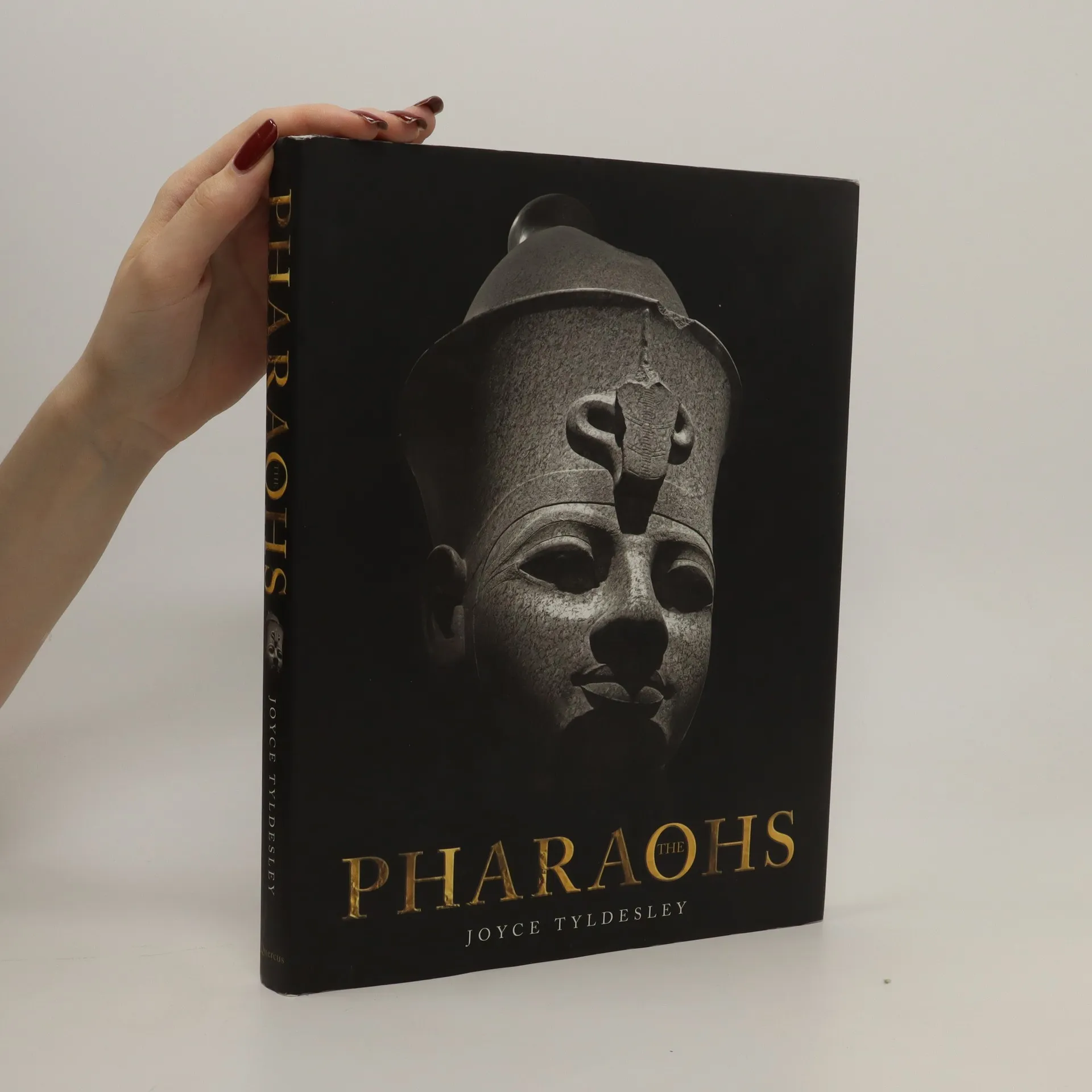
The pharaohs
- 223pagine
- 8 ore di lettura
An illustrated history of Egyptian pharaohs that profiles three-thousand years of rulers in Egypt, which includes Khufu, Montuhotep II, Hatshepsut, Tutankhamen, and others.
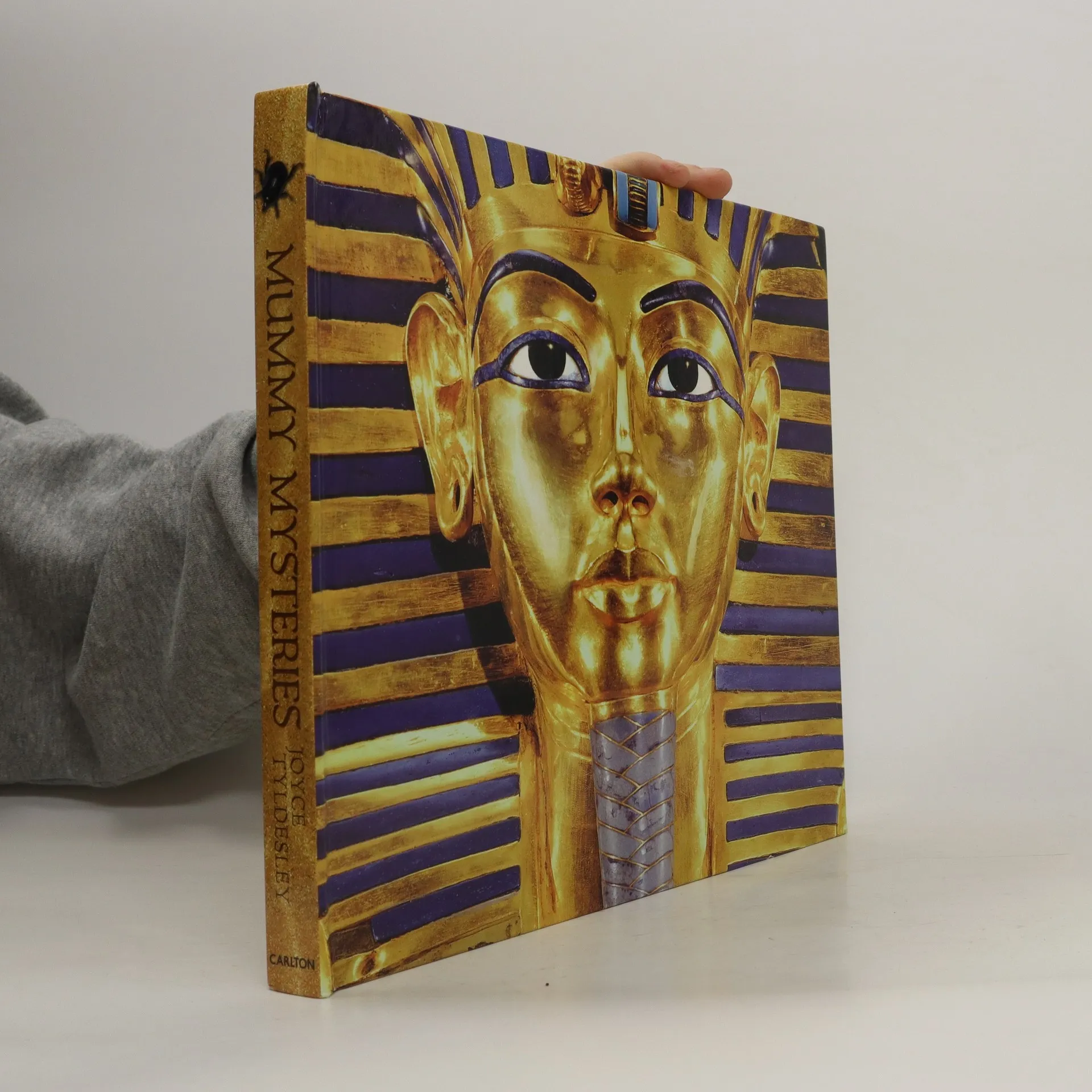
Mummy Mysteries
- 32pagine
- 2 ore di lettura
This is an illustrated book that provides a first-rate introduction to the unique legacy of Ancient Egypt, in particular its spectacular tombs, pyramids, mummification rituals and Tutankhamun's treasures.
A hundred years after Tutankhamun's tomb was rediscovered, leading Egyptologist Joyce Tyldesley shares ten unique perspectives on the pharaoh's life, death and enduring legacy.[Bokinfo]
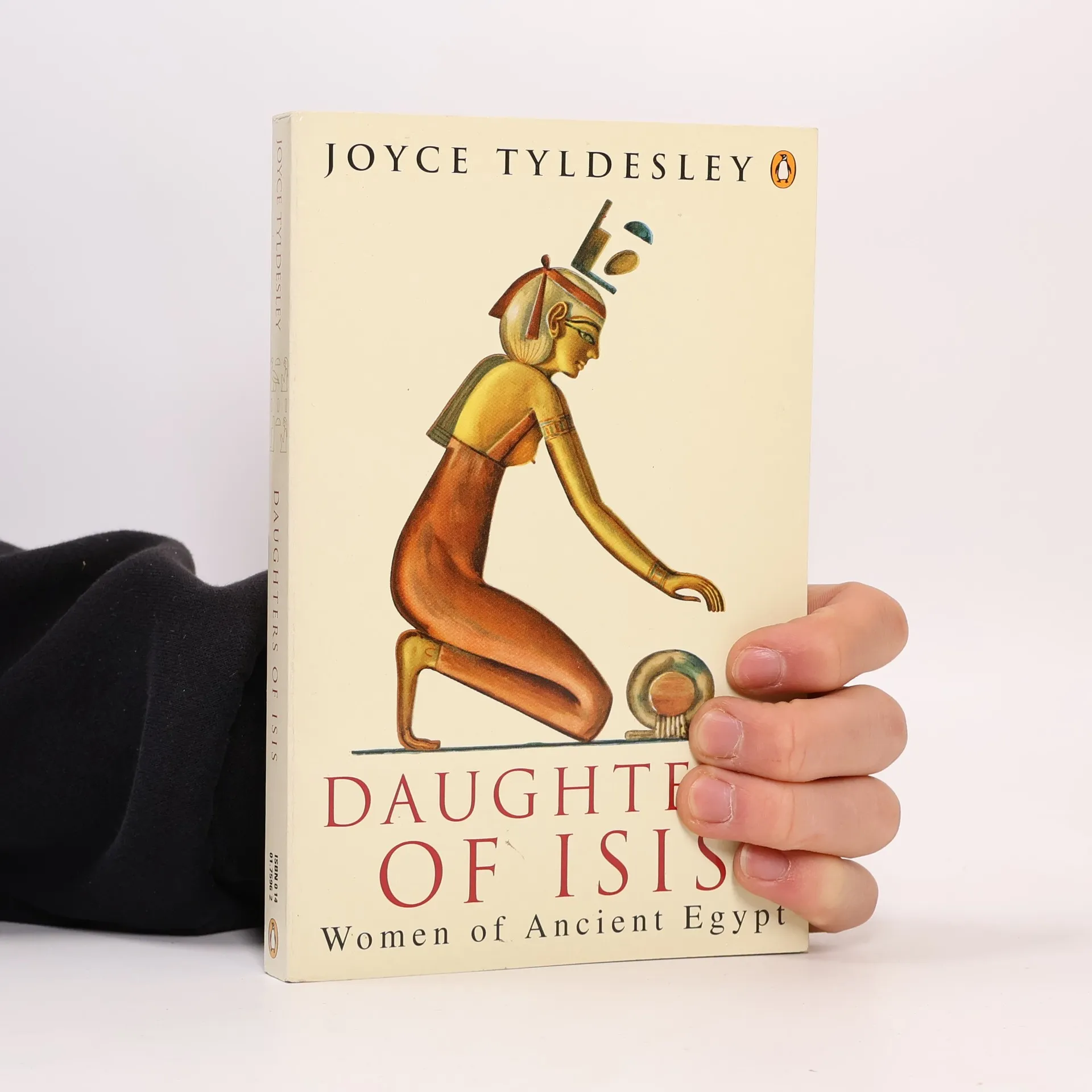
In ancient Egypt women enjoyed a legal, social and sexual independence unrivalled by their Greek or Roman sisters, or in fact by most women until the late nineteenth century. They could own and trade in property, work outside the home, marry foreigners and live alone without the protection of a male guardian. Some of them even rose to rule Egypt as ‘female kings’. Joyce Tyldesley’s vivid history of how women lived in ancient Egypt weaves a fascinating picture of daily life – marriage and the home, work and play, grooming and religion – viewed from a female perspective, in a work that is engaging, original and constantly surprising.
Ramesses
- 256pagine
- 9 ore di lettura
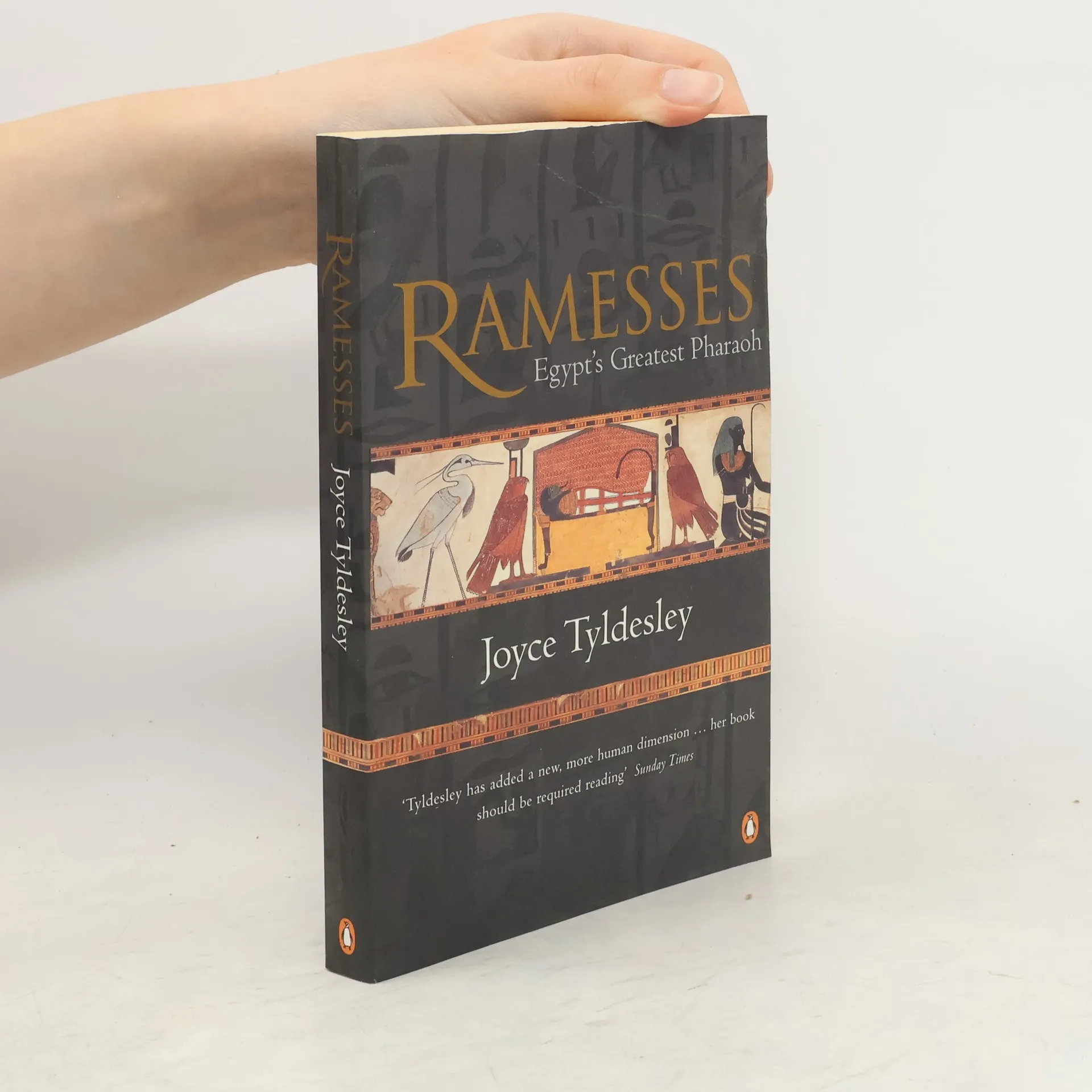
Everyone has heard of Ramesses the Great - but what is the truth behind the legend? This book explores the life and times of Egypt's greatest king. Ramesses II was the archetypal Egyptian pharoah: a mighty warrior, an extravagant builder and the father of scores of children. His monuments and image were to be found in every corner of the empire. schovat popis
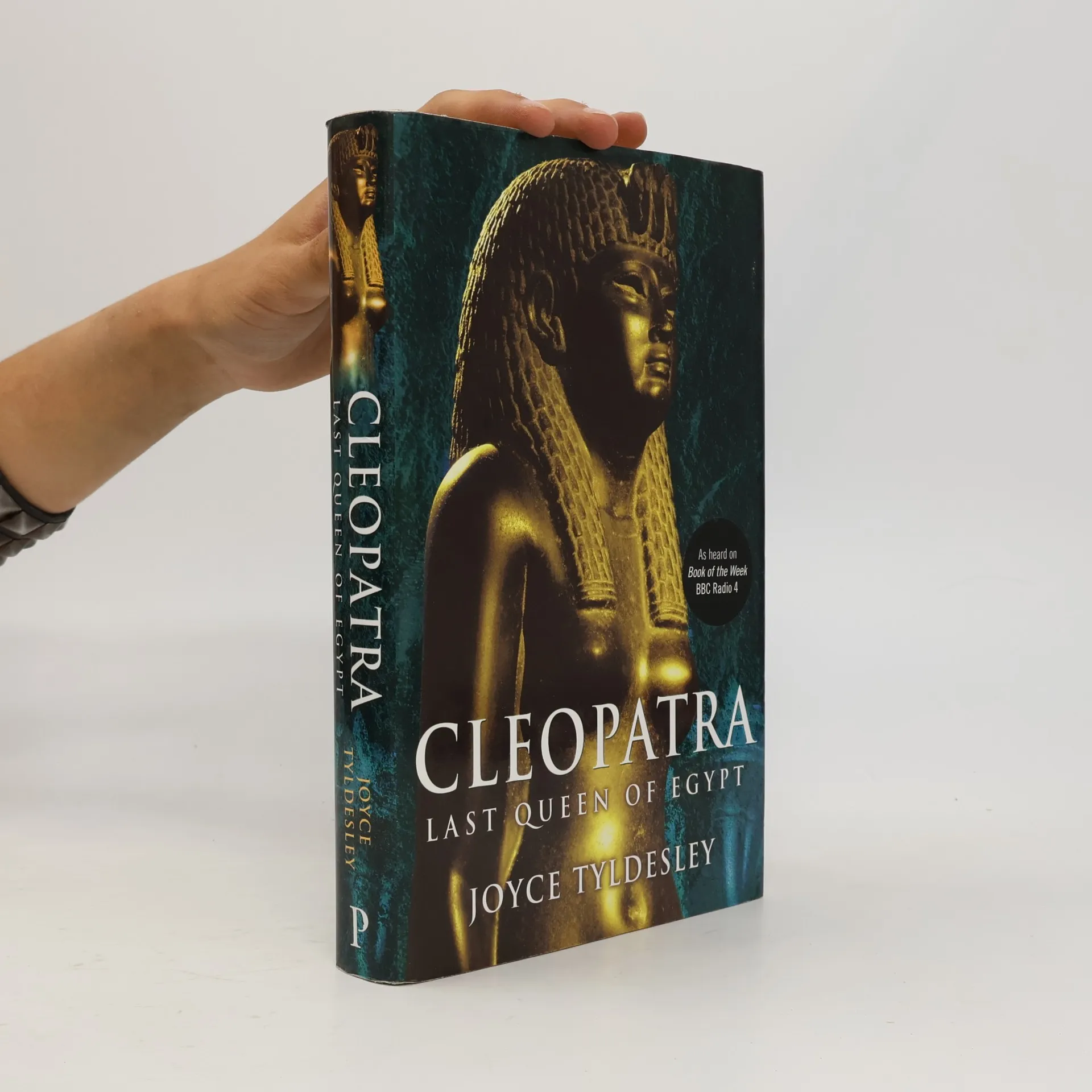
She was the last ruler of the Macedonian dynasty of Ptolemies who had ruled Egypt for three centuries. Highly educated (she was the only one of the Ptolemies to read and speak ancient Egyptian as well as the court Greek) and very clever (her famous liaisons with Julius Caesar and Mark Antony were as much to do with politics as the heart), she steered her kingdom through impossibly taxing internal problems and against greedy Roman imperialism. Stripping away our preconceptions, many of them as old as her Roman enemies, Joyce Tyldesley uses all her skills as an Egyptologist to give us a rich picture of a country and its Egyptian queen in this magnificent biography.
Stories from Ancient Egypt
- 112pagine
- 4 ore di lettura
Some of the most interesting and entertaining myths and legends from Ancient Egypt are given a lively re-telling by Joyce Tyldesley. These include stories about the gods, such as The Creation of the World, Hathor and the Red Beer, and the myths about Osiris, Isis and Horus.
Myths and Legends of Ancient Egypt
- 520pagine
- 19 ore di lettura
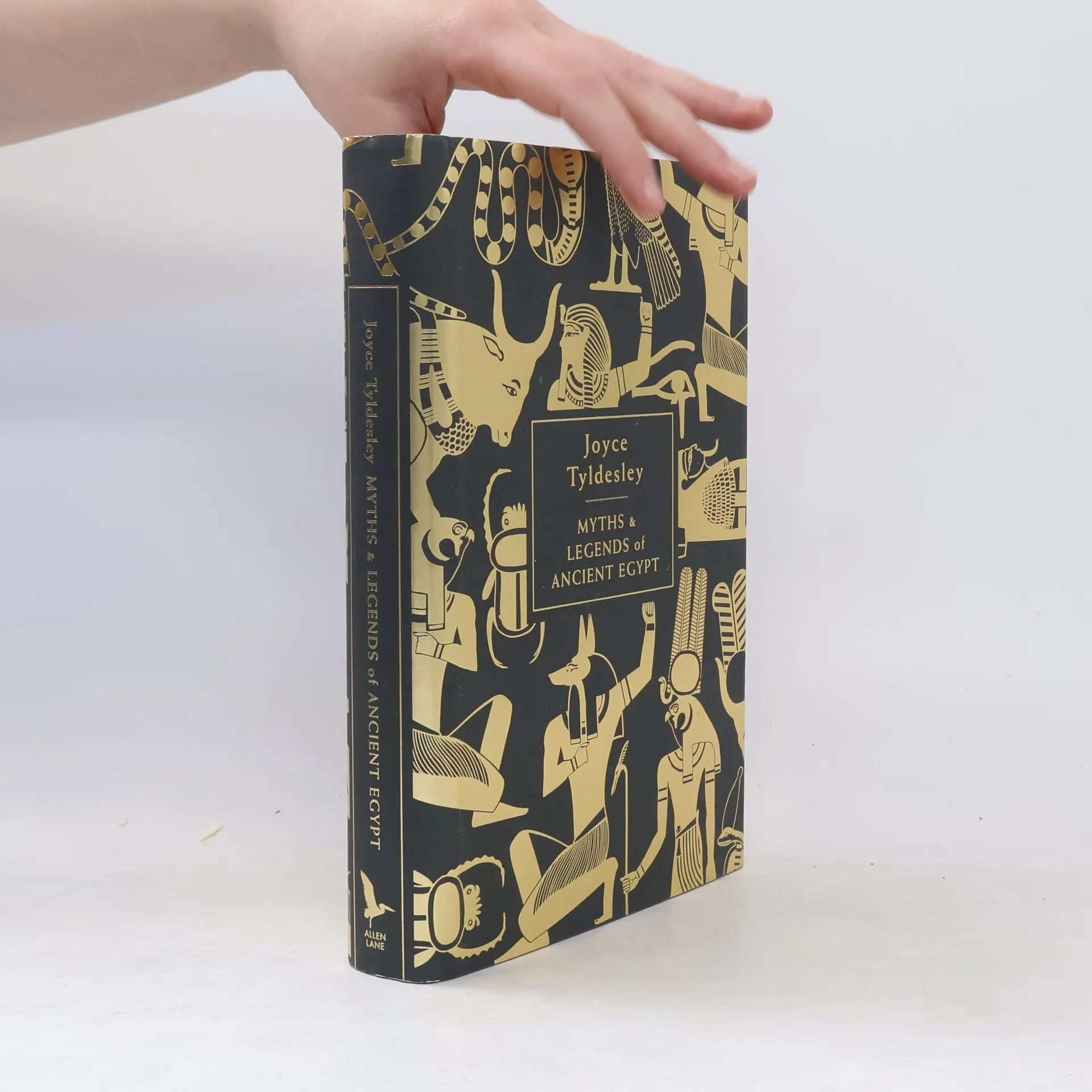
From Herodotus to The Mummy, Western civilization has long been fascinated with the exotic myths and legends of Ancient Egypt but they have often been misunderstood. Here acclaimed Egyptologist Joyce Tyldesley guides us through 3000 years of changing stories and, in retelling them, shows us what they mean. Gathered from pyramid friezes, archaological finds and contemporary documents, these vivid and strange stories explain everything from why the Nile flooded every year to their beliefs about what exactly happened after death and shed fascinating light on what life was like for both rich and poor. Lavishly illustrated with colour pictures, maps and family trees, helpful glossaries explaining all the major gods and timelines of the Pharoahs and most importantly packed with unforgettable stories, this book offers the perfect introduction to Egyptian history and civilization.
In Egypt , highly respected author and archaeologist Joyce Tyldesley follows in the footsteps of the intrepid Egyptologists who have helped to unlock the extraordinary secrets of ancient Egypt. We discover how spectacular treasures that had lain undisturbed for 2000 years were brought to life by real-life Indiana Joneses, such as the flamboyant circus strongman, the Great Belzoni. From the nail-biting race to crack the hieroglyphic code to Howard Carter's dramatic discovery of the golden treasures in Tutankhamen's tomb - surely the most heart-stopping moment in the history of archaeology - we experience the excitement, emotion and intrigue of this gripping adventure story.
Kniha britské egyptoložky nám přiblíží období prvních pokusů,vrchol i úpadek tohoto pozoruhodného řemesla.Setkáváme se s dávnými vykradači hrobek i s jejich novodobými následníky.Samostatnou kapitolu si vysloužila "kletba faraonů",která nepřestává jitřit naši fantazii.
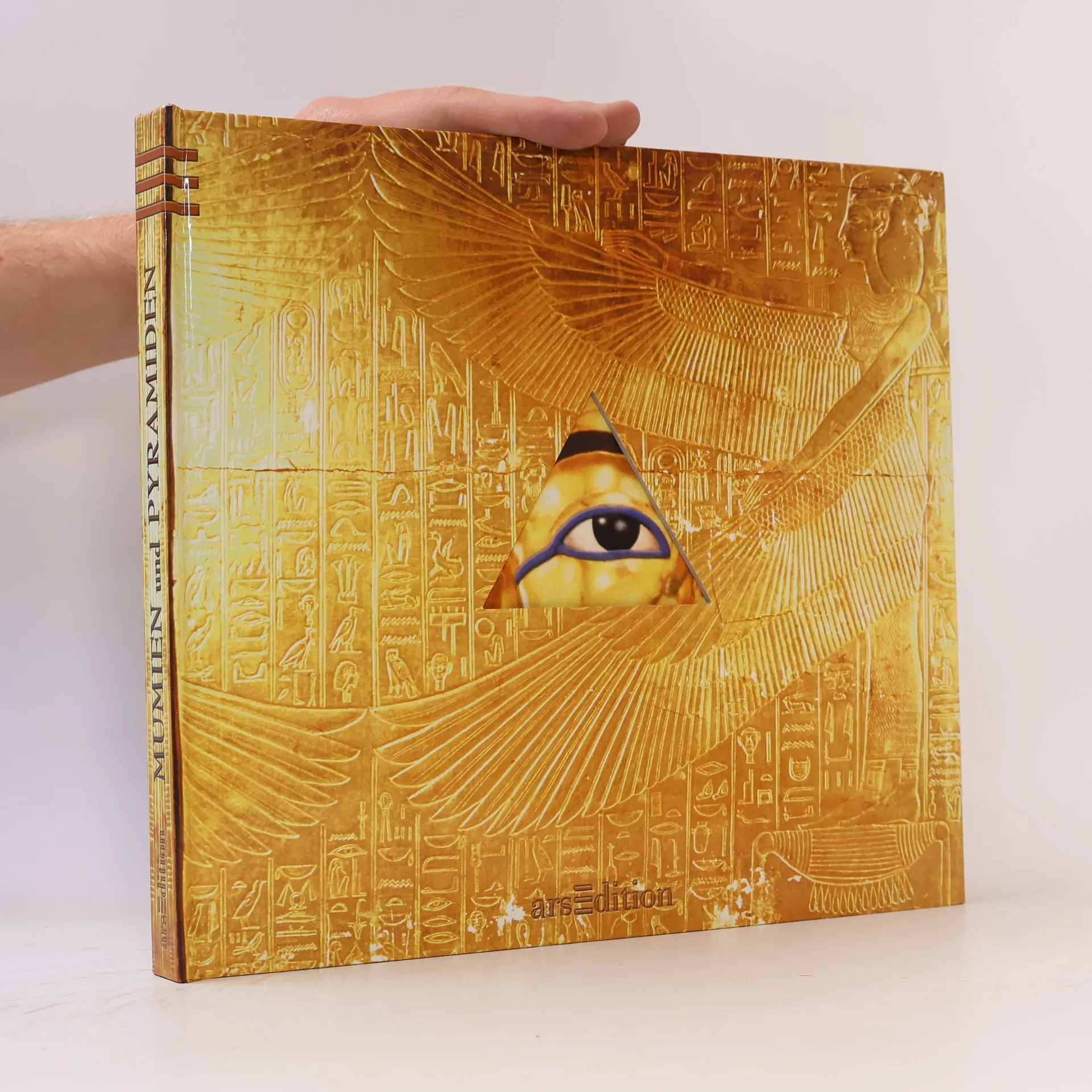
Ein neuer Prachtband aus der Serie „Geheime Welten“. Wer wollte nicht als Kind in die Pyramiden gehen und die Geheimnisse der Mumien und Pharaonen entdecken? Dieses spannende Sachbuch bietet allen Interessierten viel und interessant verpackte Informationen zu Grabbau, Mumifizierung und Totenkult der Ägypter.
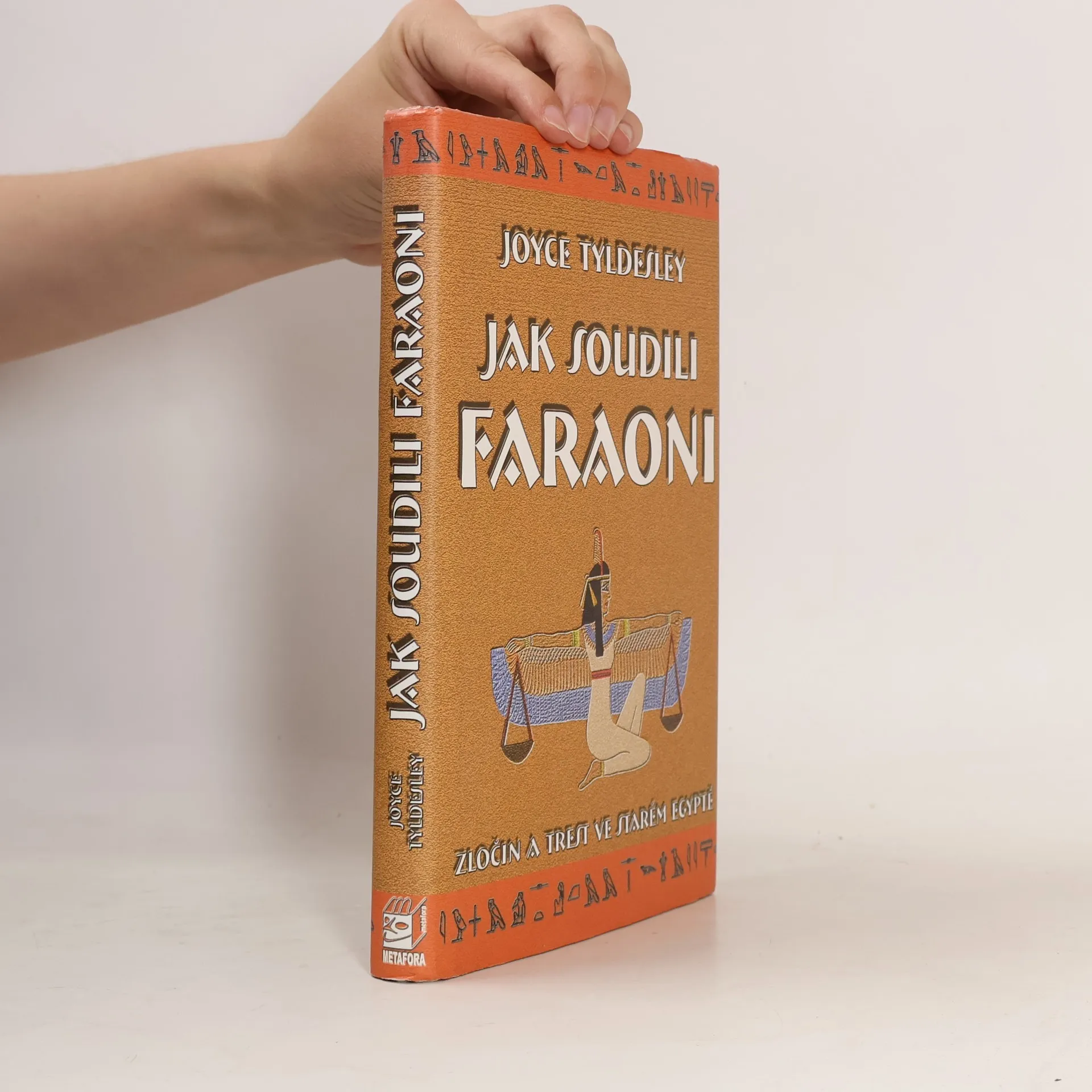
Zločin a trest ve starém Egyptě Kniha o zločinu a trestu ve starověkém Egyptě. Vyprávění ze sociálněpolitických dějin starověkého Egypta se soustřeďuje na atraktivní téma kriminality. Autorka se snaží, vzhledem k časovému odstupu spíše vydedukovat než vybádat, jak fungoval v této legendární civilizaci systém soudnictví. Je jisté, že psychologie tehdejších lidí, jejich sklony a postoje k jednotlivým druhům "trestné činnosti" byly z našeho hlediska těžko pochopitelné. Byly ovlivněny svébytnou kulturou, mytologií atd. Jaksi navíc autorka přidává další spekulace o jedné z populárních historických záhad - smrti faraona Tutanchamona....
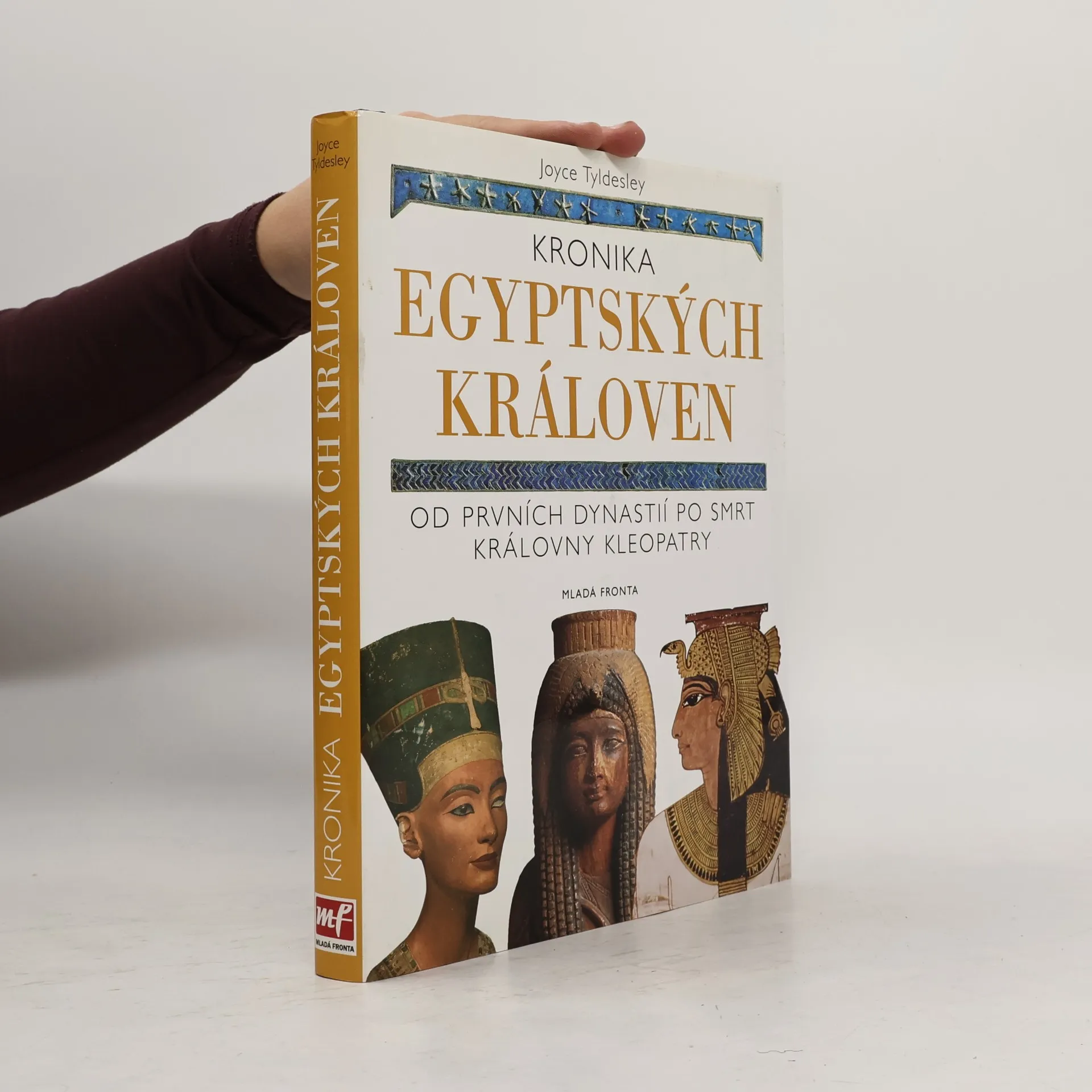
Kronika egyptských královen
- 224pagine
- 8 ore di lettura
Výpravná publikace objasňuje význam a vývoj postavení královen starověkého Egypta. Zahrnuje časový úsek od předdynastického období do doby vlády královny Kleopatry (zemřela roku 30 před Kr.). Bohatá obrazová dokumentace (vyobrazení královen ve staroegyptském umění).
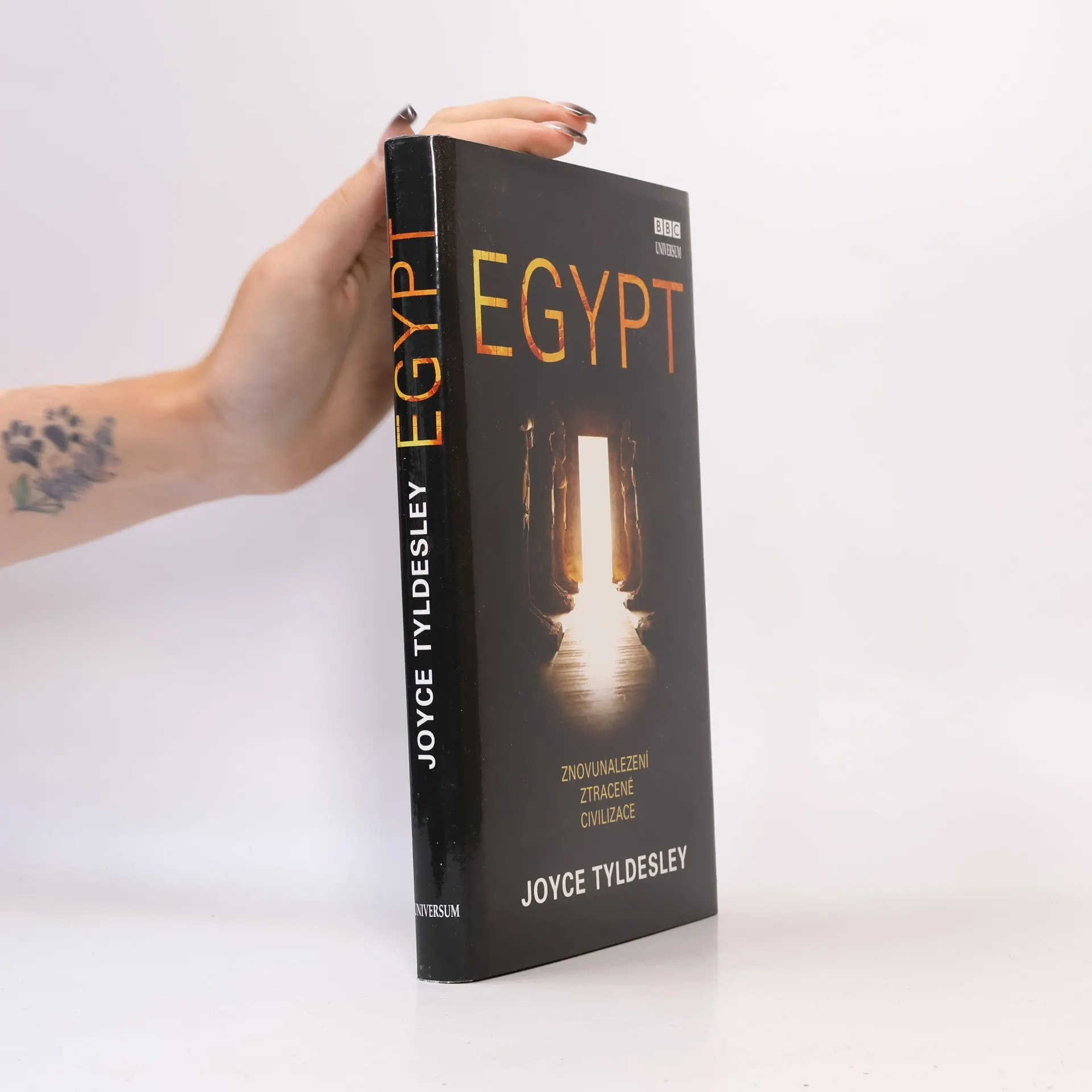
Egypt: Znovunalezení ztracené civilizace
- 240pagine
- 9 ore di lettura
Znovunalezení ztracené civilizace Známá britská popularizátorka egyptských dějin se pokouší v této své další knize shrnout dějiny a badatelský přínos evropské egyptologie. Autorka rozdělila text do čtyř tematických částí. Počáteční zkoumá práci prvních egyptologů, od antických badatelů a historiků až k Napoleonově egyptské expedici (1798-1799), z ostatních sleduje zejména život a práci Jeana-Francoise Champolliona. Druhá část popisuje činnost různých hledačů starověkých pokladů a zabývá se i otázkou egyptských pyramid. Třetí část se věnuje systematickému bádání archeologů zejména v Údolí králů a čtvrtá obrací pozornost k vědeckému zpracování získaných znalostí a vzniku egyptologie jako samostatné vědecké disciplíny. Na závěr je připojen seznam použité literatury a seznam doporučené literatury (upraveno pro toto české vydání). Text je doplněn fotografiemi a kresbami.
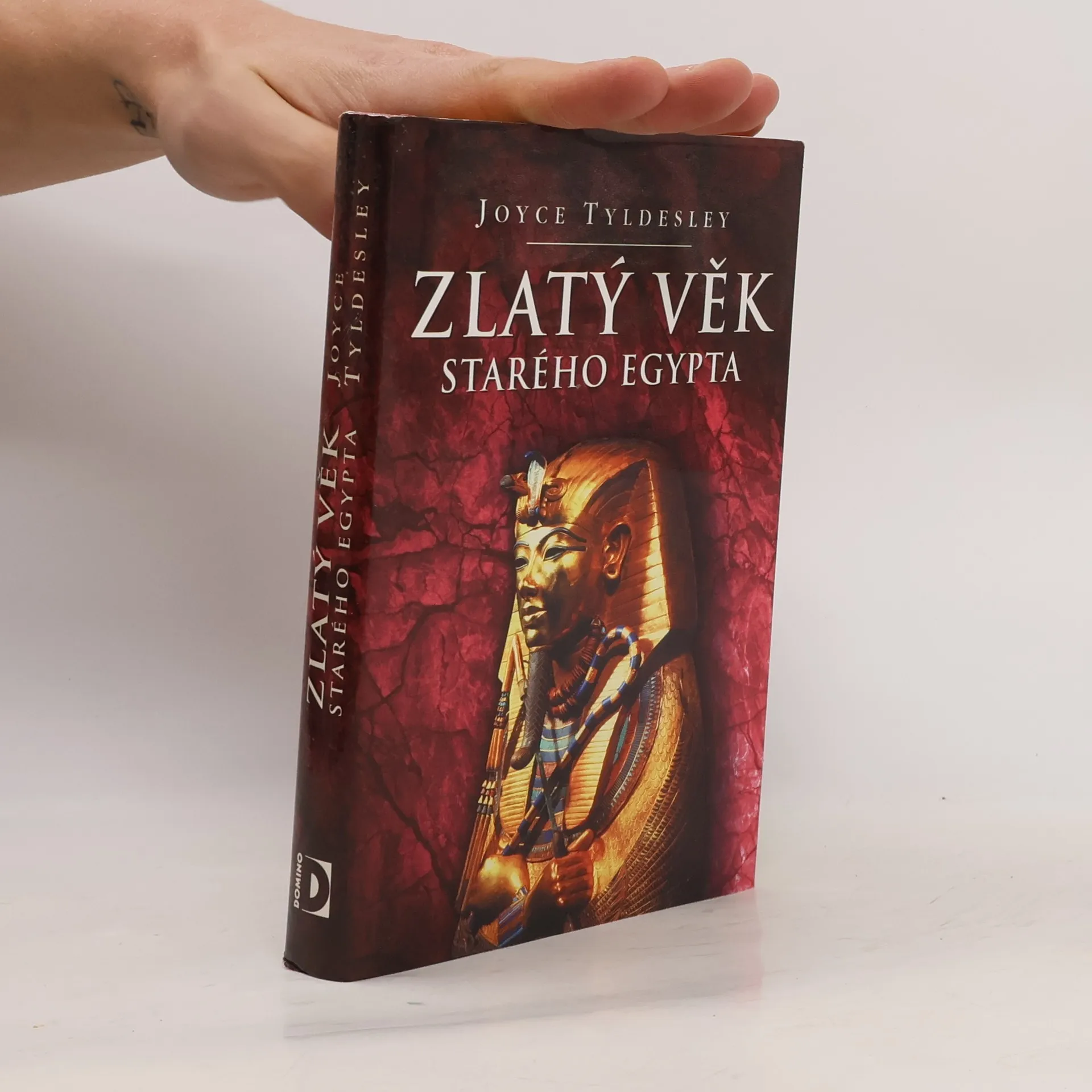
Zlatý věk starého Egypta
- 287pagine
- 11 ore di lettura
Egyptská Nová říše patří k nejvelkolepějším a také nejlépe zdokumentovaným epochám starověkých dějin. Byla to doba mocenského, kulturního i hospodářského rozkvětu, která trvala bezmála půl tisíciletí a zahrnovala vládu třiatřiceti panovníků. Někteří z nich přitom nejsou jen nejznámějšími egyptskými faraony, ale také nejslavnějšími postavami světové historie vůbec: královna Hatšepsut, úspěšný vojevůdce Thutmose III., kacířský Achanton, mladičký Tutanchamon nebo Ramses II., řečený Veliký. Joyce Tyldesley se ovšem nespokojila s jednostranným vylíčením velkolepých skutků všemocných faraonů, jak je známe z monumentálního umění. Nádheru královského dvora doplňuje nastínění života méně okázalých profesí, bez nichž by naše představa o zlatém věku egyptského království nebyla úplná. Proto před zvídavými čtenáři defilují egyptští vojáci, rolníci, stavitelé i vykradači hrobek, představitelé ctihodného cechu balzamovačů, dozvídáme se též o postavení a povinnostech ženy – paní domu… Poutavý přehled historických událostí doplňují četné citáty z dobových dokumentů, v nichž po dlouhých tisíciletích ožívají starosti, obavy i radosti dávných obyvatel tajemné země na Nilu.
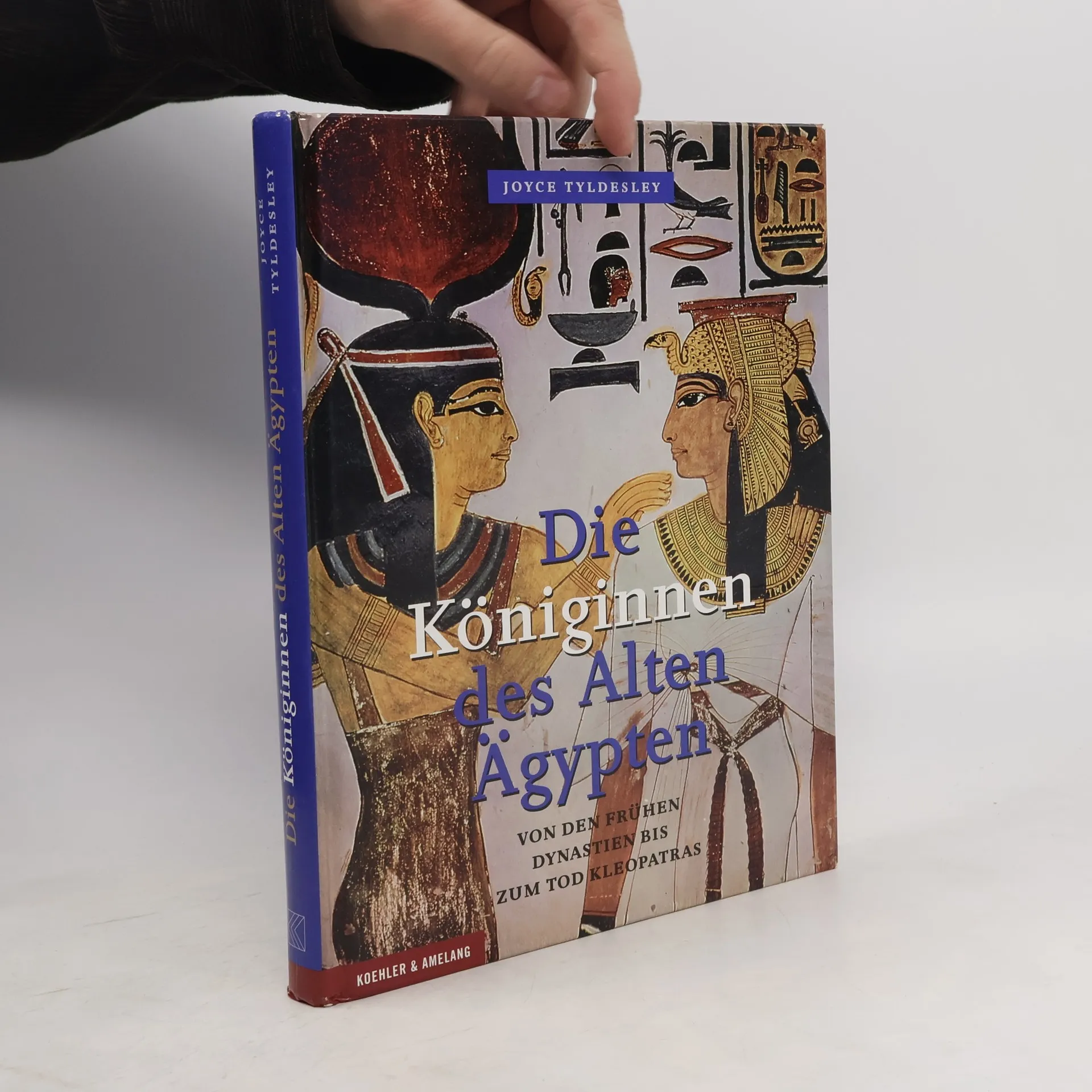
Die Königinnen des alten Ägypten
- 224pagine
- 8 ore di lettura
Das Alte Ägypten mit seinen gottgleichen Herrschern übt auf die Nachwelt immer noch einen besonderen Reiz aus. Viele Rätsel seiner faszinierenden Mythologie sind nach wie vor ungelöst. Das Buch gibt einen aufschlussreichen Überblick über die mächtigen Frauen Ägyptens. Von Hatschepsut, die ihren monumentalen Totentempel in die Felsen von Deir el-Bahri bauen ließ, bis zu Kleopatra, der letzten ägyptischen Herrscherin, erzählt das Buch über das Leben, die Ehen und Liebschaften, Macht und Intrigen der berühmten Königinnen.
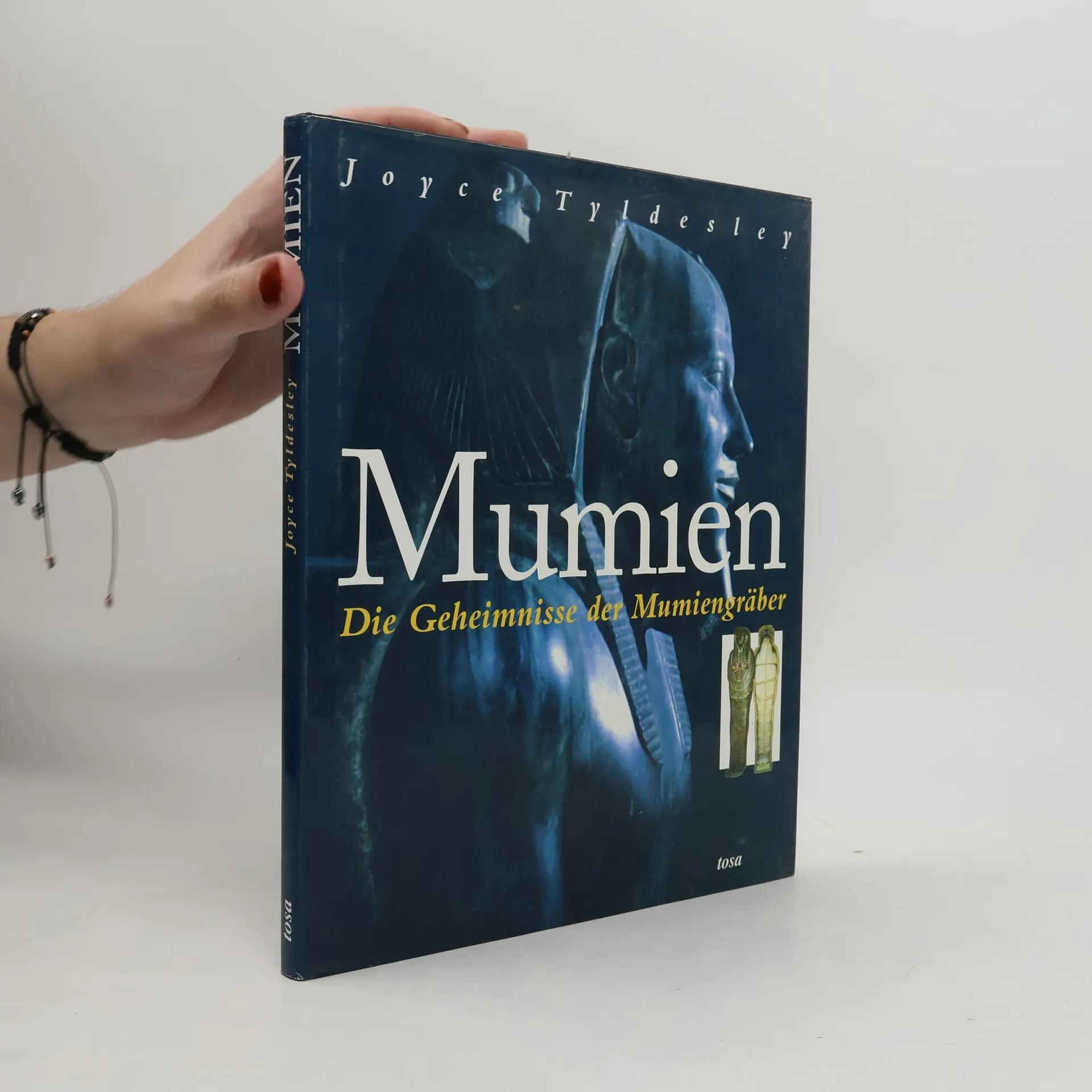
Mumien
- 128pagine
- 5 ore di lettura
Eine zentrale Bedeutung nahm im Denken der alten Ägypter die Vorstellung ein, dass die Seele im Leben nach dem Tod weiterleben würde. Deshalb wurden die Körper mumifiziert. Sie wurden in Bandagen eingewickelt und in wunderschön bemalte Särge gelegt. Man gab ihnen Amulette und Schmuck mit auf ihre letzte Reise.§Dieser Band erforscht jeden Aspekt des mythologischen und kulturellen Hintergrunds der Mumifikation: die Religion und ihre Rituale, die Mythen um Osiris und den Kult der Pharaonen. Die Autorin gibt Antwort auf viele noch ungestellte Fragen und untersucht, welche Wahrheiten und Mythen hinter der Geschichte der Mumien stecken.
Hatschepsut
- 431pagine
- 16 ore di lettura
Das Buch beschreibt das Leben und die Bräuche im alten Ägypten sowie das Schicksal der Königin Hatšepsut, der Herrscherin der 18. Dynastie der ägyptischen Pharaonen. Die Veröffentlichung konzentriert sich auf Ägypten in der Zeit des Neuen Reiches (1500–1000 v. Chr.), als die 18. bis 20. Dynastie der ägyptischen Könige herrschte. Unter ihnen war Königin Hatšepsut die einzige Frau. Sie regierte Ägypten zwanzig Jahre lang, eine Zeit des Friedens, des Wohlstands und des Baus kultureller Denkmäler. Als Frau hatte Hatšepsut jedoch eine schwierige Stellung; sie ließ sich als Mann darstellen und wurde nach ihrem Tod nicht in die offizielle Liste der Könige aufgenommen. Ihre Abbildungen wurden ebenfalls zerstört. Das Buch verfolgt nicht nur das Schicksal dieser Königin, sondern vermittelt auch interessante Einblicke in die Bräuche, Realitäten und das Leben jener Zeit.
Záhady starého Egypta
- 243pagine
- 9 ore di lettura
Tajuplně pojednané dějiny starověkého Egypta se snaží odhalit důvody výstavby pyramid, mumifikací i osudy faraona Tutanchamona. Pulikace je rozdělena na tři oddíly, které se zabývají záhadou vzniku i zániku města pod pyramidami, okolnostmi Tutanchamonova panování i smrti a důvodem mumifikace chrámové tanečnice i účelem mumifikace jako takové. Kniha je doplněna chronologickou tabulkou, výběrovou bibliografií a barevnými fotografiemi v příloze.
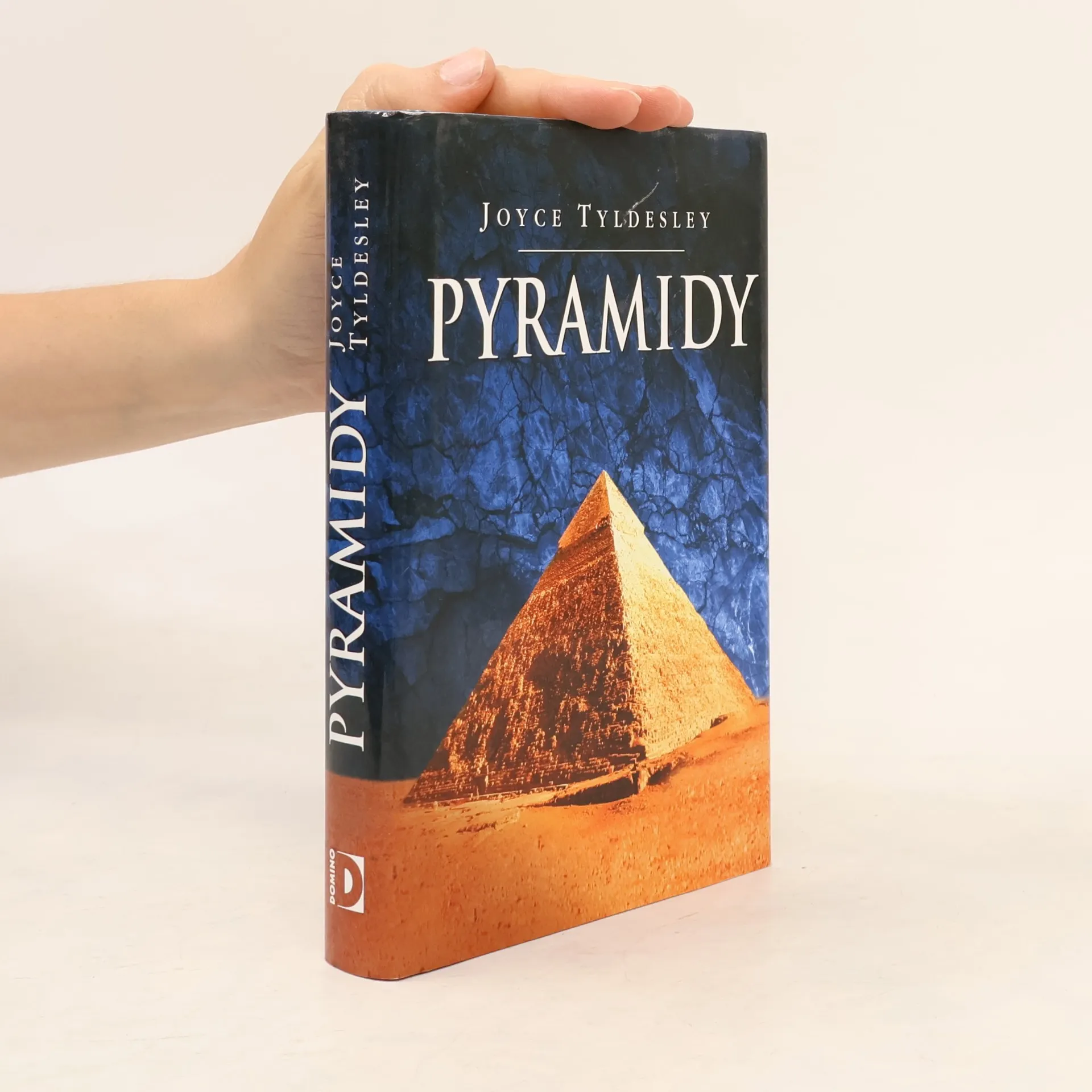
Pyramidy
- 320pagine
- 12 ore di lettura
Staré arabské přísloví praví, že všechno se bojí času. To neplatí v jediném případě: čas se bojí pyramid. Monumentální památníky egyptských faraonů se dodnes hrdě tyčí k nebi navzdory prošlým věkům, lidské zvůli i znečištěnému ovzduší. Po tisíciletí před nimi v němém úžasu postávají poutníci, dobrodruzi, vědci, básníci i vojevůdci. Nejslavnějšími exempláři jsou samozřejmě pyramidy v Gíze, a autorka jim věnuje pozornost úměrnou jejich velikosti i významu. V Egyptě však vyrostla přibližně stovka pyramid, které se liší dobou vzniku, rozměry, použitým materiálem i provedením. Některé dávno ztratily typický tvar, jiné čekají na své znovuobjevení... ale všechny vyvolávají otázky, na něž hledá odpověď již několikátá generace egyptologů. Renomovaná britská archeoložka Joyce Tyldesley odolala nutkání zahltit čtenáře detaily a soustředila se na postižení historických souvislostí, náboženských představ a tradic, které umožnily vznik těchto jedinečných památek. Její přehledný a čtivý výklad poslouží jako podrobný průvodce, potěší milovníky starověké historie a čtenářům-začátečníkům pak poskytne zevrubný úvod do bádání o pyramidách.
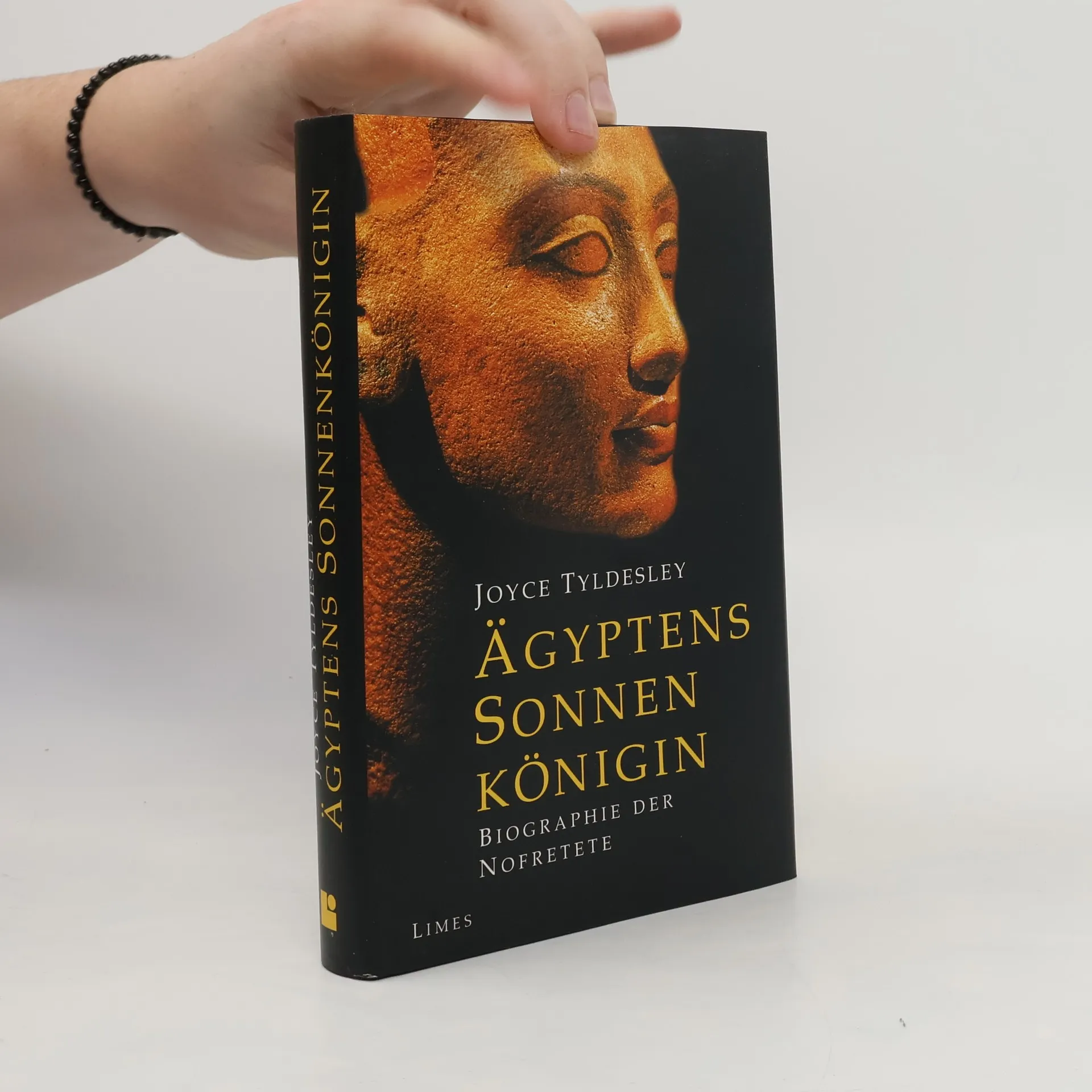
Ägyptens Sonnenkönigin
- 333pagine
- 12 ore di lettura
Das Buch handelt von der Frau des ägyptischen Königs Achnaton und ihrem Leben im Rampenlicht sowie dem plötzlichen und geheimnisvollen Ende dieses Lebens. Im Mittelpunkt steht die Geschichte der königlichen Gemahlin Nefertiti, deren außergewöhnlicher Einfluss auf die damalige Zeit aus archäologischen Quellen ebenso deutlich hervorgeht wie das rätselhafte Verschwinden ihrer Spuren, als sie plötzlich und gründlich aus der Geschichte verschwindet. Vor dem Hintergrund dieses historischen Rätsels gewährt die Autorin, eine britische Ägyptologin, Einblicke in das Leben im alten Ägypten während der Herrschaft der 18. Dynastie, also vor mehr als 3300 Jahren.