


Bookbot

Darian Leader

    1 gennaio 1965

    Darian Leader è uno psicoanalista e autore britannico il cui lavoro approfondisce le complessità della psiche umana. Esamina meticolosamente i processi inconsci e il loro profondo impatto sulle nostre vite, offrendo prospettive uniche sugli aspetti più oscuri dell'esperienza umana. Lo stile distintivo di Leader è caratterizzato dalla sua analisi penetrante e dalla capacità di illuminare fenomeni psicologici spesso invisibili. I suoi contributi fanno avanzare significativamente il discorso psicoanalitico, in particolare per quanto riguarda la psicopatologia e il desiderio.

    Darian Leader
    Introducing Lacan
    Strictly Bipolar
    What is Madness?
    Why Do Women Write More Letters Than They Post?
    Jouissance
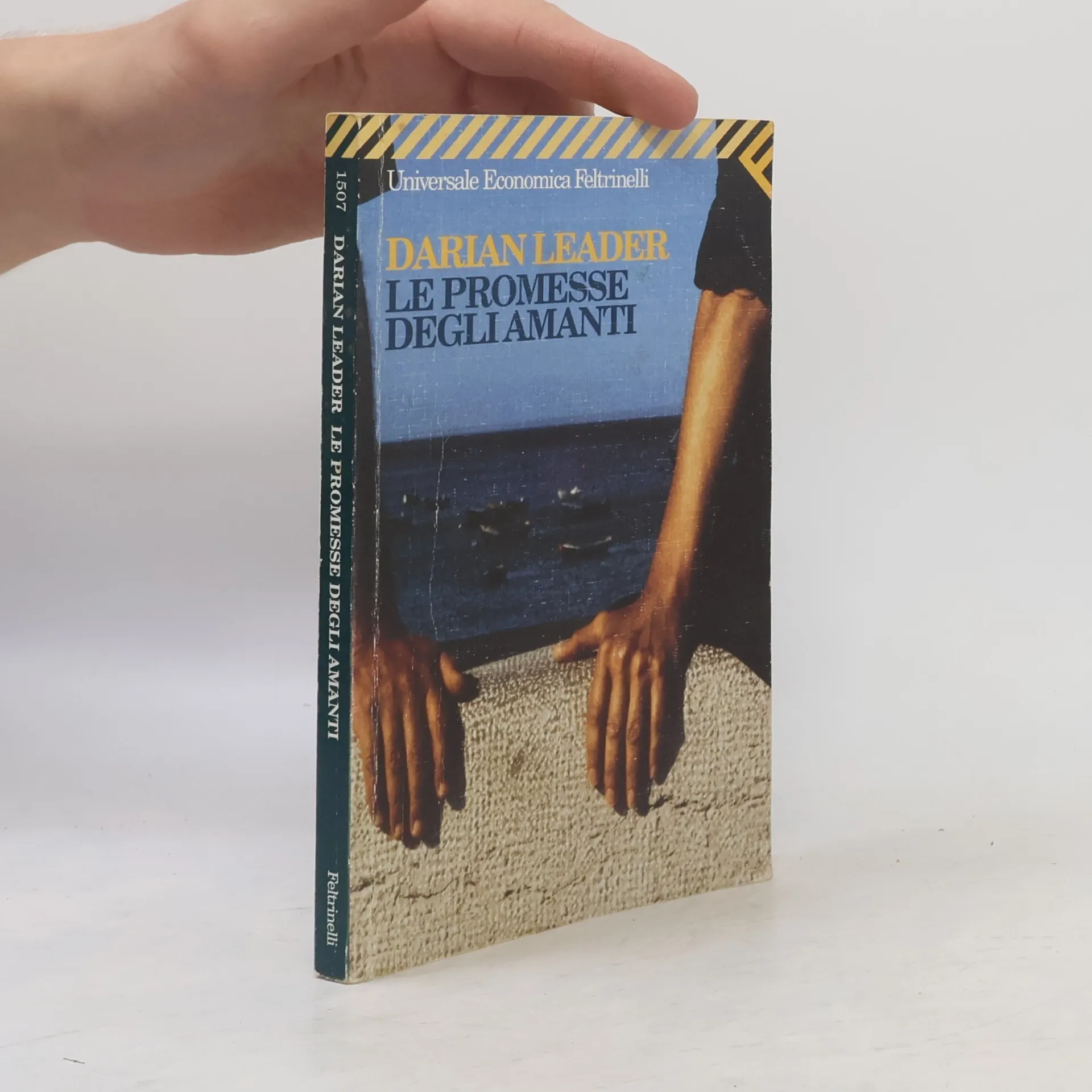
    Universale Economica Feltrinelli - 1507: Le promesse degli amanti
    • Perché gli amanti fanno promesse impossibili e voti d'amore in cui non credono? Questo comportamento genera sensi di colpa in chi non ricambia l'amore, idealizzazione dell'amore e del sesso, e una metodologia per prevedere il futuro di una relazione, ignorando il passato degli individui. È nel passato, infatti, che si trovano le radici delle dinamiche presenti, come il rapporto del bambino con i genitori e il mondo adulto, e la scoperta della possibilità di mentire e di essere ingannati. In uno stile divulgativo e aneddotico, chiaro e ricco di spunti, l'autore guida il lettore alla ricerca del "nocciolo" della questione, esplorando il "perché" dei comportamenti e delle relazioni umane. La struttura non è cronologica né sequenziale, ma concentrica e paradigmatica, con riferimenti a casi psicoanalitici e teorie freudiane, affiancati a simboli dell'immaginario collettivo. Si passa da storie come quella della regina Elisabetta I d'Inghilterra e il romanzo "Rebecca", al mito di Faust, a opere di Zola e Molière, fino a film come "Quattro matrimoni e un funerale" e "Insonnia d'amore".


      Universale Economica Feltrinelli - 1507: Le promesse degli amanti
      3,0
    • Jouissance

      • 138pagine
      • 5 ore di lettura

      Although the term 'jouissance' is common currency in psychoanalysis today, how much does it really tell us? While often taken to designate a fusion of sexuality, suffering and satisfaction, the term has fallen into a purely descriptive use that closes down more questions than it opens up. Although assumed to explain the coalescence of pleasure and pain, it tends to cover a range of quite different issues that should be distinguished rather than conflated. By returning to some of its sources in Freud and elaborations in Lacan, this essay hopes to stimulate a debate around the relations of pleasure to pain, autoerotism, the links of satisfaction to arousal, the effects of repression, and the place of the body in psychoanalytic theory. Unlike other studies in Lacanian psychoanalysis, it aims to contextualise Lacan's work and encourage dialogue with other analytic traditions.

      Jouissance
      4,2
    • Ranging from Freud to Hitchcock, from Dracula to Jane Austen, and from Agatha Christie to Greek tragedy, this contribution to the field of gender studies aims to tease out surprising insights of contemporary psychoanalysis to show why there is little chance of a harmonious relationship between a man and a woman. It suggests what it might be that Claudia Schiffer sees in the magician David Copperfield, and why women are more likely than men to fantasize about making love in public.

      Why Do Women Write More Letters Than They Post?
      3,0
    • What is Madness?

      • 368pagine
      • 13 ore di lettura

      What separates the sane from the mad? How hard or easy is it to tell them apart? And what if the difference is really between being mad and going mad? This title is the study of madness, sanity, and everything in between.

      What is Madness?
      4,0
    • Strictly Bipolar

      • 96pagine
      • 4 ore di lettura

      What could explain this explosion of bipolarity? Is it a legitimate diagnosis or the result of Big Pharma marketing? Exploring these questions, this title challenges the rise of 'bipolar' as a catch-all solution to complex problems, and argues that we need to rethink the highs and lows of mania and depression.

      Strictly Bipolar
      3,9
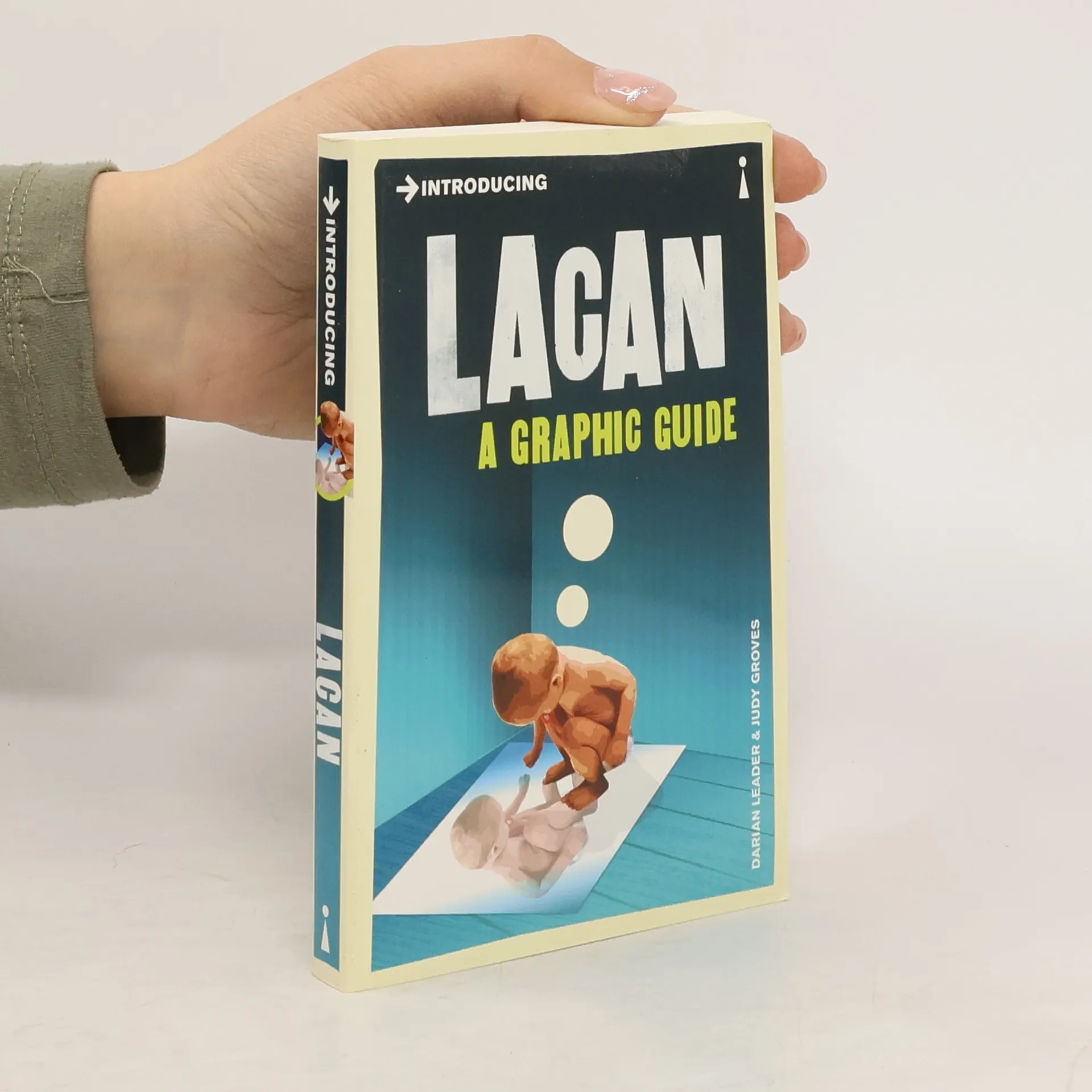
    • Introducing Lacan

      A graphic guide

      • 176pagine
      • 7 ore di lettura

      Unique graphic introductions to big ideas and thinkers, written by experts in the field.

      Introducing Lacan
      3,7
    • Is It Ever Just Sex?

      • 288pagine
      • 11 ore di lettura

      'It was just sex.' It's a familiar claim. But is it really possible? The old idea that sexuality is a smouldering, animalistic force within us, desperate for release yet restrained by social forces, has little to support it. Bodies aren't just sticks that make fire when you rub them together, and the pain, heartache, and regret that can accompany the highs of sexual excitement show us that much more is at stake. So, what are we really thinking about when we think about sex? And what are we really doing when we do it? As acclaimed psychoanalyst Darian Leader argues, with his trademark clarity, energy and wit, there is no such thing as 'just sex'. It is always about so much more than that - about phantasy, anxiety, guilt, revenge, violence, love - and Leader draws on his analytic experience, historical research and case studies to explore their importance to every aspect of our sexual lives.

      Is It Ever Just Sex?
      3,5
    • "Why do zombies walk with their arms outstretched? How can newborn babies grip an adult finger tightly enough to dangle unsupported from it? And why is everyone constantly texting, tapping and scrolling? For anyone curious about how human beings work, the answers are hidden in plain sight: in our hands. Rather than seeing the history of civilisation in terms of technological breakthroughs, it can be seen as a history of how we have kept our hands busy. From early tools to machinery, from fists to knives to guns, from papyrus to QWERTY to a glowingly swipeable screen, the hands have always been kept occupied. But why this incessant activity? Why can't we keep our hands still? And what might this reveal about our innermost selves? Drawing examples from popular culture, art history, psychoanalysis, modern technology and child development, Handspresents a unique and fascinating odyssey through the history of what human beings do with their hands, and why."

      Hands
      3,4
    • The authors explore the relationship between human health and happiness, combining cutting-edge research and neglected medical insights. With case studies and advice for a fitter life, this is an intriguing and thought-provoking book, one which should be read by anyone who cares about their wellbeing.

      Why Do People Get Ill?
      3,4
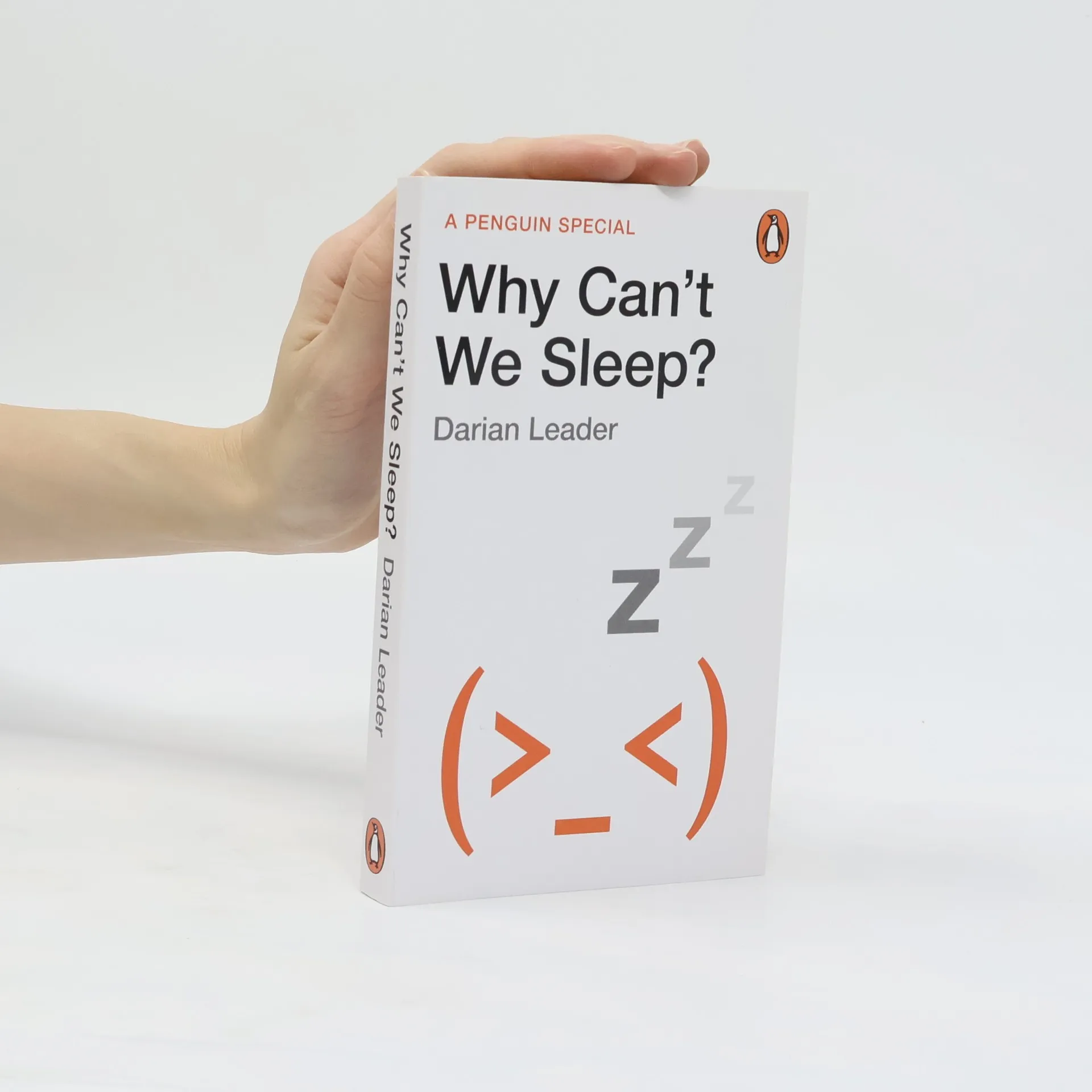
    • Why Can't We Sleep

      • 224pagine
      • 8 ore di lettura

      From the brilliant psychoanalyst behind Strictly Bipolar and What is Madness, a short and fascinating guide to the history of human sleep - and why we can't seem to sleep any more One in four adults sleeps badly. Sleeping pill prescriptions have increased dramatically over the last three decades, as have the incidence of sleep clinics. Sleep used to be a natural state, easy as breathing, but increasingly it is an insecure commodity. ...Isn't it? Our relationship to sleep surfaces and resurfaces throughout human history, each time telling us something new about our indivudual and collective psychology. From the industrial revolution to blue-light on our phones, from the ancient art of dream interpretation to the modern science of Freud, sleep is connected to wider social patterns, to shifting norms and expectations. Weaving together cultural, social, economic and psychoanalytic influences, Darian Leader delves into the truth about this universal human experience.

      Why Can't We Sleep
      3,2
    • The Cult of the Street

      • 284pagine
      • 10 ore di lettura

      Bond's photographs of London street fashion capture its youth - and in particular the young women - scowling and pouting; his subjects are often shopping and at leisure, and he happens upon them in medias res as they turn a corner, or pause to pay for a purchase. Some are well-prepared to accept the gaze of his lens and then his presence is met with a vacant stare: the one who has caught his eye acknowledging the camera unembarrassed and unbowed: proud of their branded designer garments and carefully preened image. On Bond's streets, the energy and vitality of London in the long hot days that led up to the car crash in Paris and the millennium is always present in the pose and the gestures of its brazen youth.

      The Cult of the Street
    • The New Black

      Mourning, Melancholia and Depression

      • 208pagine
      • 8 ore di lettura

      What happens when we lose someone we love? A death, a separation or the break-up of a relationship are some of the hardest times we have to live through. In this book, Darian Leader urges us to look beyond the catch-all concept of depression to explore the deeper, unconscious ways in which we respond to the experience of loss.

      The New Black