
Bookbot

Thomas Pynchon

    8 maggio 1937

    Thomas Pynchon è un autore americano celebrato per le sue opere di finzione dense e complesse che spesso intrecciano una vasta gamma di soggetti, stili e aree di interesse, tra cui storia, scienza e matematica. La sua prosa è lodata per la sua profondità intellettuale e il suo virtuosismo letterario. Pynchon è considerato uno dei più importanti autori contemporanei, la cui voce distintiva e il cui approccio alla scrittura hanno lasciato un segno indelebile nella letteratura moderna. La sua avversione alla pubblicità personale non fa che accrescere l'intrigo che circonda la sua enigmatica personalità e la sua acclamata produzione.

    Thomas Pynchon
    Demolierung - Gründung - Ursprung
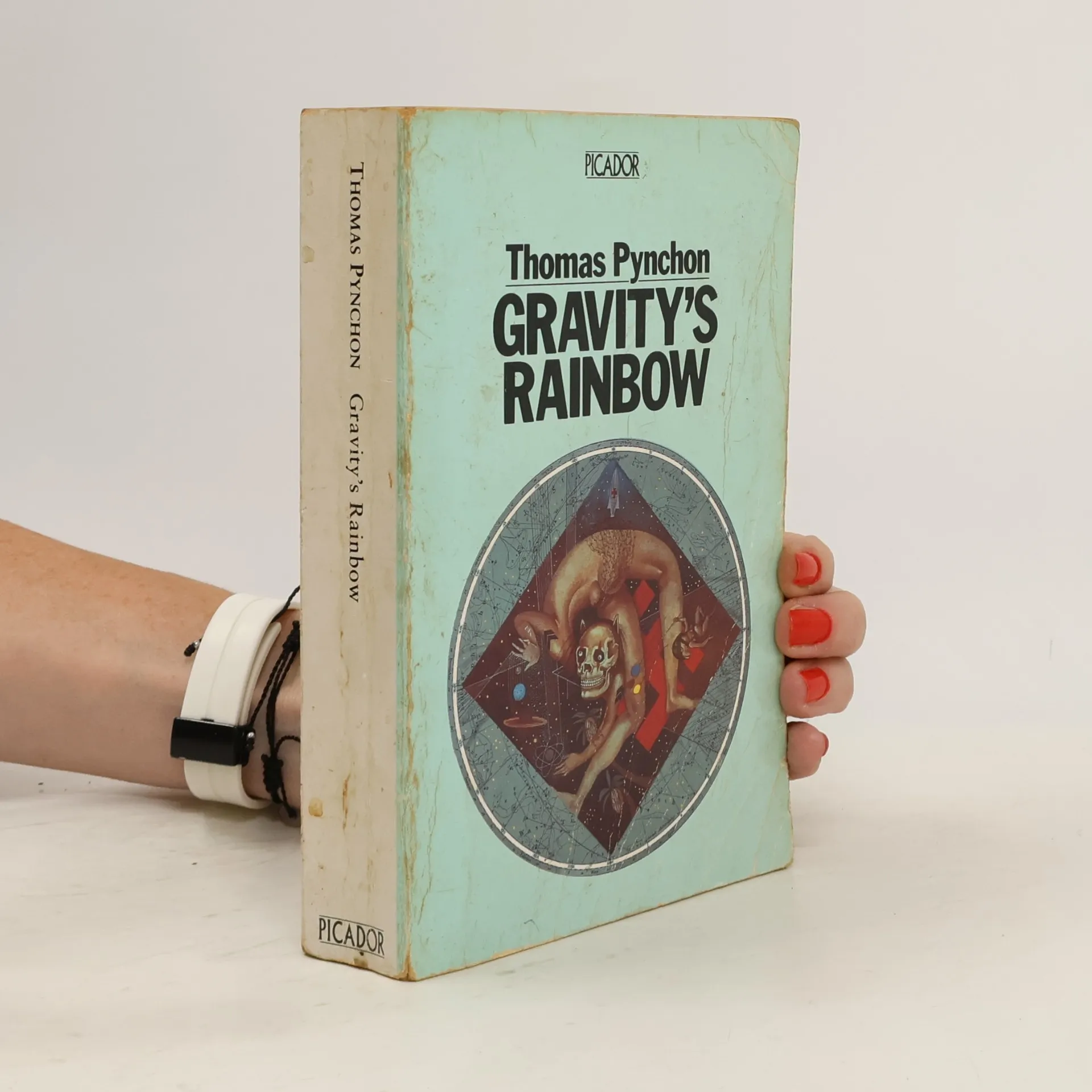
    Gravity's rainbow
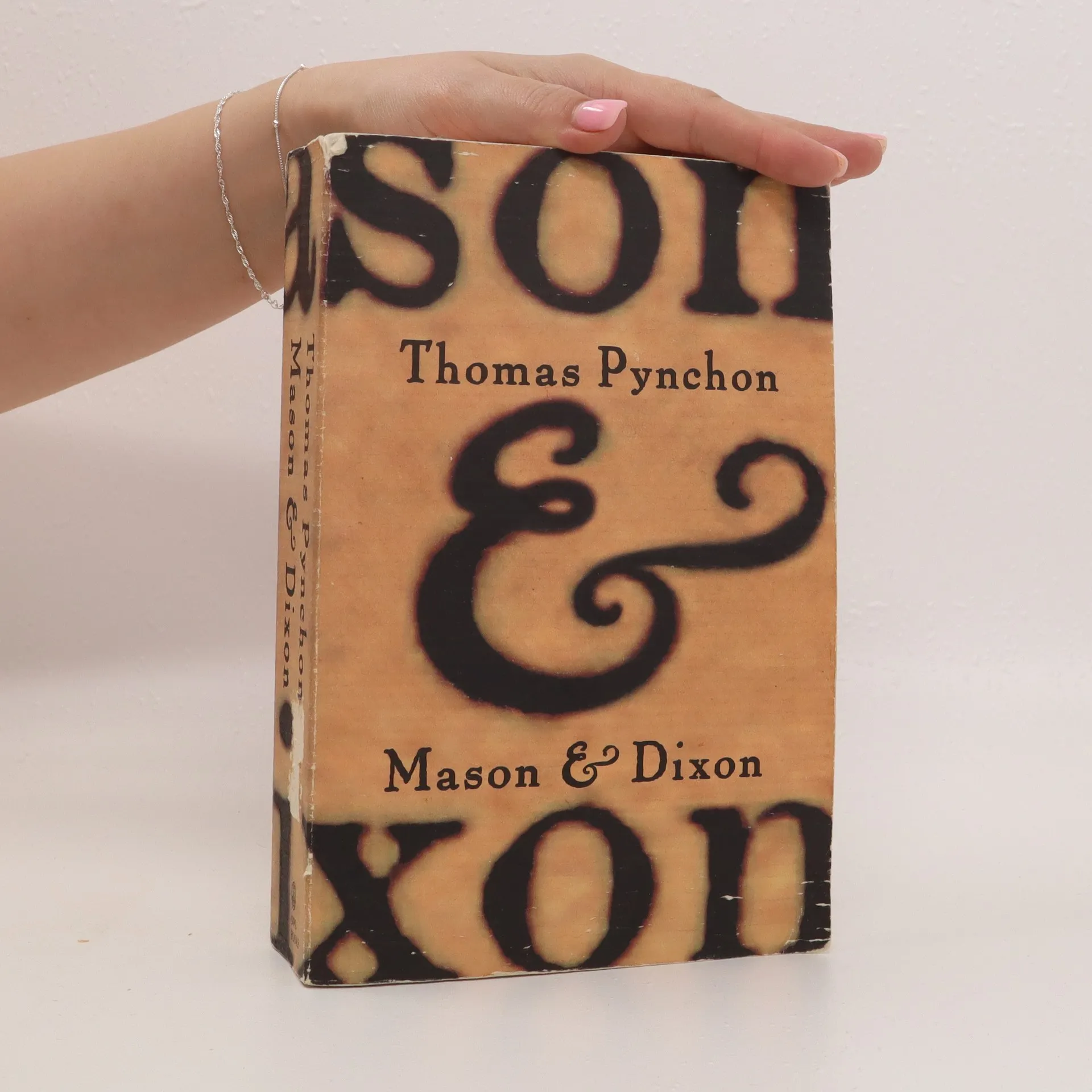
    Mason & Dixon
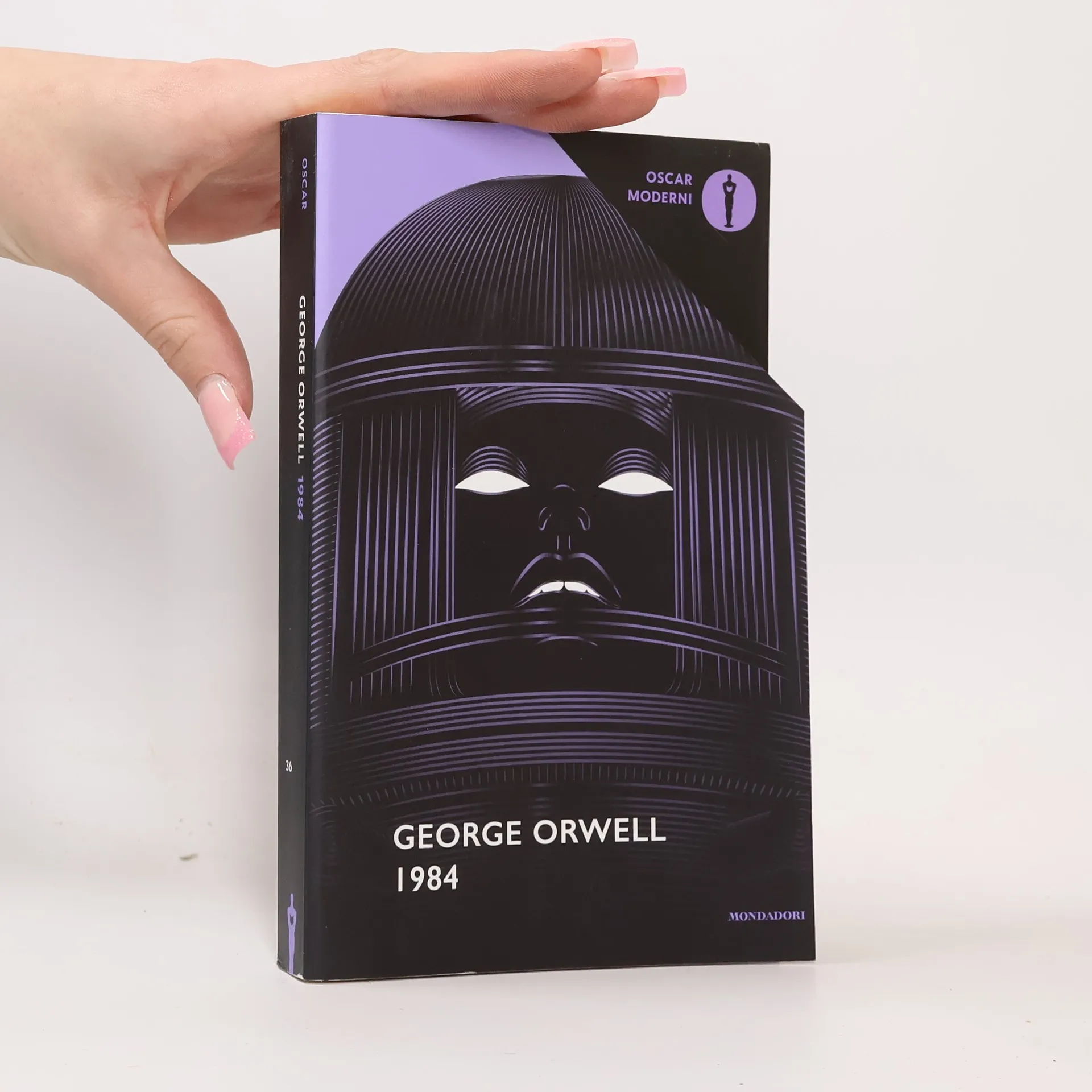
    1984
    The Chemical Forces
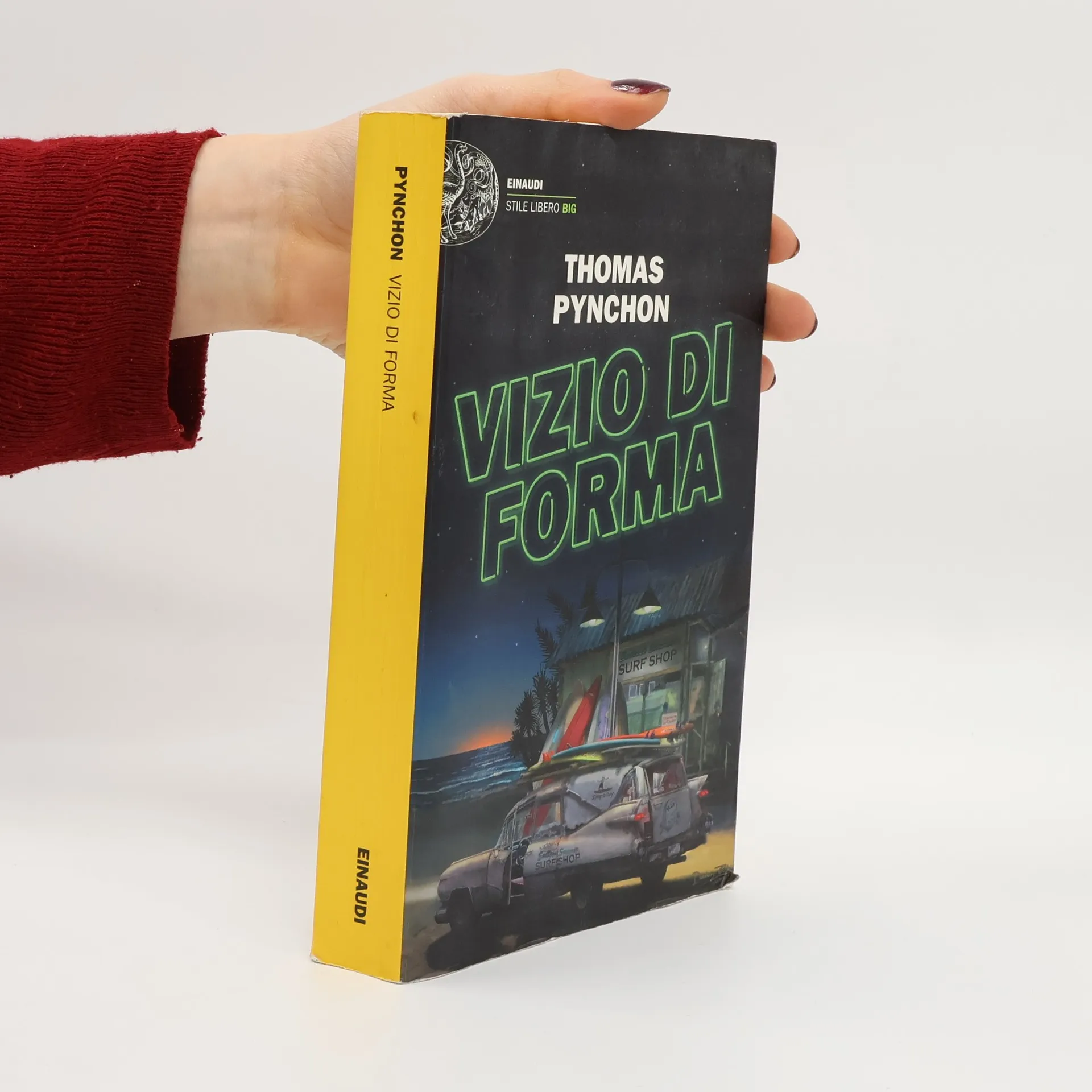
    Stile libero big: Vizio di forma
    • Stile libero big: Vizio di forma

      • 472pagine
      • 17 ore di lettura

      California, inizio anni Settanta. Doc Sportello, investigatore privato con una passione smodata per le droghe e il surf, viene contattato da una vecchia fiamma, Shasta, che gli rivela l'esistenza di un complotto per rapire il suo nuovo amante, un costruttore miliardario. L'investigatore non fa neanche in tempo ad avviare le sue indagini che si ritrova arrestato per l'omicidio di una delle guardie del corpo del costruttore, il quale è intanto sparito, come pure Shasta. Sembrano le premesse del più classico dei noir, ma ben presto le coincidenze piú strane si accumulano e il mistero si allarga a macchia di leopardo. Doc inciampa così in collezioni di cravatte con donnine discinte, in falsi biglietti da venti dollari con il ritratto di Richard Nixon, in un'associazione di dentisti assassini nota come Zanna d'Oro, che è però anche il nome di un sedicente cartello indocinese dedito al traffico di eroina.
      Stile libero big: Vizio di forma
    • The Chemical Forces

      • 564pagine
      • 20 ore di lettura

      This reprint of a historical book originally published in 1871 aims to preserve the text for modern readers. Acknowledging the age of the work, it may contain missing pages or lower quality, yet it serves as a valuable resource for those interested in historical literature. The publishing house, Anatiposi, focuses on making such works accessible to ensure they are not forgotten.

      The Chemical Forces
      5,0
    • 1984. Il mondo è diviso in tre immensi superstati in perenne guerra fra loro - Oceania, Eurasia ed Estasia. In Oceania, la cui capitale è Londra, la società è governata secondo i principi del Socing, il Socialismo Inglese, dal Grande Fratello, che tutto vede e tutto sa. I suoi occhi sono le telecamere che spiano di continuo nelle case, il suo braccio la psicopolizia che interviene al minimo sospetto. Tutto è permesso, non c'è legge scritta. Niente, apparentemente, è proibito. Tranne pensare, se non secondo i dettami del Socing. Tranne amare, se non con il fine esclusivo di riprodursi. Tranne divertirsi, se non con i programmi televisivi di propaganda. Tranne vivere, se non secondo gli usi e costumi imposti dall'infallibile e onnisciente Grande Fratello, che nessuno ha mai visto di persona.

      1984
      4,3
    • Mason & Dixon

      • 773pagine
      • 28 ore di lettura

      The New York Times Best Book of the Year, 1997 Time Magazine Best Book of the Year 1997 Charles Mason (1728-1786) and Jeremiah Dixon (1733-1779) were the British surveyors best remembered for running the boundary between Pennsylvania and Maryland that we know today as the Mason-Dixon Line. Here is their story as re-imagined by Thomas Pynchon, featuring Native Americans and frontier folk, ripped bodices, naval warfare, conspiracies erotic and political, major caffeine abuse. We follow the mismatch'd pair--one rollicking, the other depressive; one Gothic, the other pre-Romantic--from their first journey together to the Cape of Good Hope, to pre-Revolutionary America and back, through the strange yet redemptive turns of fortune in their later lives, on a grand tour of the Enlightenment's dark hemisphere, as they observe and participate in the many opportunities for insanity presented them by the Age of Reason.

      Mason & Dixon
      4,1
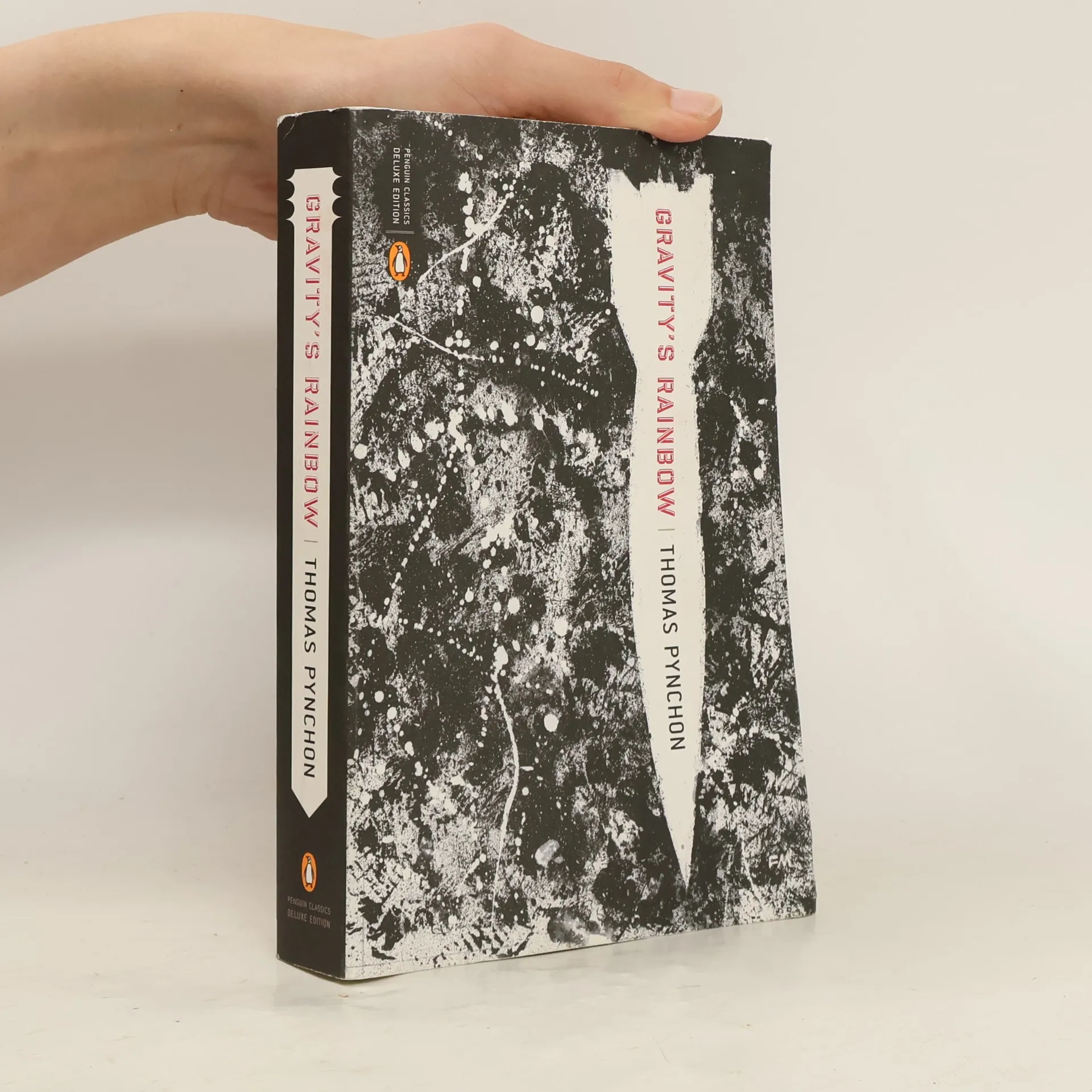
    • Gravity's rainbow

      • 768pagine
      • 27 ore di lettura

      Winner of the 1973 National Book Award, "Gravity's Rainbow" is a postmodern epic, a work as exhaustively significant to the second half of the 20th century as Joyce's "Ulysses" was to the first.

      Gravity's rainbow
      4,1
    • Winner of the 1973 National Book Award, Gravity's Rainbow is a postmodern epic, a work as exhaustively significant to the second half of the twentieth century as Joyce's Ulysses was to the first. Its sprawling, encyclopedic narrative and penetrating analysis of the impact of technology on society make it an intellectual tour de force. The narrative is set primarily in Europe at the end of World War II, and centers on the design, production and dispatch of V-2 rockets by the German military

      Demolierung - Gründung - Ursprung
      4,0
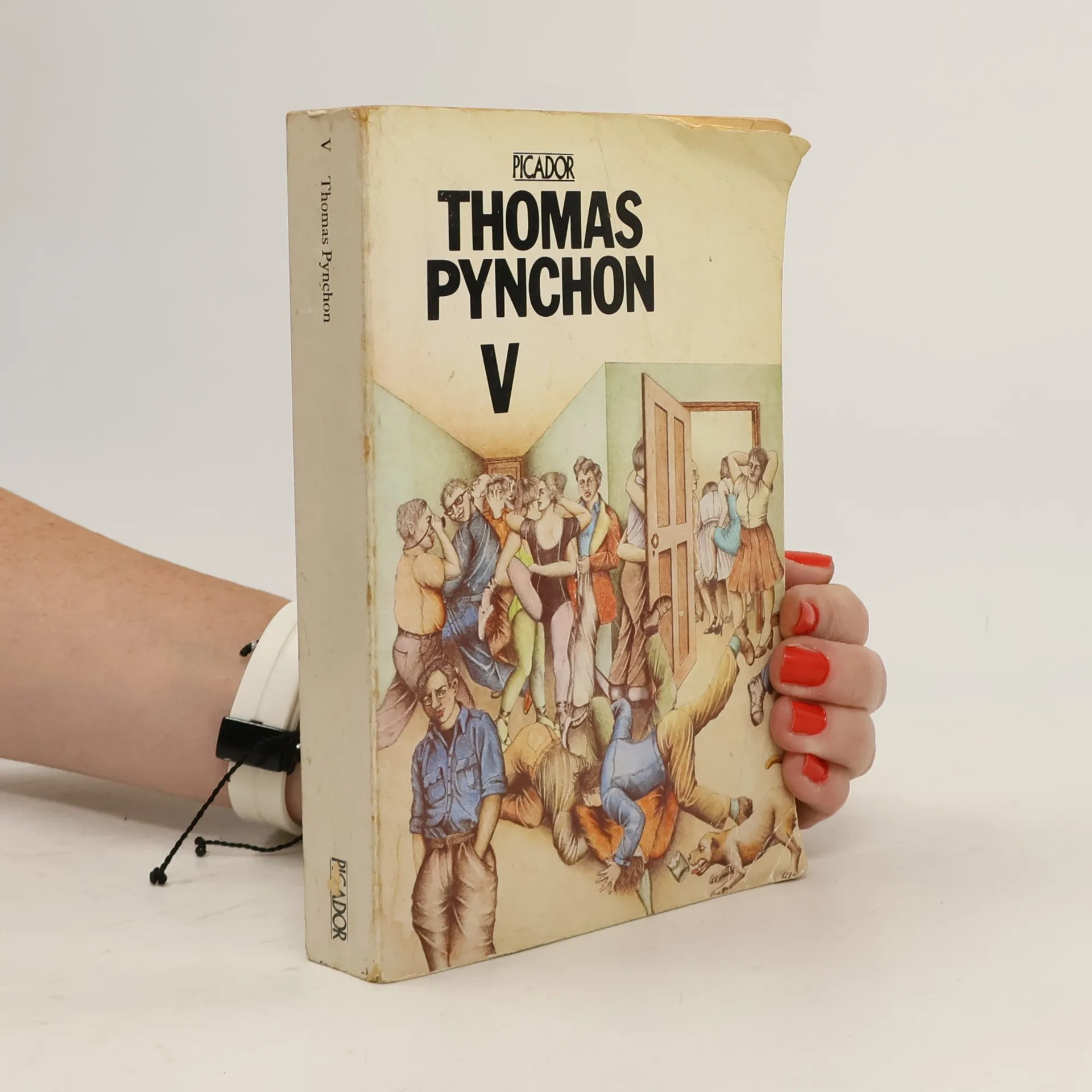
    • The wild, macabre tale of the twentieth century and of two men—one looking for something he has lost, the other with nothing much to lose—and "V.," the unknown woman of the title.

      V.
      4,0
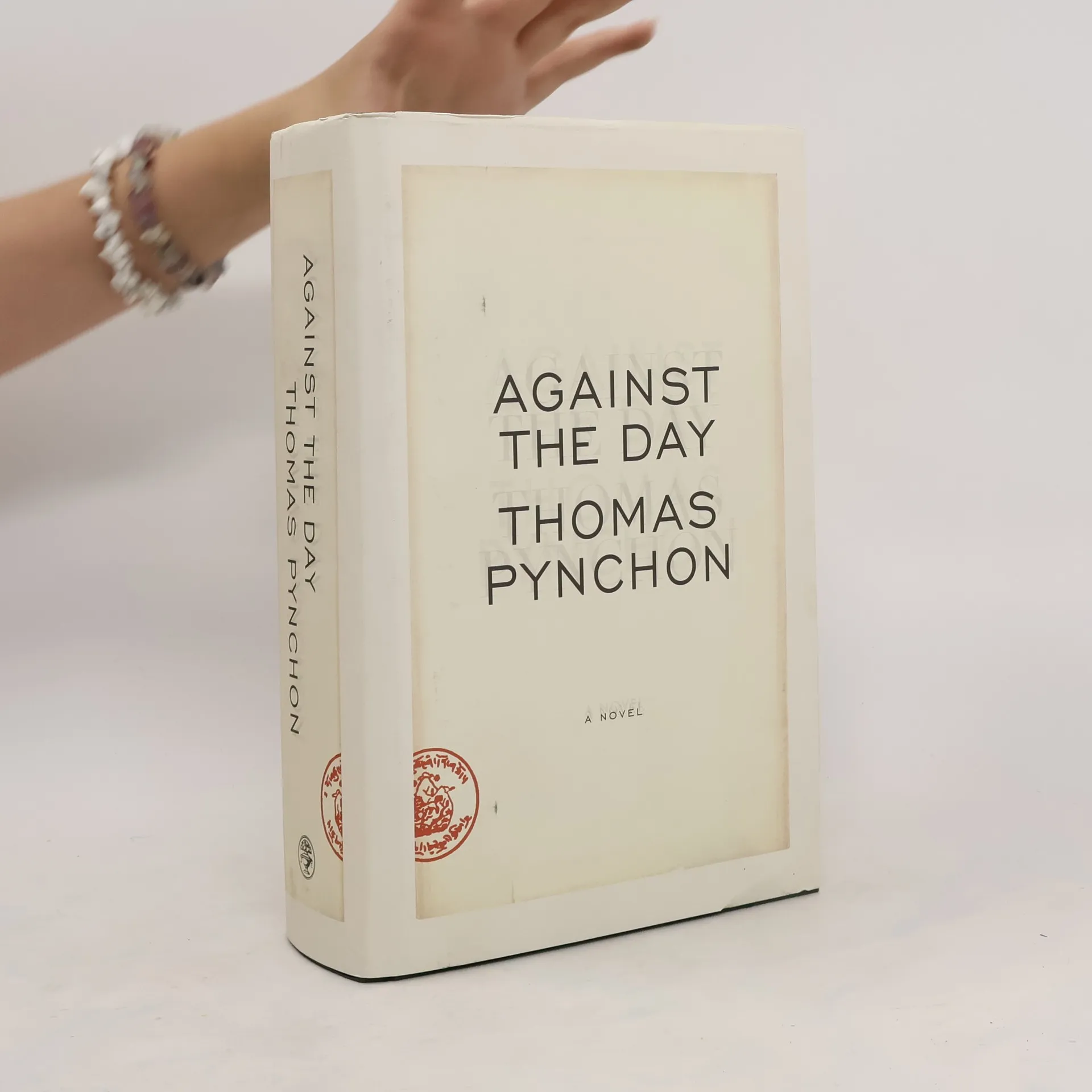
    • Against the Day

      • 1104pagine
      • 39 ore di lettura

      Meanwhile, Thomas Pynchon is up to his usual business. Characters stop what they're doing to sing what are for the most part stupid songs. Strange sexual practices take place. Obscure languages are spoken, not always idiomatically. Contrary-to-fact occurrences occur. Maybe it's not the world, but with a minor adjustment or two it's what the world might be

      Against the Day
      4,0
    • Mortality and Mercy in Vienna

      • 24pagine
      • 1 ora di lettura

      "Mortality and Mercy in Vienna," published in 1959, is Thomas Pynchon's second story, notable for not being included in "Slow Learner." The story originated from a writing exercise at Cornell, where Pynchon, after refusing to submit his work on time, continued writing and eventually submitted this piece to Epoch magazine.

      Mortality and Mercy in Vienna
      3,9
    • Deadly Sins

      • 125pagine
      • 5 ore di lettura

      Essays by Thomas Pynchon, Mary Gordon, Gore Vidal, Joyce Carol Oates, and John Updike discuss the seven deadly sins, plus one, despair, the only unforgiveable sin

      Deadly Sins
      3,4