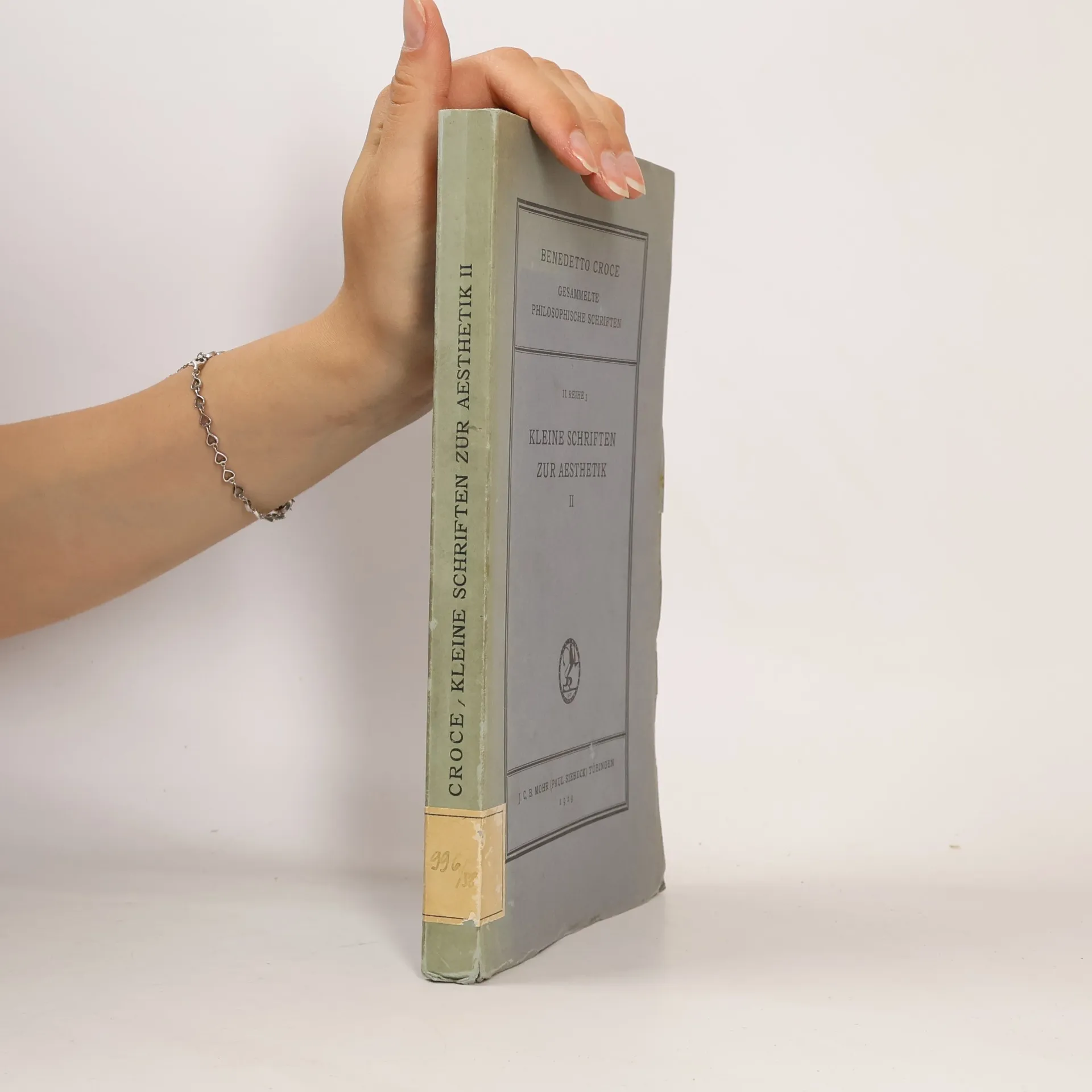
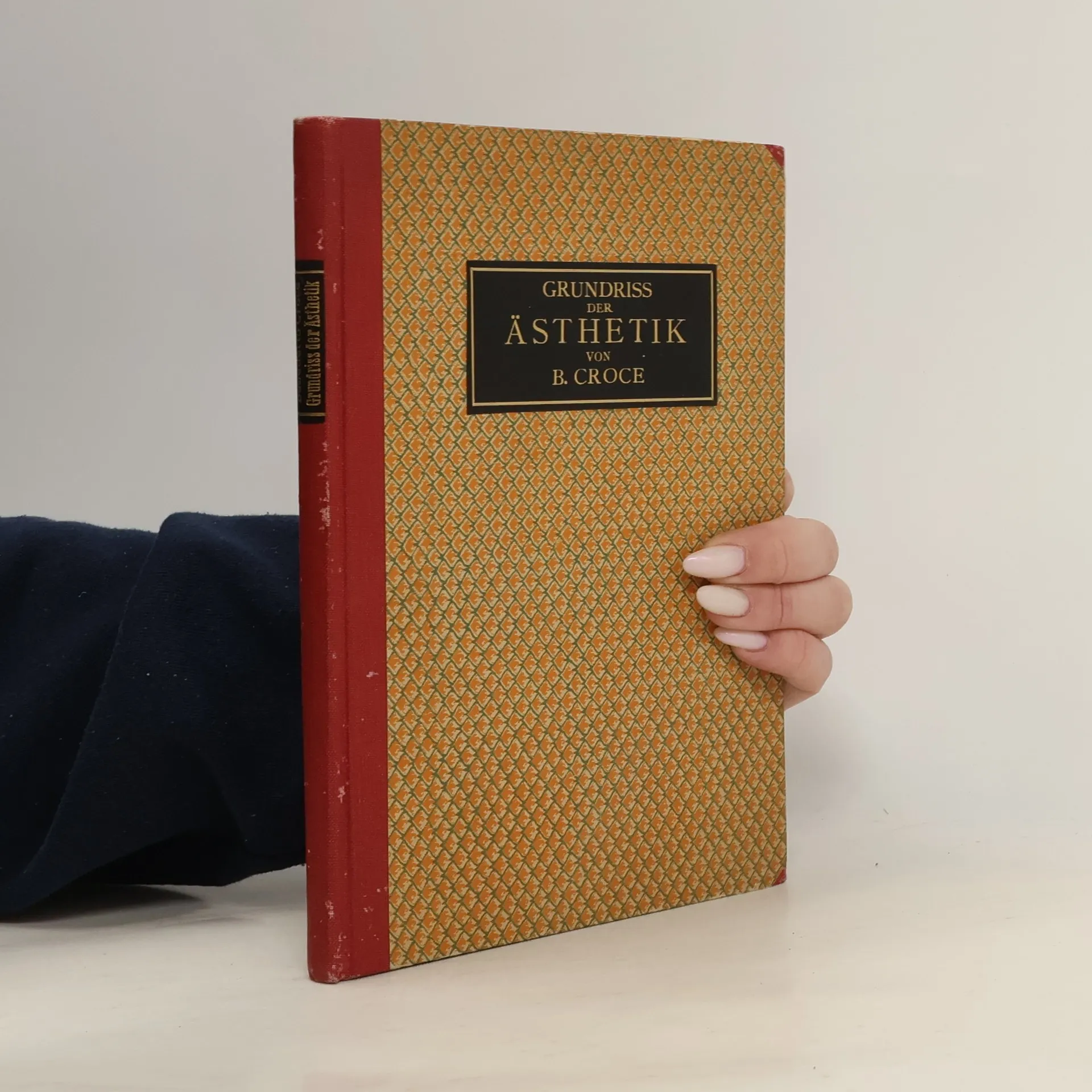
Benedetto Croce Libri
Questo pensatore italiano ha esplorato una vasta gamma di argomenti filosofici, con un profondo interesse per la filosofia della storia e l'estetica. La sua opera riflette un percorso personale da una rigorosa educazione cattolica all'ateismo, che ha plasmato la sua visione del mondo. Nonostante le tragedie personali e i sconvolgimenti politici, si è dedicato alle sue ricerche intellettuali con incrollabile impegno. La sua critica duratura al coinvolgimento italiano nella guerra e la sua aperta opposizione al fascismo sottolineano la sua integrità morale.

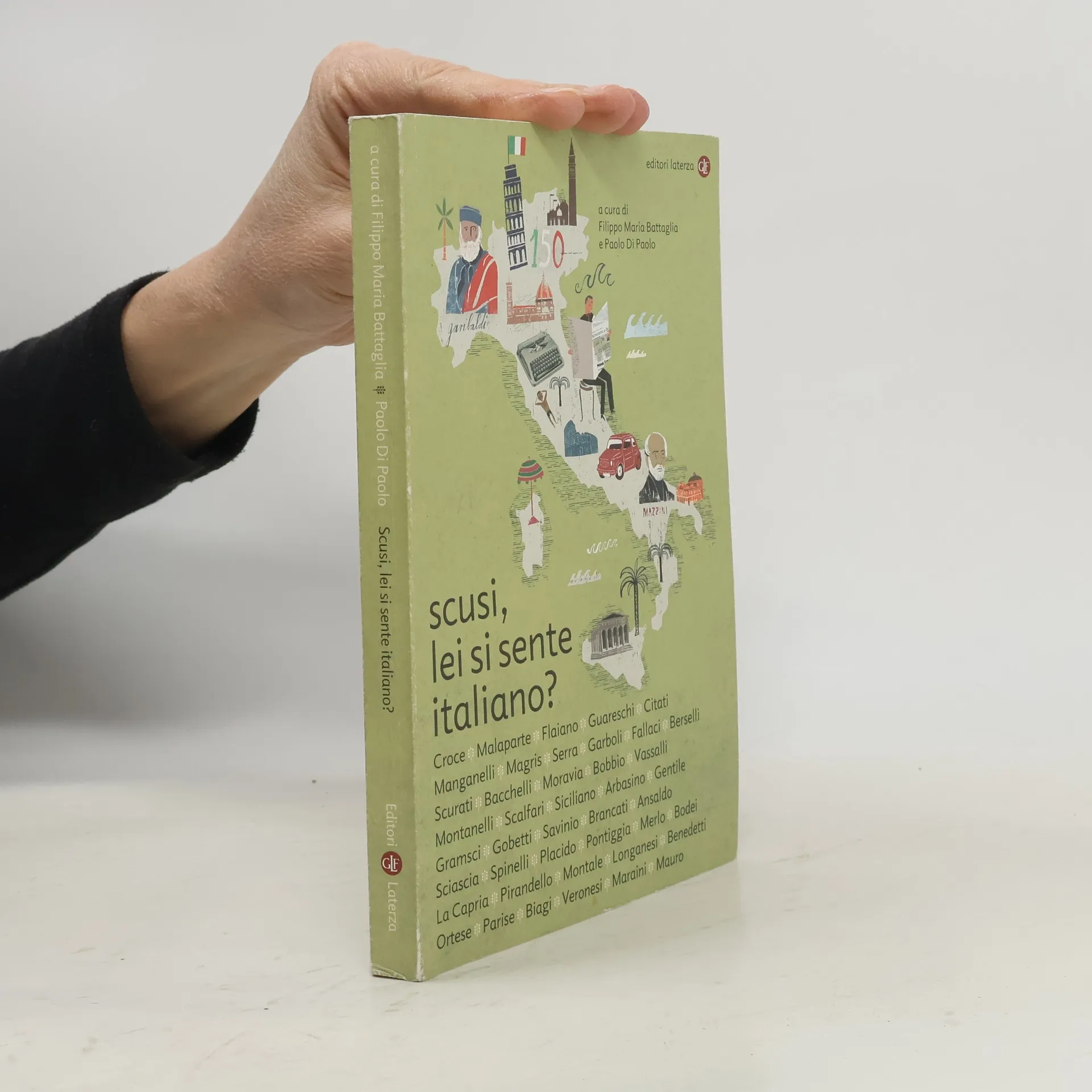
Scusi, lei si sente italiano?
- 192pagine
- 7 ore di lettura
Stando ai sondaggi per il 150° anniversario dell'Unità nazionale, due italiani su tre sono orgoliosi di essere tali. Quando però si tratta di spiegare perché, tutto si fa più complicato. «Cosa ci tiene insieme?» è la domanda che meno invecchia, in questo Stato ancora giovane. Il rischio è quello di aggirarsi, in cerca di risposte, tra i monumenti e gli stereotipi. Qui, invece, sono raccolte voci: grandi scrittori, giornalisti, intelletuali impegnati a diventare o ri-diventare italiani. A malincuore, con allegria, con rabbia, con indignazione, con stupore, con disincanto. A volte, perfino con ottimismo. Tutto entra in gioco: i momenti drammatici o felici della storia unitaria; la memoria e le memorie; i volti e le maschere, da Arlecchino a don Abbondio; i colori della vita di ogni giorno. Come in un'inchiesta a ritroso, le ipotesi e gli indizi sul tavolo sono molti. Per chi domanda: «Scusi, lei si sente italiano?», sono pronte nuove risposte. Razionali e sentimentali insieme. Cercate lontano, ma proiettate al futuro.
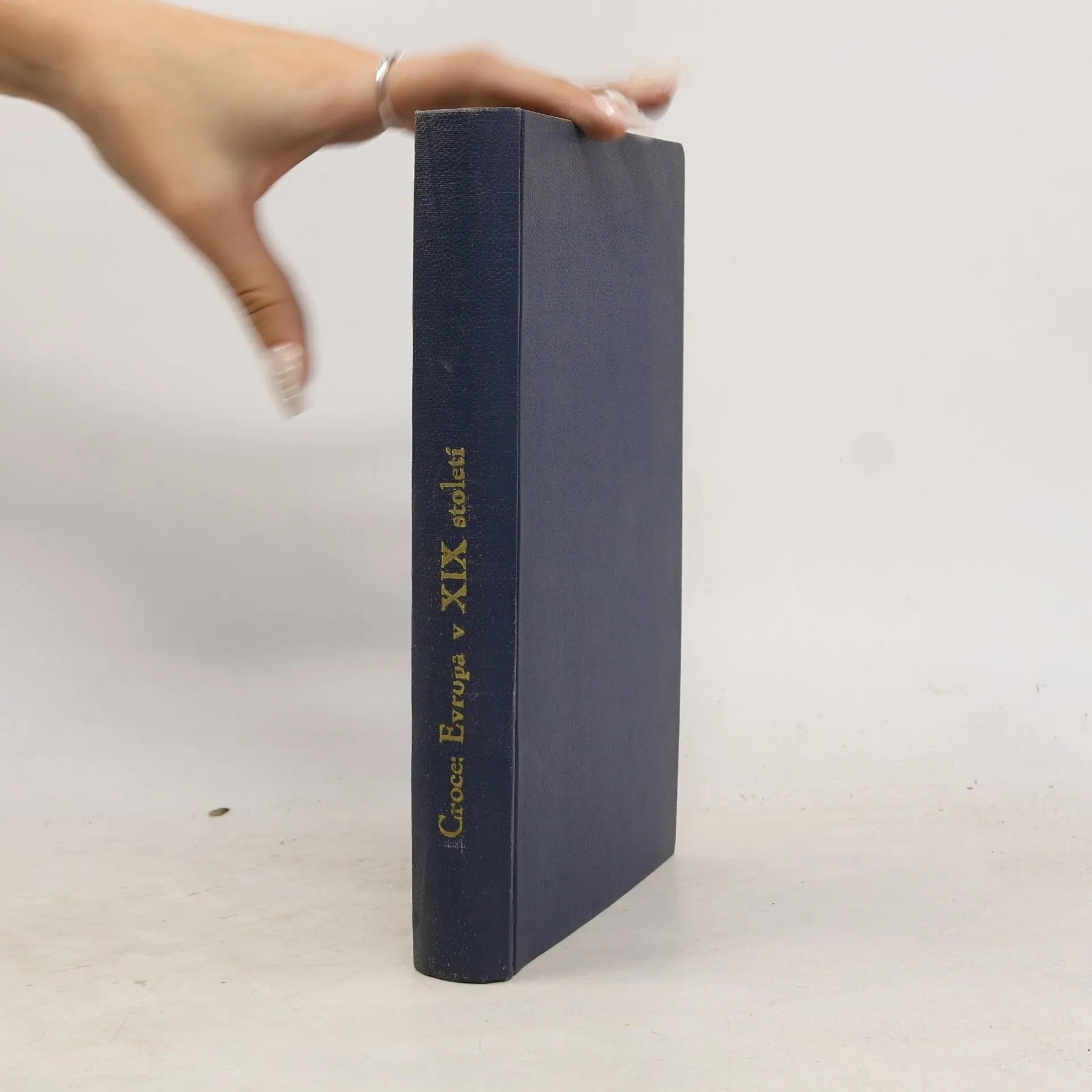
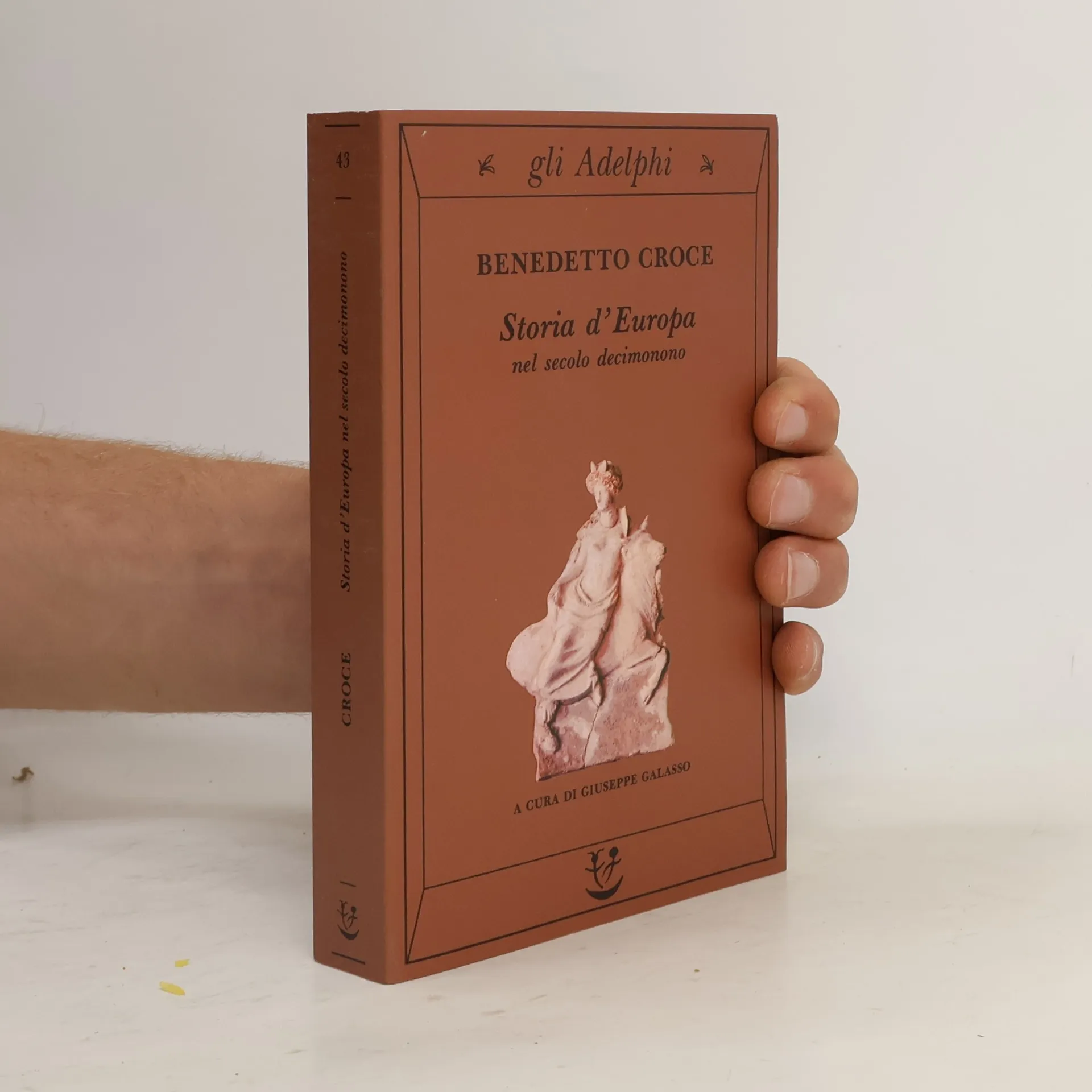
Gli Adelphi - 43: Storia d'Europa nel secolo decimonono
- 474pagine
- 17 ore di lettura
«… con grata emozione ho fra le mani la “Storia di Europa nel secolo decimo nono” e guardo la pagina con la dedica e la bella citazione dantesca … Leggo il libro spesso e con attenzione, e sebbene a causa della lingua io veda la Sua opera come attraverso un velo, la luce spirituale che da essa si diffonde ne risulta di poco smorzata. Ammiro il Suo immenso sapere, la Sua vivida arte della rappresentazione, e amo il pensiero che anima il tutto. C’è da augurarsi di cuore che questo nuovo dono del Suo spirito possa essere presto tradotto nella nostra lingua. Dio sa se la Germania di oggi non ne ha bisogno» (Thomas Mann a Benedetto Croce, 15 febbraio 1932).
Ariosto
- 123pagine
- 5 ore di lettura
Ariosto, si è detto per secoli, è poeta incantevole, seducente, invincibile. Ma perché i suoi versi agiscono in questo modo? Qual è il loro segreto? Perché continuano a incantarci? Croce si pose tali interrogativi e riuscì a rispondervi con questo saggio, che rimane fra le sue opere in assoluto più felici e quasi come dimostrazione in atto di che cosa possa voler dire la sua celebre distinzione fra poesia e non poesia. In Ariosto, Croce isola «l’armonia» come centro occulto dell’Orlando furioso, ma soprattutto ci fa vedere, attraverso molteplici esempi, che cosa di fatto sia, come si articoli, come si difenda questa armonia. Rare volte la teoria e la pratica di un filosofo della letteratura hanno coinciso così perfettamente come in questo testo. Ariosto fu pubblicato per la prima volta in volume nel 1920.
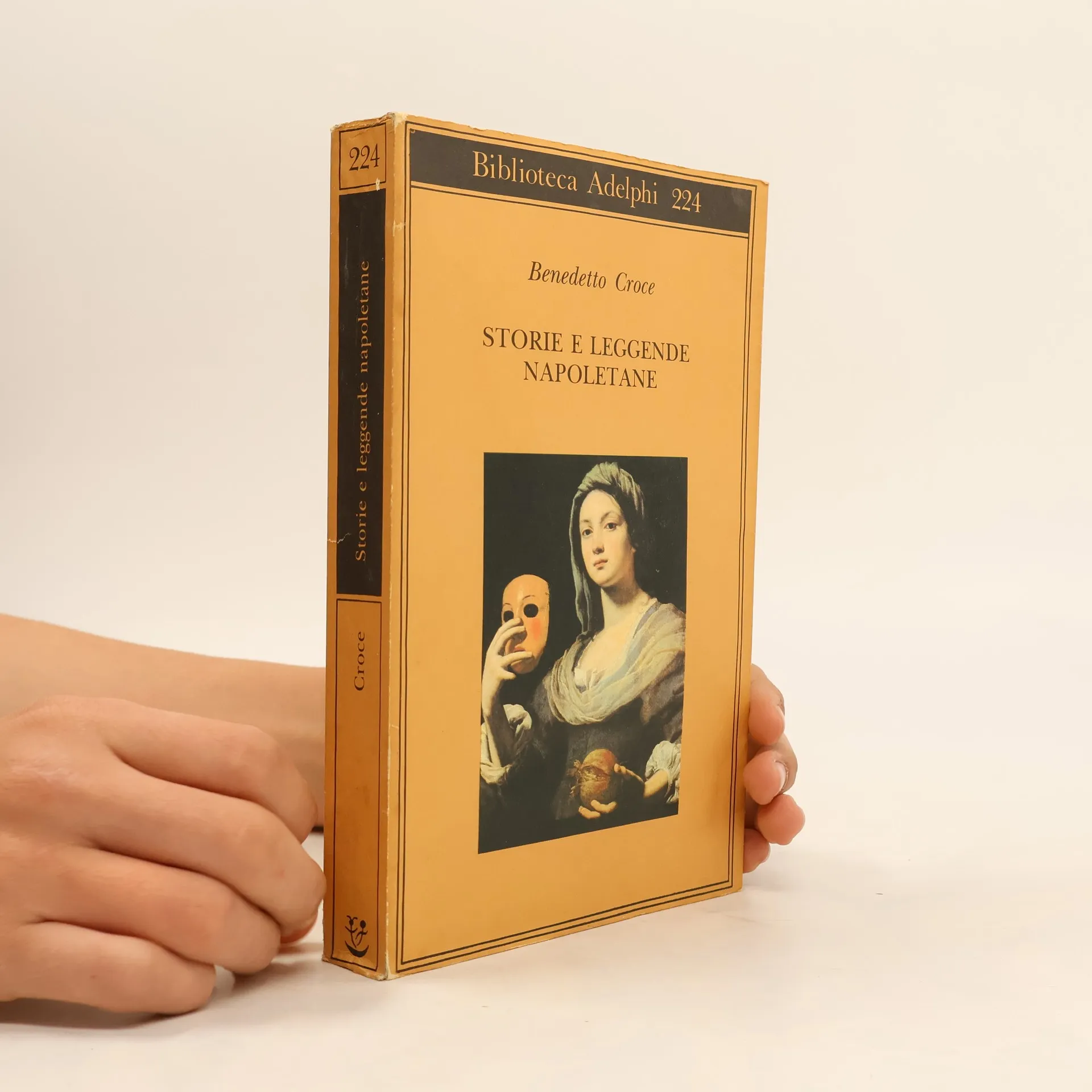
Storie e leggende napoletane
- 371pagine
- 13 ore di lettura
Questo incantevole libro, nato dall’«affetto per le vecchie memorie napoletane», prende l’avvio da ciò che Benedetto Croce vedeva affacciandosi alla finestra del suo studio a Palazzo Filomarino, nel cuore di Napoli: palazzi, campanili, mura di monasteri. E «all’ombra degli alti tetti e tra le angustie delle vecchie vie», Croce si appresta subito a «riparare nella più vasta ombra delle memorie». Così, a poco a poco, con familiarità e alta dottrina, vengono evocate ai nostri occhi tante «storie e leggende» di Napoli che ancora impregnano l’aria dei luoghi. Passeggiamo attraverso i secoli, le cronache, le passioni – e intanto è lo spirito stesso della città, e della sua composita civiltà, che prende forma di fronte a noi. Nessun altro libro ci aiuta con altrettanta sapienza a capire Napoli e le sue disparate vicende, a cui Croce si dichiarava legato da una profonda passione. E precisava poi: «il legame sentimentale col passato prepara e aiuta l’intelligenza storica, condizione di ogni vero avanzamento civile, e soprattutto assai ingentilisce gli animi». Benedetto Croce pubblicò nel 1919 la prima edizione di Storie e leggende napoletane , dove rifuse vari suoi studi degli anni precedenti.
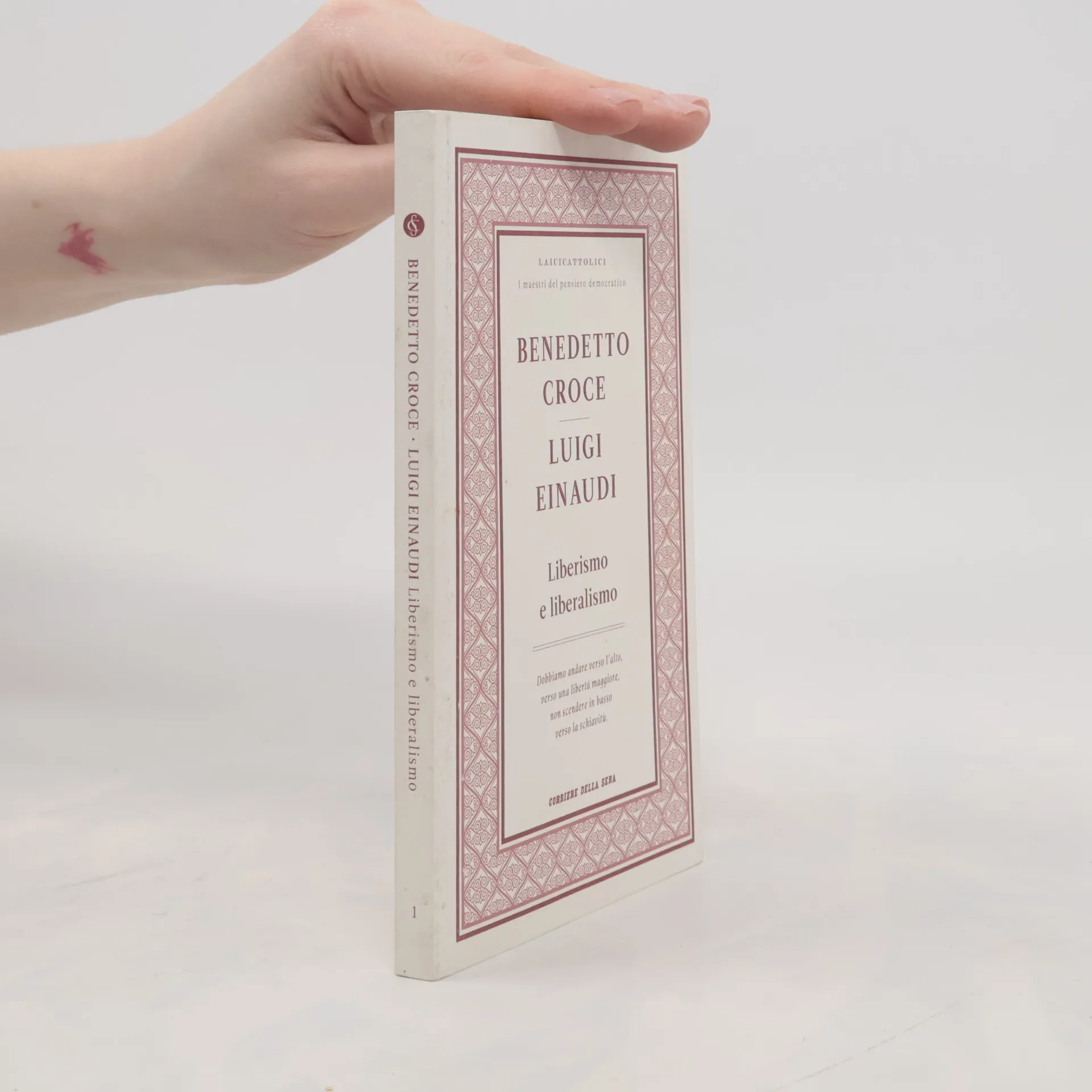
Liberismo e liberalismo
- 248pagine
- 9 ore di lettura
È la libertà economica a garantire e determinare la libertà etica e politica o, altrimenti, è la libertà a farsi garante di se stessa creando le istituzioni di cui necessita storicamente? Liberismo e liberalismo non è solo un prezioso libro che raccoglie tutti i contributi della celebre discussione tra Croce ed Einaudi sul rapporto tra liberismo e liberalismo, ma anche un potente strumento che fornisce una visione completa del pensiero dei due massimi volti del liberalismo italiano del Novecento.
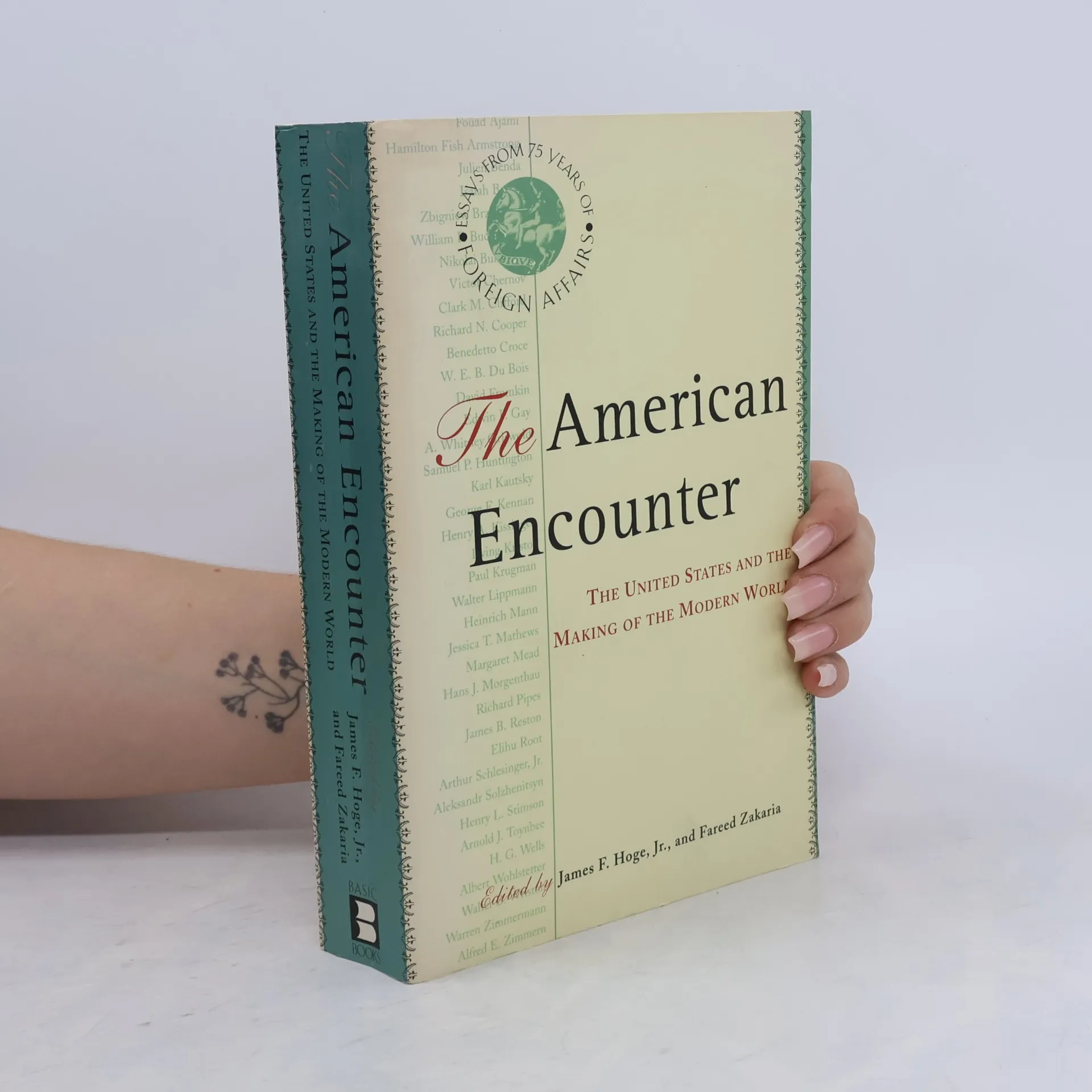
The American Encounter
The United States and the Making of the Modern World: Essays from 75 Years of Foreign Affairs
- 672pagine
- 24 ore di lettura
Since its founding in 1922, Foreign Affairs has established itself as the premier journal of international relations, offering profound commentary on global politics and economic policy. America's significant role in world events—military, political, economic, and ideological—has been central to discussions within its pages. Notably, it was here that George Kennan introduced the containment policy, shaping U.S. Cold War strategy. The journal has hosted debates among statesmen-scholars like Henry Kissinger and Arthur Schlesinger on critical issues such as nuclear weapons and human rights, while journalists like Walter Lippmann and James Reston have provided insightful analyses of American foreign policy. Thinkers like Isaiah Berlin and Samuel Huntington have explored the evolving dynamics of the world. In The American Encounter , readers will discover landmark essays that reflect a unique intellectual history of the past century and America's extraordinary influence within it. This collection stands apart, as there is no other publication like Foreign Affairs . The American Encounter serves as a vital connection to historical giants—visionaries whose insights and warnings resonate today, enhancing our understanding of America's role on the global stage.
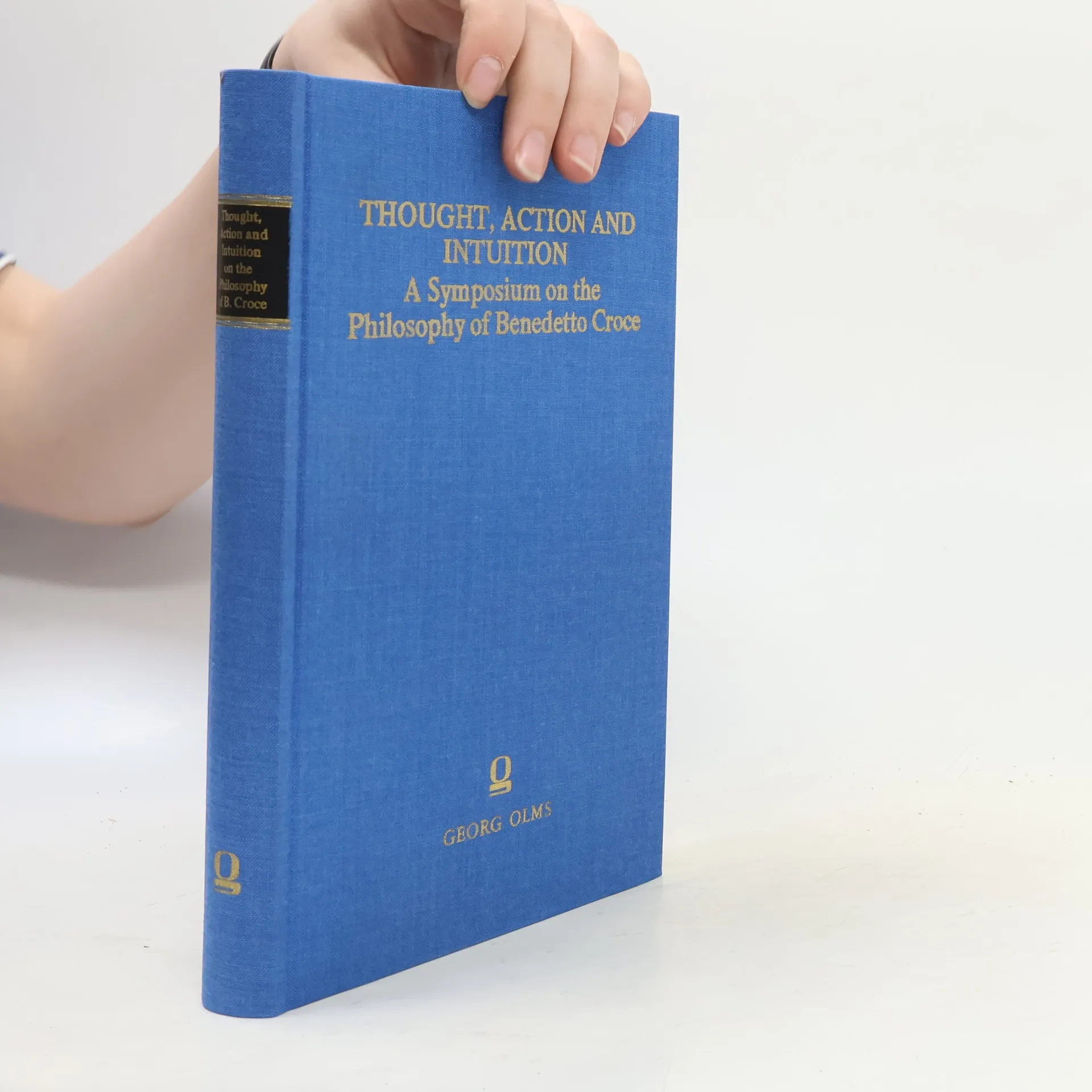
Thought, Action and Intuition As a Symposium on the Philosophy of Benedetto Croce
- 363pagine
- 13 ore di lettura
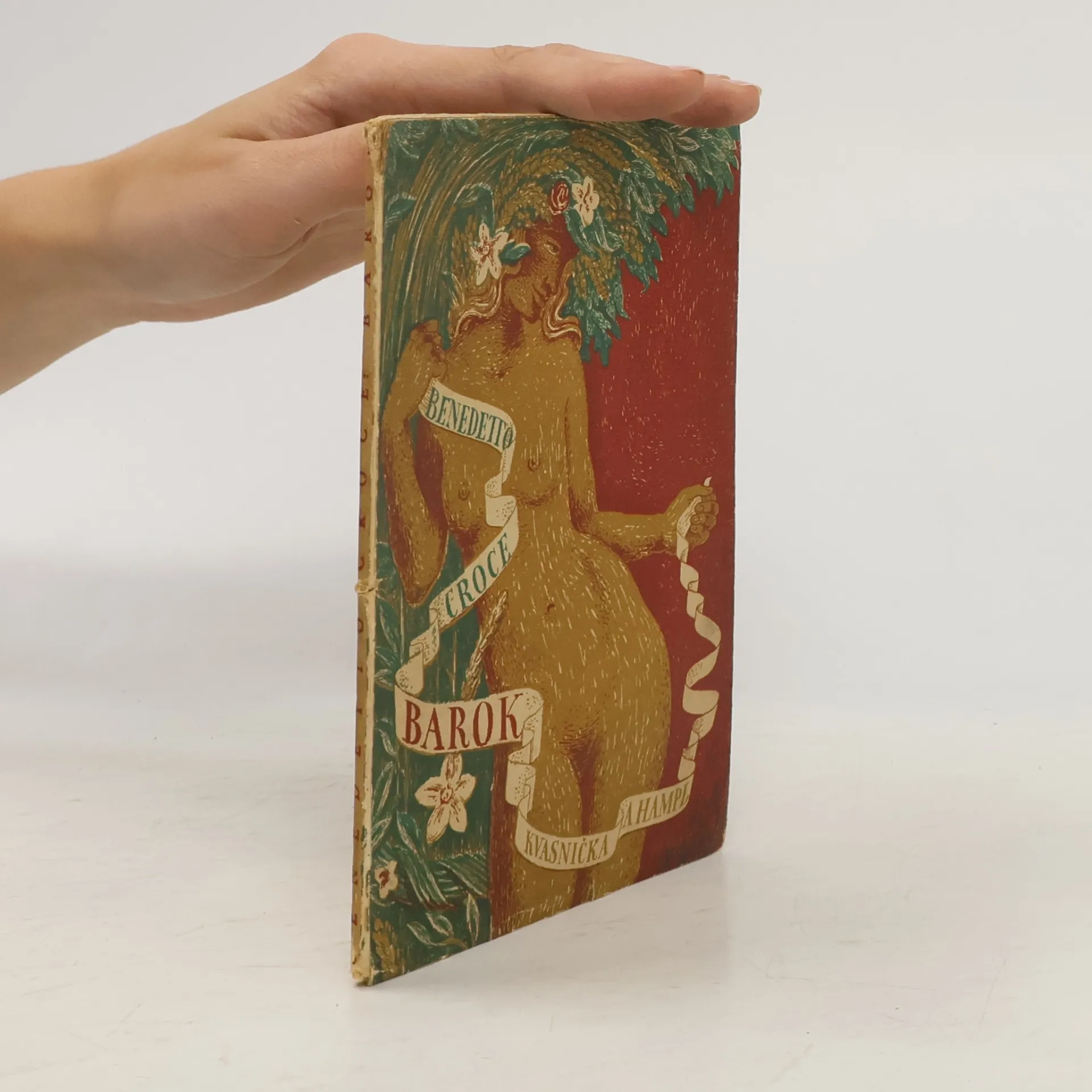
Obsahuje:Barok -- Protireformace -- Italská dekadence
O mieste kresťanstva v európskej civilizácii (52)
- 36pagine
- 2 ore di lettura
Ústav dejín kresťanstva na Slovensku v spolupráci s vydavateľstvom LÚČ v edícii LINEA RECTA BREVISSIMA predkladajú záujemcom stručnou, ale vedecky dokumentovanou formou menej známe, kontroverzné, zamlčované a neraz falšované historické témy a ich účelovo podmienené interpretácie, ktoré sa odrážajú v súčasnom myslení mnohých a podmieňujú spoločenské dianie v našom národe a štáte. Naším zámerom je priblížiť sa k historickej pravde. Lebo len pravda naozaj oslobodzuje.
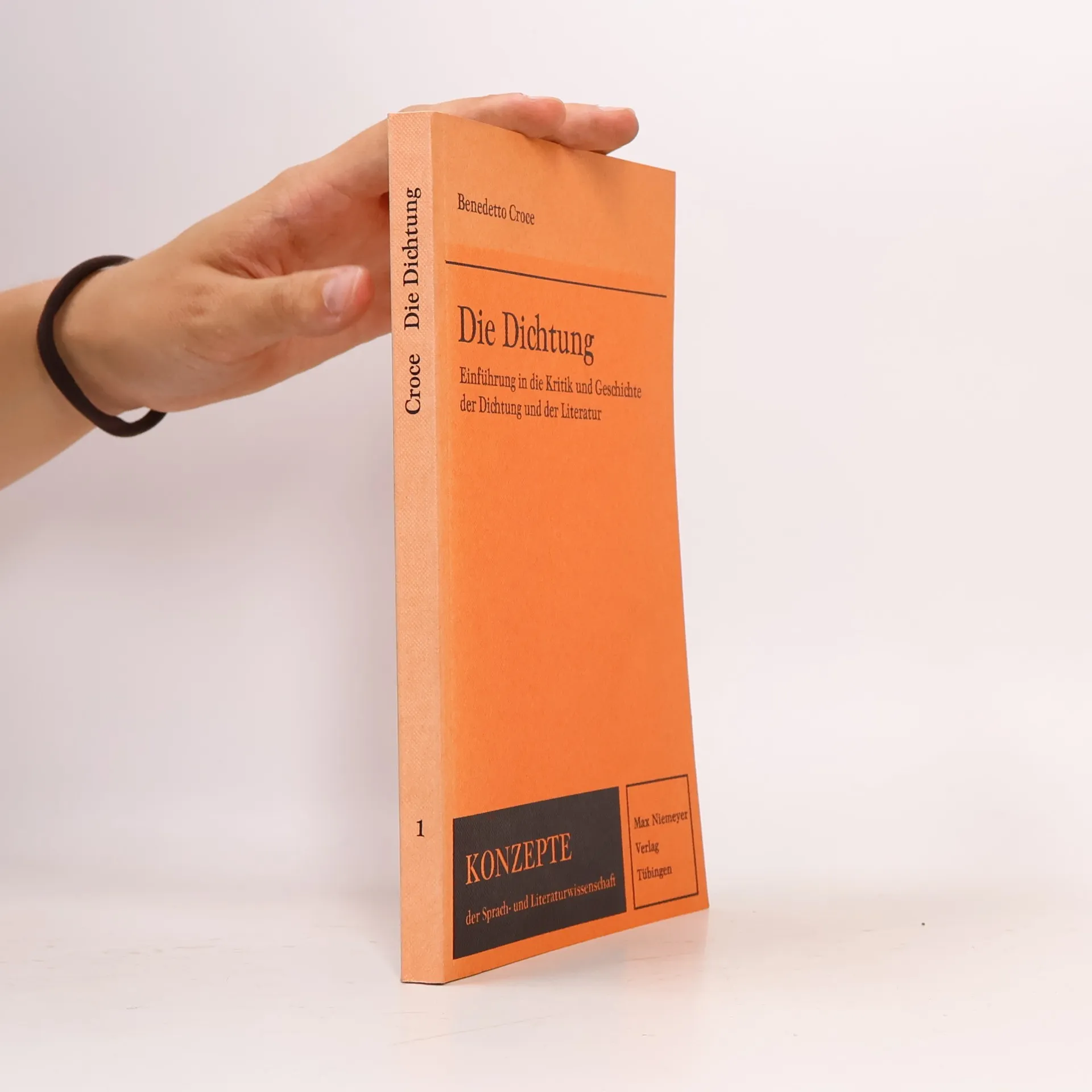
Die Dichtung
- 168pagine
- 6 ore di lettura
Die Buchreihe Konzepte der Sprach- und Literaturwissenschaft gibt Aufschluss über Prinzipien, Probleme und Verfahrensweisen philologischer Forschung im weitesten Sinne und dient einer Bestimmung des Standorts der Linguistik und Literaturwissenschaft. Die Reihe übergreift Einzelsprachen und Einzelliteraturen. Sie stellt sich in den Dienst der Reflexion und Grundlegung einer allgemeinen Sprach- und Literaturwissenschaft. Die Bände sind zum Teil informierende Einführungen, zum Teil wissenschaftliche Diskussionsbeiträge.
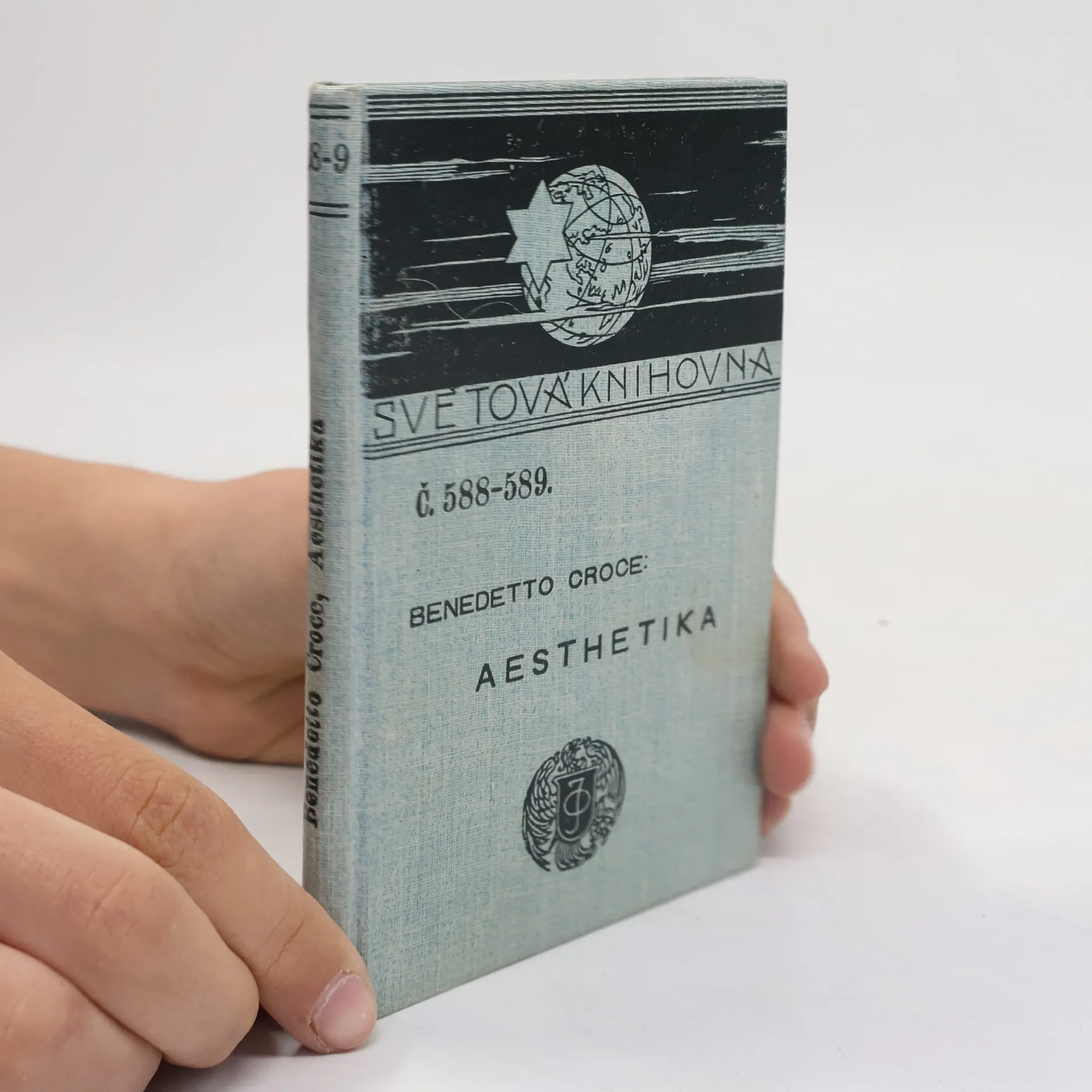
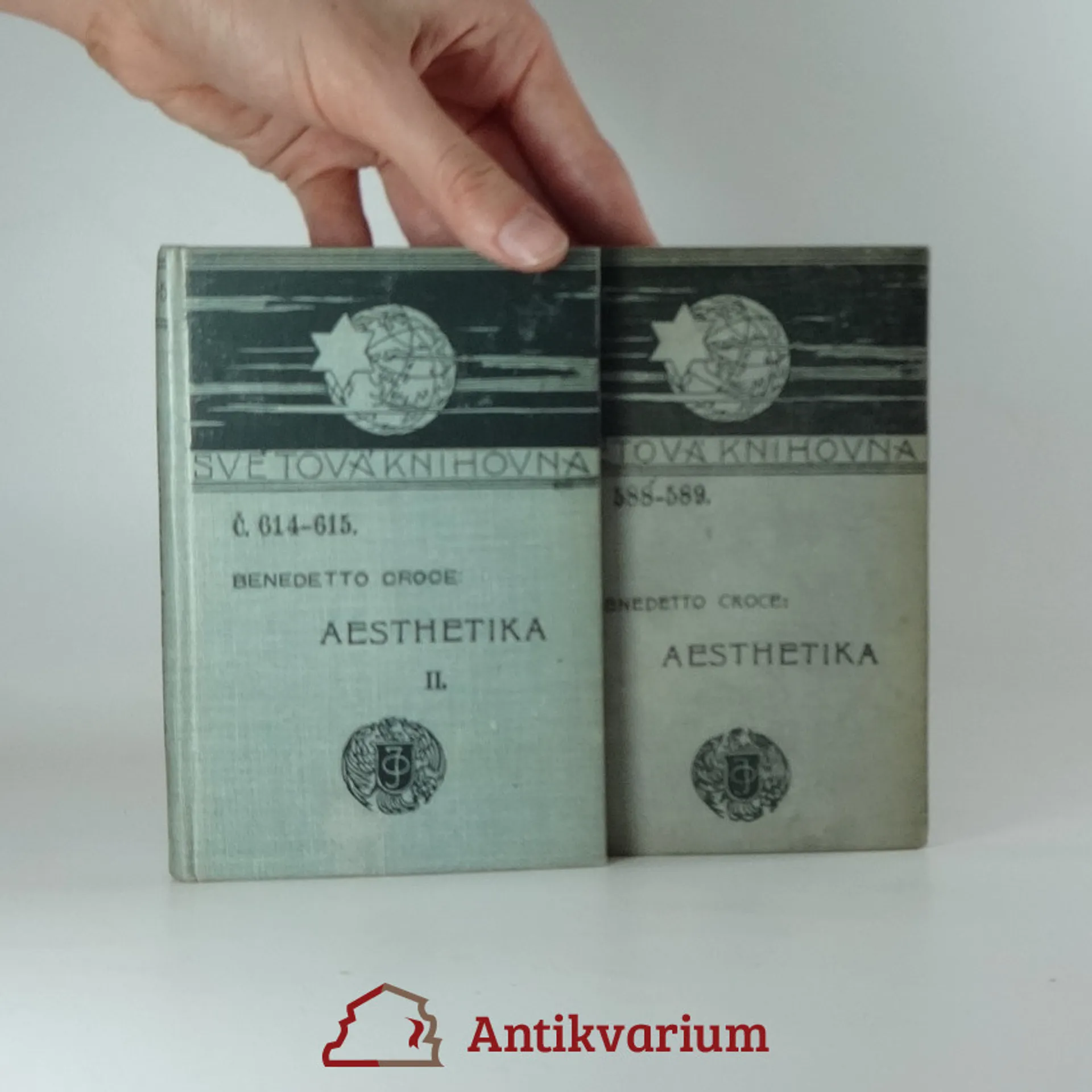
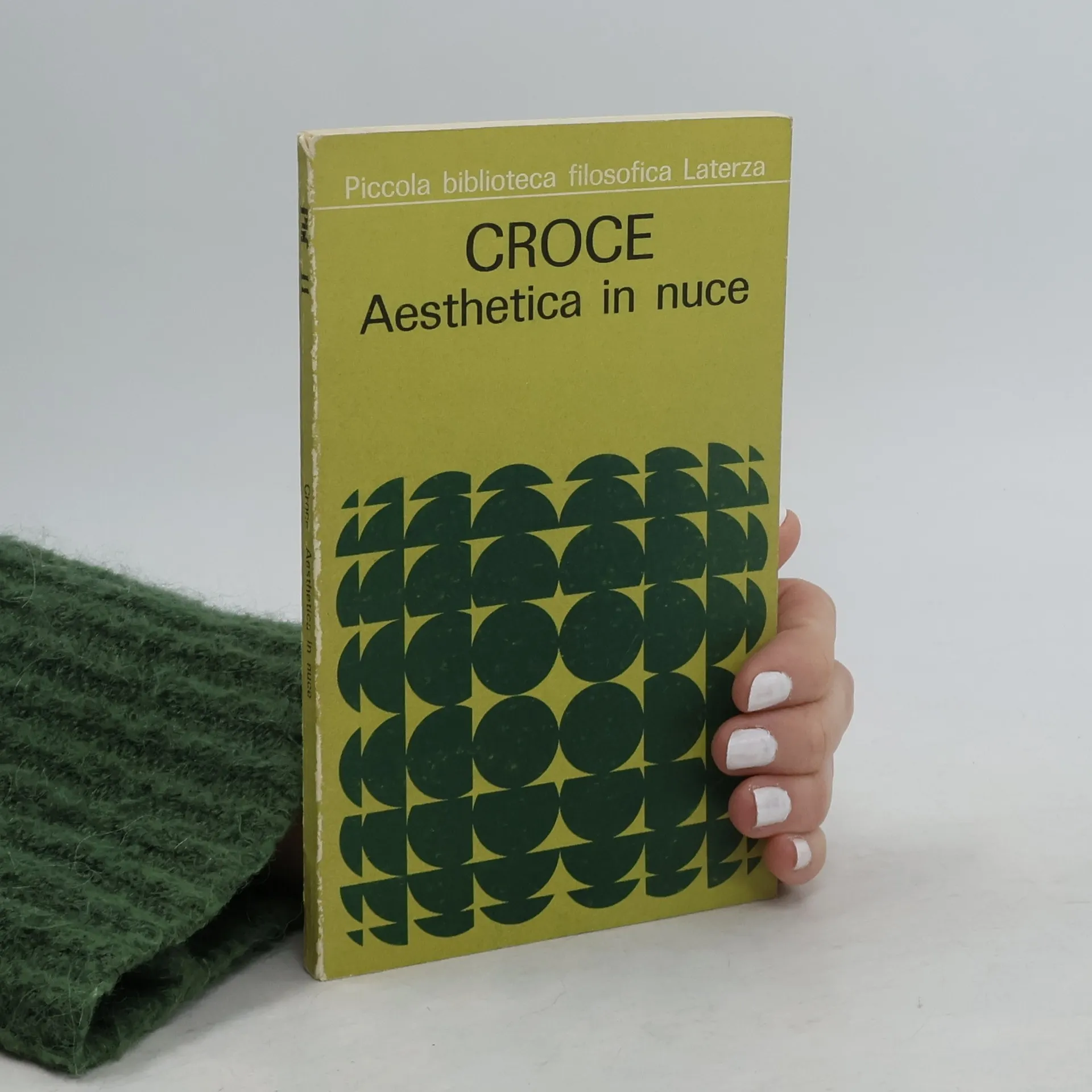
Pojednání o estetice jako vědě rozdělené do 5 kapitol (O podstatě umění, Předsudky vůči umění, Místo umění v duchu a lidské společnosti, Umělecká kritika a umělecké dějiny, Počátky, periody a znaky dějin estetiky, Rys totality v uměleckém projádření). Vznikly jako přednášky proslovené v roce 1912 u příležitosti otevření Rice Institute v Texasu.
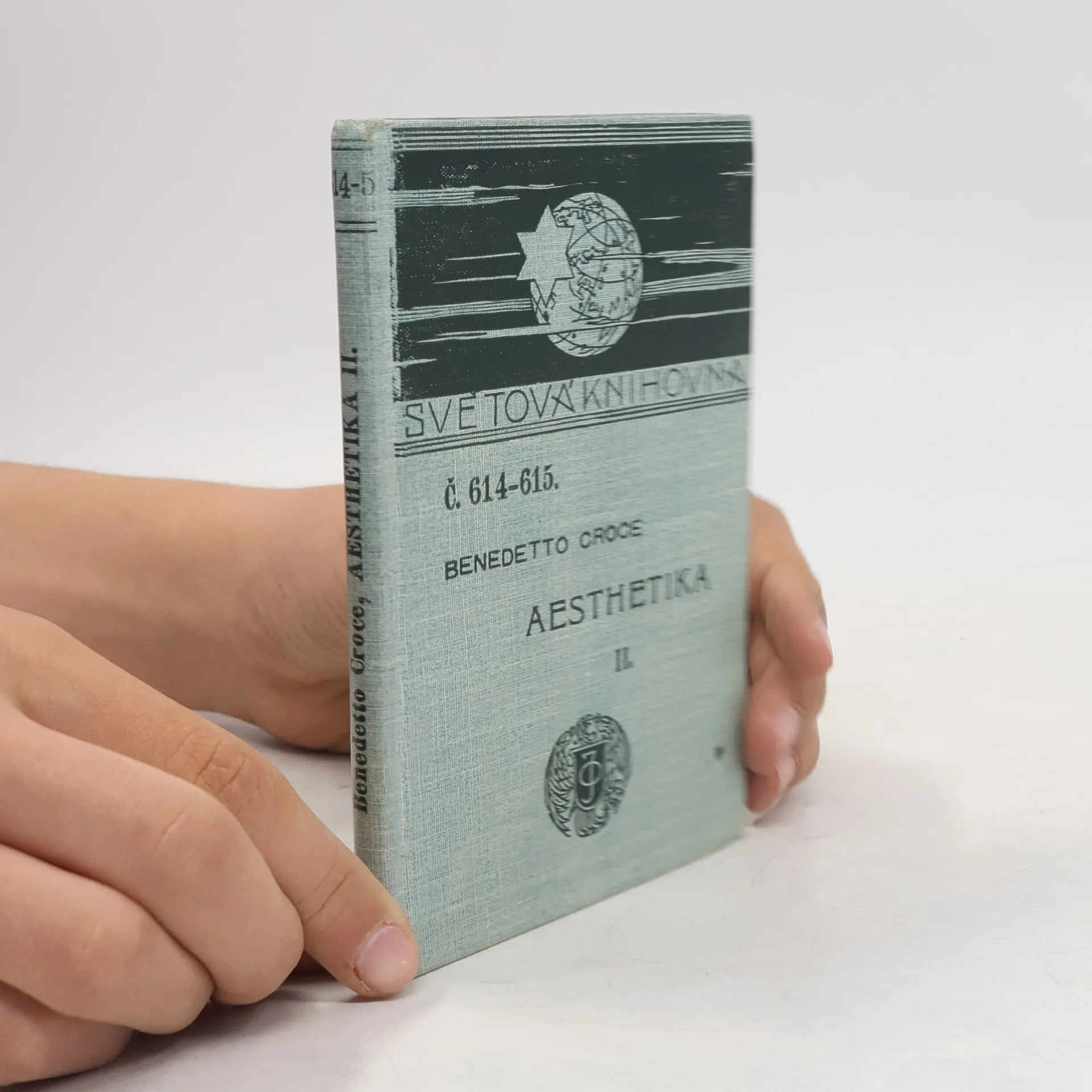
Se svolením autora podle druhého vydání z italštiny přeložil a úvodem opatřil Emil Franke. Světová knihovna ; č. 588-589, 614-615.
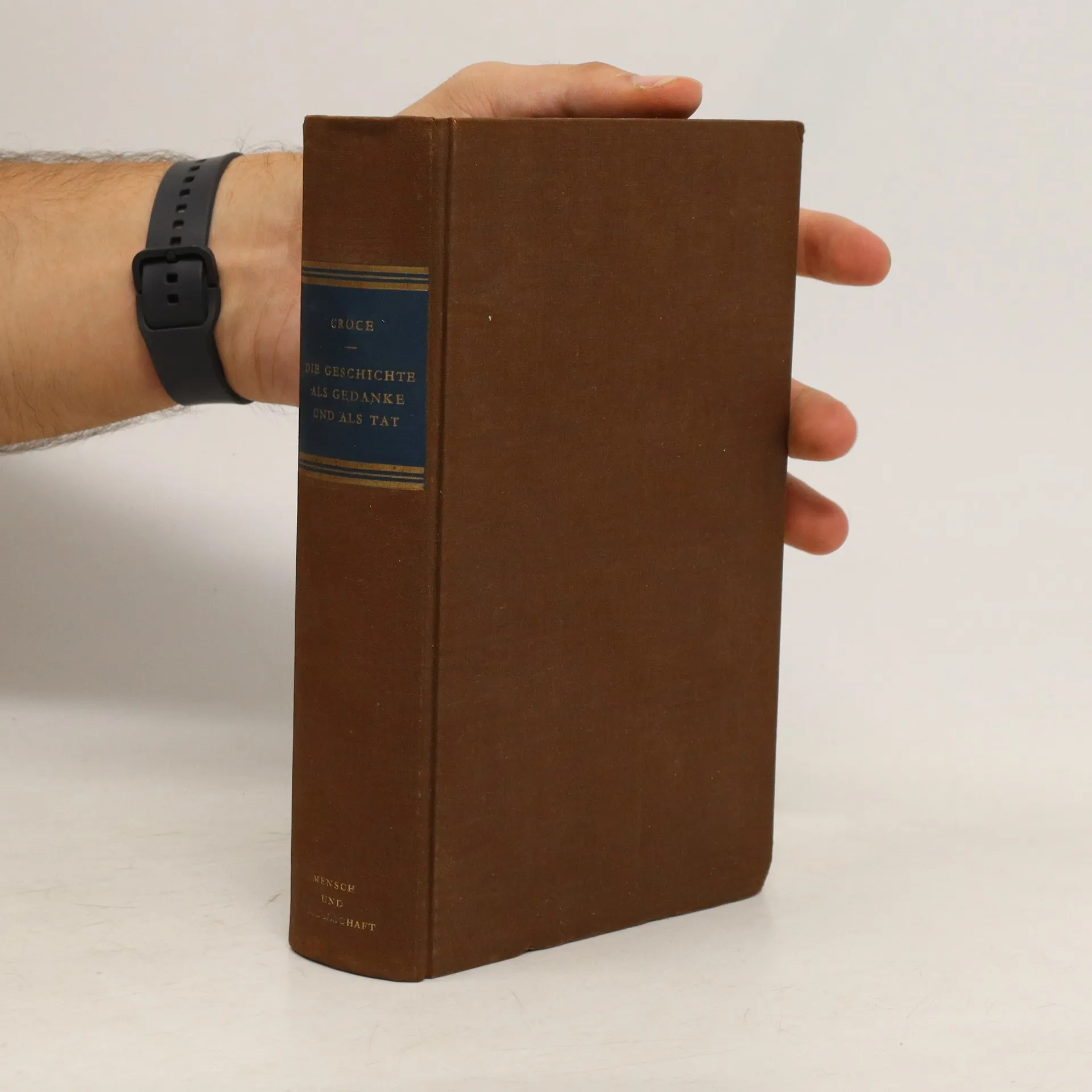
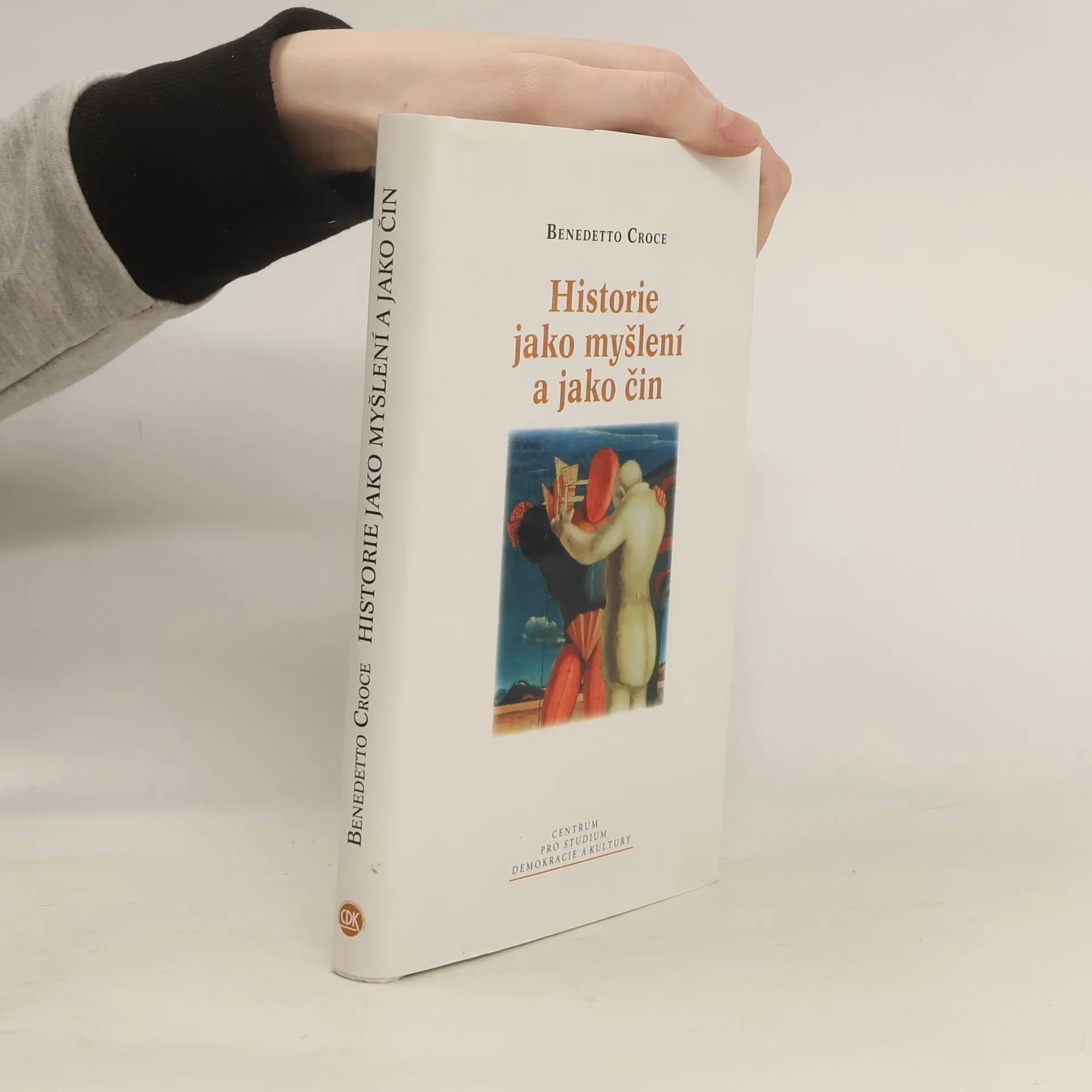
Kniha Historie jako myšlení a jako čin z roku 1938, představuje poslední velké dílo Benedetta Croceho, italského filosofa, estetika, historika, jednoho z posledních výrazných představitelů velké evropské kultury a civilizace 19. století. Croce završil touto knihou, jež spatřila světlo světa v předvečer druhé světové války, své celoživotní myslitelské úsilí, v jehož středu stála otázka dějin, jejich poznání a pochopení.
Aesthetika
č. 614-615
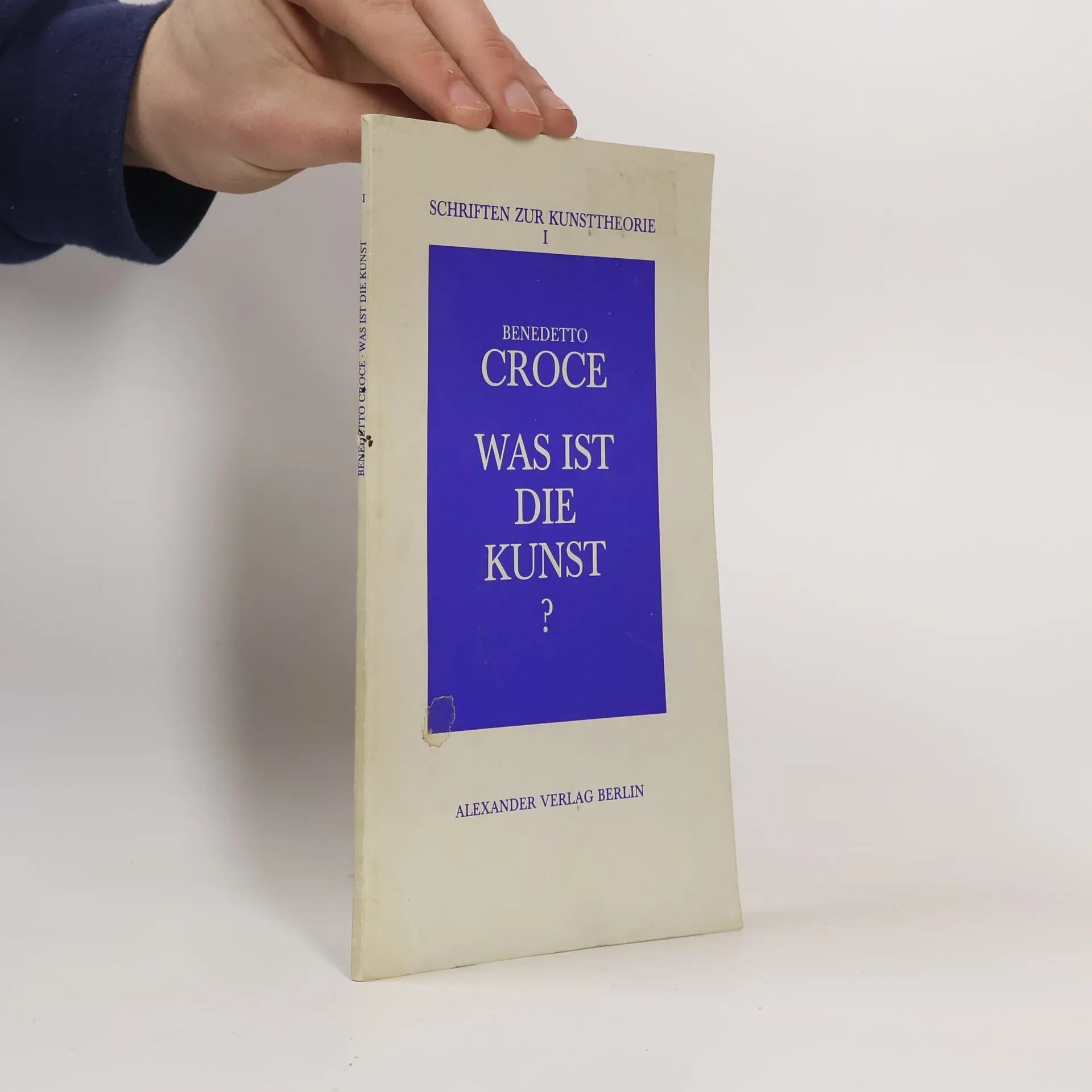
Was ist die Kunst?
- 39pagine
- 2 ore di lettura
Se svolením autora podle druhého vydání z italštiny přeložil a úvodem opatřil Emil Franke. Světová knihovna ; č. 588-589, 614-615.