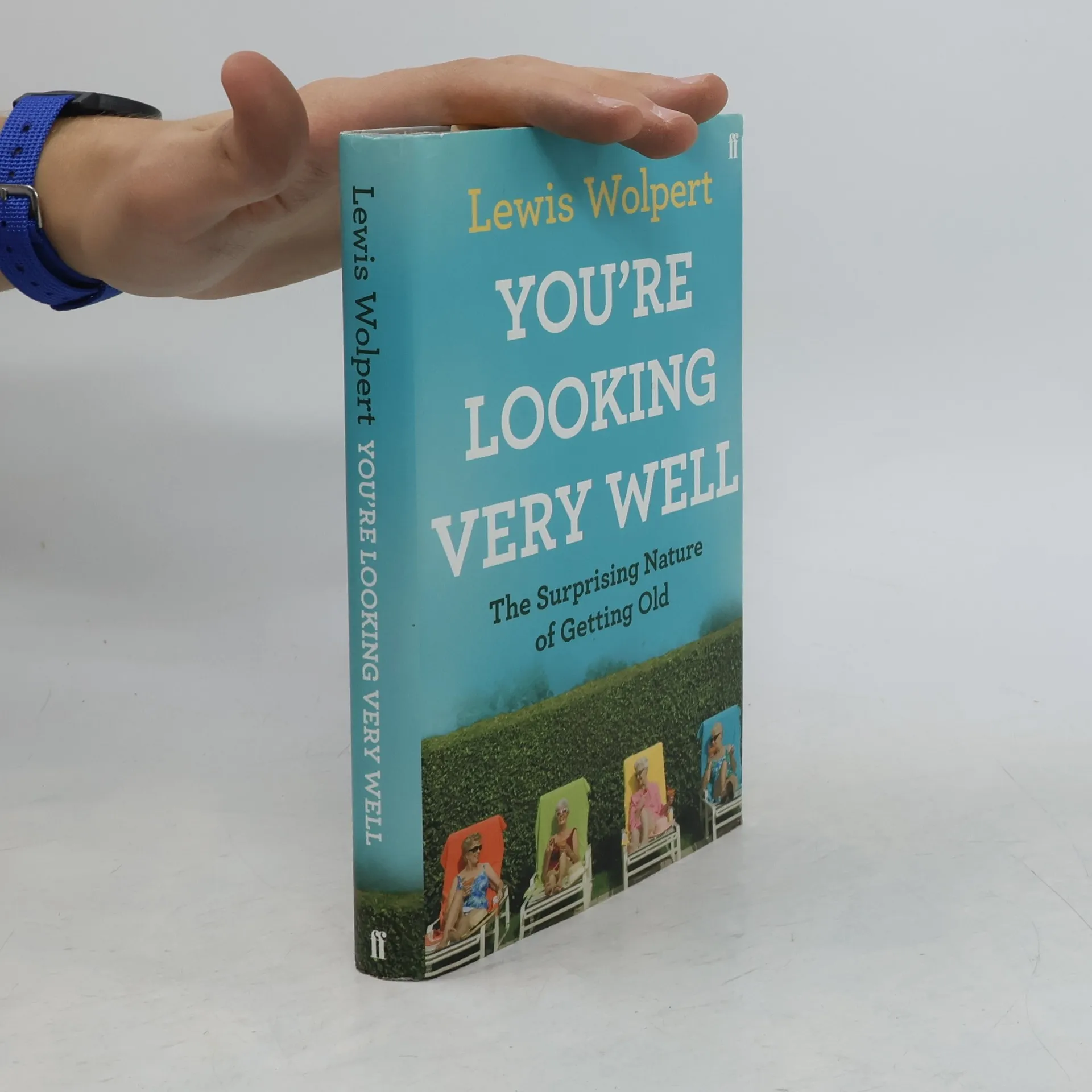
We now live longer today than at any time in history. In the UK, more people are aged over sixty-five than under sixteen and by 2050, over a third of the developed world will be over sixty. How should we deal with this phenomenon? What are the scientific reasons for ageing? And can - or should - we prevent it? Lewis Wolpert, distinguished biologist and octogenarian, explores the scientific background and the implications of our ageing population. In this engaging investigation, he tackles every aspect of the subject from ageism to euthanasia to anti-ageing cream and, through it all, tries to better understand his own ageing. Witty, frank and often inspiring, Lewis Wolpert is the perfect guide to 'looking very well'.
Lewis Wolpert Ordine dei libri (cronologico)
Lewis Wolpert è stato un distinto biologo dello sviluppo il cui lavoro ha illuminato i processi fondamentali dello sviluppo embrionale. È stato un pioniere nel formulare concetti che spiegano come le cellule comunichino informazioni posizionali, cruciali per comprendere la formazione degli organismi. Oltre ai suoi contributi scientifici, Wolpert è stato un appassionato comunicatore della scienza, sostenendo la razionalità e le prove empiriche come i mezzi più efficaci per comprendere il mondo. I suoi scritti hanno anche esplorato coraggiosamente l'esperienza personale della depressione, offrendo un mix unico di intuizione scientifica e vulnerabilità umana.


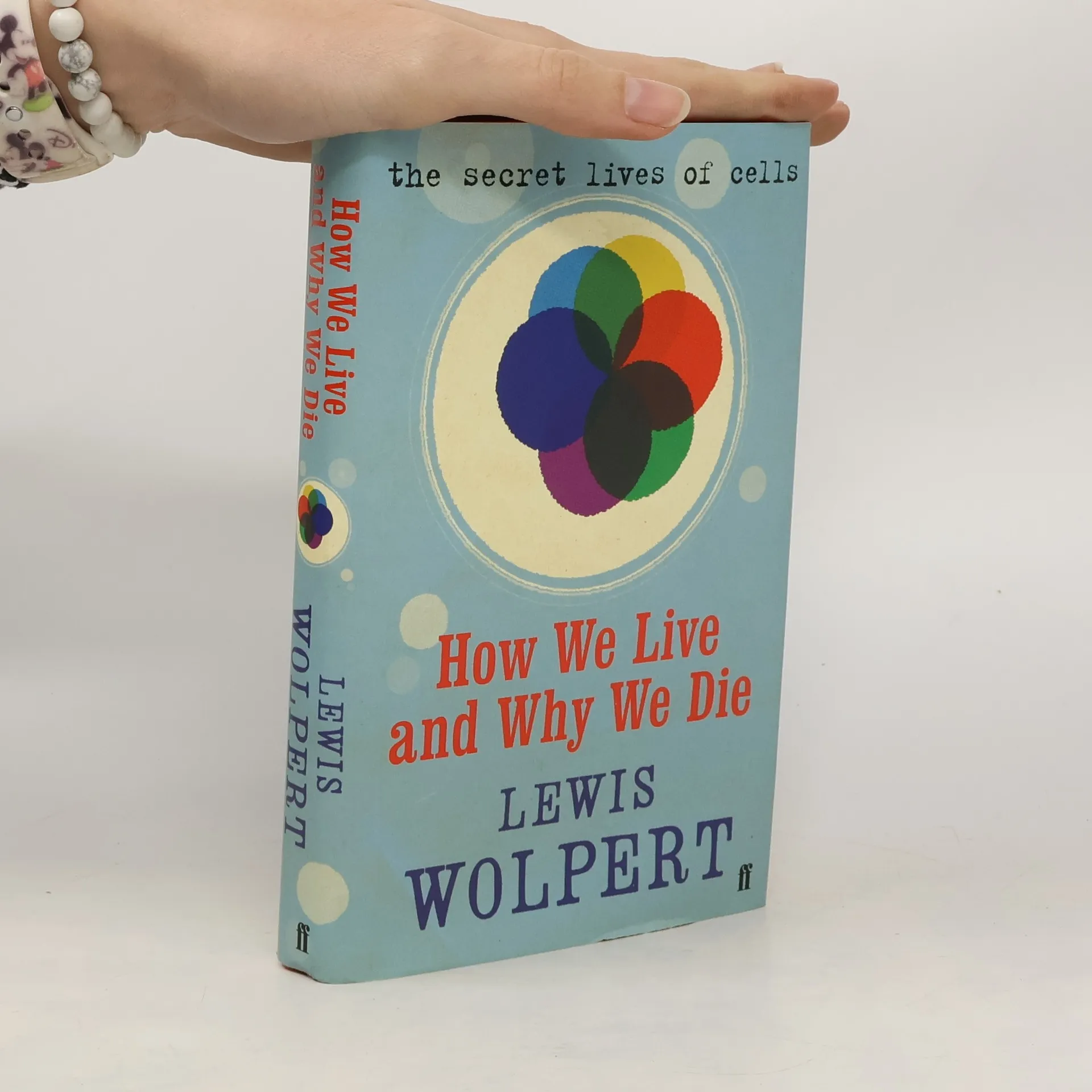
How We Live and Why We Die
- 256pagine
- 9 ore di lettura
Cells are the basis of all life in the universe. Our bodies are made up of billions of an incredibly complex society that governs everything, from movement to memory and imagination. When we age, it is because our cells slow down; when we get ill, it is because our cells mutate or stop working. In "How We Live and Why we Die", Wolpert provides a clear explanation of the science that underpins our lives. He explains how our bodies function and how we derived from a single cell - the embryo. He examines the science behind the topics that are much discussed but rarely understood - stem-cell research, cloning, DNA - and explains how all life evolved from just one cell. Lively and passionate, "How We Live and Why we Die" is an accessible guide to understanding the human body and, essentially, life itself.
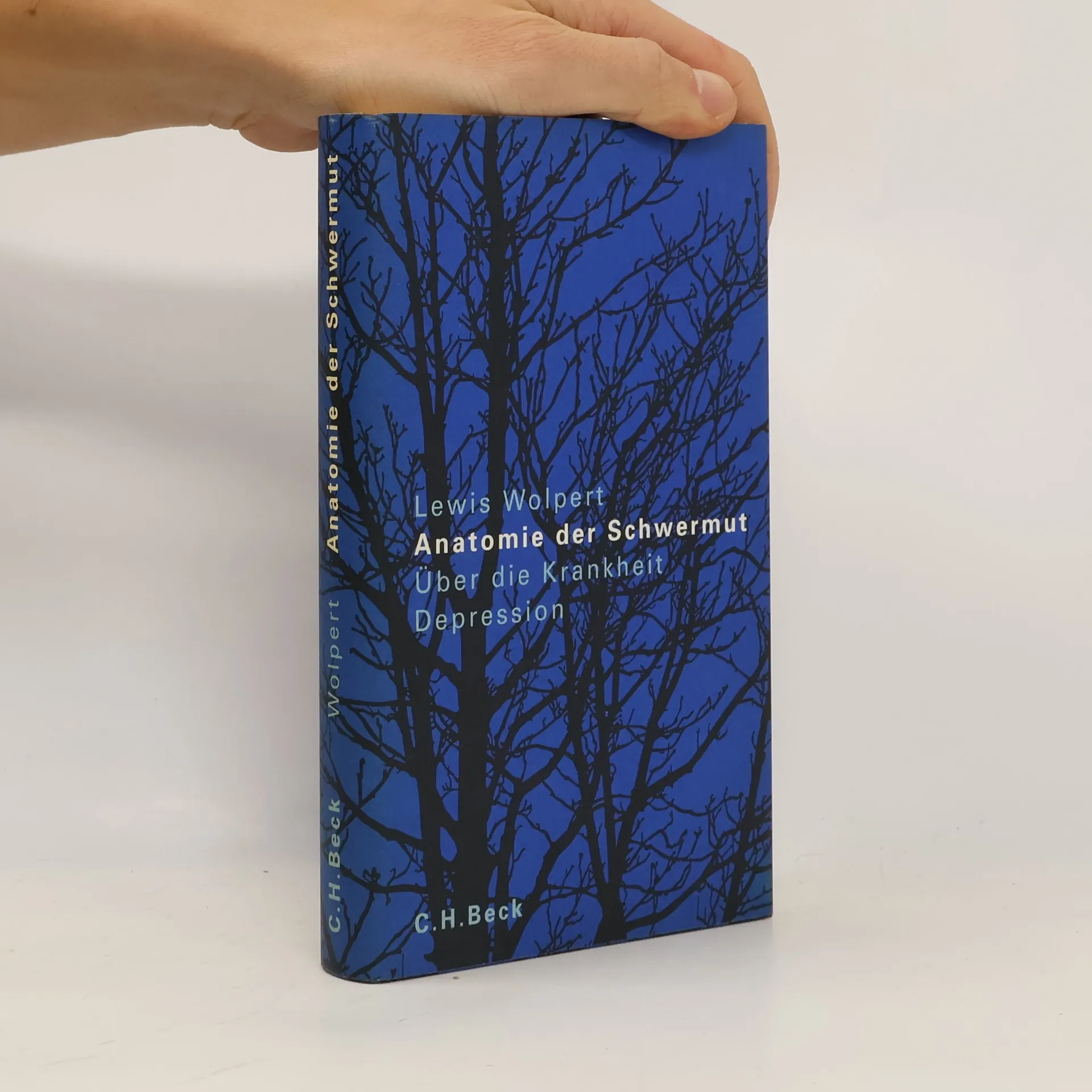
Anatomie der Schwermut
Über die Krankheit Depression
Vor einigen Jahren durchlebte der berühmte Biologe Lewis Wolpert eine schwere depressive Phase. Trotz eines glücklichen Privatlebens und beruflichen Erfolgs konnte er nur noch an Suizid denken. Nach seiner Heilung wurde ihm das Stigma deutlich, das auf dieser bösartigen Erkrankung lag – und wie schwer es war, an zuverlässige Informationen zu kommen. Mit bemerkenswerter Offenheit schrieb er daraufhin Anatomie der Schwermut – eine klare und seriöse Darstellung der Ursachen und Behandlungsformen von Depression. Wolperts Buch, das in Großbritannien mittlerweile in dritter Auflage vorliegt und auch die Grundlage für eine Fernsehserie der BBC bildete, informiert über den neuesten Stand der wissenschaftlichen und medizinischen Forschung zum Thema Depression – von den möglichen Gefahren von Antidepressiva und der Entdeckung von Genen, die eine Disposition für die Erkrankung darstellen, bis hin zu der Frage, wie wir zu einem besseren Verständnis dessen gelangen, was seelische Gesundheit überhaupt bedeutet.
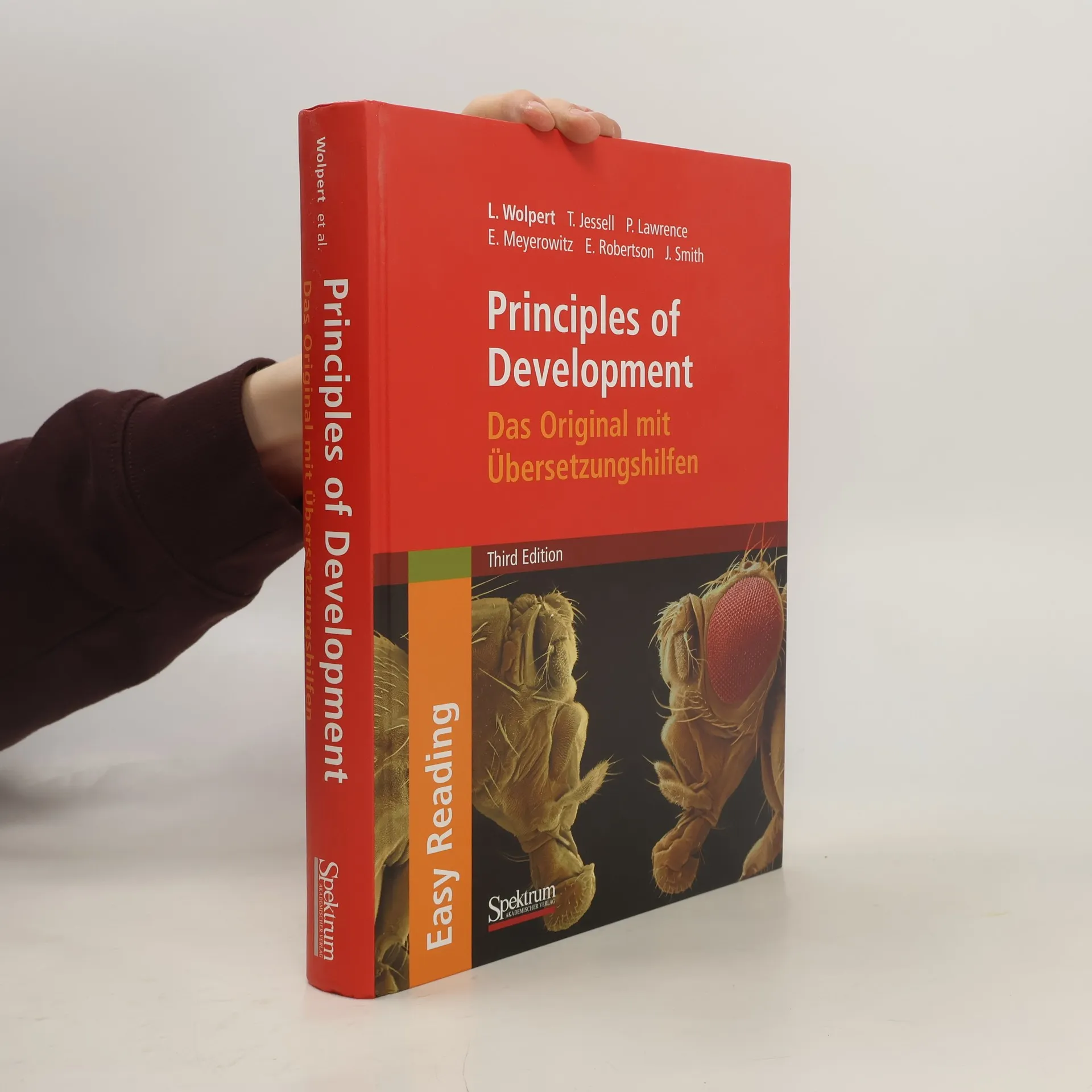
Principles of development
- 560pagine
- 20 ore di lettura
Principles of Development presents major principles and concepts in the field for an undergraduate audience. Emphasizing gene control as the key to understanding development, it is written in accessible prose and utilizes a comprehensive art program with full color figures, as well as summaries and diagrams throughout the text to illuminate conceptually challenging material. Additionally, it presents carefully selected articles for further reading that expound on principles covered in the text.
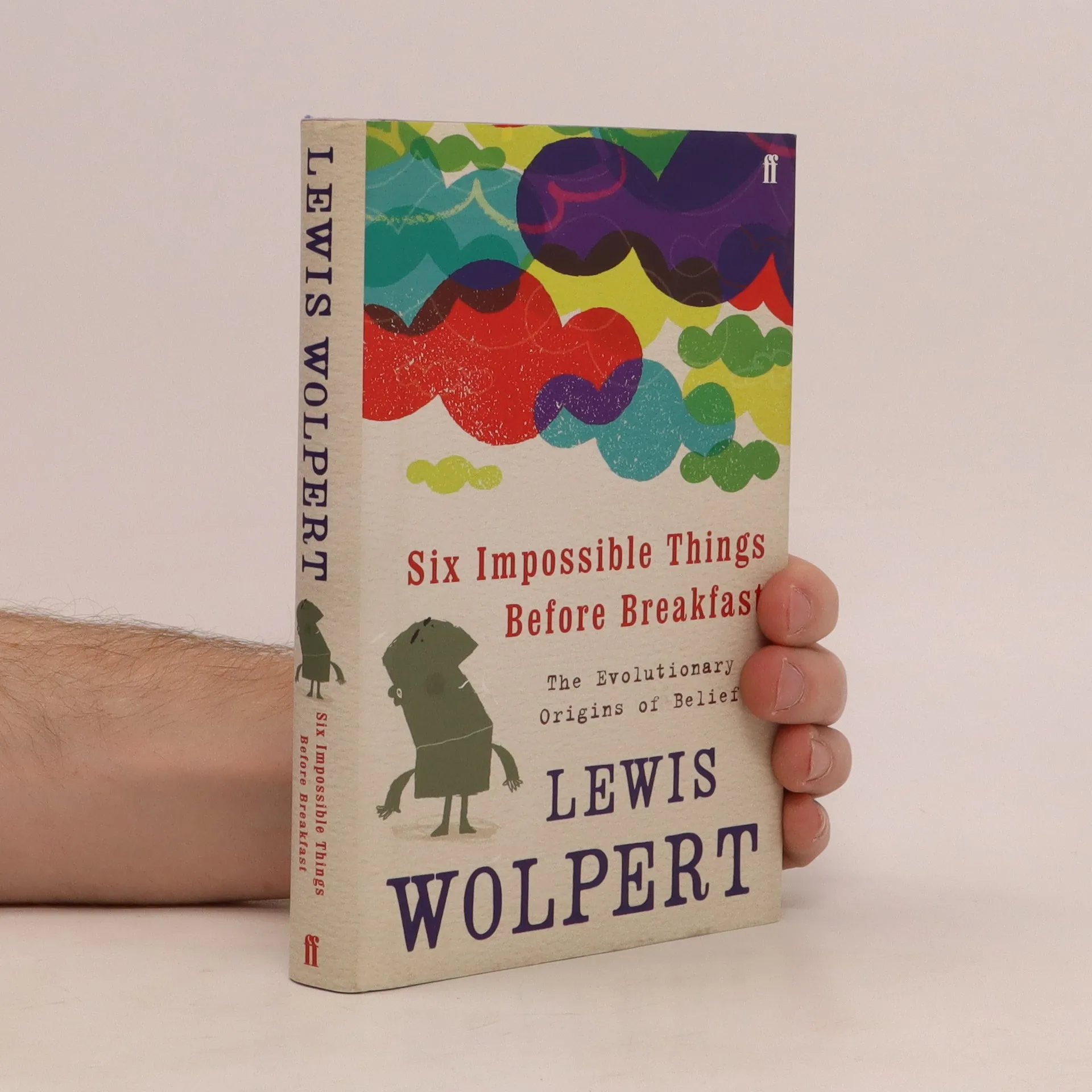
Six impossible things before breakfast
- 288pagine
- 11 ore di lettura
Lewis Wolpert investigates the nature of belief and its causes. He looks at belief's psychological basis and its possible evolutionary origins in physical cause and effect.
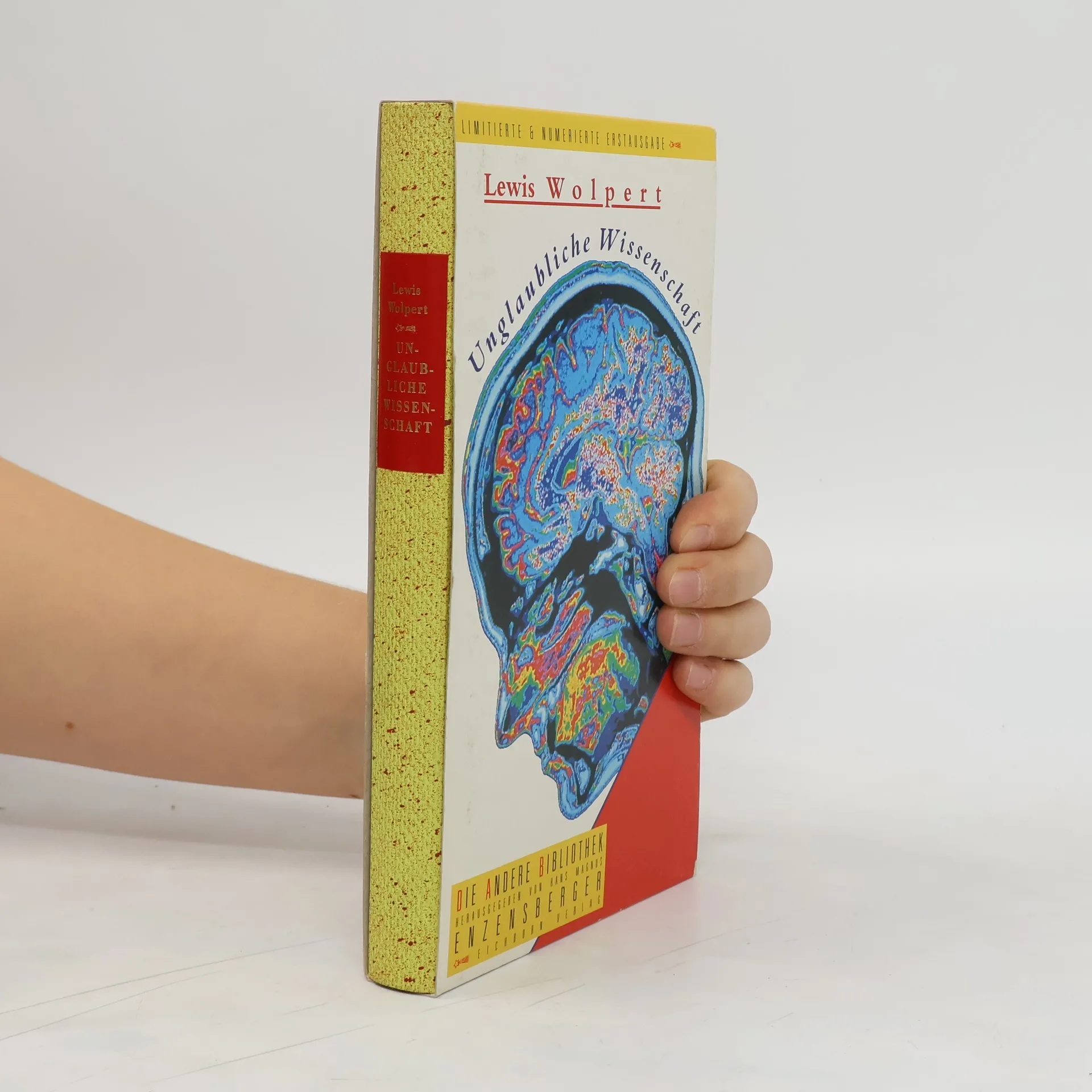
Der Biochemiker Lewis Wolpert arbeitet die Unterschiede zwischen der Technik, dem gesunden Menschenverstand und dem naturwissenschaftlichen Denken heraus und vertritt die These, dass die Ursprünge der Naturwissenschaften ausschließlich im antiken Griechenland liegen würden
Science and Mathematics in Ancient Greek Culture
- 396pagine
- 14 ore di lettura
Ancient Greece was the birthplace of science, which developed in the Hellenized culture of ancient Rome. This book, written by seventeen international experts, examines the role and achievement of science and mathematics in Greek antiquity through discussion of the linguistic, literary, political, religious, sociological, and technological factors which influenced scientific thought and practice.
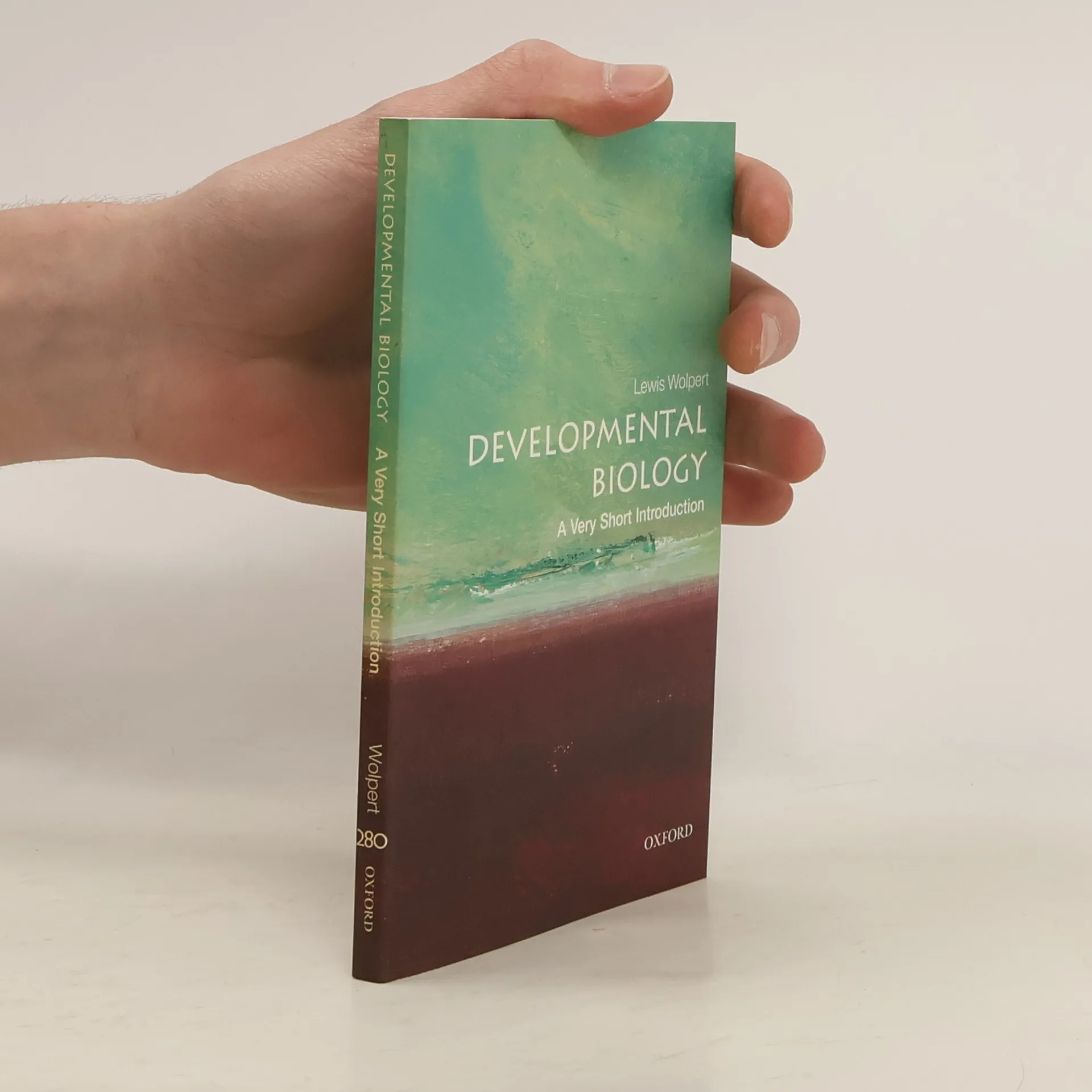
Developmental Biology: A Very Short Introduction
- 132pagine
- 5 ore di lettura
The development of a single fertilized egg into a fly, an elephant, or a human baby is one the most remarkable near-miracles achieved by nature. This Very Short Introduction, written by the distinguished developmental biologist Lewis Wolpert, gives a concise account of, and explores, one of the liveliest areas of scientific research.
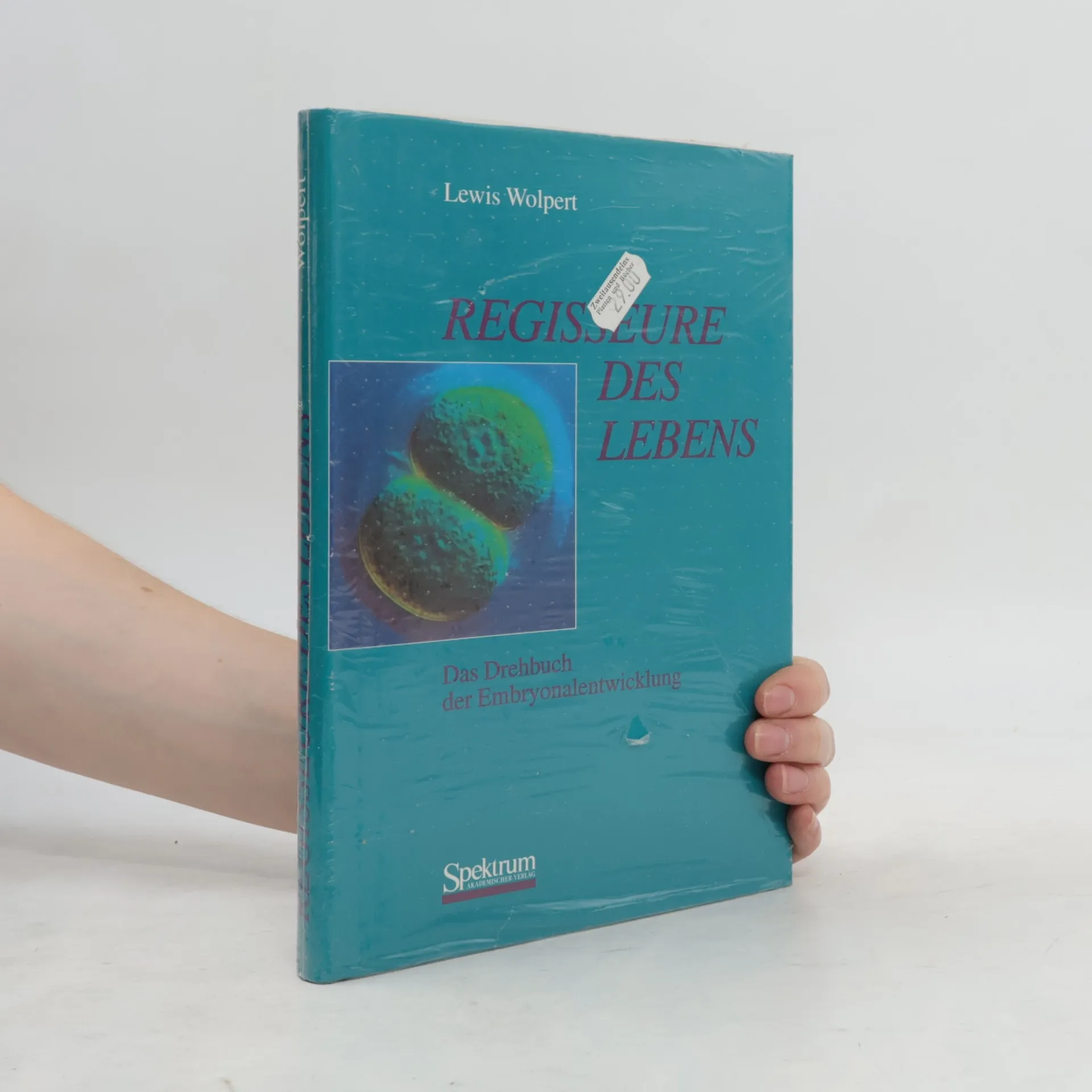
Regisseure des Lebens
- 194pagine
- 7 ore di lettura
Wie kann aus einer einzigen Zelle die vollständige Form eines erwachsenen Wesens entstehen? Wie können aus einer einzigen Zelle Millionen von Zellen mit den unterschiedlichsten spezialisierten Funktionen im richtigen Verhältnis hervorgehen? Wie organisieren sie sich in vollständige Strukturen wie Gliedmaßen, Gesichter, Herzen und Gehirne? Warum sind diese Formen so beständig und wiederholen sich in jeder Generation? Wo ist all diese Information im Ei kodiert und gespeichert?