

Jared Diamond è un autore che approfondisce l'interconnessione tra storia, biologia e geografia delle società umane. Il suo lavoro esplora le profonde forze che hanno plasmato la civiltà umana nel corso dei millenni. Diamond affronta l'analisi di complessi fenomeni sociali con rigore scientifico, pur mantenendo uno stile narrativo accessibile e avvincente. Il suo obiettivo è offrire ai lettori nuove prospettive su come il nostro mondo sia diventato ciò che è.
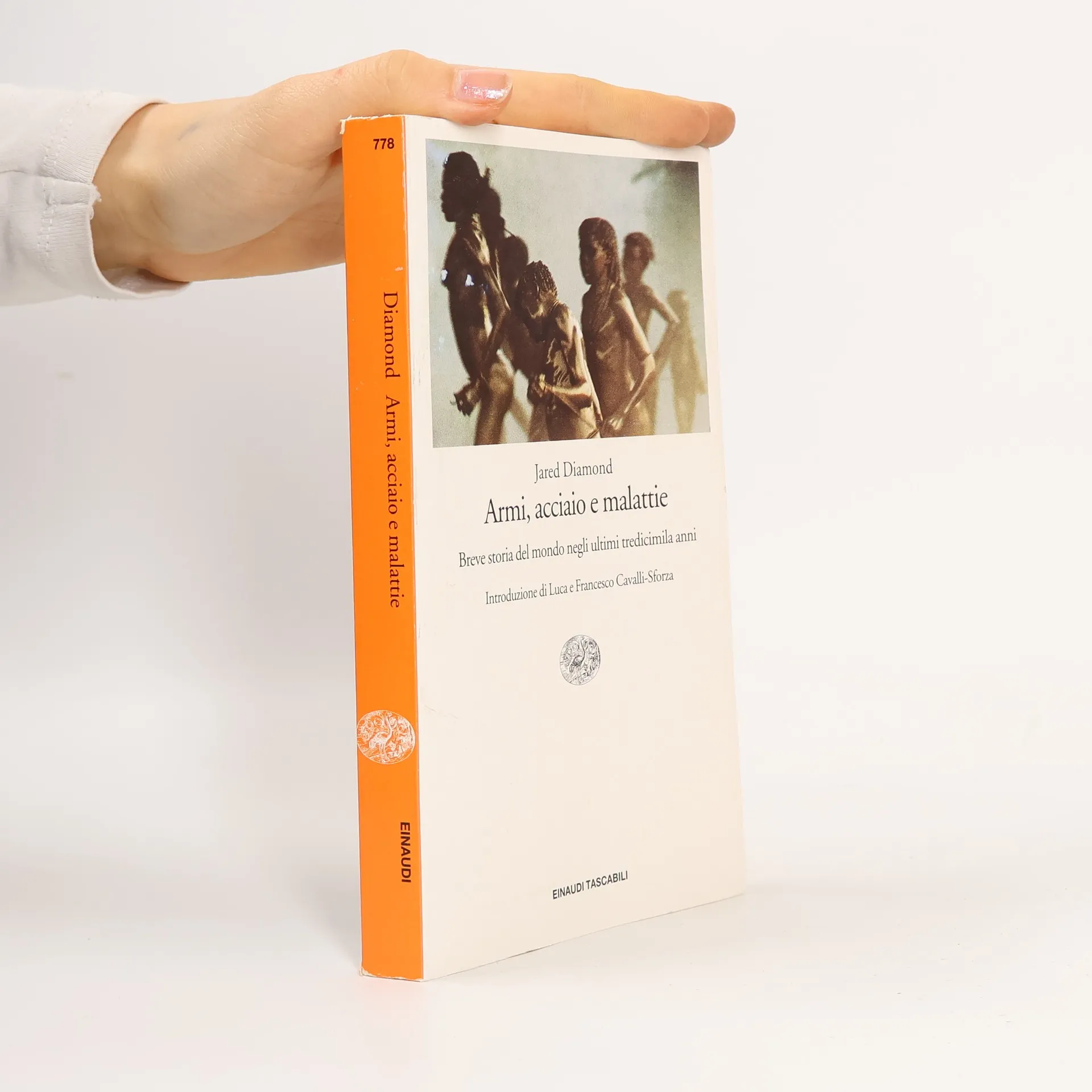
Breve storia del mondo negli ultimi tredicimila anni
381pagine
14 ore di lettura
In questa carrellata sulla storia del genere umano, Diamond ci mette in guardia da pericolosi pavoneggiamenti "occidentali": se si può parlare di una nostra superiorità culturale, essa deve consistere solo nella coscienza che la natura non determina alcuna superiorità. Attraverso un agile percorso narrativo, il saggista americano arriva a dimostrare che le diversità culturali affondano le loro radici in diversità geografiche, ecologiche e territoriali sostanzialmente legate al caso.
Why are humans one of the few species to have sex in private? Why are human females the only mammals to go through menopause? Why is the human penis so unnecessarily large? There is no more knowledgeable authority than the award-winning author of The Third Chimpanzee to answer these intriguing questions. Here is a delightfully entertaining and enlightening look at the unique sex lives of humans.
The Inside Story of Baseball's Home Run Revolution
336pagine
12 ore di lettura
Focusing on the evolution of baseball strategy, this book explores the revolutionary techniques and philosophies that have transformed the game. Highlighting key players and their innovative approaches, it draws parallels to the influential "Moneyball" narrative. Through engaging storytelling, it captures the excitement of modern baseball, showcasing how analytics and creativity are reshaping the sport. The insights into the minds of players and coaches make this a compelling read for fans and analysts alike.
In twenty short books, Penguin brings you the classics of the environmental movement. This is Jared Diamond's haunting account of visiting the mysterious stone statues of Easter Island, showing how a remote civilization destroyed itself by exploiting its own natural resources—and why we must heed this warning. Over the past 75 years, a new canon has emerged. As life on Earth has become irrevocably altered by humans, visionary thinkers around the world have raised their voices to defend the planet, and affirm our place at the heart of its restoration. Their words have endured through the decades, becoming the classics of a movement. Together, these books show the richness of environmental thought, and point the way to a fairer, saner, greener world.
In Jared Diamond’s follow-up to the Pulitzer-Prize winning Guns, Germs and Steel, the author explores how climate change, the population explosion and political discord create the conditions for the collapse of civilization. Diamond is also the author of Upheaval: Turning Points for Nations in Crisis Environmental damage, climate change, globalization, rapid population growth, and unwise political choices were all factors in the demise of societies around the world, but some found solutions and persisted. As in Guns, Germs, and Steel, Diamond traces the fundamental pattern of catastrophe, and weaves an all-encompassing global thesis through a series of fascinating historical-cultural narratives. Collapse moves from the Polynesian cultures on Easter Island to the flourishing American civilizations of the Anasazi and the Maya and finally to the doomed Viking colony on Greenland. Similar problems face us today and have already brought disaster to Rwanda and Haiti, even as China and Australia are trying to cope in innovative ways. Despite our own society’s apparently inexhaustible wealth and unrivaled political power, ominous warning signs have begun to emerge even in ecologically robust areas like Montana. Brilliant, illuminating, and immensely absorbing, Collapse is destined to take its place as one of the essential books of our time, raising the urgent question: How can our world best avoid committing ecological suicide?
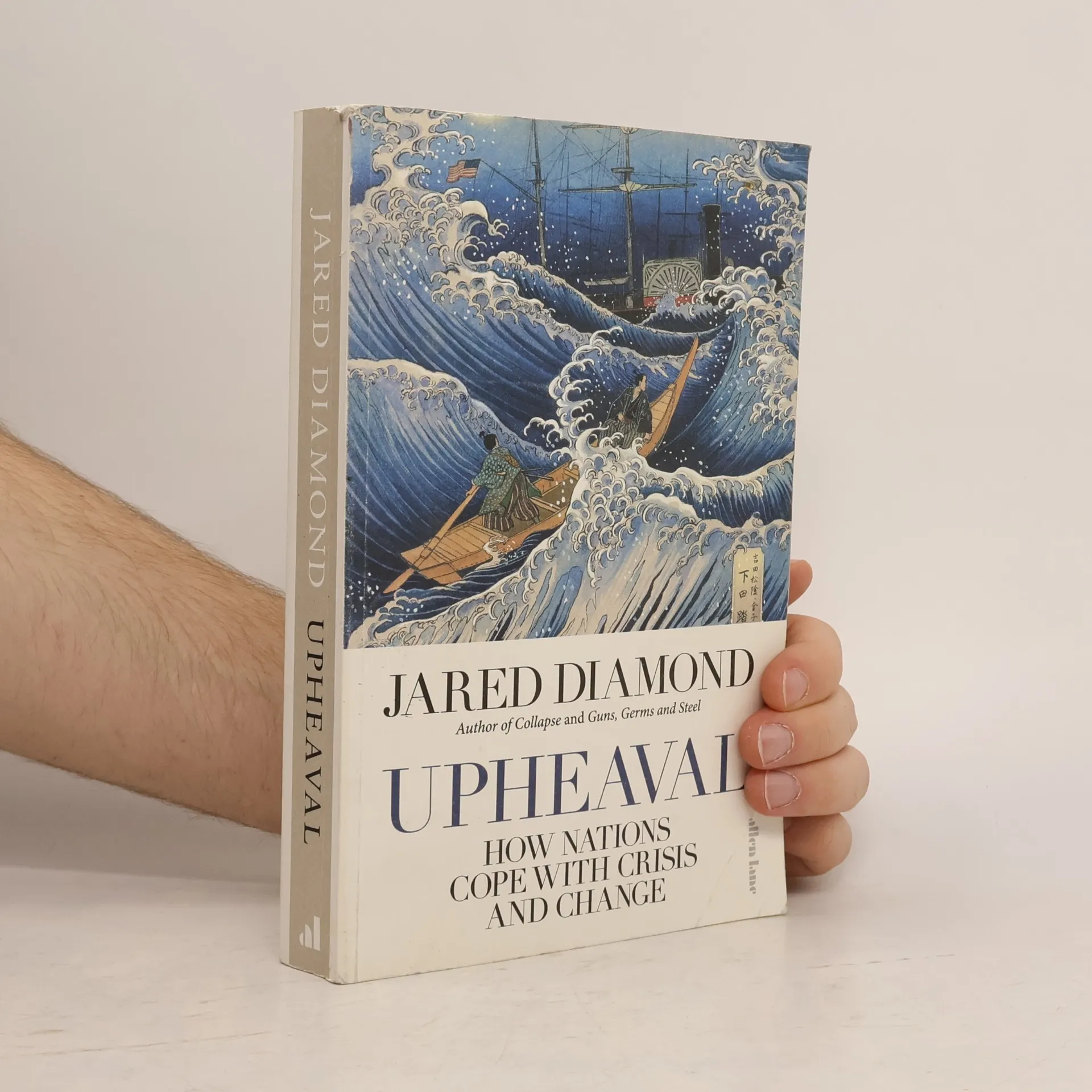
In his landmark international bestsellers Guns, Germs and Steel and Collapse, Jared Diamond transformed our understanding of what makes civilizations rise and fall. Now in the third book in this monumental trilogy, he reveals how successful nations recover from crisis. Diamond shows us how seven countries have survived defining upheavals in the recent past - from the forced opening up of Japan and the Soviet invasion of Finland to the Pinochet regime in Chile - through selective change, a process of painful self-appraisal and adaptation more commonly associated with personal trauma. Looking ahead to the future, he investigates whether the United States, and the world, are squandering their natural advantages and are on a devastating path towards catastrophe. Is this fate inevitable? Or can we still learn from the lessons of the past? Exhibiting the awe-inspiring grasp of history, geography, economics and anthropology that marks all Diamond's work, Upheaval reveals how both nations and individuals can become more resilient. The result is a book epic in scope, but also his most personal yet.
What Can We Learn from Traditional Societies? - Viking International Edition
499pagine
18 ore di lettura
The bestselling author of Collapse and Guns, Germs and Steel explores the history of human societies to uncover lessons from traditional societies that could improve our world. While modern conveniences like air travel and telecommunications are taken for granted, human society existed for nearly six million years without them. The gap between us and our primitive ancestors may seem vast, yet traditional societies, such as the New Guinea Highlanders, offer insights into our former lifestyles. These societies highlight that, in evolutionary terms, our modern lives are a recent development, and many of our bodies and social practices may be better suited to traditional conditions. This book provides a captivating glimpse into the human past, which has largely disappeared, and reflects on the implications of these differences for contemporary life. Drawing from decades of fieldwork in the Pacific islands and evidence from Inuit, Amazonian Indians, and Kalahari San people, the author presents a personal narrative. While not idealizing traditional societies—acknowledging some shocking practices—he emphasizes their valuable approaches to universal issues like child-rearing, elder care, dispute resolution, and physical fitness. Provocative and enlightening, this work is a compelling read.
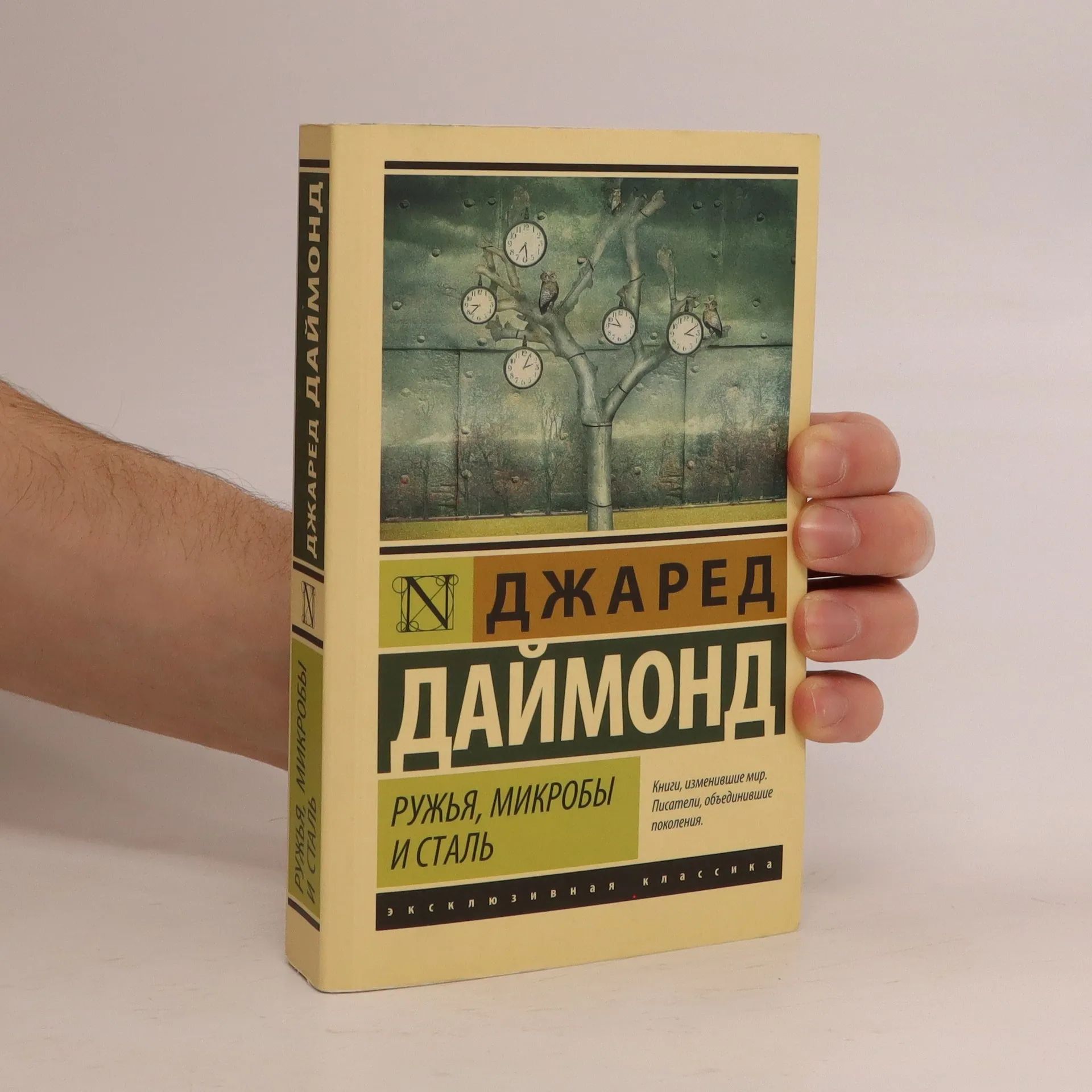
В этой книге Джаред объединяет открытия, сочетая археологию и эпидемиологию с историей и географией. Для автора очевидно, что экологические и географические факторы сформировали современный мир. Он объясняет, как и почему человеческие общества разных континентов следовали различным путям развития, и исследует причины доминирования и подчинения. 'Ружья, Микробы и Сталь' опровергает расистские теории и показывает, что превосходство Европы и Азии обусловлено их географией, более благоприятной для земледелия, одомашнивания животных и обмена информацией. Книга также демонстрирует, как история и биология могут поддерживать друг друга для глубокого понимания человеческой сущности.