Un ex comandante di sottomarino britannico e storico dilettante che approfondisce narrazioni storiche non convenzionali, sfidando linee temporali e origini consolidate. Il suo lavoro propone che scoperte globali e movimenti culturali significativi siano emersi da civiltà al di fuori della tipica visione incentrata sull'Occidente. Sollecita i lettori a mettere in discussione i resoconti storici accettati esplorando intriganti teorie alternative. L'approccio distintivo dell'autore mira a scoprire aspetti della storia trascurati e a rimodellare la nostra comprensione degli eventi passati.
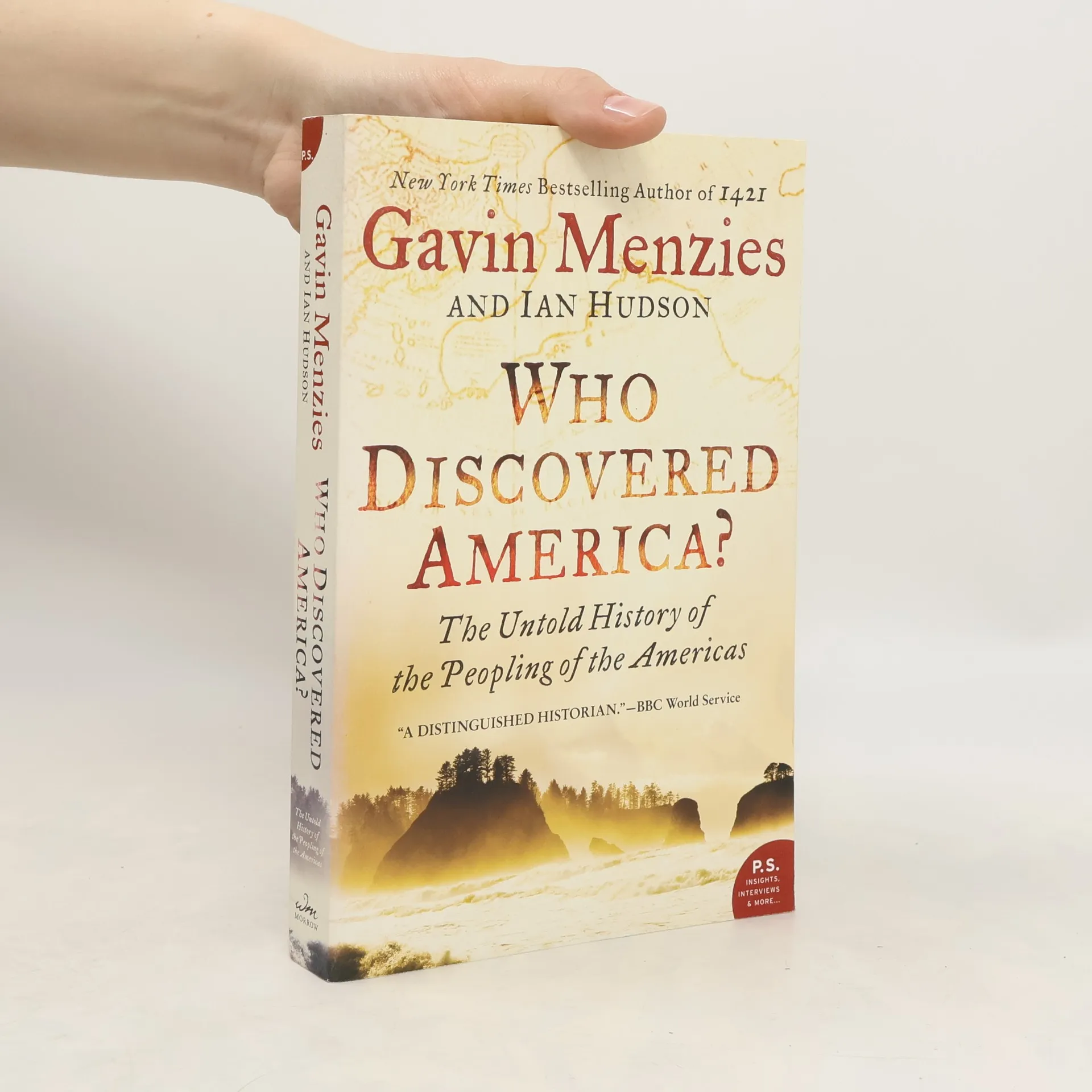
Combining in-depth research with an adventurer's spirit to present a radical rethinking and new revelations relating to the Beringia theory of how humans discovered, explored, and settled the American continent.
The bestselling author of 1421: THE YEAR THE CHINESE DISCOVERED THE WORLD
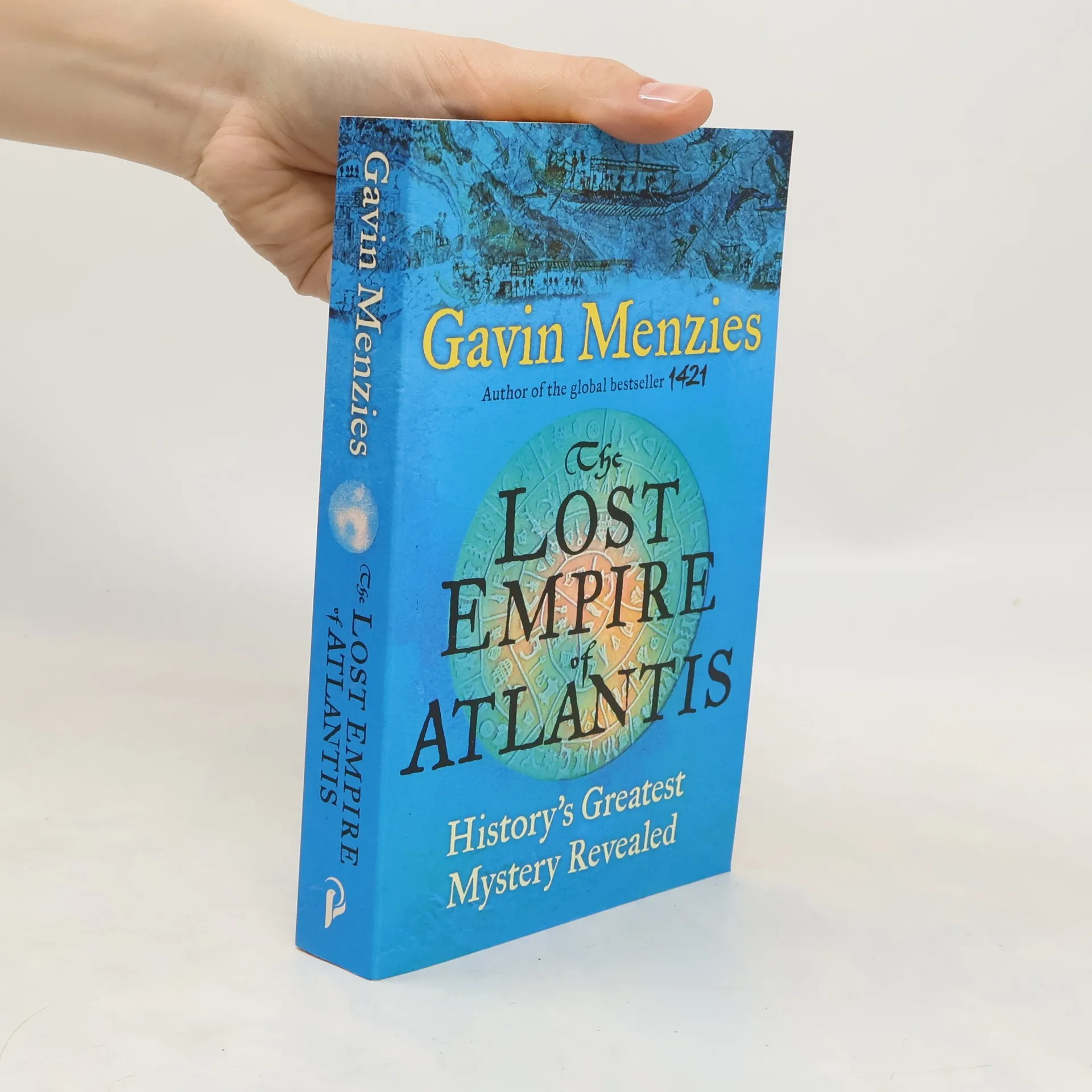
uncovers the truth behind the mystery of Atlantis. Updated with thrilling new
discoveries for the paperback.
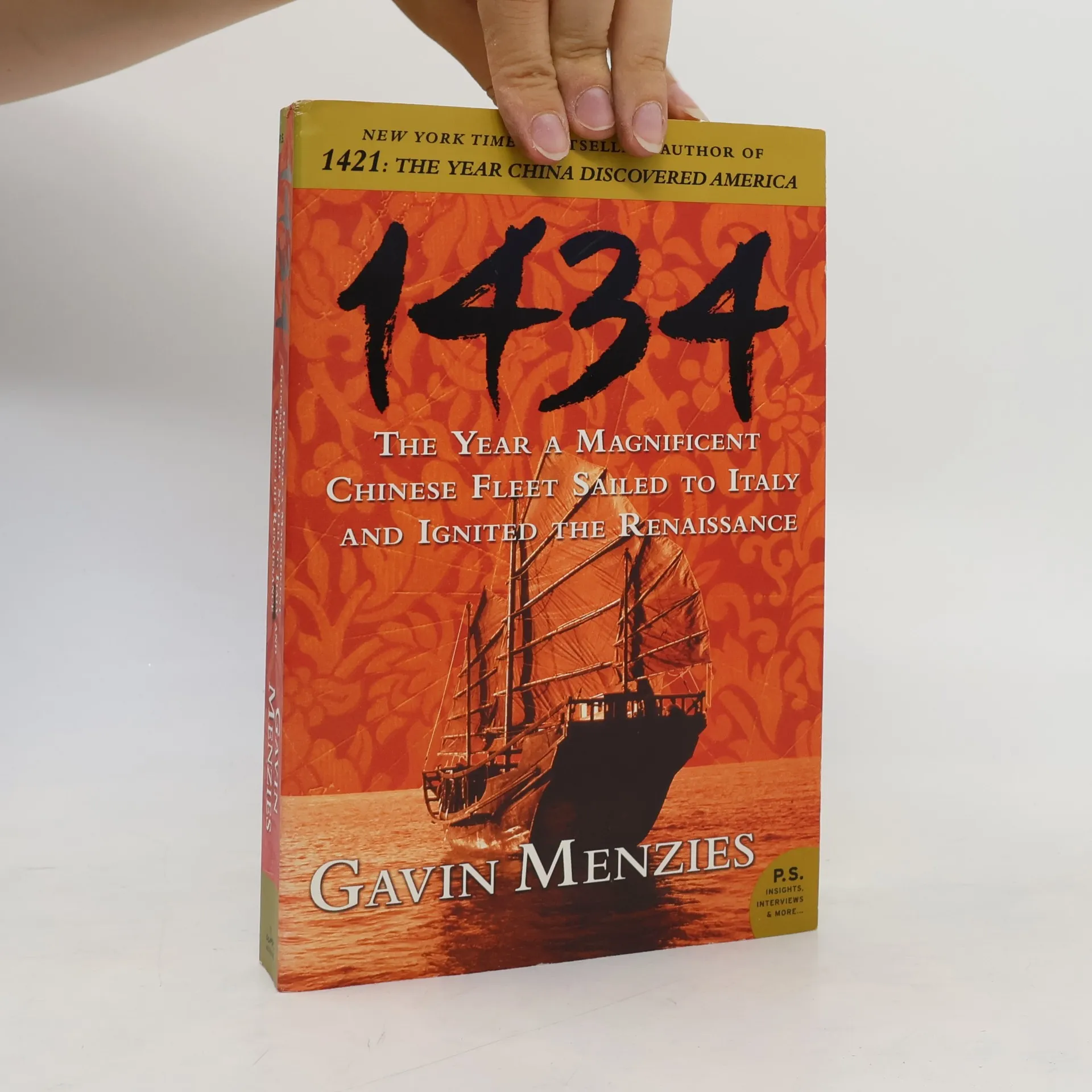
The book presents a provocative argument that the Renaissance was ignited by Chinese advancements in 1434, rather than solely through classical influences from Greece and Rome. It asserts that China, as the most technologically advanced civilization of the time, significantly shaped European thought and innovation. Bestselling historian Gavin Menzies explores how the adoption of Chinese ideas, discoveries, and inventions laid the groundwork for the development of Western civilization, challenging traditional narratives of the Renaissance's origins.
In 1421, the largest fleet the world had ever seen set sail from China under the command of Emperor Zhu Di's loyal eunuch admirals. But by the time they returned home, Zhu Di had lost control and China was turning inwards, leaving the records of their discoveries to be forgotten for centuries.