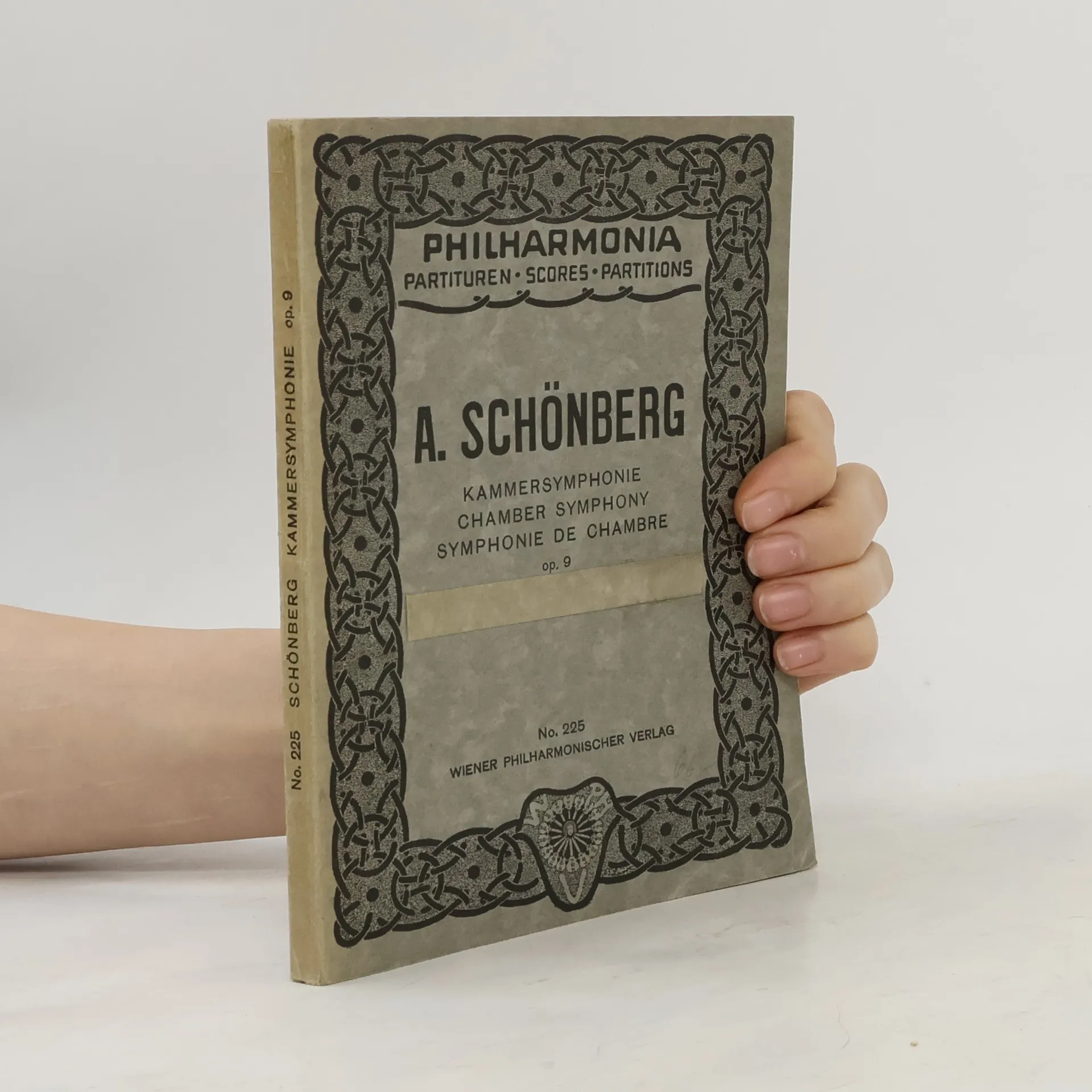
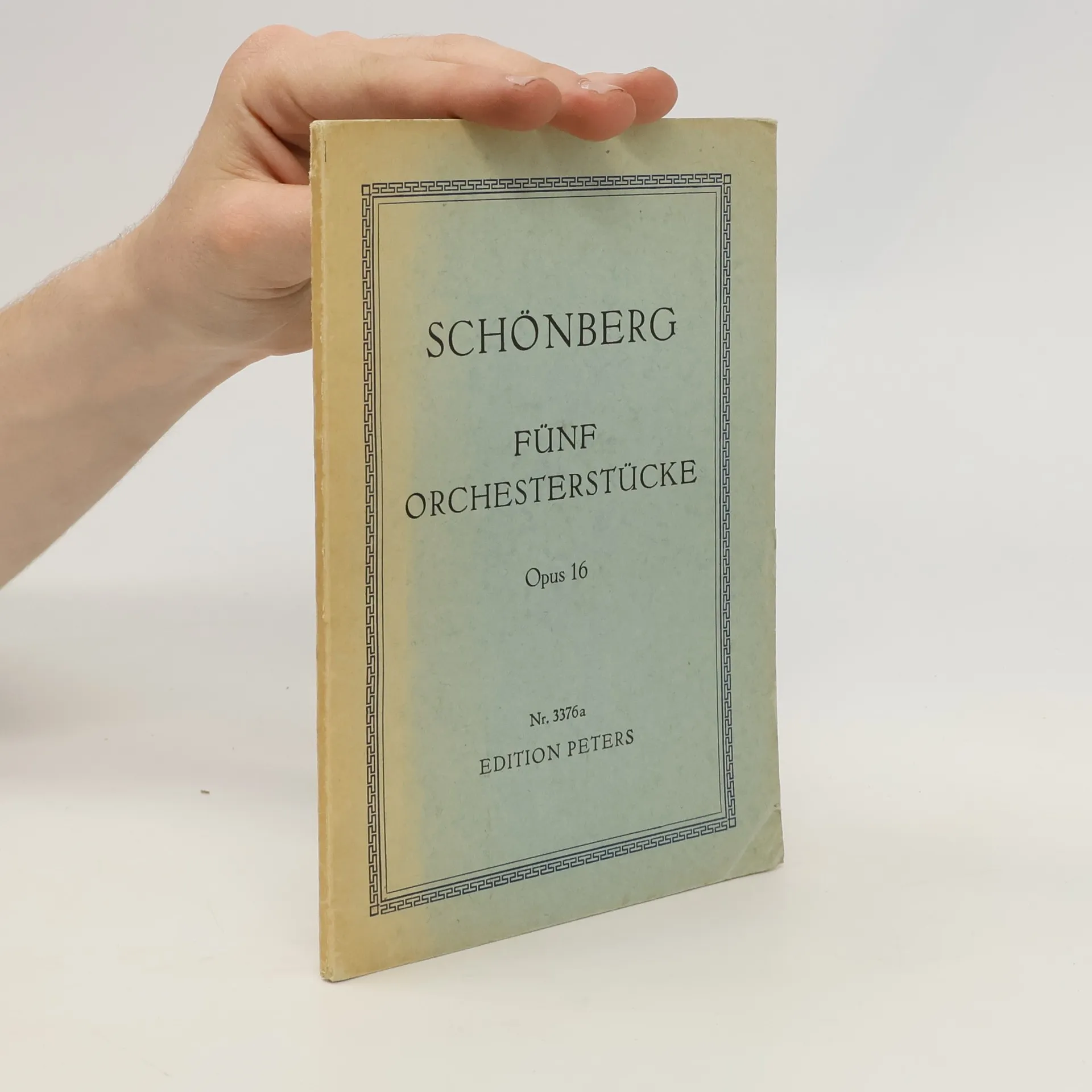
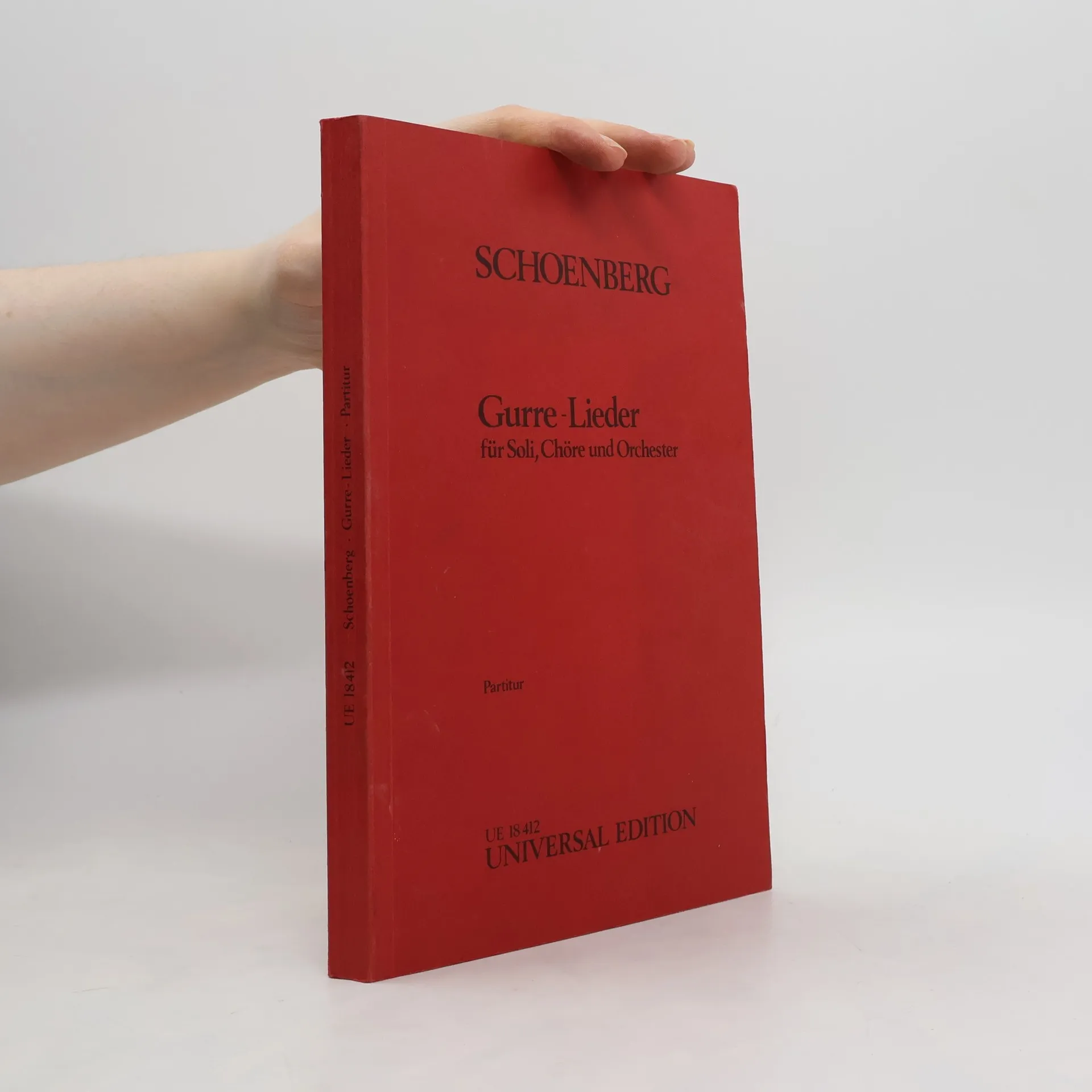
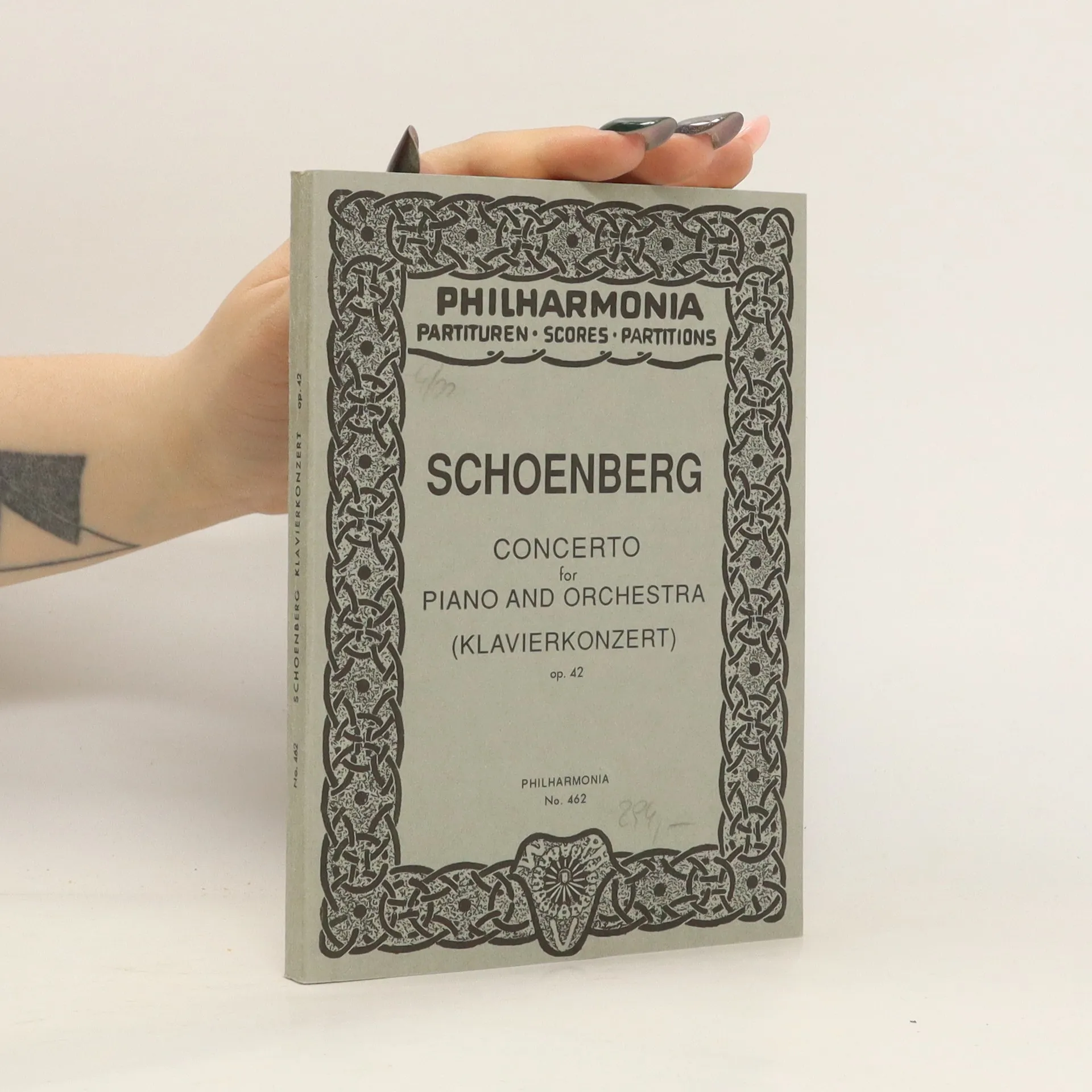
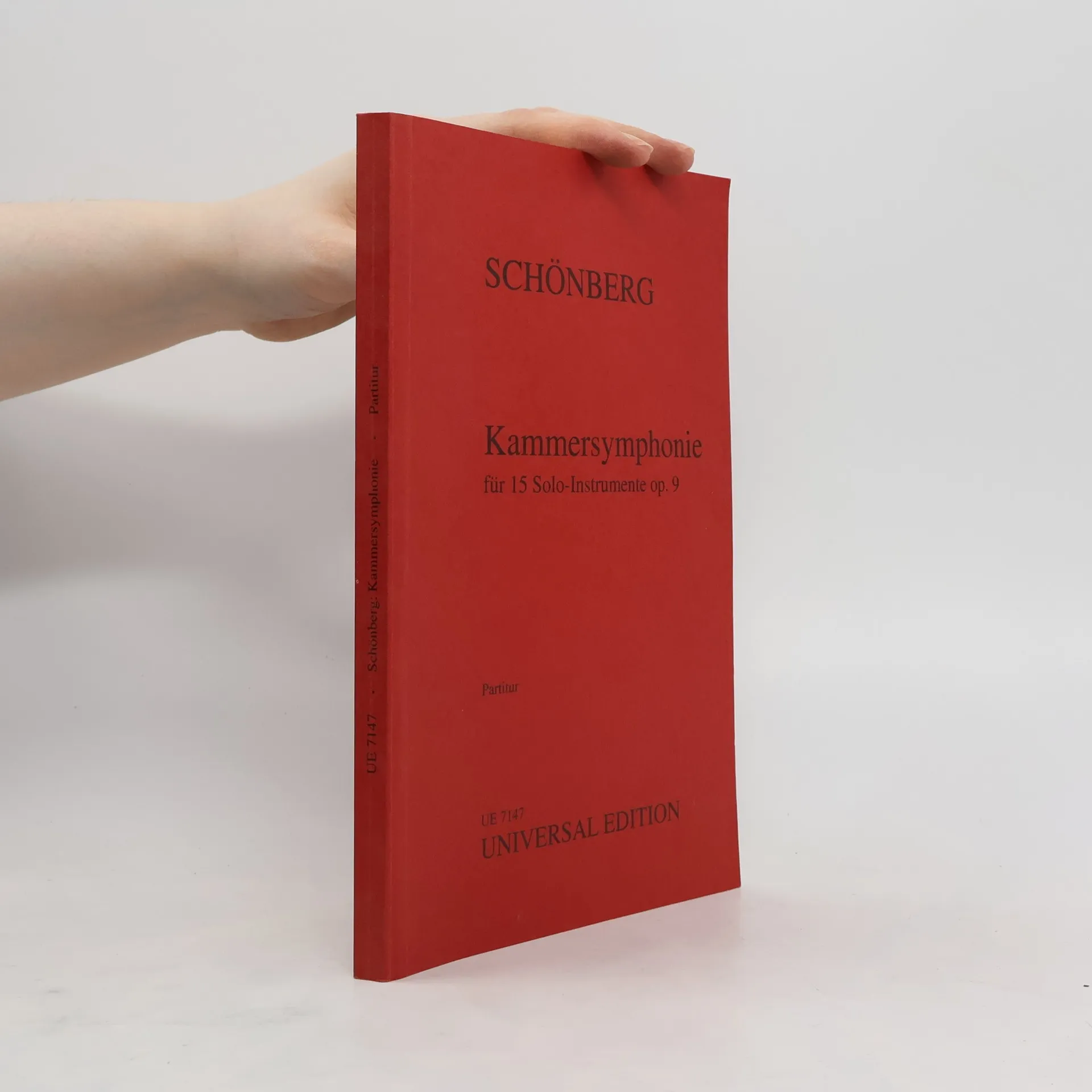
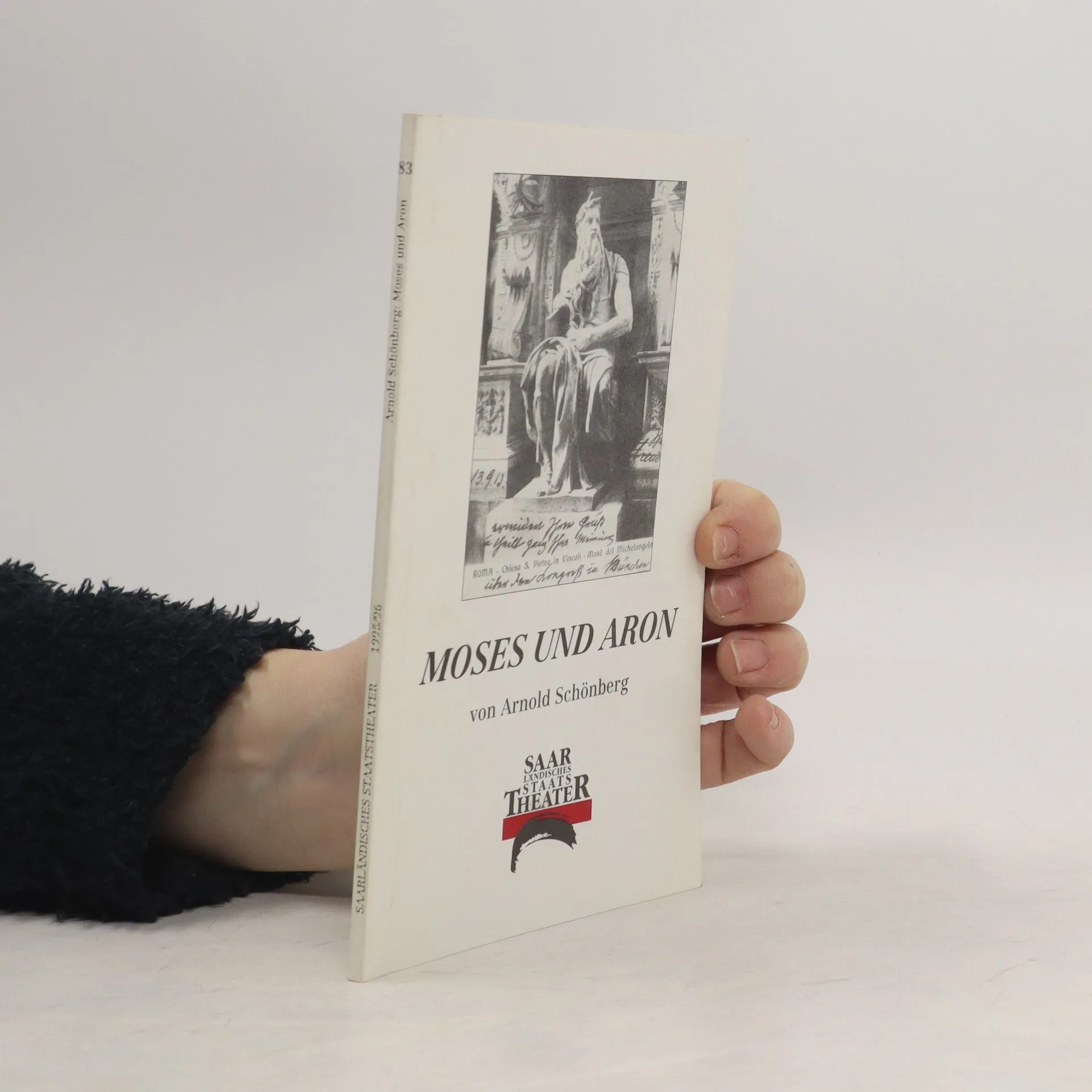
Arnold Schönberg Libri
Arnold Schönberg, associato al movimento espressionista nella poesia e nell'arte tedesca, fu una figura di spicco della Seconda Scuola di Vienna. Il suo approccio innovativo all'armonia e allo sviluppo musicale ha segnato un punto di svolta significativo nella musica del XX secolo, influenzando generazioni di compositori. È noto per aver sviluppato la tecnica dodecafonica e il concetto di variazione evolutiva, alterando fondamentalmente i metodi compositivi. Oltre ai suoi successi musicali, Schönberg fu anche pittore, un importante teorico musicale e un influente insegnante il cui approccio analitico e le cui visioni estetiche continuano a risuonare nel pensiero musicale contemporaneo.


Coherence, counterpoint, instrumentation, instruction in form
- 135pagine
- 5 ore di lettura
Only Stravinsky can claim as much credit as Schoenberg for the most dramatic innovations in twentieth-century music. Inventor of the twelve-tone row, explorer of atonality and the hexachord, composer of tone poems, songs, and chamber music, and chief spokesman for the Vienna Circle, Schoenberg has become ever more influential as his successors have come to understand him. ø Fuller understanding has been delayed because many of his writings have not yet been edited or published. This volume collects four short works, each concentrated on a key issue in composition. Written in 1917, but altered and augmented many times in later years, the manuscripts edited and translated in this volume have never been published before. ø Their importance can permit no further delay since they present Schoenberg's thinking well after the publication in 1911 of Harmonielehre, his revolutionary theoretical book. The later texts provide numerous prospects for enhancing the study and appreciation of Schoenberg's compositions and theories. ø Also a painter, Schoenberg enjoyed the friendship of Kandinsky and the Berlin expressionists. This volume includes a frontispiece reproducing one of Schoenberg's paintings.
This harmony text ranges over such diverse subjects as nature, artistic creativeness, culture, and aesthetic theories of the past. The author writes of his fascination with sound; on the idea that musical order may be manifested in many inconceivable ways; and questions the need of order in music.
Arnold Schönberg Portfolio
- 55pagine
- 2 ore di lettura
Die Publikation zeigt eine Auswahl von Arnold Schönbergs bildnerischen Werken.
Schoenberg's correspondence with Alma Mahler
- 448pagine
- 16 ore di lettura
Schoenberg's Correspondence with Alma Mahler documents a modern music friendship spanning a half century (1903-1951) and two continents.
Schoenberg's early correspondence
- 384pagine
- 14 ore di lettura
Early in his career, the composer Arnold Schoenberg maintained correspondence with many notable figures: Gustav Mahler, Heinrich Schenker, Guido Adler, Arnold Rosé, Richard Strauss, Alexander Zemlinsky, and Anton von Webern, to name a few. In this volume of Oxford's Schoenberg in Words series, Ethan Haimo and Sabine Feisst present English translations of the entirety of Arnold Schoenberg's early correspondence, from the earliest extant letters in 1891 to those written in the aftermath of the controversial premieres of his String Quartet No. 1, Op. 7, and the Kammersymphonie, Op. 9. The letters provide a wealth of information on many of the crucial stages in Schoenberg's early career, offering invaluable insights into his daily life and working habits. New details emerge about his activities at Wolzogen's Buntes Theater in Berlin, his frequently confrontational interactions with his first publisher (Dreililien Verlag), the reactions of friends and critics to the premieres of his works, his role in the founding of the Vereinigung schaffender Tonkünstler, his activities as a teacher, and his (all too often unsuccessful) attempts to convince musicians to perform his music. Presented alongside the editors' extensive running commentary, the more than 300 letters in this volume create a vivid picture of the young Schoenberg and his times.
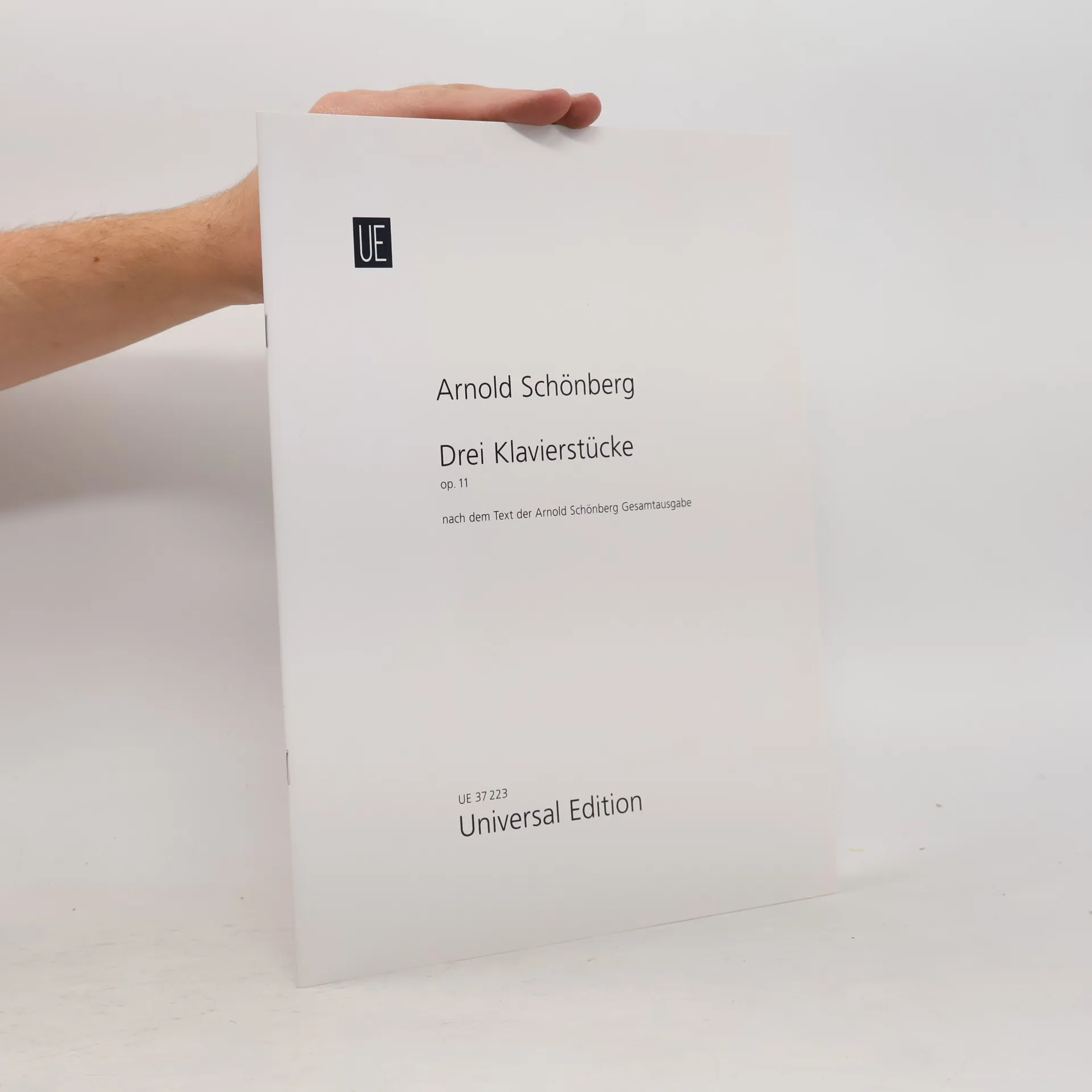
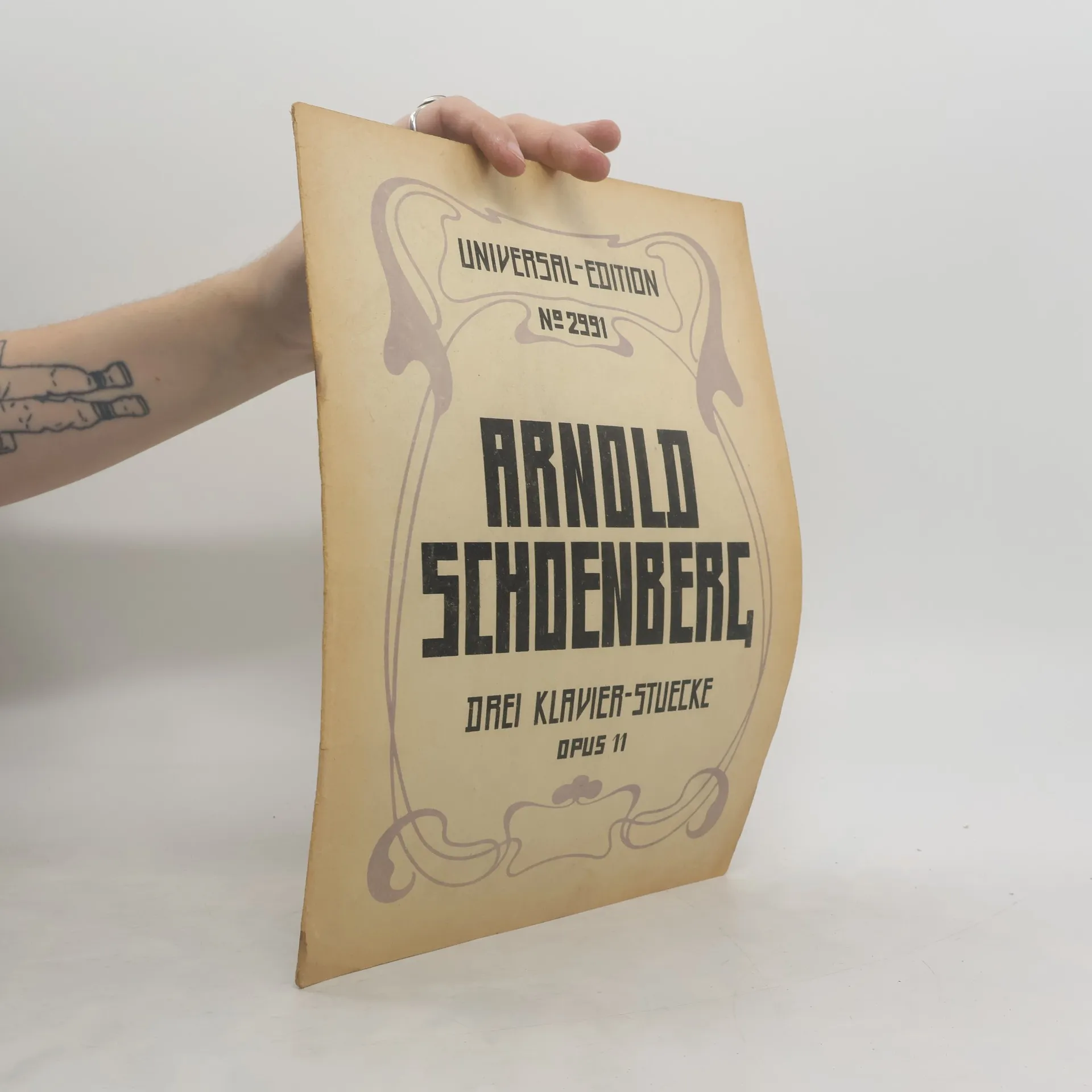
Arnold Schönberg Gesamtausgabe: 3 Klavierstücke
Op. 11. Klavier. Partitur. Nach dem Text der Arnold Schönberg Gesamtausgabe
- 14pagine
- 1 ora di lettura
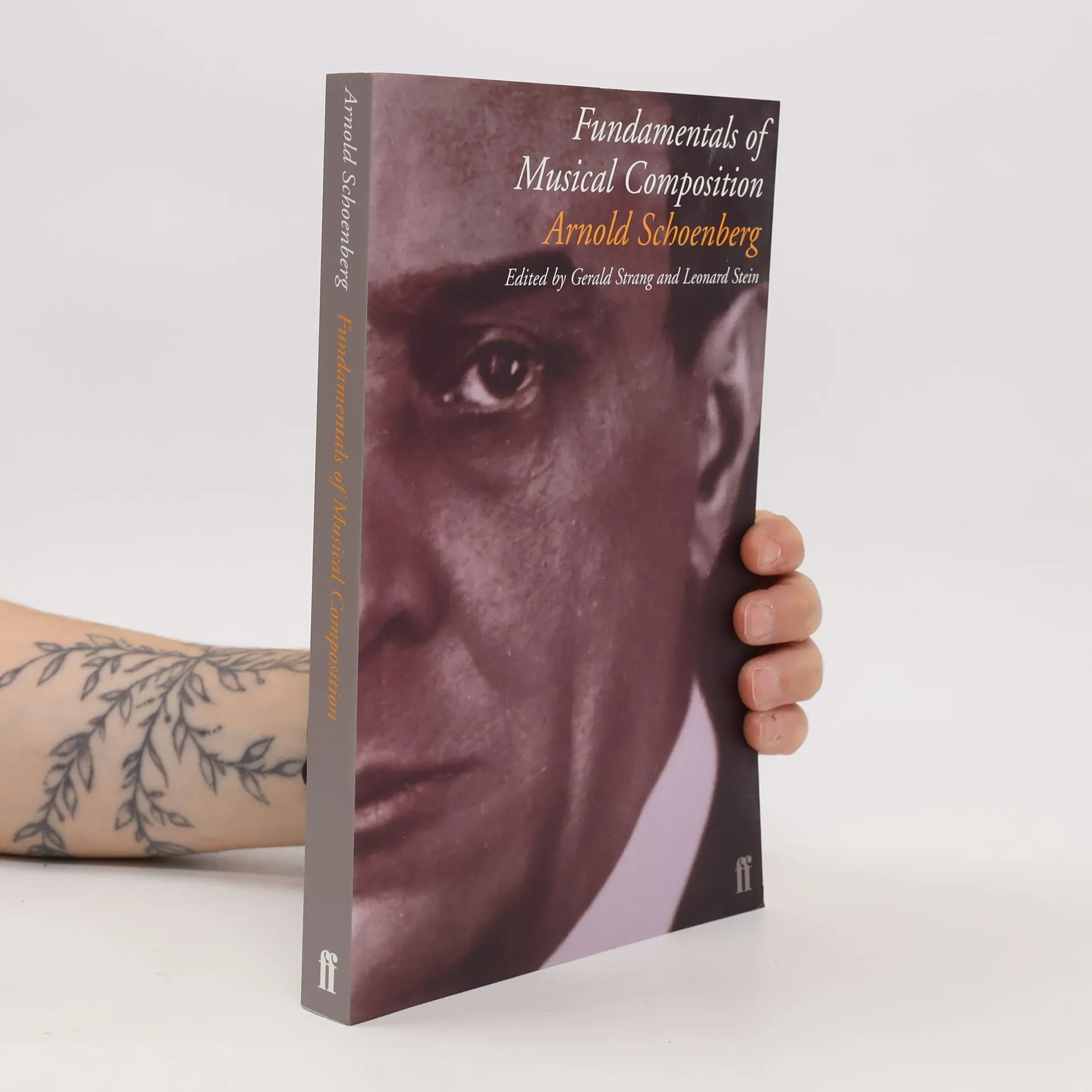
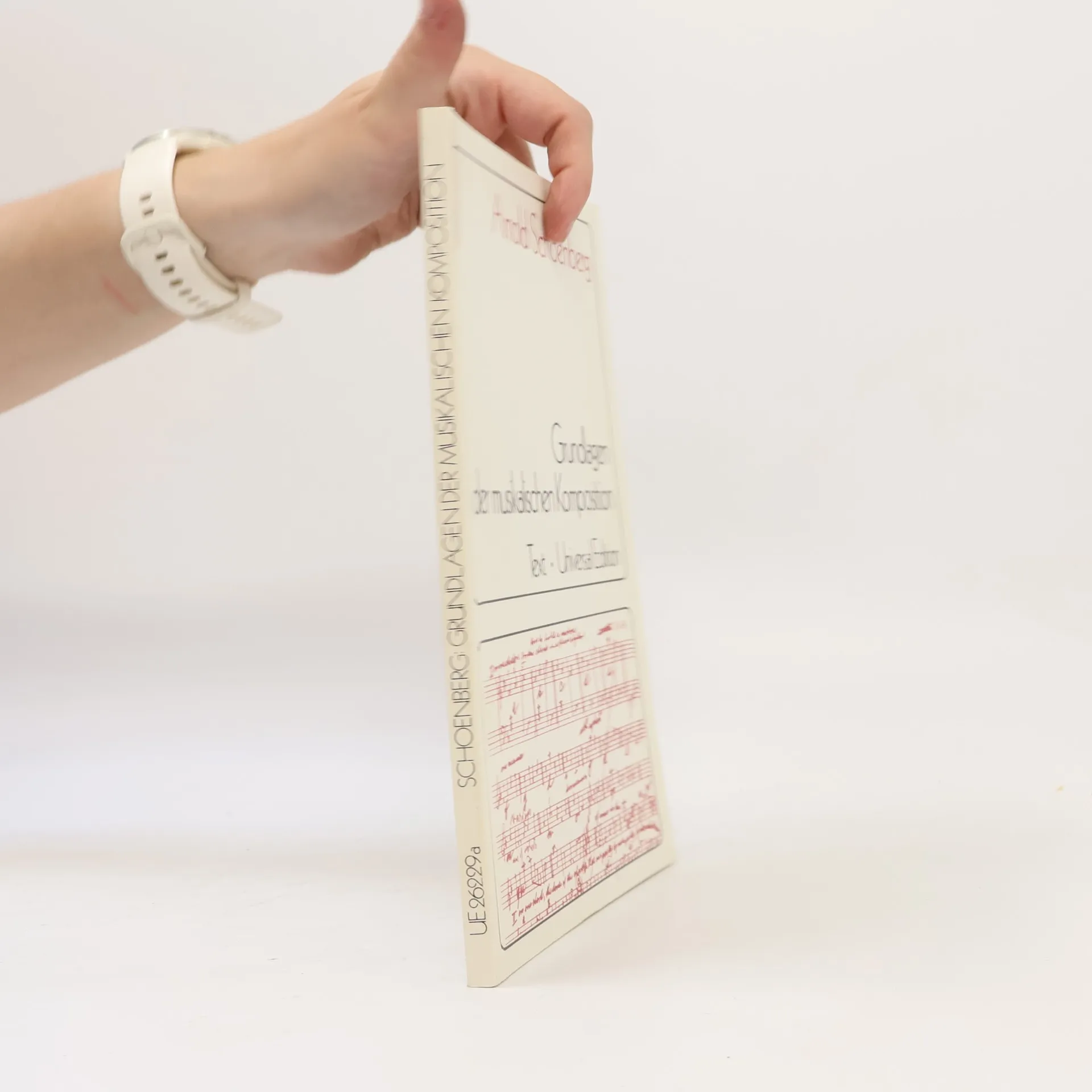
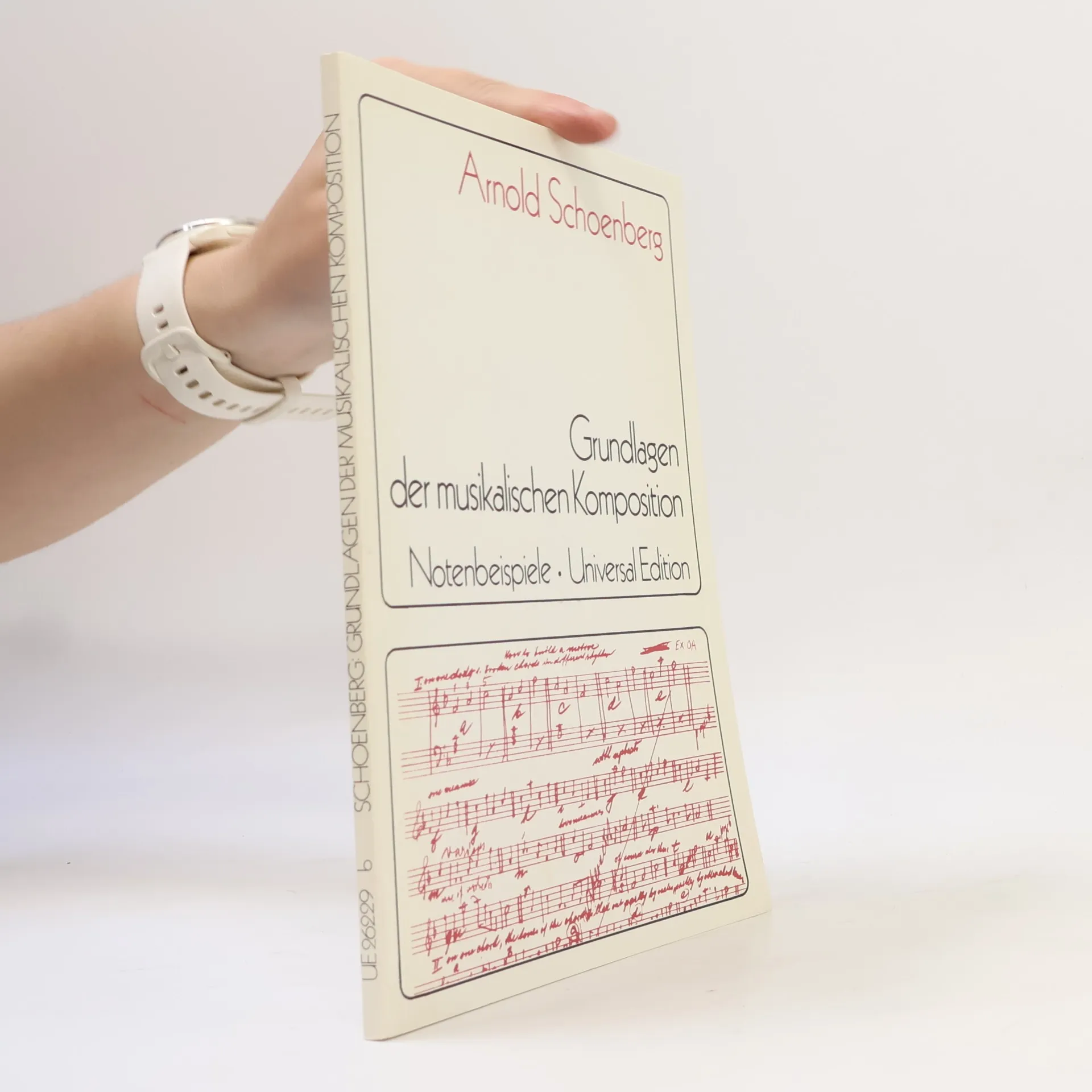
Fundamentals of Musical Composition
- 240pagine
- 9 ore di lettura
Fundamentals of Musical Composition represents the culmination of more than forty years in Schoenberg's life devoted to the teaching of musical principles to students and composers in Europe and America.
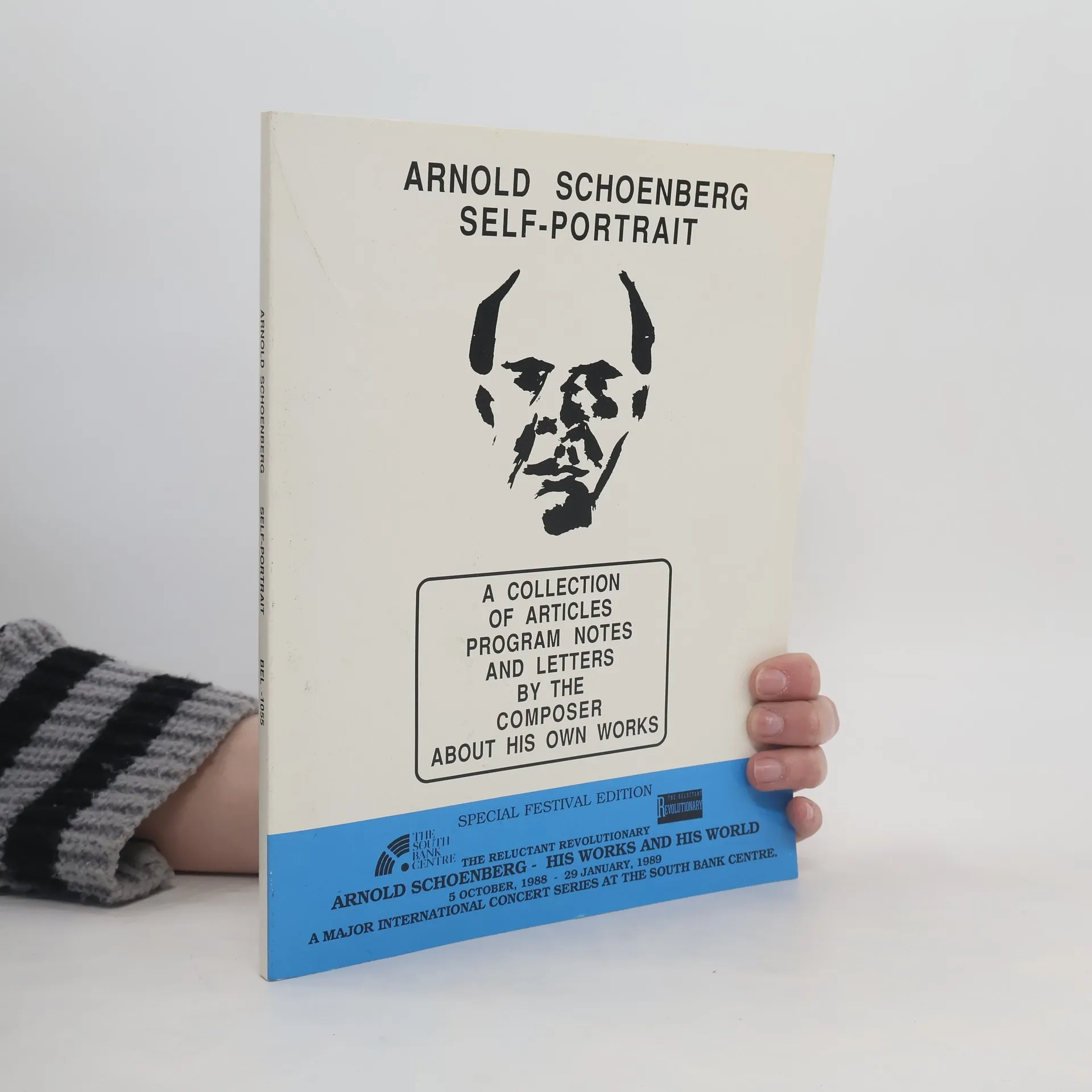
Arnold Schoenberg self-portrait
a collection of articles, program notes and letters by the composer about his own works
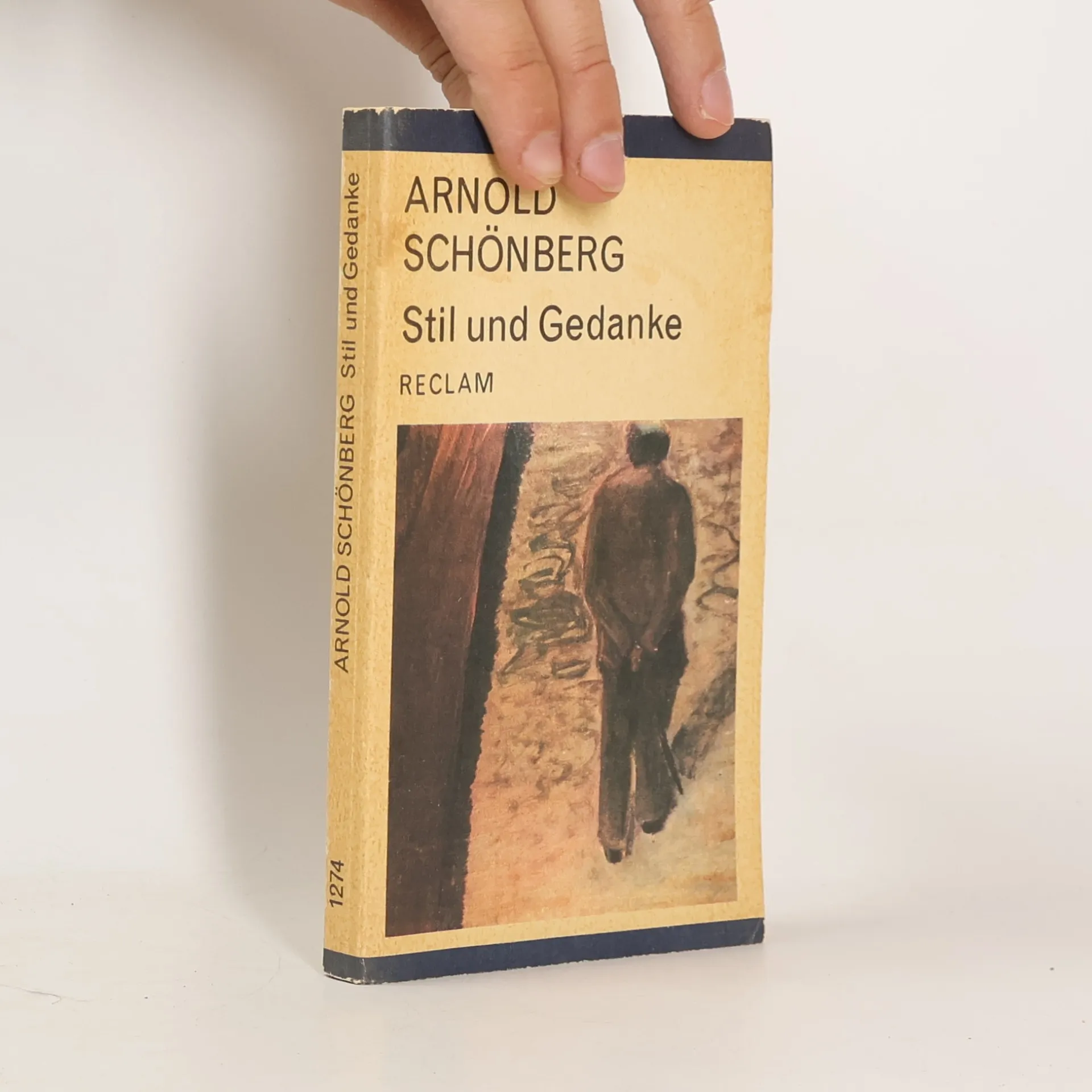
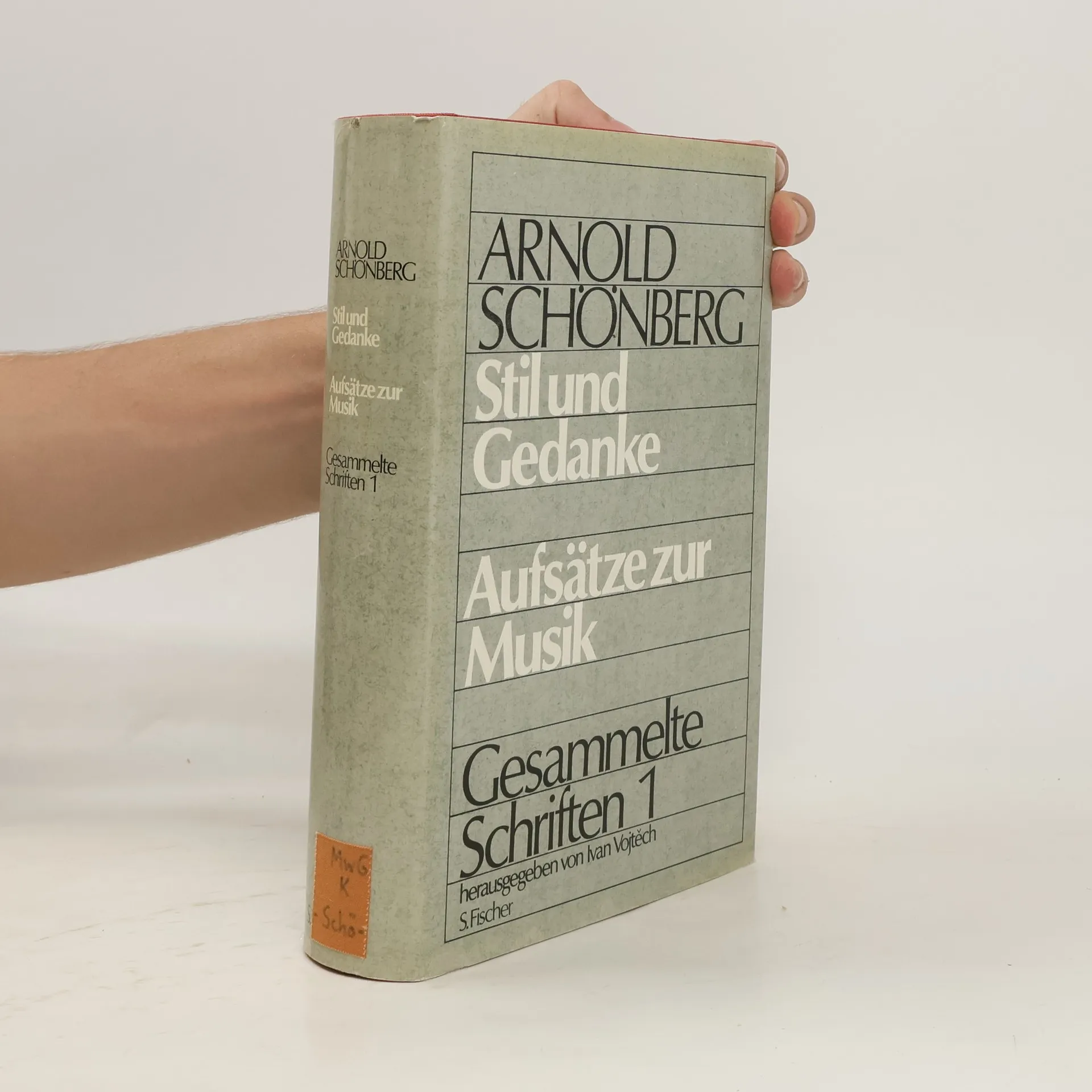
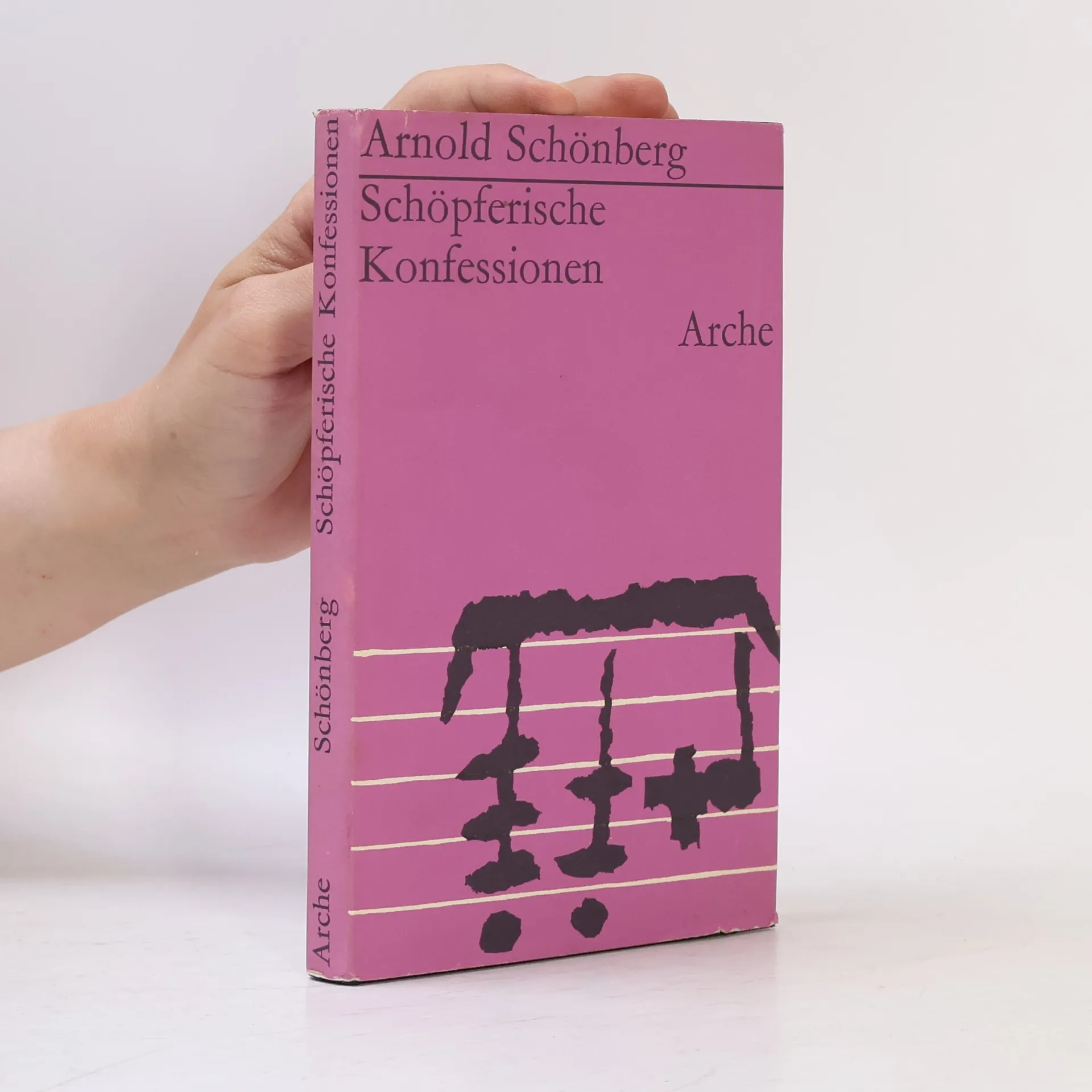
Stil und Gedanke
- 297pagine
- 11 ore di lettura
Dieses Buch enthält Essays von Arnold Schönberg über Stil und Idee. Er spricht über die Beziehung zum Text, neue und überholte Musik, Komposition in zwölf Tönen, Unterhaltung durch Komposition, das Verhältnis von Herz und Verstand in der Musik, die Bewertung von Musik und weitere Essays.
Apropos Doktor Faustus
Briefwechsel Arnold Schönberg - Thomas Mann 1930-1951
- 397pagine
- 14 ore di lettura
Mit dem Briefwechsel von Arnold Schönberg und Thomas Mann ist nicht nur ein Stück Exilgeschichte, sondern ein wesentliches Stück Literatur- und Musikgeschichte erstmals auf Deutsch nachzulesen. Die Briefe sind ein weiterer Baustein zum umfassenden Verständnis der Werke der beiden Ausnahmekünstler. Als der Literaturnobelpreisträger Thomas Mann 1941 zum ersten Mal nach Los Angeles kam, lebte er nur wenige Häuser entfernt vom Komponisten Arnold Schönberg. Trotz der räumlichen Nähe und eines gelegentlichen Kontaktes entwickelte sich keine enge Freundschaft zwischen den beiden. Der zunächst unregelmäßige, später intensivere Briefverkehr zeigt vielmehr inhaltliche und persönliche Bruchlinien auf, die tief in den Biografien der beiden Künstler verwurzelt scheinen. Vor allem die offensichtlichen Anlehnungen von Adrian Leverkühns – Protagonist in Manns Roman „Doktor Faustus“ – musiktheoretischen Überlegungen an Arnold Schönberg boten Anlass zu heftigen Auseinandersetzungen. Ergänzt wird der Briefverkehr durch Schönbergs Vier-Punkte-Programm für das Judentum und begleitende Essays des namhaften Musikhistorikers Bernhold Schmid, des Philosophen Andre Neher und des Schönberg-Schülers Richard Hoffmann.
Schoenberg - Busoni, Schoenberg - Kandinsky
- 248pagine
- 9 ore di lettura
"Les correspondances entre Schoenberg et Busoni d'une part, et entre Schoenberg et Kandinsky d'autre part, sont des documents exceptionnels sur les plans humain, artistique et musical. Schoenberg y dévoile, à proprement parler, la véritable théorie esthétique de l'atonalité. Il défend face à Busoni la cohérence de son style, avec Kandinsky, il discute de la question du constructif et de l'illogique dans l'art. L'échange porte aussi sur la religion et la question juive, c'est enfin le portrait de 3 créateurs de premier plan, engagés dans le renouveau artistique de l'avant et l'après guerre. L'édition est enrichie de différents textes de Schoenberg, Busoni et Kandinsky
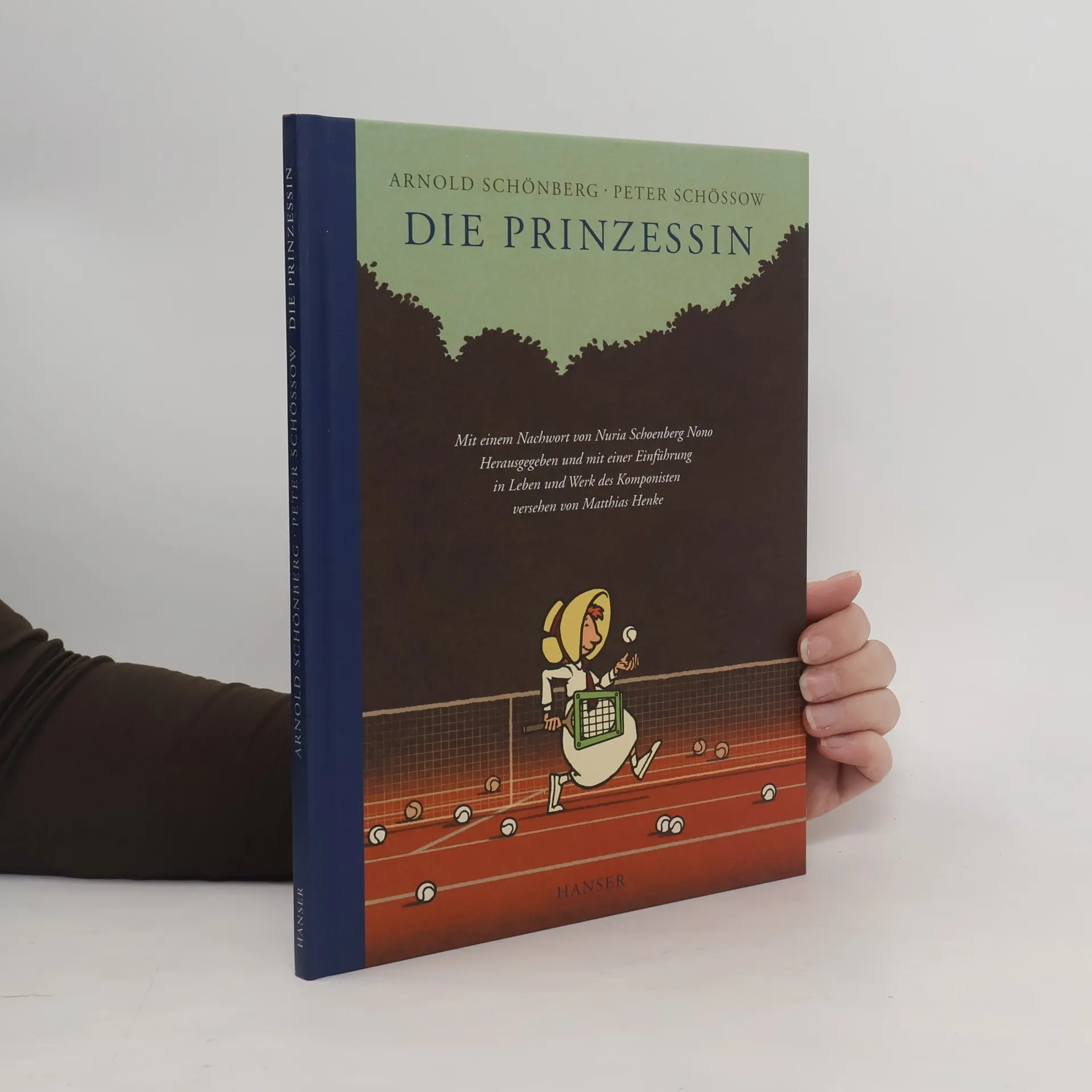
Die Prinzessin
Mit einem Nachwort von Nuria Schoenberg Nono herausgegeben und mit einer Einführung in Leben und Werk des Komponisten versehen von Matthias Henke
- 63pagine
- 3 ore di lettura
Was für ein Schlamassel! Die Prinzessin hat Tennis gespielt und liegt jetzt mit lauter blauen Flecken im Bett. Der trottelige Diener Wolf ist ihr keine Hilfe. Es dauert ewig, bis er eine Wärmflasche findet, was eine Apotheke ist, muss man ihm erst erklären, und zu guter Letzt vergisst er, wo die Prinzessin blaue Flecken hatte... Der Komponist Arnold Schönberg hat seinen Kindern besonders gern Geschichten von einer nörgeligen Prinzessin und ihrem vertrottelten Diener Wolf erzählt. Eine davon ist als Tonaufnahme erhalten und erscheint hier zum ersten Mal - mit herrlich komischen Bildern von Peter Schössow.
Stilʹ i myslʹ
- 528pagine
- 19 ore di lettura
Briefwechsel Arnold Schönberg - Alban Berg
- 1380pagine
- 49 ore di lettura
Über ein Vierteljahrhundert lang haben Arnold Schönberg und sein Schüler Alban Berg korrespondiert. Respektvoll, zuweilen devot der eine, unverstellt, nicht selten fordernd und unbequem der andere. Ihr Verhältnis durchläuft über die Jahre eine dramatische Entwicklung. Neben Einblicken in den innersten Kreis der Wiener Schule bietet der Briefwechsel ein musik- und zeitgeschichtliches Panorama: Vom Wiener Fin de siècle bis zu Schönbergs amerikanischem Exil, von den heroischen Anfängen der Neuen Musik bis zu Modellen der Zwölftonkomposition und groß angelegten, gegensätzlichen Opernprojekten. Thomas Ertelt, geboren 1955, Dissertation über Alban Bergs Oper „Lulu“, Veröffentlichungen zur Wiener Schule und zur Geschichte der Musiktheorie, seit 2002 Direktor des Staatlichen Instituts für Musikforschung, Berlin. Er ist Herausgeber der Gesamtedition.
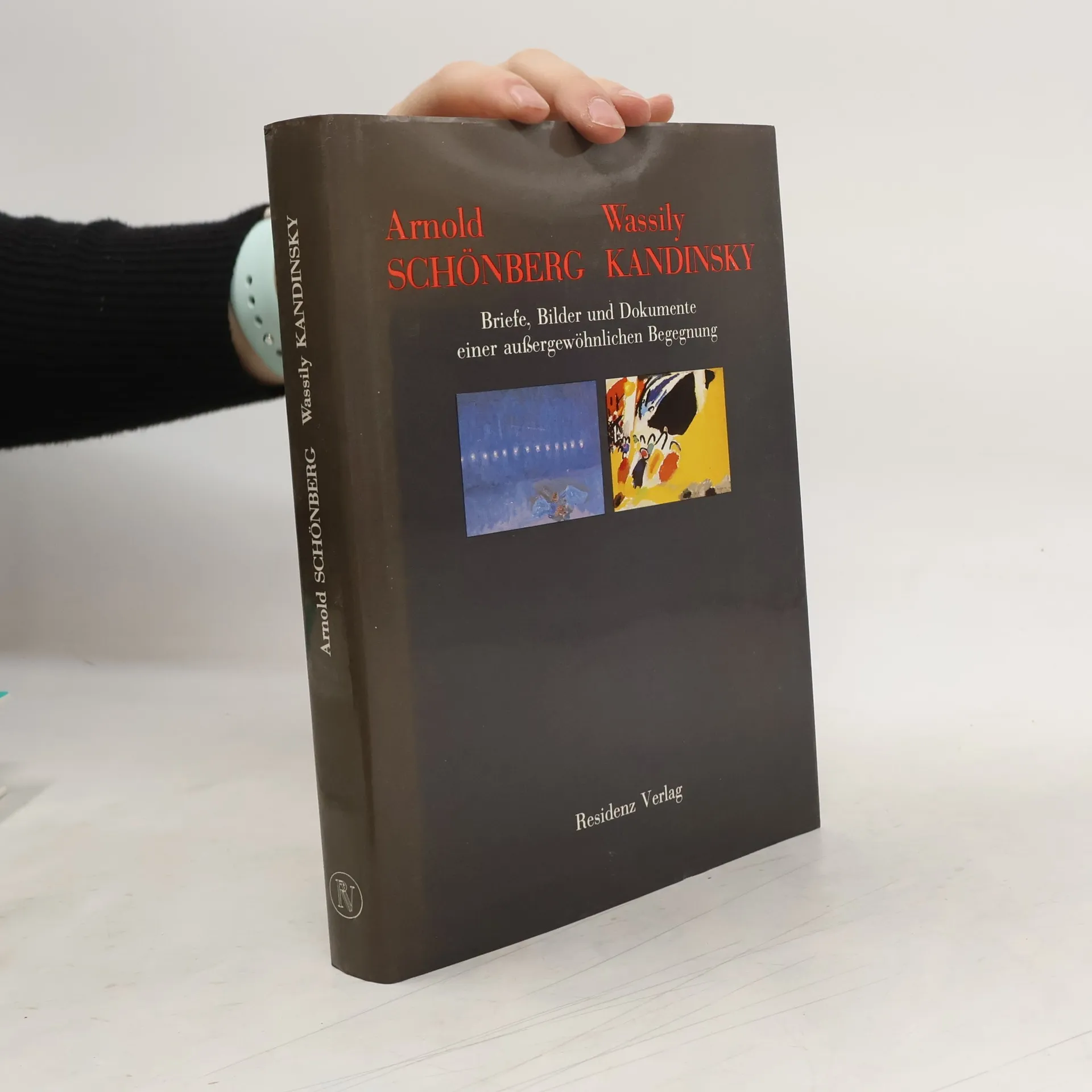
Arnold Schönberg, Wassily Kandinsky
- 278pagine
- 10 ore di lettura
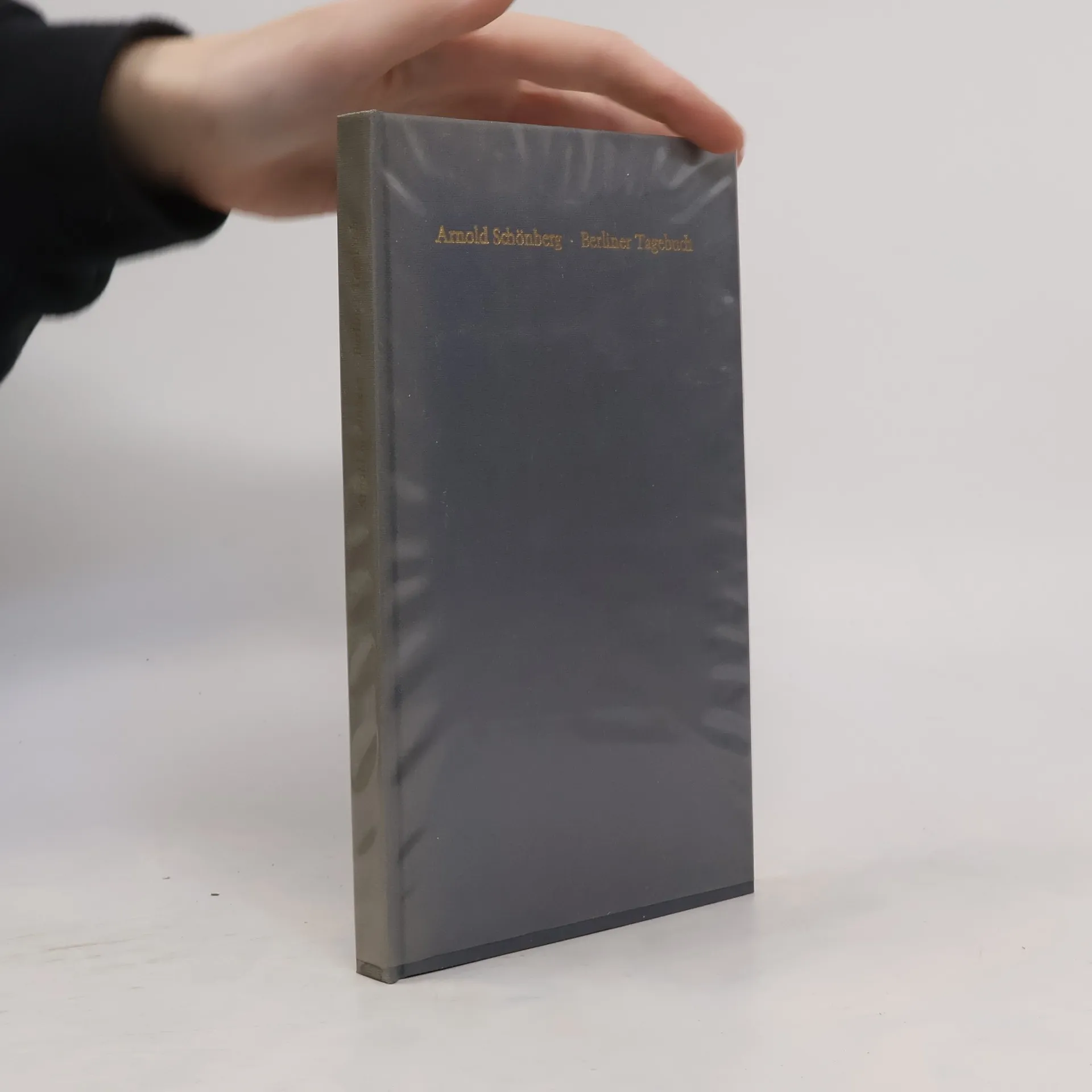
Berliner Tagebuch
- 92pagine
- 4 ore di lettura
Štrukturálne funkcie harmónie
- 214pagine
- 8 ore di lettura
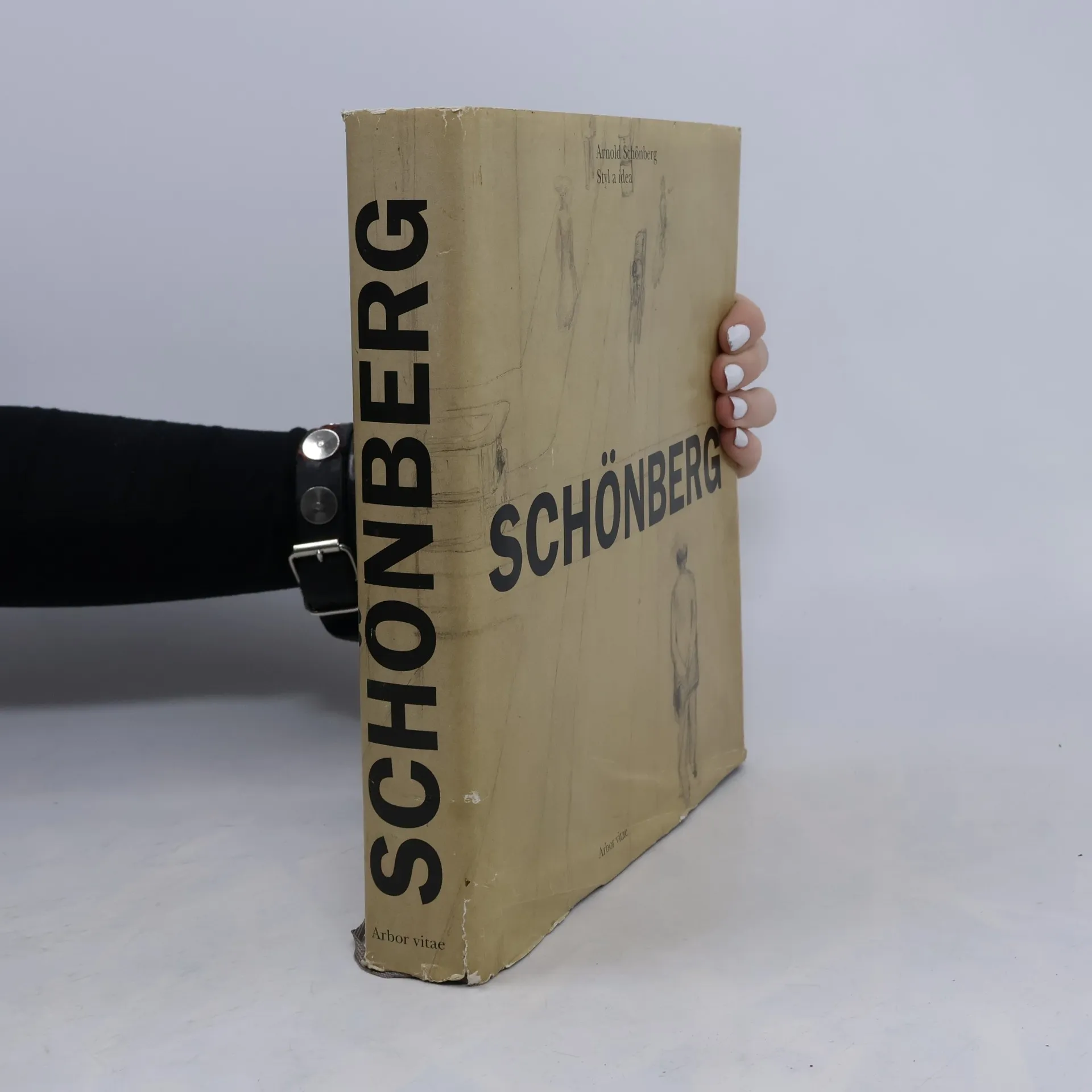
Arnold Schönberg (1874–1951) byl jednou z nejvýznamnějších osobností první poloviny 20. století. Nebyl jen světoznámým hudebním skladatelem, ale i brilantním teoretikem, esejistou a zajímavým malířem. Jádrem knihy je soubor studií a přednášek, které uspořádal sám autor do sborníku Style and Idea, klíčového pramenu k porozumění moderní hudbě. Autor zásadní úvodní studie, editor i překladatel této knihy prof. PhDr. Ivan Vojtěch je mezinárodně uznávaným odborníkem na celý široký okruh schönbergovské problematiky, v rámci výzkumu zpracoval celou jeho rukopisnou pozůstalost, byl i editorem německých a italských vydání. Kniha obsahuje úplnou edici Schönbergových textů, včetně dosud knižně nepublikovaných, zabývajících se architekturou, židovstvím, malířstvím a dalšími tématy. V barevné příloze poprvé v Čechách představujeme Schönbergovo poměrně rozsáhlé malířské dílo doplněné studií Otto M. Urbana. Počet ilustrací a příloh: 231
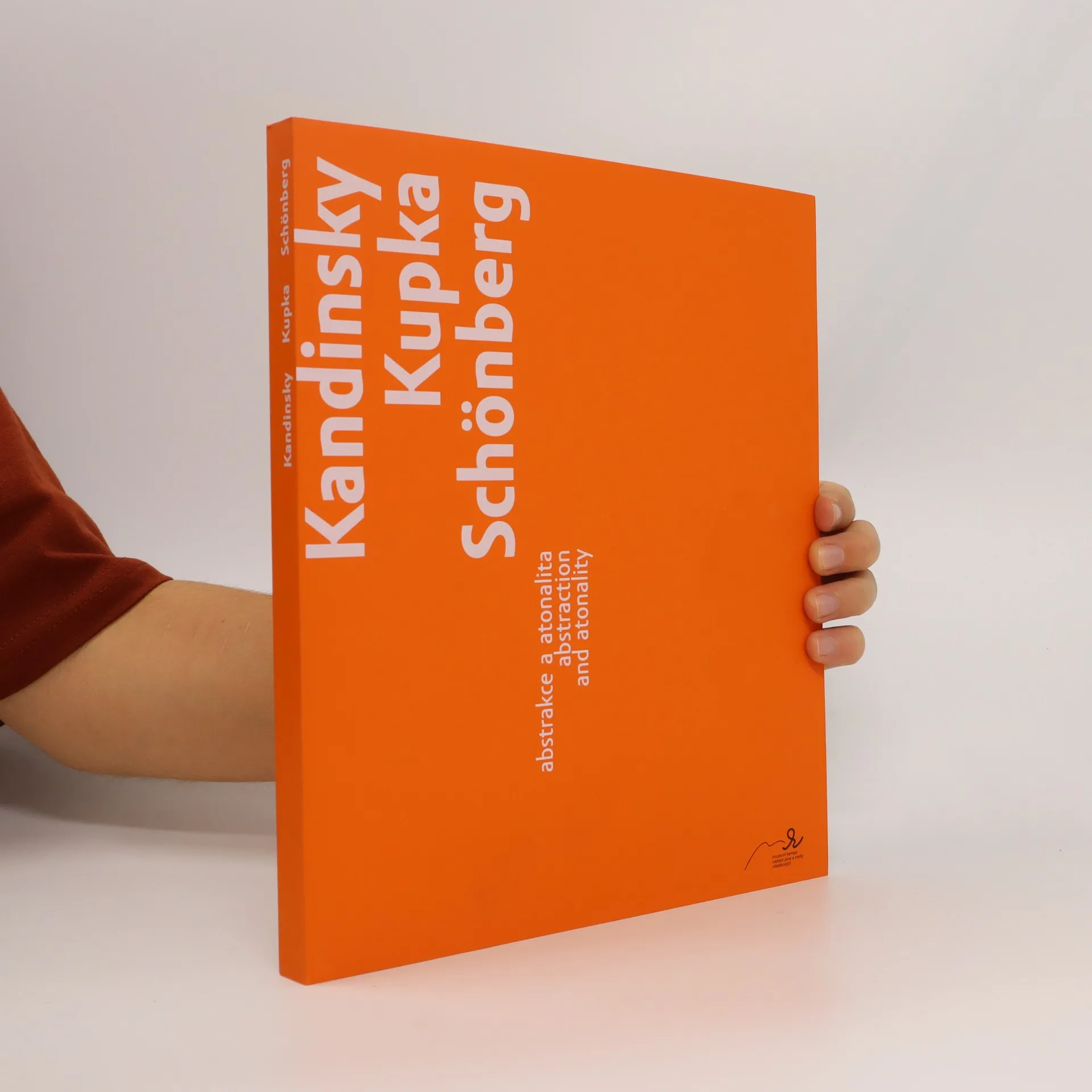
Abstrakce a atonalita
- 176pagine
- 7 ore di lettura
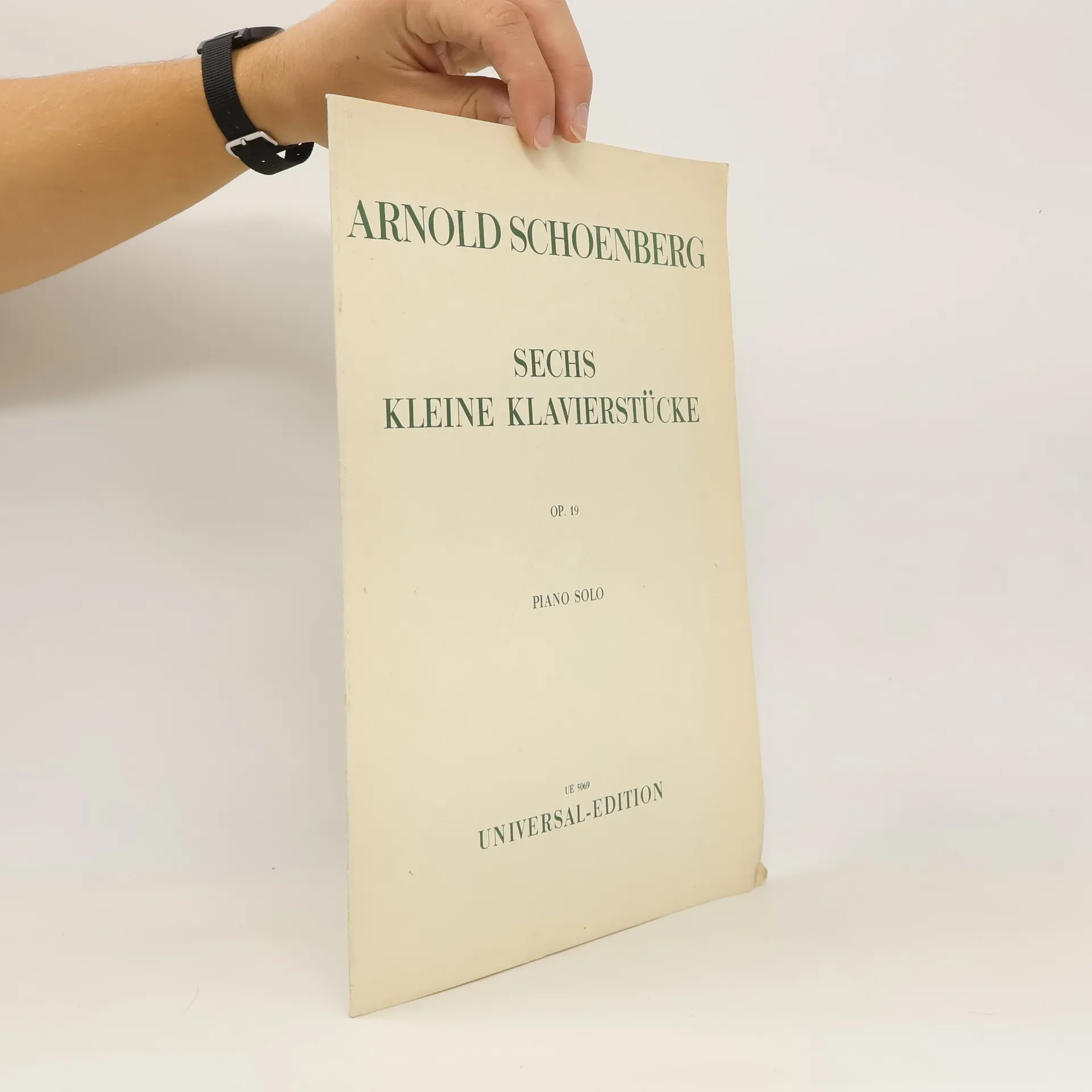
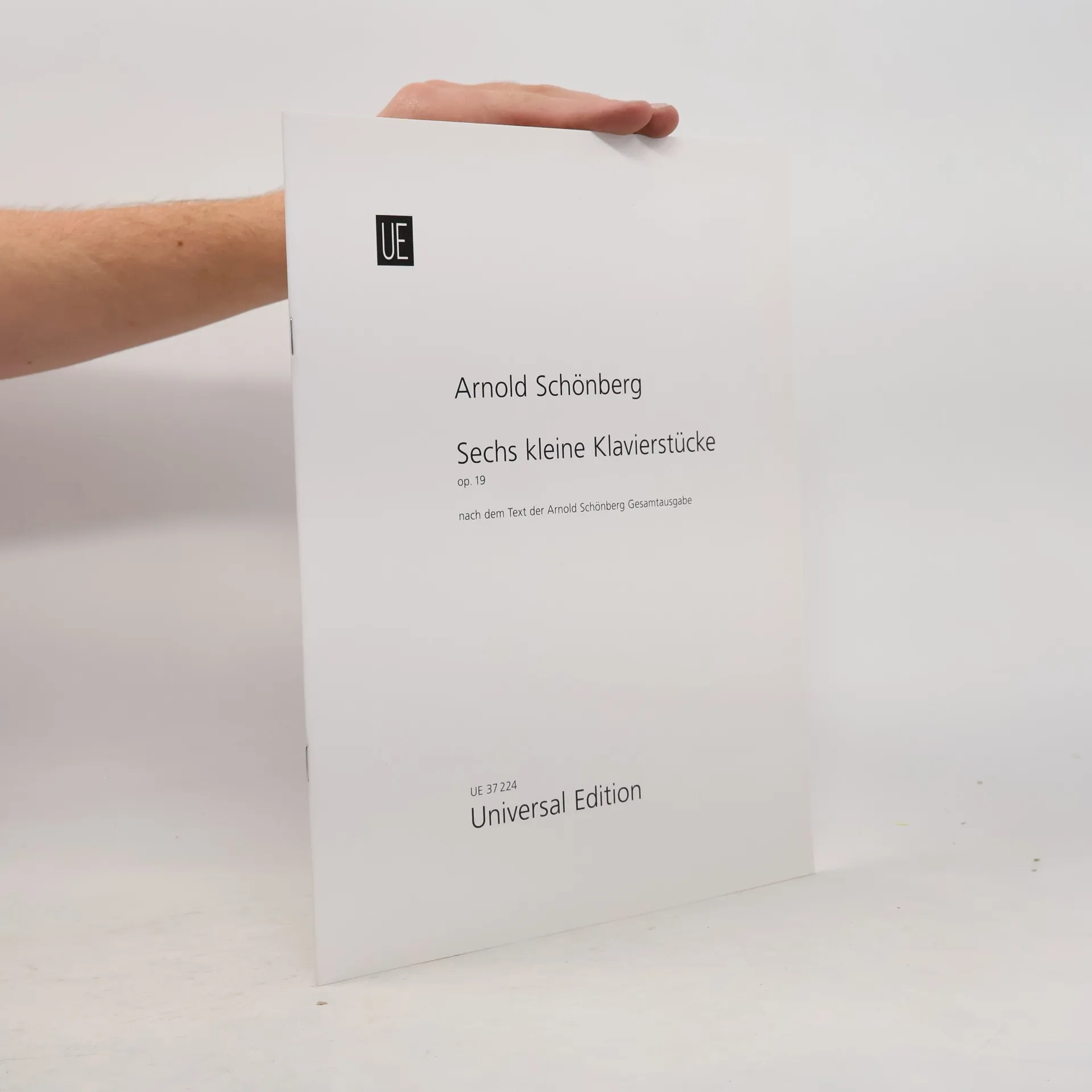
6 kleine Klavierstücke
op. 19. für Klavier.
Inhaltsverzeichnis 1. Leicht, zart · 2. Langsam · 3. Sehr langsam · 4. Rasch, aber leicht · 5. Etwas rasch · 6. Sehr langsam
Dopisy
- 253pagine
- 9 ore di lettura
Výbor z nezvykle bohaté, přes 3000 dopisů obsahující korespondence rakouského skladatele, čelného průkopníka nejmodernějších směrů v hudbě, doplněný přehledem základních dat života a díla. Dopisy jsou z let 1910-1951 a umožňují poznat jak člověka a tvůrce zcela osobité ražby, tak dobu, kterou žil, a především otázky moderní hudby, které řešil a k nimž svými díly a názory dával podnět
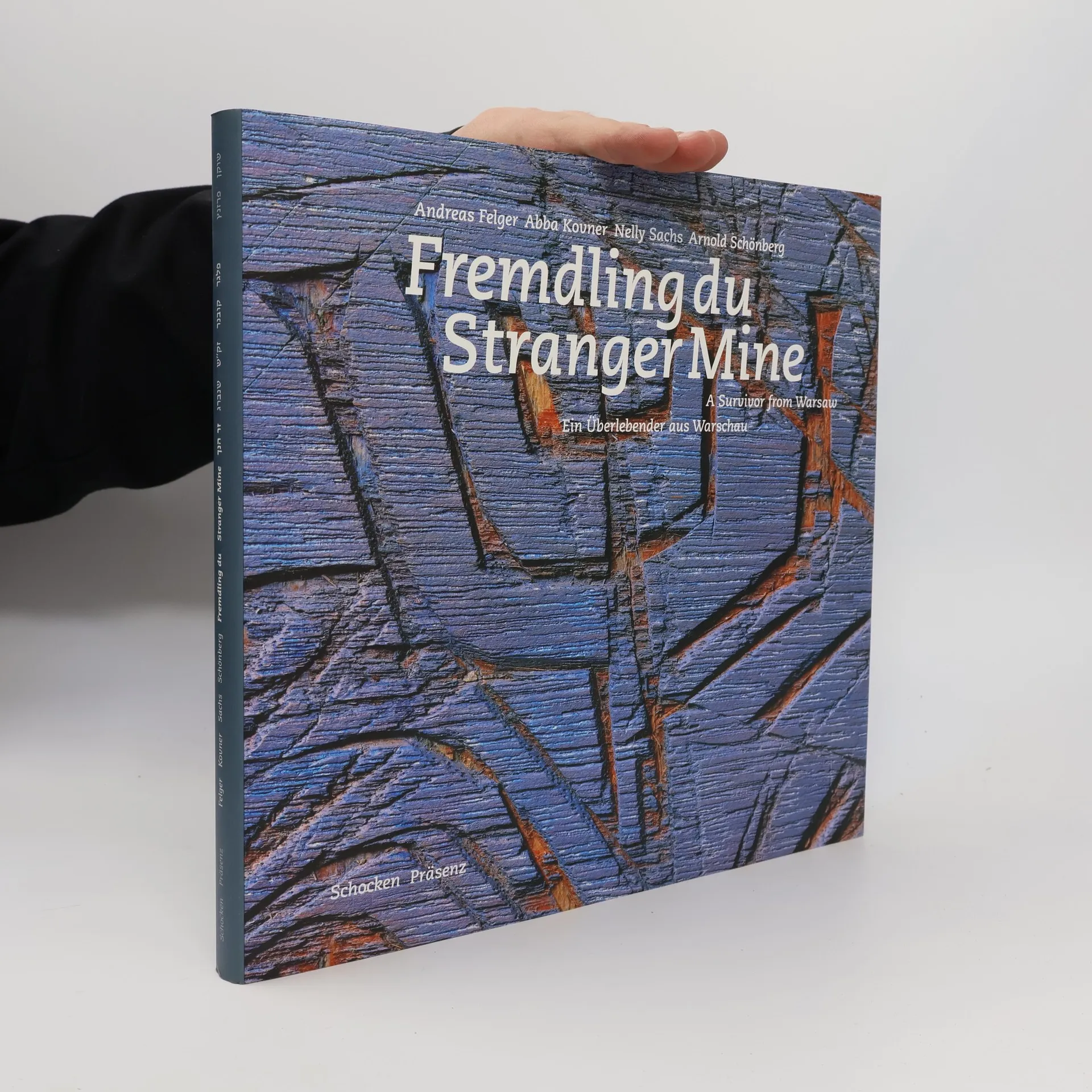
Fremdling du
ein Überlebender aus Warschau: Bilder, Gedichte, Musik = Stranger Mine: A Survivor From Warsaw: Graphic Art, Poems, Music
- 166pagine
- 6 ore di lettura
Die Zukunft Europas und das Judentum
Impulse zu einem gesellschaftlichen Diskurs
- 193pagine
- 7 ore di lettura
Die Geschichte der Juden in Europa ist gekennzeichnet von deren Bemühungen um Gleichberechtigung, von Restriktion und antisemitischer Gewalt, die letztlich in der Shoah mündete. Heute, am Beginn des 21. Jahrhunderts, blicken viele Juden in Europa angesichts wachsender Terrorgefahr und steigendem Antisemitismus wieder skeptisch in die Zukunft. Das vorliegende Buch ist ein Versuch, die Vision Theodor Herzls aufzugreifen und angesichts des gesellschaftlichen Umbruchs in Europa einen Blick in die Zukunft zu tun. Was bedeutet jüdisches Leben im Europa der Zukunft? Welche Auswirkungen haben Migration und Wandel der religiösen Verhältnisse in Europa? Müssen Juden heute in Europa wieder auf „gepacktem Koffer sitzen“? Namhafte Persönlichkeiten haben dazu ihre Gedanken, Analysen und Perspektiven beigesteuert: Shlomo Avineri, Wolfgang Benz, Rabbiner Schlomo Hofmeister und Imam Ramazan Demir, Charlotte Knobloch, Bundesminister Sebastian Kurz, Botschafter Ronald S. Lauder, Karl Fürst Schwarzenberg, Bassam Tibi, Ingo Zechner und andere.
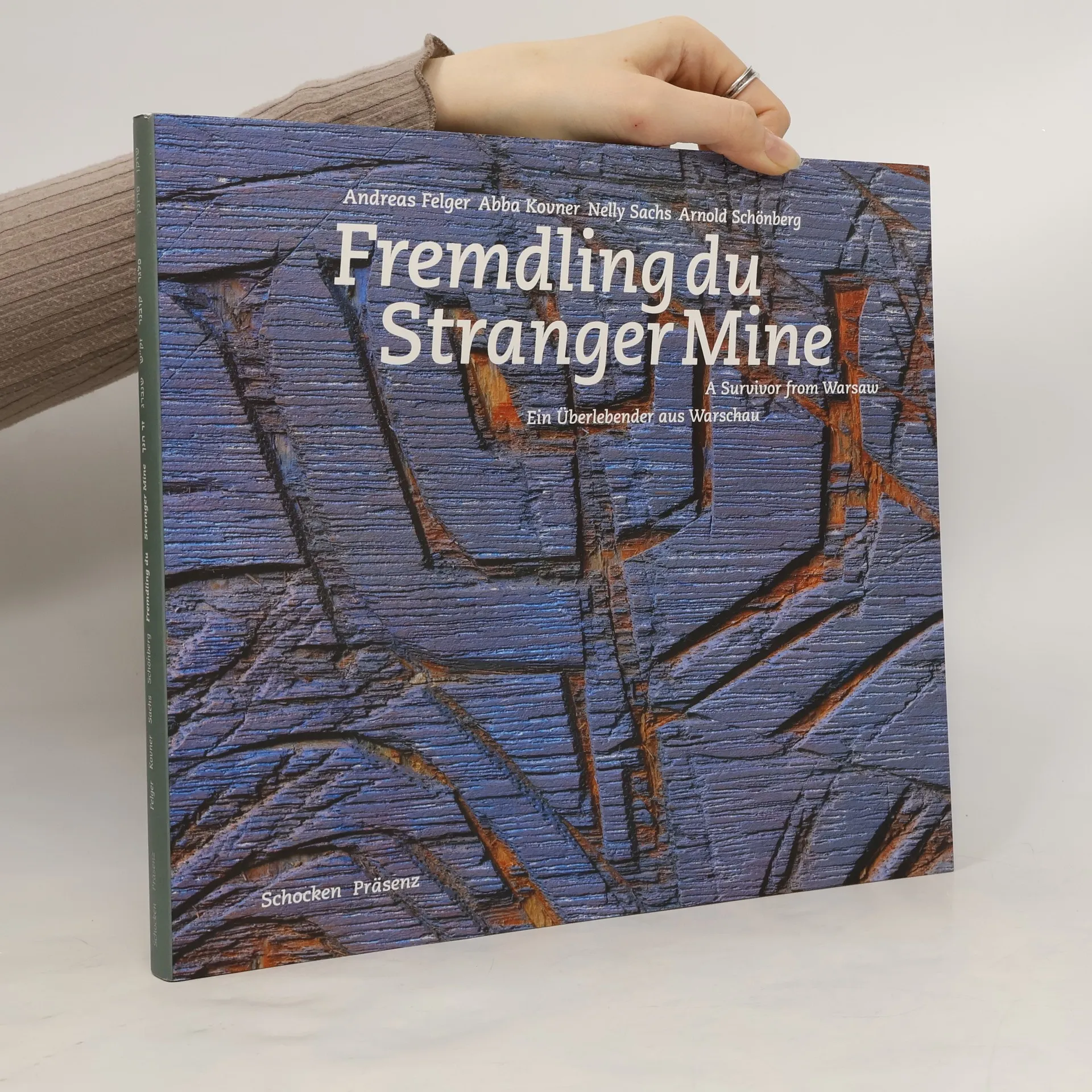
Fremdling du: Ein Überlebender aus Warschau; Bilder, Gedichte, Musik
- 172pagine
- 7 ore di lettura