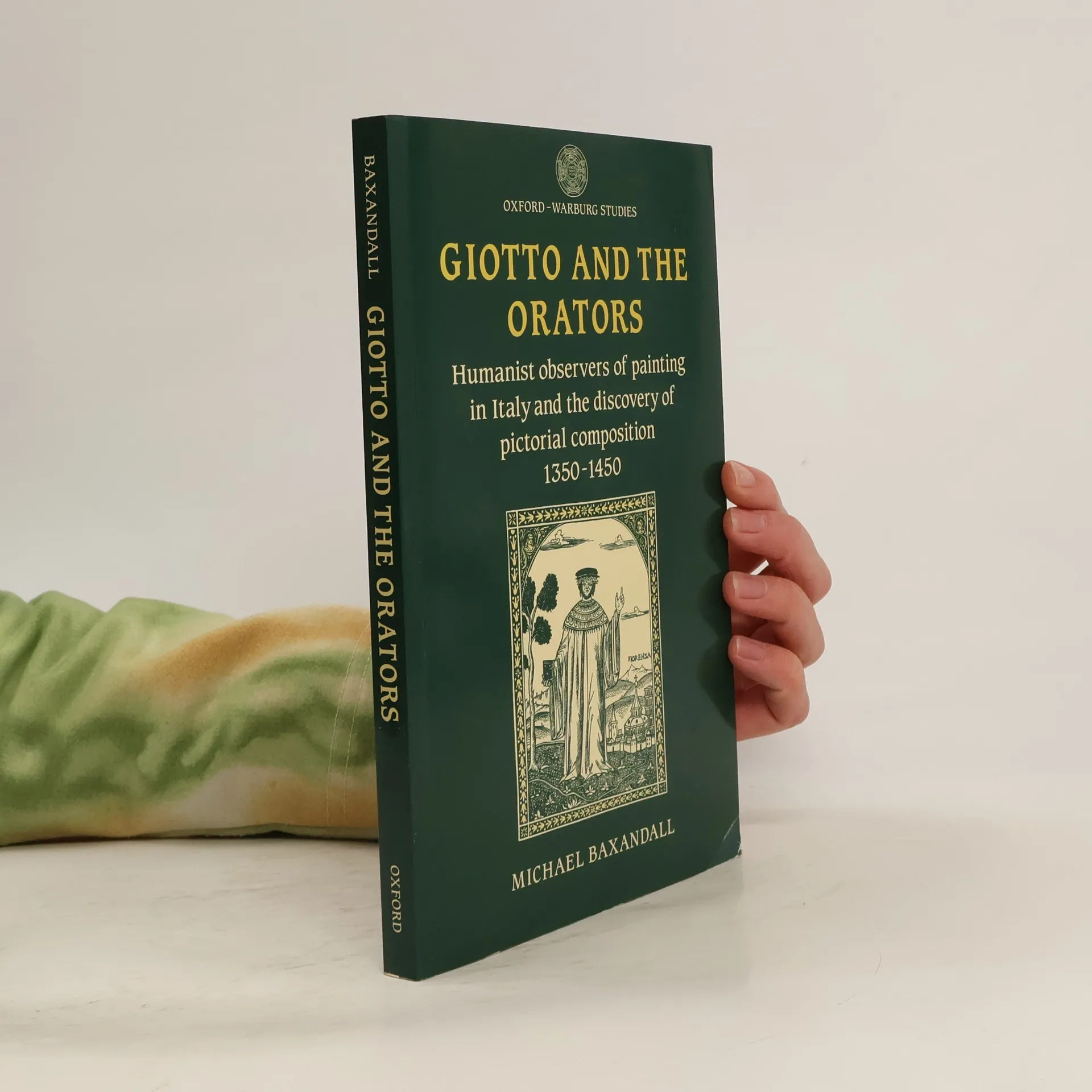
This highly acclaimed volume examines the one firm bridge between the art of the humanists and the painters of the early Italian Renaissance: what Petrarch and other humanists wrote about painting. Baxandall surveys the main themes of their art criticism and describes how their language conditioned their insights into painting.
Michael Baxandall Libri
18 agosto 1933 – 12 agosto 2008
Uno storico dell'arte che sviluppò la teoria dell'occhio d'epoca ('period eye'). Ha lavorato come curatore al Victoria and Albert Museum di Londra e ha insegnato al Warburg Institute e all'Università della California. Il suo lavoro ha esplorato come gli spettatori in diversi periodi storici percepivano l'arte visiva, offrendo spunti sulla natura in evoluzione della ricezione estetica.



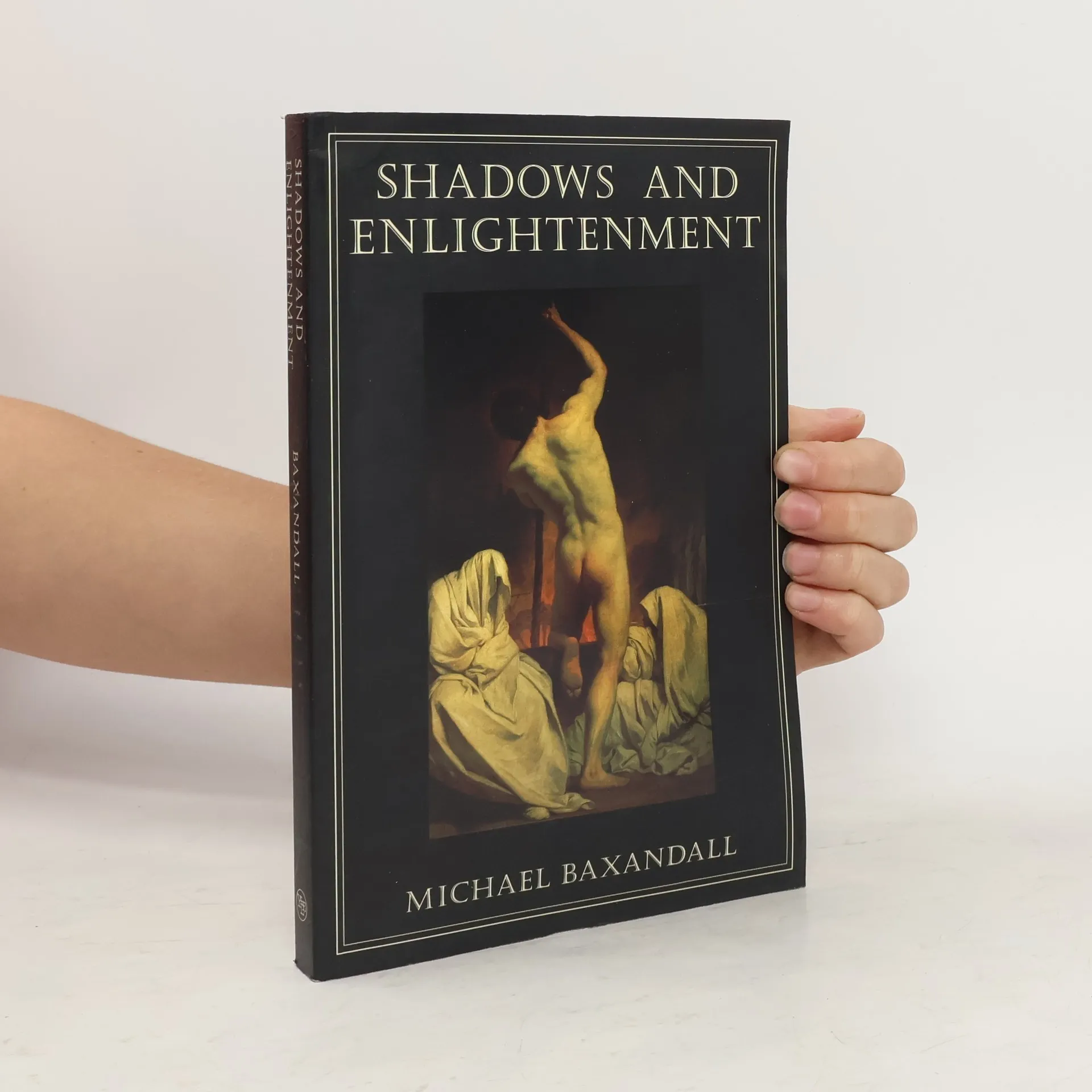
Shadows and Enlightenment
- 224pagine
- 8 ore di lettura
In this book, an eminent art historian draws on contemporary cognitive science, eighteenth-century theories of visual perception, and art history to discuss shadows and the visual knowledge they can offer.
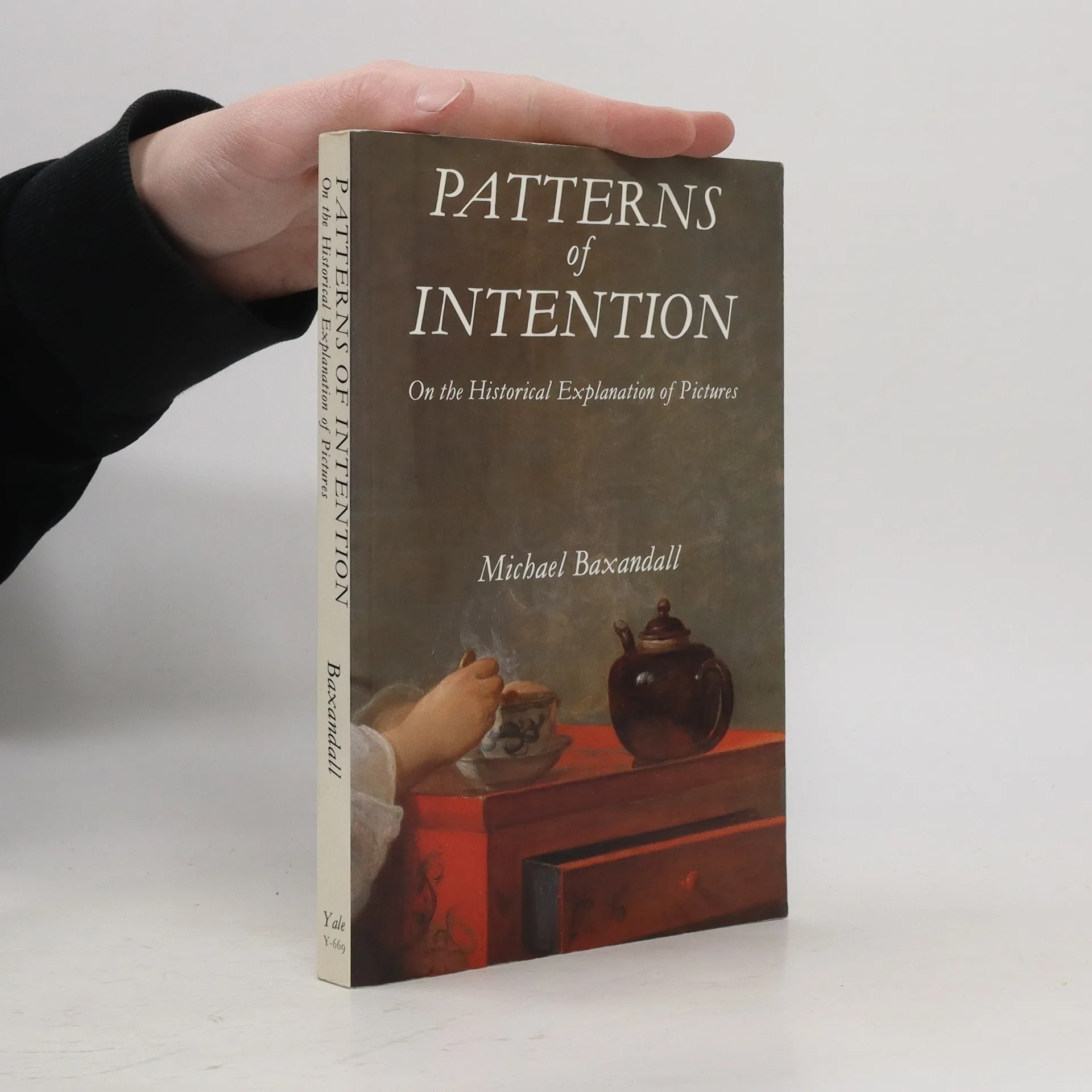
Patterns of Intention
- 180pagine
- 7 ore di lettura
Defines and explains various concepts regarding the painter's intentions in order to provide a basis for understanding of a work of art
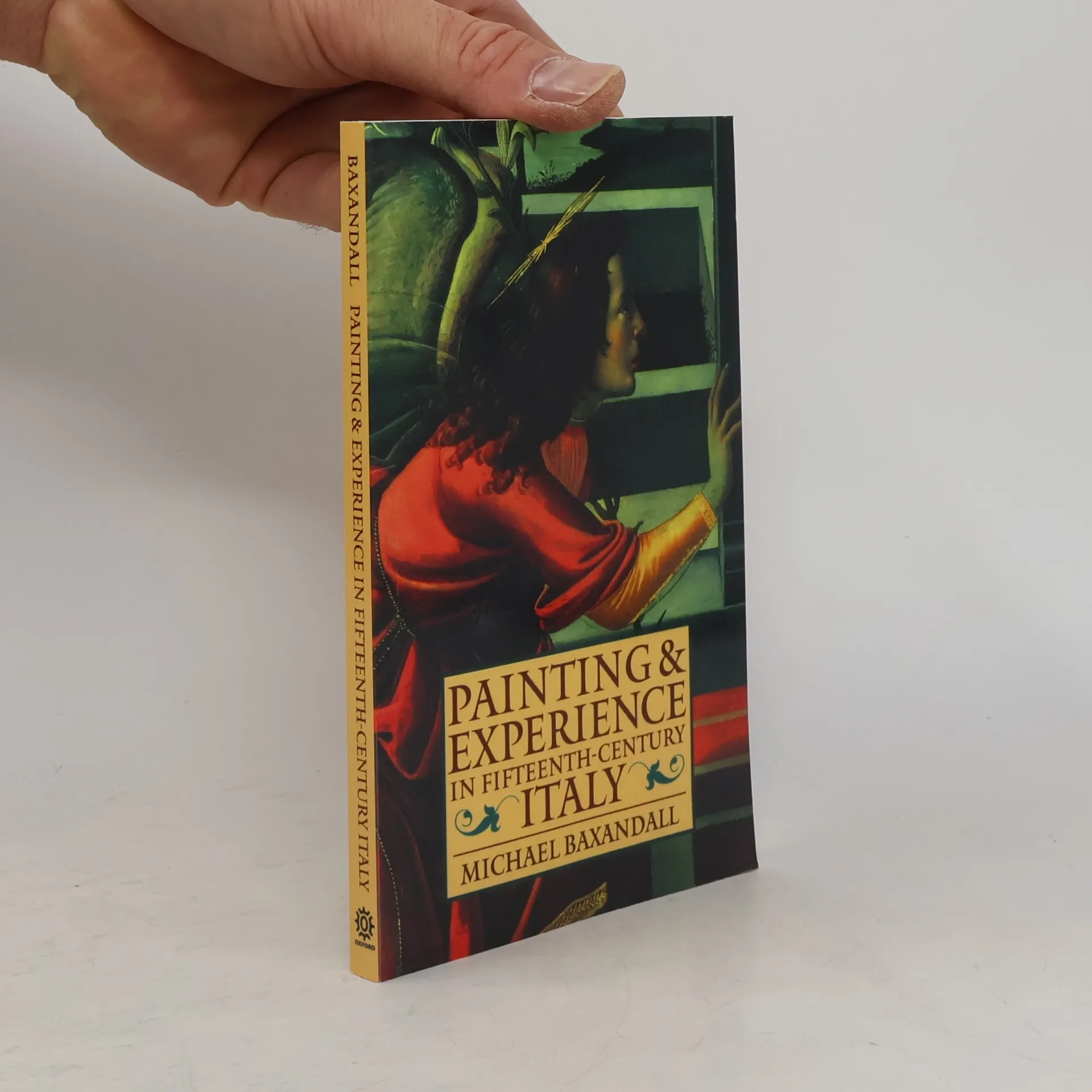
An introduction to 15th century Italian painting and the social history behind it, arguing that the two are interlinked and that the conditions of the time helped fashion distinctive elements in the painter's style.
Inteligence obrazu a jazyk dějin umění – Výbor z textů
- 240pagine
- 9 ore di lettura
Výbor z textů významného britského historika umění, specialisty na italské renesanční umění. Úvodní studie Mileny Bartlové zkoumá přínos Michaela Baxandalla k euroamerickým dějinám umění i jeho oborovou recepci v České republice.
Löcher im Licht
- 208pagine
- 8 ore di lettura
Stíny jsou mezery ve světle, které hrají záhadnou roli v našem vizuálním vnímání světa. V této knize se historik umění Michael Baxandall zabývá stíny a vizuálním poznáním, které nám přinášejí, přičemž čerpá z kognitivní vědy, teorií vizuálního vnímání osmnáctého století a dějin umění. Autor popisuje fyzikální podstatu a různé druhy stínů a nastiňuje debatu o jejich úloze ve vnímání tvaru, která probíhala v osmnáctém století. Dále přehledně shrnuje moderní výzkum kognitivních vědců a odborníků na strojové vidění, přičemž ukazuje, jak se názory liší na to, jak stíny ovlivňují vnímání tvaru. Baxandall se také věnuje opomíjené epizodě teorie stínu a pozorováním francouzských vědců a umělců z poloviny osmnáctého století. Nakonec analyzuje Chardinův obraz Kreslíř, kde je malba stínu jak prostředkem, tak tématem, a uvádí do vzájemných vztahů různé světy stínů. Kniha obsahuje dodatek o stínovém systému Leonarda da Vinci, který měl významný vliv na myšlení o stínech po pět století.
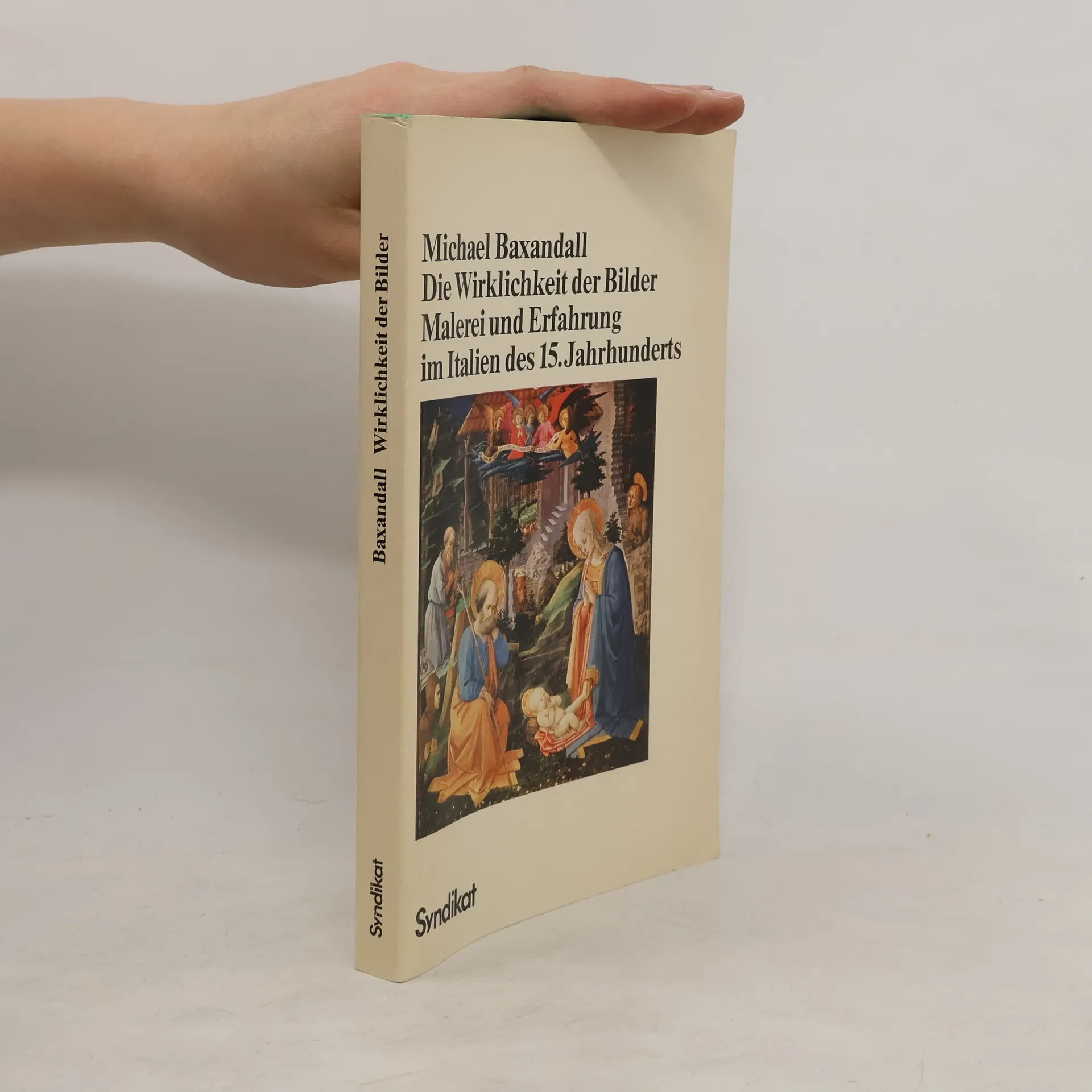
Die Wirklichkeit der Bilder
Malerei und Erfahrung im Italien des 15. Jahrhunderts.
- 195pagine
- 7 ore di lettura
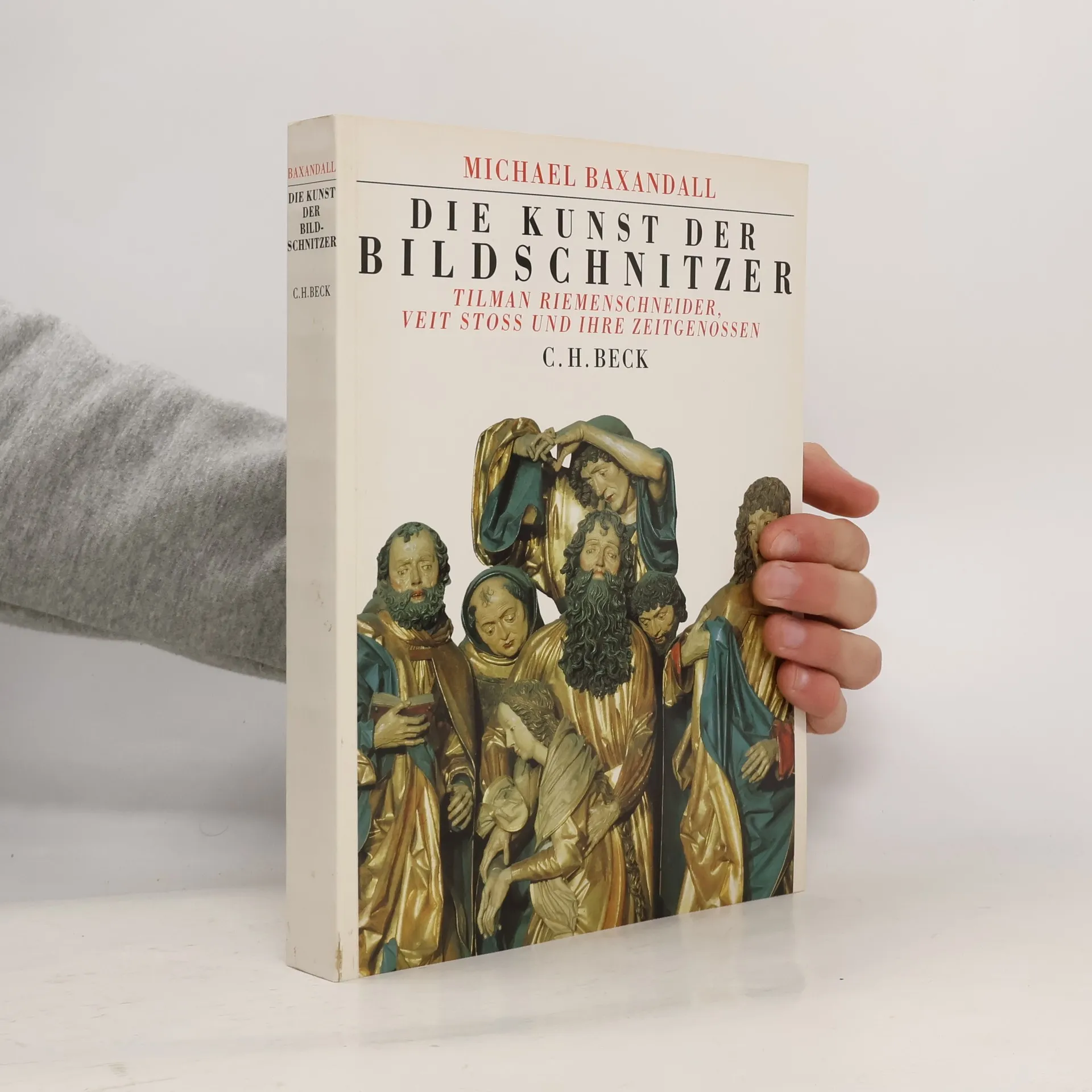
Die Kunst der Bildschnitzer. Tilman Riemenschneider, Veit Stoß und ihre Zeitgenossen
- 404pagine
- 15 ore di lettura
Die deutsche Bildschnitzerei, besonders im süddeutschen Raum, nutzt Lindenholz und zeigt sich in beeindruckenden Schnitzaltären. Das Buch von Baxandall bietet Einblicke in die Entstehungsbedingungen dieser Kunstwerke und präsentiert die Werke großer Meister wie Tilman Riemenschneider und Veit Stoß mit reicher Bebilderung.
Ursachen der Bilder
- 203pagine
- 8 ore di lettura
Die großen Schnitzwerke von Tilman Riemenschneider und Veit Stoß, von Multscher, Erhard, Pacher und Leinberger zählen zu den Höhepunkten der deutschen Kunst. Sie gelten nicht nur als überragende Kunstleistungen. Wie kaum eine andere Kunstgattung spiegeln sie auch die deutsche Kultur- und Sozialgeschichte an der Wende vom 15. zum 16. Jahrhundert. Michael Baxandall erhielt für dieses Buch den Mitchell-Preis, die wohl begehrteste Auszeichnung auf dem Gebiet des Kunstbuchs.
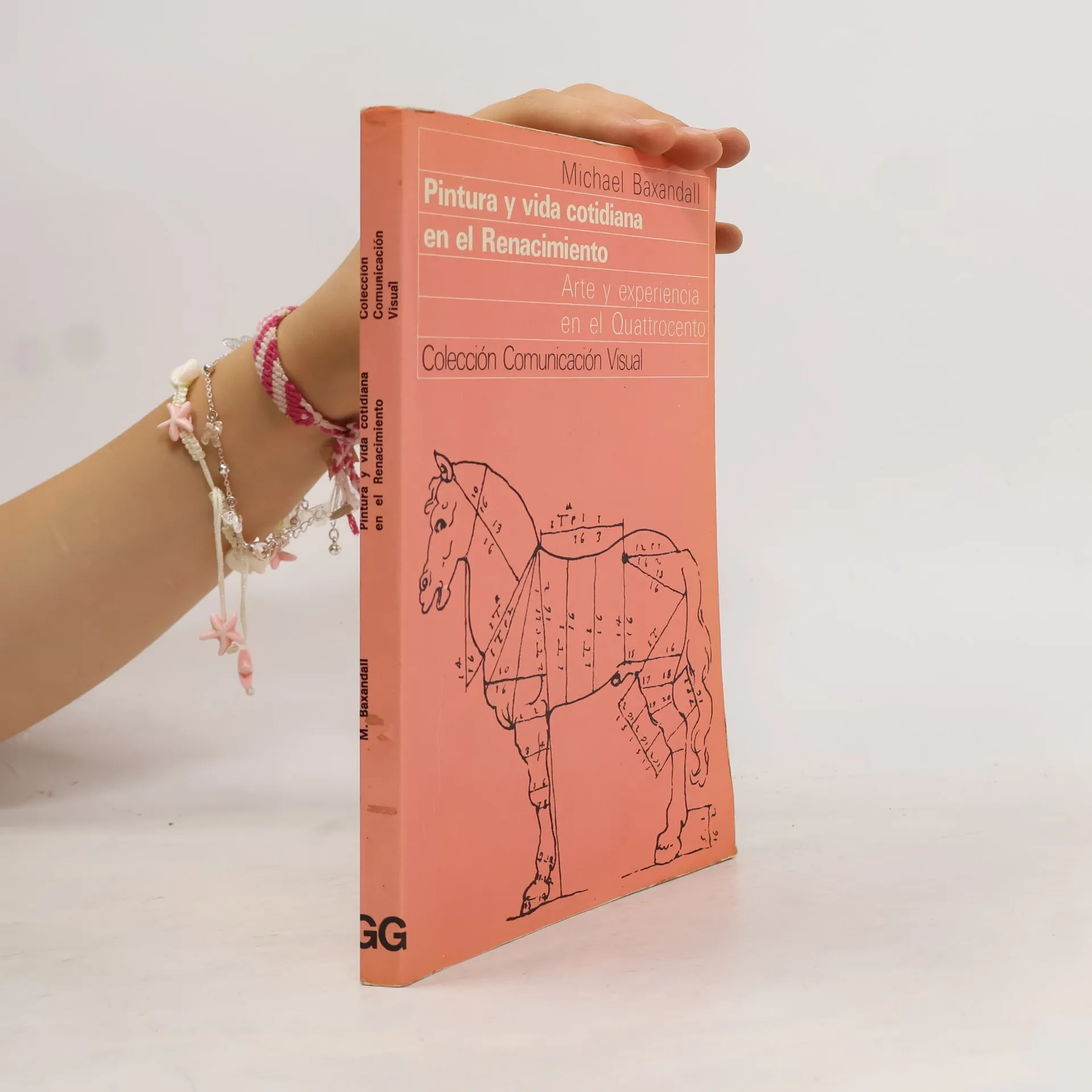
Colección Comunicación Visual: Pintura y vida cotidiana en el Renacimiento
Arte y experiencia en el Quattrocento
- 201pagine
- 8 ore di lettura