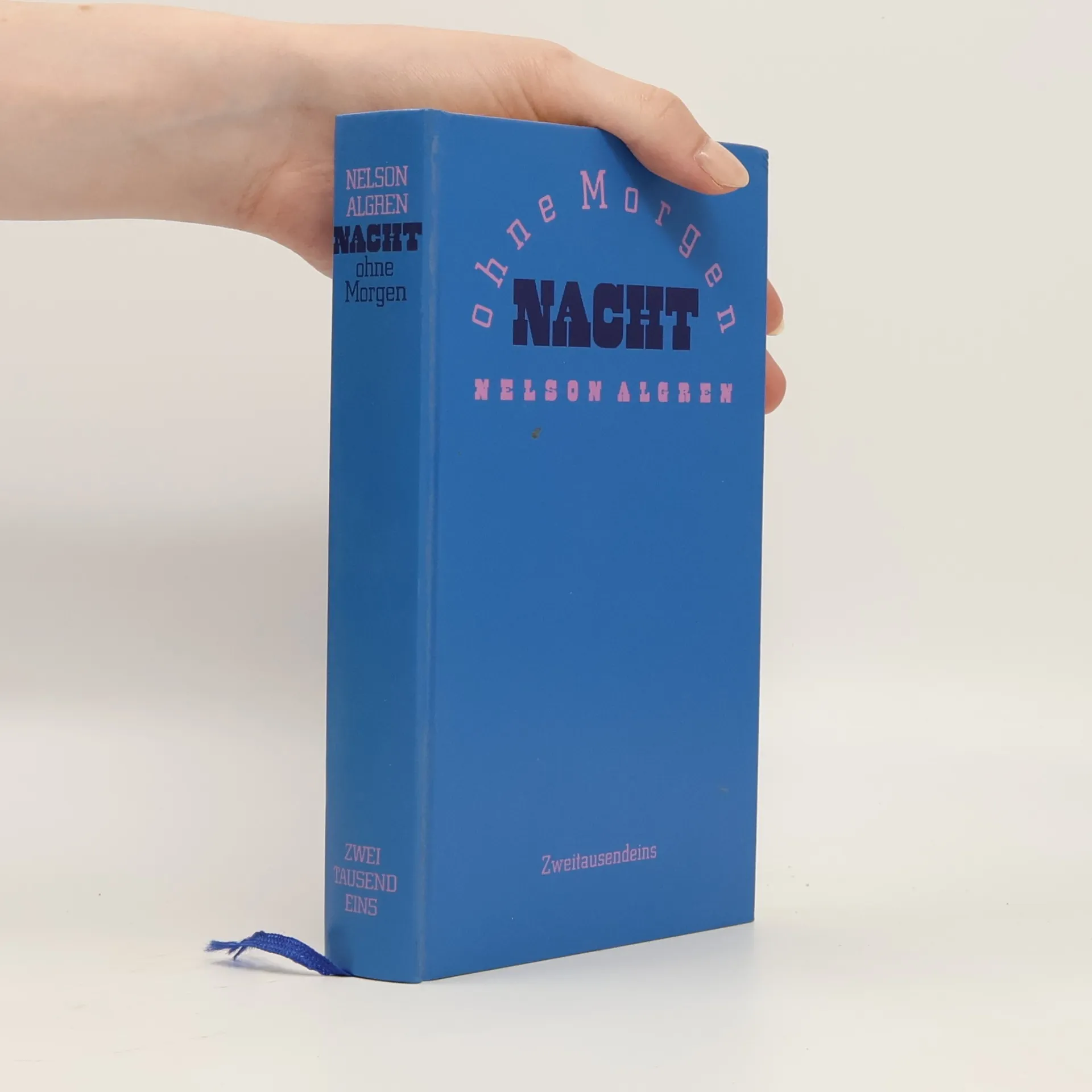
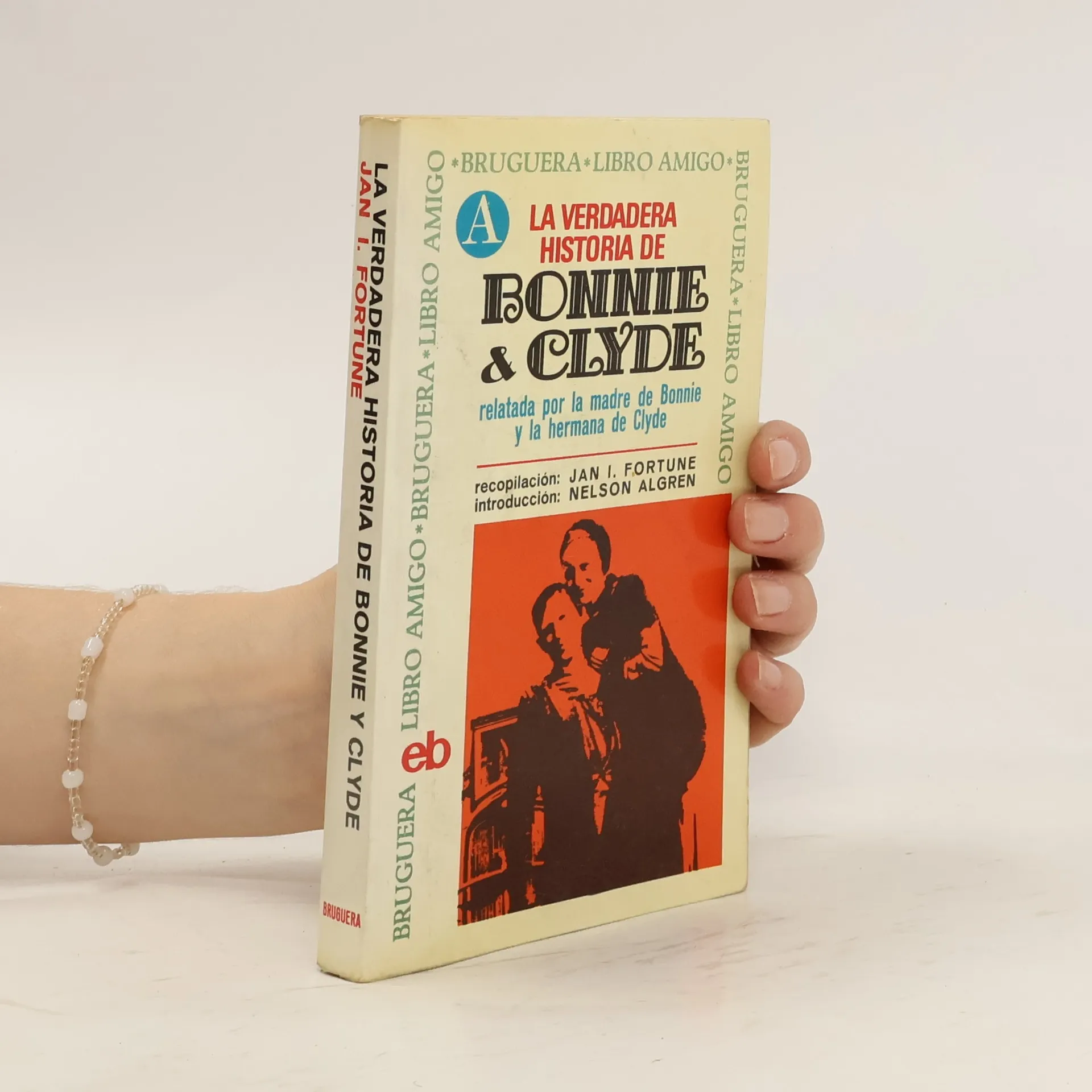
Nelson Algren Libri
Nelson Algren ha raccontato appassionatamente le vite degli emarginati della società, in particolare nel duro paesaggio urbano della povertà. Il suo stile, caratterizzato da un cupo naturalismo, rivela in modo incisivo le difficoltà delle anime perdute. Cattura le loro lotte con sprazzi di poesia malinconica, mettendo a nudo la loro condizione e registrando la spavalderia del loro linguaggio colloquiale. La voce di Algren parla per gli oppressi e i dimenticati, rendendo le sue opere potenti commenti sociali.



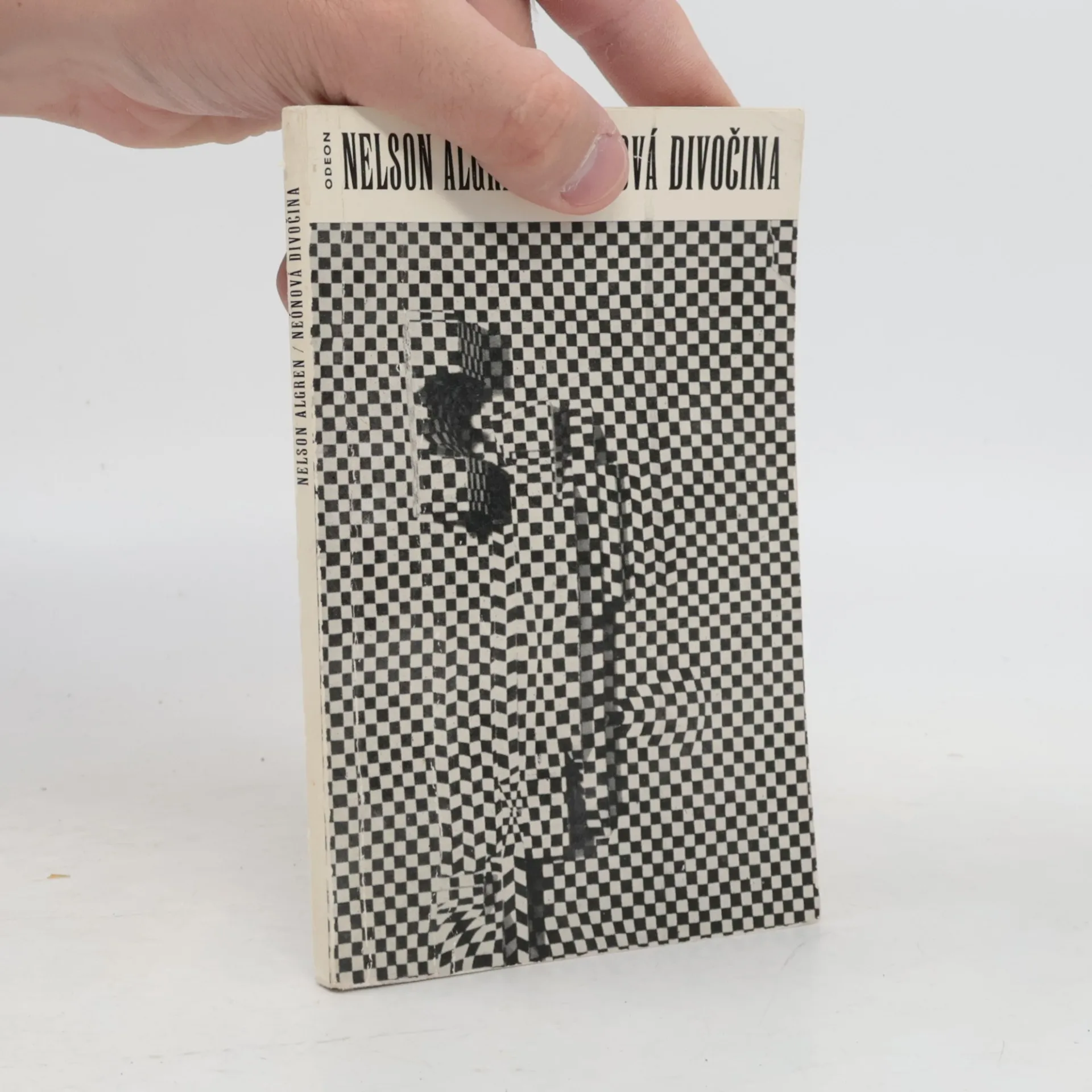
The Neon Wilderness
- 320pagine
- 12 ore di lettura
The stories in The Neon Wilderness established Algren in the pantheon of American writers and formed the vein that he mined for all his subsequent novels and stories. Included are "A Bottle of Milk for Mother," about a youth being cornered for a murder, "The Face on the Barroom Floor," in which a legless man nearly pummels someone to death, and "So Help Me," Algren's first published story. "Algren's short stories are now generally acknowledged to be literary triumphs." — The New York Times
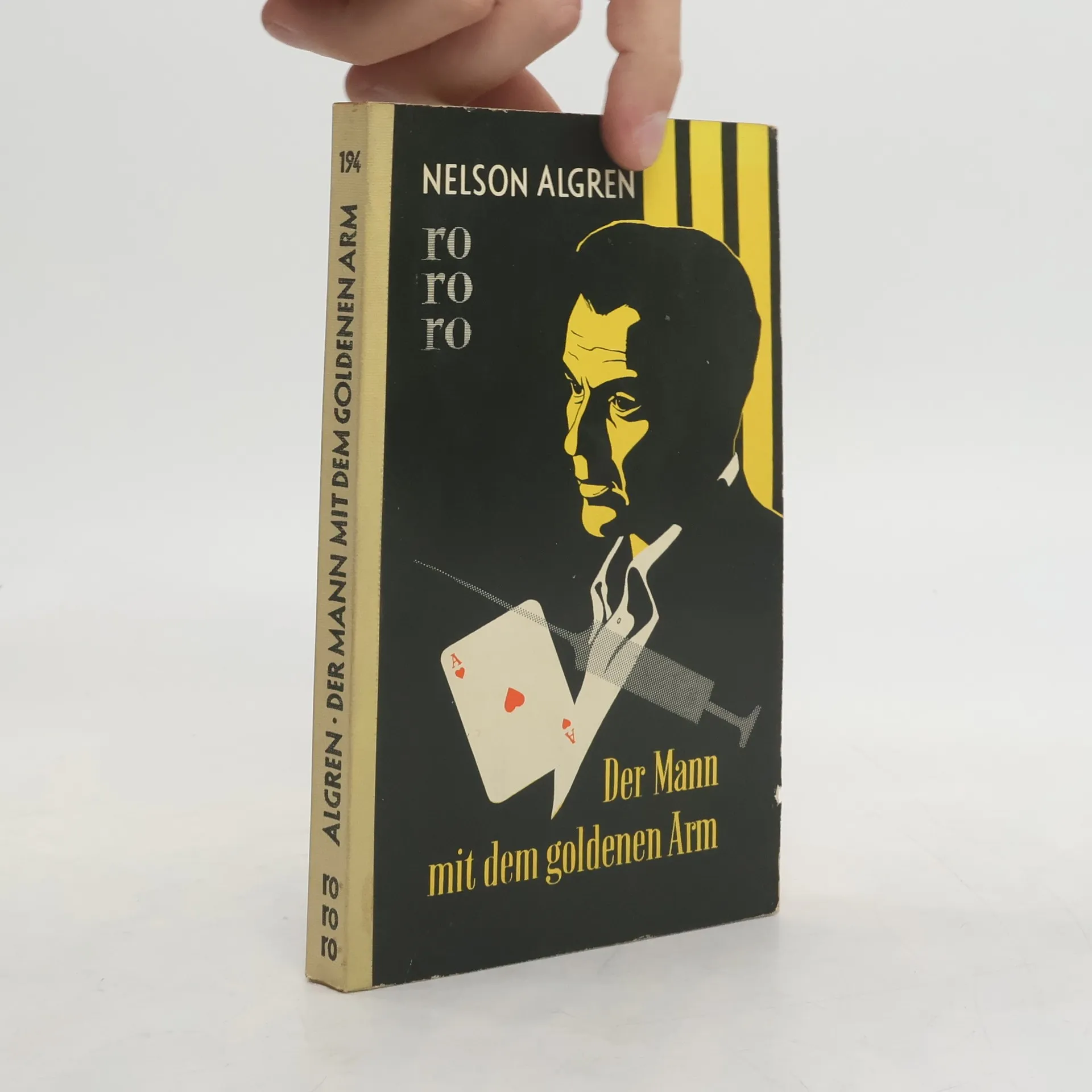
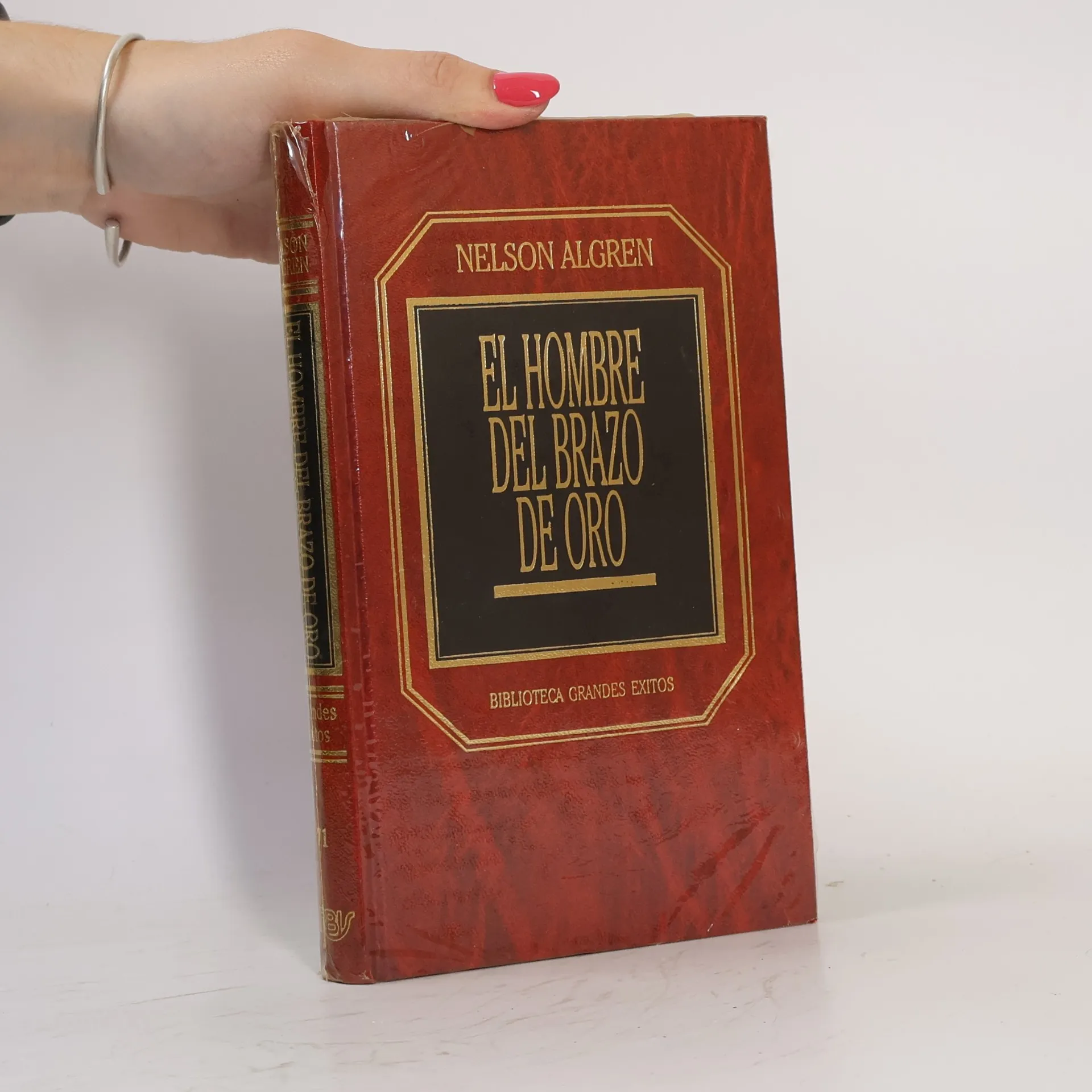
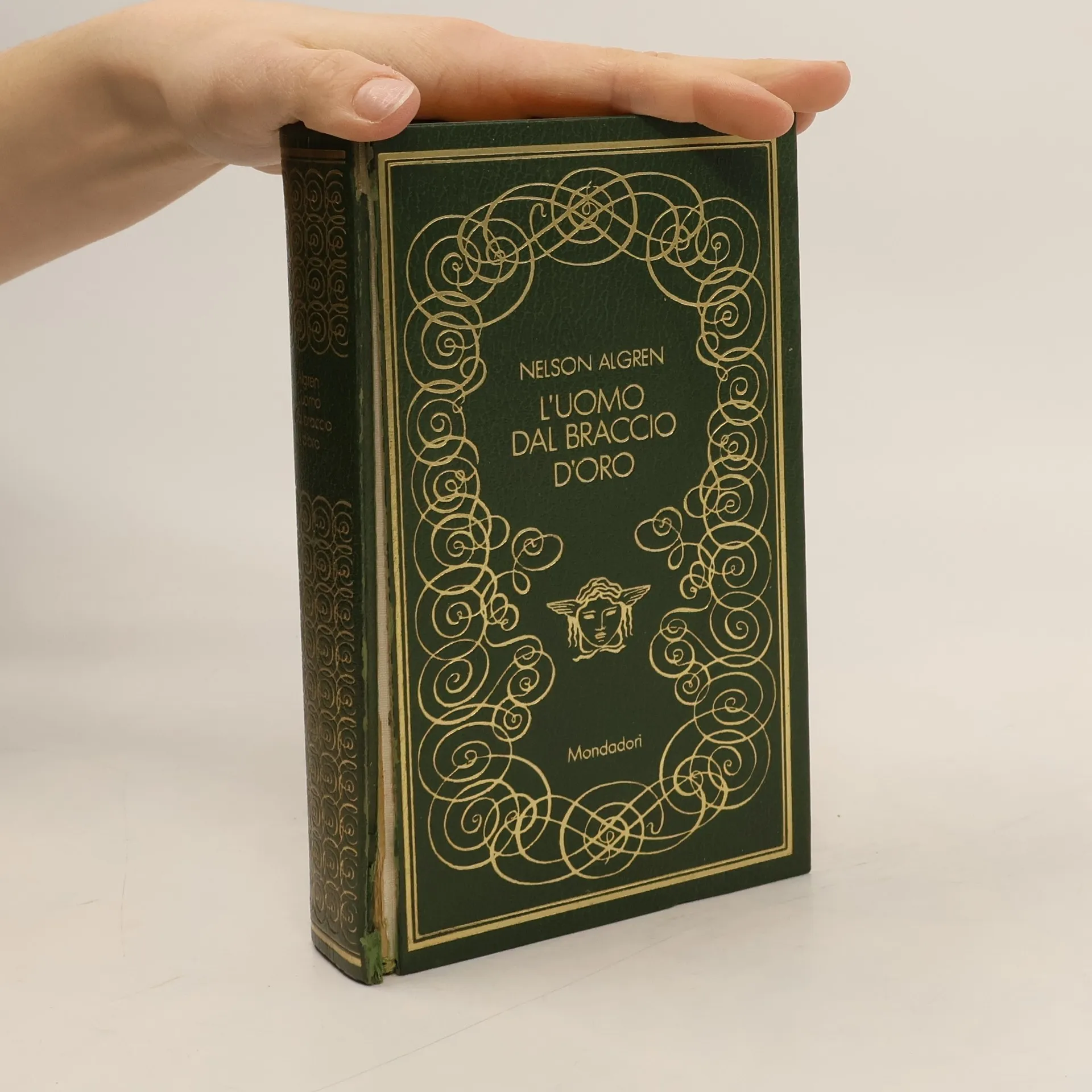
A novel of rare genius, The Man with the Golden Arm describes the dissolution of a card-dealing WWII veteran named Frankie Machine, caught in the act of slowly cutting his own heart into wafer-thin slices. For Frankie, a murder committed may be the least of his problems. The literary critic Malcolm Cowley called The Man with the Golden Arm “Algren’s defense of the individual,” while Carl Sandburg wrote of its “strange midnight dignity.” A literary tour de force, here is a novel unlike any other, one in which drug addiction, poverty, and human failure somehow suggest a defense of human dignity and a reason for hope. Seven Stories Press separately publishes the critical edition of The Man with the Golden Arm, the first critical edition of an Algren work, featuring an extra 100+ pages of insightful essays by Russell Banks, Bettina Drew, James R. Giles, Carlo Rotella, William Savage, Lee Stringer, Studs Terkel, Kurt Vonnegut, and others.
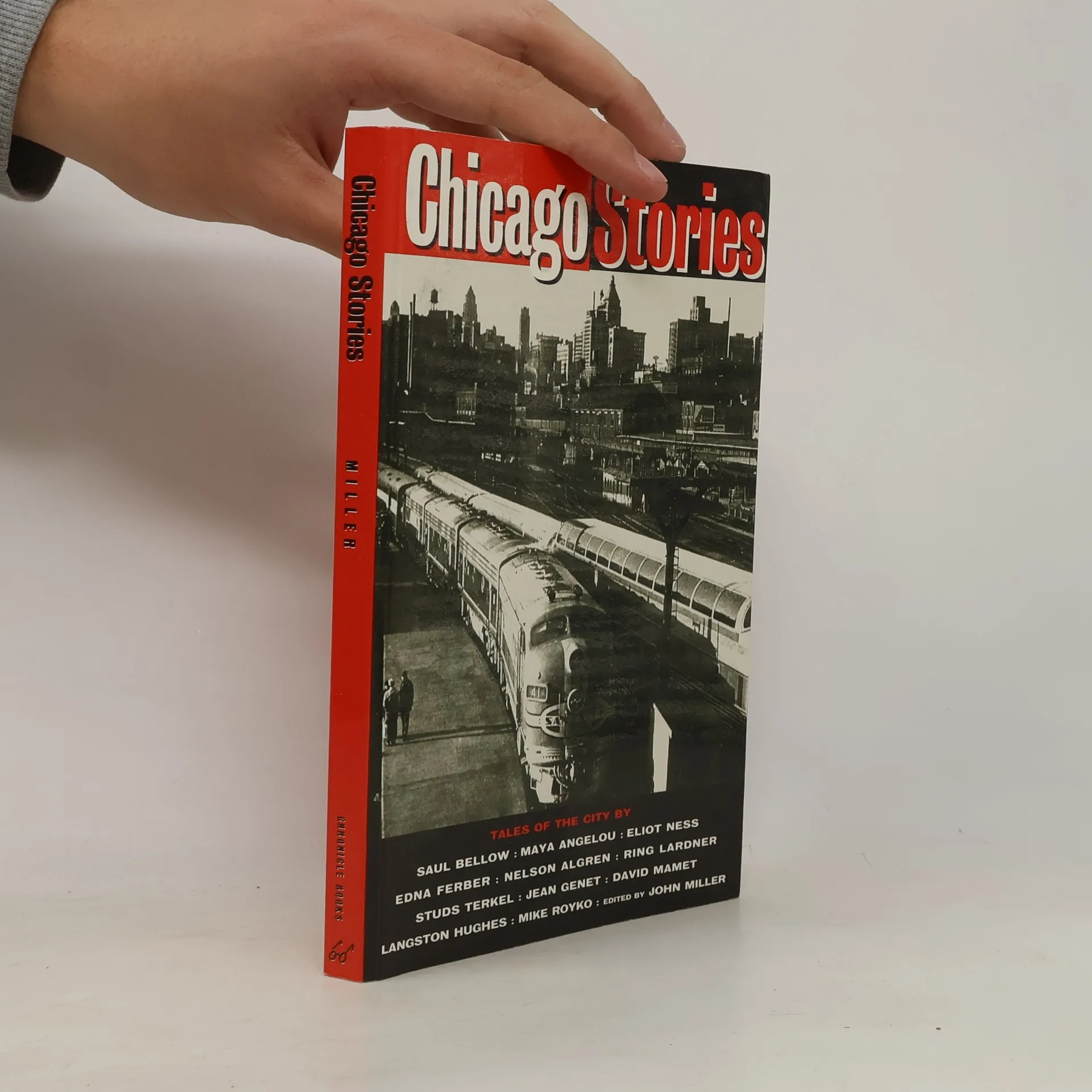
Chicago Stories
- 256pagine
- 9 ore di lettura
Hometown and host to talents as diverse as Richard Wright, David Mamet, Maya Angelou, Saul Bellow, and Mike Royko, Chicago boasts a rich tradition of writers who have helped shape our sense of the city even as the city informs their best work. It's "a writer's town . . . a fighter's town," according to Nelson Algren, and this anthology proves it. With a striking new cover, Chicago Stories collects the most evocative writing on the city, its gritty realism, and indomitable spirit.
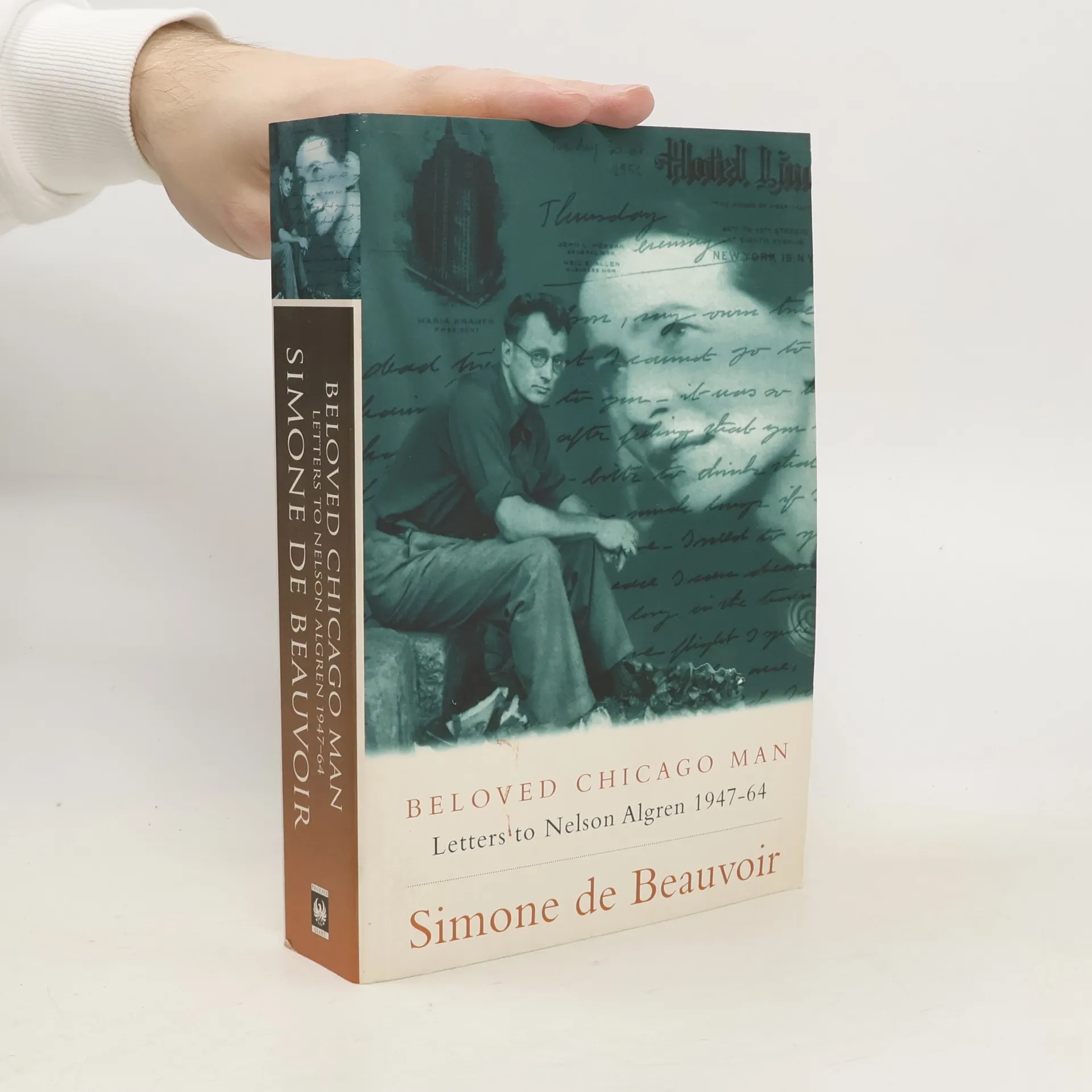
On a visit to America in 1947, Simone de Beauvoir met the left-wing writer Nelson Algren and an intense, transatlantic love affair began. The couple met only once or twice a year, but between liaisons, de Beauvoir wrote Algren hundreds of letters; these letters are reproduced here.
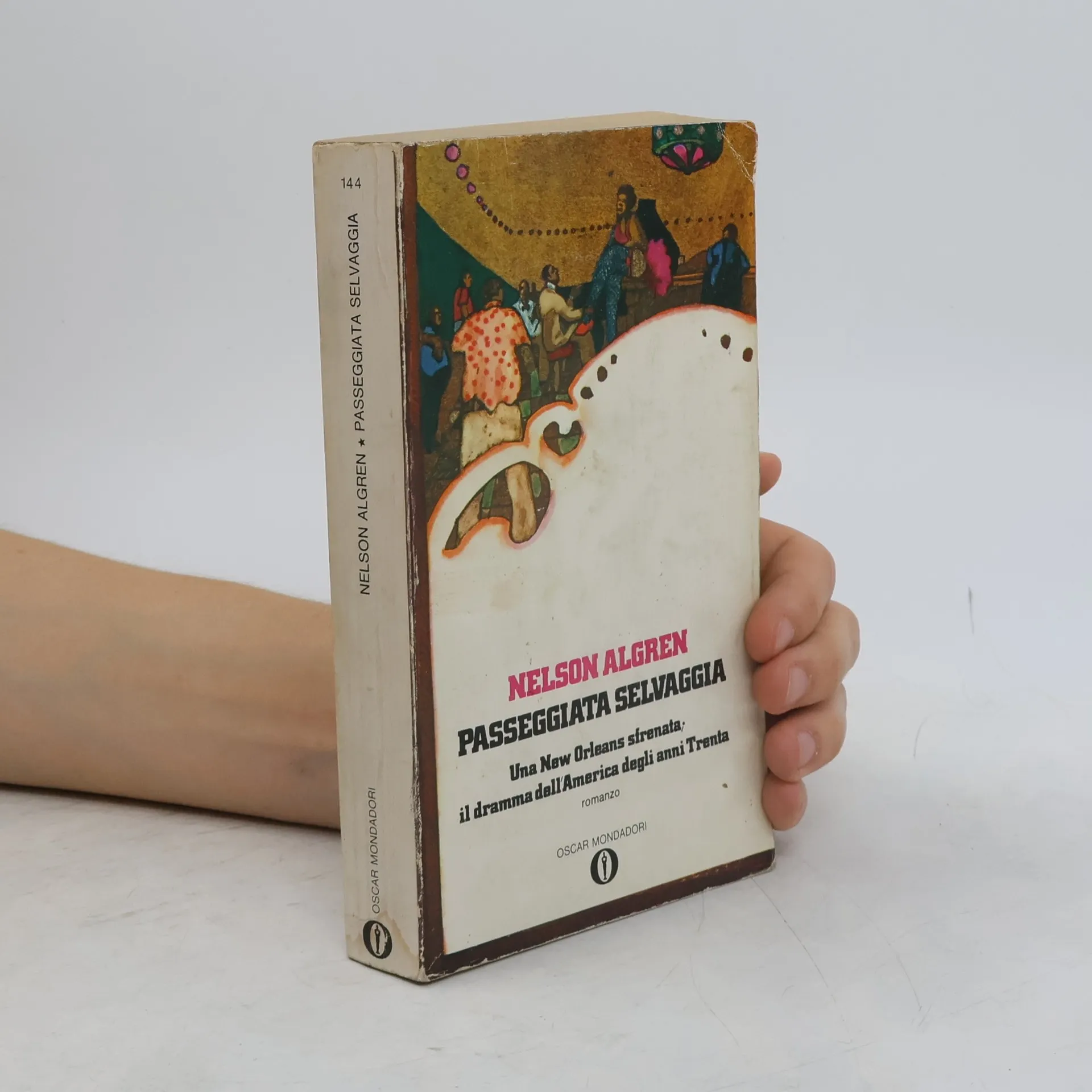
Texasan Dove Linkhorn se na své cestě do hlubin noci propadá mezi ztroskotance, podvodníky, pasáky a šlapky. Algrenovou téměř antropologickou studií života v městské džungli New Orleansu za hospodářské krize se prolínají variace tří úzce propojených motivů: zločinu, chudoby a zoufalství. Román Špacír po divokejch končinách bývá díky notné dávce černého humoru a prvořadé literární kvalitě považován za předchůdce takových knih, jakými jsou Hellerova Hlava 22 nebo Keseyho Vyhoďme ho z kola ven. Popisuje odvrácenou tvář Ameriky ve své klasické podobě. Název románu – A Walk on the Wild Side – značně zpopularizoval Lou Reed, který měl z knihy udělat muzikál, zůstal však jen u názvu a příbuzné tematiky: svou píseň napsal o ztroskotancích z okruhu Warholovy Továrny, čímž Algrenovu knihu aktualizoval.
Un fils de l'Amérique
- 377pagine
- 14 ore di lettura
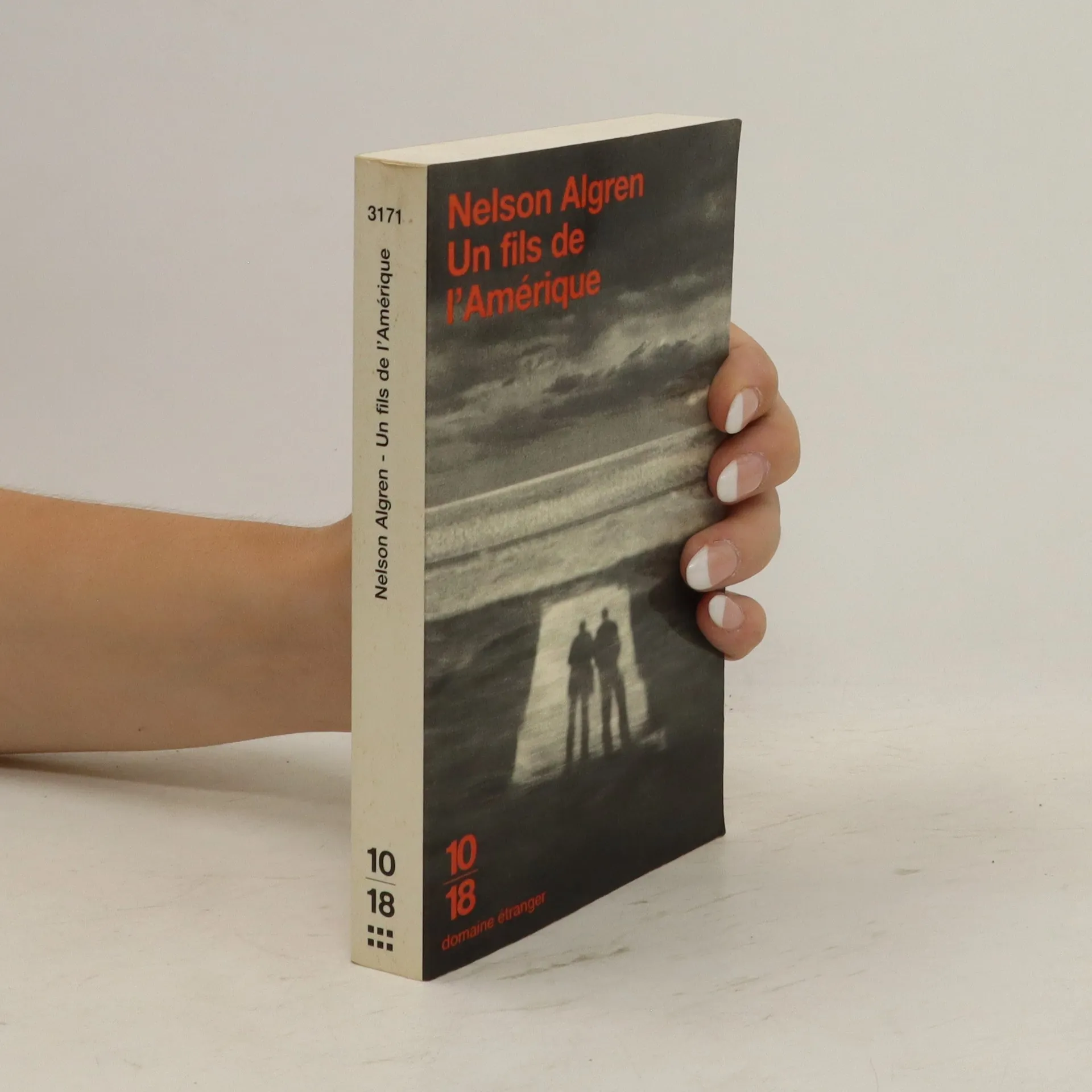
Pour son entrée en littérature, l'auteur de L'Homme au bras d'or nous raconte la dérive dans l'Amérique de la Dépression d'un gosse du Texas. On retrouve dans ce roman l'univers des hobos que la future idole des existentialistes dépeint avec un lyrisme et une humanité qui feront dire à R-Y. Pétillon qu'" ils illustrent l'Amérique telle qu'elle devrait être, à l'encontre de ce qu'elle est devenue ". Et de citer Hemingway : " Pour le lire, il faut savoir encaisser. Algren frappe des deux mains, il a un bon jeu de jambes, et si vous n'êtes pas vigilant, il va vous démolir. "
Výbor z povídek ze stejnojmenného povídkového souboru předního amerického romanopisce a povídkáře (nar. 1909). Drsné obrazy (reprodukované v překladu slangem a obecnou češtinou) z prostředí americké velkoměstské spodiny nebo z prostředí americké armády v Evropě na sklonku války a v prvních letech poválečných. Obsahuje doslov mj. s poznámkou k překladu.