
Bookbot

Chinua Achebe

    16 novembre 1930 – 21 marzo 2013

    Chinua Achebe ha navigato magistralmente le complessità della società nigeriana, offrendo profonde intuizioni sulle tradizioni del popolo Igbo e sulle forze dirompenti del colonialismo. Ha catturato abilmente lo scontro di valori, l'influenza del cristianesimo e il potere duraturo del patrimonio culturale. Il suo stile narrativo, profondamente radicato nelle tradizioni orali Igbo, incorpora vivacemente racconti popolari, proverbi e oratoria, creando un ricco arazzo narrativo. Impugnando la lingua inglese, Achebe ha intenzionalmente amplificato le voci emarginate, sfidando la narrativa coloniale e consolidando la sua eredità come figura centrale della letteratura africana.

    Chinua Achebe
    Home and Exile
    The African Trilogy: Things Fall Apart, No Longer at Ease, and Arrow of God; Introduction by Chimamanda Ngozi Adichie
    The African Trilogy. Things Fall Apart; No Longer at Ease; Arrow of God. Alles zerfällt; Heimkehr in fremdes Land; Der Pfeil Got
    Africa's Tarnished Name
    The African Trilogy
    Le cose crollano
    • Le cose crollano

      • 202pagine
      • 8 ore di lettura

      Okonkwo è un guerriero, un lottatore, un uomo ambizioso e rispettato che sogna di divenire leader indiscusso del suo clan. Dal suo villaggio Ibo, in Nigeria, la fama di Okonkwo si è diffusa come un incendio in tutto il continente. Ma Okonkwo ha anche un carattere fiero, ostinato: non vuole essere come suo padre, molle e sentimentale, lui è deciso a non mostrare mai alcuna debolezza, alcuna emozione, se non attraverso l’uso della forza. Quando la sua comunità è costretta a fronteggiare l’irruzione degli europei, l’ordine delle cose in cui Okonkwo è nato e cresciuto comincia a crollare, e la sua reazione sarà solo il principio di una parabola che lo porterà nella polvere: da guerriero temuto e venerato, a eroe sconfitto, oltraggiato. Le cose crollano, il primo libro della trilogia che ha consegnato Chinua Achebe alla fama internazionale – in corso di pubblicazione presso La nave di Teseo in una nuova traduzione – è unanimemente considerato il suo capolavoro, capace di intrecciare nella stessa vicenda due storie diverse: quella personale di Okonkwo e quella più ampia dello scontro fra due religioni e civiltà. Nella scrittura di Achebe, interprete di una grande tradizione letteraria, i conflitti ancestrali fra individuo e comunità dialogano con i percorsi accidentati della storia, le cui conseguenze investono ancora il mondo in cui viviamo.
      Le cose crollano
      3,8
    • The African Trilogy

      • 562pagine
      • 20 ore di lettura

      Chinua Achebe, regarded as the father of modern African literature, created a significant impact with his African Trilogy, which includes Things Fall Apart, Arrow of God, and No Longer at Ease. These novels vividly portray the lives of three generations within an African community facing the upheaval of colonialism, from the initial British arrival to the decline of empire. The trilogy begins with Things Fall Apart, featuring Okonkwo, a village hero whose tragic pride and conflicts with missionaries lead to his downfall. Arrow of God explores the struggle between tradition and change through Ezeulu, the chief priest, whose authority is challenged by colonial forces and rivals, yet he remains resolute in his leadership, even at great cost to his people. The narrative concludes with No Longer at Ease, where Okonkwo's grandson, educated in England, returns to Lagos for a civil-service position, only to witness his moral decline as he navigates the complexities of the ruling elite. Drawing from traditional Igbo stories, the trilogy serves as a literary milestone, offering a mythic and universal perspective on modern Africa. As Toni Morrison noted, Achebe's contributions are essential to the understanding of African literature, showcasing unmatched passion, intellect, and clarity in his prose.

      The African Trilogy
      4,6
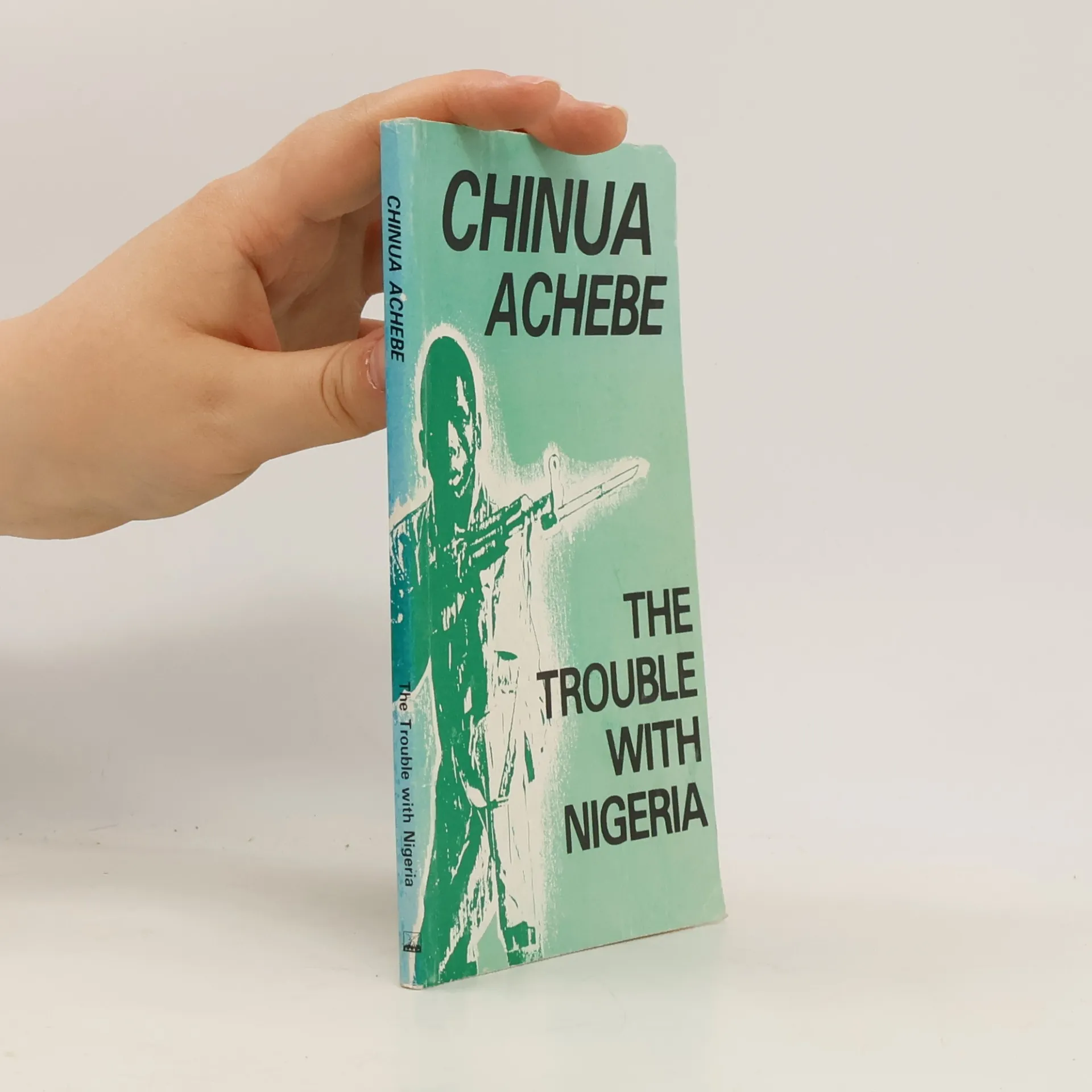
    • Africa's Tarnished Name

      • 64pagine
      • 3 ore di lettura

      Essays on the history, complexity, diversity of a continent

      Africa's Tarnished Name
      4,4
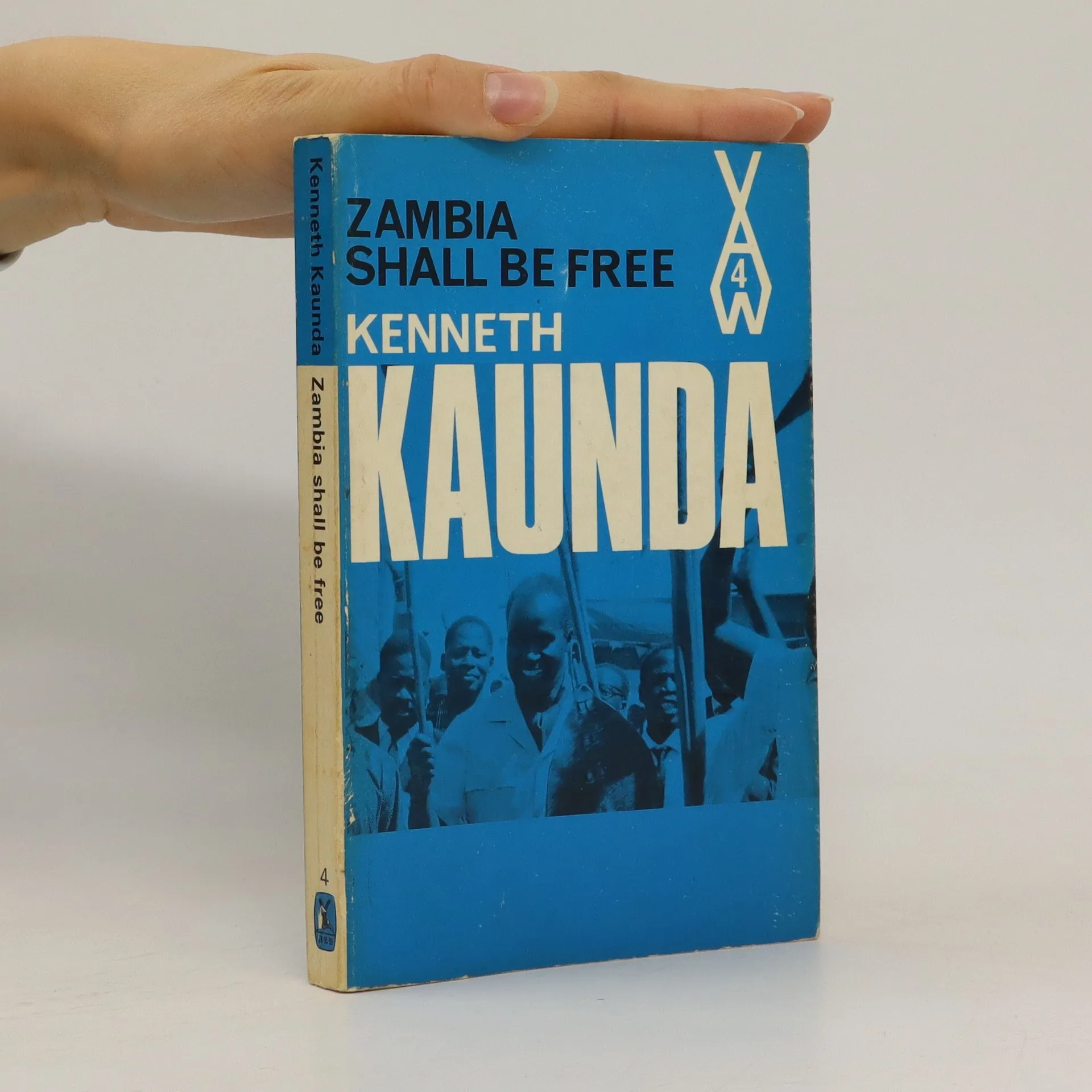
    • "The trilogy opens with the groundbreaking Things Fall Apart, the tale of Okonkwo, a hero in his village, whose clashes with missionaries -- coupled with his own tragic pride -- lead to his fall from grace. Arrow of God takes up the ongoing conflict between continuity and change as Ezeulu, the headstrong chief priest, finds his authority is under threat from rivals and colonial functionaries. But he believes himself to be untouchable and is determined to lead his people, even if it is towards their own destruction. Finally, in No Longer at Ease, Okonkwo's grandson, educated in England, returns to a civil-service job in Lagos, only to see his morality erode as he clings to his membership in the ruling elite"-- Provided by publisher

      The African Trilogy: Things Fall Apart, No Longer at Ease, and Arrow of God; Introduction by Chimamanda Ngozi Adichie
      4,2
    • Home and Exile

      • 115pagine
      • 5 ore di lettura

      Examines the political nature of culture and specifically literature. This title challenges the way the West has appropriated Africa with a particular emphasis on how 'imperialist' literature has been used to justify its dispossession and degradation. schovat popis

      Home and Exile
      4,1
    • By the renowned author of Things Fall Apart, this novel foreshadows the Nigerian coups of 1966 and shows the color and vivacity as well as the violence and corruption of a society making its own way between the two worlds.

      A Man of the People
      4,0
    • There Was a Country

      • 333pagine
      • 12 ore di lettura

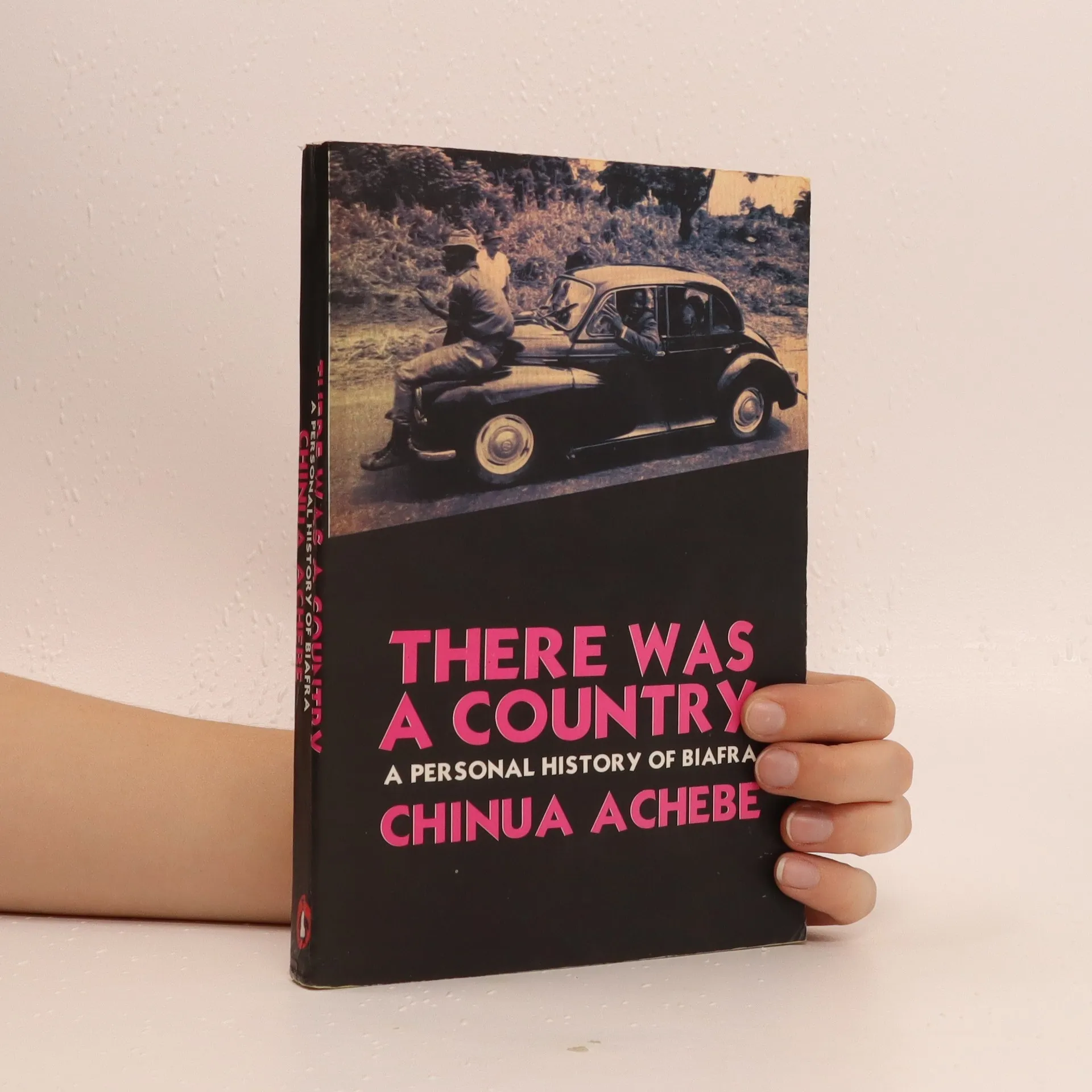
      The defining experience of author's life was the Nigerian civil war, also known as the Biafran War. A marriage of history, remembrance, poetry and vivid first-hand observation, this title is a work of wisdom and compassion from one of the great voices of our age. schovat popis

      There Was a Country
      4,0
    • Chike and the River

      • 96pagine
      • 4 ore di lettura

      An eleven-year-old boy yearns to cross the Niger River to reach the city of Asaba but lacks the fare. With his friend S.M.O.G., he embarks on thrilling adventures to earn money, experiencing new delights and challenges along the way. From savoring street food to consulting a village magician, Chike's journey is filled with excitement and fear. Upon finally reaching Asaba, he discovers a reality different from his dreams, prompting a personal quest for courage and understanding. This enchanting story by Chinua Achebe explores themes of bravery and growth.

      Chike and the River
      3,9
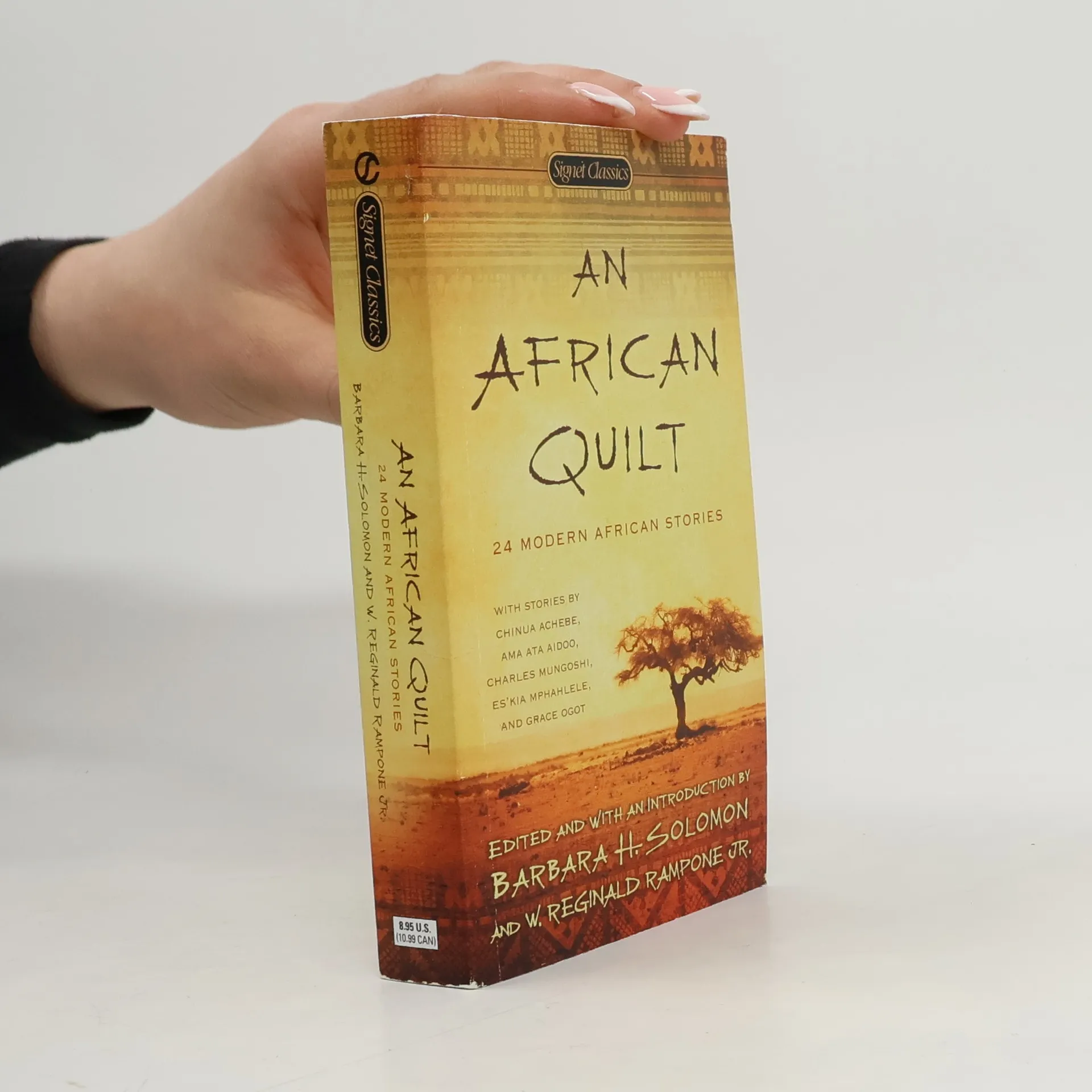
    • An African Quilt

      24 Modern African Stories

      • 400pagine
      • 14 ore di lettura

      Encompassing many different visions of Africa, the stories in this comprehensive collection feature characters struggling to survive grinding poverty, tyrannical governments, cultural upheavals, and disintegrating relationships. Reflecting a continent with a tragic history, An African Quilt depicts a place where even everyday life is extraordinary, and the continent’s history changes what it means to be a woman, an employee, a couple, a passerby, and, of course, a citizen. Revealed through the backdrop of postcolonial Africa, the struggles within these stories resonate beyond their context and appeal to every reader’s sense of what it means to be human. With Stories by Chimamanda Ngozi Adichie, Nadine Gordimer (Winner of the Nobel Prize), Bessie Head, Doris Lessing (Winner of the Nobel Prize), Ngugi wa Thiong’o, and Others

      An African Quilt
      3,8
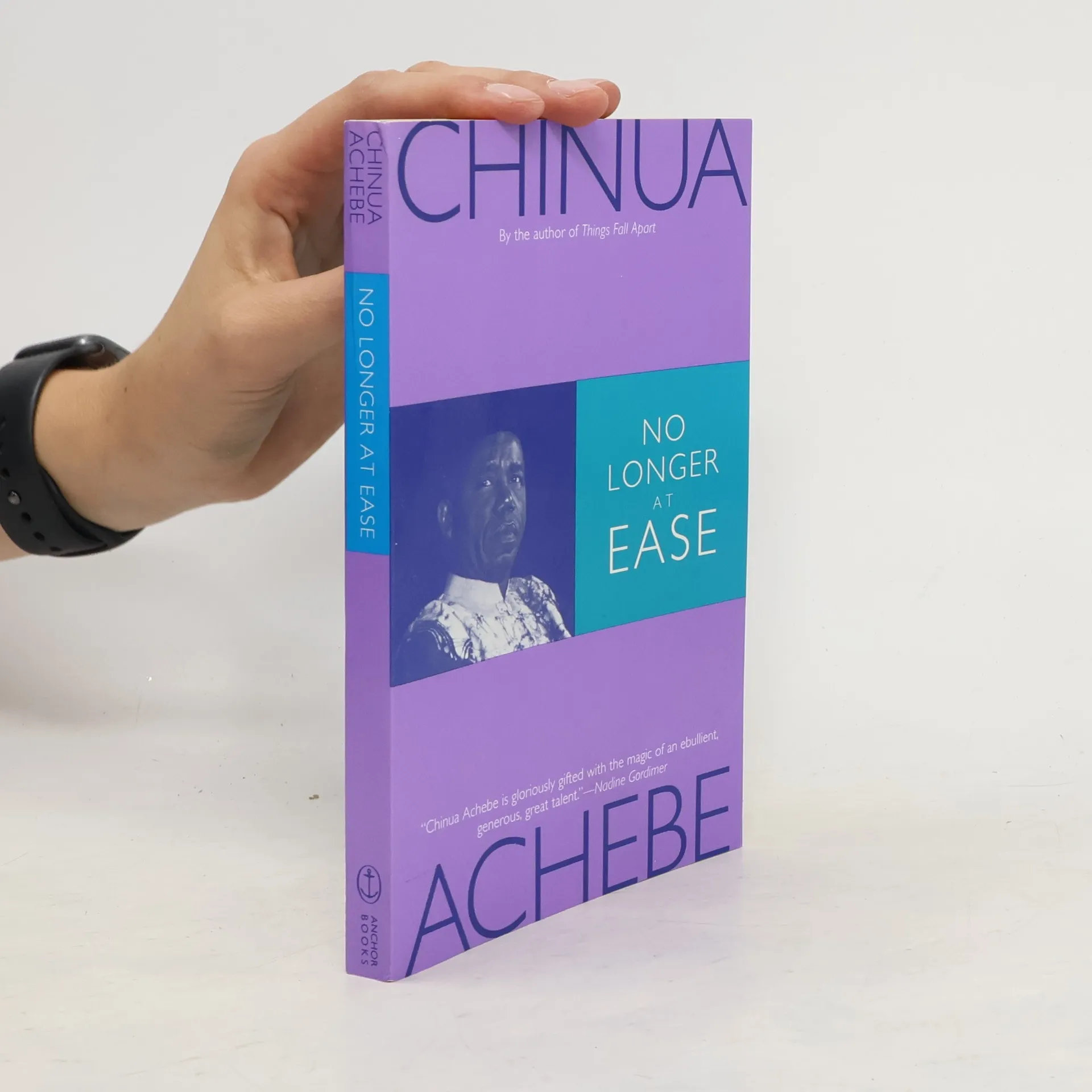
    • No Longer at Ease

      • 194pagine
      • 7 ore di lettura

      Obi Okonkwo is an idealistic young man who has now returned to Nigeria for a job in the civil service. However in his new role he finds that the way of government seems to be corruption. Obi manages to resist the bribes offered to him, but when he falls in love with an unsuitable girl, he sinks further into emotional and financial turmoil. .

      No Longer at Ease
      3,9
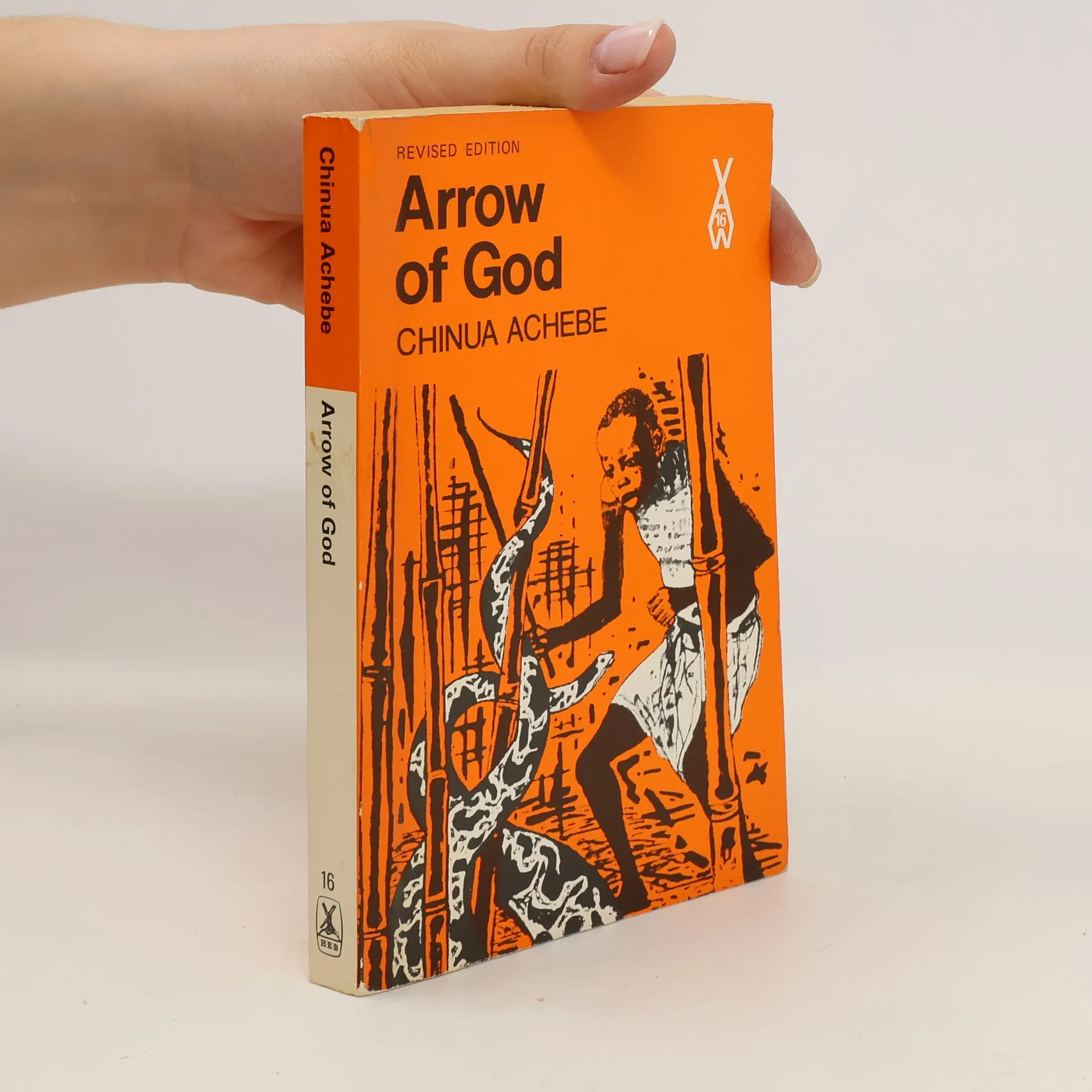
    • Arrow of God

      • 296pagine
      • 11 ore di lettura

      Set in the Ibo heartland of eastern Nigeria, one of Africa's best-known writers describes the conflict between old and new in its most poignant aspect: the personal struggle between father and son. The third book in Achebe's "African Trilogy", following Things Fall Apart and No Longer at Ease, Arrow of God is the story of Ezeulu, the chief priest of several villages who wrestles with colonial powers as he butts heads with Christian missionaries dispatched to the area. A fictional discussion of Colonial rule in 1920's Nigeria, Achebe brings religion and family relations into a discussion of politics and national identity. From the Trade Paperback edition.

      Arrow of God
      3,7
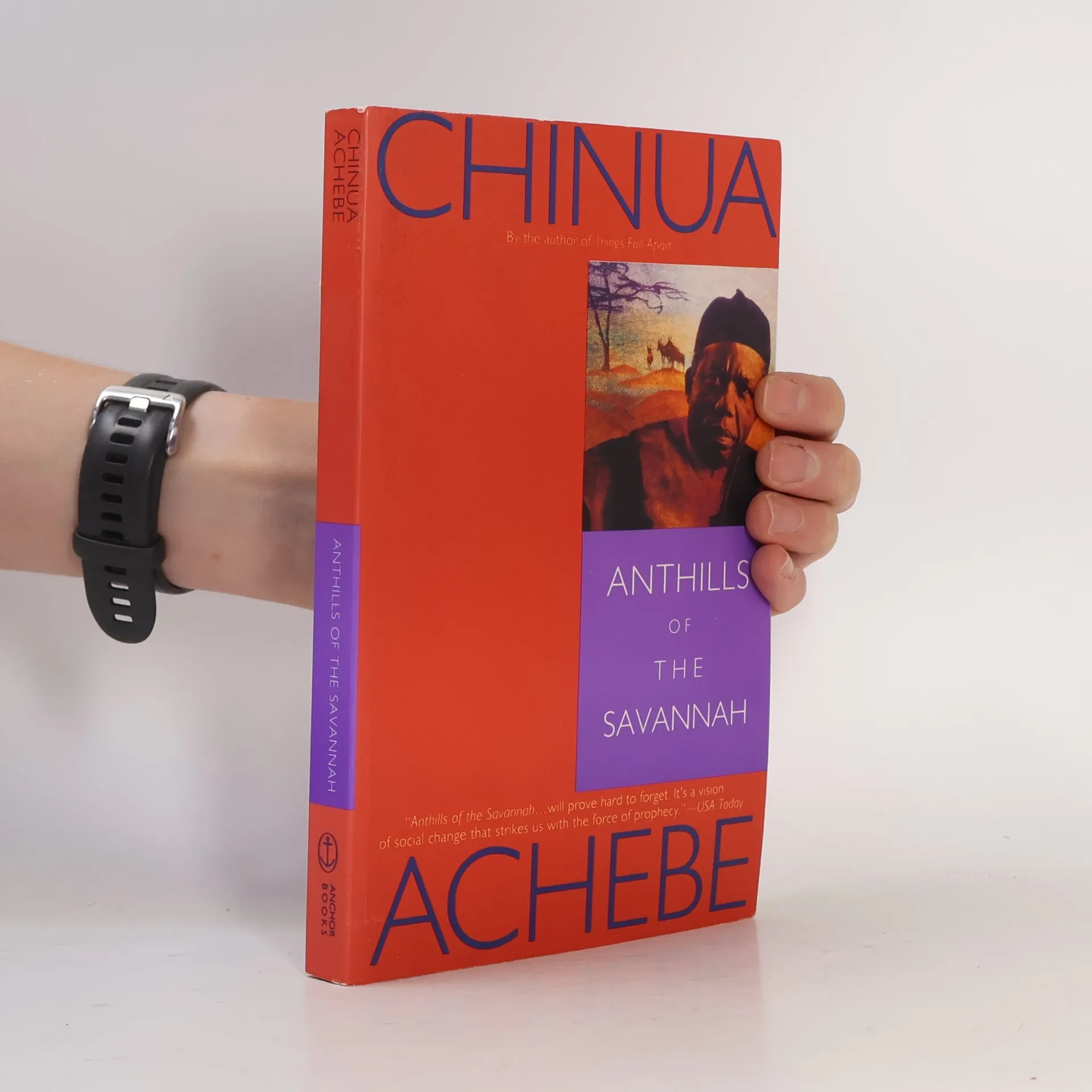
    • Using the conflict between the city and tribal villages, the ravages of the great African drought, and Third World politics as a compelling backdrop, Achebe weaves a potent drama of modern Africa.

      Anthills of the Savannah
      3,5
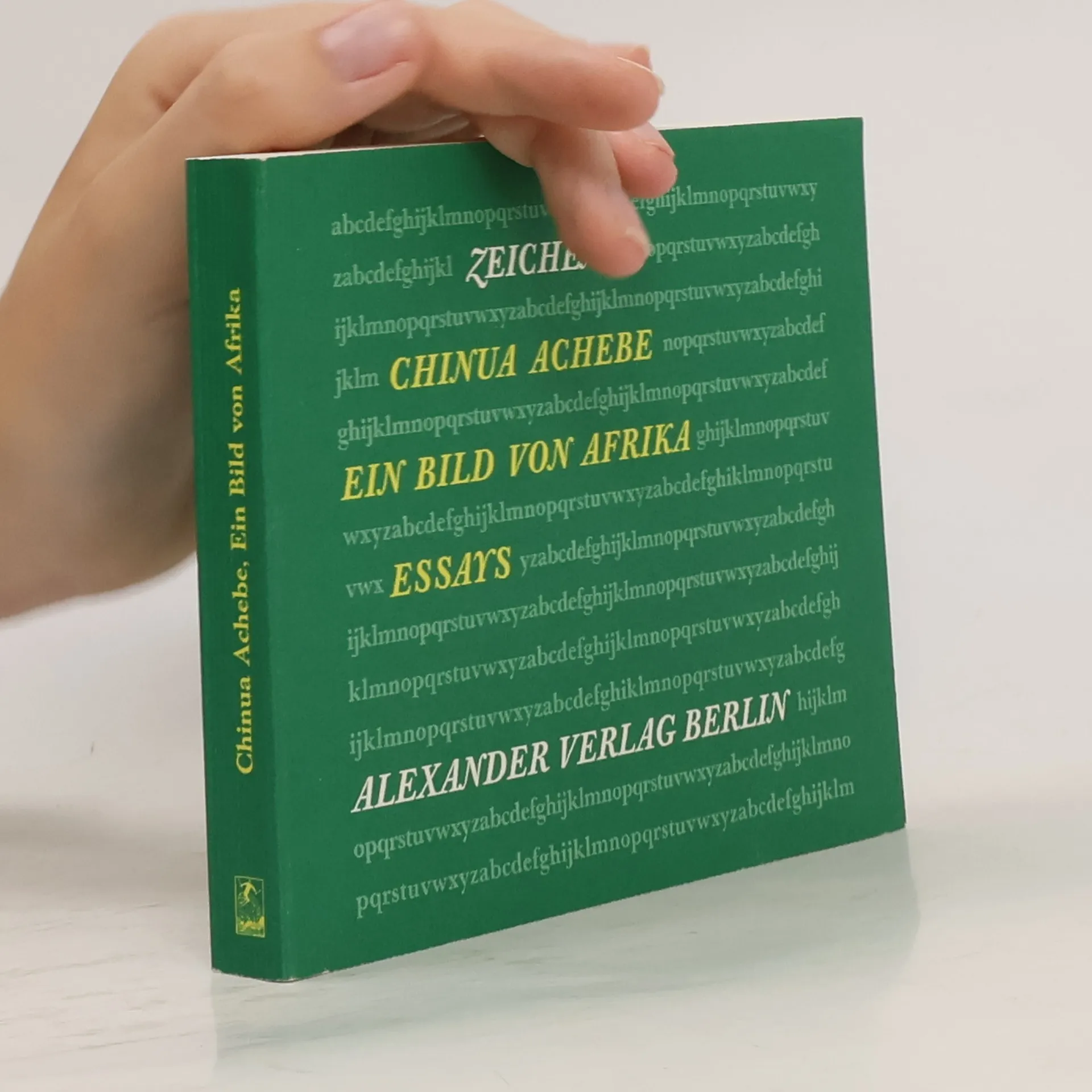
    • Ein Bild von Afrika

      • 195pagine
      • 7 ore di lettura

      n Ein Bild von Afrika untersucht Chinua Achebe die rassistische Voreingenommenheit in der Prosa und Moralauffassung während der Kolonialzeit am Beispiel von Joseph Conrads Herz der Finsternis. Der Band enthält außerdem die Texte Afrikanische Literatur als Wiedergeburt der Feier, Arbeit und Spiel in Tutuolas 'Palmweintrinker' und Gewidmet Victoria, Königin von England

      Ein Bild von Afrika
      4,0
    • Postkoloniální myšlení II

      • 259pagine
      • 10 ore di lettura

      Druhý díl série Postkoloniální myšlení I–IV, navazující na překlad knihy Frantze Fanona, se zaměřuje na historické východisko postkoloniálního myšlení jako emancipačního programu druhé vlny dekolonizace. Tento proces, probíhající v Asii a Africe od konce druhé světové války do poloviny sedmdesátých let, byl na Západě vnímán jako rozklad evropských imperiálních říší. Autoři v knize vyjadřují perspektivu osvobození od koloniální nadvlády a systémů útlaku. Klíčovou otázkou je postkoloniální identita a konstrukce nové politiky identity: bude vycházet z národního esencialismu, nebo z konstruktivistického pohledu na národ jako myšlené společenství? Tyto nekompatibilní koncepce reflektují problémy, které se objevují i v kontextu postsocialistické transformace po roce 1989. Publikace zahrnuje klasické texty, které definují témata univerzality, diference, rezistence a jazyka jako struktury moci. Specifikum výběru spočívá v dvou místních aspektech pohledu na postkoloniální situaci: roli autora a dědictví totalitního režimu, které formovalo stereotypy ideologií.

      Postkoloniální myšlení II
      4,0
    • Chinua Achebe kritisierte 1975 Joseph Conrads Kurzroman "Herz der Finsternis" als rassistisch und verzerrend. Er betont, dass das Bild der afrikanischen Völker im Werk die Gleichwertigkeit Schwarzer Menschen infrage stellt. Achebe verteidigt das Menschsein und die Geschichte Afrikas gegen solche herabsetzenden Darstellungen.

      Ein Bild von Afrika. Rassismus in Joseph Conrads »Herz der Finsternis«.
    • Román nigerijského spisovatele (nar. 1930) je politickou satirou na nově založený nezávislý africký stát, kde bují korupce a podvody.

      Muž z lidu