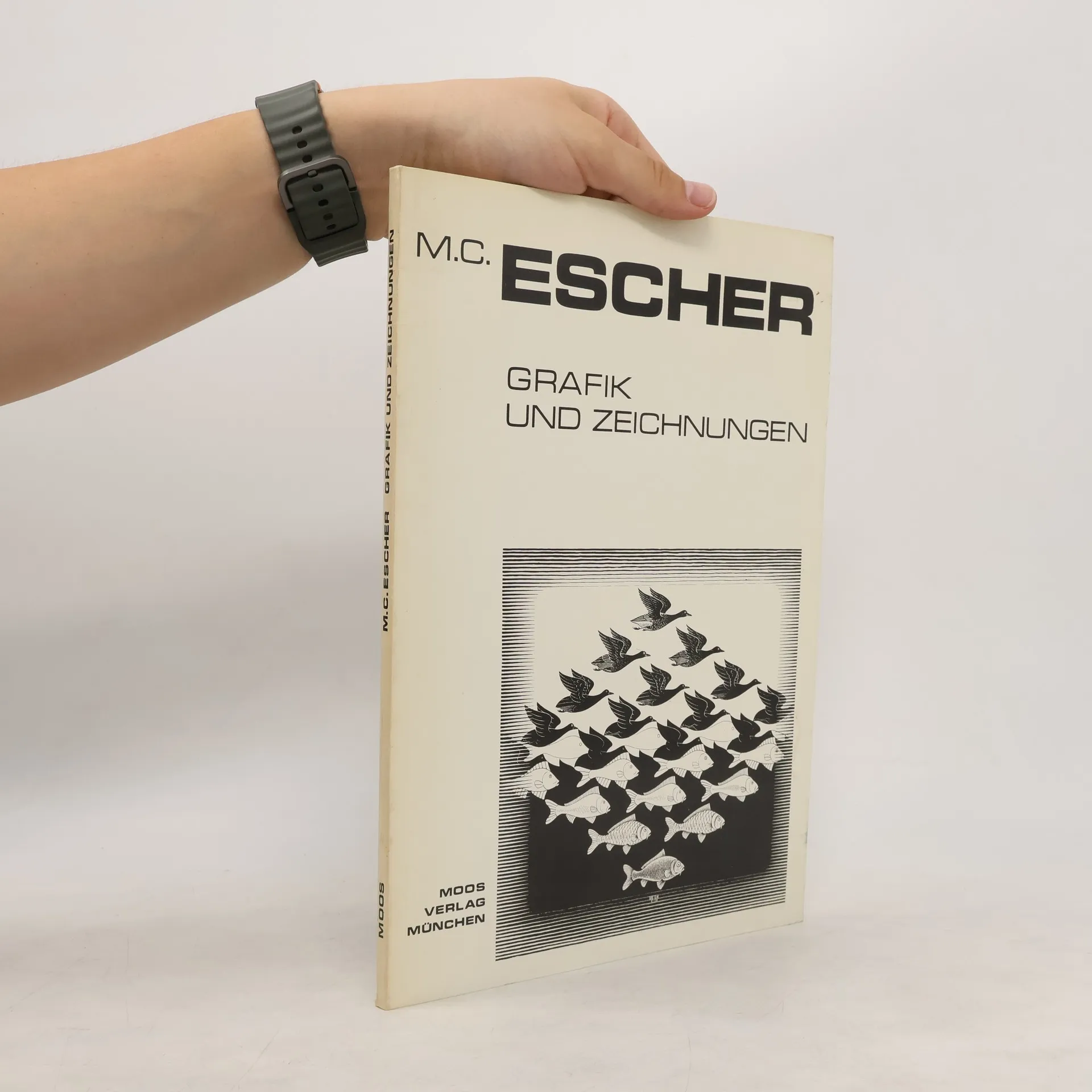
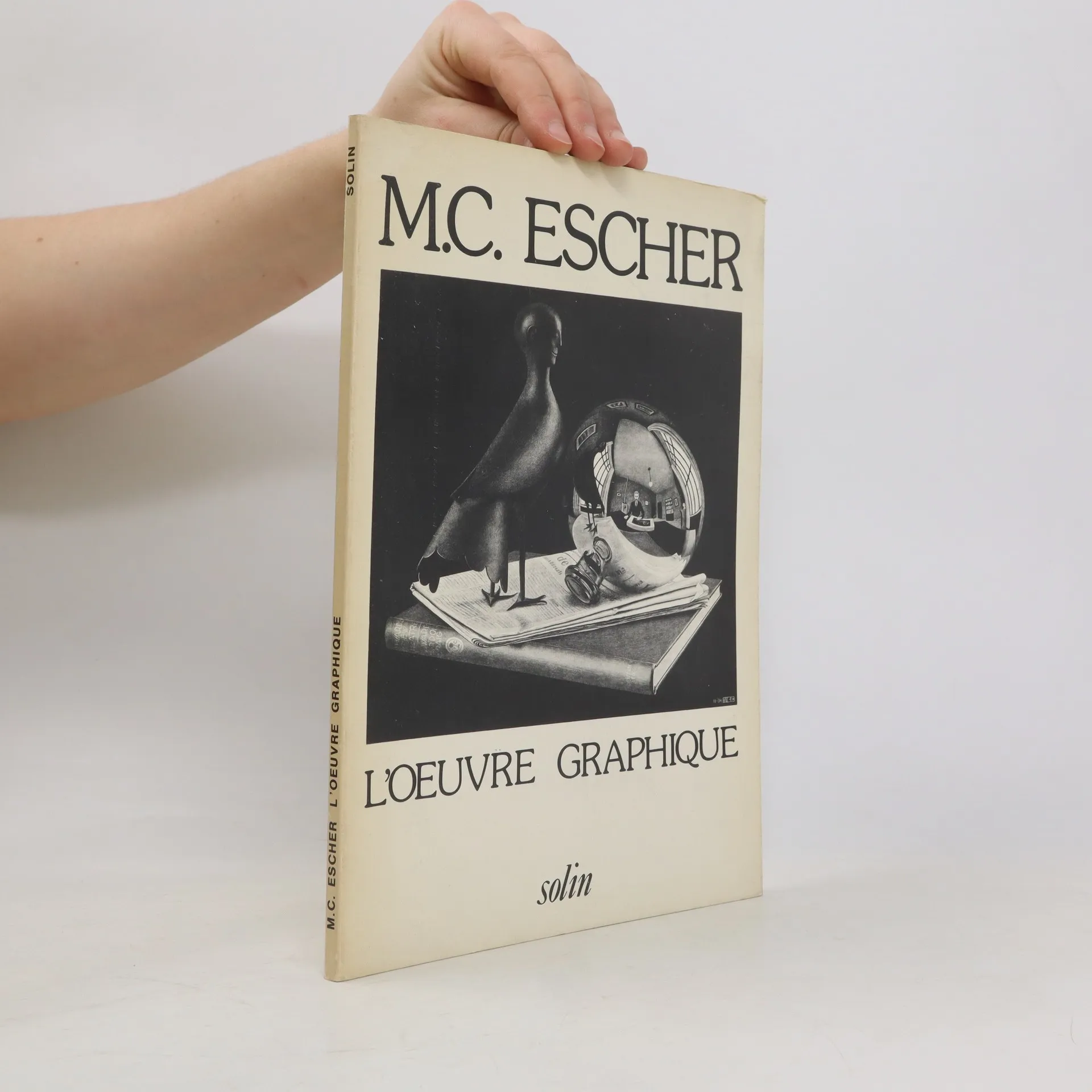
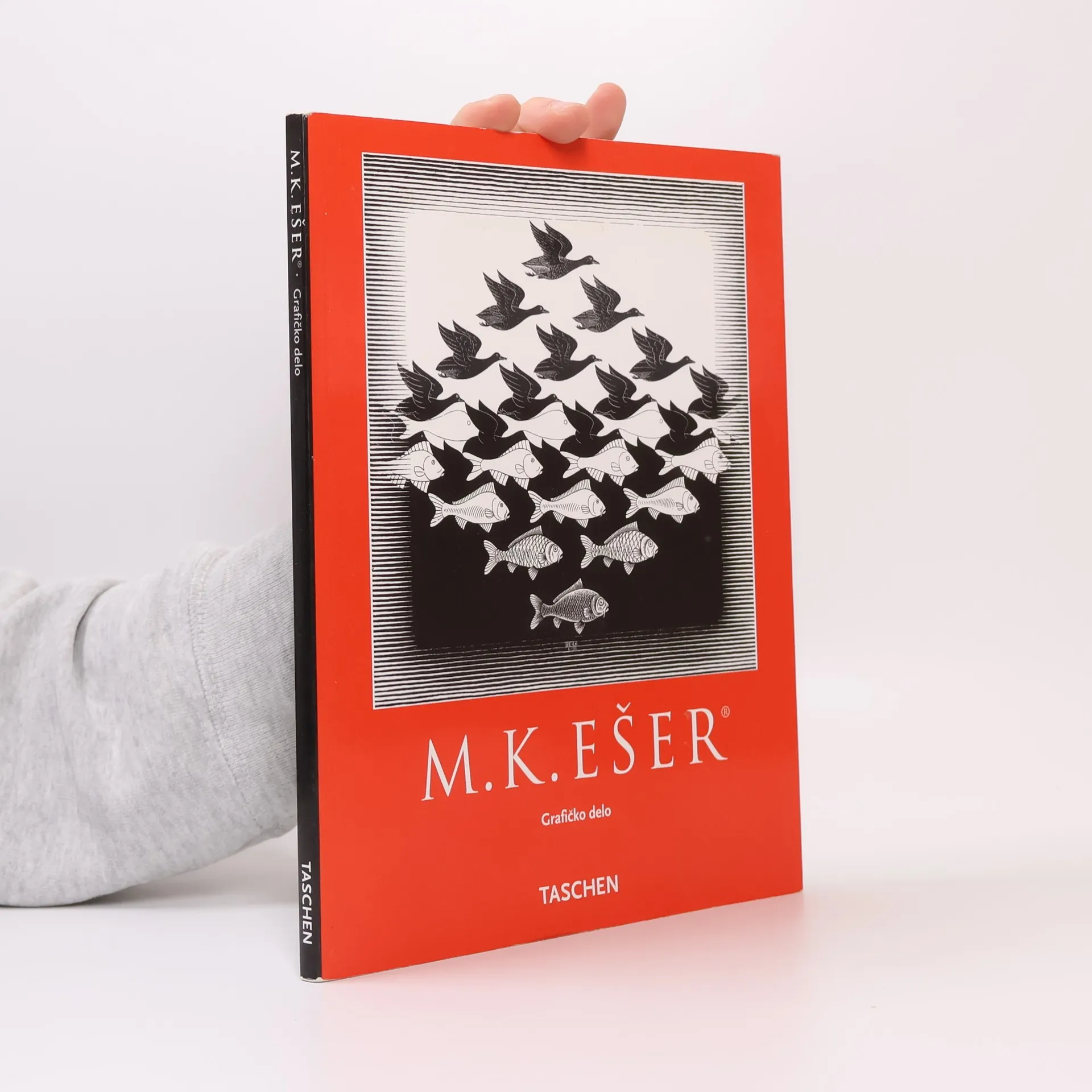
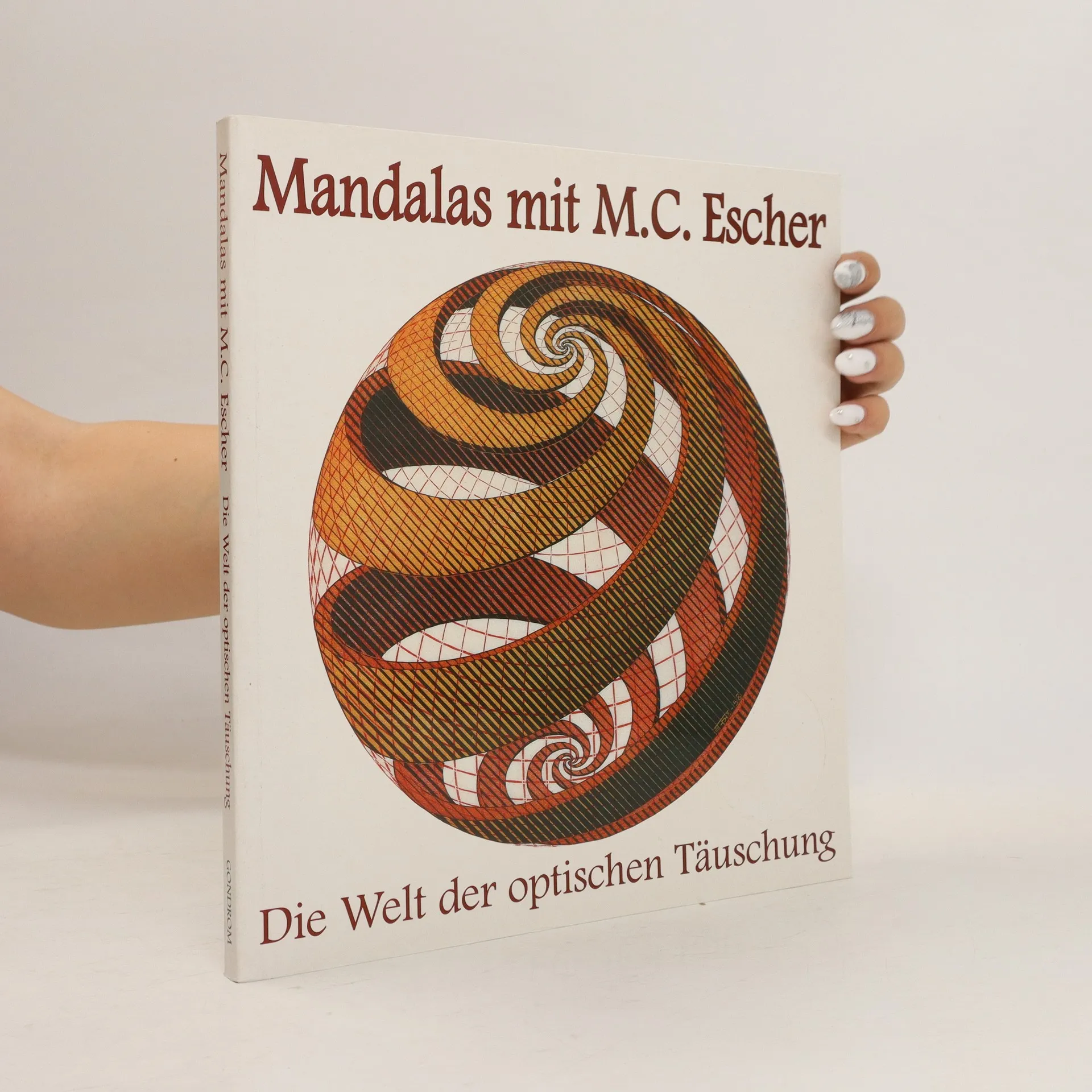
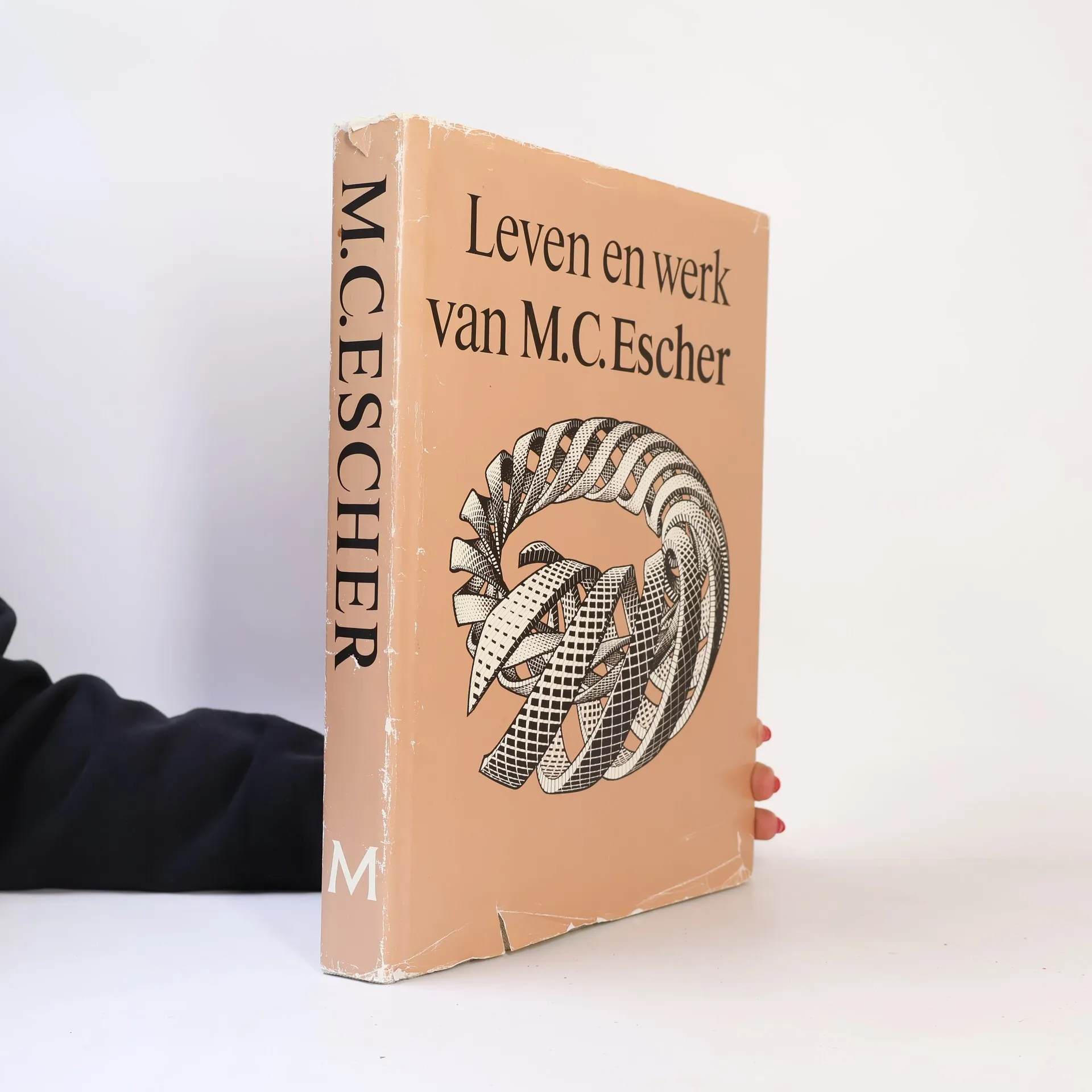
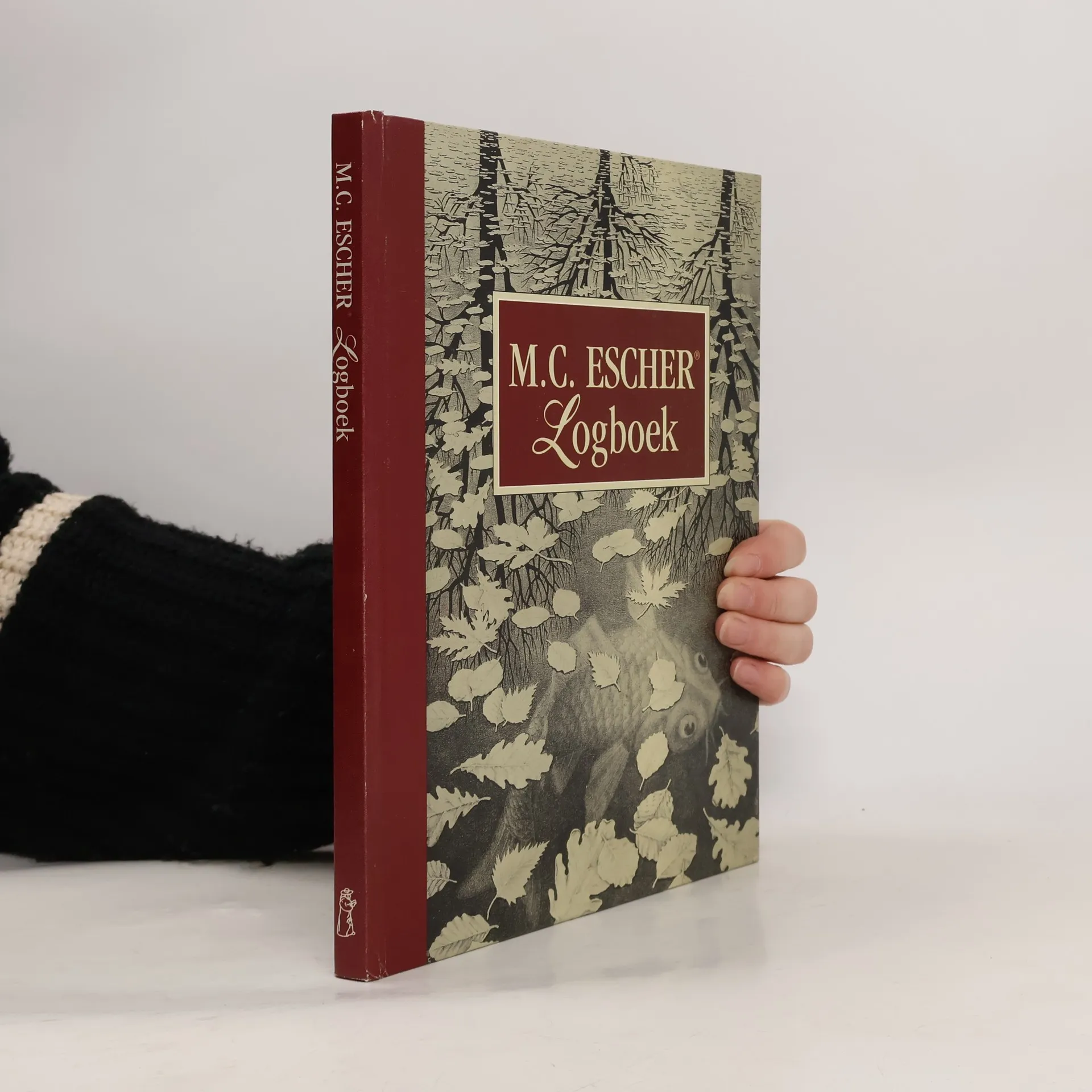
The World Of M.C. Escher
- 252pagine
- 9 ore di lettura
large white paperback



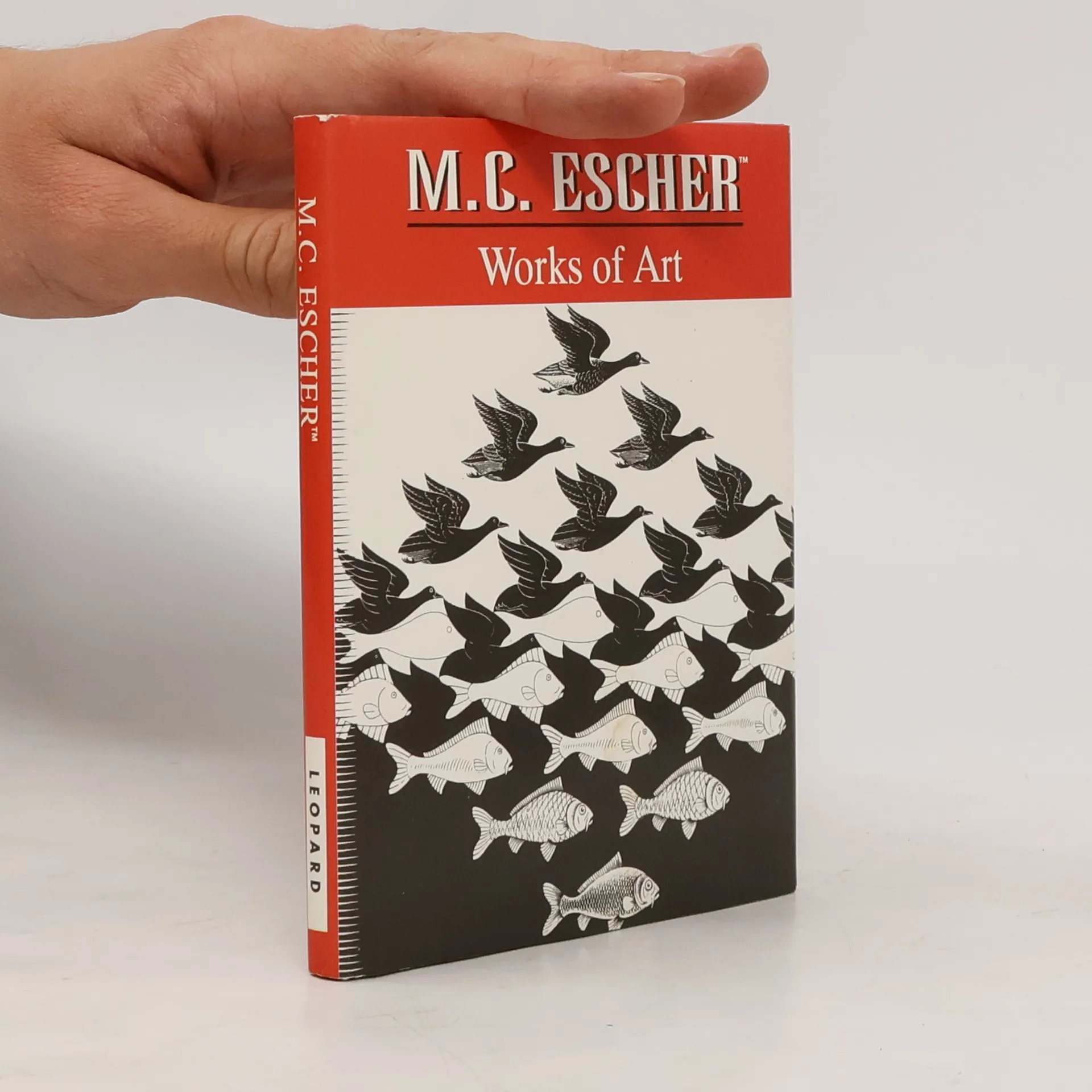

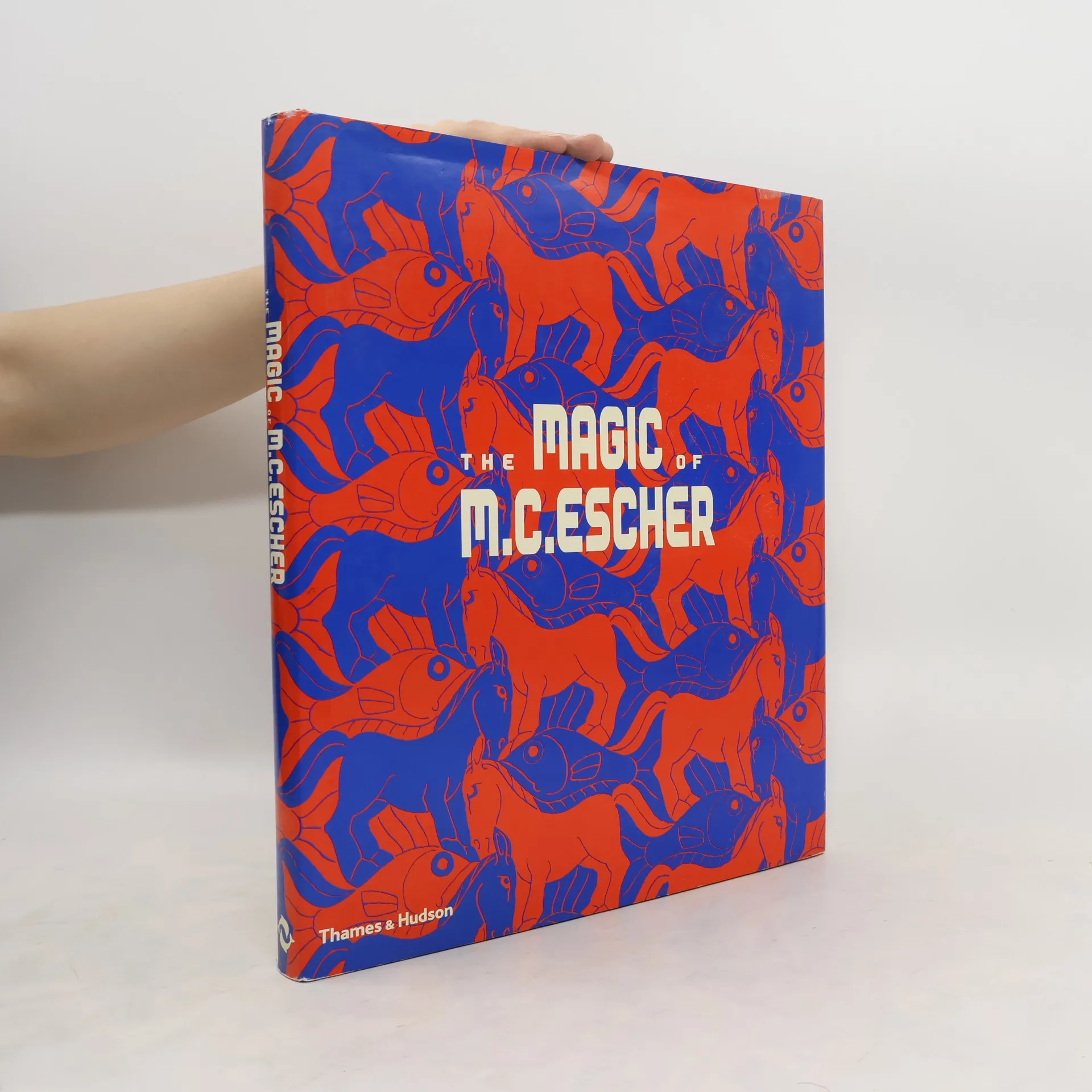
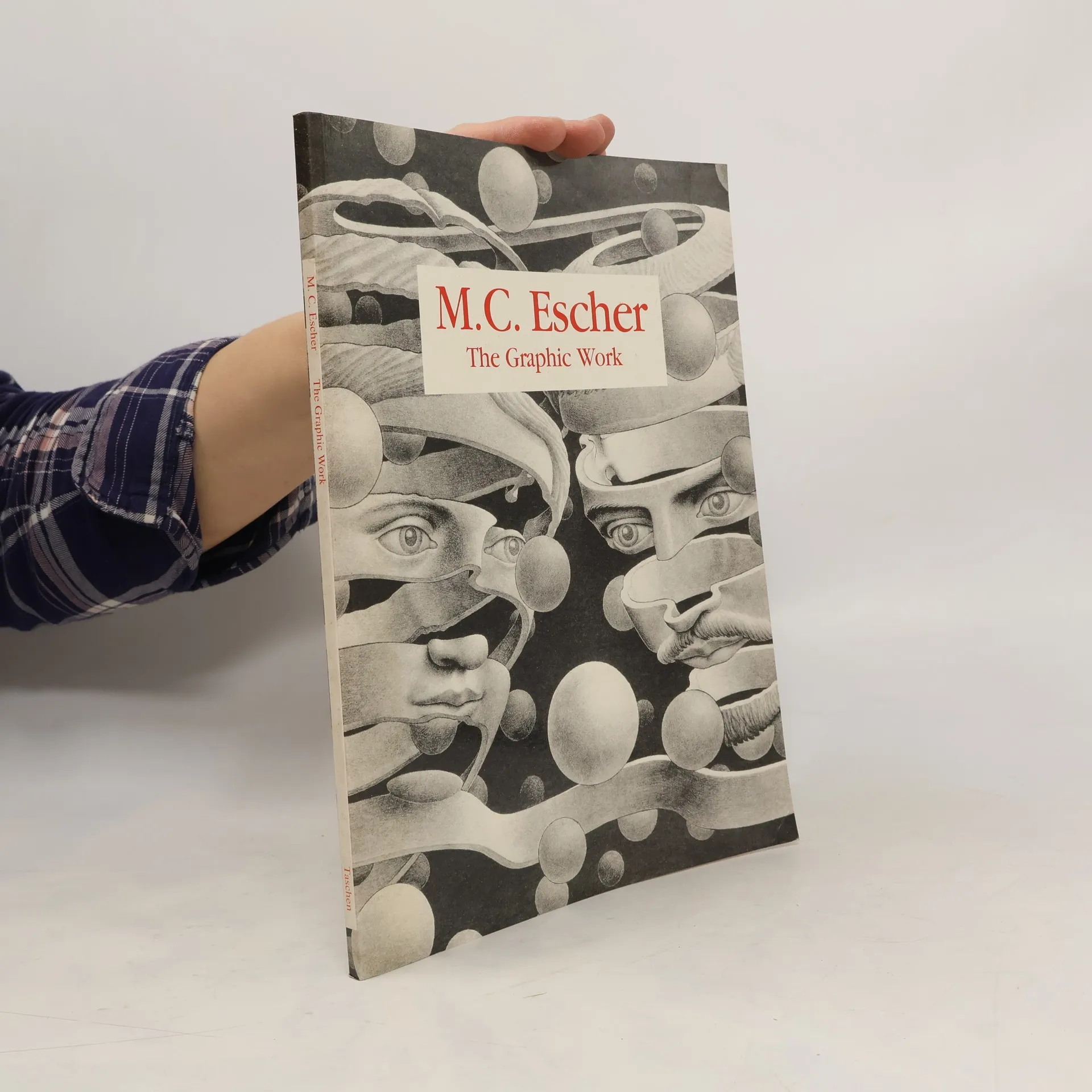
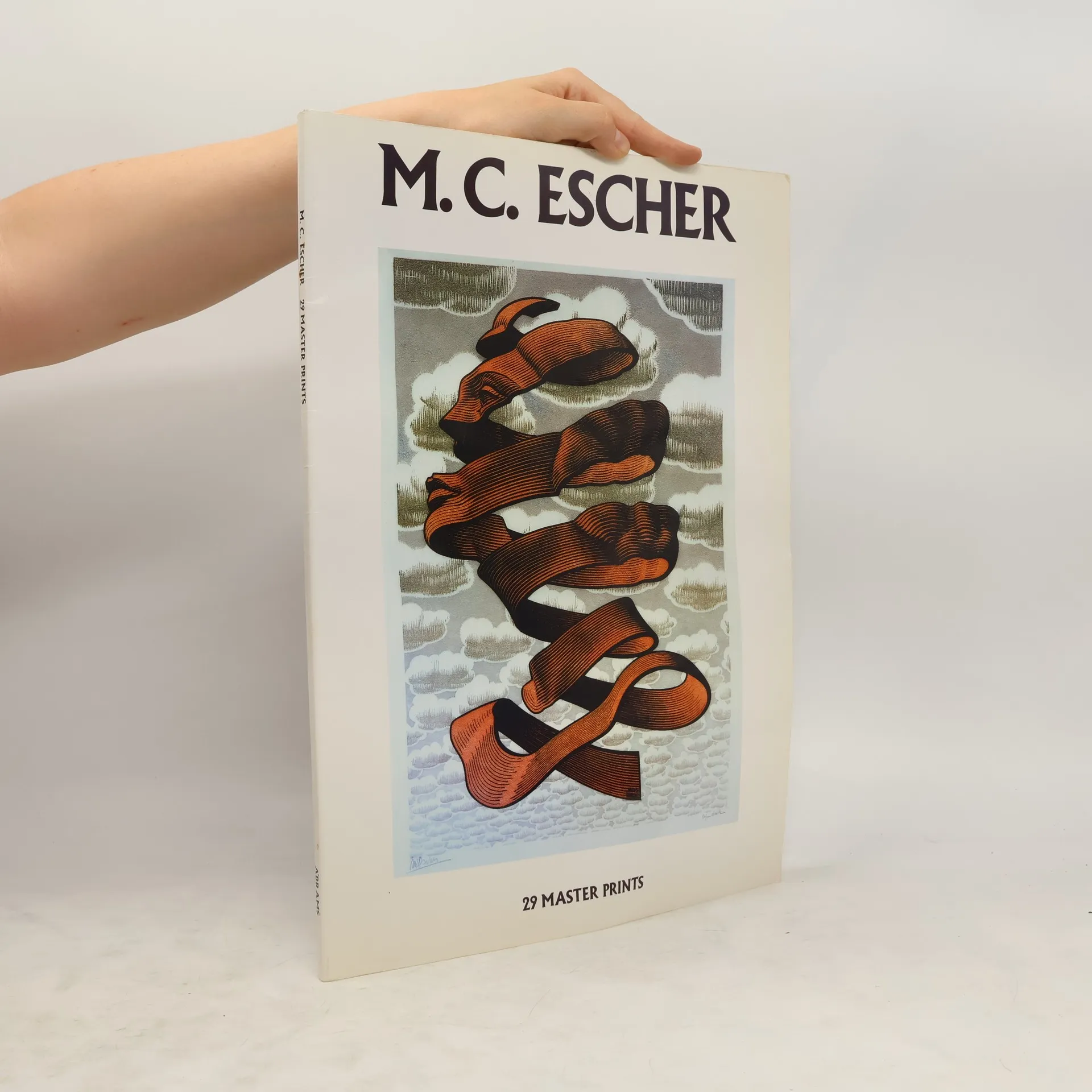
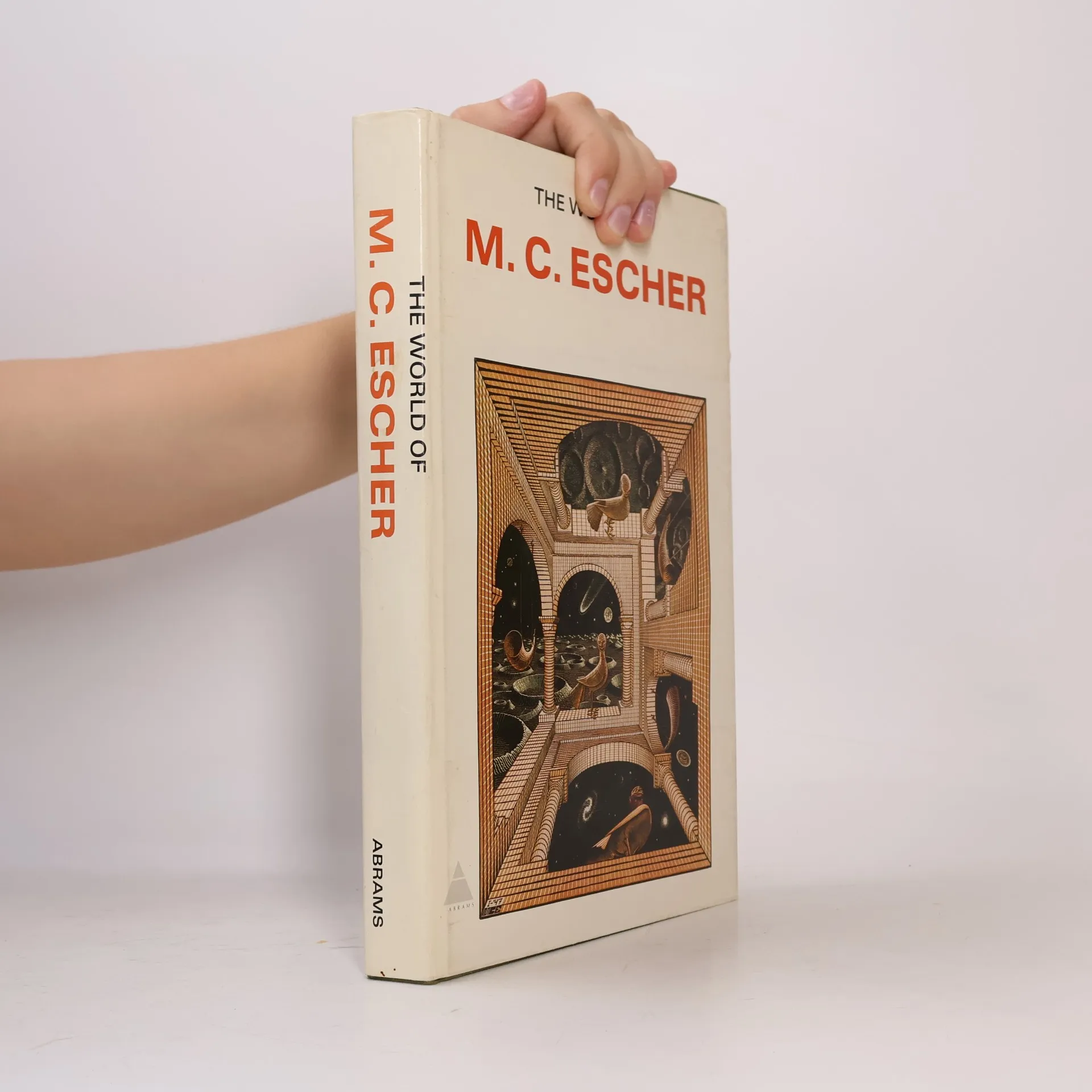
large white paperback
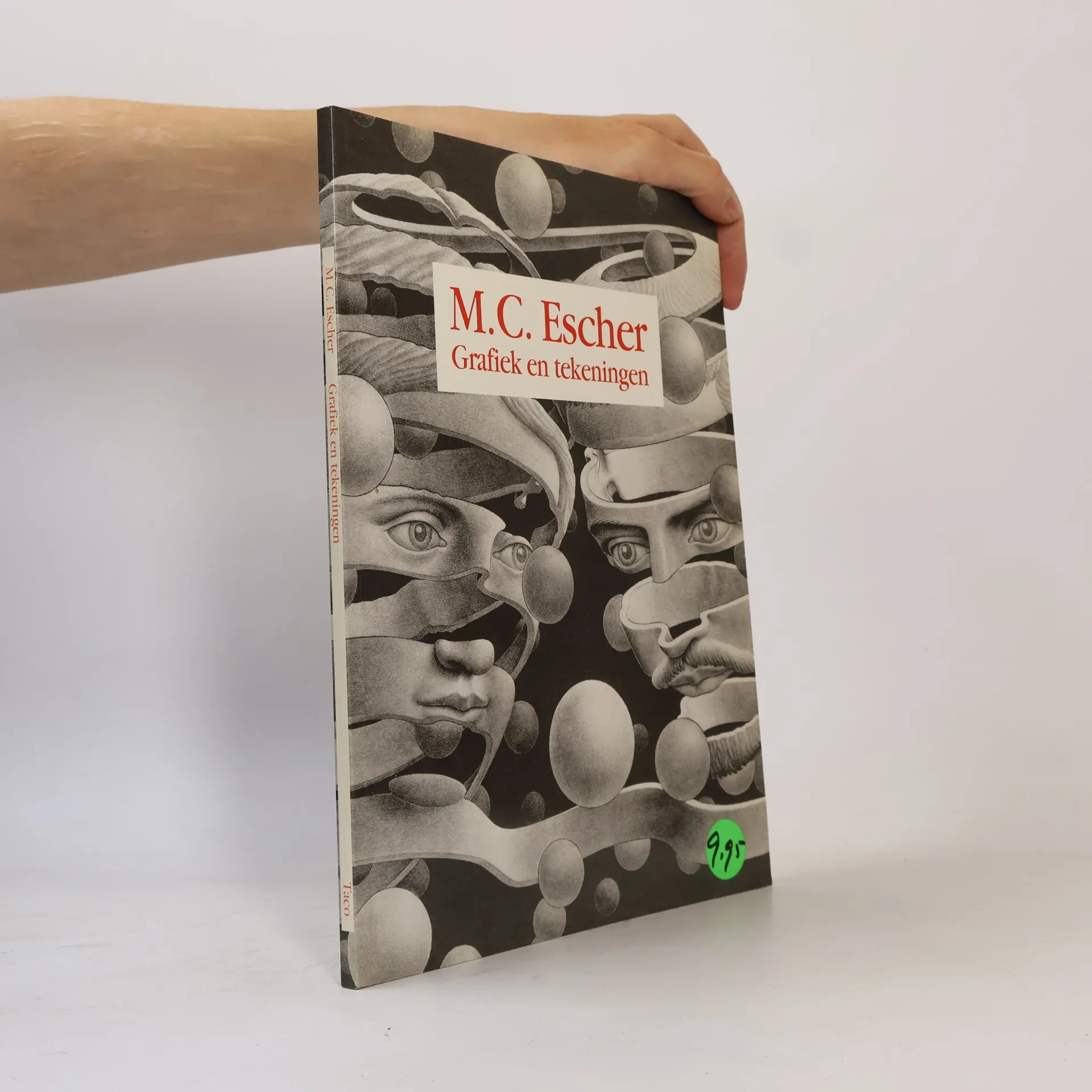
Twenty-nine woodcuts and lithographs make use of optical illusions and unusual perspectives and are accompanied by the artist's comments.
Present the graphic work of the Dutch artist known for his often mathematically-inspired visual worlds filled with dimensional illusions.
In this text, Escher's works, from the great masterpieces to numerous previously unpublished drawings, are arranged to form a cinematic journey of discovery. Originally published: 2000
Book by M. C. Escher
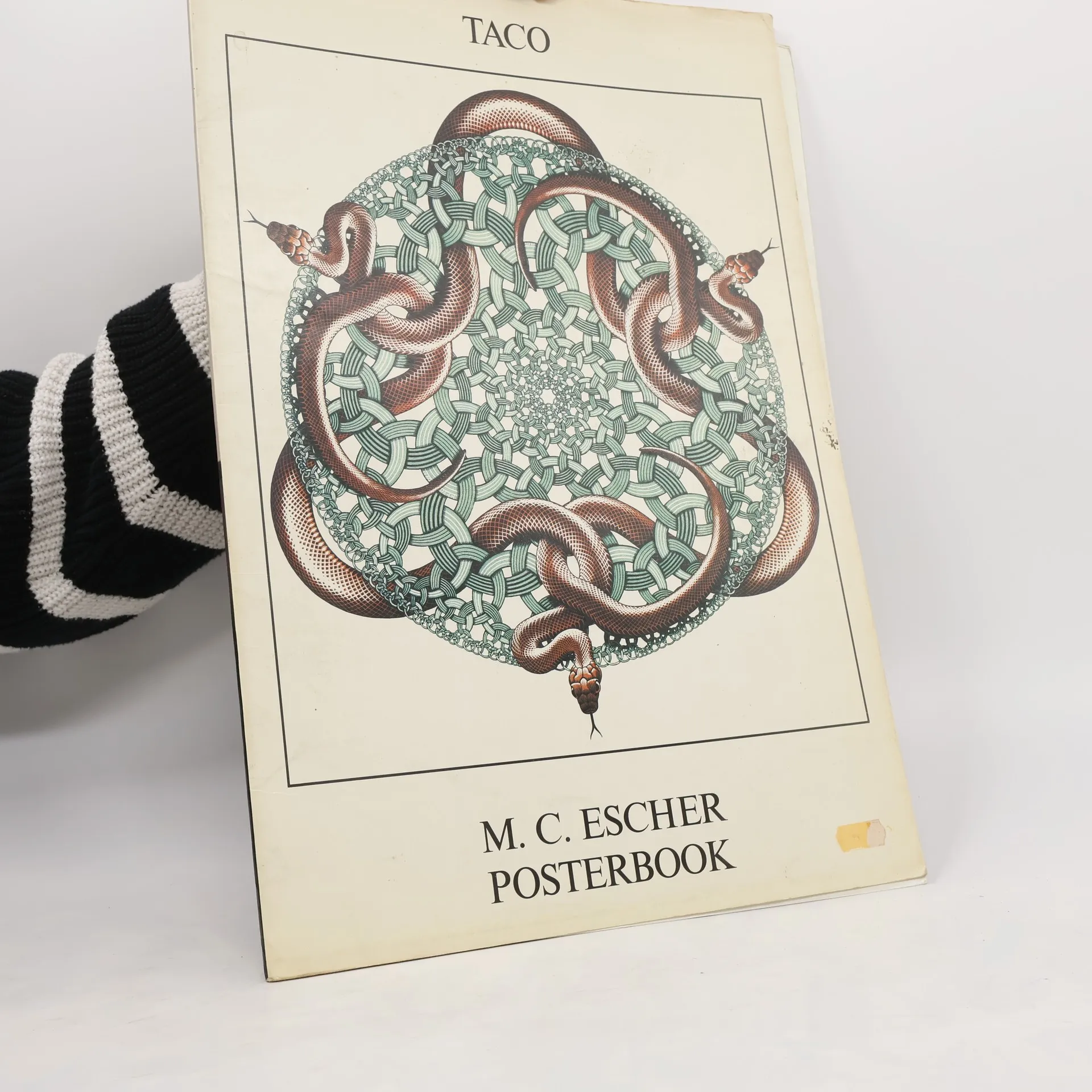
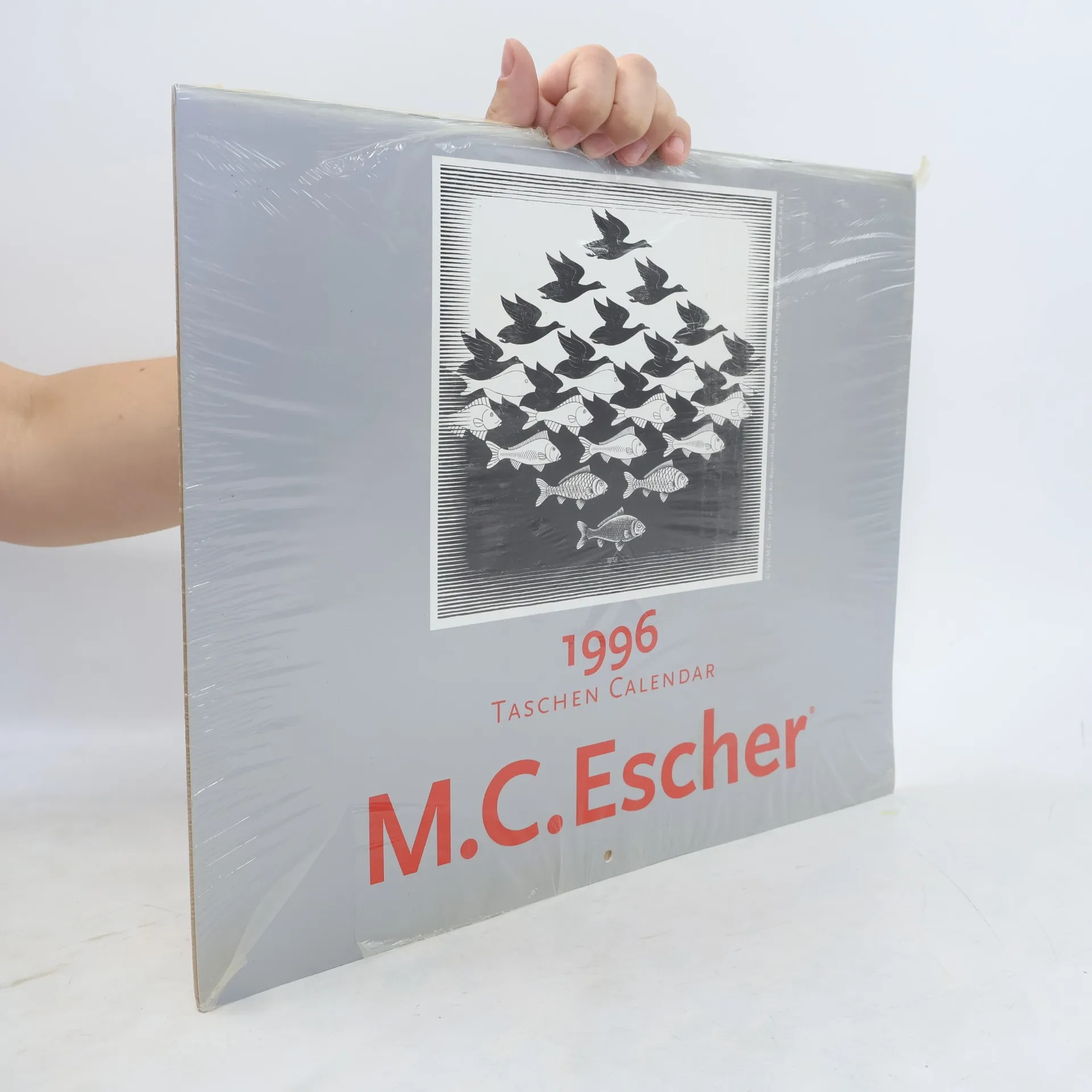
, 6 31 x 44 cm colour prints on high gloss paper, loose in coversr with 3 pages of text in English, French and German
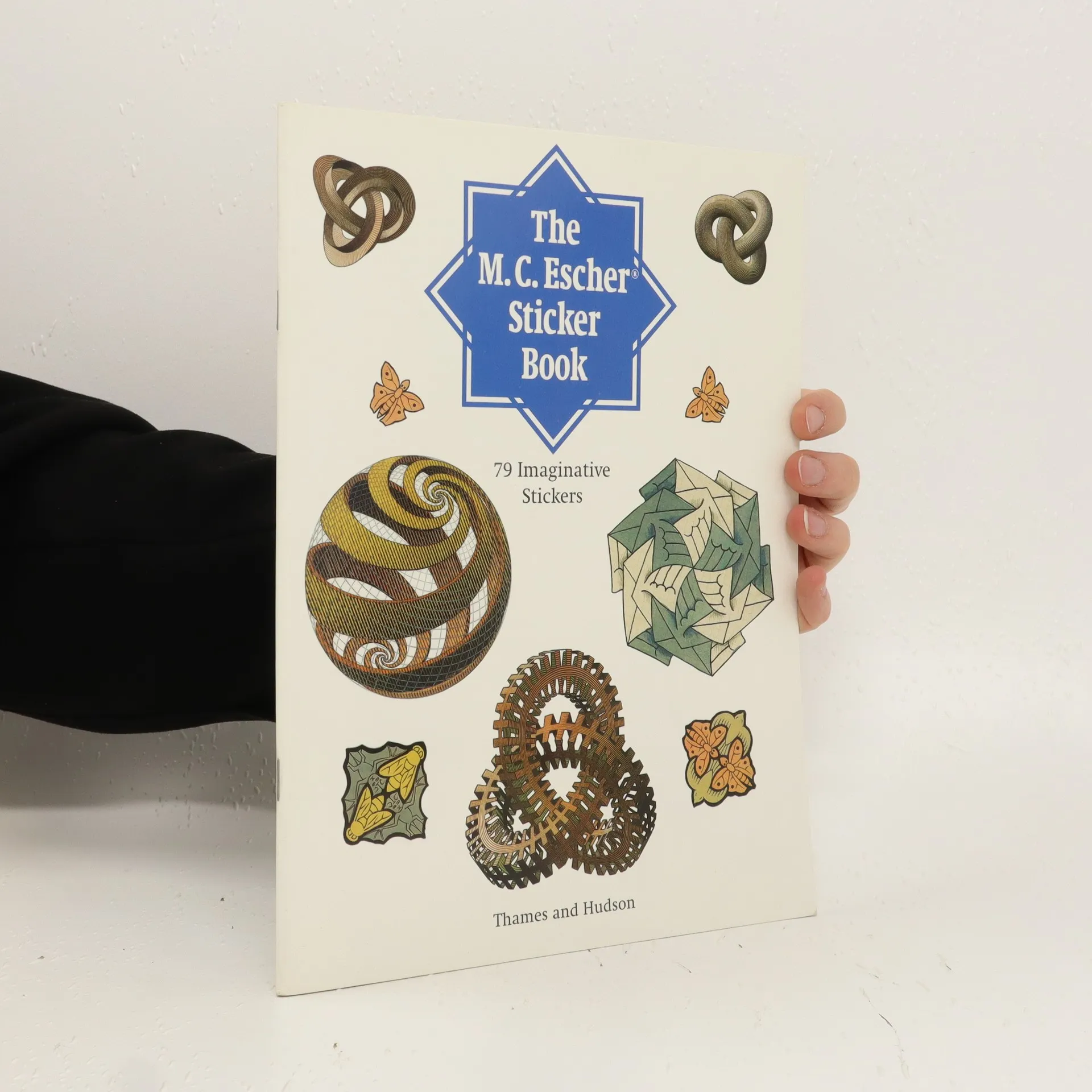
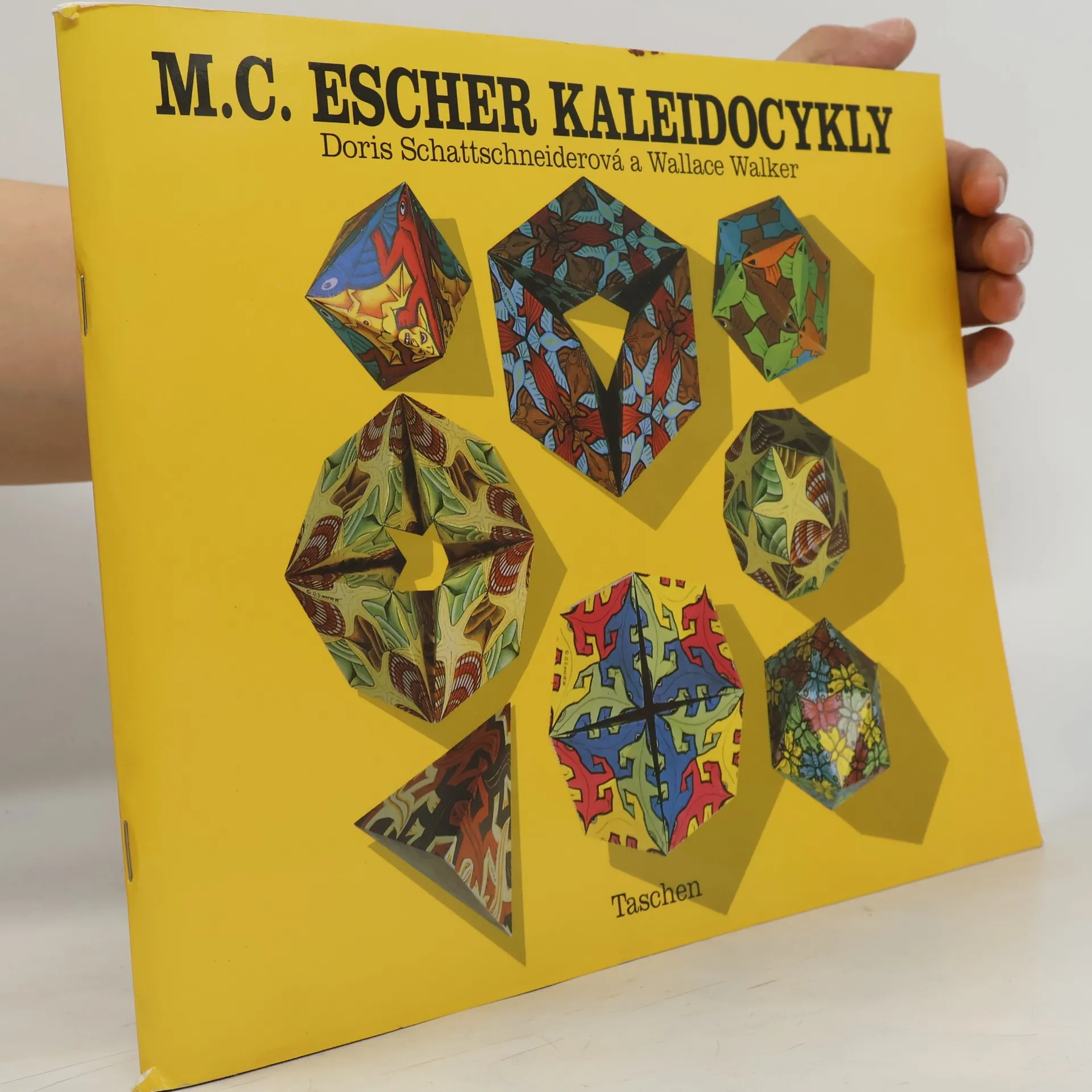
A sticker book utilizing the designs of the innovative Dutch graphic artist M.C. Escher. His symmetrical designs and interlocking images of fish, birds and reptiles are widely recognized. All the stickers are reproduced from Escher's original works of art.
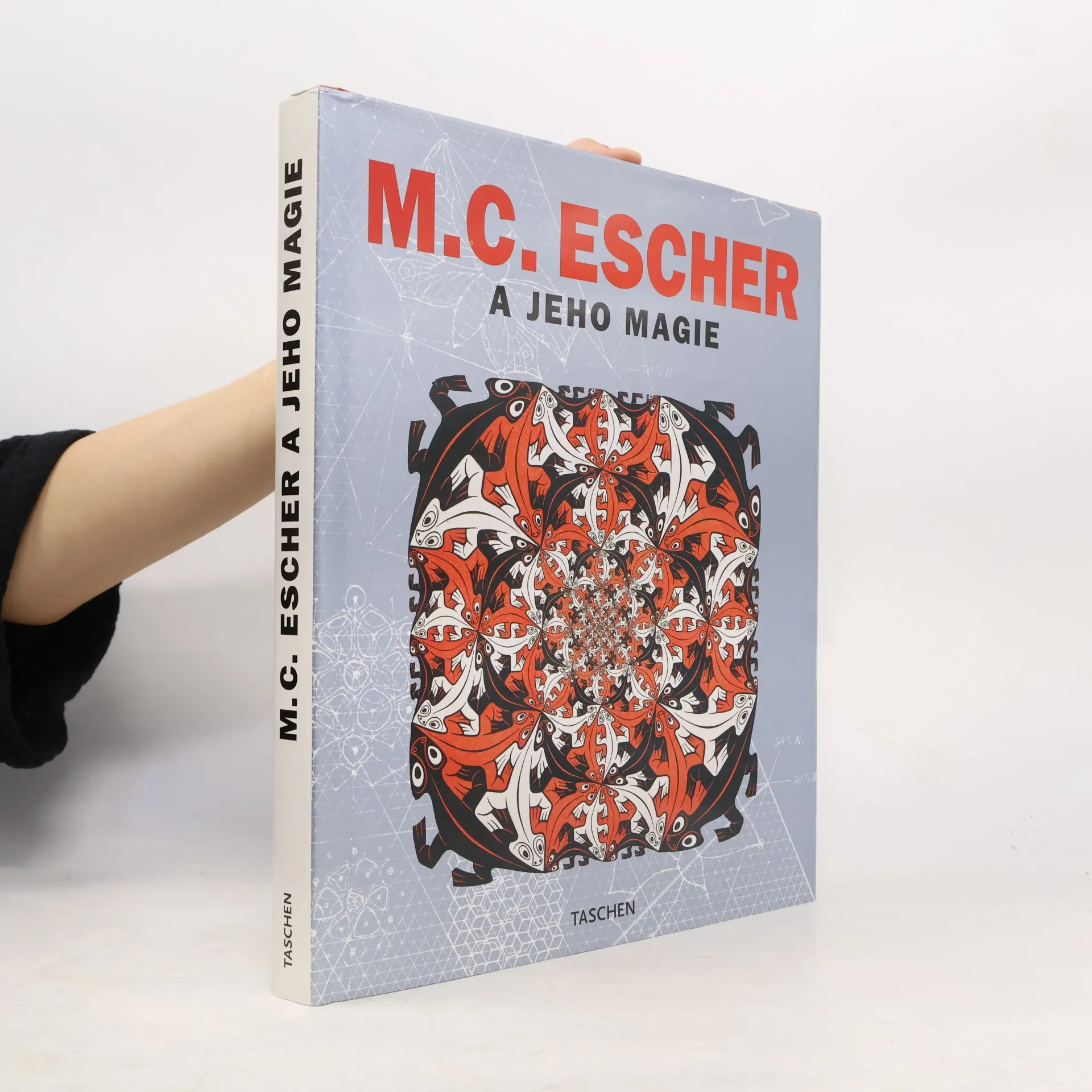
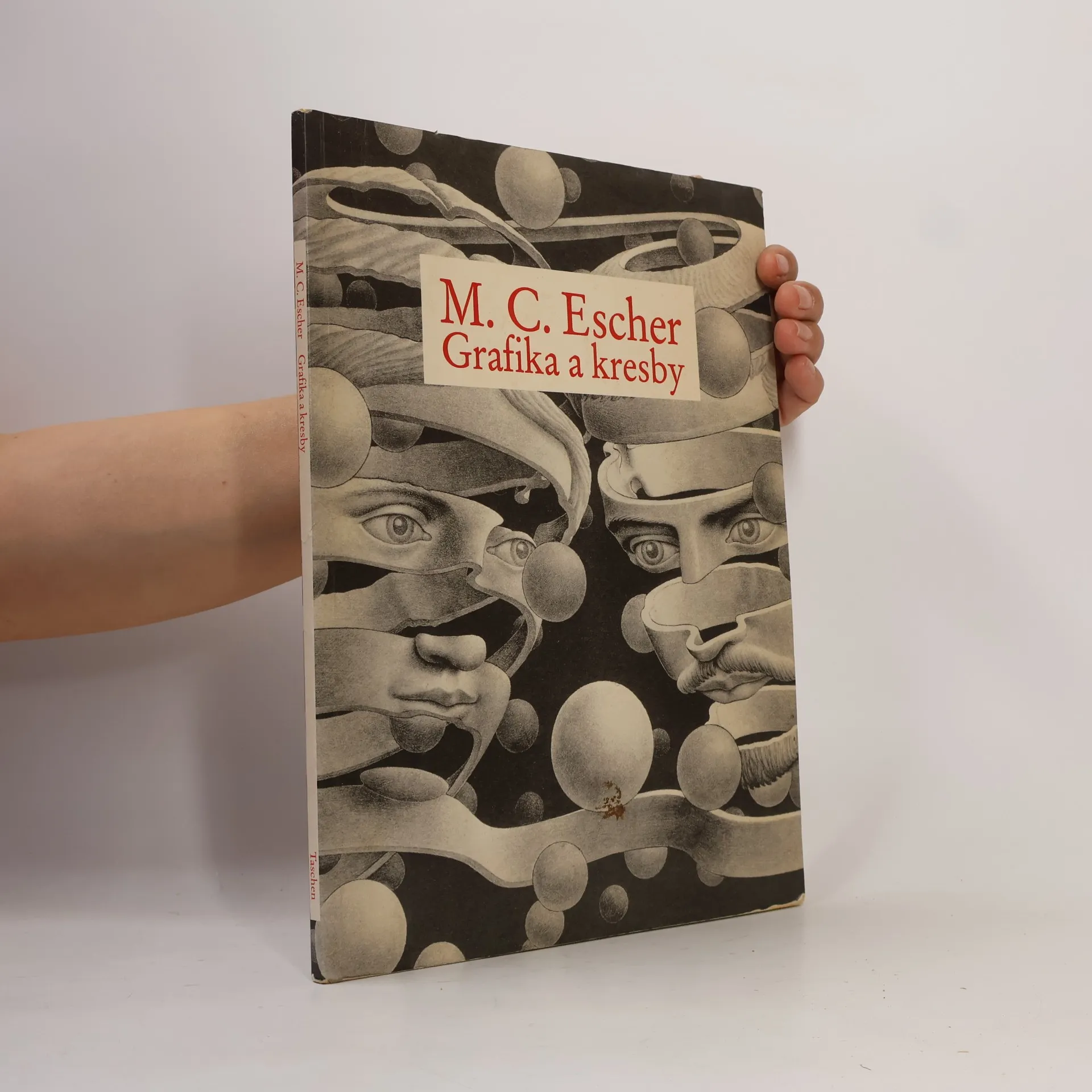
Žádný umělec nikdy nepracoval pilněji, aby zachytil vizi svého vnitřního pohledu, než M.C. Escher. Samy o sobě byly tyto vize pozoruhodné: pro Eschera nebyl povrch viditelného světa ničím víc než kouskem látky, kterou můžete nastříhat, složit, vytvarovat a uspořádat různými způsoby. Jako vynikající kreslíř si dal za úkol portrétovat tyto neskutečné transformace prostoru v rámci známých hranic vystavěných na kusu papíru. Výsledné obrazy se staly oblíbenými uměleckými díly pro desetitisíce diváků po celém světě. Zde je tedy kniha, která reprezentativním způsobem ukazuje působivě originální vizuální umělcovy vynálezy. Escherova díla - od velkých mistrovských tisků po mnohé kresby - jsou vynikajícím způsobem seřazena a doplněna jeho výmluvnými slovy tak, aby se spojila v objevnou cestu. Jejím cílem je magický svět umělcovy mysli, nepoznané teritorium plné exotických myšlenek a vynálezů.
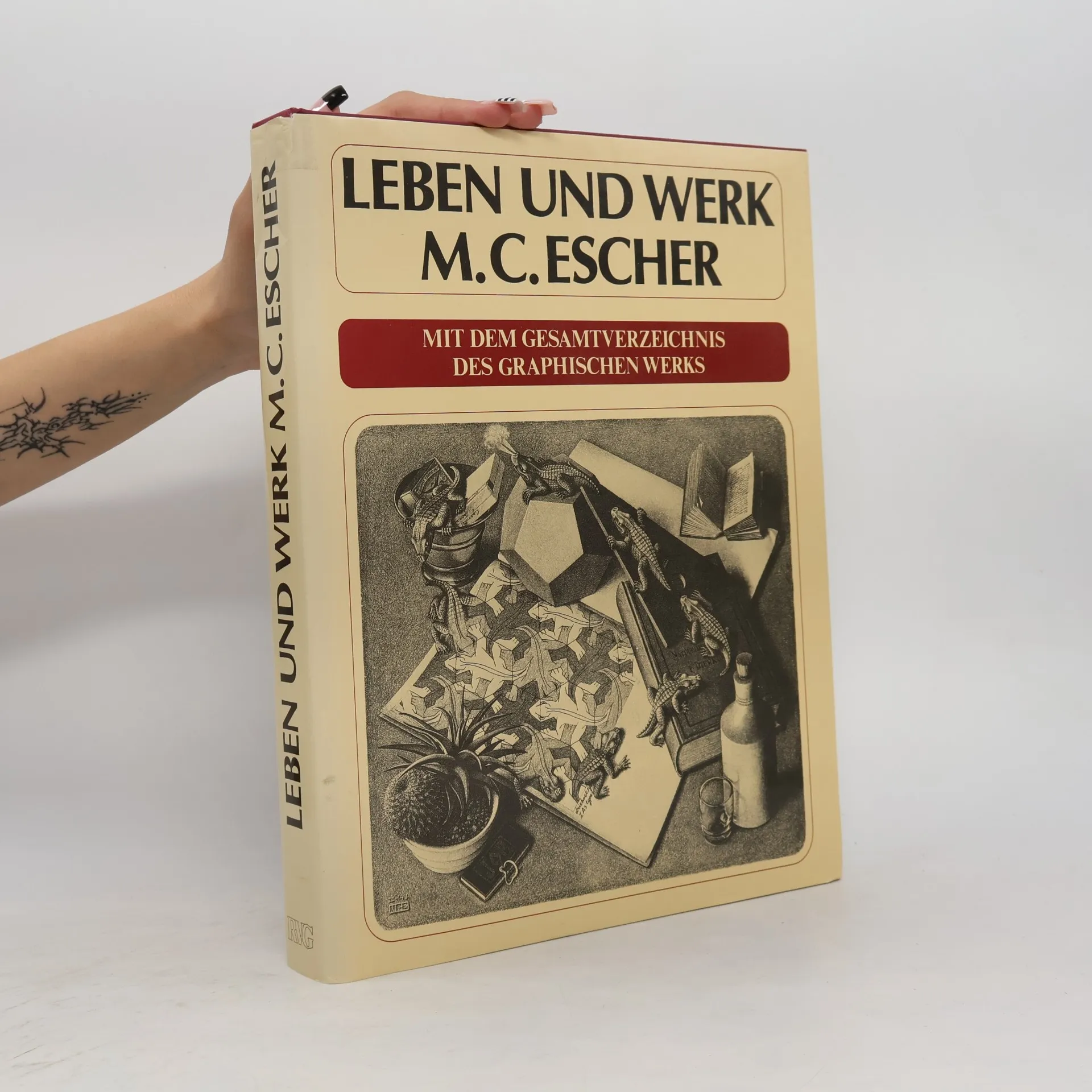
Hrsg. Locher, J. L. Beitr. v. Ernst, Bruno. Zahlr. Mitarb. Zahlr., tls. farb. Abb. 349 S.
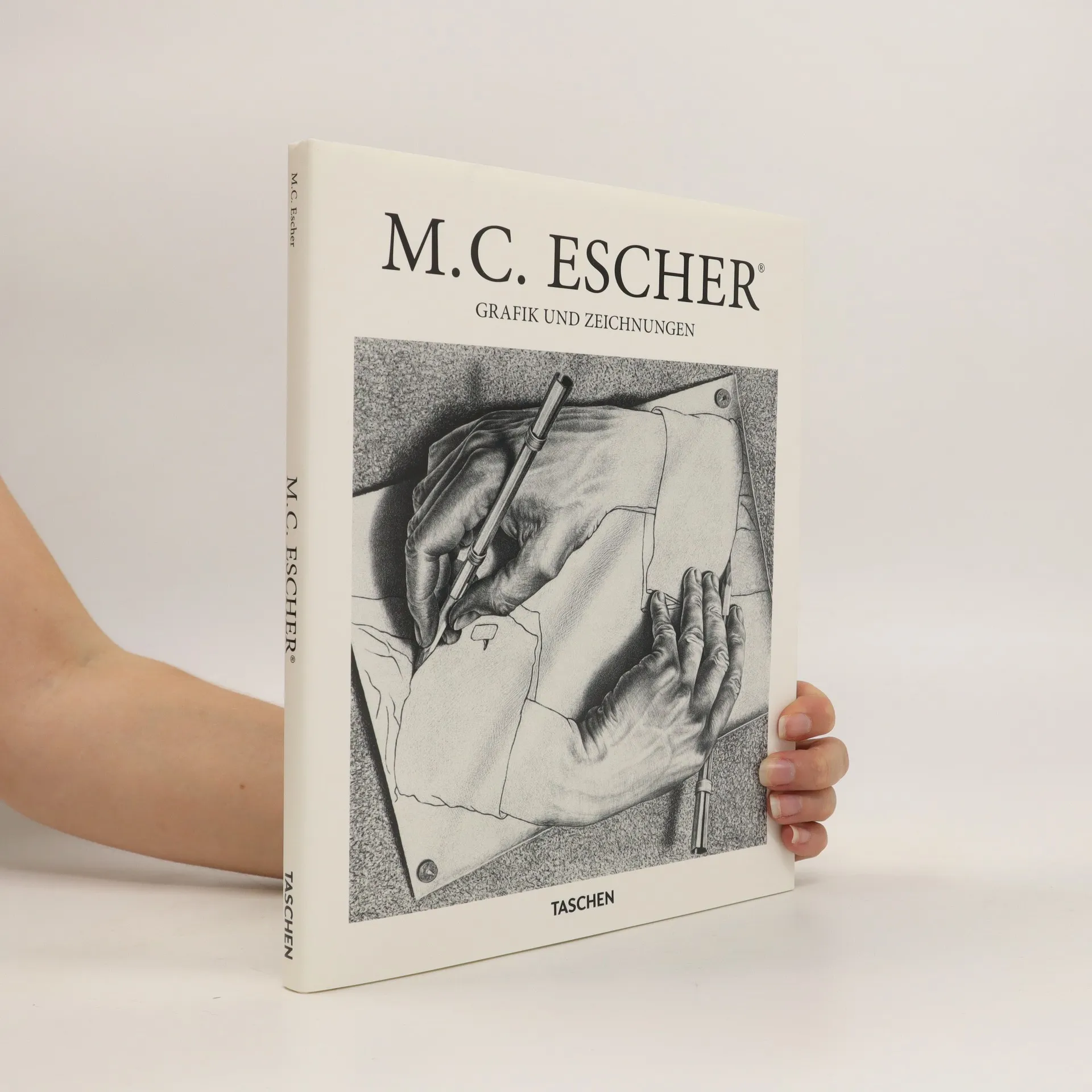
Von unmöglichen Treppen bis zu Möbiusbändern und Mosaiken mit Vögeln, Fischen und exotischem Entdecken Sie das grafische Genie vonM.C. Escher, dem Meister der schrägen Blickwinkel, mathematischen Rätsel und optischen Täuschungen! Diese Einführung zeigt wichtige Werke Eschers und zeichnet damit die Evolution eines einzigartigen Bildstils nach, der Mathematiker entzückt und Esoteriker entrückt.„Ich betrachte mein eigenes Werk als das schönste und auch das hässlichste.“― M.C. Escher
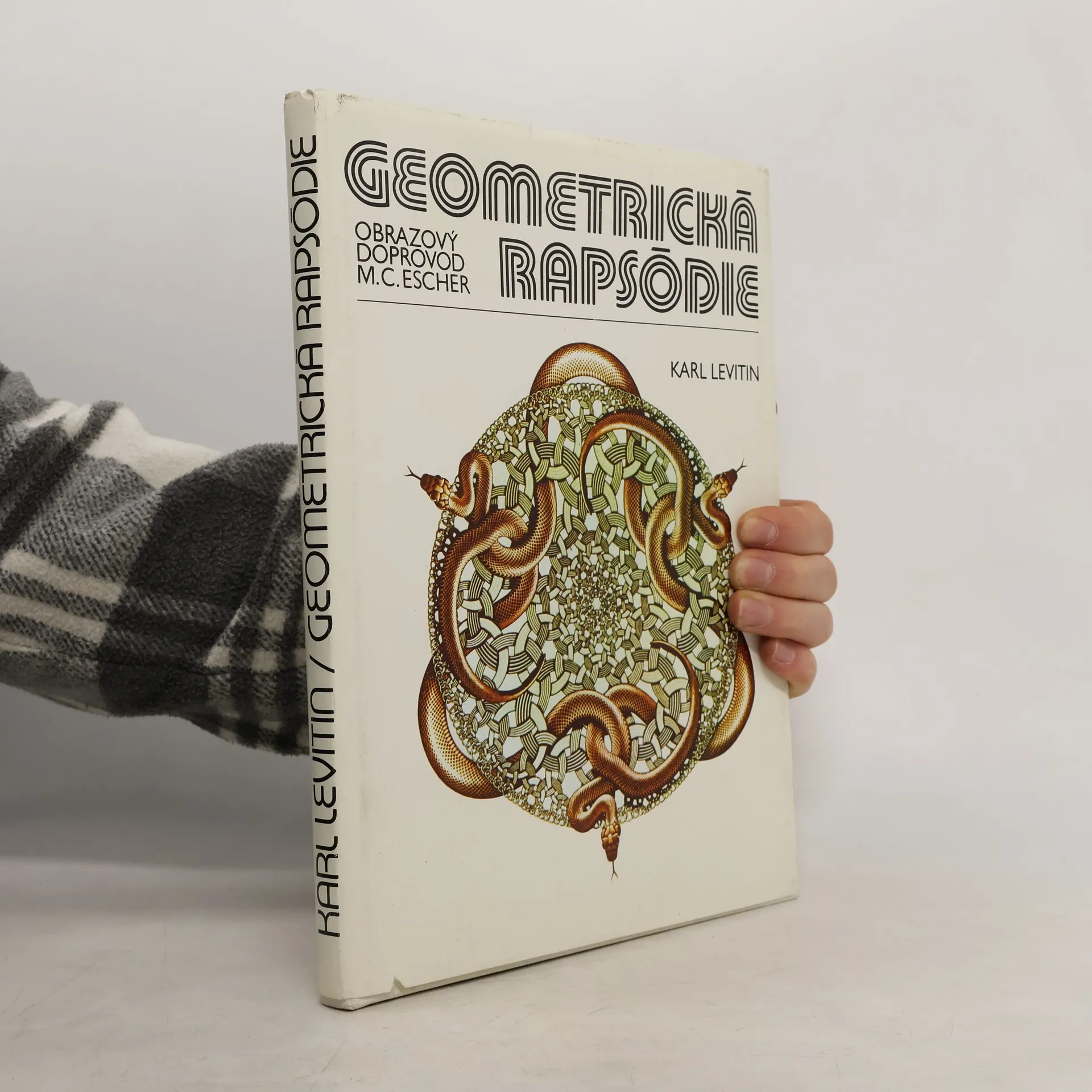
Kniha je sbírkou originálních pohledů na různé části geometrie. Obsahuje některé partie z teorie mnohoúhelníků, problémy symetrie apod. a dotýká se také dalších oborů matematiky a fyziky. Pro zpestření výkladu jsou použity grafiky známého holandského umělce M. C. Eschera, četné citáty slavných výroků, vtipné úvahy a poznámky. Pro informaci nejširšímu okruhu čtenářů je kniha doplněna bibliografií nejvýznamnějších matematiků a geometrů.
Charles Baudelaire: Die künstlichen Paradiese. Von Haschisch und Wein Lesefreundlicher Großdruck in 16-pt-Schrift Großformat, 210 x 297 mm Berliner Ausgabe, 2020 Durchgesehener Neusatz mit einer Biographie des Autors bearbeitet und eingerichtet von Theodor Borken Les Paradis artificiels. Erstdruck: 1860. Her in der deutschen Übersetzung von Erik-Ernst Schwabach, München, G. Müller, 1925. Inhaltsverzeichnis: Die künstlichen Paradiese. Widmung. Das Gedicht vom Haschisch. Der Wein. Biographie. Umschlaggestaltung von Thomas Schultz-Overhage unter Verwendung des Bildes: Émile Bernard, Die Haschischraucherin, 1900. Gesetzt aus der Minion Pro, 16 pt. Henricus Edition Deutsche Klassik UG (haftungsbeschränkt)
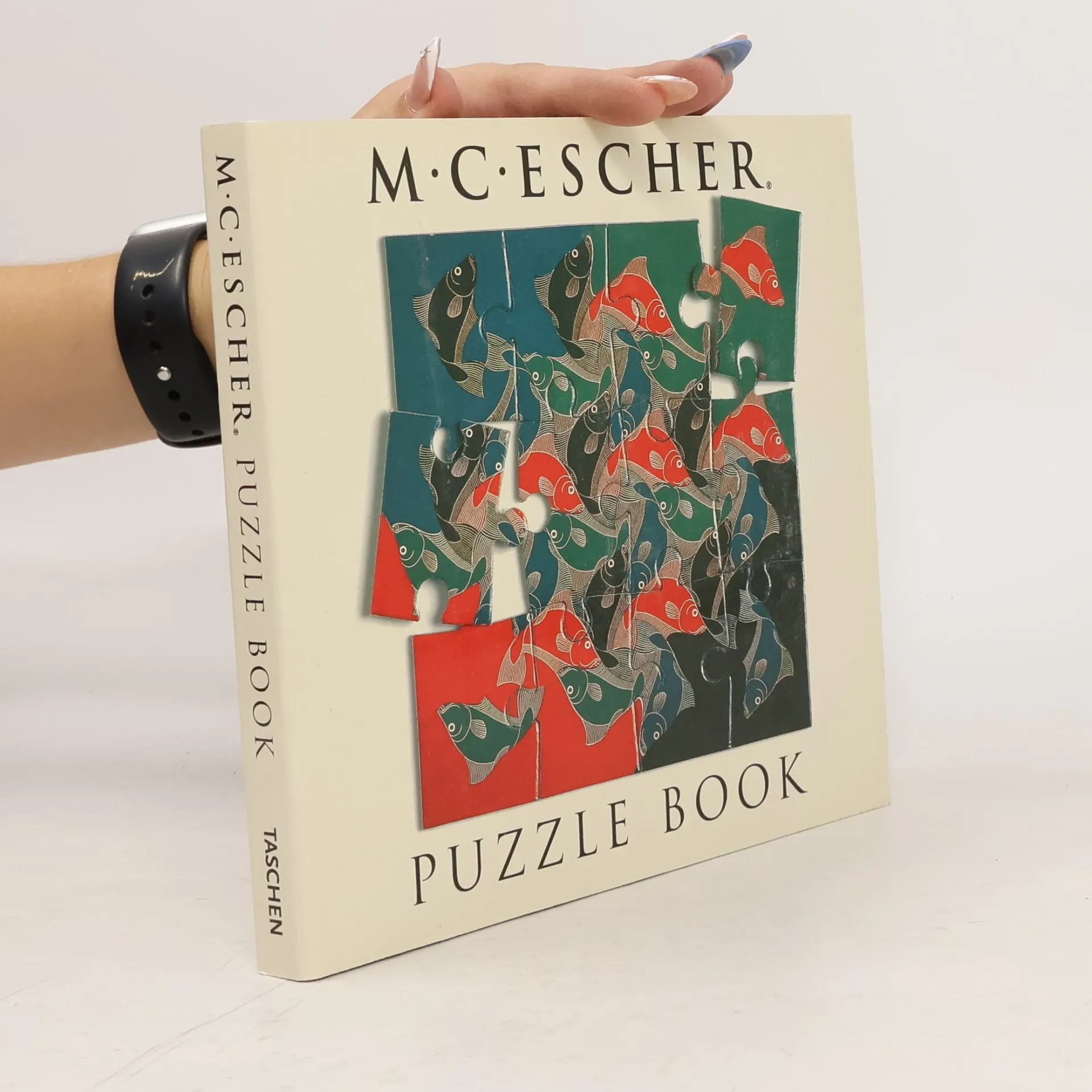
/ 9067610577 / Modern art / Nederlands / Dutch / Néerlandais / Niederländisch / hard cover / 20 x 26 cm / 120 .pp /