

Bookbot

James M. Robinson

    30 giugno 1924 – 22 marzo 2016

    James McConkey Robinson è stato un eminente studioso nel campo del cristianesimo primitivo e dello gnosticismo. Il suo lavoro si è concentrato sull'analisi critica di testi chiave del cristianesimo primitivo, esplorando e interpretando in particolare vangeli perduti e collezioni di saggezza. Robinson ha posto le basi per la comprensione moderna del Vangelo Q, un testo cruciale per lo studio dei detti di Gesù, e ha contribuito in modo significativo all'accessibilità e all'interpretazione della biblioteca di Nag Hammadi, che ha illuminato la diversità del pensiero cristiano primitivo.

    James M. Robinson
    Jidášova tajemství
    Judášove tajomstvá
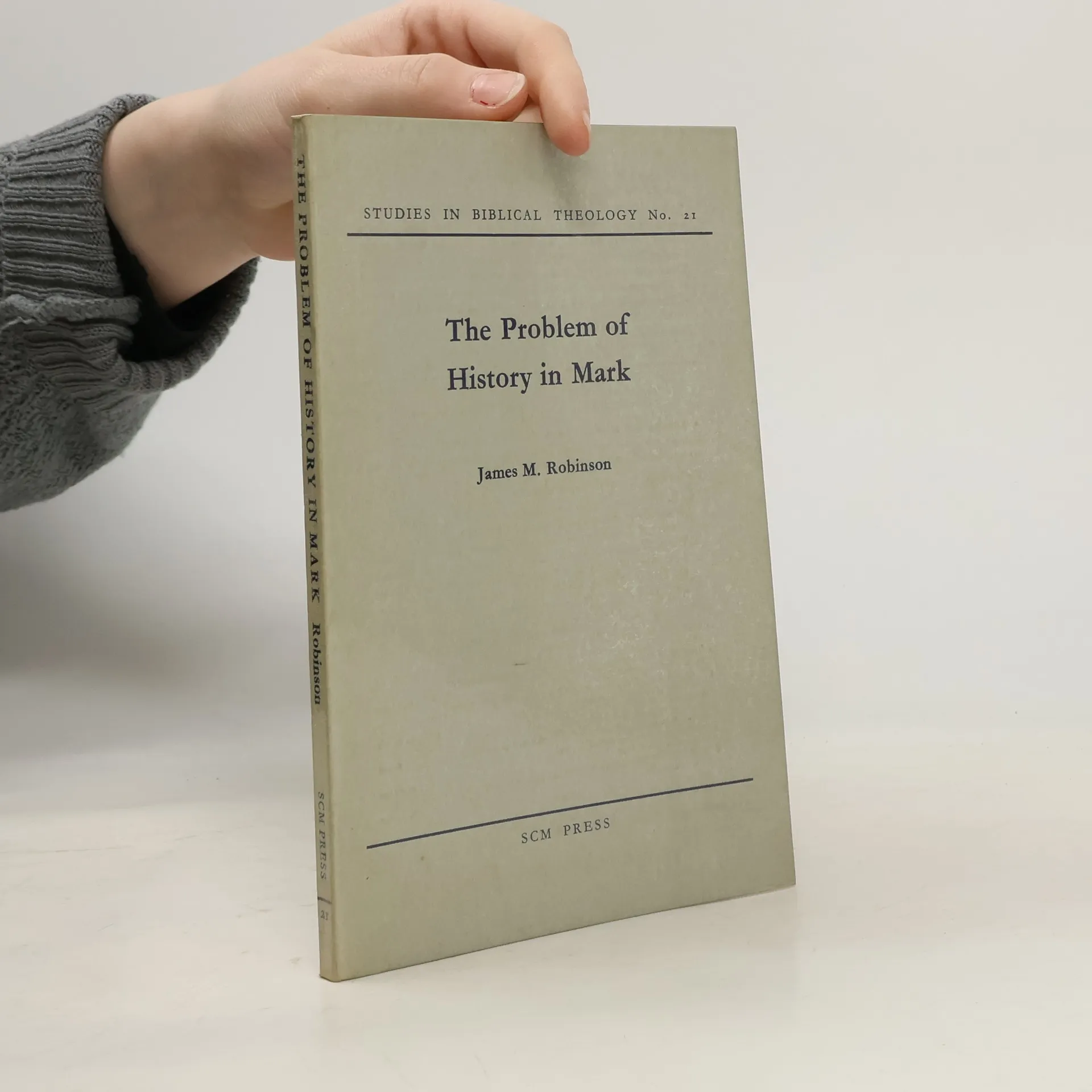
    The Problem of History in Mark
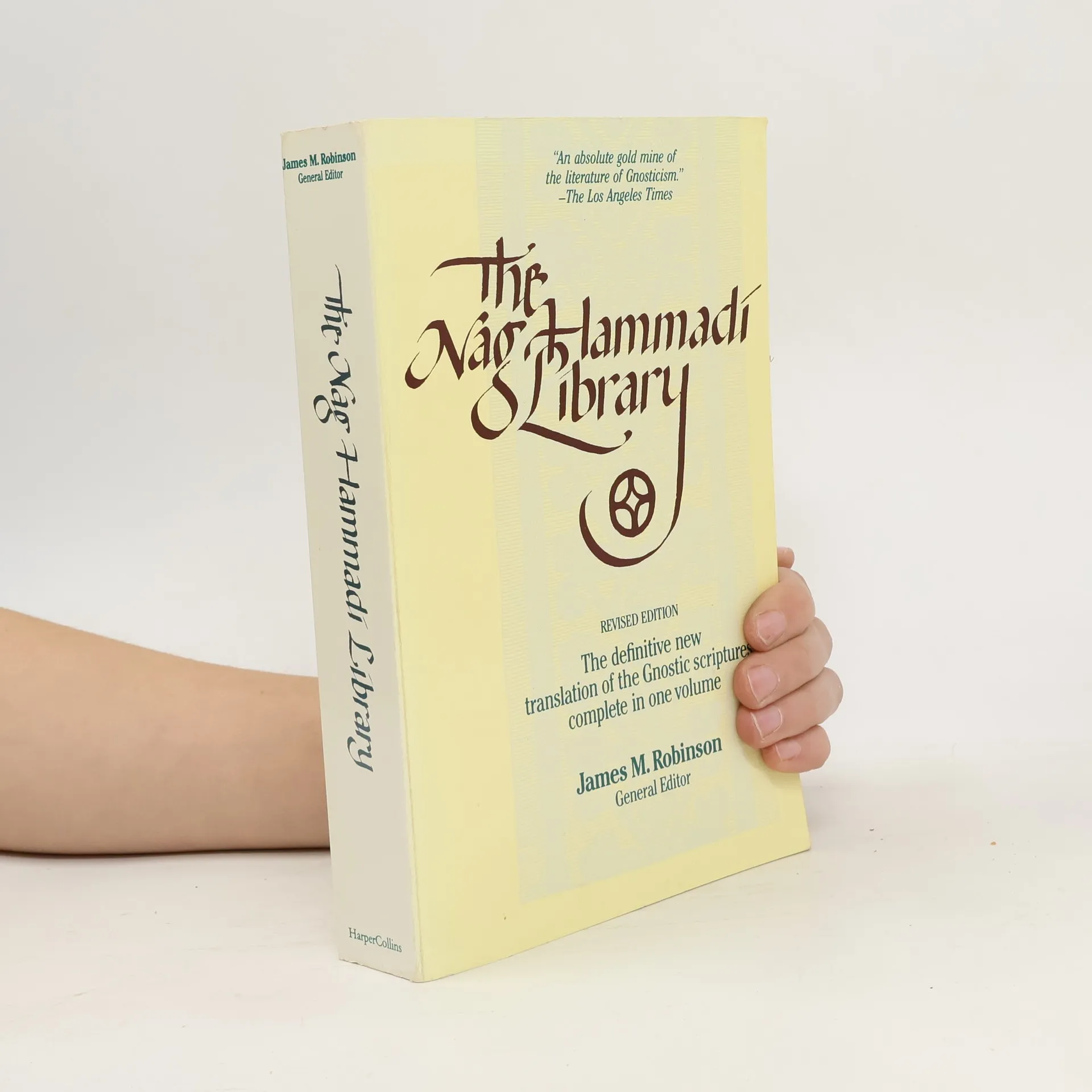
    The Nag Hammadi library in English
    The Nag Hammadi Scriptures
    I segreti del vangelo di Giuda. Negli scritti ritrovati la verità sull'apostolo che tradì Gesù
    • La scoperta di un Vangelo di Giuda Iscariota precedentemente perduto ha elettrizzato la comunità cristiana, ritraendo quest'uomo disprezzato come qualcuno che vedeva il suo ruolo nella Passione di Cristo come parte integrante di un piano più grande, portando nuova chiarezza alla vecchia storia. Se Giuda non avesse tradito Gesù, Gesù non sarebbe stato consegnato alle autorità, crocifisso, sepolto e risorto. Potrebbe essere che senza Giuda il miracolo di Pasqua non sarebbe mai accaduto? In I segreti di Giuda , James M. Robinson esamina la Bibbia e altri testi antichi e rivela ciò che possiamo e non possiamo sapere sulla vita del Giuda storico, il suo ruolo nella crocifissione di Gesù e se la Chiesa cristiana dovrebbe rivalutare le sue intenzioni e la sua possibile innocenza. Robinson racconta la storia della scoperta di un vangelo attribuito a Giuda e mostra come questo influisca sul nuovo significato di Giuda per la storia e per la fede cristiana.

      I segreti del vangelo di Giuda. Negli scritti ritrovati la verità sull'apostolo che tradì Gesù
      3,1
    • The Nag Hammadi Scriptures, edited by Marvin Meyer, is the most complete, up-to-date, one-volume, English-language edition of the renowned library of Gnostic manuscripts discovered in Egypt in 1945, which rivaled the Dead Sea Scrolls find in significance. It includes the Gospel of Thomas, the Gospel of Mary, and the recently discovered Gospel of Judas, as well as other Gnostic gospels and sacred texts. This volume also includes introductory essays, notes, tables, glossary, index, etc. to help the reader understand the context and contemporary significance of these texts which have shed new light on early Christianity and ancient thought. The compilation of ancient manuscripts that constitute The Nag Hammadi Scriptures is a discovery that challenges everything we thought we knew about the early Christian church, ancient Judaism, and Greco-Roman religions.

      The Nag Hammadi Scriptures
      4,5
    • The Nag Hammadi library in English

      • 576pagine
      • 21 ore di lettura

      "This revised, expanded, and updated edition of The Nag Hammadi Library is the only complete, one-volume, modern language version of the renowned library of fourth-century manuscripts discovered in Egypt in 1945. First published in 1978 [1977?], The Nag Hammadi Library launched modern Gnostic studies and exposed a movement whose teachings are in many ways as relevant today as they were sixteen centuries ago. James M. Robinson's updated introduction reflects ten years of additional research and editorial and critical work. An afterword by Richard Smith discusses the modern relevance of Gnosticism and its influence on such writers as Voltaire, Blake, Melville, Yeats, Kerouac, and Philip K. Dick. Acclaimed by scholars and general readers alike, The Nag Hammadi Library is a work of major importance to everyone interested in the evolution of Christianity, the Bible, archaeology, and the story of Western civilization."--GoogleBooks

      The Nag Hammadi library in English
      4,2
    • Judášove tajomstvá

      • 239pagine
      • 9 ore di lettura

      Judášov prípad nie je taký jasný, ako nás učia tradície. Znovuobjavenie dávnejšie strateného Evanjelia Judáša Iškariotského elektrizovalo celú kresťanskú spoločnosť. Všetko, čo nám o Judášovi, učeníkovi, ktorý zradil Ježiša, povedali Matúš, Marek, Lukáš a John, je plné rozporov a tendenčné. A tak objav starého evanjelia, ktoré zobrazuje tohto dosiaľ iba opovrhnutiahodného muža ako človeka, ktorý chápal svoju rolu v umučení Ježiša Krista ako súčasť ďalekosiahlejšieho plánu - božského plánu - vrhá na celý príbehu nové svetlo. Ak by Judáš nezradil Ježiša, Ježiš by sa nedostal do rúk úradov, neukrižovali by ho, nepochovali a nebol by vstal z mŕtvych. Nebyť Judáša, veľkonočný zázrak by sa nekonal. Naozaj Judáš veril, že napĺňa boží plán zrodu kresťanstva?

      Judášove tajomstvá
      2,0
    • Jidášova tajemství

      • 239pagine
      • 9 ore di lettura

      Jidášova tajemství obsahují historický průzkum biblických písemností o Jidášovi a zmínek o něm, které byly nalezeny ve starověkých zdrojích mimo Bibli. Jidášův příběh není tak jasný, jak nás učí tradice. Dramatický příběh teprve nedávného objeveného koptského dokumentu ze čtvrtého století, který nese název Evangelium Jidáše Iškariotského, a jeho tajného prodeje, jenž má na svědomí obchodník ze starožitnostmi pocházející ze Středního východu. Jak se k dokumentu dostala švýcarská nadace. Robinson v souvislosti s tímto novým provokujícím evangeliem, které se nečekaně zjevilo na veřejnosti, vysvětluje, že Jidáš pravděpodobně cítil, že hraje v božím plánu spasení pozitivní roli. Kdyby se z něho nestal zrádce, nebyli by vydali Ježíše Římanům, neukřižovali by ho, nepochovali a třetího dne by nevstal z mrtvých. Opravdu Jidáš věřil, že pomáhá uskutečnit boží plán zrodu křesťanství?

      Jidášova tajemství
      1,0
    • Das wahre Evangelium Jesu ist nach dem Ansatz von Robinson in unserer biblischen Tradition, den Evangelien, nichtkanonischen Schriften und der mundlichen Tradition nur verborgen enthalten und muss entdeckt werden. Robinson begibt sich auf die Suche nach dem, was Jesus selbst in Galilaa gepredigt hat. Jesus sprach vom Konigreich Gottes, um seinem Verstandnis vom Zusammenleben der Menschen Ausdruck zu geben. Er stellte sich damit in bewussten Gegensatz zu anderen politischen und sozialen Systemen und zu dem individuellen Streben nach Anerkennung und Macht. In seinem Buch ruft Robinson zentrale Punkte des Entstehungsweges unserer Bibel in Erinnerung: Die Verschriftlichung der Botschaft wird fruhestens ein halbes Jahrhundert nach Jesu Tod greifbar. Neben den kanonisch gewordenen Texten gibt es eine Reihe weiterer Schriften, die von der Botschaft Jesu berichten. Robinson wirft einen kritischen Blick auf das Bild, das wir in Europa traditionell von Jesus und seinem Evangelium haben. In ungewohnlicher Denkweise heftet sich Robinson dem Menschen Jesus und der Jungerschaft an die Fersen und durchleuchtet die Entstehung und Ausbreitung der Evangelien und der Kirche.

      Jesus und die Suche nach dem ursprünglichen Evangelium