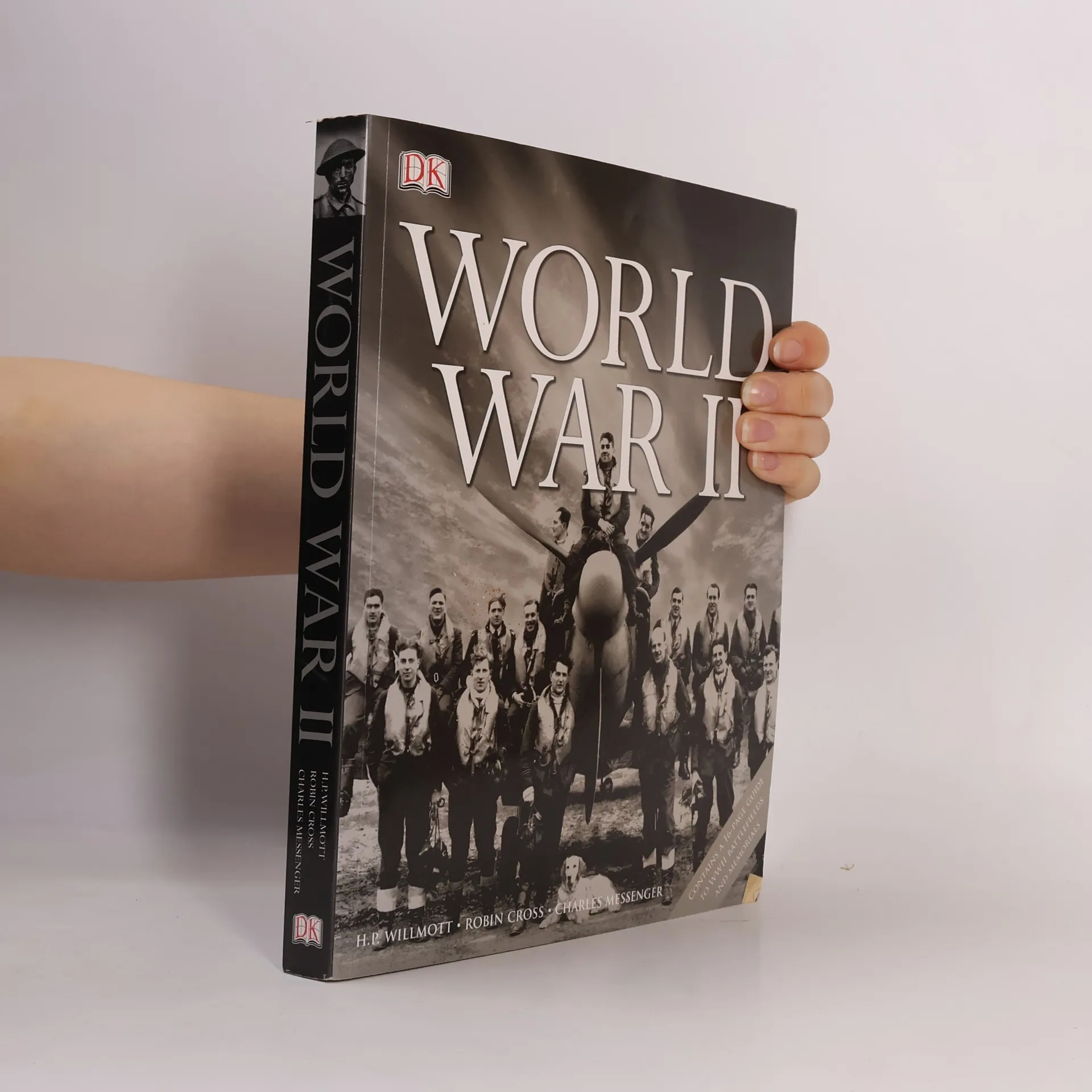
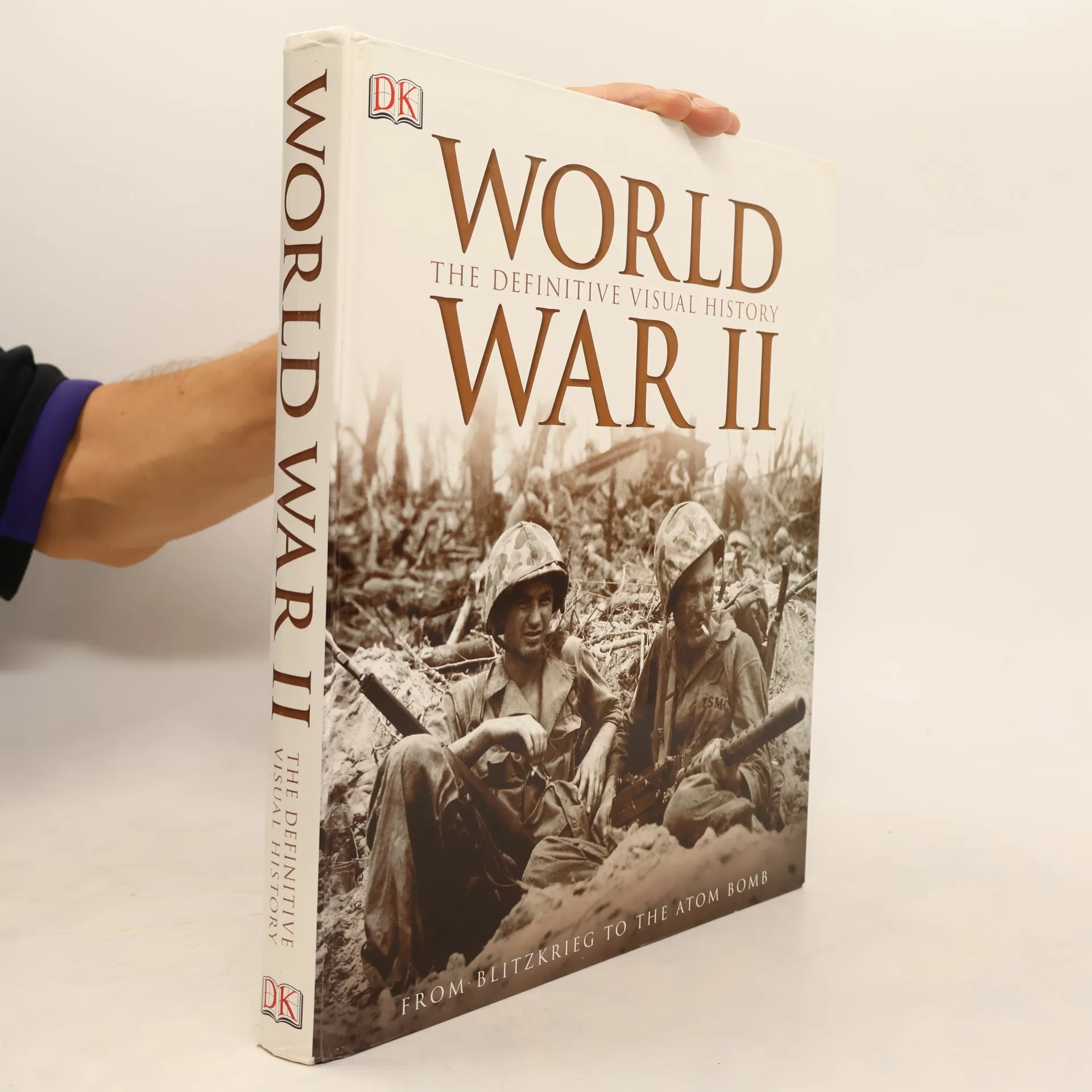
World War II is divided into nine chronological chapters, each introduced by a general overview of the military and political situation. This is followed by a comprehensive timeline, covering events in all theaters of the war. The opening chapter analyzes the build-up of hostility in the years leading up the war, both in Europe and in the Pacific. Similarly the final chapter analyzes the immediate and long-term consequences of the war and the way it has shaped recent history. In the chapters that cover the events of the war itself, the main spreads move from one theater of war to another but are linked by an easy-to-use system of cross referencing to earlier events and the consequences of the actions described on the spread. The main spreads are interspersed with features, eyewitness accounts, and galleries of weaponry and equipment.This title differs from DK's previous World War II title, in that it is a spread-by-spread account á la History (with "previous" and "following" tabs placing each spread in chronological context) of the war, rather than a narrative that needs to be read from start to finish.
Charles Messenger Libri
Questo distinto ufficiale dell'esercito britannico, dopo il servizio attivo nel Royal Tank Regiment, è diventato un prolifico storico militare e analista della difesa. La sua vasta opera, che comprende oltre quaranta libri, approfondisce le complessità della storia militare e dell'analisi strategica. Ha inoltre contribuito con la sua esperienza ad analisi storiche per il Ministero della Difesa e ha lavorato come autore e consulente per numerose serie di documentari televisivi, offrendo a lettori e spettatori approfondite prospettive sulle questioni di difesa.


World War II
- 336pagine
- 12 ore di lettura
Offers an account of the Second World War. This title includes digital maps and timelines that cover every major campaign and phase of the war highlighting the strategic problems, critical moments, decisions and military actions that decided its outcome.
D-Day Atlas: Anatomy of the Normandy Campaign
- 176pagine
- 7 ore di lettura
A study that chronicles the evolution of the invasion plan and culminates in a day-by-day account of the landings by sea and by air on the Normandy beaches, followed by the grim six-week struggle to break through the German defences. It features 71 maps in full colour, and many drawing in detail on those used by the Allies in 1944.
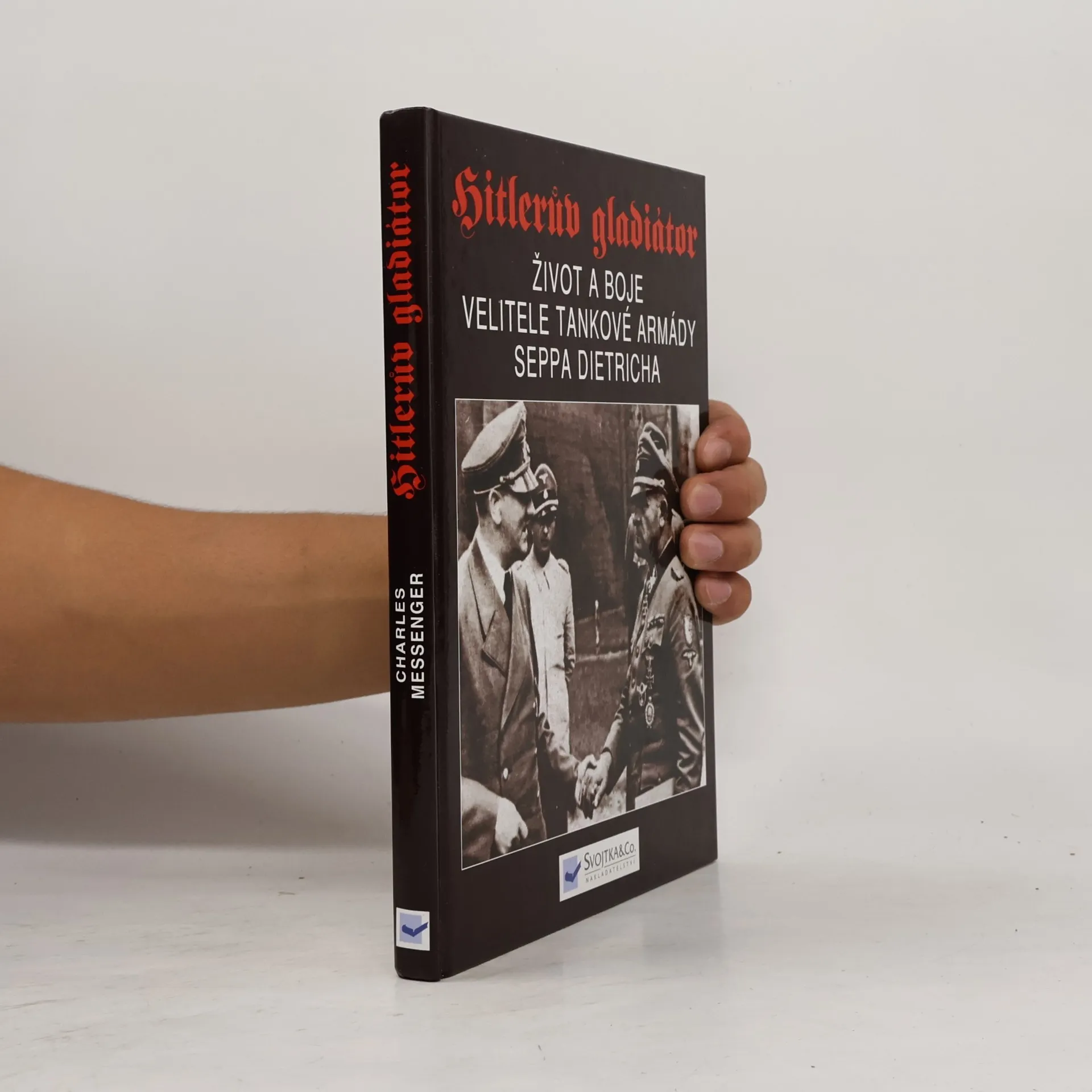
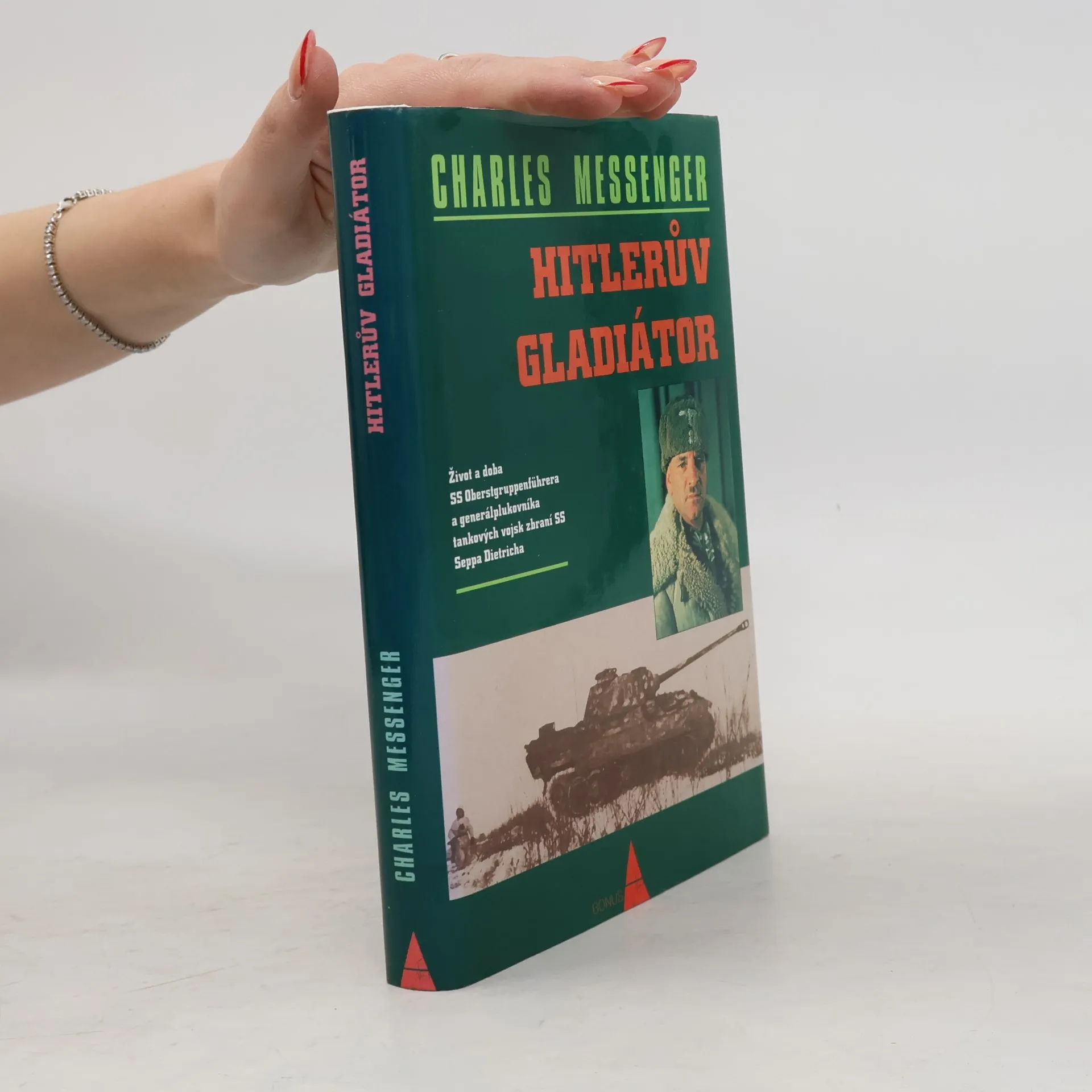
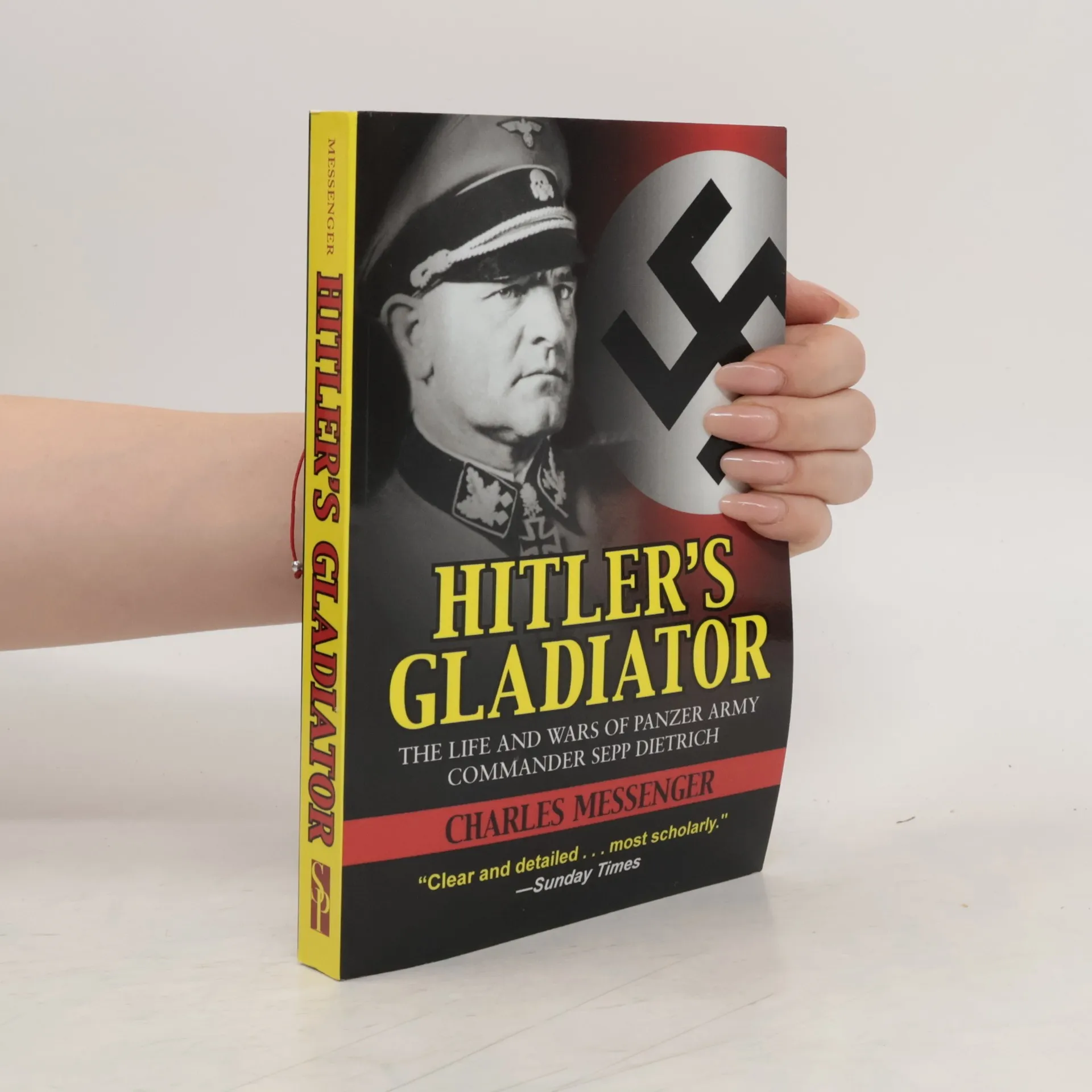
Hitler's gladiator
- 272pagine
- 10 ore di lettura
A charismatic yet notorious character, Sepp Dietrich the man is impossible to separate from Sepp Dietrich the General, who was awarded twenty-four different honors during his service to the Nazi party and was known for his devotion to his men as he led them through some of the fiercest fighting in the war. In this extensively researched book, historian Charles Messenger attempts to discover the truth about this sparsely documented man, painting a vivid picture of the aggressive war and politics under the Third Reich. From Dietrich’s humble upbringing and his eventual rise to General, to his dissatisfaction with Hitler’s leadership and the trials he faced after the war, Dietrich remains a mysterious figure in history.
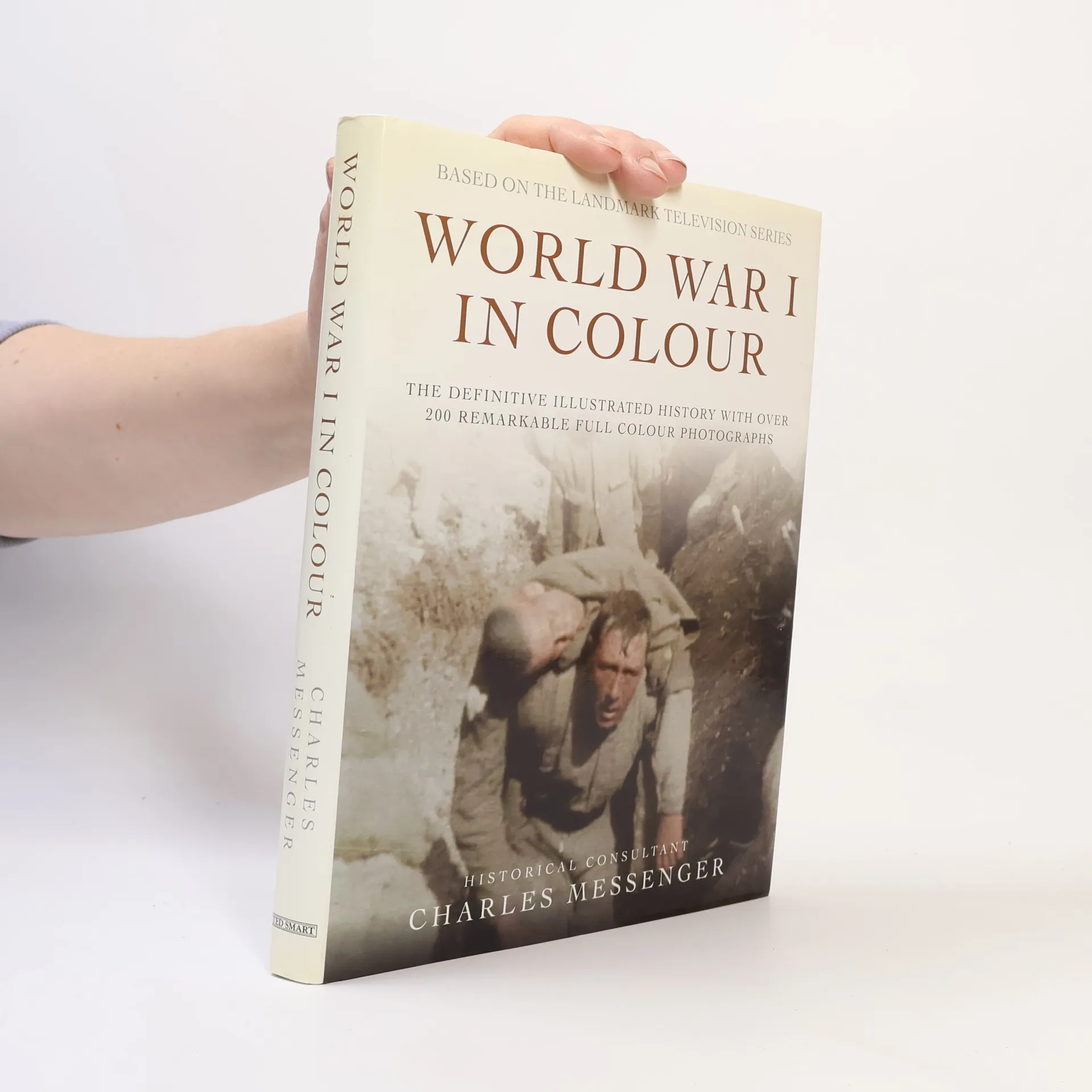
World War I in Colour
The Definitive Illustrated History with over 200 Remarkable Full Colour Photographs
- 224pagine
- 8 ore di lettura
For the first time ever — First World War footage recast into 200 full-colour photographs.Up to now, World War I has only been seen in black and white. At the time, it was the only way pictures from the front and scenes recreated for the camera could be filmed. Now, for the first time, rare archive footage in black and white from worldwide sources, including Russia, Germany, France, Italy, the USA and London’s Imperial War Museum, has been recast into colour with the greatest care and attention to detail. The results are breathtaking, bringing a remarkable immediacy and poignancy to the war that consumed the lives of 10 million soldiers and civilians.Complemented by an authoritative text by respected historian Charles Messenger and interviews with eye-witness survivors, the book traces in chronological order the development of the war, from the seeds of the conflict and the opening shots to the way in which it was fought, whether in the trenches, at sea or in the air. This remarkable book will provide new insights into a war that still resonates and fascinates today.
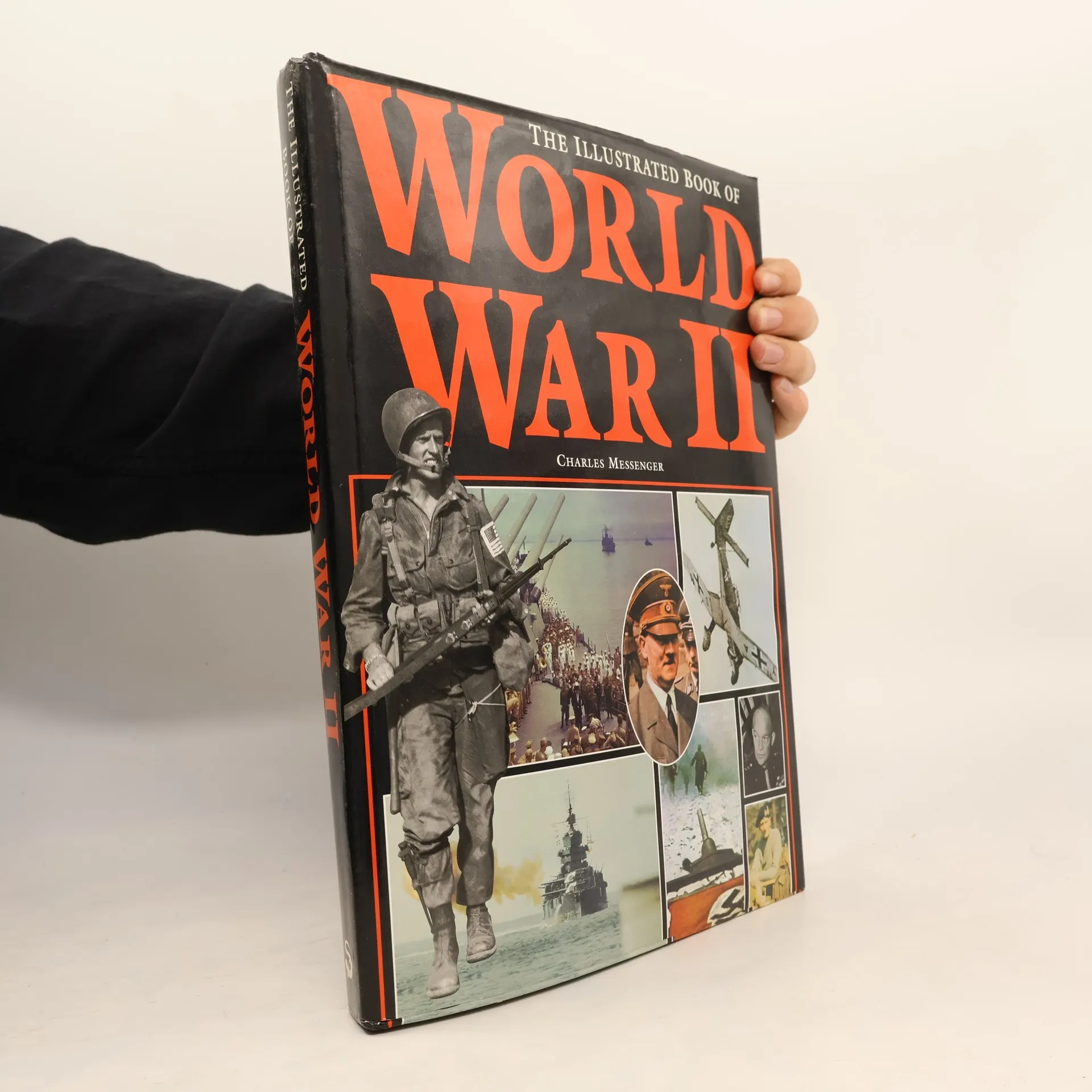
The Illustrated Book of World War II
- 304pagine
- 11 ore di lettura
This is the ultimate single-volume reference on World War II. This large format book details all the battles and campaigns, from Germany's blitzkrieg of Poland in 1939 to the surrender of Japan after the world's first deployment of nuclear weapons. The authoritative text represents the latest research, and also included are numerous easy reference charts, graphs, tables, and maps. Packed with over 600 b/w and color photographs.
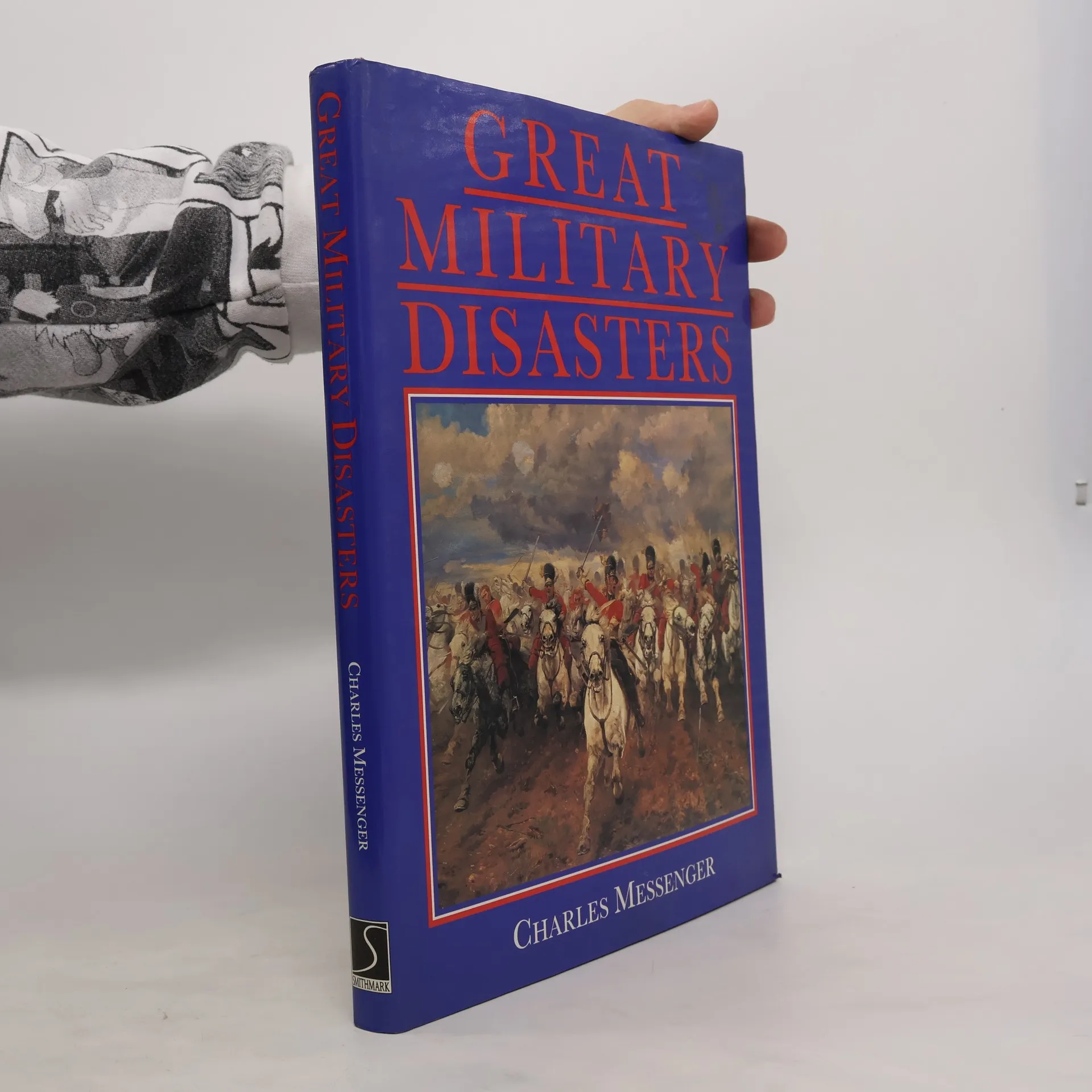
Great Military Disasters
- 192pagine
- 7 ore di lettura
Book by Regan, Geoffrey
The Middle East Commandos
- 176pagine
- 7 ore di lettura
Raised in the late summer of 1940 in Egypt, Nos 50, 51 and 52 Middle East commandos played an important role in the war in the Middle East. Accounts of campaigns waged in Eritrea, Abyssinia, the Dodecanese Islands and Crete have been drawn from the memoirs of surviving members of these commando units. Colonel George Young was the commander of No 50 and later No 52 commando units. Lieutenant-Colonel Stephen Rose was second in command of the No 50 Commando unit and then of the amalgamated 50/52 unit. Charles Messenger is also the author of "The Commandos 1940-1946".
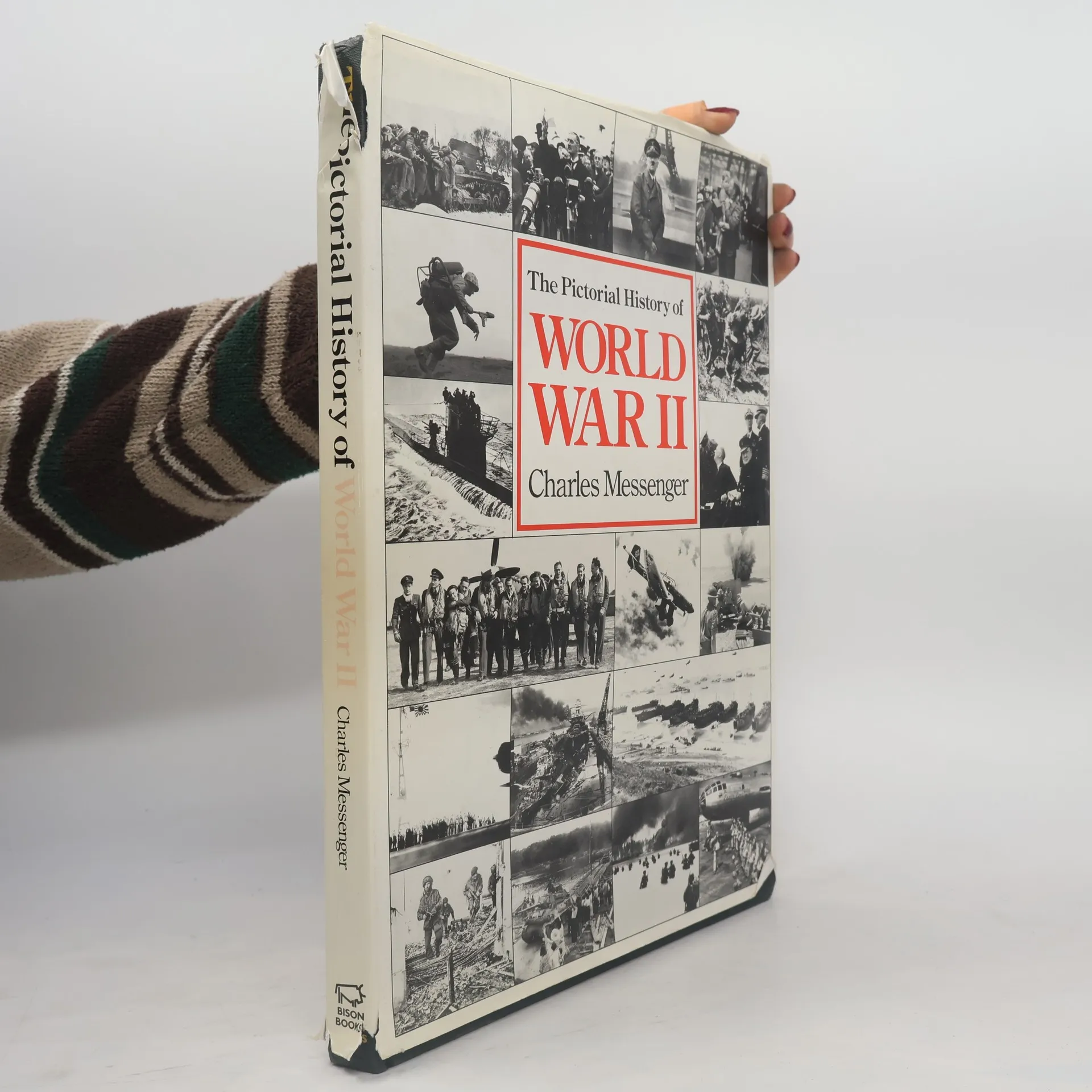
The Pictorial History of World War II
- 240pagine
- 9 ore di lettura
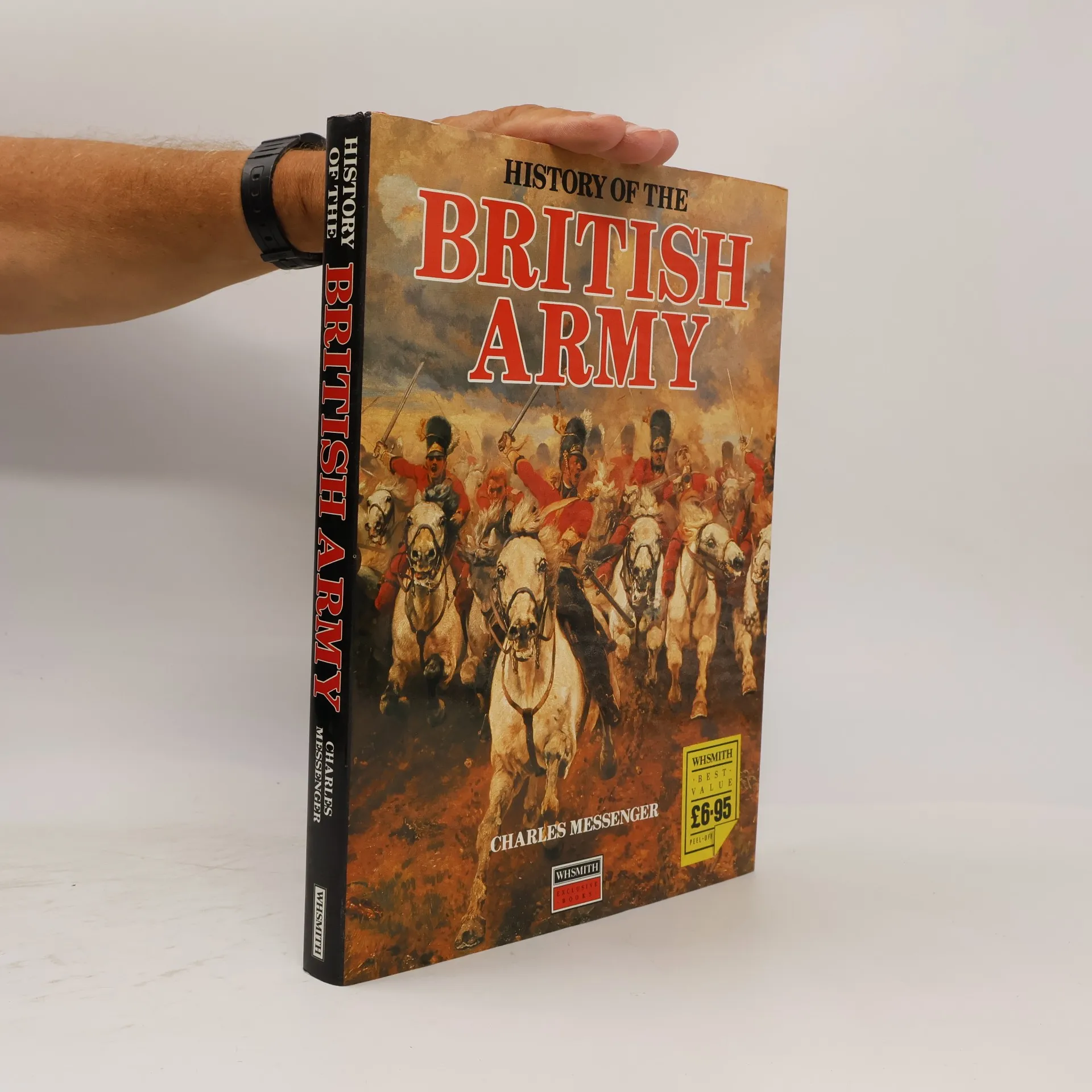
History of the British Army
- 224pagine
- 8 ore di lettura
Accompanied by maps and illustrations, documents the organization and history of the British Army and its performance in both domestic conflicts and world wars.
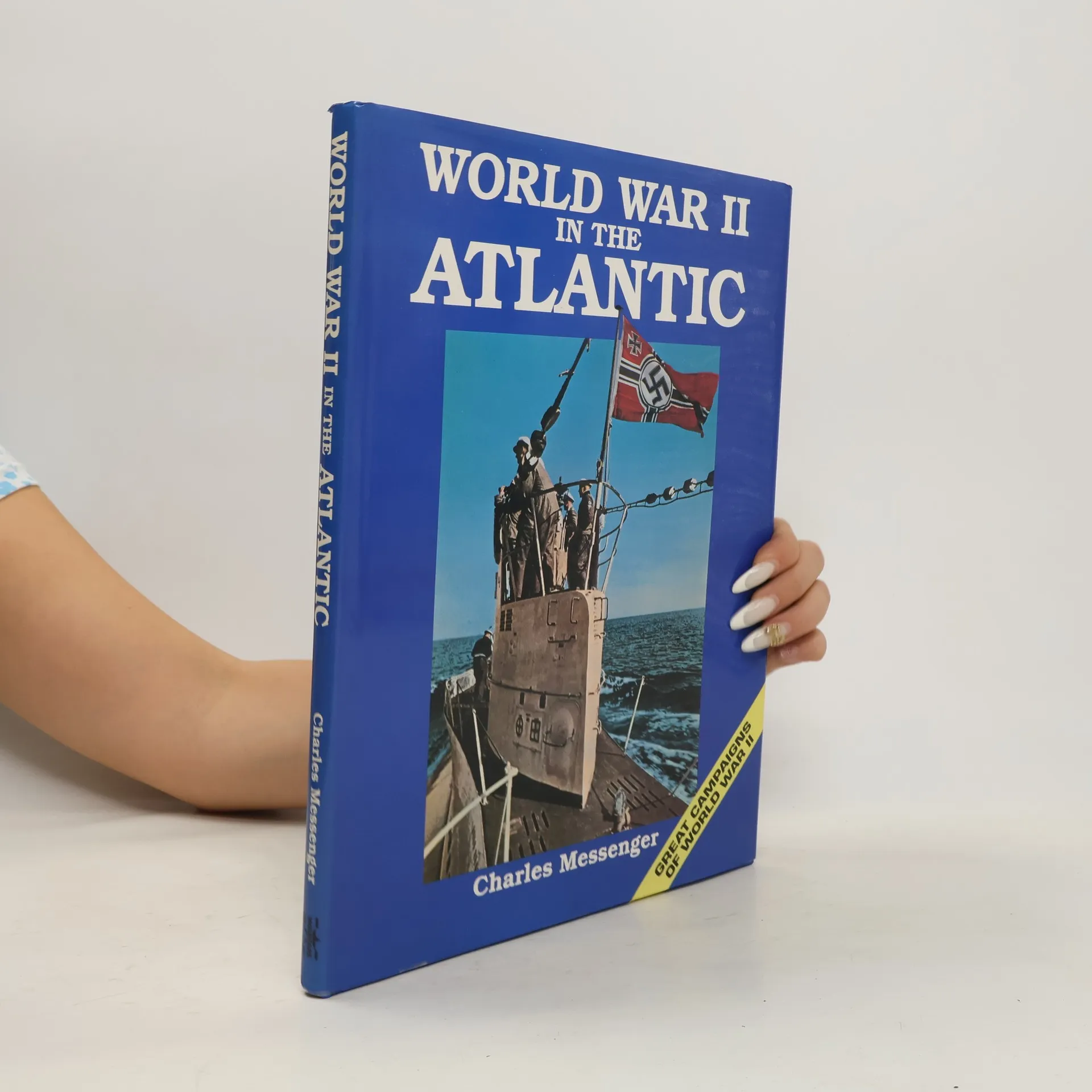
World War II in the Atlantic
- 80pagine
- 3 ore di lettura
Provides a concise account of the German attacks on Allied shipping in the Atlantic and the Allied response, including the impact of the events and the personalities, battles, and weapons behind them
The Tanks
- 232pagine
- 9 ore di lettura
The Royal Tank Regiment through the last third of the Cold War, Northern Ireland, Cyprus, the two Gulf Wars, the Balkans, Iraq and Afghanistan.
Battle of Britain
- 120pagine
- 5 ore di lettura
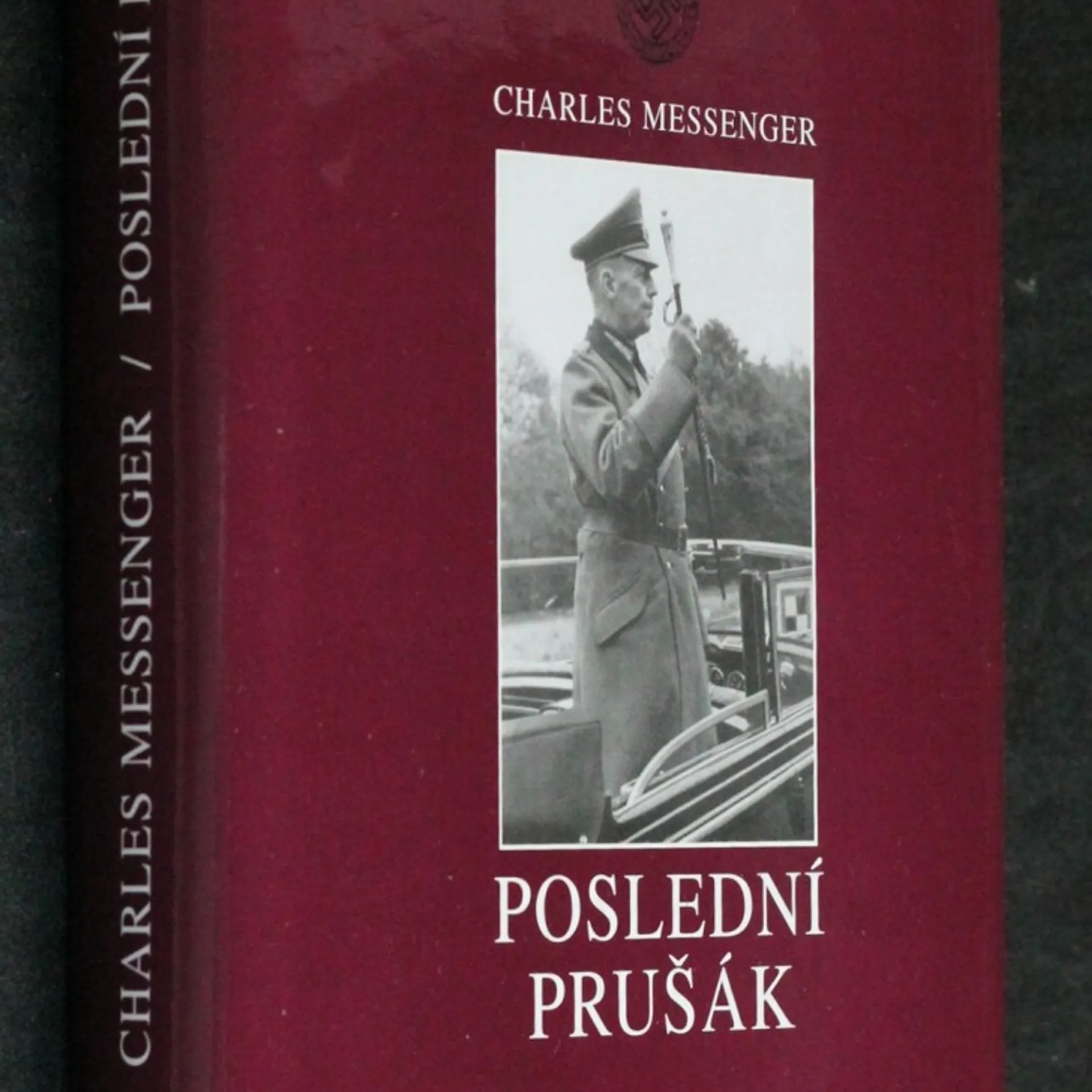
Poslední prušák
- 448pagine
- 16 ore di lettura
Biografie polního maršála Gerda von Rundstedta (1875-1953) Portrét nejznámějšího důstojníka pruské vojenské tradice, který se stal díky účasti v jedné z nejdůležitějších bitev druhé světové války (ofenzíva v Ardenách 1944) vděčným objektem médií.
Druhá světová válka je pravděpodobně nejvýznamnější jednotlivou událostí lidských dějin. Za šest desetiletí od okamžiku, kdy padl poslední výstřel, mohou vzpomínky na bitvy poněkud vyblednout, ale otřesy, které vyvolala, jsou stále patrné. Tato souborná publikace nezkoumá pouze bojiště, uvádí také analýzu příčin války a významných následků a všímá si i lidských osudů ve víru konfliktu, který připravil o život odhadem 50 miliónů lidí. Kniha Druhá světová válka připomíná impozantní rozsah bojů, které se odehrávaly na bojištích v Evropě, Africe, Rusku i Pacifiku, a které měly strašlivý dopad na civilní obyvatelstvo na celé zeměkouli. Bezprostřední líčení účastníků bojů a civilistů spolu s podmanivými fotografiemi, jedinečnou grafikou a časovými tabulkami vytvářejí kompletní obraz války. Strategická i taktická situace, které museli čelit velitelé na obou stranách, je reprodukována na 44 barevných digitálních mapách, zatímco popis samotných bojů přenese čtenáře přímo do hororového prostředí bitev u Stalingradu, v Normandii, na Guadalcanalu, v Pearl Harboru, u El Alameinu či u Kurska, do války na souši, na moři i ve vzduchu s celou svojí brutální intenzitou.
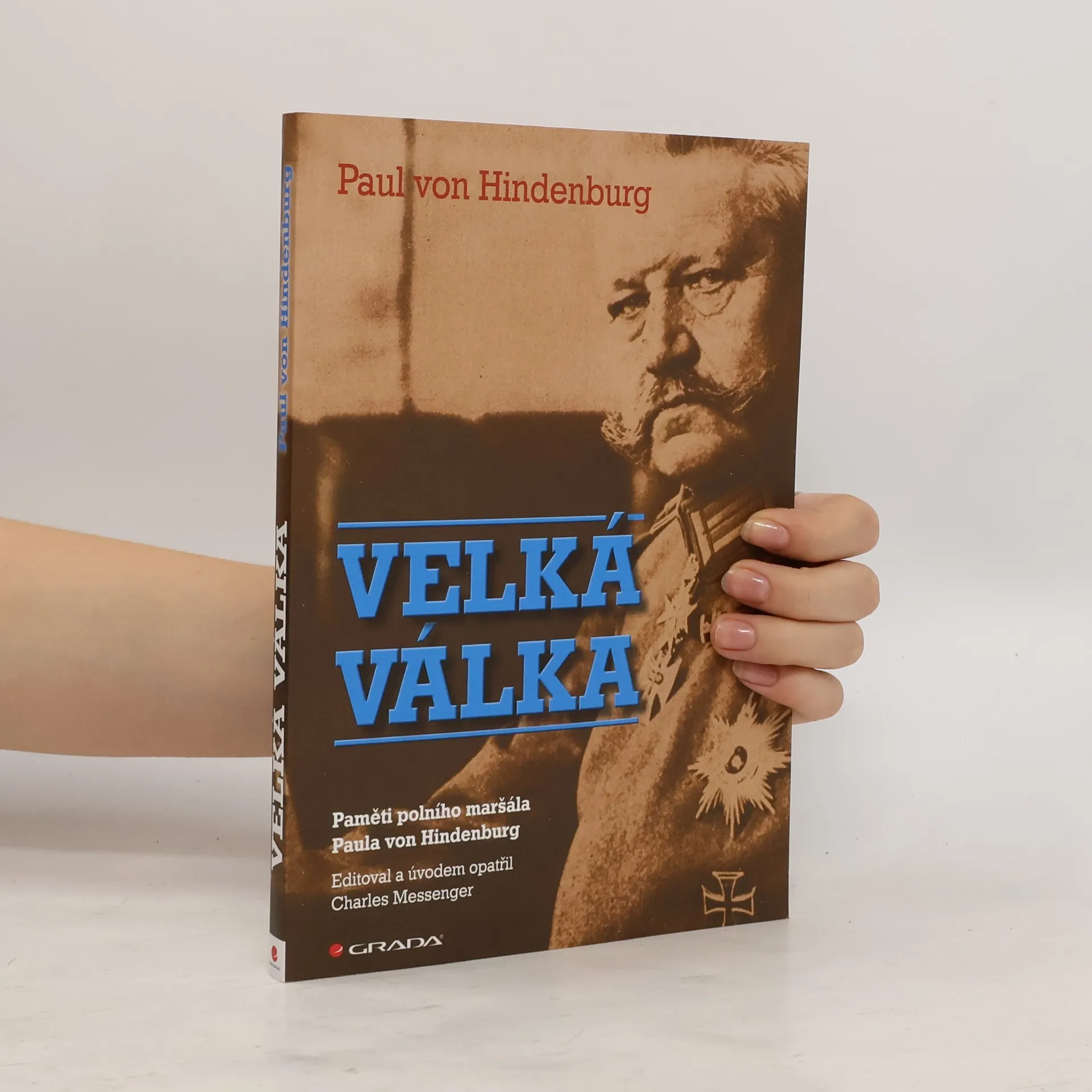
Velká válka. Paměti polního maršála Paula von Hindenburg
- 208pagine
- 8 ore di lettura
Unikátní vhled do vojenské strategie německého velení za první světové války z pera polního maršála Paula von Hindenburg, jedné z dominantních a nejpopulárnějších osobností německé generality. Hindenburg sepsal tuto svou autobiografii bezprostředně po německé porážce v roce 1918, jeho zážitky jsou proto zcela čerstvé a jako informační zdroj nedocenitelné. Přesvědčivě dokládají v dobře strukturovaných dvaadvaceti kapitolách smýšlení důstojníka staré pruské školy, který se vyjadřuje přímočaře a je zcela oddán svému císaři. Protože jde o jedinečné svědectví významných dobových událostí, jejichž počátek bude výrazně připomenut při příležitosti 100. výročí vypuknutí první světové války, byly tyto paměti vydány znovu - ovšem v poněkud upravené a zkrácené verzi, což knihu činí srozumitelnější čtenářům 21. století. Co bylo z původní publikace odstraněno a proč, vysvětluje hned v úvodu renomovaný britský historik Charles Messenger, který se těchto úprav ujal.
Hitlerův gladiátor. Sepp Dietrich. Život a boje velitele tankové armády
- 192pagine
- 7 ore di lettura
Tato kniha je objektivním životopisem německého generála Josefa "Seppa" Dietricha, který to dotáhl od vojína v armádě německého císaře až na velitele tankové armády SS v závěru druhé světové války. Dietrich patřil mezi známější, ale rozporuplné postavy nacistické éry. Tato kniha je bohatě doplněna fotografiemi a mapami a kromě popisu života a doby Seppa Dietricha přináší i živý obraz útočné tankové války, politiky a života za Třetí říše.
Život a doba SS Oberstgruppenführera a generálplukovníka tankových vojsk zbraní SS Seppa Dietricha.
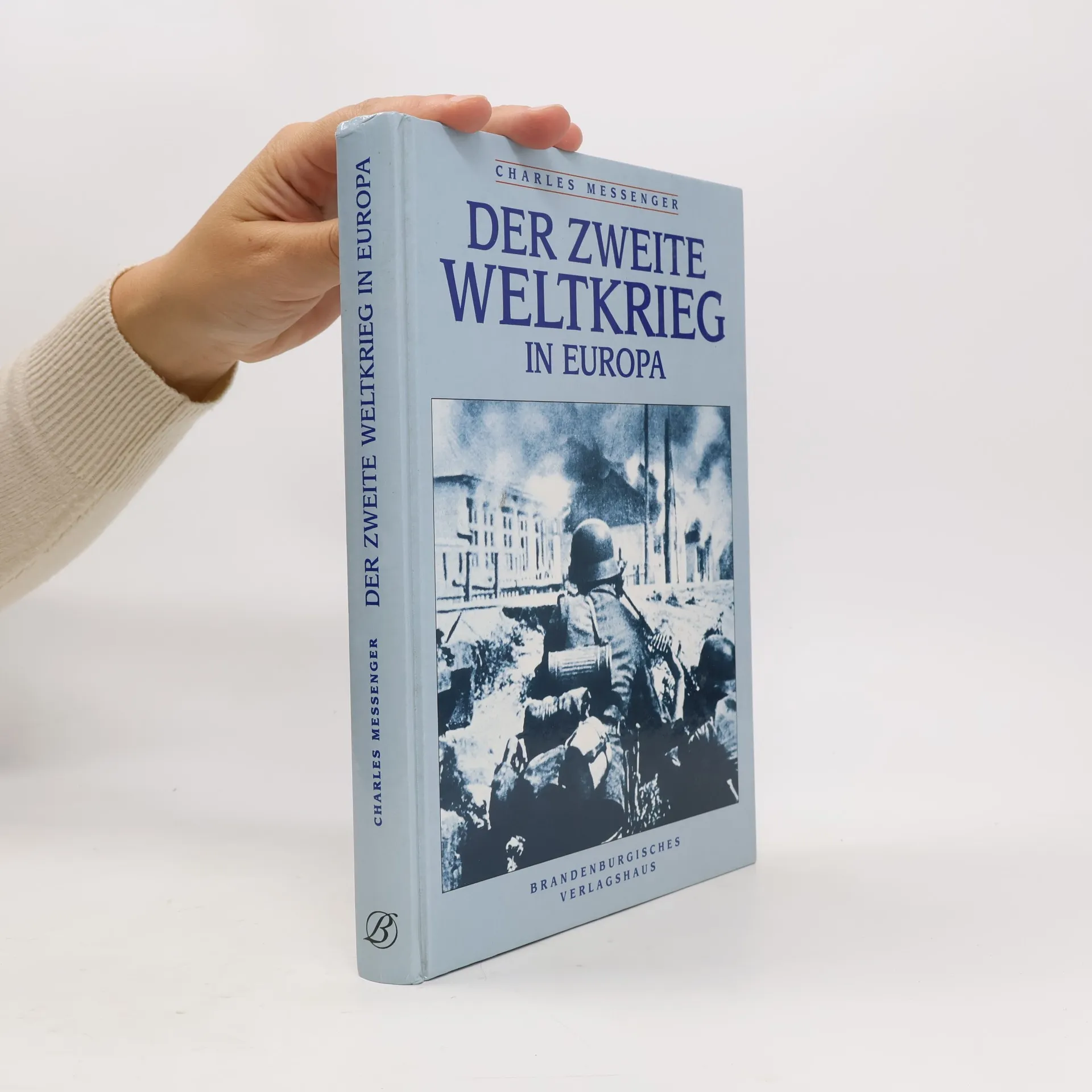
Der Zweite Weltkrieg in Europa
- 224pagine
- 8 ore di lettura
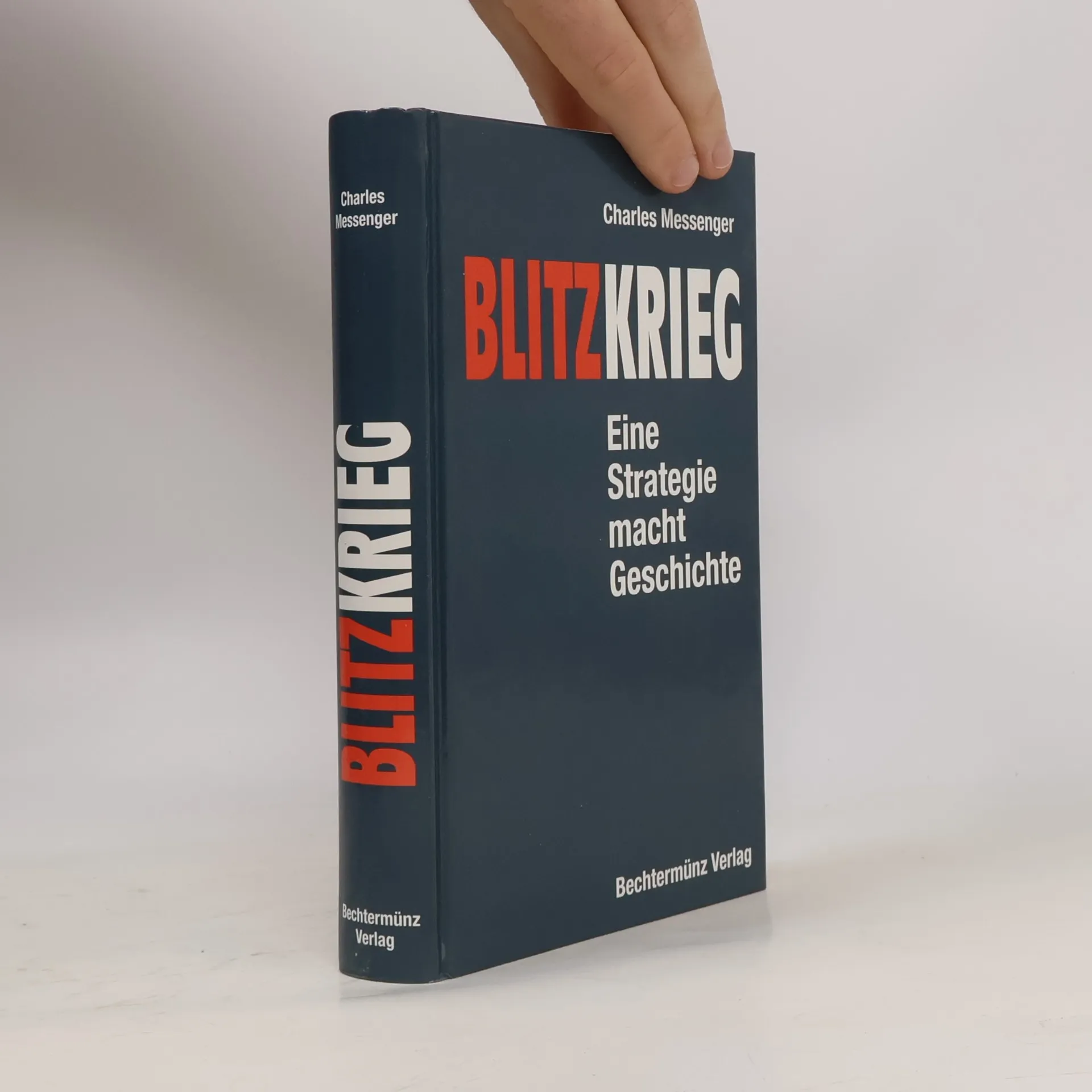
Blitzkrieg
- 360pagine
- 13 ore di lettura
Die Geschichte von Hitlers "Blitzkrieg" gegen seine europäischen Nachbarn während der frühen Phasen des Zweiten Weltkriegs.
Poslední Prušák : biografie polního maršála Gerda von Rundstedta (1875-1953)
- 446pagine
- 16 ore di lettura