Bookbot

Junichiro Tanizaki

    24 luglio 1886 – 30 luglio 1965

    Jun'ichirō Tanizaki fu un autore giapponese e una figura chiave della letteratura giapponese moderna. Le sue opere spesso approfondiscono gli aspetti più oscuri della sessualità e le ossessioni erotiche distruttive, mentre altre ritraggono sottilmente le dinamiche familiari nel mezzo dei rapidi cambiamenti sociali del Giappone del XX secolo. Frequentemente, le sue narrazioni esplorano la ricerca dell'identità culturale, giustapponendo nozioni di 'Occidente' e 'tradizione giapponese' per creare risultati complessi, ironici e provocatori.

    Junichiro Tanizaki
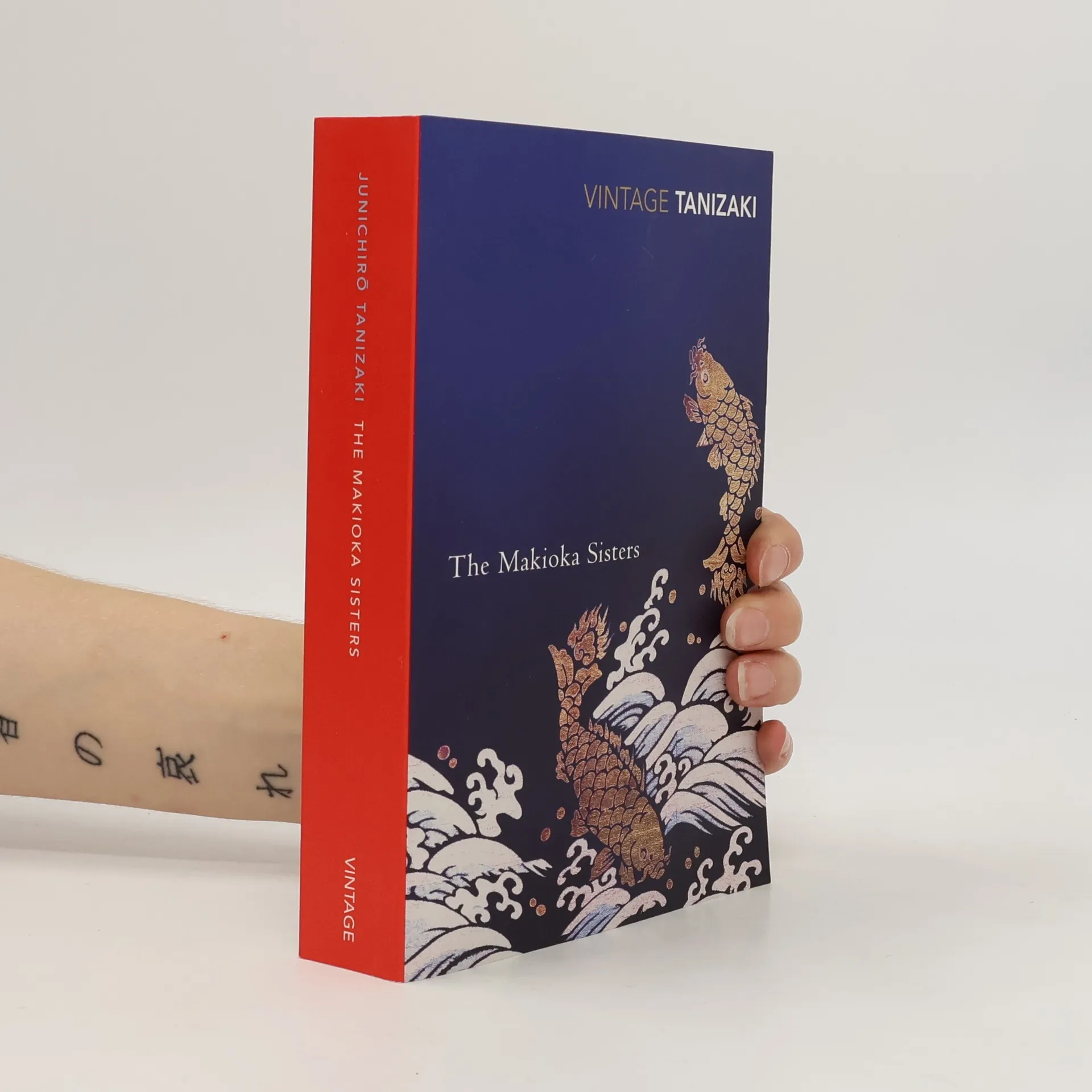
    The Makioka Sisters
    The Makioka Sisters: Introduction by Edward G. Seidensticker
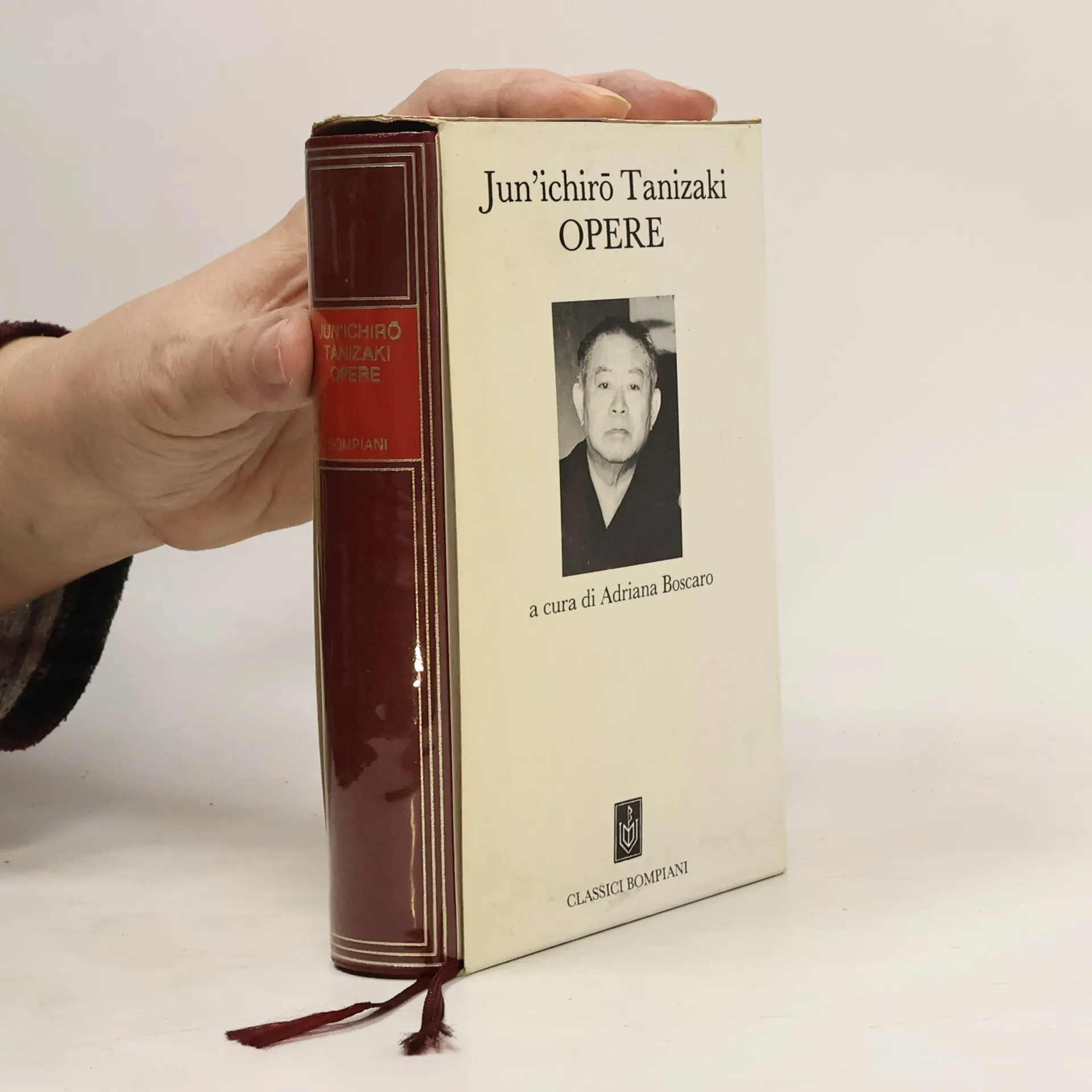
    Opere
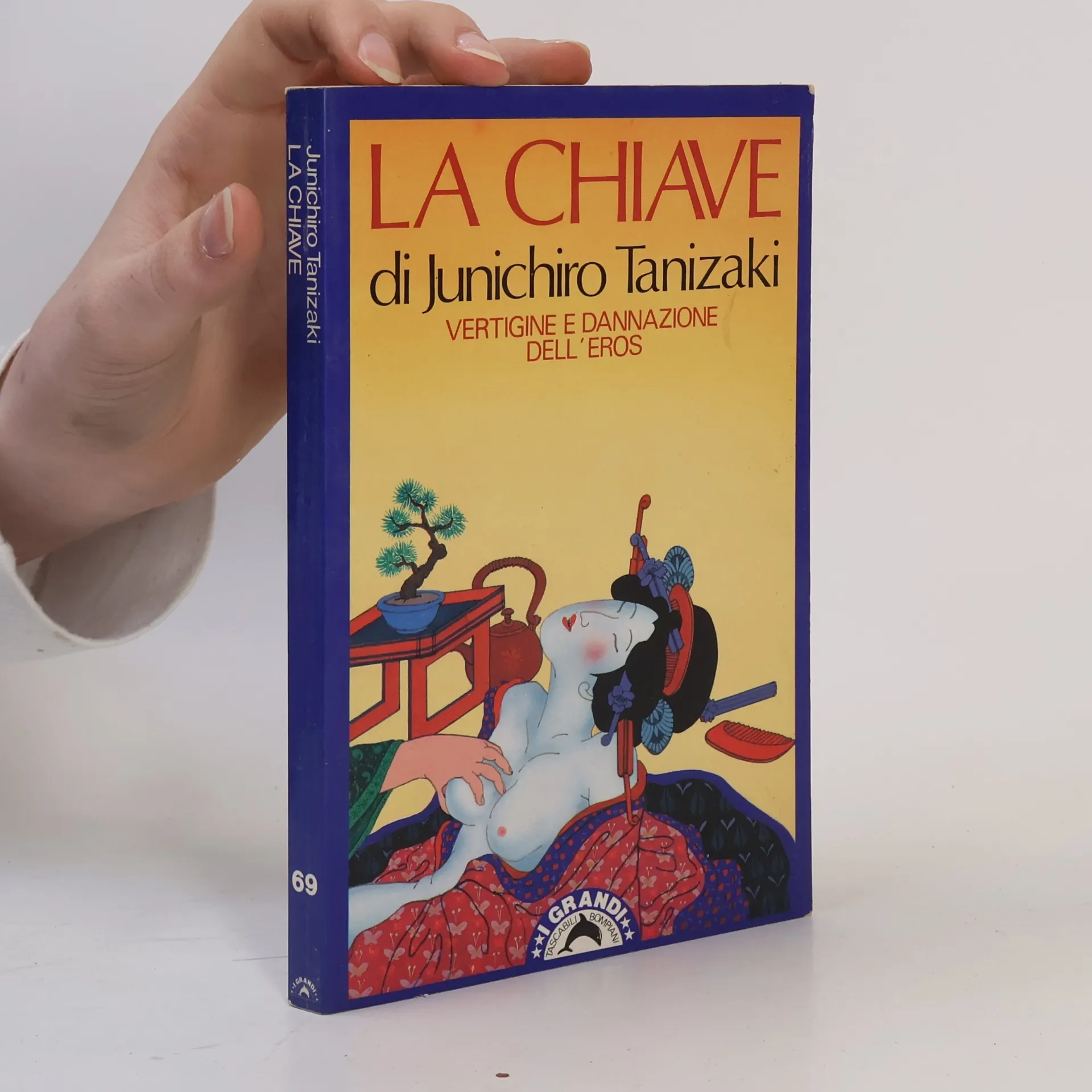
    La chiave
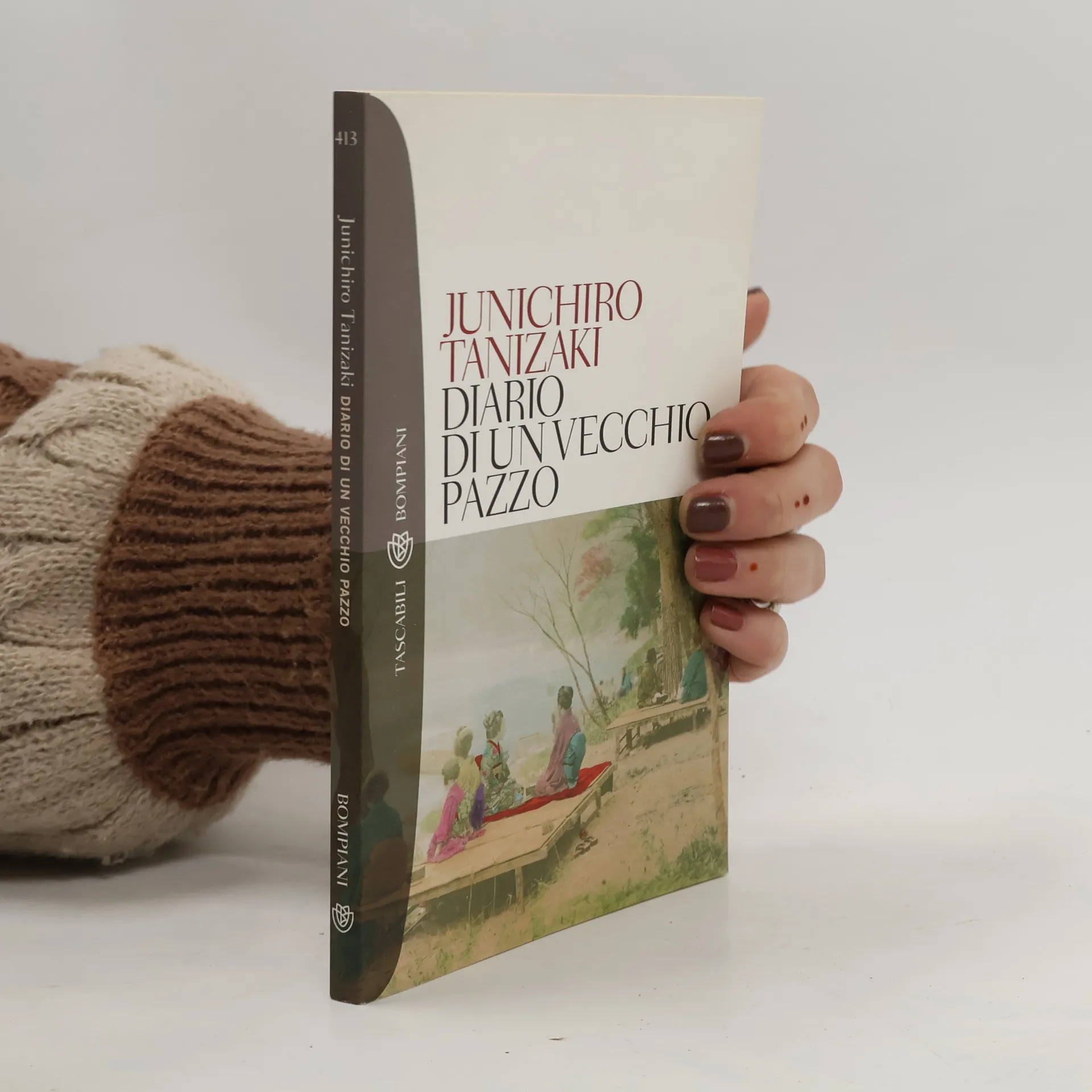
    Diario di un vecchio pazzo
    Sulla maestria
    • Diario di un vecchio pazzo

      • 164pagine
      • 6 ore di lettura

      L'autore del diario è un vecchio stanco e ammalato, che non rinuncia però ai piaceri della vita e si riaccende di passione nei confronti della nuora, una donna giovane e bella, che per interesse o sadismo fa quasi impazzire il vecchio, conducendolo lentamente alla morte. Ma quest'ultima arriva attesa e quasi addolcita dai sottili giochi erotici che uniscono i due personaggi in un rapporto ambiguo, al di là di ogni schema, e al vecchio rimane il tempo di chiedere, così come fa il condannato con l'ultimo desiderio che sulla tomba venga posto il calco dei piedi della giovane nuora, quei piedi bianchi, sottili, sensuali, che lo avevano acceso di desiderio e che, in questo modo, lo faranno soffrire e godere anche nella tomba.

      Diario di un vecchio pazzo
      3,5
    • Junichirō Tanizaki’s magisterial evocation of a proud Osaka family in decline during the years immediately before World War II is arguably the greatest Japanese novel of the twentieth century and a classic of international literature. Tsuruko, the eldest sister of the once-wealthy Makioka family, clings obstinately to the prestige of her family name even as her husband prepares to move their household to Tokyo, where that name means nothing. Sachiko compromises valiantly to secure the future of her younger sisters. The shy, unmarried Yukiko is a hostage to her family’s exacting standards, while the spirited Taeko rebels by flinging herself into scandalous romantic alliances and dreaming of studying fashion design in France. Filled with vignettes of a vanishing way of life, The Makioka Sisters is a poignant yet unsparing portrait of a family—and an entire society—sliding into the abyss of modernity. It possesses in abundance the keen social insight and unabashed sensuality that distinguish Tanizaki as a master novelist.

      The Makioka Sisters: Introduction by Edward G. Seidensticker
      4,2
    • Tanizaki's masterpiece is the story of four sisters, and the declining fortunes of a traditional Japanese family. It is a loving and nostalgic recreation of the sumptuous, intricate upper-class life of Osaka immediately before World War Two. With surgical precision, Tanizaki lays bare the sinews of pride, and brings a vanished era to vibrant life.

      The Makioka Sisters
      4,0
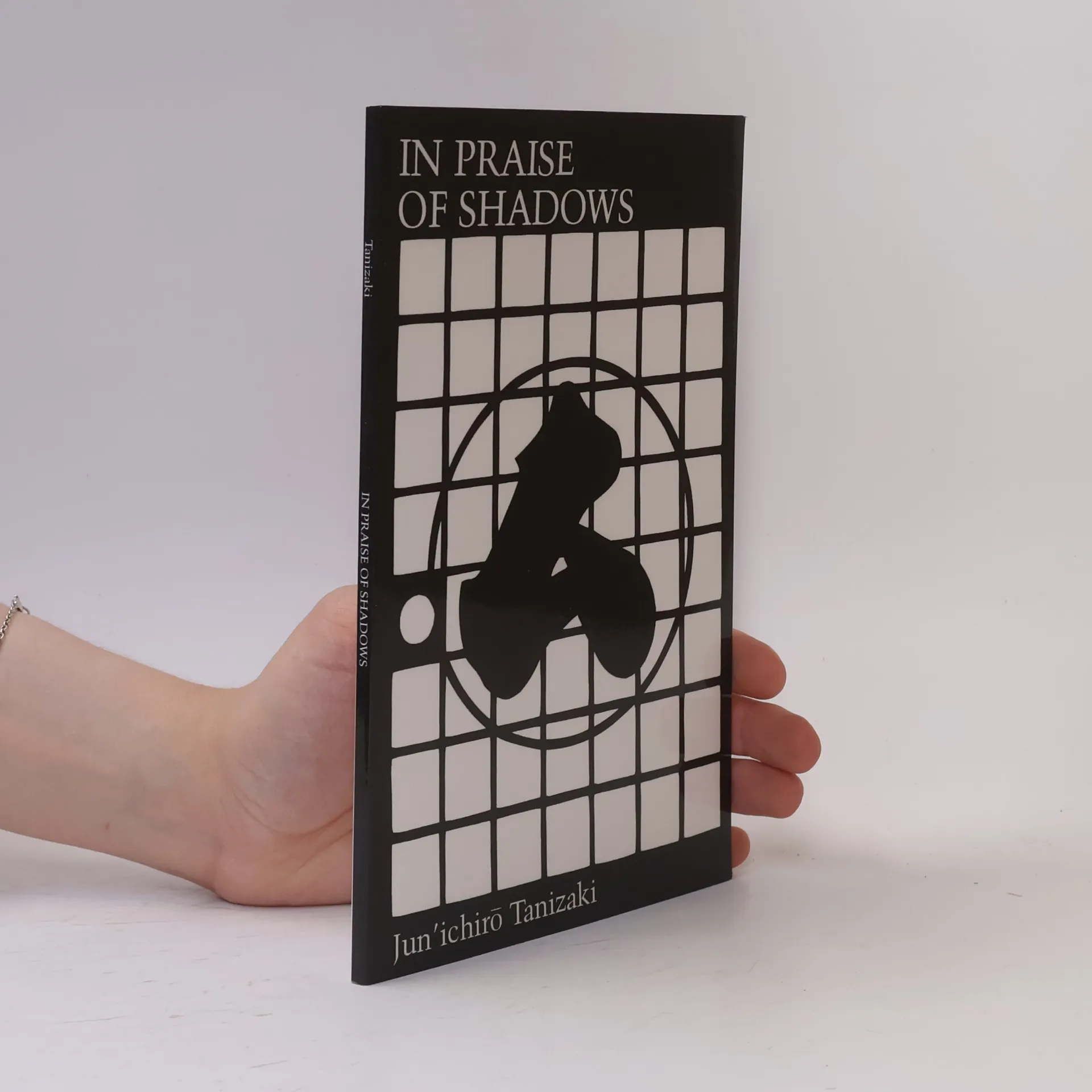
    • In praise of shadows

      • 80pagine
      • 3 ore di lettura

      Librarian note: An alternative cover edition can be found hereThis is an enchanting essay on aesthetics by one of the greatest Japanese novelists. Tanizaki's eye ranges over architecture, jade, food, toilets, and combines an acute sense of the use of space in buildings, as well as perfect descriptions of lacquerware under candlelight and women in the darkness of the house of pleasure. The result is a classic description of the collision between the shadows of traditional Japanese interiors and the dazzling light of the modern age.

      In praise of shadows
      4,0
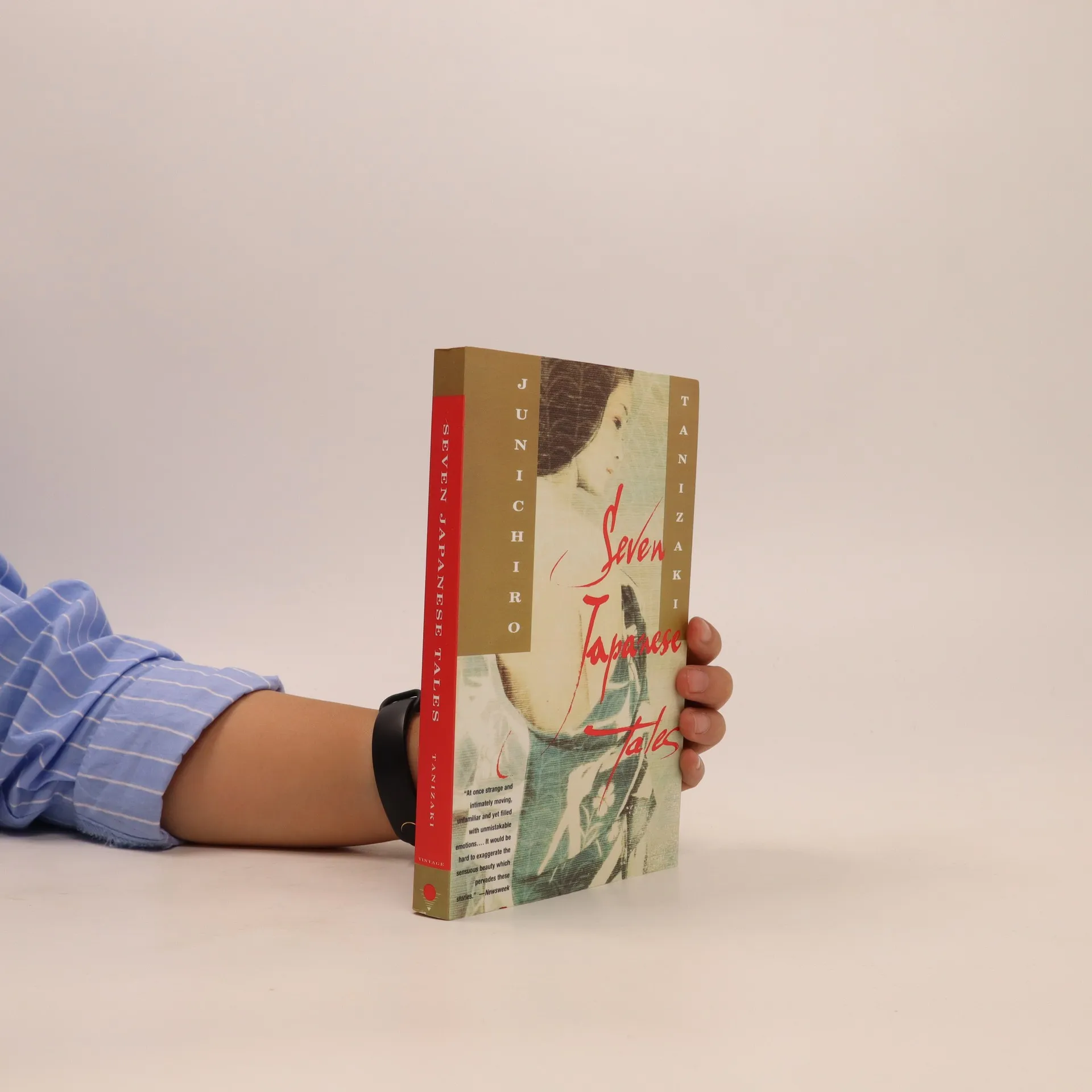
    • In these seven stories, the author of The Makioka Sisters explores the territory where love becomes self-annihilation, where the contemplation of beauty gives way to fetishism, and where tradition becomes an instrument of refined cruelty.

      Seven Japanese Tales
      3,9
    • Longing and Other Stories

      • 160pagine
      • 6 ore di lettura

      Jun'ichiro Tanizaki is one of the most prominent Japanese writers of the twentieth century. This book presents three powerful stories of family from the first decade of Tanizaki's career. Written in different genres, they are united by a focus on mothers and sons and a concern for Japan's traditional culture in the face of Westernization.

      Longing and Other Stories
      3,8
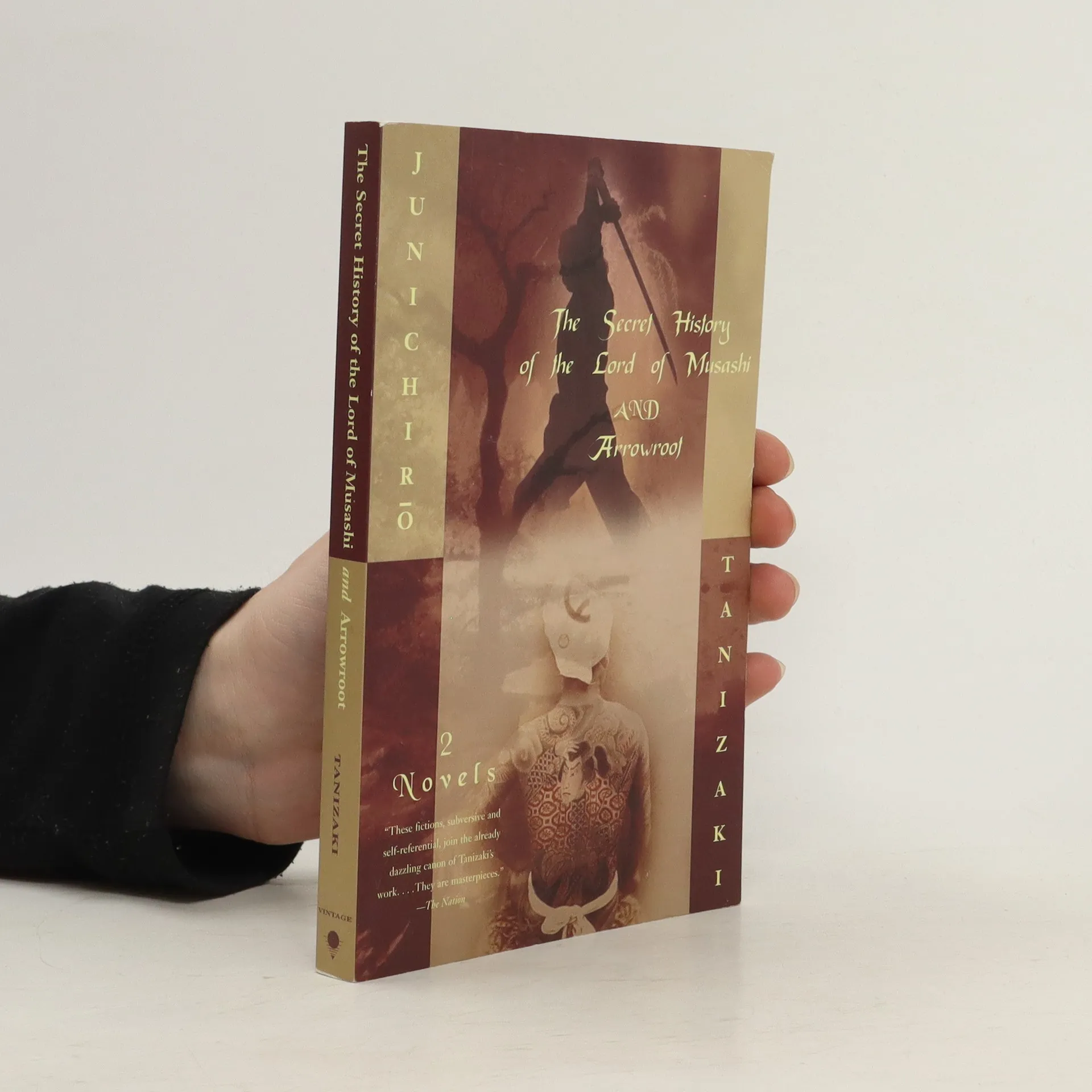
    • From a Japanese master of romantic and sexual obsession come two novels that treat traditional themes with sly wit and startling psychological sophistication. In The Secret History of the Lord of Musashi, Junichir Tanizaki reimagines the exploits of a legendary samurai as a sadomasochistic dance between the hero and the wife of his enemy. Arrowroot, though set in the twentieth century, views an adult orphan’s search for his mother’s past through the translucent shoji screen of ancient literature and myth. Both works are replete with shocking juxtapositions. Severed heads become objects of erotic fixation. Foxes take on human shape. An aristocratic lady loves and pities the man she is conspiring to destroy. This supple translation reveals the full scope of Tanizaki’s gift: his confident storytelling, luminous detail, and astonishingly vital female characters.

      The Secret History of the Lord of Musashi
      3,8
    • Shinako has been ousted from her marriage by her husband Shozo and his younger lover Fukuko. She's lost her home, status and respectability, but the only thing she longs for is Lily, the elegant tortoiseshell cat she shared with her husband. As Shinako pleads for Lily's return, Shozo's reluctance to part with the cat reveals his true affections, and the lengths he'll go to hold onto the one he loves most. A small masterpiece, A Cat, a Man, and Two Women is a study of Japanese society and manners, and an oddball comedy about a love triangle in which the only real rival is feline

      A Cat, A Man, and Two Women
      3,8
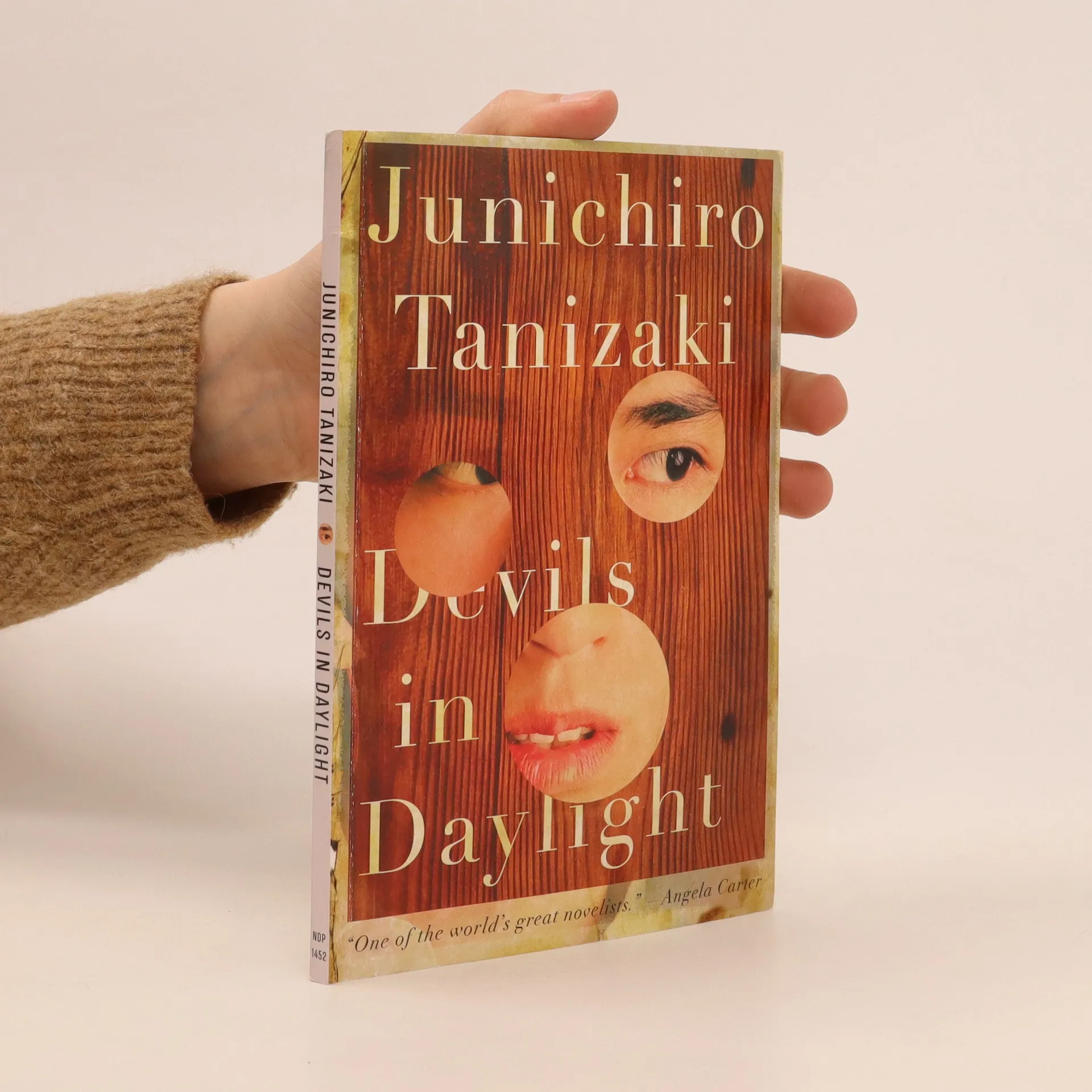
    • Devils in Daylight

      • 96pagine
      • 4 ore di lettura

      Now in paperback, a suspenseful early novella from "the outstanding Japanese novelist of this century" (Edmund White).

      Devils in Daylight
      3,7
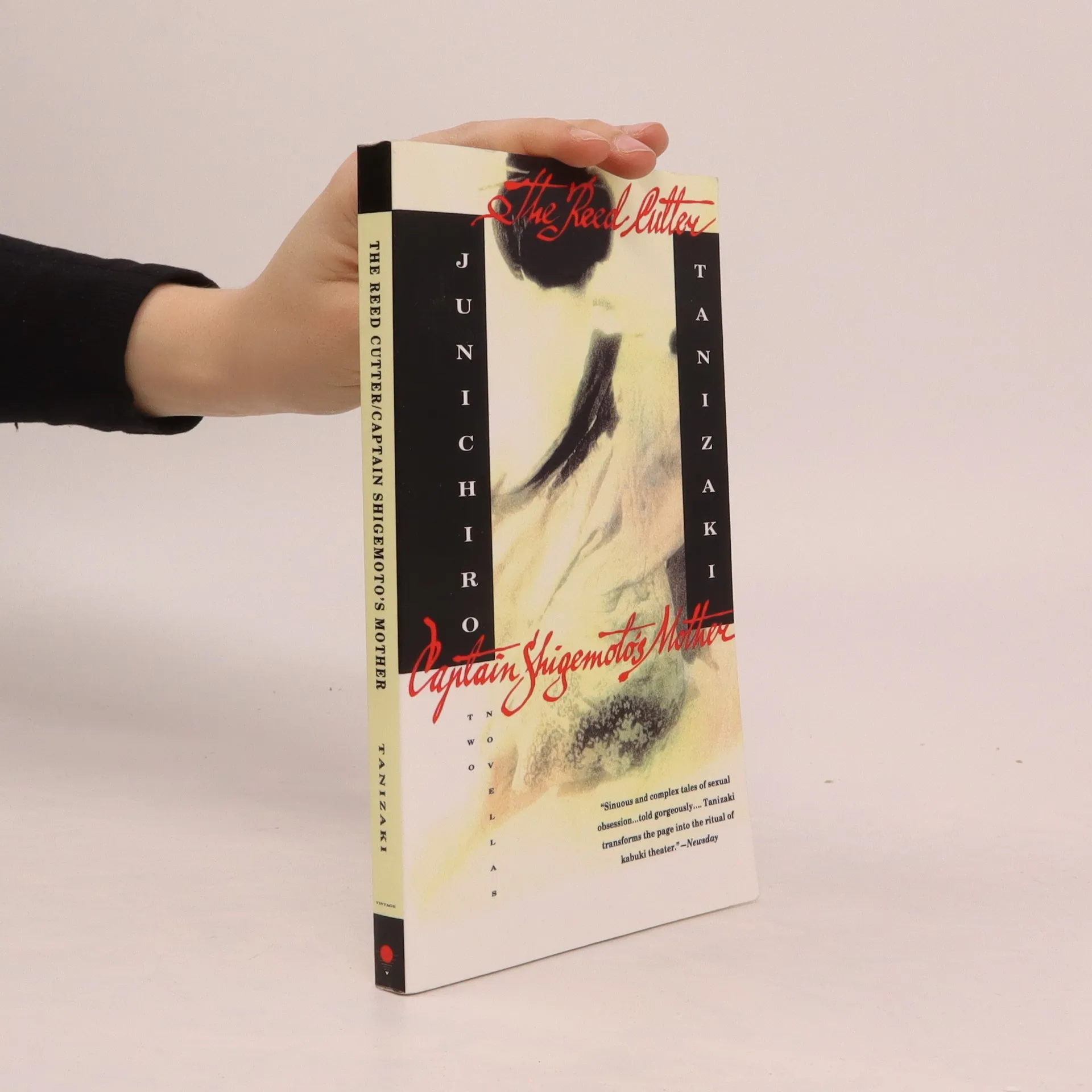
    • One of the great novelists of the twentieth century, Junichiro Tanizaki wrote about love--and sex--with a breathtaking suppleness of style and a vast depth of literary allusion. In these two novellas, brilliantly translated by Anthony H. Chambers and appearing in paperback for the first time, Tanizaki probes the translucent screen that separates idealized yearning from humiliating obsession in a society of impenetrable decorum.

      The Reed Cutter and Captain Shigemoto's Mother
      3,7
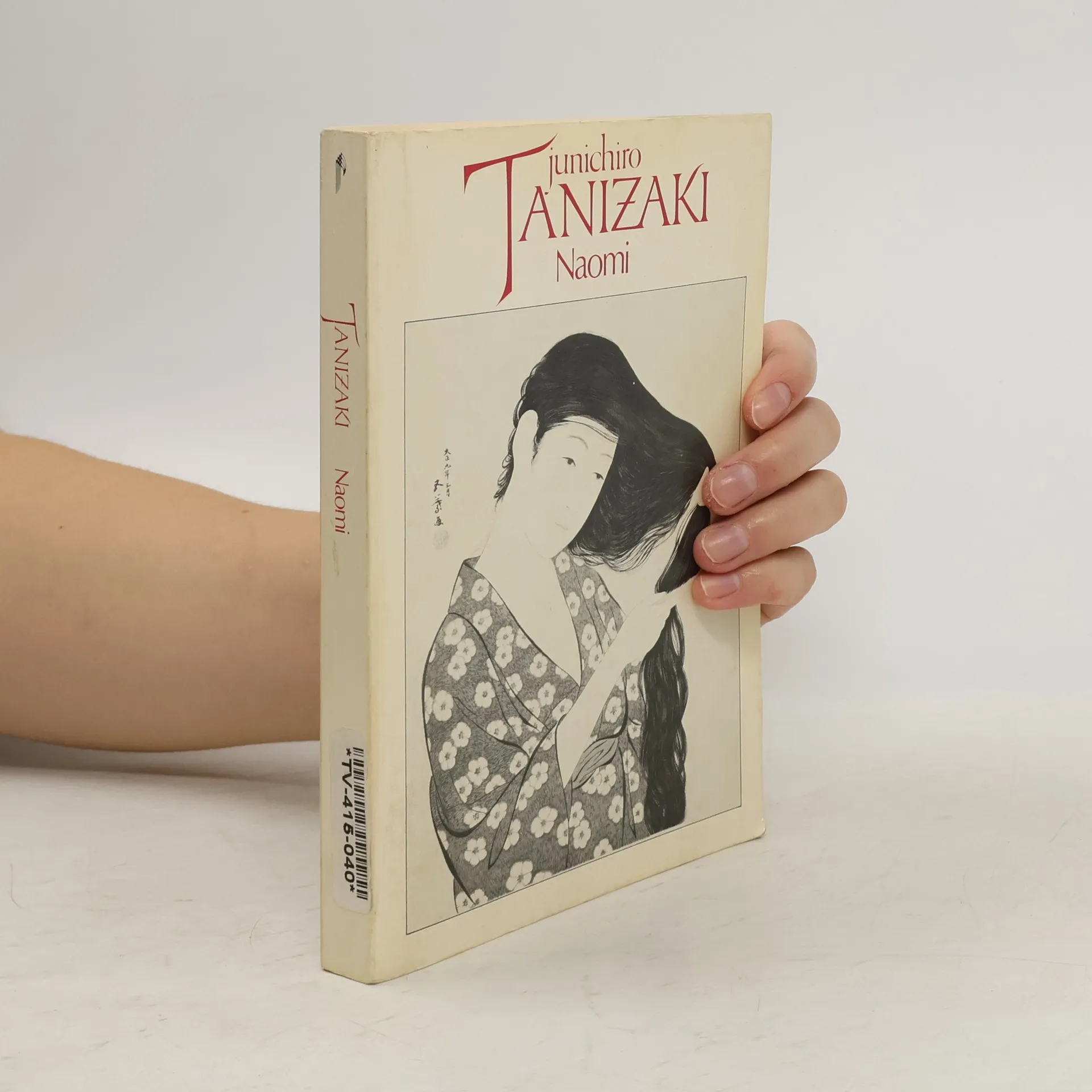
    • Naomi

      • 237pagine
      • 9 ore di lettura

      Na-o-mi. The three syllables of this name, unusual in 1920s Japan, captivate a 28-year-old engineer, who soon becomes infatuated with the girl so named, a teenaged café waitress. Drawn to her Eurasian features and innocent demeanor, Joji is eager to whisk young Naomi away from the seamy underbelly of post—World War I Tokyo and to mold her into his ideal wife. But when the two come together to indulge their shared passion for Western culture, Joji discovers that Naomi is far from being the naïve girl of his fantasies, and his passion descends into a comically helpless masochism. A literary masterpiece that helped to establish Junichiro Tanizaki as Japan's greatest novelist, Naomi is both a hilarious story of one man's obsession and torment, and a brilliant evocation of a nation's cultural confusion.

      Naomi
      3,7
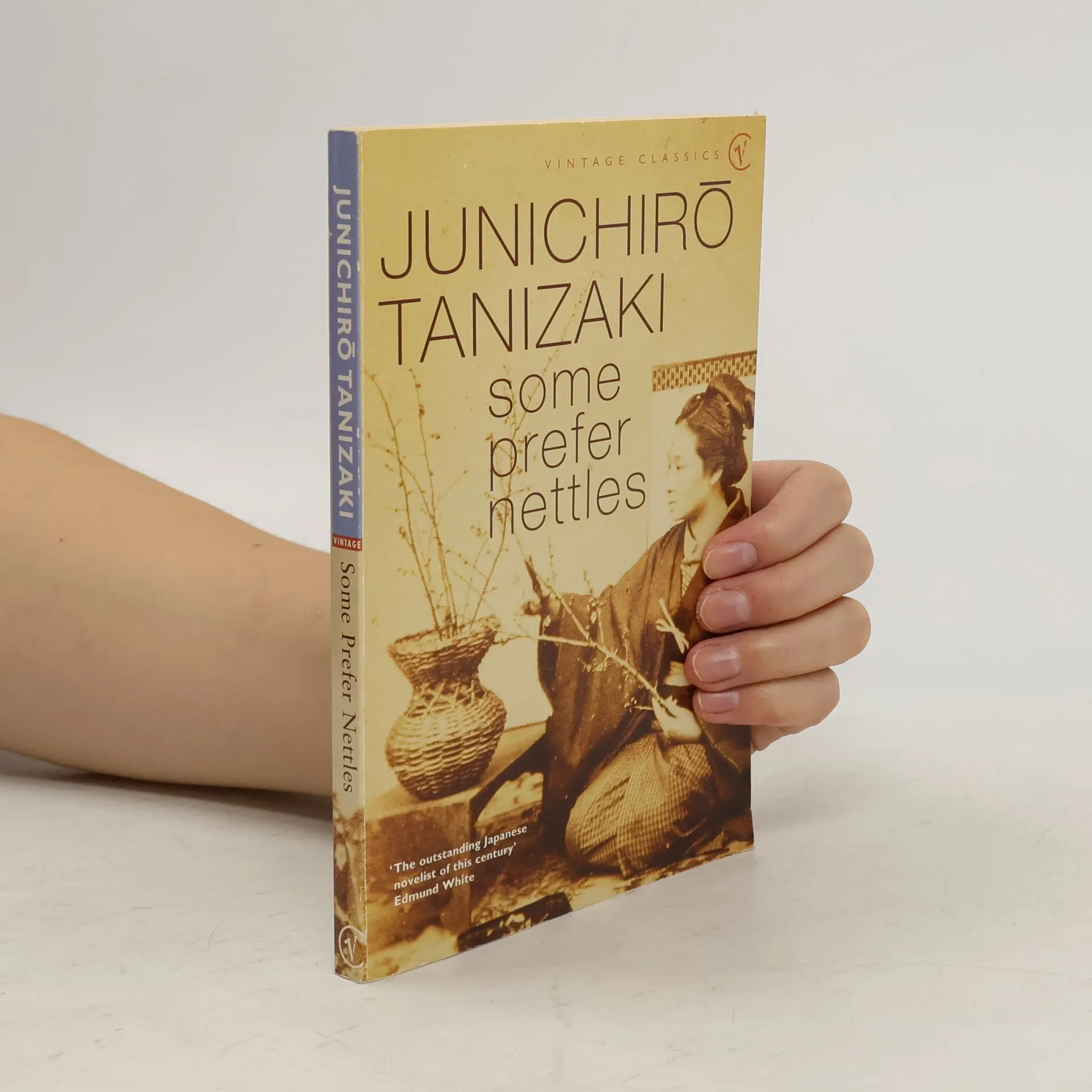
    • Some prefer nettles

      • 160pagine
      • 6 ore di lettura

      Some Prefer Nettles is a subtle and delicate tale of contemporary life that deals with the ramifications of a collapsing marriage. Previous titles published by the author include A Fool's Love, A Portrait of Shunkin and The Key.

      Some prefer nettles
      3,7
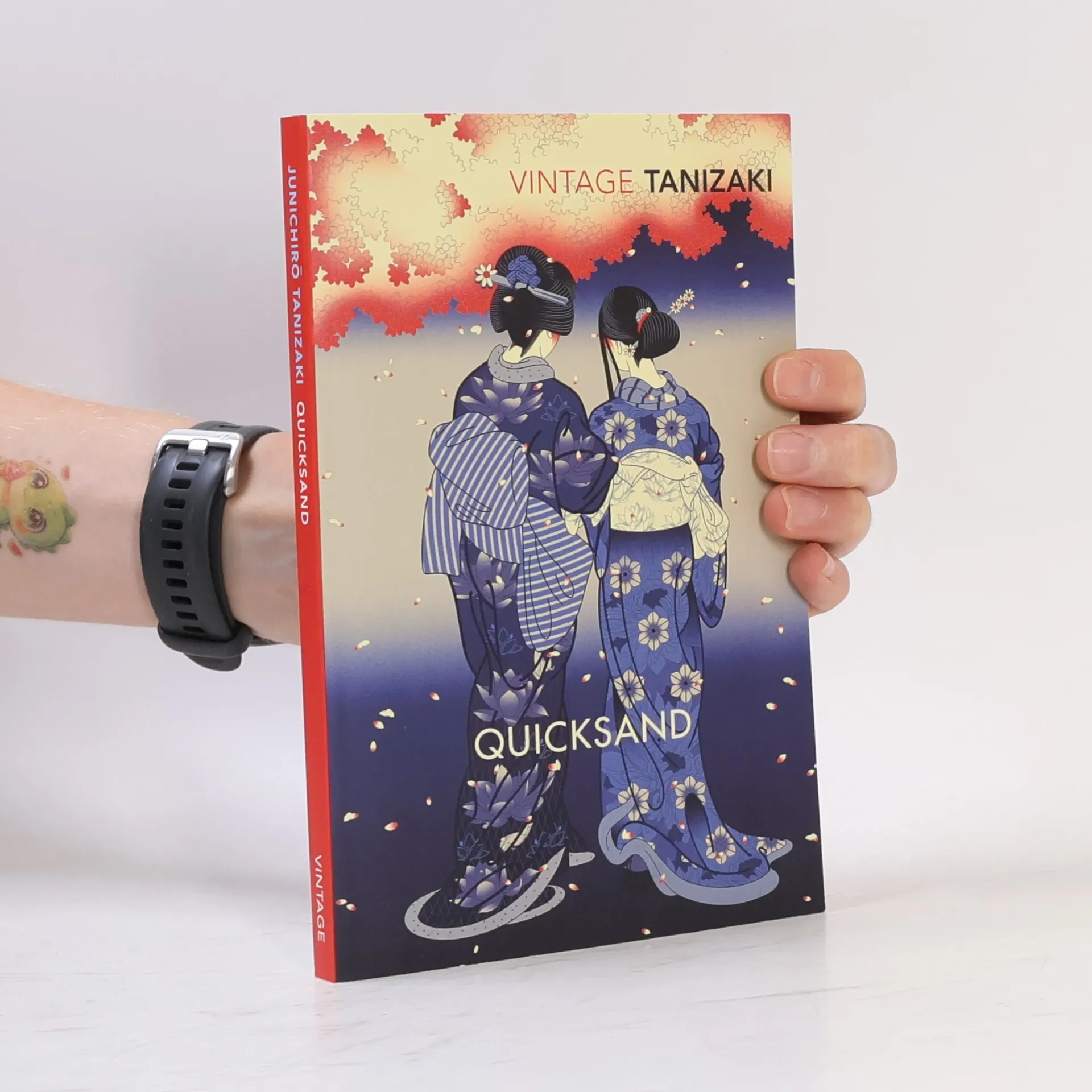
    • Quicksand

      • 224pagine
      • 8 ore di lettura

      Sonoko Kakiuchi is a cultured Osaka lady, unfortunately widowed young. But her story is unsettlingly at odds with her image. it is a tale of infatuation and deceit, of eliberate evil. Its theme is humiliation, its victim Sonoko's mild-mannered husband. At is centre - seductive, manipulating, enslaving - is one of Tanizaki's most extraordinary characters, the beautiful and corrupt art student Mitsuko.

      Quicksand
      3,6
    • The Siren's Lament

      • 192pagine
      • 7 ore di lettura

      A new selection and translation of short stories by a hugely prominent classic Japanese writer, filled with eroticism and fantasy

      The Siren's Lament
    • Gold & Silver

      • 262pagine
      • 10 ore di lettura

      This volume includes four short stories and three novellas by the acclaimed Japanese novelist Jun'ichiro Tanizaki. These early works were published in the Jun'ichiro Tanizaki edition of "Japanese Detective Novels" (Nihon Tantei Shosetsu Zenshu).

      Gold & Silver
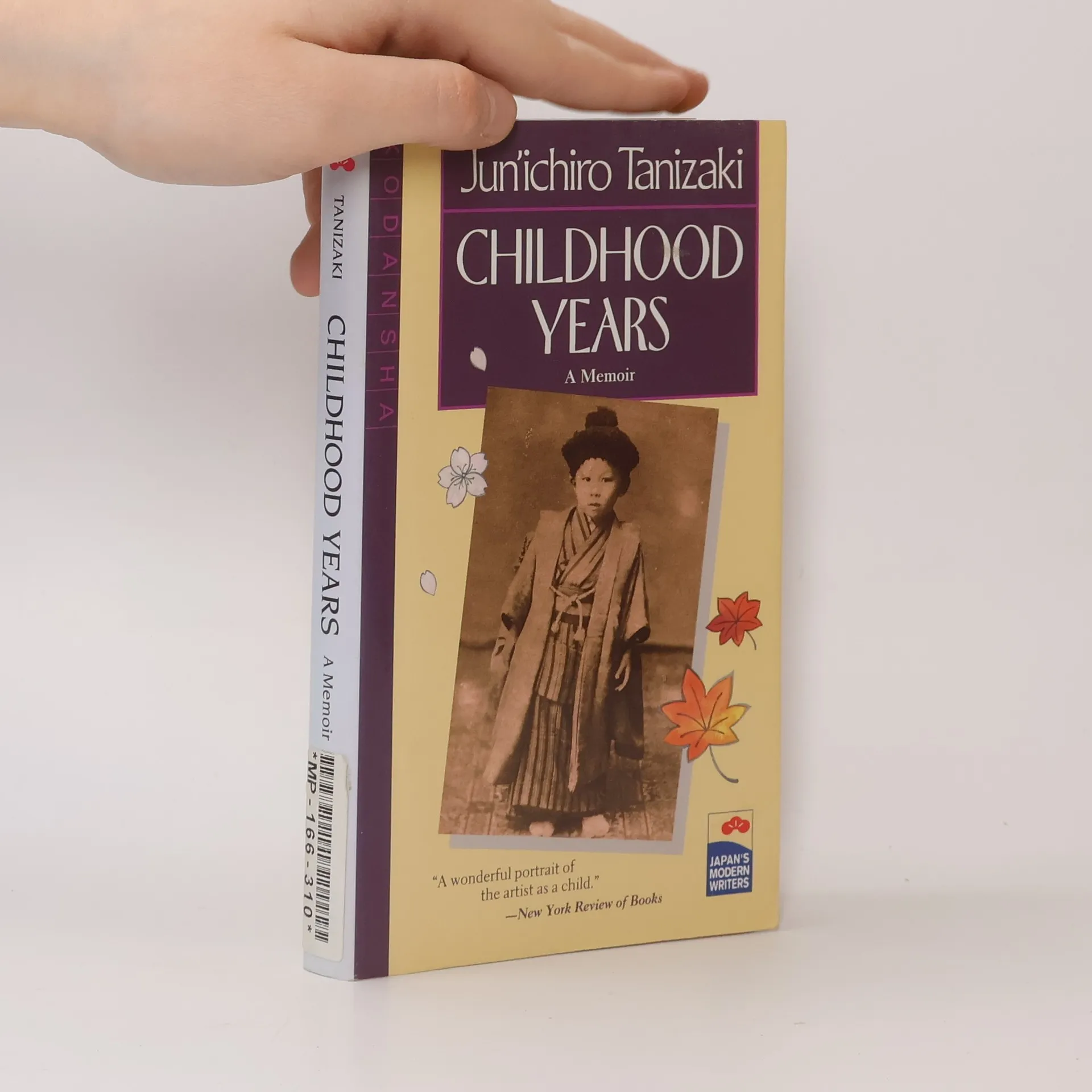
    • Japan's Modern Writers: Childhood Years

      A Memoir

      • 196pagine
      • 7 ore di lettura

      Tanizaki was, in his own words, 'spoiled rotten' as a child; and his early gift for getting his own way extended to his career as perhaps Japan's greatest modern novelist.

      Japan's Modern Writers: Childhood Years
    • Der Schriftsteller Mizuno erzählt von einem perfekten Mord, wobei das Opfer ein ihm bekannter Kollege ist. Nach der Abgabe seines Manuskripts entdeckt er, dass der echte Name des Kollegen in den letzten Kapiteln verwendet wurde, und versucht, dies zu korrigieren. Doch es ist zu spät, und Mizuno gerät zunehmend in den Bann der Vorstellung, dass ein realer Mord, inspiriert von seinem Buch, geschehen könnte, was ihn zum Hauptverdächtigen machen würde. In seiner Verzweiflung sucht er nach einem Alibi und trifft auf eine deutsche Prostituierte, die er verfolgt, bis sie ihn in ihr Leben lässt. Bald stellt sich jedoch die Frage, ob er nicht selbst das Opfer ist. Die Ereignisse um Mizuno sind so dubios, dass seine Glaubwürdigkeit als Erzähler stark leidet. Während er versucht, dem Schattenmann zu entkommen, der vom Verlag geschickt wurde, um seinen nächsten Roman zu überwachen, stirbt der in seinem Buch ermordete Kollege tatsächlich. Die Situation eskaliert, und Mizuno sieht sich mit der Realität seiner eigenen Erzählung konfrontiert. Der Roman, der 1928 als Fortsetzungsroman erschien und erst 1999 in Buchform veröffentlicht wurde, ist ein herausragendes Beispiel für die Erzählkunst Tanizakis, eines der bedeutendsten japanischen Schriftsteller des 20. Jahrhunderts.

      Das Geständnis
      4,5
    • Dieses Buch erzählt die Geschichte des Fürsten von Musashi. Geboren im sechzehnten Jahrhundert, der Zeit der Bürgerkriege, legendär ob seiner List wie seiner Stärke und der kühnste, grausamste Heerführer seiner Zeit. Aber die ihm nahestanden, munkelten über seine masochistischen Begierden. Konnte daran etwas Wahres sein? Ich wusste nicht, ob ich diesen unerhörten Gerüchten Glauben schenken sollte. Falls sie der Wahrheit entsprechen, hätte er Mitleid verdient. Von der offiziellen Geschichtsschreibung werden seine sexuellen Neigungen nicht erwähnt, kaum jemand hat auch nur die geringste Ahnung davon. Kürzlich unterzog ich aber geheime Unterlagen im Besitz des Hauses Kiryū eingehenderer Prüfung und lernte so sein eigentliches Wesen kennen. Was mich dabei in besonderem Maße für ihn einnahm, war die Entdeckung seiner verzehrenden Leidenschaft für eine schöne, raffinierte Frau. Eher bezwingt man, wie Wang Yangming sagte, den Räuber in den Bergen als das Böse in der eigenen Brust. Von seiner Biographie zutiefst beeindruckt, fasste ich den Entschluss, die Verästelungen seines Trieblebens in Form einer historischen Novelle wiederzugeben. Ich habe sie "Die geheime Geschichte des Fürsten von Musashi" genannt. All denen, die sie lesen, wäre ich überaus verbunden für die Freundlichkeit, diese Aufzeichnungen nicht als absurde Hirngespinste abtun zu wollen. (Tanizaki Jun’ichirō im Frühherbst 1935)

      Die geheime Geschichte des Fürsten von Musashi
      4,0
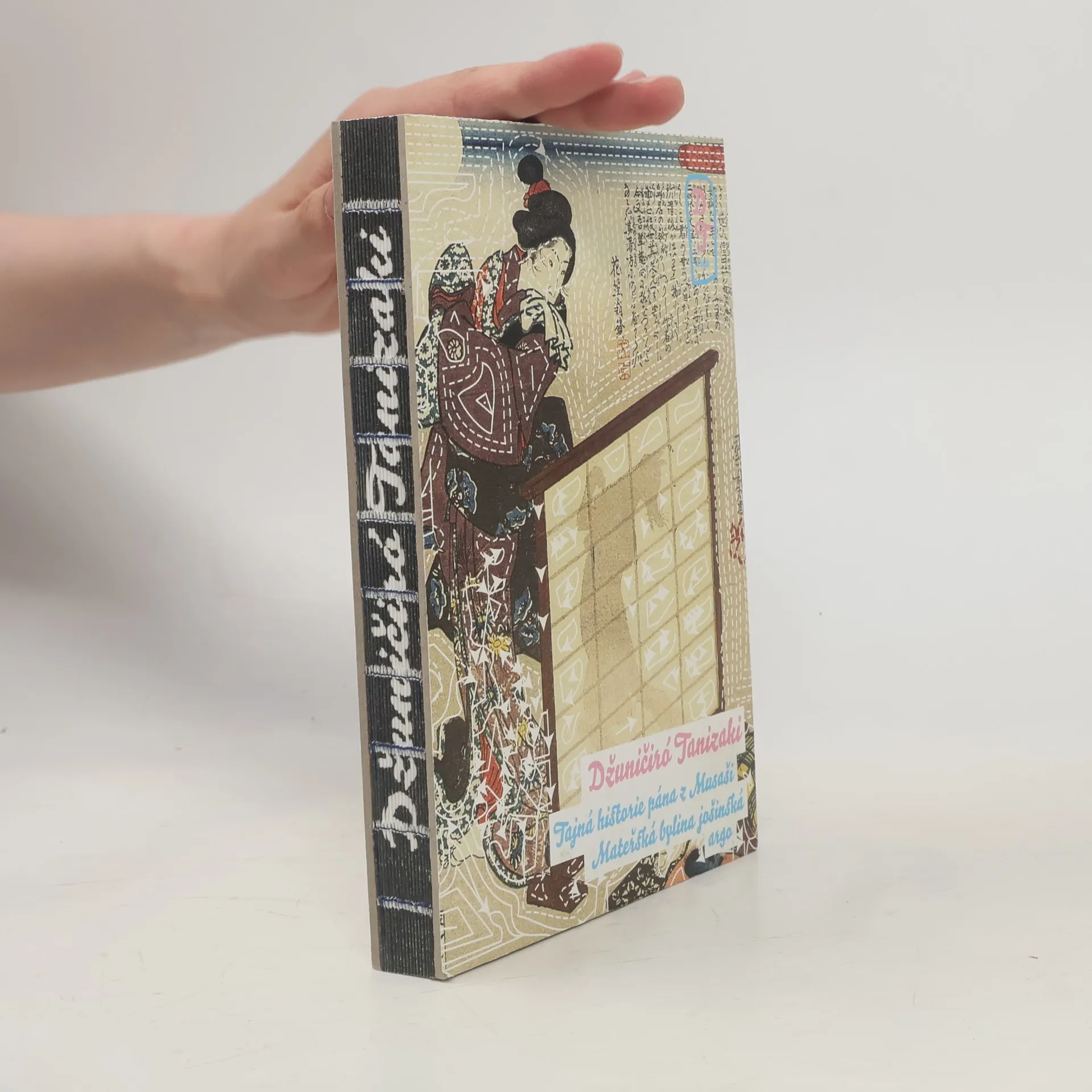
    • Slavné postavy národních dějin bývají obvykle představovány jako výlupky všech ctností a dávány za příklad dalším generacím. Ale co když jsou takové oficiální verze až příliš krásné, než aby byly i pravdivé, ptá se Tanizaki v Tajné historii pána z Musaši a odpovídá překvapujícím způsobem. Kudy vede hranice mezi hrdinstvím a perverzí? Jedním z…

      Tajná historie pána z Musaši. Mateřská bylina jošinská
      4,1
    • Quatre soeurs

      • 888pagine
      • 32 ore di lettura

      Dans une vieille famille de commerçants aisés dont tout le monde connaît le nom à Osaka, quatre filles ont mené une vie luxueuse jusqu'à la mort de leur père. Sa disparition et les changements de vie dans le Japon de l'entre-deux-guerres les ont laissées dans une situation financière précaire. Les deux aînées sont mariées, l'une avec un employé de banque, l'autre avec un expert-comptable. Leur destin est tout tracé, mais celui des cadettes ? Youki ko, timide, réservée, dévouée à sa famille, fidèle aux coutumes anciennes, refuse les uns après les autres des prétendants qu'elle juge indignes d'une alliance avec sa famille. Elle épouse le fils d'un vieux noble de la cour. Tae ko, la plus jeune, est moins conformiste : elle n'hésite pas à travailler pour gagner sa vie, part vivre avec le fils d'un joaillier, le quitte pour un photographe, et finit par épouser un barman, après la naissance de leur enfant.

      Quatre soeurs
      4,1
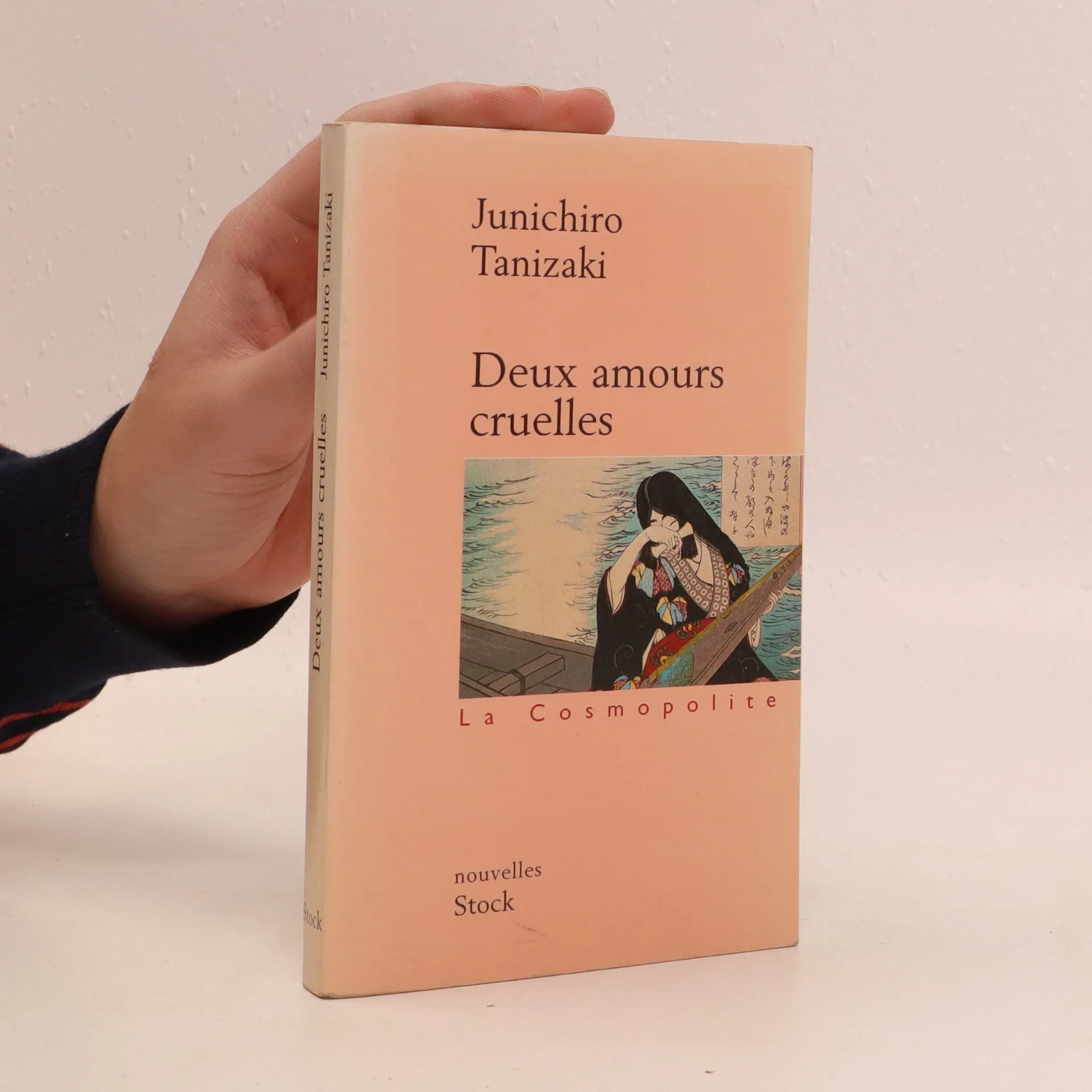
    • Ce recueil comprend deux nouvelles, deux histoires d'amour atteignant des profondeurs de tendresse et de cruauté rarement abordées par la littérature occidentale. " L'histoire de Shunkin " relate la vie de Koto Mozuya, dite Shunkin, fille d'une riche famille d'apothicaires d'Osaka, et son histoire d'amour avec Sasuke, qui fut son serviteur, son élève et son amant durant toute sa vie. "Ashikari " est l'histoire de Oyu, jeune veuve ayant l'interdiction de se remarier afin d'élever son fils, et de Serizawa, épris l'un de l'autre mais contraints de ne partager qu'un amour platonique. Oyu persuade sa jeune sœur Oshizu d'épouser Serizawa, qu'elle aura au moins comme frère, et, devinant ses sentiments, celle-ci accepte volontiers pour rendre sa sœur heureuse.

      Deux amours cruelles
      3,8
    • Junichiro Tanizaki ist einer der bedeutendsten Autoren Japans, und sein raffinierter Skandalroman gilt als Meilenstein in seinem literarischen Werk. Darin schildert er die Geschichte einer langjährigen Ehe, die von Frust und mangelnder Leidenschaft geprägt ist. Erst als ein Schlüssel zu einem geheimen Tagebuch auftaucht, kommen die unterdrückten Obsessionen und Sehnsüchte zutage mit fatalen Folgen. Ich schreibe dies nieder, weil ich es nicht mehr ertrage, nicht direkt mit ihr über die Intimitäten unseres Schlafzimmers sprechen zu können. Von nun an werde ich ohne Rücksicht darauf, ob sie es heimlich lesen wird, so schreiben, als spräche ich zu ihr.

      Der Schlüssel
      3,8
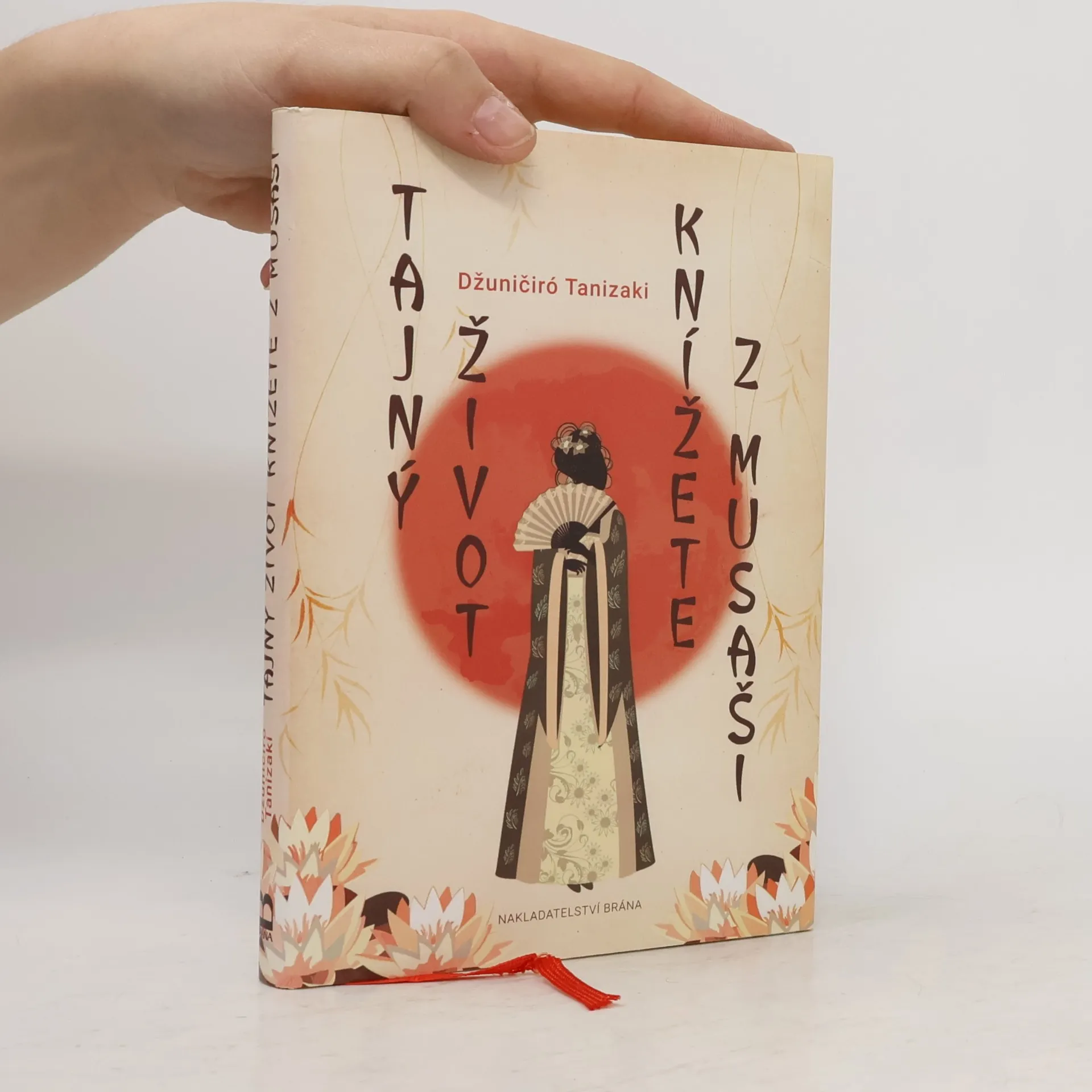
    • Tajný život knížete z Musaši

      • 168pagine
      • 6 ore di lettura

      Protagonistou románu o knížeti z Musaši je muž, avšak sekunduje mu krásná, ale i pomstychtivá urozená žena. Milostný a spiklenecký vztah této dvojice končí zkázou jednoho významného samurajského rodu a zohavením tváře jeho představitele. Samurajské nosy bývaly trofejemi v bitvách, ale v tomto románu hrají rovněž roli symbolu cynické pomsty. Maskulinní samurajská společnost měla své vlastní mravy a v sexuální oblasti také velkou míru volnosti, jak dosvědčují i výstřední zvyky knížete z Musaši, jehož masochistické sklony se začaly projevovat již od chlapeckých let. Román se odehrává v 16. století.

      Tajný život knížete z Musaši
      3,7
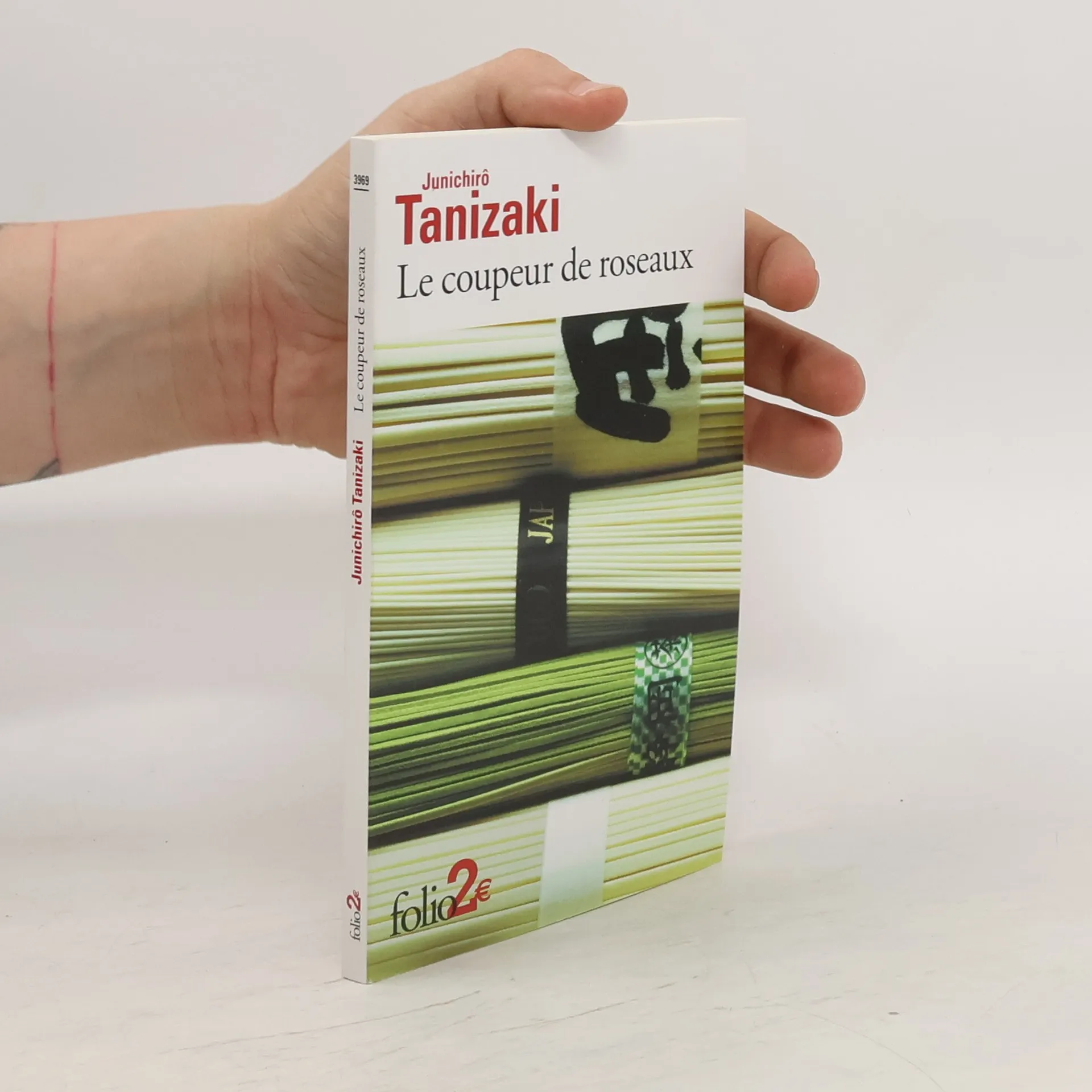
    • Le coupeur de roseaux

      • 128pagine
      • 5 ore di lettura

      Lors d'une promenade autour d'un ancien palais impérial, le sanctuaire de Minase, le narrateur rencontre un homme étrange. Est-ce un fantôme, un esprit qui hante les lieux ? Celui-ci lui offre du saké et lui raconte l'histoire de la belle O-Yû, perverse et inaccessible...

      Le coupeur de roseaux
      3,4
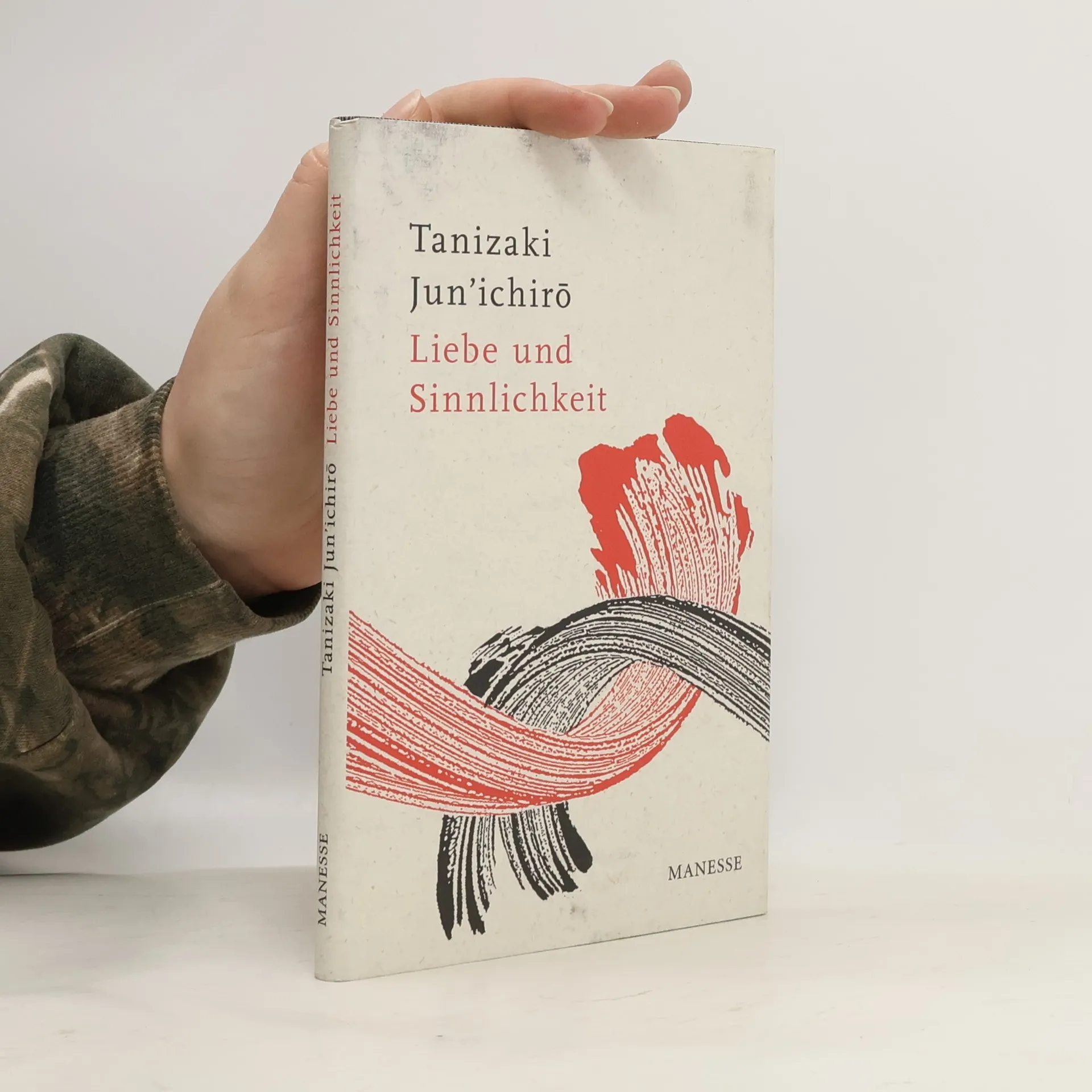
    • Liebe und Sinnlichkeit

      Übersetzt von Eduard Klopfenstein

      Mann und Frau begegnen sich in der japanischen Gesellschaft traditionell mit großer Zurückhaltung und Höflichkeit. Wer den Reiz solch verhaltener Sinnlichkeit verstehen will, muss Tanizaki lesen.Japanerinnen waren lange von einer Aura des Mysteriösen umgeben: blass wie der Mondschein, leise wie das Zirpen von Insekten und sanft wie die Tautropfen auf den Gräsern – so wurden sie in der Literatur ihres Landes idealisiert. Verhaltene, nur angedeutete Zärtlichkeit zeichnete ihr Verhältnis zu den Männern aus. Und doch vermochte genau diese Nuancierung des Erotischen, genannt «iroke», die Männer weit mehr zu bezaubern als allzu große Offenheit und Leidenschaftlichkeit. «Selbst eine noch so schöne Frau hat, wenn sie erst einmal völlig nackt dasteht, nichts mehr, was sie enthüllen könnte», schreibt Tanizaki Jun’ichiro.Erfrischend unkonventionell bringt uns der Autor das japanische Verständnis von Sinnlichkeit nahe, die auffallende Zurückhaltung, die sich auch in der Architektur des Landes oder der Vorliebe für verschattete Räume spiegelt. Sein Essay aus den 1930er-Jahren, der mit diesem Band erstmals auf Deutsch vorliegt, liefert wie alle Aufsätze Tanizakis einen wertvollen Schlüssel zum Verständnis japanischer Sitten und Kultur.

      Liebe und Sinnlichkeit
      3,0
    • Junichiro Tanizaki schildert die Geschichte einer langjährigen Ehe. Unfähig, über ihre geheimsten Sehnsüchte und Fantasien zu sprechen, beginnen die beiden Ehepartner jeweils, ein Tagebuch zu führen - ahnend, dass der andere das Geschriebene lesen wird. Auf diese Weise können sie ihr Inneres ungehemmt offenbaren: Sie legen Geständnisse ab, provozieren, täuschen bewusst. Und tatsächlich kommen sich die beiden dadurch körperlich wieder näher - nur ganz anders, als sie es sich vorgestellt haben.

      Der Schlüssel. Roman
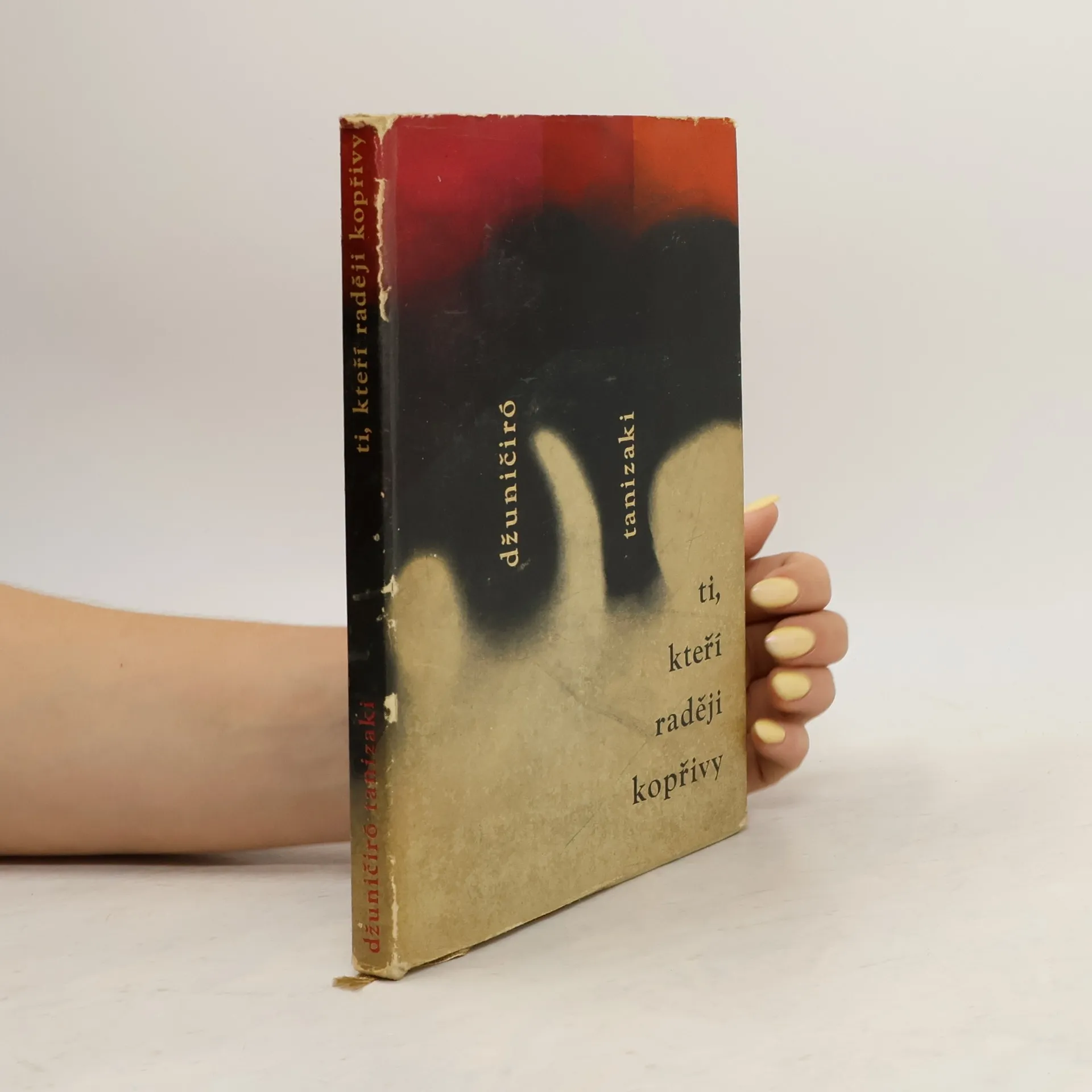
    • Značně autobiografický román jednoho z předních moderních japonských spisovatelů, z jehož díla byla do češtiny přeložena novela Milenci z Jeda (1942). Vedle příběhu rozpadávajícího se manželství, v němž muž ztratil o ženu sexuální zájem a i jinak se jí odcizil, zamýšlí se též nad naléhavým problémem opouštění starých japonských tradic a zvyků v důsledku modernizace japonského života a kultury, jejich poevropšťování a amerikanizace.

      Ti, kteří raději kopřivy
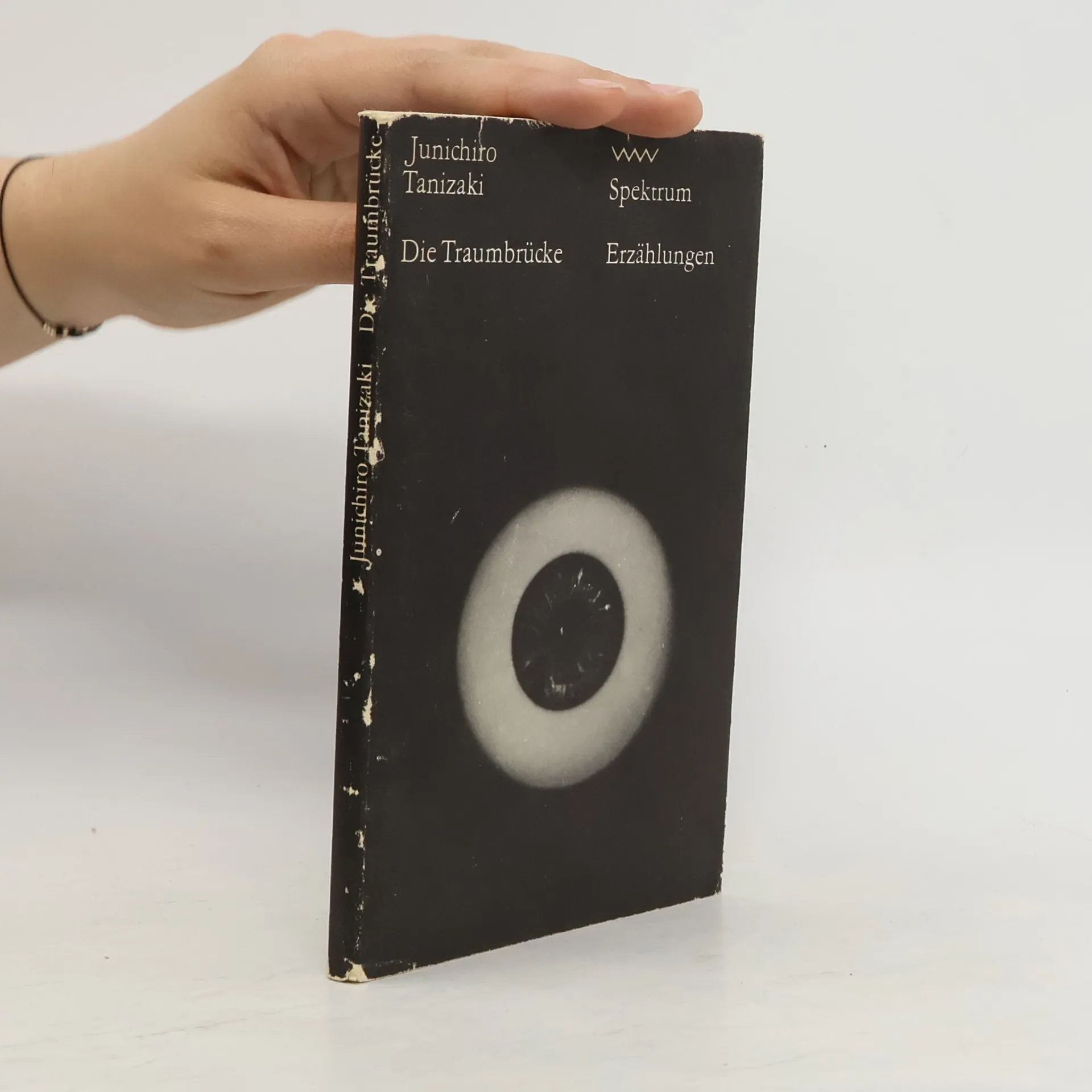
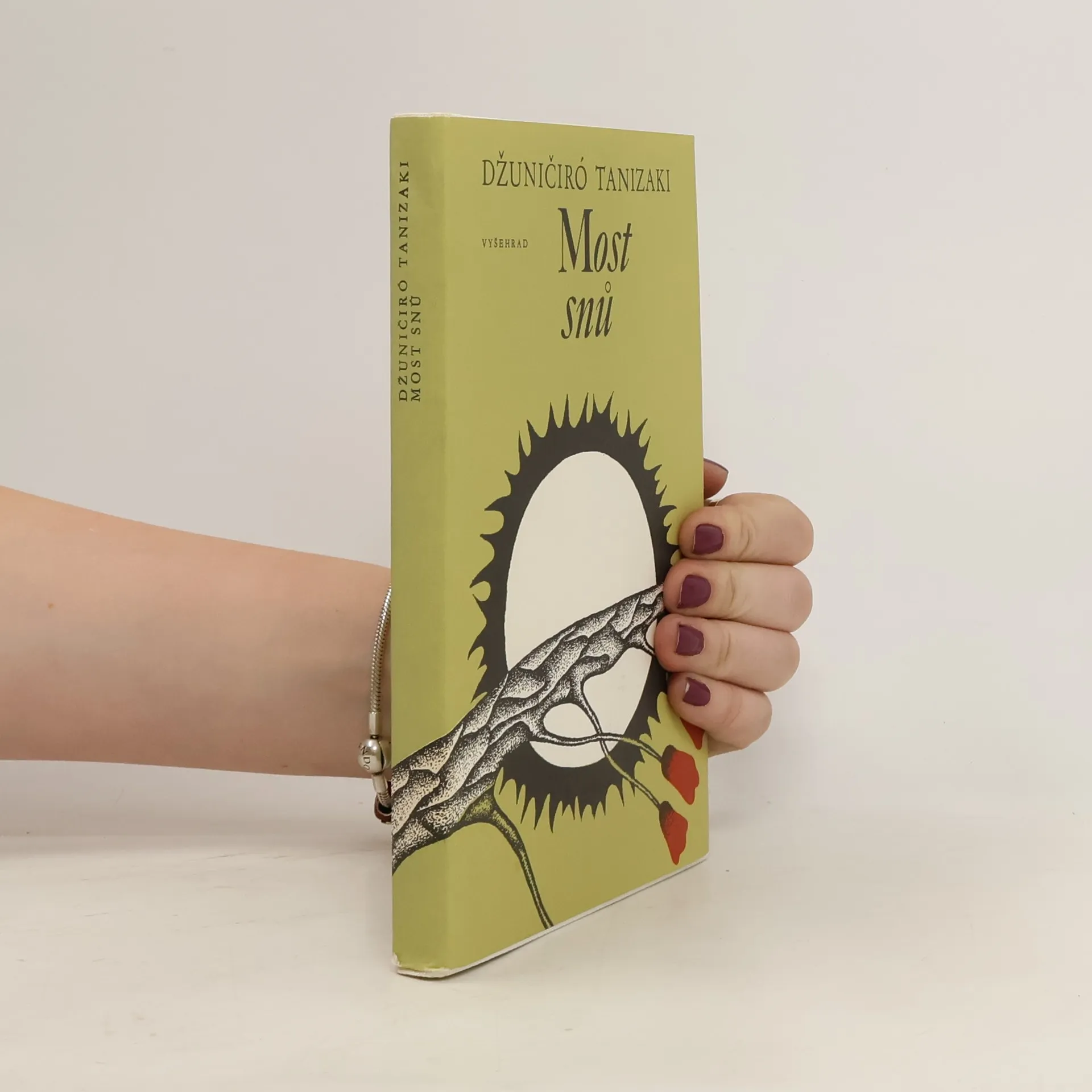
    • Podmanivá sila Tanizakiho slovesného umění a originální atmosféra jeho příběhů nepřestává po desetiletí přitahovat čtenáře v mnoha zemích světa. U nás to dosvědčuje zájem o jeho česky vydaná díla, zvláště pak o jeho proslulý román Sestry Makiokovy. Pod názvem Most snů vycházejínyní autorovy kratší prózy zastupující všechna hlavní období Tanizakiho tvorby (Tetování, Požaté rákosí, O touze po matce, Most snů, Slepcův příběh). Z nich novelu Most snů napsal v r. 1959, na sklonku své padesátileté spisovatelské dráhy, čtvrt století poté, co začal převádět do současné japonštiny Příběh o Gendžim, vrcholné dílo japonské dvorské literatury z počátku 11. století. Klasické písemnictví je mu často inspiračním pramenem pro vlastní tvorbu. V ní jako by před námi rozvíjel barevné svitky vyprávějící o starém Japonsku, o jeho mravech, životním stylu i myšlení, ale přitom tento dávno zašlý svět doslova vtahuje do současnosti zrcadlící se v příbězích plných fantazie. Svým bohatým jazykem, který utvářely nejlepší tradice japonského vypravěčského umění, líčí osudy milostných vztahů, záhady lidské duše, absurditu některých lidských citů a tužeb i historie dávných rodových bojů, v nichž jsou dramatické osudy umocněny jemnými odstíny existenciálně psychologických postřehů.

      Most snů
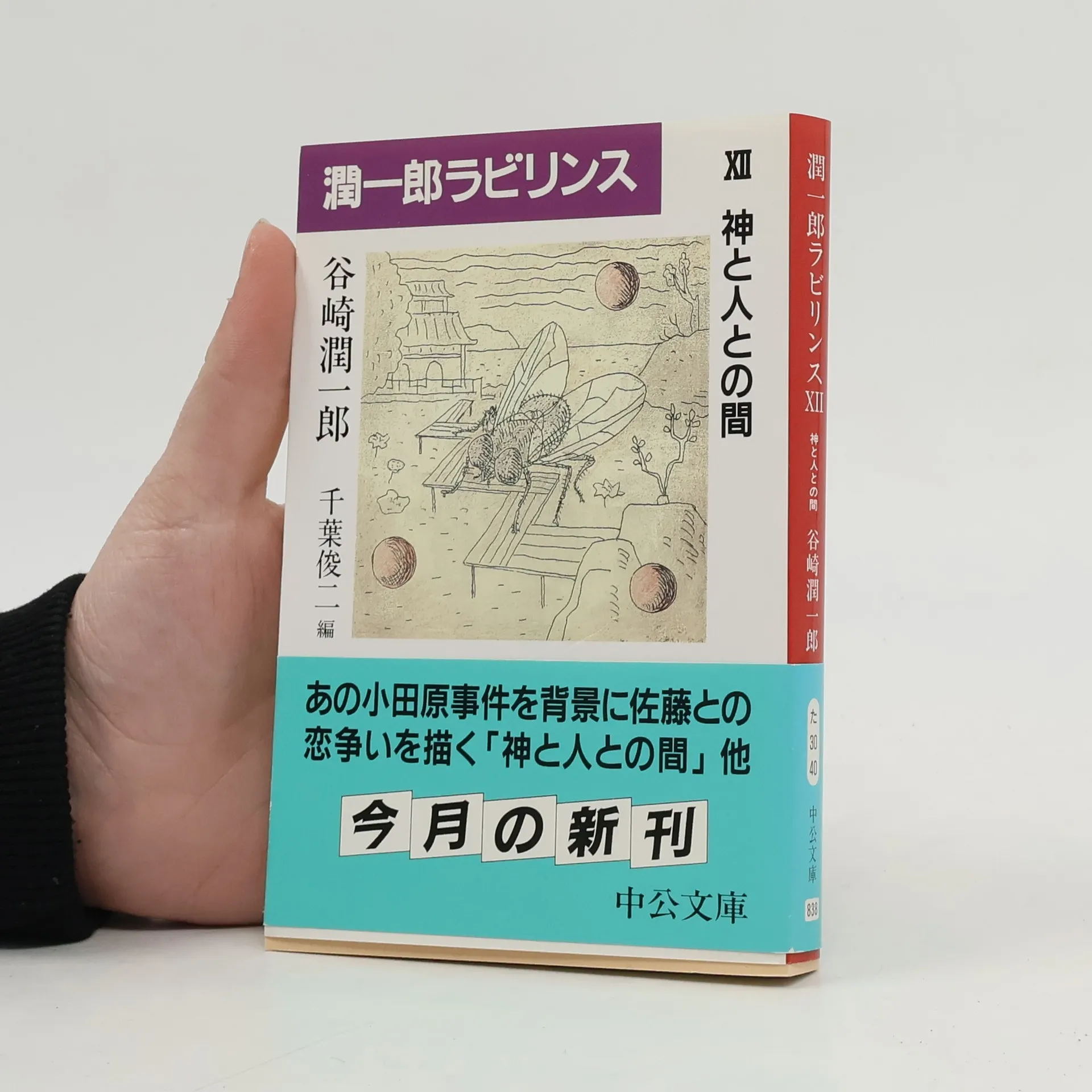
    • 小田原事件に発展した佐藤春夫とのトラブル、添田=谷崎、穂積=佐藤、朝子=千代夫人の三角関係を虚構を織りまぜて小説化した長篇「神と人との間」、既婚者の文学士と離婚者の法学士による理想的な離婚についての対話劇「既婚者と離婚者」、中国趣味を折込んだ「鶴唳」の三篇を収める。

      潤一郎ラビリンス - 12: 神と人との間