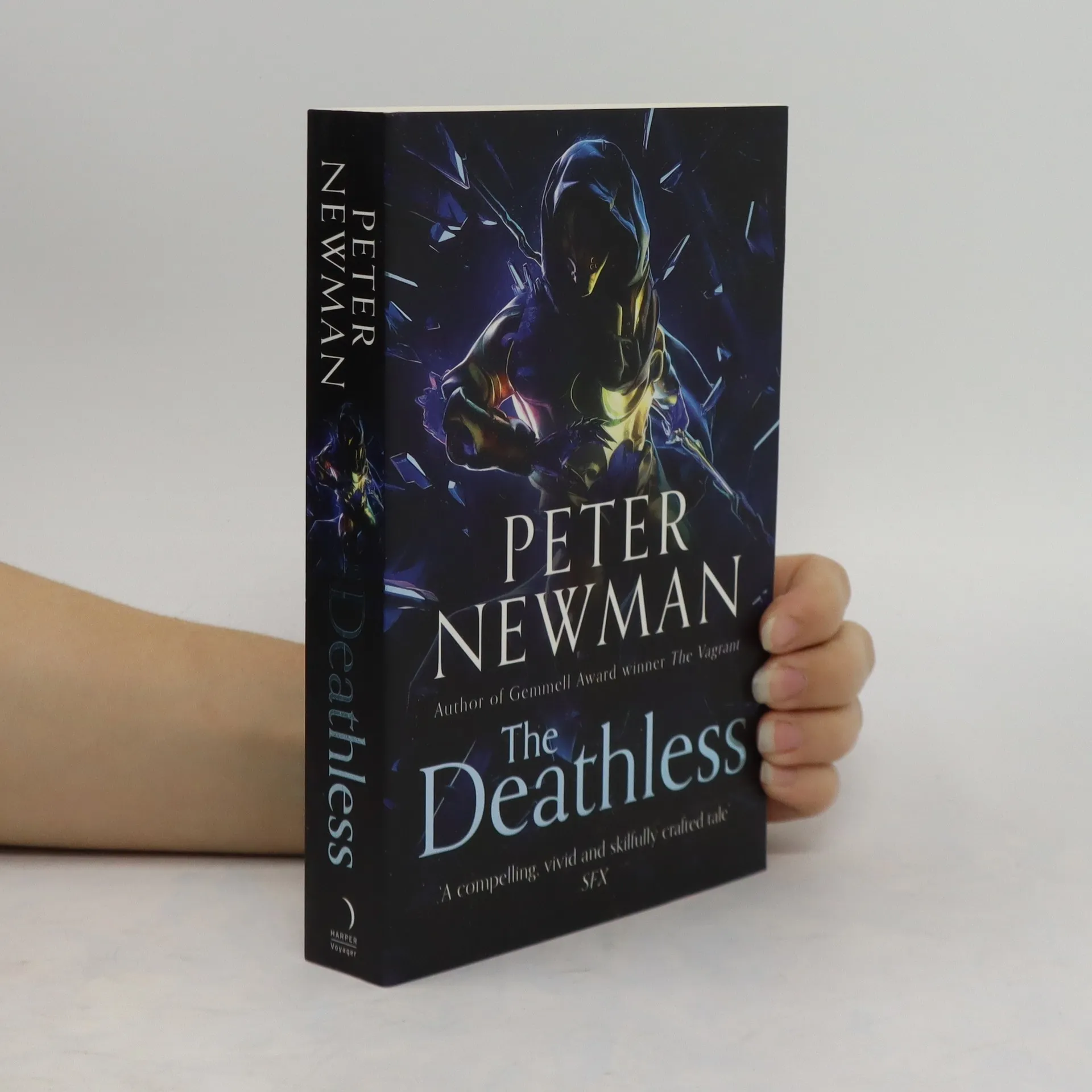
The Boundless
- 448pagine
- 16 ore di lettura
The thrilling conclusion to an epic trilogy of dynastic struggles in a world of crystal castles, winged knights, and savage wilderness.


Peter Newman crea mondi immersivi ricchi di personaggi intricati e narrazioni avvincenti. Le sue storie approfondiscono temi profondi come il destino, il libero arbitrio e le complessità morali che i suoi protagonisti devono affrontare. La prosa di Newman è caratterizzata da un ritmo dinamico e da descrizioni vivide, che danno vita sia agli ambienti che alle vite interiori con notevole dettaglio. I lettori sono attratti dal suo talento nel tessere trame intricate con svolte inaspettate.



The thrilling conclusion to an epic trilogy of dynastic struggles in a world of crystal castles, winged knights, and savage wilderness.
Return to a world of crystal armour, savage wilderness, and corrupt dynasties in book two of The Deathless series from Gemmell award-winning author Peter Newman.
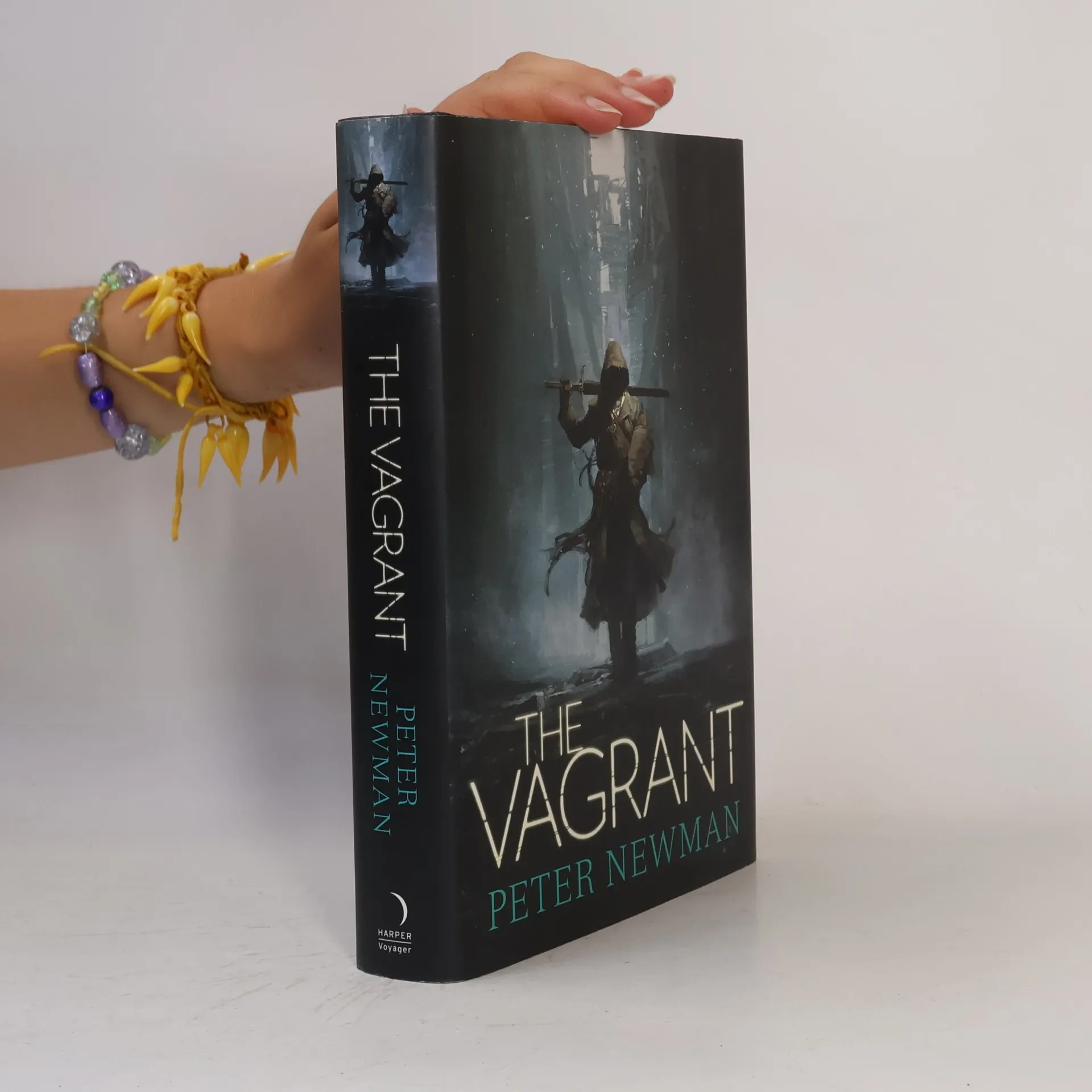
From the Gemmell Award-winning author of THE VAGRANT, a thrilling new series of power, intrigue, and magic.
`An exciting new writer - sharp, compelling and original' Mark Lawrence
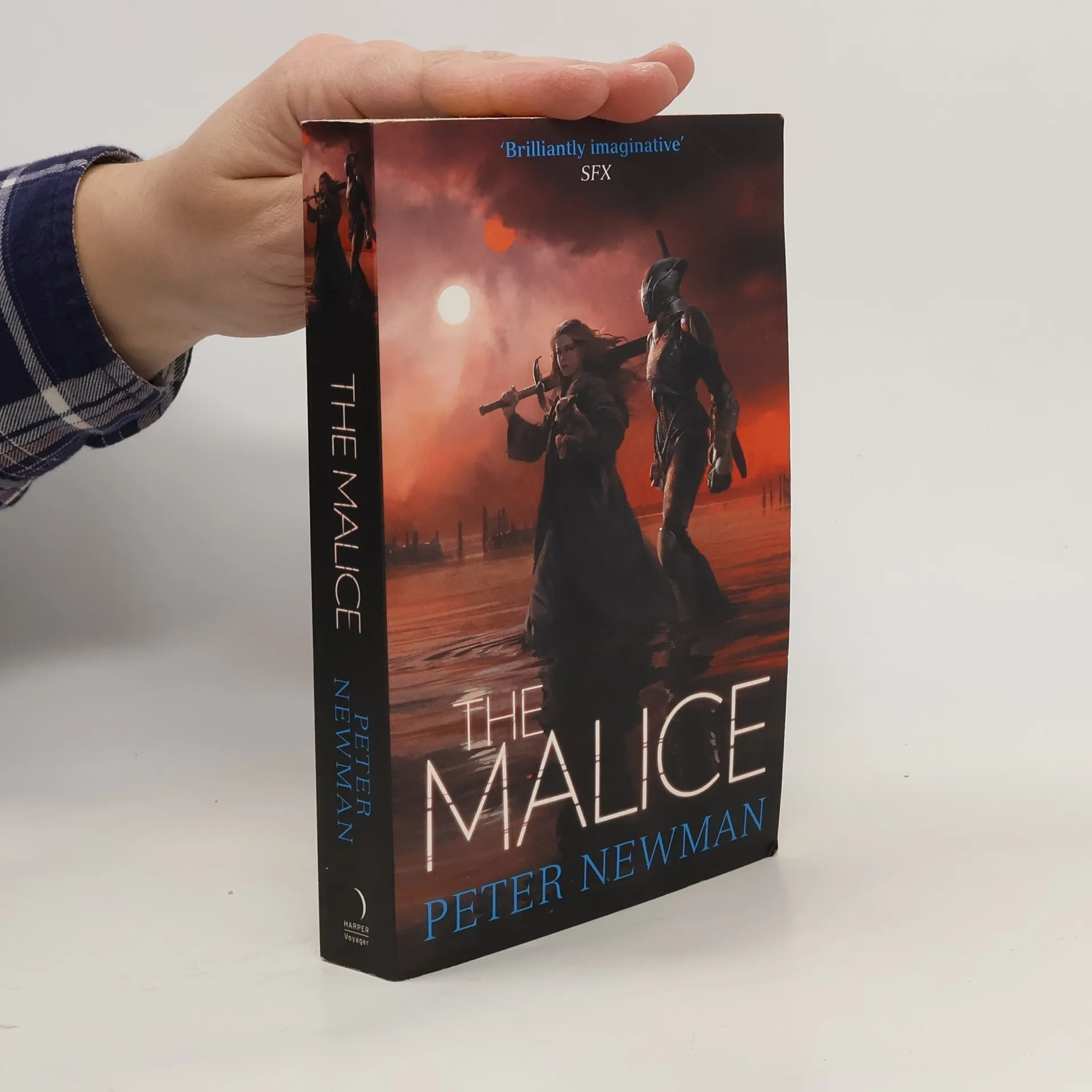
Following Peter Newmans brilliant debut, THE VAGRANT. This is the much- anticipated sequel, THE MALICE. In the south, the Breach stirs. Gammas sword, the Malice, wakes, calling to be taken to battle once more. But the Vagrant has found a home now, made a life and so he turns his back, ignoring its call. The sword cries out, frustrated, until another answers. Her name is Vesper.
The Vagrant is his name. He has no other. Friendless and alone he walks across a desolate, war-torn landscape, carrying nothing but a kit-bag, a legendary sword and a baby. His purpose is to reach the Shining City, last bastion of the human race, and deliver the sword, the only weapon that may make a difference in the ongoing war. But the Shining City is far away and the world is a very dangerous place.
Half of the world’s population now resides in cities, a number expected to rise to five billion in the next two decades. Many urban areas, particularly in the U.S., suffer from inefficient transportation systems and poorly designed buildings, leading to excessive fossil fuel consumption and greenhouse gas emissions. As carbon-based fuels dwindle, the question arises: are cities doomed to collapse? The authors argue against this fatalism, advocating for intelligent planning and visionary leadership to navigate impending crises. They highlight existing initiatives worldwide, choosing hope over fear. The book outlines the current state of oil use and climate change, presenting four potential outcomes: “collapse,” “ruralized,” “divided,” and “resilient.” In response, they propose a new “sustainable urbanism” to replace the current “carbon-consuming urbanism,” detailing feasible transportation and building innovations. Concluding with ten actionable “strategic steps” for cities to enhance sustainability and resilience, the authors provide practical solutions already in practice. While acknowledging the worsening issues cities face, they emphasize that these challenges are solvable and stress the urgency of taking action now.
Shows how cities and their residents can begin to reintegrate into their bioregional environment, and how cities themselves can be planned with nature's organizing principles in mind. This book explores natural patterns and processes that cities can emulate in order to move toward sustainability.
Our dependence on cars is a huge problem, but one the authors of this work argue can be overcome through the development of a new form of urban organization. The text examines the trends shaping global cities and established transport, economic and cultural priorities within this framework.