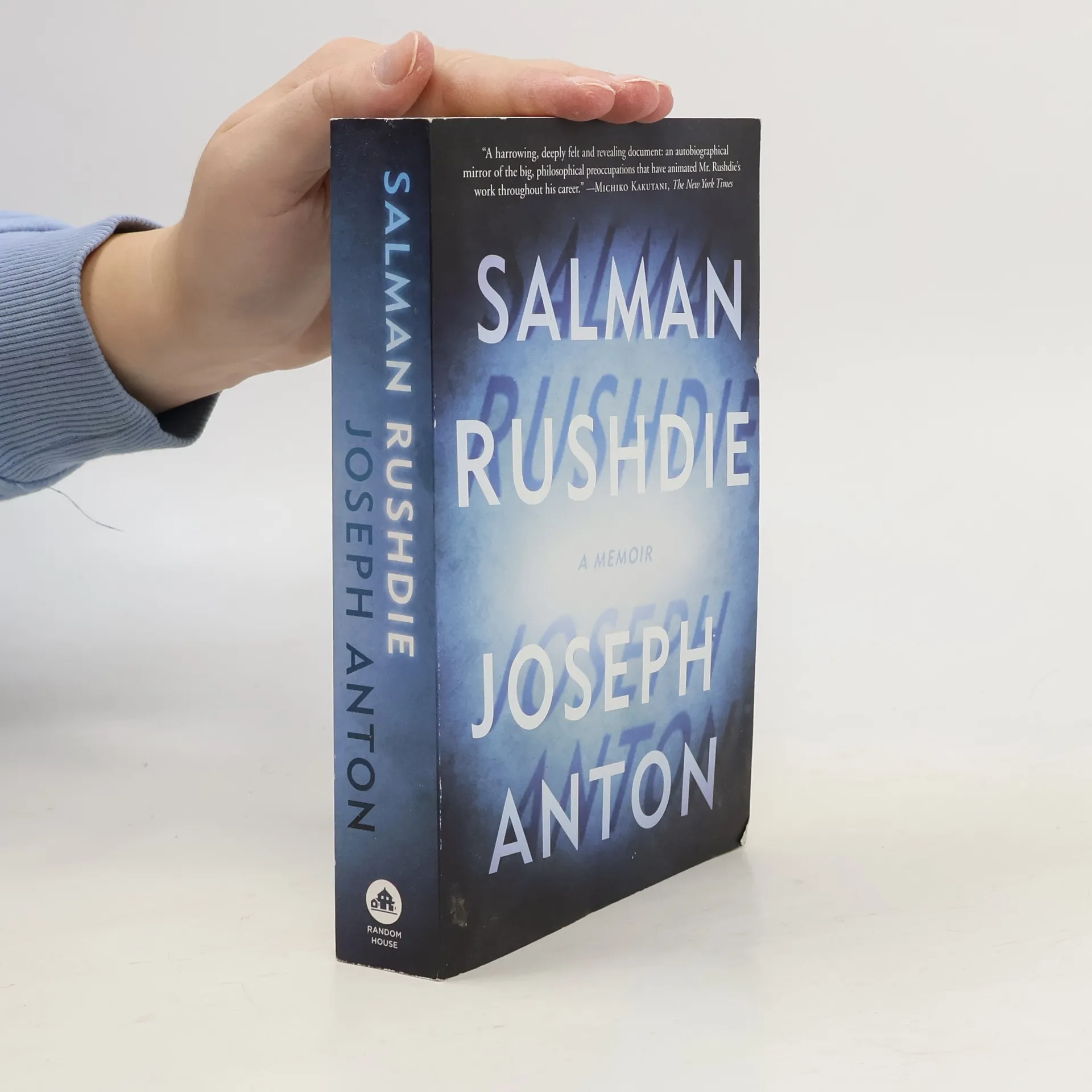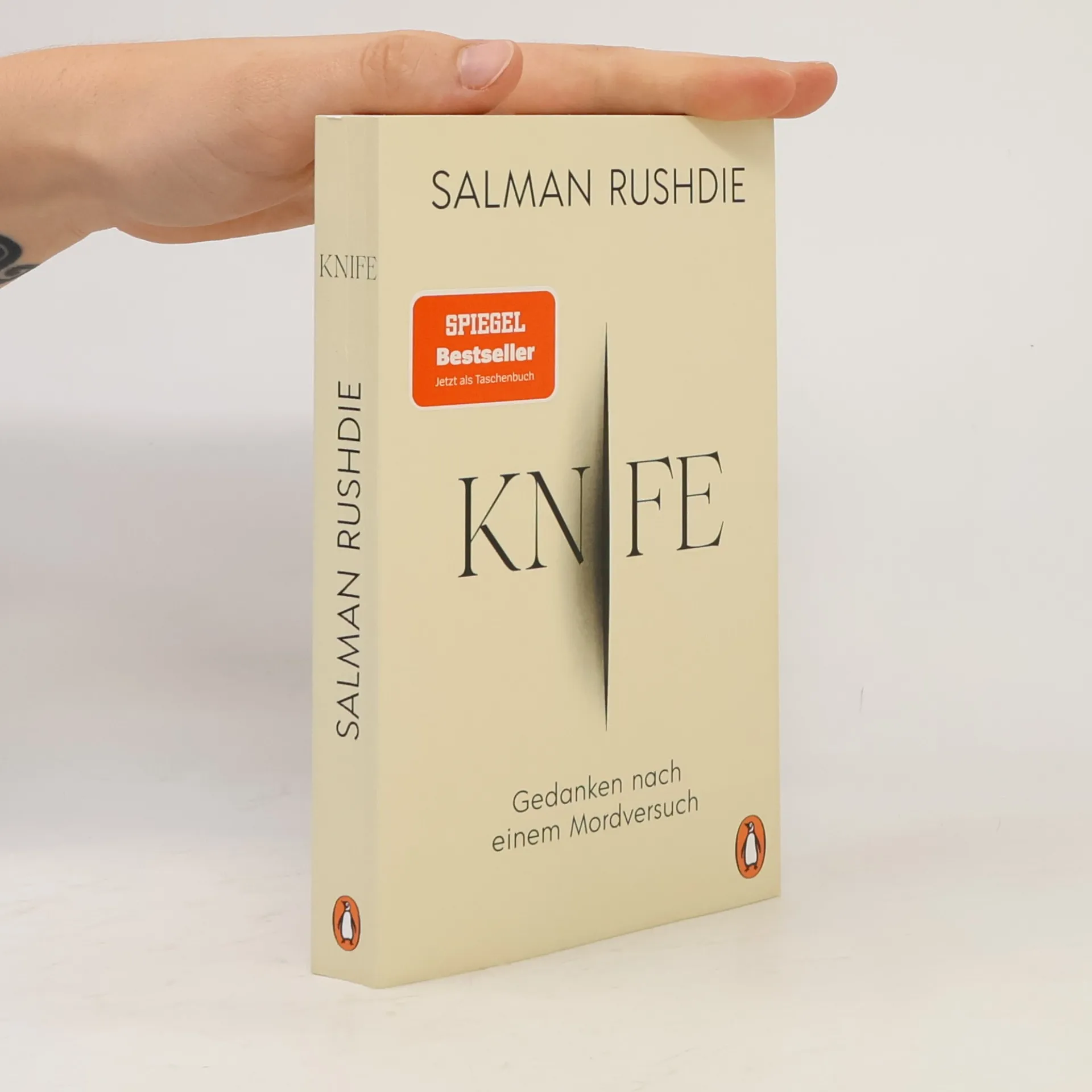
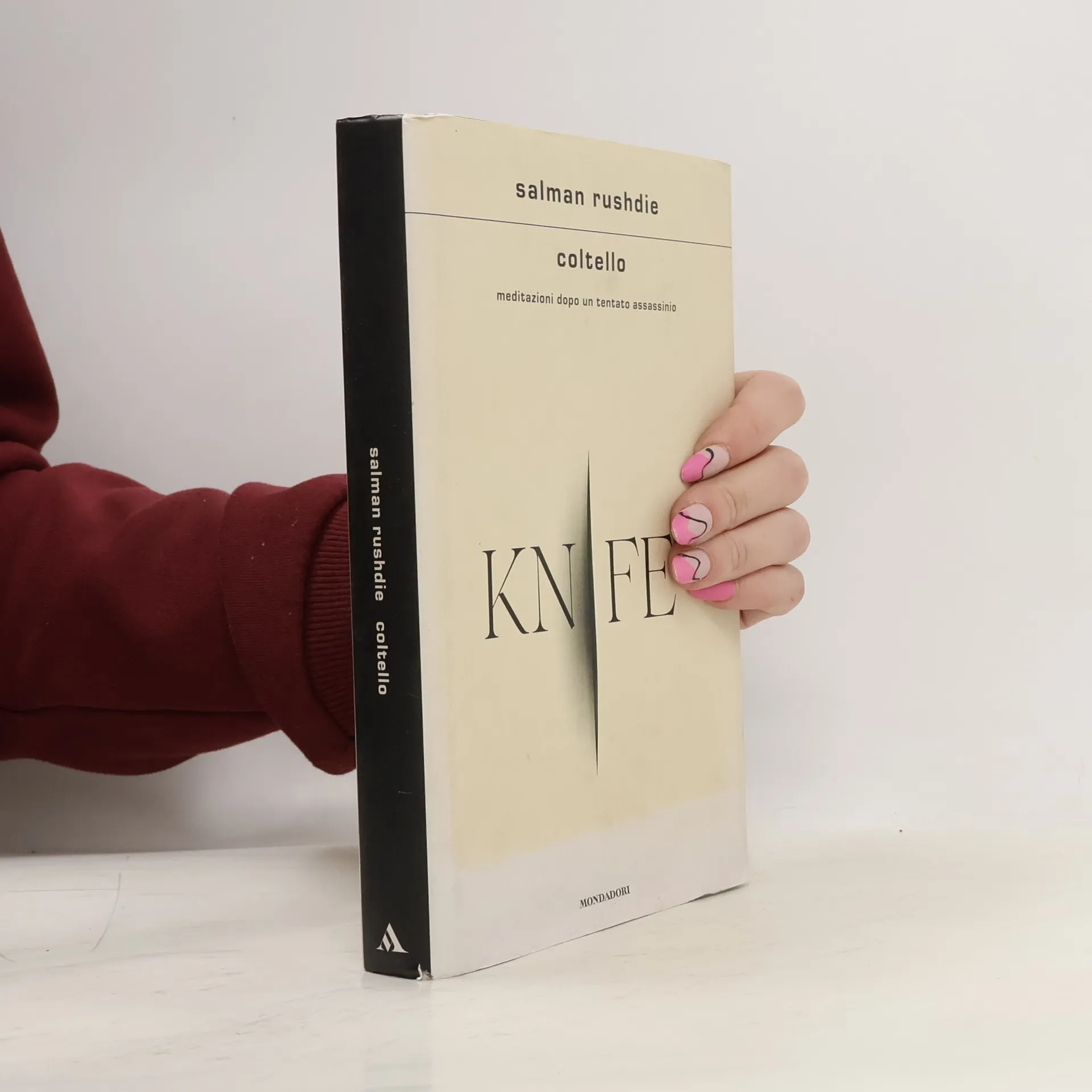
Coltello. Meditazioni dopo un tentato assassinio
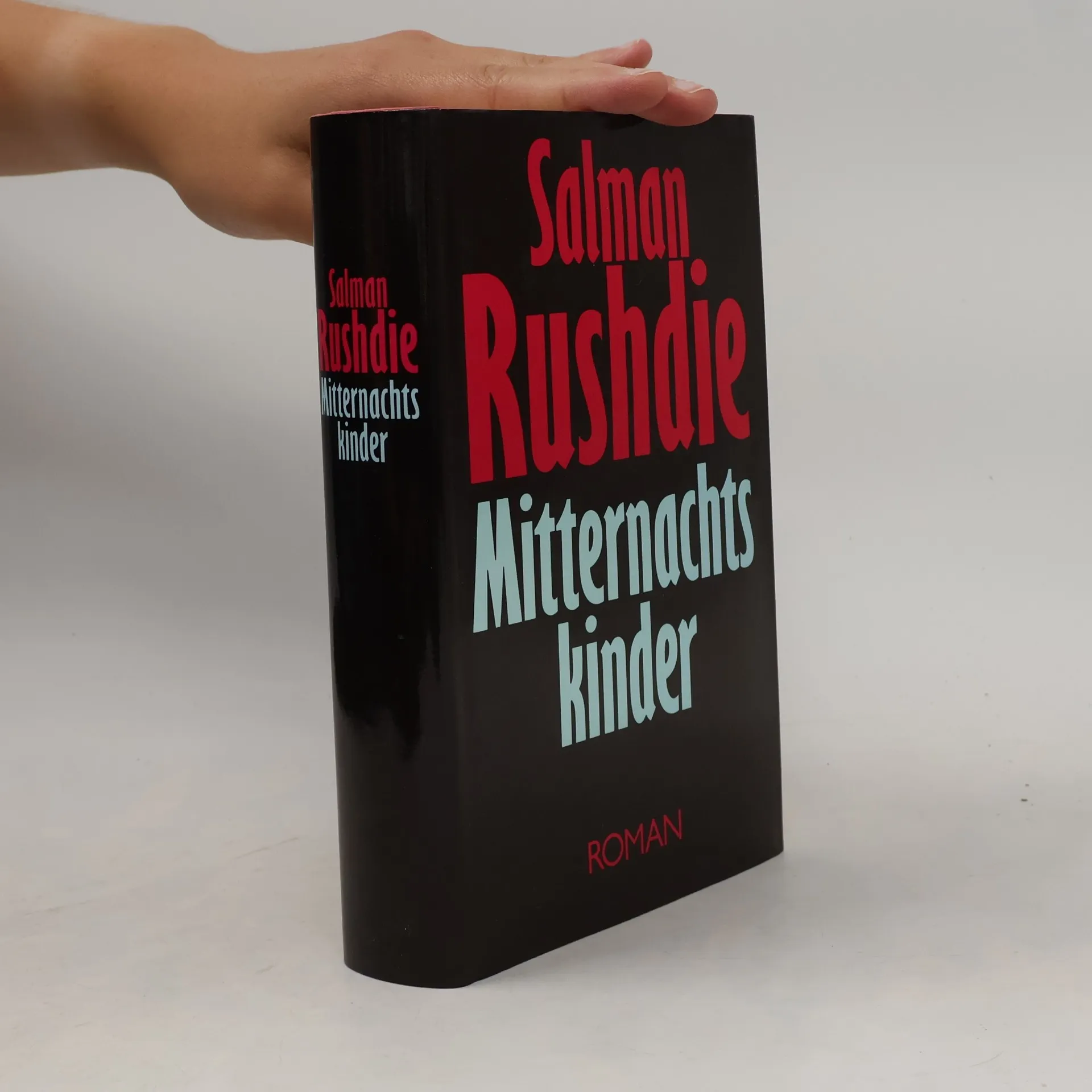
- 234pagine
- 9 ore di lettura
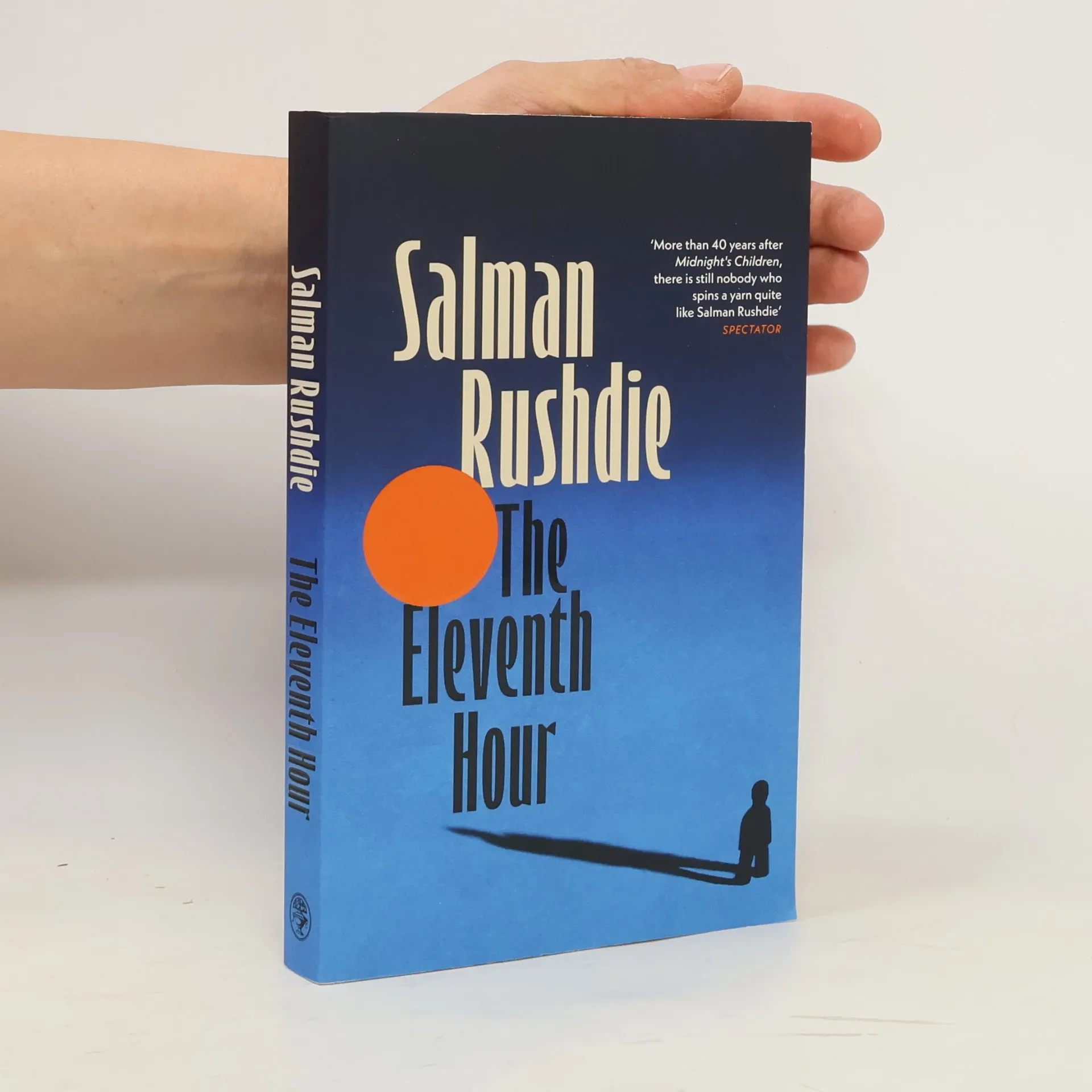
Sir Salman Rushdie è un acclamato romanziere e saggista le cui opere esplorano spesso le intricate connessioni tra il mondo orientale e quello occidentale. Il suo stile, frequentemente classificato come realismo magico, porta alla vita narrazioni di intersezioni, interruzioni e migrazioni attraverso le culture. Gran parte della sua prima narrativa è ambientata nello scenario del subcontinente indiano, conferendo alla sua scrittura una distintiva trama culturale. La sua prosa è caratterizzata da un profondo coinvolgimento con temi di identità, tradizione e modernità.


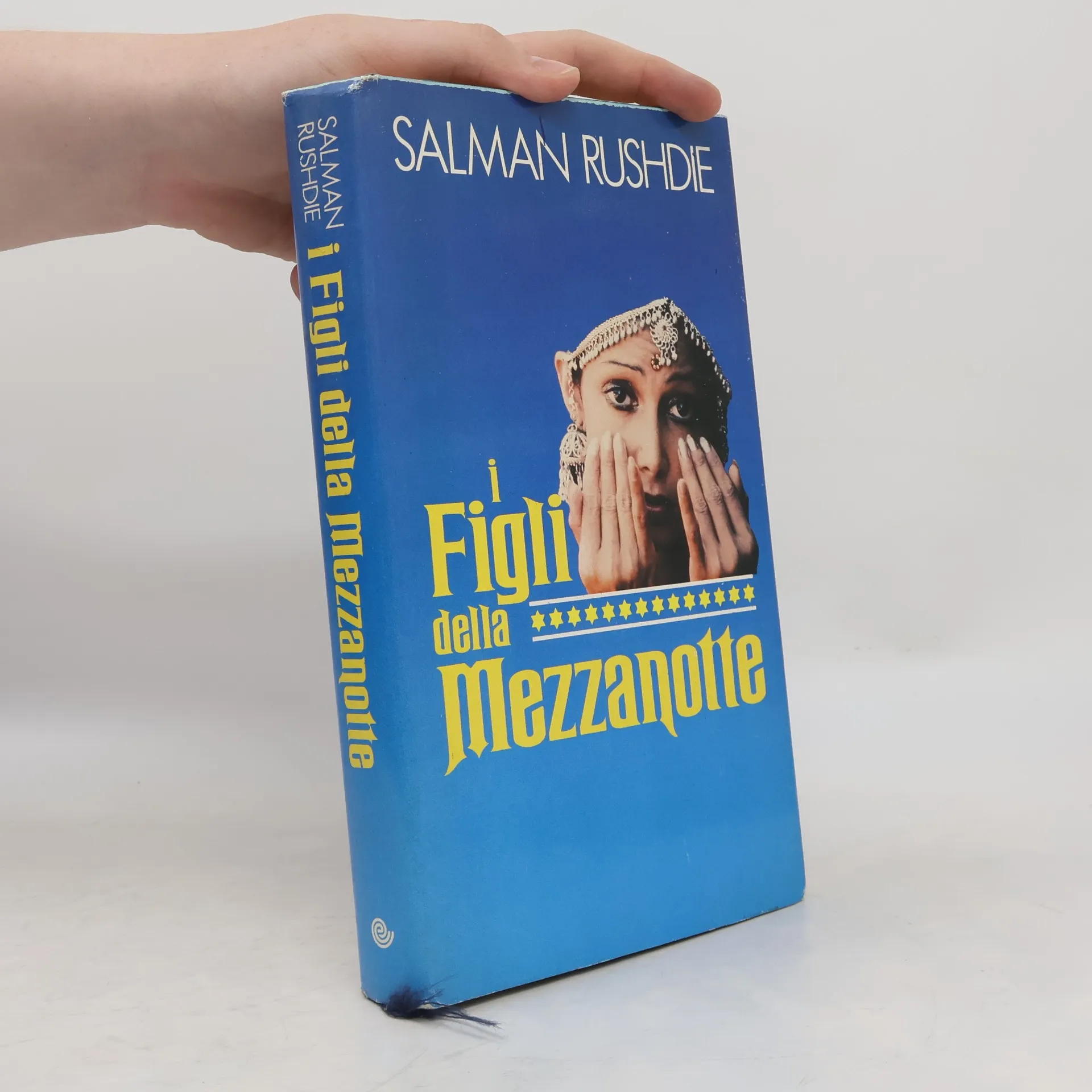
Il romanzo è diviso in nove capitoli, in cui si alterna il racconto delle vicende di due musulmani indiani miracolosamente scampati a un disastro aereo, Gibreel Farishta e Saladin Chamcha (nei capitoli 1, 3, 5, 7, 9) e la rivisitazione romanzesca di alcuni aspetti della cultura islamica, contenuti appunto nei versi che danno il titolo al romanzo (nei capitoli pari). Simboli del Bene e del Male i due protagonisti si affronteranno in una lotta senza esclusione di colpi destinata a protrarsi in eterno, fino alla improvvisa apparizione divina del profeta Mahound.
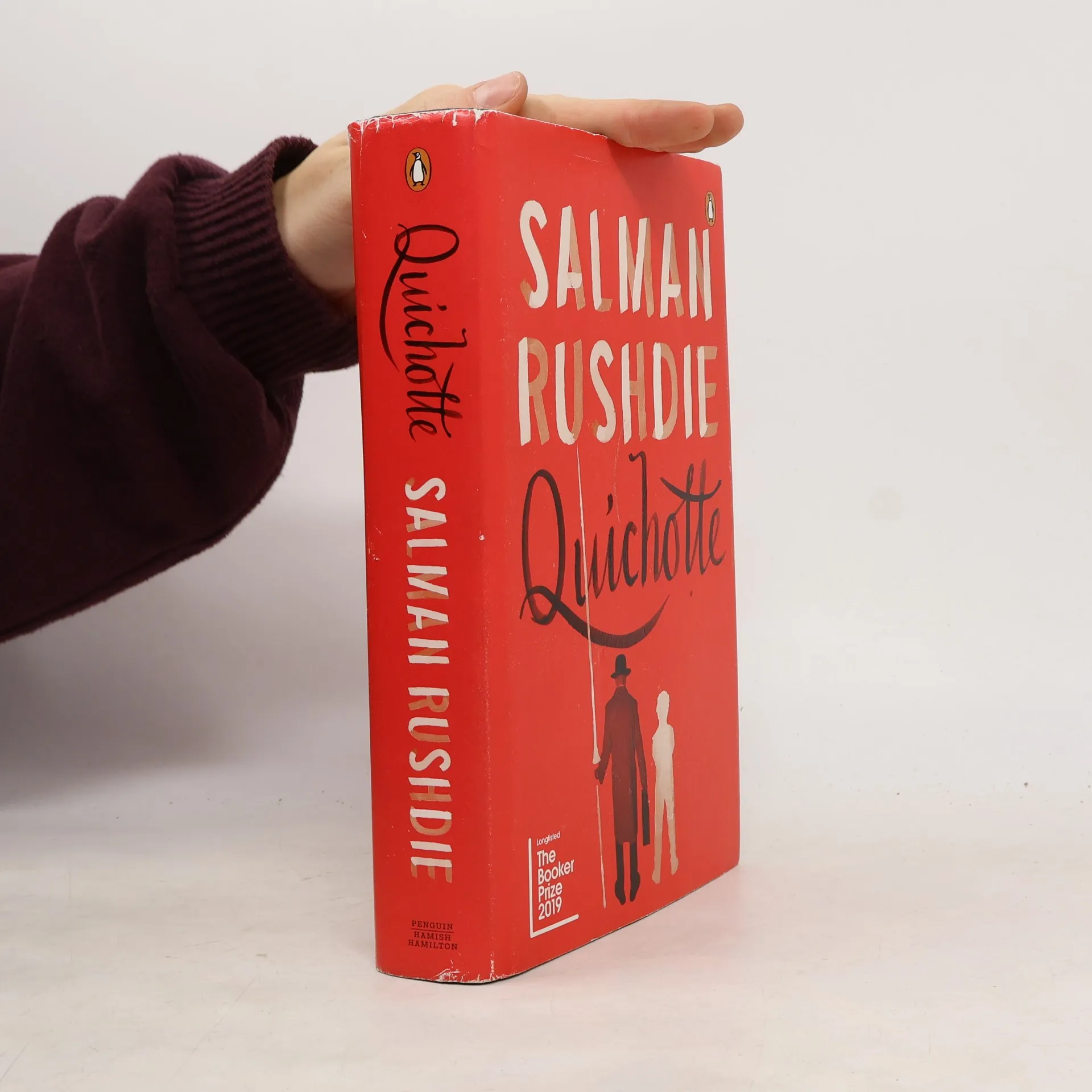
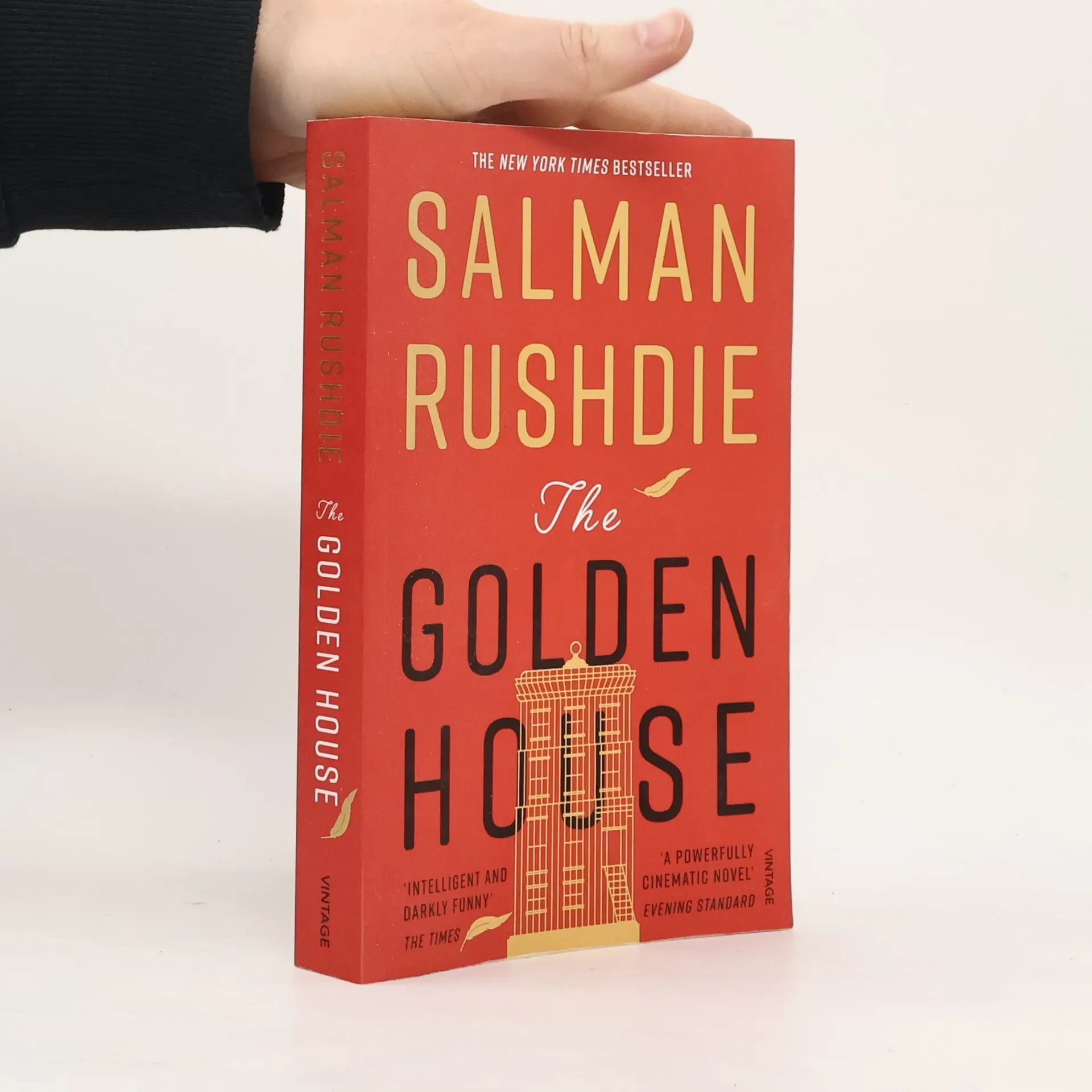
Un misterioso viaggiatore dai capelli biondi arriva a Sikri, sede della corte Mogol, e chiede udienza al sovrano Jalalluddin Muhammed Akbar, detto Akbar il Grande. Lo straniero afferma di venire da una sconosciuta, remotissima città di nome Firenze e di avere una storia tanto meravigliosa quanto veritiera da raccontare: una storia che lega i destini della misteriosa capitale d'Occidente da cui proviene a quelli della discendenza del monarca indiano. Inizia così un racconto che, unendo una pirotecnica inventiva a una minuziosissima documentazione, si snoda tra figure storiche gigantesche, una fra tutte Machiavelli, e vede tra i protagonisti l'enigmatica Qara Köz, Madama Occhi Neri, principessa destinata a sconvolgere con la sua esotica e rara bellezza la raffinata corte medicea. Quanto c'è di vero nel racconto del viaggiatore, il quale afferma di non essere altri che il figlio di Qara Köz? E se ciò che racconta è vero, che ne è stato della principessa? Non si tratterà invece di un bugiardo che, in quanto tale, merita solo la morte? Dopo il successo di Shalimar il clown, torna uno dei massimi autori angloindiani viventi con un romanzo che indaga con magistrale sapienza i mille, inesplorati legami che uniscono una delle massime stagioni storiche europee, il Rinascimento florentino, a una delle corti più splendide d'Asia, immortalata all'apice della sua fioritura.
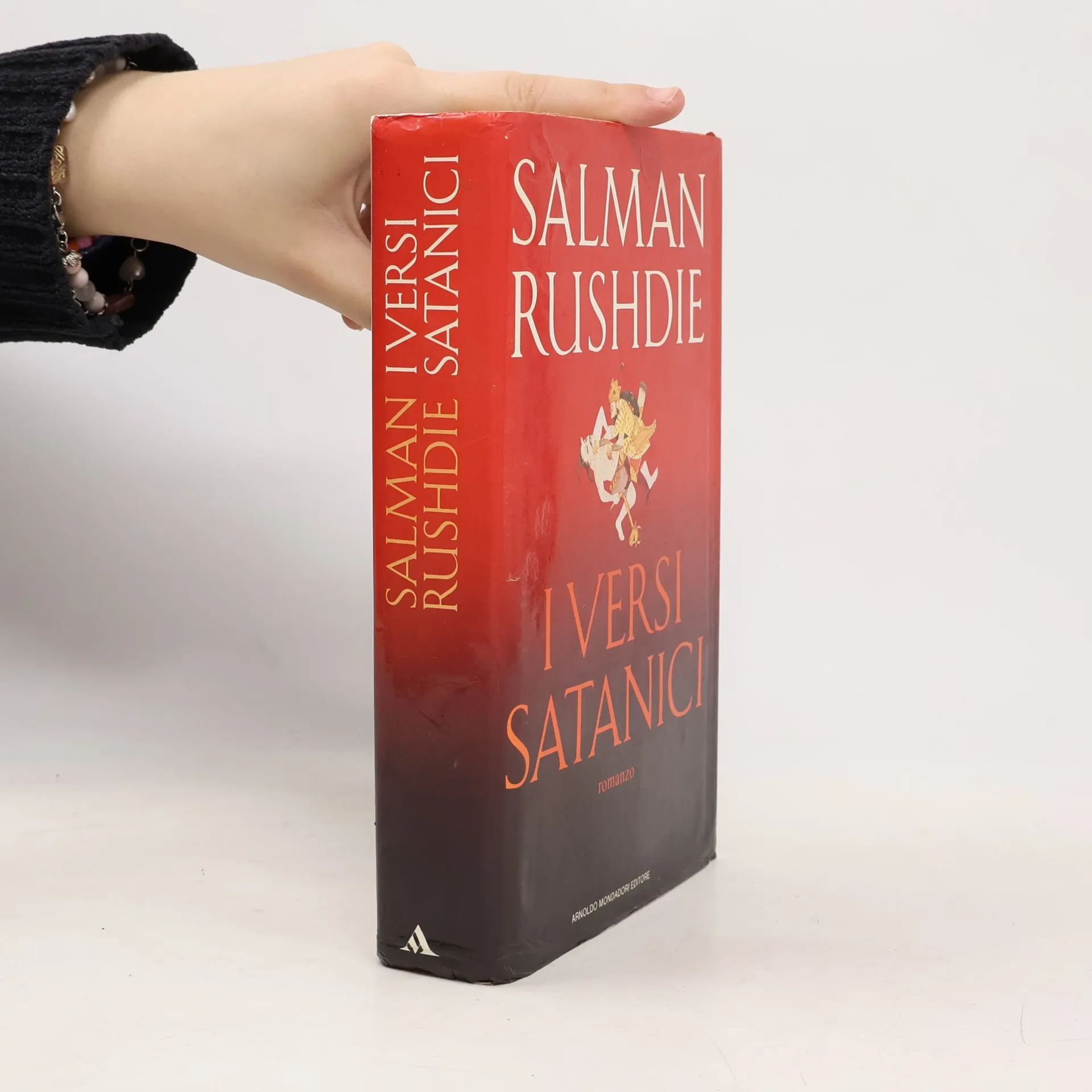
I versi satanici non è solo un romanzo straordinario, ricchissimo di immagini e invenzioni, ma è anche un libro che ha diviso l'opinione pubblica mondiale, dando origine a un caso letterario senza precedenti e costringendo il suo autore, sul quale pende una condanna a morte, a una clandestinità perpetua. La storia che viene descritta è un meraviglioso cocktail di realismo e fantasia, una vicenda magica in cui due viaggiatori, miracolosamente scampati a un disastro aereo, si vedono trasformati l'uno in una creatura angelica e l'altro in un essere diabolico. Ormai simboli del Bene e del Male, i due si affronteranno nella più antica e inevitabile delle battaglie, una lotta senza esclusione di colpi destinata a protrarsi in eterno nel tempo e nello spazio, dai più sperduti villaggi indiani alla Londra contemporanea. Un abbagliante mosaico di allegria e disperazione, di finzione e verità.
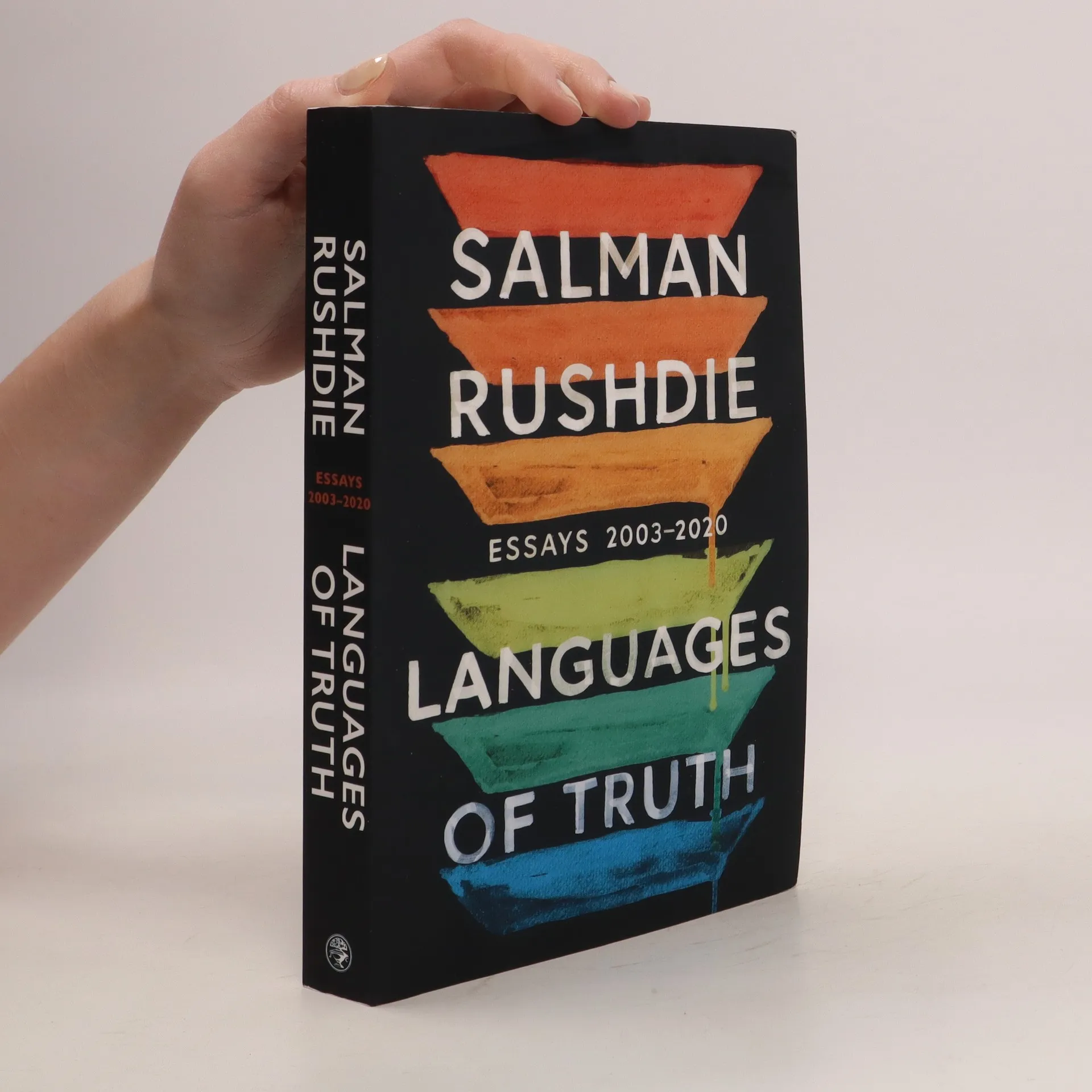
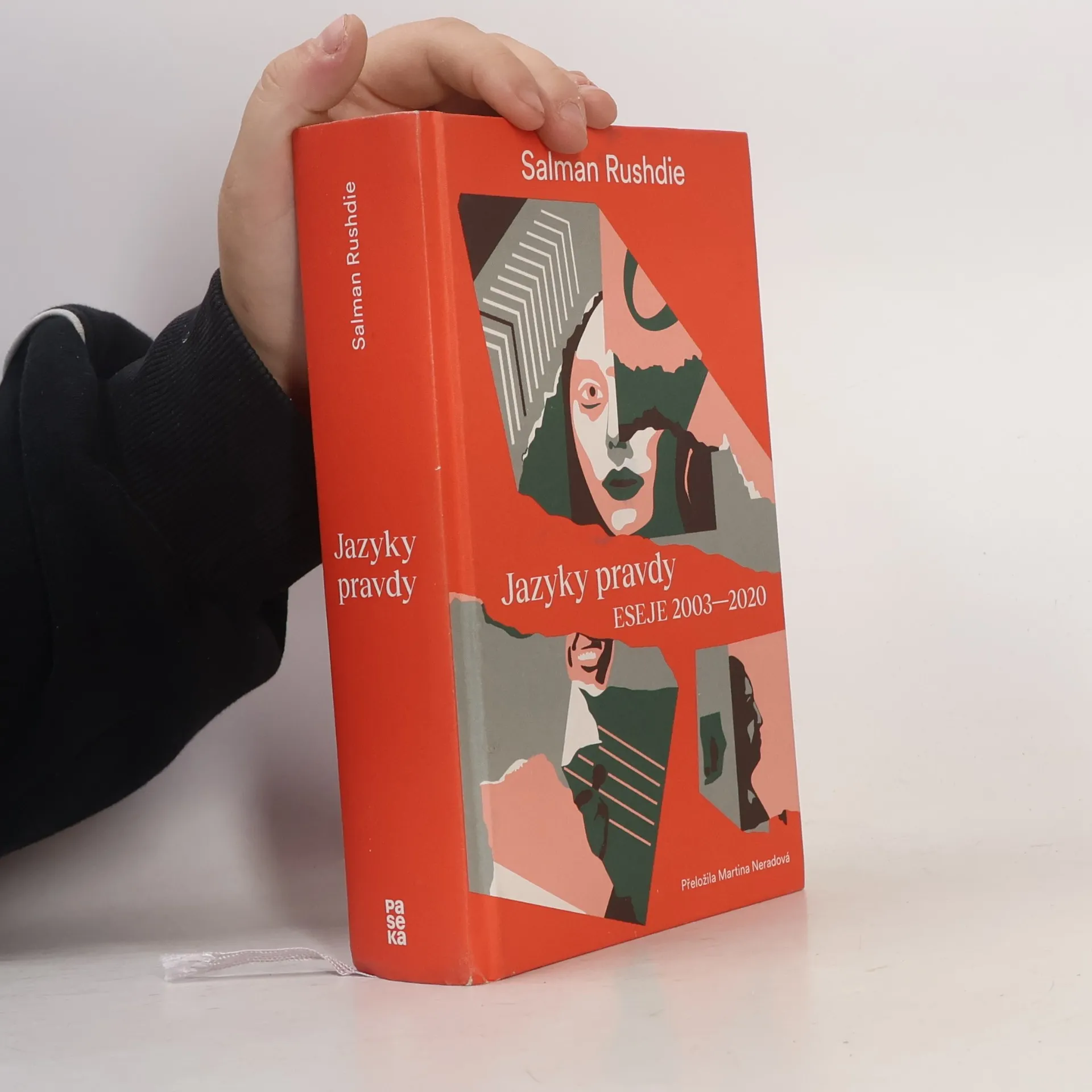
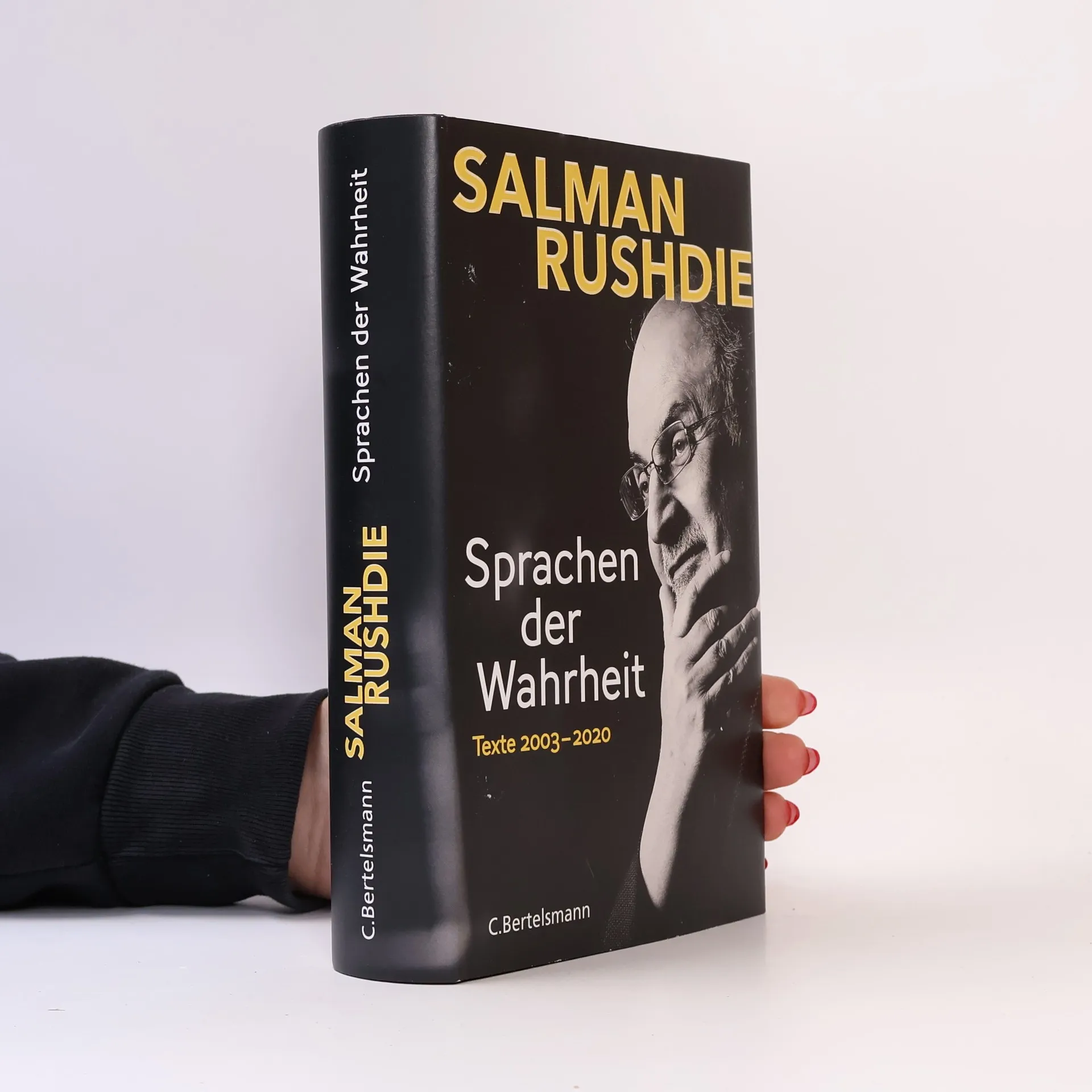
Salman Rushdie is celebrated as "a master of perpetual storytelling" (The New Yorker), illuminating truths about our society and culture through his gorgeous, often searing prose. Now, in his latest collection of nonfiction, he brings together insightful and inspiring essays, criticism, and speeches that focus on his relationship with the written word and solidify his place as one of the most original thinkers of our time. Gathering pieces written between 2003 and 2020, Languages of Truth chronicles Rushdie's intellectual engagement with a period of momentous cultural shifts. Immersing the reader in a wide variety of subjects, he delves into the nature of storytelling as a human need, and what emerges is, in myriad ways, a love letter to literature itself. Rushdie explores what the work of authors from Shakespeare and Cervantes to Samuel Beckett, Eudora Welty, and Toni Morrison mean to him, whether on the page or in person. He delves deep into the nature of "truth," revels in the vibrant malleability of language and the creative lines that can join art and life, and looks anew at migration, multiculturalism, and censorship. Enlivened on every page by Rushdie's signature wit and dazzling voice, Languages of Truth offers the author's most piercingly analytical views yet on the evolution of literature and culture even as he takes us on an exhilarating tour of his own exuberant and fearless imagination
From 'Best of the Booker' winner Salman Rushdie, an incisive and inspiring collection of non-fiction essays, criticism and speeches that takes readers on a thrilling journey of the evolution of language and culture. Gathering pieces written between 2003 and 2020, including several never previously in print, Languages of Truth chronicles a period of momentous cultural shifts. Across a wide variety of subjects, Rushdie delves into the nature of storytelling as a deeply human need, and what emerges is a love letter to literature itself. Throughout, Rushdie shares his personal encounters, on the page and in person, with storytellers from Shakespeare and Cervantes to Samuel Beckett, Eudora Welty, and Toni Morrison, and revels in the creative lines that can join art and life. Always attuned to the malleability of language, Rushdie considers the nature of truth, and looks anew at migration, multiculturalism and censorship. Written with the author's signature wit and energy, Languages of Truth offers pleasure and insight in equal measure, confirming Rushdie's place as one of the most original and important thinkers of our time.
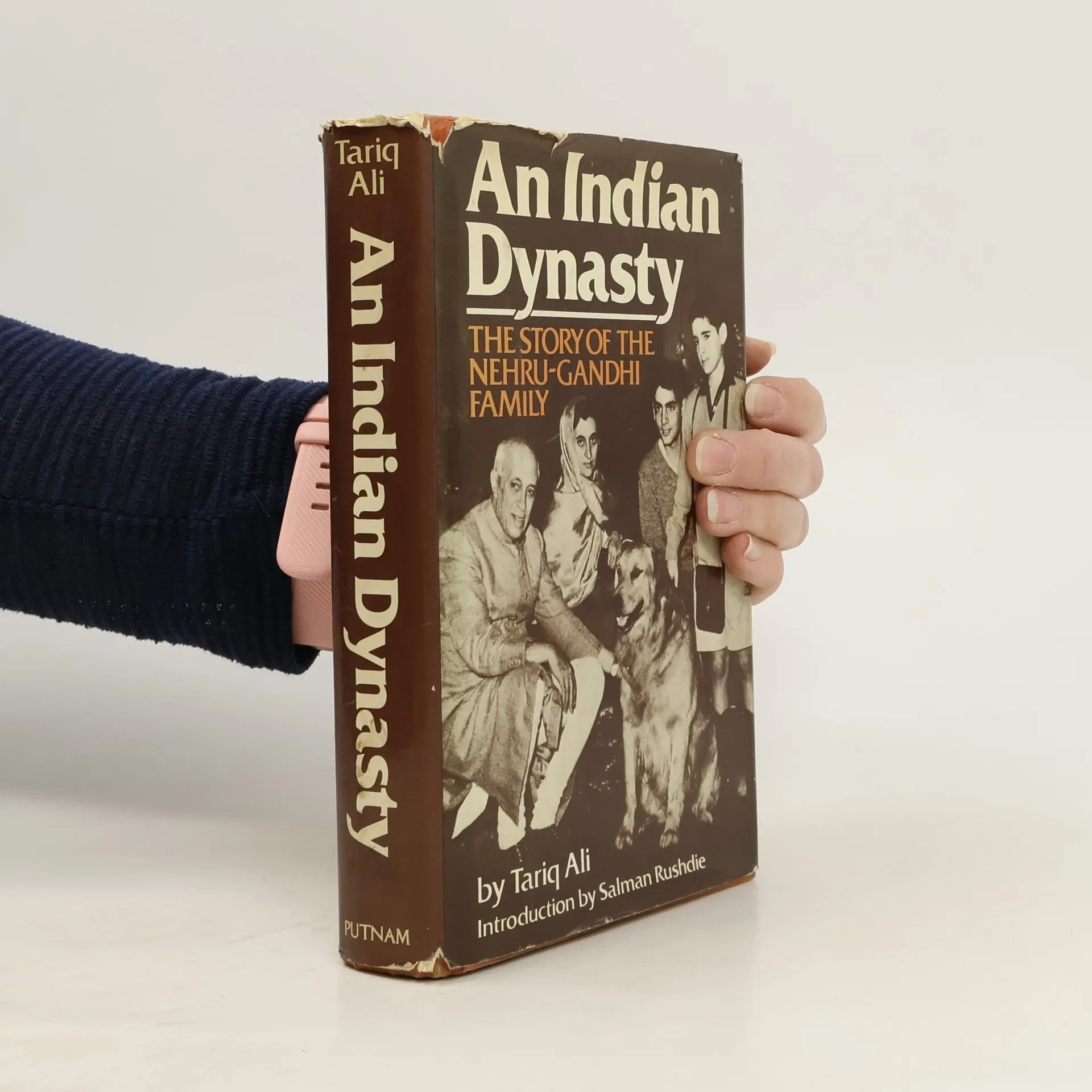
The Nehrus are a dynasty without precedent in the modern world; nowhere else and at no other time in recent history has a single family wielded such enduring and pervasive power over the country and the electorate they serve. From Jawaharlal Nehru to his daughter, Indira Gandhi, and from there, via Sanjay and Rajiv to most recently Sonia, this remarkable family have consistently established both the parameters and rhetoric of India's political development. In the eighties, Tariq Ali made several trips to India, meeting a wide range of political and public figures, including Mrs Gandhi, and leaders of both the Congress and Opposition parties. The Nehrus and the Gandhis, first published in 1985, was the result. Now updated to include the most recent chapters in India's political history, it remains as relevant as ever, offering an intricate and revealing portrait of power, seen through the continued rise and eyes of one family.
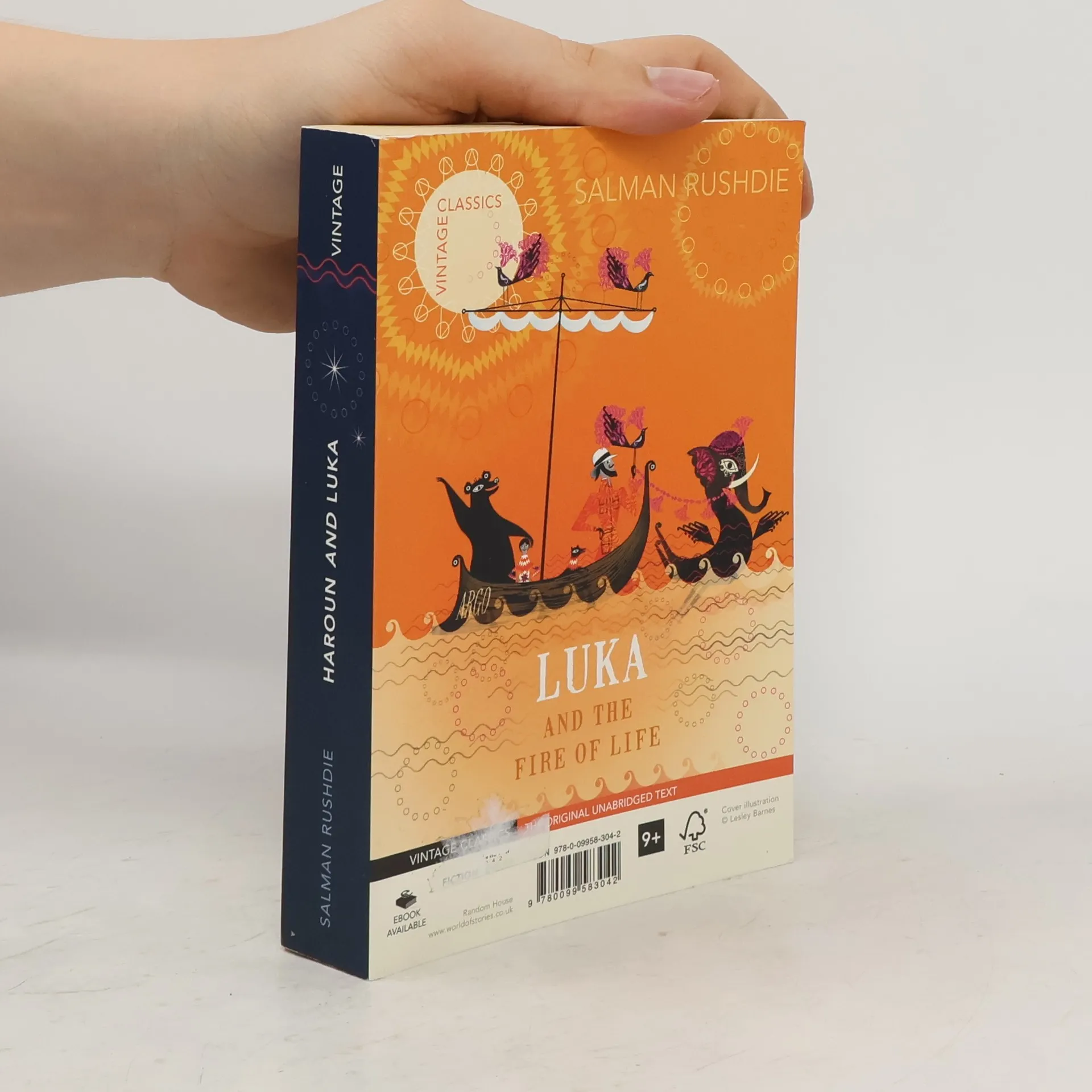
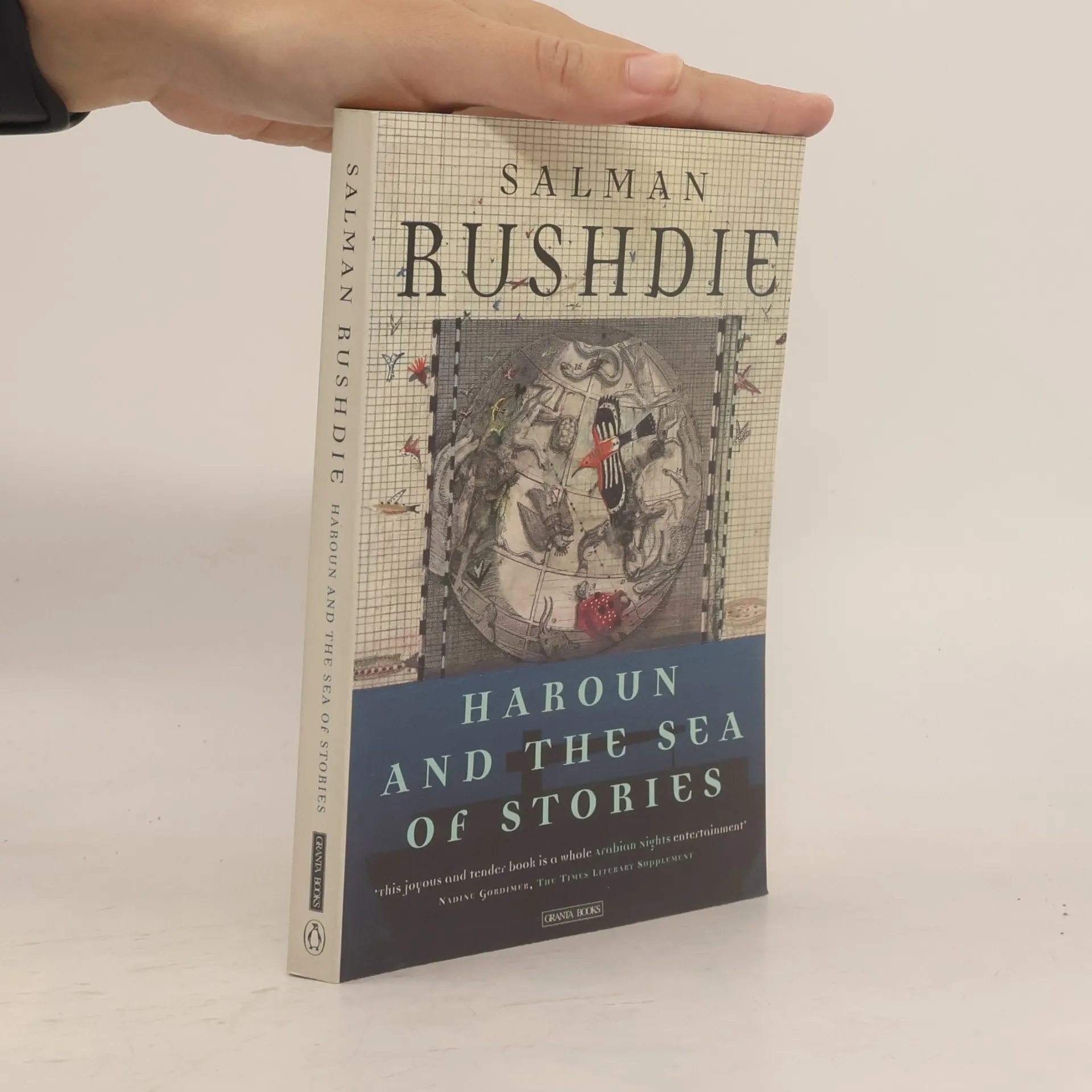
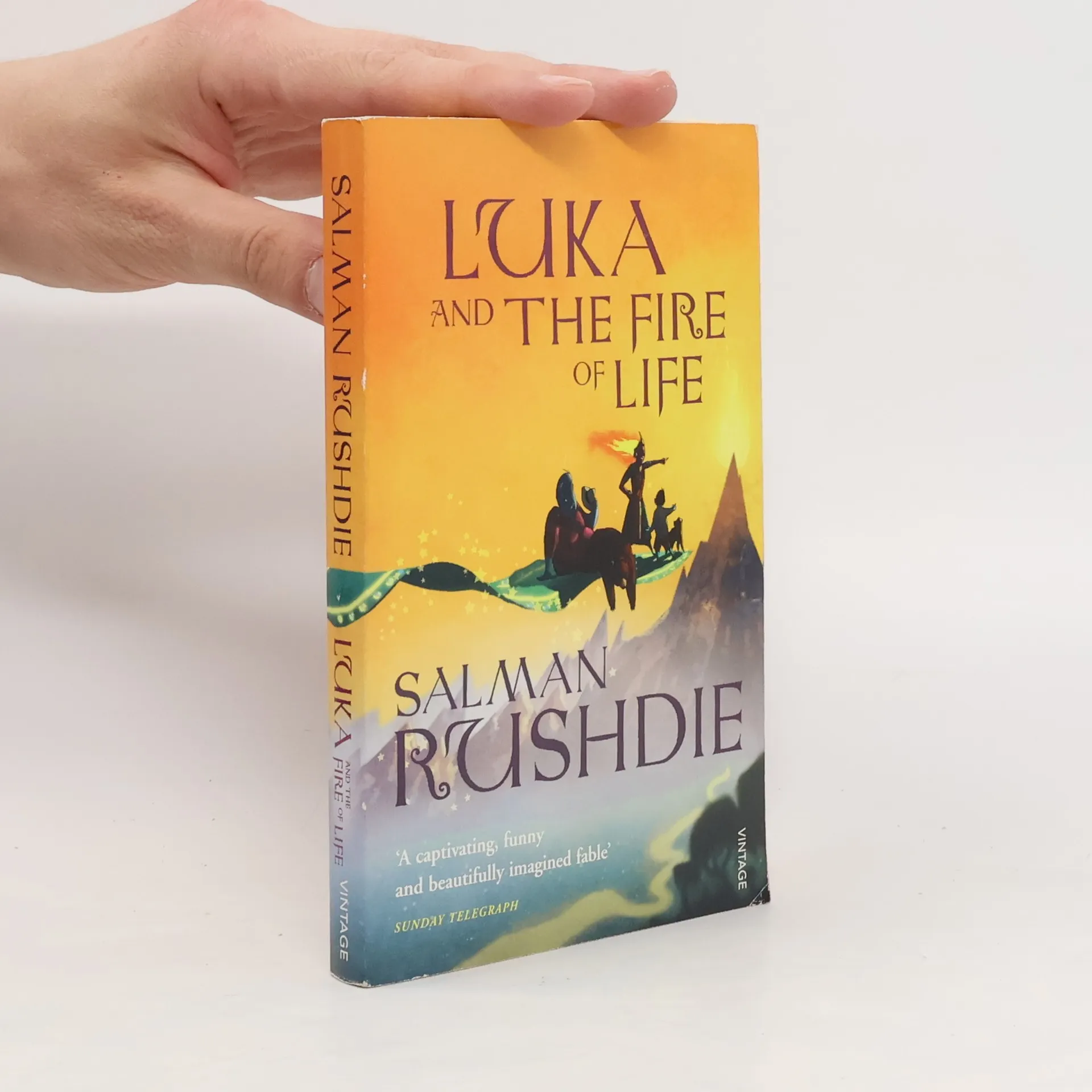
A double edition of Haroun and the Sea of Stories and Luka and the Fire of Life
Celebrated as one of the BBC's 100 greatest children's books, this story captivates young readers with its imaginative narrative and relatable characters. It explores themes of adventure, friendship, and the power of imagination, making it a timeless classic. The book's engaging plot draws children into a vibrant world, encouraging them to dream and explore. Its enduring appeal has made it a beloved choice for generations, ensuring that it continues to inspire and entertain young audiences today.
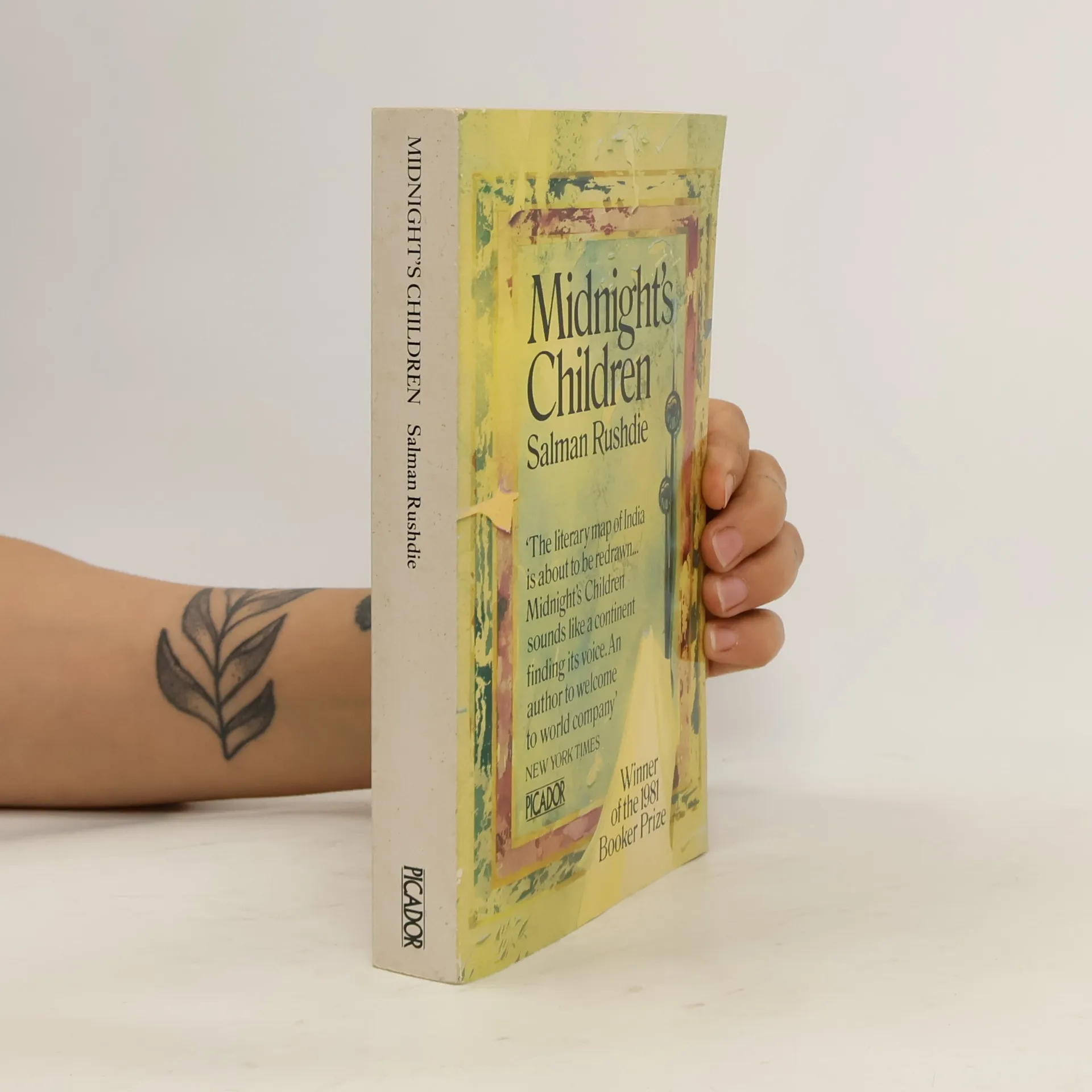
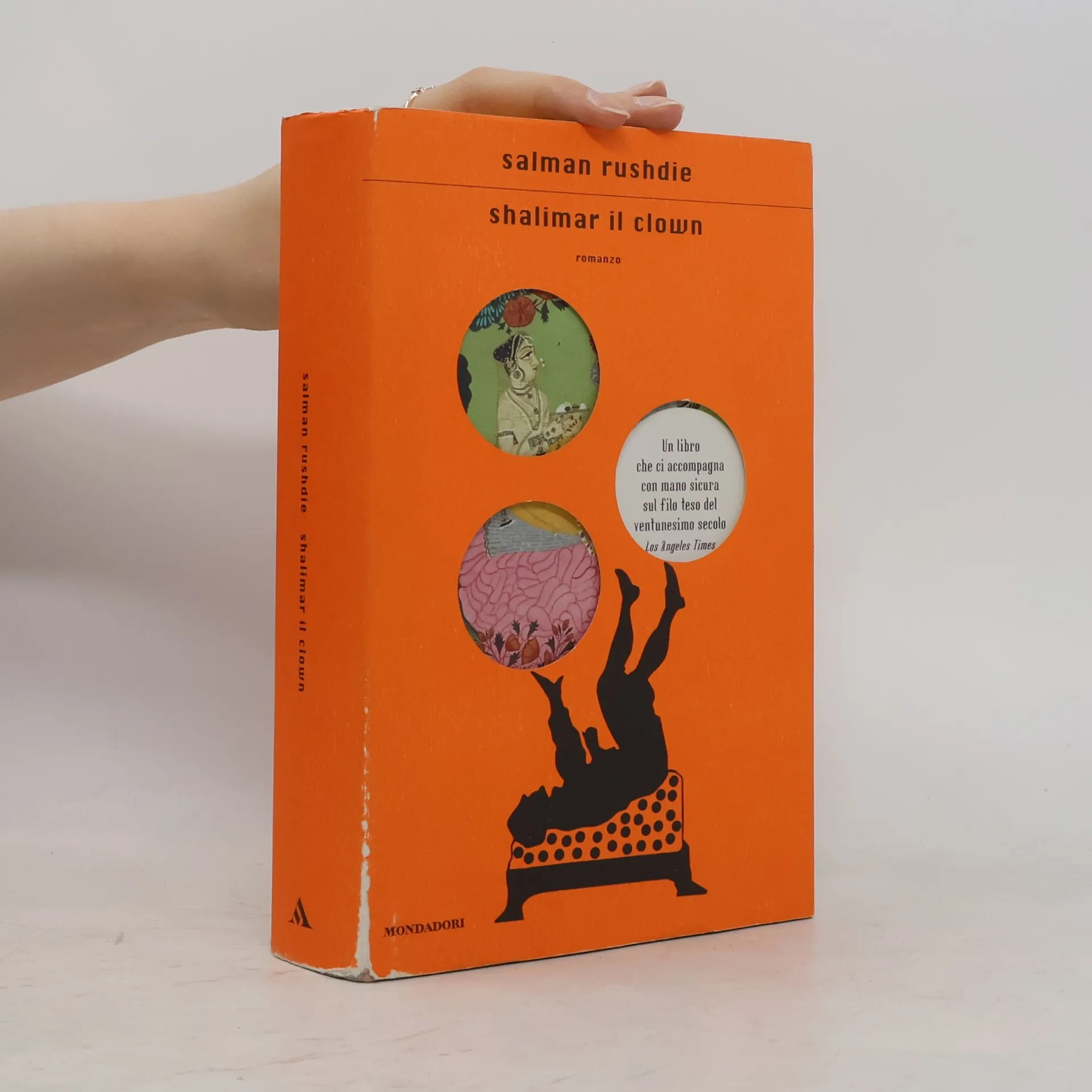
The author of The Stananic Verses creates a fascinating family saga about the birth and maturity of a land and its people--a brilliant incarnation of the human comedy. "Rushdie has achieved a magnificent and unique work of fiction".--The Philadelphia Inquirer. Copyright © Libri GmbH. All rights reserved.