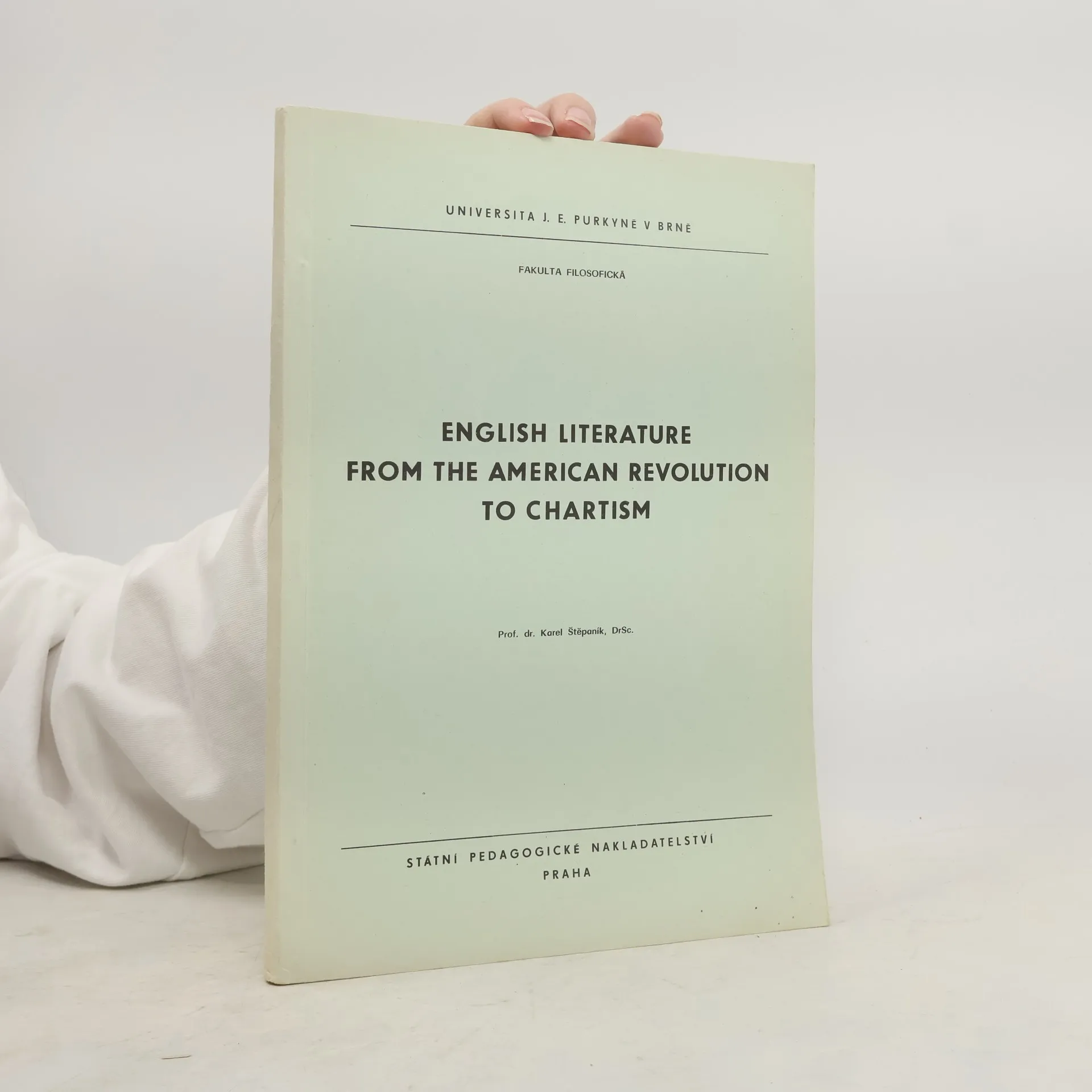
English Literature from the American Revolution to Chartism
- 148pagine
- 6 ore di lettura



Una rappresentazione avvincente del lato oscuro e criminale di Londra, la storia segue Oliver Twist, un orfano che affronta il male e le avversità fin dalla nascita, scioccando i lettori al momento della sua pubblicazione. Dopo essere fuggito dall'ospizio e dal pomposo Mr. Bumble, Oliver viene attirato in un covo di ladri popolato da personaggi vividi come l'Artful Dodger, il brutale ladro Bill Sikes, il suo cane Bull's Eye e la prostituta Nancy, tutti sotto l'occhio vigile del maestro ladro Fagin. Fondendo elementi di Gothic Romance, Newgate Novel e melodramma popolare, Dickens ha creato un nuovo tipo di narrativa che critica una società crudele, intrisa di una sensazione di minaccia e mistero. L'opera offre una critica sociale profonda, rivelando le ingiustizie e le sofferenze dei più vulnerabili, mentre esplora temi di innocenza, corruzione e la lotta per la sopravvivenza in un mondo spietato.
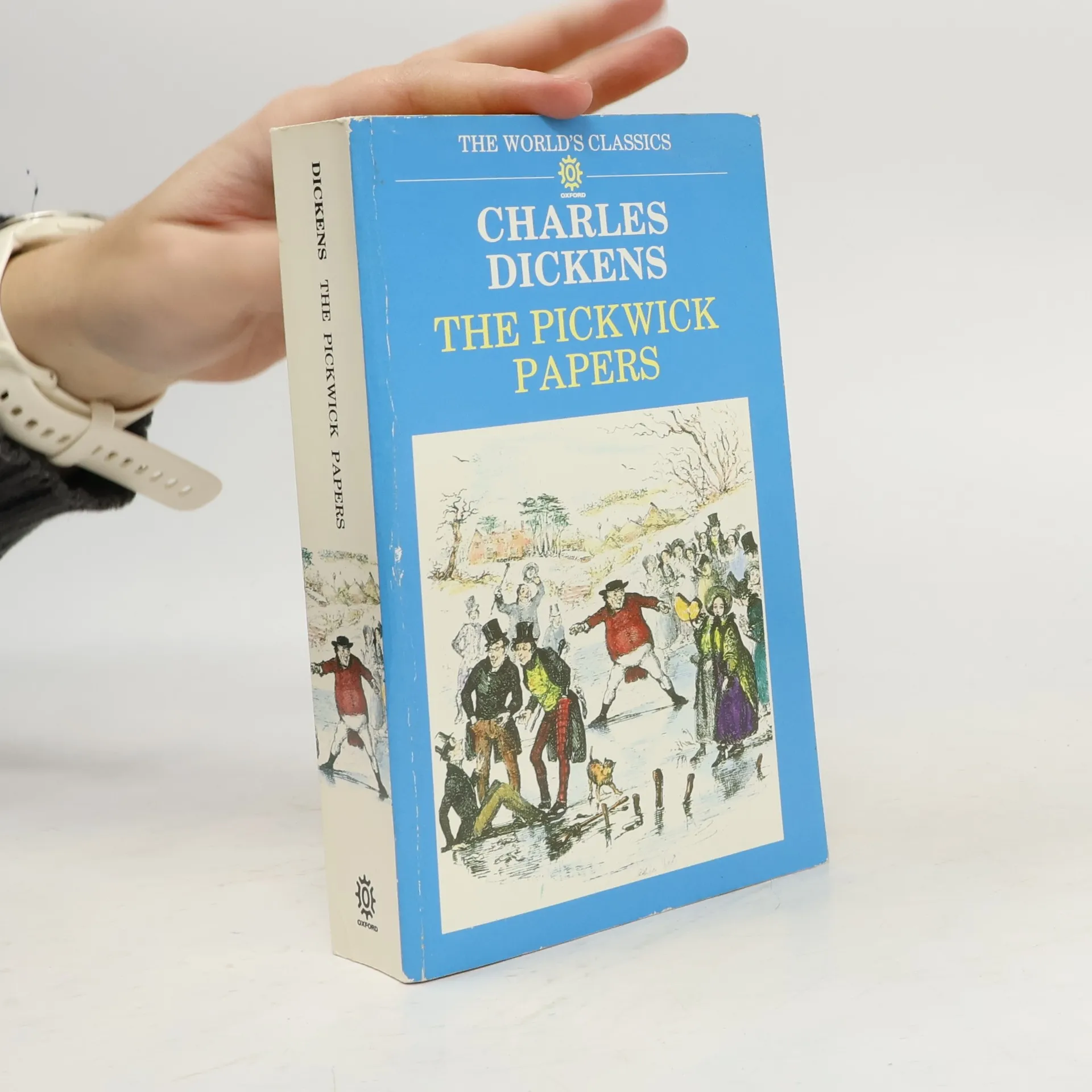
Charles Dickens's satirical masterpiece, "The Pickwick Papers," catapulted the young writer into literary fame when it was first serialized in 1836-37. It recounts the rollicking adventures of the members of the Pickwick Club as they travel about England getting into all sorts of mischief. Laugh-out-loud funny and endlessly entertaining, the book also reveals Dickens's burgeoning interest in the parliamentary system, lawyers, the Poor Laws, and the ills of debtors' prisons. As G. K. Chesterton noted, "Before ÝDickens ̈ wrote a single real story, he had a kind of vision . . . a map full of fantastic towns, thundering coaches, clamorous market-places, uproarious inns, strange and swaggering figures. That vision was Pickwick."