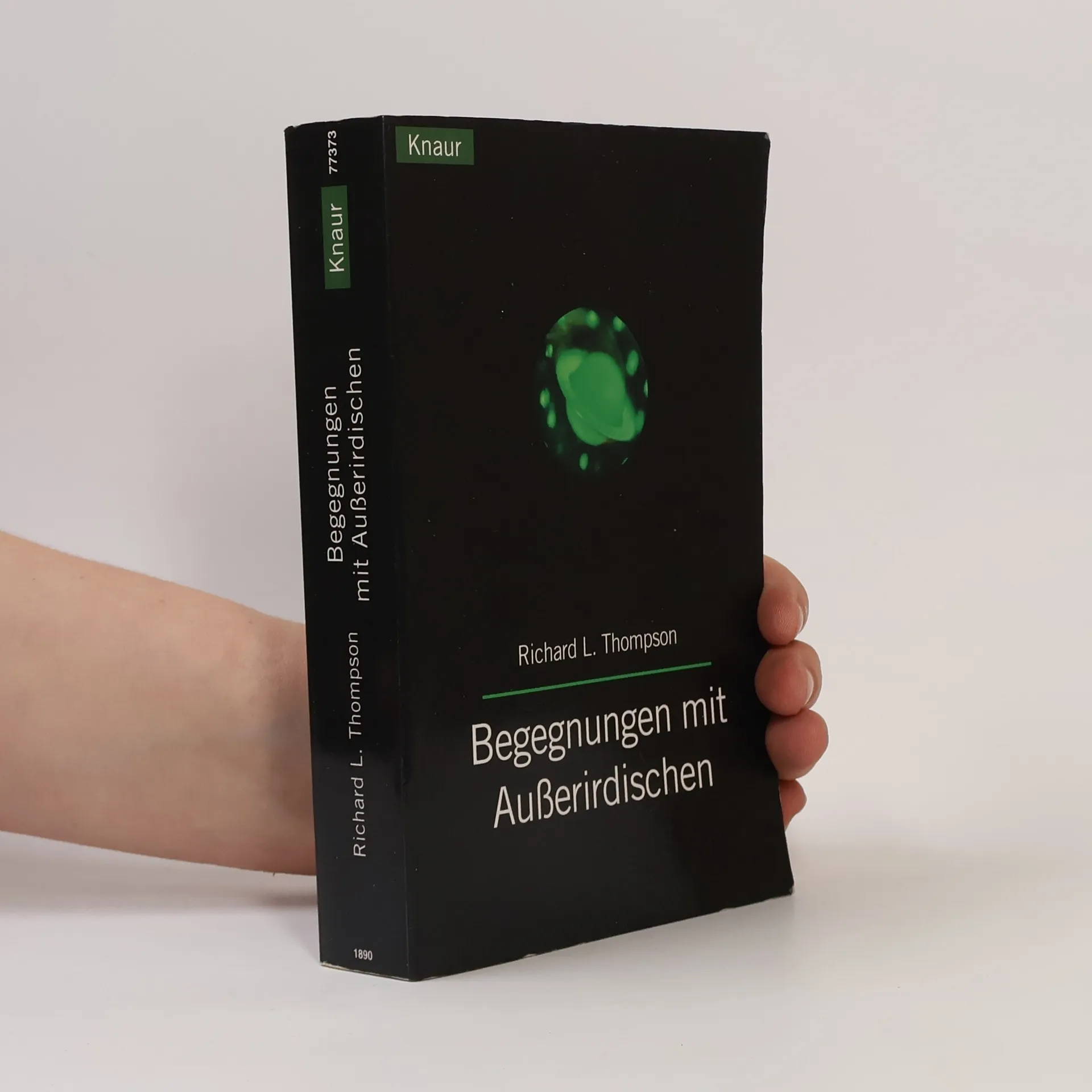
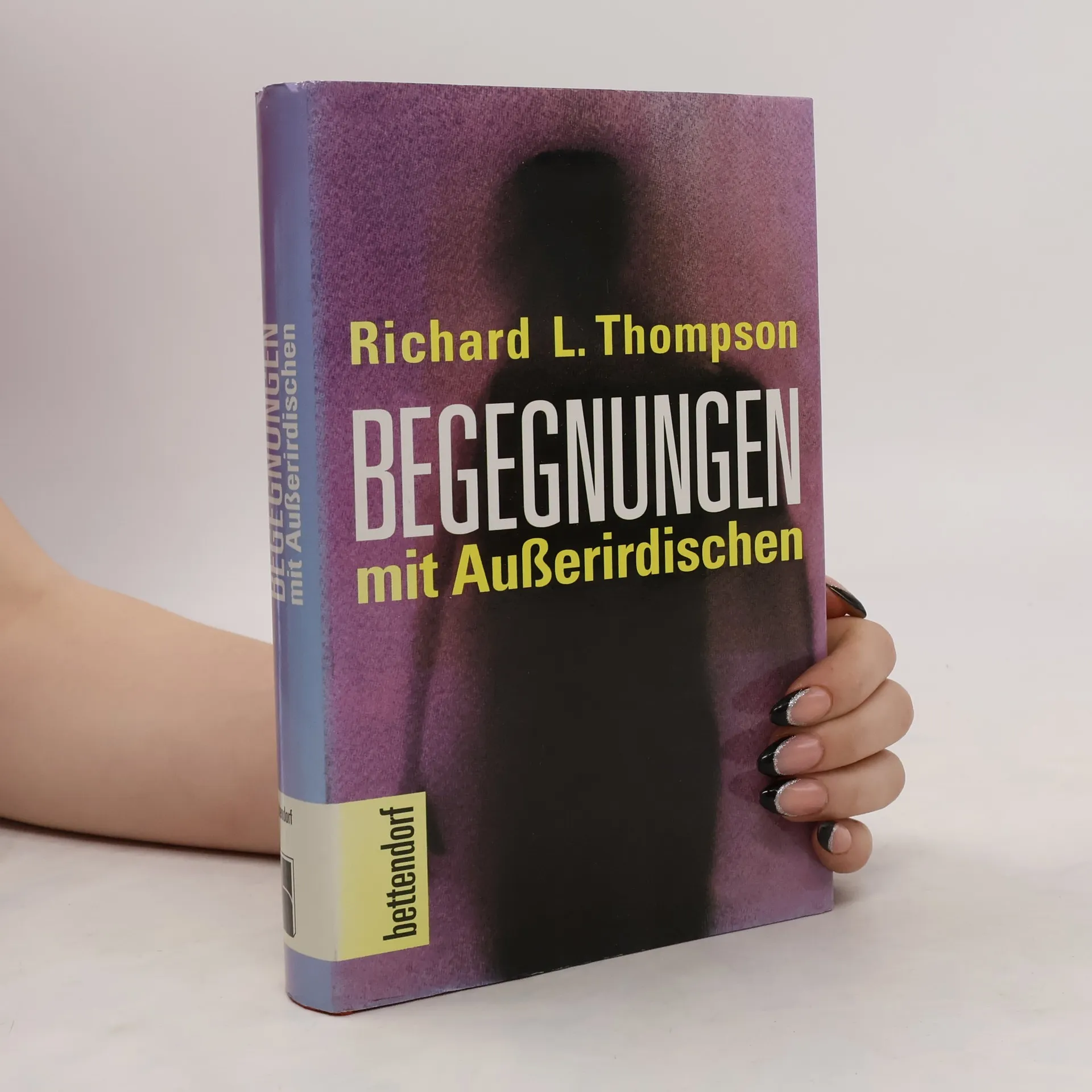
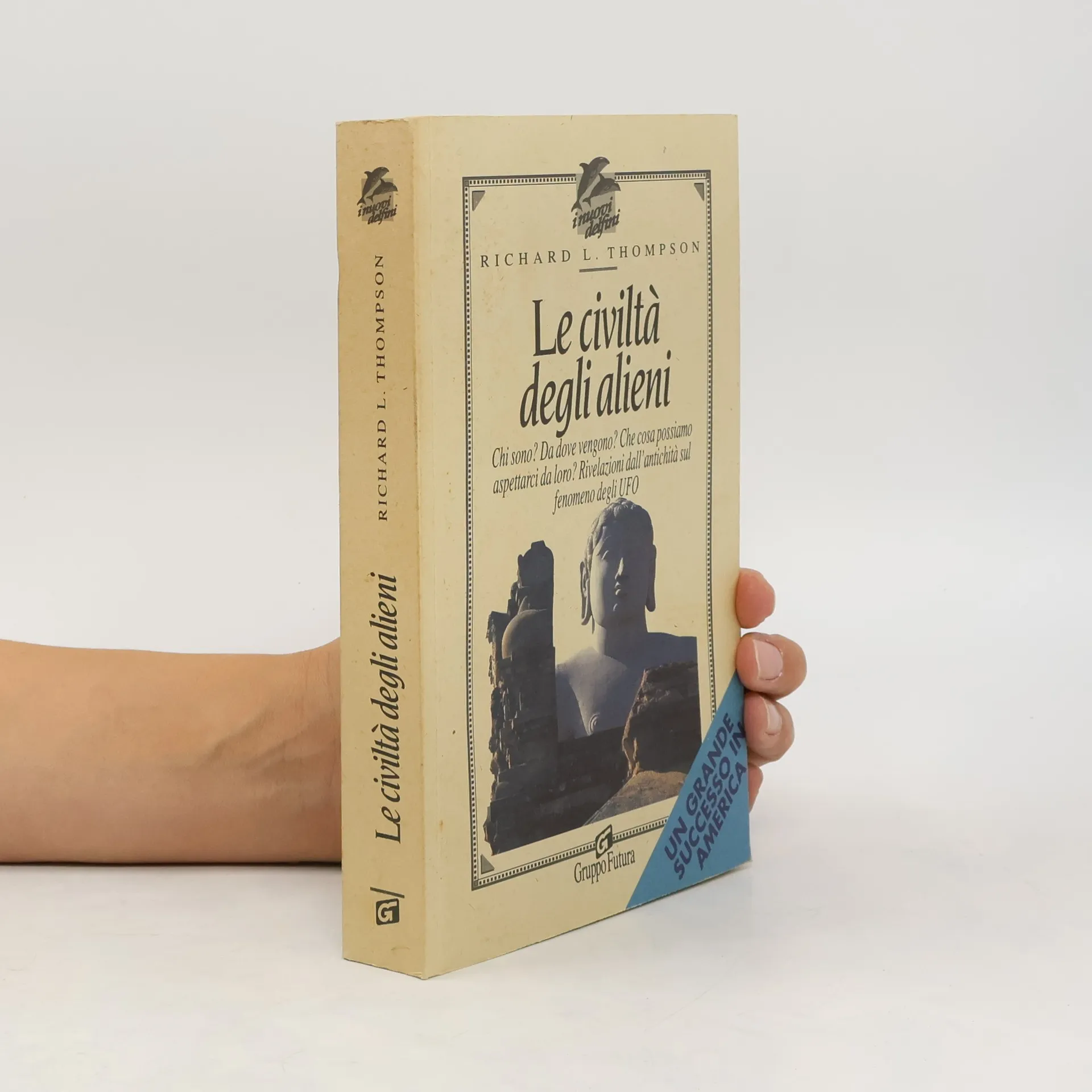
Le civiltà degli alieni
Chi sono? Da dove vengono? Che cosa possiamo aspettarci da loro? Rivelazioni dall'antichità sul fenomeno degli UFO
- 464pagine
- 17 ore di lettura


Richard Thompson fu un matematico e autore che si dedicò principalmente alla promozione del creazionismo vedico. Il suo lavoro esplorò la relazione tra le teorie scientifiche moderne e la visione del mondo Vaishnava. Era noto per la sua capacità di articolare la prospettiva del movimento Hare Krishna sulla scienza, diventando una figura influente nella critica della scienza contemporanea dalla sua tradizione. I suoi scritti miravano spesso a conciliare le cosmologie religiose con la comprensione scientifica.


Chi sono? Da dove vengono? Che cosa possiamo aspettarci da loro? Rivelazioni dall'antichità sul fenomeno degli UFO
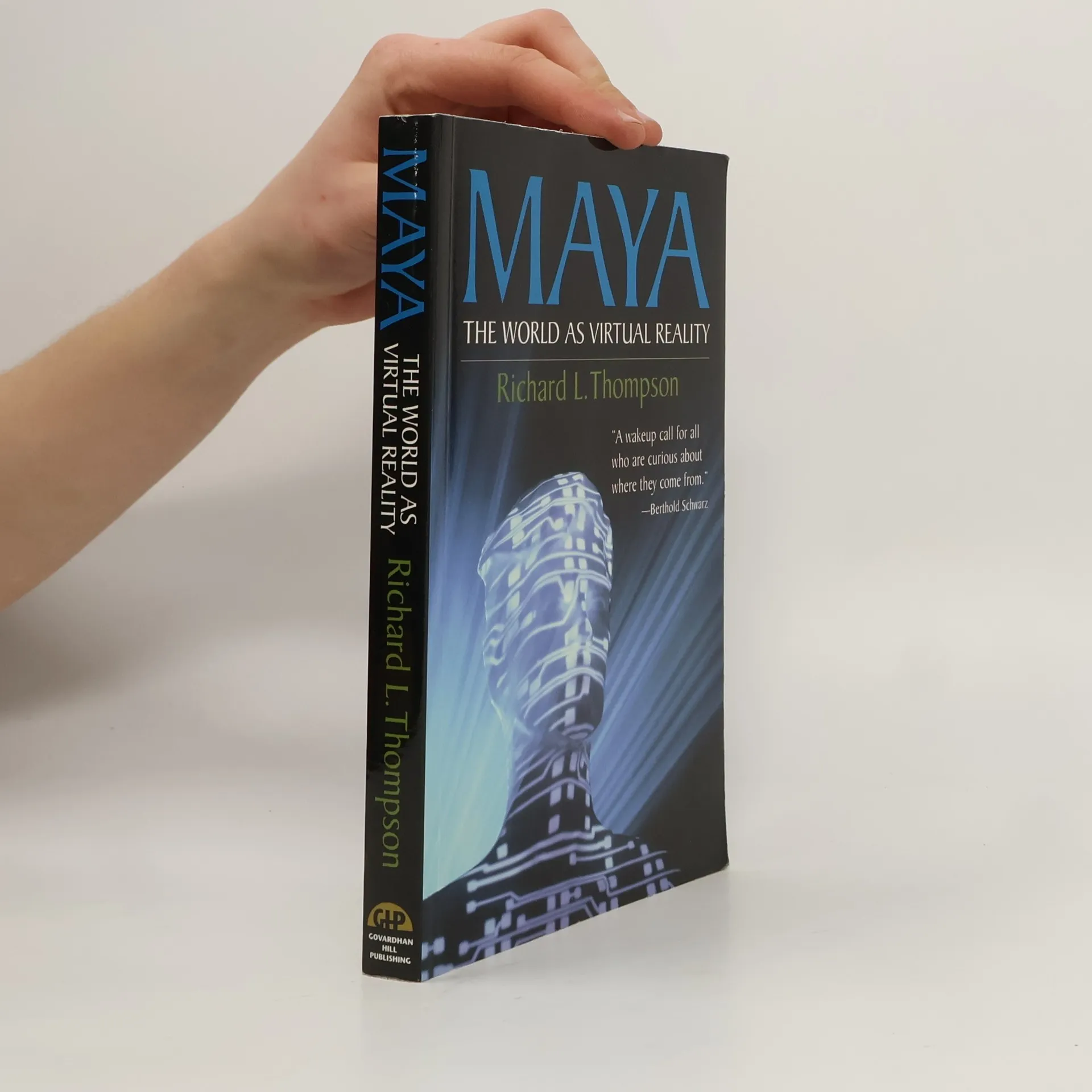
In the world of modern science, consciousness is reduced to a fading epiphenomenon, left over after the brain has been physically explained. It seems to arise when matter is suitably organized, but scientists and philosophers have been unable to explain why complex organization should produce anything beyond complex physical behavior. Yet consciousness won't go away. One possibility is that, instead of being produced by matter, consciousness is a separate element, added to physical systems. This can be modeled using the idea of a virtual reality, in which a human subject enters a computer-simulated world through a sensory interface. In this book, virtual reality is used as a metaphor for our situation as conscious beings. The basic theme is that what we can imagine doing in a virtual reality system may actually be happening in nature on a vastly greater scale. Nature may be like a computer simulation interfaced with conscious observer/participants. This groundbreaking book shows how conscious beings could interact with a physically realistic virtual world. It shows how paranormal phenomena can be reconciled in a natural way with the laws of physics, and it sheds light on paradoxes of time, on life beyond the body, and on cosmic and terrestrial evolution. In a sweeping synthesis, the ideas and data of modern science are used to illuminate the ancient theme of consciousness in a world of illusion.
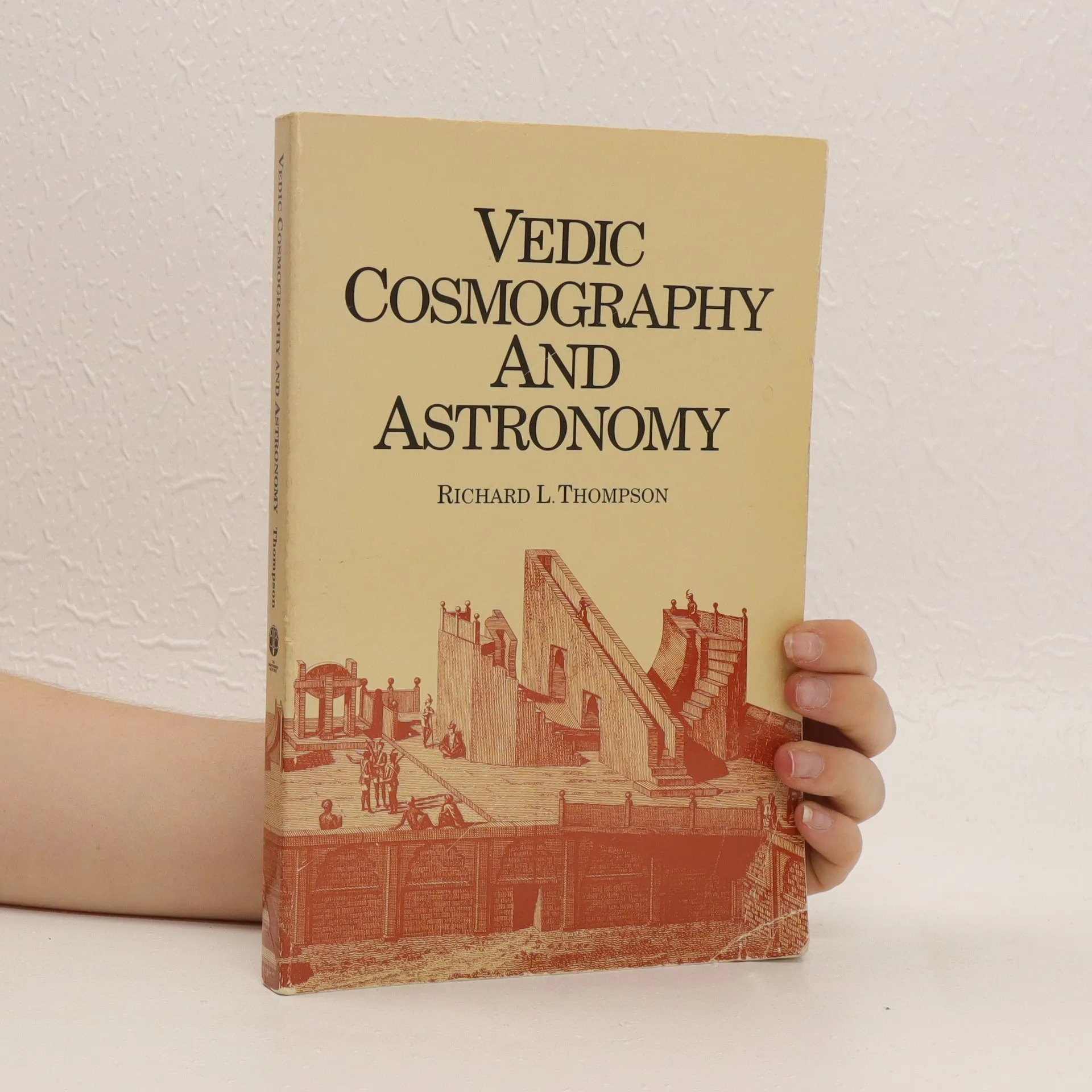
Comparing the astronomy and cosmography of the Srimad-Bhagavatam and other Puranas to those of the Vedic astronomical treatises called jyotisa sastras, Dr. Thompson shows that the two versions are complementary, not contradictory. In this way he gives insight into both.
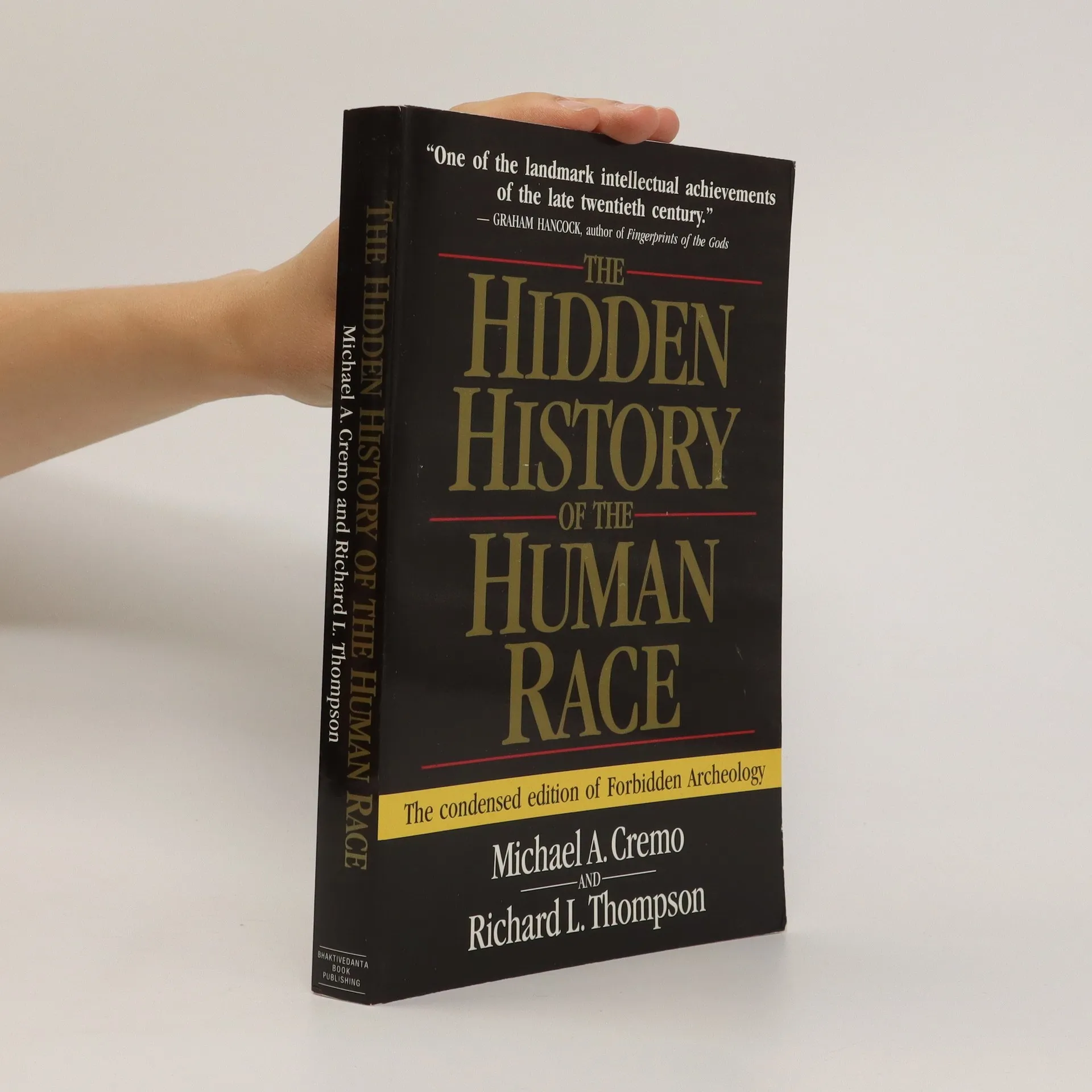
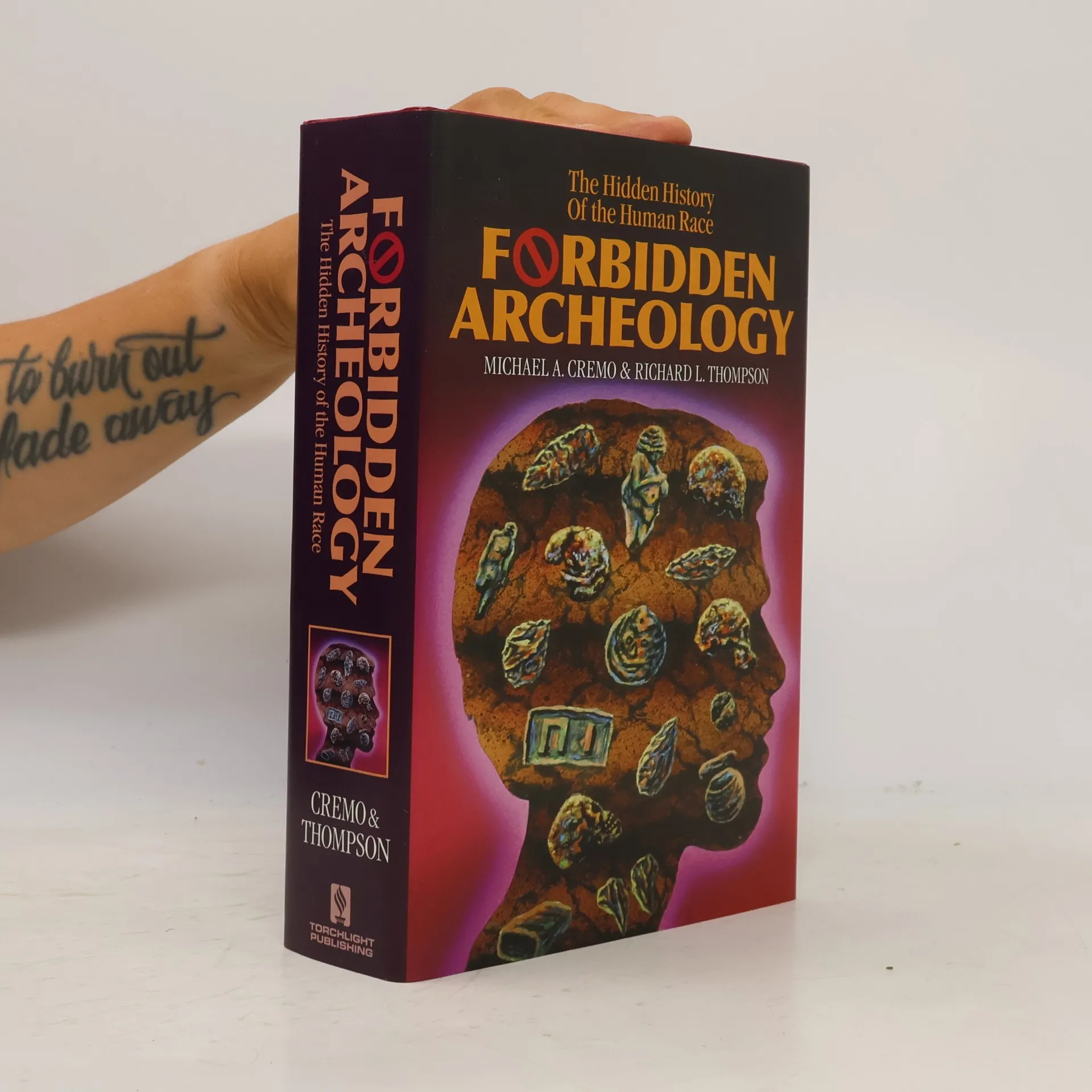
Over the past two centuries archeologists and anthropologists have ignored, forgotten and suppressed vast quantities of evidence showing that human beings like ourselves have existed on this planet for tens of millions of years. Forbidden Archeology documents a systematic process of "knowledge filtration" and constitutes a serious challenge to the Darwinian theory of evolution.
A condensed version of "Forbidden Archeology, Hidden History" documents major cover-ups of human evolution, origins, and history. 45 line drawings. 23 illustrations. 8 tables.
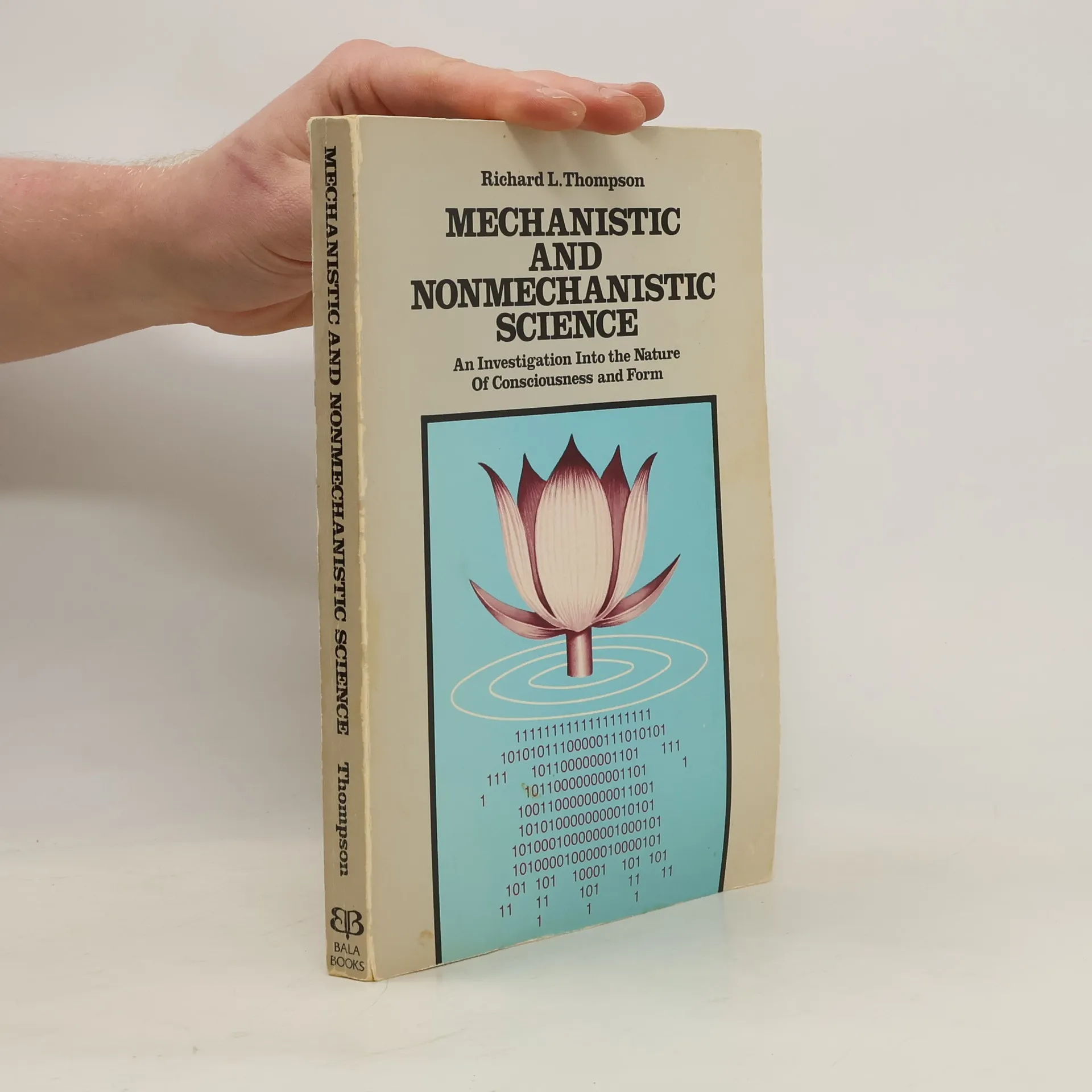
This work makes a sober, thorough, carefully reasoned, and well-documented case that the prevailing theories of physics and biology have grave shortcomings which can be traced to their reliance on an underlying mechanistic framework. Dr. Thompson shows how physics is incapable of dealing with the phenomenon of consciousness and how biology is unable to account for the existence of complex living forms. Arguing that valid scientific theory does not have to be mechanistic, Dr. Thompson outlines a nonmechanistic science that would complement mechanistic science and round out the human quest for understanding. Mechanistic and Nonmechanistic Science may well set the stage for the next revolution in scientific thinking.
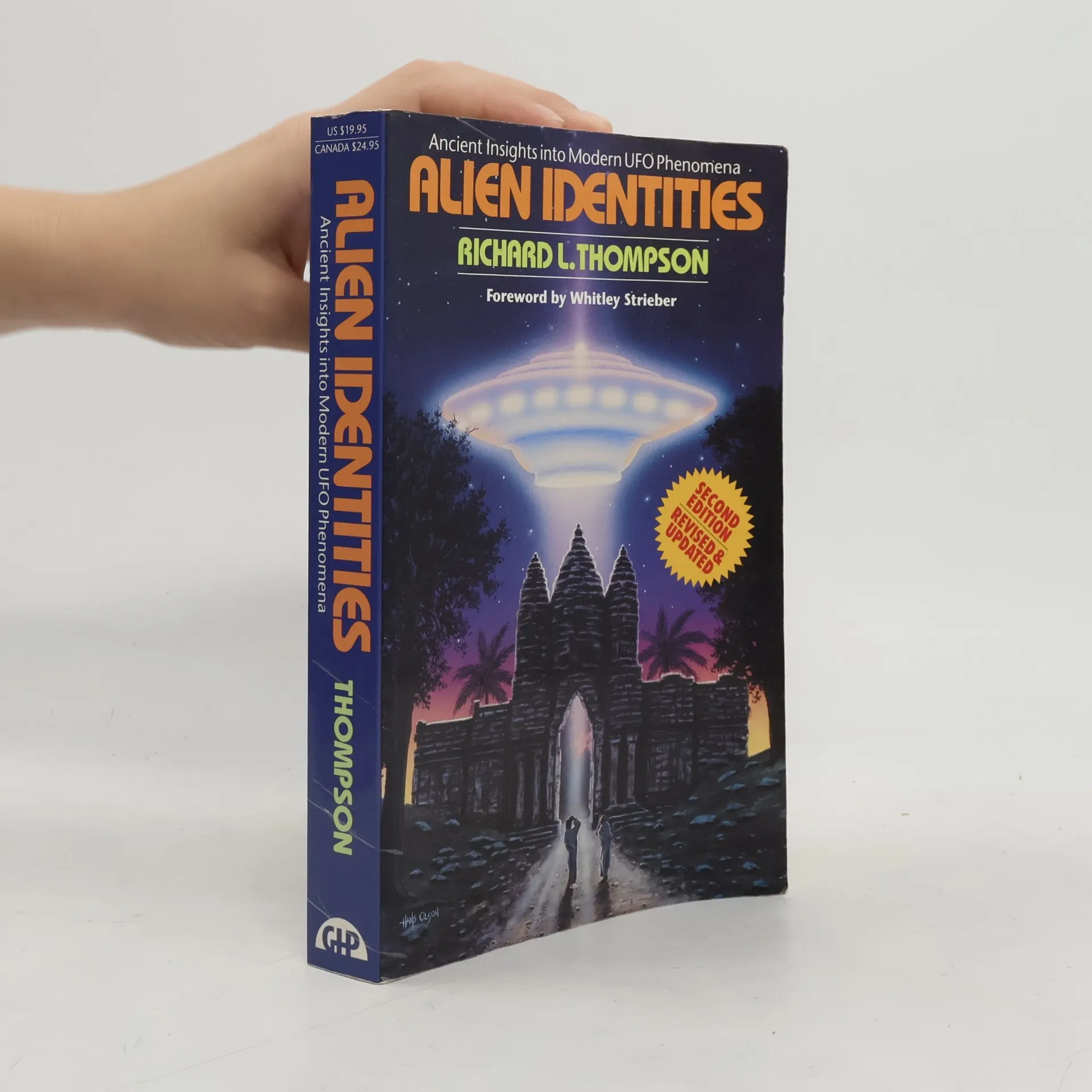
Ancient Insights into Modern UFO Phenomena - Second Edition Revised & Updated
This is the intelligent fair and logical examination of modern UFO phenomena that countless readers have been looking for written by a renowned scientist and philosopher. also explores possible UFO incidents recounted in the the ancient Vedic DESCRIPTIONs of flying craft floating cities cosmic battles and other wonders. It examines the extraordinary and the extraterrestrial in European folk tales and looks at religious reports of miraculous visitations particularly the 1917 apparition at Fatima Portugal bringing fresh and convincing insights into the identity and purposes of UFO visitors throughout the centuries.
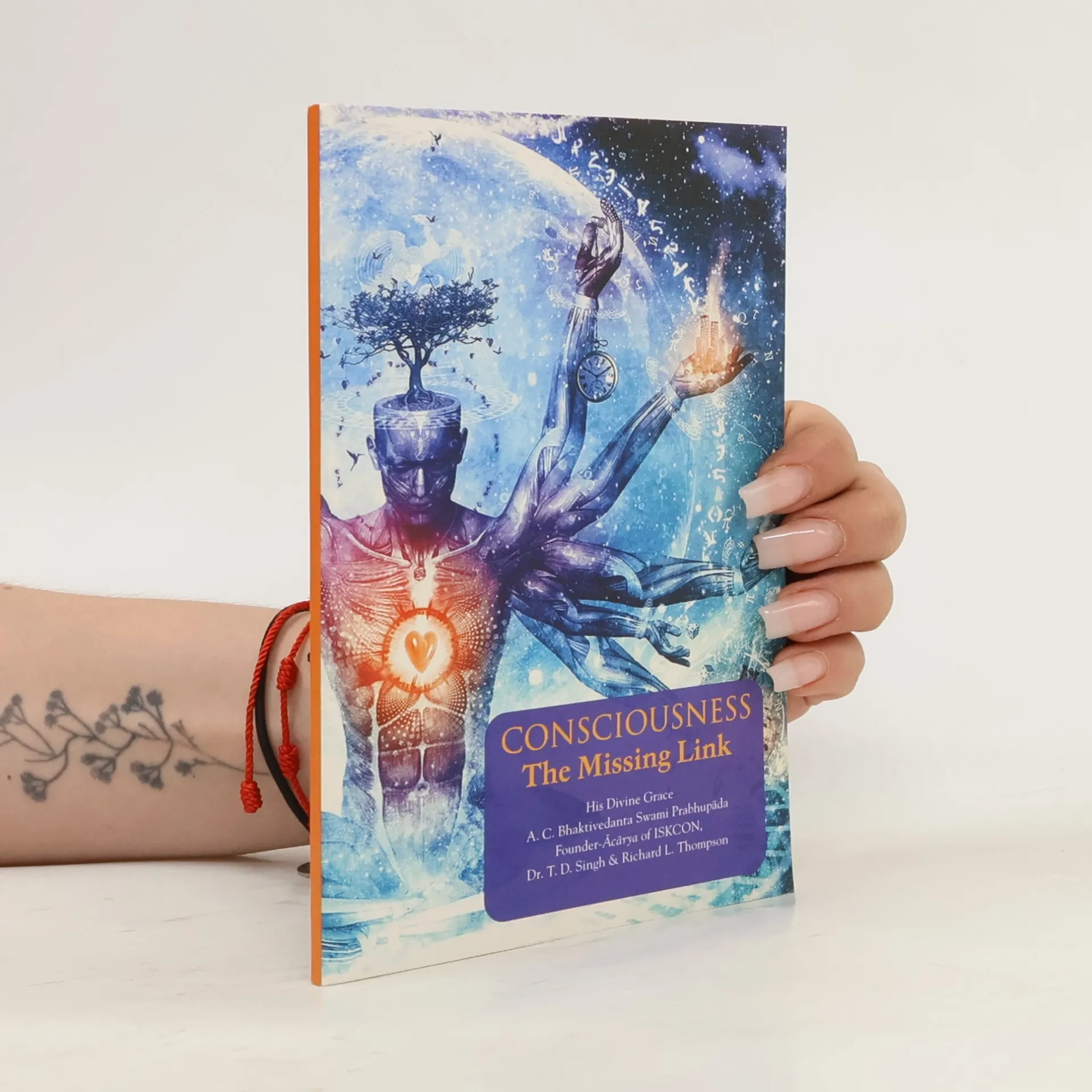
What is consciousness? how do physical processes in the brain give rise to the self-aware mind and to feelings as profoundly varied as love or hate, aesthetic pleasure or spiritual yearning? consciousness is perhaps the most puzzling problem we humans face in trying to understand ourselves. In this thought-provoking book, scientists of the bhaktivedanta institute examine key underlying concepts of the modern life sciences in light of india's age-old vedic knowledge offering an elightening view of consciousness through the lenses of science and philosophy.
Detektivní román a současně vědecký tour de force. Vrahem ale není majordomus a oběť není bohatý stařík s mnoha dědici. Obětí je samotný Člověk a v roli vrahů jsou četní vědci. Kniha žaluje a o rozhodnutí pře žádá čtenáře. Opracované kosti, kamenné nástroje a anatomicky moderní fragmenty lidské kostry nalezené v geologickém kontextu starém několik milionů let? Takové nálezy si přece vynucují přepsání téměř veškeré literatury týkající se historie lidstva! Probíhající sociální proces filtrace poznání a jeho kumulativní účinek však důkazové materiály tohoto typu úspěšně potlačuje, ignoruje a zapomíná.
Eine vergleichende Studie anhand von kulturgeschichtlichen und religiösen Deutungen und die oft verblüffenden Parallelen in der vedischen Literatur des alten Indien.