
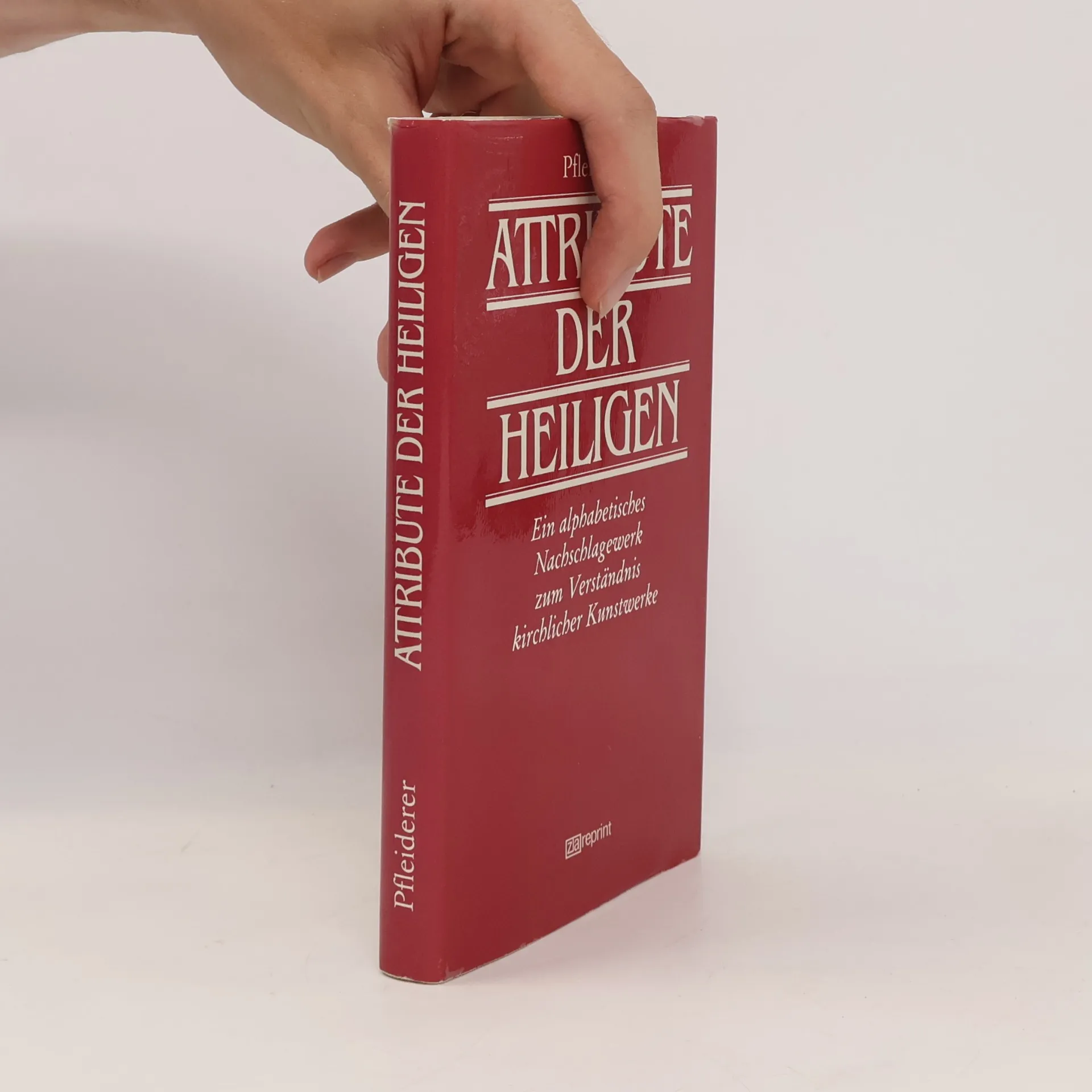
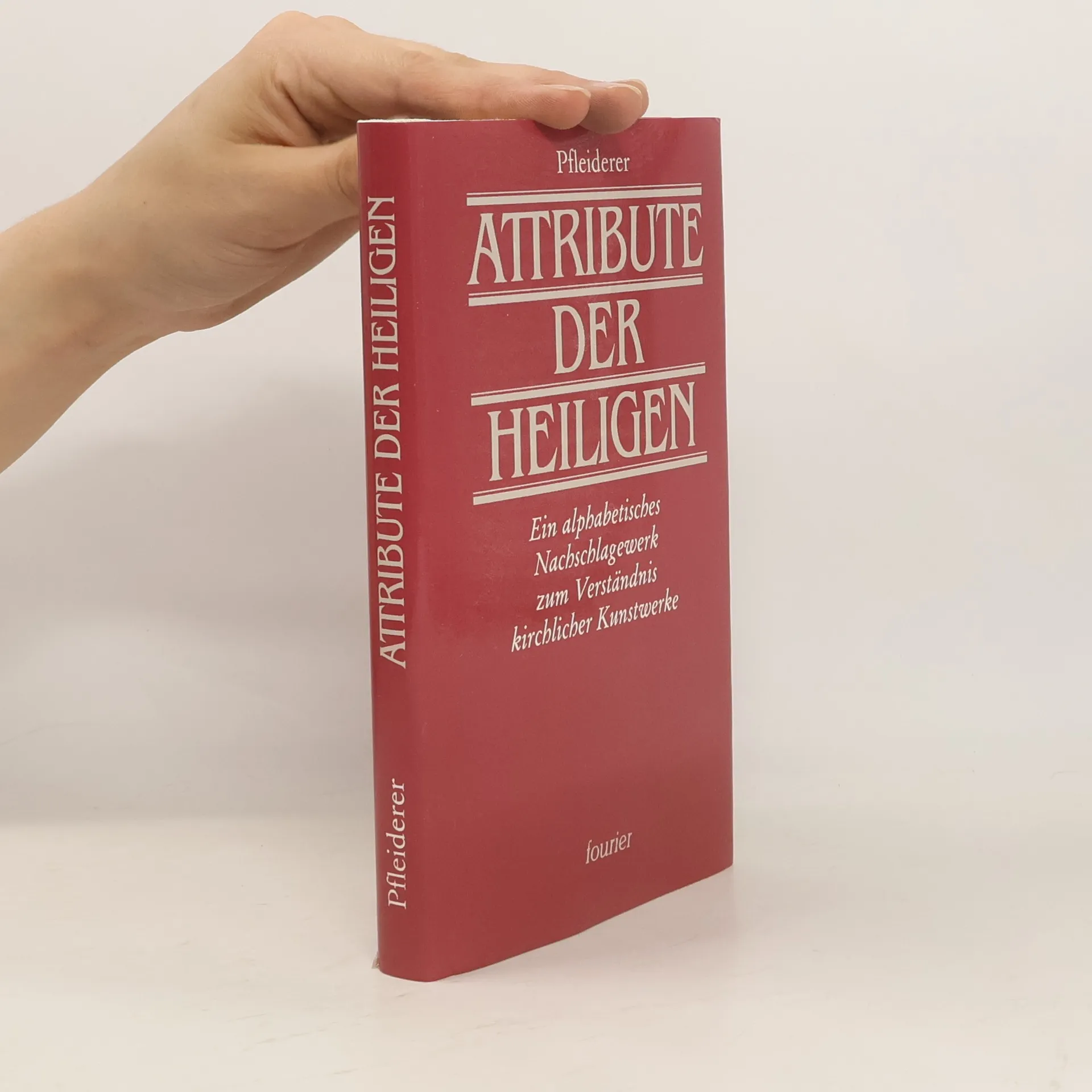
Die Attribute der Heiligen: Ein Alphabetisches Nachschlagebuch zum Verständnis Kirchlicher Kunstwerk
- 214pagine
- 8 ore di lettura


This work has been selected by scholars as being culturally important, and is part of the knowledge base of civilization as we know it. This work was reproduced from the original artifact, and remains as true to the original work as possible. Therefore, you will see the original copyright references, library stamps (as most of these works have been housed in our most important libraries around the world), and other notations in the work.This work is in the public domain in the United States of America, and possibly other nations. Within the United States, you may freely copy and distribute this work, as no entity (individual or corporate) has a copyright on the body of the work.As a reproduction of a historical artifact, this work may contain missing or blurred pages, poor pictures, errant marks, etc. Scholars believe, and we concur, that this work is important enough to be preserved, reproduced, and made generally available to the public. We appreciate your support of the preservation process, and thank you for being an important part of keeping this knowledge alive and relevant.
Cento canti di altissima poesia: la Divina Commedia è considerata il primo testo della letteratura italiana. L'opera immortale del nostro sommo poeta è qui presentata in un'edizione che riproduce il testo critico secondo l'ultima vulgata stabilita da Giorgio Petrocchi. Il primo a definire "Divina" la Commedia di Dante fu Boccaccio; il titolo Divina Commedia risulta per la prima volta in una edizione del 1555. Il senso del viaggio dantesco nell'oltretomba può essere rintracciato nella discussa Epistola a Cangrande della Scala - al quale l'autore dedica il Paradiso: Dante spiega di aver voluto mostrare agli uomini che l'unico modo per elevarsi dalla loro condizione di peccatori e per conquistare verità e salvezza è affidarsi al retto uso della ragione. Un viaggio allegorico attraverso cui il poeta, e con lui l'umanità tutta, riesce ad abbandonare "la selva oscura" della propria miseria per rendersi degno di attingere al divino. -- 4ème de couverture
Der hochwertige Nachdruck von 1878 bietet ein zeitgeschichtliches Lebensbild von Pius IX., das Einblicke in sein Leben und Wirken als Papst gewährt. Die Darstellung beleuchtet sowohl seine religiösen als auch politischen Entscheidungen und deren Auswirkungen auf die Kirche und die Gesellschaft seiner Zeit. Historische Kontexte und biografische Details vermitteln ein umfassendes Verständnis seiner Rolle im 19. Jahrhundert.
Ein alphabetisches Nachschlagebuch zum Verständnis kirchlicher Kunstwerke.
Das Buch bietet ein umfassendes Nachschlagewerk, das die verschiedenen Attribute von Heiligen in der kirchlichen Kunst erklärt. Es ist alphabetisch strukturiert und ermöglicht den Lesern ein besseres Verständnis der Symbolik und Darstellungen, die in Kunstwerken zu finden sind. Der hochwertige Nachdruck der Originalausgabe von 1898 bewahrt die historischen Inhalte und bietet einen wertvollen Einblick in die religiöse Kunst und deren Bedeutung. Ideal für Kunstliebhaber und Interessierte an kirchlicher Symbolik.
Das Buch ist eine sorgfältige Reproduktion eines kulturell bedeutenden Originals, das als Teil unseres zivilisatorischen Wissens gilt. Es enthält originale Urheberrechtsvermerke und Bibliotheksstempel, die auf seine historische Bedeutung hinweisen. Diese Faksimile-Ausgabe bleibt so nah wie möglich am ursprünglichen Werk und bietet einen authentischen Einblick in die Vergangenheit.