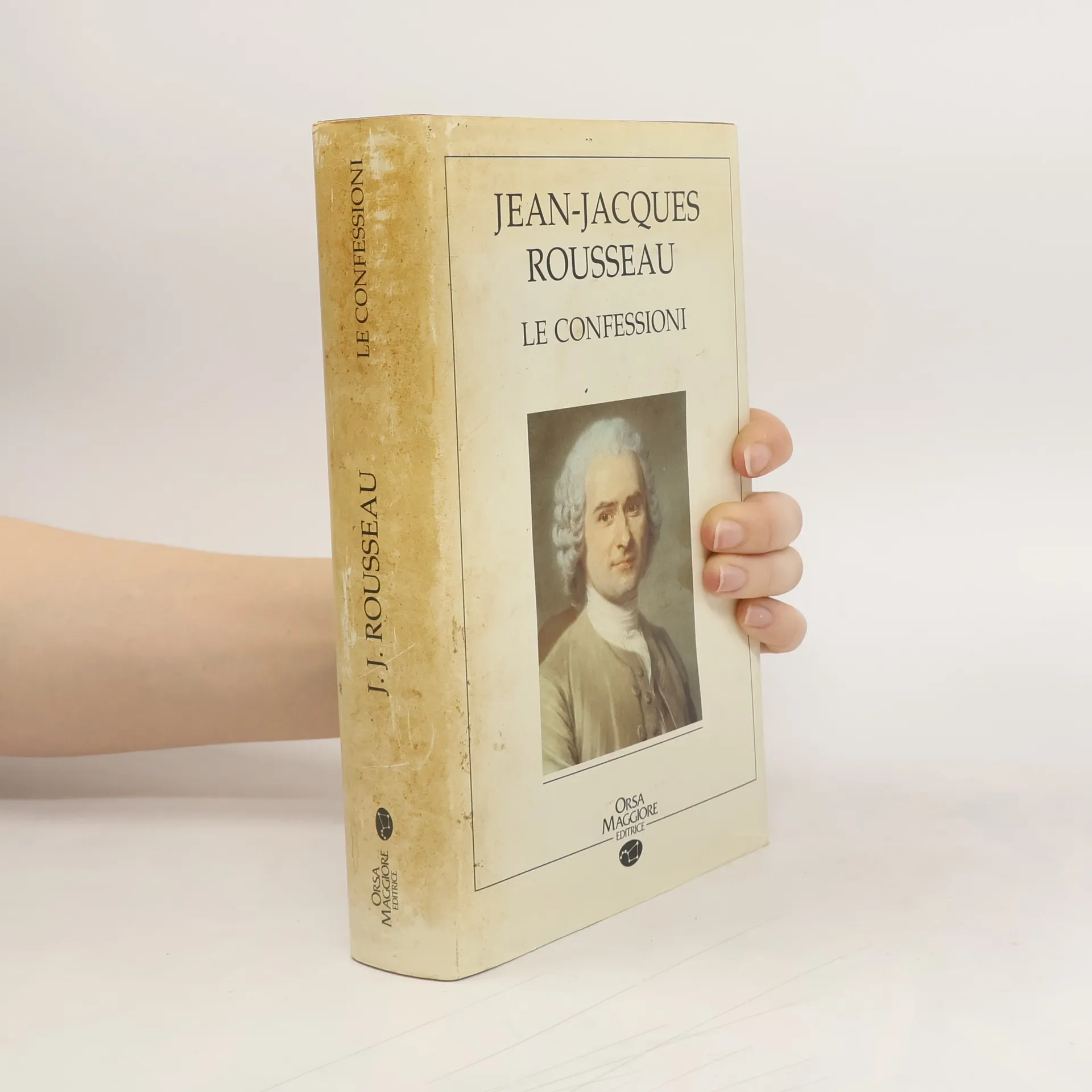
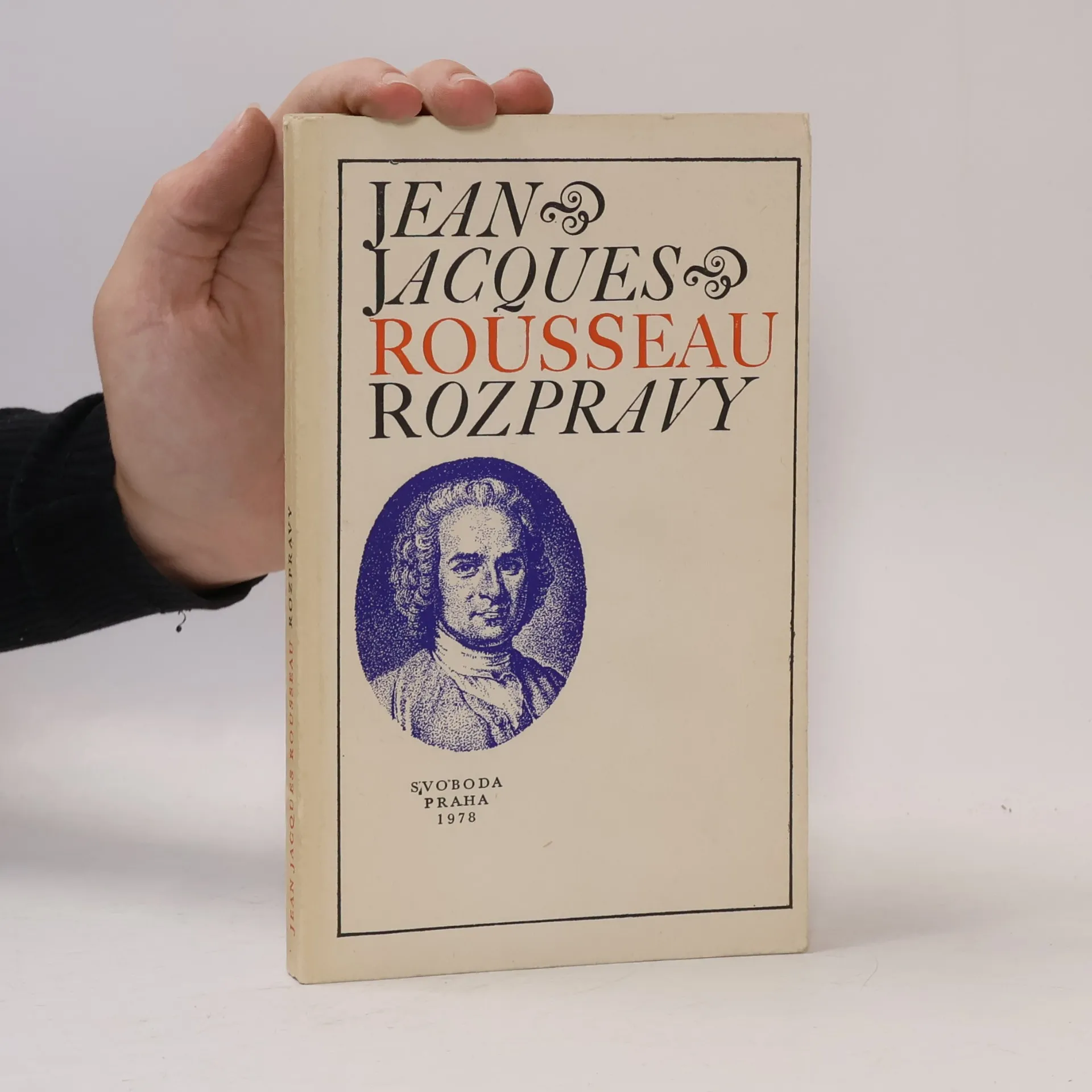
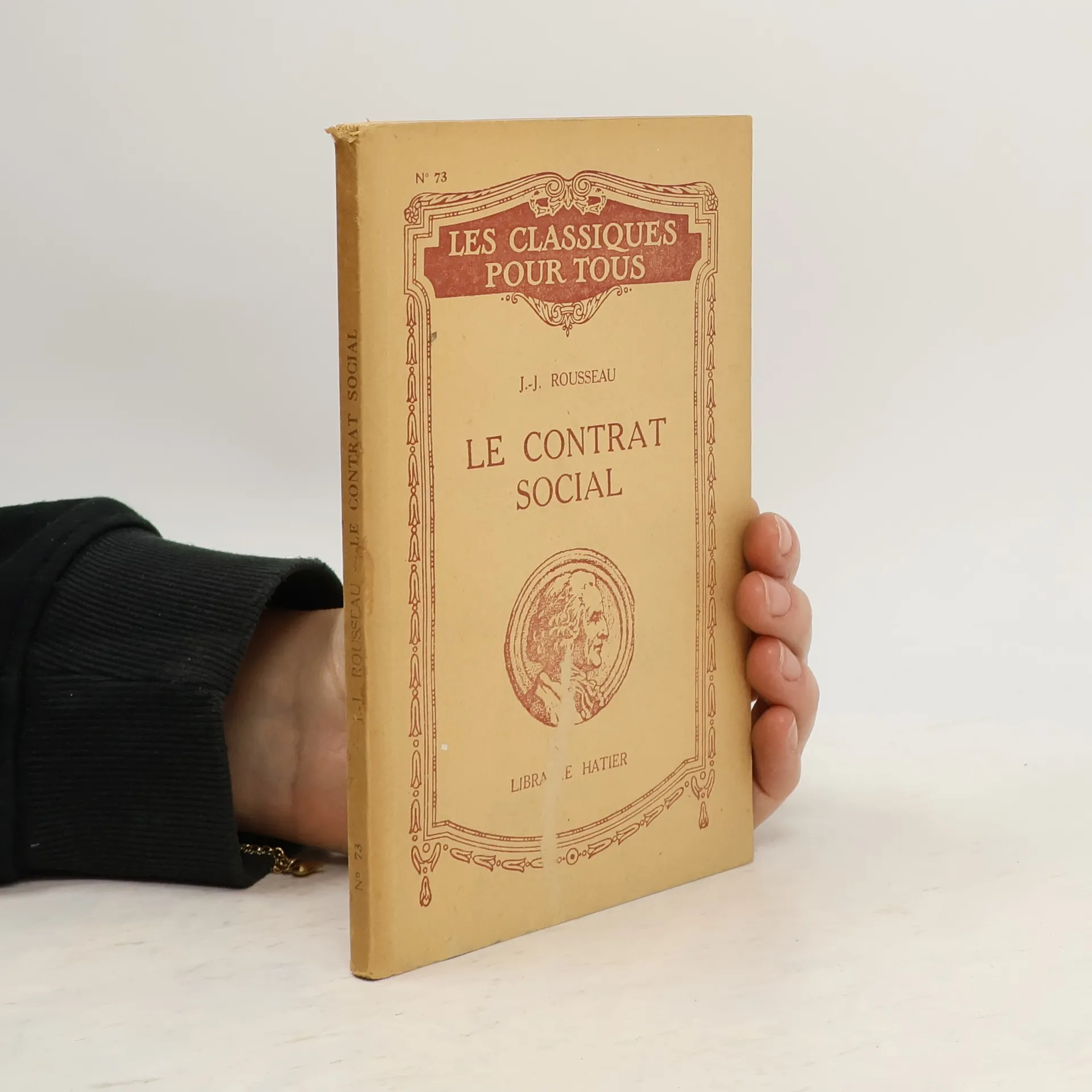
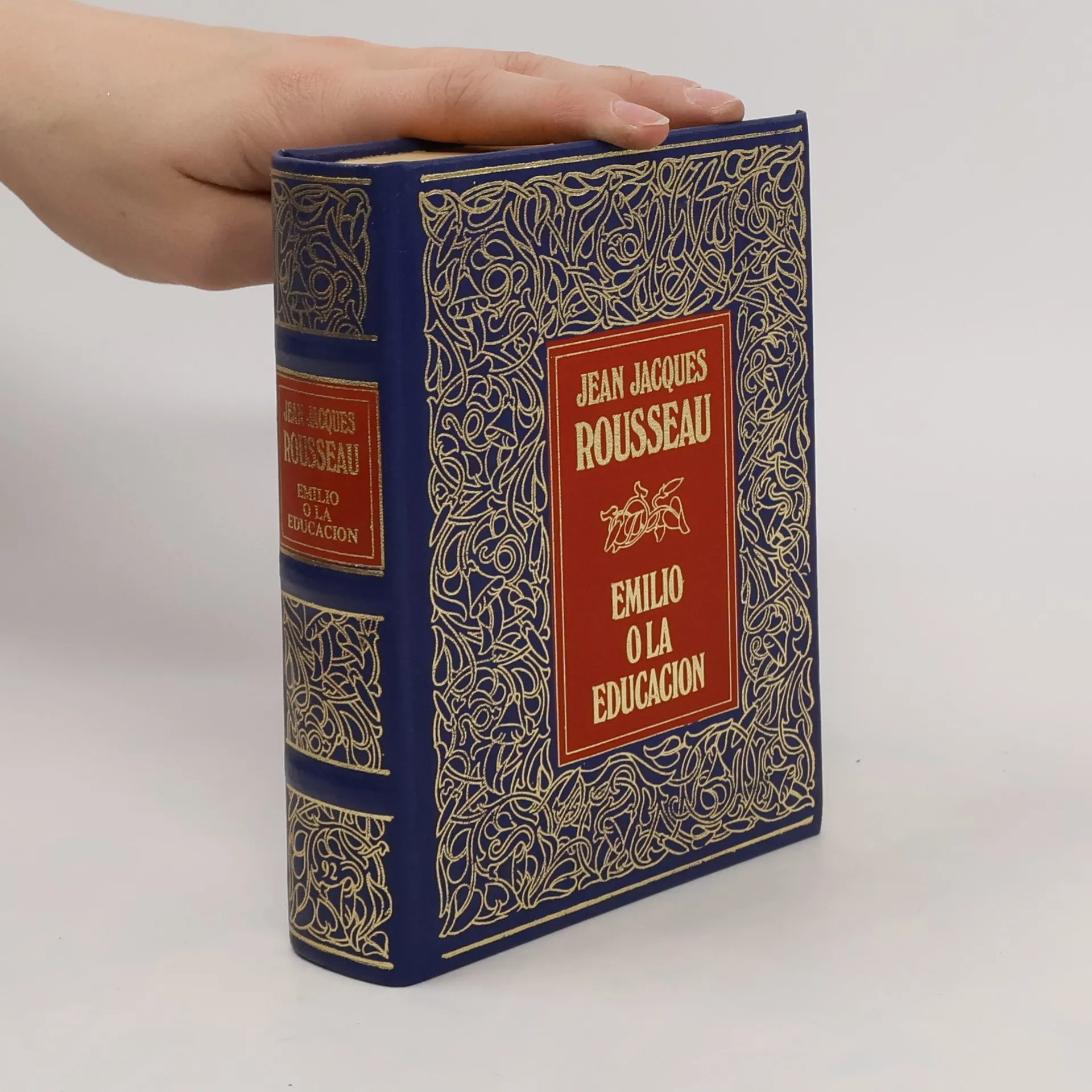
Discorso sulle scienze e sulle arti Discorso sull'origine e i fondamenti della disuguaglianza Discorso sull'economia politica
Jean-Jacques Rousseau Libri
28 giugno 1712 – 2 luglio 1778

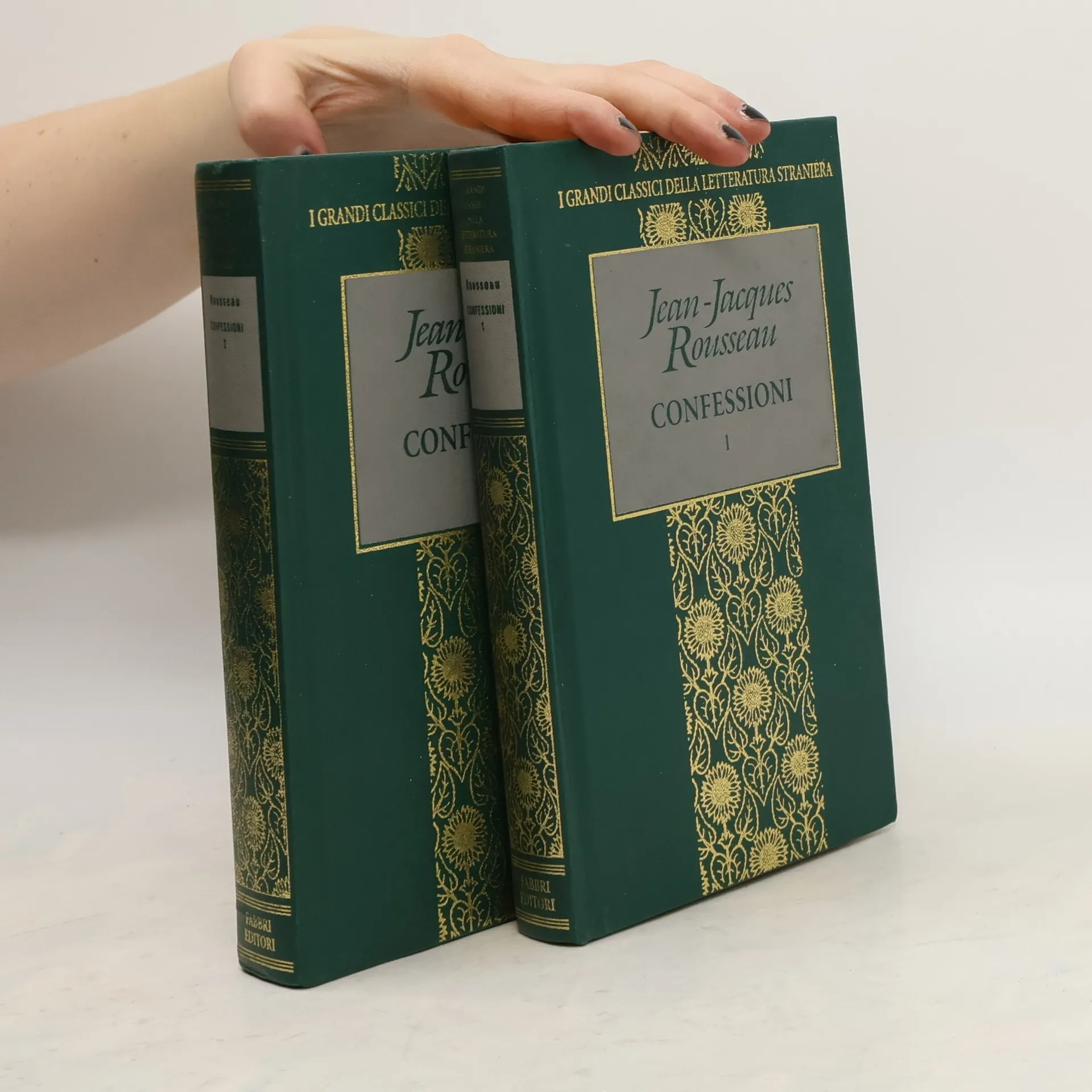
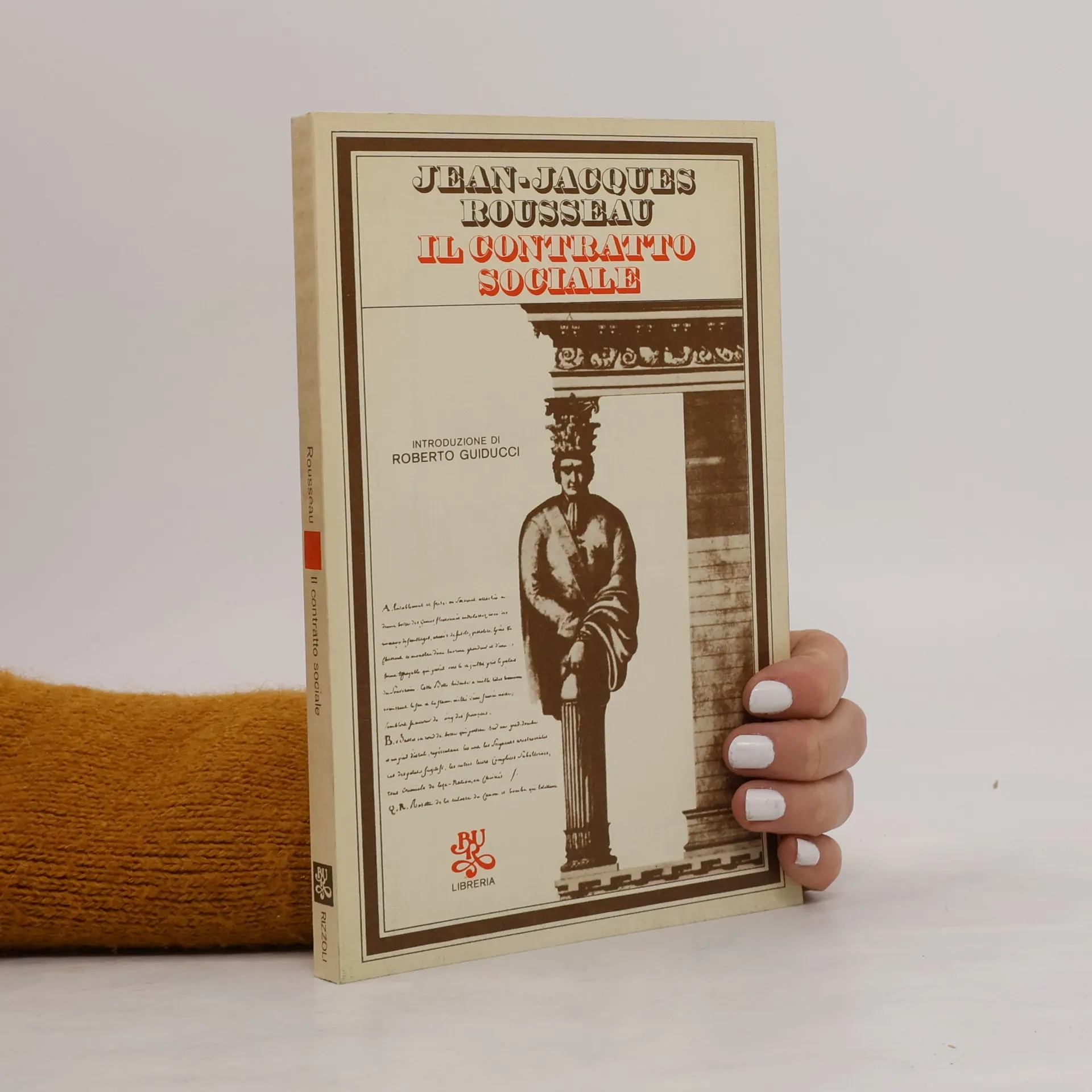
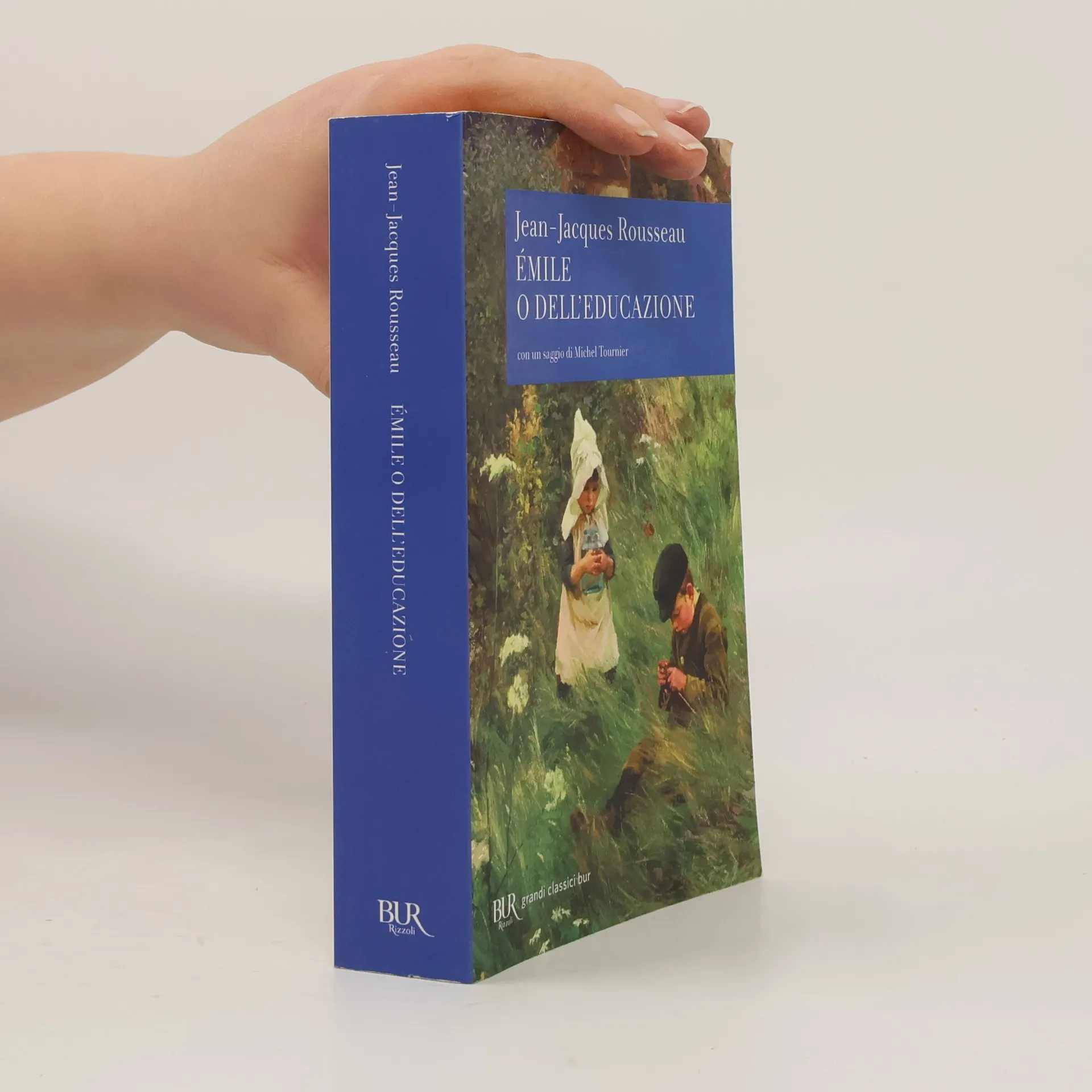

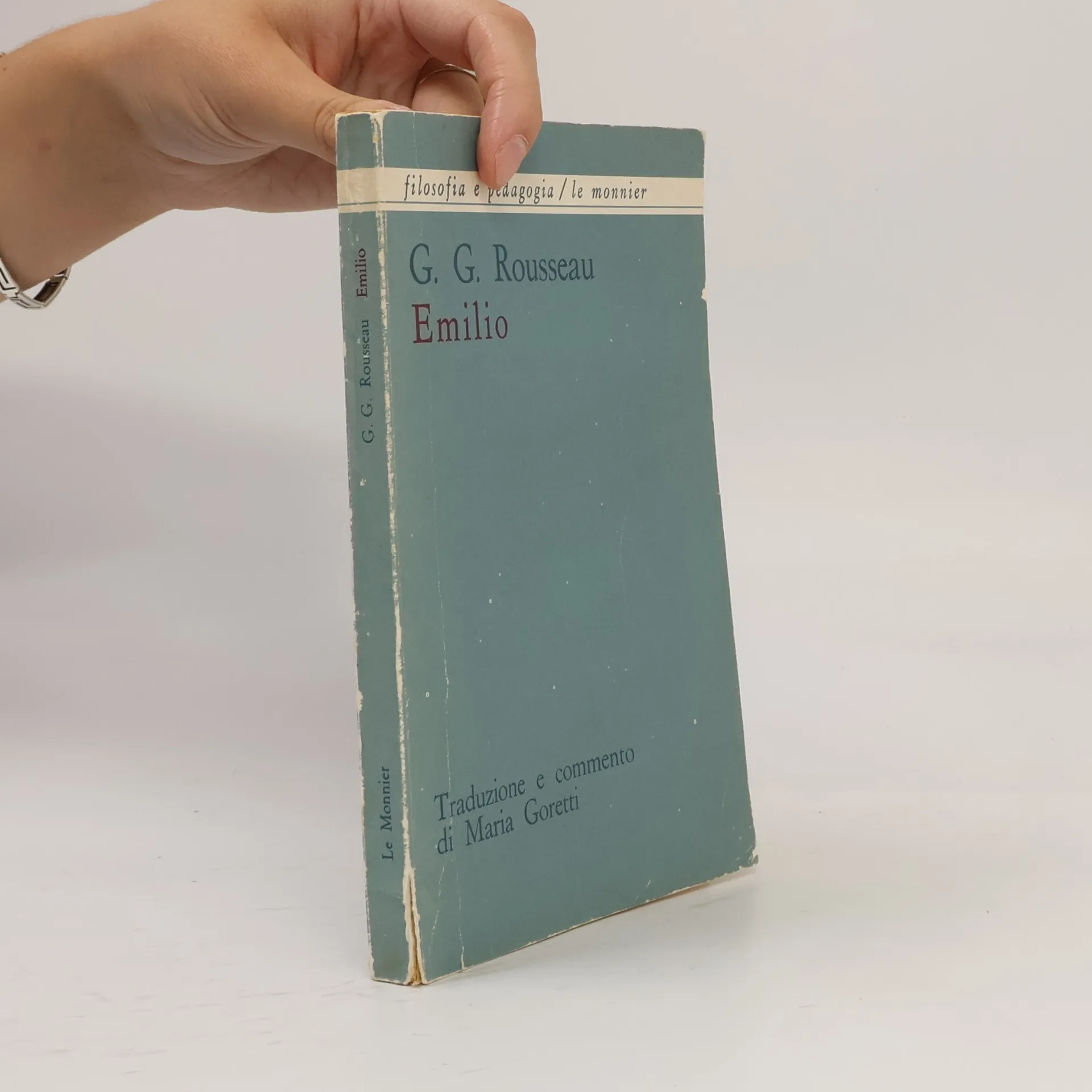
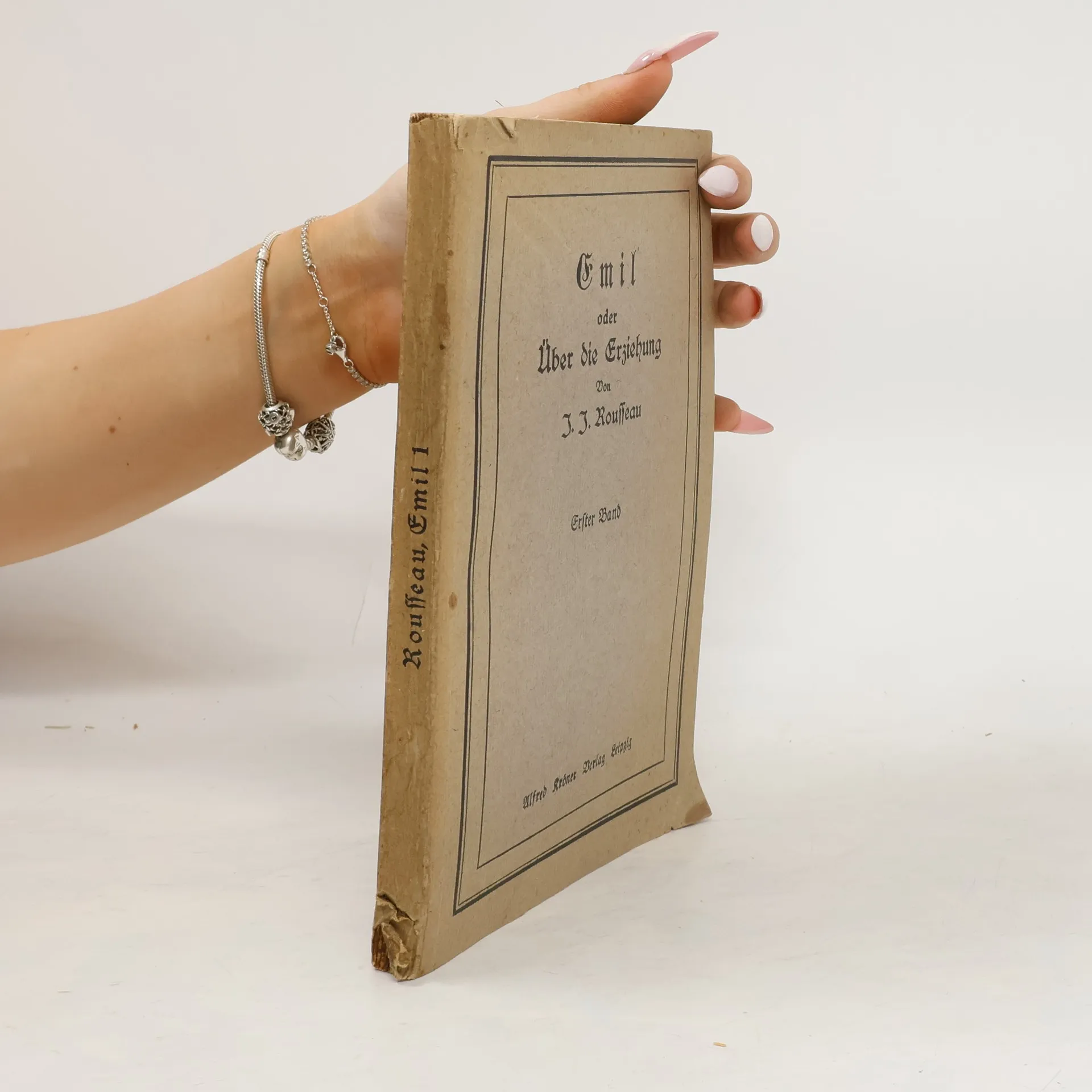
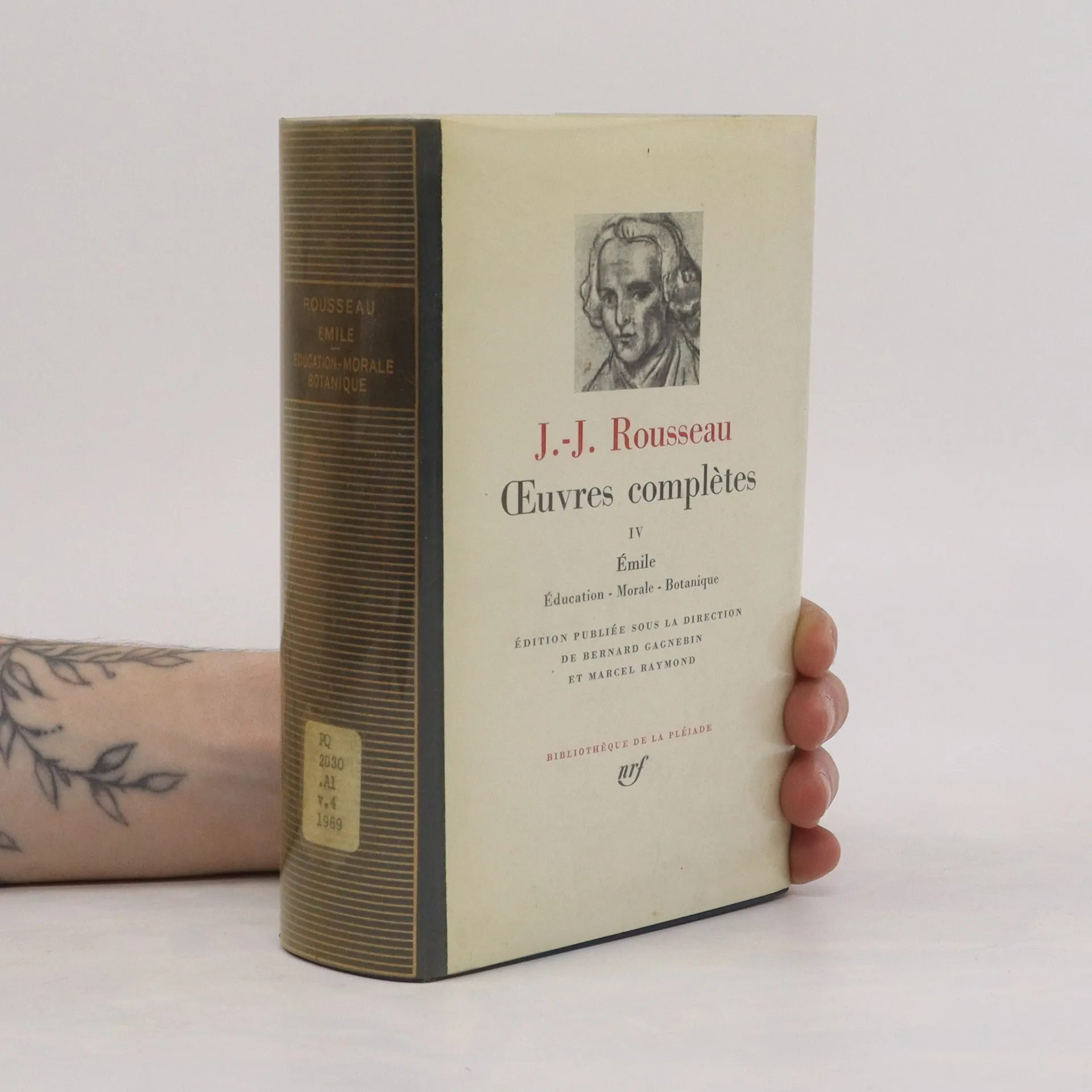
Émile o dell'educazione
- 608pagine
- 22 ore di lettura
È difficile, nella produzione di Jean-Jacques Rousseau, separare le opere di narrativa da quelle di saggistica, la riflessione politica da quella pedagogica, la filosofia dall'autobiografia. Tutte sono percorse dagli stessi temi, in ognuna di esse Rousseau è insieme autore, personaggio, pensatore, narratore. In bilico tra romanzo di formazione e trattato di pedagogia, "Emilio o dell'educazione" si colloca esattamente in questa zona di intersezione. A una trama complessa e seducente si sovrappone una teoria dell'educazione altrettanto affascinante, e i due livelli rinviano continuamente l'uno all'altro, in un'armonia capace di coinvolgere il lettore anche sugli argomenti più complessi. Trattato sull'educazione suddiviso in quattro parti, ognuna corrispondente a una diversa fase della crescita del fanciullo, Emilio resta ancora oggi una pietra miliare nella riflessione relativa a che cosa vuoi dire occuparsi della formazione di un giovane. (Saggio dintroduttivo di Michel Tournier)
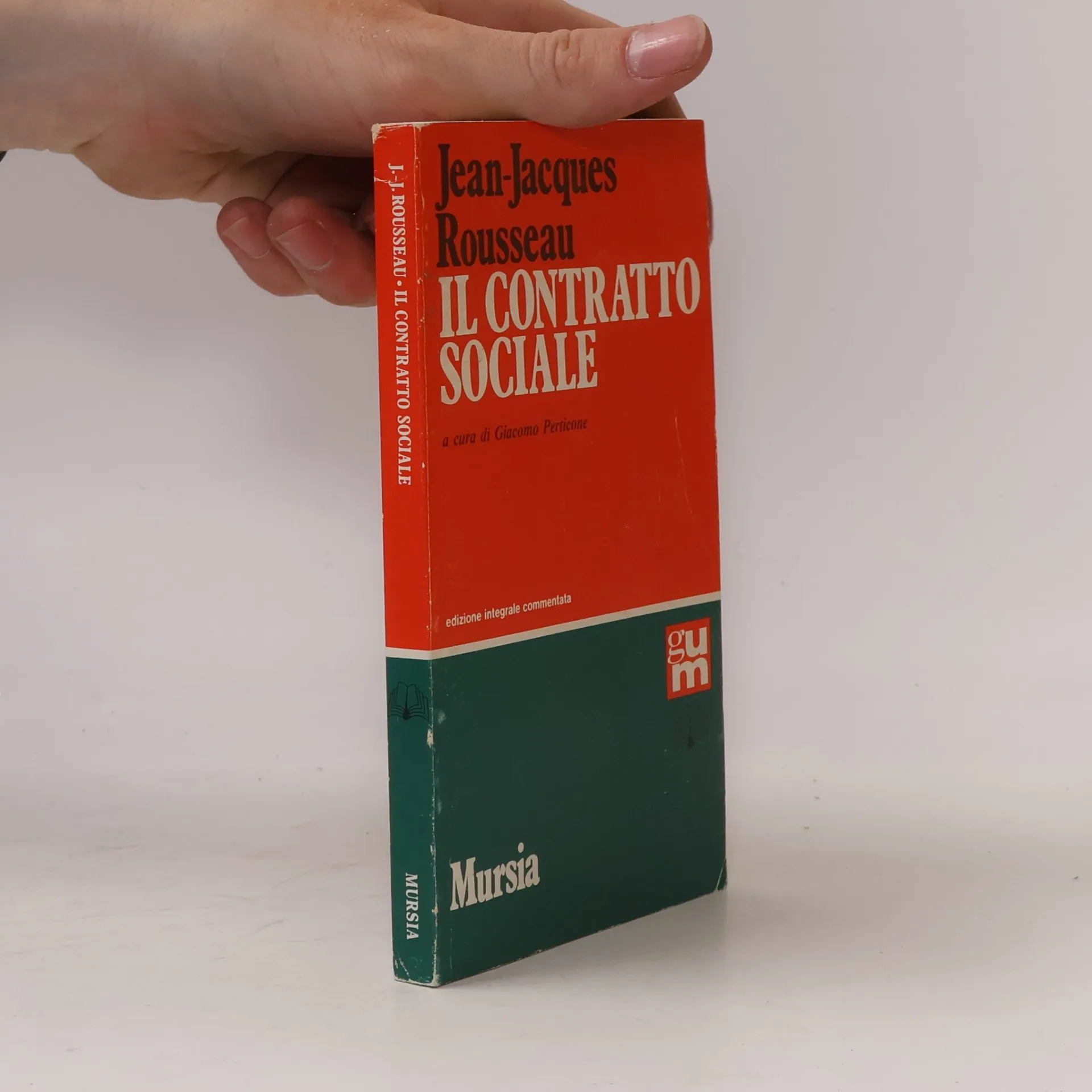
Grande Universale Mursia: Il Contratto Sociale - Edizione integrale commentata
- 136pagine
- 5 ore di lettura
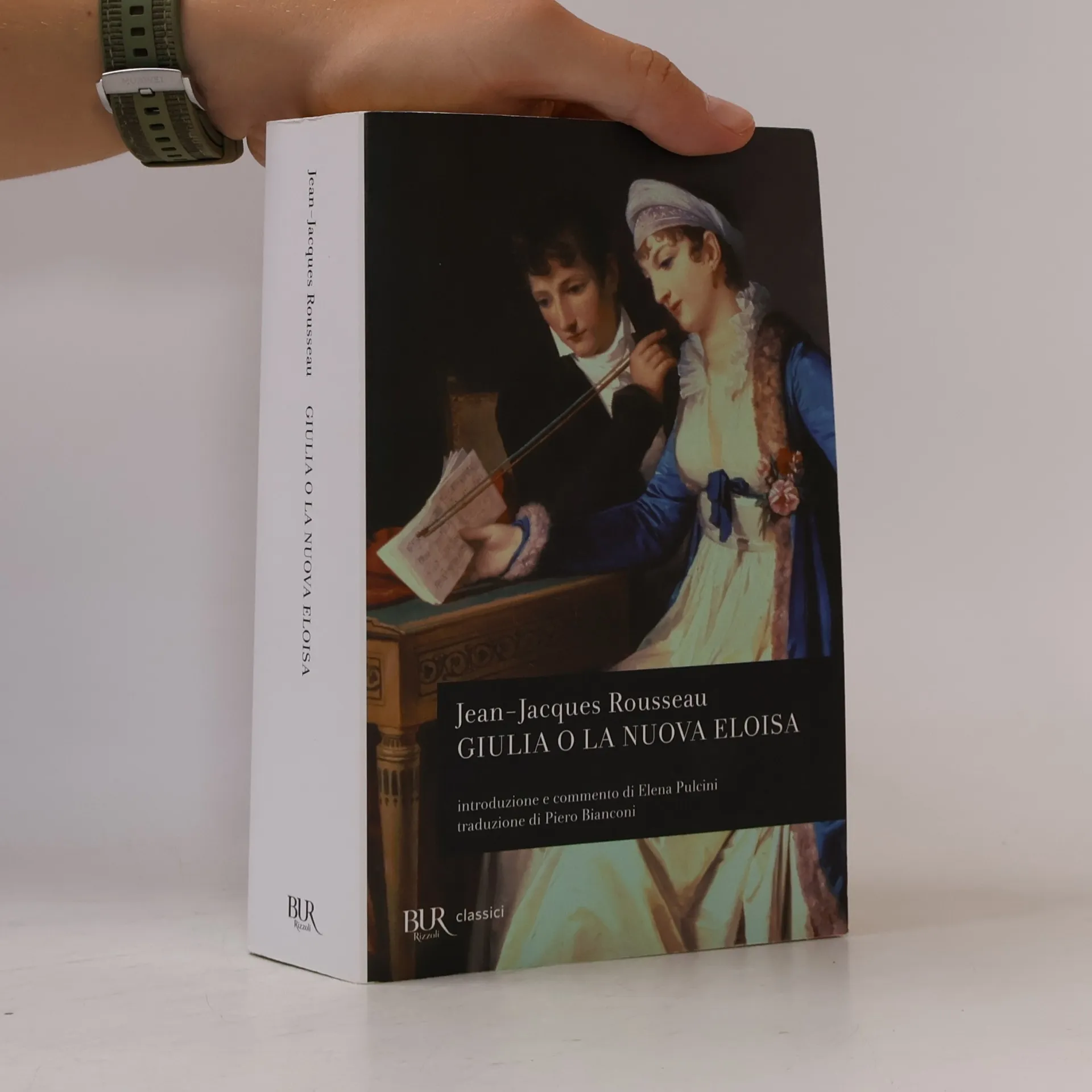
BUR Classici - 884: Giulia, o la Nuova Eloisa
Lettere di due amanti di una cittadina ai piedi delle Alpi
- 944pagine
- 34 ore di lettura
Giulia d'Etange, figlia unica di una famiglia di nobili origini, ama il suo giovane precettore, Saint-Preux, dotato delle più belle qualità dell'anima, ma povero e inferiore socialmente. Saint-Preux rappresenta per lei l'amore-passione. Wolmar è quello che si usa dire un buon partito, uomo ricco e solido, amico del padre di Giulia, che promette alla figlia un legame coniugale senza rischi. A partire da questi personaggi, delineati con assoluta maestria, Rousseau costruisce un romanzo filosofico attraversato da un logorante interrogativo di fondo: è più giusto abbandonarsi alla pura passione amorosa, sacra espressione della natura e dunque inalienabile diritto dell'uomo, oppure tener conto delle convenzioni sociali, certo e solido fondamento della convivenza umana?
Teatro
- 345pagine
- 13 ore di lettura
Italian
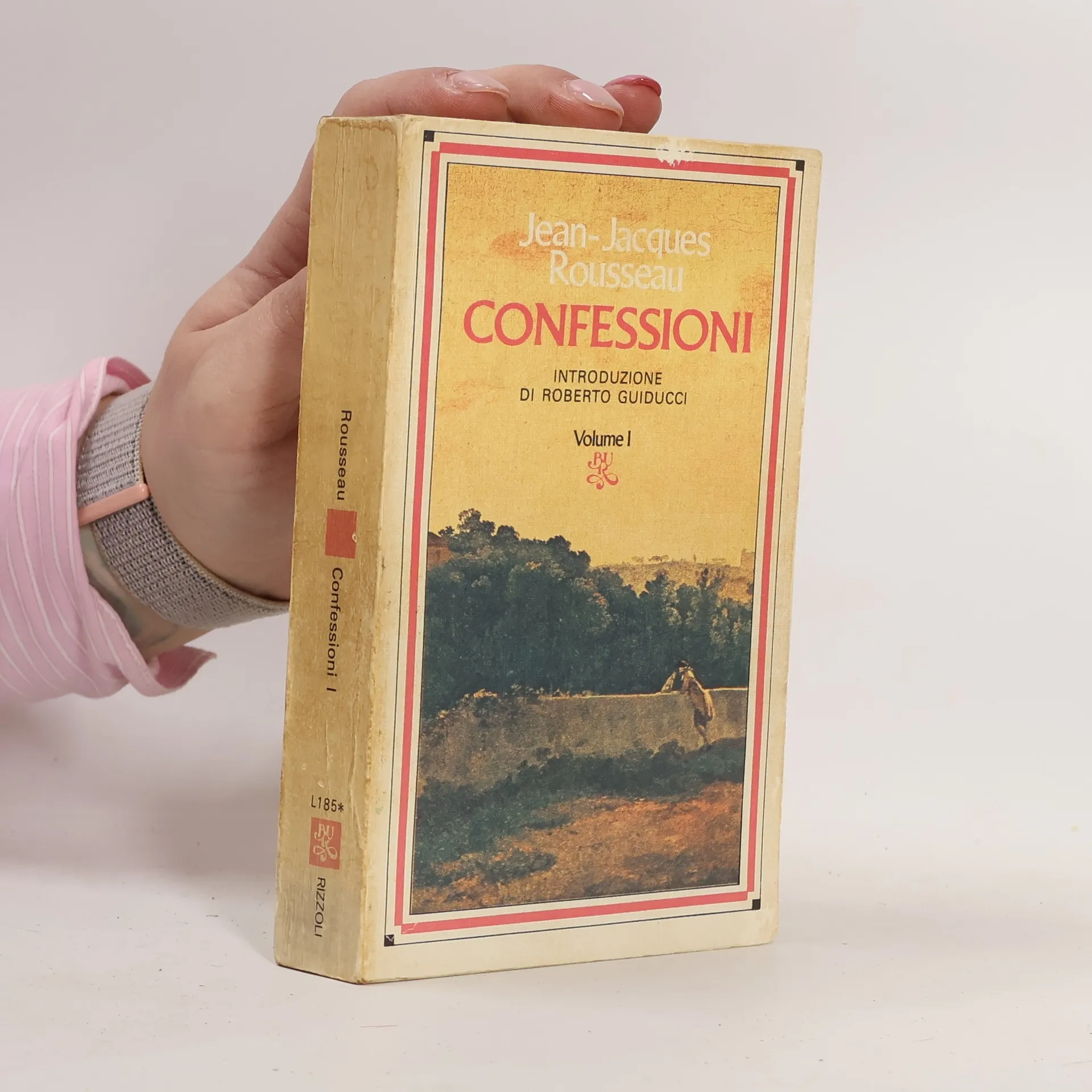
Classici: Le confessioni
- 576pagine
- 21 ore di lettura
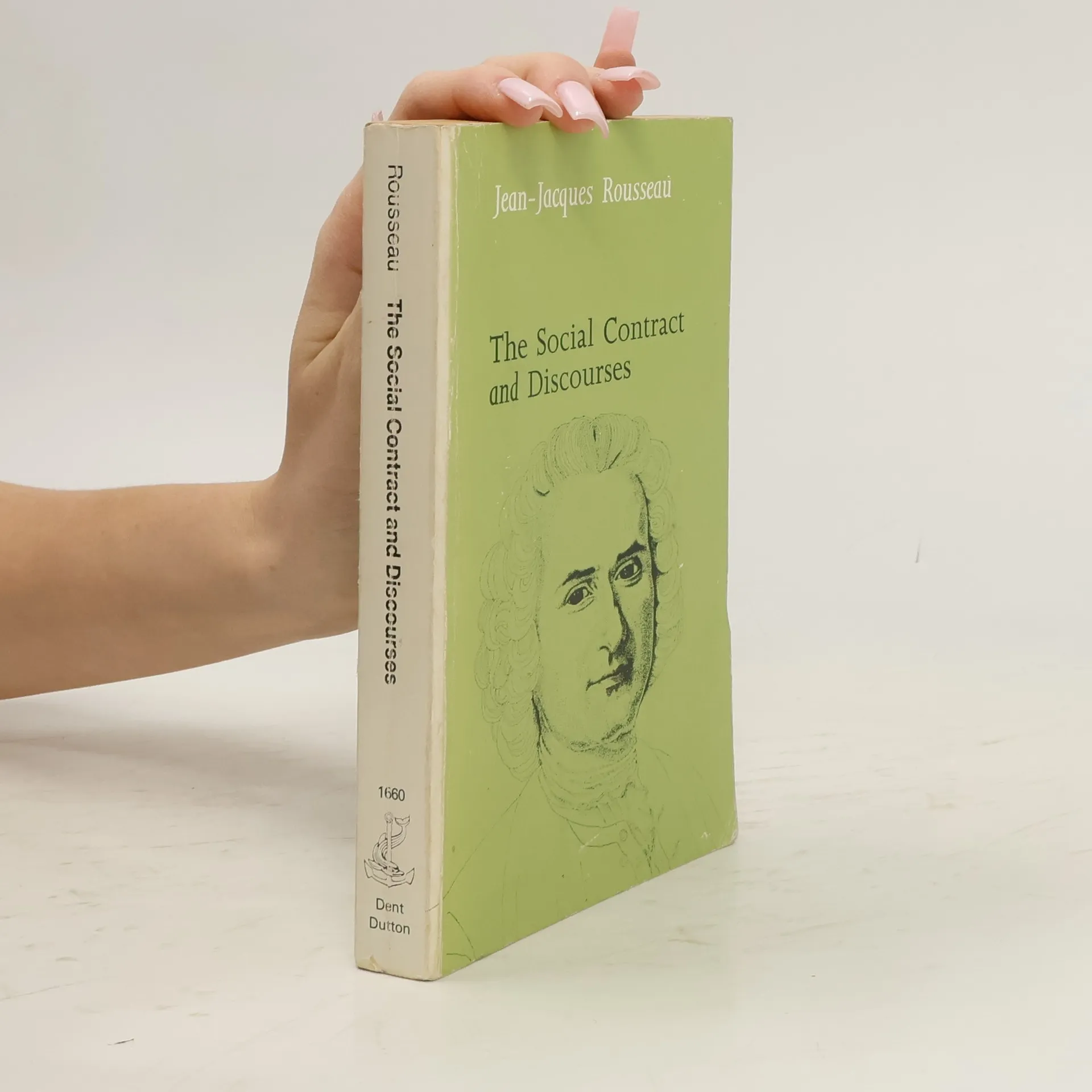
The Social Contract and Discourses
- 330pagine
- 12 ore di lettura
Inspired by ancient Greek city states, Rousseau searched for a way which states of his day could be equally representative Holding men in wretched subservience, feudalism–alongside religion–was a powerful force in the eighteenth century. Self-serving monarchic social systems, which collectively reduced common people to servitude, were now attacked by Enlightenment philosophers, of whom Rouseau was a leading light. His masterpiece, The Social Contract, profoundly influenced the subsequent development of society and remains provocative in a modern age of continuing widespread vested interest. This is the most comprehensive paperback edition available, with introduction, notes, index and chronology of Rousseau's life and times.
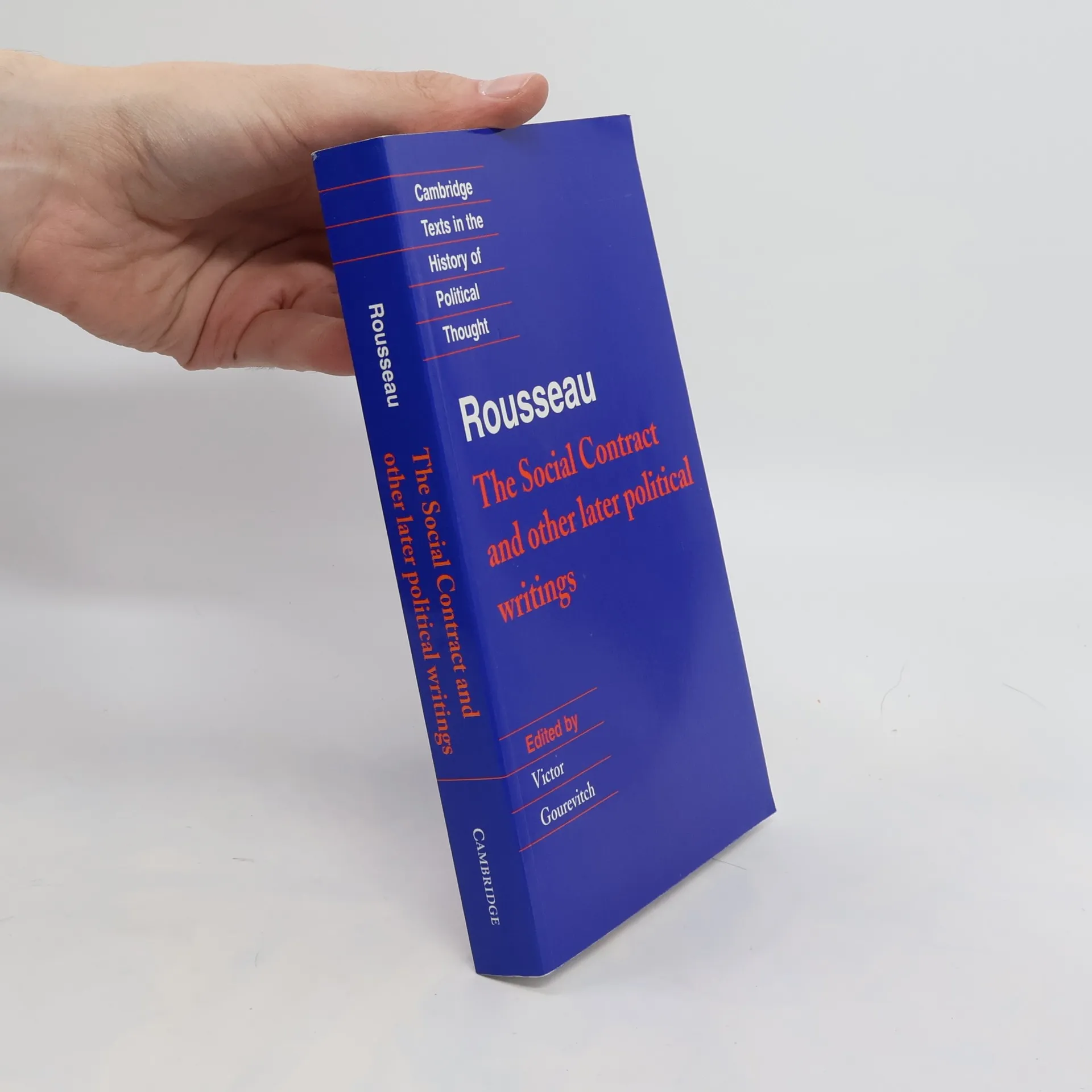
A comprehensive 1997 anthology of Rousseau's work containing The Social Contract, his most famous single work.
Complete with interpretive and biographical information and clarificaion on many previously obscure references in the text, this critical edition of Rousseau's On the Social Contract also contains translations of Political Economy and the Geneva Manuscript.
The Social Contract
- 192pagine
- 7 ore di lettura
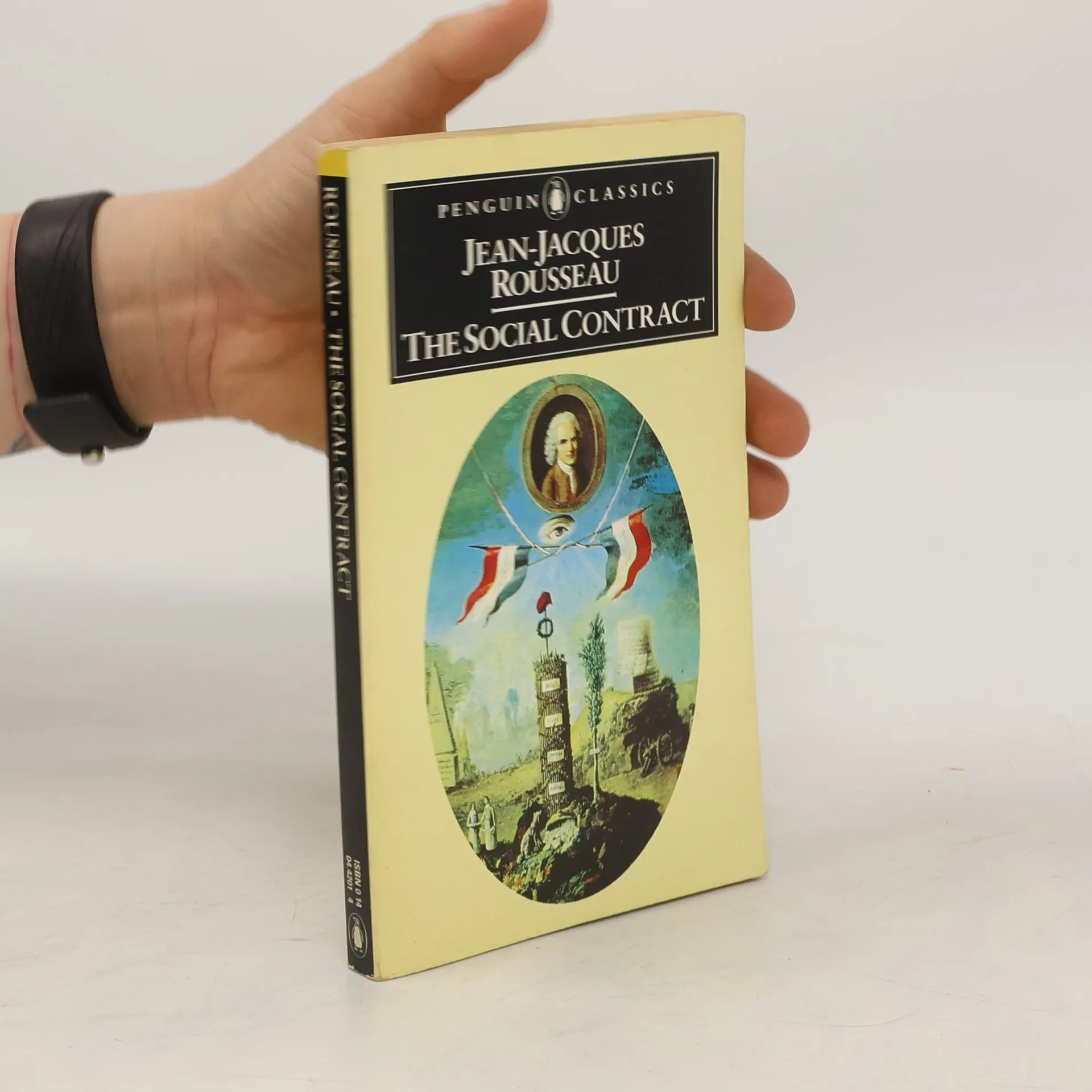
Rejecting the view that anyone has a natural right to wield authority over others, this title argues instead for a pact, or 'social contract', that should exist between the citizens of a state and that should be the source of sovereign power. From this fundamental premise, it considers issues of liberty and law, as well as freedom and justice.
The Major Political Writings of Jean-Jacques Rousseau
- 344pagine
- 13 ore di lettura
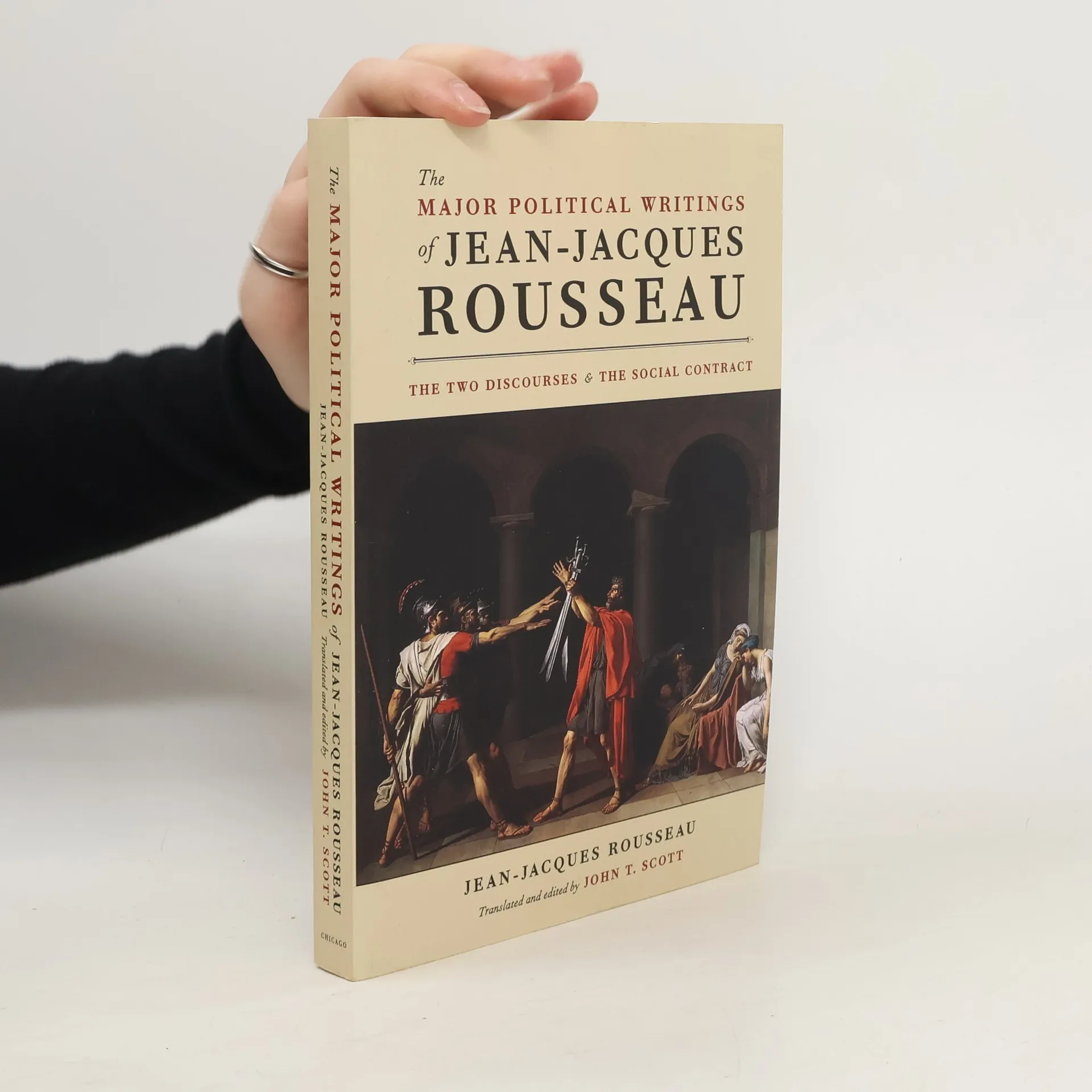
Few philosophers have been the subject of as much or as intense debate, yet almost everyone agrees on one thing: Jean-Jacques Rousseau is among the most important and influential thinkers in the history of political philosophy. This book brings together fresh translations of three of Rousseau's works.
Meditations of a Solitary Walker
- 64pagine
- 3 ore di lettura
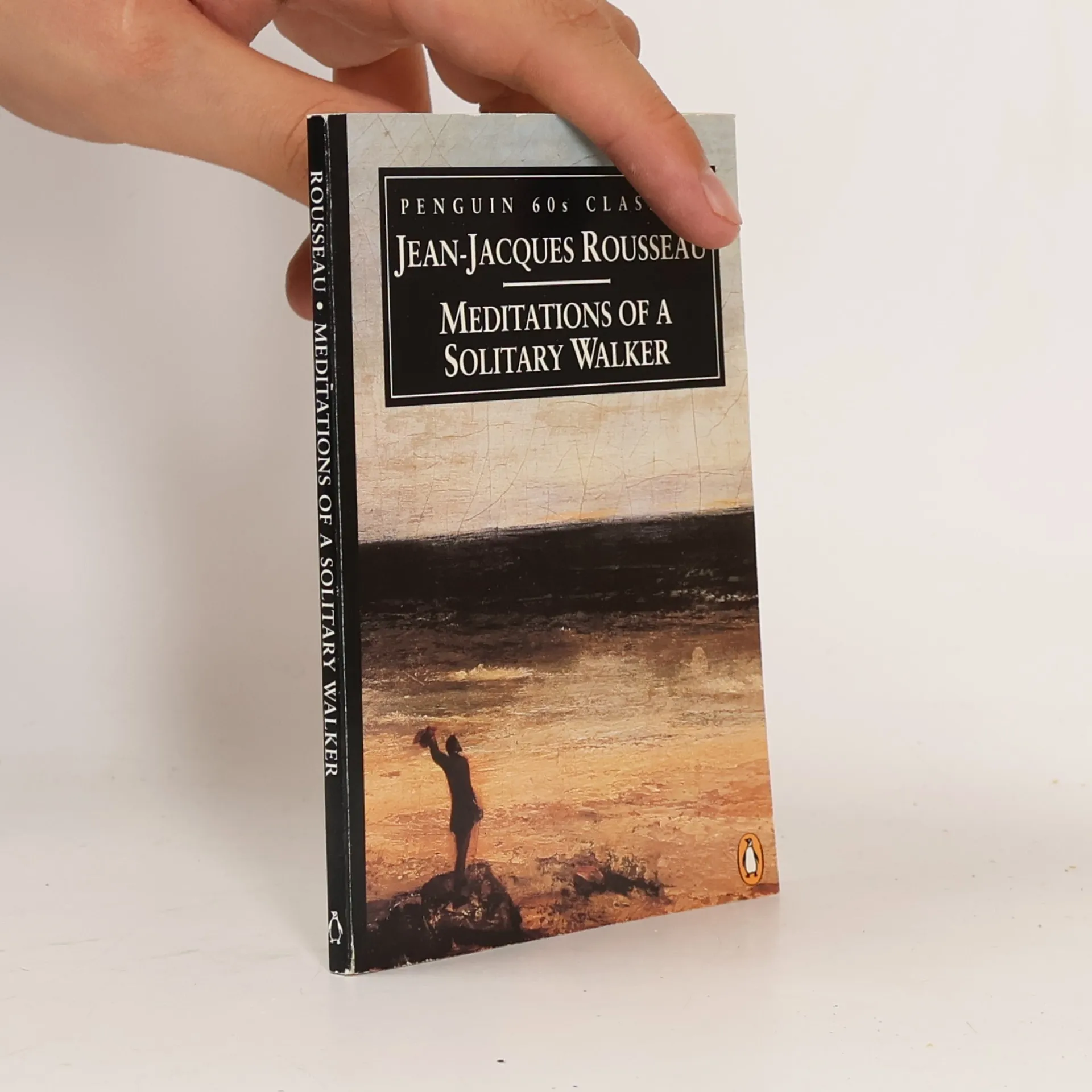
Penguin 60 excerpt from 'Reveries of a Solitary Walker'.
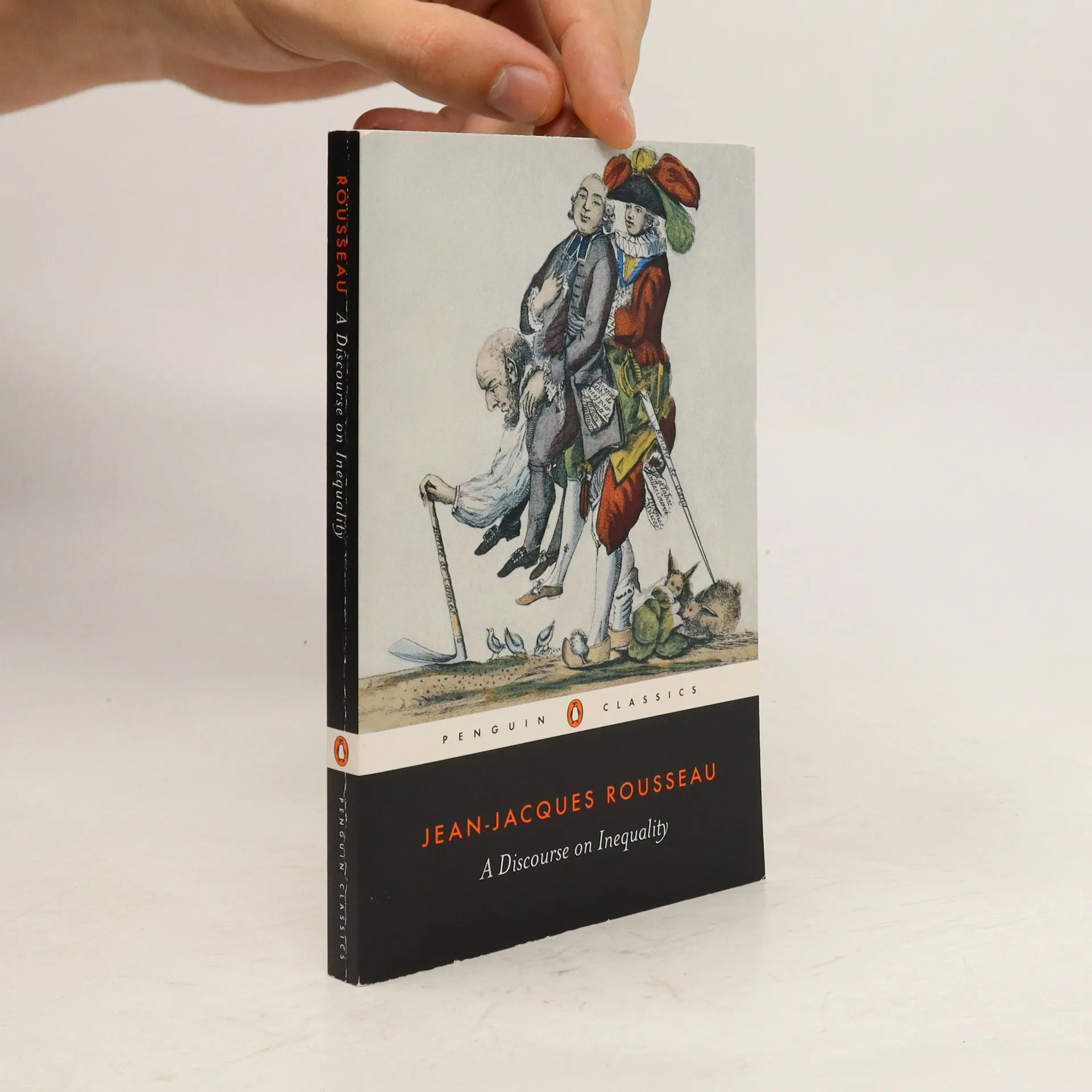
In A Discourse on Inequality, Rousseau sets out to demonstrate how the growth of civilization corrupts man’s natural happiness and freedom by creating artificial inequalities of wealth, power and social privilege. Contending that primitive man was equal to his fellows, Rousseau believed that as societies become more sophisticated, the strongest and most intelligent members of the community gain an unnatural advantage over their weaker brethren, and that constitutions set up to rectify these imbalances through peace and justice in fact do nothing but perpetuate them. Rousseau’s political and social arguments in the Discourse were a hugely influential denunciation of the social conditions of his time and one of the most revolutionary documents of the eighteenth-century. For more than seventy years, Penguin has been the leading publisher of classic literature in the English-speaking world. With more than 1,700 titles, Penguin Classics represents a global bookshelf of the best works throughout history and across genres and disciplines. Readers trust the series to provide authoritative texts enhanced by introductions and notes by distinguished scholars and contemporary authors, as well as up-to-date translations by award-winning translators.
A devastating critique of the social conditions of the French monarchy is anchored in a broader context of reflections on the individual, their mission, and direction. Rousseau is highly skeptical of progress as a one-sided movement towards the improvement of technical skills and the increase of material wealth. He also criticizes the main tool of progress, science. By studying humanity more closely, we become incapable of recognizing it, he argues, thus challenging the prevailing focus of European civilization at the time. In contrast to reason, he emphasizes the role of passion, seeing the origin of inequality in private property. Inequality grows and solidifies alongside the progress of humanity. Rousseau's statement that "moral inequality is justified only by normative law, which is the opposite of natural law" was one of the intellectual detonators of the French Revolution. This stylistically refined work is among the most influential and frequently cited philosophical texts of all time and belongs to the golden treasury of world literature.
Of The Social Contract and Other Political Writings
- 356pagine
- 13 ore di lettura
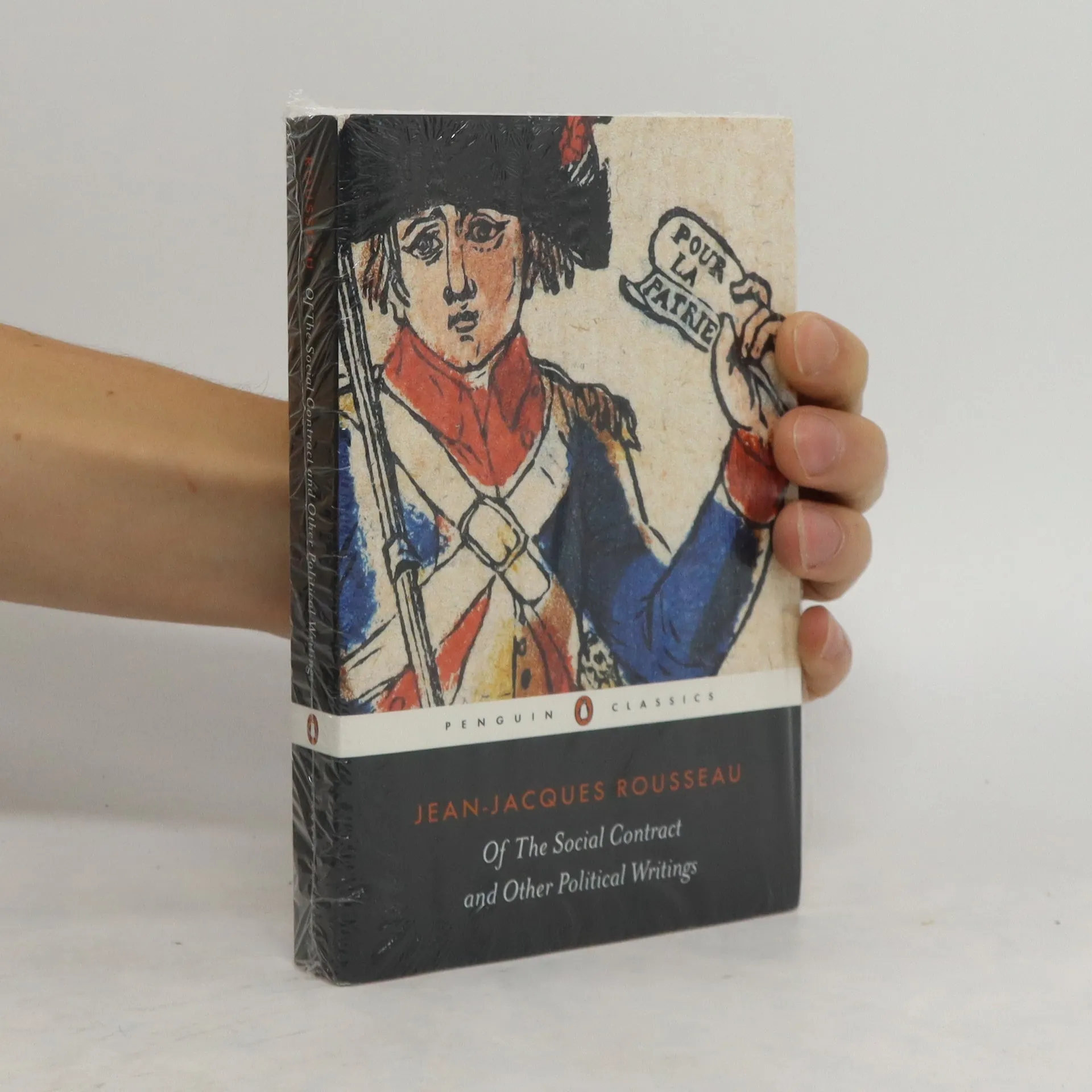
Considers the issues of liberty and law, freedom and justice, arriving at a view of society that has seemed to some a blueprint for totalitarianism, to others a declaration of democratic principles.
The Body Politic
- 128pagine
- 5 ore di lettura
'No true Democracy has ever existed, nor ever will exist.' In this selection from The Social Contract, Rousseau asserts that a state's only legitimate political authority comes from its people. One of 46 new books in the bestselling Little Black Classics series, to celebrate the first ever Penguin Classic in 1946. Each book gives readers a taste of the Classics' huge range and diversity, with works from around the world and across the centuries - including fables, decadence, heartbreak, tall tales, satire, ghosts, battles and elephants.
Argues against the inequality the author believed to be intrinsic to civilized society. This title features the first fifty-three years of his radical life, including his earliest years, where we can see the source of his belief in the innocence of childhood; and the development of his philosophical and political ideas.
This publication focuses on reproducing historical works in large print, catering specifically to individuals with impaired vision. Megali, the publishing house behind this initiative, aims to enhance accessibility and ease of reading for a wider audience while preserving the integrity of the original texts.
This book is a reproduction of a historical work, published by Megali, a house dedicated to producing large print editions. The focus on accessibility aims to assist readers with impaired vision, ensuring that important texts remain available to a wider audience.
Rejecting the view that anyone has a natural right to wield authority over others, Rousseau argues instead for a pact, or 'social contract', that should exist between all the citizens of a state and that should be the source of sovereign power
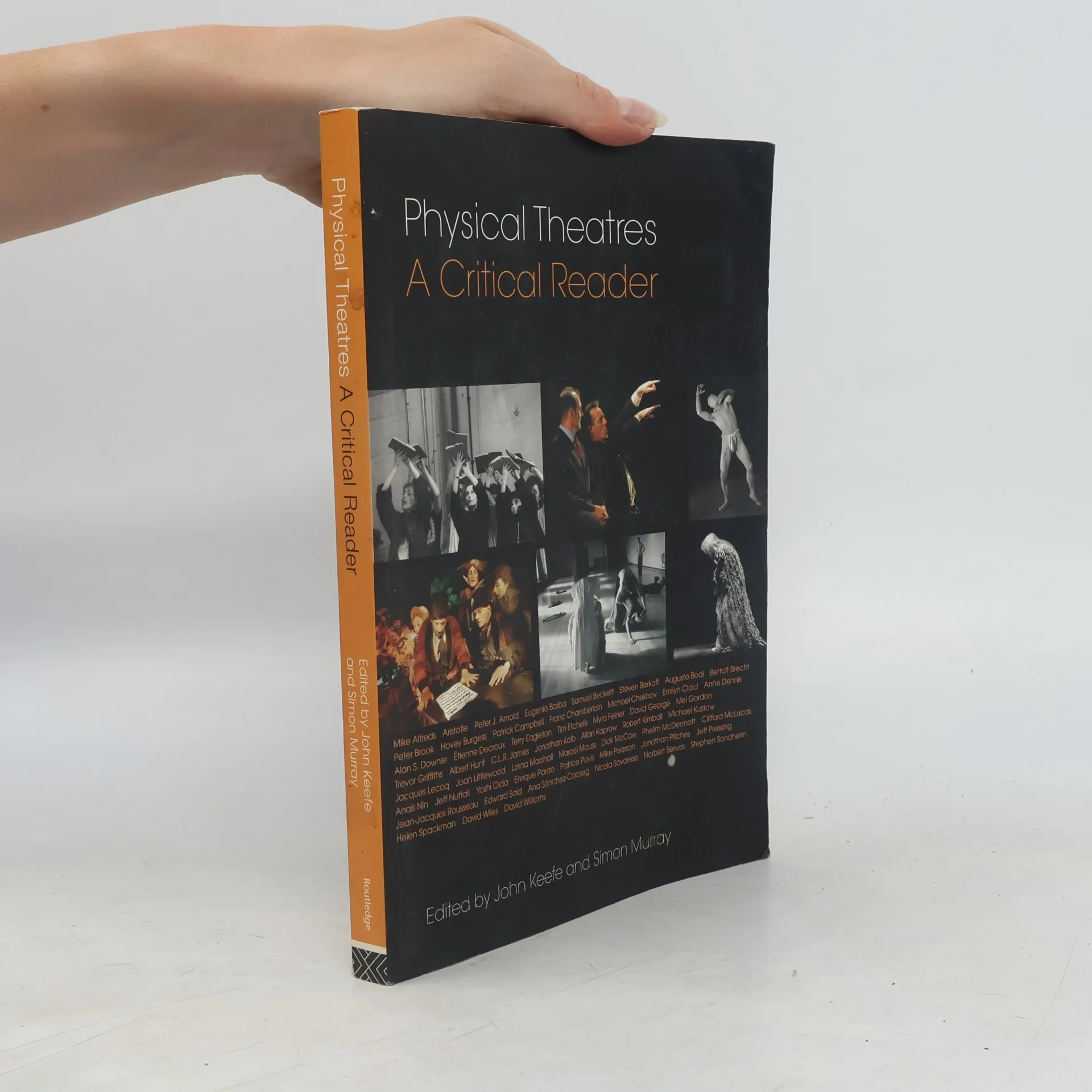
Physical Theatres: A Critical Reader is an invaluable resource for students of physically orientated theatre and performance. This book aims to trace the roots and development of physicality in theatre by combining practical experience of the field with a strong historical and theoretical underpinning.In exploring the histories, cross-overs and intersections of physical theatres, this critical Reader provides:six new, specially commissioned essays, covering each of the book s main themes, from technical traditions to contemporary practises discussion of issues such as the foregrounding of the body, training and performance processes, and the origins of theatre in both play and human cognition a focus on the relationship and tensions between the verbal and the physical in theatre contributions from Augusto Boal, Stephen Berkoff, tienne Decroux, Bertolt Brecht, David George, J-J. Rousseau, Ana Sanchez Colberg, Michael Chekhov, Jeff Nuttall, Jacques Lecoq, Yoshi Oida, Mike Pearson, and Aristotle.
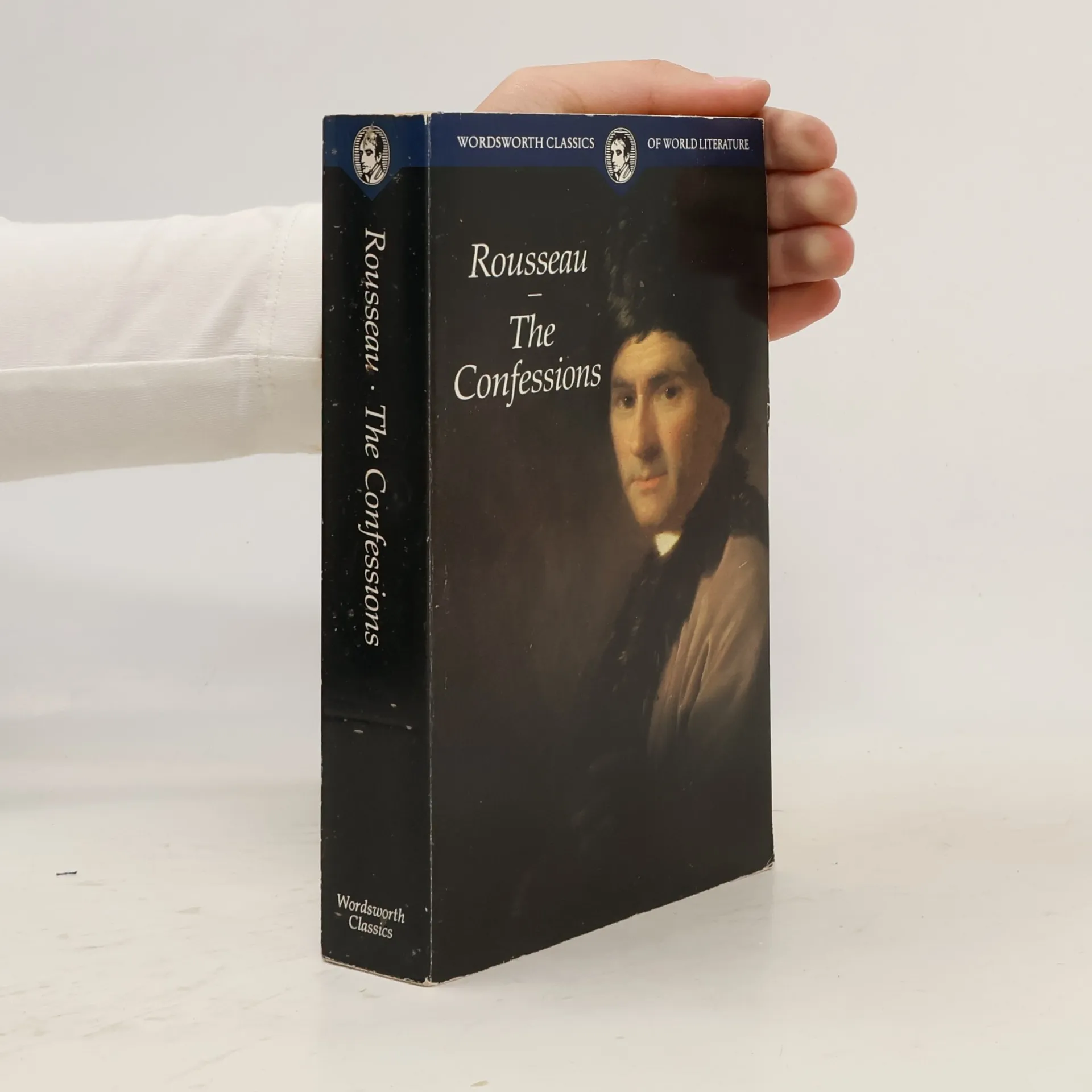
Wordsworth Classics of World Literature: The Confessions
- 672pagine
- 24 ore di lettura
This translation first appeared in a privately printed edition in 1904 (the translator remains anonymous). With an Introduction by Derek Matravers. When it was first published in 1781, The Confessions scandalised Europe with its emotional honesty and frank treatment of the author's sexual and intellectual development. Since then, it has had a more profound impact on European thought. Rousseau left posterity a model of the reflective life - the solitary, uncompromising individual, the enemy of servitude and habit and the selfish egoist who dedicates his life to a particular ideal. The Confessions recreates the world in which he progressed from incompetent engraver to grand success; his enthusiasm for experience, his love of nature, and his uncompromising character make him an ideal guide to eighteenth-century Europe, and he was the author of some of the most profound work ever written on the relation between the individual and the state.
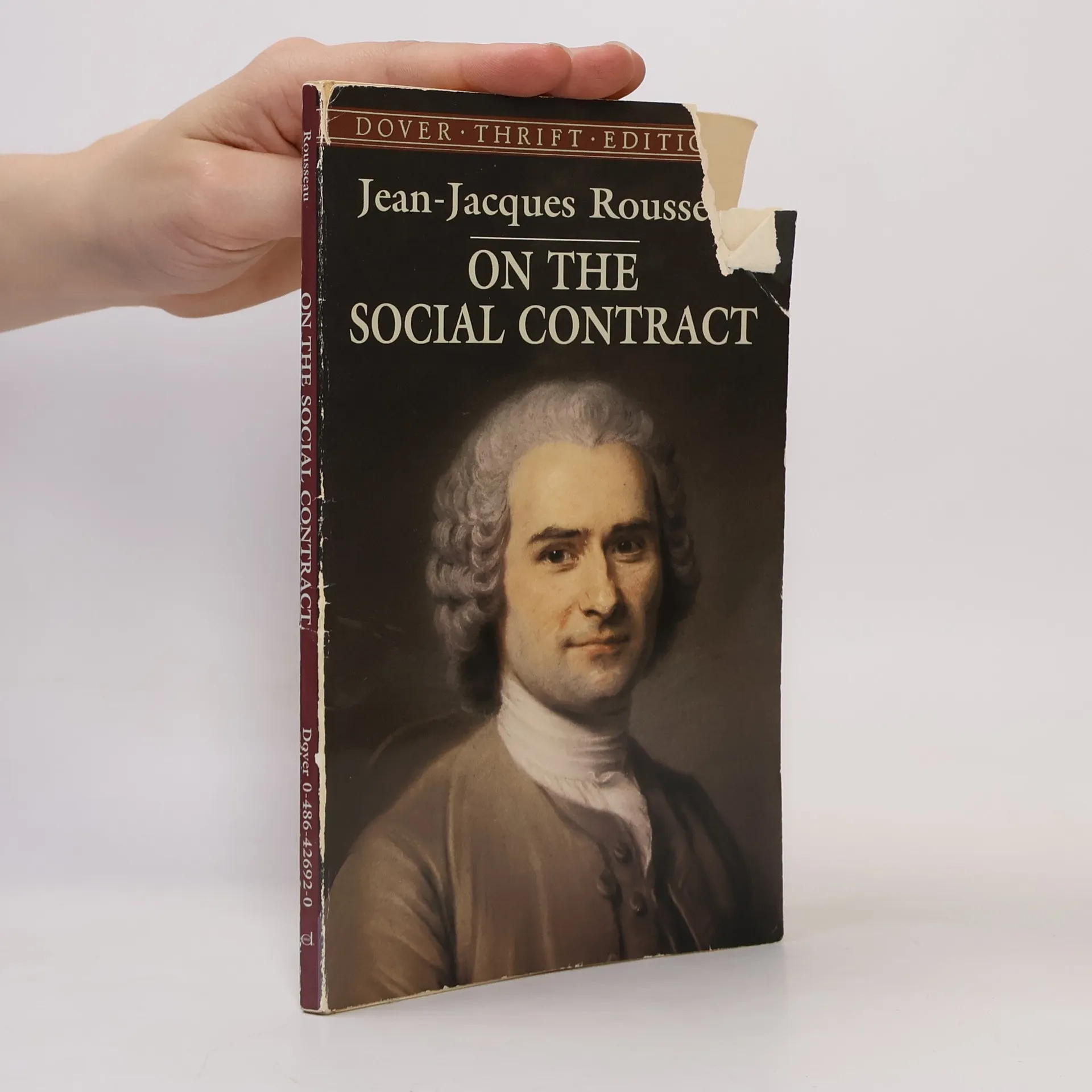
Dover Thrift Editions: On the Social Contract
- 97pagine
- 4 ore di lettura
A milestone of political science, Rousseau's 1762 work argues that all government is fundamentally flawed and that modern society is rife with inequality. He proposes an alternative system for the development of self-governing, self-disciplined citizens.
One of the most respected translations of this key work of 18th-century philosophy, this text includes a brief introduction to the two works as well as abundant notes that range from simple explanations to speculative interpretations.
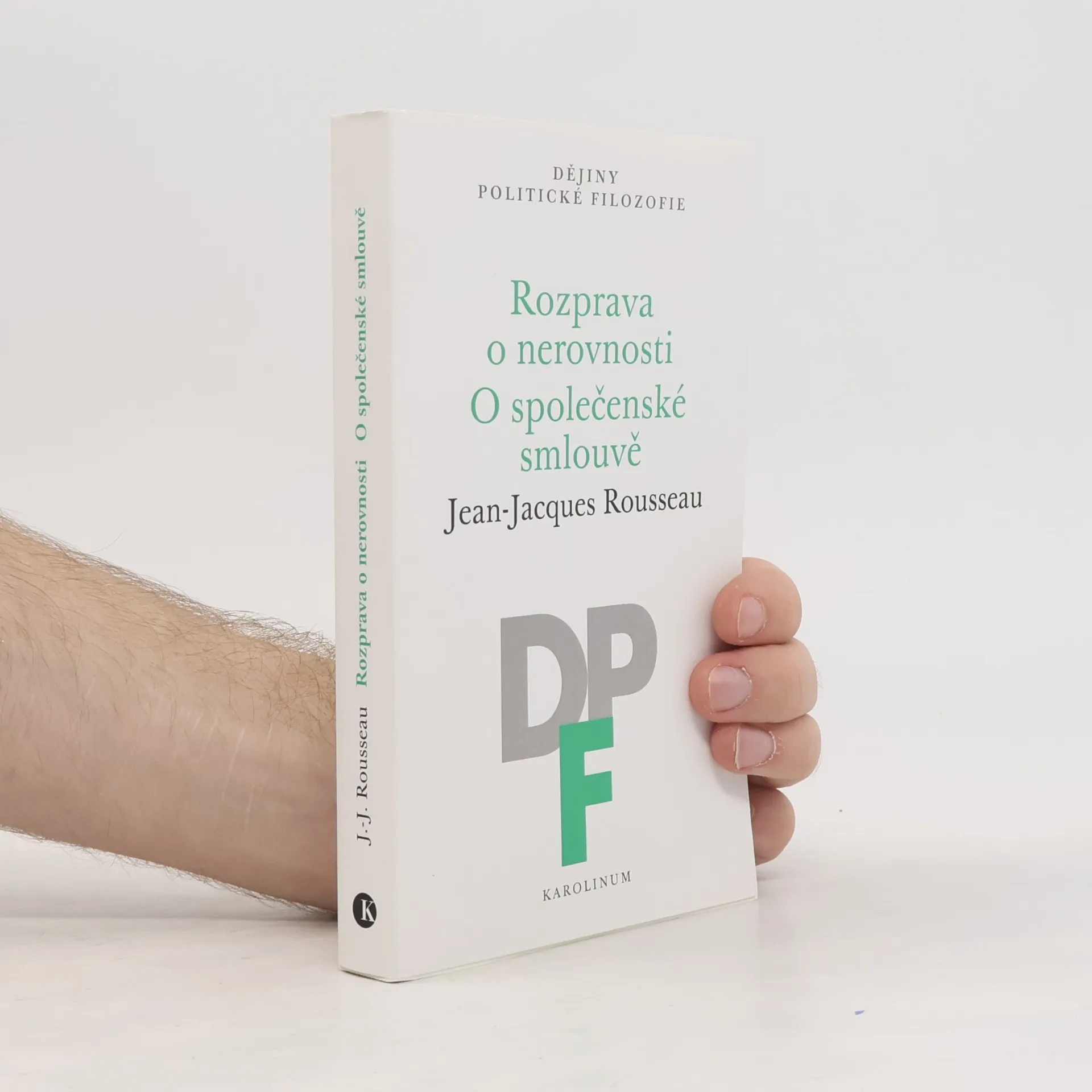
Rozprava o nerovnosti ; O společenské smlouvě
- 318pagine
- 12 ore di lettura
Rozprava o původu a základech nerovnosti mezi lidmi (1755) tvoří spolu se Společenskou smlouvou (1762) jádro Rousseauovy politické teorie, která zásadním způsobem ovlivnila novověké politické myšlení a revoluce 18. století. Toto vydání přináší první úplný překlad Rozpravy o nerovnosti (včetně dosud česky neotištěných doprovodných textů) a po více než sedmdesáti letech i nový překlad Společenské smlouvy. Oba texty doplňuje bohatý komentář, který spisy zasazuje jak do kontextu autorova života a díla, tak do soudobého historického a politického kontextu, čímž umožňuje lépe pochopit originalitu Rousseauova myšlení a jeho význam pro současnost.
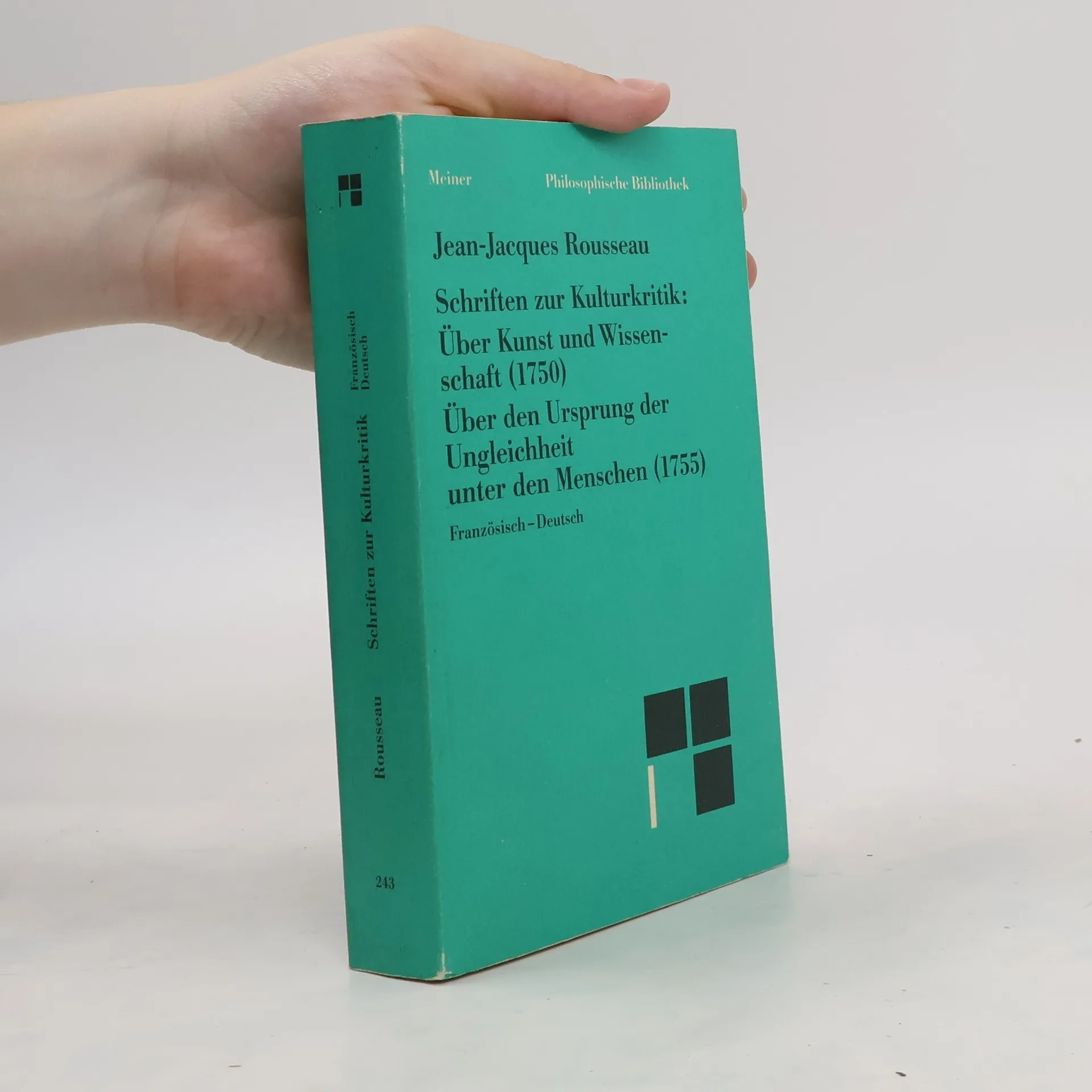
Schriften zur Kulturkritik
Über Kunst und Wissenschaft (1750). Über den Ursprung der Ungleichheit unter den Menschen (1755). Zweisprachige Ausgabe
- 376pagine
- 14 ore di lettura
In den beiden Streitschriften Über Kunst und Wissenschaft (1750) und Über den Ursprung der Ungleichheit unter den Menschen (1755) entwickelt Rousseau den Grundgedanken seiner radikalen Kultur- und Zivilisationskritik. Die Entfaltung des Verstandes und die Entstehung des Eigentums brandmarkt er als Ursachen für die Ausbildung der gesellschaftlichen Ungleichheit unter den Menschen und setzt so ein erstes Signal für die Freiheits- und Gleichheitsforderungen der Revolution von 1789.
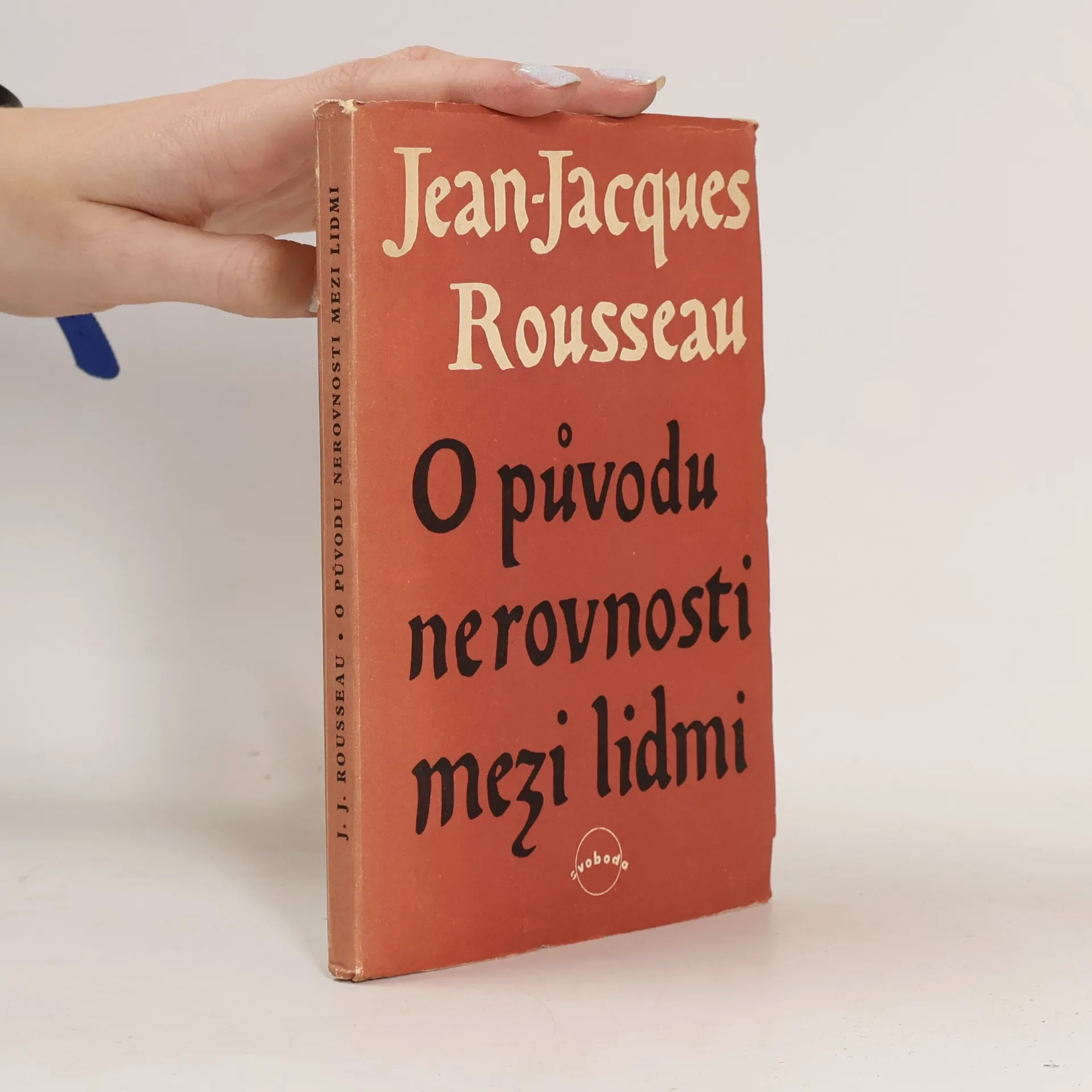
K dvoustému výročí autorova úmrtí vycházejí vedle úvodní studie V. Čecháka, vykládající a hodnotící autorovo dílo, tři základní autorovy práce, tj. Pojednání o původu a příčinách nerovnosti mezi lidmi, Rozprava o politické ekonomii a O společenské smlouvě neboli o základech státního práva.
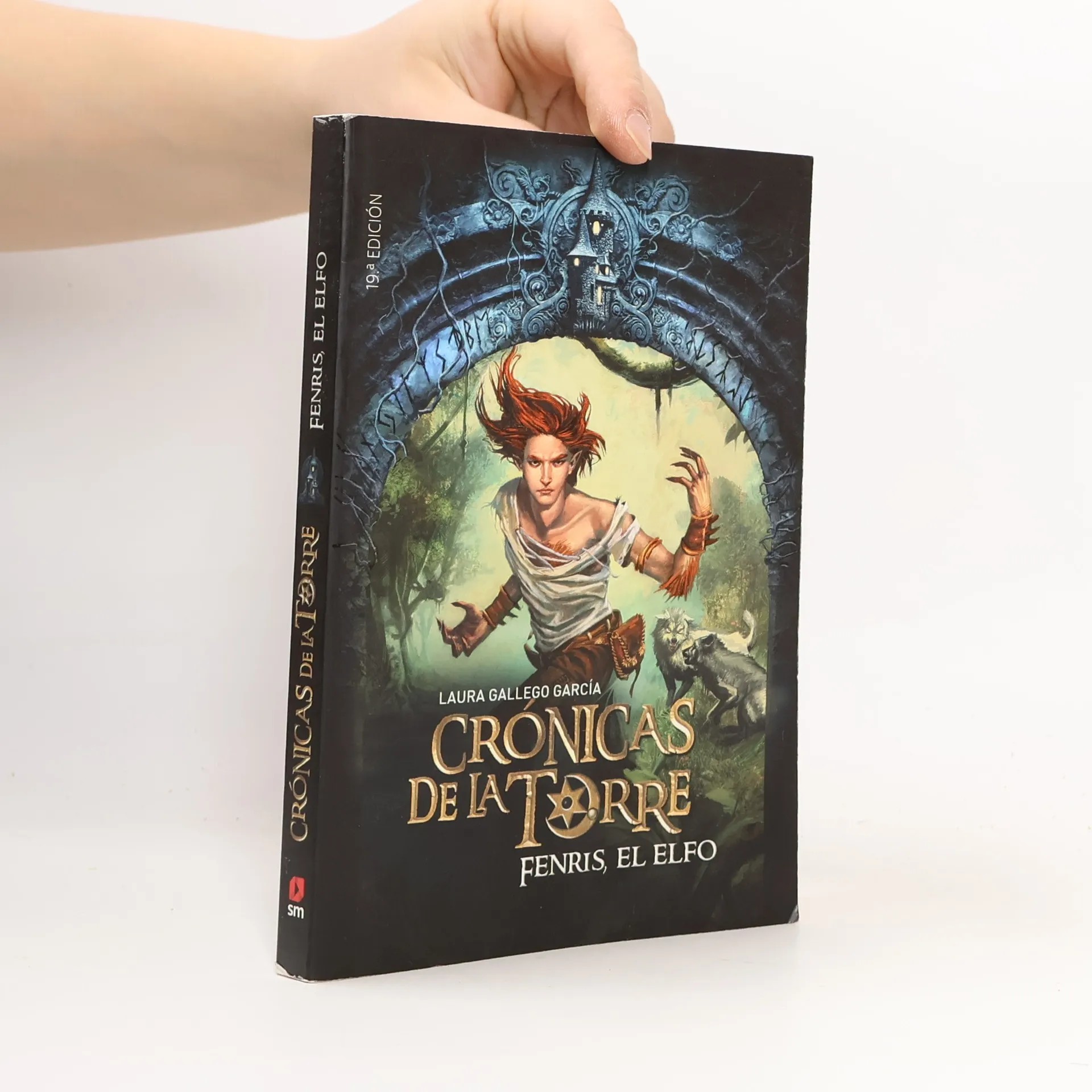
Fenris, el elfo - 19.ª edición
- 271pagine
- 10 ore di lettura
Fenris es un elfo muy especial. Tiene grandes poderes y, en las noches de luna llena, una fuerza inexplicable le arrastra hasta convertirlo en un ser asombroso. El amor por Shi-Mae y su enfrentamiento con personajes poderosos en el Reino de los Elfos van a determinar su futuro. Aquí comienza su viaje hasta la Torre, situada en el Valle de los Lobos.
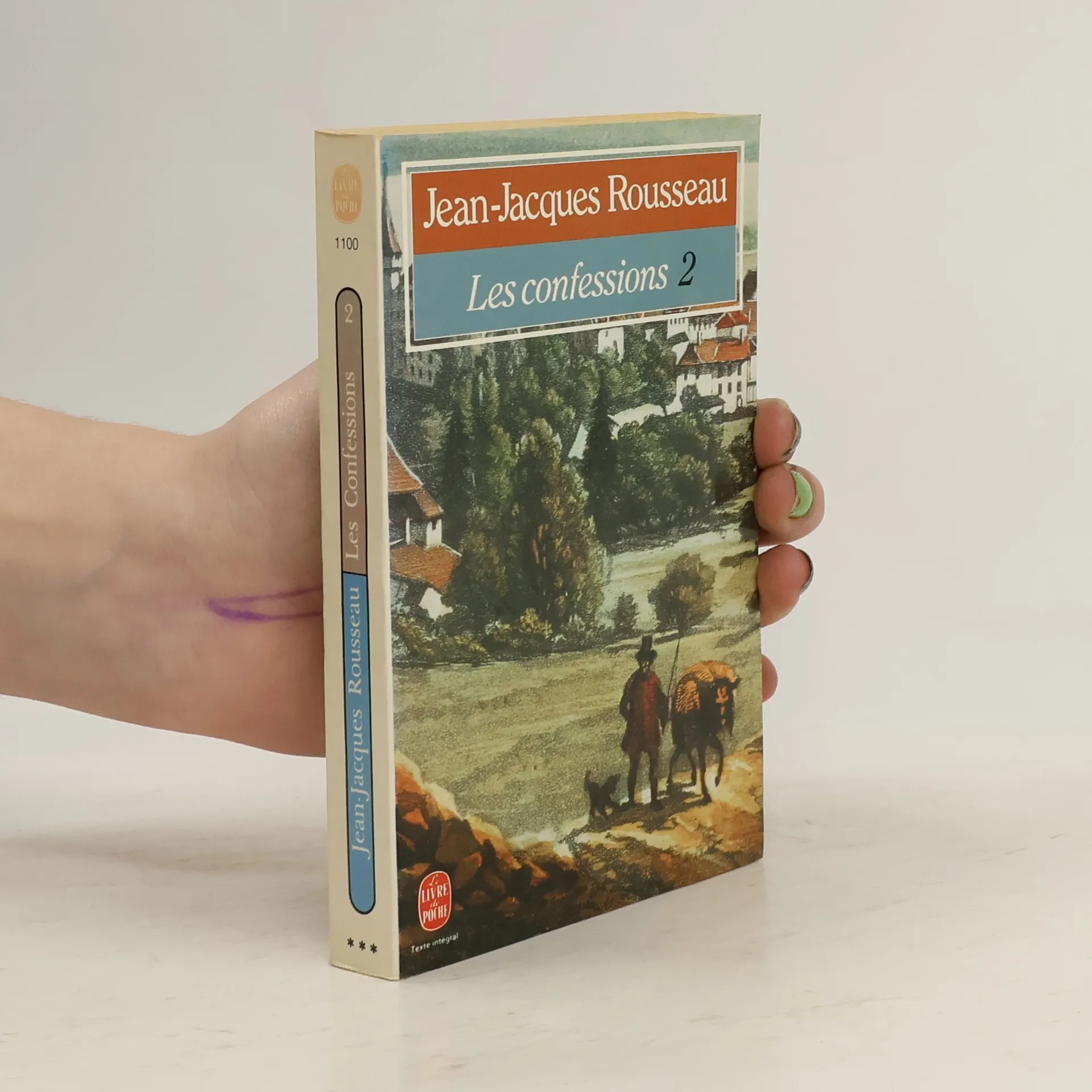
Les Confessions 2
- 574pagine
- 21 ore di lettura
Les Confessions. Tome 2 / J.-J. Rousseau; avec une preface par Marc-Monnier; treize eaux-fortes par Ed. HedouinDate de l'edition originale: 1881Collection: Petite bibliotheque artistiqueCe livre est la reproduction fidele d'une oeuvre publiee avant 1920 et fait partie d'une collection de livres reimprimes a la demande editee par Hachette Livre, dans le cadre d'un partenariat avec la Bibliotheque nationale de France, offrant l'opportunite d'acceder a des ouvrages anciens et souvent rares issus des fonds patrimoniaux de la BnF.Les oeuvres faisant partie de cette collection ont ete numerisees par la BnF et sont presentes sur Gallica, sa bibliotheque numerique.En entreprenant de redonner vie a ces ouvrages au travers d'une collection de livres reimprimes a la demande, nous leur donnons la possibilite de rencontrer un public elargi et participons a la transmission de connaissances et de savoirs parfois difficilement accessibles.Nous avons cherche a concilier la reproduction fidele d'un livre ancien a partir de sa version numerisee avec le souci d'un confort de lecture optimal. Nous esperons que les ouvrages de cette nouvelle collection vous apporteront entiere satisfaction.bnf.fr/ark: /12148/bpt6k58134950
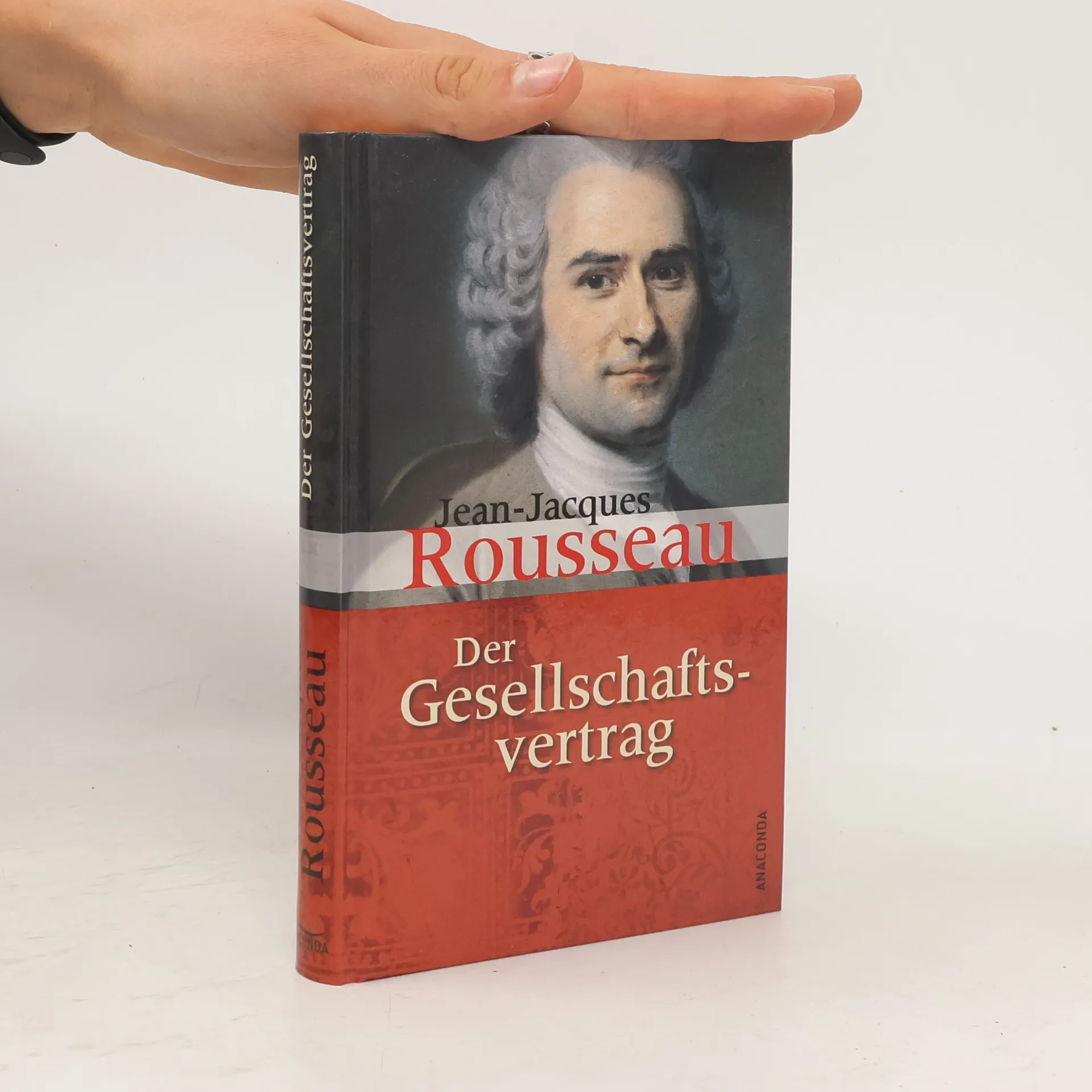
Jean-Jacques Rousseaus 1762 erschienener »Gesellschaftsvertrag« gilt bis heute als Schlüsseltext der europäischen Aufklärung und der Staatsphilosophie überhaupt. In den vier Büchern seines brillanten Hauptwerks betrachtet der berühmte französische Denker den Staat als eine von seinen Bürgern in absoluter Freiheit getroffene Übereinkunft: Freiwillig ordnen die Einzelnen sich in ihrem Streben dem Gesamtwillen des Gemeinwesens unter. Laut Rousseau ist es jedoch von entscheidender Wichtigkeit, dass die dazu nötige staatliche Gewalt die unveräußerliche Freiheit des Individuums nicht unrechtmäßig und über Gebühr beschneidet.
Die Kunst zu leben
- 160pagine
- 6 ore di lettura
Jean-Jacques Rousseau, der große Philosoph der französischen Aufklärung, ist den meisten heute als Denker des »Gesellschaftsvertrags« bekannt. Doch stellte er sich zeitlebens auch die scheinbar alltägliche Frage, was es heißt, gut zu leben. Als von der Gesellschaft Verstoßener bewegte sich Rousseau jenseits der bürgerlichen Vorstellungen vom guten Leben; daher beschäftigte er sich gerade in seinem Spätwerk intensiv mit dieser Frage. Die ausgewählten und kommentierten Passagen schaffen Einblicke in seine »Kunst zu leben« und machen dabei die Grundsteine Rousseau'schen Denkens zugänglich.
" Je veux montrer à mes semblables un homme dans toute la vérité de la nature ; et cet homme ce sera moi. "
Je n'ai pas promis d'offrir au public un grand personnage ; j'ai promis de me peindre tel que je suis ; et, pour me connaître dans mon âge avancé, il faut m'avoir bien connu dans ma jeunesse.
«Pourquoi craindrais-je de dire ce que je pense ? Ce recueil avec son gothique ton convient mieux aux femmes que les livres de philosophie. Il peut même être utile à celles qui dans une vie déréglée ont conservé quelque amour pour l'honnêteté. Quant aux filles, c'est autre chose. Jamais fille chaste n'a lu de Romans ; et j'ai mis à celui-ci un titre assez décidé pour qu'en l'ouvrant on sût à quoi s'en tenir. Celle qui, malgré ce titre, en osera lire une seule page, est une fille perdue : mais qu'elle n'impute point sa perte à ce livre ; le mal était fait d'avance. Puisqu'elle a commencé, qu'elle achève de lire : elle n'a plus rien à risquer.»
Sind Intelligenz und Kreativität des Menschen nicht etwas Gutes? Bringen sie der Menschheit nicht Fortschritt auf allen Gebieten? Oder ist der Mensch nur ein Störfaktor in der Welt? Vor über 250 Jahre äußerte Rousseau in seiner berühmten Rede erstmals diesen Verdacht und läutete auf diese Weise die Geburtsstunde des modernen Kulturpessimismus ein. Die europäische Aufklärung beförderte den modernen Fortschrittsglauben, aber Rousseau übernahm die Rolle ihres schlechten Gewissens. Die vollständige neue Übersetzung bietet zusätzlich zu dem französischen Originaltext einen genauen Kommentar und ein hilfreiches Nachwort. Sprachen: Deutsch, Französisch
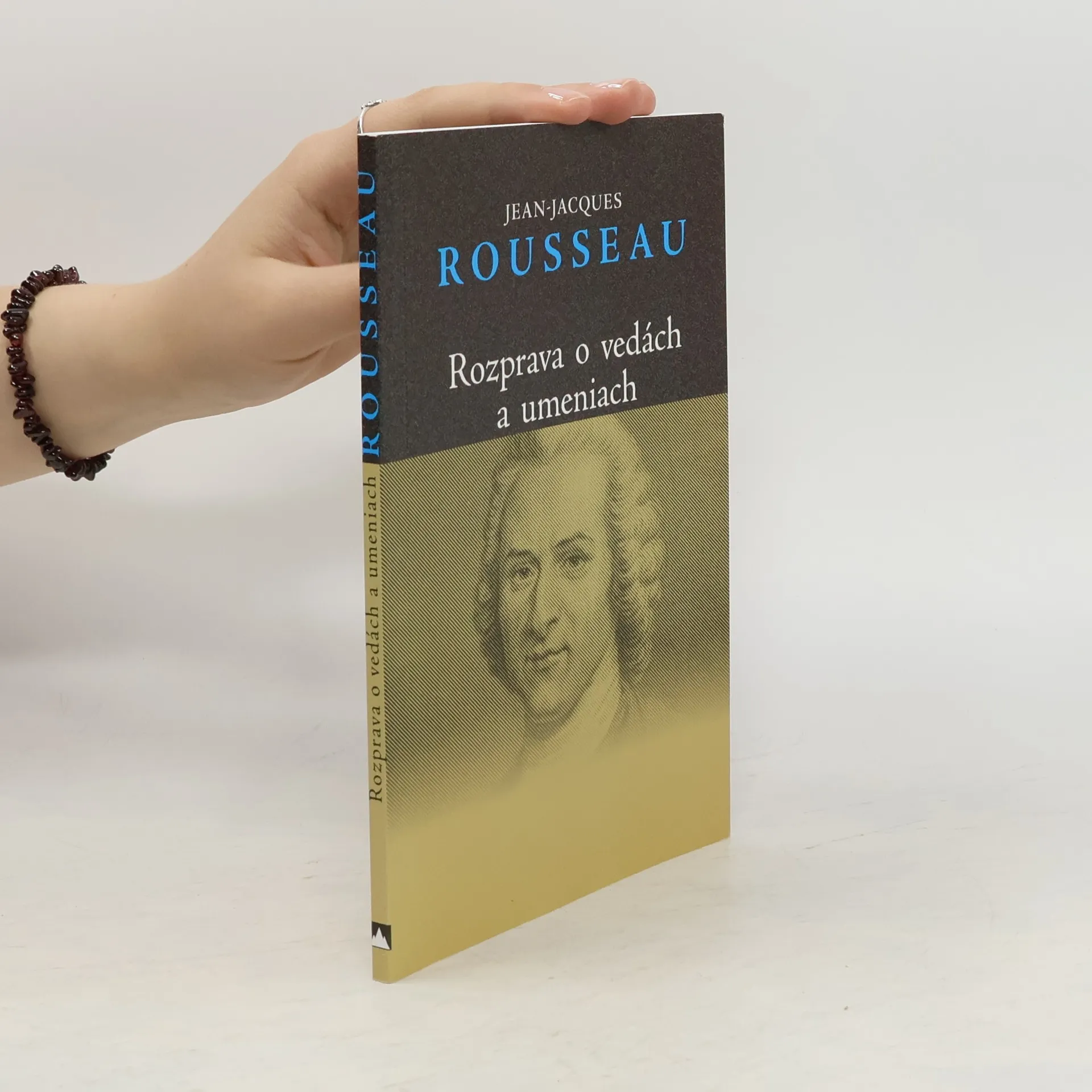
Rozprava o vedách a umeniach
- 112pagine
- 4 ore di lettura
Francúzsky spisovateľ a filozof v diele Rozprava o vedách a umeniach (za ktorú mu Dijonská akadémia v roku 1750 udelila prestížnu cenu) rozpútal proti vedám a umeniam boj, ktorý predznamenal jeho definitívny rozchod s vtedajšími, už vychýrenými mysliteľmi a ich doktrínami. V úvode ešte striktne neupiera vedám a umeniam blahodarné účinky, vzápätí sa však uchyľuje k obžalobe, že súčasné mravy nahradilo pokrytectvo, falošná zdvorilosť, "ozajstná skazenosť", s nezvyčajnou odvahou hádže rukavicu aj spisovateľom a podčiarkuje neresti civilizovanej spoločnosti, ktoré vládnu v literárnych salónoch. V prvej časti spracúva témy z filozofického a historického hľadiska, uvádza konkrétne príklady a dochádza k záveru, že sa treba vzdať úsilia "vymaniť sa zo šťastnej nevedomosti, ktorú nám vyhradila večná múdrosť". V druhej časti analyzuje proces skazenosti mravov v dôsledku vzdelanostnej úrovne, pokúša sa odhaliť jeho pôvod a načrtnúť celý vývoj, upozorňuje na pochybný predmet poznania a na nebezpečenstvo jeho štúdia, odsudzuje záhaľku a prepych ako najväčšie zlo ženúce vedcov a umelcov do záhuby
Les confessions: Livres I - IV
- 224pagine
- 8 ore di lettura
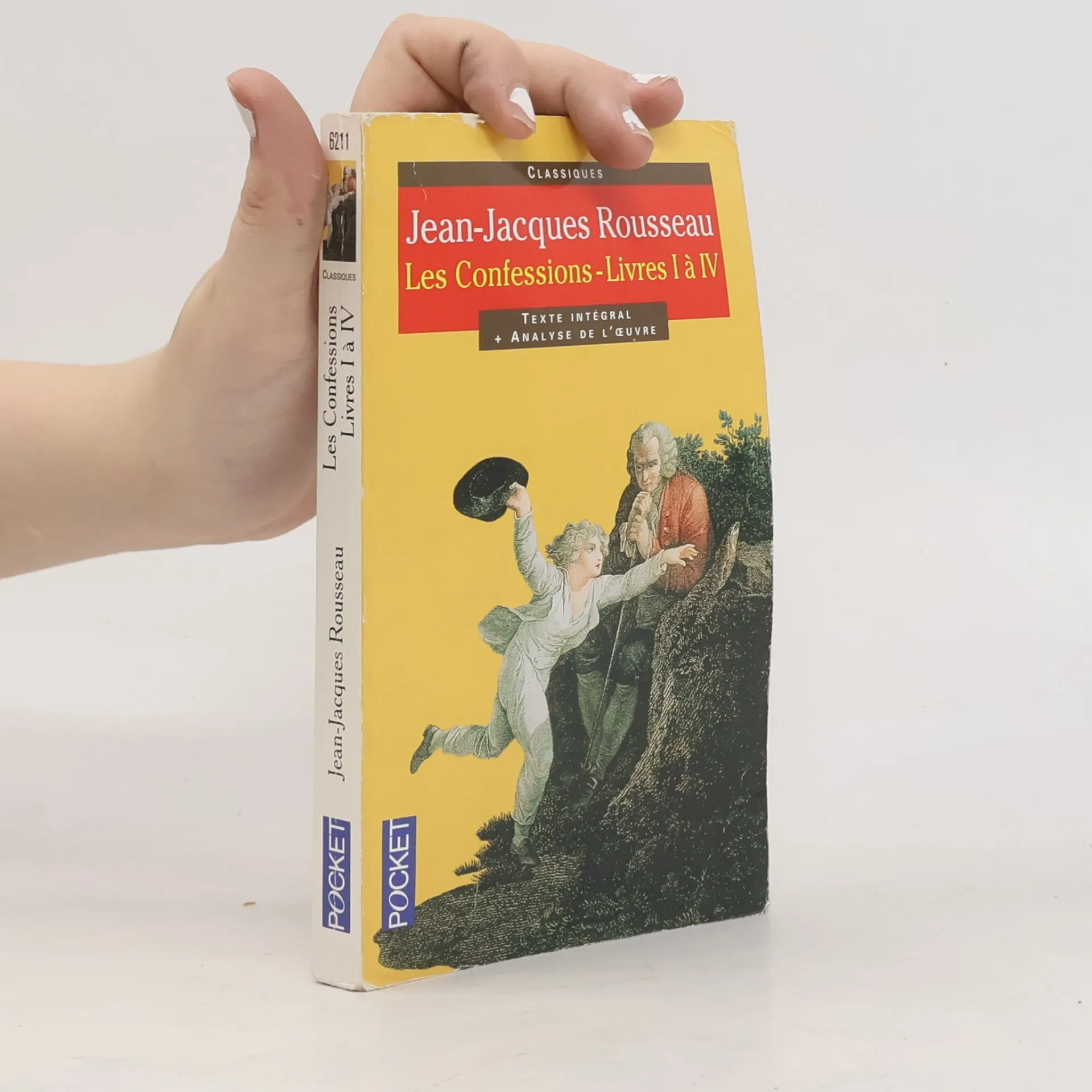
A cinquante ans, pendant la période la plus tourmentée de sa vie, Rousseau entreprend ce livre " sans exemple ", et qui, croyait-il, " n'aurait jamais d'imitateur ". Montrer à ses semblables un homme dans toute sa vérité. Et cet homme, ce serait lui. Grâce à ses Confessions, à leur charme et à leur vitalités inouïs, Rousseau devient Jean-Jacques pour son lecteur. Ses années d'apprentissage sont celles d'un quasi-orphelin malmené, d'un vagabond malheureux, pas toujours honnête, du protégé de Madame de Warens, une aventurière un peu espionne et dévergondée qui lui offre quelques années délicieuses. Le récit de cette initiation intellectuelle et morale donne le vertige. Personne, avant Jean-Jacques, ne s'est confié avec autant de franchise, d'impudeur, de délectation raffinée. Au point de susciter encore, à plus de deux siècles de distance, admiration effarée et intérêt passionné.
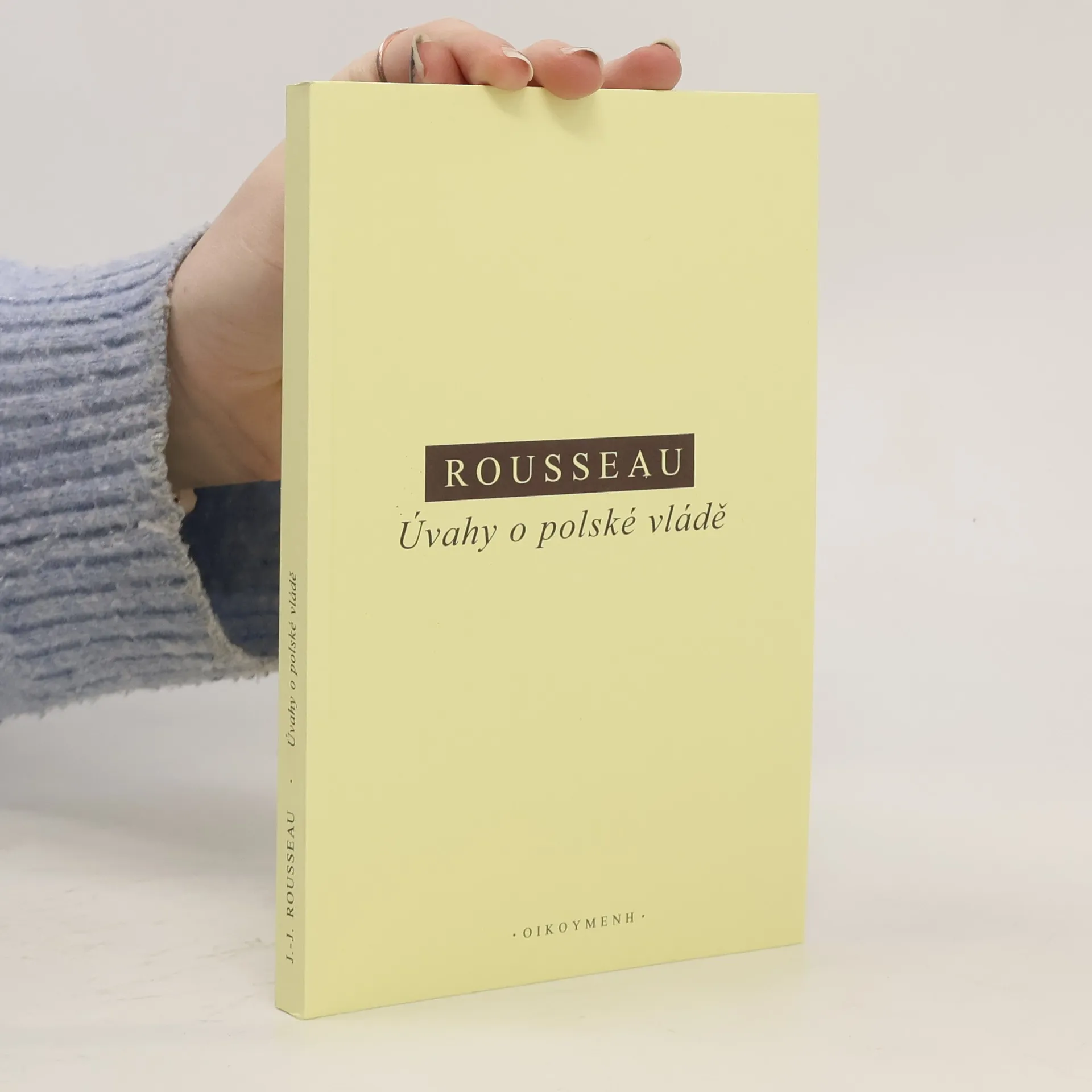
Úvahy o polské vládě
- 152pagine
- 6 ore di lettura
Úvahy o polské vládě (1771) jsou posledním Rousseauovým politickým dílem, vznikly v době, kdy se Rousseau po mnohých peripetiích vrátil v červnu 1770 do Paříže a věnoval se psaní biografických děl, která podle autorova přání vyšla až po jeho smrti. Impulsem pro vznik Úvah byla žádost vzbouřených polských konfederátů o sepsání reformy polské ústavy. Rousseau této žádosti vyhověl pod podmínkou, že jeho spis nebude zveřejněn, ilegální kopie díla však v Paříži kolovaly již rok po jeho dokončení. Rousseau v tomto spisu řeší možnost přežití polského národa ve chvíli ohrožení státní existence Polska. Předjímá tak národnostní hnutí 19. století a opět se ukazuje jako bytostně originální myslitel. Úvahy o polské vládě svými četnými odkazy na Společenskou smlouvu potvrzují jednotu autorova politického myšlení i to, že Rousseau ani v pozdní fázi svého života neztratil nic ze síly své výřečnosti a svého přesvědčení. Překlad je doplněn vysvětlivkami překladatelky, rejstříkem, seznamem literatury a doslovem zasazujícím tento spis do dobových reálií.
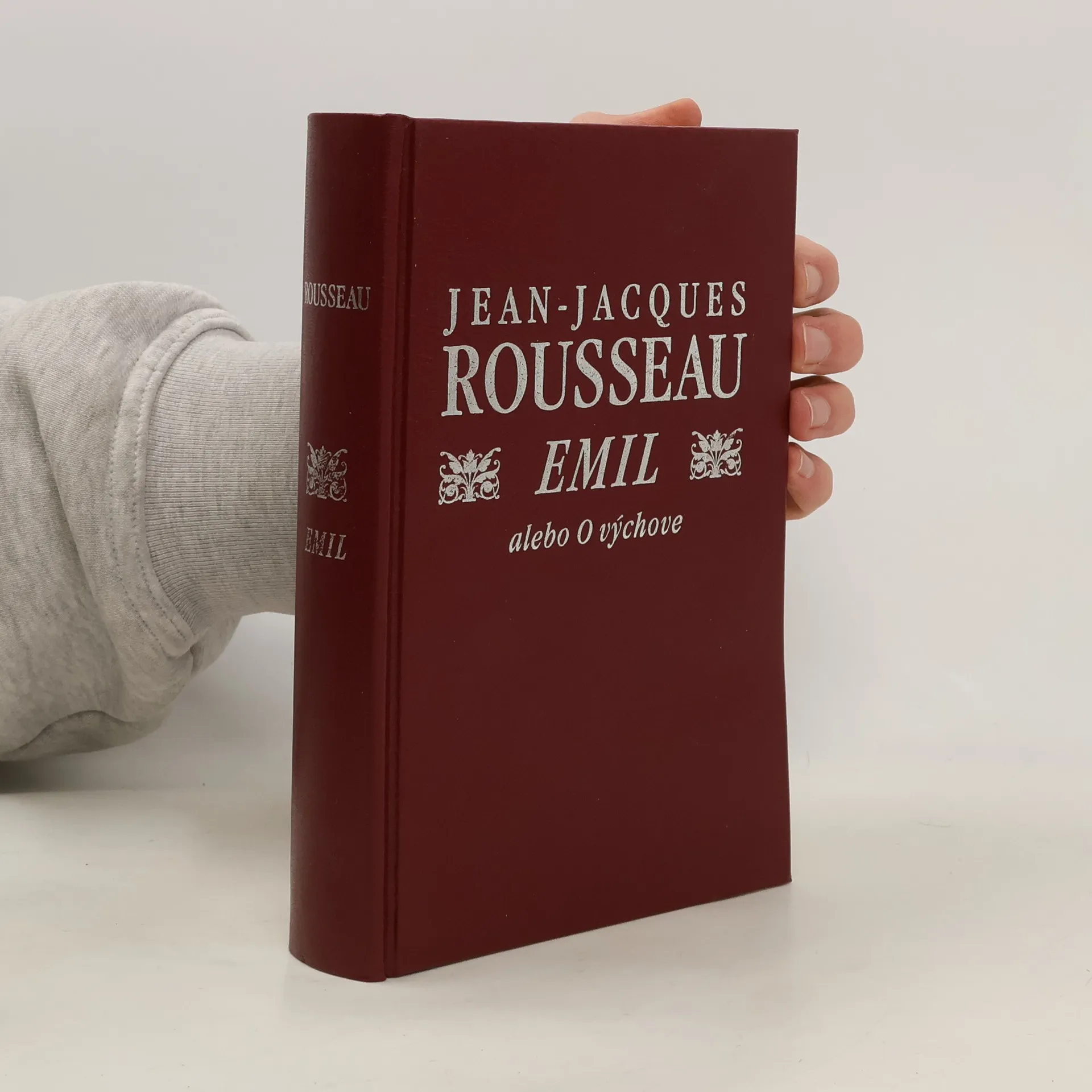
Emil alebo o výchove
- 488pagine
- 18 ore di lettura
Francúzsky osvietenský filozof, hlásateľ slobody a rovnosti, no predovšetkým myšlienky návratu k prírode. Svojím najznámejším románom Emil alebo O výchove sa stal tvorcom modernej európskej pedagogiky. Rozvíja v ňom myšlienku prirodzenej výchovy, ktorou položil základ nového chápania dieťaťa a jeho výchovy založenej na slobode, rešpekte a úcte k nemu. Utopický výchovný román však obsahuje aj ďalšie myšlienky o človeku, kultúre a spoločnosti a predstavuje vyústenie autorových filozofických názorov na svet a cesty humanizácie človeka. Svojím filozoficko-pedagogickým dielom Rousseau ovplyvnil celú osvietenskú pedagogiku. Mnohé jeho myšlienky sú živé a aktuálne aj v súčasnosti.
Dopis d'Alembertovi neboli Dopis o divadle vznikl jako reakce na D'Alembertovo heslo Ženeva, jež vyšlo 10. října 1757 v 7.dílu francouzské encyklopedie. D'Alembert se v něm zmiňuje o absenci stálého divadla, které v Ženevě tamní konzistoř zrušila. Pro Rousseaua je tato zmínka ovšem podnětem ke kritice: jak divadla, které vyvolává v publiku nemístné vášně, tak tehdejší společnosti, a zejména samotných encyklopedistů, kteří s divadlem počítali jako s nástrojem výchovy. Spis vydaný poprvé v roce 1758 vzbudil velký ohlas a přispěl k definitivnímu rozchodu Rousseaua s osvícenci, jejichž odpůrci pak dílo často využívali v polemické argumentaci.
« Après le dîner nous fîmes une économie. Au lieu de prendre le café qui nous restait du déjeuner, nous le gardâmes pour le goûter avec de la crème et des gâteaux qu'elles avaient apportés ; et pour tenir notre appétit en haleine, nous allâmes dans le verger achever notre dessert avec des cerises. Je montai sur l'arbre, et je leur jetais des bouquets dont elles me rendaient les noyaux à travers les branches. Une fois, Mlle Galley, avançant son tablier et reculant la tête, se présentait si bien, et je visai si juste, que je lui fis tomber un bouquet dans le sein : et de rire. Je me disais en moi-même : Que mes lèvres ne sont-elles des cerises ! Comme je les jetterais ainsi de bon cœur. »
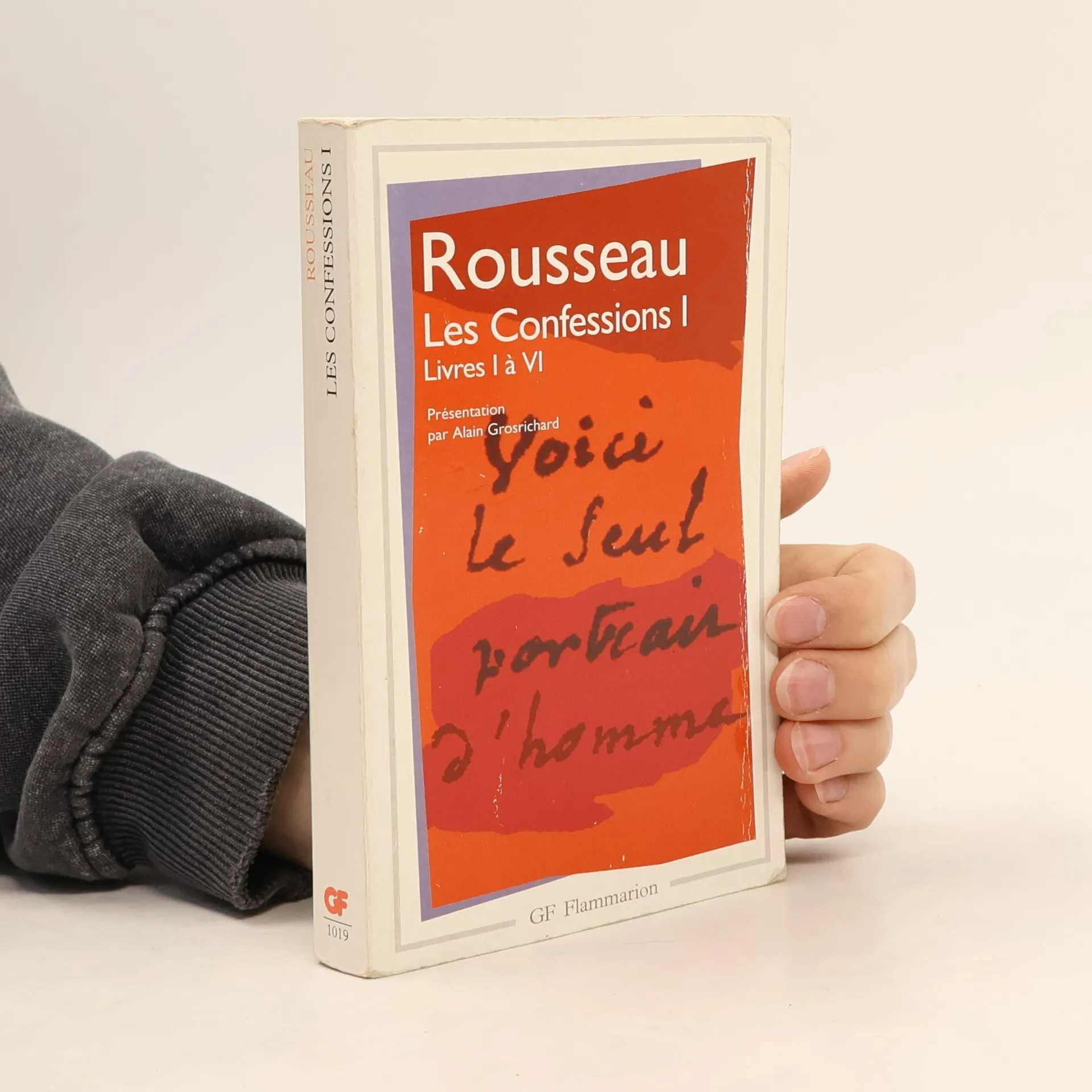
Rousseau ne voulait pas qu'un portrait de lui figure en tête de ses OEuvres. Son vrai portrait, le seul qui ne mentirait pas, c'est en lisant ses Confessions qu'on l'aurait sous les yeux : « Je veux montrer à mes semblables un homme dans toute la vérité de la nature ; et cet homme, ce sera moi. » Mais quelle identité assigner à ce moi qui déclare : « Je suis autre » ? Autre que tous les autres, et pourtant leur semblable. Perpétuellement autre que soi, et pourtant toujours même. « Bizarre et singulier assemblage » d'identifications multiples où Narcisse et Caton, Alceste et Céladon, Mentor et le petit Jésus, Socrate et la cigale, Orphée et la fourmi, le rat des villes, celui des champs, le berger extravagant, l'agneau immaculé et le bouc émissaire tiennent tour à tour le devant de la scène, sans nuire pour autant à l'unité d'action, « tant tout se tient, tout est un dans mon caractère ». Au lecteur d'en juger.
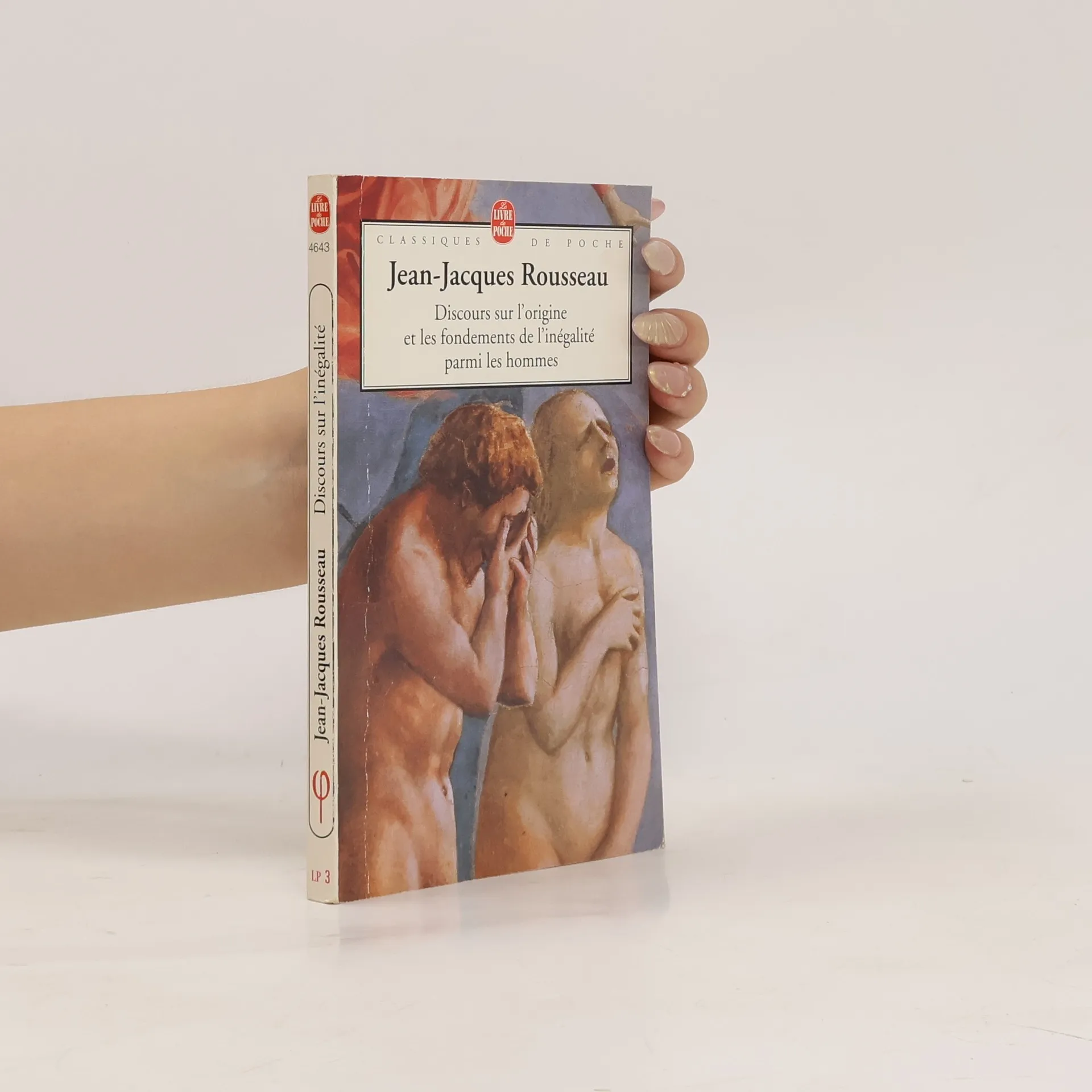
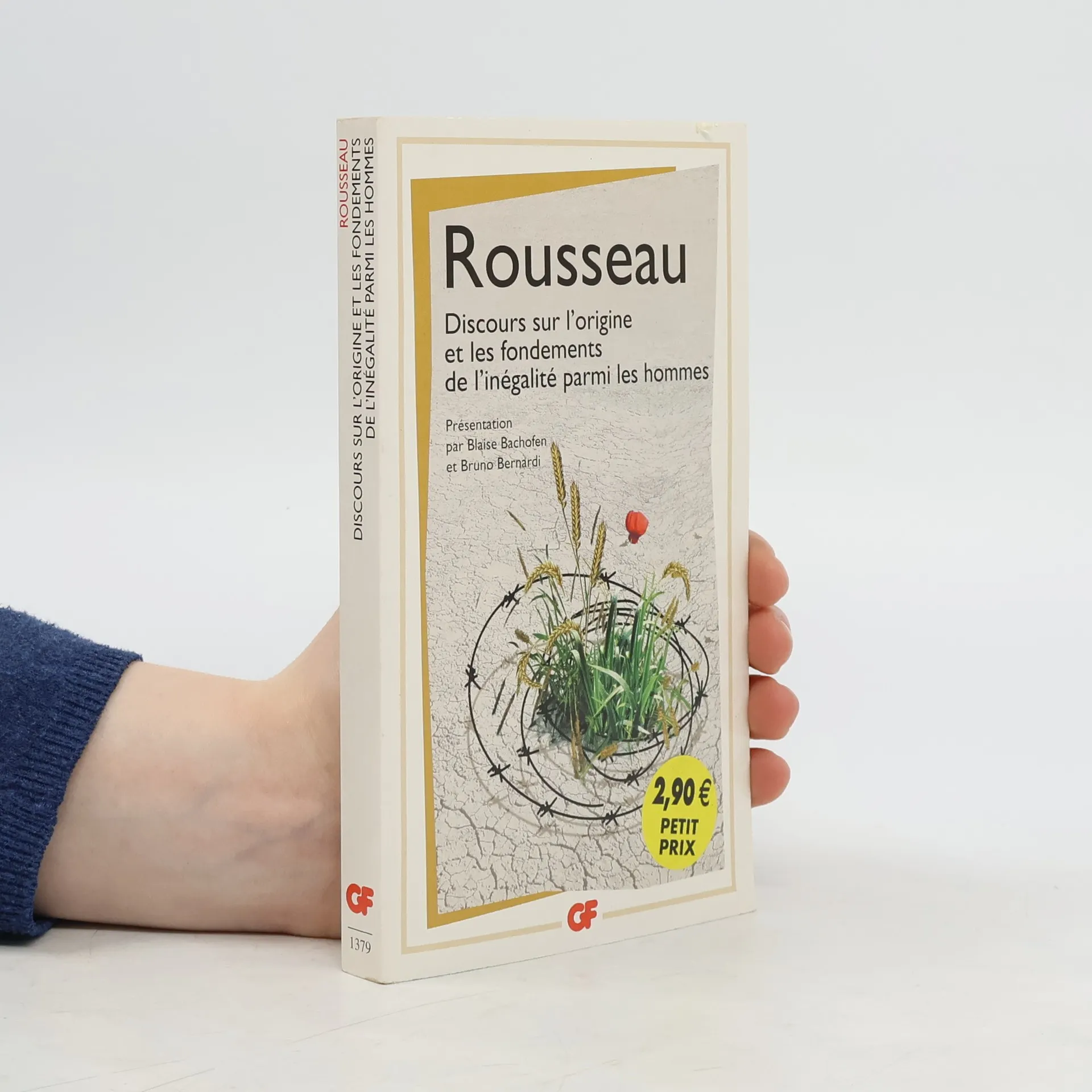
Paru en 1755, le Discorns sur l'origine et les fondements de l'inégalité parmi les hommes peut être considéré comme la matrice de l'oeuvre morale et politique de Rousseau : il y affirme sa stature de philosophe, l'originalité de sa voix, la force de son "système". Résoudre le problème posé par l'Académie de Dijon, "quelle est la source de l'inégalité parmi les hommes et si elle est autorisée par la loi naturelle ?" en d'autres termes expliquer que riches et puissants dominent leurs semblables sur lesquels ils n'ont pas de réelle supériorité, exige aux yeux de Rousseau de poser à nouveaux frais la question "qu'est-ce que l'homme ?". Pour cela, il faut comprendre comment s'est formée sa "nature actuelle", si éloignée de ce que serait son état de nature : "Si je me suis étendu si longtemps sur la supposition de cette condition primitive, c'est qu'ayant d'anciennes erreurs et des préjugés invétérés à détruire, j'ai cru devoir creuser jusqu'à la racine..."
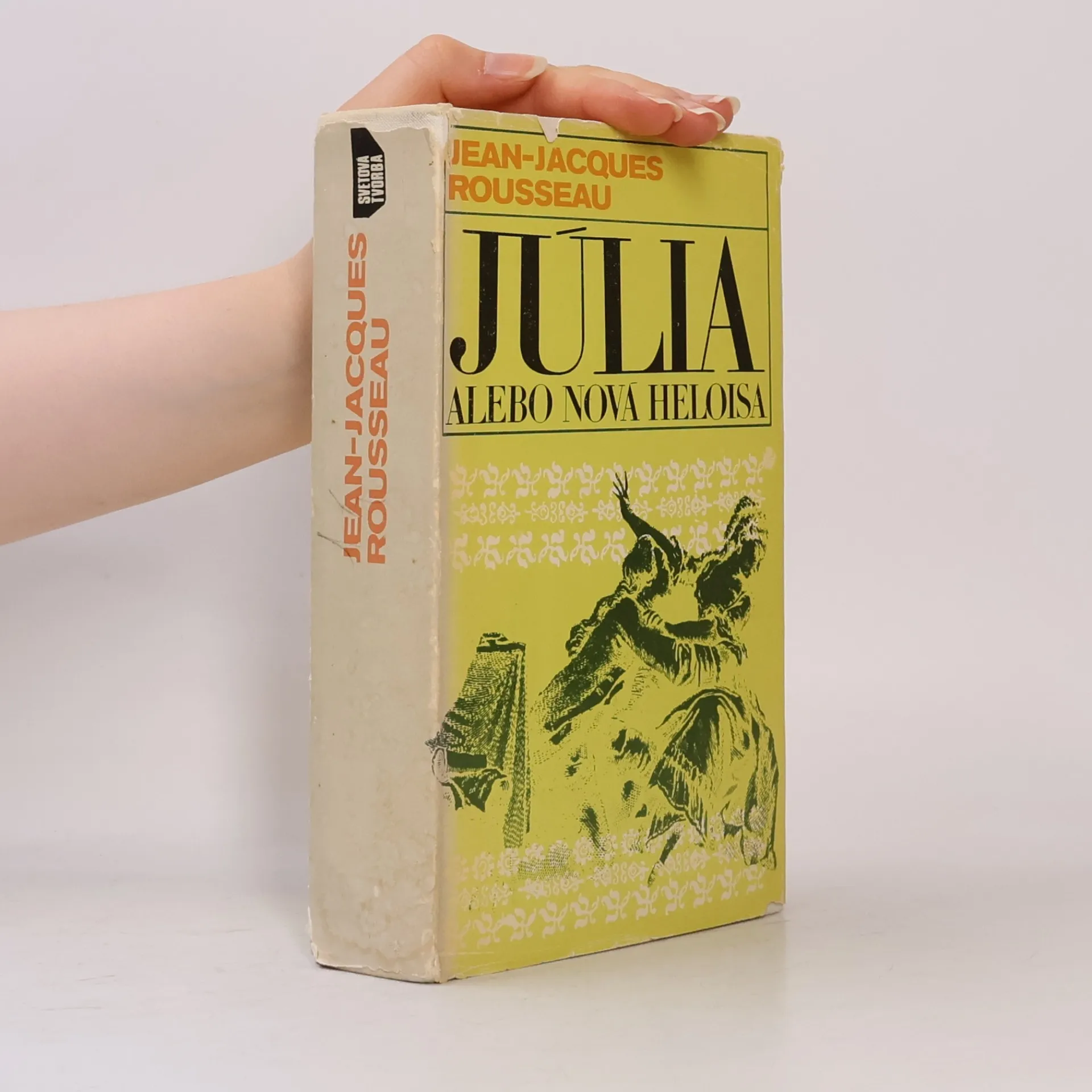
Julie ou
La Nouvelle Héloïse
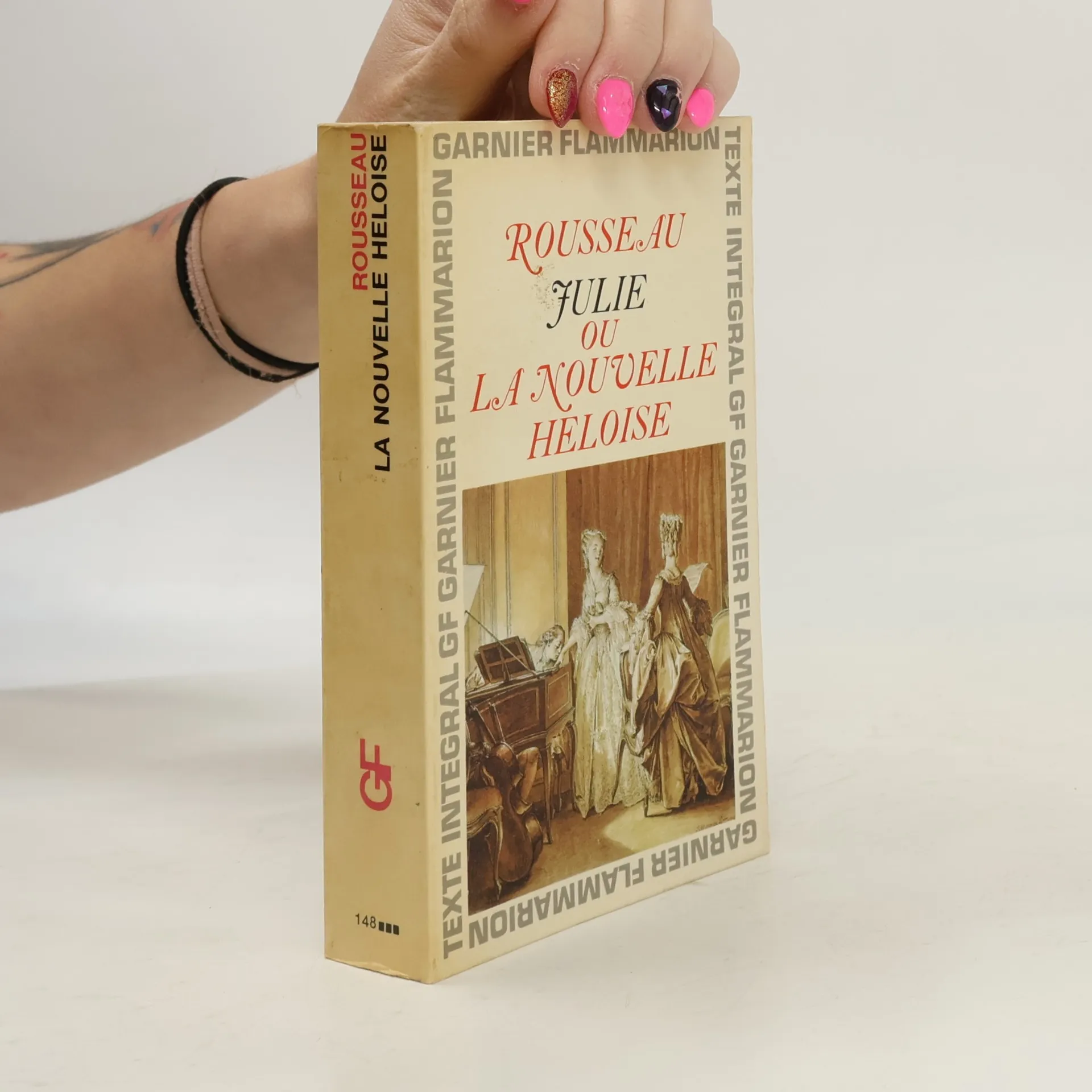
Un jeune précepteur, Saint-Preux, tombe amoureux de son élève, mais leur passion est rapidement contrariée par le père de Julie, qui impose à sa fille d'épouser M. de Wolmar. D'abord désespéré au point de songer au suicide, Saint-Preux voyage, puis revient bien plus tard à Clarens, sur les bords du Léman, auprès de M. et Mme de Wolmar et de leurs enfants dont il devient le précepteur. Comme celui de Julie, son amour passé semble dominé - mais il va resurgir. Dès sa publication en 1761, La Nouvelle Héloïse rencontre un immense succès - et c'est une œuvre inaugurale. Si bien des sujets abordés par les personnages donnent à ce roman épistolaire une tonalité philosophique, c'est également le récit d'un certain bonheur familial, d'une vie harmonieuse et tranquille dont Julie est le centre. Mais c'est surtout un grand roman d'amour où des êtres de papier vibrent comme s'ils étaient de chair, et où la passion sensuelle de Julie et de Saint-Preux s'avère dévastatrice : leur histoire est aussi celle de la fragilité des âmes fortes.
Overpeinzingen van een eenzame wandelaar
- 157pagine
- 6 ore di lettura
Autobiografisch getinte essays van de Franse pedagoog en wijsgeer (1712-1778).
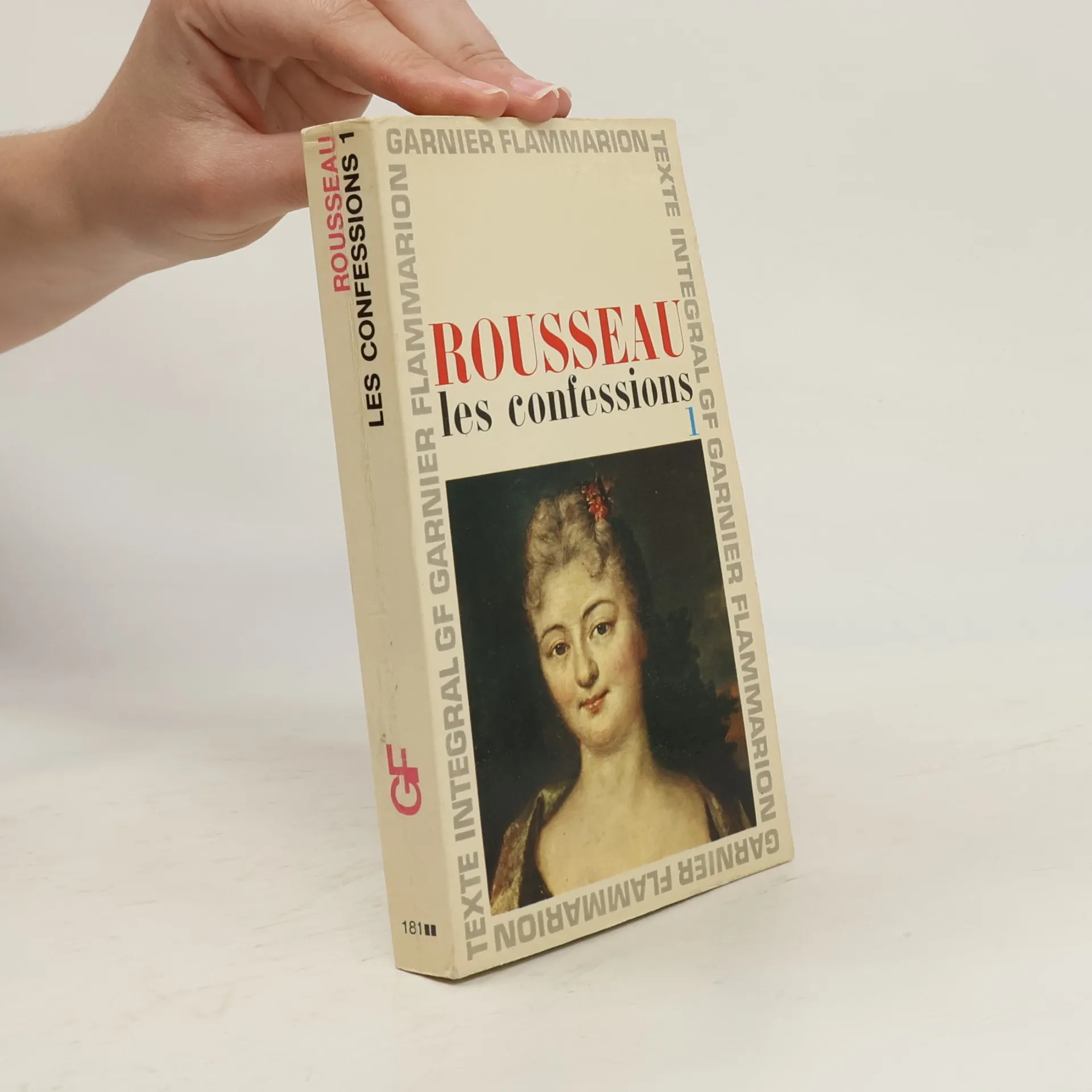
Les Confessions. Tome 1
- 410pagine
- 15 ore di lettura
" Je sentis avant de penser ", avoue Rousseau dès le premier livre. Mourant en le mettant au monde, sa mère avait laissé des romans que le père et le fils liront après le dîner. " En peu de temps, j'acquis, par cette dangereuse méthode, non seulement une extrême facilité à lire et à m'entendre, mais une intelligence unique à mon âge sur les passions. Je n'avais aucune idée des choses, que tous les sentiments m'étaient déjà connus. Je n'avais rien conçu, j'avais tout senti. " Cette sensibilité exacerbée fera le malheur du " pauvre Jean-Jacques ". Il se croira aimé, détesté, méprisé, attaqué et voudra se justifier en révélant les détails les plus intimes de sa vie familiale, amoureuse et sociale. Cette sensibilité fera aussi sa force. Par elle, il atteint la vérité de l'homme, l'homme naturel, sans masque, tel qu'il serait si la société ne le pervertissait pas. Stendhal et Chateaubriand s'inspirèrent de cette démarche étonnante : tout dire de soi-même, ses chutes comme ses espérances.
Les Confessions - Texte intégral
- 858pagine
- 31 ore di lettura
Je forme une entreprise qui n'eut jamais d'exemple et dont l'exécution n'aura point d'imitateur. Je veux montrer à mes semblables un homme dans toute la vérité de la nature ; et cet homme ce sera moi. Moi, seul. Je sens mon cœur et je connais les hommes. Je ne suis fait comme aucun de ceux qu j'ai vus ; j'ose croire n'être fiat comme aucun de ceux qui existent. Si je ne vaux pas mieux, au moins je suis autre. Si la nature a bien ou mal fait de briser le moule dans lequel elle m'a jeté, c'est ce dont on ne peut juger qu'après m'avoir lu.
Je sentis avant de penser : c'est le sort commun de l'humanité. Je l'éprouvai plus qu'un autre. J'ignore ce que je fis jusqu'à cinq ou six ans ; je ne sais comment j'appris à lire ; je ne me souviens que de mes premières lectures et de leur effet sur moi : c'est le temps d'où je date sans interruption la conscience de moi-même. Ma mère avait laissé des romans. Nous nous mîmes à les lire après souper, mon père et moi. Il n'était question d'abord que de m'exercer à la lecture par des livres amusants ; mais bientôt l'intérêt devint si vif, que nous lisions tour à tour sans relâche, et passions les nuits à cette occupation. Nous ne pouvions jamais quitter qu'à la fin du volume. Quelquefois mon père, entendant le matin des hirondelles, disait tout honteux : " Allons nous coucher ; je suis plus enfant que toi. "
Mládí
Vyznání díl I.
Julie oder die neue Heloise
Briefe zweier Liebenden
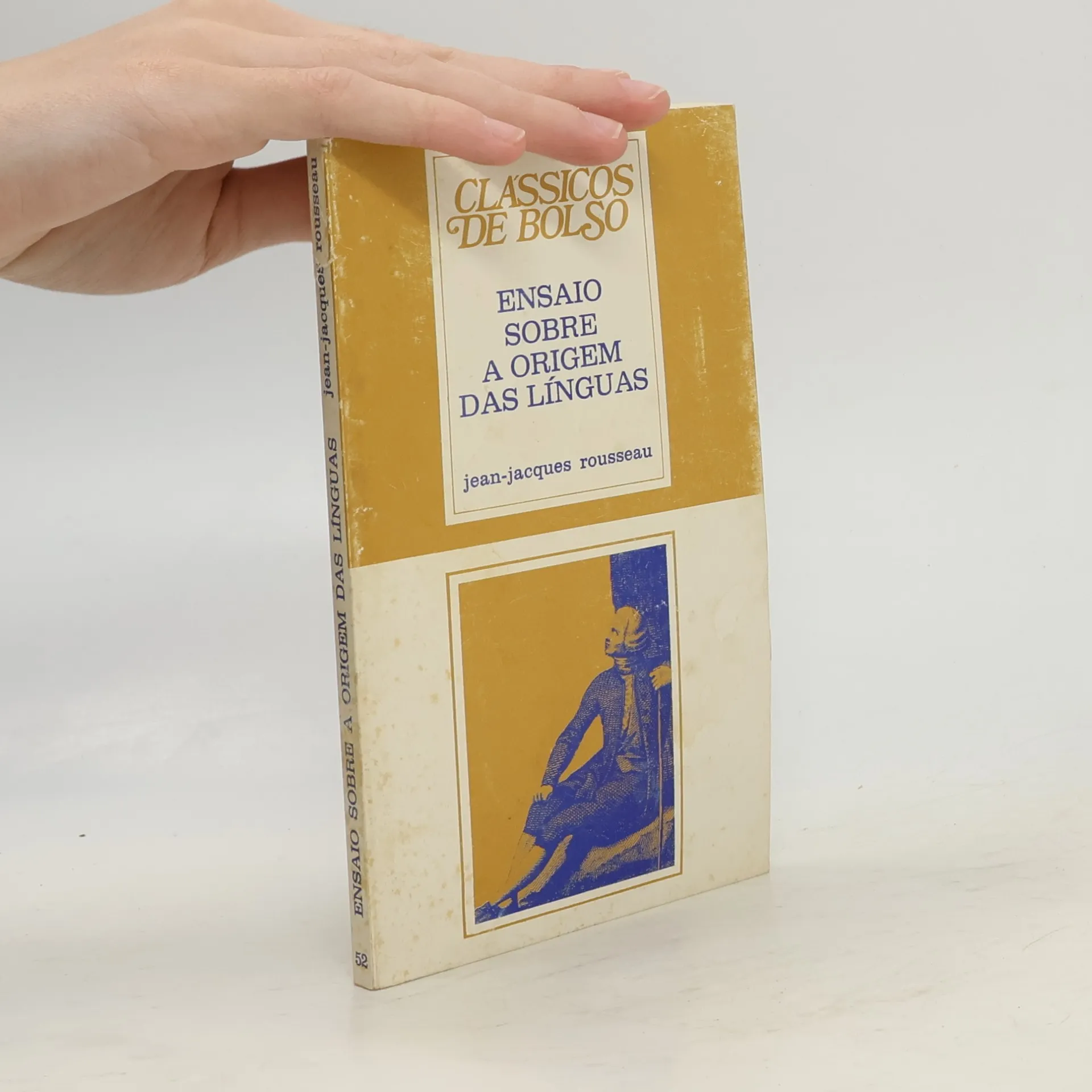
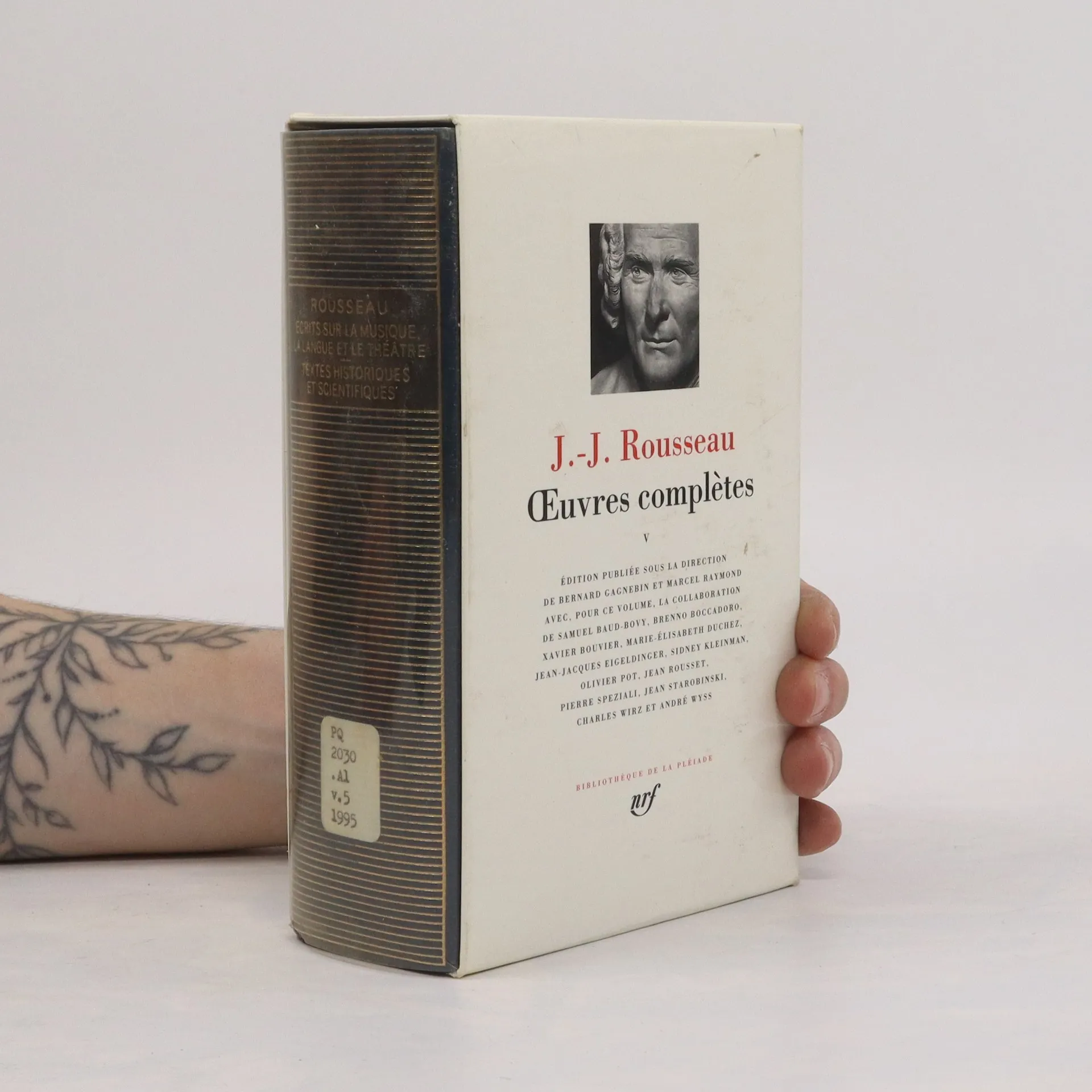
Ce volume contient : À M. d'Alembert - Projet concernant de nouveaux signes pour la musique - Dissertation sur la musique moderne - Lettre sur l'opéra italien et français - Lettre à M. Grimm, au sujet des remarques ajoutées à sa lettre sur Omphale - Lettre d'un symphoniste de l'académie royale de musique à ses camarades de l'orchestre - Lettre sur la musique française - L'Origine de la mélodie - Examen de deux principes avancés par M. Rameau - Essai sur l'origine des langues - Lettre à M. Burney et fragments d'observations sur l'Alceste de Gluck - Extrait d'une réponse du petit faiseur sur l'Orphée de Gluck - Sur les richesses, sur le goût - Textes historiques - Textes scientifiques - Dictionnaire de musique . Appendices : De l'imitation théâtrale - Traduction de l'Apokolokintosis de Sénèque - Traduction du premier livre de l'Histoire de Tacite - Essai de traduction du Chant I du Tasse - Olinde et Sophronie tiré du Tasse - Traduction de divers fragments de Platon.