Charles Gounod Libri
L'opera di questo compositore è profondamente intrisa di una passione per la musica sacra del XVI secolo, una base che informa le sue opere liriche drammatiche, in particolare la sua celebrata adattamento dell'epopea di Goethe. La sua musica è caratterizzata da melodie fluide e da una notevole abilità scenica, che gli hanno procurato un'eterna popolarità. Oltre all'opera, la sua produzione comprende profondi oratori e canzoni evocative, che ottennero un significativo riconoscimento durante la sua vita.
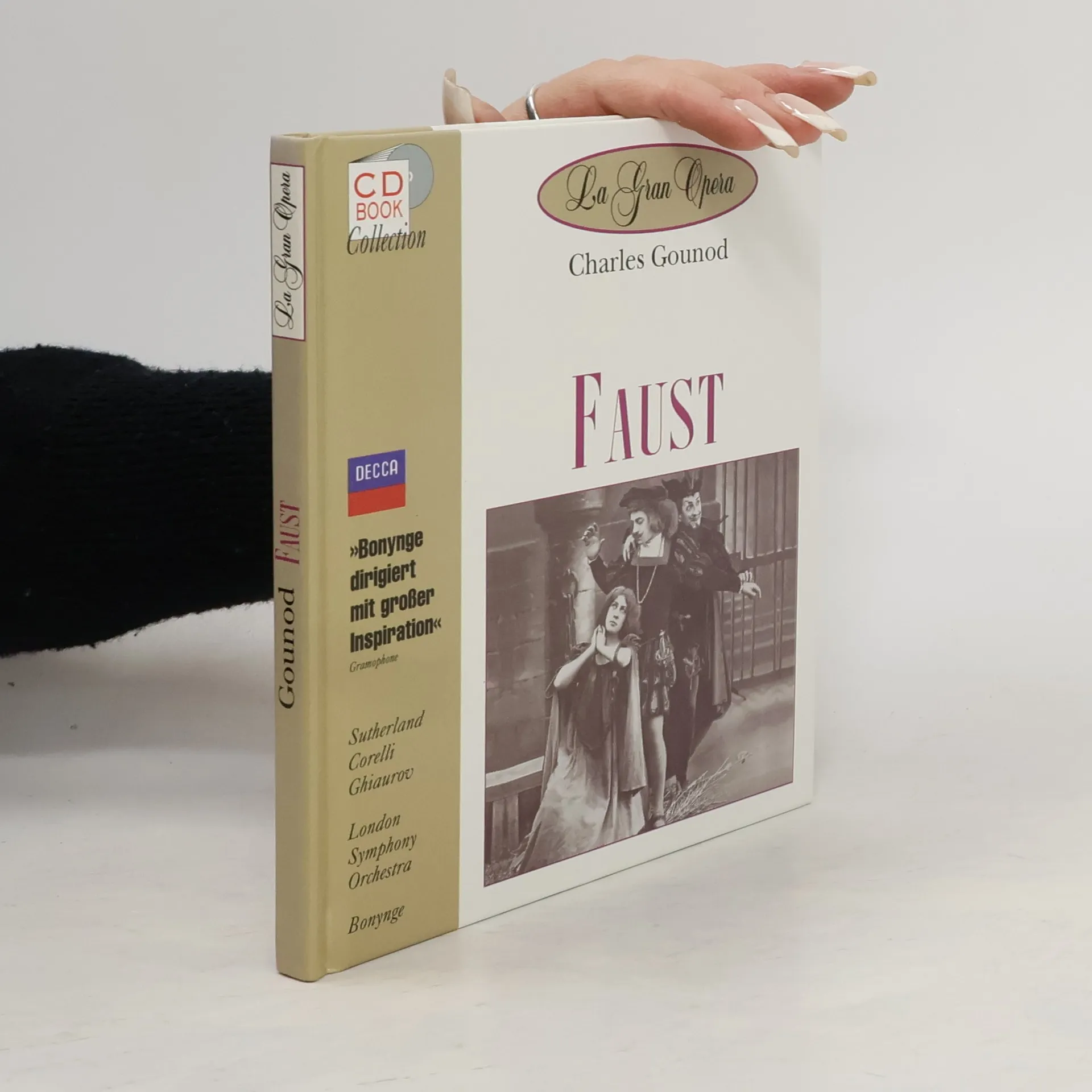

Petite Symphonie: Conductor Score
- 999pagine
- 35 ore di lettura
Instrumentation: 1.2.2.2: 2.0.0.0 This charming work in four movements was requested by Charles Gounod by a Parisian wind ensemble called Societe de Musique Pout Instruments a Vent led by famed flautist Paul Taffanel. Written for flute, two oboes, two clarinets, two horns, and two bassoo
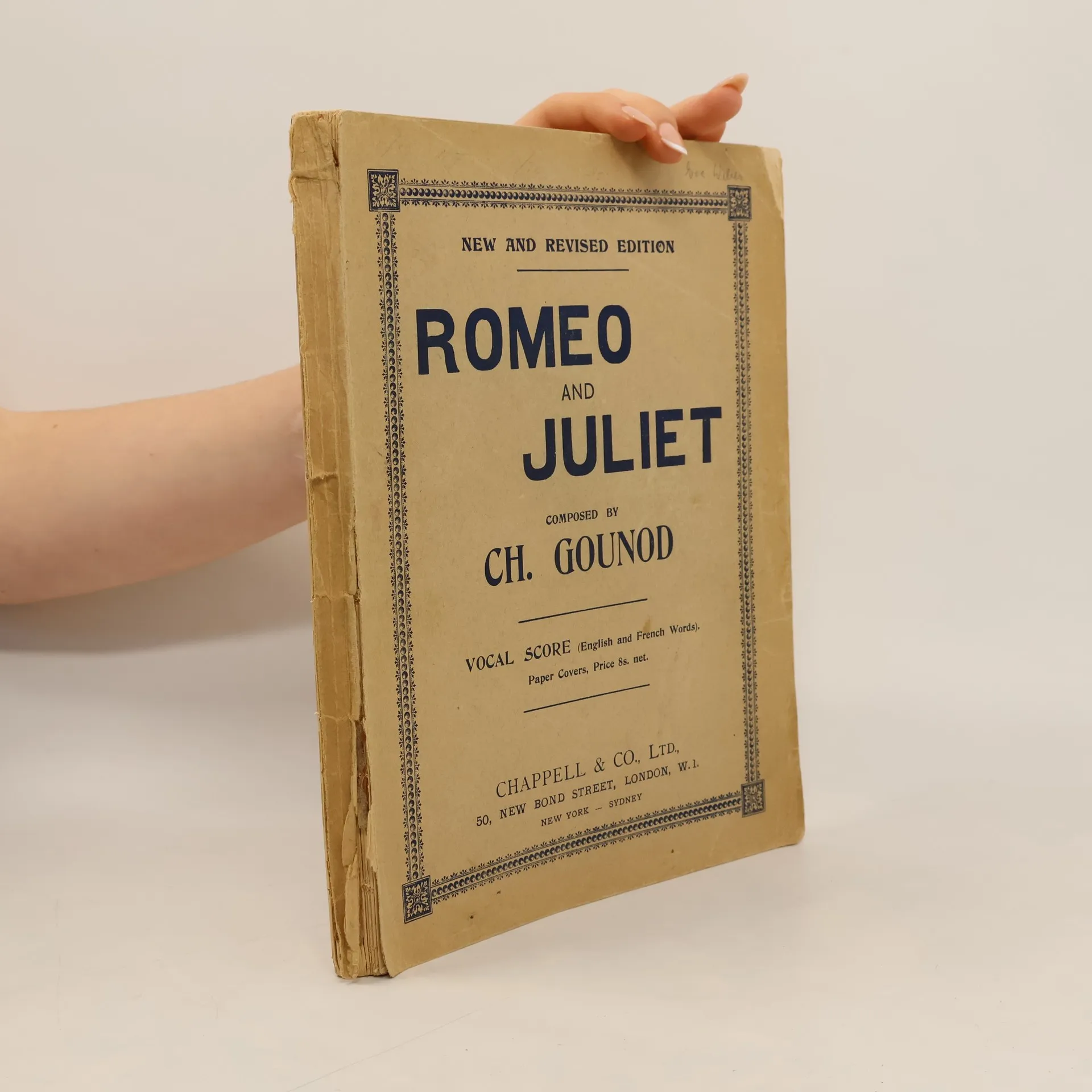
Romeo and Juliet
New and Revised Edition
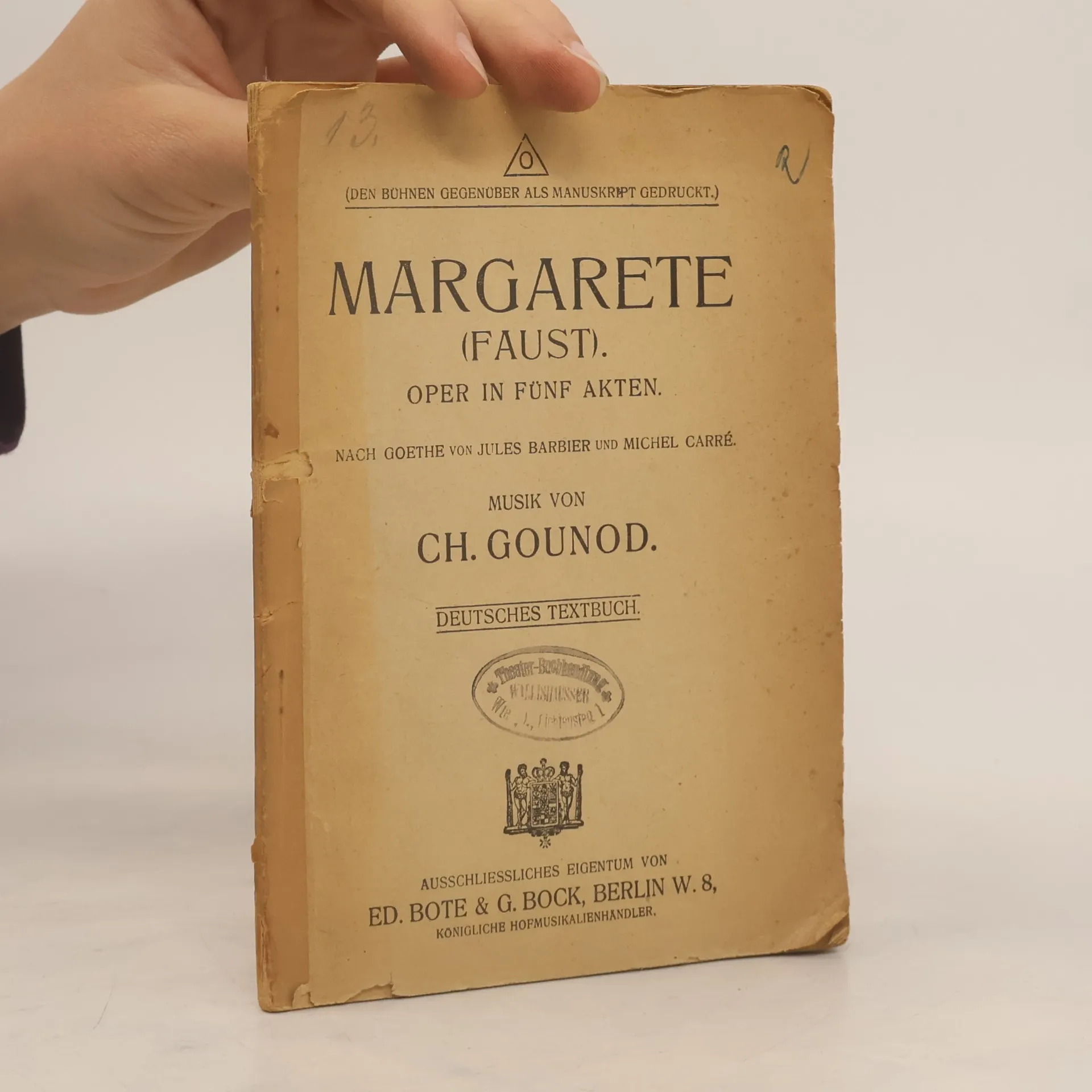
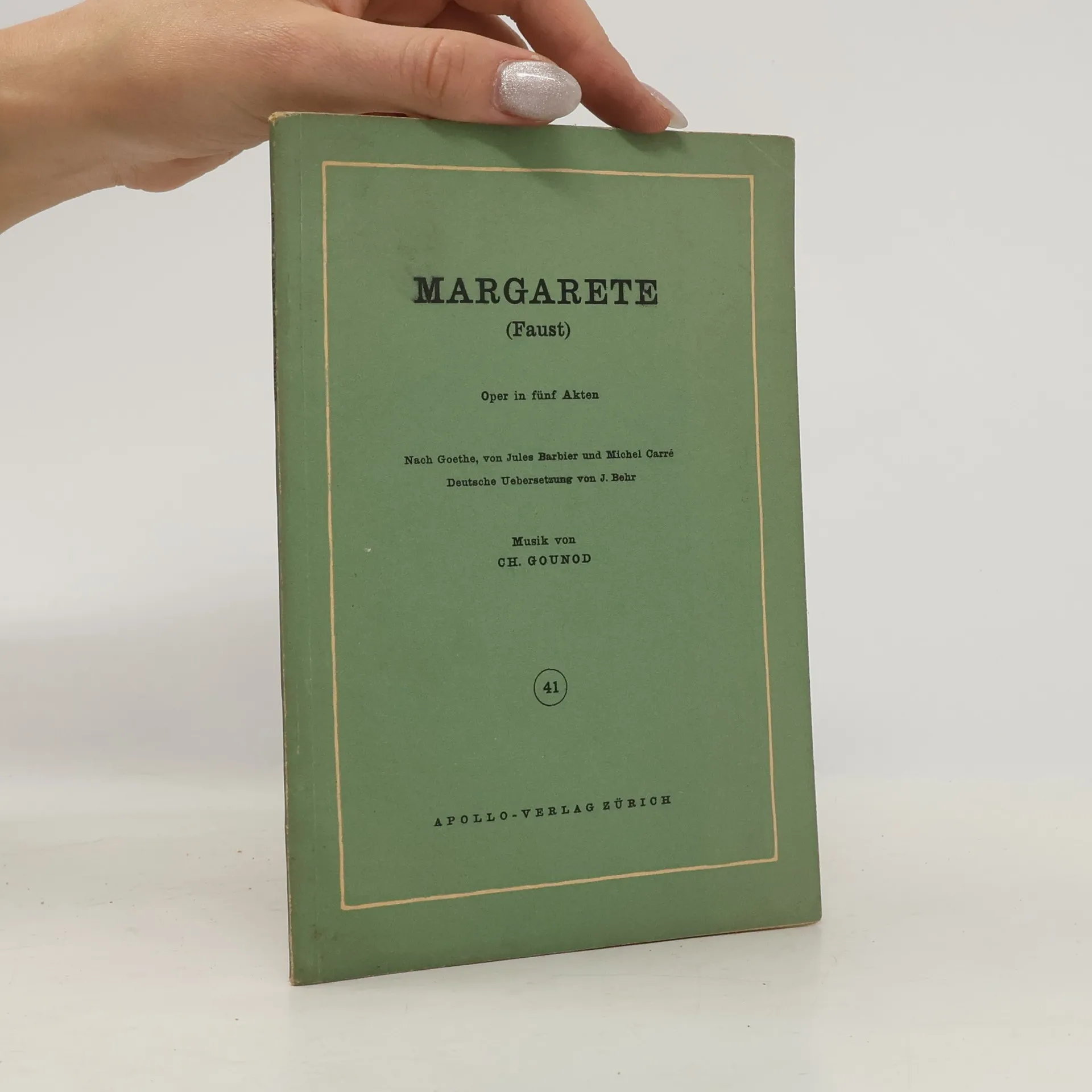
Margarete, Faust
Oper in fünf Akten
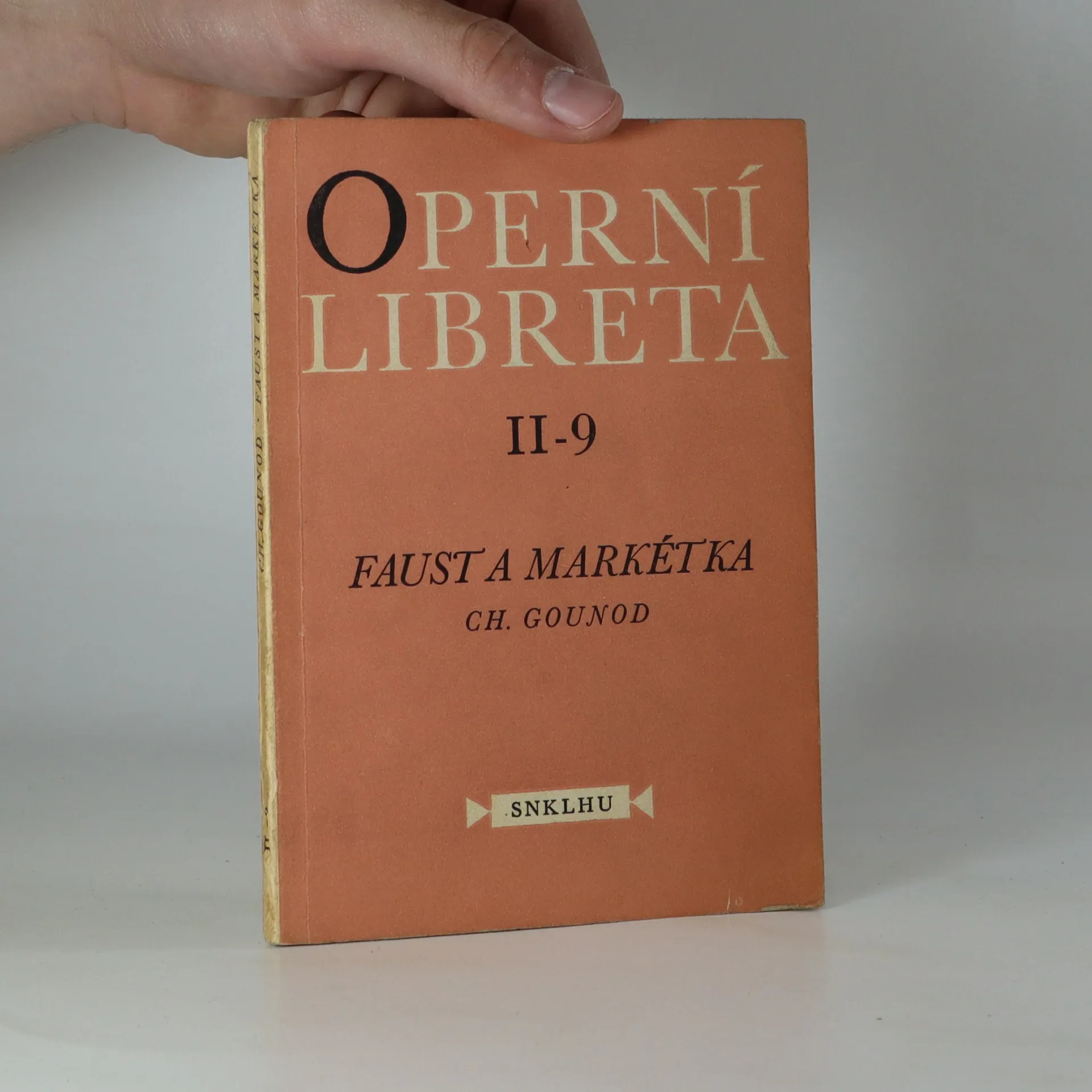
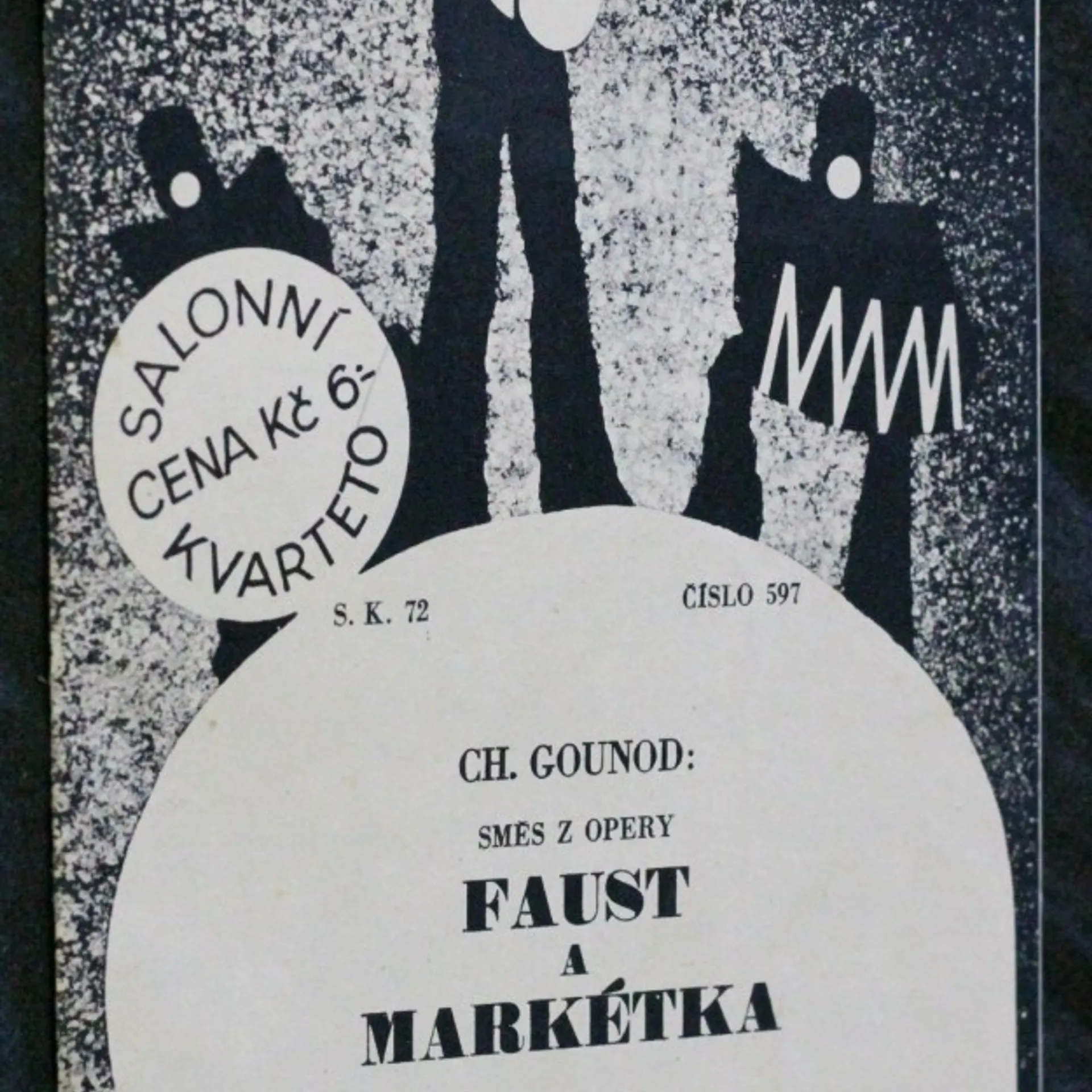
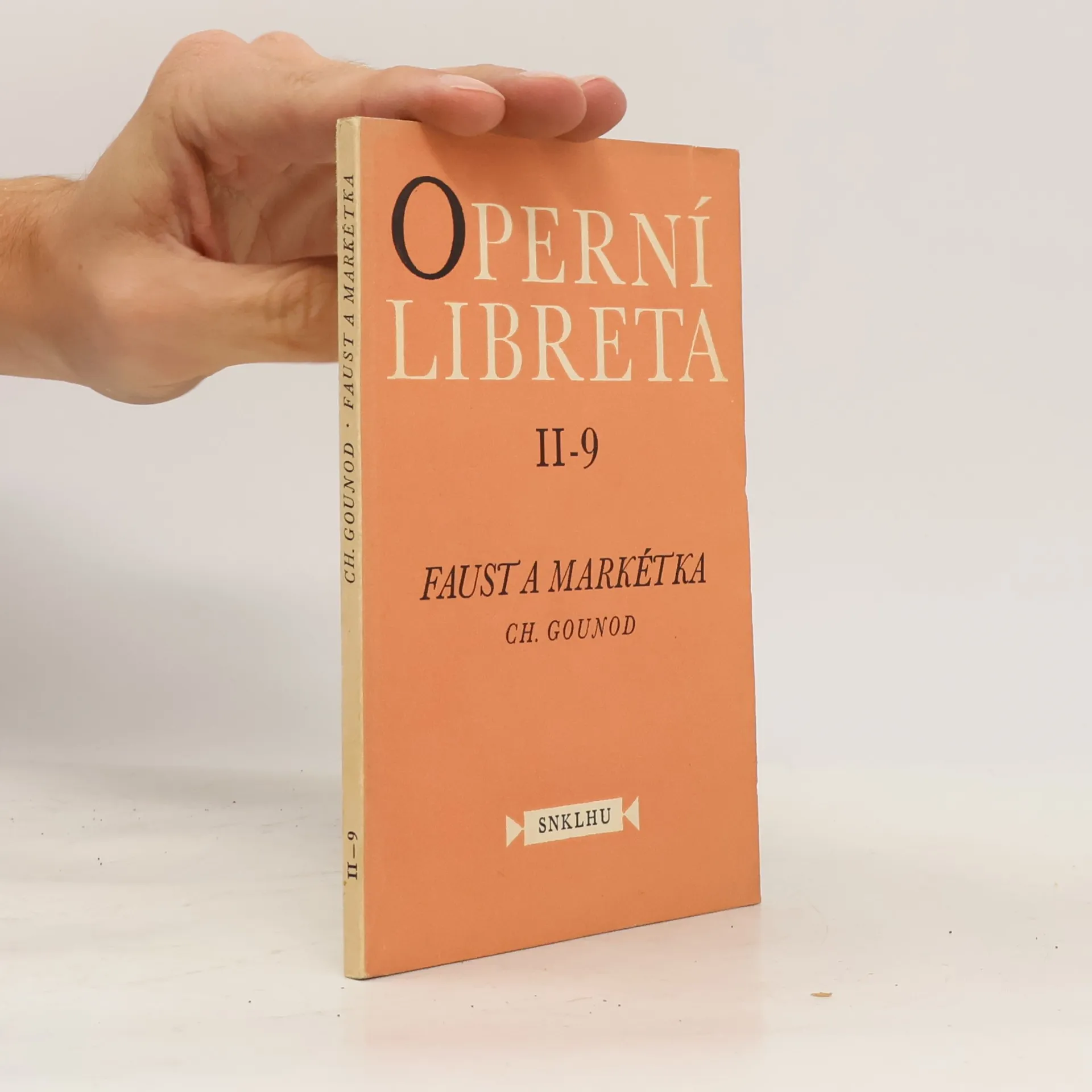
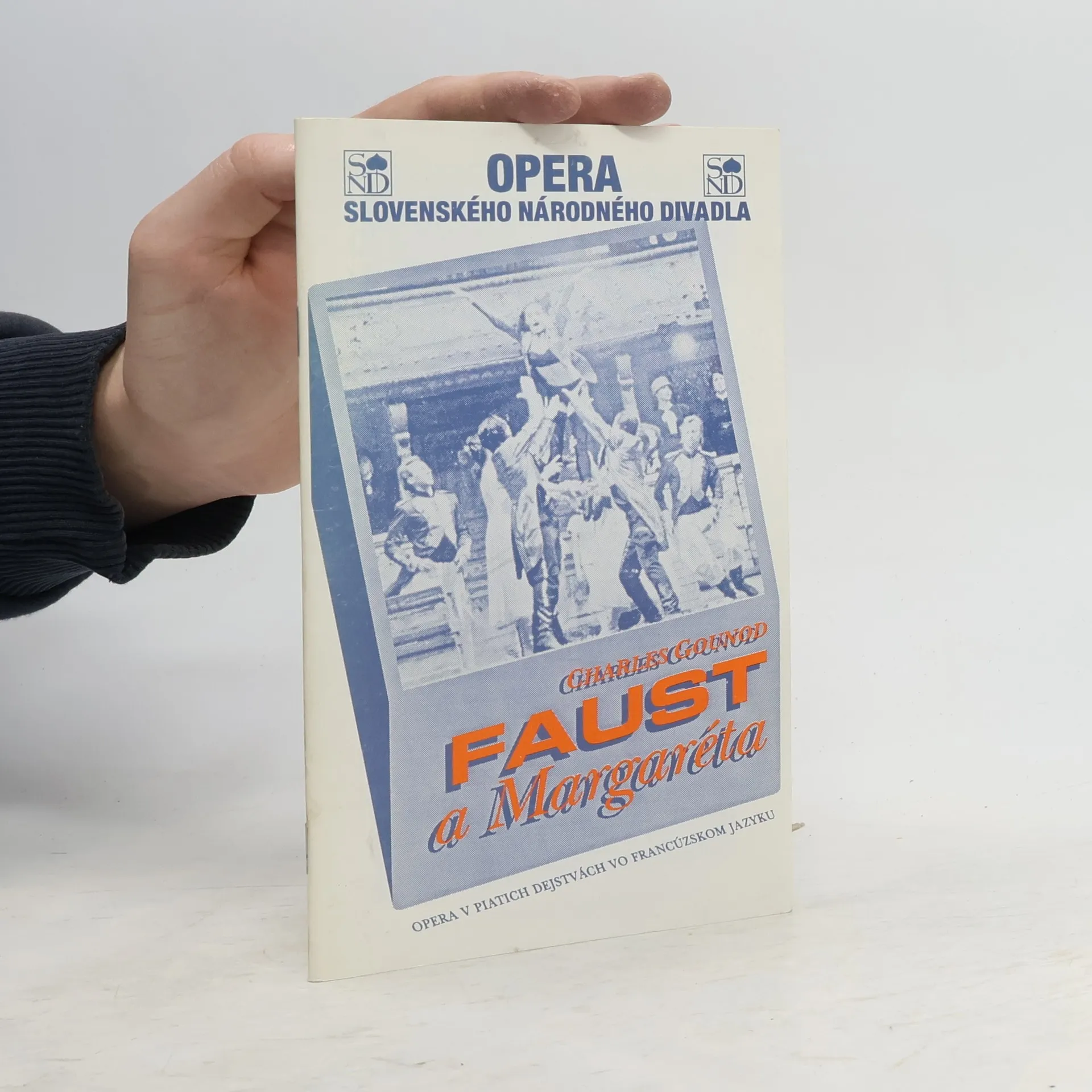
Libreto k opeře "Faust a Markétka" od francouzského skladatele Charlese Gounoda (1818-1893). Úvodní stať napsal Jarmil Burghauser.
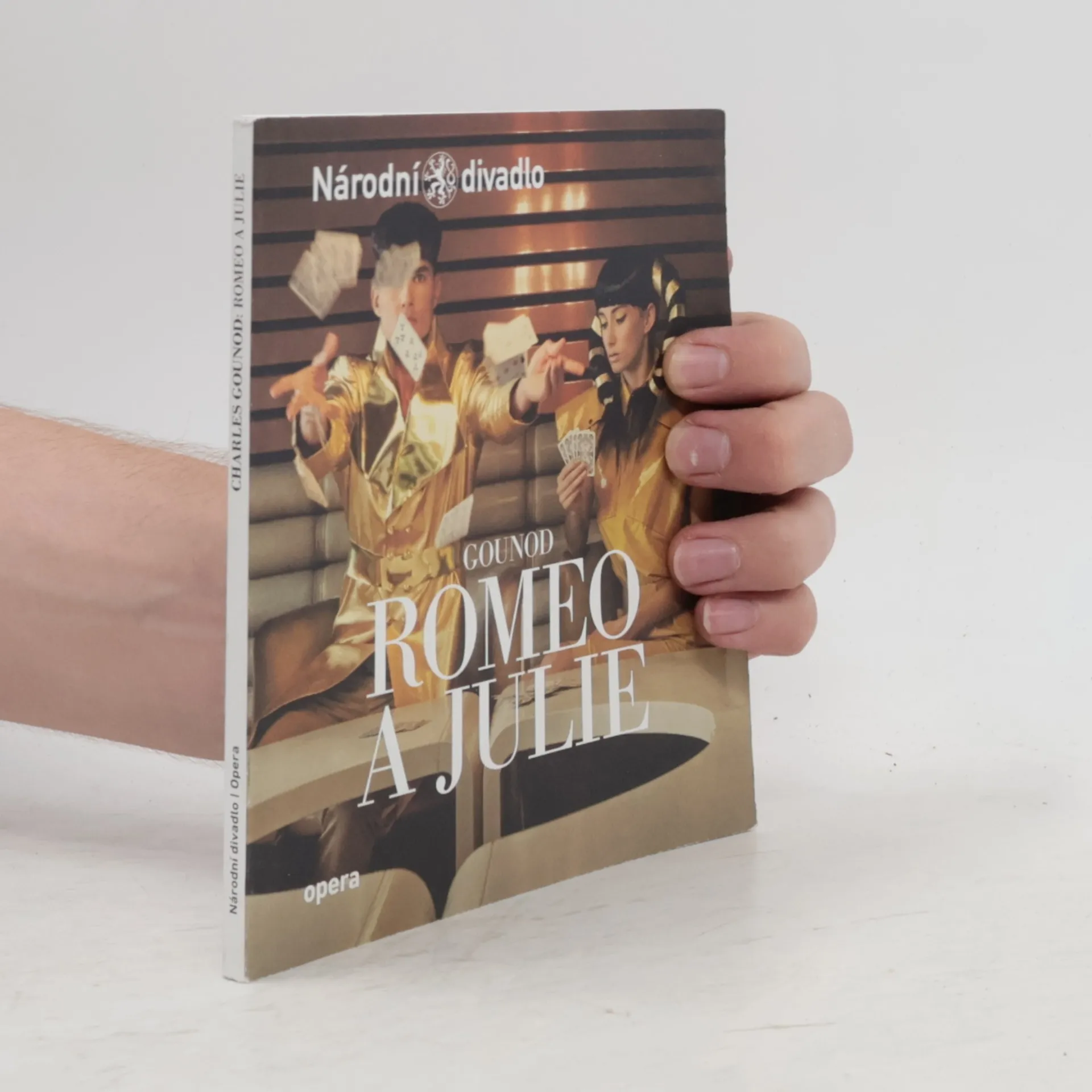
Romeo a Julie
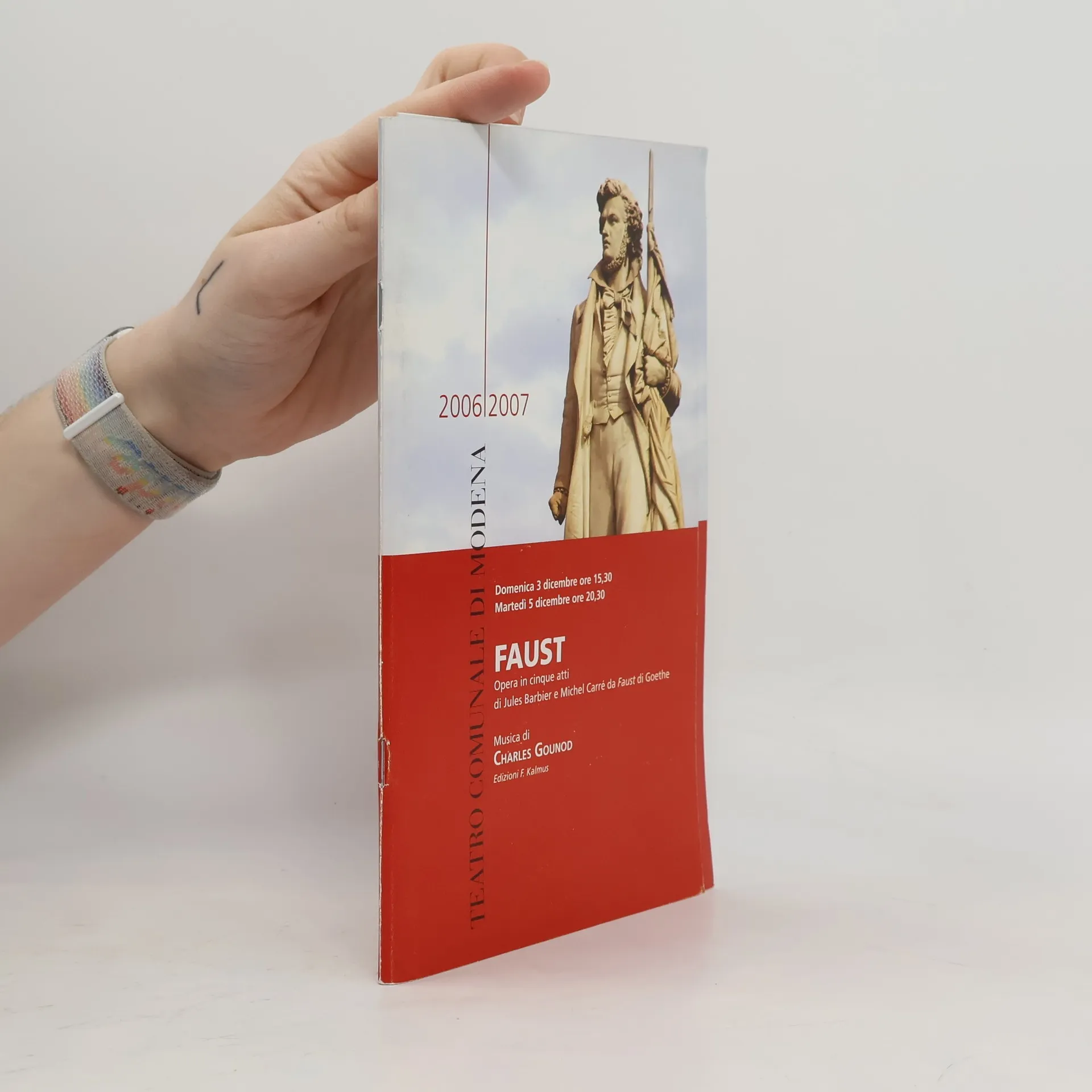
Opera