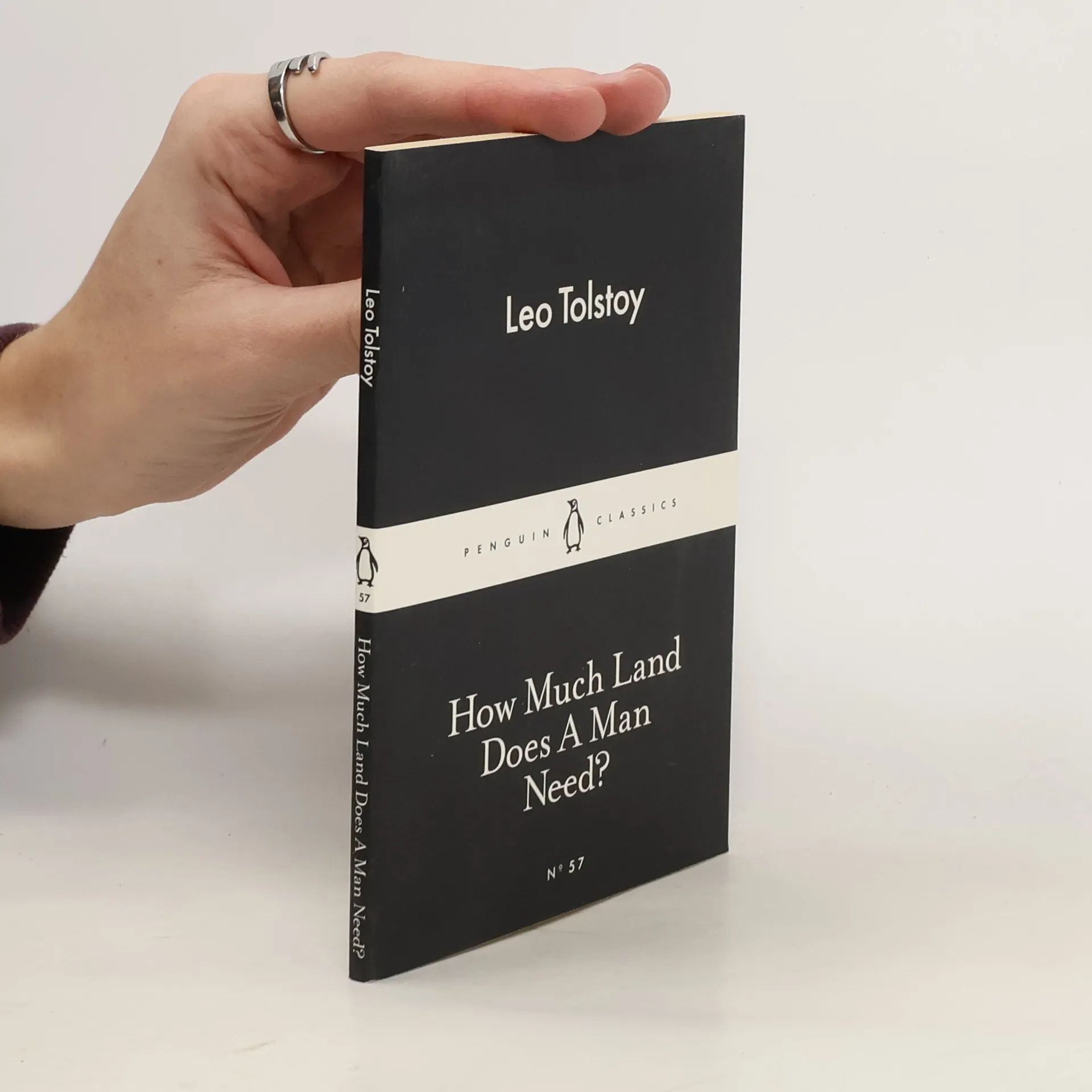
How Much Land Does A Man Need?
- 64pagine
- 3 ore di lettura
A parable of a Russian peasant's bargain with the devil - considered by James Joyce to be the world's greatest story.


A parable of a Russian peasant's bargain with the devil - considered by James Joyce to be the world's greatest story.
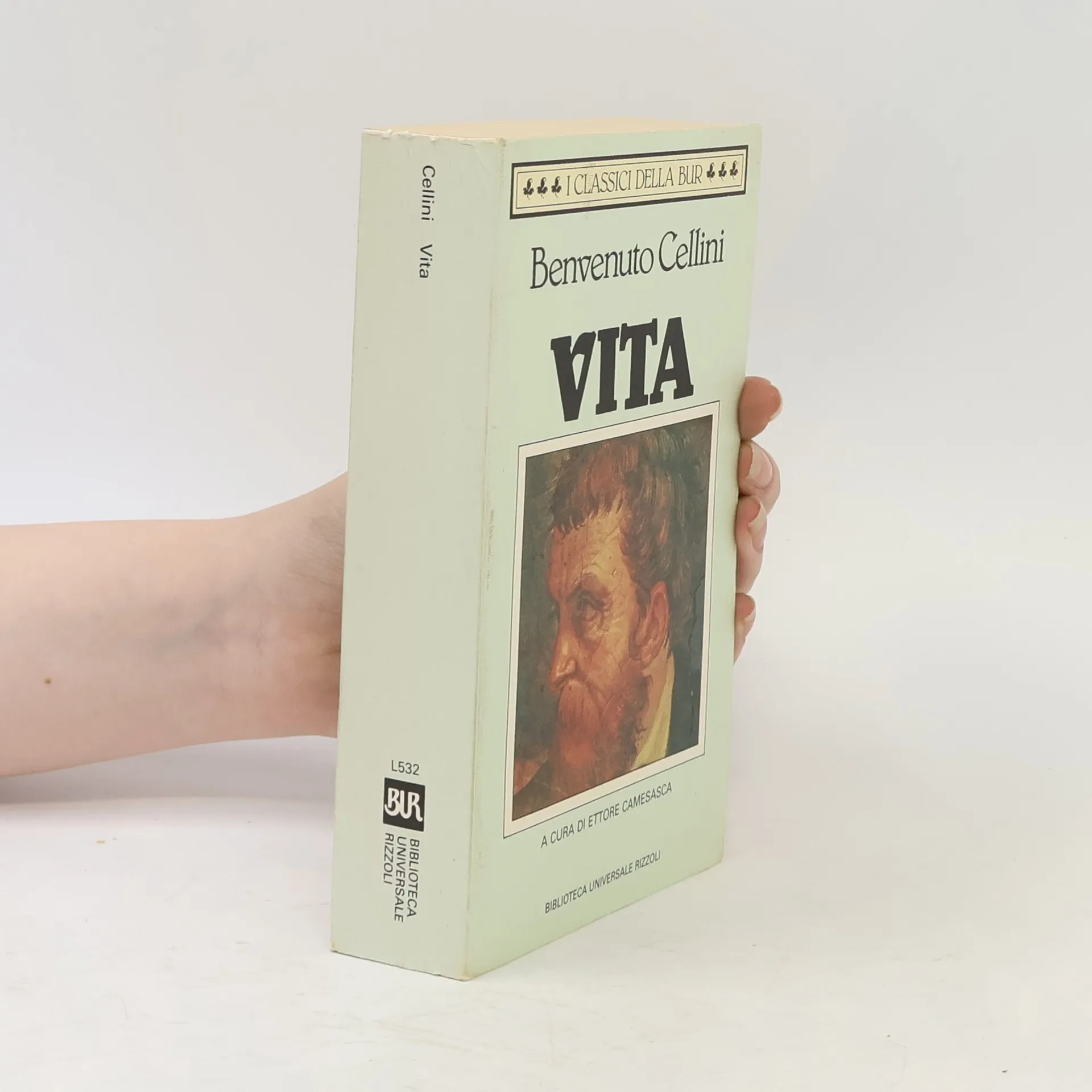
L'autobiografia di Benvenuto Cellini, artista tra i maggiori del nostro Cinquecento, non è solo un documento prezioso per la storia di quegli anni, ma un vero capolavoro di narrativa. Il suo aurore, geniale e irrequieto, inizio a scriverla per rivalutare se stesso agli occhi del suo mecenate Cosimo I de Medici: ben presto, pero, la motivazione originaria si arricchisce grazie al gusto strepitoso per gli episodi e gli aneddoti e a una prosa piena di umori e invenzioni linguistiche. E la personalità di Cellini, tra titanismo e depressione, ricerca del bello e attrazione per il triviale, si scolpisce nella nostra memoria. In questa edizione viene riproposta al lettore l'innovativa interpretazione della Vita di Ettore Camesasca.
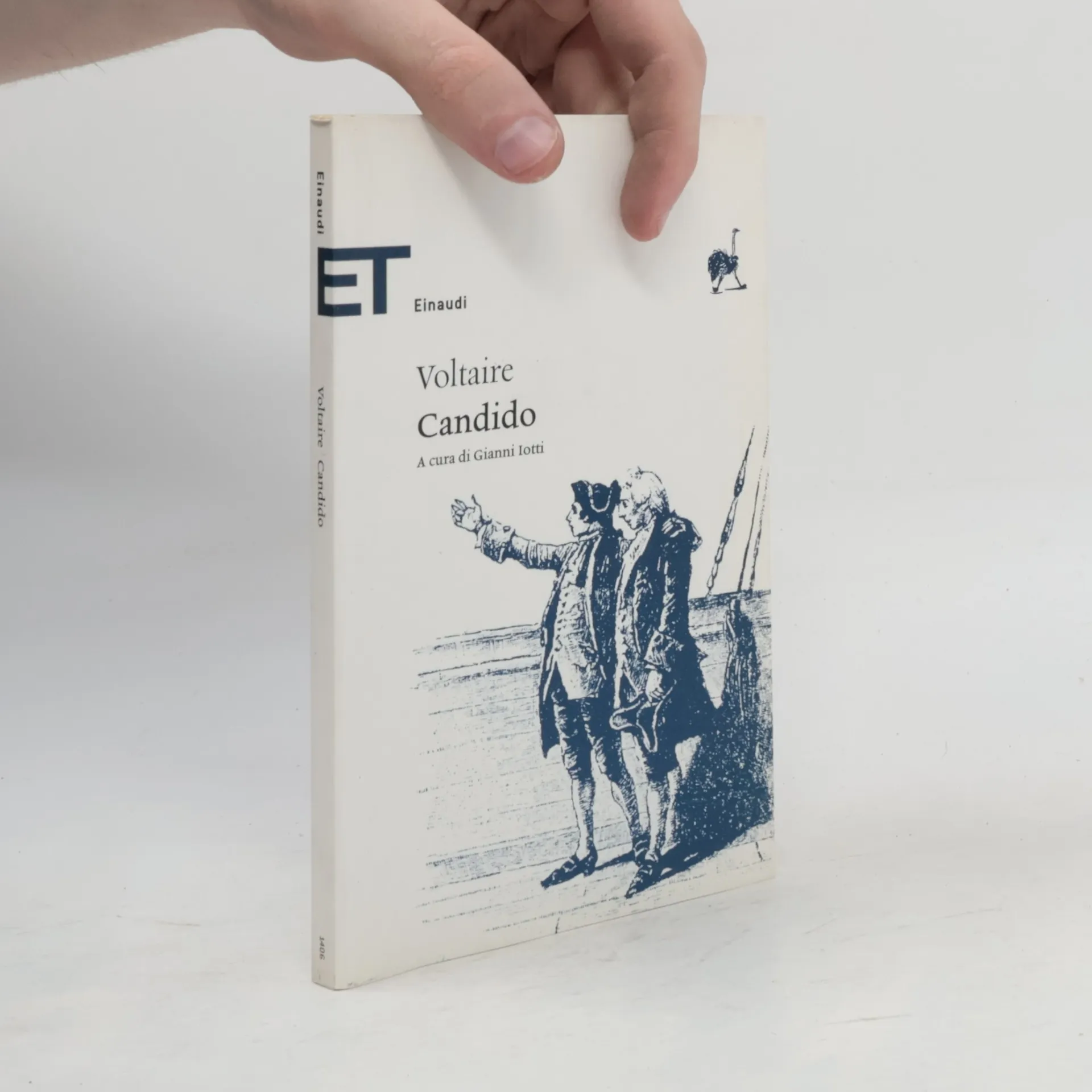
Candide is the story of a gentle man who, though pummeled and slapped in every direction by fate, clings desperately to the belief that he lives in "the best of all possible worlds." On the surface a witty, bantering tale, this eighteenth-century classic is actually a savage, satiric thrust at the philosophical optimism that proclaims that all disaster and human suffering is part of a benevolent cosmic plan. Fast, funny, often outrageous, the French philosopher's immortal narrative takes Candide around the world to discover that -- contrary to the teachings of his distinguished tutor Dr. Pangloss -- all is not always for the best. Alive with wit, brilliance, and graceful storytelling, Candide has become Voltaire's most celebrated work.
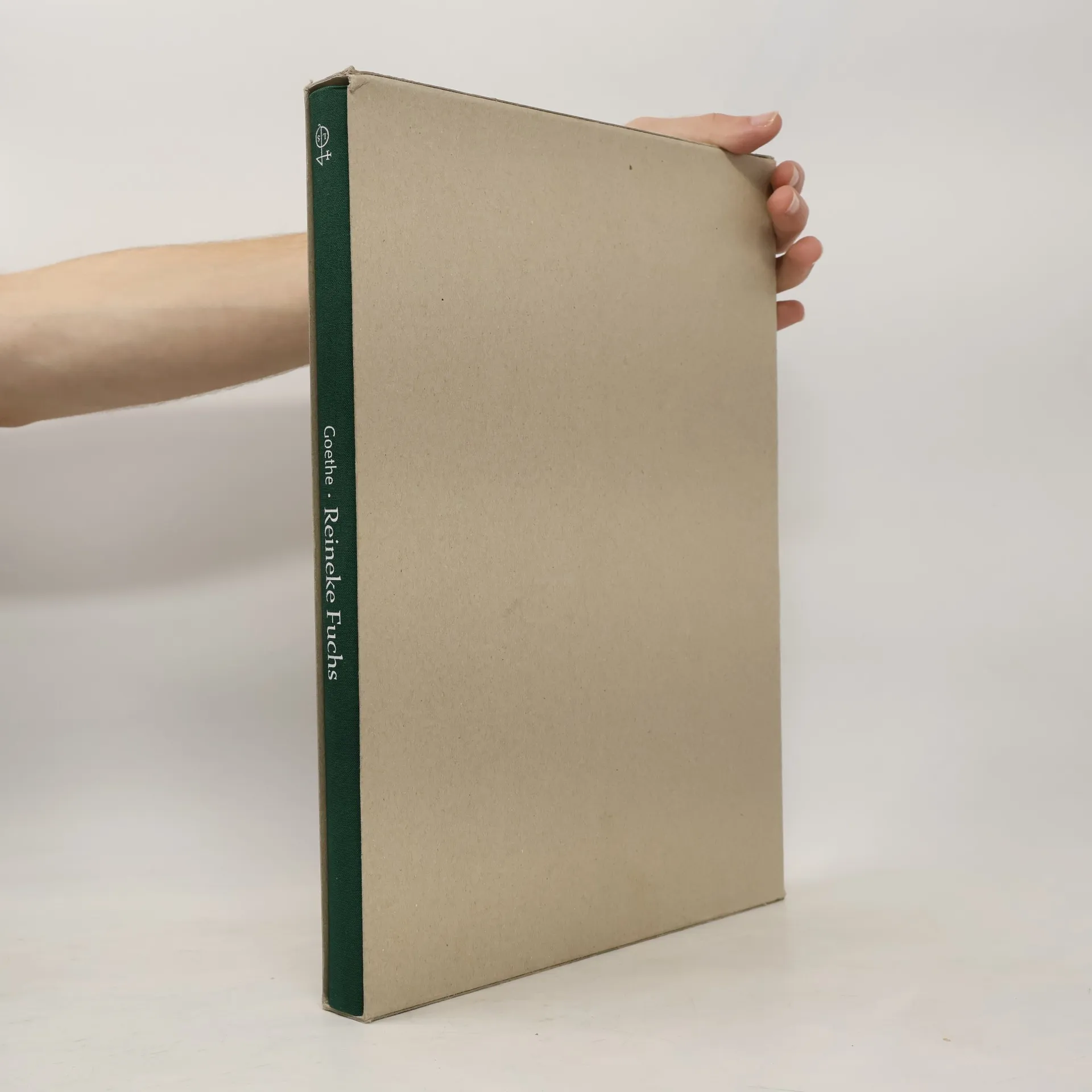
Zur mittelalterlichen Fabel vom schlauen Fuchs, deren erzählerischer Fundus seit Hinrek von Almarks Reynke de Vos (1498) festgeschrieben war, meinte Goethe in einem Xenion von 1796: \"Vor Jahrhunderten hätte ein Dichter dieses gesungen / Wie ist das möglich? Der Stoff ist ja von gestern und heut.\" [Klappentext]
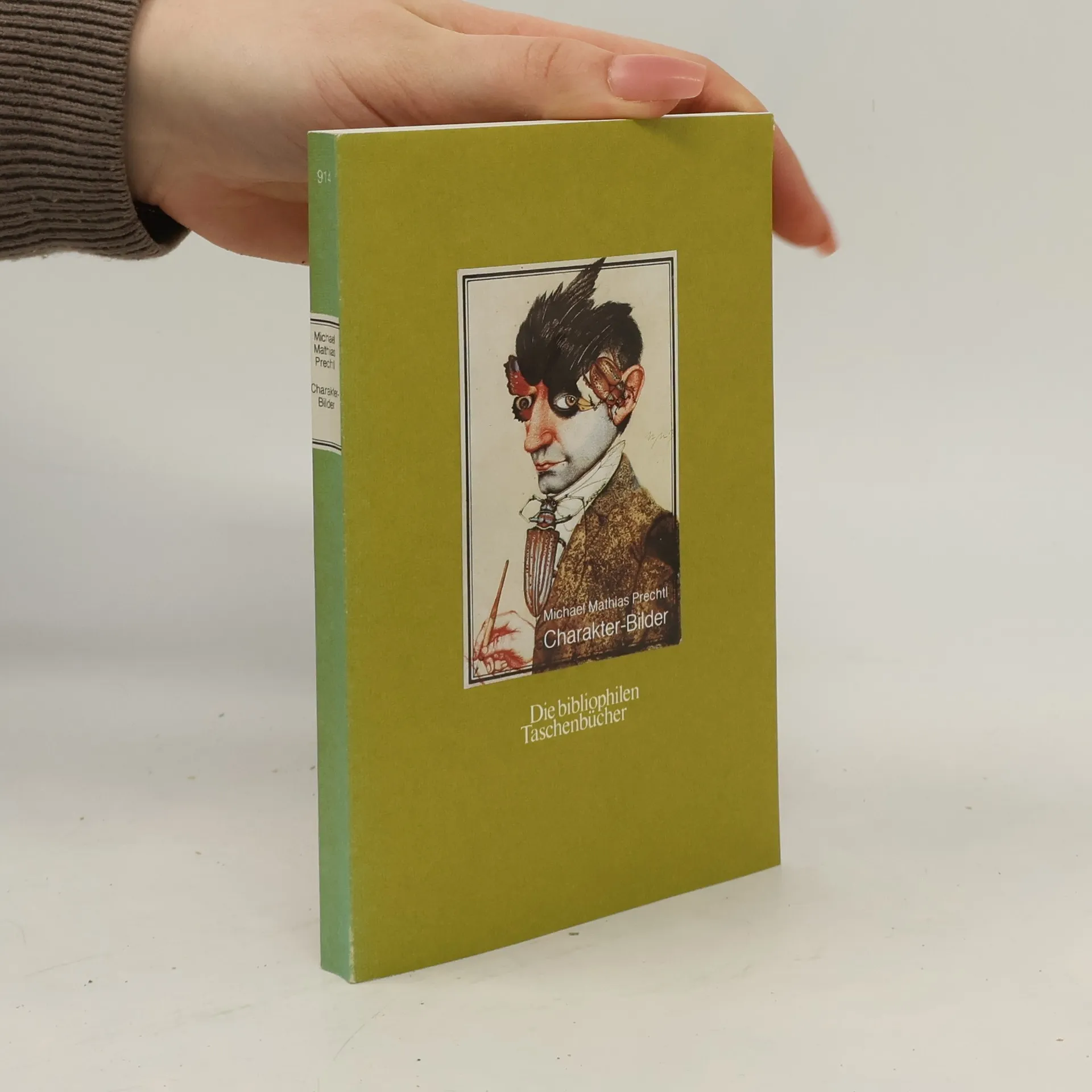
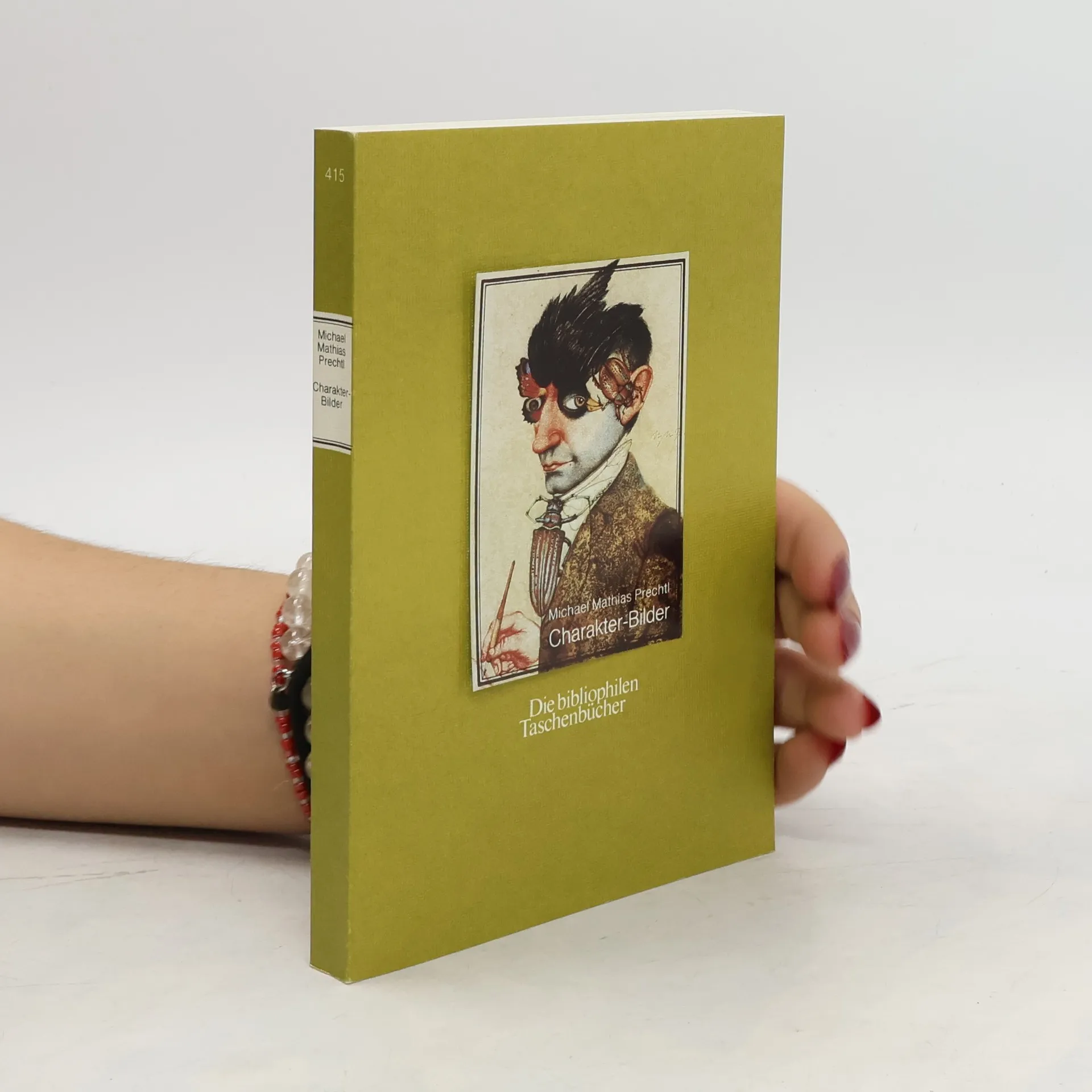
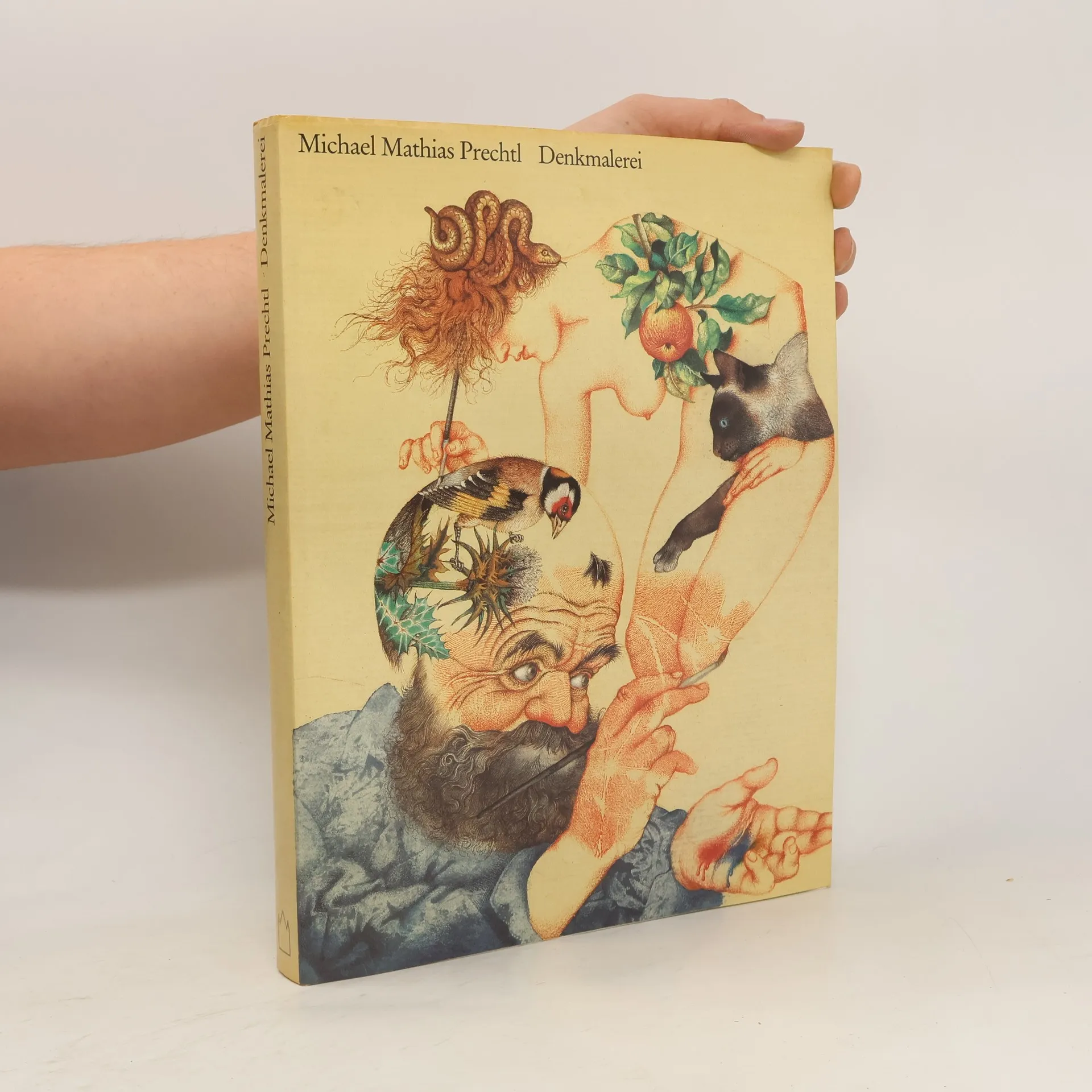
Die Intime Sitten- Und Kulturgeschichte Des Abendlandes -- Dürer-suite -- Kopfe Und Gesichter -- Öffentliche Bilder -- Bilder Zum Lesen. Michael Mathias Prechtl ; Herausgegeben Von Christoph Stölzl.