Karen Bartlett è un'appassionante scrittrice e giornalista il cui lavoro approfondisce le esperienze umane e le complessità sociali. La sua reportistica da tutto il mondo per importanti pubblicazioni rivela temi intricati con chiara acutezza. La scrittura di Bartlett è dedicata a narrazioni di resilienza, sopravvivenza e la ricerca duratura dell'umanità anche nelle circostanze più strazianti. Il suo stile distintivo, lodato per l'autenticità e la risonanza emotiva, dà vita a storie umane potenti e ispiratrici per i lettori.
The Afghan Women Judges Who Fled the Taliban and Those They Left Behind
304pagine
11 ore di lettura
Focusing on the remarkable journey of Afghan women judges, the book chronicles their fight for justice within a U.S.-backed government framework. These women, armed with legal degrees, challenged corruption and traditional gender roles while striving to reduce violence against women and children. Their efforts aimed to reshape Afghanistan into a modern democracy that values the rule of law and human rights, highlighting their resilience and courage in the face of adversity.
The Diary of Anne Frank is one of the most enduring and bestselling books of
all time, yet its history is as complex as it is contested. For the first
time, this is the extraordinary true story behind the book, its publication
and its significance.
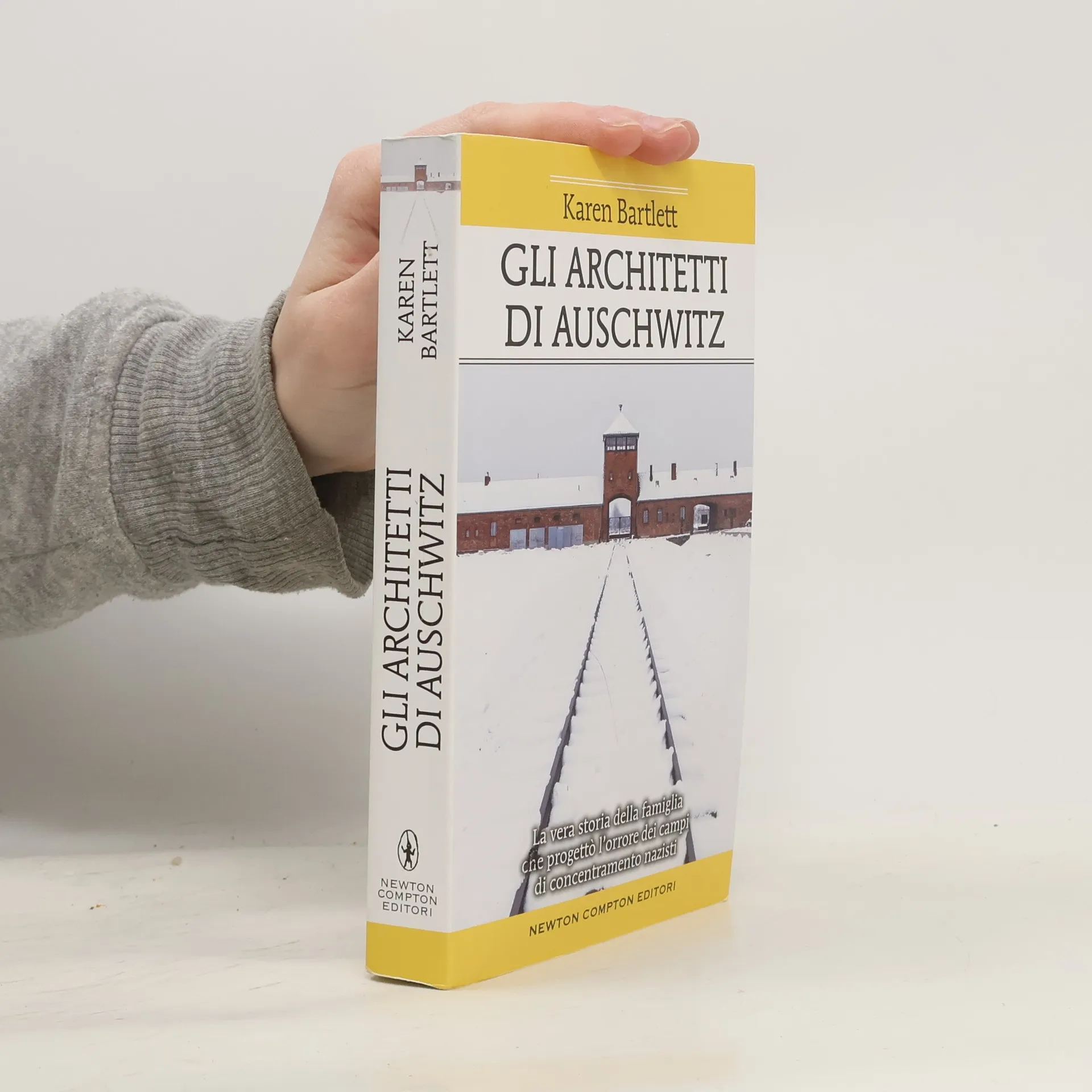
Firma Topf & Söhne produkuje urządzenia browarnicze, krematoria i instalacje do komór gazowych, obsługując browary na całym świecie. SS zamawia krematoria i komory gazowe dla obozów koncentracyjnych, głównie w Auschwitz, Buchenwaldzie, Dachau i Mauthausen. Dyrektorzy firmy, Ludwig i Ernst Wolfgang Topfowie, są świadomi, że ich produkty służą do masowych mordów. Pracownicy uczestniczą w testach, w których zabija się ludzi w komorach gazowych i pali zwłoki w krematoriach, jednak ta brutalna rzeczywistość nie wpływa na ich ambicje. Choć współpraca z SS przynosi tylko niewielki procent obrotów, firma kontynuuje rozwój nowatorskich projektów, które mają na celu jeszcze skuteczniejsze zabijanie. W 1942 roku dyrektor operacyjny, Gustav Braun, żartuje: „Czy jest jeszcze ktoś do spalenia?”. Opowieść o Topf & Söhne to szokująca historia rodziny, która opracowała technologię zagłady i nieustannie dążyła do jej udoskonalenia. Autorką tej przerażającej narracji jest Karen Bartlett, brytyjska pisarka i dziennikarka, publikująca m.in. w Sunday Times, The Times, The Guardian i Wired, a także autorka książki „After Auschwitz: A Story of Heartbreak and Survival by the Stepsister of Anne Frank”.
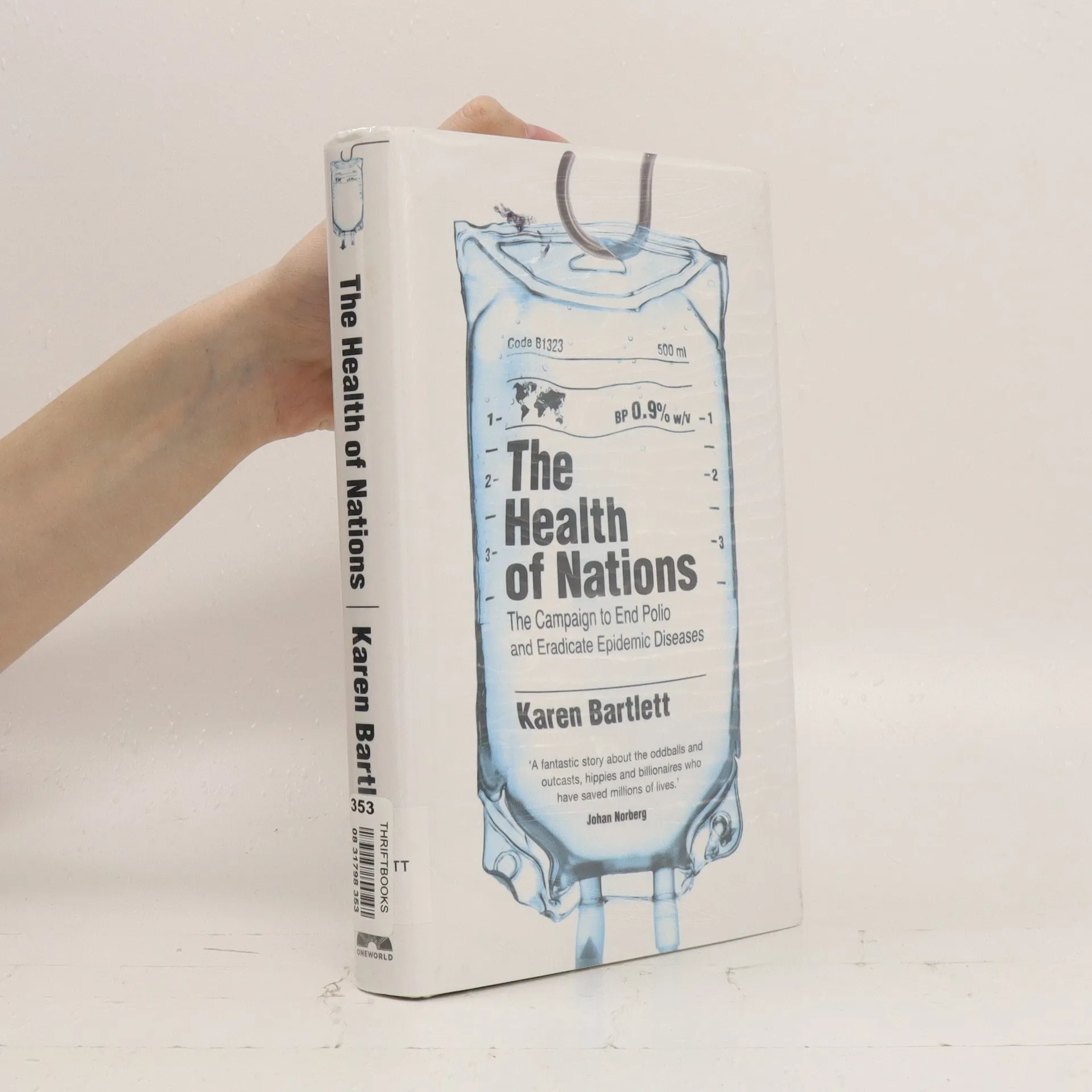
"No one will ever again die of smallpox. With the battle against that "most terrible of the ministers of death" won, an unprecedented humanitarian coalition has now turned to polio, malaria and measles."--Jacket flap.
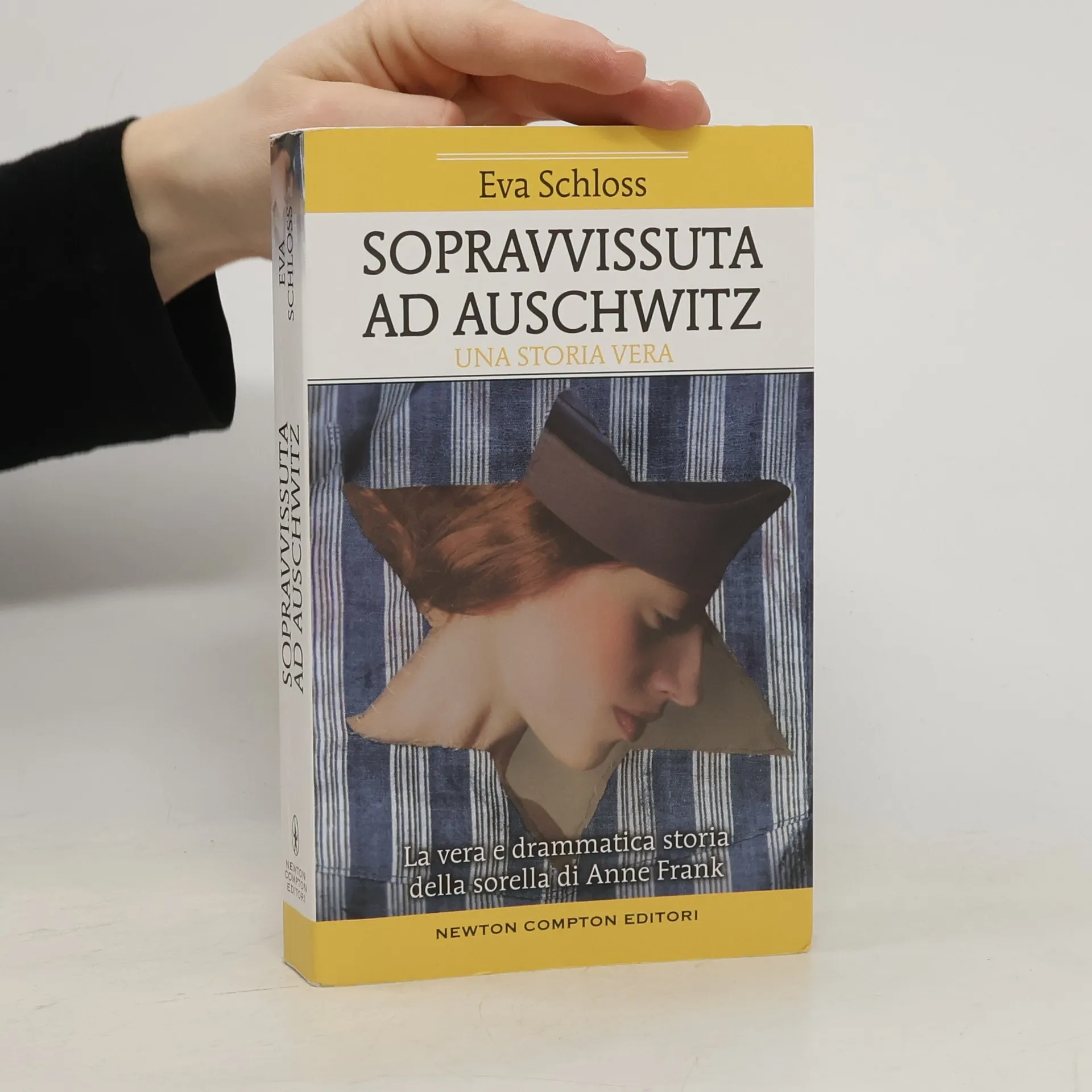
Nel giorno del suo quindicesimo compleanno, Eva viene arrestata dai nazisti ad Amsterdam e deportata ad Auschwitz. La sua sopravvivenza dipende solo dal caso, e in parte dalla ferrea determinazione della madre Fritzi, che lotterà con tutte le sue forze per salvare la figlia. Quando finalmente il campo di concentramento viene liberato dall’Armata Rossa, Eva inizia il lungo cammino per tornare a casa insieme alla madre, e intraprende anche la disperata ricerca del padre e del fratello. Purtroppo i due uomini sono morti, come le donne scopriranno tragicamente a mesi di distanza. Ad Amsterdam, però, Eva aveva lasciato anche i suoi amici, fra cui una ragazzina dai capelli neri con cui era solita giocare: Anne Frank. I loro destini – seppur diversissimi – sembrano incrociarsi idealmente ancora una volta: nel 1953 Fritzi, ormai vedova, sposerà Otto Frank, il padre di Anne. La testimonianza di Eva (scritta in collaborazione con Karen Bartlett) è dunque doppiamente sbalorditiva: per la sua esperienza personale di sopravvissuta all’Olocausto e per lo straordinario intreccio del destino, che l’ha unita indissolubilmente a quella ragazzina conosciuta molti anni prima.
Eva was arrested by the Nazis on her fifteenth birthday and sent to Auschwitz. Her survival depended on endless strokes of luck, her own determination and the love and protection of her mother Fritzi, who was deported with her. When Auschwitz was liberated, Eva and Fritzi began the long journey home. They searched desperately for Eva's father and brother, from whom they had been separated. The news came some months later. Tragically, both men had been killed. Before the war, in Amsterdam, Eva had become friendly with a young girl called Anne Frank. Though their fates were very different, Eva's life was set to be entwined with her friend's for ever more, after her mother Fritzi married Anne's father Otto Frank in 1953. This is a searingly honest account of how an ordinary person survived the Holocaust. Eva's memories and descriptions are heartbreakingly clear, her account brings the horror as close as it can possibly be. But this is also an exploration of what happened next, of Eva's struggle to live with herself after the war and to continue the work of her step-father Otto, ensuring that the legacy of Anne Frank is never forgotten.