
Russia and the Formation of the Romanian National State, 1821-1878
- 372pagine
- 14 ore di lettura
An examination of the difficult Russian-Rumanian relationship as it developed during the nineteenth century.
Barbara Jelavich è stata professoressa di storia specializzata nelle storie diplomatiche delle monarchie russa e asburgica, nella diplomazia dell'Impero Ottomano e nella storia dei Balcani. La sua erudizione approfondisce le intricate relazioni tra le principali potenze e il loro impatto sugli sviluppi regionali. Jelavich esamina meticolosamente come le macchinazioni politiche e le alleanze strategiche abbiano plasmato i destini delle nazioni in tutta Europa. Il suo lavoro offre profonde intuizioni sulla politica internazionale e sulla sua influenza sugli eventi storici.


An examination of the difficult Russian-Rumanian relationship as it developed during the nineteenth century.
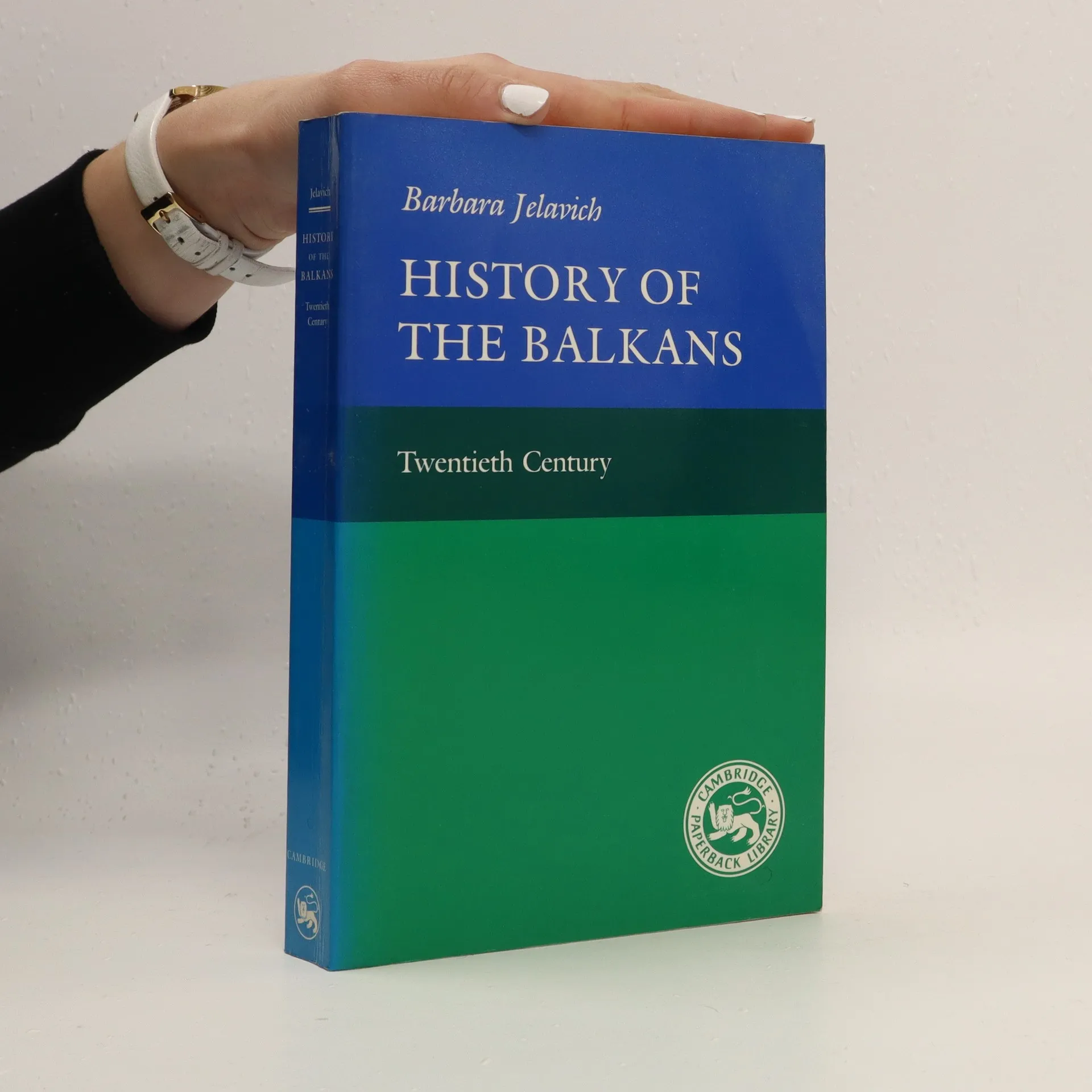
This volume concentrates on the Balkan wars and World War II, which both had their origins in the desire of nationalist circles to complete the territorial unification of their states. A substantial part of this book deals with the wartime experience, the establishment of the postwar regimes and their internal development to 1980 and the divergent paths followed by the five states (Bulgaria, Greece, Montenegro, Romania and Serbia) since 1945.
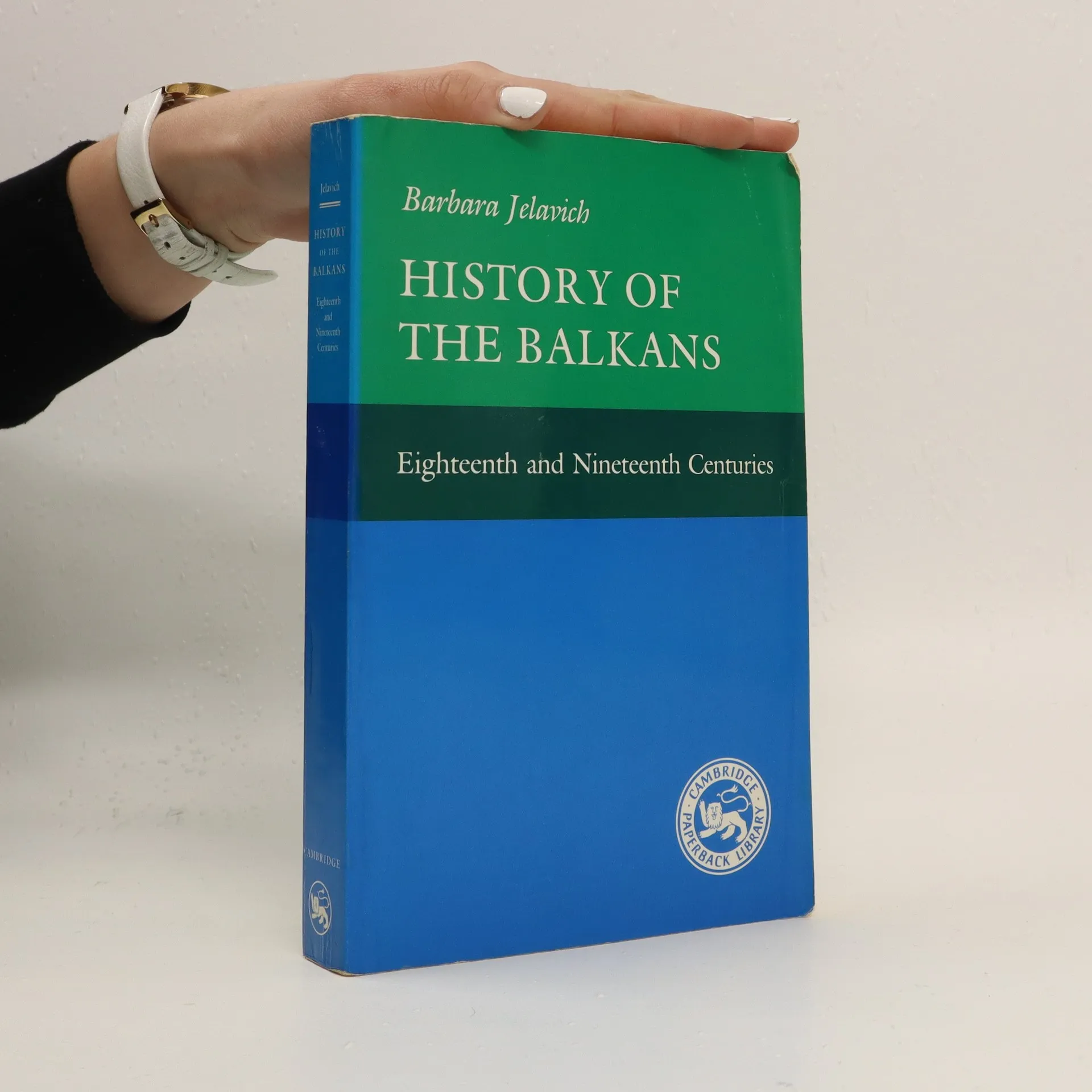
Volume I discusses the history of the major Balkan nationalities. It describes the differing conditions experienced under Ottoman and Habsburg rule, but the main emphasis is on the national movements, their successes and failures to 1900, and the place of events in the Balkans in the international relations of the day.
The book explores Russia's entanglement in Balkan affairs from 1806 to 1914, focusing on the motivations behind its involvement in five wars. It delves into how treaty obligations and historical ties compelled the Russian government into conflicts that jeopardized its great power status and strained its resources. The high human and economic costs of these wars not only hindered internal development but also contributed to domestic unrest, culminating in significant changes following defeats in 1856 and 1917.