
Bookbot

Sudhir Kakar

    25 luglio 1938 – 22 aprile 2024

    Sudhir Kakar è uno psicoanalista e scrittore profondamente interessato alla psiche umana e alla cultura indiana. Il suo lavoro si addentra nell'esplorazione del mondo interiore, della sessualità e della spiritualità nel contesto del mondo moderno. Kakar fonde in modo unico intuizioni psicoanalitiche con tradizioni religiose e culturali, offrendo una prospettiva distintiva sulla mente umana. La sua scrittura è apprezzata per la sua profondità e la sua capacità di svelare esperienze umane universali.

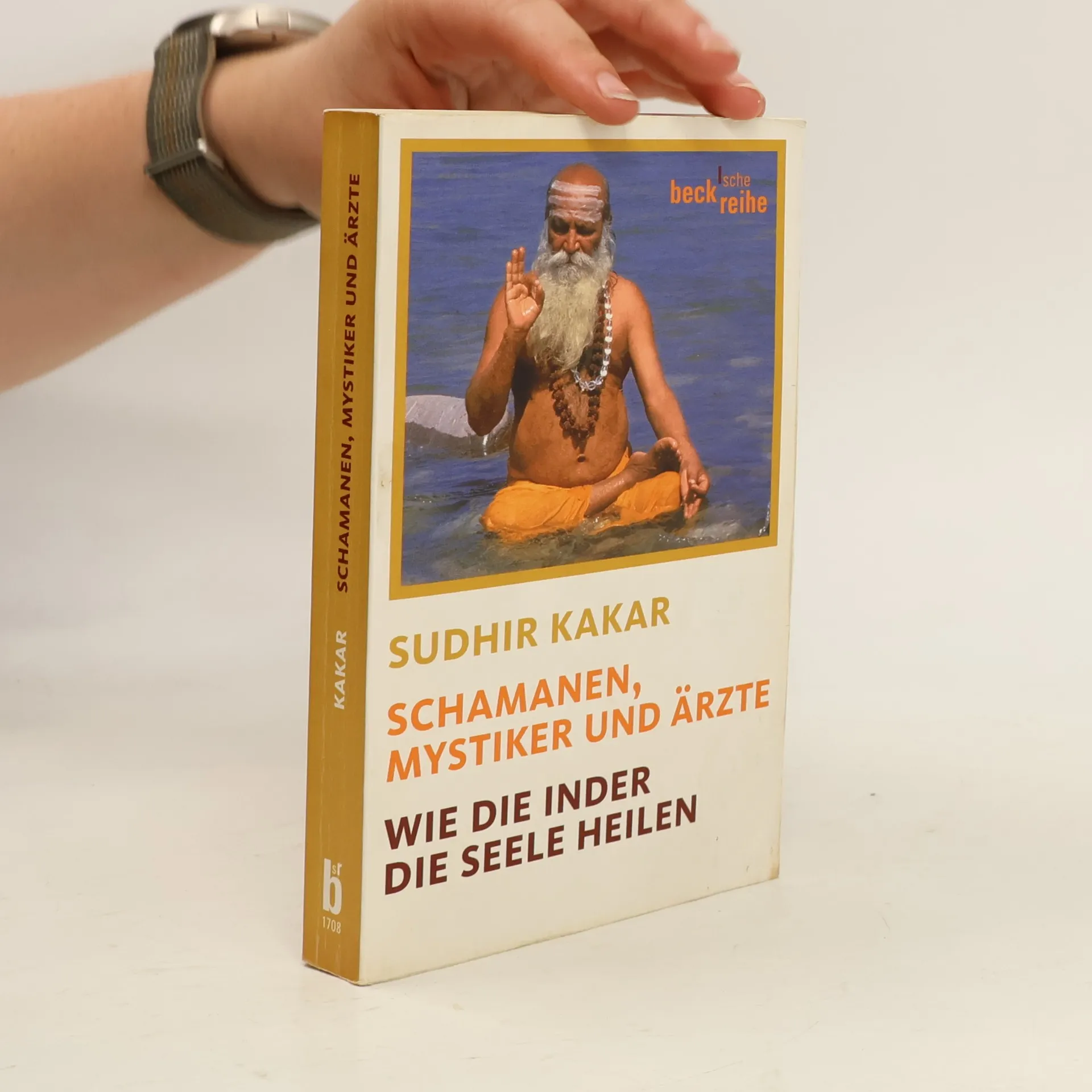
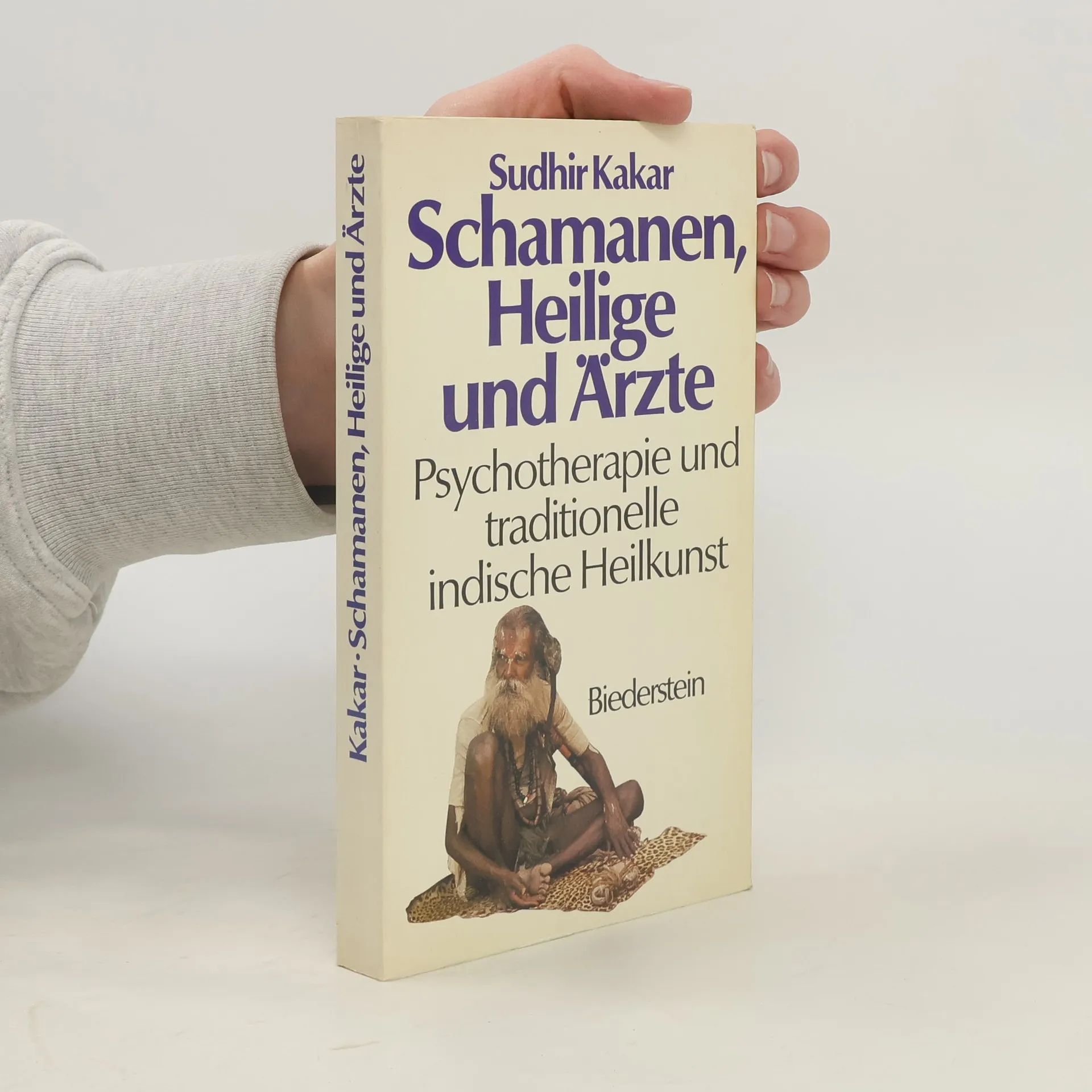
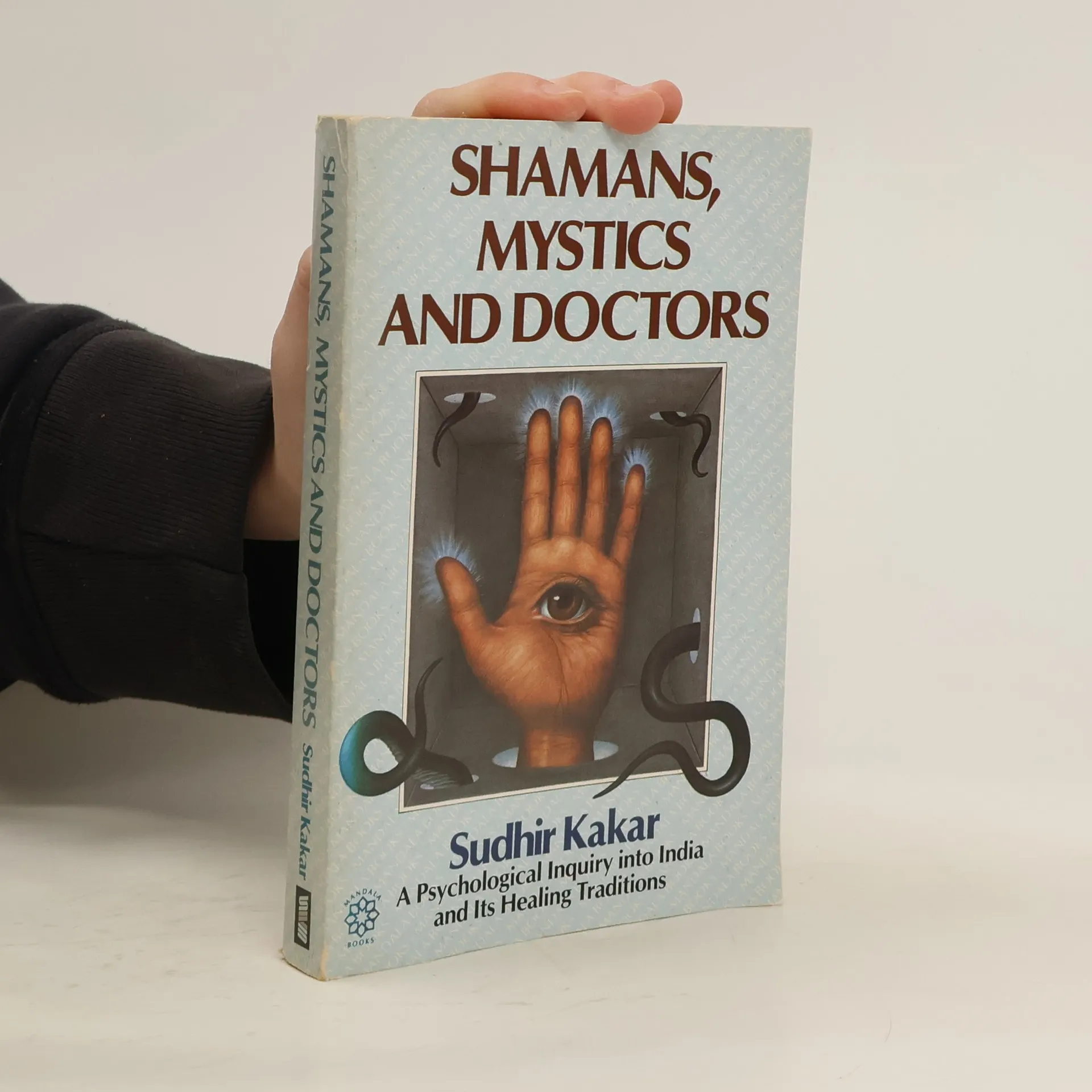
    Shamans, Mystics and Doctors
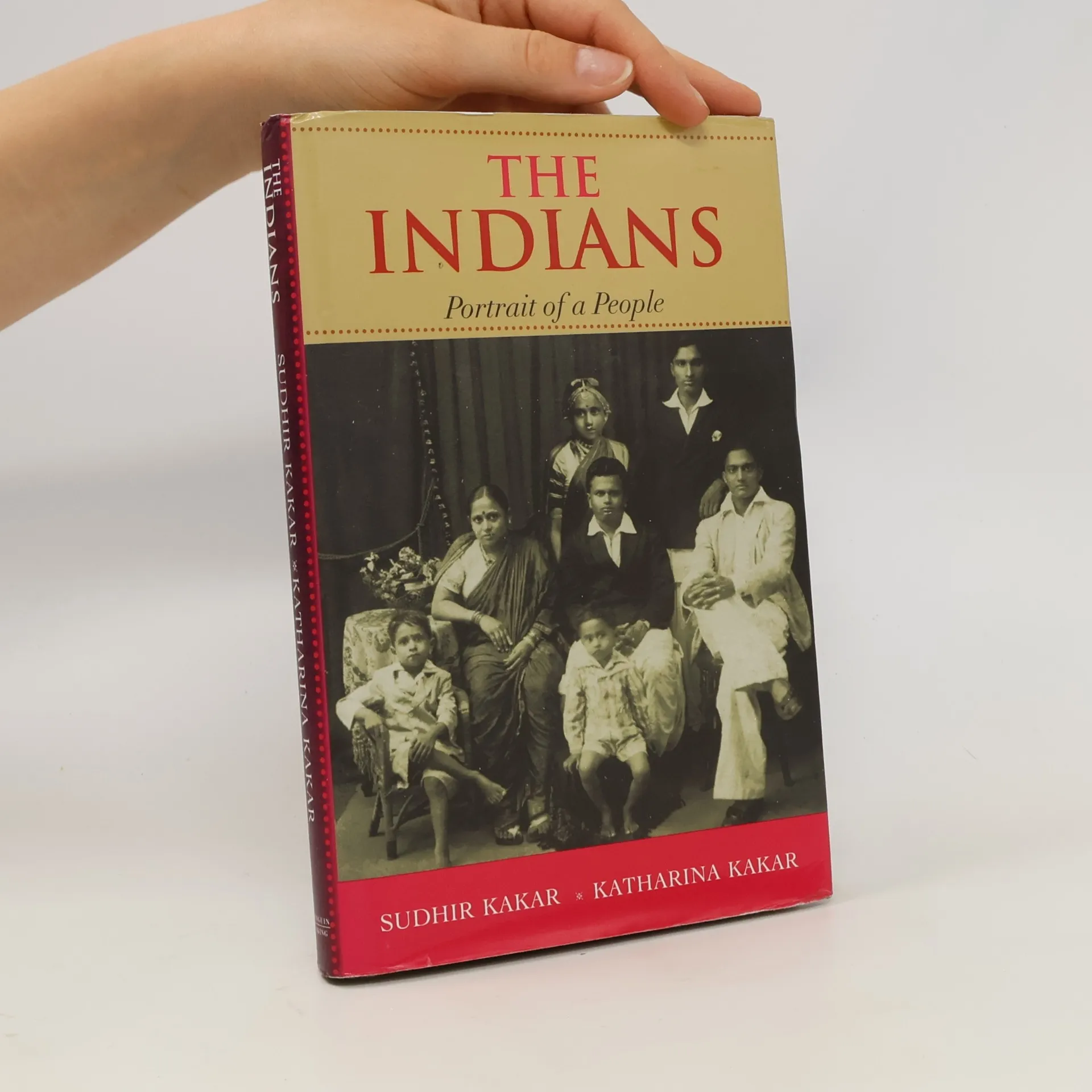
    The Indians
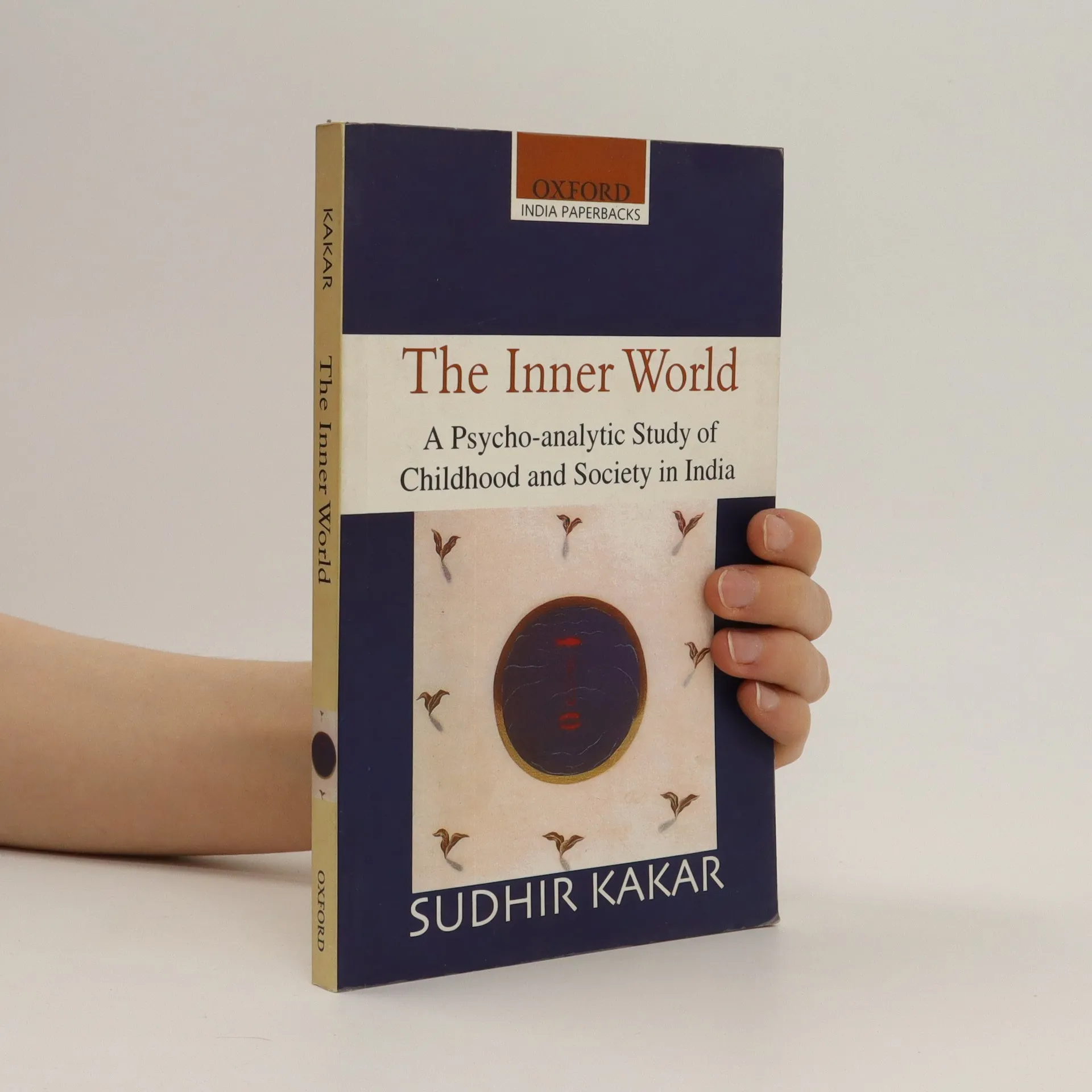
    The inner world: a psycho-analytic study of childhood and society in India
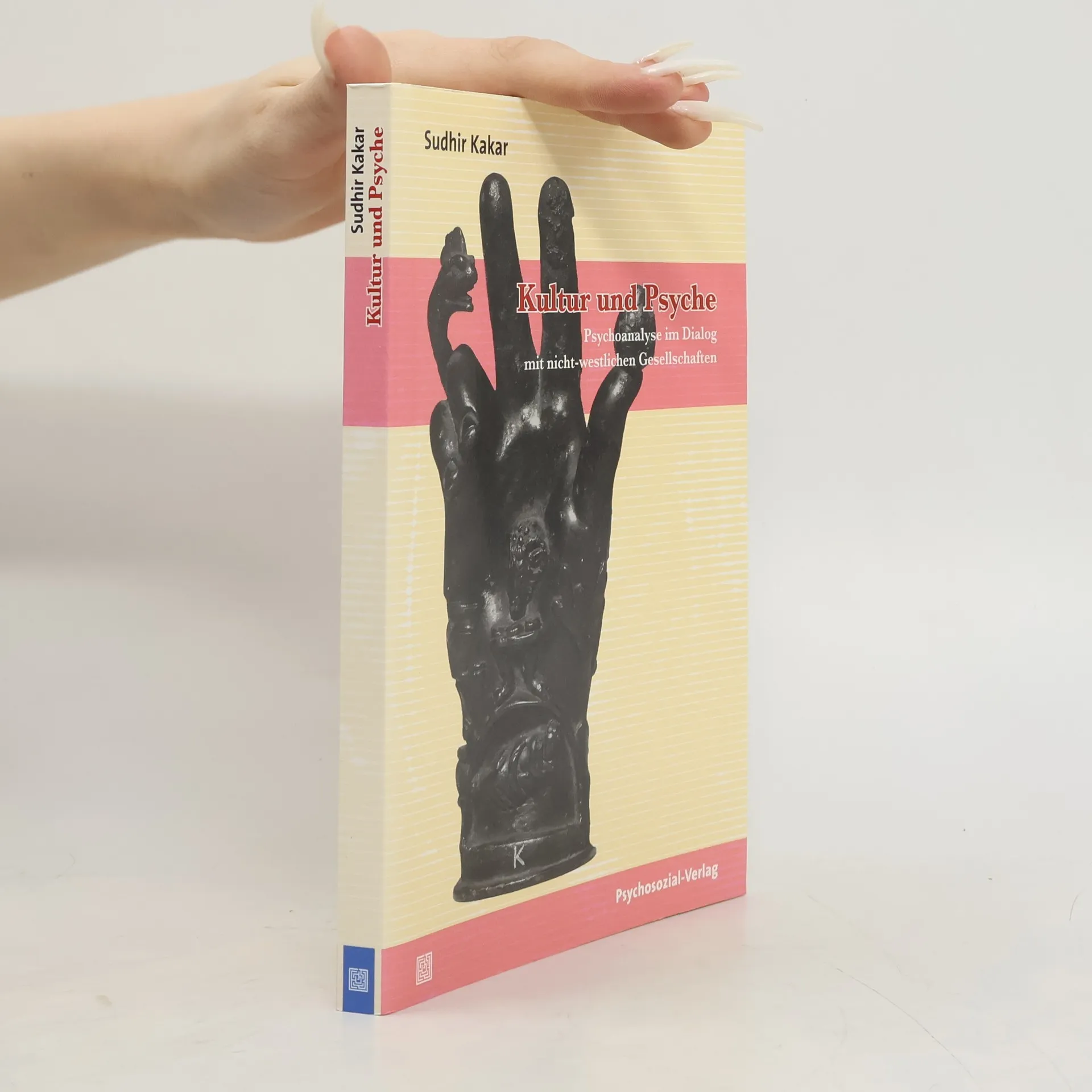
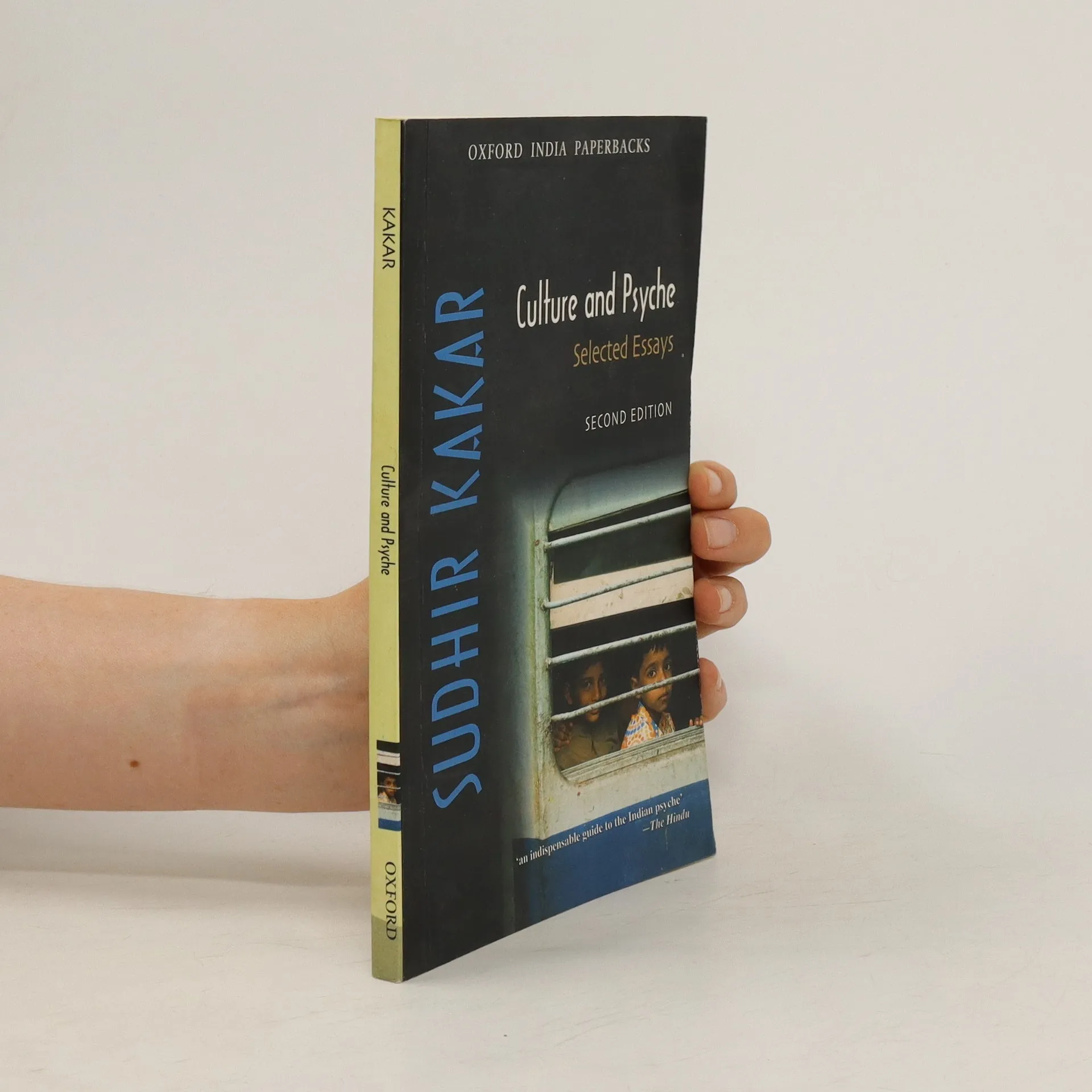
    Culture and Psyche
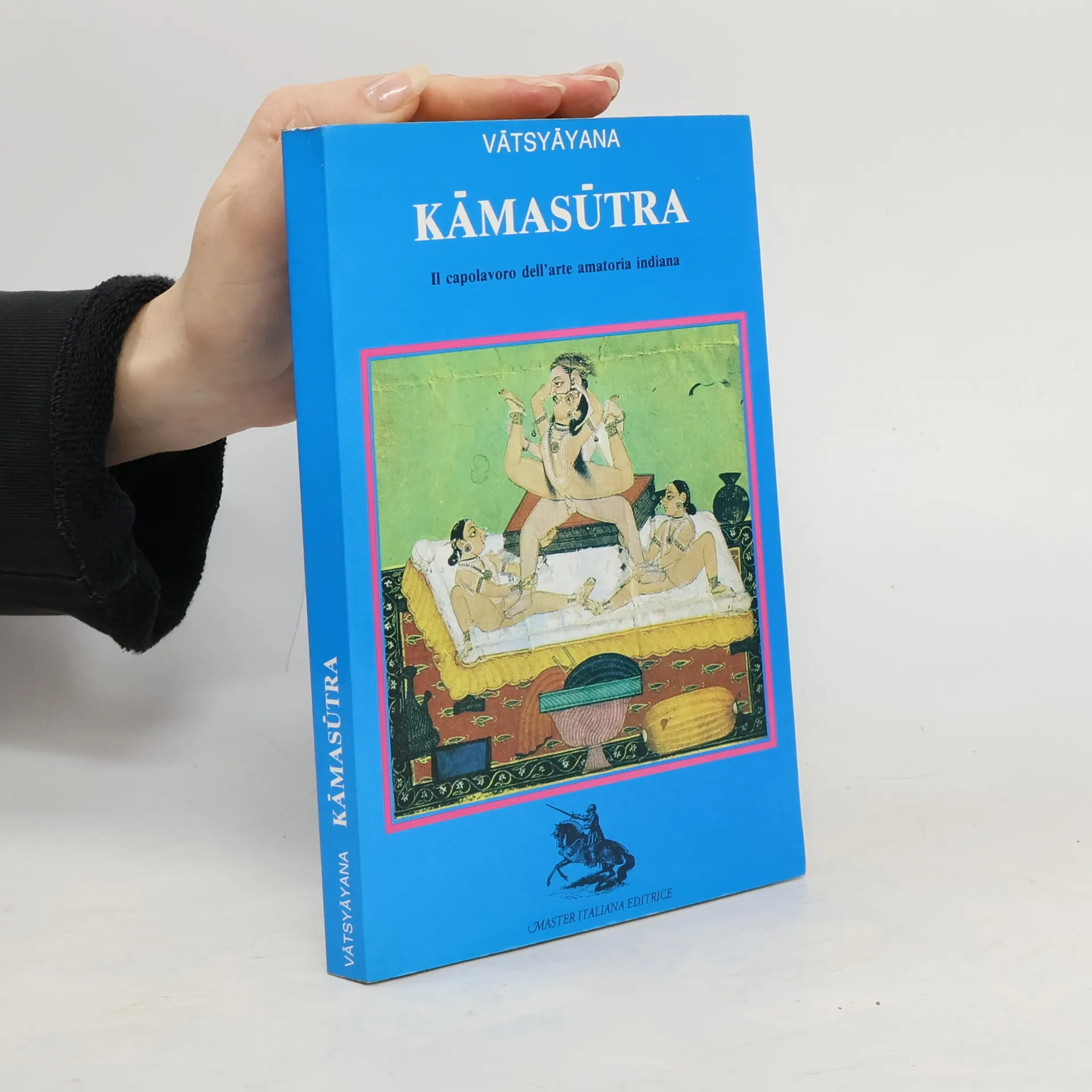
    Biblioteca Adelphi - 443: Kāmasūtra
    Kamasutra
    • Kamasutra

      • 335pagine
      • 12 ore di lettura

      Amori leciti e illeciti, tattiche di seduzione, cataloghi di carezze, gemiti e percosse, posizioni erotiche raccomandate o da evitare, suggerimenti ai mariti e alle mogli, consigli alle cortigiane su come intrecciare o troncare una relazione, sguardi indiscreti sugli svaghi dei ginecei reali, e poi varie tipologie umane, descrizioni di passatempi, regole di bon ton, norme dietetiche, istruzioni per sortilegi... È un’India per molti versi sconosciuta e ben diversa dalle immagini care alle bigotterie occidentali quella che si dispiega dinanzi agli occhi del lettore del Kāmasūtra, il trattato sull’arte erotica composto da Vātsyāyana Mallanāga intorno al III secolo d.C. «Il libro è scritto da un uomo per gli uomini: si sforza di penetrare le anime e i corpi femminili; eppure ammette che le donne restano misteriose e che sono loro, queste creature apparentemente passive, a incarnare l’energia sessuale dell’universo. Esse sono il sole, mentre i maschi soltanto la pallida, umida luce della luna. Il Kāmasūtra cerca di regolare tutti i gesti umani: ma riconosce che i cuori sono volubili, che le fantasie amorose non hanno limite, che i desideri sessuali posseggono una forza tremenda, e che la passione non obbedisce a nessun manuale». Pietro Citati

      Kamasutra
      3,7
    • Biblioteca Adelphi - 443: Kāmasūtra

      • 335pagine
      • 12 ore di lettura

      Amori leciti e illeciti, tattiche di seduzione, cataloghi di carezze, gemiti e percosse, posizioni erotiche consigliate o da evitare, suggerimenti per mariti e mogli, e consigli per cortigiane su come gestire relazioni. Questo è solo un assaggio di un’India sconosciuta, ben diversa dalle immagini bigotte occidentali, che emerge nel trattato sull’arte erotica composto da Vātsyāyana Mallanāga nel III secolo d.C. Wendy Doniger, una delle più versatili indologhe contemporanee, offre una nuova interpretazione del testo, lontano dalle prime traduzioni europee edulcorate o censurate, ma anche dalla riduzione a mera pornografia. Attraverso un commento moderno in hindi e il più antico a noi pervenuto, la Doniger restituisce il testo nella sua saggezza fondamentale, rivolta a un pubblico colto e raffinato, composto da aristocratici, mercanti e giovani ambiziosi. Questo manuale è prezioso per comprendere la concezione della sessualità nell’India classica, presentando un'affascinante ironia nella sua gravità. Il Kāmasūtra delinea una società che ha esplorato il kāma, il "desiderio", condensando il suo sapere in un manuale simile al Cortegiano, che insegna come comportarsi fino a quando, come osserva Vātsyāyana, "la ruota dell’estasi sessuale gira a pieno ritmo", momento in cui "non vi è manuale che tenga".

      Biblioteca Adelphi - 443: Kāmasūtra
      3,8
    • Culture and Psyche

      • 144pagine
      • 6 ore di lettura

      Culture and Psyche is a collection of Sudhir Kakar's essays on cultural psychology, which analyses various facets of Indian identity and sexuality through sources as diverse as case studies, Indian myths and legends, and popular cinema. The second edition of this classic includes a new introduction and three additional essays which explore issues like riots, the psychology of Islamist terrorism, among others. -- Provided by publisher

      Culture and Psyche
      3,7
    • In this fascinating psycho-analytic study of Hindu childhood and society, Sudhir Kakar uses anthropological evidence, clinical data, mythology and folklore to open the door on to the daily lives of the Hindu family and the shadowy world of collective fantasy. It explores the developmental significance of Hindu infancy and childhood, and its influence on identity formation. It will be of interest to all who are interested in Indian society and its myths, rituals, fables and arts, but will be particularly rewarding for anyone concerned with the psychological study of societies and the relevance and validity of psycho-analytic concepts in Indian culture and society.

      The inner world: a psycho-analytic study of childhood and society in India
      4,0
    • The Indians

      • 226pagine
      • 8 ore di lettura

      In this bold and illuminating study, India’s leading psychoanalyst and cultural commentator, Sudhir Kakar, along with anthropologist Katharina Kakar, explores the essence of Indian identity. They delve into what makes someone recognizably Indian to both the global community and fellow citizens. Despite the ethnic diversity that characterizes India, the authors argue for an underlying unity that transcends historical divisions. They analyze the significance of family, community, and caste in daily life, as well as attitudes towards sex, marriage, and prevalent prejudices. A particularly insightful chapter addresses the complexities of Hindu-Muslim relations. The authors also explore concepts of health, morality, and death, culminating in a final chapter that offers a deep understanding of the Indian psyche, heavily influenced by the dominant Hindu worldview. Drawing from three decades of original research and a wide array of sources, including the Mahabharata, Kamasutra, Mahatma Gandhi’s writings, Bollywood films, and popular folklore, the Kakar duo presents a rich and nuanced portrait of Indian society. This work stands as a significant contribution to discussions on identity, providing a thoughtful and accessible examination of the Indian cultural character.

      The Indians
      3,5
    • Shamans, Mystics and Doctors

      • 306pagine
      • 11 ore di lettura

      Sudhir Kakar, a psychoanalyst and scholar, brilliantly illuminates the ancient healing traditions of India embodied in the rituals of shamans, the teachings of gurus, and the precepts of the school of medicine known as Ayurveda."With extraordinary sympathy, open-mindedness, and insight Sudhir Kakar has drawn from both his Eastern and Western backgrounds to show how the gulf that divides native healer from Western psychiatrist can be spanned."-Rosemary Dinnage, New York Review of Books"Each chapter describes the geographical and cultural context within which the healers work, their unique approach to healing mental illness, and . . . the philosophical and religious underpinnings of their theories compared with psychoanalytical theory."-Choice

      Shamans, Mystics and Doctors
    • Tears of Yesteryears

      • 92pagine
      • 4 ore di lettura

      Since Mary has been old enough to understand anything, so much has been taken away from her. Despite of all the pain she has been though, there is an inner power within her that keeps her going. No matter how badly she lands when she falls, she always manages to pull herself up. She has known love, tenderness and pain but all this has turned her into the best she can be. This is just the beginning of her journey.

      Tears of Yesteryears
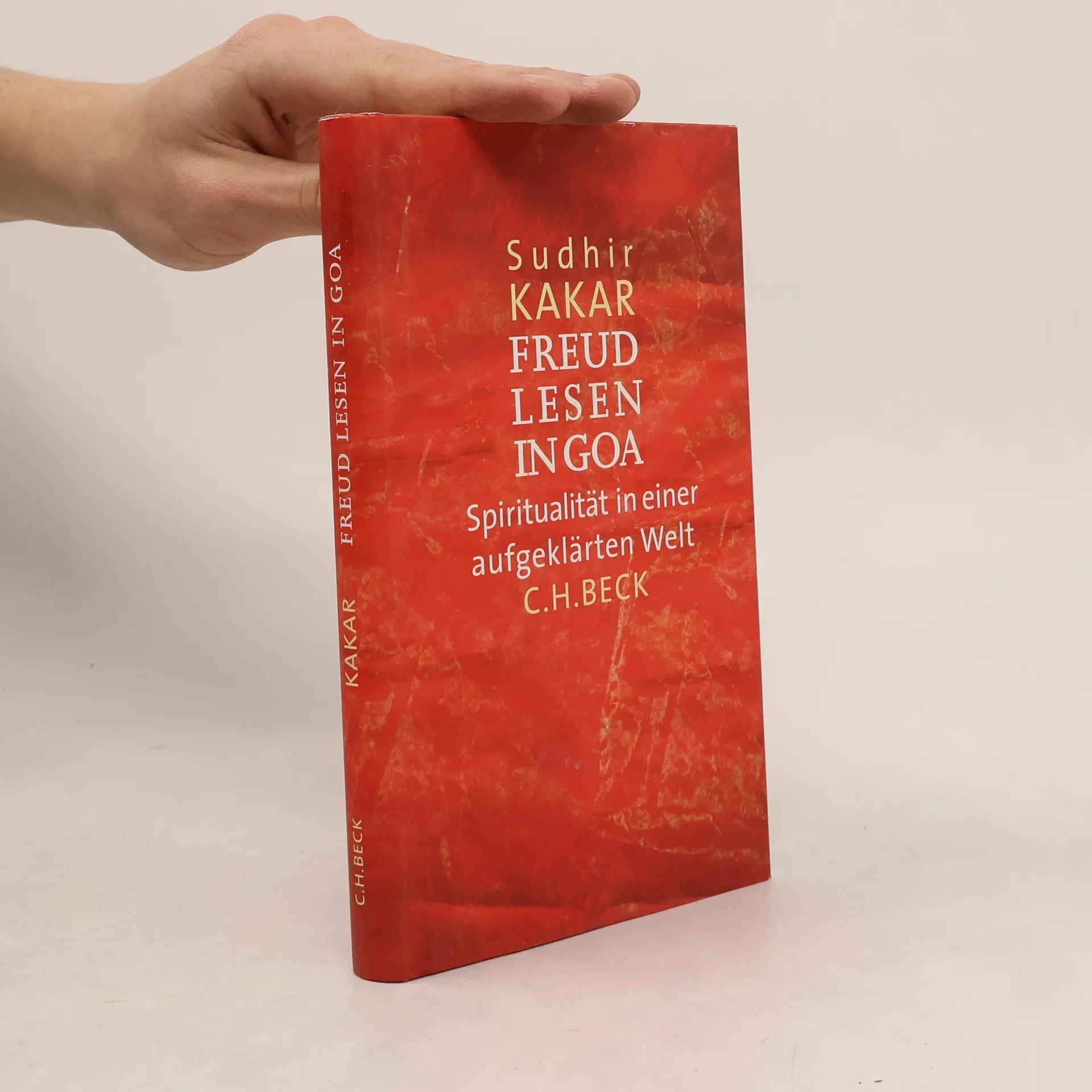
    • Freud lesen in Goa

      Spiritualität in einer aufgeklärten Welt

      Sudhir Kakar, der prominenteste Psychoanalytiker Indiens, beleuchtet ein lange vernachlässigtes Thema in der Psychoanalyse: das Zusammenspiel von Psyche und Geist. Er untersucht dieses Verhältnis in verschiedenen Kontexten, darunter die Heilung emotionaler Störungen, religiöse Rituale und das Leben von drei bedeutenden spirituellen Lehrern – Drukpa Kunley, Bhagwan (Osho) und Mahatma Gandhi. Obwohl Religion und Spiritualität stets Teil der Psychologie waren, ließ das rationalistische Menschenbild wenig Raum für die Auseinandersetzung mit „höheren“ Mächten. Heutzutage wird die Sinnsuche im Leben anerkannt, und die Psychologie erkennt die spirituellen Potenziale der Psyche an. Kakar fragt, wie man das Verhältnis von „romantischen“ und „rationalistischen“ Bedürfnissen beschreiben kann und was Authentizität bedeutet. Er beginnt seine Erkundung in Poona mit der Geschichte von Rajneesh (Osho) und untersucht seine Anziehungskraft auf westliche Eliten sowie die Rolle von Narzissmus in seiner Lehre. Im Gegensatz dazu zeigt Gandhi eine praktische Spiritualität, die sich in alltäglicher Achtsamkeit äußert. Kakar vergleicht die Ansätze dieser „Gurus“ mit westlichen Vorstellungen von Spiritualität und beschreibt, wie sie sich ergänzen und bereichern, was zu einer Versöhnung von Geist und Psyche führt.

      Freud lesen in Goa
      4,0
    • Der Mystiker oder die Kunst der Ekstase

      • 267pagine
      • 10 ore di lettura

      Sudhir Kakar erkundet in seinem ersten Roman spielerisch die Varianten der erotischen Ekstase und erzählt nun die verstörende Geschichte eines jungen Inders, der die Grenzen seines Bewusstseins hinter sich lässt und außergewöhnliche spirituelle Erfahrungen durchlebt. Es ist die Erzählung eines Mannes, der fast wider Willen zum Mystiker wird und seine inneren Visionen gegen den skeptischen Verdacht verteidigen muss, Halluzinationen zu haben. In einer Zeit, die solche Bestrebungen oft als geistige Erkrankung interpretiert, sucht er seine innere Erfüllung in der Vereinigung mit dem „Göttlichen“. Der Roman beleuchtet auch die Begegnung zweier sehr unterschiedlicher Männer: der eine verwurzelt in indischen Traditionen und bereit für höhere Erfahrungen, der andere in der Rationalität des Westens erzogen und darauf fokussiert, sein Schicksal selbst zu gestalten. Kakar erprobt die Fähigkeiten dieser Männer, sich auf andere Anschauungen und Unverständliches einzulassen. Vor dem Hintergrund ihrer Biografien zeichnet er ein Bild eines Indiens im Umbruch, das den langsamen Verlust weiblicher Gottheiten und den Aufstieg militärischer Götter, die von heutigen Hindu-Nationalisten beschworen werden, thematisiert.

      Der Mystiker oder die Kunst der Ekstase
      2,0