10 libri per 10 euro qui
Bookbot

Muhammad Yunus

    Questo autore affronta principalmente le sfide sociali ed economiche, enfatizzando approcci innovativi per promuovere lo sviluppo dal basso. Il suo lavoro esplora il potere del microcredito come strumento per combattere la povertà e creare opportunità economiche per coloro che vengono trascurati dalle istituzioni finanziarie tradizionali. Attraverso le sue iniziative e la fondazione di organizzazioni, l'autore cerca di sfruttare l'esperienza collettiva per affrontare problemi globali. Il suo contributo letterario risiede nella ponderata integrazione della teoria economica con l'applicazione pratica per la giustizia sociale.

    World of Three Zeroes
    Building Social Business
    A World of Three Zeros
    Creating a World Without Poverty
    Banker to the Poor
    Il banchiere dei poveri
    • 2018

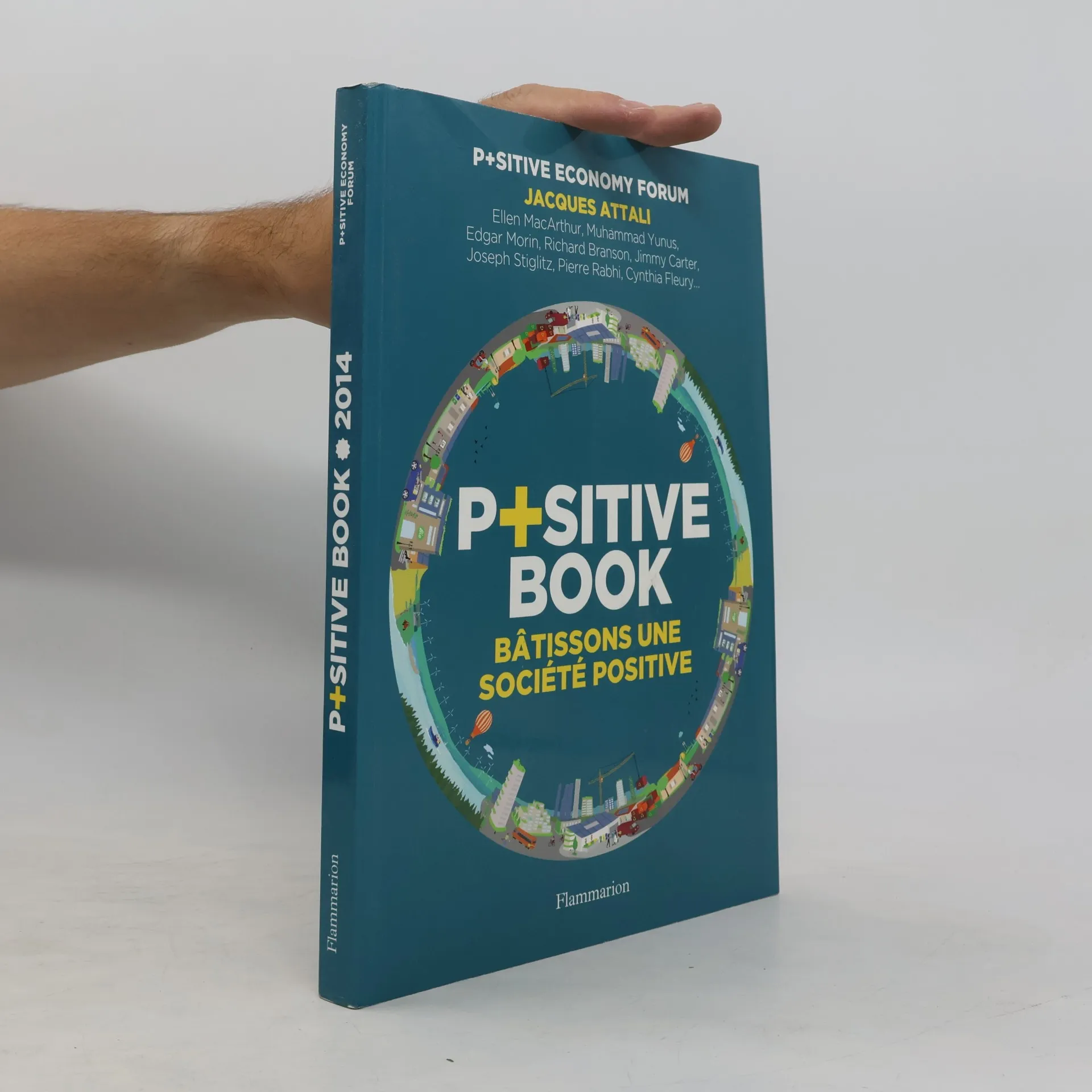
      »Wir müssen Wirtschaft ganz neu denken!« (Muhammad Yunus) Wie kann eine Wirtschaftsordnung jenseits des Kapitalismus aussehen? Und welche Schritte müssen gegangen werden, damit diese neue Ordnung Wirklichkeit wird? Muhammad Yunus entwickelt in diesem Buch die konkrete Vision einer neuen, postkapitalistischen Welt. Sein Denken setzt bei einer neuen Sicht vom Menschen an: Dieser ist eben nicht allein der auf Eigennutz ausgerichtete Homo Oeconomicus, dem es nur um die individuelle Profitmaximierung geht, sondern mindestens ebenso ein zutiefst soziales, am Gemeinwohl interessiertes Wesen. Wenn es gelingt, diesem Streben des Menschen Raum zu geben, dann ist das der Beginn einer zivilisatorischen Revolution.

      Ein anderer Kapitalismus ist machbar
    • 2017

      World of Three Zeroes

      • 320pagine
      • 12 ore di lettura

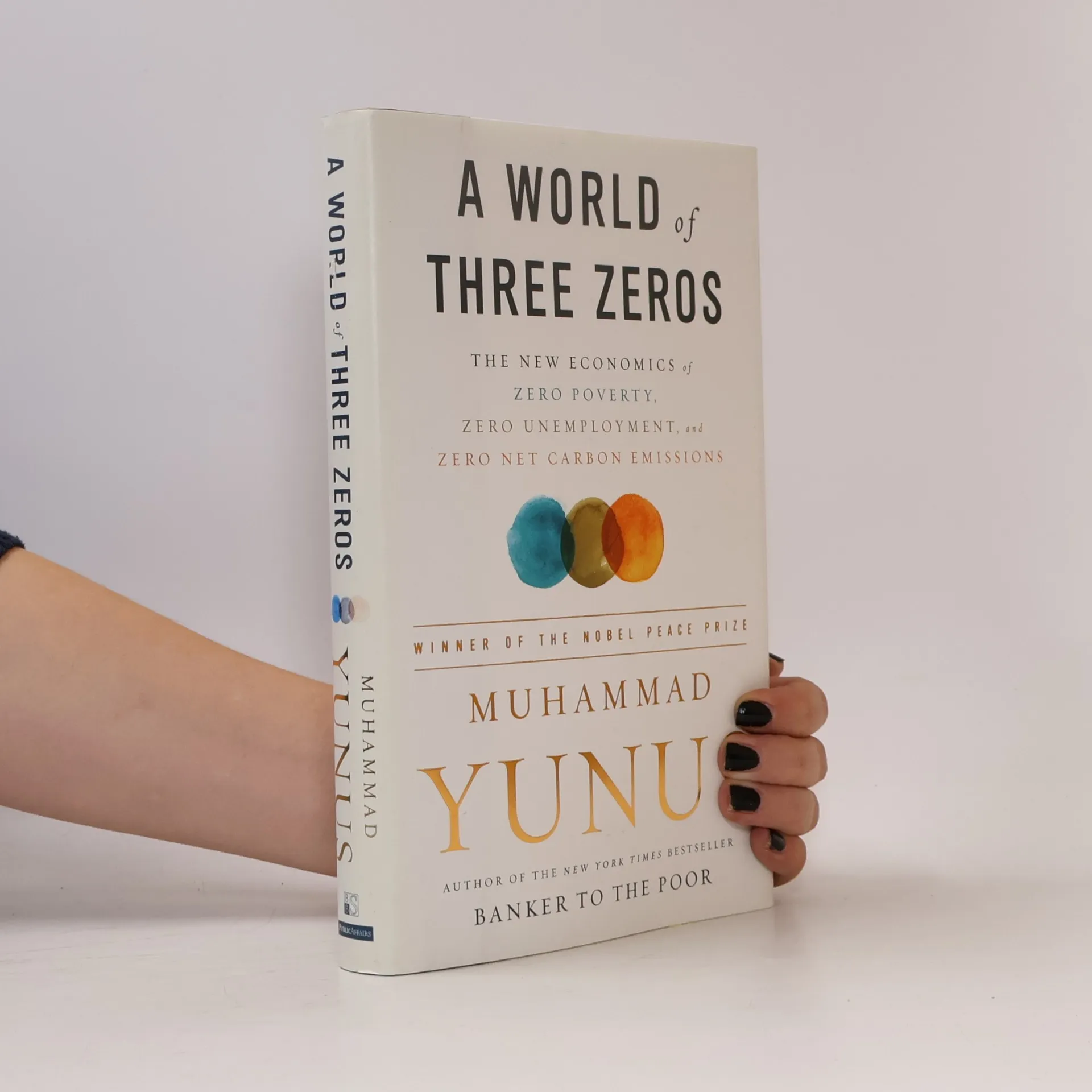
      The capitalist system, in its current form, is broken. Here, a Nobel Peace Prize-winner outlines his radical economic vision for fixing it. Eight individuals now own more wealth than 50 per cent of the global population, and high unemployment in many countries means that people’s skills, knowledge, and creativity are being wasted. Rampant environmental destruction only adds to this picture of a bleak future in which humankind will no longer be able to sustain itself. But what if there is another way? Muhammad Yunus is the economist who invented microcredit, founded Grameen Bank, and earned a Nobel Peace Prize for his work towards alleviating poverty. Here, he sets forth his vision to establish a new kind of capitalism, where altruism and generosity are valued as much as profit making, and where individuals not only have the capacity to lift themselves out of poverty, but also to affect real change for the planet and its people. A World of Three Zeroes offers a challenge to young people, business and political leaders, and ordinary citizens everywhere to embrace a new form of capitalism, and improve the world for everyone before it’s too late.

      World of Three Zeroes
    • 2015

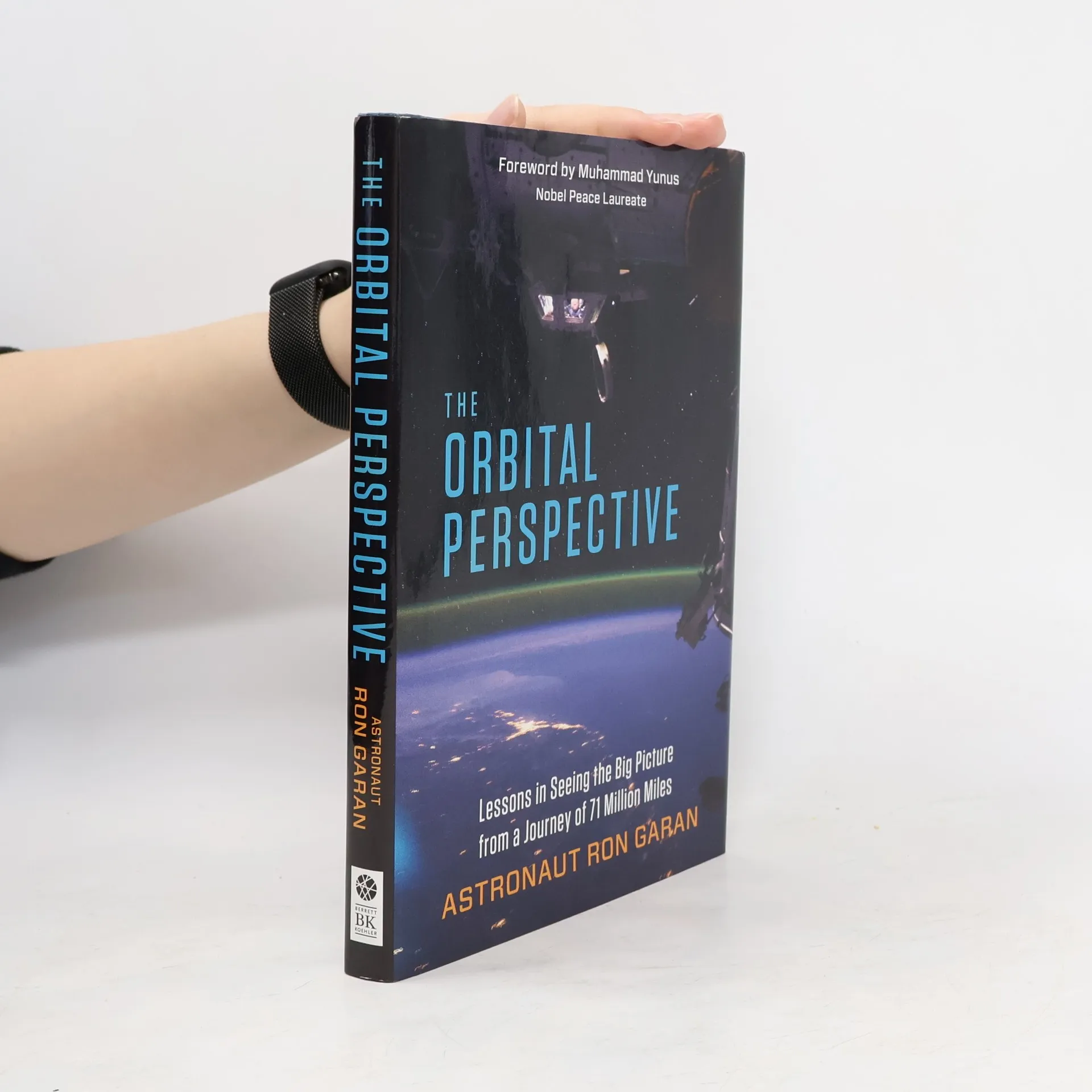
      The Orbital Perspective

      Lessons in Seeing the Big Picture from a Journey of 71 Million Miles

      • 208pagine
      • 8 ore di lettura

      Ron Garan experienced something unique and extraordinary living in orbit on the International Space Station (ISS) for six months. The ISS is arguably the most ambitious, technologically complicated undertaking in human history, and no one nation constructed it alone. Garan delves into the origins and global importance of the ISS, and then digs deeper to reveal the very personal impact his time on the ISS had for him. Now active in global projects to promote peace, combat hunger, thirst, and poverty, Ron is determined to use the audacity of the ISS as a model for cooperation to solve our greatest problems. We have all the technology and resources we need to overcome our greatest barriers to living in peace and prosperity. We only need to step outside our comfort zones, the way we ve always done things, and have the courage to embrace new collaborative partnerships and processes. Much more than a memoir or travelogue, Ron's book is a call to action for each of us to care for the most important space station of all, planet Earth."

      The Orbital Perspective
    • 2009

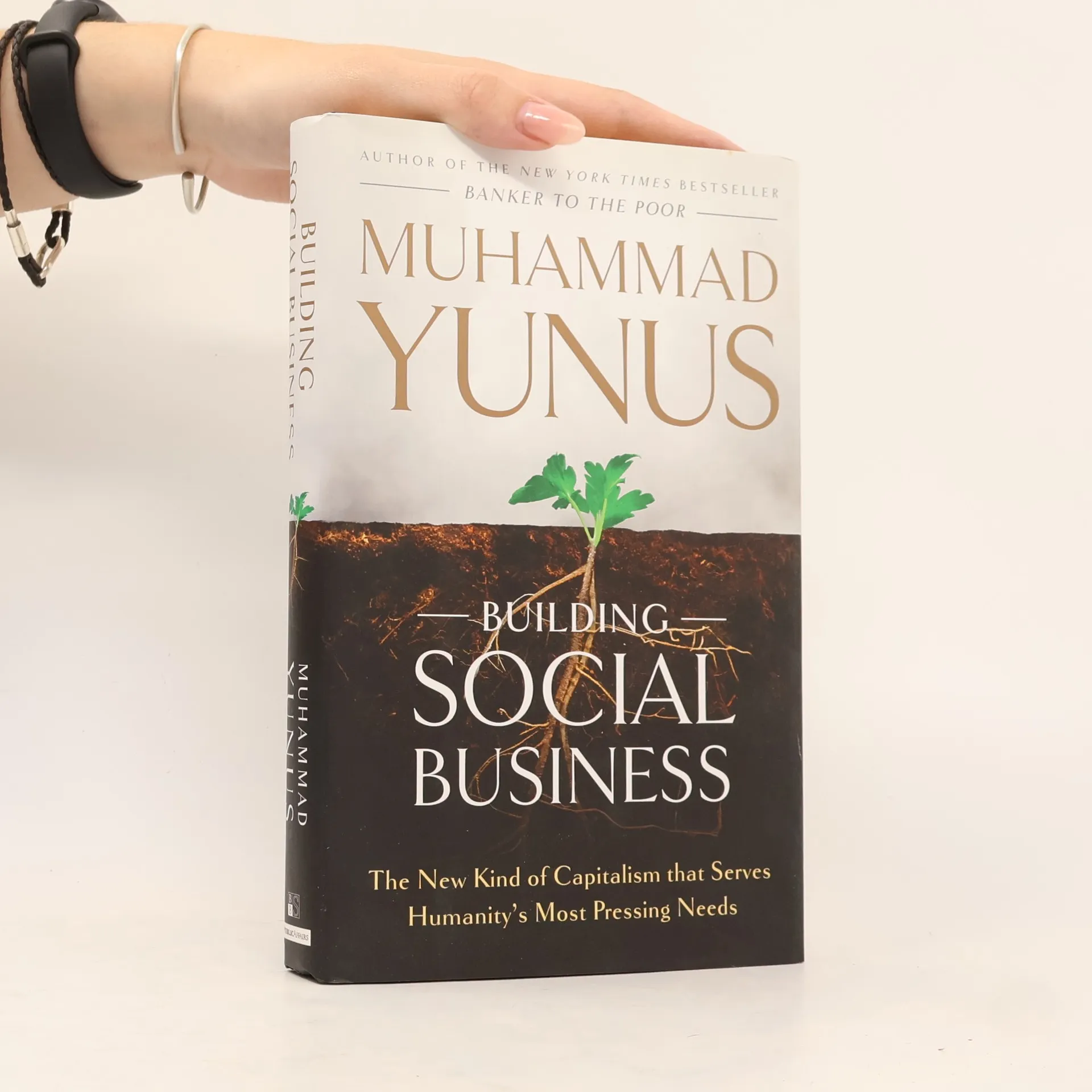
      Building Social Business

      • 256pagine
      • 9 ore di lettura

      Muhammad Yunus, the practical visionary who pioneered microcredit and, with his Grameen Bank, won the 2006 Nobel Peace Prize, has developed a visionary new dimension for capitalism which he calls “social business.” By harnessing the energy of profit-making to the objective of fulfilling human needs, social business creates self-supporting, viable commercial enterprises that generate economic growth even as they produce goods and services that make the world a better place. In this book, Yunus shows how social business has gone from being a theory to an inspiring practice, adopted by leading corporations, entrepreneurs, and social activists across Asia, South America, Europe and the US. He demonstrates how social business transforms lives; offers practical guidance for those who want to create social businesses of their own; explains how public and corporate policies must adapt to make room for the social business model; and shows why social business holds the potential to redeem the failed promise of free-market enterprise.

      Building Social Business
    • 2008

      Muhammad Yunus hat vielen Menschen aus der Armut geholfen und ihnen ein Leben in Würde ermöglicht, wofür er den Friedensnobelpreis erhielt. In seinem neuen Buch vermittelt er eine ermutigende Botschaft: Jeder kann etwas tun, um anderen zu helfen. Als Wirtschaftsprofessor aus Bangladesch erkannte er, dass bereits wenige Dollar den Weg zur Freiheit ebnen können oder aber zu lebenslanger Abhängigkeit führen, wenn sie fehlen. Deshalb gründete er eine Bank für die Armen, die Grameen Bank, die Kredite an diejenigen vergibt, die sonst abgewiesen werden. Mit über 2300 Filialen und fast 7 Millionen Kreditnehmern, von denen 97 Prozent Frauen sind, hat die Grameen Bank vielen Menschen ein Leben ohne ständige Existenzsorgen ermöglicht. Yunus geht in diesem Buch weiter und kritisiert „traditionelle“ Unternehmen, die sich ausschließlich auf Profitmaximierung konzentrieren und dadurch globale Probleme wie Armut und Umweltverschmutzung verschärfen. Er plädiert für soziales Unternehmertum, das sozialen Nutzen schafft und zeigt, dass Wirtschaft für die Menschen da sein sollte. Wenn wir solche Unternehmen unterstützen und unsere Kaufkraft nutzen, können wir die Armut auf diesem Planeten bekämpfen – das ist die Vision des Friedensnobelpreisträgers.

      Die Armut besiegen
    • 2007

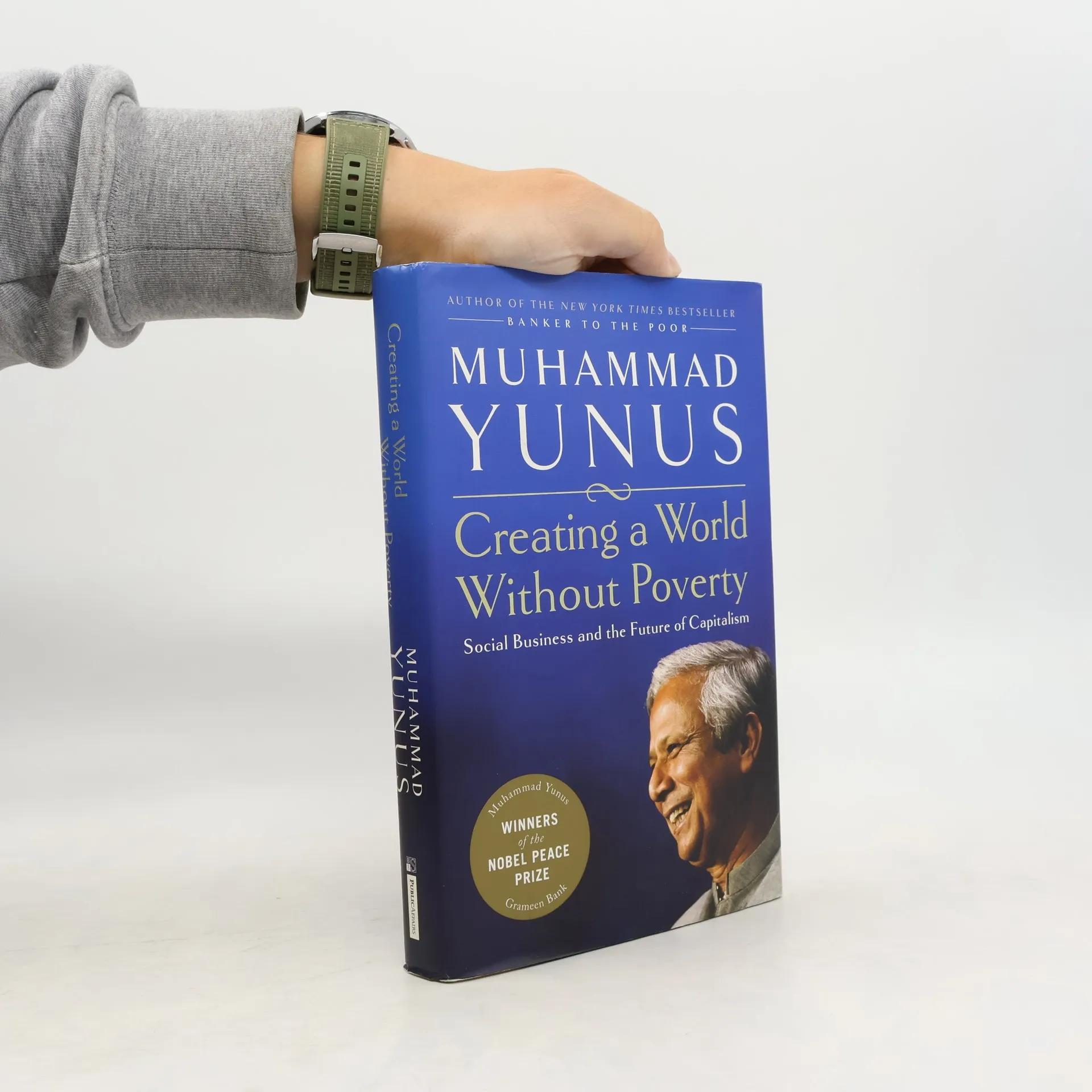
      Creating a World Without Poverty

      Social Business and the Future of Capitalism

      • 296pagine
      • 11 ore di lettura

      In the last two decades, free markets have swept the globe, bringing with them enormous potential for positive change. But traditional capitalism cannot solve problems like inequality and poverty, because it is hampered by a narrow view of human nature in which people are one-dimensional beings concerned only with profit. In fact, human beings have many other drives and passions, including the spiritual, the social, and the altruistic. Welcome to the world of social business, where the creative vision of the entrepreneur is applied to today's most serious feeding the poor, housing the homeless, healing the sick, and protecting the planet. Creating a World Without Poverty tells the stories of some of the earliest examples of social businesses, including Yunus's own Grameen Bank. It reveals the next phase in a hopeful economic and social revolution that is already under way—and in the worldwide effort to eliminate poverty by unleashing the productive energy of every human being.

      Creating a World Without Poverty
    • 2006

      De l'un des pays les plus démunis du monde, le Bangladesh, Muhammad Yunus a suscité une extraordinaire révolution silencieuse qui touche le destin de millions d'individus et passionne les responsables économiques et politiques du monde entier.

      Vers un monde sans pauvreté
    • 2003
    • 1999

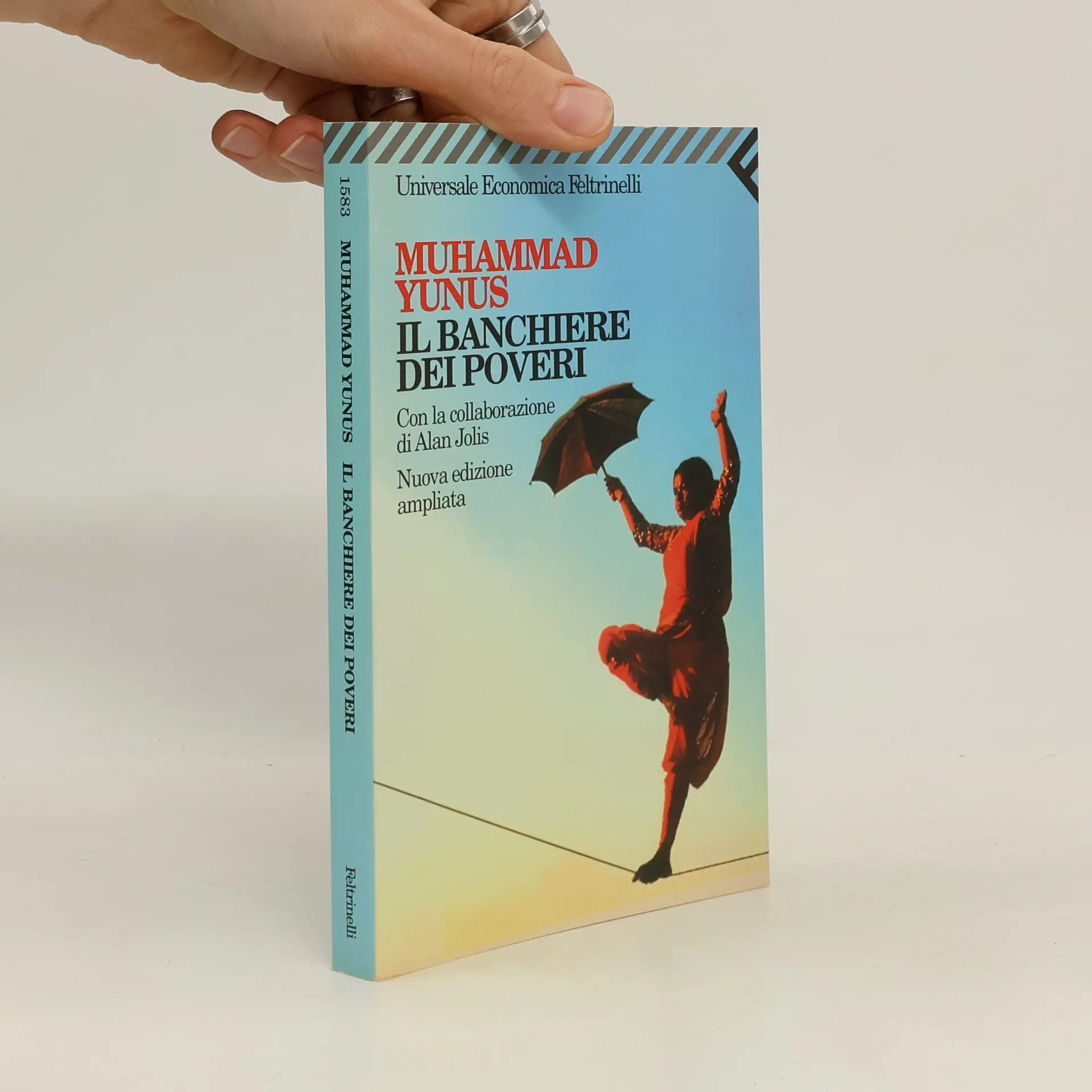
      Muhammad Yunus vive in uno dei paesi più poveri del mondo. Ad arginare gli effetti devastanti delle calamità naturali, della malnutrizione, della povertà strutturale, dell'analfabetismo e della alta densità di popolazione, in Bangladesh, non sono bastati i trenta miliardi di dollari degli aiuti internazionali. E' difficile, quindi, immaginare che l'Occidente abbia qualcosa da imparare da questo paese. Eppure, è nata qui la Grameen Bank e con essa un'idea per far sparire la povertà dalla faccia della terra. Il professor Yunus ha trovato il modo, accordando minuscoli prestiti ai diseredati della terra, di fornire al 10% della popolazione - bengalese (dodici milioni di persone) gli strumenti per uscire dalla miseria, e di trasferire poi la sperimentazione del microcredito dal Terzo mondo ai poveri di altri paesi. La banca presta denaro, a tassi bonificati, solo ai poverissimi: in questo modo coloro che non potevano ottenere prestiti dai tradizionali istituti di credito (e sono state in maggioranza donne) vengono messi nella condizione di affrancarsi dall'usura, di allargare la propria base economica e di prendere in mano il proprio destino. Questo libro, che è già un bestseller e che ha ispirato un film, ci racconta come è stato possibile realizzare tutto ciò.

      Il banchiere dei poveri