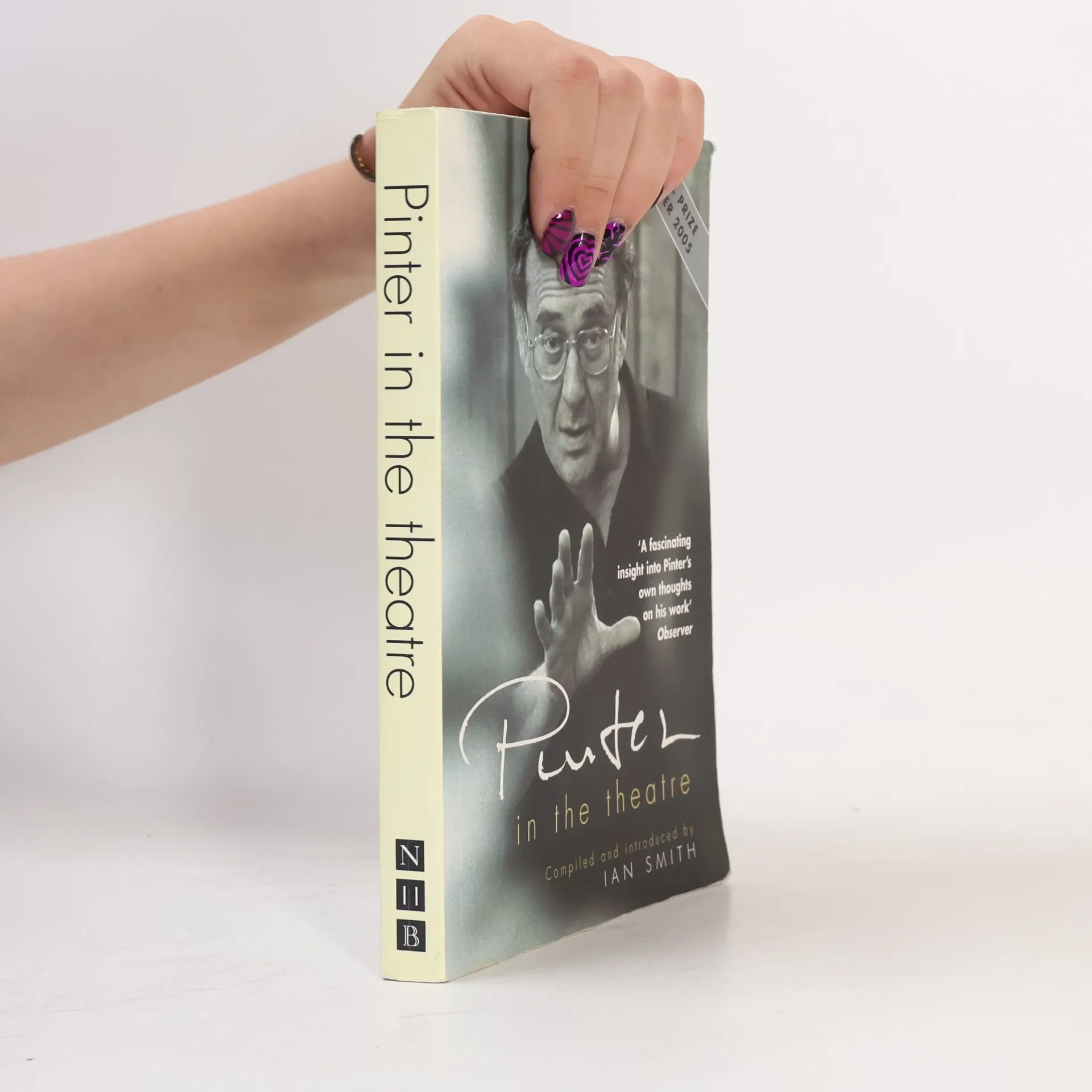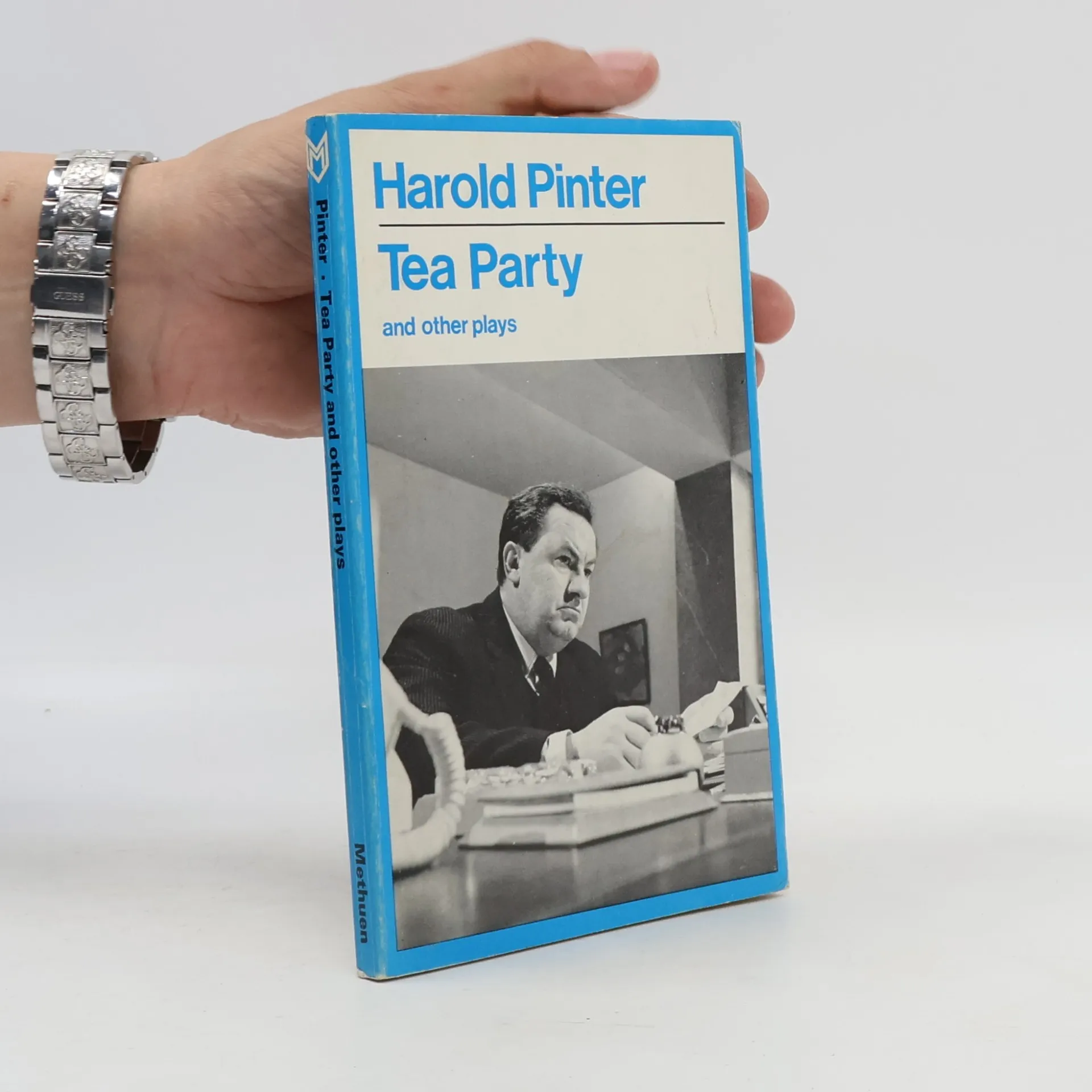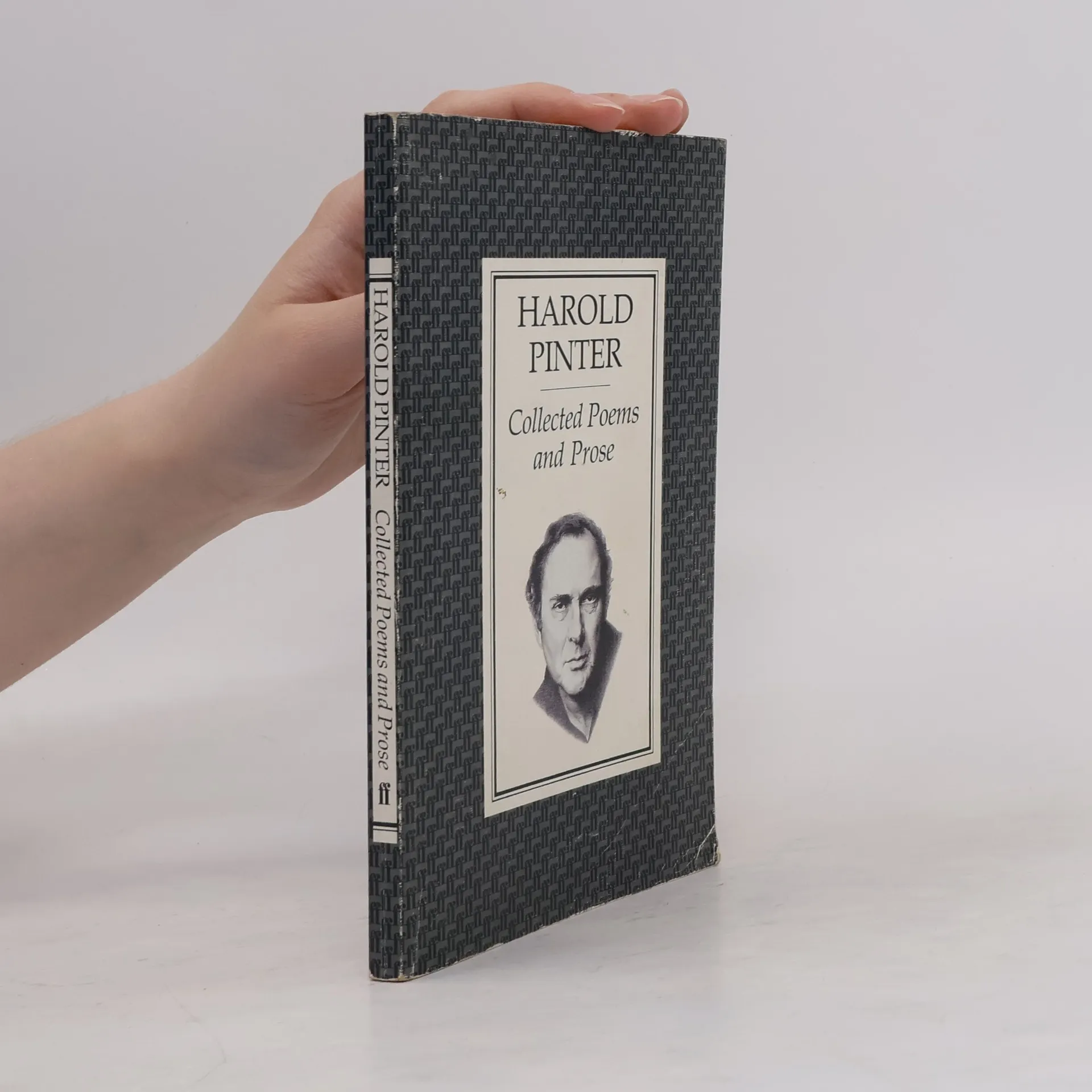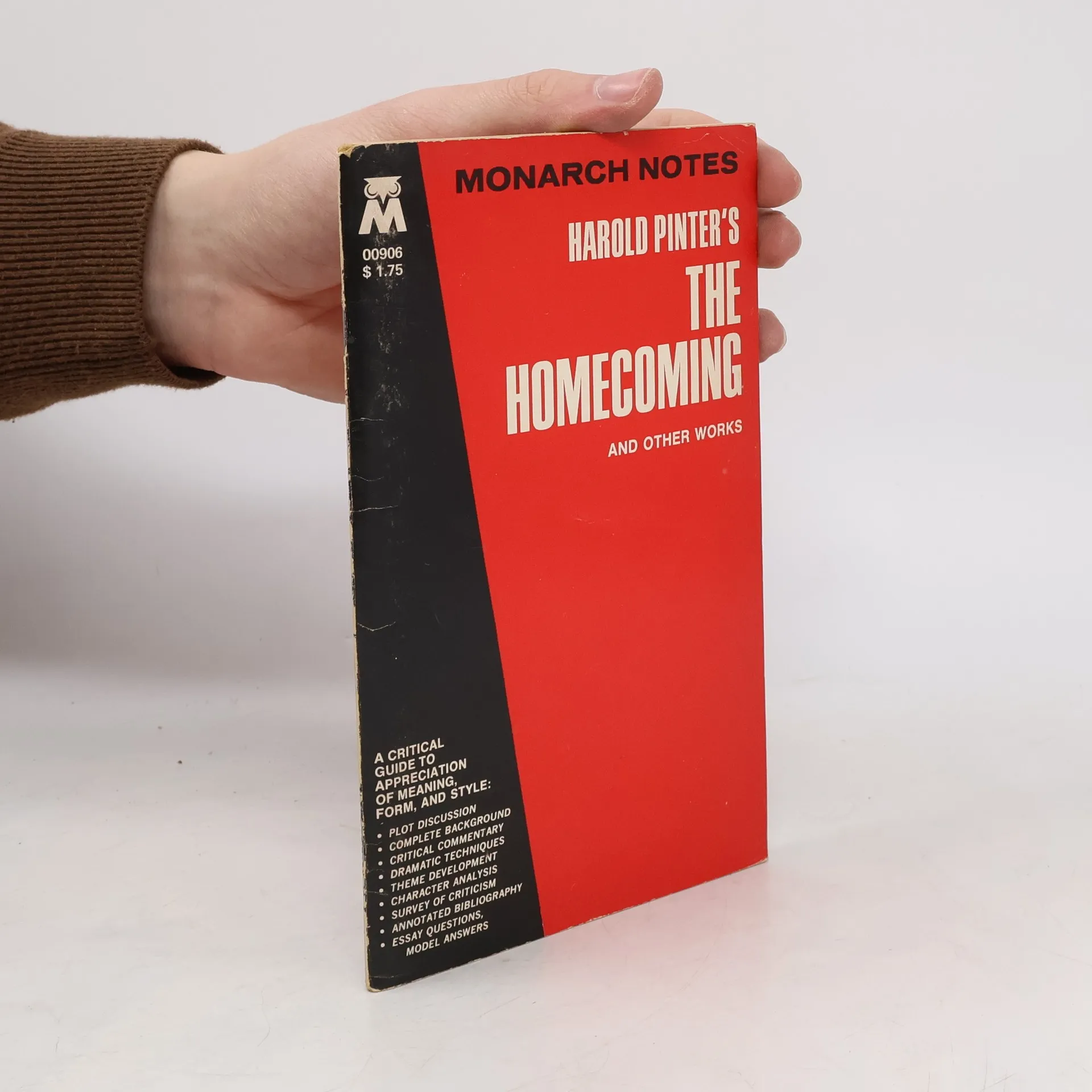
10 libri per 10 euro qui
Bookbot

Harold Pinter

    10 ottobre 1930 – 24 dicembre 2008

    Harold Pinter si pone tra i drammaturghi più influenti dei tempi moderni. Le sue opere si distinguono per pause e silenzi teatrali, tempi comici, ironia e minaccia. I drammi di Pinter spesso presentano intensi conflitti tra personaggi ambivalenti che lottano per la dominanza verbale e territoriale, nonché per le proprie versioni del passato. Le sue opere, tematicamente ambigue, approfondiscono complesse questioni sull'identità individuale oppressa dalle forze sociali, dal linguaggio e dalle vicissitudini della memoria.

    Harold Pinter
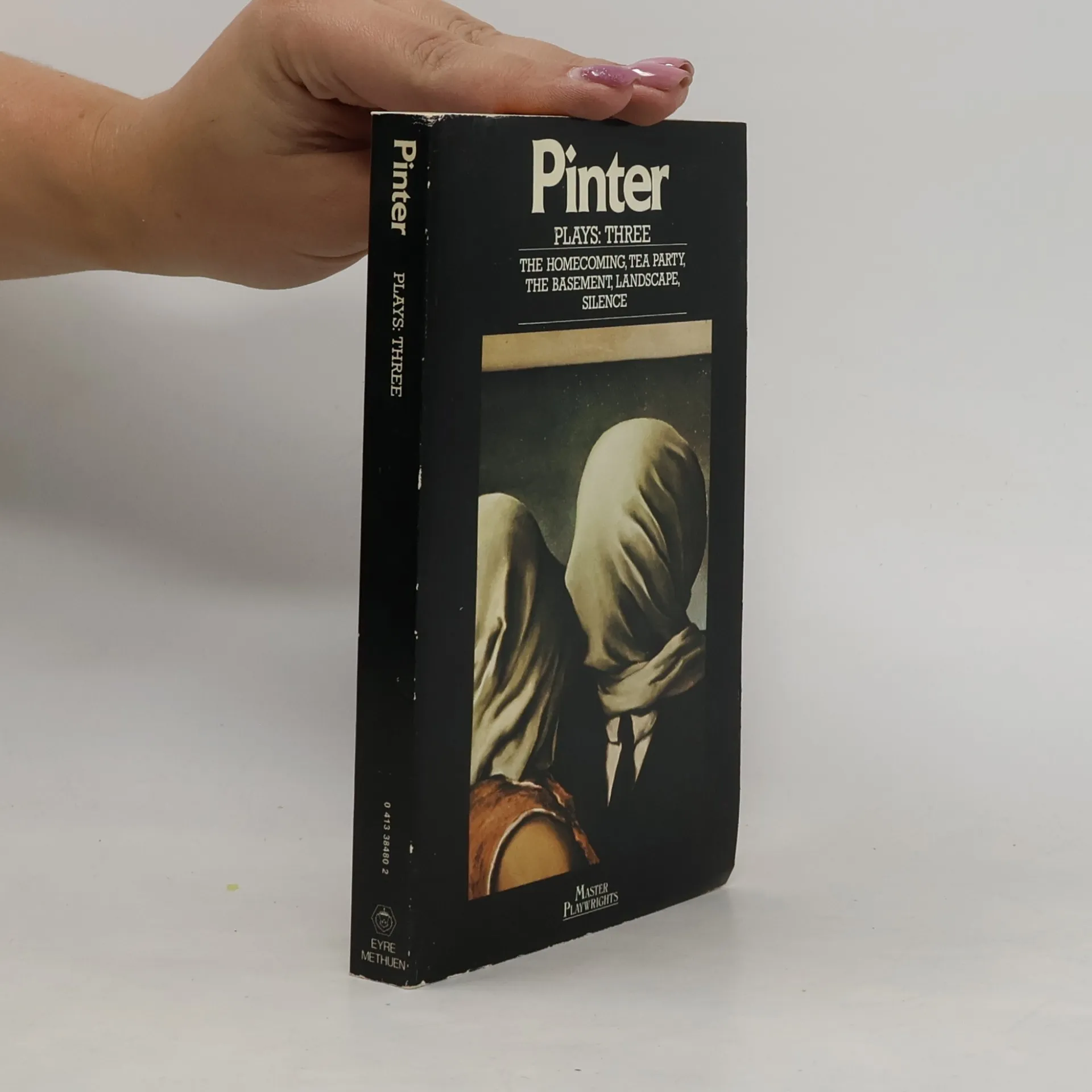
    Pinter Plays. 3
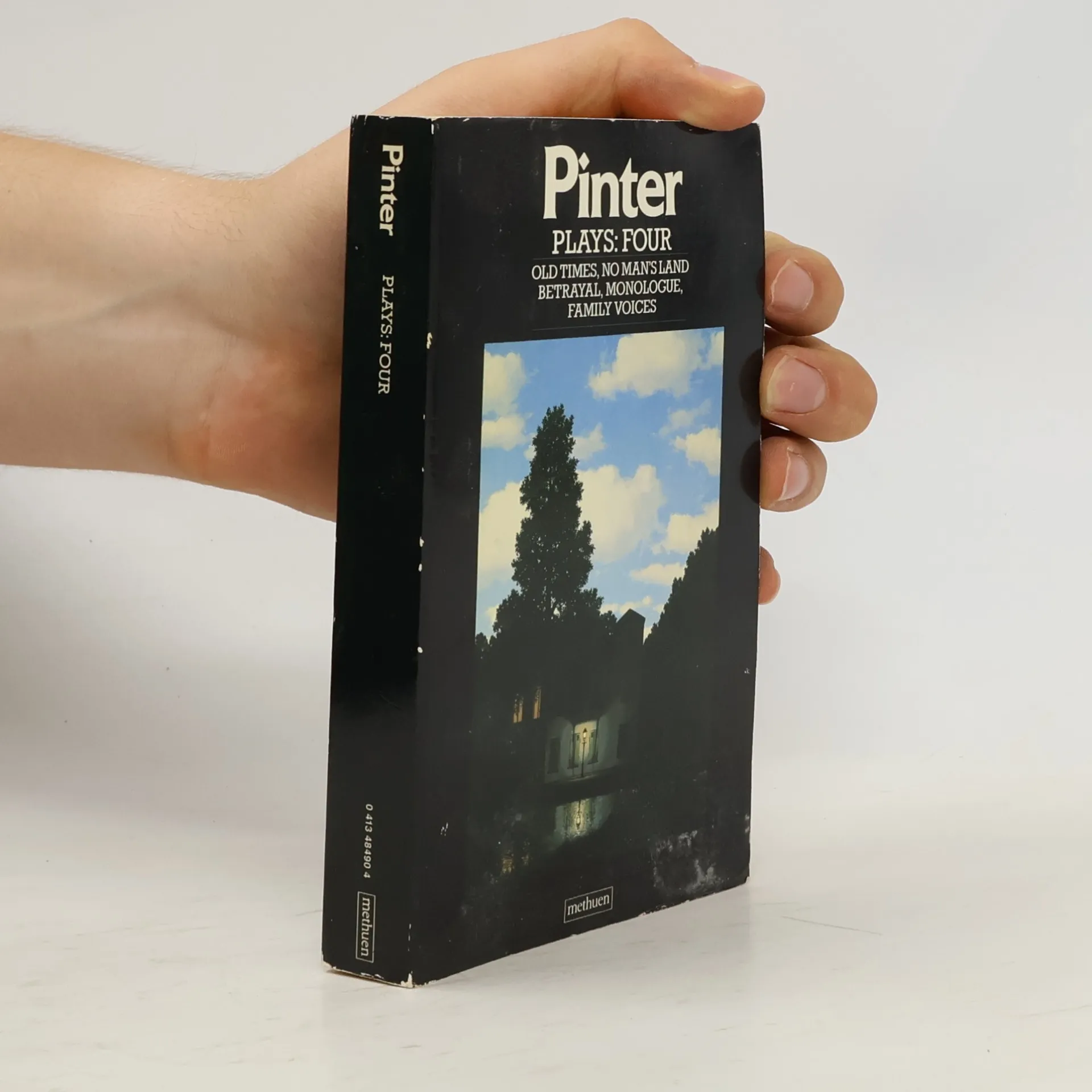
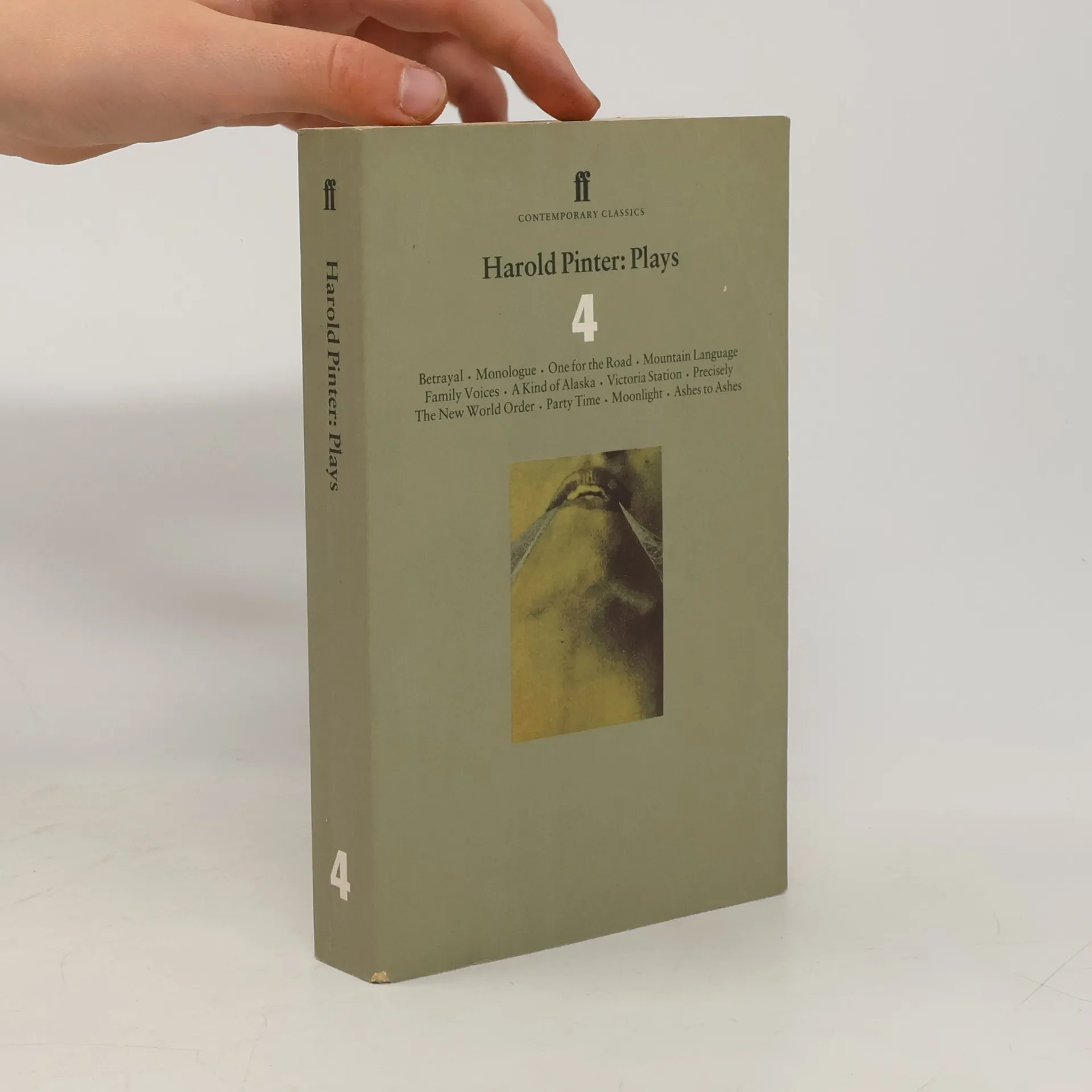
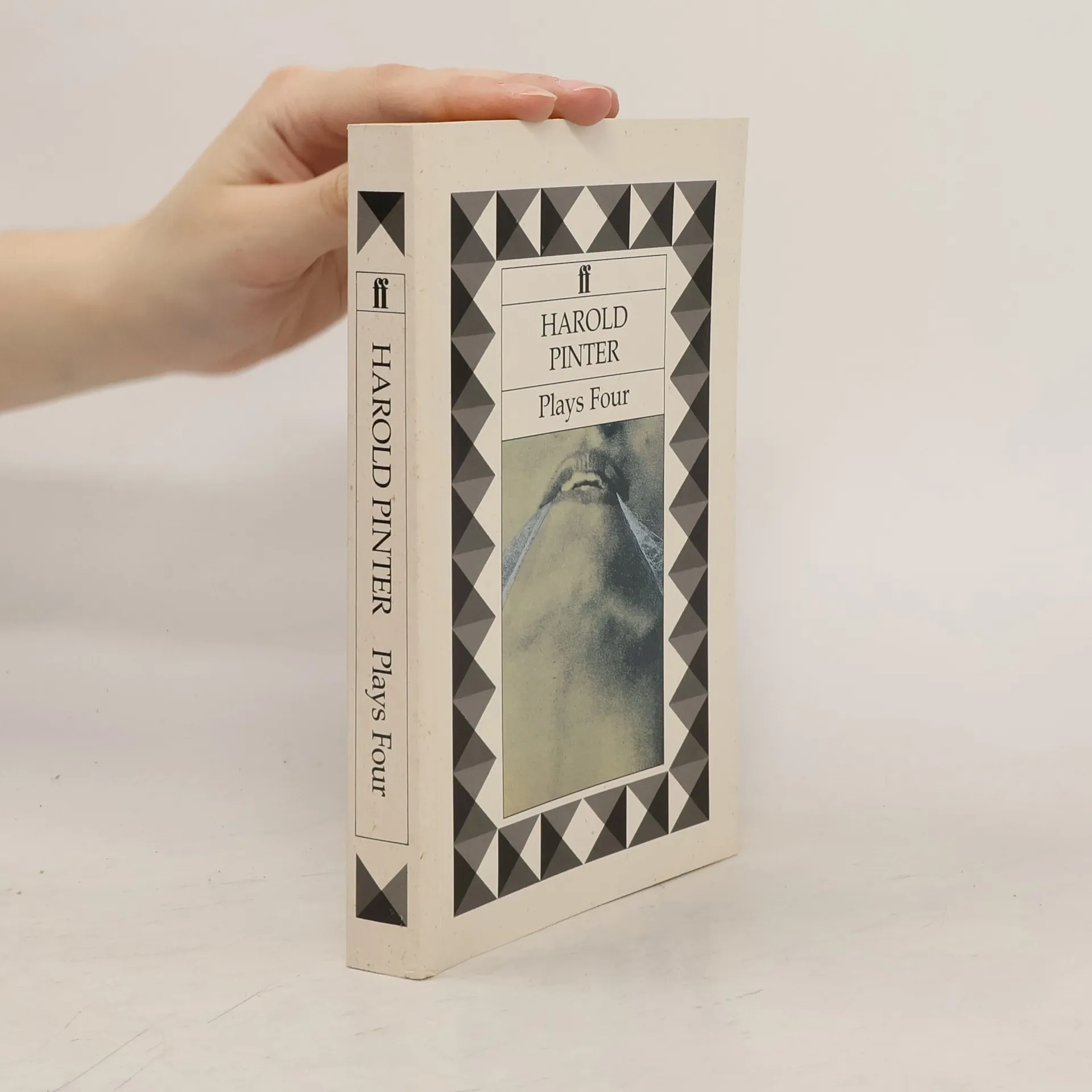
    Plays. Vol.4. Betrayal; Monologue; One for the Road; Mountain Language; Family Voices; A Kind of Alaska; Victoria Station; Precisely; The New World Order; Party Time; Moonlight; Ashes to Ashes
    Plays: One
    Teatro
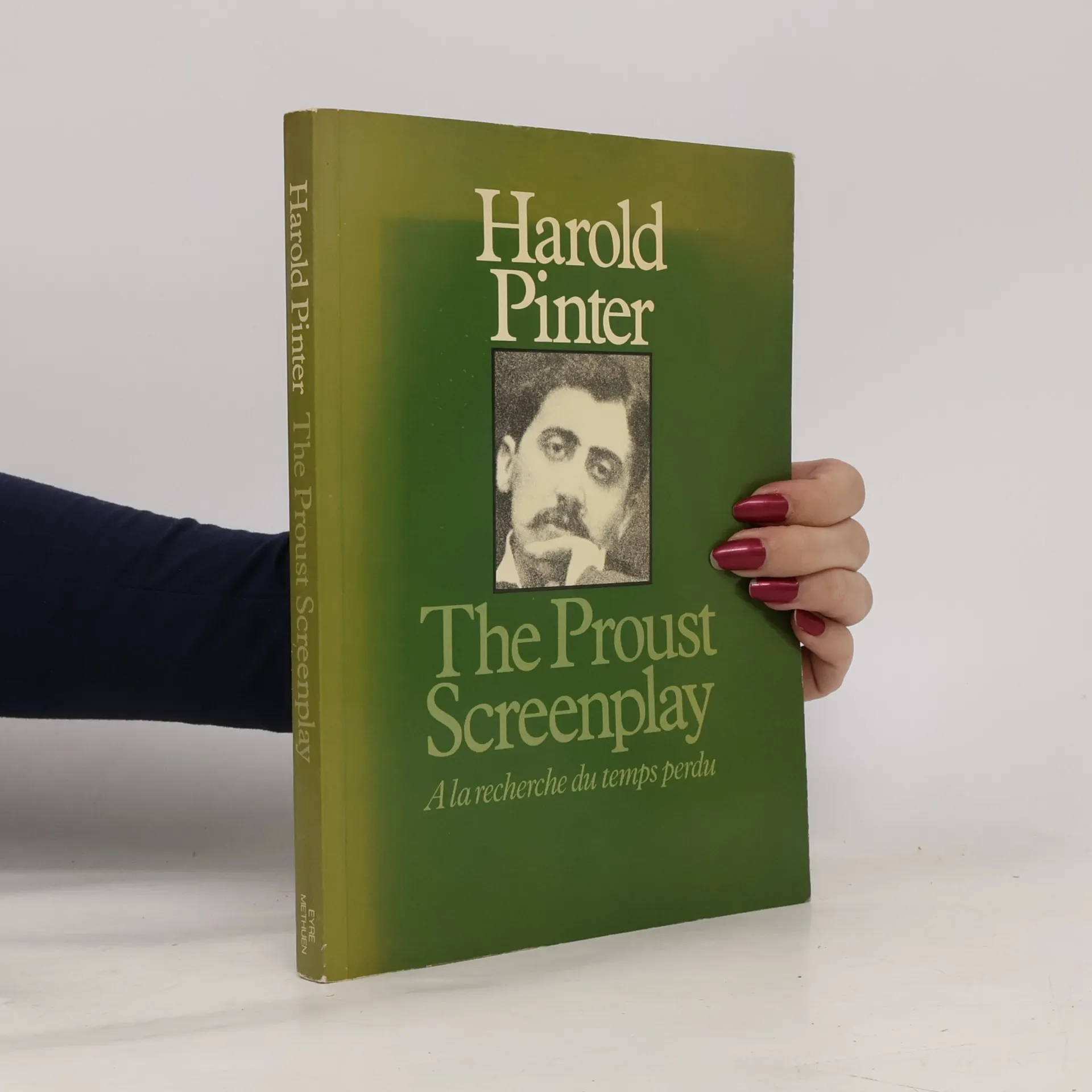
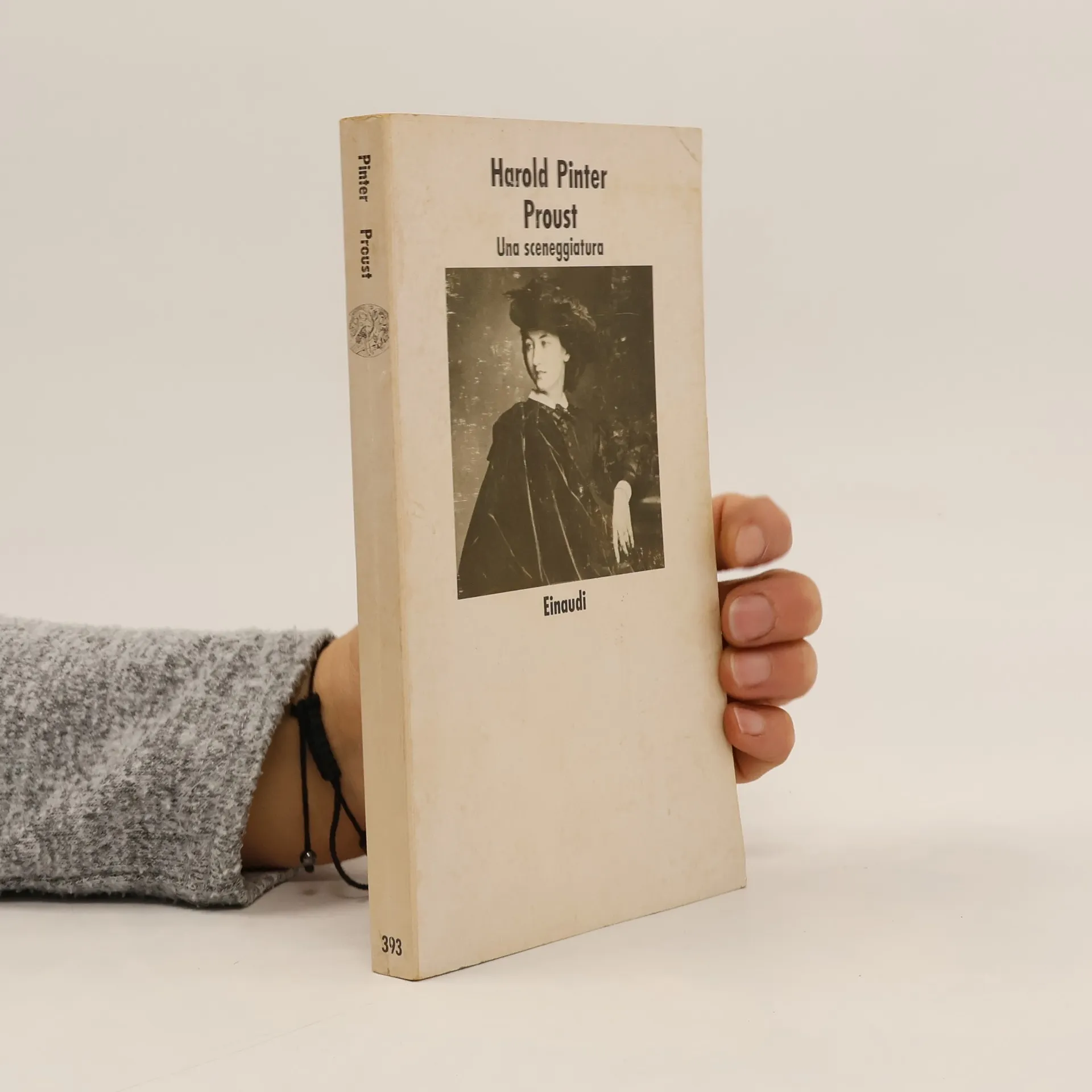
    Proust. Una sceneggiatura
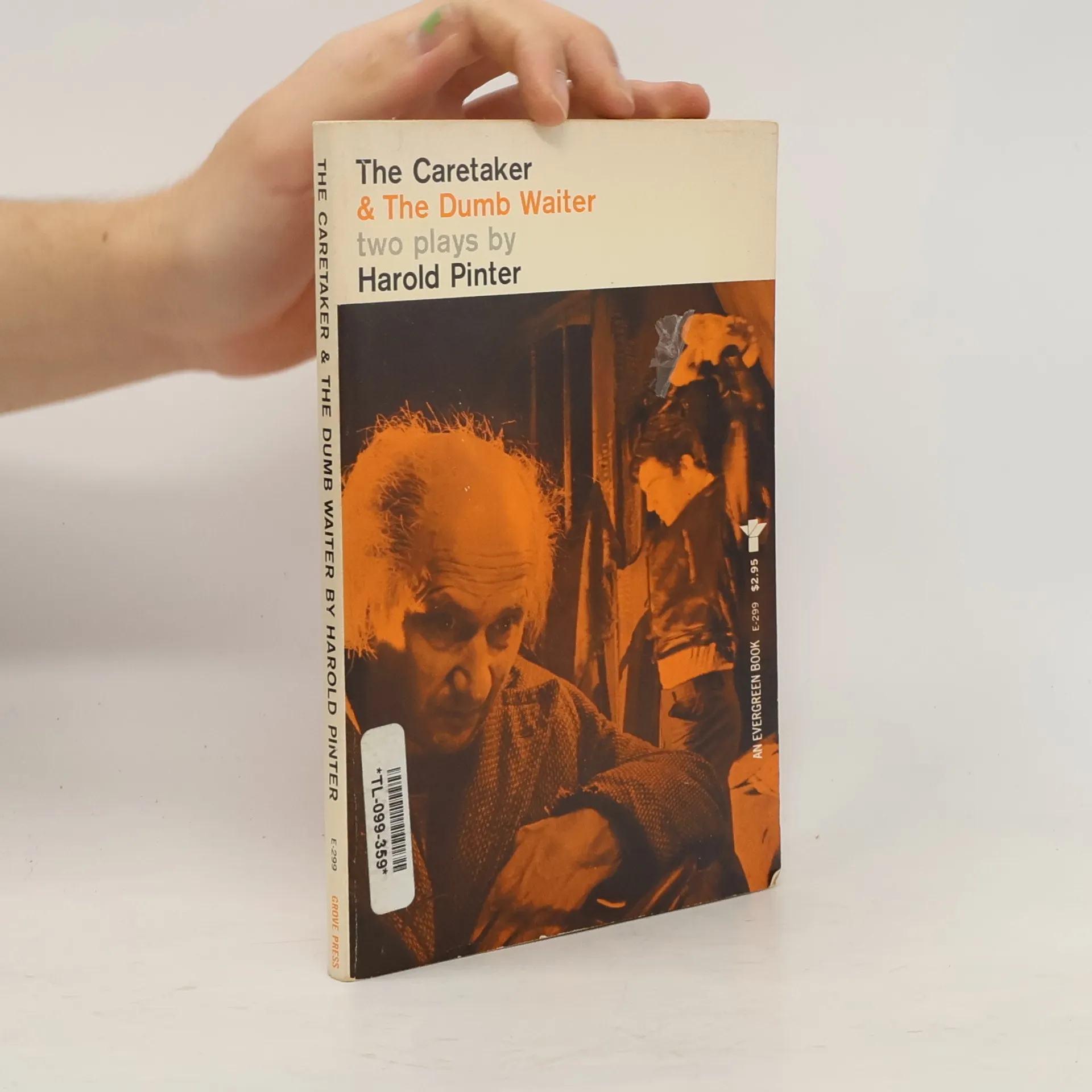
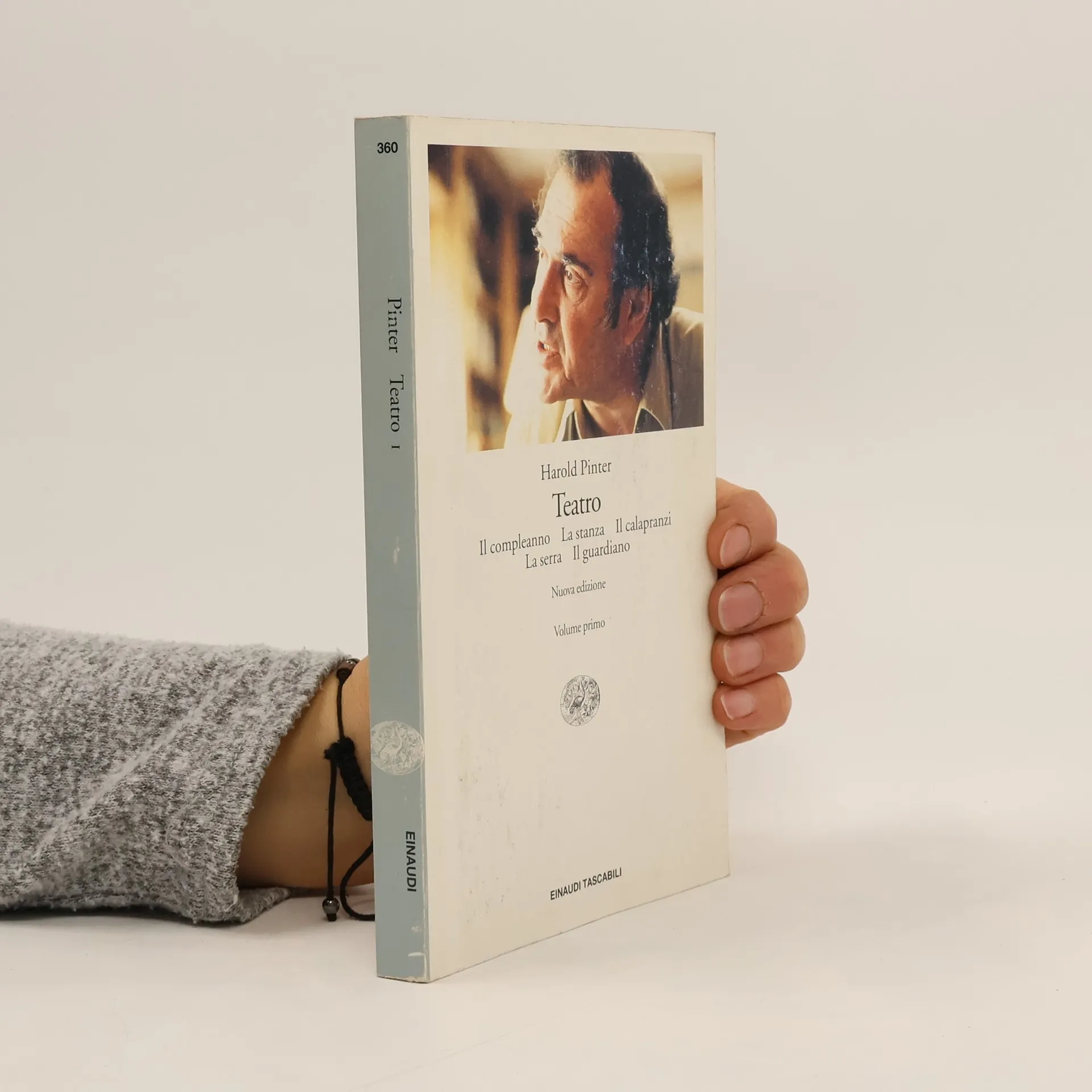
    Teatro. Volume primo. Il compleanno - La stanza - Il calapranzi - La serra - Il guardiano
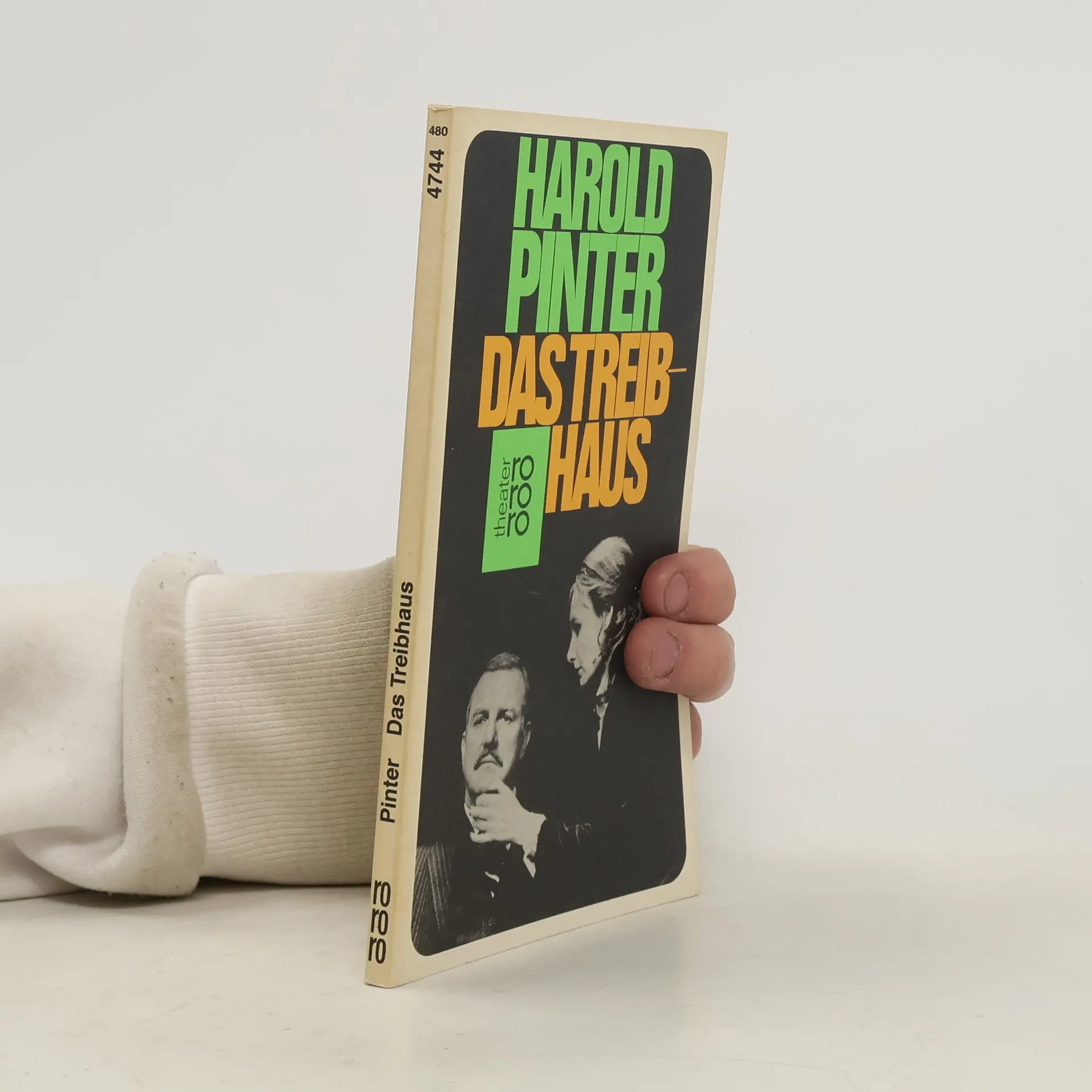
    • Le prime rappresentazioni delle opere di Harold Pinter furono letteralmente stroncate da quasi tutta la critica. Si scrisse che era un autore eccentrico, inaccettabile, incomprensibile, che non aveva nulla da dire. Oggi è forse l'autore vivente piú rappresentato al mondo, ma come lui stesso tiene a sottolineare: «Adesso sono diventato comprensibile, accettabile, eppure le mie commedie sono sempre le stesse di allora. Non ho cambiato una sola battuta!» Nel primo volume sono raccolti i testi che hanno rivelato il drammaturgo inglese e ne hanno decretato poi il successo internazionale coronato dal Premio Nobel, in quanto erede e continuatore di maestri come Beckett, Genet e Ionesco; sono Il compleanno, La stanza, Il calapranzi, La serra e Il guardiano .

      Teatro. Volume primo. Il compleanno - La stanza - Il calapranzi - La serra - Il guardiano
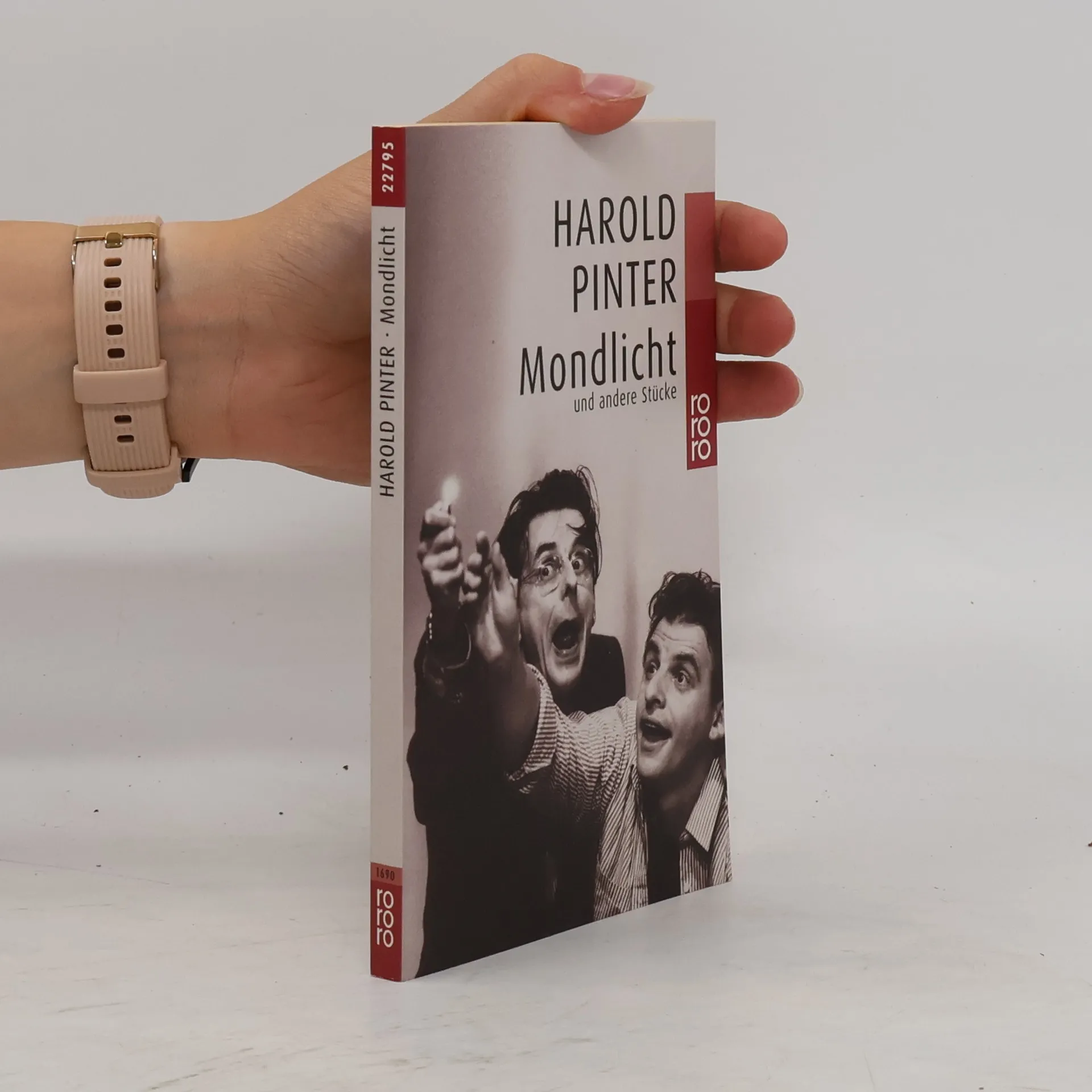
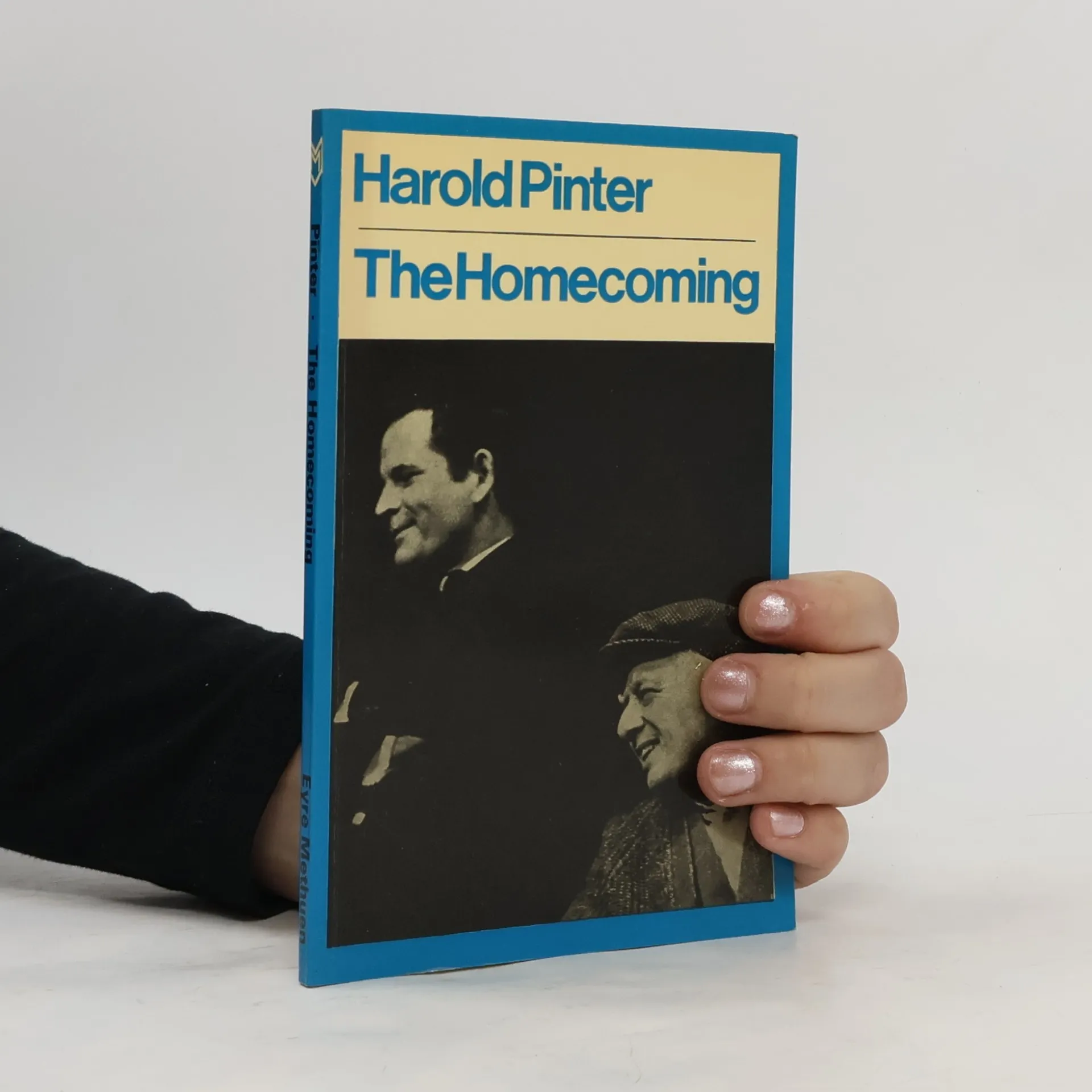
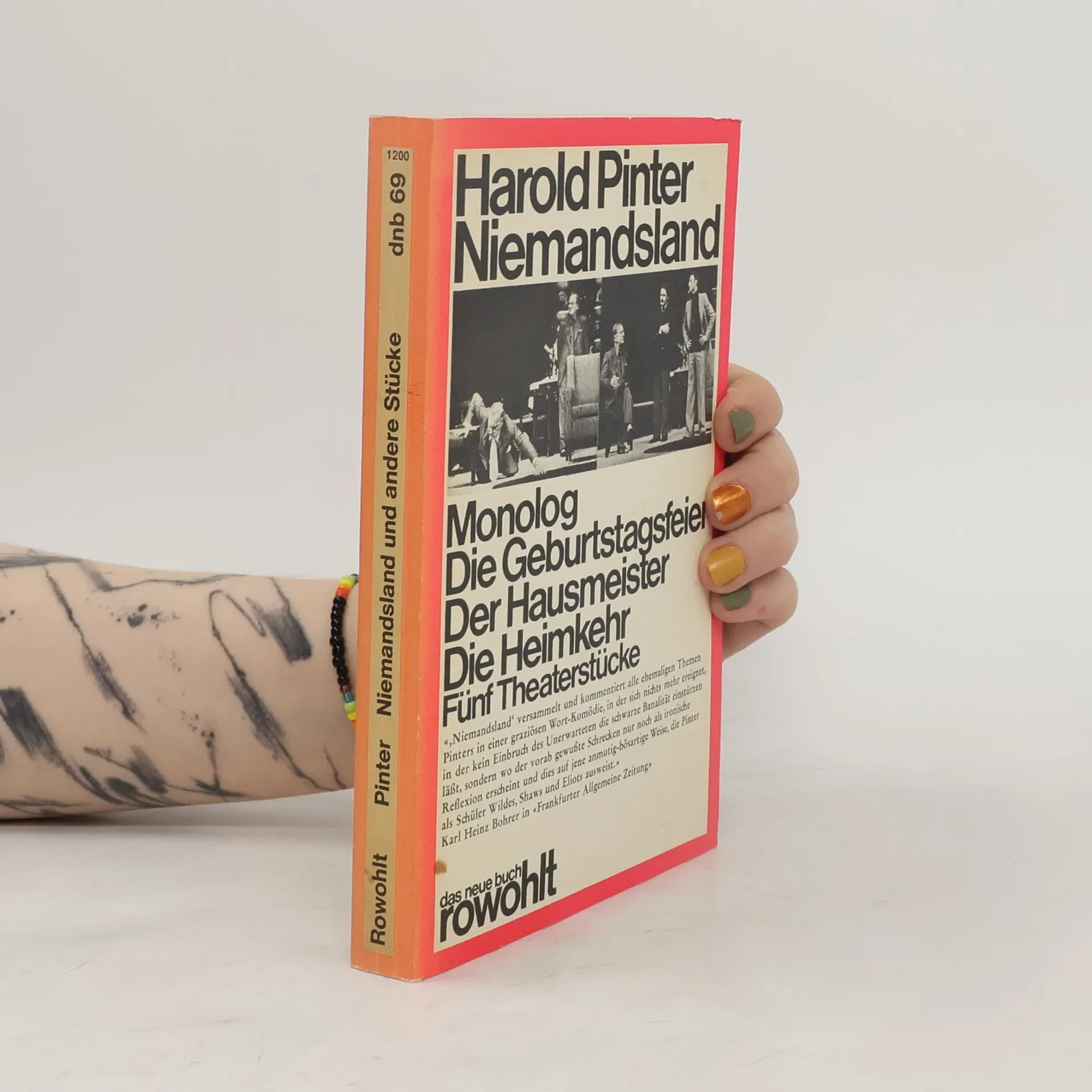
    • Le prime rappresentazioni delle opere di Harold Pinter furono letteralmente stroncate da quasi tutta la critica. Si scrisse che era un autore eccentrico, inaccettabile, incomprensibile, che non aveva nulla da dire. Oggi è forse l'autore vivente piú rappresentato al mondo, ma come lui stesso tiene a sottolineare: «Adesso sono diventato comprensibile, accettabile, eppure le mie commedie sono sempre le stesse di allora. Non ho cambiato una sola battuta!»Il secondo volume - che contiene anche alcuni «ritocchi» compiuti dallo stesso autore - comprende le commedie scritte tra il 1962 (The Lover) e il 1991 (Party Time). Dai capolavori della maturità, come Il ritorno a casa del 1964, e Terra di nessuno di dieci anni dopo, alle tragicommedie sulla «menzogna dell'amore» - L'amante, Vecchi tempi, Tradimenti - ai brevi drammi «politici» piú recenti - Il bicchiere della staffa, Il linguaggio della montagna, Party Time, in cui Pinter denuncia, con la consueta forza di ambasciatore di Amnesty International e di illustre rappresentante del P.E.N. Club inglese, torture, guerre, violazioni dei diritti umani e abusi di potere. Il volume è accompagnato dall'appendice Pinter in Italia e da una nota del curatore che dà conto delle altre numerose «arti» di cui egli è maestro: regista, sceneggiatore, attore.

      Teatro
    • Plays: One

      • 336pagine
      • 12 ore di lettura

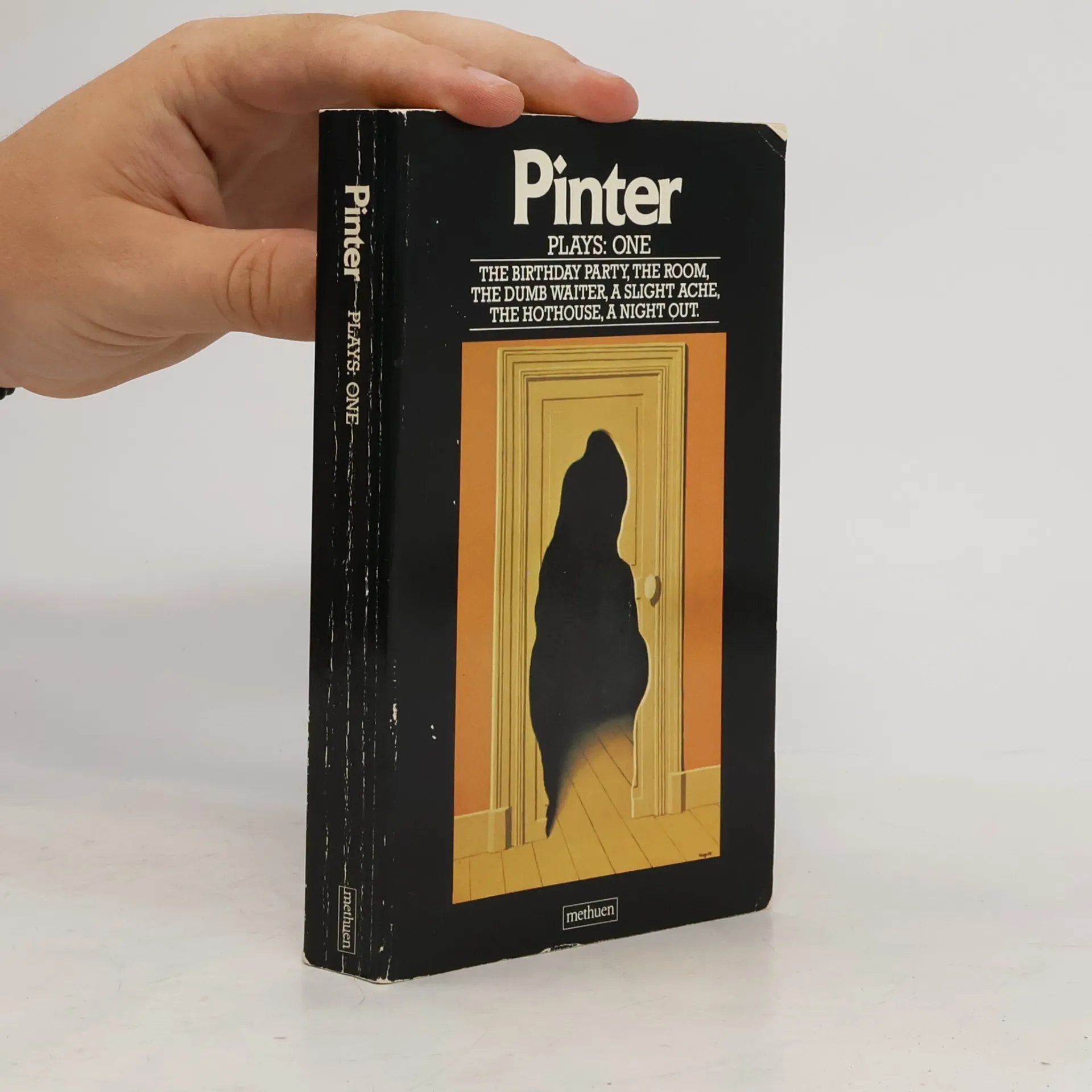
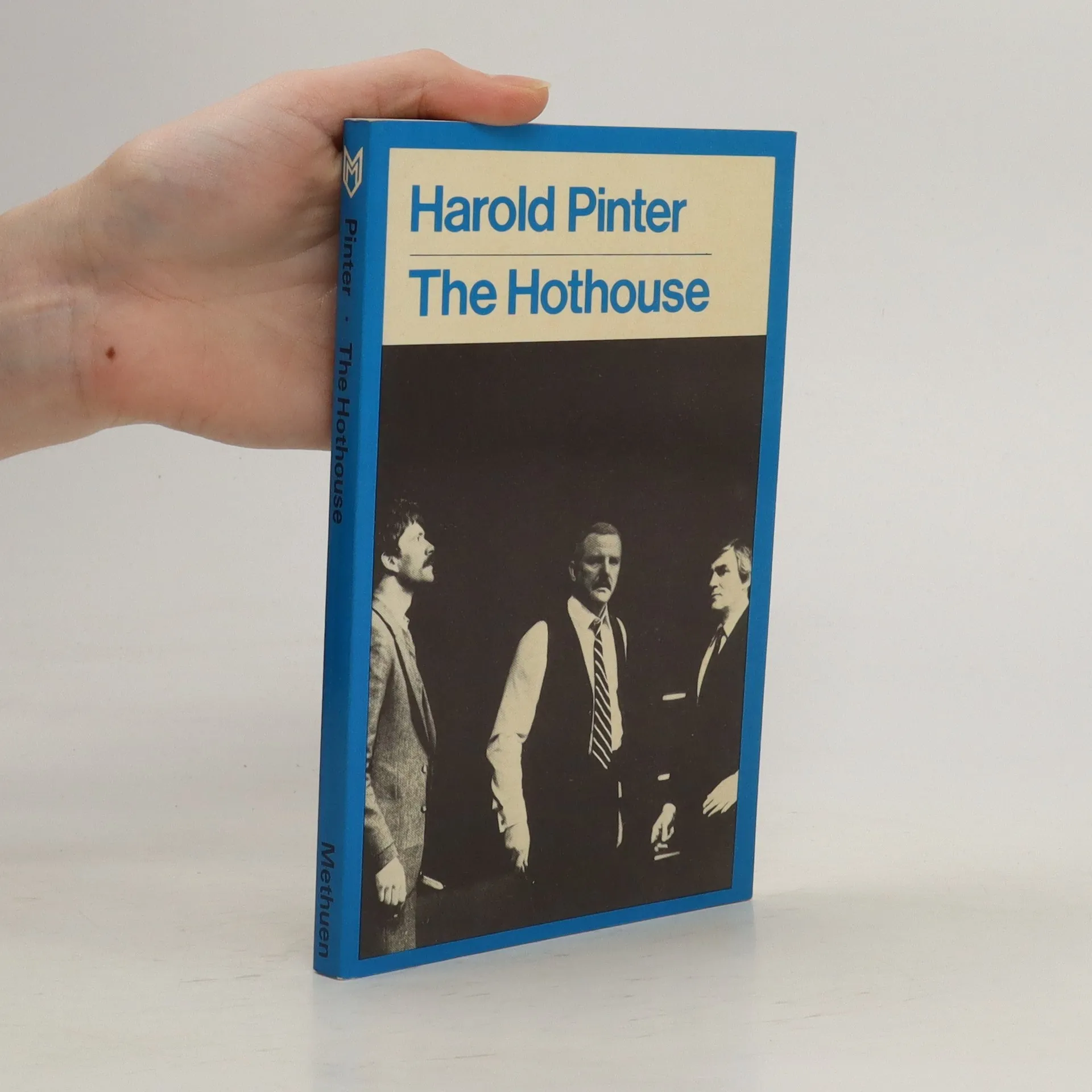
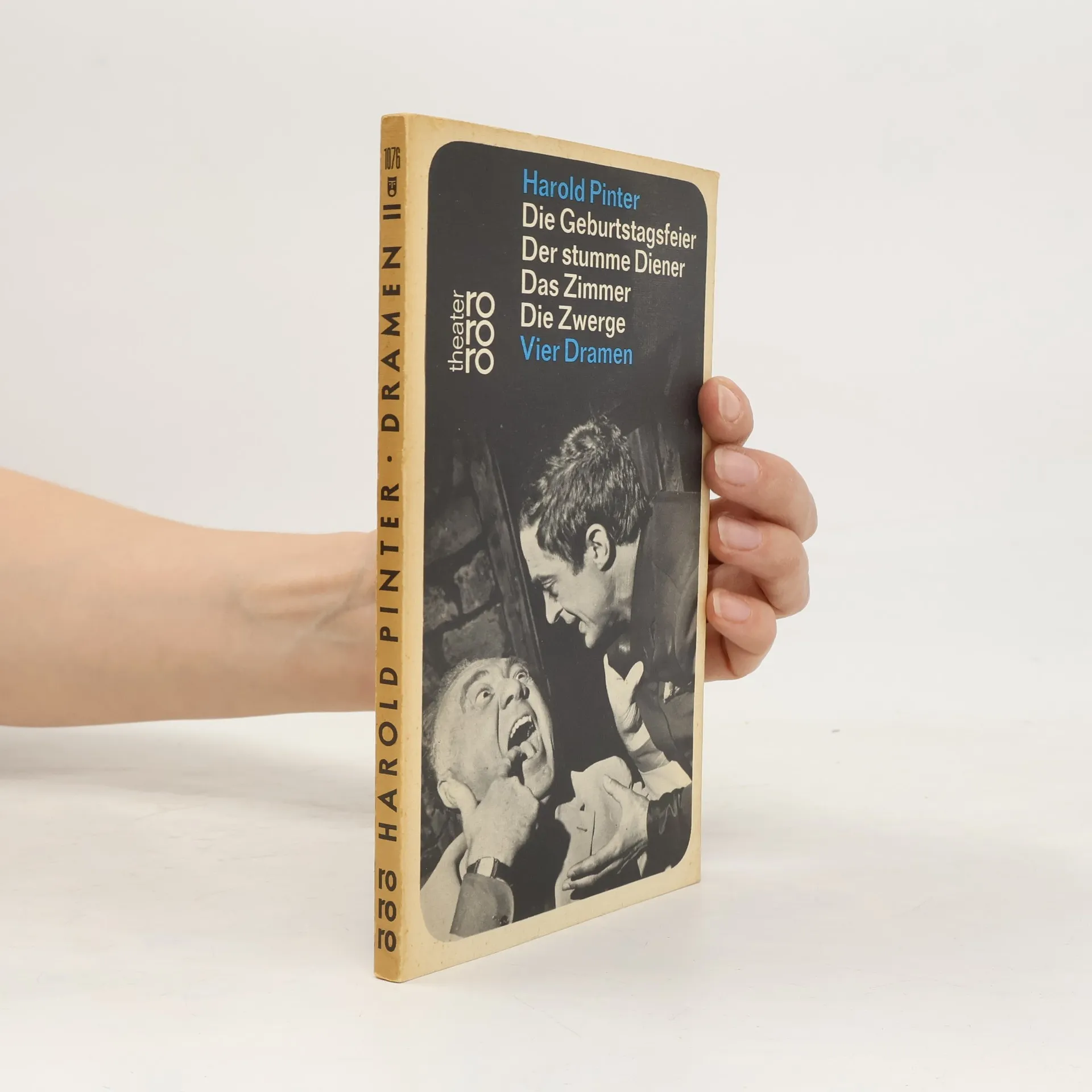
      This volume contains Harold Pinter's first six plays, including The Birthday Party. The Birthday Party Stanley Webber is visited in his boarding house by two strangers, Goldberg and McCann. An innocent-seeming birthday party for Stanley turns into a nightmare. 'Mr Pinter's terrifying blend of pathos and hatred fuses unforgettably into the stuff of art.' Sunday Times The Room and The Dumb Waiter In these two early one-act plays, Harold Pinter reveals himself as already in full control of his unique ability to make dramatic poetry of the banalities of everyday speech and the precision with which it defines character. 'Harold Pinter is the most original writer to have emerged from the new wave of dramatists who gave fresh life to the British theatre in the fifties and early sixties.' The Times The Hothouse The Hothouse was first produced in 1980, though Harold Pinter wrote the play in 1958, just before commencing work on The Caretaker. In this compelling study of bureaucratic power, we can see the full emergence of a great and original dramatic talent. 'The Hothouse is at once sinister and hilarious, suggesting an unholy alliance of Kafka and Feydeau.' Spectator

      Plays: One
    • This revised edition of Harold Pinter's Plays 4 features his latest play, Celebration, and highlights Pinter as a leading figure in British drama during the latter half of the twentieth century, as noted by the Swedish Academy in his 2005 Nobel Prize citation.

      Plays. Vol.4. Betrayal; Monologue; One for the Road; Mountain Language; Family Voices; A Kind of Alaska; Victoria Station; Precisely; The New World Order; Party Time; Moonlight; Ashes to Ashes
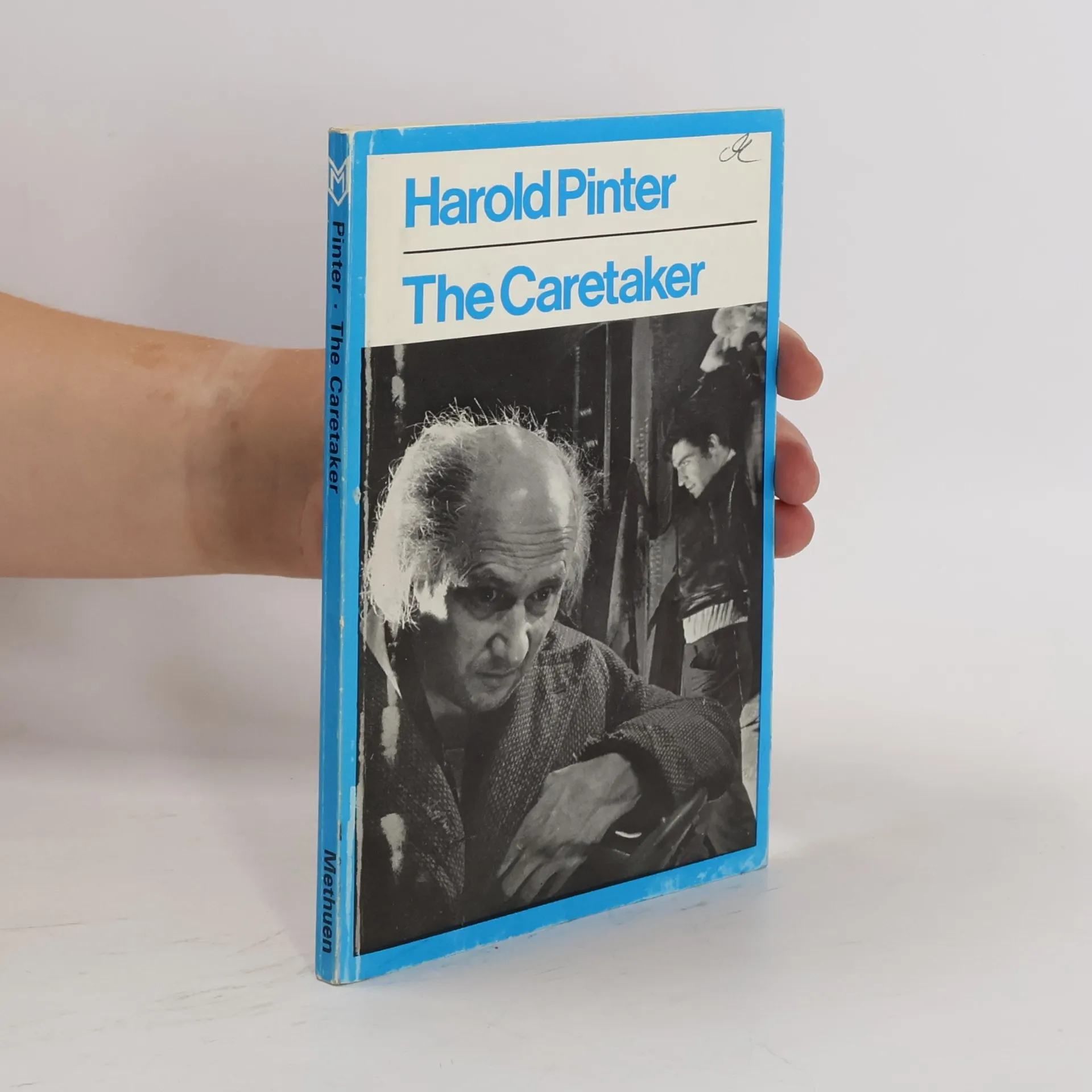
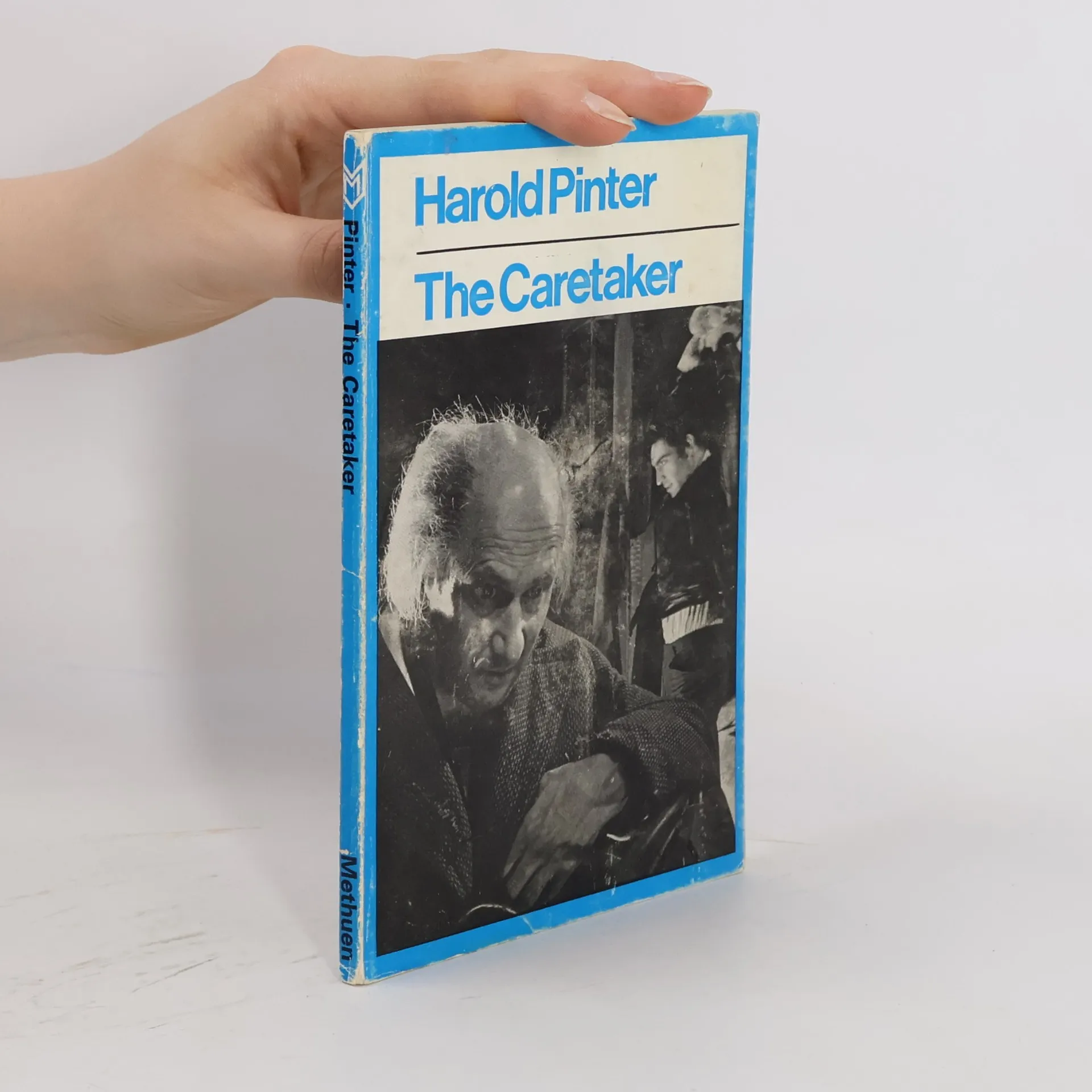
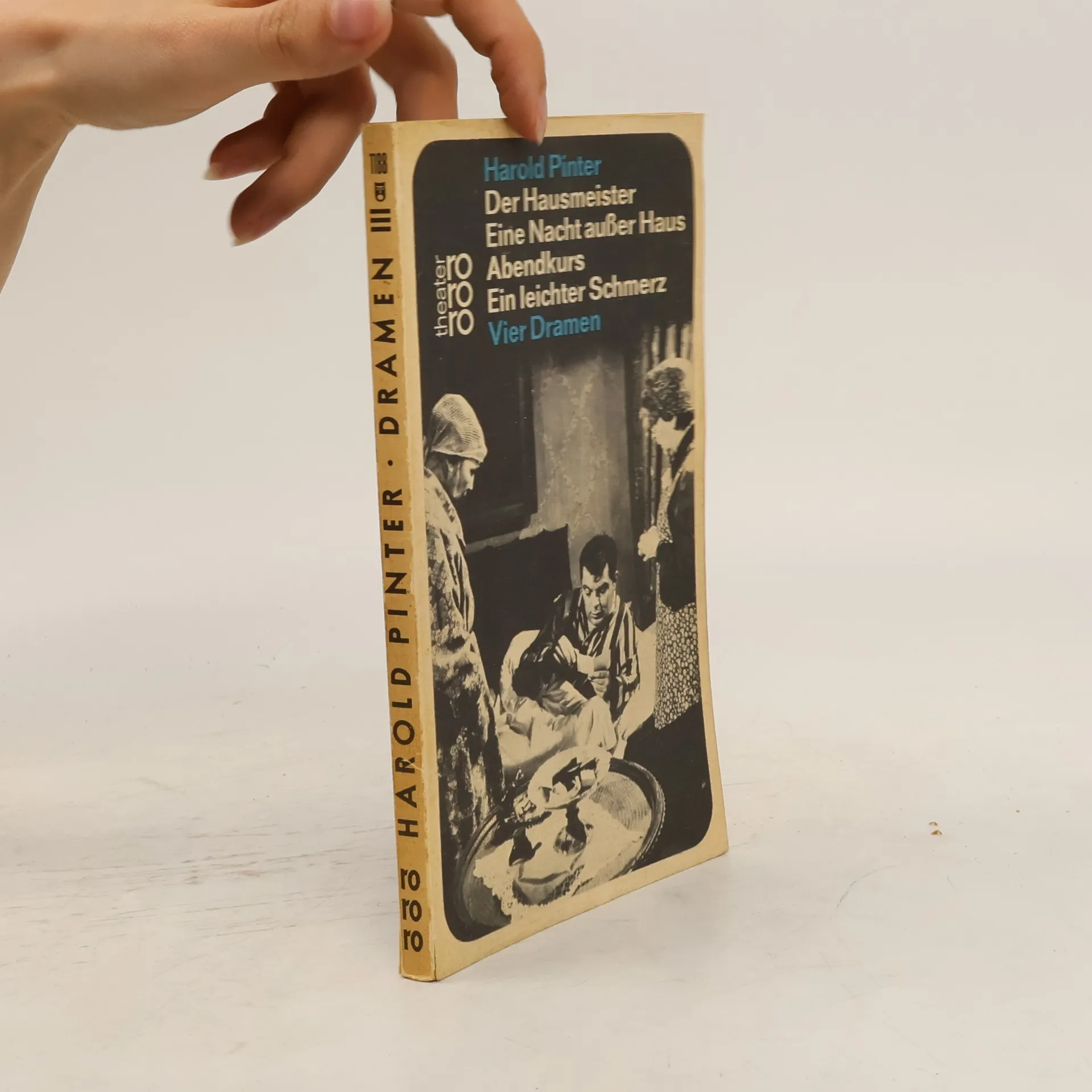
    • The second volume of Harold Pinter's collected work includes The Caretaker. The CaretakerIt was with this play that Harold Pinter had his first major success.

      Harold Pinter Plays 2
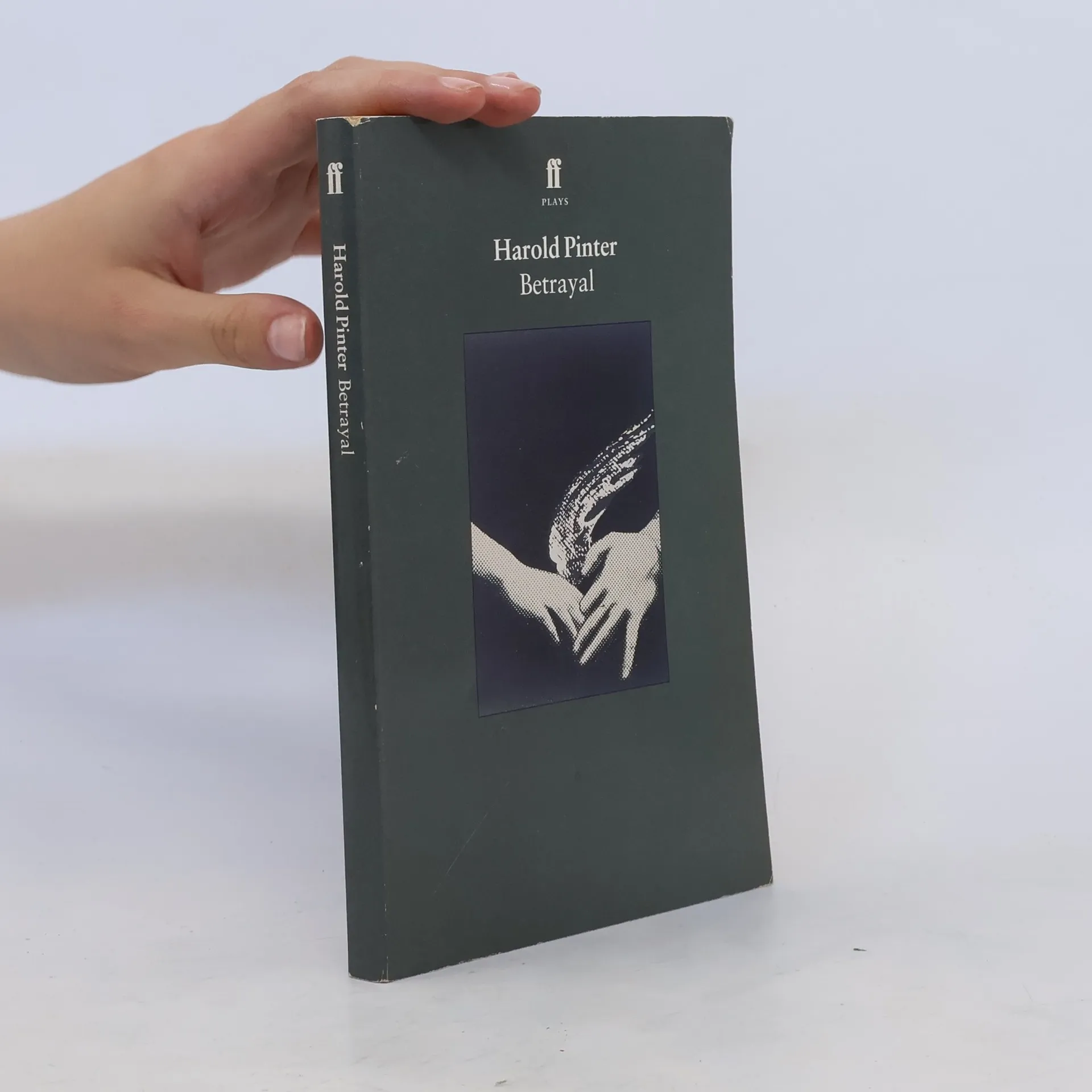
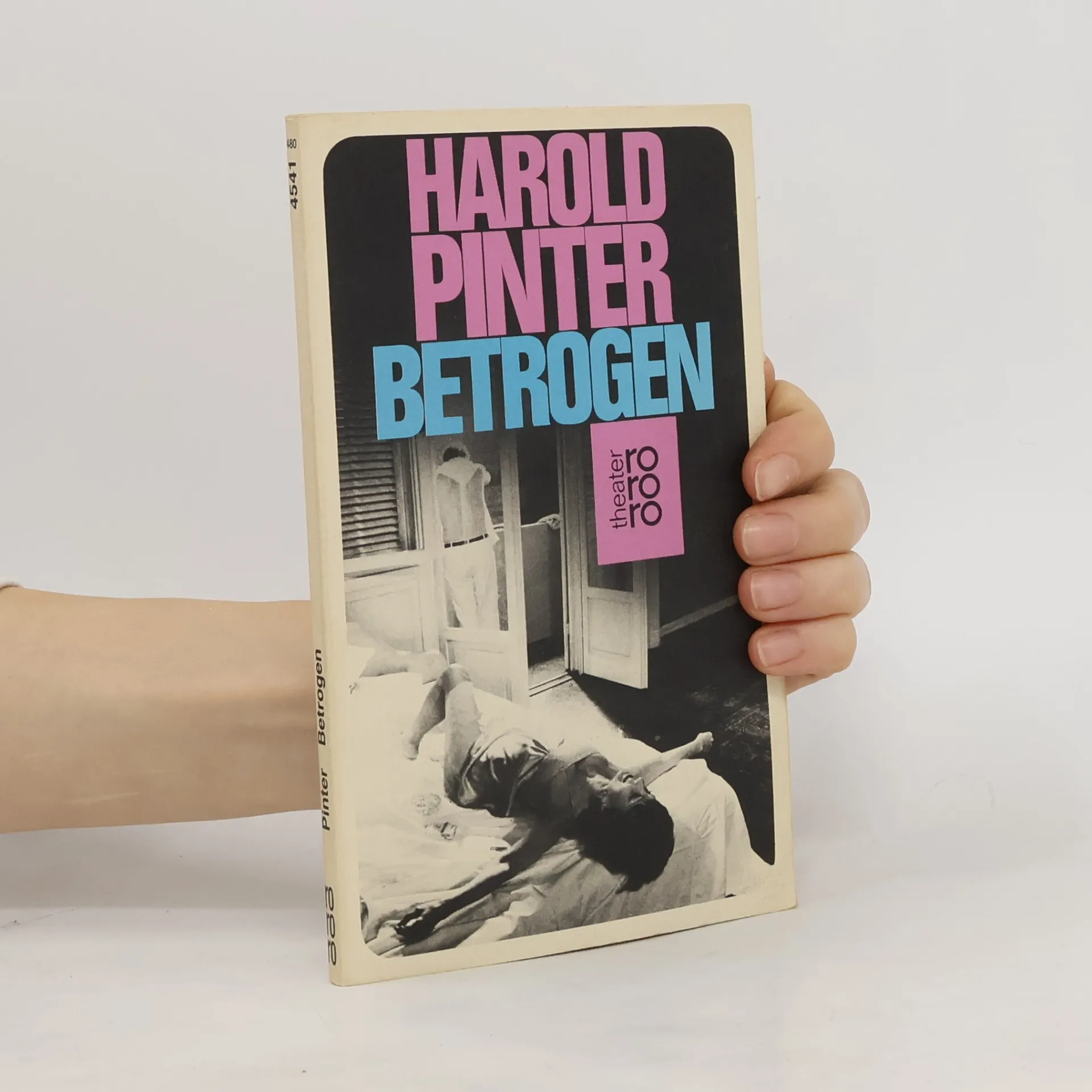
    • Betrayal is Pinter's latest full-length play since the enormous success of No Man's Land. The play begins in 1977, with a meeting between adulterous lovers, Emma and Jerry, two years after their affair has ended. During the nine scenes of the play, we move back in time, through the states of their affair, with the play ending in the house of Emma and Robert, her husband, who is Jerry's best friend.The classic dramatic scenario of the love triangle is manifest in a mediation on the themes of marital infidelity, duplicity, and self-deception. Pinter writes a world that simultaneously glorifies and debases love.

      Betrayal
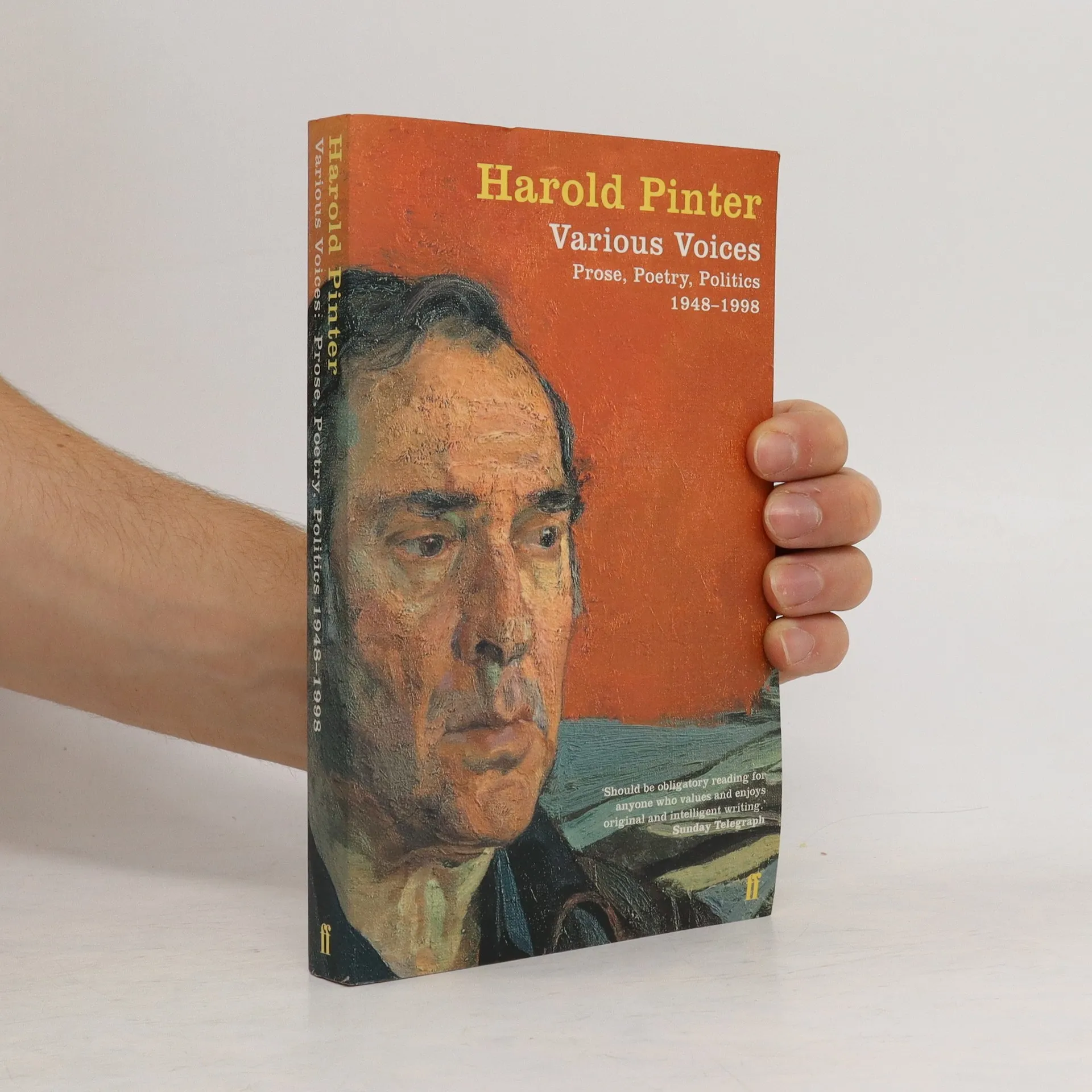
    • Various Voices

      • 224pagine
      • 8 ore di lettura

      Although best known for his plays, Harold Pinter has also written an extensive and wide-ranging body of other work since 1948; prose, prose fiction, poetry and political writings. In this anthology Pinter presents his own selection, among which are A Note on Shakespeare (1950), a paean to the cricketer Len Hutton (1969), the short stories Kullus (1949) and Girls (1995), the poetry from School Life (1948), and political pieces - including many letters to the press - on the United States, Cuba, Kurdistan and Nicaragua.

      Various Voices
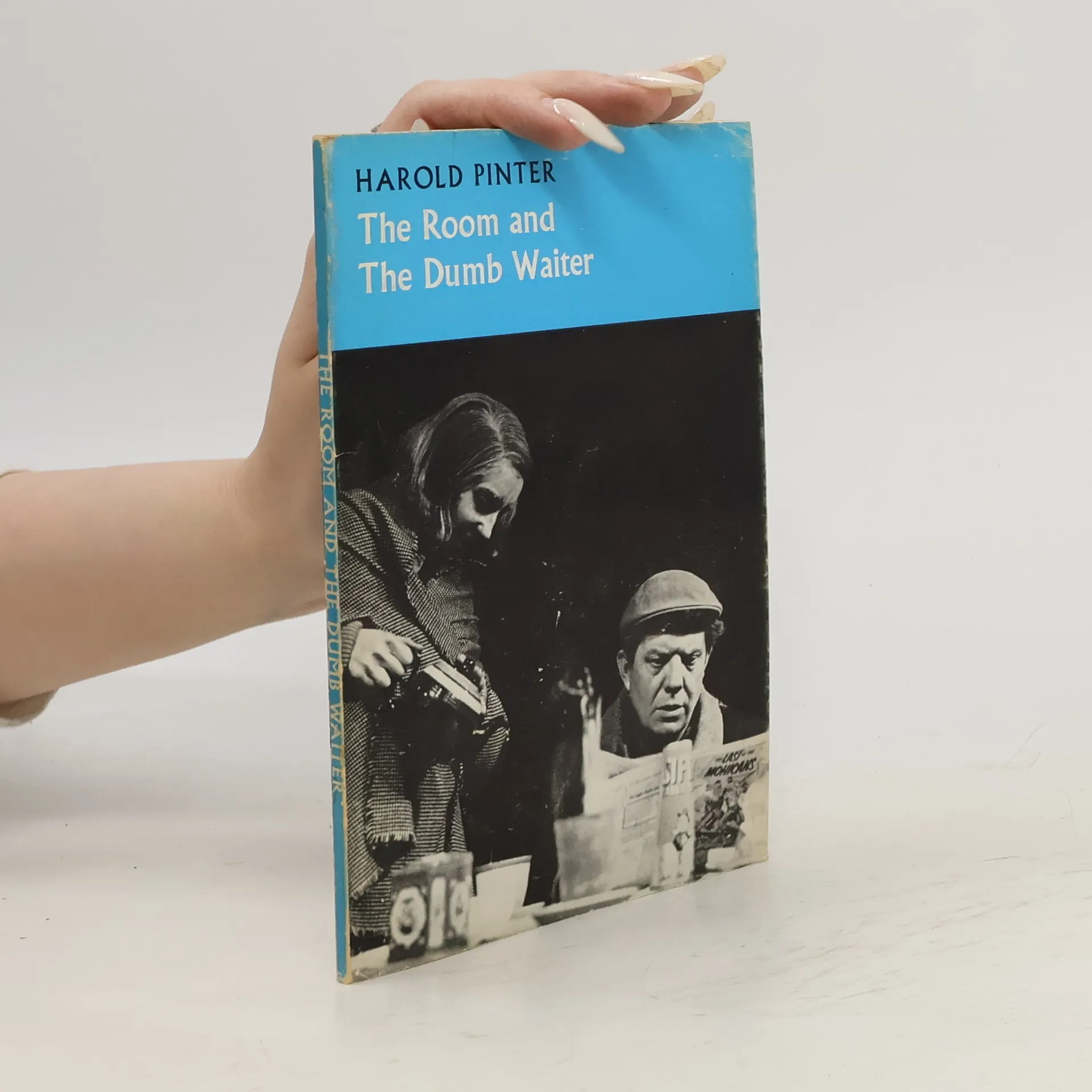
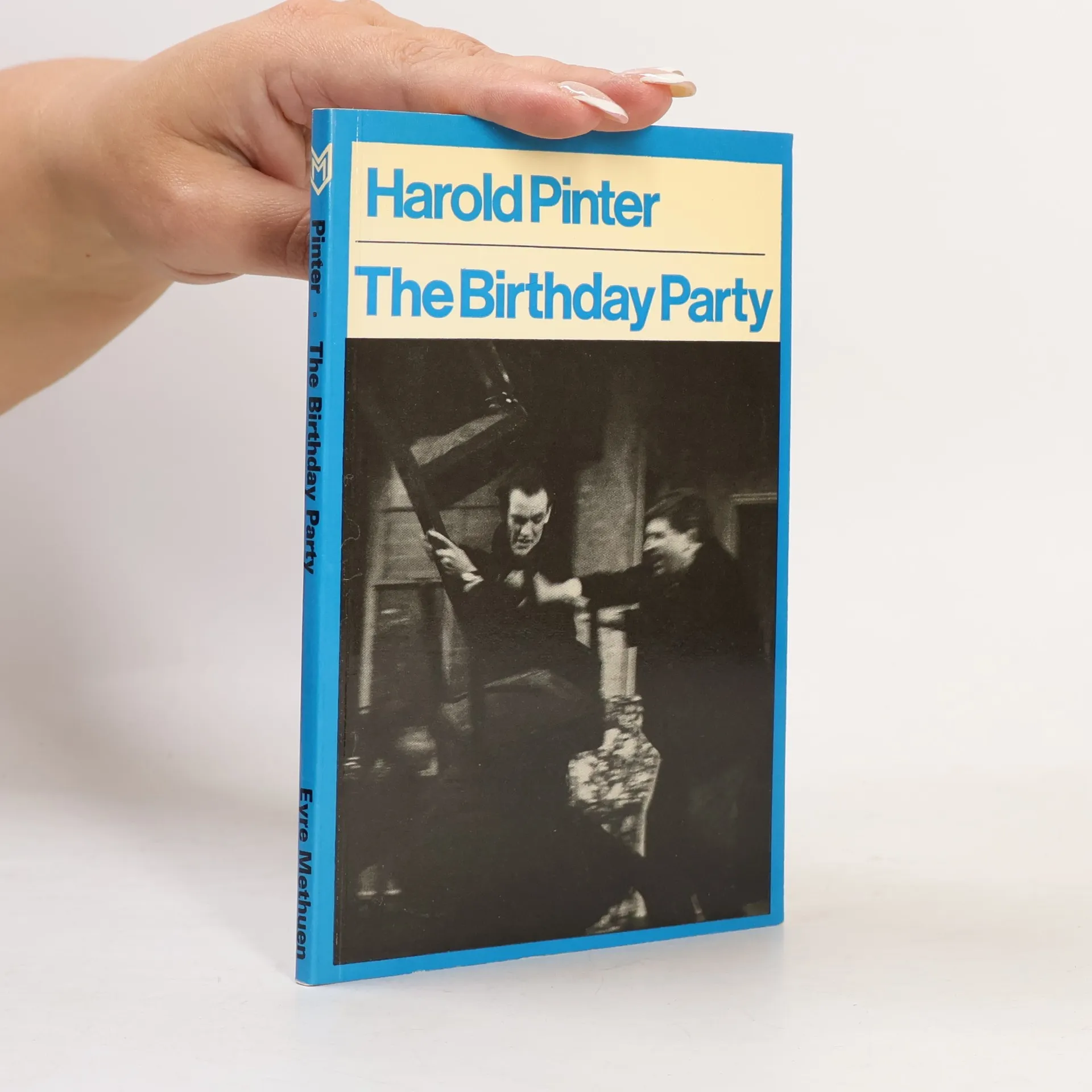
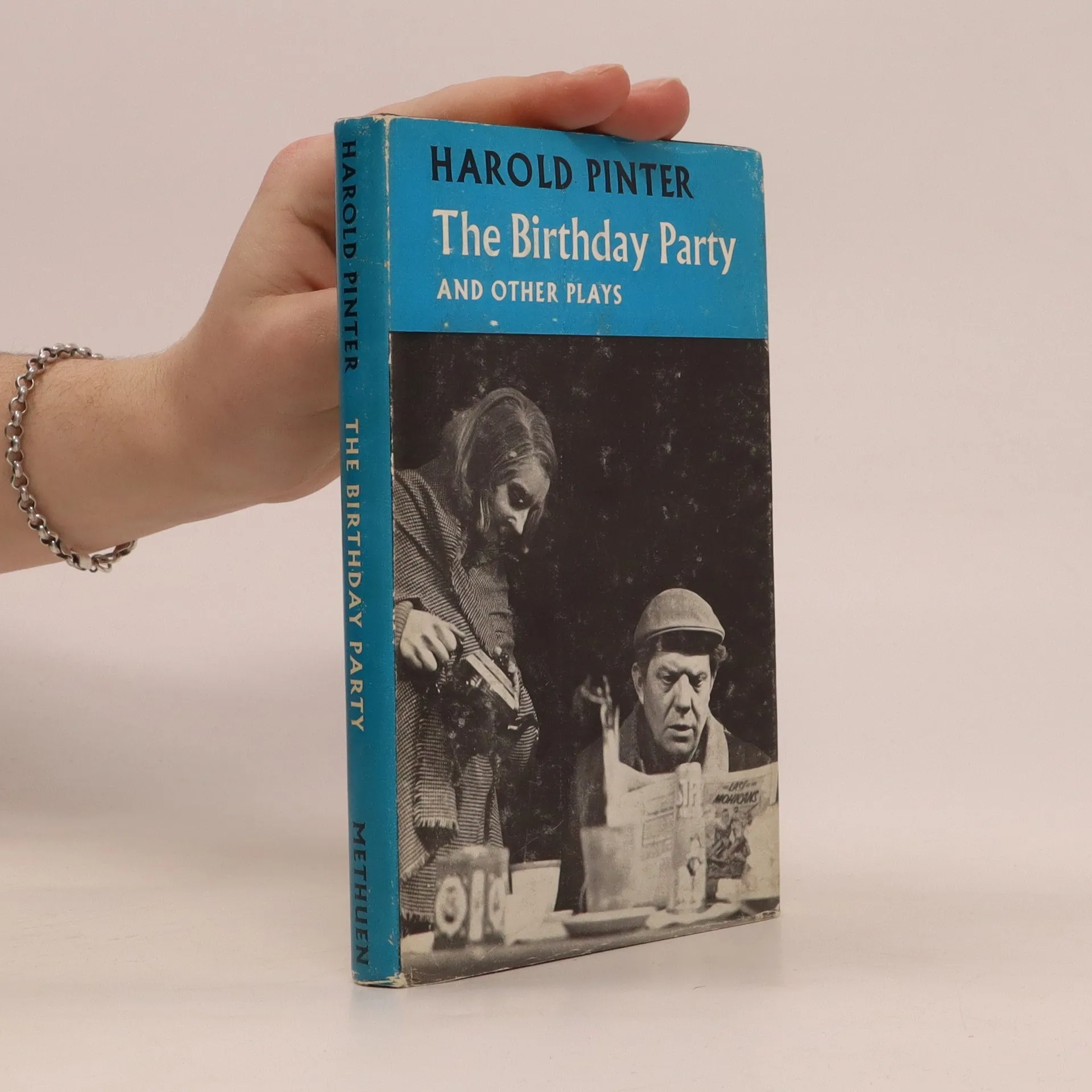
    • In "The Birthday Party", a musician becomes the victim of a ritual murder. Everyone implacably plays out the role assigned to them by fate. "The Room" becomes the scene of a visitation of fate when a blind Negro suddenly arrives to deliver a mysterious message.

      The Birthday Party, and The Room